
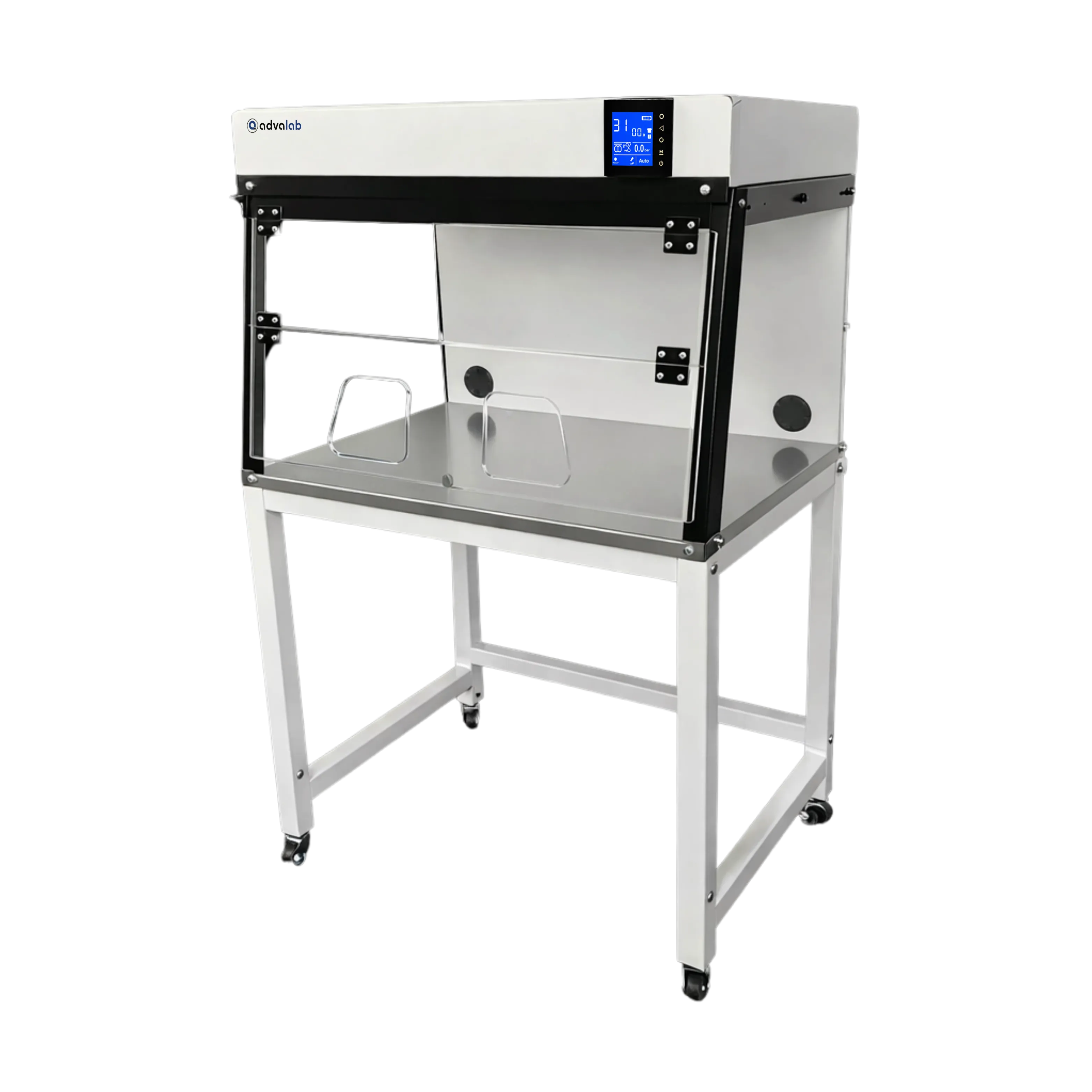
| External Dimension (L×B×H) | 1000×575×1360 mm |
| Internal Dimension (L×B×H) | 990×530×400 mm |
| Surface Wind Speed | 0.5 m/h |
| Frequency | 50 to 60 H |
| Air Treatment | 230 m³/h |
| Noise | 50 db |
| Electric Current | 10 A |
| Type of Filter | H14 |
| Fan Power | 48 W to 110 W |
| Clean Cabinet | MPPS test shows 99.995% filtration efficiency for particles ≥0.3 microns. |
| Work Top | 1.25 mm stainless steel worktop; non-conductive and corrosion resistant. |
| High-Efficiency Particle Filter | HEPA H14 filter ensures 99.995% efficiency for particles ≥0.3 µm. |
| Pre particle Filter | 40% filtration efficiency for particles >0.3 µm. |
Our Vertical Laminar Air Flow Cabinet ADVL-508 is used in microbiology labs, pharmaceutical and IVF clinics to provide a sterile, particle-free workspace for critical contamination-sensitive operations.

1. What is the primary function of the Vertical Laminar Air Flow Cabinet ADVL-508?
The primary function of the Vertical Laminar Air Flow Cabinet ADVL-508 is to create a sterile and particle-free workspace by delivering vertical laminar airflow filtered through a HEPA filter. This clean airflow protects samples and processes from contamination. It is commonly used in laboratories requiring aseptic conditions, such as microbiology, biotechnology, and pharmaceutical testing. The vertical airflow design minimizes cross-contamination and enhances operator comfort.
2. What type of filter is used in Vertical Laminar Air Flow Cabinet ADVL-508 and how effective is it?
The Vertical Laminar Air Flow Cabinet ADVL-508 is equipped with a high-efficiency HEPA filter, which removes 99.97% of particles as small as 0.3 microns. This ensures a sterile environment for all work conducted inside the cabinet. The filter is essential for preventing airborne contaminants from affecting sensitive processes. HEPA filtration is supported by a pre-filter that captures larger particles, extending the main filter’s life.
3. In which fields is the Vertical Laminar Air Flow Cabinet ADVL-508 typically used?
The Vertical Laminar Air Flow Cabinet ADVL-508 is widely used in biotechnology, pharmaceuticals, microbiology, electronics assembly, IVF labs, and research institutions. It is particularly useful in tasks that require a sterile working environment, such as DNA sequencing, sample plating, and cell culture. Its vertical laminar airflow ensures uniform air distribution, essential for contamination-sensitive work. This versatility makes it suitable for both industrial and academic settings. It’s also commonly used in food testing and cosmetic R&D labs.
4. What are the key features of the Vertical Laminar Air Flow Cabinet ADVL-508 cabinet?
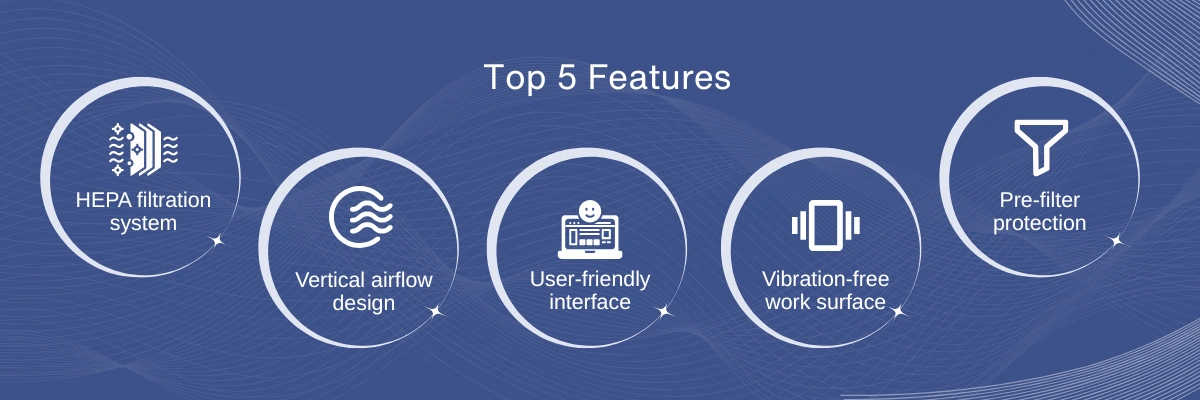
The Vertical Laminar Air Flow Cabinet ADVL-508 offers vertical laminar airflow, HEPA filtration, low noise operation, and a compact, ergonomic design. It typically features UV germicidal light, fluorescent lighting, and a stainless steel work surface for easy cleaning. The control panel allows for easy monitoring of airflow and filter status. Its energy-efficient blower system ensures consistent performance with reduced power consumption.
5. How does the Vertical Laminar Air Flow Cabinet ADVL-508 ensure user safety and sample protection?
The Vertical Laminar Air Flow Cabinet ADVL-508 directs clean air downward, away from the operator and towards the work surface, preventing backflow of contaminants. The HEPA-filtered environment ensures that the samples remain free from external particles or microorganisms. Built-in UV lights offer an additional level of sterilization when the cabinet is not in use. A front sash barrier provides a physical shield between the operator and the samples.
6. Can multiple people work in a Vertical Laminar Airflow cabinet?
Vertical Laminar Airflow cabinets are generally designed for one user. Multiple users can disrupt airflow patterns and increase the risk of contamination, unless it's a large unit built for team use.
7. Can a Vertical Laminar Airflow Cabinet protect the user?
No, a Vertical Laminar Airflow Cabinet is designed to protect the product, not the user. It does not offer protection against harmful chemicals or pathogens and is not a substitute for a biosafety cabinet.
8. How often should a Vertical Laminar Airflow Cabinet be serviced?
A Vertical Laminar Airflow Cabinet should be serviced, and the HEPA filter checked or replaced every 6 to 12 months, depending on usage and environmental conditions. Regular maintenance ensures optimal performance.
9. Can chemicals be used inside a Vertical Laminar Airflow Cabinet?
No, chemicals or volatile substances should not be used in a Vertical Laminar Airflow Cabinet. It is not designed to remove fumes or vapors and doing so may pose a safety risk.
10. How to properly clean a Vertical Laminar Airflow Cabinet?
To clean a Vertical Laminar Airflow Cabinet, use a lint-free cloth and a mild disinfectant. Always clean from the top to bottom and avoid blocking the airflow grills during cleaning.
11. What certifications are important for a Vertical Laminar Airflow Cabinet?
A Vertical Laminar Airflow Cabinet should comply with international standards like ISO 14644-1 for cleanrooms and NSF/ANSI 49 where applicable. Certification ensures quality and performance standards are met.
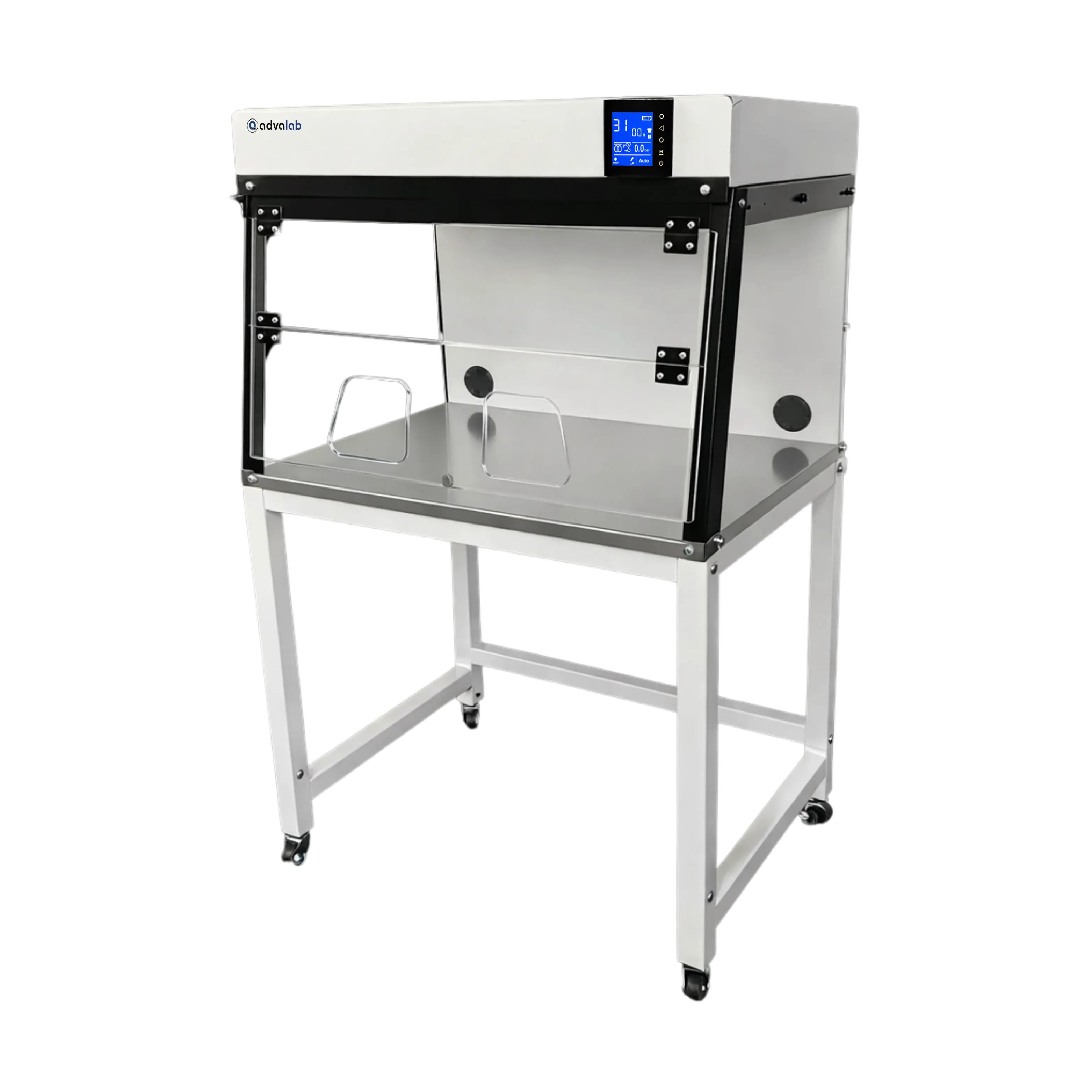
| External Dimension (L×B×H) | 800×575×1360 mm |
| Internal Dimension (L×B×H) | 790×530×400 mm |
| Surface Wind Speed | 0.5 m/h |

| External Dimension (L×B×H) | 500×575×580 mm |
| Internal Dimension (L×B×H) | 490×530×400 mm |
| Surface Wind Speed | 0.5 m/h |
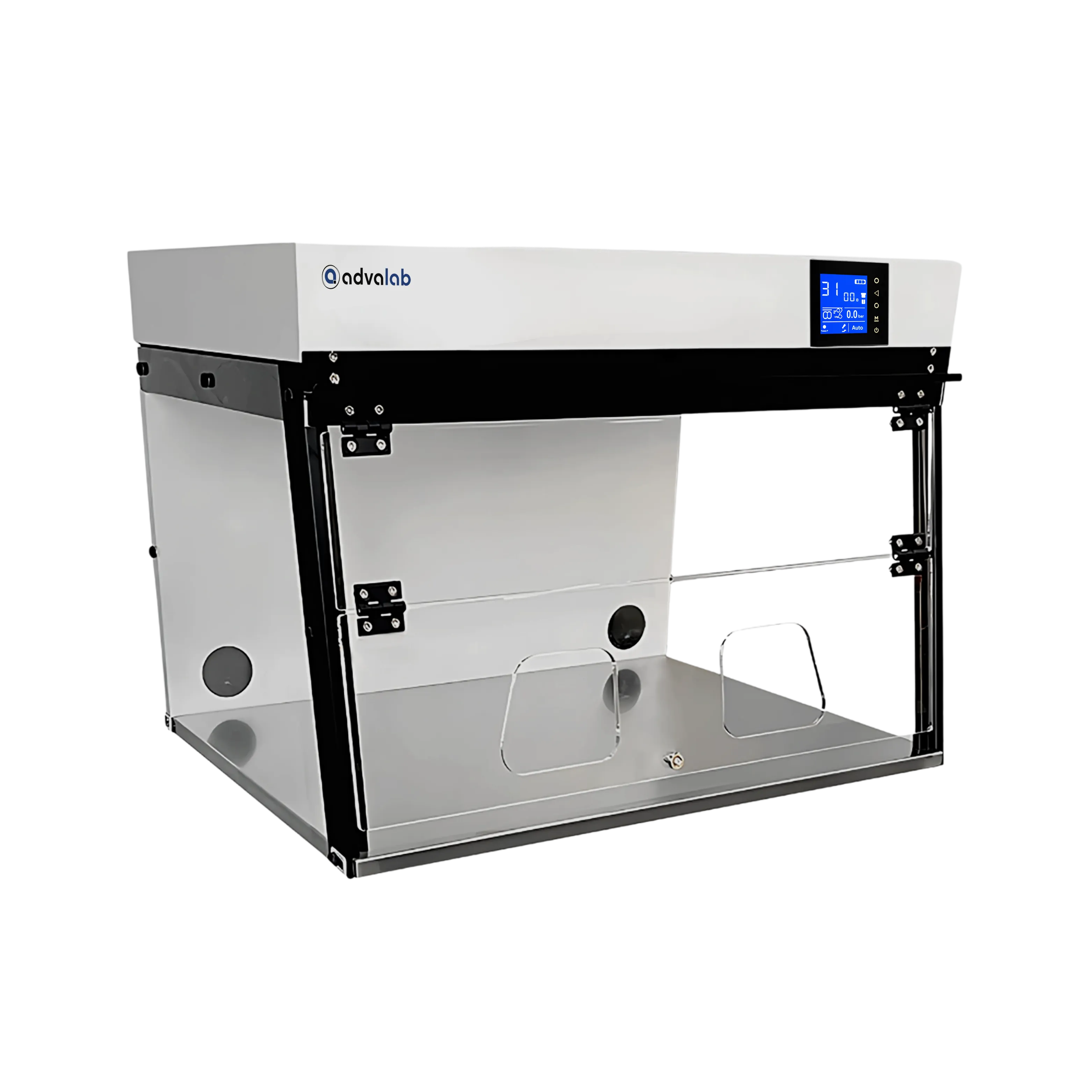
| External Dimension (L×B×H) | 1000×575×580 mm |
| Internal Dimension (L×B×H) | 990×530×400 mm |
| Surface Wind Speed | 0.5 m/h |
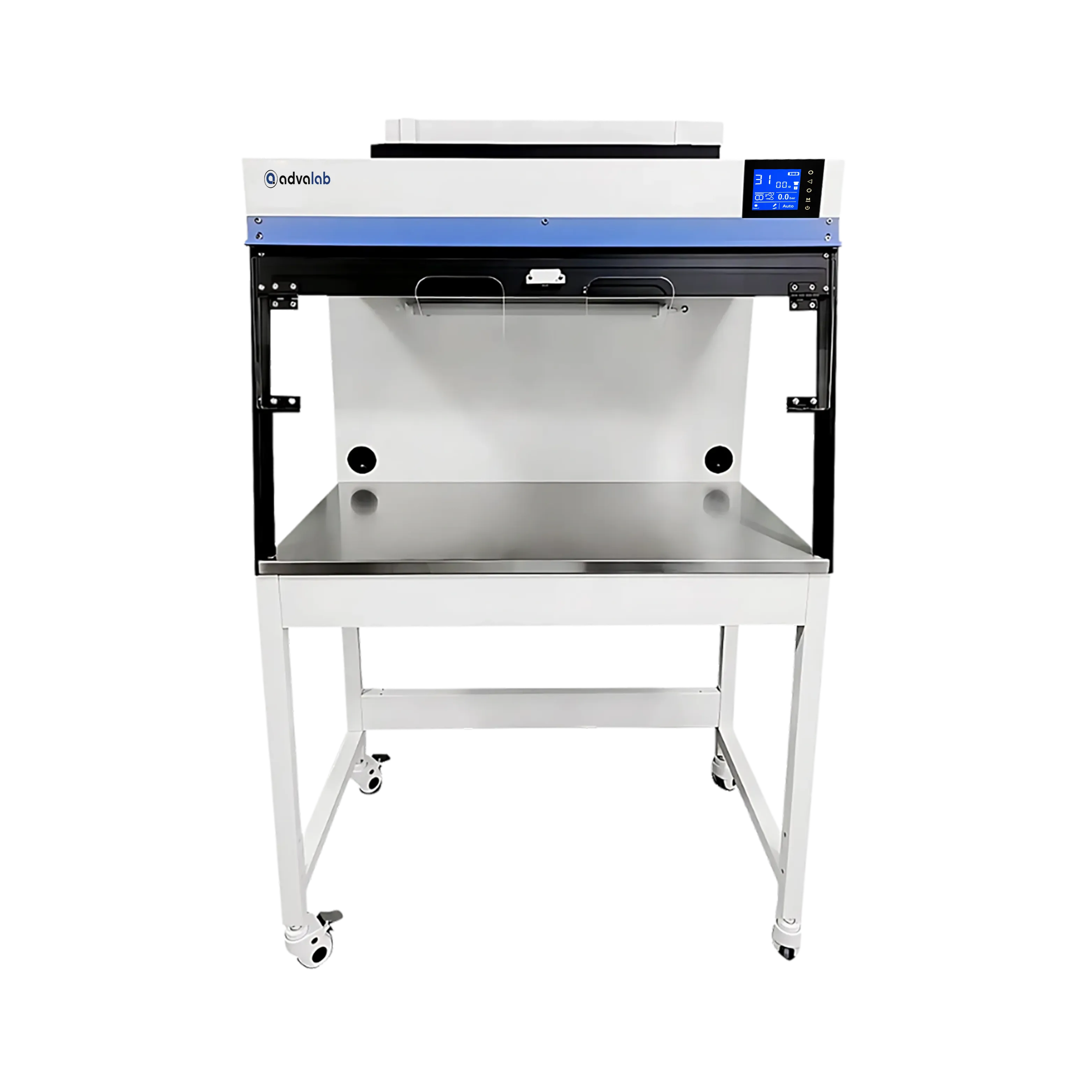
| External Dimension (L×B×H) | 600×550×1600 mm |
| Internal Dimension (L×B×H) | 550×500×460 mm |
| Surface Wind Speed | 0.5 m/h |

| Velocity: | 0.3 to 0.6 m/s |
| Half Peak Amplitude: | ≤ 3µm |
| Number of Colonies: | ≤ 0.5 dish/hr |
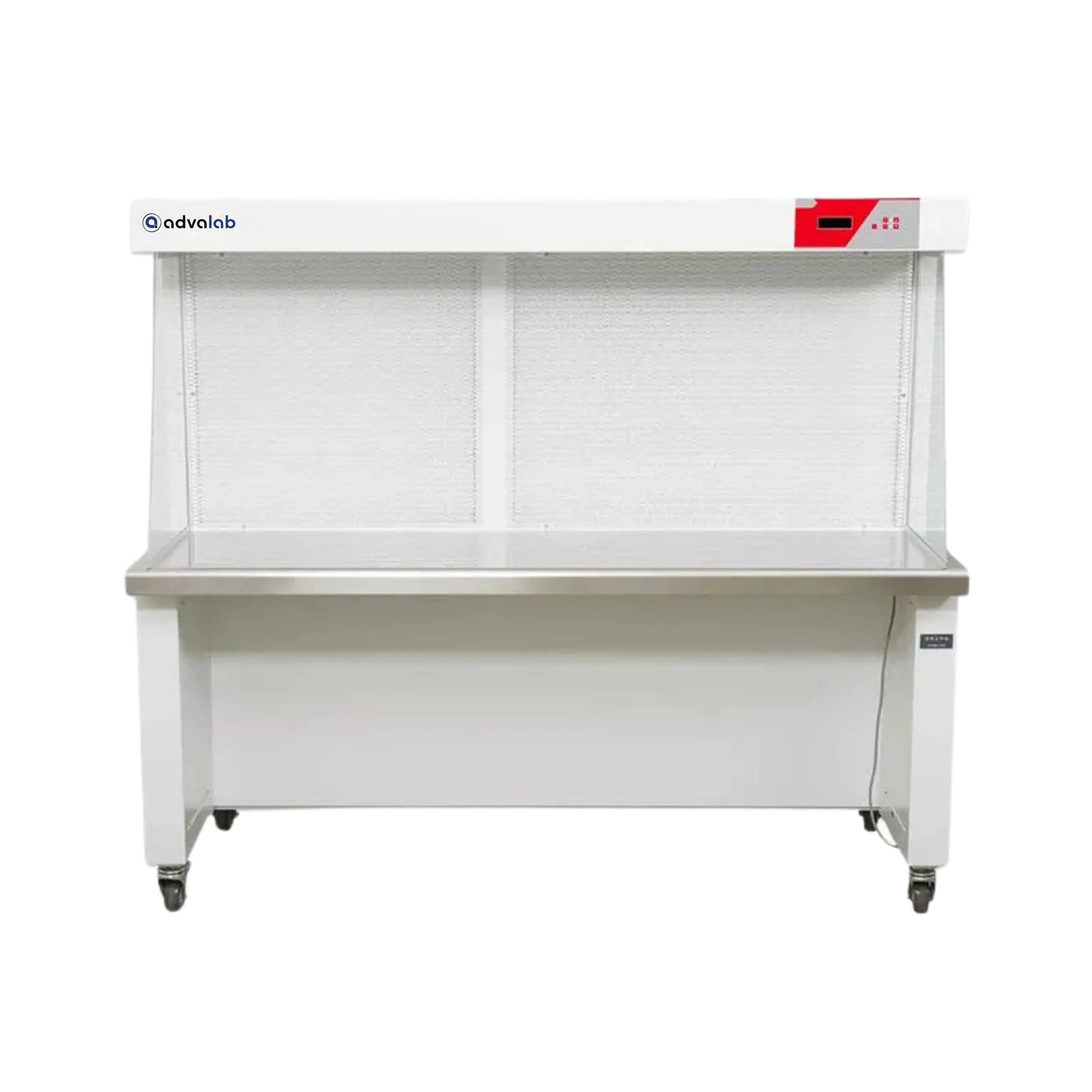
| Internal Dimensions (W×D×H): | 1570×480×570 mm |
| Exterior Dimensions (W×D×H): | 1570×790×1380 mm |
| Airflow Direction: | Horizontal |

| Velocity: | 0.3 to 0.6 m/s |
| Half Peak Amplitude: | ≤ 3µm |
| Number of Colonies: | ≤ 0.5 dish/hr |

| Velocity: | 0.3 to 0.6 m/s |
| Half Peak Amplitude: | ≤ 3µm |
| Number of Colonies: | ≤ 0.5 dish/hr |

| Velocity: | 0.3 to 0.6 m/s |
| Half Peak Amplitude: | ≤ 3µm |
| Number of Colonies: | ≤ 0.5 dish/hr |
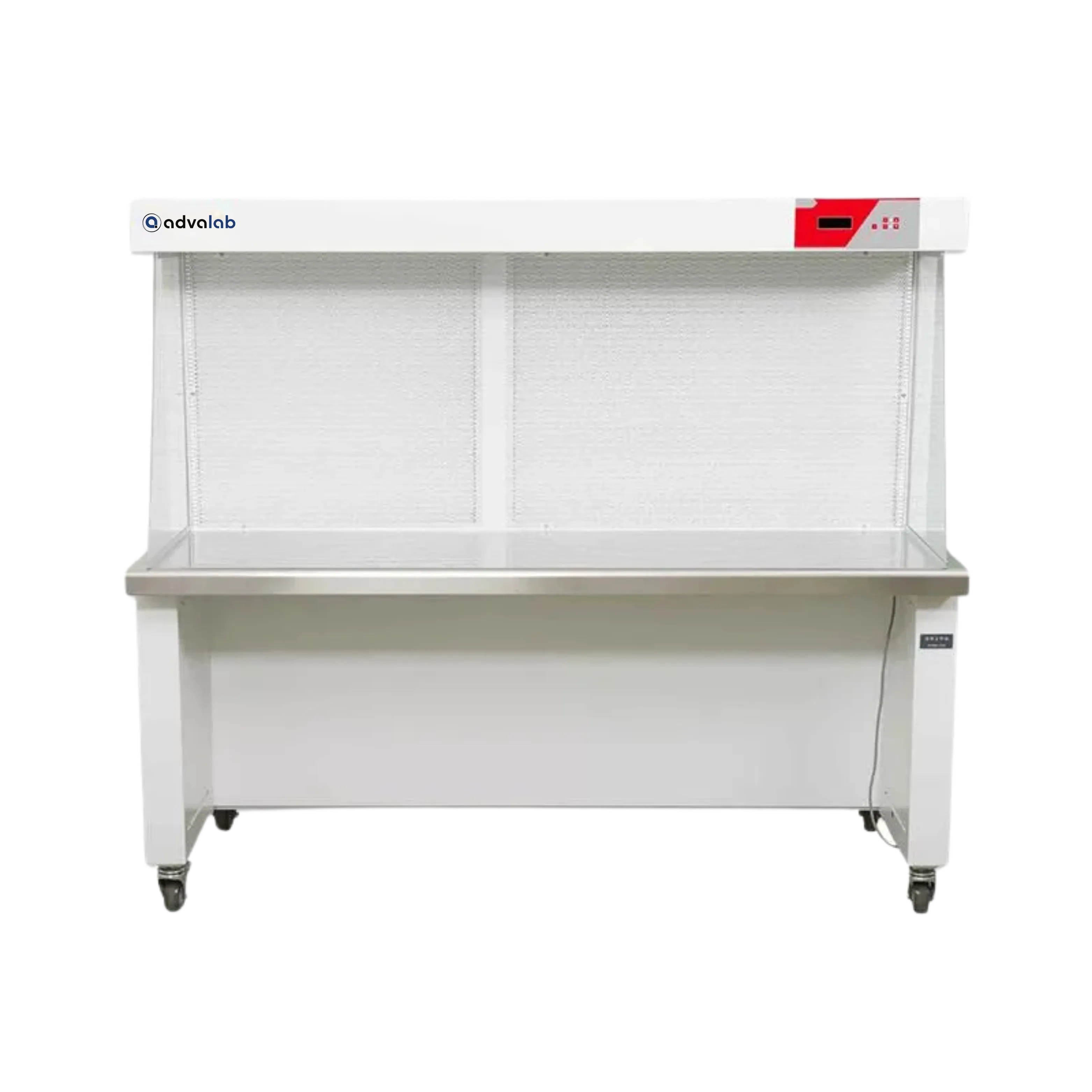
| Internal Dimensions (W×D×H): | 910×480×570 mm |
| Exterior Dimensions (W×D×H): | 910×790×1380 mm |
| Airflow Direction: | Horizontal |