

| Head | Monocular |
| Eyepiece |
WF10X Large field of view eyepiece |
| Focusing Mechanism |
Coaxial coarse and fine adjustment Focusing range: 30 mm Fine scale: 0.002 mm |
| Objective | Achromatic 4X, 10X, 40X (spring), 100X (spring, oil immersion) |
| Condenser | NA=1.25 Abbe condenser with variable diaphragm and colour filter |
| Stage |
Double-layer movable platform size: 115×125mm |
Biological Microscope ADBM-509 is used for examining cells, tissues, and microorganisms in academic and laboratory settings. It is commonly used in education, clinical diagnostics, and biological research.


1. What type of illumination is used in Biological Microscope ADBM-509?
Biological Microscope ADBM-509 features a LED lamp, providing bright and stable lighting for clear observation. This ensures clear visibility and accurate observation during extended microscope use.
2. What type of observation head does Biological Microscope ADBM-509 have?
Biological Microscope ADBM-509 features a monocular observation head that allows single-eye viewing. It offers a simple and efficient design ideal for educational settings, routine lab work, and basic biological analysis.
3. Does Biological Microscope ADBM-509 support oil immersion?
Yes, Biological Microscope ADBM-509 features a 100X spring-loaded objective lens compatible with immersion oil, allowing clear, high-resolution observation of fine cellular details, making it suitable for clinical, educational, and laboratory use.
4. What are the magnification levels of Biological Microscope ADBM-509?
Biological Microscope ADBM-509 includes achromatic objectives of 4X, 10X, 40X (spring), and 100X (spring, oil) paired with a WF10X eyepiece, providing a versatile magnification range suitable for observing a variety of biological specimens in detail.
5. What are the common uses of the Biological Microscope ADBM-509?
Biological Microscope ADBM-509 is commonly used in educational institutions, clinical laboratories, and research settings. It is ideal for examining cells, tissues, and microorganisms in biology, pathology, and routine lab analysis.
6. What is a Biological Microscope used for?
Biological microscope is used to observe and study specimens that are too small to be seen with the naked eye. These include cells, tissues, bacteria, protozoa, algae, fungi, and other microscopic organisms. It allows scientists, students, and medical professionals to explore the fine structure and internal organization of biological materials, aiding in accurate analysis and diagnosis.
7. Are Biological Microscopes suitable for students?
Yes, Biological Microscopes are highly suitable for students, especially when learning biology or life sciences. They offer clear magnification levels perfect for observing plant cells, microorganisms, and prepared slides. They help students develop practical skills in microscopy, deepening their understanding of biological structures and scientific observation.
8. What is the magnification capability of a Biological Microscope?
Biological Microscopes are designed to provide a wide range of magnification suitable for viewing various microscopic specimens, from large cells to fine structural details. This magnification is achieved through a combination of eyepiece lenses and objective lenses, which work together to enlarge the image of the sample. Ideal for educational use, clinical diagnostics and research where different levels of magnification are needed for different tasks.
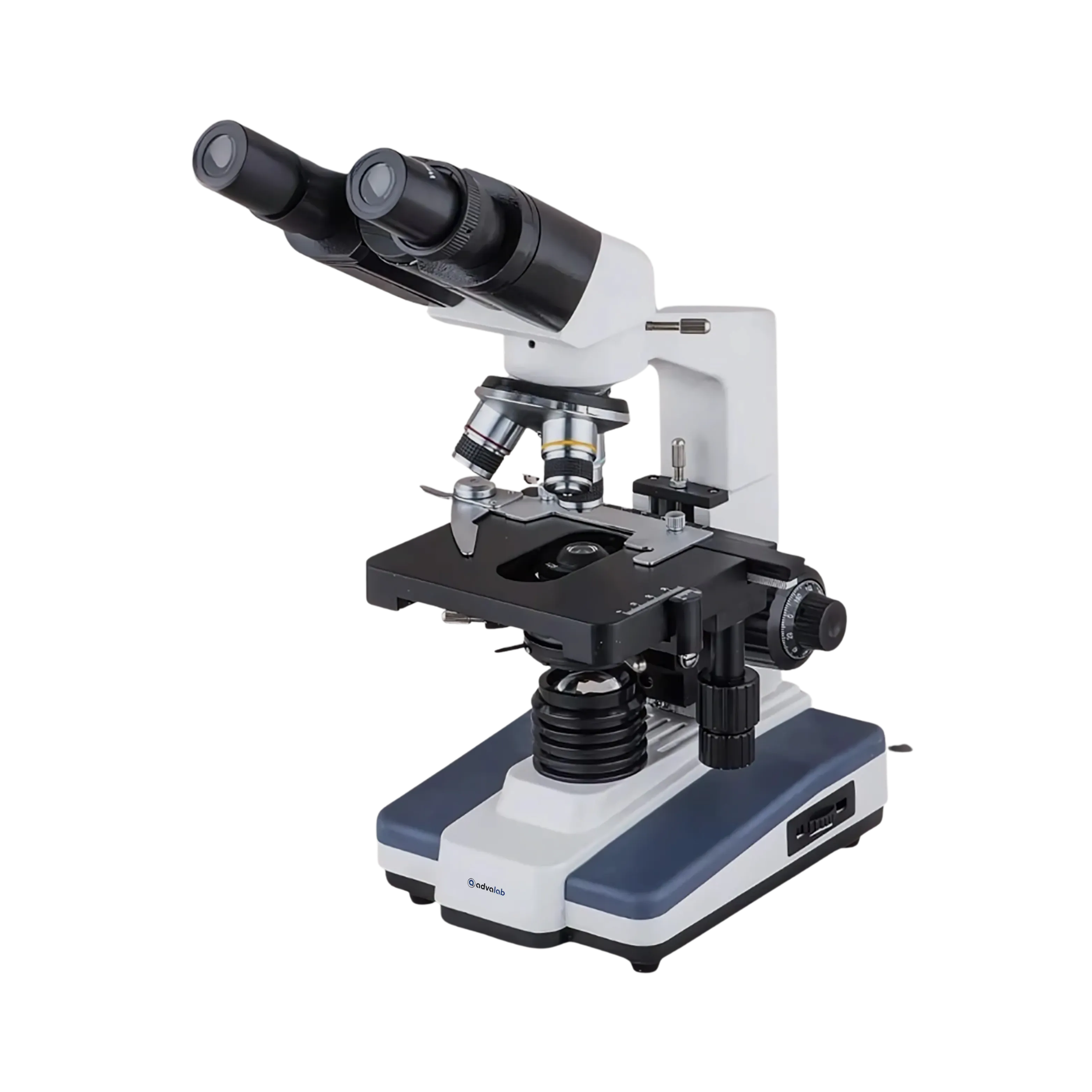
| Head | Hinged binocular head |
| Eyepiece |
WF10X Large field of view eyepiece |
| Focusing Mechanism |
Coaxial coarse and fine adjustment Focusing range: 30 mm Fine scale: 0.002 mm |
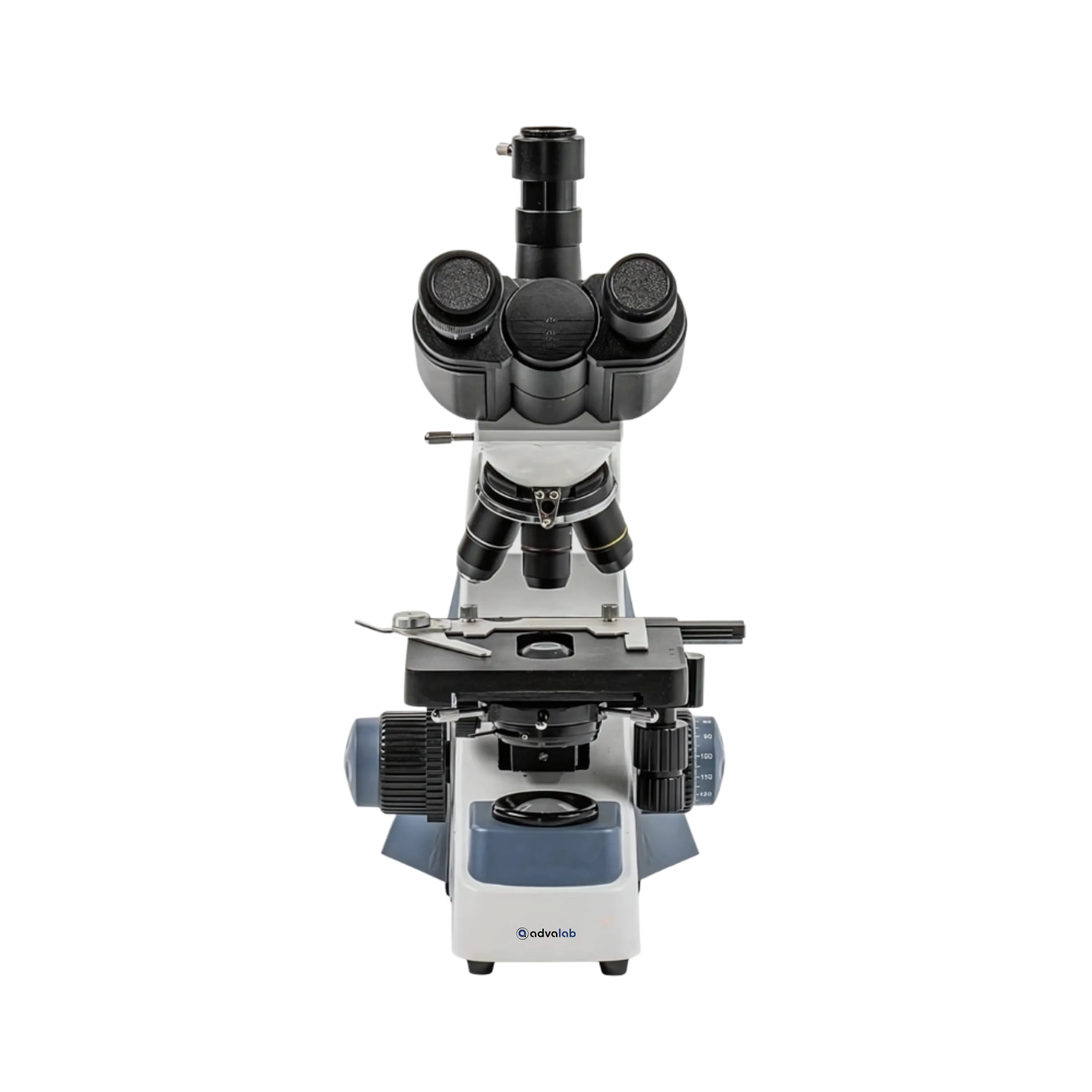
| Observation Head | Trinocular |
| Eyepiece |
WF10X Large field of view eyepiece |
| Focusing Mechanism |
Focusing range: 30 mm Fine scale: 0.002 mm |

| Observation Head |
Dual viewing head One 30° inclined, another vertical 360° rotatable |
| Eyepiece | WF10X |
| Objective Lenses | Achromatic 4x, 10x, 40x (spring) |

| Head | Monocular |
| Eyepiece |
WF10X Large field of view eyepiece |
| Focusing Mechanism |
Coaxial coarse and fine adjustment Focusing range: 30 mm Fine scale: 0.002 mm |