
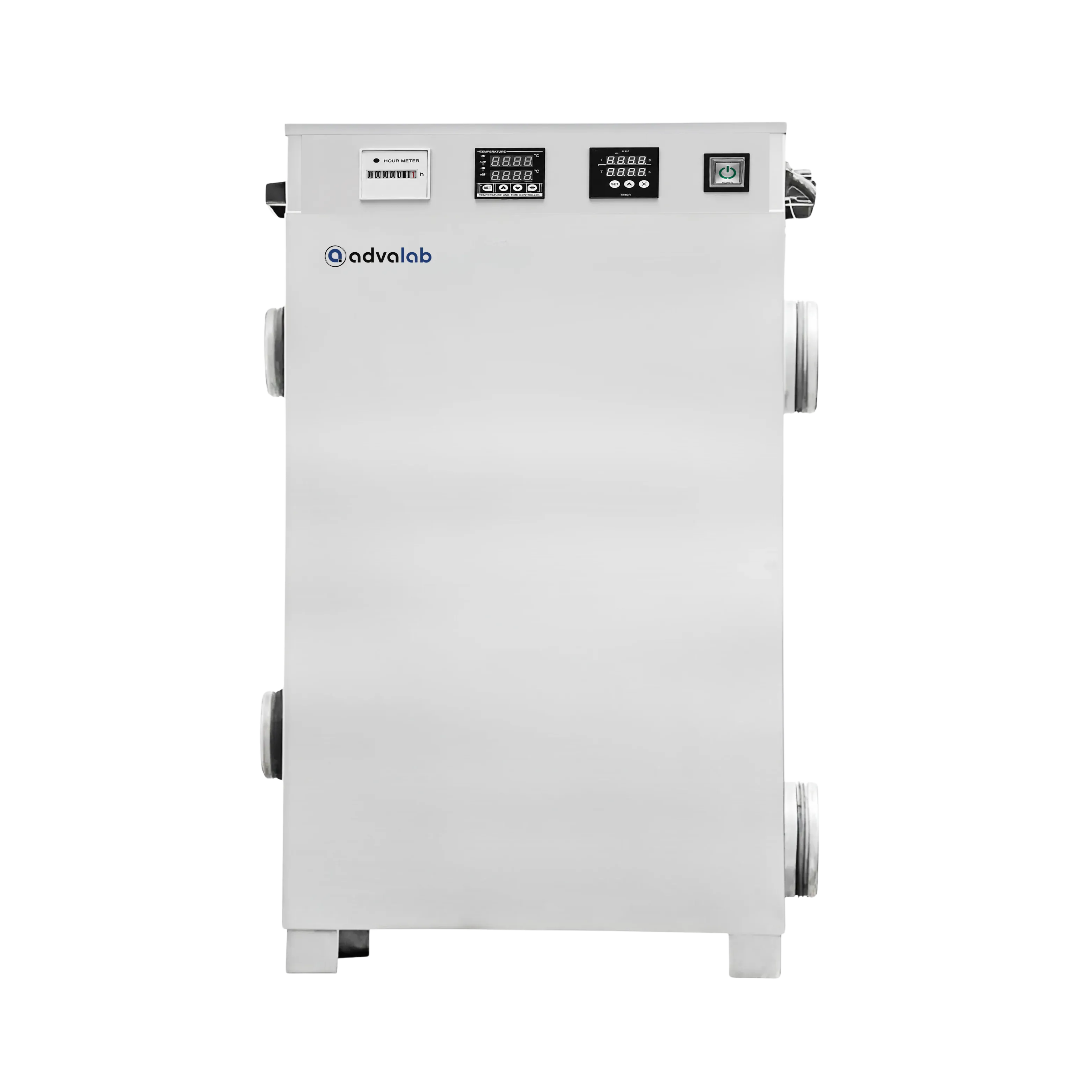
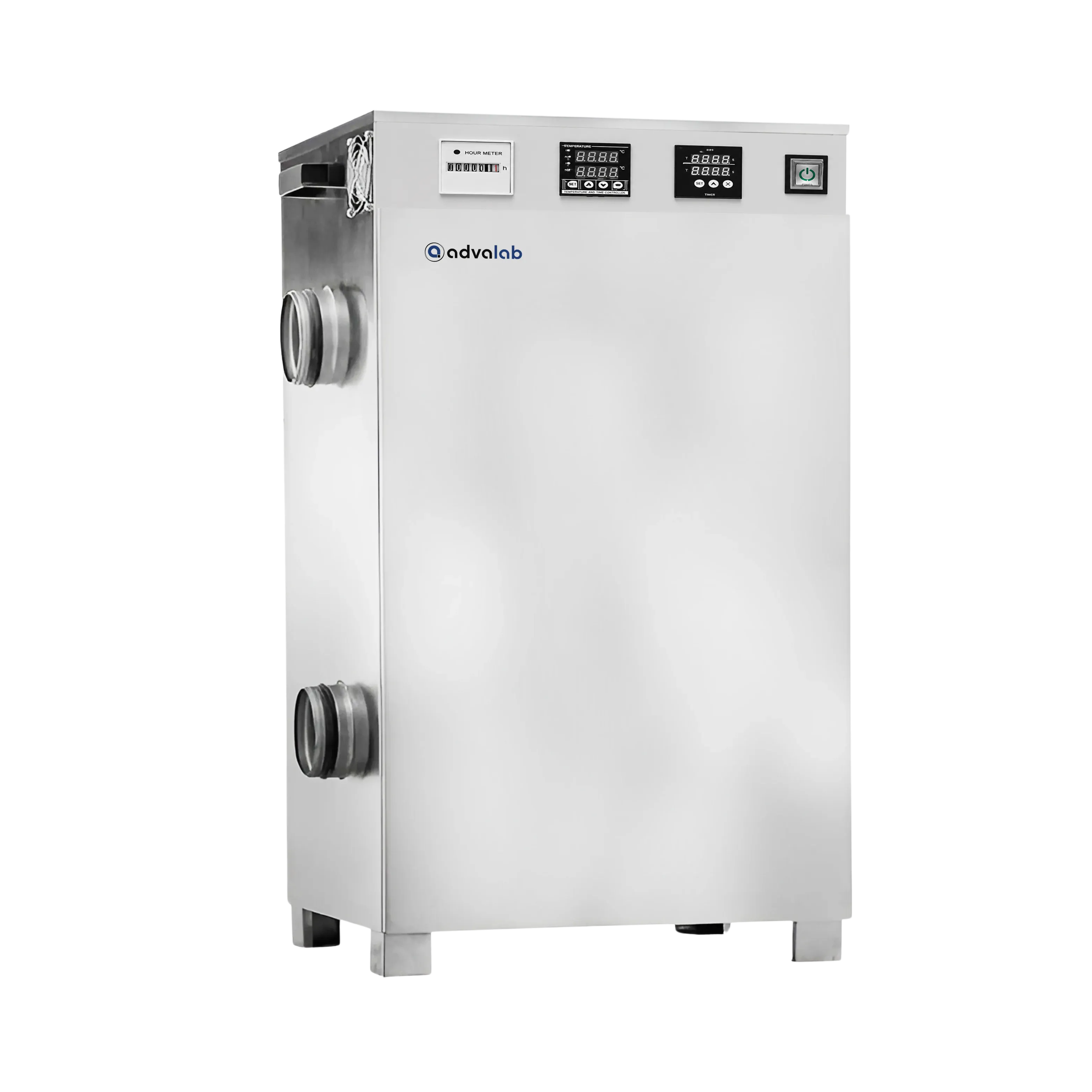
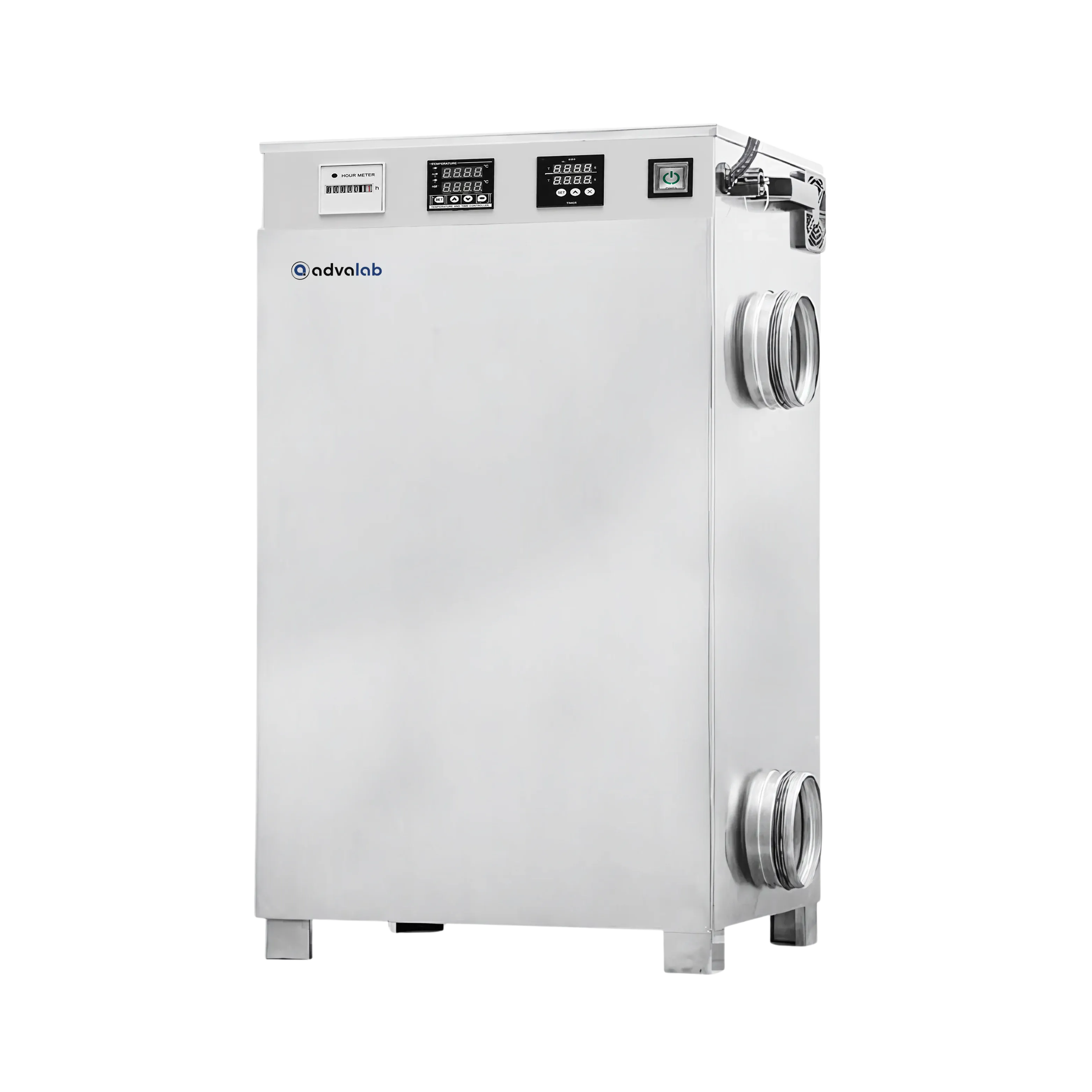
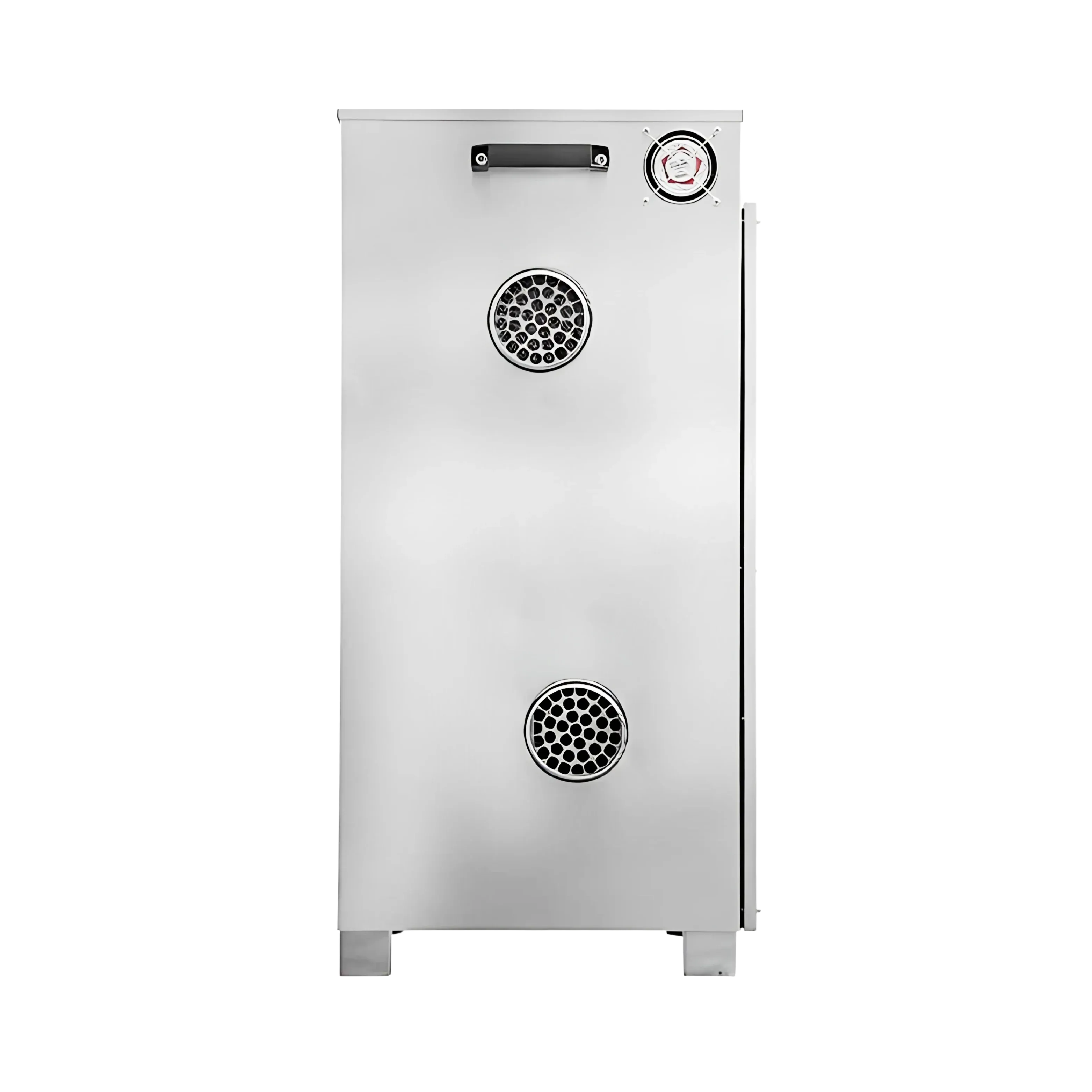
| Dehumidifying Capacity | 3 kg/h (at 20°C, 60% RH) |
| Work Temperature | -20°C to 50°C |
| Air Circulation | 600 m³/h |
| Current | 23 A |
| Scope of Application | Industrial warehouses, large manufacturing units, turbine drying, power stations |
| Power Consumption | 5.1 kW |
| Dimensions (L × W × H) | 505 × 420 × 866 mm |
| Weight | 70 kg |
The Desiccant Dehumidifier ADDHU-503 provides high-efficiency humidity control for large industrial environments. It is ideal for warehouse storage and decommissioned turbine drying; it maintains optimal conditions in both hot and cold climates.


1. What sets the Desiccant Dehumidifier ADDHU-503 apart from conventional models?
The Desiccant Dehumidifier ADDHU-503 integrates advanced heat recovery technology that reuses waste heat from the exhaust to assist in desiccant rotor reactivation, reducing energy use while delivering stable, cool, and dry air. Its design excels in industrial-scale air handling and is particularly effective in low-temperature conditions where refrigerant-based systems fail.
2. Can the Desiccant Dehumidifier ADDHU-503 operate in harsh environments?
Yes. Engineered for a temperature range of –20°C to +50°C, the Desiccant Dehumidifier ADDHU-503 features IP44 protection, robust circuit breakers, and a shock-absorbing structure, allowing it to run reliably in environments with vibration, dust, and varying climatic conditions.
3. Is the Desiccant Dehumidifier ADDHU-503 suitable for power plant and turbine applications?
Absolutely. The Desiccant Dehumidifier ADDHU-503 is commonly used for delivering ultra-dry, contaminant-free air into decommissioned turbines, pipelines, and control systems, preventing corrosion, oxidation, and electrical issues during maintenance or shutdown.
4. How does the heat recovery system benefit energy consumption?
The Desiccant Dehumidifier ADDHU-503 features an energy-reuse design that captures heat from the exhaust stream and channels it into the reactivation process. This significantly reduces the load on external heaters, resulting in lower energy bills, reduced carbon footprint, and improved operational efficiency compared to conventional desiccant units.
5. How is maintenance managed for the Desiccant Dehumidifier ADDHU-503?
The Desiccant Dehumidifier ADDHU-503 is built for minimal service requirements. Accessible panels, corrosion-resistant materials, and sealed airflow paths ensure reduced wear and easy servicing. Safety features such as circuit breakers and leakage protection further extend its operational lifespan while lowering maintenance frequency.
6. What is the role of a Desiccant Dehumidifier in low-temperature industrial and laboratory settings?
A Desiccant Dehumidifier effectively controls humidity in cold and moisture-sensitive spaces. It uses adsorption technology, not refrigeration, to remove moisture even at sub-zero temperatures. This prevents microbial growth, material degradation, and condensation, making it essential for pharmaceuticals, electronics, and medical storage.
7. What are the advantages of using a Desiccant Dehumidifier?
Desiccant dehumidifiers perform reliably in cold or low-humidity conditions where refrigerant models are less effective. They operate quietly, have fewer moving parts, and require less maintenance. Capable of achieving lower humidity levels, they’re ideal for sensitive environments like pharmaceuticals, electronics, food processing, and storage areas.
8. How does desiccant dehumidification extend equipment and product lifespan?
By maintaining ultra-low humidity levels, desiccant dehumidifiers prevent rust, mold, and moisture damage. They protect sensitive equipment, pharmaceuticals, and stored goods. This improves reliability, reduces downtime, and preserves product efficacy and safety across applications.
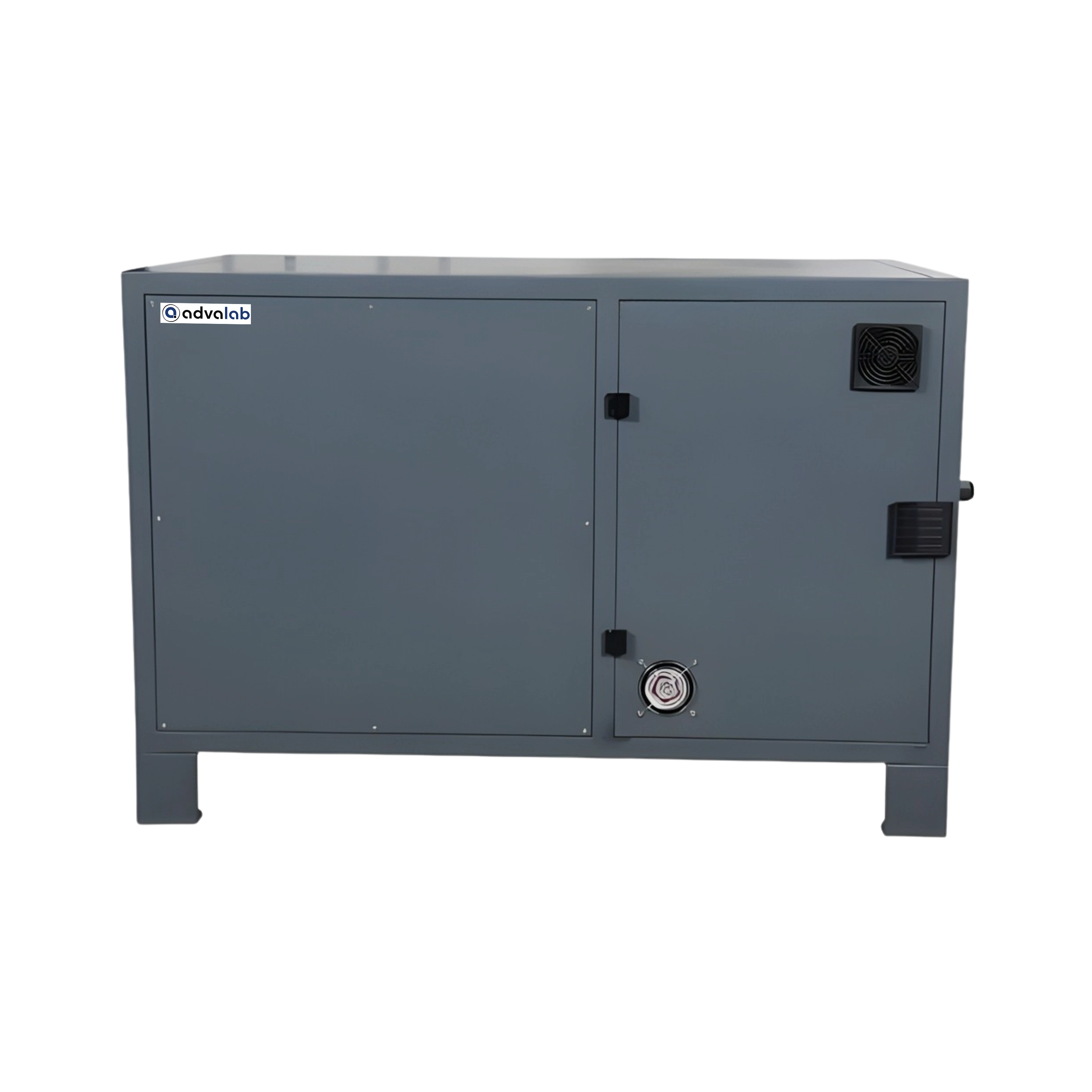
| Dehumidifying Capacity | 0.6 kg/h (at 20°C, 60% RH) |
| Work Temperature | -20°C to 50°C |
| Air Circulation | 210 m³/h |
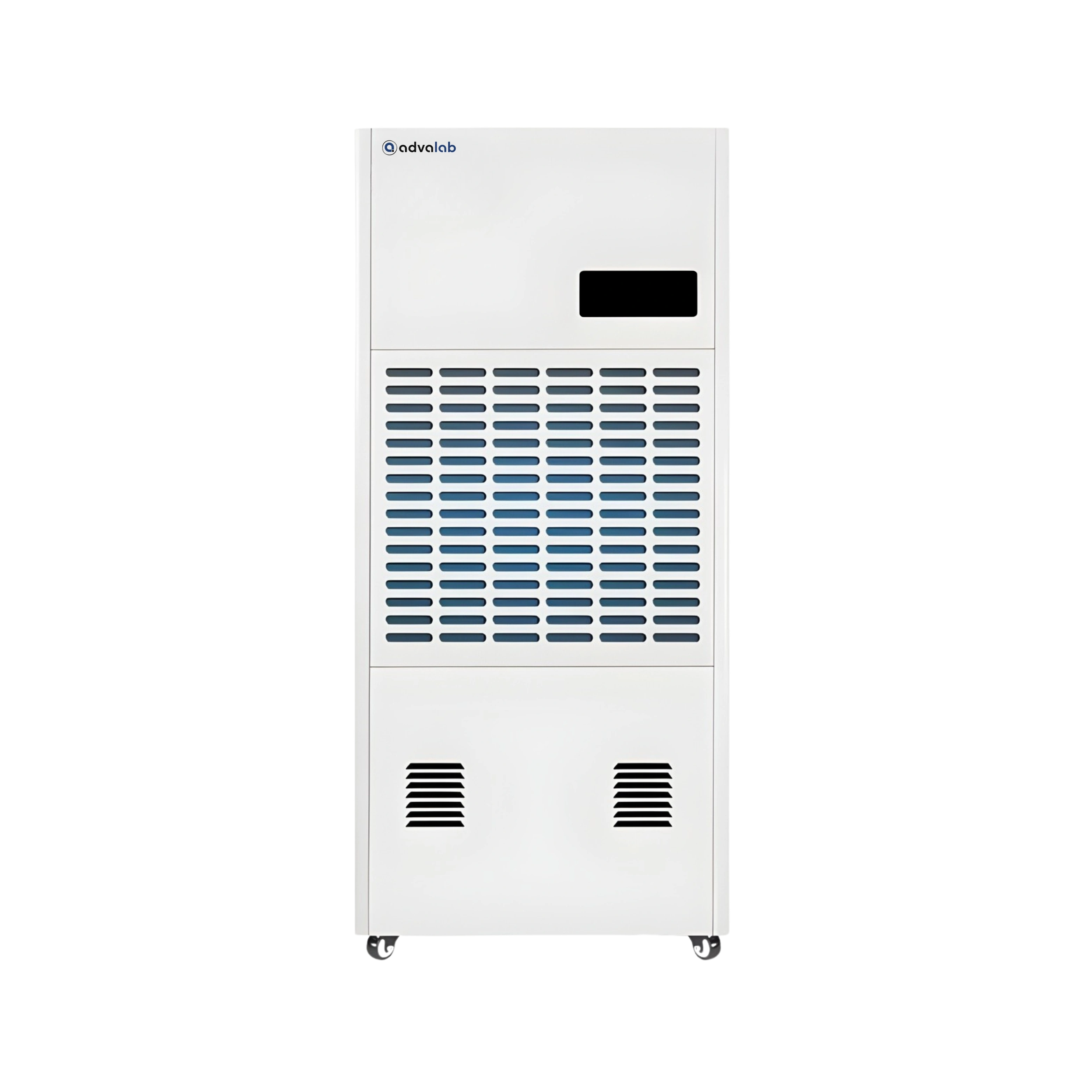
| Dehumidifying Capacity | 192L/D |
| Work Temperature | 5 to 38℃ |
| Air Circulation | 930 m³/h |
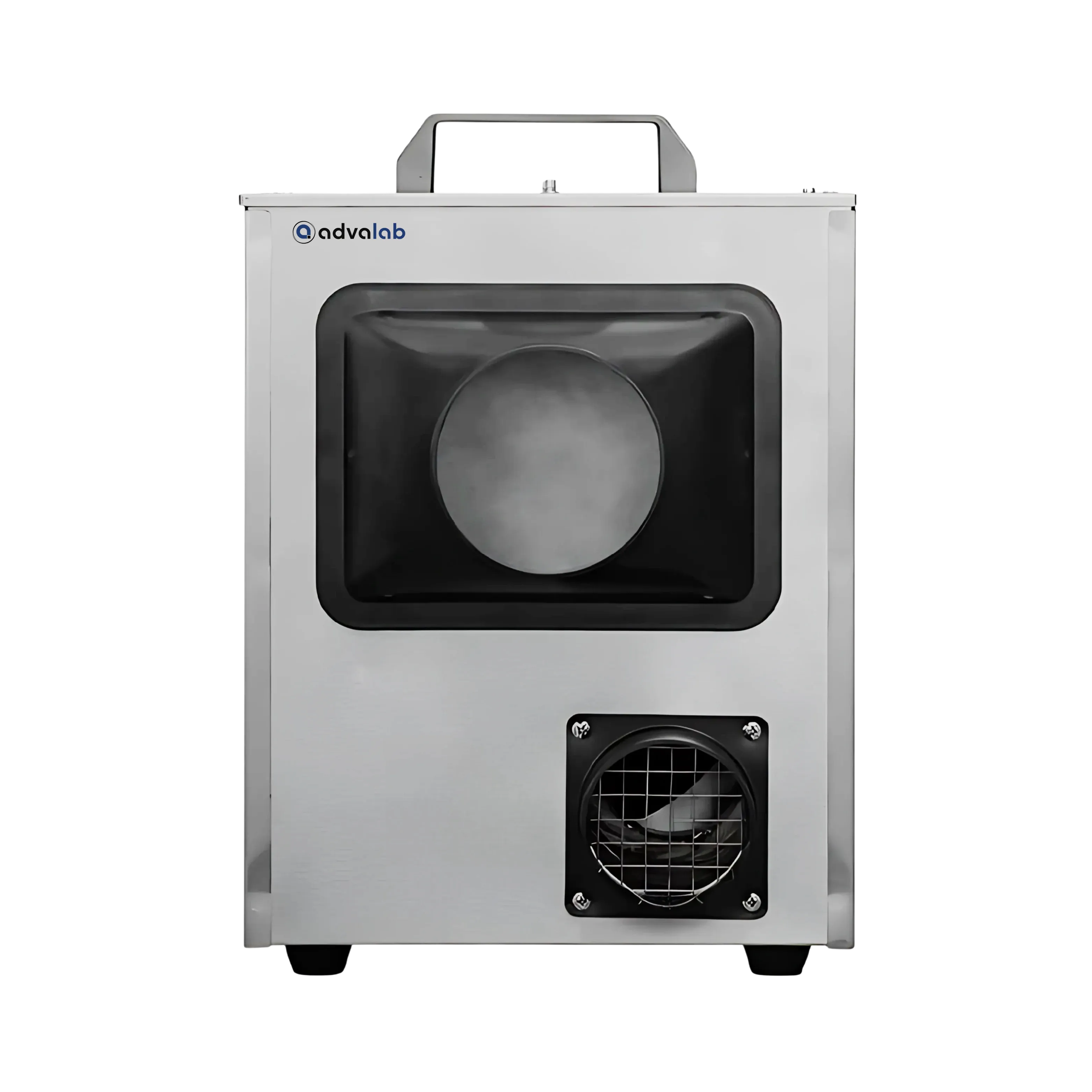
| Dehumidifying Capacity | 0.52 kg/h (at 20°C, 60% RH) |
| Work Temperature | -20°C to 50°C |
| Air Circulation | 108 m³/h |
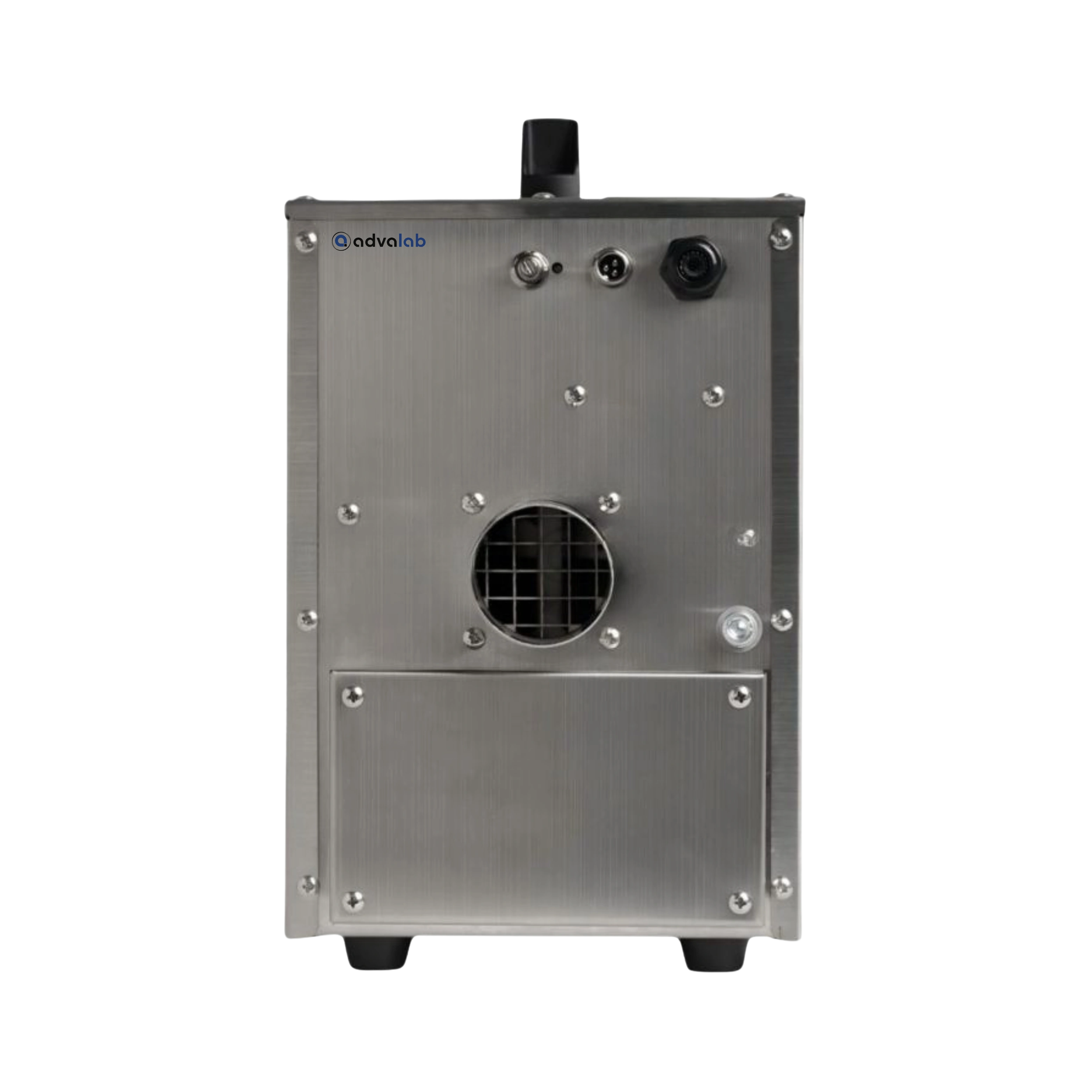
| Dehumidifying Capacity | 0.26 kg/h (at 20°C, 60% RH) |
| Work Temperature | -20°C to 50°C |
| Air Circulation | 65 m³/hr |

| Dehumidifying Capacity: | 90L/Day |
| Work Temperature: | 5℃ to 38℃ |
| Air Circulation: | 950m³/h |
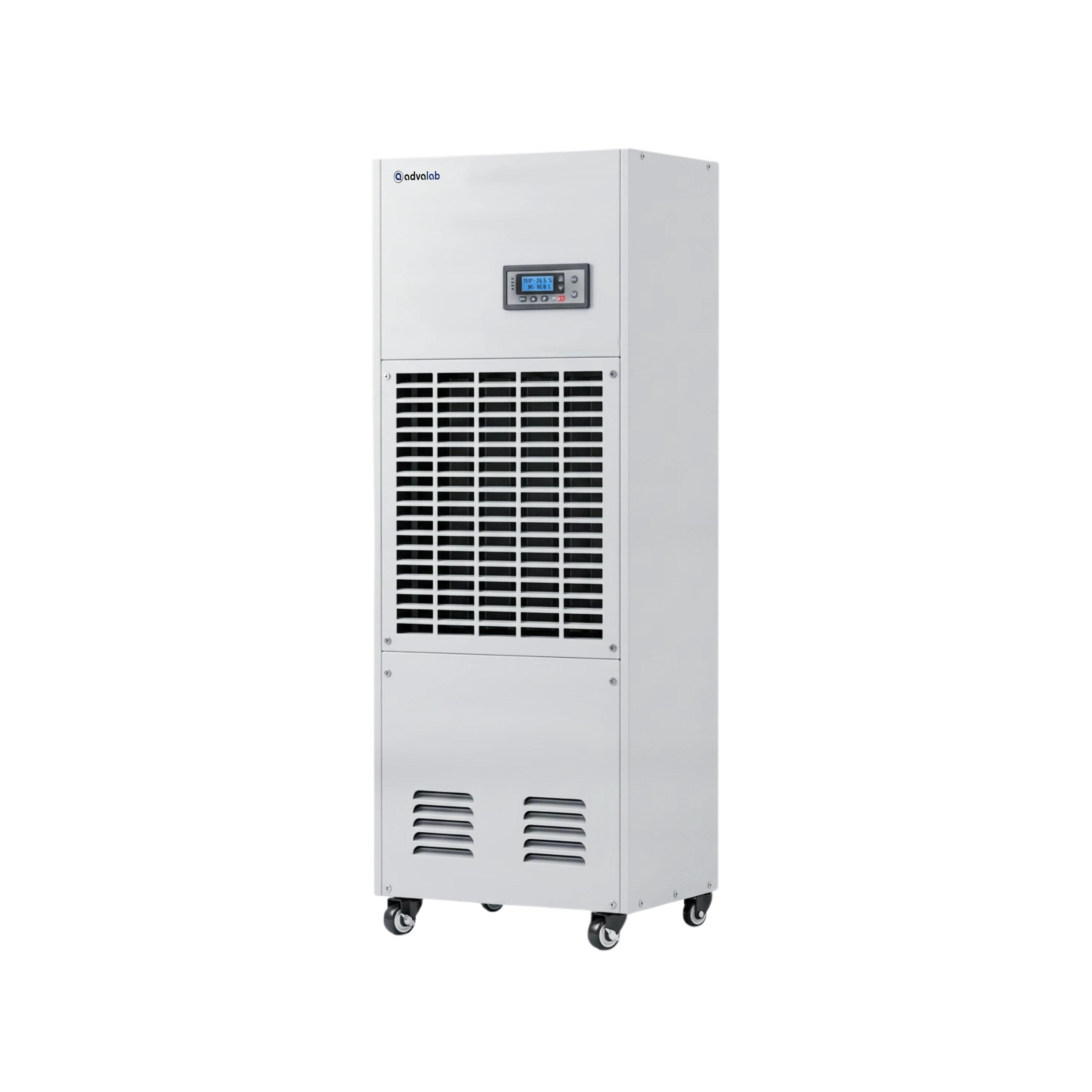
| Dehumidifying Capacity: | 168 L/day (at 30°C, 80% RH) |
| Air Circulation: | 2000 m³/h |
| Suitable Floor Area: | 200–250 m² |

| Dehumidifying Capacity: | 70L/Day |
| Work Temperature: | 5°C to 38℃ |
| Air Circulation: | 500 m³/h |
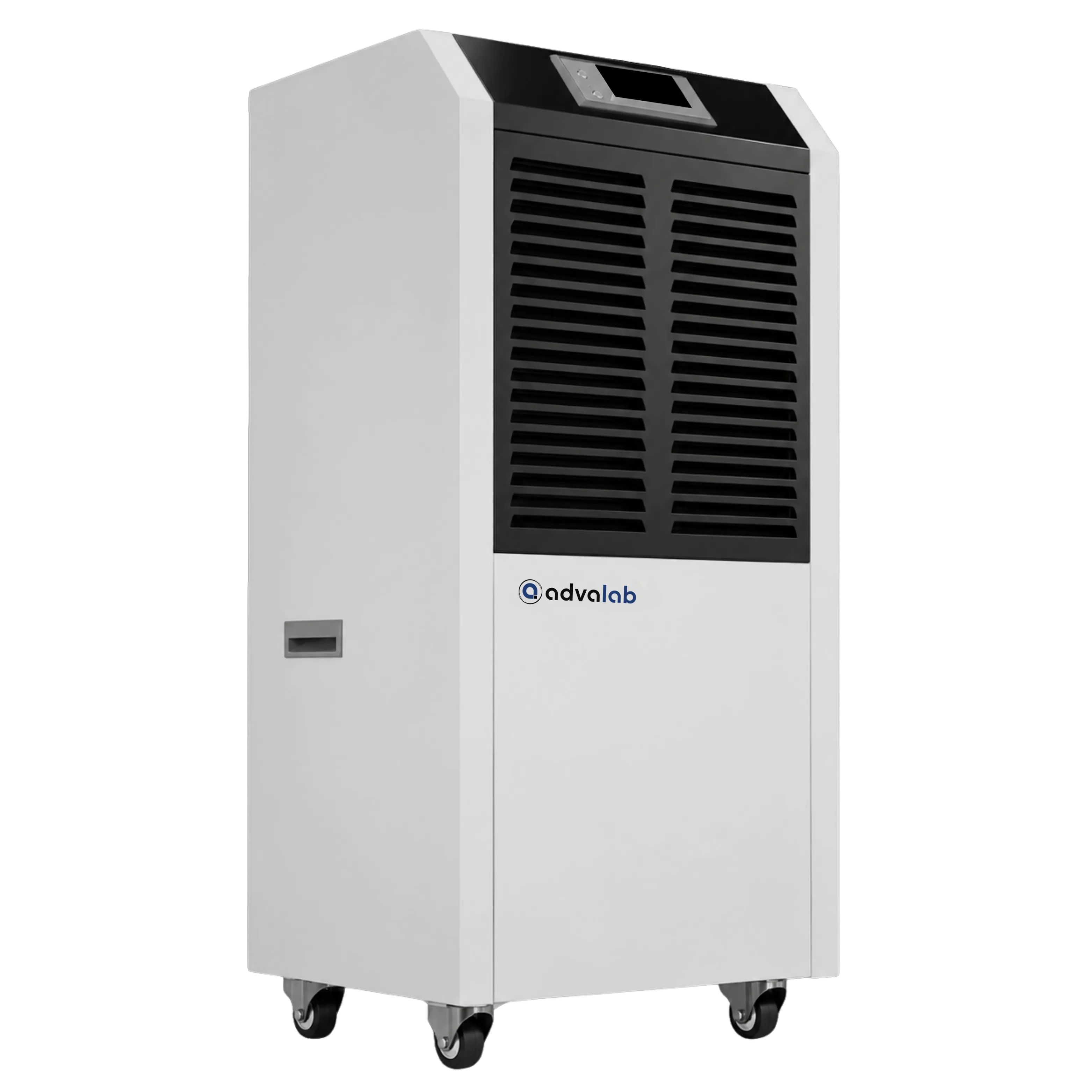
| Dehumidifying Capacity: | 90L/D |
| Work Temperature: | 5 to 38℃ |
| Air Circulation: | 950m³/h |
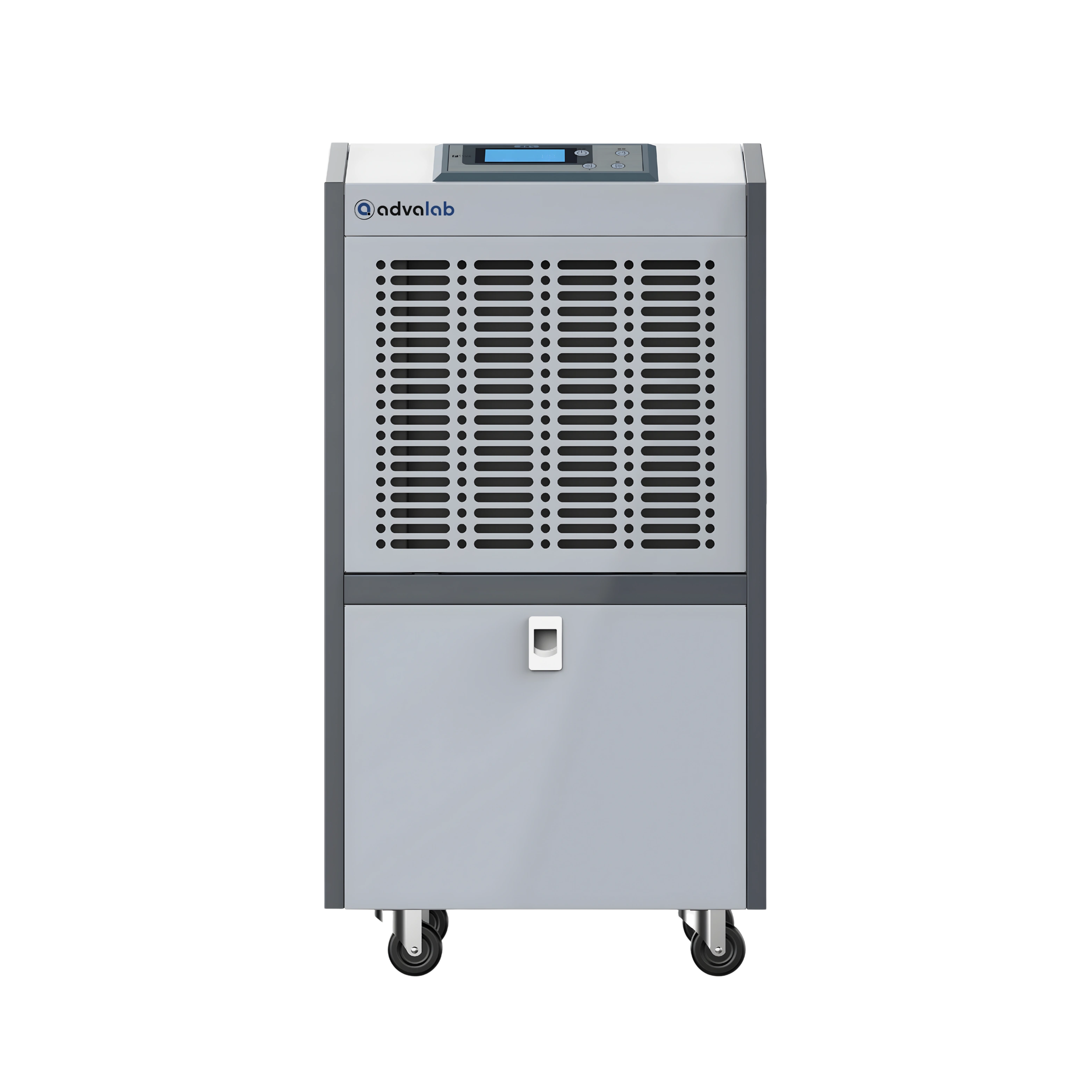
| Dehumidifying Capacity: | 70 L/Day |
| Work Temperature: | 5°C to 38 °C |
| Air Circulation: | 550 m³/h |
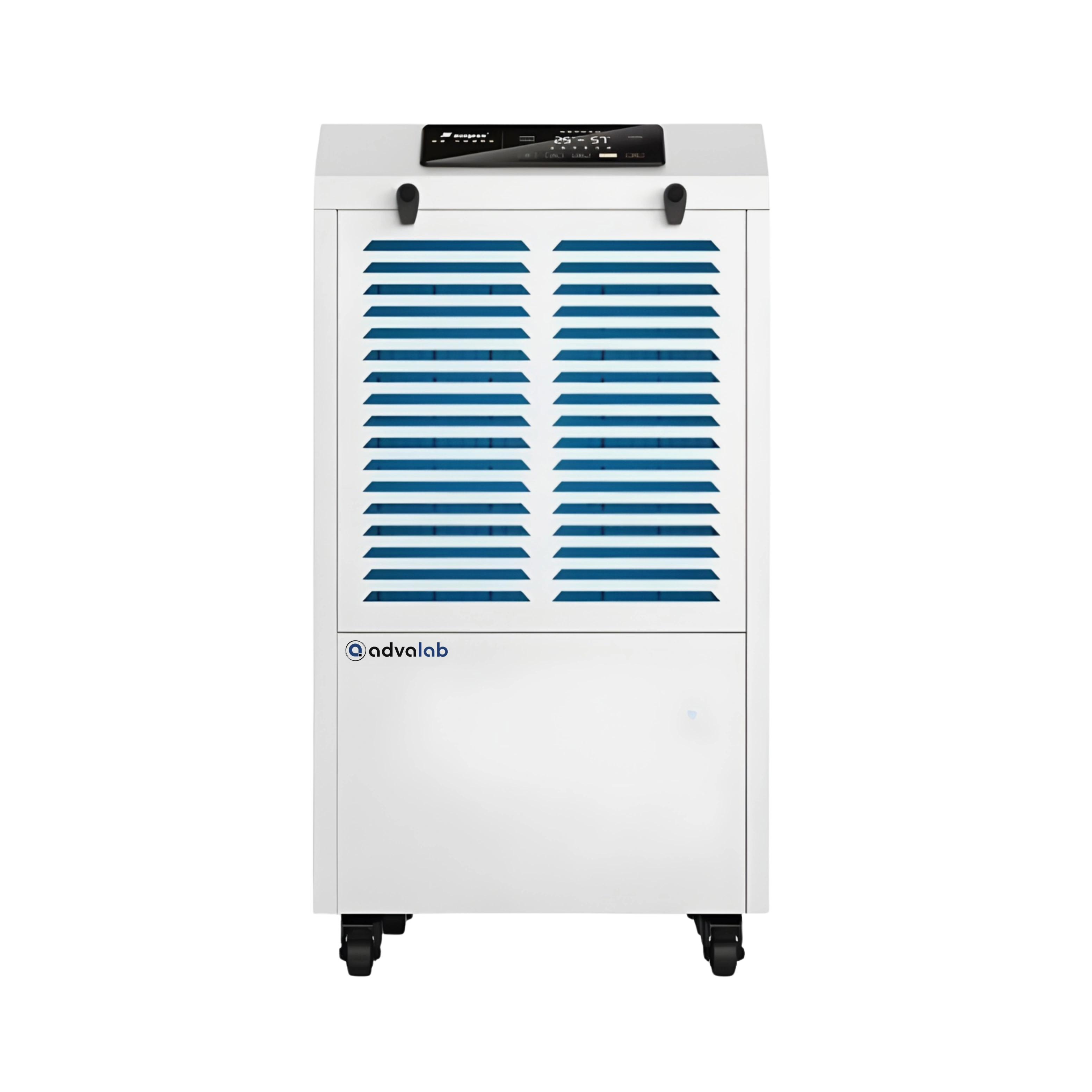
| Dehumidifying Capacity: | 90L/D |
| Work Temperature: | 5 to 38℃ |
| Air Circulation: | 850m³/h |

| Dehumidifying Capacity: | 58L/Day |
| Work Temperature: | 5 to 38℃ |
| Air Circulation: | 500m³/h |

| Dehumidifying Capacity: | 58 L/Day (at 30°C, RH 80%) |
| Work Temperature: | 5 to 38 °C |
| Air Circulation: | 500 m³/h |
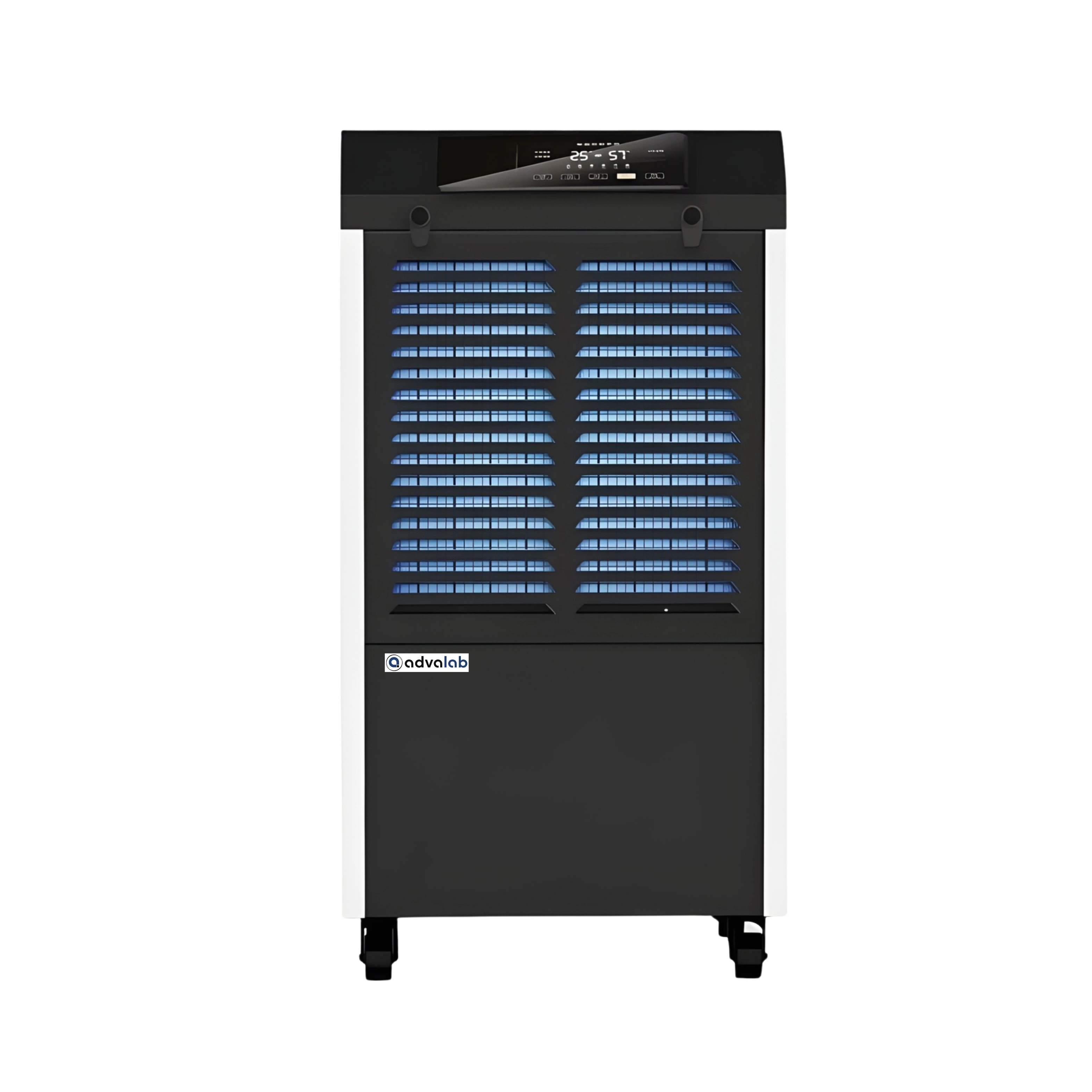
| Dehumidifying Capacity: | 158 L/D |
| Work Temperature: | 5 to 38℃ |
| Air Circulation: | 1050 m³/h |
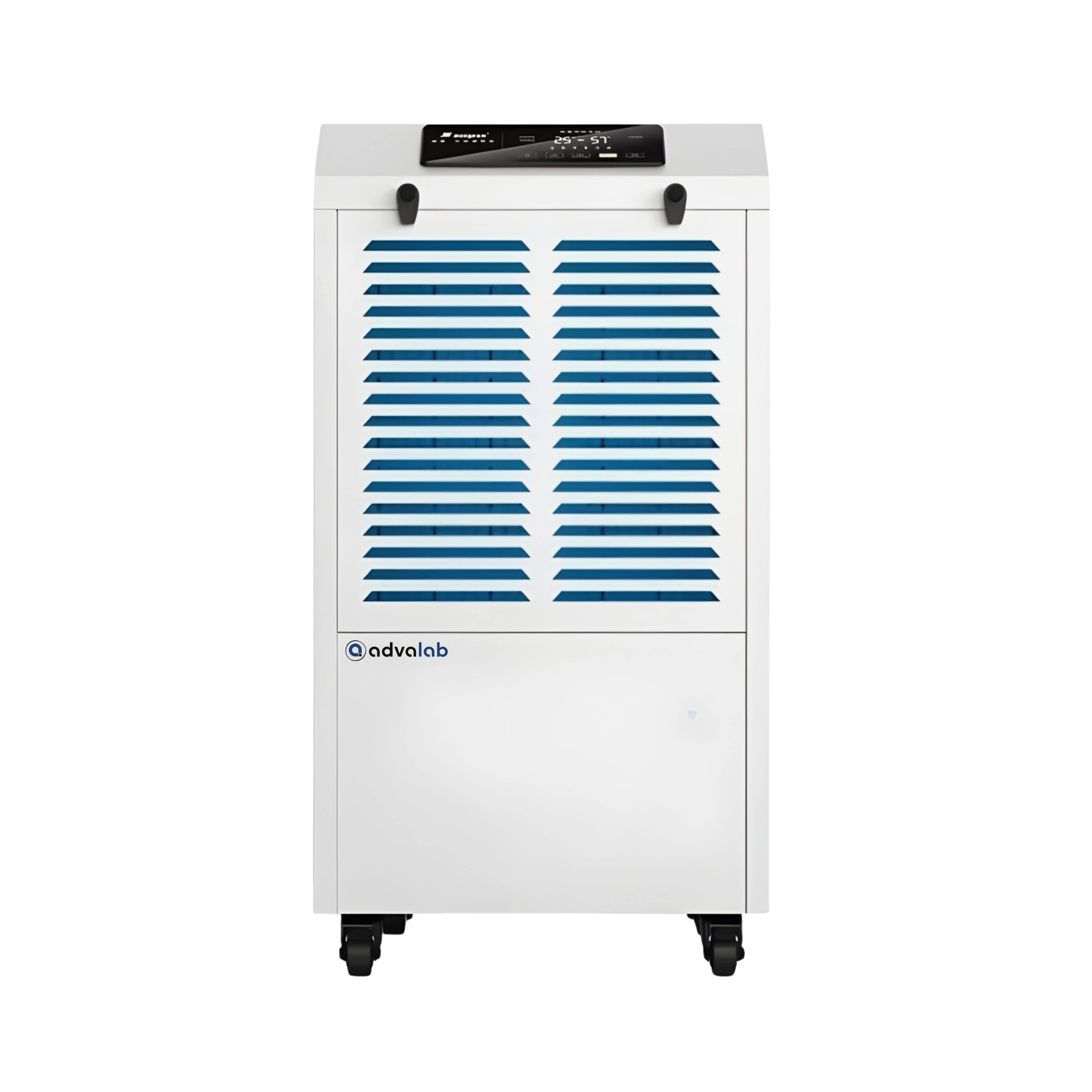
| Dehumidifying Capacity: | 138L/D |
| Work Temperature: | 5 to 38℃ |
| Air Circulation: | 1000m³/h |
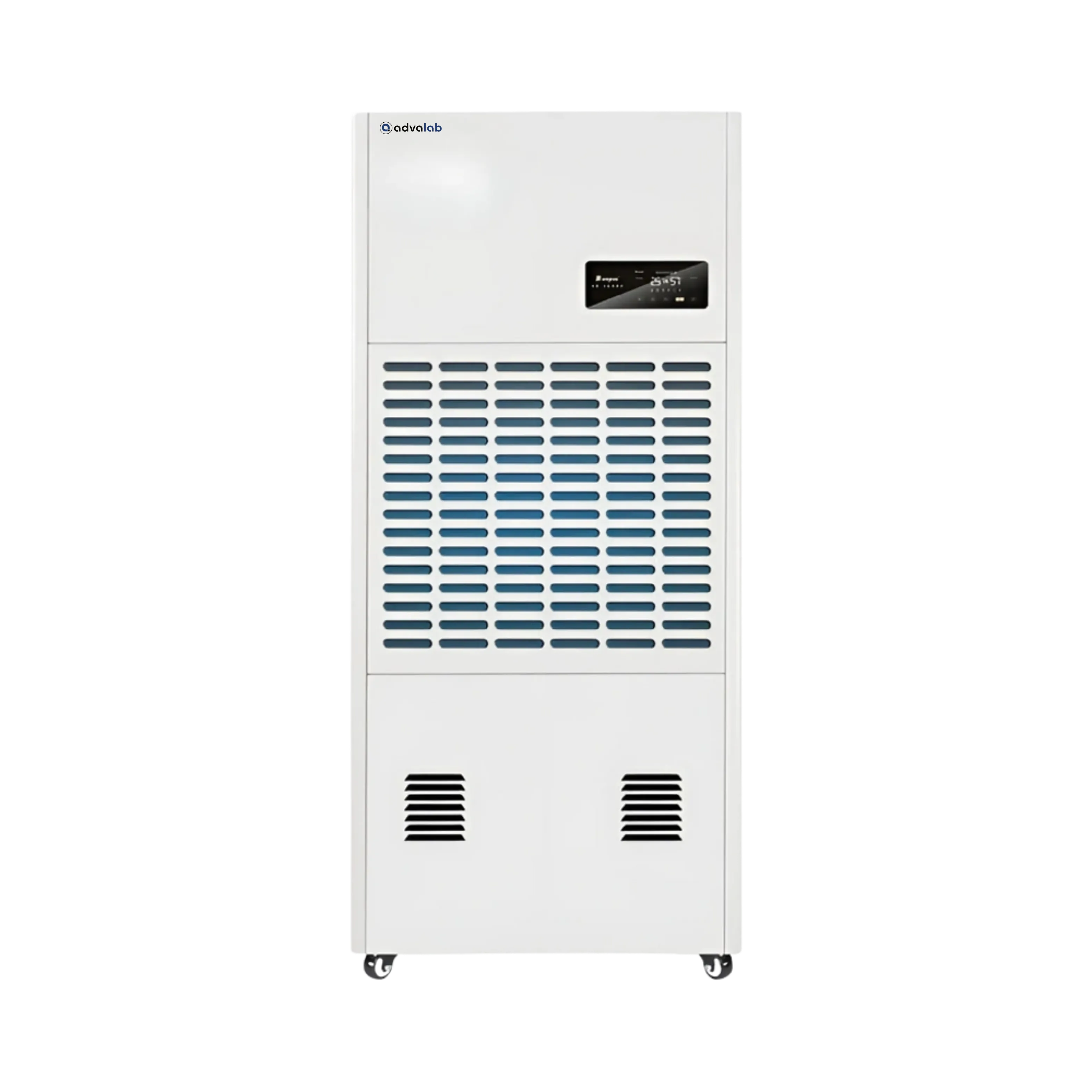
| Dehumidifying Capacity: | 380 L/D |
| Work Temperature: | 5 to 38℃ |
| Air Circulation: | 1600 m³/h |
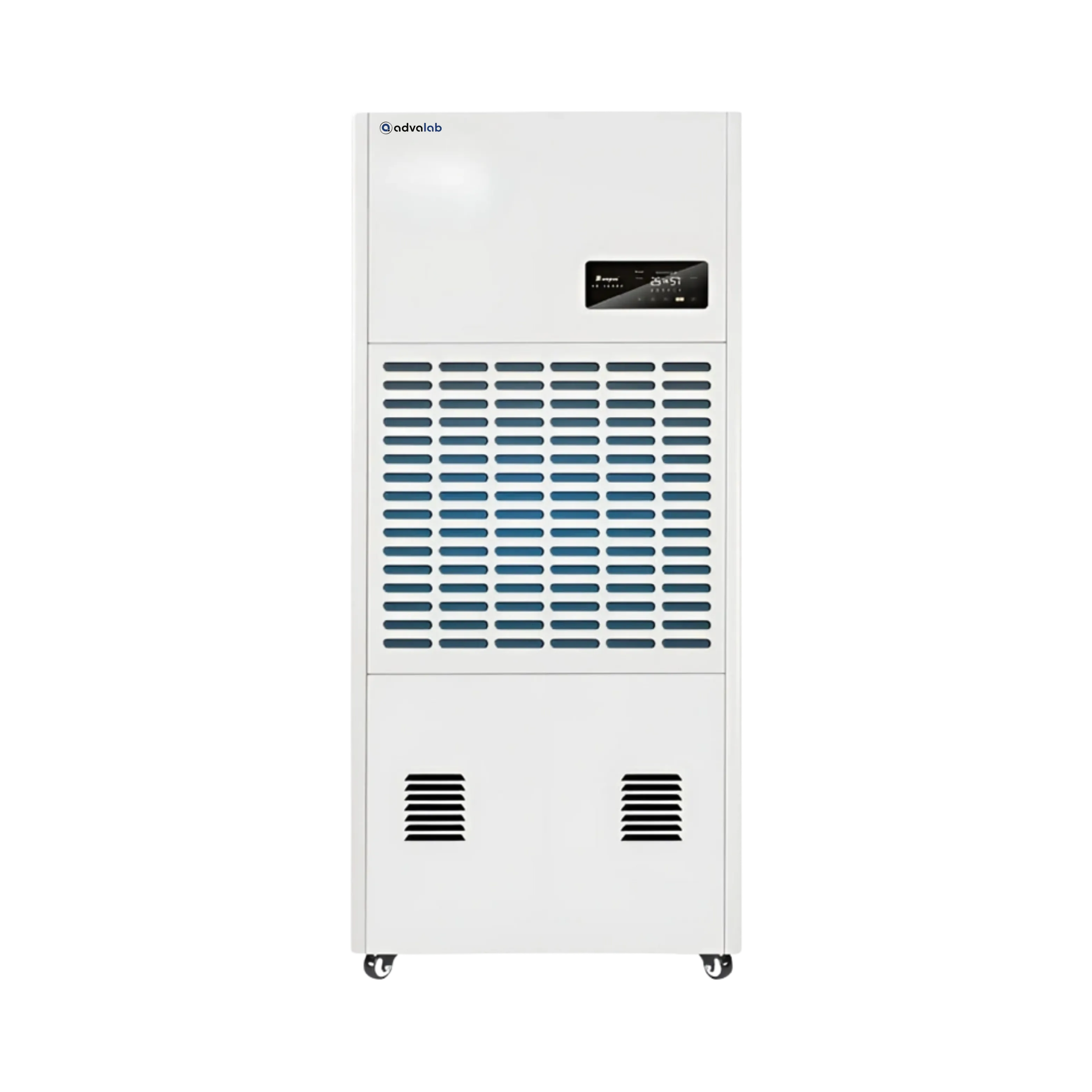
| Dehumidifying Capacity: | 240 L/D |
| Work Temperature: | 5 to 38℃ |
| Air Circulation: | 1350 m³/h |
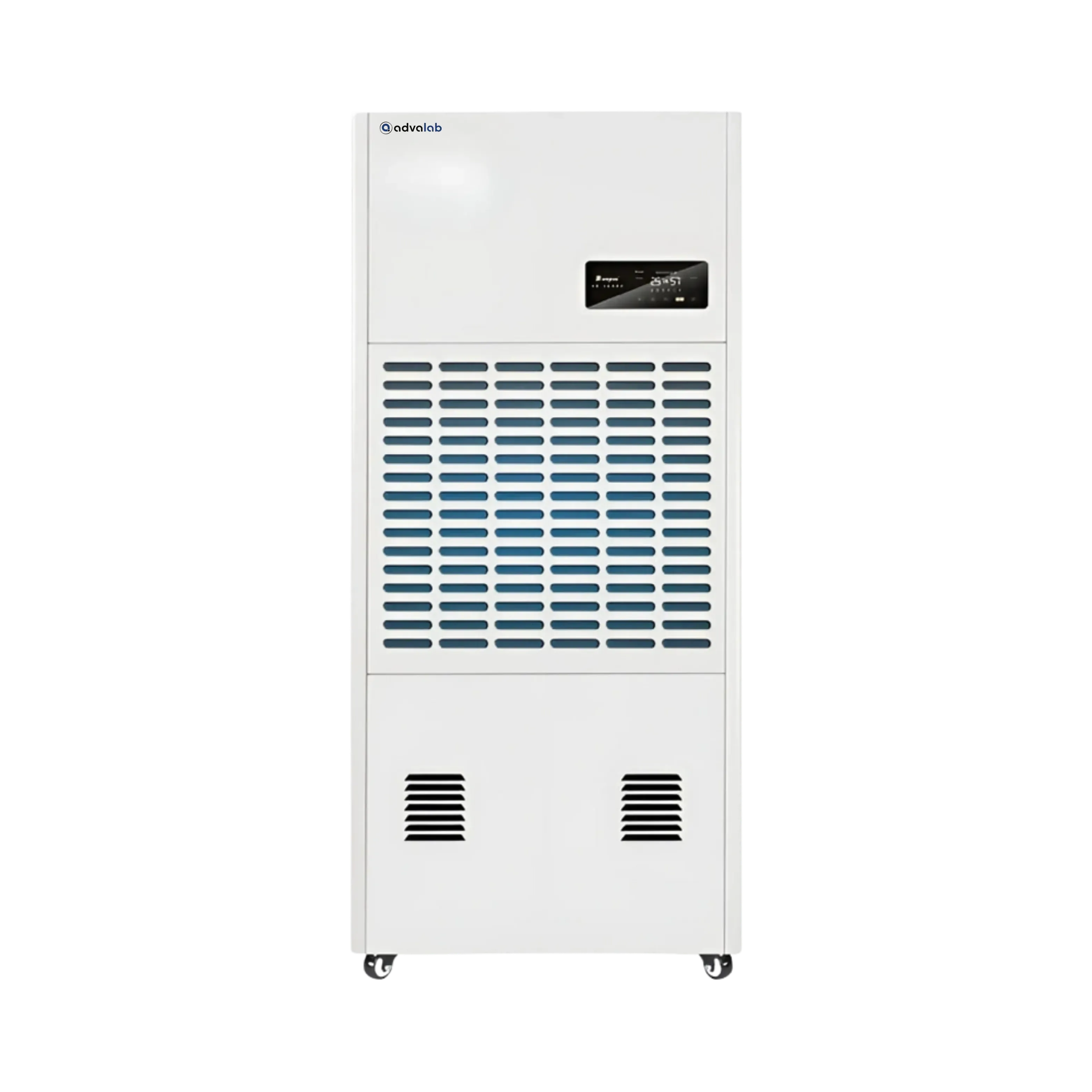
| Dehumidifying Capacity: | 300 L/D |
| Work Temperature: | 5 to 38℃ |
| Air Circulation: | 1350 m³/h |
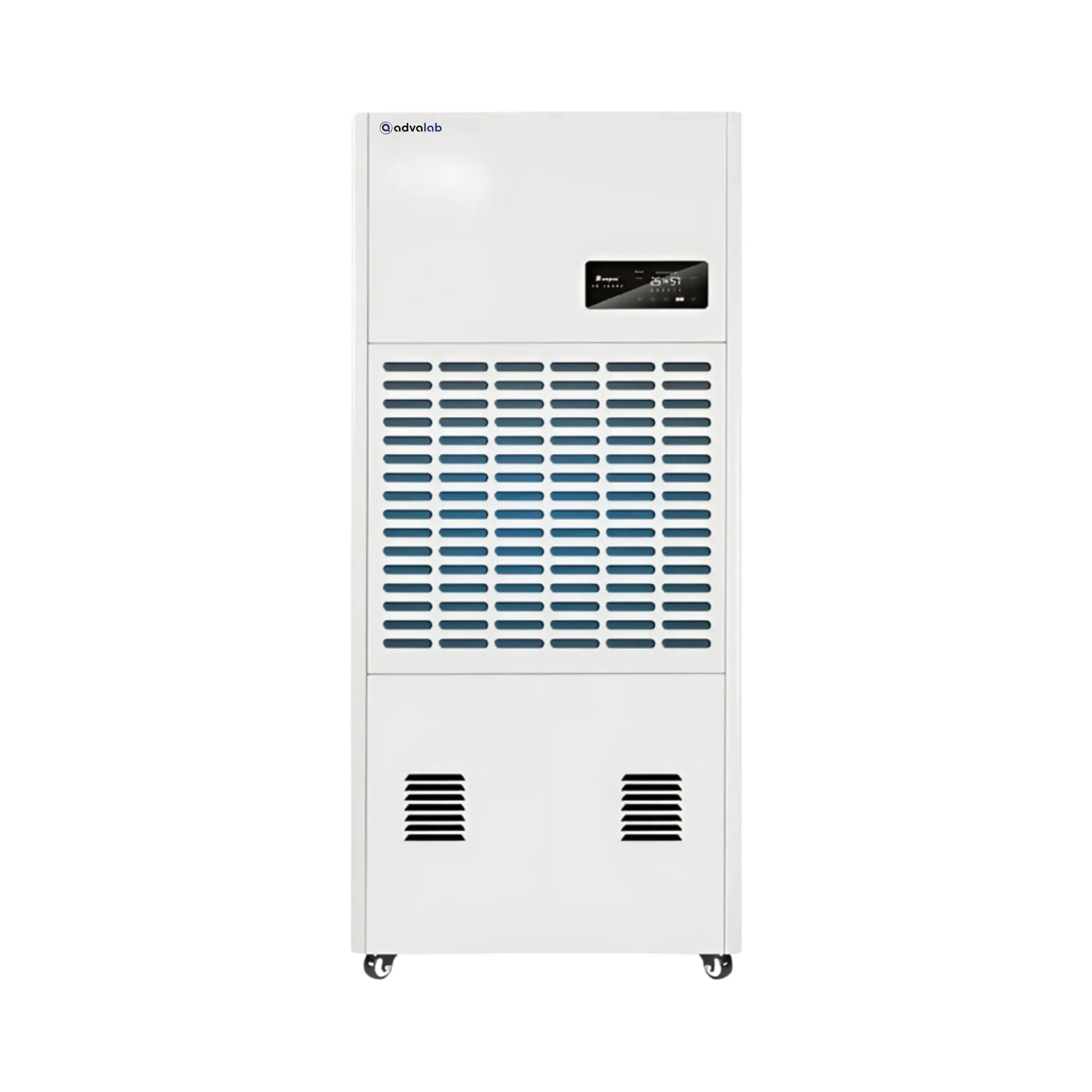
| Dehumidifying Capacity: | 200 L/D |
| Work Temperature: | 5 to 38℃ |
| Air Circulation: | 980m³/h |