
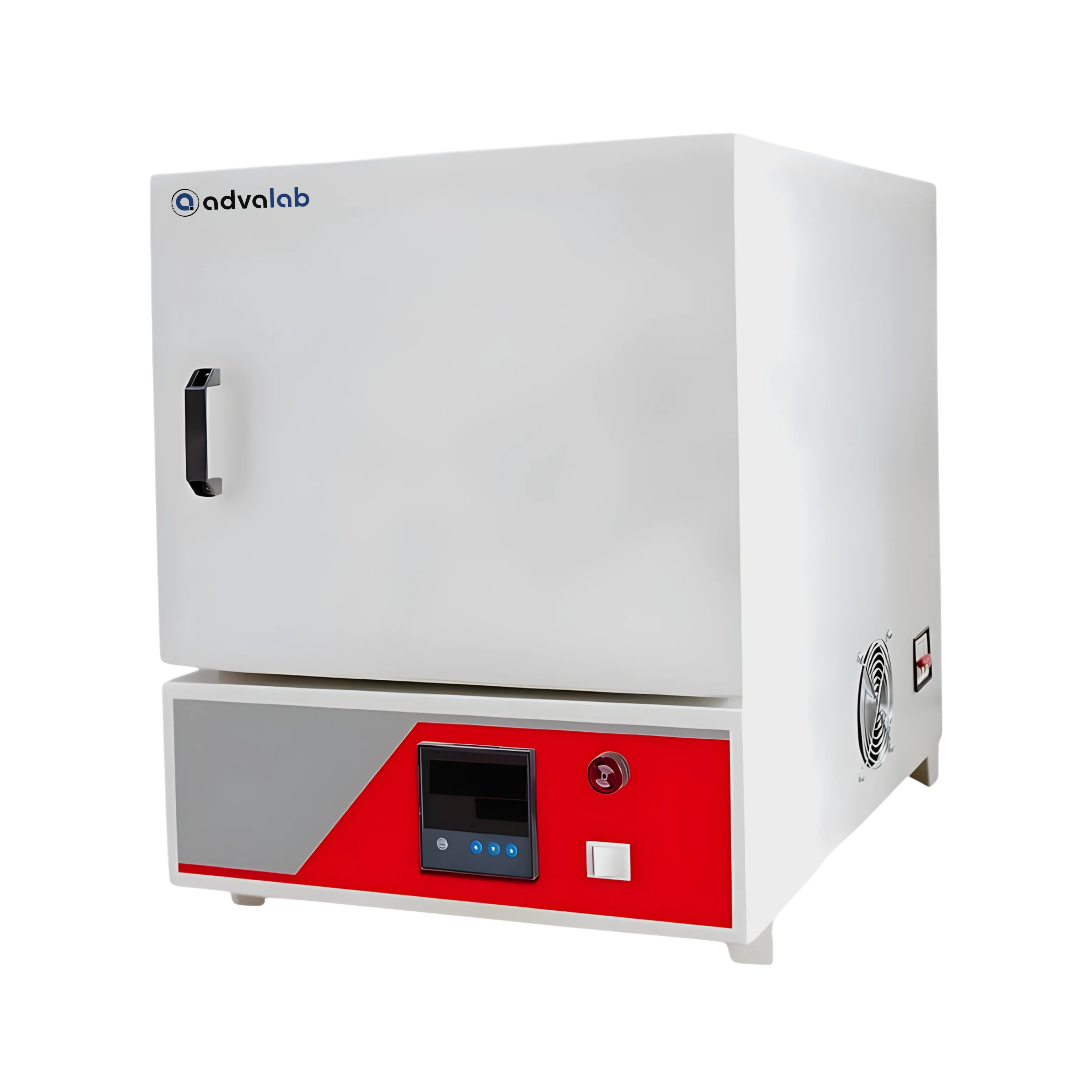
| Volume | 7.2 L |
| Temperature Range | 30 to 1000°C |
| Maximum Operating Temperature | 900°C |
| Heating Rate | 10 to 20°C |
| Temperature Fluctuation | ±3°C |
| Power Consumption | 4 kW |
| Internal Dimensions [W×D×H] | 200×300×120 mm |
| Housing Dimensions [W×D×H] | 570×670×720 mm |
| Package Dimensions [W×D×H] | 640×770× 820 mm |
| Net Weight | 76 kg |
| Gross Weight | 90 kg |
Our Muffle Furnace ADMF-510 are used for heat treatment processes like annealing, tempering, and hardening of metals, improving their properties in research laboratories and pharmaceutical industries.


1. What power supply is required for a muffle furnace?
A muffle furnace typically requires a single-phase or three-phase power supply, depending on its size and heating capacity. Always check the voltage and amperage specifications before connecting a muffle furnace to ensure safe operation.
2. How do you calibrate a muffle furnace?
To calibrate a muffle furnace, use a certified thermocouple and temperature logger to compare set and actual temperatures. Regular calibration ensures the muffle furnace delivers accurate heat levels for testing and processing.
3. How do you maintain a muffle furnace?
To maintain a muffle furnace, regularly check the insulation, clean the chamber, and inspect the heating elements. Proper care extends the life of the muffle furnace and ensures consistent performance.
4. What is a Muffle Furnace?
A Muffle Furnace is a high-temperature oven used to heat materials in a controlled and isolated environment. It is equipped with a sealed chamber known as a muffle, which separates the sample from the furnace’s heating elements. This isolation prevents contamination and ensures uniform heat. The design of the system makes it useful for precise processes that require strict control over the environment.
5. How is a Muffle Furnace different from other furnace types in terms of design and functionality?
A Muffle Furnace differs from other types of furnaces in its design and functionality. The key feature of a unit is its sealed chamber, where the sample is placed inside a muffle. This ensures that the sample does not meet combustion gases, which is crucial for preventing contamination. Other types of furnaces, such as Box Furnaces, do not have this isolated chamber and may allow direct exposure of samples to heat sources.
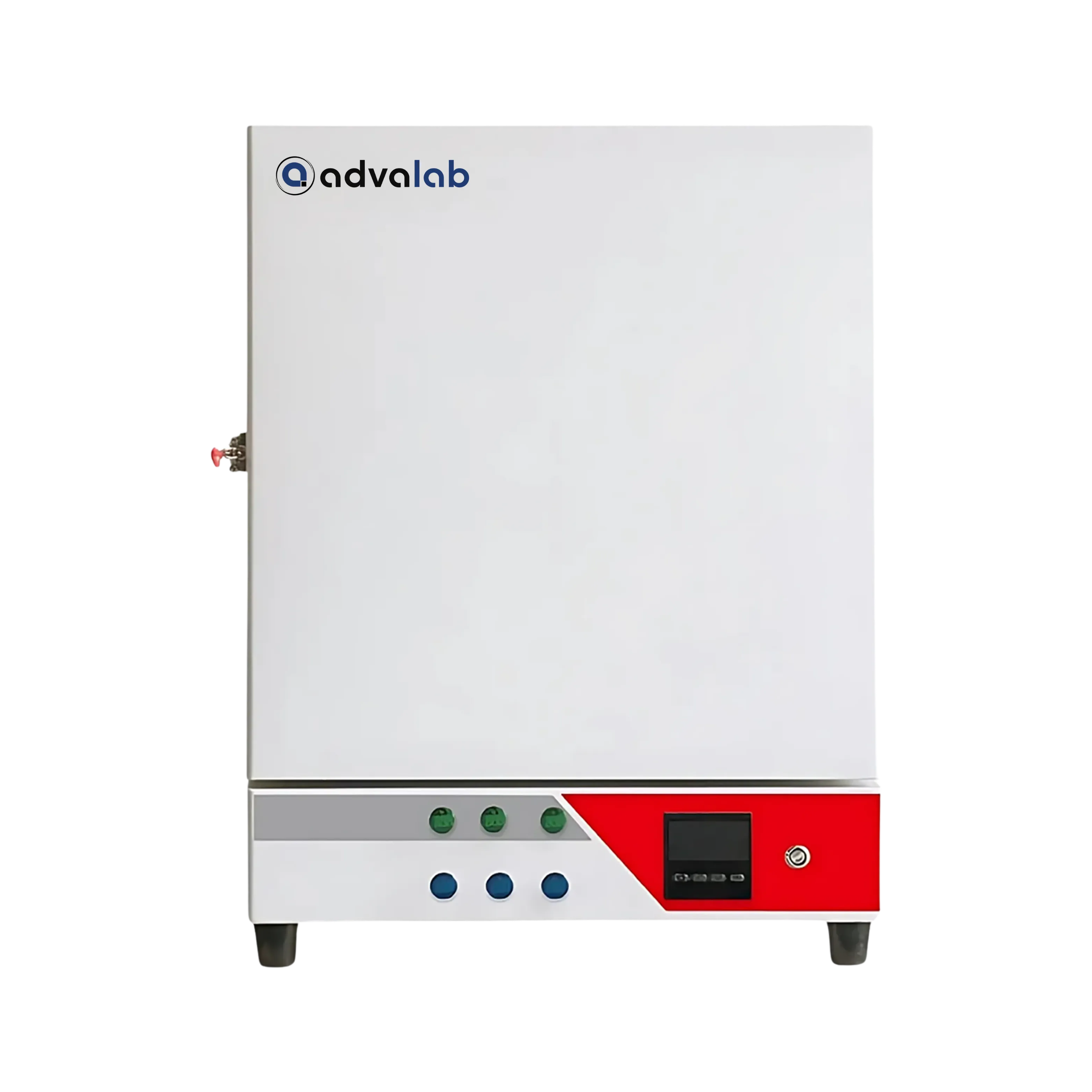
| Volume | 80 L |
| Temperature Range | 30 to 1000°C |
| Maximum Operating Temperature | 900°C |
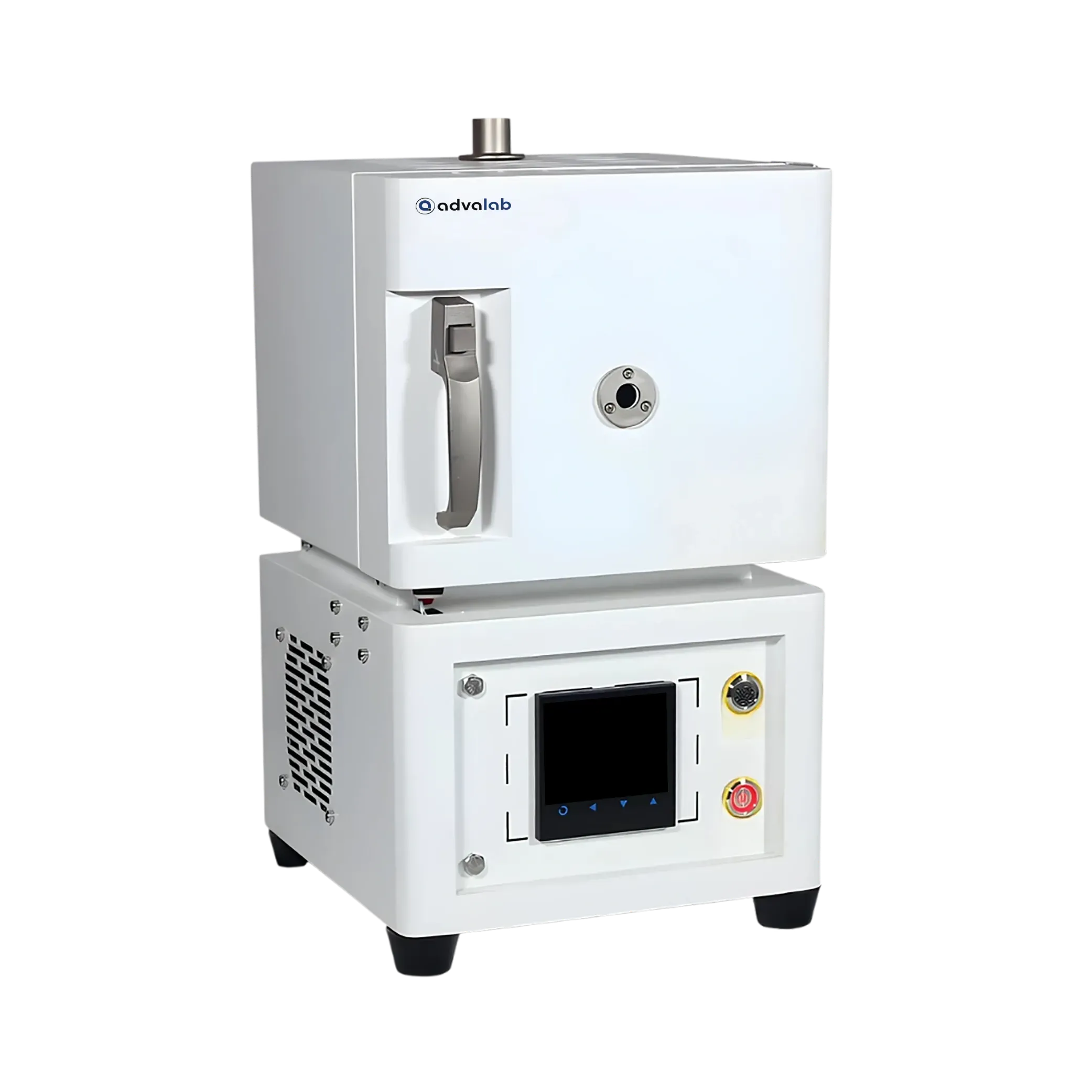
| Capacity | 1L |
| Temperature Range | 50 to 1200℃ |
| Maximum Temperature | 1200 ℃ |

| Volume | 80 L |
| Temperature Range | 30 to 1200°C |
| Maximum Operating Temperature | 1100°C |
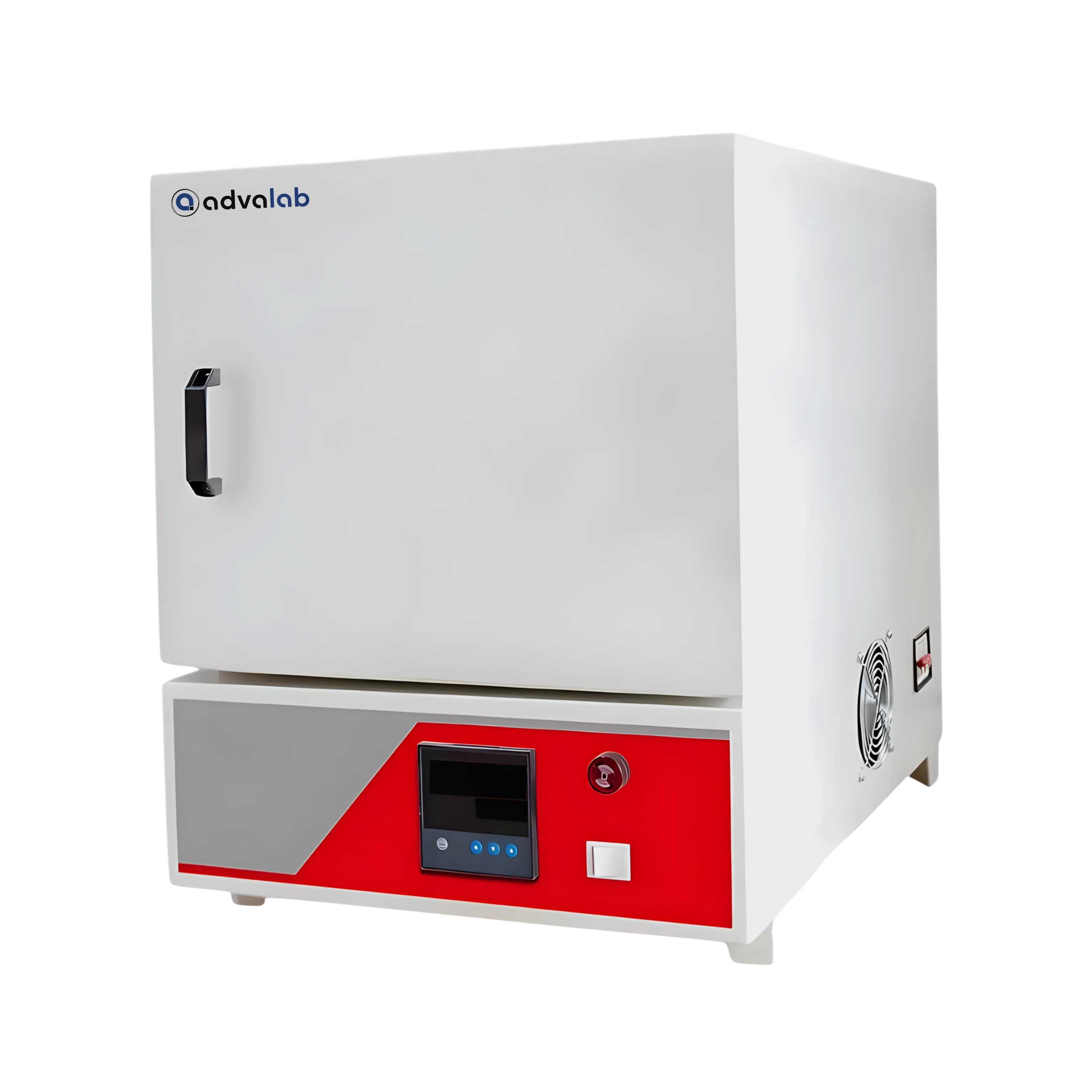
| Volume | 30 L |
| Temperature Range | 30 to 1000°C |
| Maximum Operating Temperature | 900°C |