
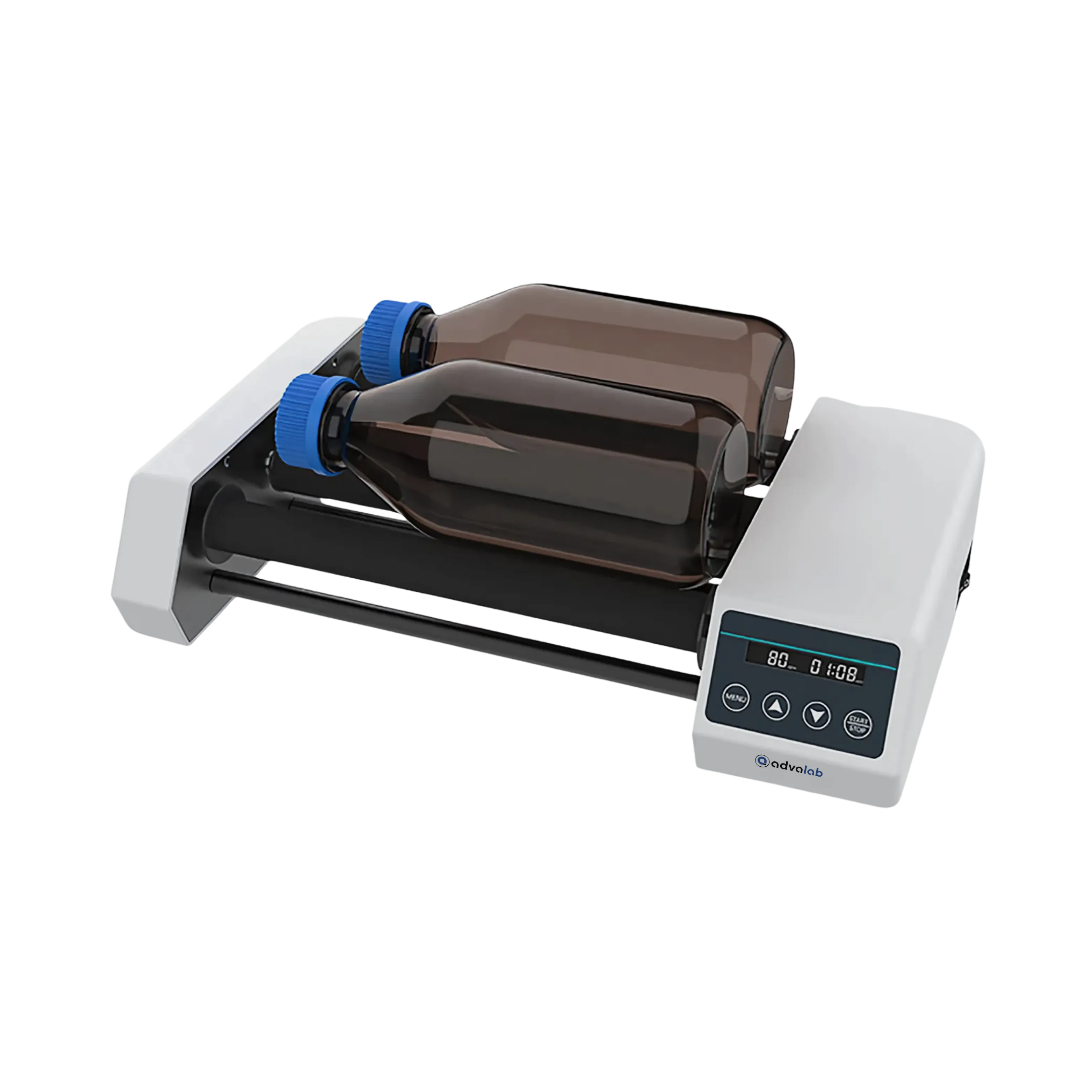
| Speed | 20 to 80 rpm |
| Number of Rollers | 4 |
| Roller Length | 280 mm |
| Roller Centre Distance | 68 mm |
| Type | Horizontal rolling |
| SPECS | φ 45 to 100 mm |
| Motor Type | Brushless motor |
| Timing | 1min to 23 h 59 min |
| Ambient Temperature | 5 to 40º C |
| Ambient Humidity | 80 % RH |
| Power Consumption | 25 W |
| Dimensions(L×B×H) | 440×255×105 mm |
Our Roller Mixer ADRM-506 is widely utilized in industries such as food processing, pharmaceuticals, and chemical manufacturing to achieve efficient and uniform mixing for optimal product quality.
1. What is a roller mixer and how does it work?
A roller mixer is a laboratory device used to gently and efficiently mix or agitate samples in test tubes, bottles, or other containers by rotating them on a set of rollers. The rollers move continuously in a circular or rocking motion, causing the containers placed on them to rotate, tumble, or roll. This creates a gentle but consistent mixing action that’s ideal for biological samples, such as blood, viscous liquids, suspensions, or cell cultures. Unlike vortex mixers, roller mixers avoid harsh agitation, making them suitable for delicate or shear-sensitive materials.
2. What types of tubes or containers can be used with roller mixers?
Roller mixers are highly versatile and compatible with a wide variety of tube sizes and types, including blood collection tubes (such as EDTA or heparin tubes), centrifuge tubes (15 mL, 50 mL), culture tubes, and other cylindrical sample containers. The key requirement is that the container should be able to roll smoothly across the rollers. Most roller mixers feature a non-slip surface or specially coated rollers to keep tubes in place during operation. Some models also have adjustable roller spacing to accommodate larger containers or unique formats.
3. Can a Roller Mixer be used for temperature-sensitive samples?
Yes, a roller mixer can be used for temperature-sensitive samples, but with some considerations. Standard roller mixers do not have built-in temperature control, so if temperature regulation is critical, the unit should be placed inside a temperature-controlled environment such as an incubator or cold room. Many roller mixers are designed to operate efficiently in a broad temperature range, often from 4°C to 50°C, making them suitable for use in both refrigerated and warm environments. For procedures like enzyme reactions, antibody incubations, or cell culture mixing, where maintaining a precise temperature is crucial, this adaptability is a key advantage.
4. Can I adjust the speed or motion of the Roller Mixer?
Most modern roller mixers come with adjustable speed controls, typically ranging from 5 to 80 RPM (revolutions per minute), depending on the model. This allows users to optimize the mixing intensity for different sample types. Some advanced models also feature rocking or tilting motions in addition to rolling, offering more dynamic mixing options for applications that require slightly more agitation without being too harsh. Adjusting the speed can help prevent over-mixing or sample degradation, especially in sensitive protocols like immunoassays or when working with live cells.
5. How many tubes can a Roller Mixer hold at once?
The capacity of a roller mixer depends on the model, roller length, and tube size. Standard bench-top models typically hold 6 to 24 tubes, with some larger models capable of handling even more. The roller design allows for flexible positioning, so you can often mix different tube sizes together, as long as the weight is balanced and within capacity limits. Some high-capacity mixers also offer stackable rollers or modular platforms to increase throughput in high-volume labs. Be cautious not to overcrowd the rollers, as it may prevent proper rolling or lead to inefficient mixing.
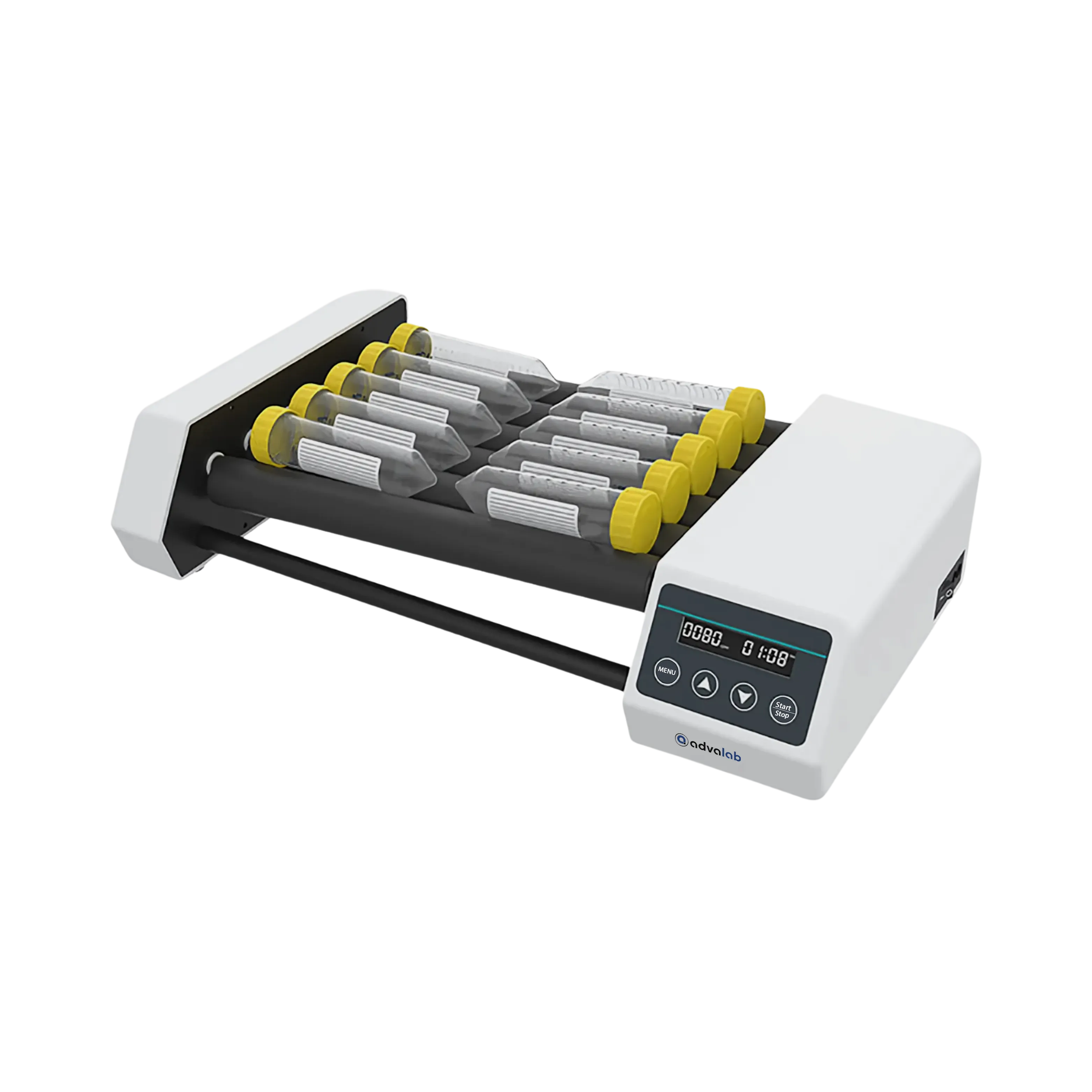
| Speed | 20 to 80 rpm |
| Number of Rollers | 8 |
| Roller Length (mm) | 280 |
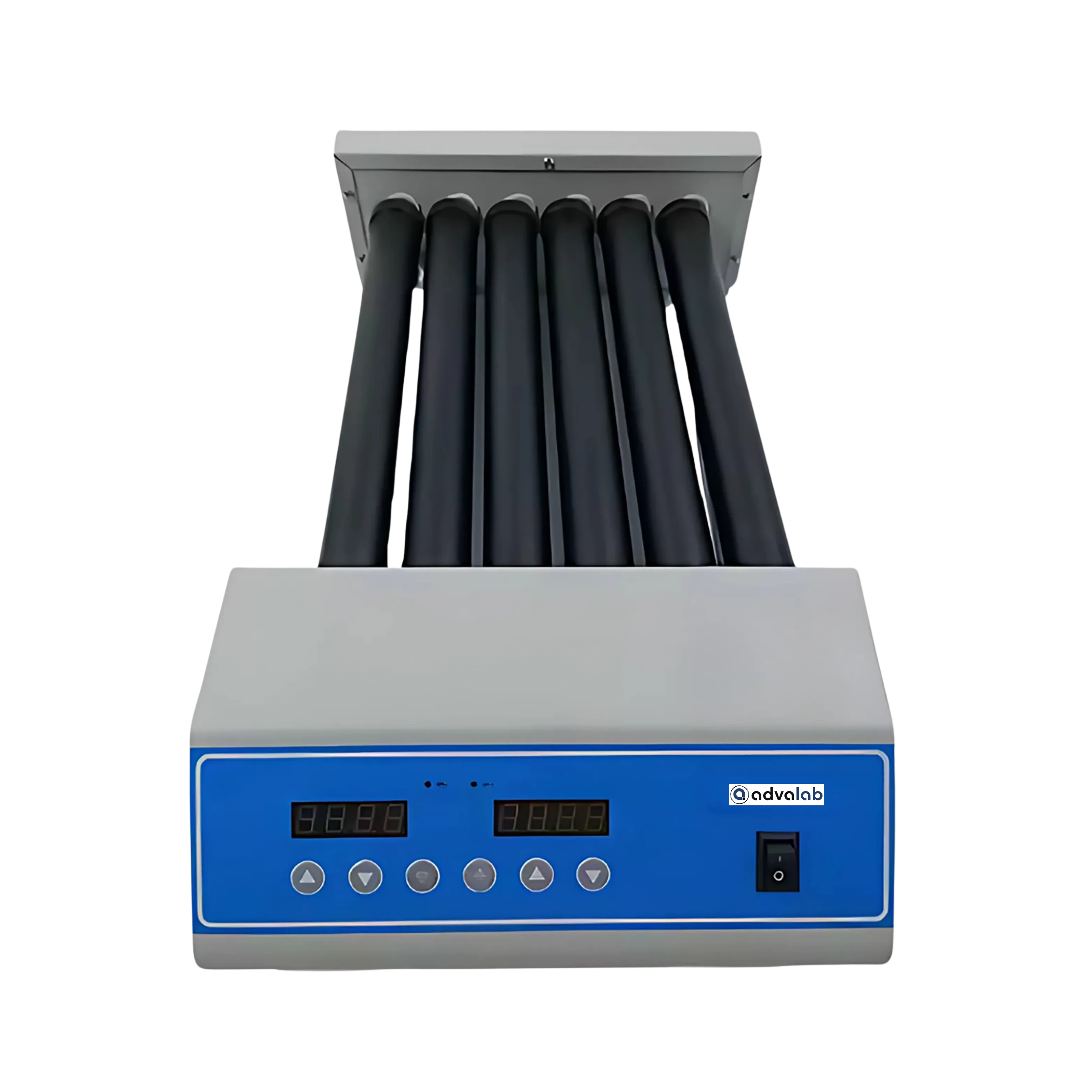
| Speed Range | 20 to 99 rpm |
| Timing Range | 1 hr to 99h 59min / infinite |
| Operation Mode | Rolling and swinging |

| Speed | 20 to 80 rpm |
| Display | LCD |
| Type | Horizontal rolling |
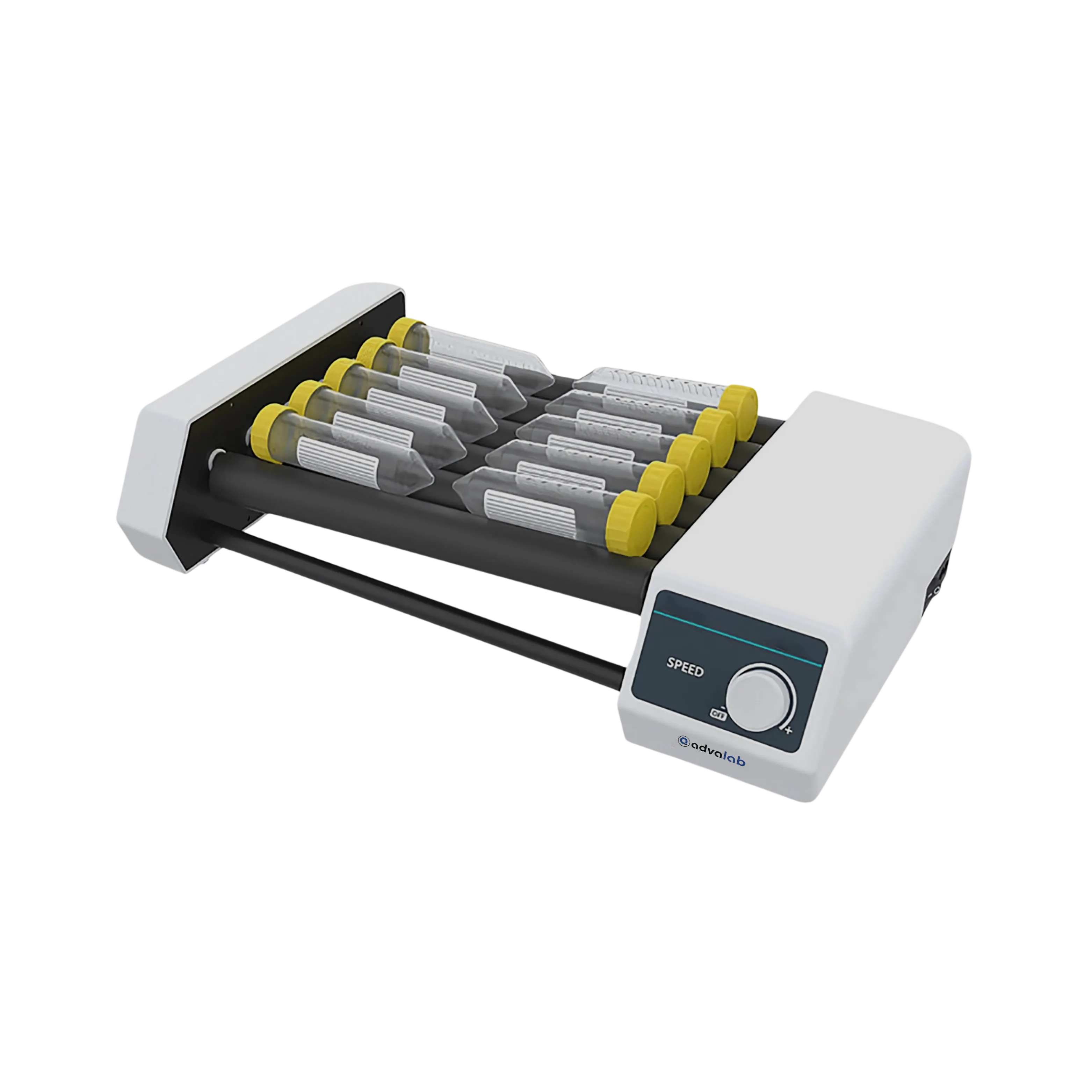
| Speed | 20 to 80 rpm |
| Number of Rollers | 8 |
| Roller Length (mm) | 280 |

| Speed: | 1 rpm to 99 rpm |
| Operation mode: | Circular motion |
| Timer: | 1min to 99 h 59 m |
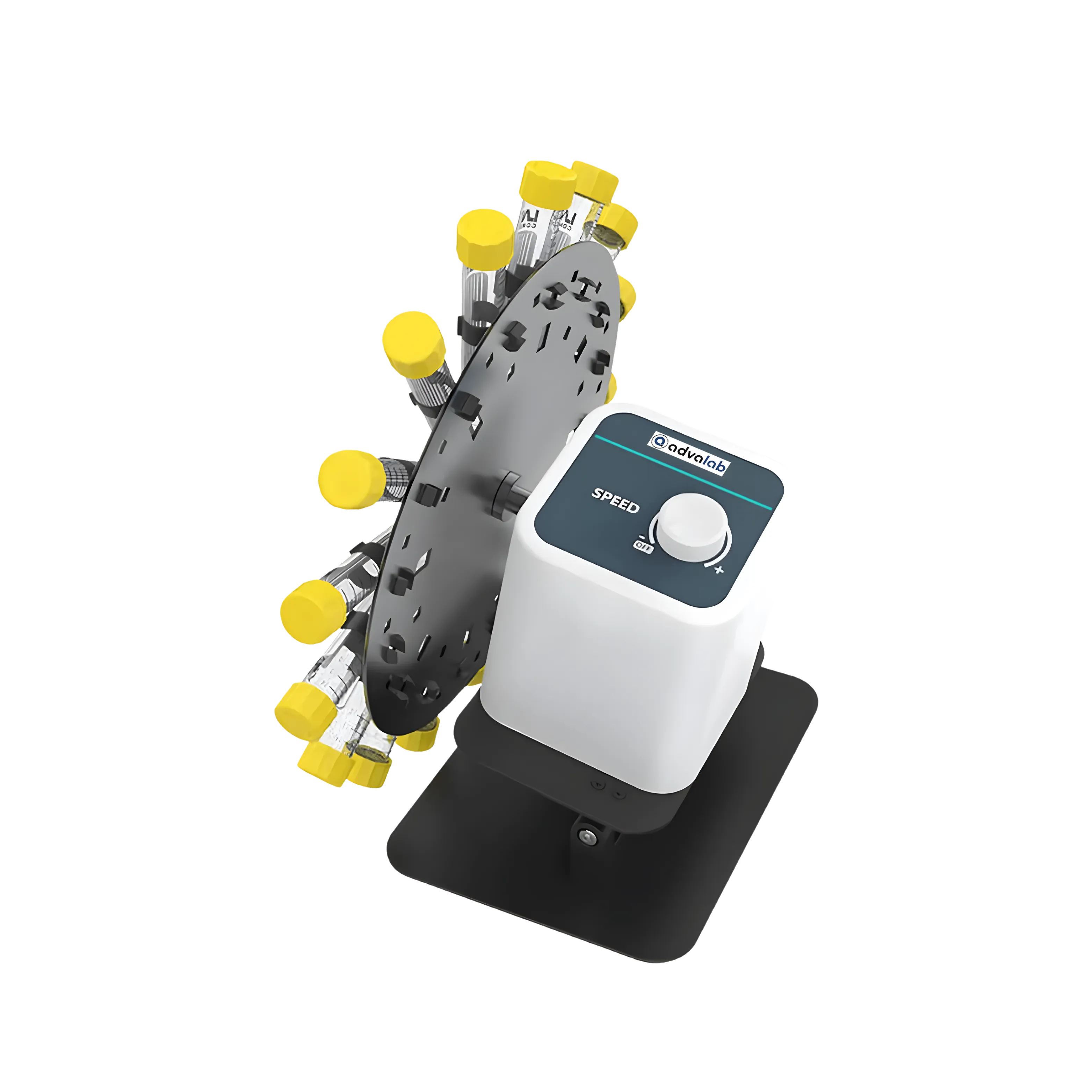
| Speed: | 20 to 80 rpm |
| Capacity: | Centrifuge tube: 50 ml × 8 or 15 ml × 16 or 1.5ml/2ml × 24 <br/> Blood collection tube: 10 ml × 16 or 2l/5ml × 24 |
| Angle Range: | 40º to 80º |
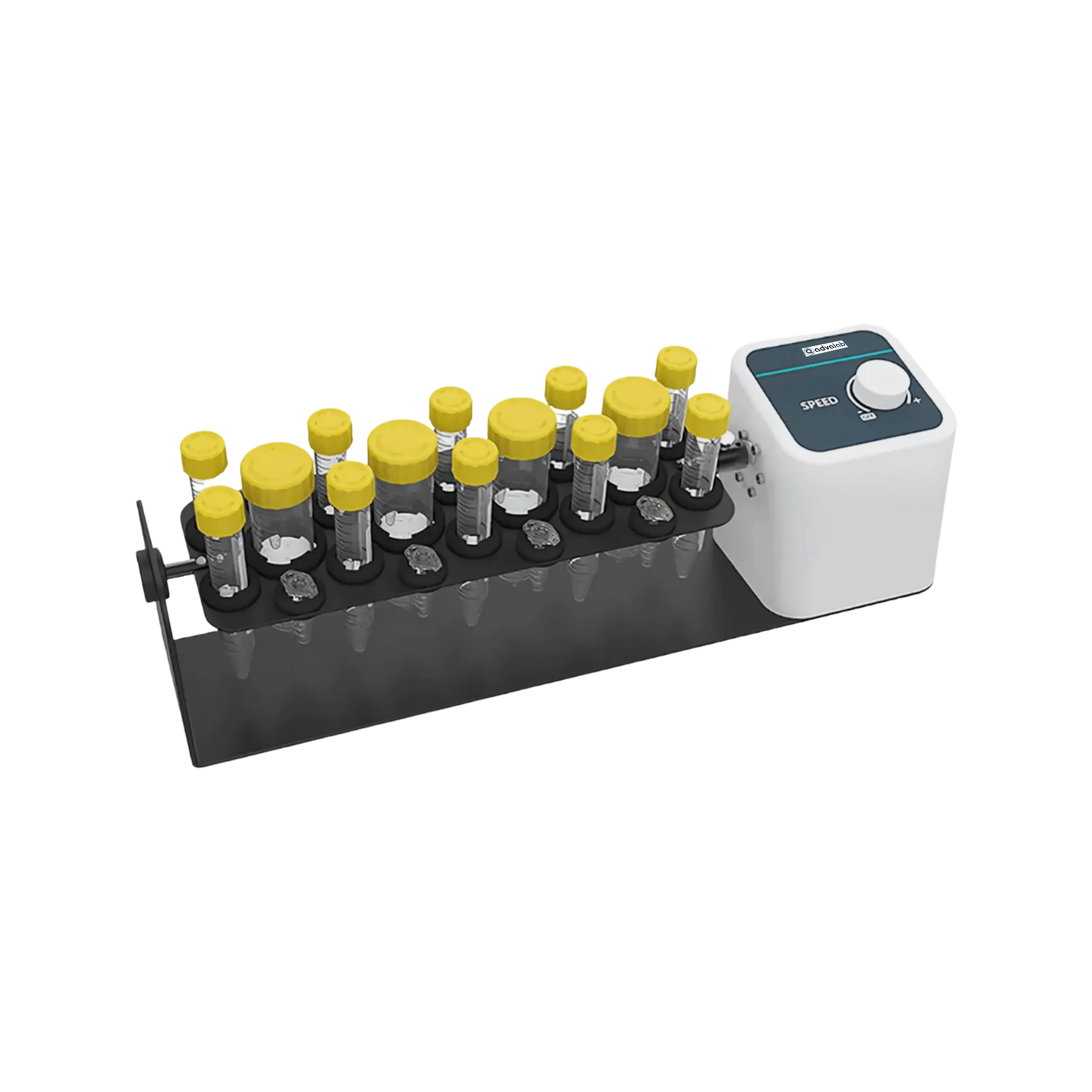
| Speed: | 20 to 80 rpm |
| Type: | Non-stop run/timing |
| Control Mode: | Digital display and button |

| Speed: | 20 to 80 rpm |
| Type : | Non-stop run |
| Control Mode: | Knob |

| Shaking Speed: | 10 to 100 rpm |
| Maximum Load: | 6 kg |
| Time for Pause: | 1 to 5s |

| Speed: | 20 to 80 rpm |
| Capacity: | Centrifuge tube: 50 ml × 8 or 15 ml × 16 or 1.5ml/2ml × 24 <br/> Blood collection tube: 10 ml × 16 or 2l/5ml × 24 |
| Control Mode: | Digital display and button |

| Speed: | 10 rpm to 80 rpm |
| Tilt Angle Range: | 0° to 90° |
| Timer: | 1 min to 99 hr 59 min |