
| Test Principle | Optical colorimetry |
| Test Channel | 2 |
| Wavelength | 470 nm |
| Detection Time |
20 to 40 can be set arbitrarily from 20 to 99 seconds |
| Sample Incubation Position | 12 |
| Reagent Incubation Position | 5 |
| Detection Position Temperature | 37.0 ± 1.0℃ |
| Incubation Position Temperature | 37.0 ± 1.0℃ |
| Incubation Time | 1 to 999s |
| Reaction Time | 1 to 99s |
| Reagent Dosage | Minimum dosage 20μl |
| Sample Volume | 20μl to 40μl |
| Display | 5-inch high-definition color touch screen |
| Storage | 20,000 results storage, automatically save measurement data when power off |
| Communication Interface | RS232 serial interface, support LIS system |
| Printer | Built-in thermal printer |
| Consumption | 70VA |
| Ambient Temperature | 10℃ to 30℃ |
| Relative Humidity | ≤80% |
| Atmospheric Pressure | 6kPa to 106kPa |
| External Size (W× D × H) | 360 × 210 × 120 mm |
| Package Size (W × D × H) | 376 × 246 × 316 mm |
| Net Weight | 3.5kg |
| Gross Weight | 5kg |
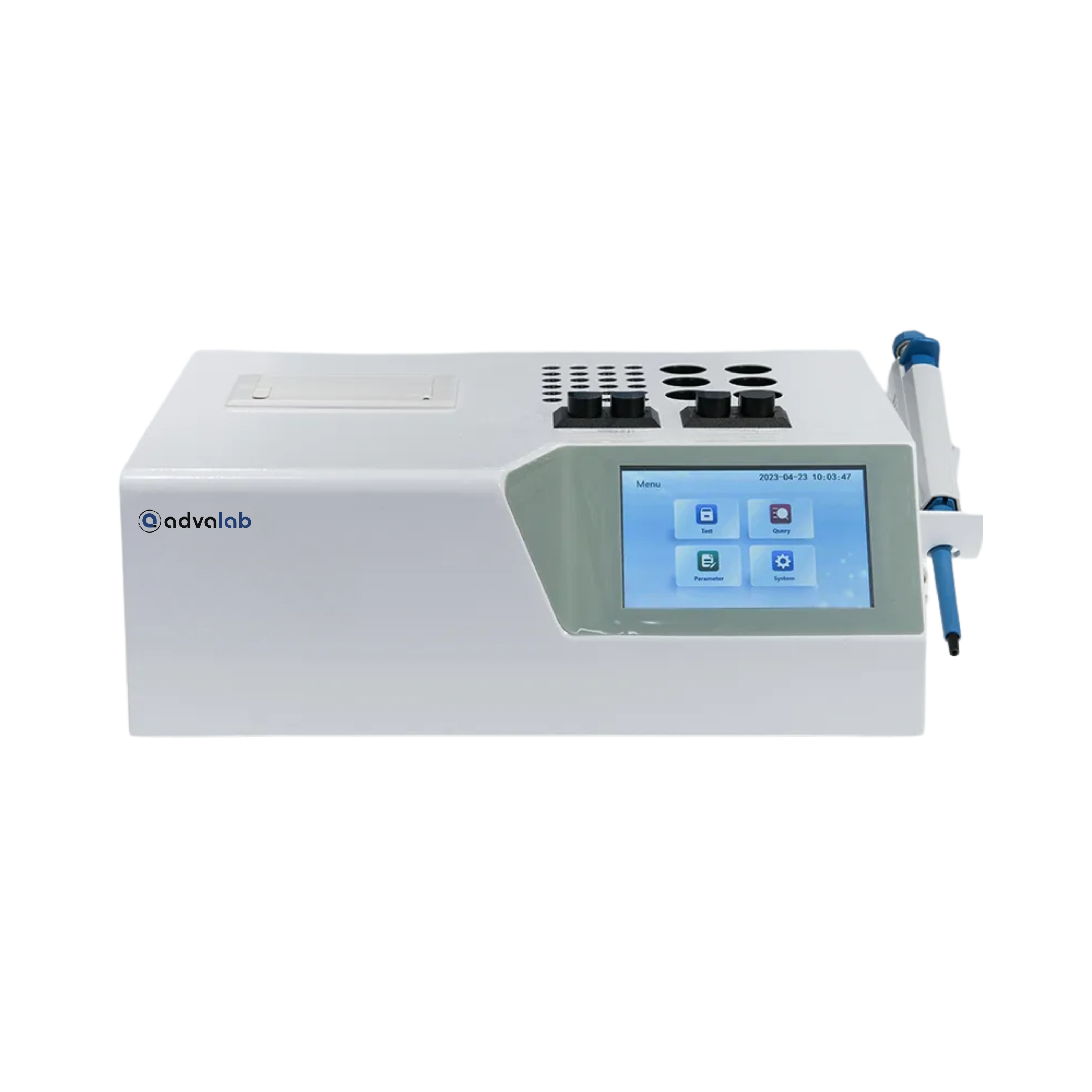
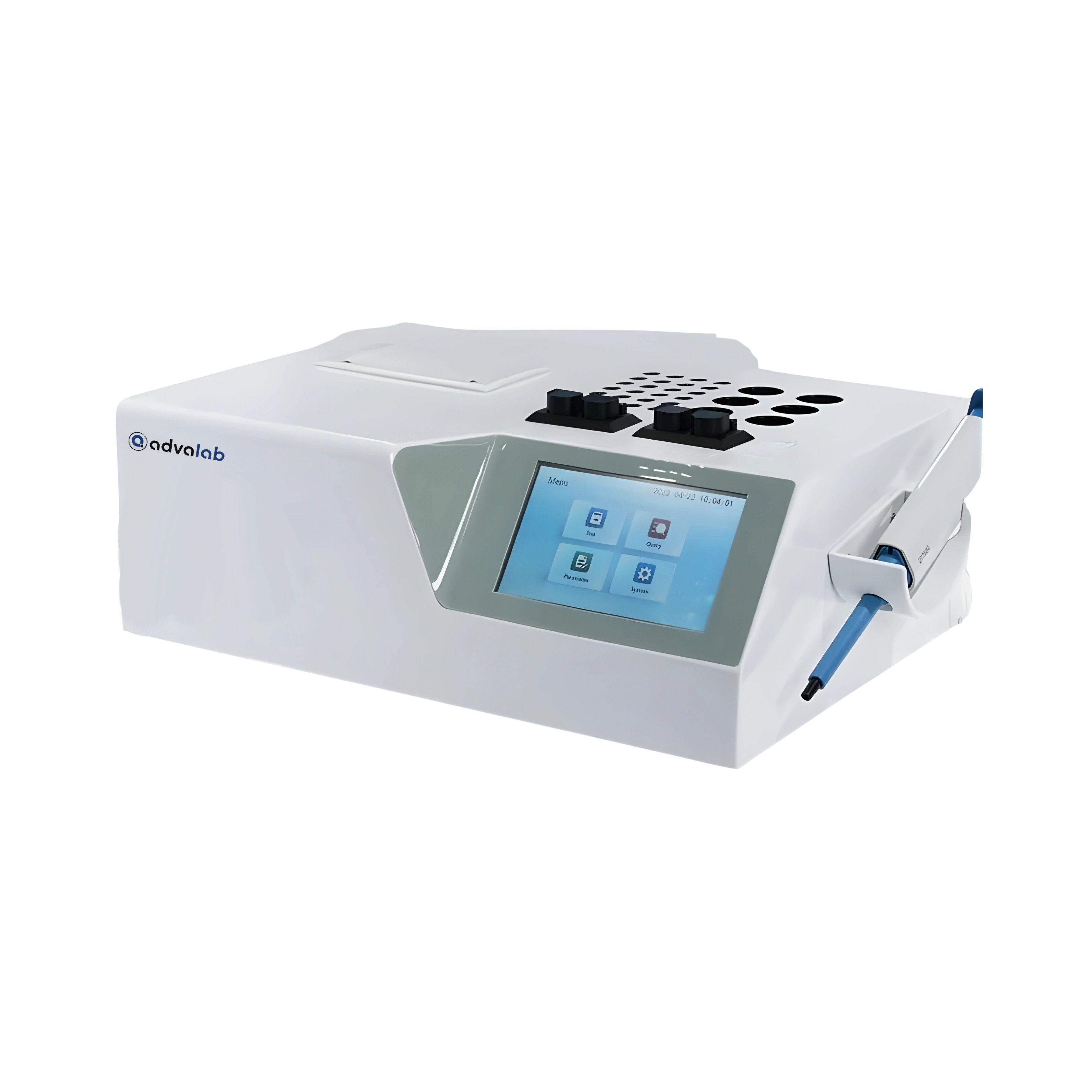
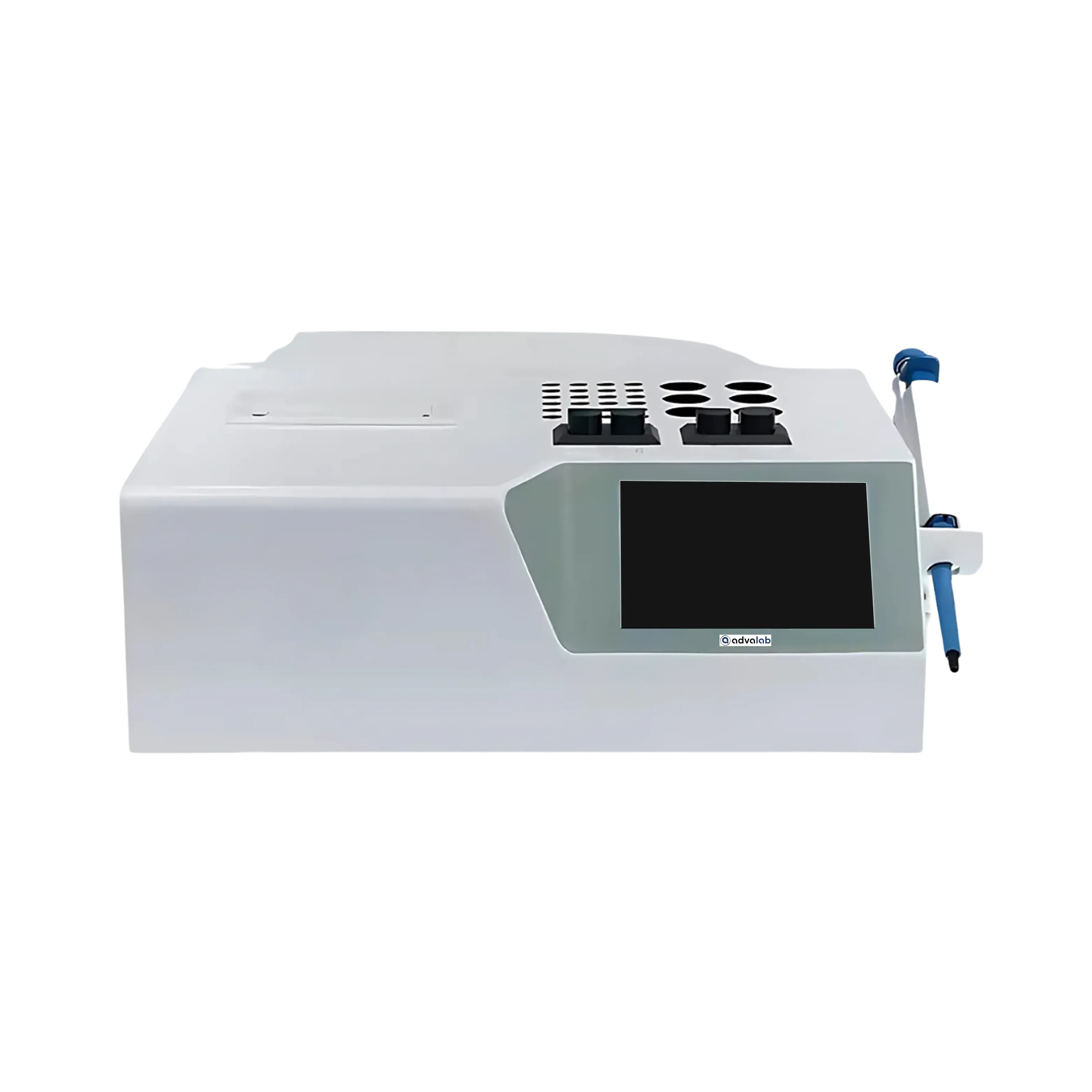
Semi-Automatic Coagulation Analyzer ADCAZ-501 is used to measure the blood’s ability to clot. It aids in the diagnosis and monitoring of bleeding disorders and anticoagulant therapy.


1. How does optical colorimetry contribute to accurate clot detection in Semi-Automatic Coagulation Analyzer ADCAZ-501?
In Semi-Automatic Coagulation Analyzer ADCAZ-501, optical colorimetry method is essential. It helps to accurately detecting clot formation by monitoring changes in the optical density of the plasma sample. Real-time and accurate monitoring of coagulation parameters such as PT and APTT is provided. This ensures reliable results for accurate diagnosis and effective management of bleeding or thrombotic disorders.
2. What communication interface does the Semi-Automatic Coagulation Analyzer ADCAZ-501 use?
Semi-Automatic Coagulation Analyzer ADCAZ-501 features an RS232 serial interface. This allows stable and reliable data transmission. It supports integration with Laboratory Information Systems (LIS), enabling seamless transfer of test results. Also reducing manual entry errors and improving overall workflow efficiency in clinical laboratories.
3. What is the minimum reagent dosage required for the Semi-Automatic Coagulation Analyzer ADCAZ-501?
Semi-Automatic Coagulation Analyzer ADCAZ-501 requires a minimum reagent dosage of 20 ?l. This small volume helps reduce reagent consumption, making the testing process more cost-effective. Despite the low dosage, the Analyzer maintains high accuracy and reliability in results. This efficiency also minimizes waste, supporting sustainable laboratory practices.
4. How does humidity affect the performance of Semi-Automatic Coagulation Analyzer ADCAZ-501?
Excessive moisture may cause condensation inside the Semi-Automatic Coagulation Analyzer ADCAZ-501. This leads to electrical malfunctions or damage to sensitive optical components. High humidity can also affect reagent stability and sample integrity, resulting in inaccurate test results. Therefore, maintaining relative humidity at or below recommended levels ?80% is crucial to ensure reliable operation and accurate coagulation measurements.
5. What is the reaction time range for normal samples in Semi-Automatic Coagulation Analyzer ADCAZ-501?
The reaction time for normal samples in Semi-Automatic Coagulation Analyzer ADCAZ-501 typically ranges from 20 to 40 seconds. This allows for quick and efficient testing in routine clinical settings. Additionally, the reaction time can be adjusted up to 99 seconds to accommodate different test requirements. This flexibility ensures both fast results and high accuracy. It helps laboratories to balance speed with precise coagulation analysis.
6. What are Semi-Automatic Coagulation Analyzers?
Semi-Automatic Coagulation Analyzers are laboratory instrument used to measure blood clotting times with minimal manual input. They perform tests like PT, APTT, TT, and fibrinogen using optical or mechanical detection methods. These systems enhance accuracy, speed, and consistency in coagulation testing. They use small blood or plasma samples and provides rapid, reliable results.
7. Where are Semi-Automatic Coagulation Analyzers commonly used?
Semi-Automatic Coagulation Analyzer are commonly used in small to medium-sized clinical laboratories. They are ideal for diagnostic centres with moderate patient volumes. Medical colleges and teaching institutions use them for educational purposes. They are also found in rural or resource-limited healthcare settings. These Analyzers offer reliable testing where full automation isn't necessary.
8. How do Semi-Automatic Coagulation Analyzers function?
Semi-Automatic Coagulation Analyzer functions by adding specific reagents to a blood sample to trigger the clotting process. They then detect changes either in light transmission that is optical method or movement that is mechanical method to determine when a clot forms. The time taken for clot formation is automatically measured and recorded. This process helps evaluate how well the blood coagulates and assists in diagnosing clotting disorders.
| Test Principle | Optical colorimetry |
| Test Channel | 4 |
| Wavelength | 470 nm |