
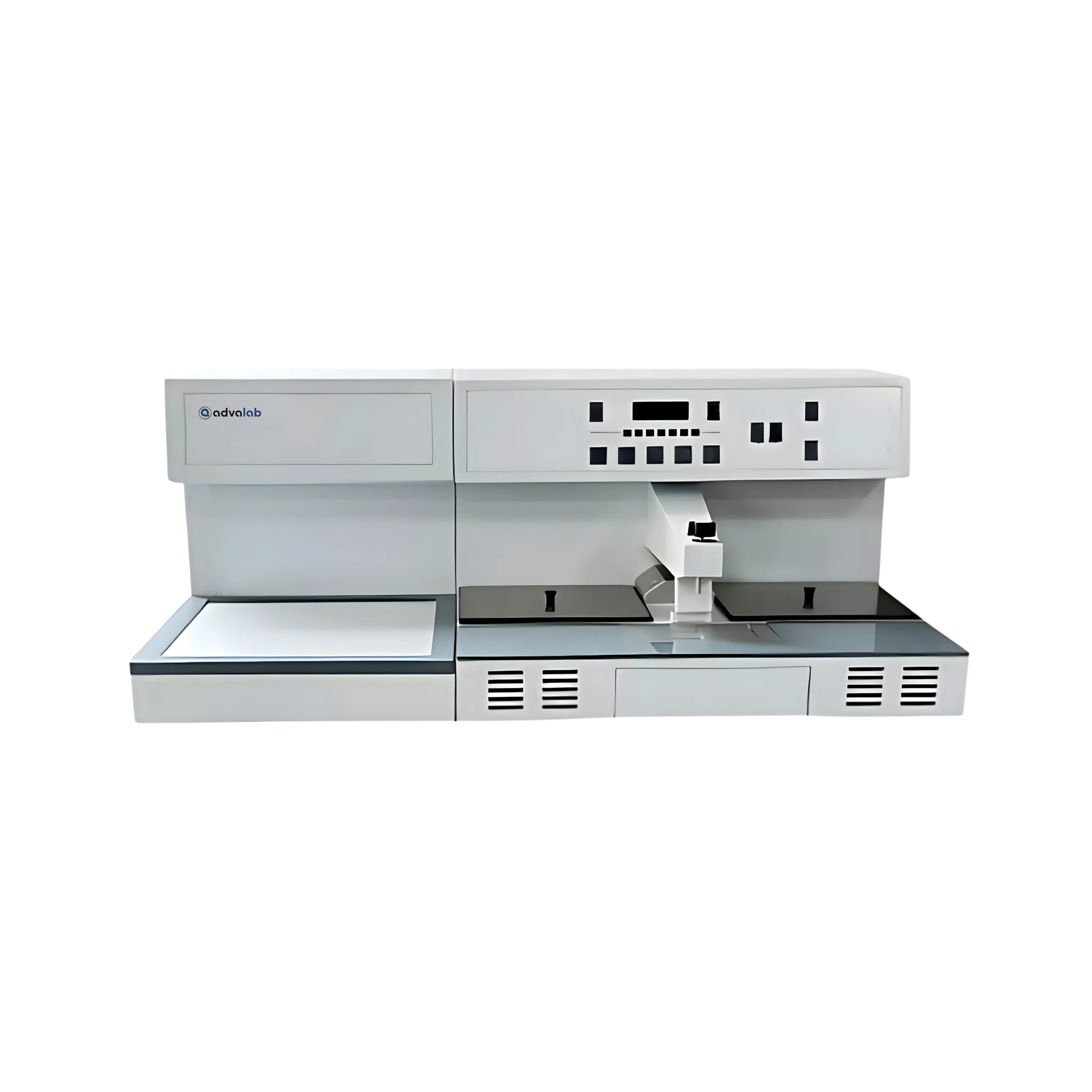
| Working Temperature | Ambient to -20 °C (increments of 1 °C) |
| Net Volume | 0.08 m³ |
| Packaging Method | Wooden case |
| Power Consumption | 110 W |
| Power Supply | 220V/50Hz or 110V/60Hz |
| Internal Dimensions (W × D × H) | 345 × 600 × 375 mm |
| External Dimensions (W × D × H) | 650 × 440 × 570 mm |
| Net Weight | 24 kg |
| Gross Weight | 35 kg |
The Tissue Embedding System ADES-506 is designed for histopathology laboratories to embed processed tissue samples into paraffin blocks, ensuring precise microscopic examination and reliable diagnostic outcomes.
Foot Switch | 1 pc |
Fuse (5 A) | 2 pcs |
Power Line | 2 lines |
1. What temperature regulation options are available in the Tissue Embedding System ADES-506?
The Tissue Embedding System ADES-506 delivers finely tuned cooling from room level down to -20 °C, with changes made in single-degree steps for superior accuracy. This precision enables even solidification of paraffin, safeguarding specimen quality for optimal slicing. Such adaptability meets diverse laboratory processing demands across histopathology applications.
2. How does the compressor-assisted cooling surface improve Tissue Embedding System ADES-506 efficiency?
The compressor-driven chilling plate in the Tissue Embedding System ADES-506 swiftly drops wax temperature, accelerating block hardening for faster processing cycles. Rapid cooling shortens the interval between embedding and trimming, expediting slide creation. This ensures a stable, firm texture, enhancing section smoothness under the microtome. Its energy-conscious function preserves performance while lowering running expenses.
3. What benefits does the Teflon-layered surface of the Tissue Embedding System ADES-506 offer?
The Tissue Embedding System ADES-506 incorporates a Teflon-treated workspace that restricts ice formation, keeping the area tidy. This coating allows effortless wax removal, reducing downtime for upkeep. By controlling frost, it sustains steady operation without repeated stoppages. The resilient surface resists abrasion, extending durability over prolonged use.
4. Can the Tissue Embedding System ADES-506 operate without supplementary equipment?
Tissue Embedding System ADES-506 functions independently, providing flexibility for multiple workspace configurations. Placement beside a microtome speeds transition from embedding to slicing, streamlining routine handling. This autonomy minimizes transfers, lowering the likelihood of sample mismanagement. It aids in efficient utilization of compact lab spaces.
5. How is the Tissue Embedding System ADES-506 safeguarded during delivery?
The Tissue Embedding System ADES-506 arrives enclosed within a sturdy timber crate, offering strong defense throughout transit. This protective casing absorbs vibration, guards against humidity, and resists environmental threats. By averting mechanical harm, it maintains readiness for immediate operation upon arrival. The secure packaging simplifies both transportation and positioning at the installation site.
6. What are Tissue Embedding Systems?
Tissue Embedding Systems are laboratory devices that encase processed specimens in paraffin wax for structural support. They help achieve precise sectioning for histological analysis. These systems maintain accurate sample alignment for consistent slicing and staining. Their design improves workflow efficiency while reducing handling errors.
7. What are the applications of Tissue Embedding Systems?
Tissue Embedding Systems embed processed samples into paraffin blocks for microscopic analysis and diagnosis. They safeguard delicate structures for long-term study. Their versatility supports multiple specimen types. These systems align with varied laboratory protocols.
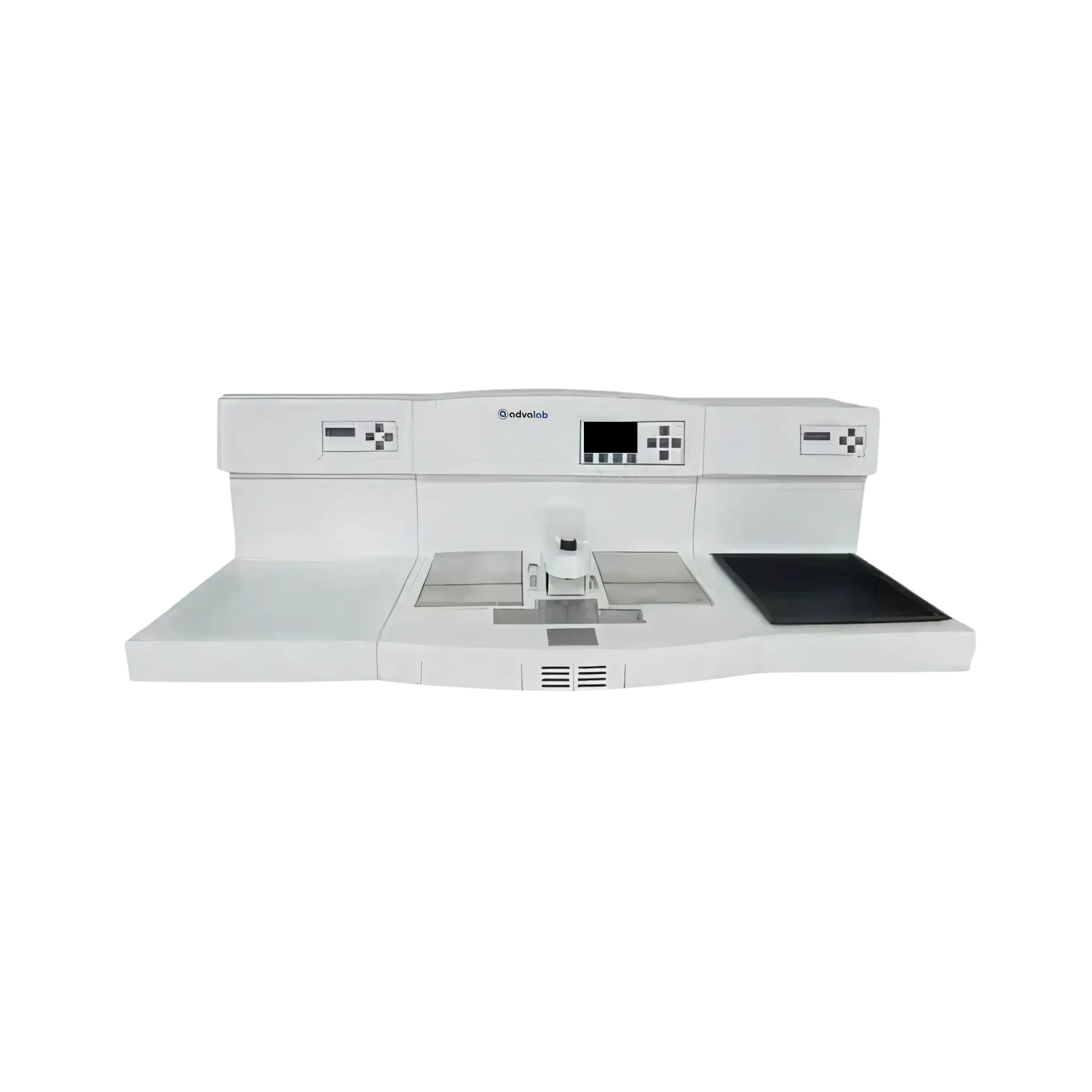
| Working Temperature | 0 to -20 °C (increments of 1 °C) |
| Net Volume | 0.12 m³ |
| Packaging Method | Wooden case |
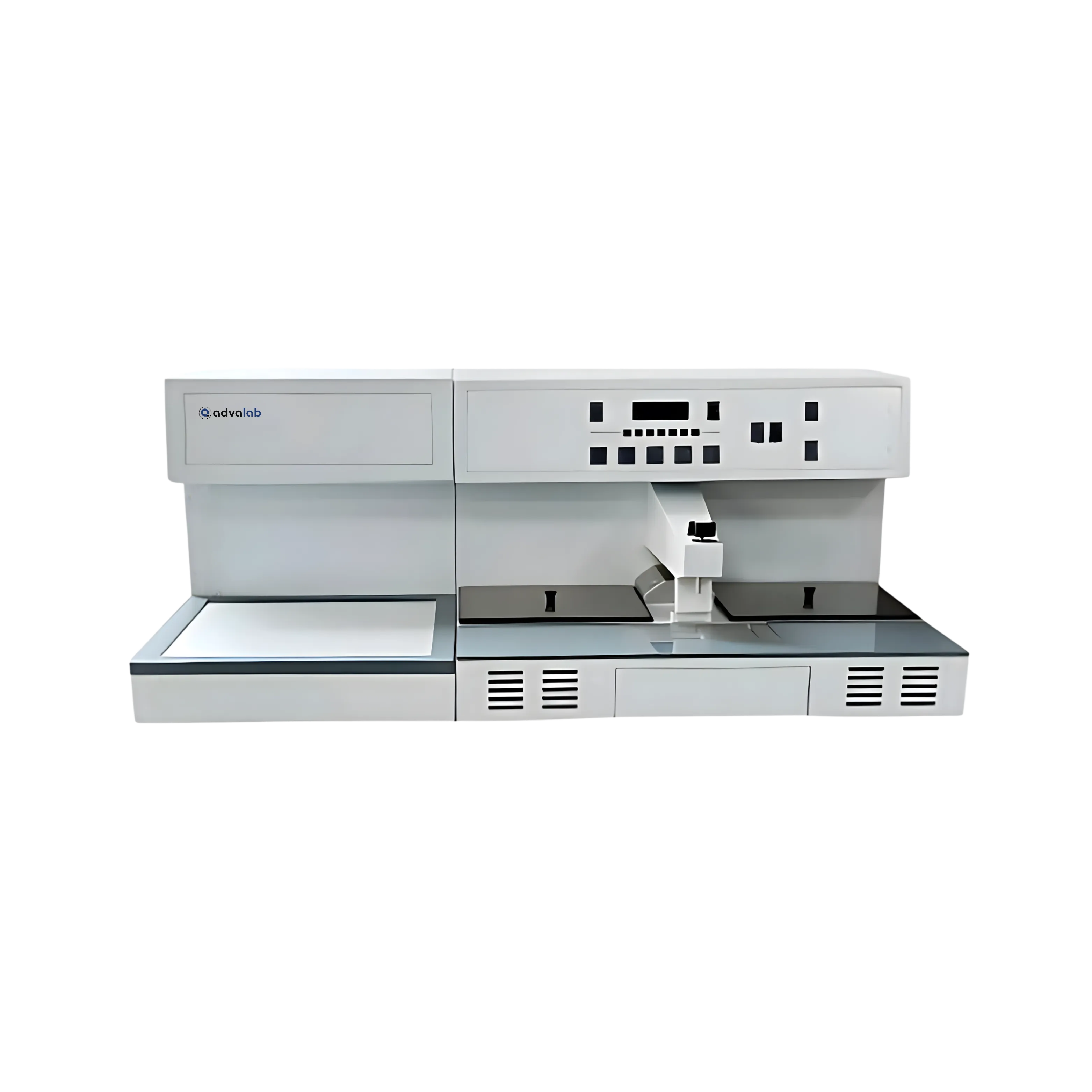
| Paraffin Reservoir Capacity | 3.2 L |
| Cassette or Mold Tray Capacity | 1.4 L |
| Working Temperature | Ambient to 99 °C (increments of 1 °C) |
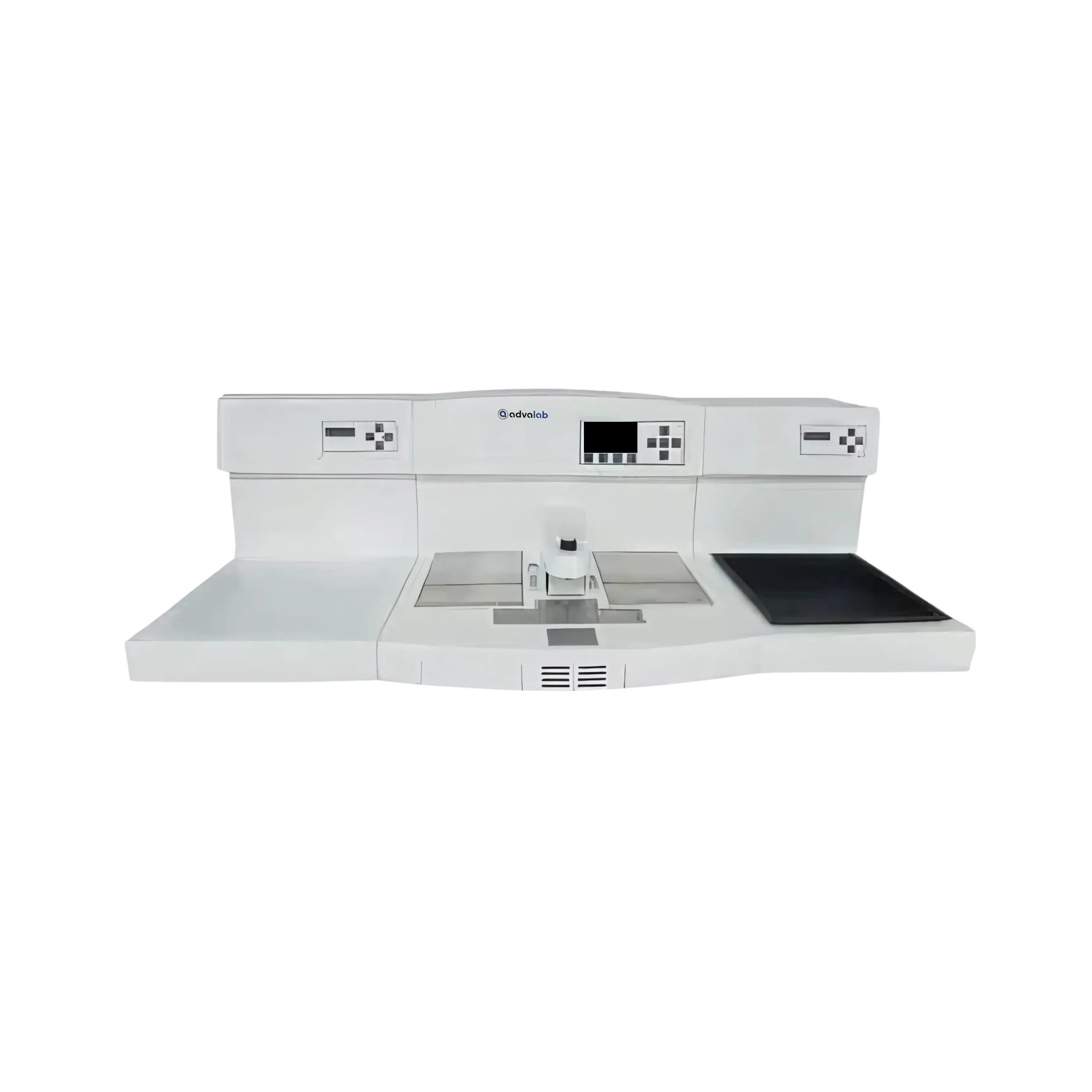
| Paraffin Reservoir Capacity | 6 L |
| Cassette or Mold Tray Capacity | 1.6 L |
| Working Temperature | Ambient to 99 °C (increments of 1 °C) |
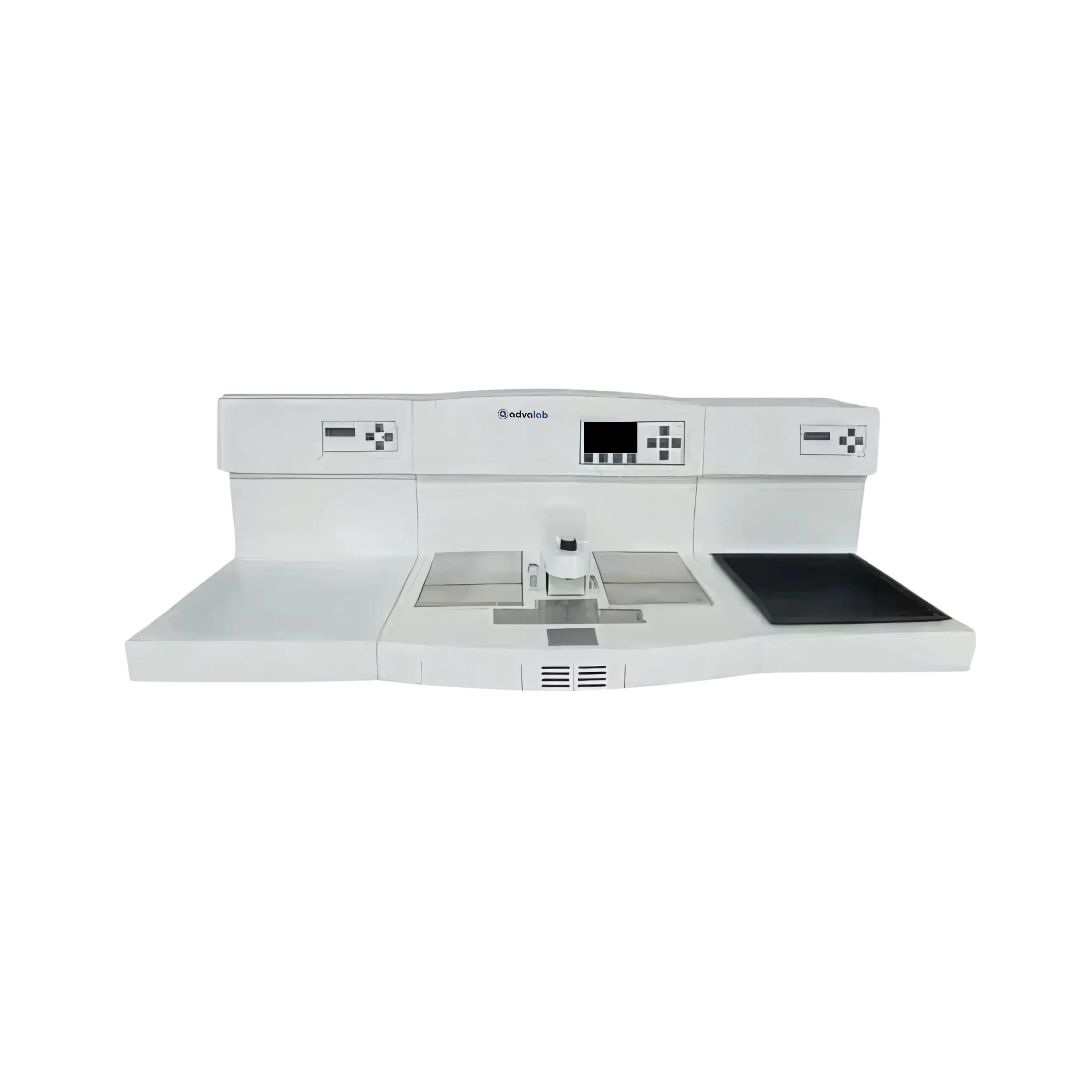
| Paraffin Reservoir Capacity | 5 L |
| Working Temperature | 30 to 90 °C (increments of 1 °C) |
| Net Volume | 0.11 m³ |