
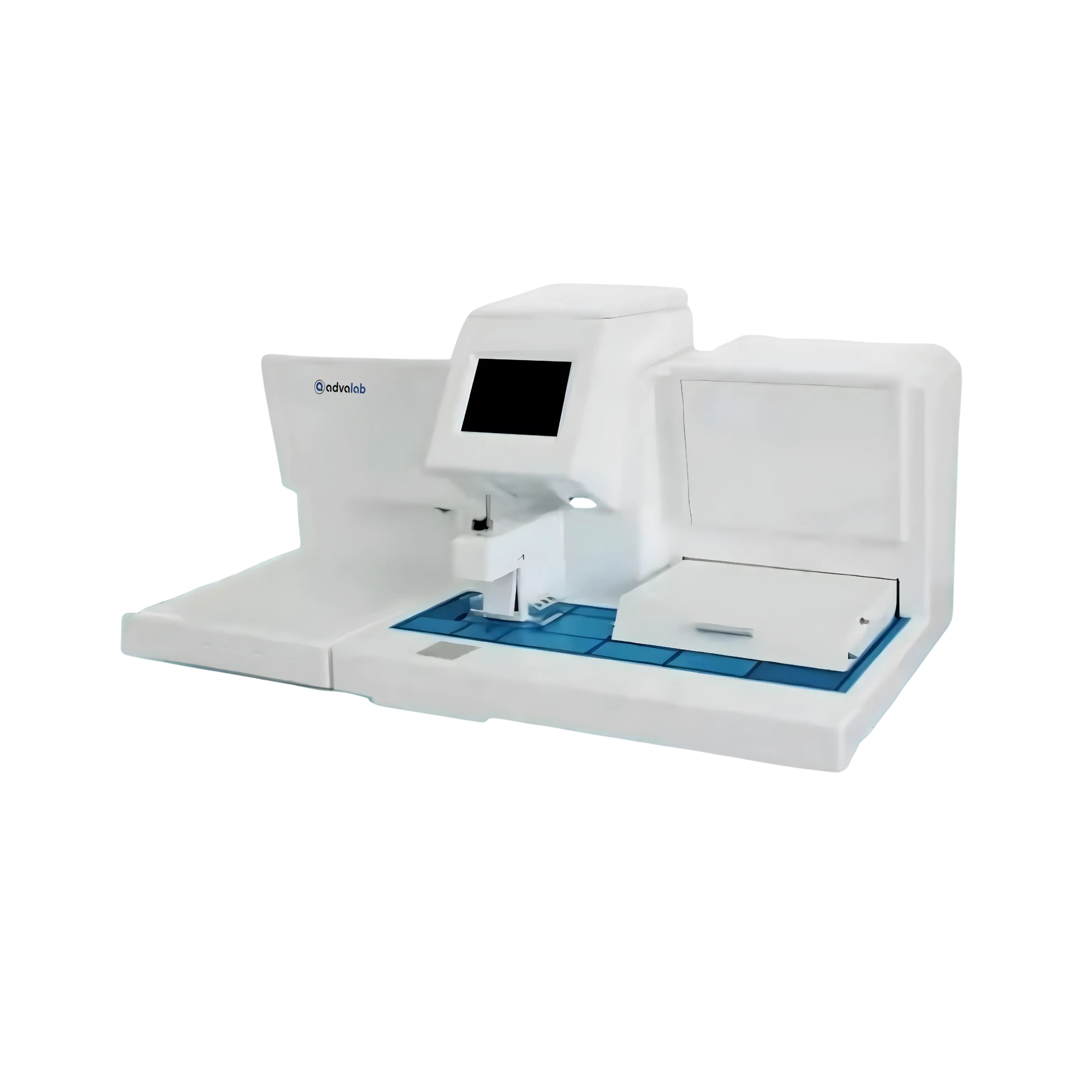
| Capacity | 6 L |
| Heater Temperature Range | Ambient to 99 °C |
| Operation Table Temperature Range | Ambient to 99 °C |
| Heat Preservation Tank Temperature Range | Ambient to 99 °C |
| Working Environmental Temperature | 0 °C to 45 °C |
| Net Volume | 0.18 m³ |
| Packaging Method | Wooden case |
| Power Consumption | 1500 W |
| Power Supply | 220 V / 50 Hz |
| Internal Dimensions (W × D × H) | 600 × 650 × 450 mm |
| External Dimensions (W × D × H) | 1190 × 750 × 760 mm |
| Net Weight | 40 kg |
| Gross Weight | 100 kg |
The Tissue Embedding System ADES-504 is designed for histopathology labs to encase processed tissue samples in paraffin blocks, enabling precise microscopic examination and reliable diagnostic results.
Foot Switch | 1 pc |
Fuse (5 A) | 2 pcs |
Power Line | 2 lines |
1. What is the wax reservoir capacity of the Tissue Embedding System ADES-504?
Tissue Embedding System ADES-504 includes a 6-liter wax reservoir designed to handle large volumes of paraffin efficiently. This capacity allows processing numerous specimens without frequent refills. It supports high-throughput embedding operations in busy laboratories. The large reservoir improves workflow and reduces downtime.
2. What temperature ranges does the Tissue Embedding System ADES-504 support?
This unit maintains precise control with heater, operation table, and heat preservation tank temperatures adjustable from ambient to 99 °C. These settings allow customization for different tissue types and embedding needs. Accurate temperature management ensures consistent paraffin melting and sample quality. Users can optimize protocols based on specific requirements.
3. How does the Tissue Embedding System ADES-504 ensure embedding precision?
The system offers adjustable heat levels on the operation table to fine-tune the embedding environment. Bright LED lighting provides clear visibility for accurate placement of specimens. Together, these features help reduce errors and improve sample integrity. Enhanced precision supports reliable microscopic analysis after processing.
4. Is the Tissue Embedding System ADES-504 easy to operate?
Operation is simplified through both manual and foot pedal controls, giving users flexibility in handling. A touchscreen interface further enhances user experience by allowing quick program adjustments. The intuitive design minimizes training time and reduces the chance of operational mistakes. It suits both novice and experienced lab personnel.
5. What are the Tissue Embedding System ADES-504 dimensions and weight?
The internal size measures 600 × 650 × 450 mm, while the external footprint is 1190 × 750 × 760 mm. It weighs 40 kg net and 100 kg including packaging materials. This balance of size and weight ensures stability during use but also allows reasonable portability. The compact footprint fits easily on standard laboratory benches.
6. What are Tissue Embedding Systems?
Tissue Embedding Systems are laboratory devices that encase processed specimens in paraffin wax for structural support. They help achieve precise sectioning for histological analysis. These systems maintain accurate sample alignment for consistent slicing and staining. Their design improves workflow efficiency while reducing handling errors.
7. What are the applications of Tissue Embedding Systems?
Tissue Embedding Systems embed processed samples into paraffin blocks for microscopic analysis and diagnosis. They safeguard delicate structures for long-term study. Their versatility supports multiple specimen types. These systems align with varied laboratory protocols.
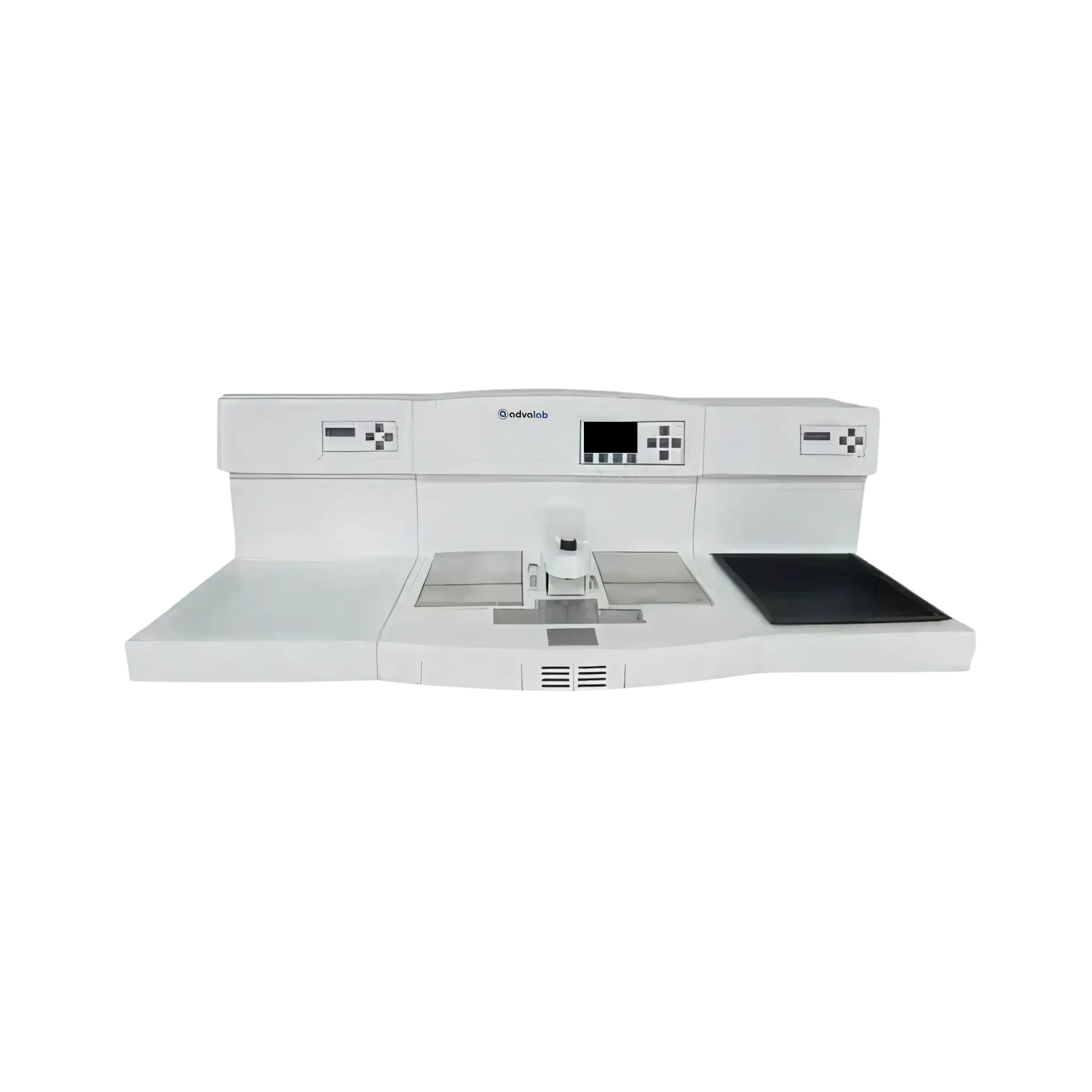
| Working Temperature | 0 to -20 °C (increments of 1 °C) |
| Net Volume | 0.12 m³ |
| Packaging Method | Wooden case |
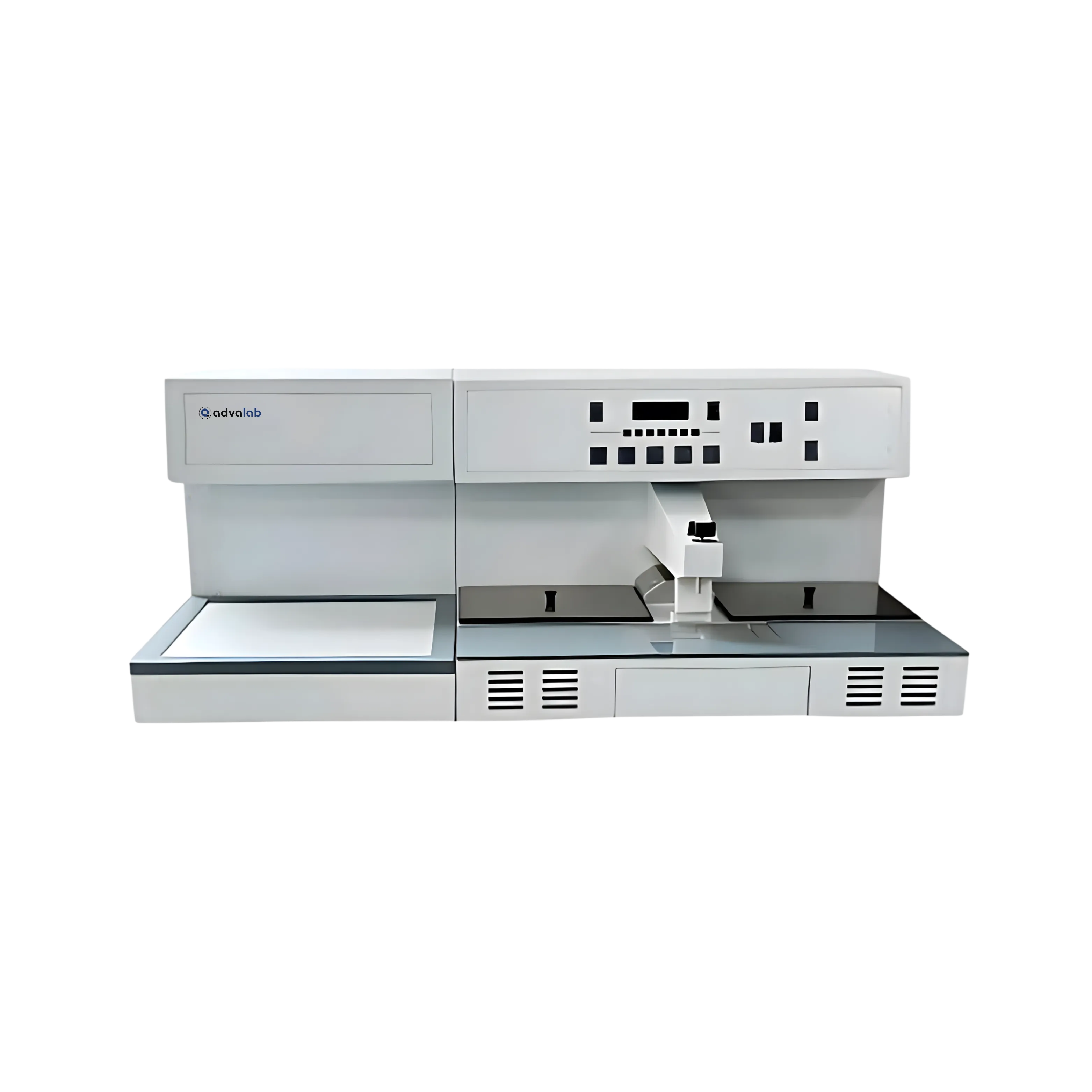
| Paraffin Reservoir Capacity | 3.2 L |
| Cassette or Mold Tray Capacity | 1.4 L |
| Working Temperature | Ambient to 99 °C (increments of 1 °C) |
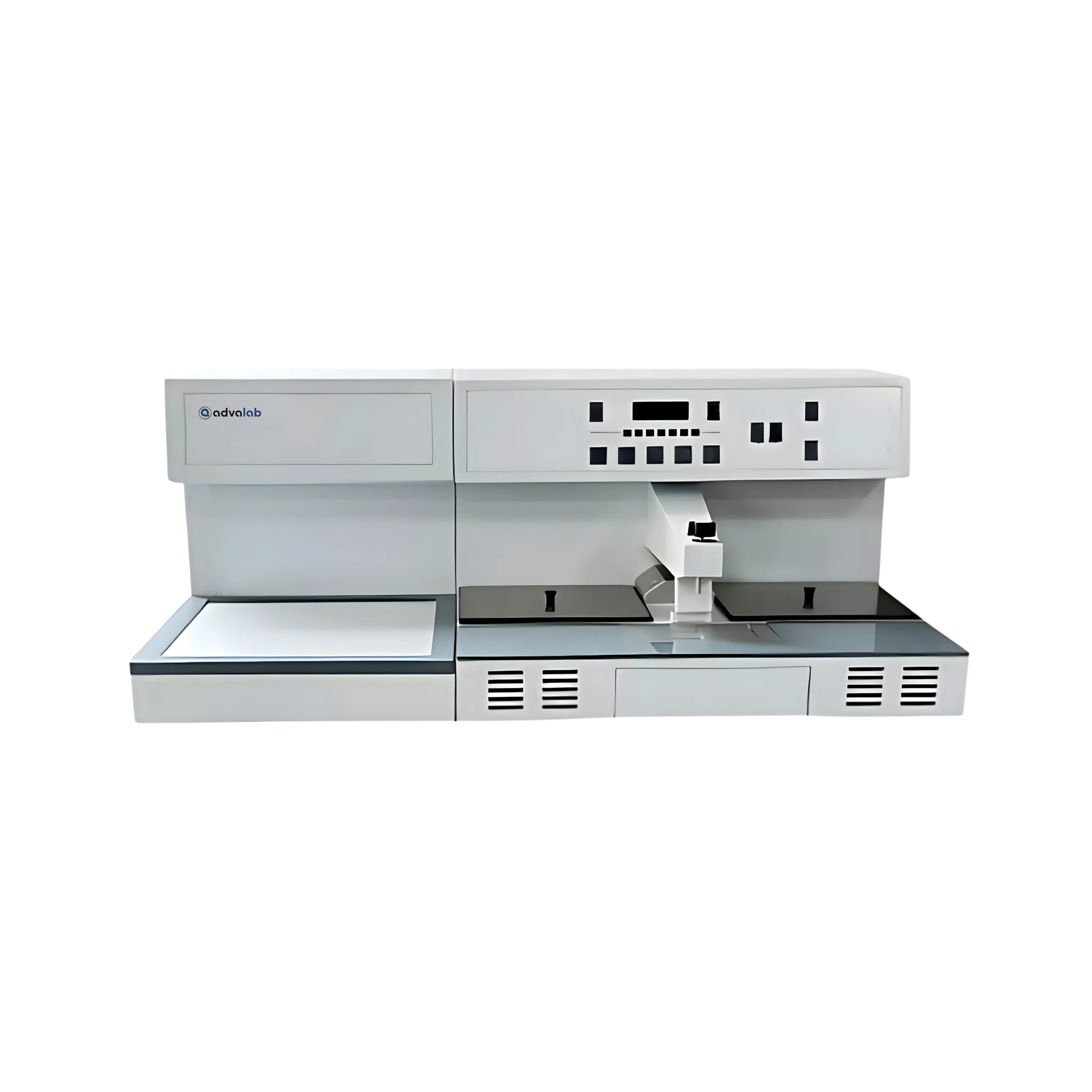
| Working Temperature | Ambient to -20 °C (increments of 1 °C) |
| Net Volume | 0.08 m³ |
| Packaging Method | Wooden case |
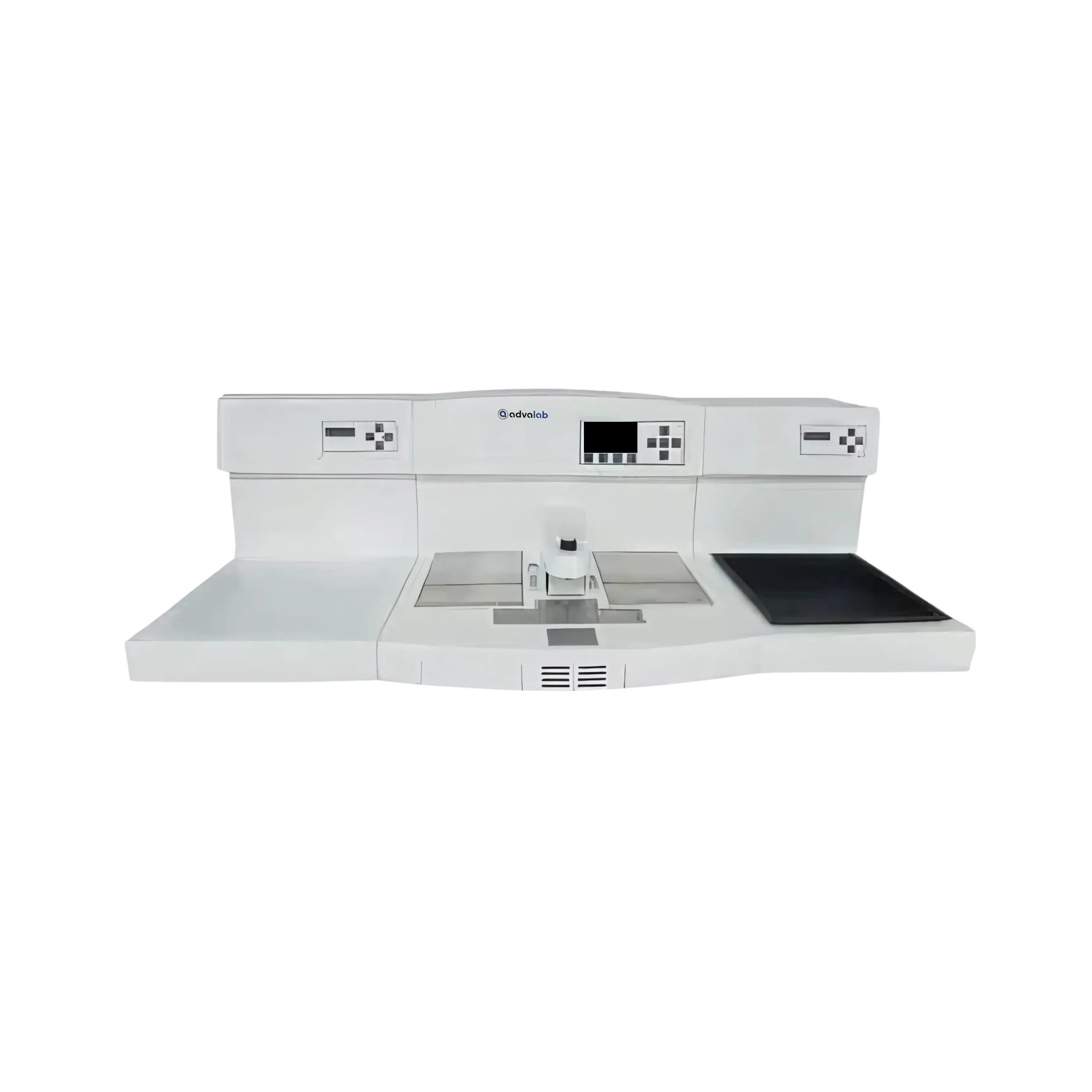
| Paraffin Reservoir Capacity | 6 L |
| Cassette or Mold Tray Capacity | 1.6 L |
| Working Temperature | Ambient to 99 °C (increments of 1 °C) |