
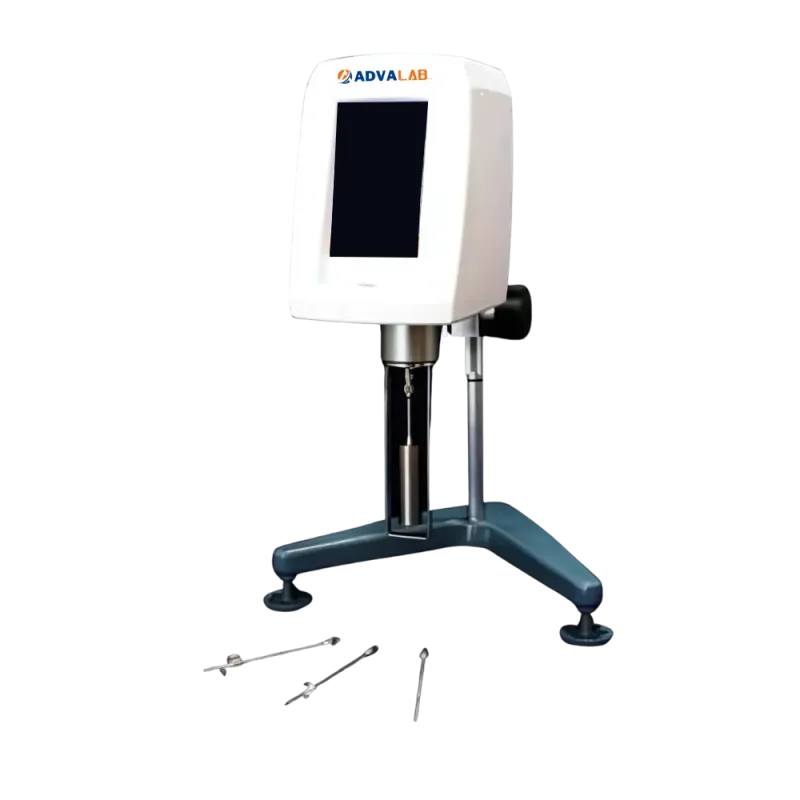
| Measurement Range | 1 – 100,000 mPa·s |
| Speed | 3 / 6 / 12 / 30 / 60 rpm |
| No of Rotors | 1 to 4 rotors |
| Precision | ± 0.5 % |
| Voltage | AC 110V / 60Hz or 220V / 50Hz |
| Dimension | 300 × 300 × 450 mm |
| Weight | 10 kg |
1. What is the measurement range of Digital Rotational Viscometer ADVR-505?
The Digital Rotational Viscometer ADVR-505 measures from 1 mPa·s to 100,000 mPa·s, handling both ultra-low and extremely high viscosities. This makes it suitable for light solvents, heavy greases, gels, and industrial resins, while maintaining ±0.5% accuracy.
2. How does automatic scanning benefit users?
The Digital Rotational Viscometer ADVR-505 automatically detects the optimal rotor and speed combination for the target viscosity range. This minimizes operator guesswork, saves time, and ensures consistent, repeatable measurements.
3. How does Digital Rotational Viscometer ADVR-505 display kinematic viscosity?
Yes, by inputting the sample’s density, the Digital Rotational Viscometer ADVR-505 calculates kinematic viscosity alongside dynamic viscosity. This is particularly useful for petrochemical testing, lubricants, and process fluids
4. What makes the Digital Rotational Viscometer ADVR-505 user-friendly for laboratory and industrial use?
The Digital Rotational Viscometer ADVR-505 features a touchscreen interface powered by ARM-based Linux OS, providing intuitive navigation, stable performance, and fast data processing. Users can quickly set up tests, view results in real-time, and store or transfer data using connectivity options. The compact design ensures it fits easily on lab benches, while optional accessories like protection frames and foundation plates enhance operational stability.
5. Which industries and applications benefit most from the Digital Rotational Viscometer ADVR-505?
The Digital Rotational Viscometer ADVR-505 is versatile and widely used in quality control, R&D, and production monitoring. Common applications include coatings, adhesives, lubricants, cosmetic emulsions, polymers, food products, and specialty chemicals. Its ability to provide rheological profiling and extreme-range viscosity testing makes it a reliable tool for manufacturers seeking to maintain consistency, optimize formulations, and meet regulatory standards.

| Measurement Range | 1 to 2 Million mPa.s |
| Speed | 6,12,30,60 rpm |
| No of Rotors | 0 to 4 rotor |
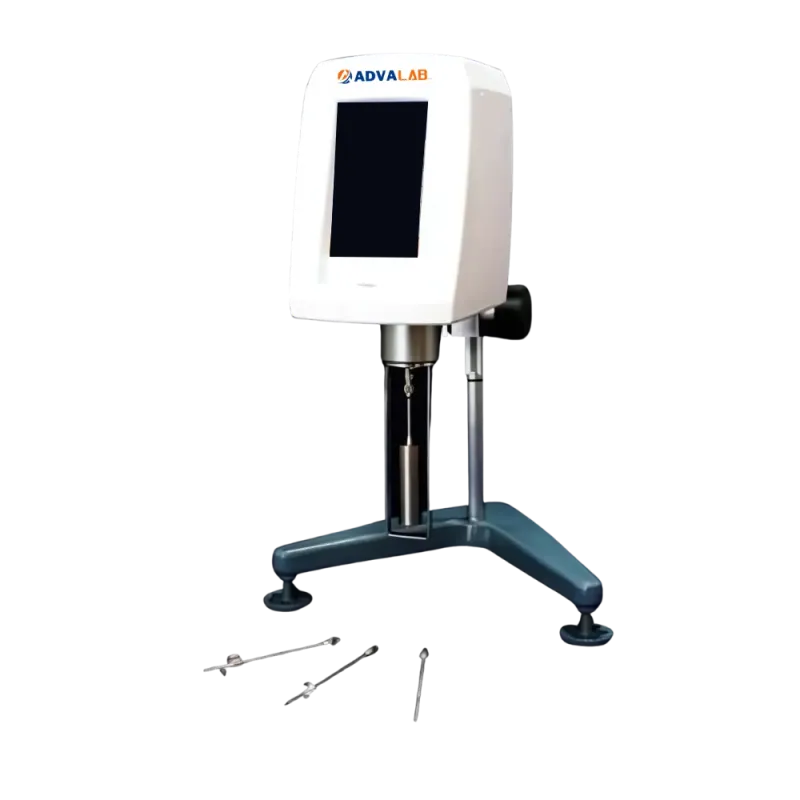
| Measurement Range | 1 – 2,000,000 mPa·s |
| Speed | 0.3 / 0.6 / 1.5 / 3 / 6 / 12 / 30 / 60 rpm |
| No of Rotors | 1 to 4 rotors |
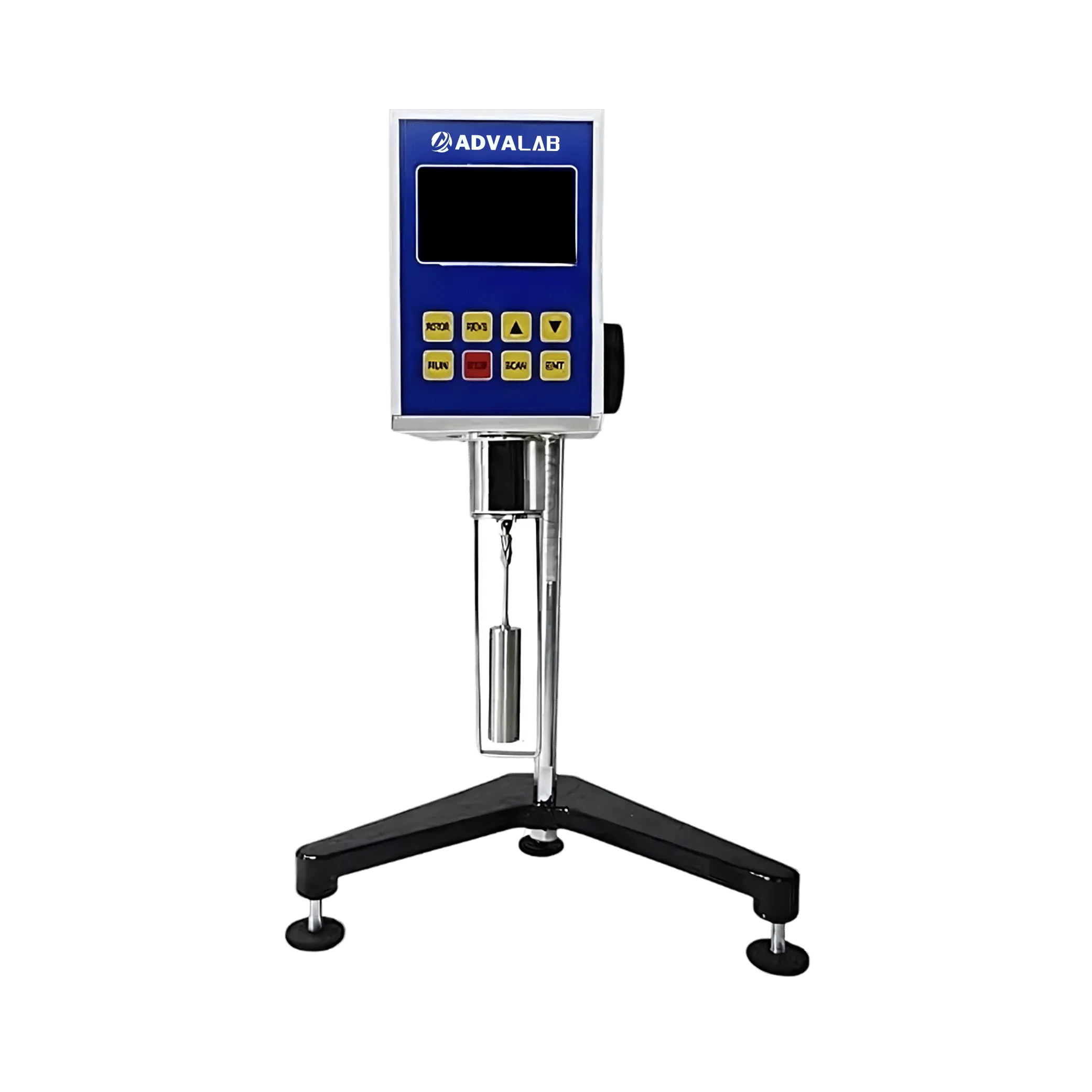
| Measurement Range | 1 to 100kmPa.s |
| Speed | 6,12,30,60 rpm |
| No of Rotors | 0 to 4 rotor |

| Measurement Range | 25 mPa.s to 1 × 10⁷ mPa.s |
| Rotors | Rotor no. 21, 27, 28, 29 (total 4 pieces of spindles) |
| Rotation Speed | 0.1, 0.2, 0.5, 1, 2, 5, 10, 20, 50, 100 and 200 rpm |
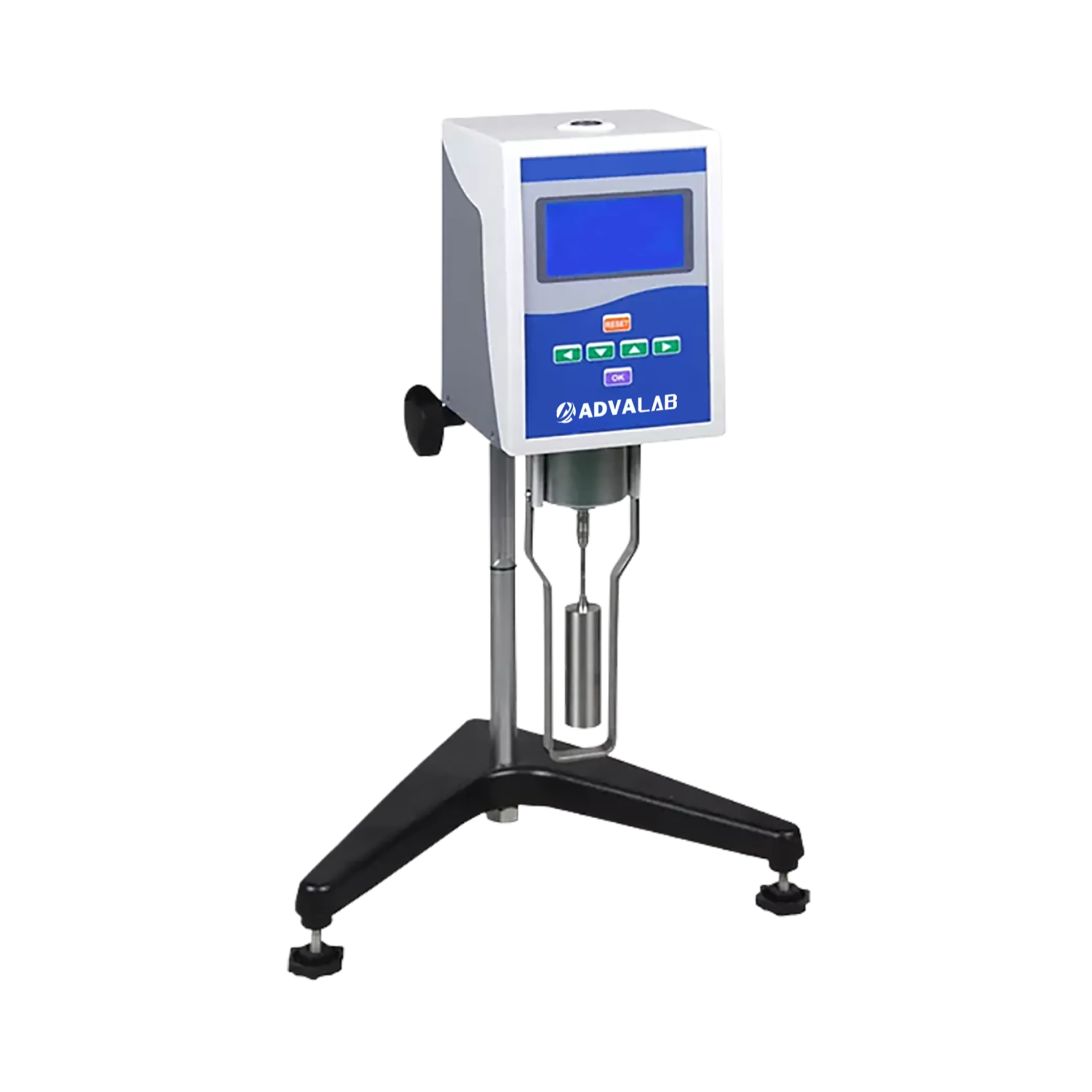
| Measuring Range: | 1 to 2×10⁶m Pa.s |
| Precision: | ± 3% |
| Temperature: | 5° C to 35 ° C |

| Measuring Range: | 1 to 2×10⁶m Pa.s |
| Precision: | ± 2% |
| Temperature: | 5° C to 35 ° C |
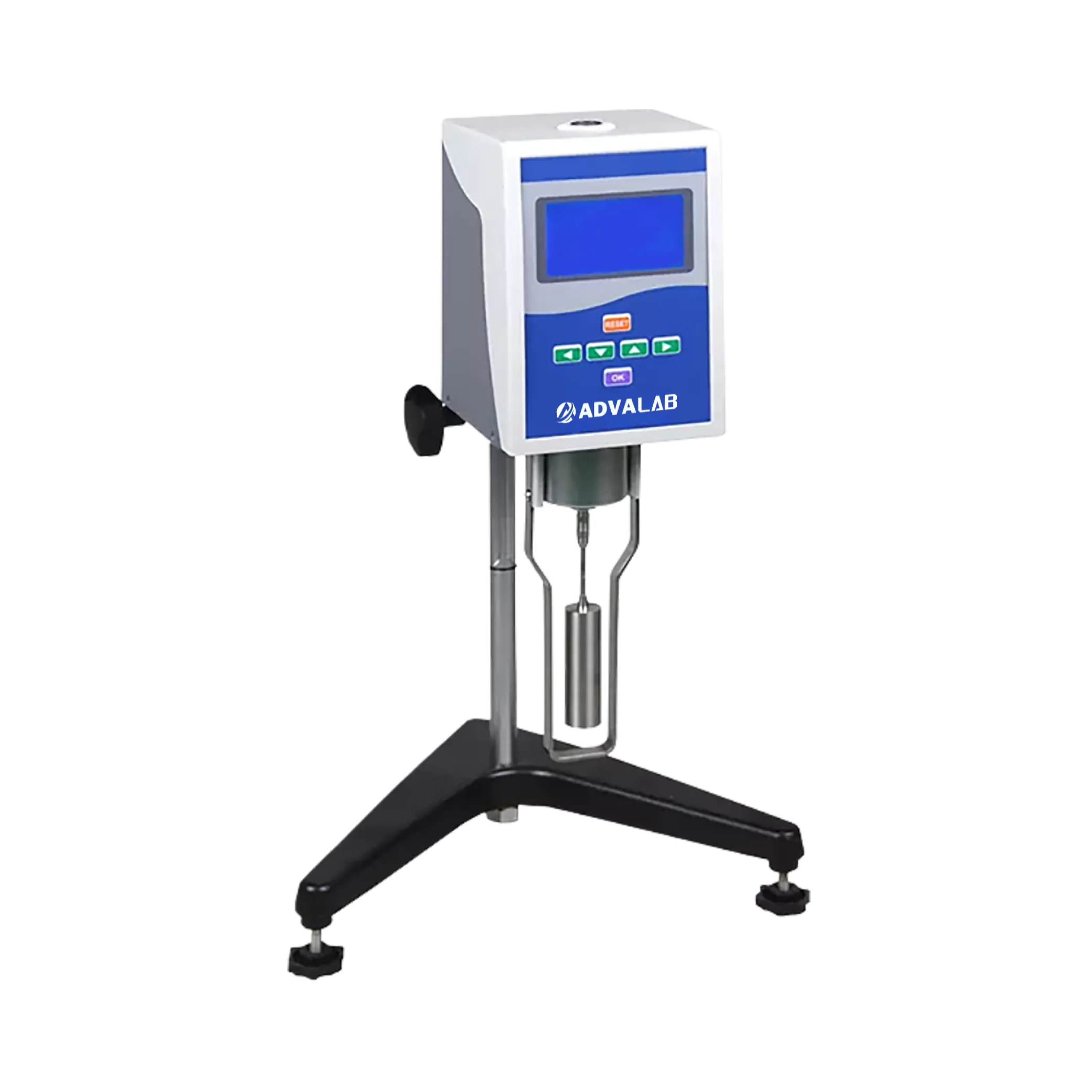
| Measuring Range: | 1 to 1×10⁵ m Pa.s |
| Precision: | ± 3% |
| Temperature: | 5° C to 35 ° C |

| Measuring Range: | 1 to 1×10⁵ m Pa.s |
| Precision: | ± 2% |
| Temperature: | 5° C to 35 ° C |
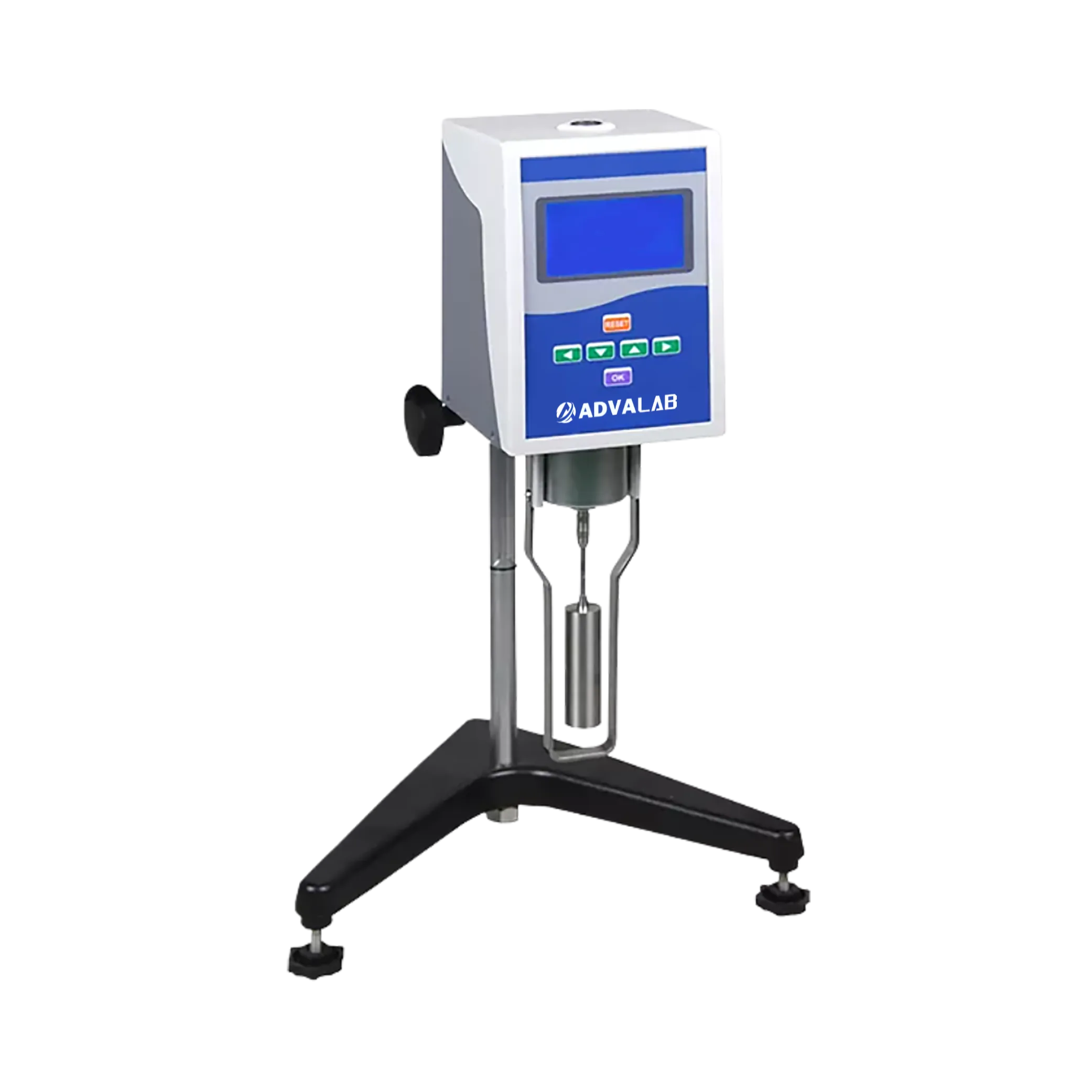
| Measuring Range: | 1 to 2×10⁶m Pa.s |
| Precision: | ± 2% |
| Temperature: | 5° C to 35 ° C |
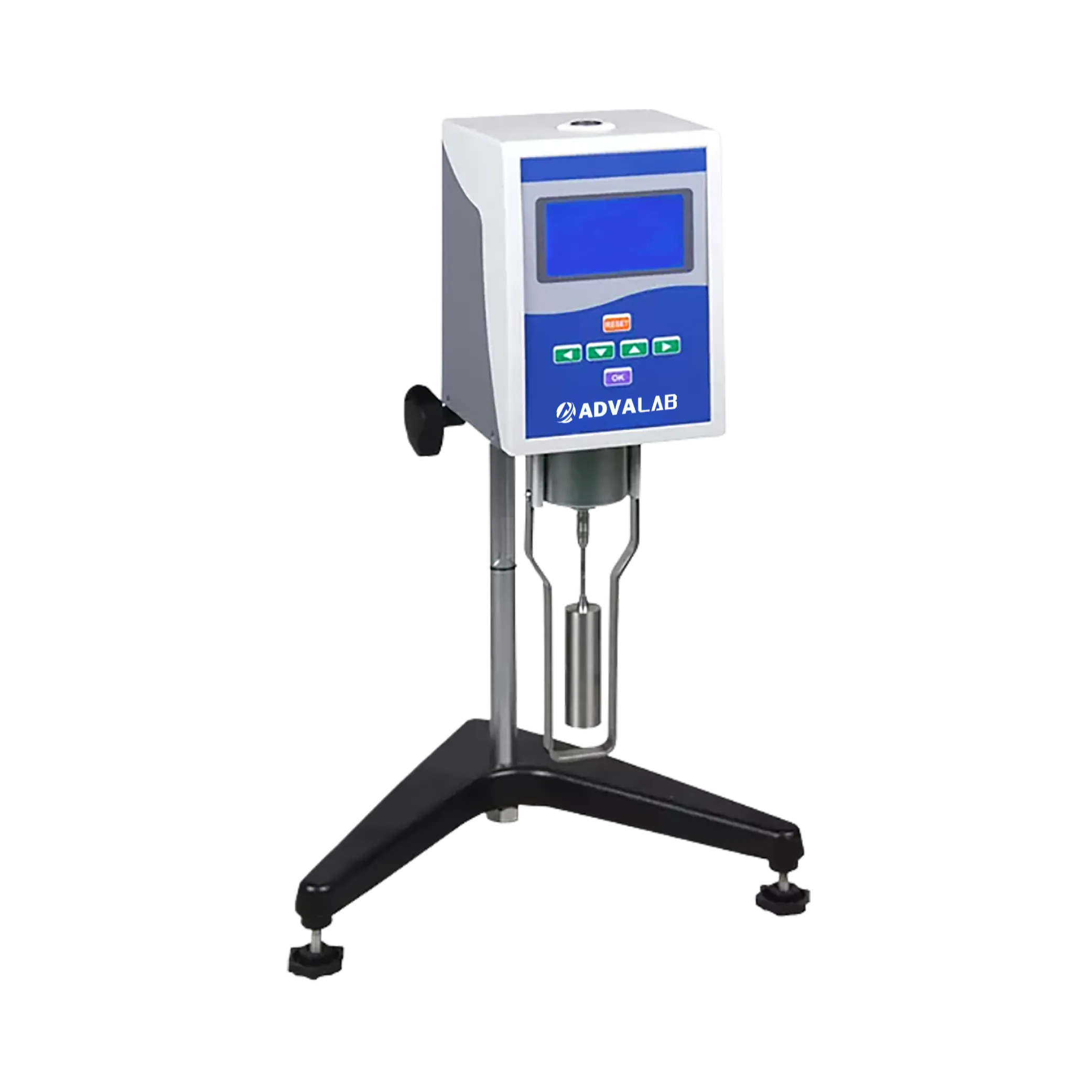
| Measuring Range: | 1 to 1×10⁵ m Pa.s |
| Precision: | ± 2% |
| Temperature: | 5° C to 35 ° C |
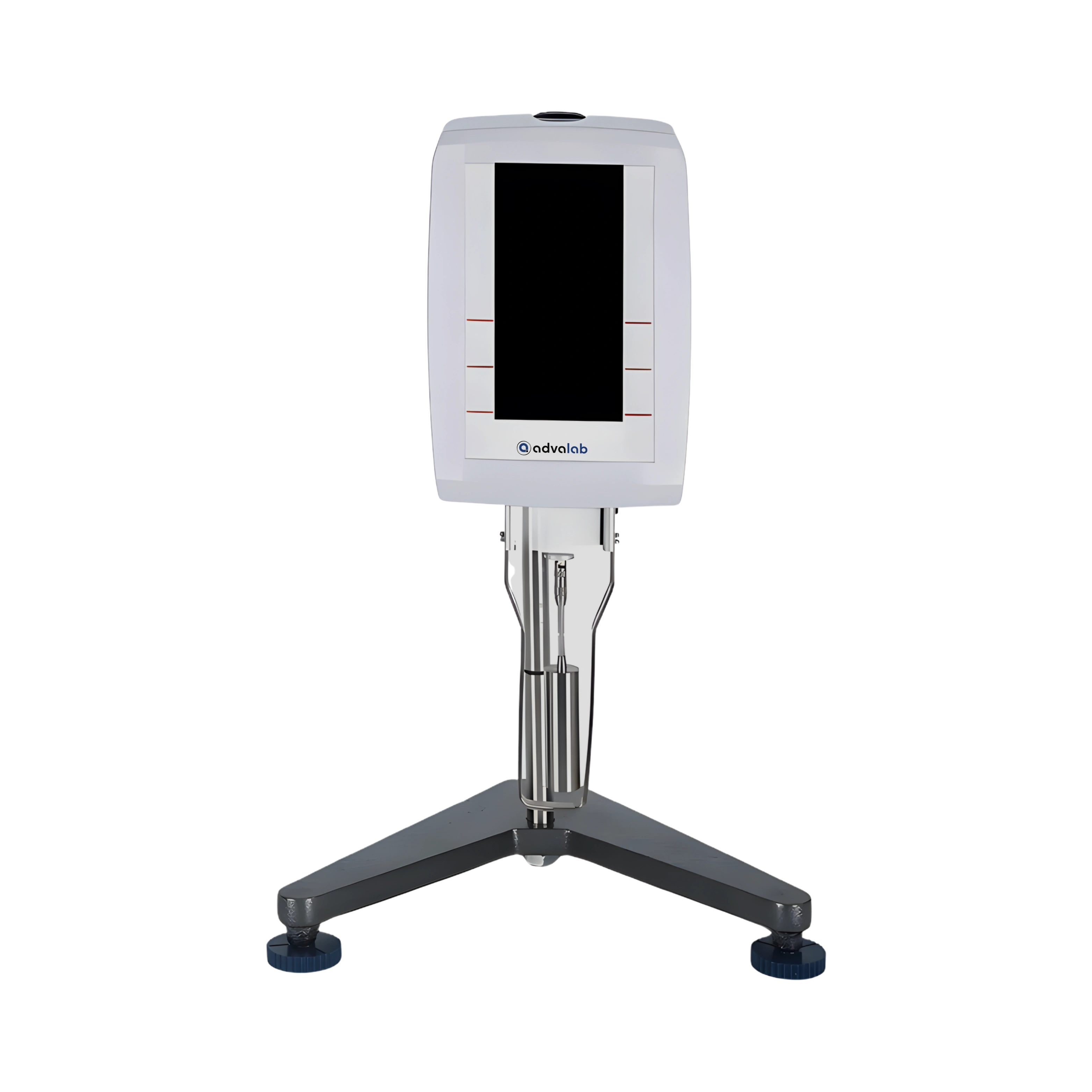
| Measurement Range: | 1-6 x10 mpa.s |
| Speed: | 6 / 12 / 30 / 60 rpm |
| No of Rotors: | 1 to 4 rotors |
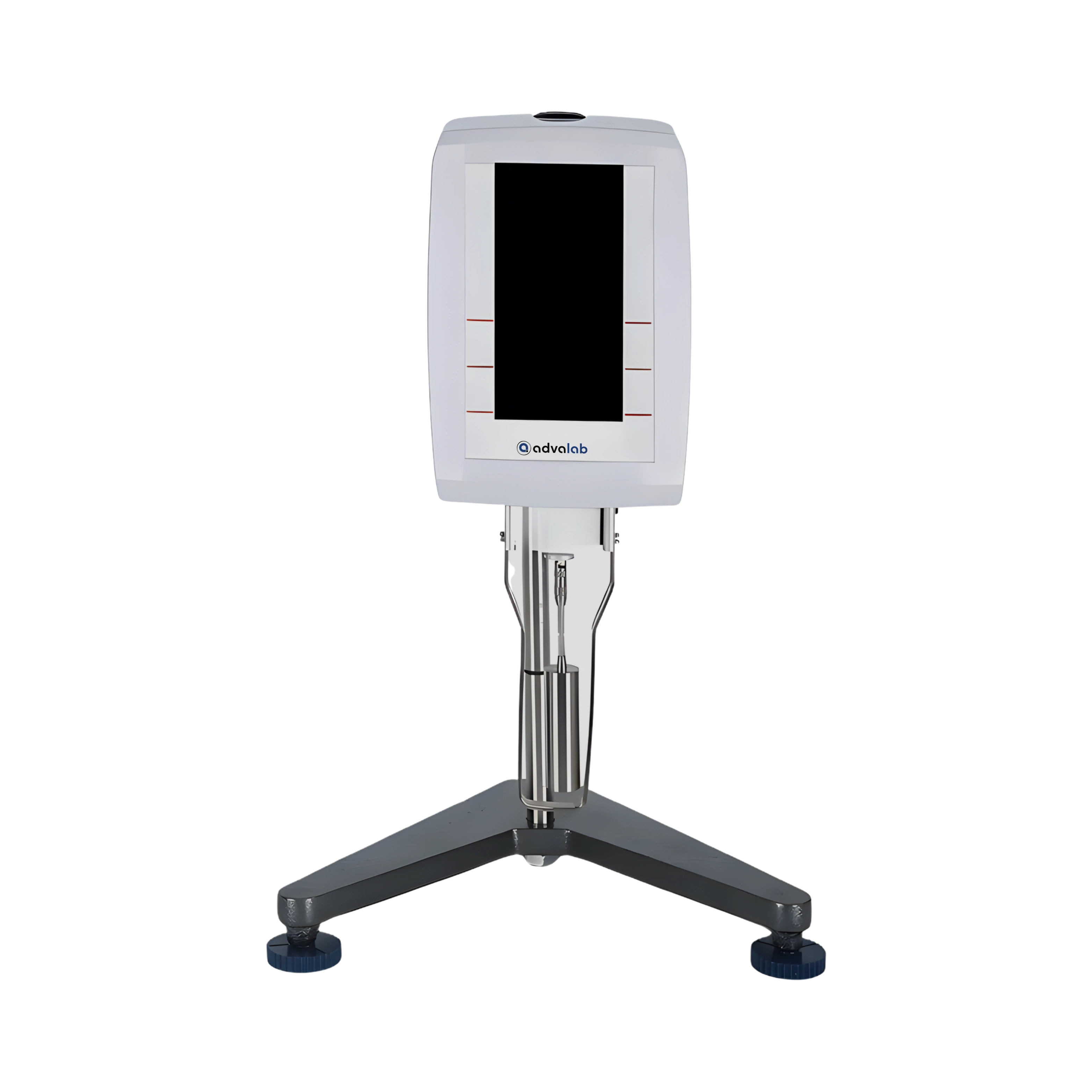
| Measurement Range: | 1-6 x 10⁴ mpa.s |
| Speed: | 6, 12, 30, 60 rpm |
| No of Rotors: | 0 to 4 rotors |
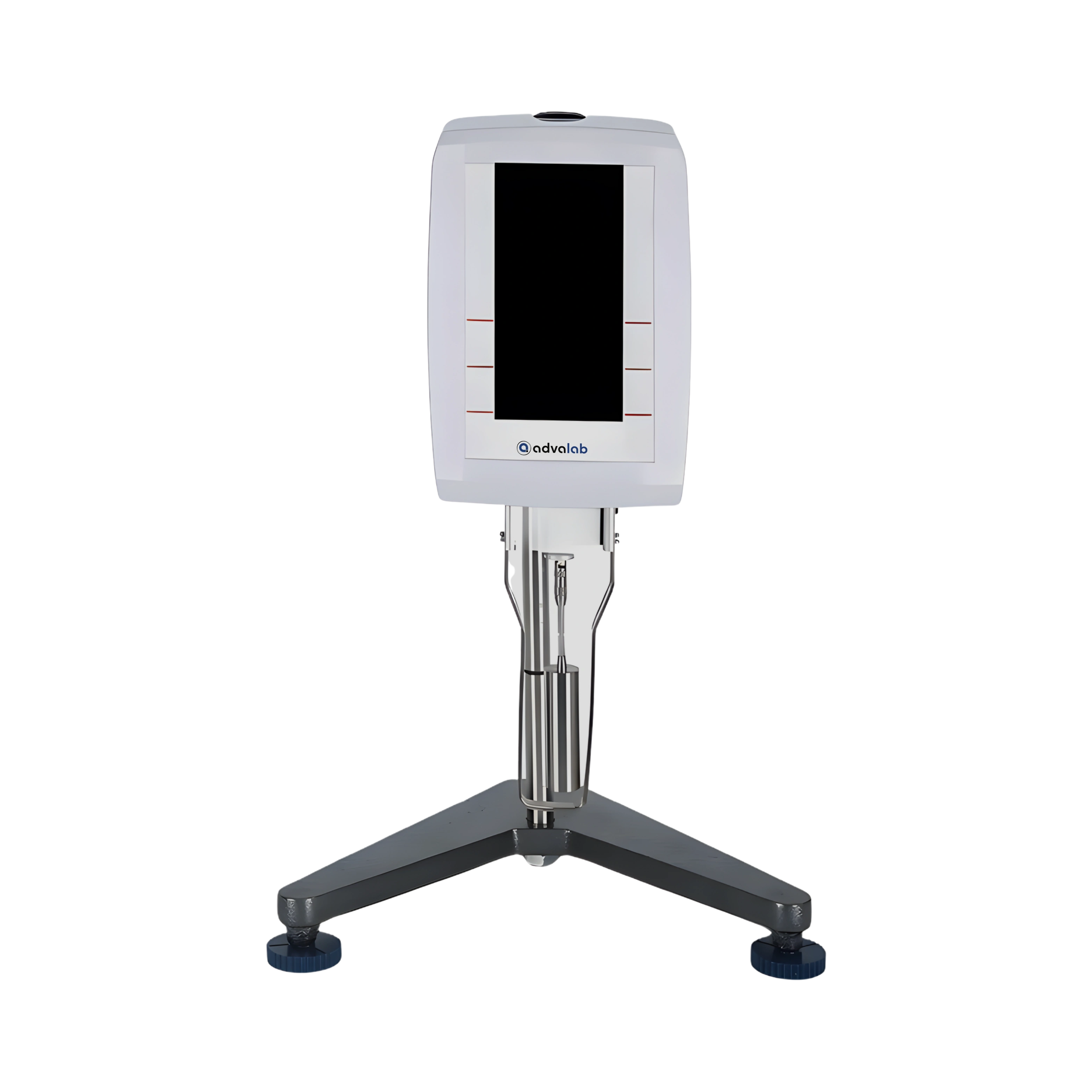
| Measurement Range: | 1-8 x10⁴ mpa.s |
| Speed: | 6 / 12 / 30 / 60 rpm |
| No of Rotors: | 0 to 4 rotors |
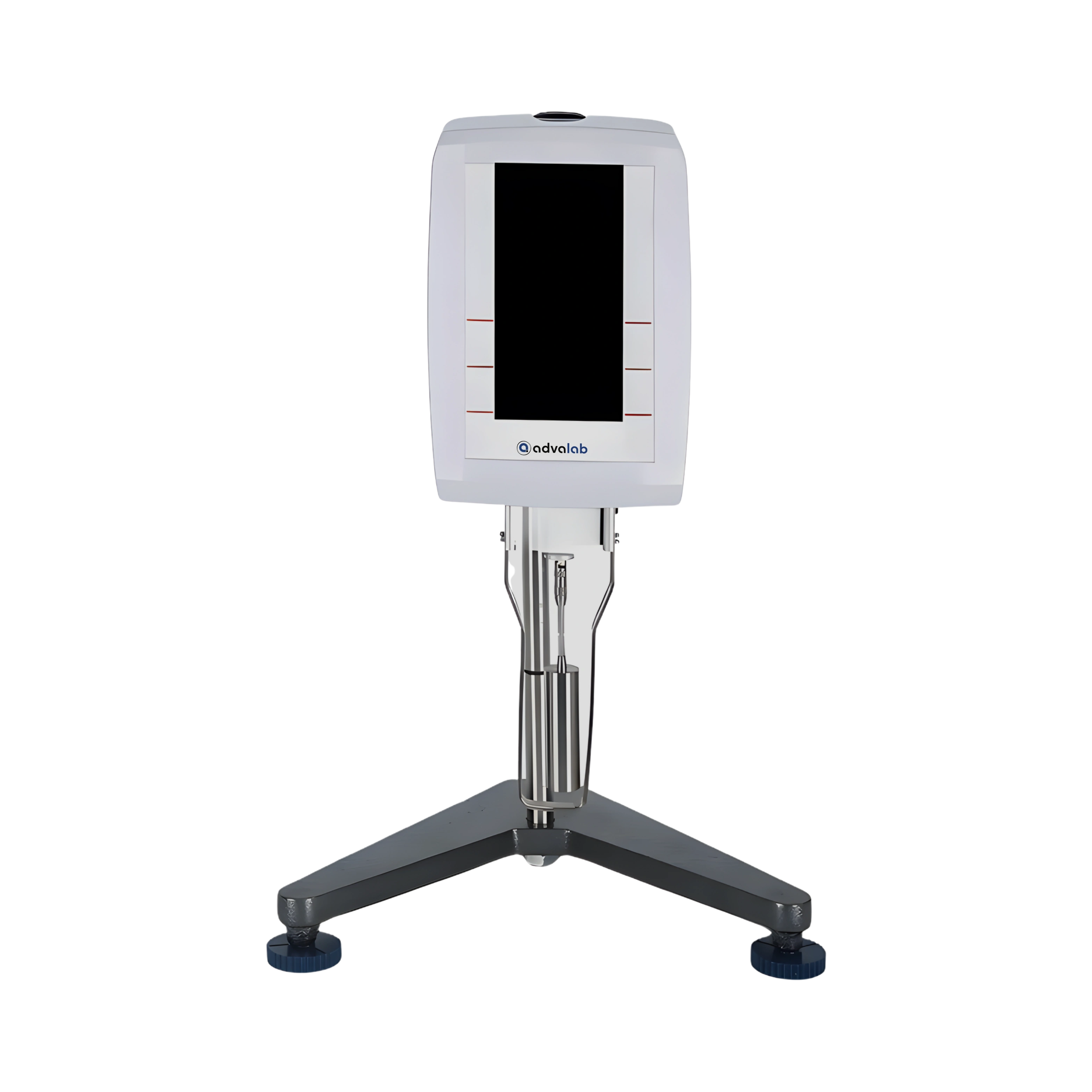
| Measurement Range: | 0 to 8×10⁵ MPa·s |
| Speed: | 0.3, 0.6, 1.5, 3, 6, 12, 30, 60 rpm |
| No of Rotors: | 1 to 4 rotors |