
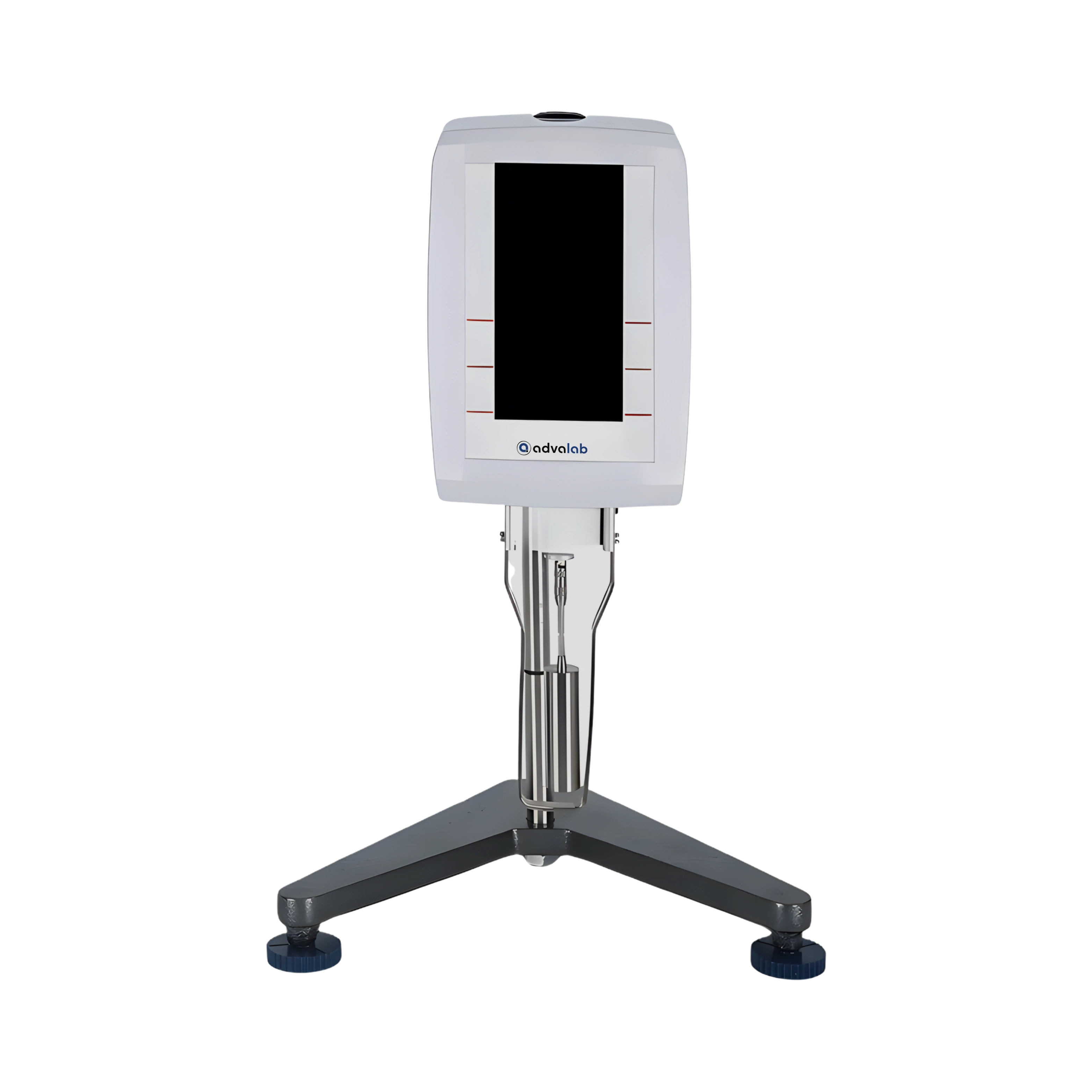
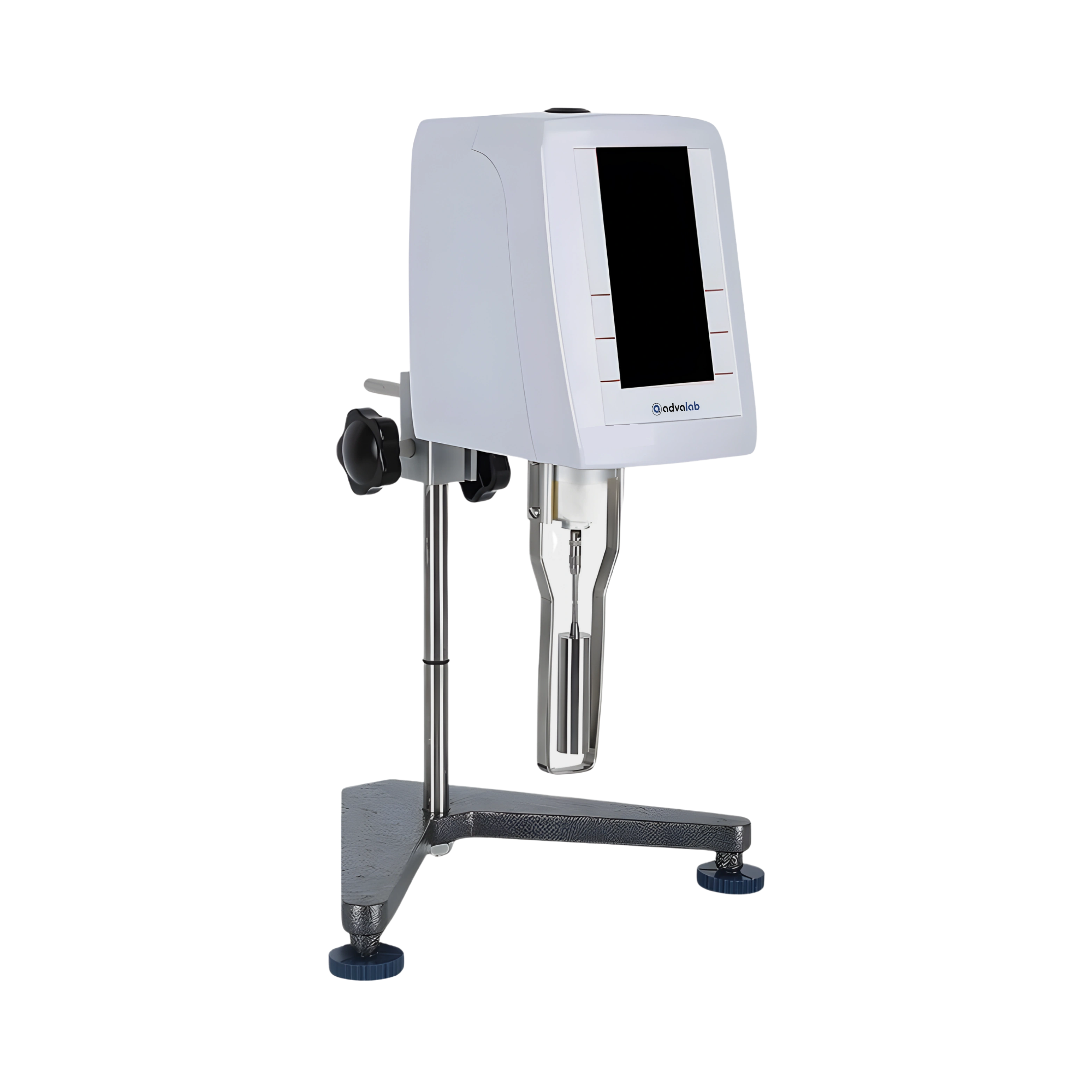
| Measurement Range | 1-6 x 10⁴ mpa.s |
| Speed | 6, 12, 30, 60 rpm |
| No of Rotors | 0 to 4 rotors |
| Precision | ± 2 % |
| Voltage | AC110-240V, 50/60HZ |
| Dimension | 415 x 335 x 370 mm |
| Weight | 4.6 kg |
The Rotational Viscometer ADRV-501 is designed for reliable viscosity testing in laboratory and industrial environments. It supports R&D formulation studies and quality control in coatings, polymers, pharmaceuticals, adhesives, and food science.
1. What is the measurement range of Rotational Viscometer ADRV-501?
The Rotational Viscometer ADRV-501 measures viscosity from 1 to 60,000 mPa·s, covering low-viscosity liquids like solvents and oils as well as medium-viscosity materials such as gels, polymers, and adhesives. With the optional 0# rotor, it can measure as low as 0.1 mPa·s for ultra-low viscosity fluids.
2. How does the Rotational Viscometer ADRV-501 improve operational efficiency?
Rotational Viscometer ADRV-501 features automatic rotor-speed scanning, which identifies optimal parameters for each sample, reducing manual adjustments. Combined with automatic stopping after stable readings, it minimizes operator workload and speeds up analysis.
3. Can the Rotational Viscometer ADRV-501 be used in both laboratories and production QC?
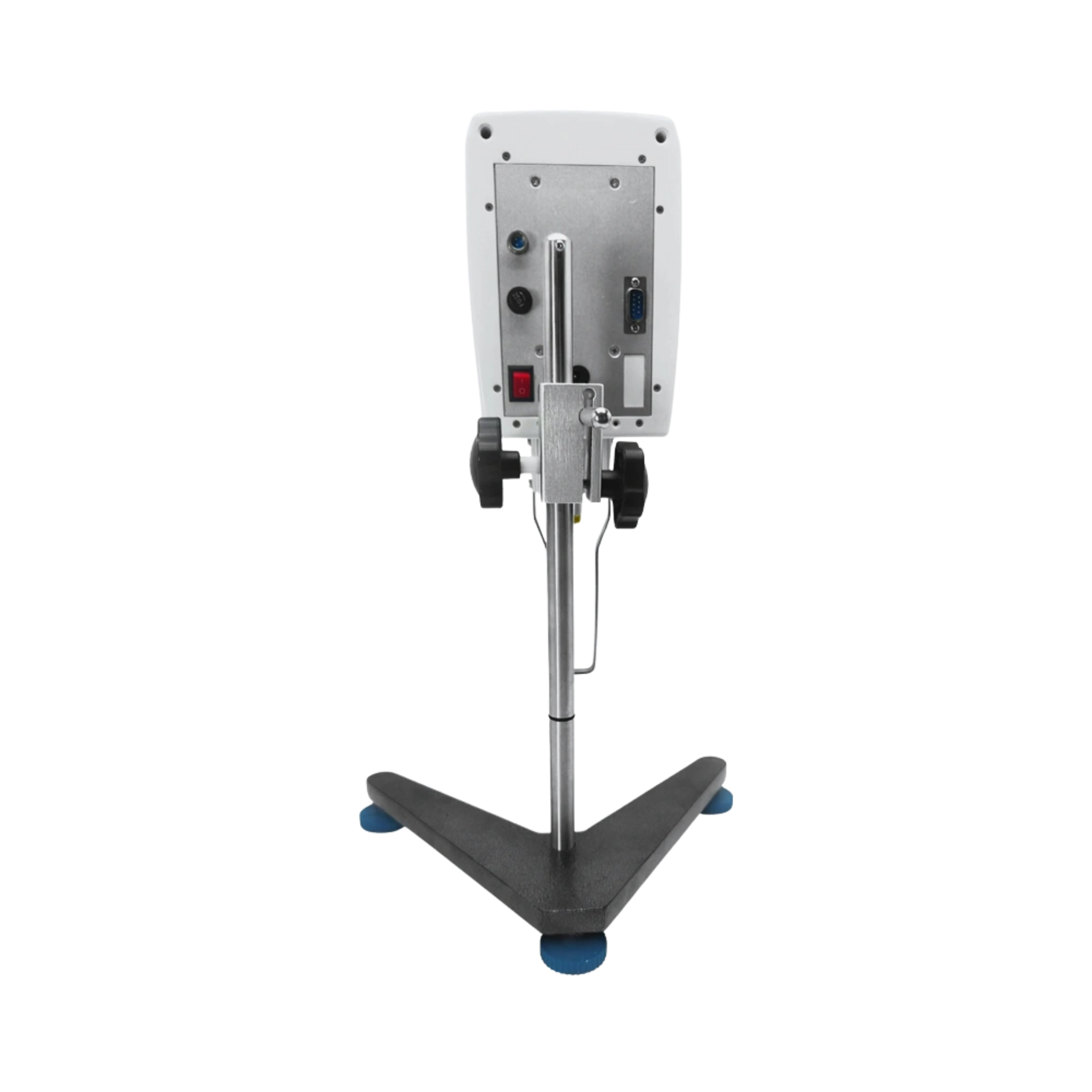
Yes, the Rotational Viscometer ADRV-501 is designed for dual applications. In laboratories, it delivers precise rheological measurements for advanced research across pharmaceuticals, polymers, and coatings. In production QC, its robust build and stable motor ensure consistent batch verification. PC and printer connectivity further support compliance reporting and data traceability.
4. Is the Rotational Viscometer ADRV-501 suitable for temperature-sensitive samples?
Absolutely. The Rotational Viscometer ADRV-501 includes a temperature sensor interface and can be paired with a constant temperature bath. This allows accurate thermal-compensated viscosity analysis, essential for paints, polymers, and pharmaceutical suspensions.
5. What connectivity options are available with Rotational Viscometer ADRV-501?
Rotational Viscometer ADRV-501 provides RS232 interfaces for PC and printer connectivity, supporting real-time data export. Optional software allows users to plot viscosity curves, conduct trend analysis, and generate compliance-ready reports, ensuring traceability and data integrity.
6. What is the role of a Rotational Viscometer in laboratory and industrial applications?
A Rotational Viscometer determines the flow resistance of liquids, offering vital data for quality control, R&D, and regulatory compliance. It supports industries such as paints, lubricants, polymers, cosmetics, and pharmaceuticals where viscosity directly impacts performance and product consistency.
7. Can Rotational Viscometers measure both Newtonian and non-Newtonian fluids?
Yes, Rotational Viscometers are designed to analyze absolute viscosity in Newtonian fluids and apparent viscosity in non-Newtonian fluids. This makes them versatile for everything from oils and emulsions to gels, suspensions, and adhesives.
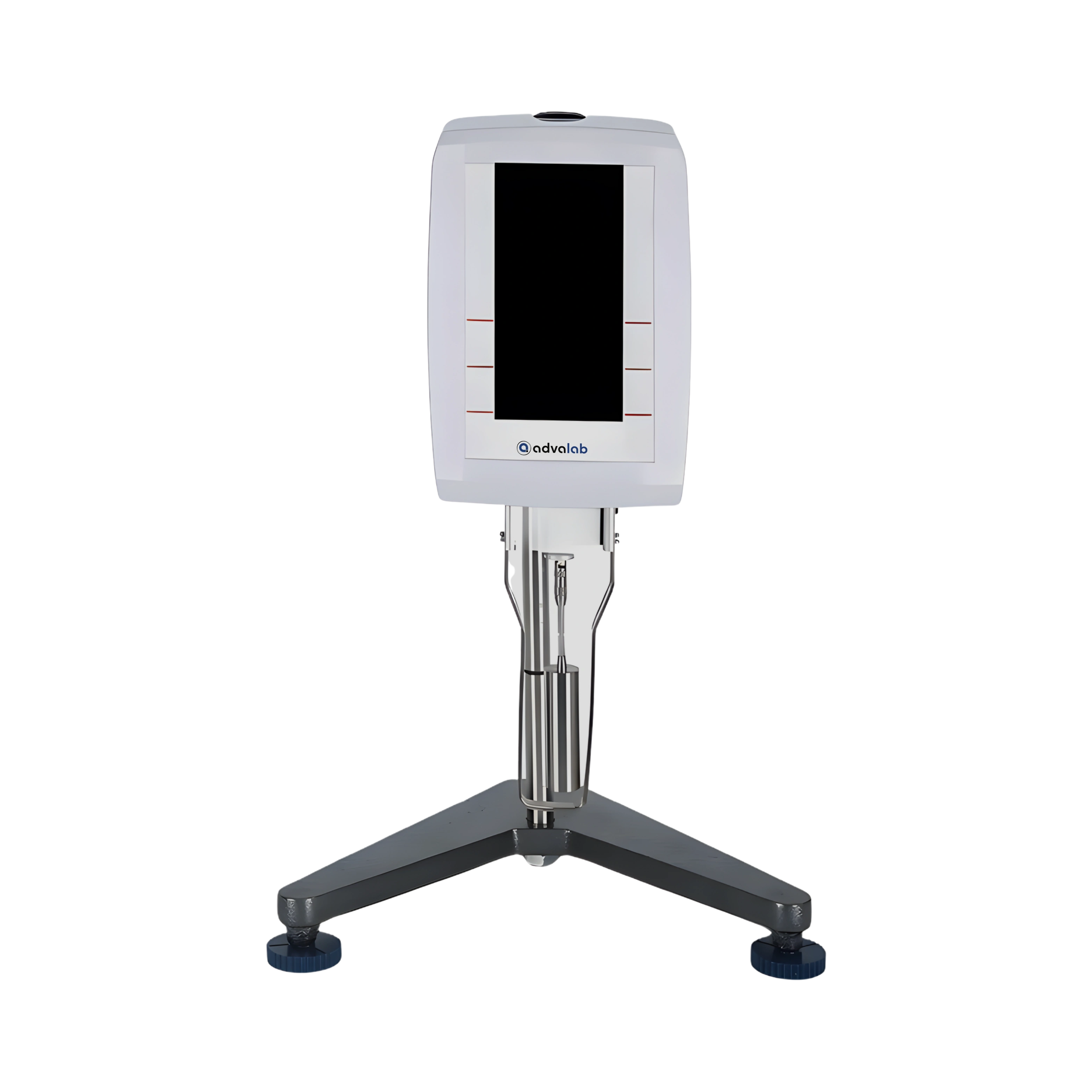
| Measurement Range | 1-8 x10⁴ mpa.s |
| Speed | 6 / 12 / 30 / 60 rpm |
| No of Rotors | 0 to 4 rotors |
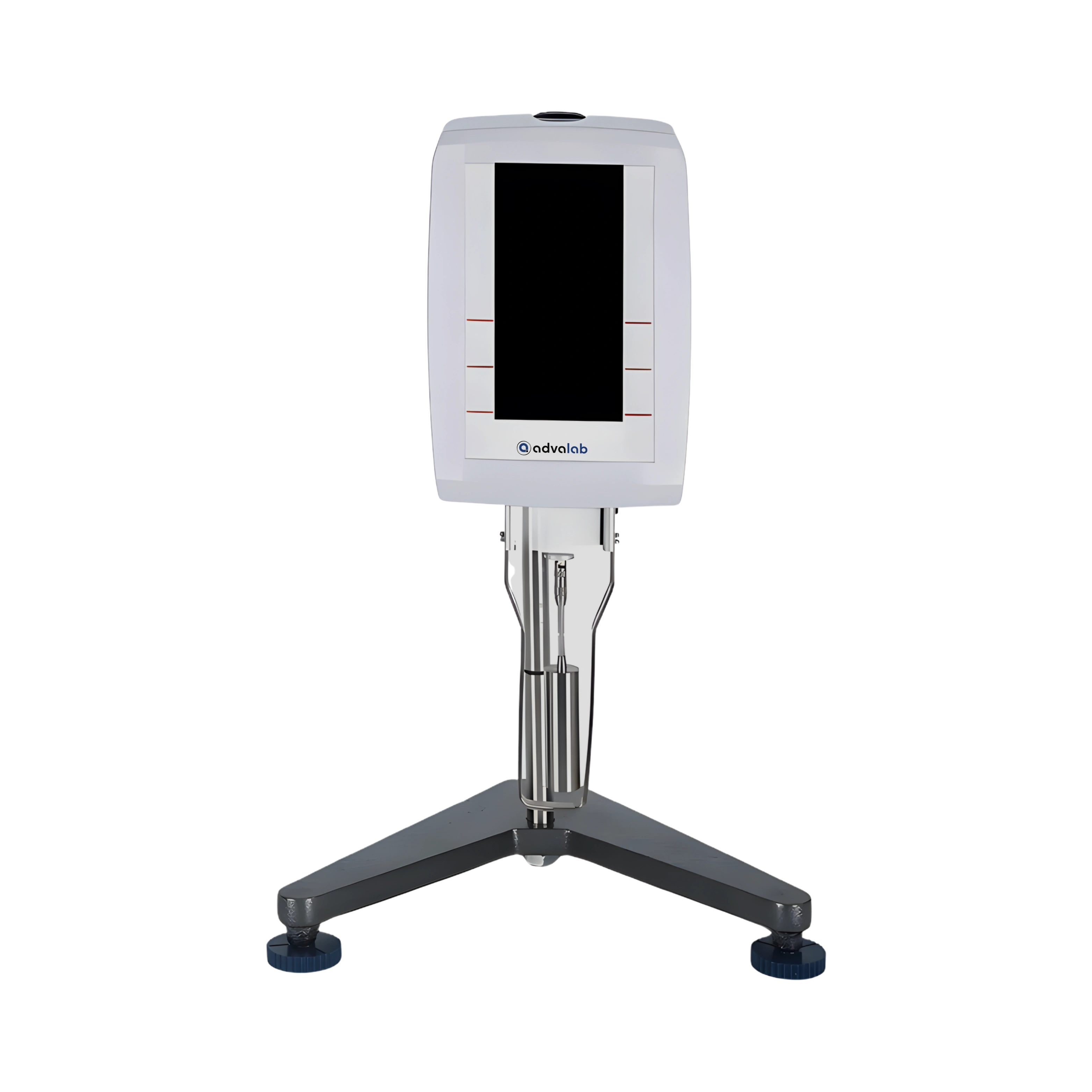
| Measurement Range | 1-6 x10 mpa.s |
| Speed | 6 / 12 / 30 / 60 rpm |
| No of Rotors | 1 to 4 rotors |
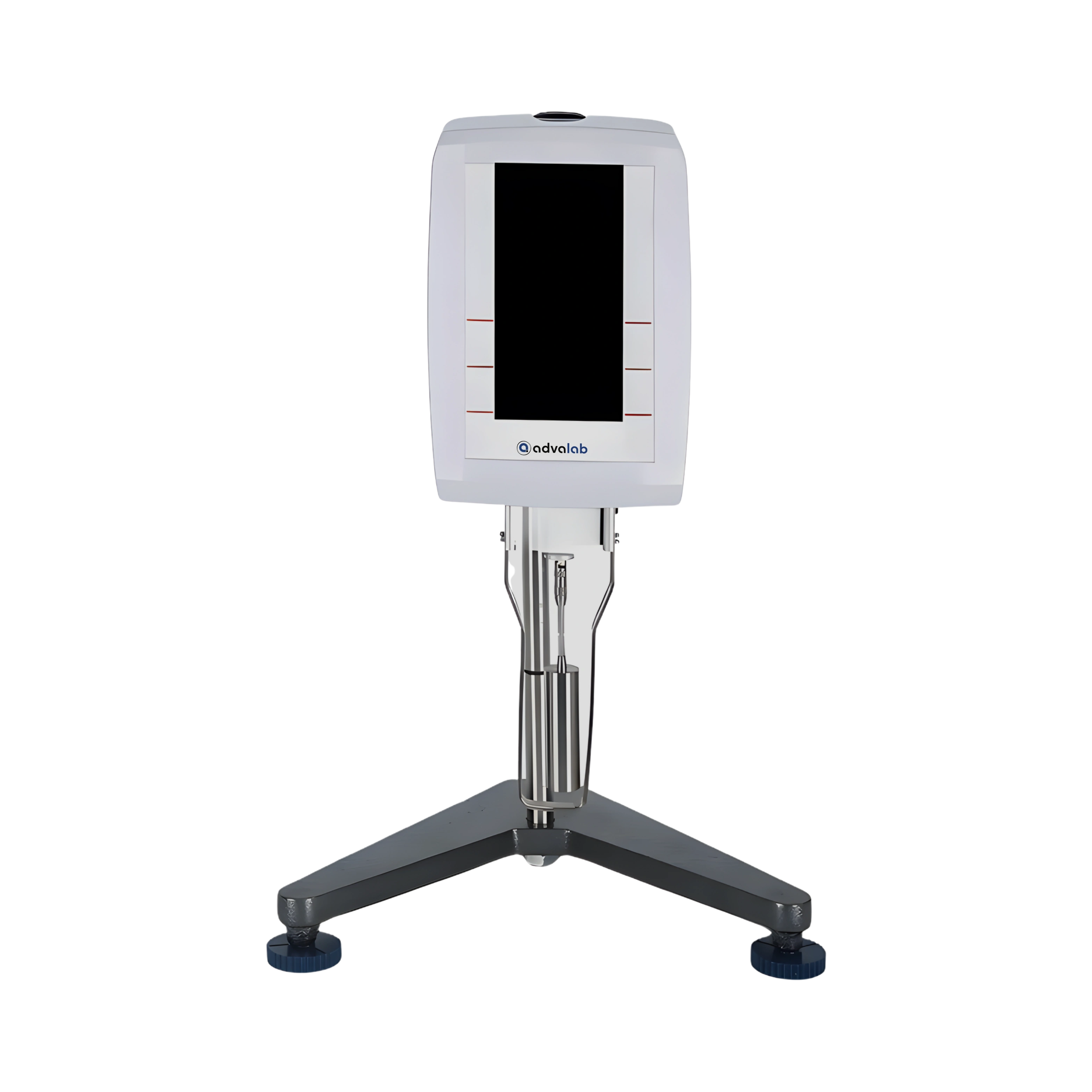
| Measurement Range | 0 to 8×10⁵ MPa·s |
| Speed | 0.3, 0.6, 1.5, 3, 6, 12, 30, 60 rpm |
| No of Rotors | 1 to 4 rotors |

| Measurement Range: | 1 – 2,000,000 mPa·s |
| Speed: | 0.3 / 0.6 / 1.5 / 3 / 6 / 12 / 30 / 60 rpm |
| No of Rotors: | 1 to 4 rotors |

| Measurement Range: | 25 mPa.s to 1 × 10⁷ mPa.s |
| Rotors: | Rotor no. 21, 27, 28, 29 (total 4 pieces of spindles) |
| Rotation Speed: | 0.1, 0.2, 0.5, 1, 2, 5, 10, 20, 50, 100 and 200 rpm |
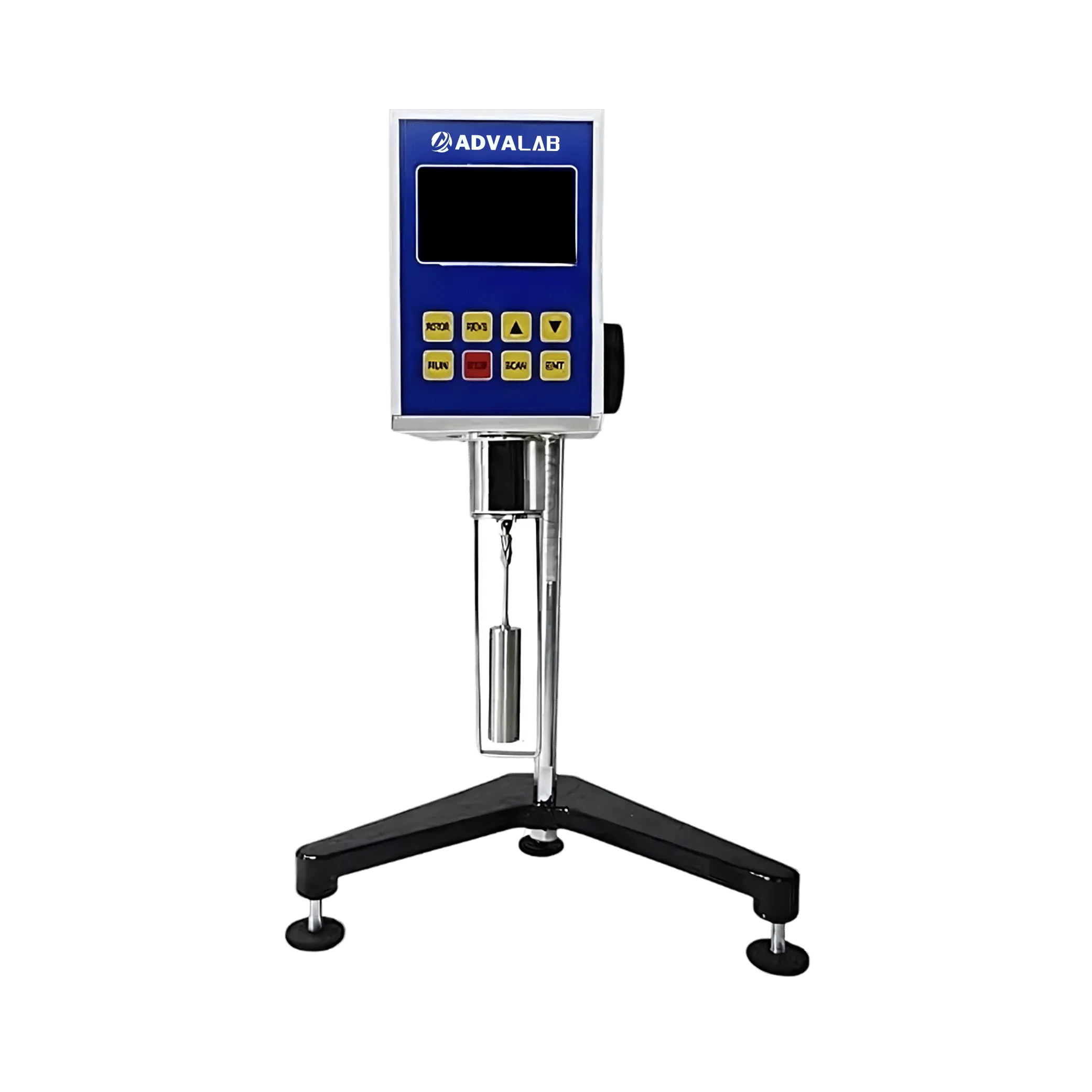
| Measurement Range: | 1 to 100kmPa.s |
| Speed: | 6,12,30,60 rpm |
| No of Rotors: | 0 to 4 rotor |
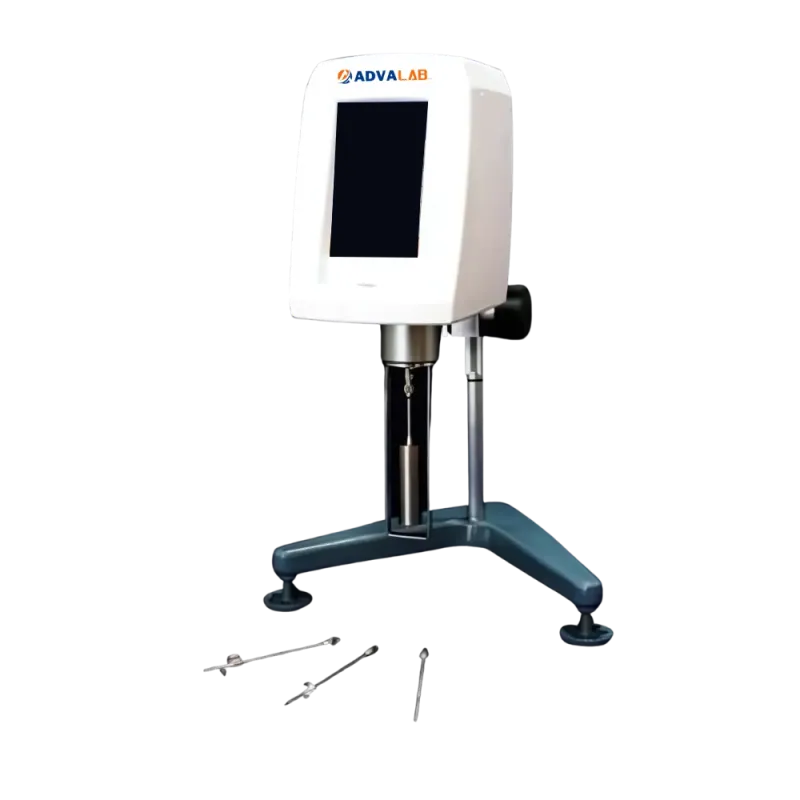
| Measurement Range : | 1 – 2,000,000 mPa·s |
| Speed : | 0.3 / 0.6 / 1.5 / 3 / 6 / 12 / 30 / 60 rpm |
| No of Rotors: | 1 to 4 rotors |
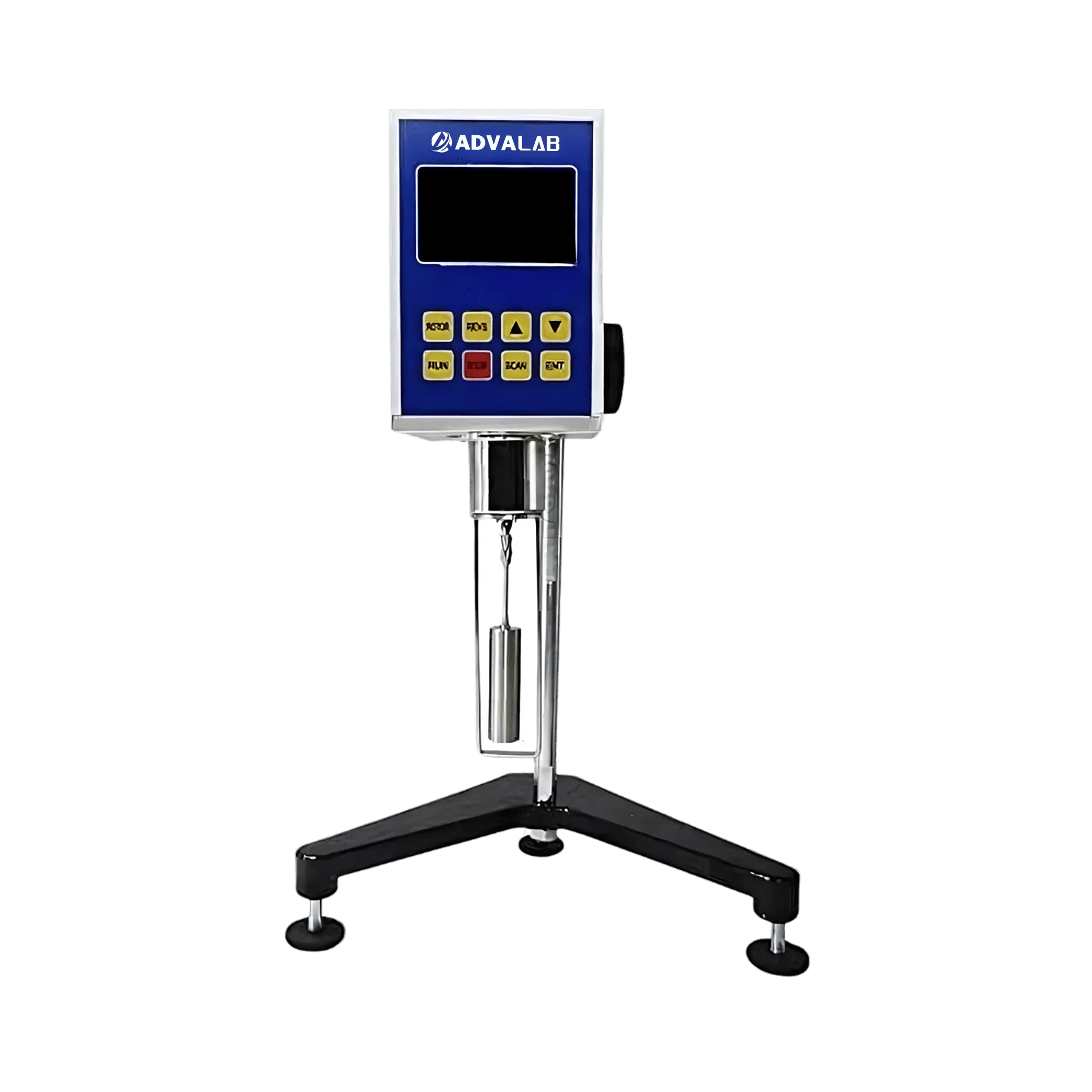
| Measurement Range: | 1 to 100kmPa.s |
| Speed: | 6,12,30,60 rpm |
| No of Rotors: | 0 to 4 rotor |

| Measurement Range: | 1 – 6,000,000 mPa·s |
| Speed: | 0.1 / 0.3 / 0.6 / 1.5 / 3 / 6 / 10 / 30 / 60 rpm |
| No of Rotors: | 1 to 4 rotors |

| Measurement Range: | 1 to 2 Million mPa.s |
| Speed: | 6,12,30,60 rpm |
| No of Rotors: | 0 to 4 rotor |
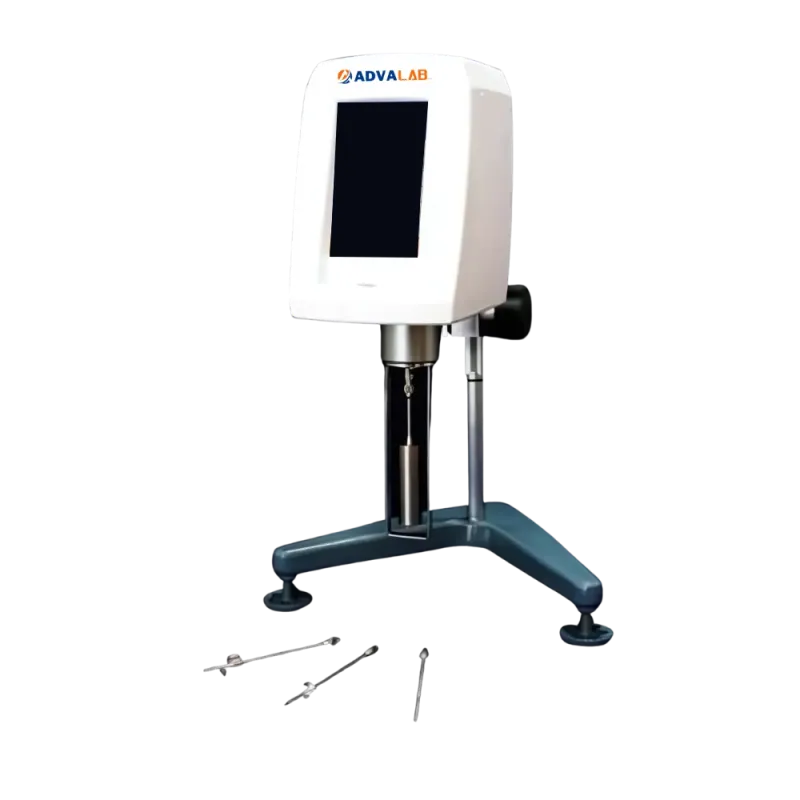
| Measurement Range: | 1 – 2,000,000 mPa·s |
| Speed: | 0.3 / 0.6 / 1.5 / 3 / 6 / 12 / 30 / 60 rpm |
| No of Rotors: | 1 to 4 rotors |
| Measurement Range: | 1 – 100,000 mPa·s |
| Speed: | 3 / 6 / 12 / 30 / 60 rpm |
| No of Rotors: | 1 to 4 rotors |

| Measuring Range: | 1 to 2×10⁶m Pa.s |
| Precision: | ± 2% |
| Temperature: | 5° C to 35 ° C |
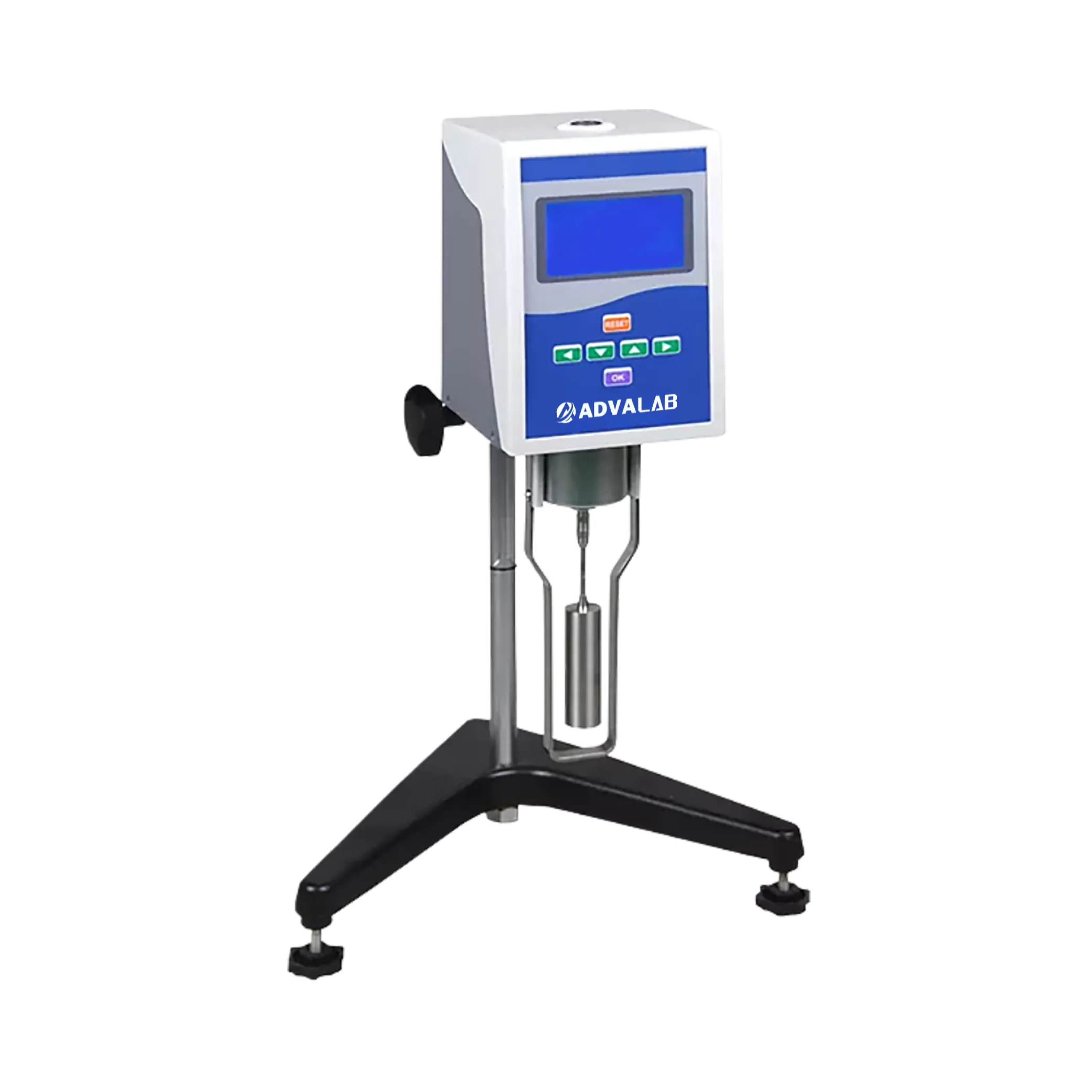
| Measuring Range: | 1 to 1×10⁵ m Pa.s |
| Precision: | ± 3% |
| Temperature: | 5° C to 35 ° C |
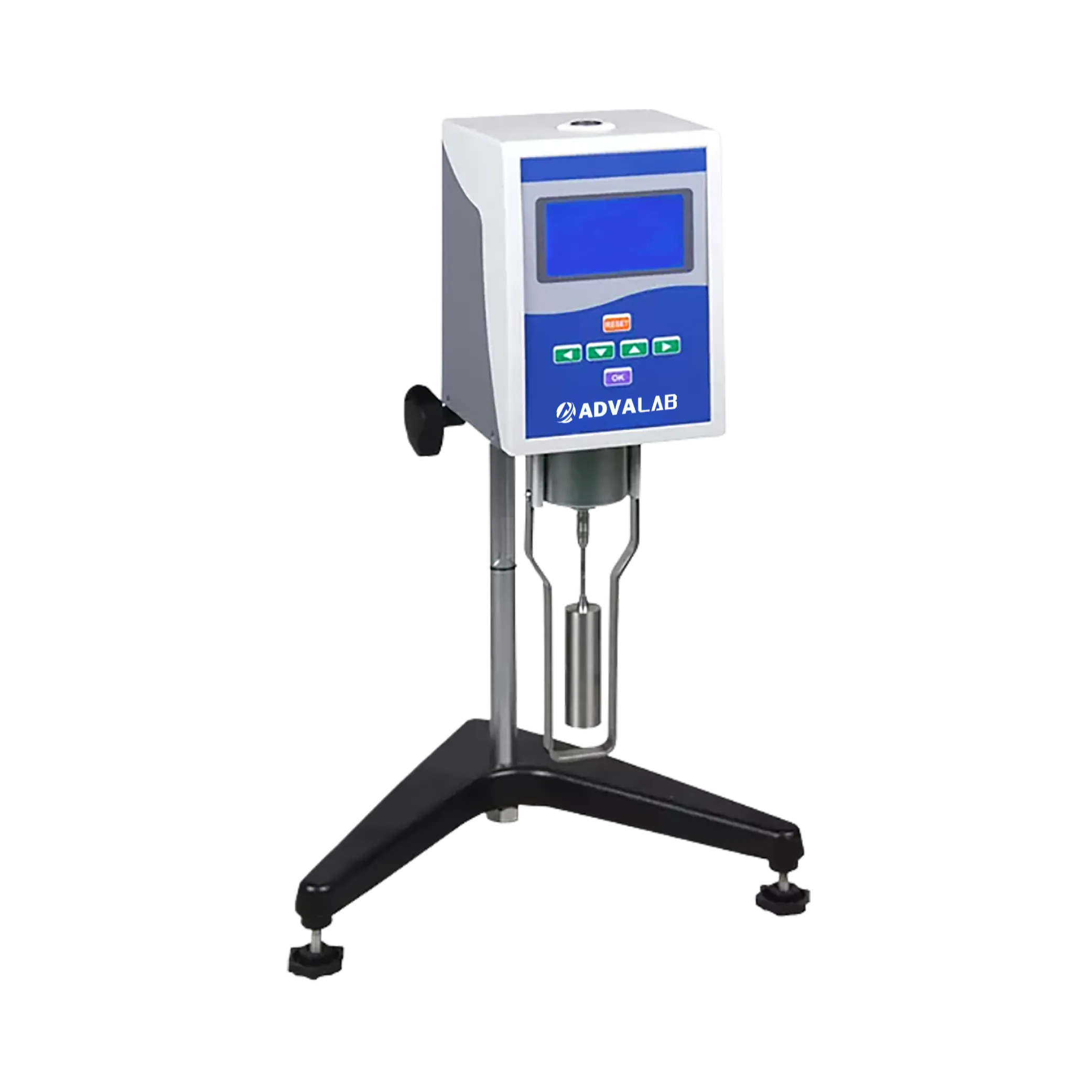
| Measuring Range: | 1 to 1×10⁵ m Pa.s |
| Precision: | ± 2% |
| Temperature: | 5° C to 35 ° C |
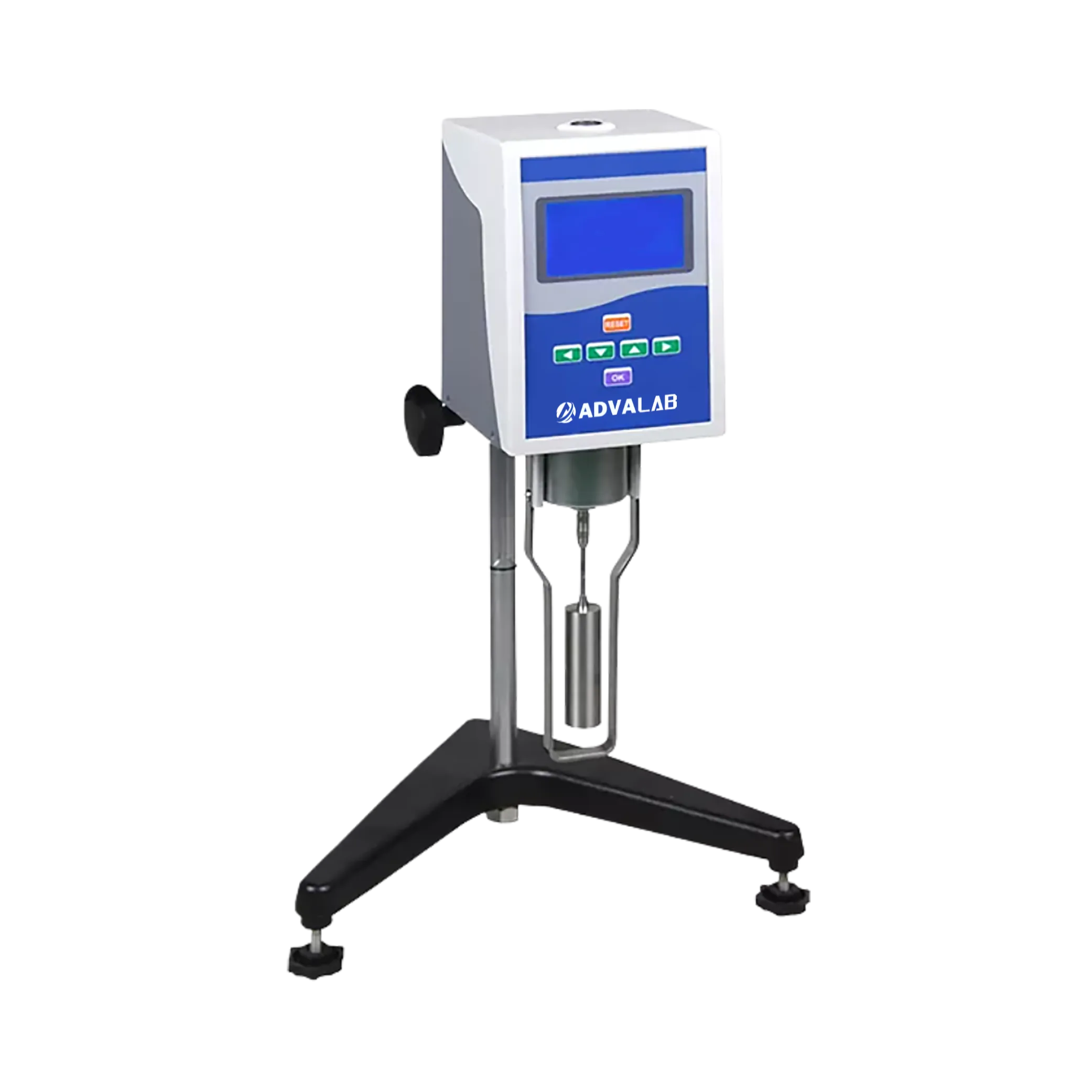
| Measuring Range: | 1 to 2×10⁶m Pa.s |
| Precision: | ± 2% |
| Temperature: | 5° C to 35 ° C |

| Measuring Range: | 1 to 1×10⁵ m Pa.s |
| Precision: | ± 2% |
| Temperature: | 5° C to 35 ° C |
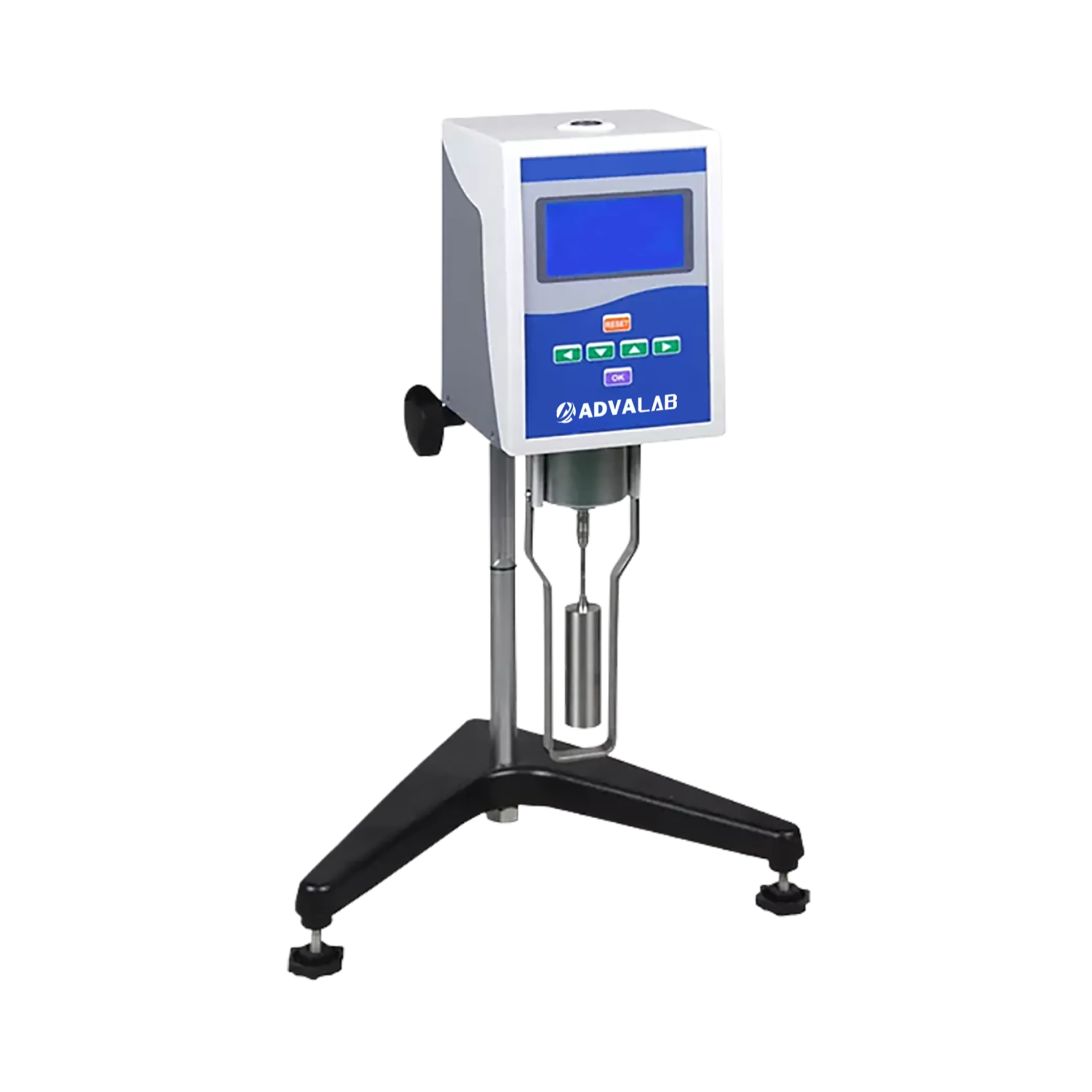
| Measuring Range: | 1 to 2×10⁶m Pa.s |
| Precision: | ± 3% |
| Temperature: | 5° C to 35 ° C |