


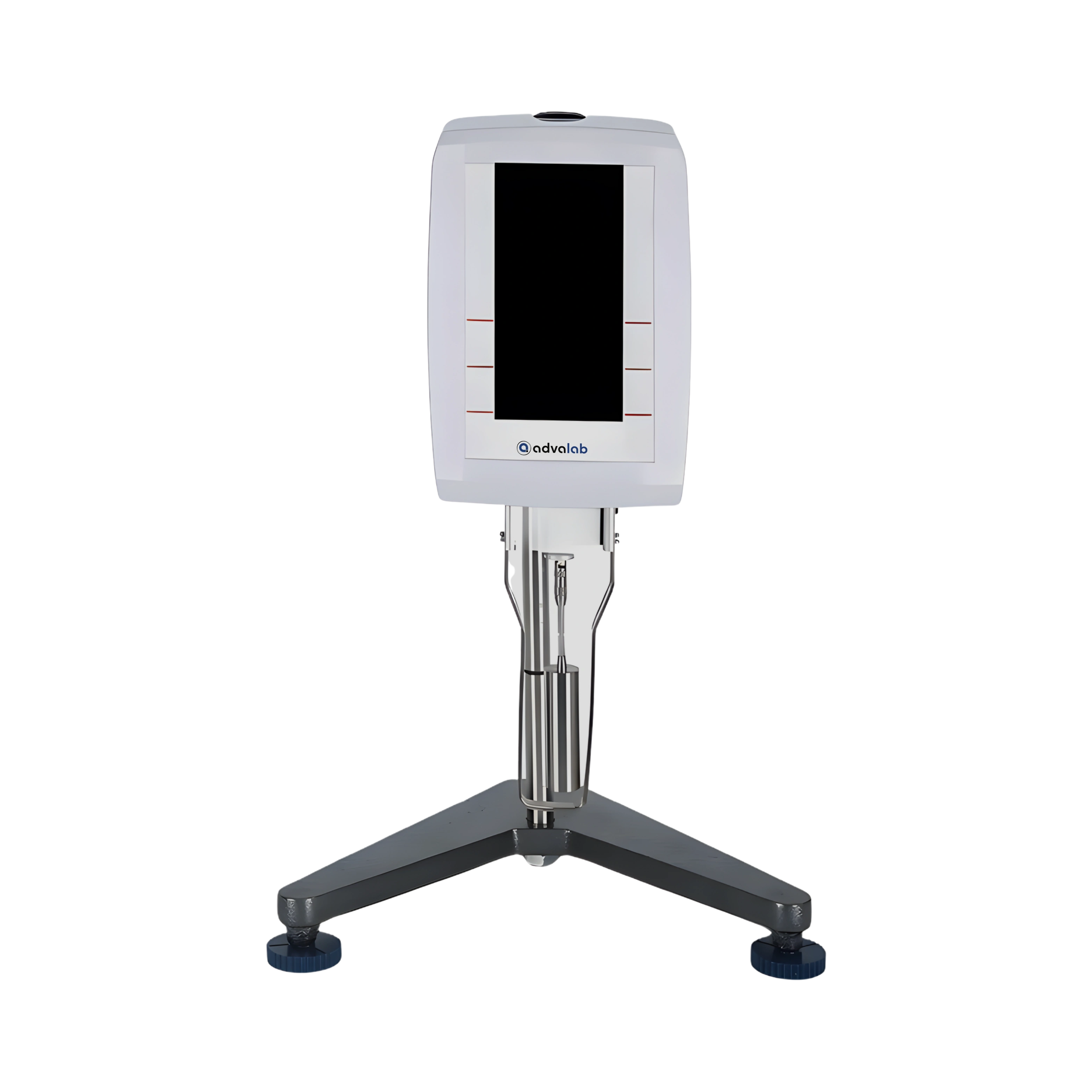
| Measurement Range | 1 – 6,000,000 mPa·s |
| Speed | 0.1 / 0.3 / 0.6 / 1.5 / 3 / 6 / 10 / 30 / 60 rpm |
| No of Rotors | 1 to 4 rotors |
| Precision | ± 3 % |
| Voltage | AC 220V / 50Hz , 110V / 60Hz |
| Dimension | 300 × 300 × 450 mm |
| Weight | 10 kg |
Our ADVR-508 supports industrial-scale viscosity measurement, R&D analysis, and quality control processes. It is ideal and commonly used in sectors like coatings, petrochemicals, pharmaceuticals, and specialty food manufacturing.
1. What types of fluids can the Digital Rotational Viscometer ADVR-508 measure?
The Digital Rotational Viscometer ADVR-508 is capable of testing an extensive range of fluids, from ultra-low viscosity solvents such as alcohols and light oils to extremely viscous substances including heavy greases, gels, emulsions, and polymer pastes. Its wide measurement range and rotor flexibility make it suitable for industries as diverse as paints and coatings, food processing, petrochemicals, pharmaceuticals, and cosmetics. This versatility ensures one instrument can address multiple product categories within the same facility.
2. How does the Digital Rotational Viscometer ADVR-508 ensure measurement stability?
The Digital Rotational Viscometer ADVR-508 uses a precision stepper motor that delivers stable, vibration-free torque output, which is essential for repeatable and accurate viscosity readings. Combined with its mechanically precise rotor alignment and anti-interference electronics, the unit maintains consistent performance even during extended operation. This stability ensures that variations in readings are due to actual sample changes, not instrument fluctuations.
3. Can the Digital Rotational Viscometer ADVR-508 be used for research as well as production quality control?
Yes, the Digital Rotational Viscometer ADVR-508 is equally effective in research laboratories and on production floors. In R&D, it supports product development, rheological studies, and formulation optimization. In production environments, it ensures batch consistency, verifies compliance with viscosity specifications, and helps detect process deviations early. This dual capability makes it a valuable investment for organizations looking to standardize viscosity measurement across departments.
4. Is the Digital Rotational Viscometer ADVR-508 adaptable for temperature-sensitive measurements?
Absolutely. The Digital Rotational Viscometer ADVR-508 can be paired with a constant temperature bath and temperature probe to perform thermal-compensated viscosity analysis. This is particularly critical for products whose viscosity varies significantly with temperature, such as chocolate coatings, adhesives, resins, and lubricants. By controlling and monitoring the sample’s temperature, the instrument delivers results that are not only accurate but also relevant to real-world application conditions.
5. What are the data handling options for the Digital Rotational Viscometer ADVR-508?
The Digital Rotational Viscometer ADVR-508 is equipped with standard PC and printer interfaces, enabling users to export real-time data directly for reporting, archiving, or integration into laboratory information management systems (LIMS). When paired with optional data processing software, it can generate detailed viscosity curves, trend analyses, and compliance-ready records. This capability enhances traceability, supports quality audits, and facilitates regulatory submissions.

| Measurement Range | 25 mPa.s to 1 × 10⁷ mPa.s |
| Rotors | Rotor no. 21, 27, 28, 29 (total 4 pieces of spindles) |
| Rotation Speed | 0.1, 0.2, 0.5, 1, 2, 5, 10, 20, 50, 100 and 200 rpm |

| Measurement Range | 1 to 2 Million mPa.s |
| Speed | 6,12,30,60 rpm |
| No of Rotors | 0 to 4 rotor |
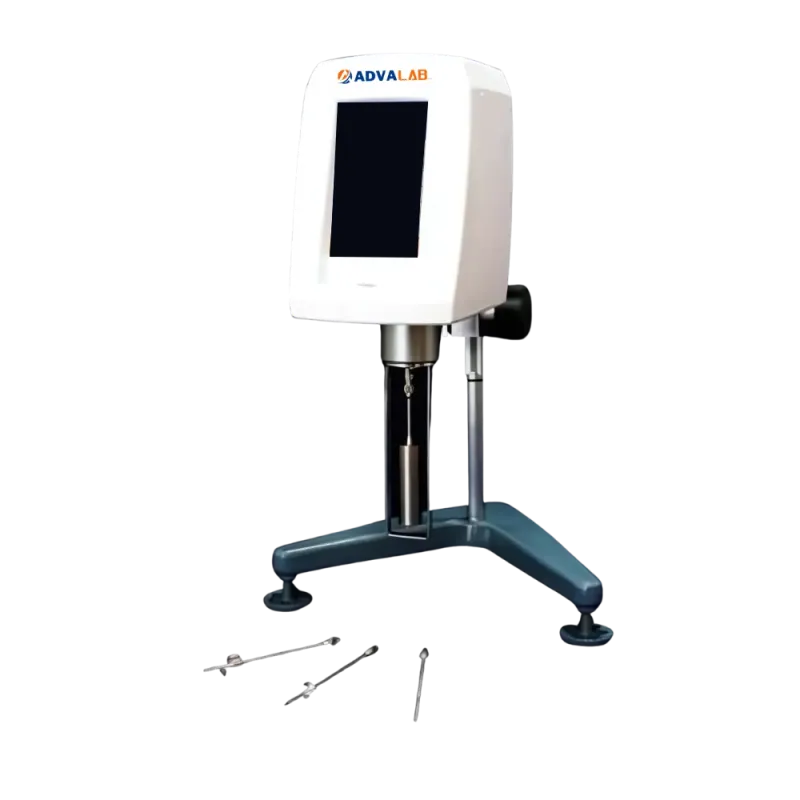
| Measurement Range | 1 – 2,000,000 mPa·s |
| Speed | 0.3 / 0.6 / 1.5 / 3 / 6 / 12 / 30 / 60 rpm |
| No of Rotors | 1 to 4 rotors |

| Measurement Range | 1 – 2,000,000 mPa·s |
| Speed | 0.3 / 0.6 / 1.5 / 3 / 6 / 12 / 30 / 60 rpm |
| No of Rotors | 1 to 4 rotors |
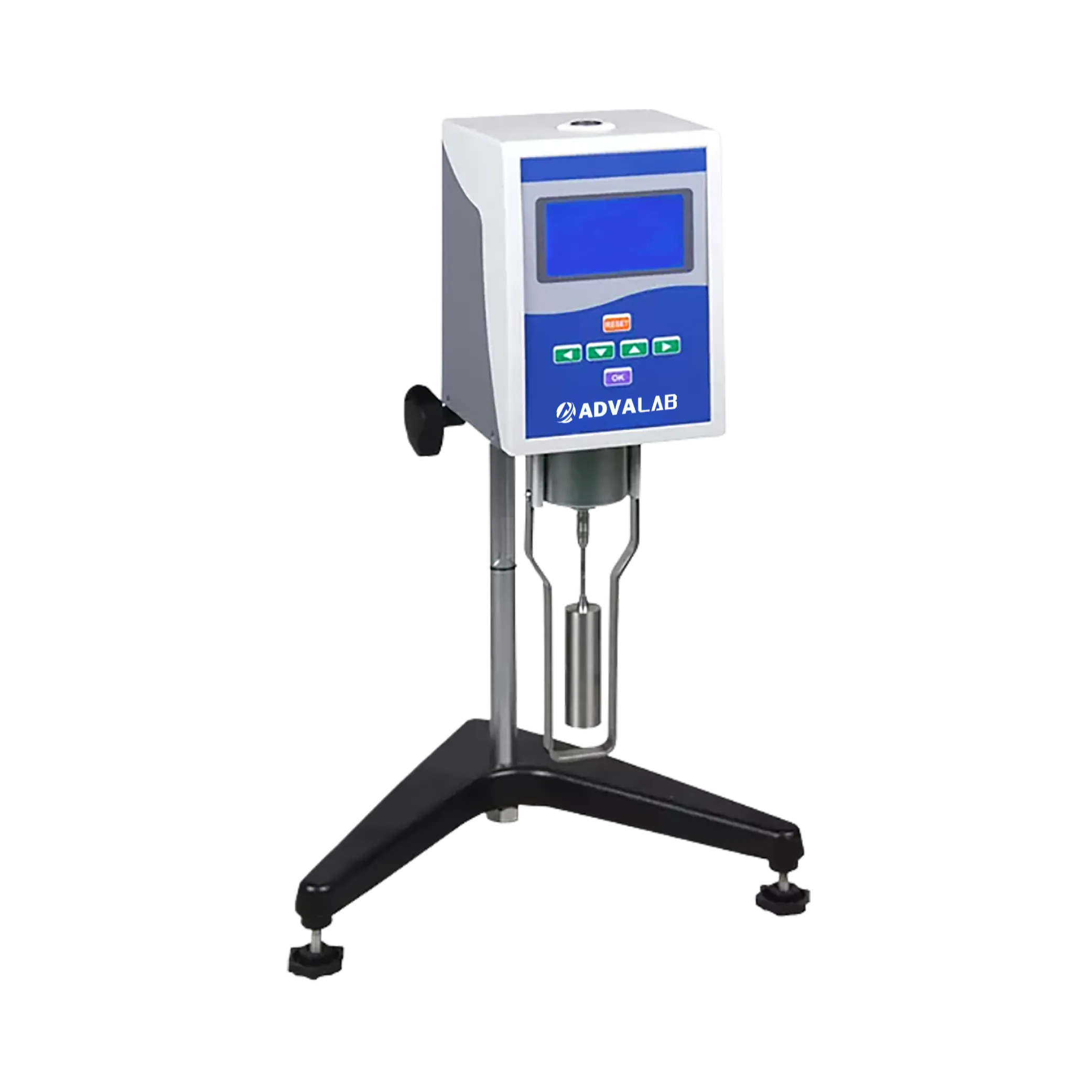
| Measuring Range: | 1 to 1×10⁵ m Pa.s |
| Precision: | ± 2% |
| Temperature: | 5° C to 35 ° C |
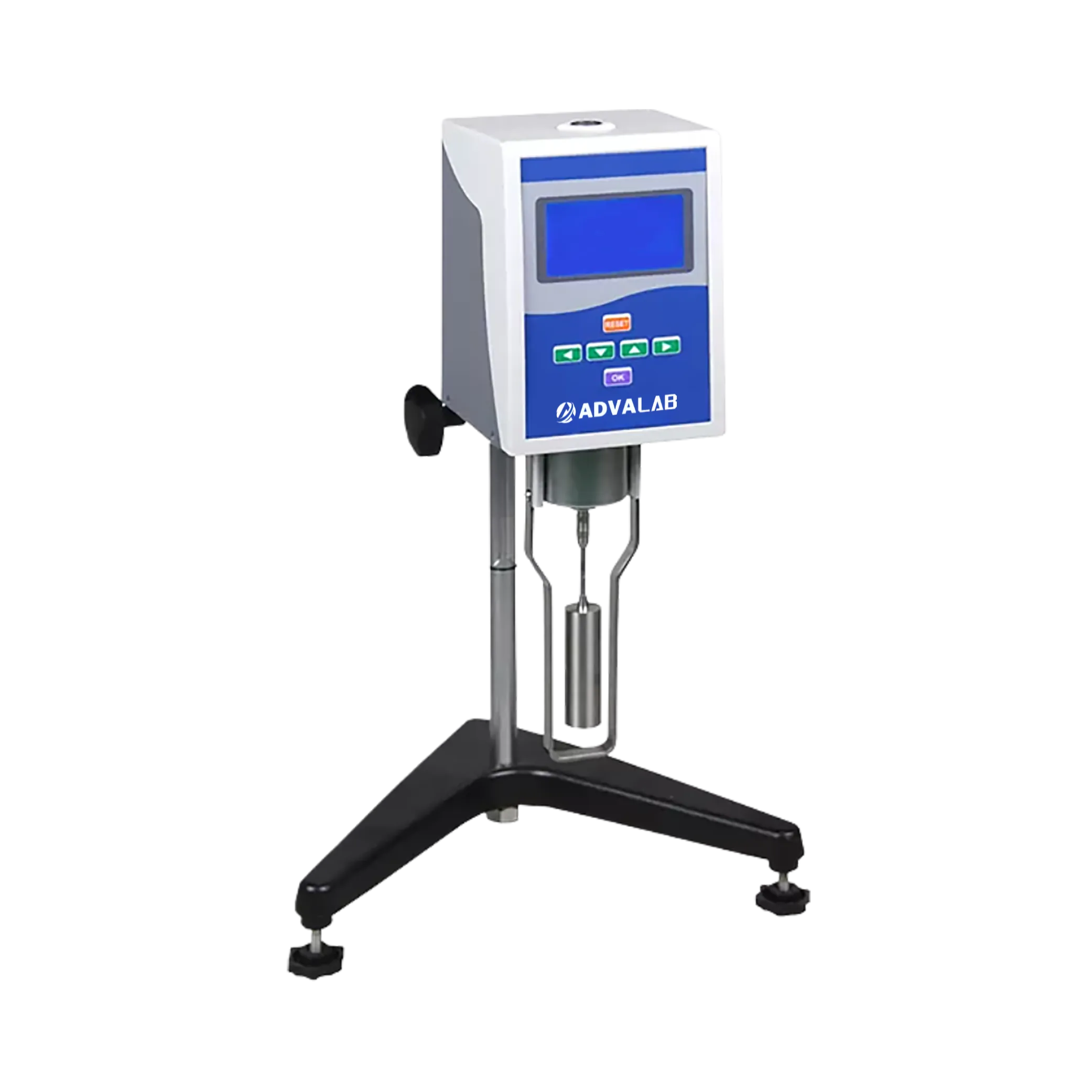
| Measuring Range: | 1 to 2×10⁶m Pa.s |
| Precision: | ± 2% |
| Temperature: | 5° C to 35 ° C |

| Measuring Range: | 1 to 2×10⁶m Pa.s |
| Precision: | ± 2% |
| Temperature: | 5° C to 35 ° C |
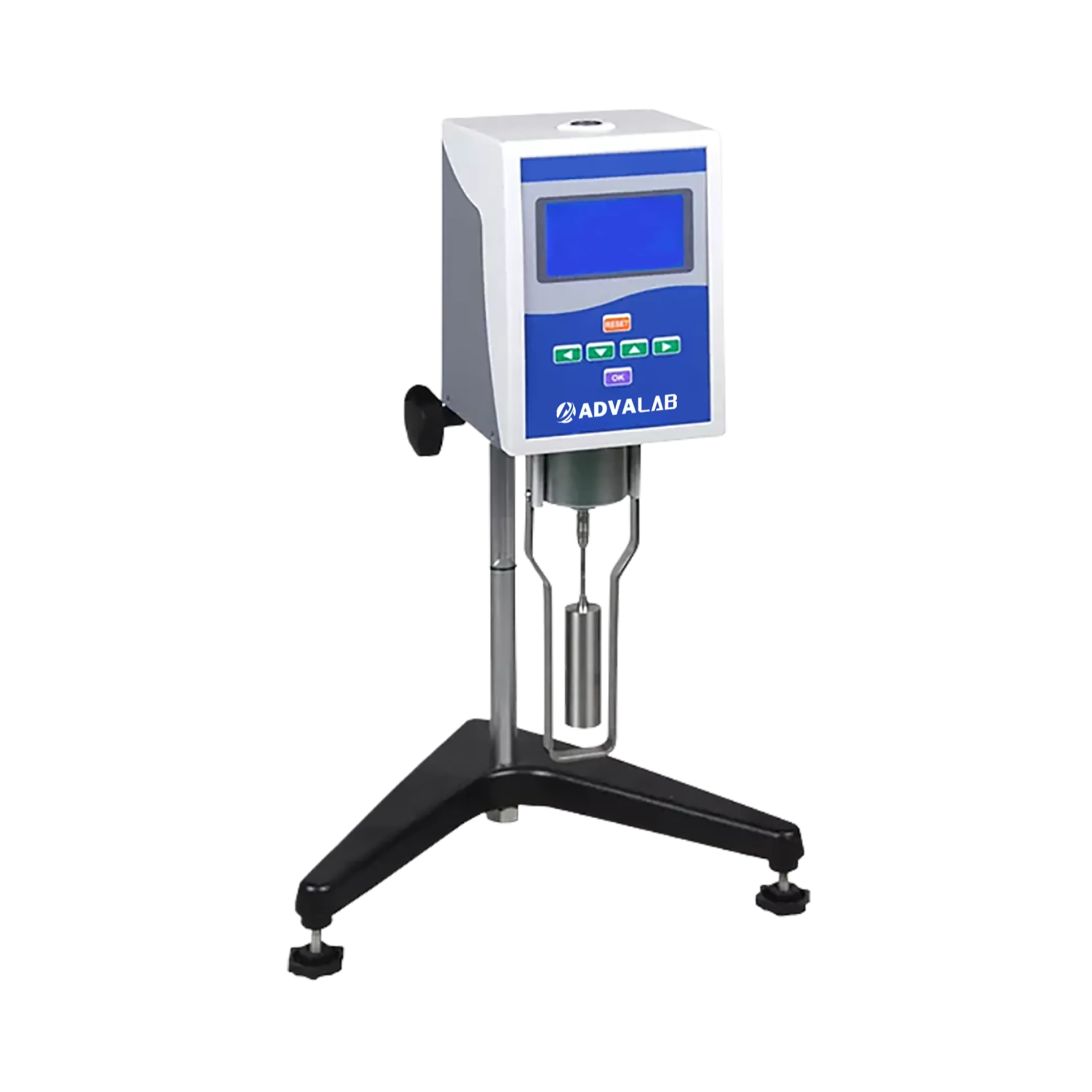
| Measuring Range: | 1 to 2×10⁶m Pa.s |
| Precision: | ± 3% |
| Temperature: | 5° C to 35 ° C |
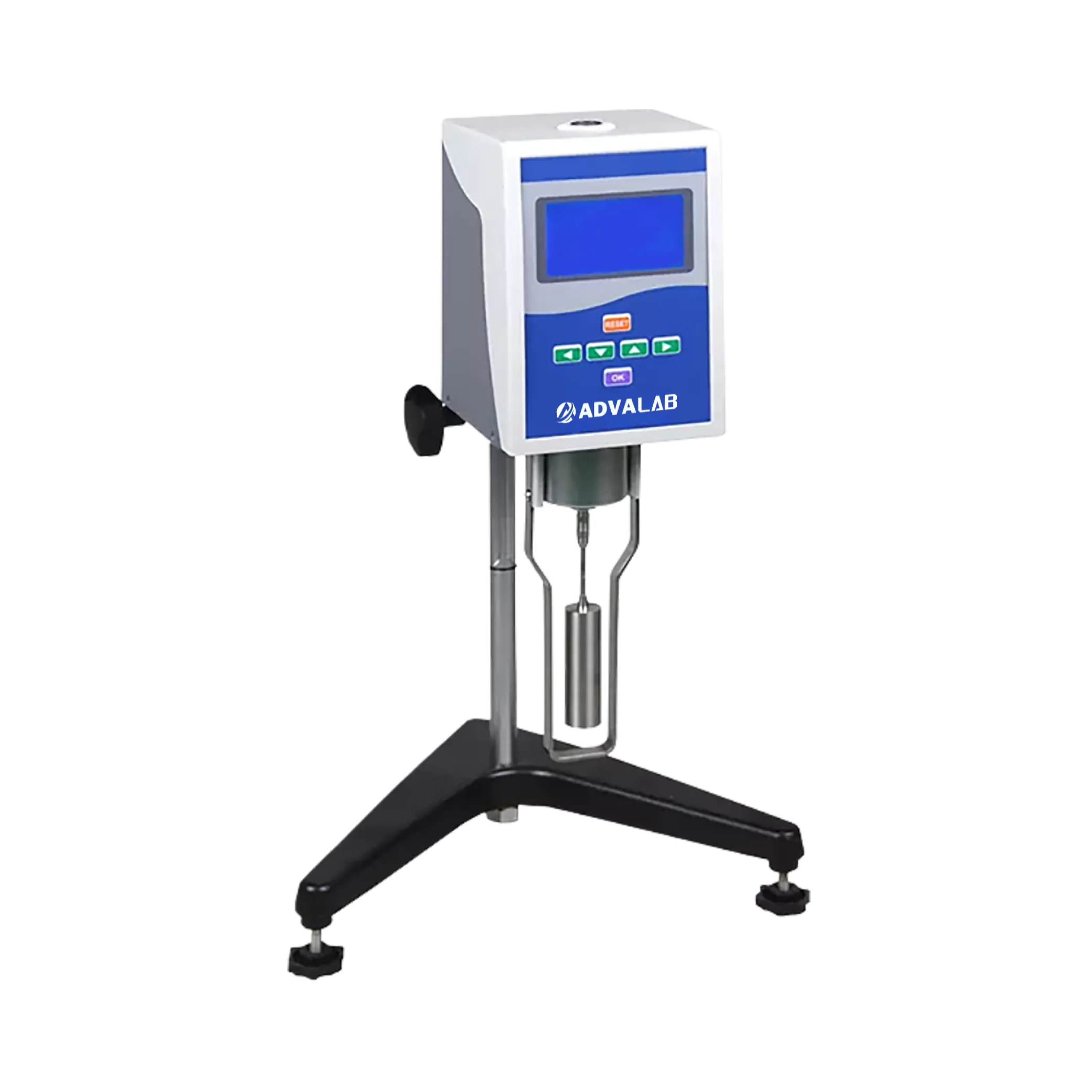
| Measuring Range: | 1 to 1×10⁵ m Pa.s |
| Precision: | ± 3% |
| Temperature: | 5° C to 35 ° C |

| Measuring Range: | 1 to 1×10⁵ m Pa.s |
| Precision: | ± 2% |
| Temperature: | 5° C to 35 ° C |
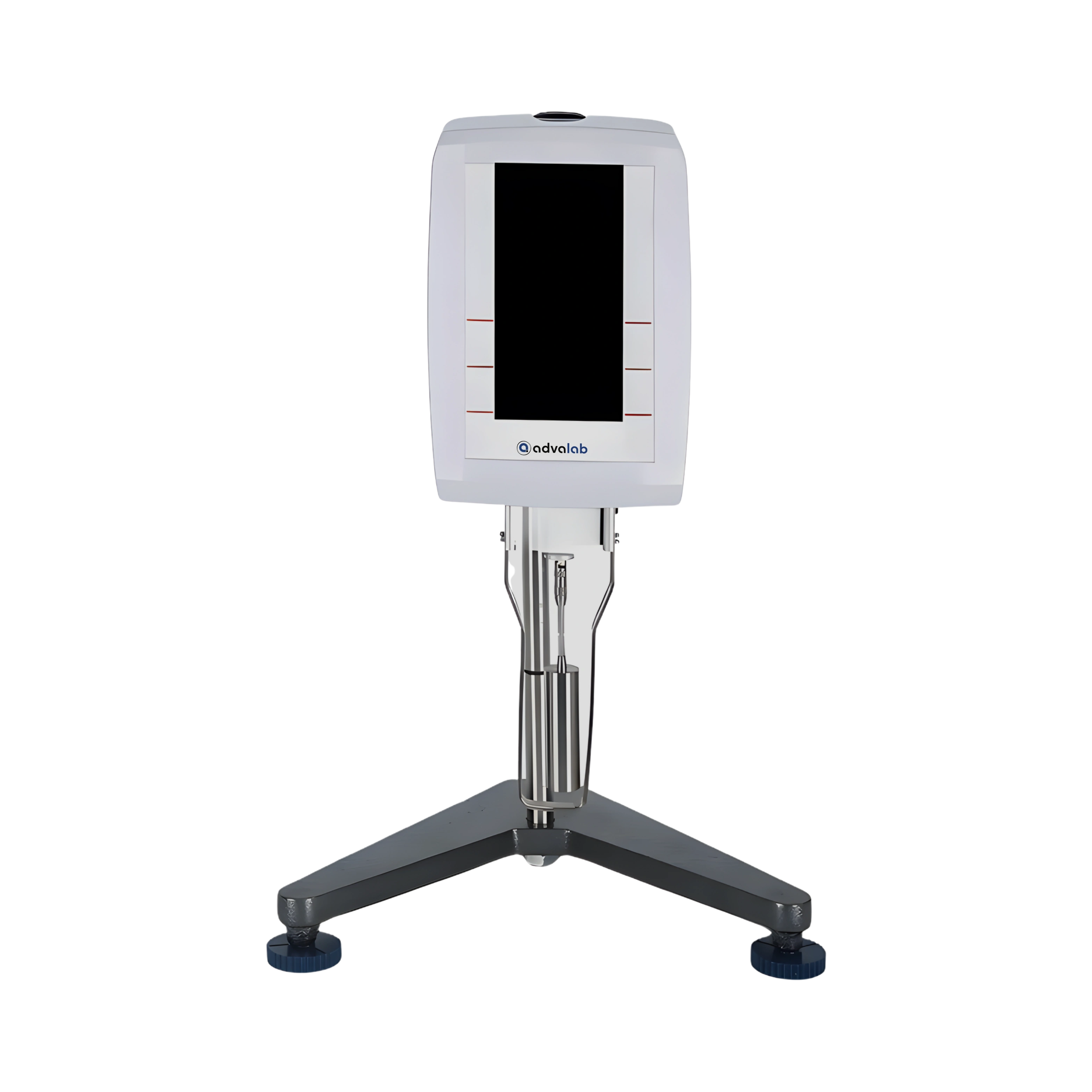
| Measurement Range: | 0 to 8×10⁵ MPa·s |
| Speed: | 0.3, 0.6, 1.5, 3, 6, 12, 30, 60 rpm |
| No of Rotors: | 1 to 4 rotors |
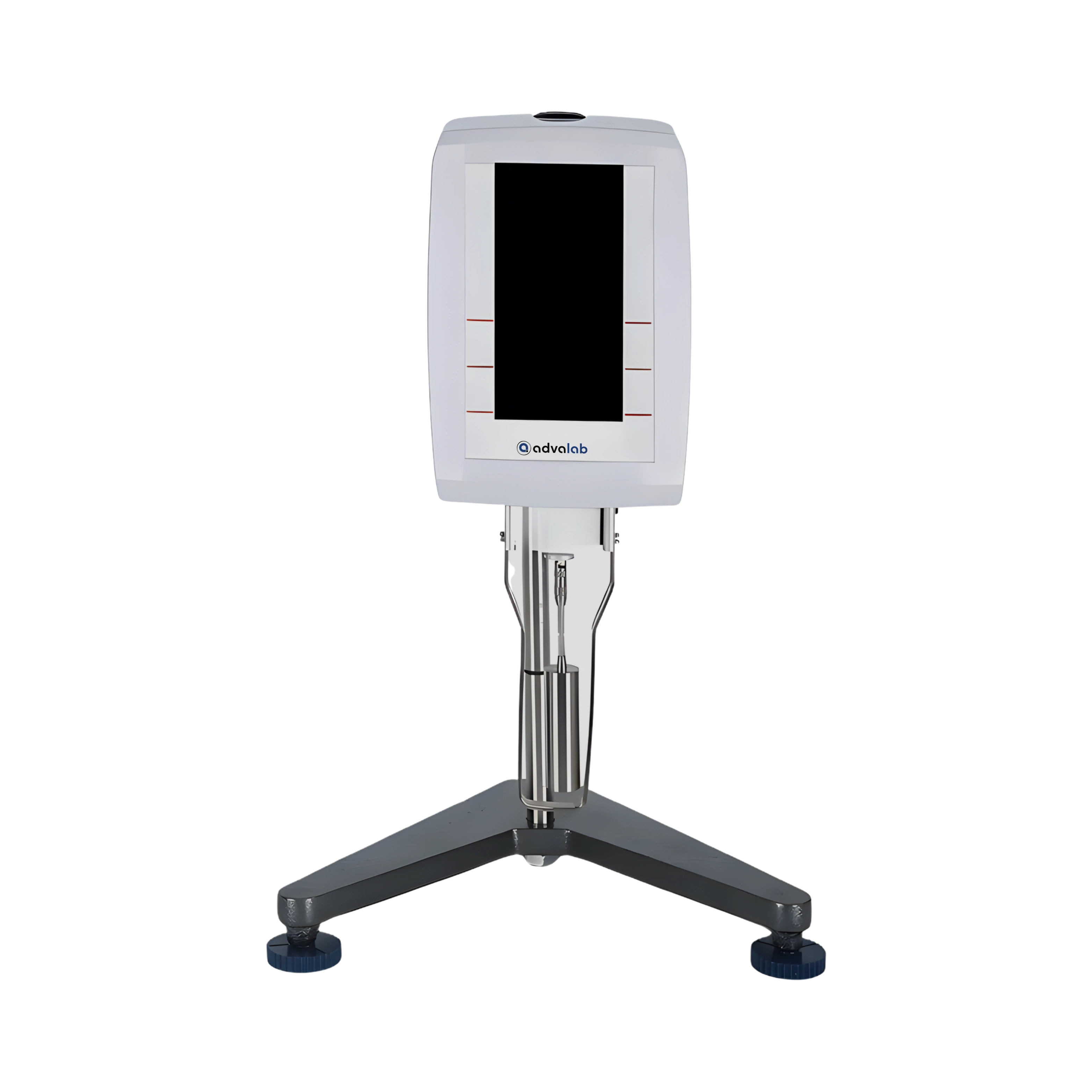
| Measurement Range: | 1-6 x 10⁴ mpa.s |
| Speed: | 6, 12, 30, 60 rpm |
| No of Rotors: | 0 to 4 rotors |
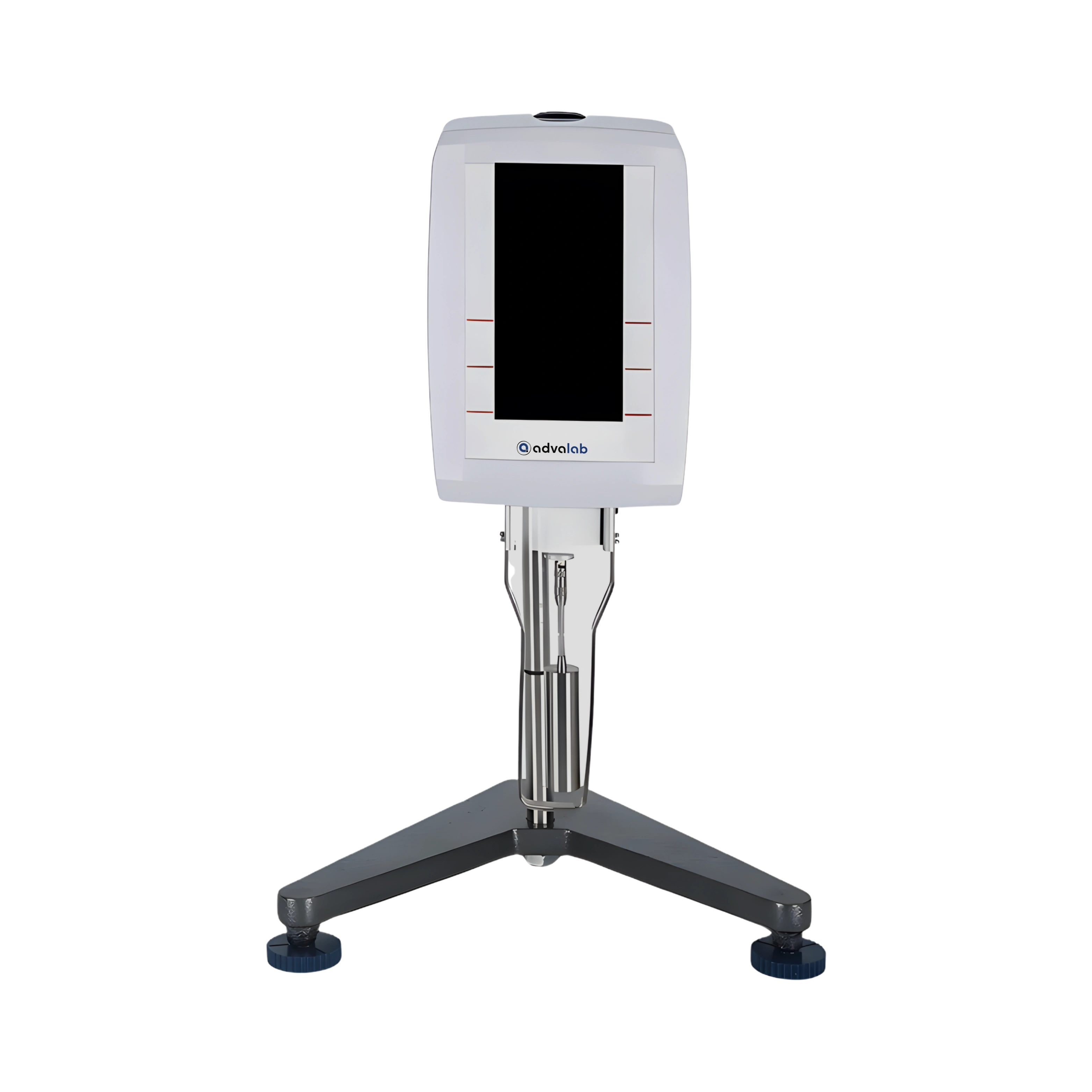
| Measurement Range: | 1-6 x10 mpa.s |
| Speed: | 6 / 12 / 30 / 60 rpm |
| No of Rotors: | 1 to 4 rotors |
| Measurement Range: | 1-8 x10⁴ mpa.s |
| Speed: | 6 / 12 / 30 / 60 rpm |
| No of Rotors: | 0 to 4 rotors |