
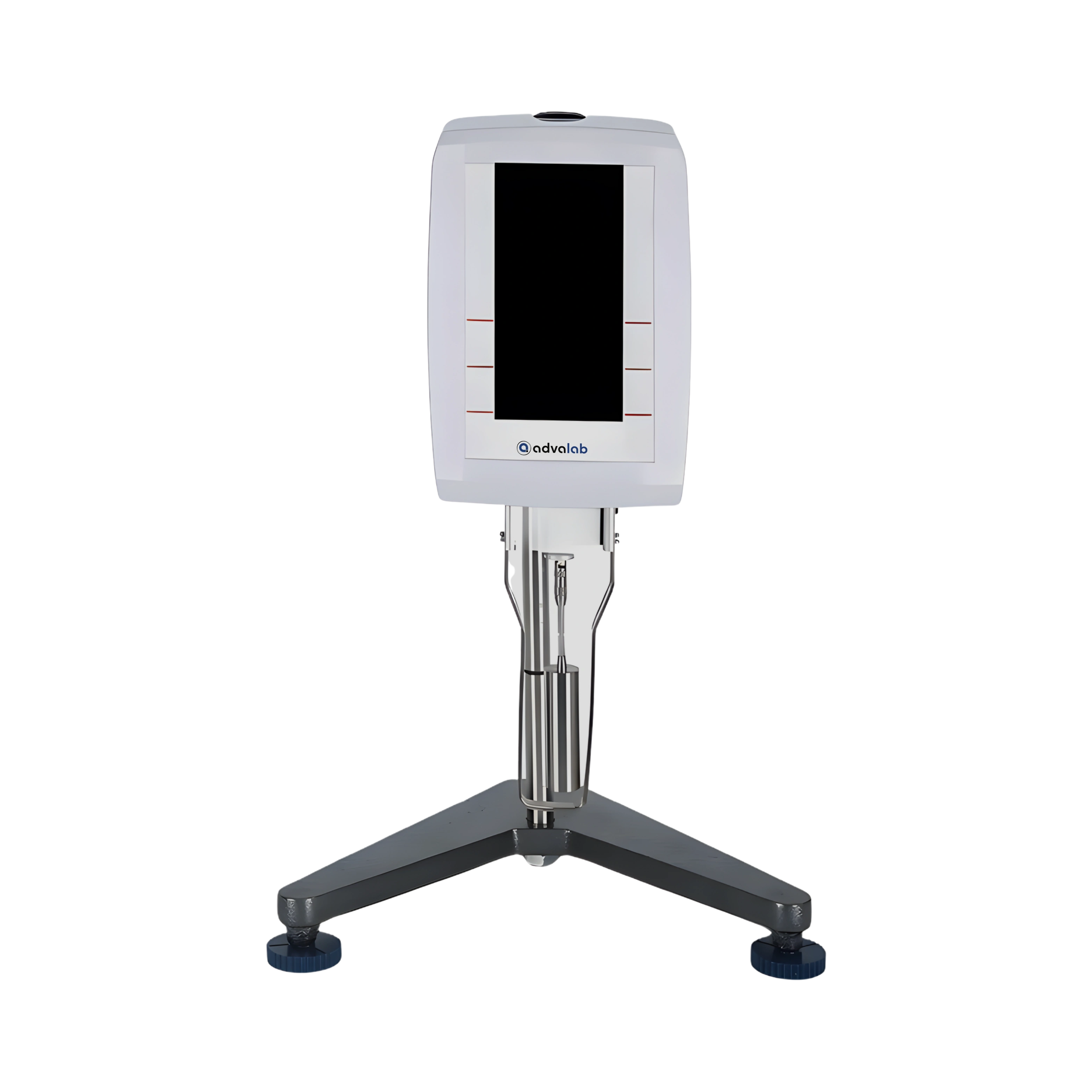

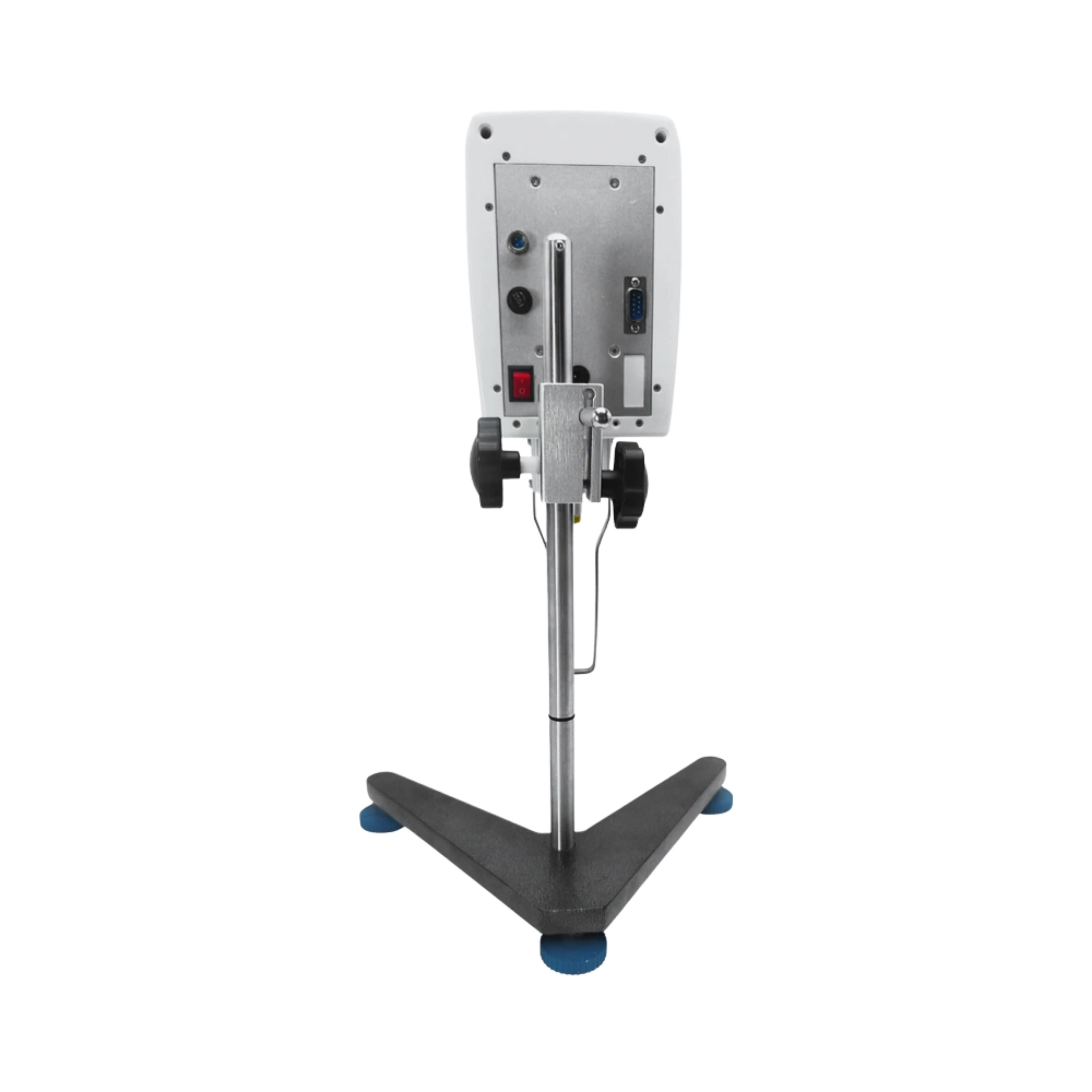
| Measurement Range | 1-8 x10⁴ mpa.s |
| Speed | 6 / 12 / 30 / 60 rpm |
| No of Rotors | 0 to 4 rotors |
| Precision | ± 2 % |
| Voltage | AC110-240V, 50/60HZ |
| Dimension | 415 x 335 x 370 mm |
| Weight | 4.6 kg |
The Rotational Viscometer ADRV-502 is engineered for advanced rheological evaluation and multi-range viscosity analysis. It is essential in pharmaceutical formulations, specialty chemicals, coatings, petrochemicals, adhesives, and food R&D.
1. What is the measurement range of Rotational Viscometer ADRV-502?
The Rotational Viscometer ADRV-502 offers a broad measurement range from 1 to 8 mPa·s, covering both low and high-viscosity samples. With the optional 0# rotor, it can extend down to 0.1 mPa·s, making it suitable for ultra-low viscosity fluids such as solvents. Its ±1% precision ensures reliable and repeatable readings across diverse applications. This versatility makes it highly valuable for both laboratory research and industrial viscosity testing.
2. In which industries is the Rotational Viscometer ADRV-502 most commonly used?
The Rotational Viscometer ADRV-502 is widely applied in pharmaceuticals, petrochemicals, coatings, lubricants, adhesives, cosmetics, and food R&D. In pharmaceuticals, it helps assess suspension stability, while in lubricants and chemicals it ensures performance consistency. Its role in paints, adhesives, and cosmetics lies in optimizing texture, flow, and usability. With its robust build and high precision, the instrument is equally valuable for R&D laboratories and production QC environments.
3. How does the Rotational Viscometer ADRV-502 improve efficiency in viscosity testing?
The Rotational Viscometer ADRV-502 features an automatic rotor-speed scanning system that intelligently selects the best rotor and speed combination for each sample. This automation reduces operator guesswork, minimizes setup time, and ensures accuracy without repeated adjustments. By streamlining workflows, the instrument not only improves productivity but also maintains consistent testing standards. It is an ideal solution for laboratories looking to balance speed and reliability.
4. Is the Rotational Viscometer ADRV-502 suitable for temperature-dependent fluids?
Yes, the Rotational Viscometer ADRV-502 is specifically designed to handle temperature-sensitive viscosity analysis. Its integrated temperature probe interface provides real-time monitoring and can be paired with a thermostatic bath for controlled conditions. This enables thermal-compensated viscosity testing, which is critical for fluids such as oils, polymers, and suspensions. It ensures results remain accurate even when viscosity varies with temperature.
5. Can the Rotational Viscometer ADRV-502 be integrated with digital workflows?
The Rotational Viscometer ADRV-502 supports modern digital integration with RS232, PC, and printer connectivity for efficient data export. Optional software enables advanced analysis such as viscosity curve plotting, trend evaluation, and compliance documentation. This makes it compatible with laboratory information management systems and regulatory environments. By enabling secure and traceable reporting, it enhances data accuracy and process transparency.
6. What is the role of a Rotational Viscometer in laboratory and industrial applications?
A Rotational Viscometer determines the flow resistance of liquids, offering vital data for quality control, R&D, and regulatory compliance. It supports industries such as paints, lubricants, polymers, cosmetics, and pharmaceuticals where viscosity directly impacts performance and product consistency.
7. Can Rotational Viscometers measure both Newtonian and non-Newtonian fluids?
Yes, Rotational Viscometers are designed to analyze absolute viscosity in Newtonian fluids and apparent viscosity in non-Newtonian fluids. This makes them versatile for everything from oils and emulsions to gels, suspensions, and adhesives.
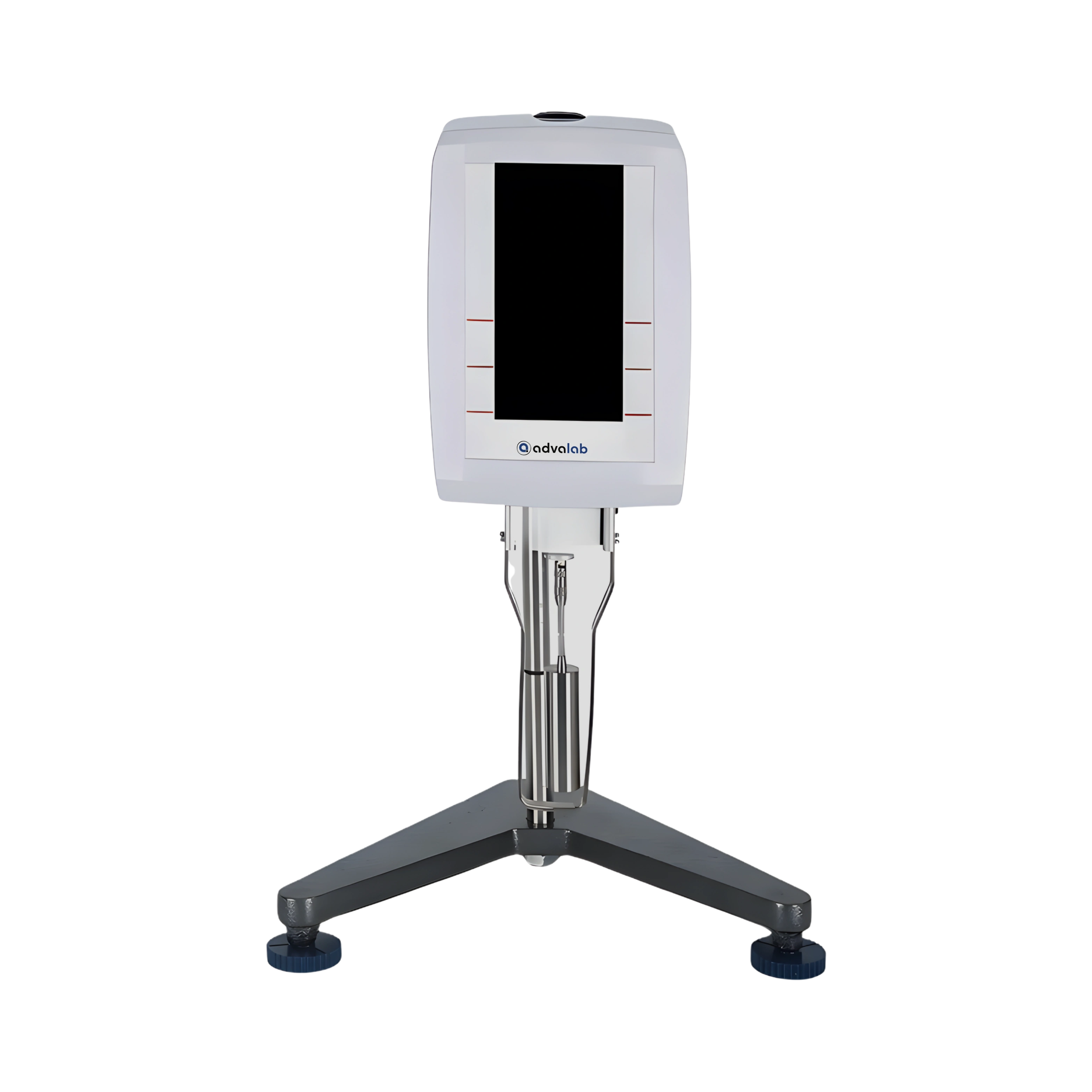
| Measurement Range | 0 to 8×10⁵ MPa·s |
| Speed | 0.3, 0.6, 1.5, 3, 6, 12, 30, 60 rpm |
| No of Rotors | 1 to 4 rotors |
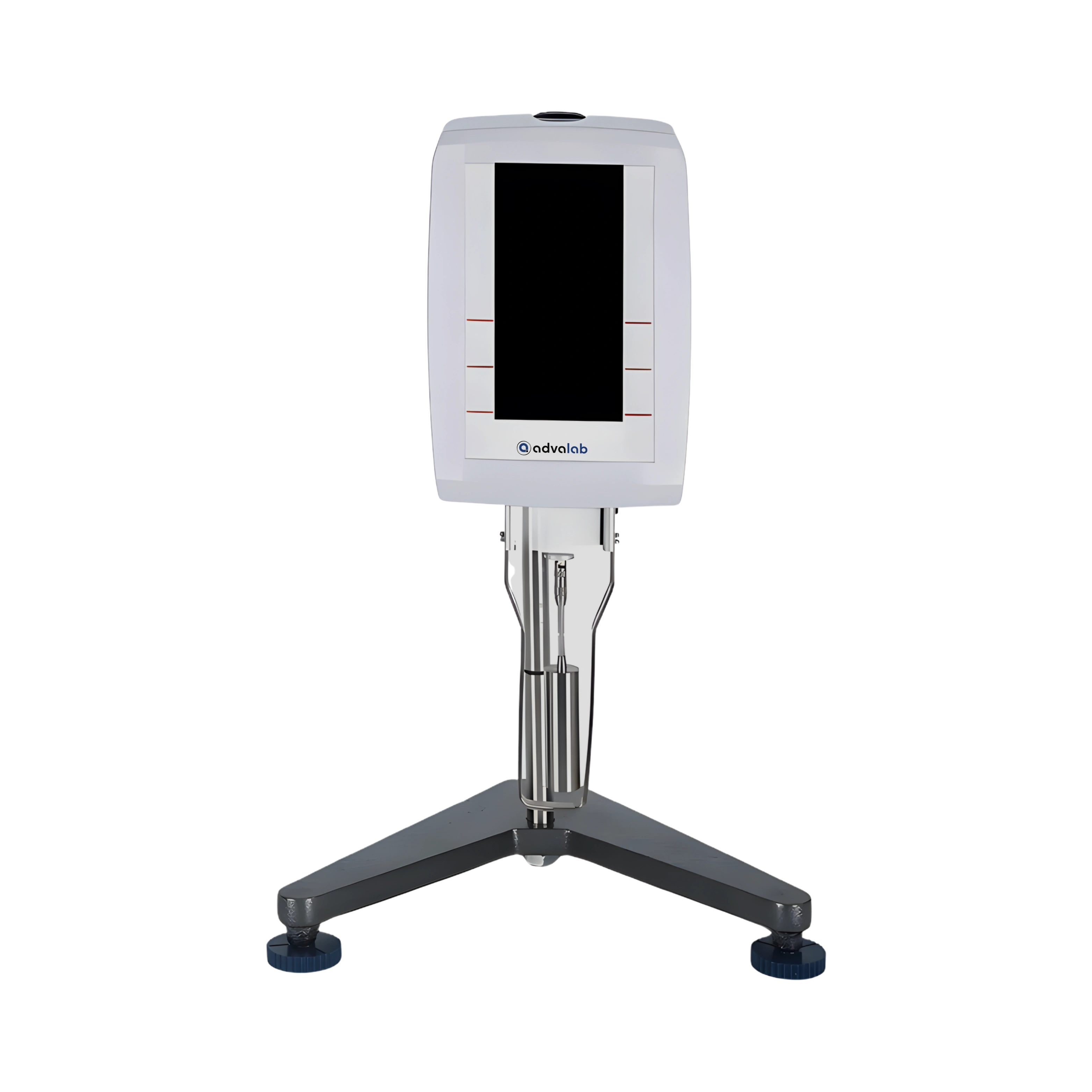
| Measurement Range | 1-6 x10 mpa.s |
| Speed | 6 / 12 / 30 / 60 rpm |
| No of Rotors | 1 to 4 rotors |
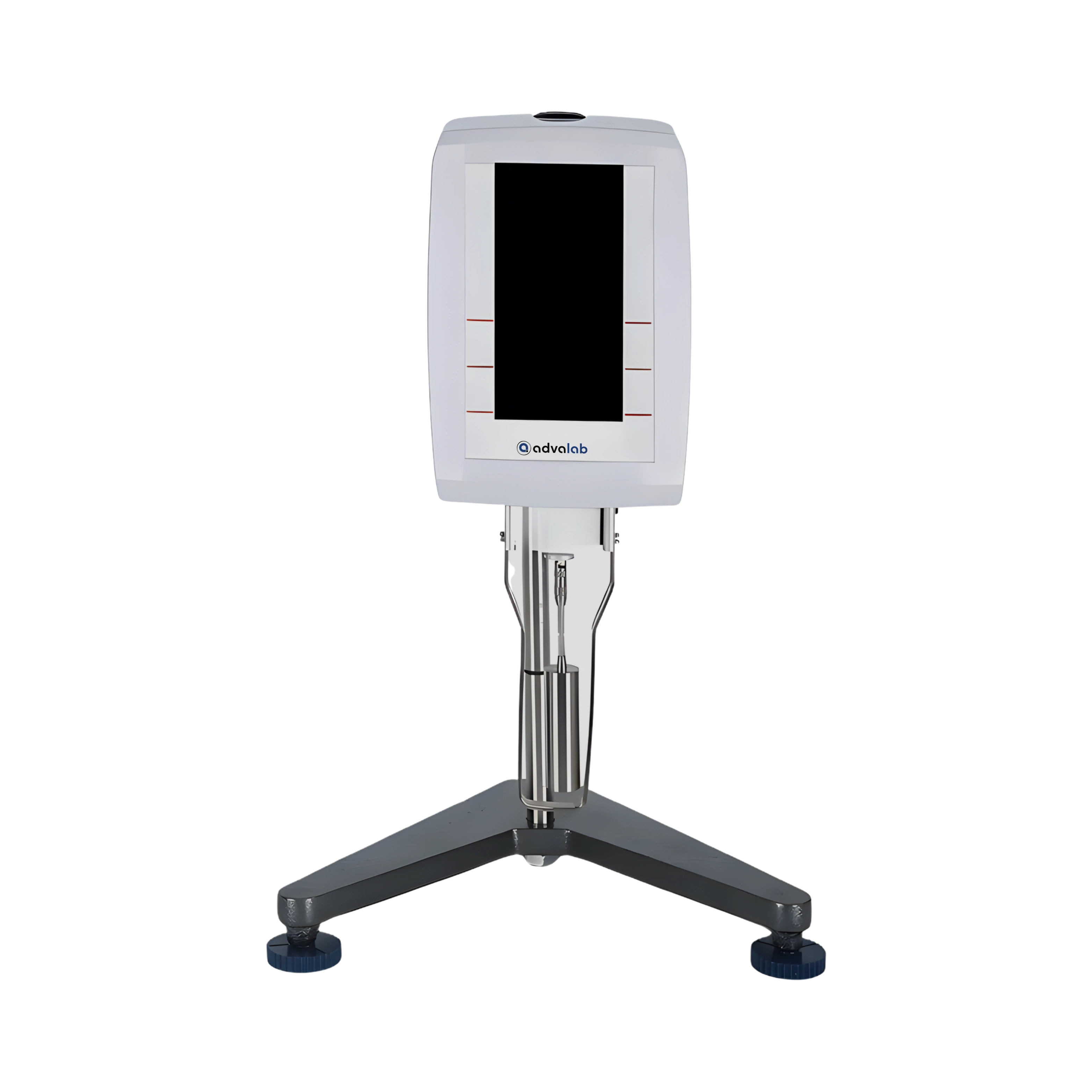
| Measurement Range | 1-6 x 10⁴ mpa.s |
| Speed | 6, 12, 30, 60 rpm |
| No of Rotors | 0 to 4 rotors |

| Measurement Range: | 1 – 2,000,000 mPa·s |
| Speed: | 0.3 / 0.6 / 1.5 / 3 / 6 / 12 / 30 / 60 rpm |
| No of Rotors: | 1 to 4 rotors |

| Measurement Range: | 1 – 6,000,000 mPa·s |
| Speed: | 0.1 / 0.3 / 0.6 / 1.5 / 3 / 6 / 10 / 30 / 60 rpm |
| No of Rotors: | 1 to 4 rotors |
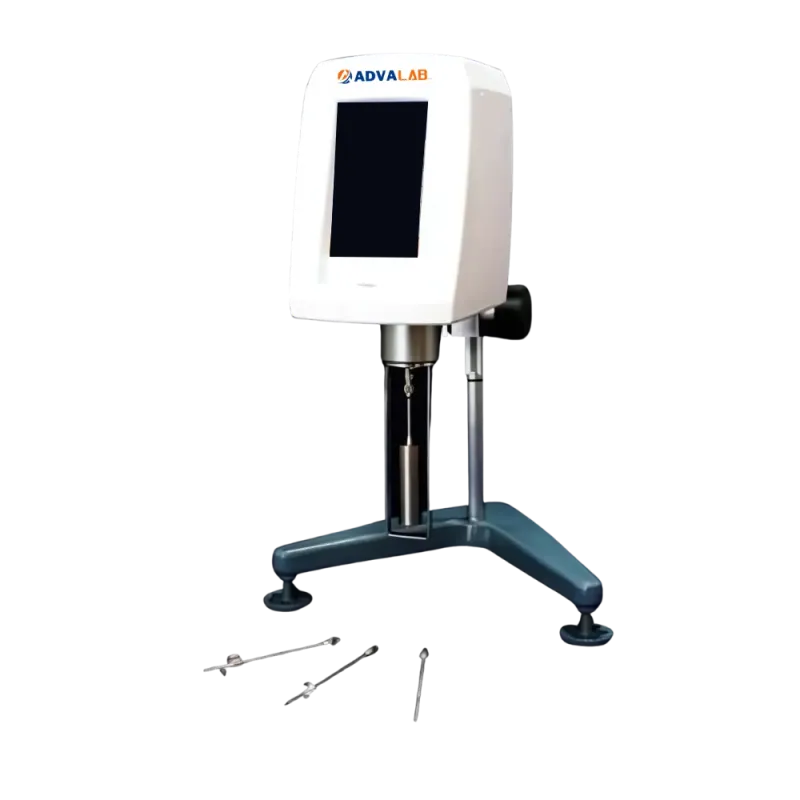
| Measurement Range : | 1 – 2,000,000 mPa·s |
| Speed : | 0.3 / 0.6 / 1.5 / 3 / 6 / 12 / 30 / 60 rpm |
| No of Rotors: | 1 to 4 rotors |

| Measurement Range: | 1 to 2 Million mPa.s |
| Speed: | 6,12,30,60 rpm |
| No of Rotors: | 0 to 4 rotor |
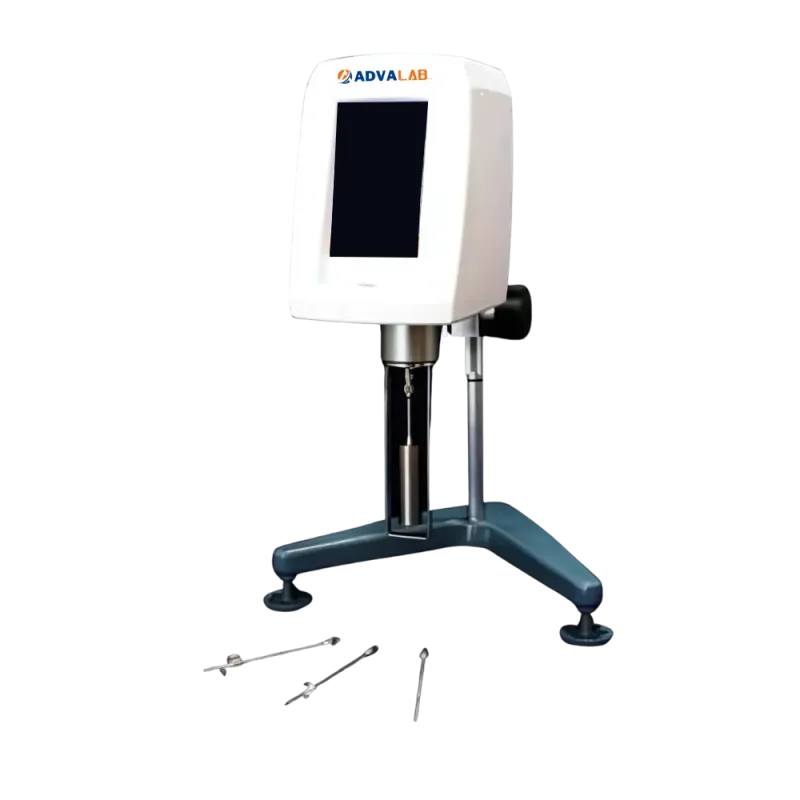
| Measurement Range: | 1 – 100,000 mPa·s |
| Speed: | 3 / 6 / 12 / 30 / 60 rpm |
| No of Rotors: | 1 to 4 rotors |

| Measurement Range: | 25 mPa.s to 1 × 10⁷ mPa.s |
| Rotors: | Rotor no. 21, 27, 28, 29 (total 4 pieces of spindles) |
| Rotation Speed: | 0.1, 0.2, 0.5, 1, 2, 5, 10, 20, 50, 100 and 200 rpm |
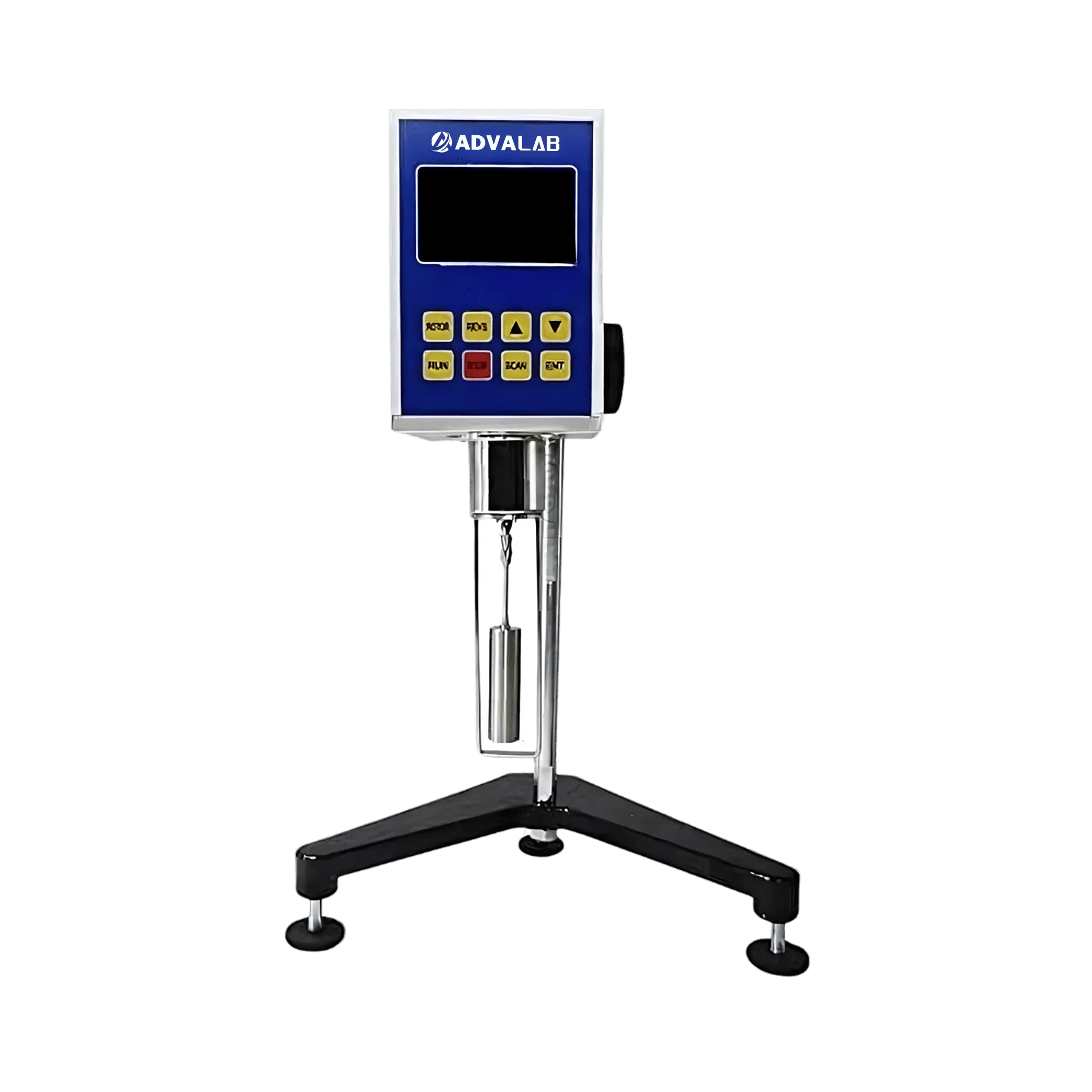
| Measurement Range: | 1 to 100kmPa.s |
| Speed: | 6,12,30,60 rpm |
| No of Rotors: | 0 to 4 rotor |
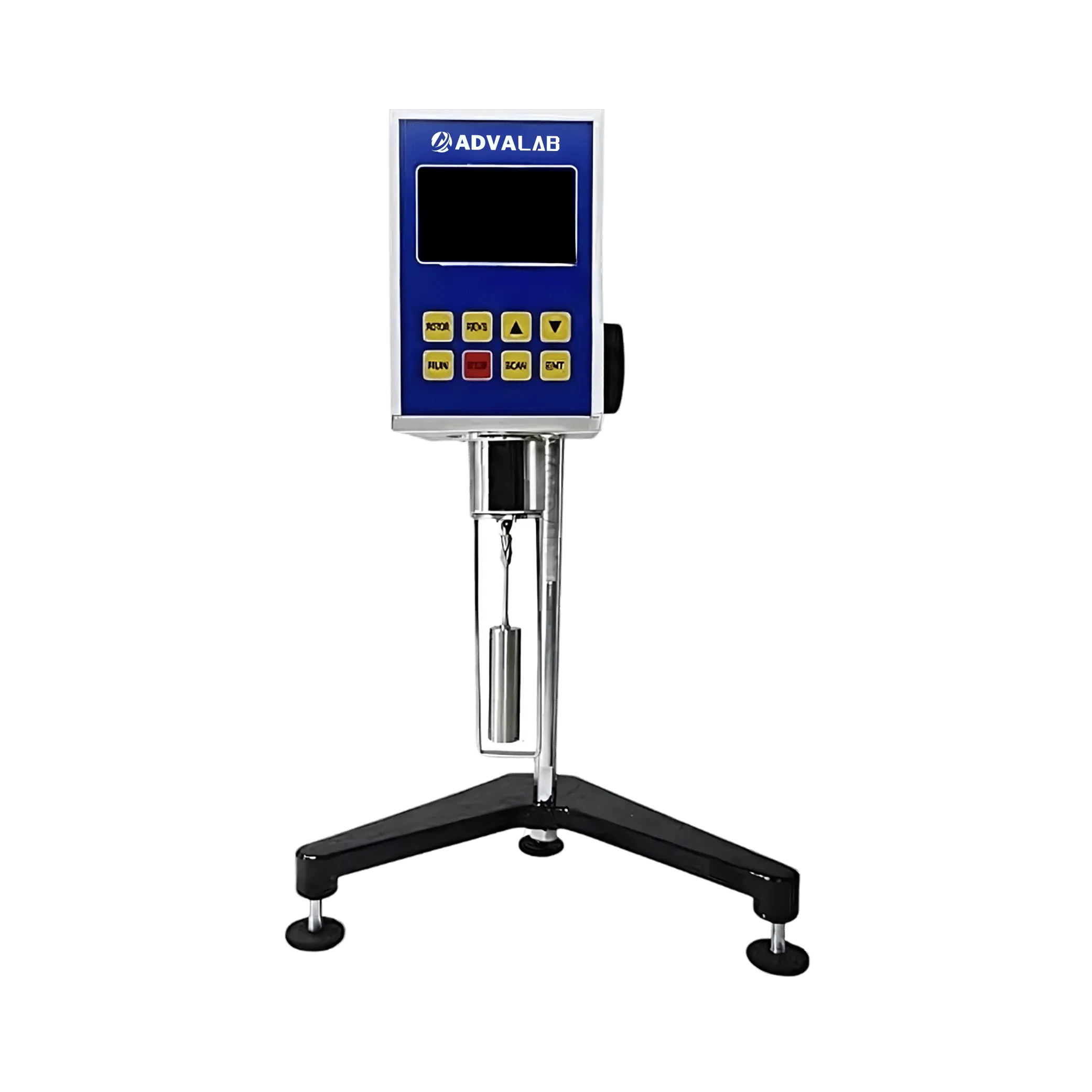
| Measurement Range: | 1 to 100kmPa.s |
| Speed: | 6,12,30,60 rpm |
| No of Rotors: | 0 to 4 rotor |
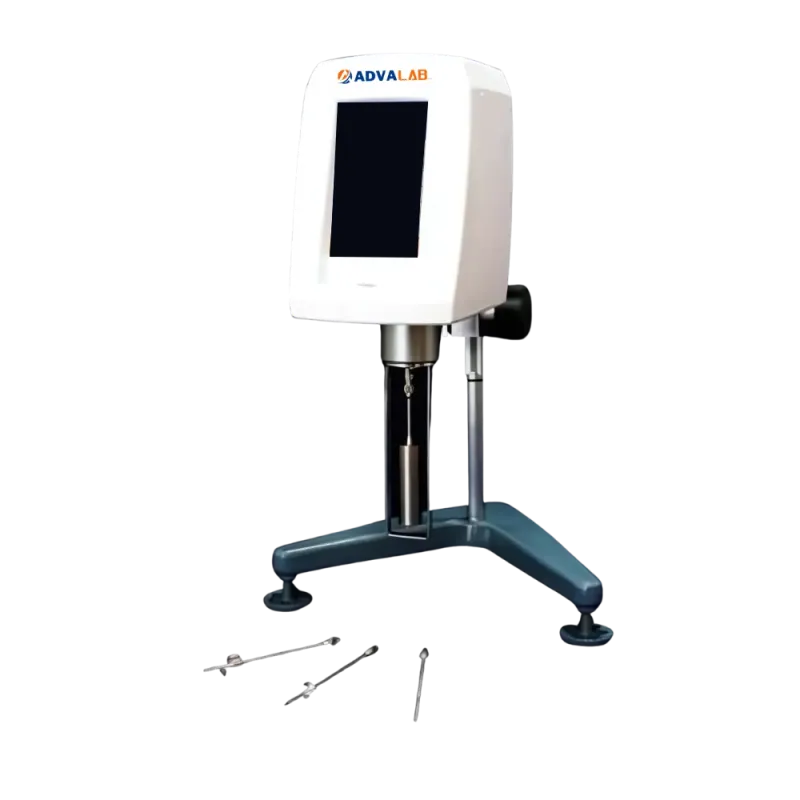
| Measurement Range: | 1 – 2,000,000 mPa·s |
| Speed: | 0.3 / 0.6 / 1.5 / 3 / 6 / 12 / 30 / 60 rpm |
| No of Rotors: | 1 to 4 rotors |

| Measuring Range: | 1 to 2×10⁶m Pa.s |
| Precision: | ± 2% |
| Temperature: | 5° C to 35 ° C |
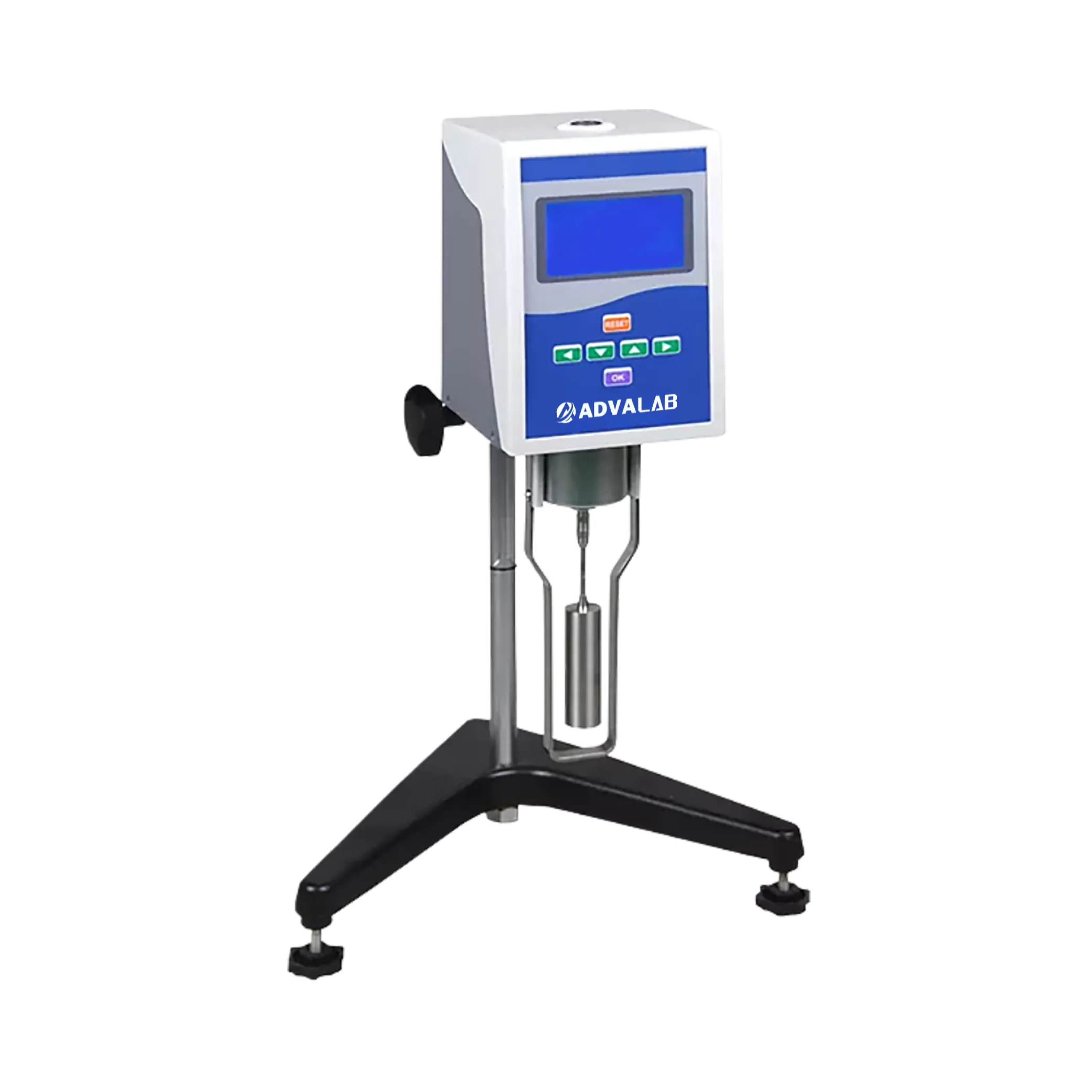
| Measuring Range: | 1 to 1×10⁵ m Pa.s |
| Precision: | ± 3% |
| Temperature: | 5° C to 35 ° C |
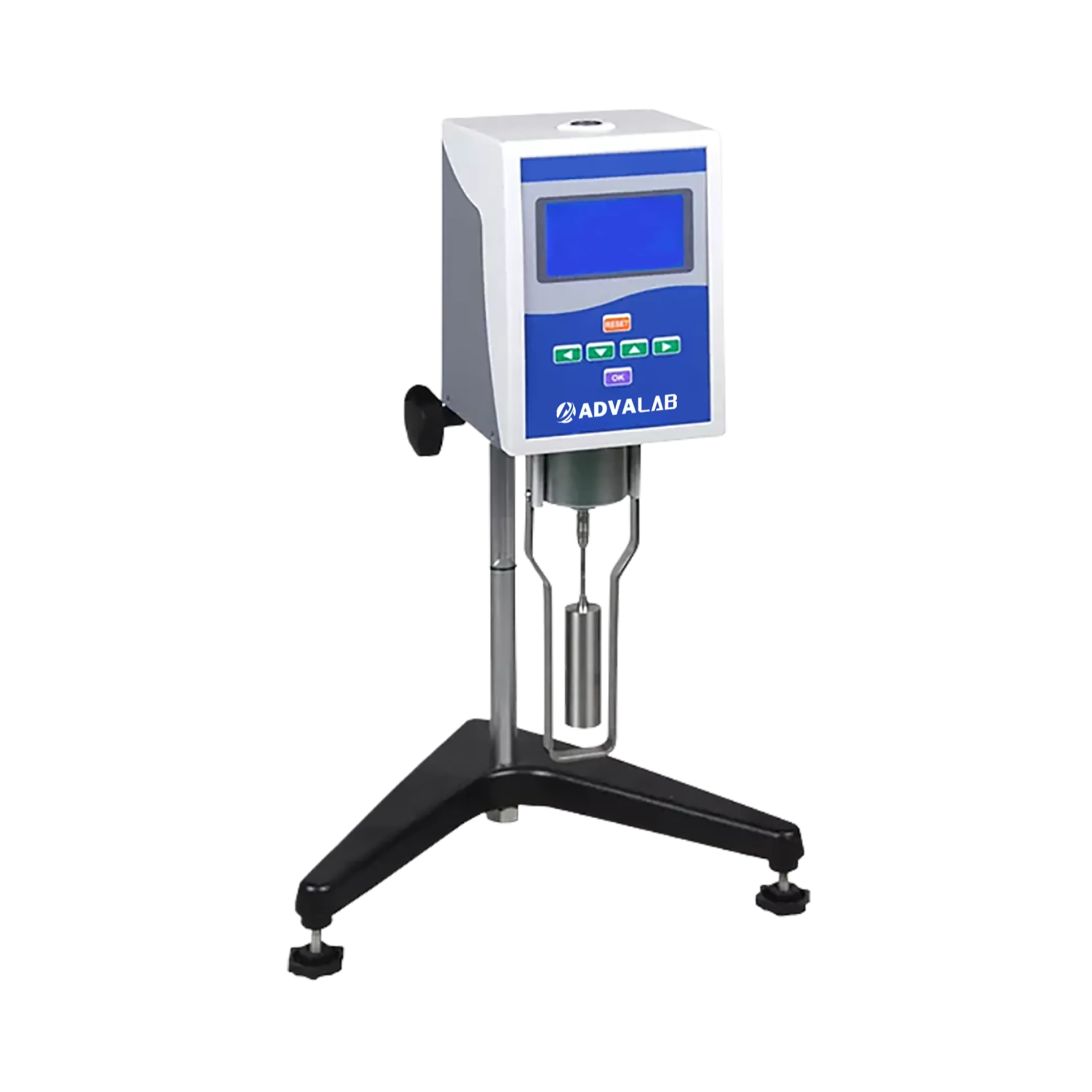
| Measuring Range: | 1 to 2×10⁶m Pa.s |
| Precision: | ± 3% |
| Temperature: | 5° C to 35 ° C |
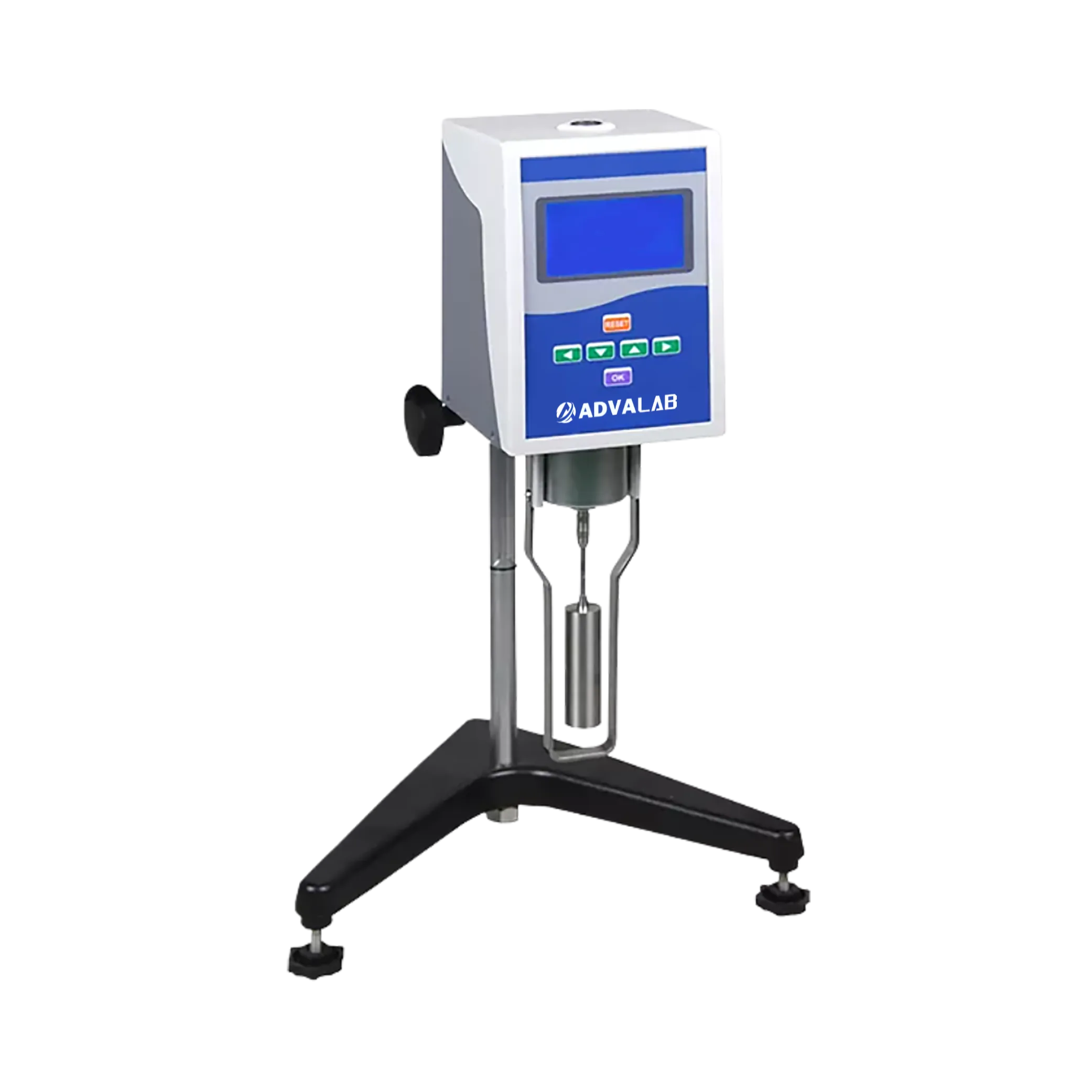
| Measuring Range: | 1 to 2×10⁶m Pa.s |
| Precision: | ± 2% |
| Temperature: | 5° C to 35 ° C |

| Measuring Range: | 1 to 1×10⁵ m Pa.s |
| Precision: | ± 2% |
| Temperature: | 5° C to 35 ° C |
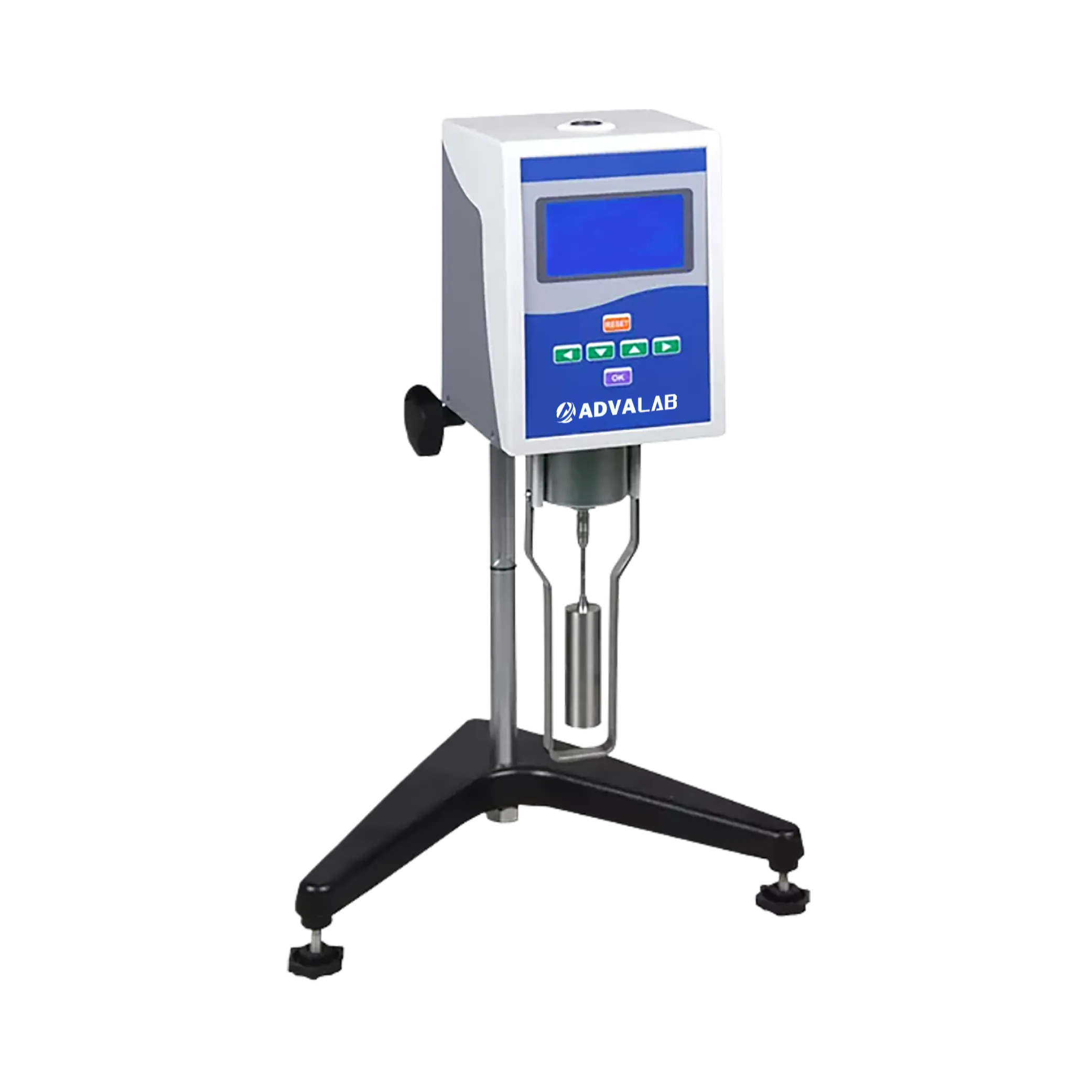
| Measuring Range: | 1 to 1×10⁵ m Pa.s |
| Precision: | ± 2% |
| Temperature: | 5° C to 35 ° C |