

| Measurement Range | 25 mPa.s to 1 × 10⁷ mPa.s |
| Rotors | Rotor no. 21, 27, 28, 29 (total 4 pieces of spindles) |
| Rotation Speed | 0.1, 0.2, 0.5, 1, 2, 5, 10, 20, 50, 100 and 200 rpm |
| Temperature Control Range | 45 to 200°C |
| Temperature Control Accuracy | ± 0.1°C |
| Sample Cylinder | 20 ml |
| Measurement Error | ± 1% (F.S) |
| Measurement Mode | Automatic |
| Display | LCD |
| Print Output | Needle printer |
| Interface | RS232 |
| Relative Humidity | ≤ 80% |
| Ambient Temperature | 5 to 35°C |
| Power Supply | AC 220 V ±10%, 50 Hz |
| Wooden Box 01 Dimension (L×W×H) | 595×415×544 mm |
| Wooden Box 01 Gross Weight | 16.5 kg |
| Wooden Box 02 Dimension (L×W×H) | 425×370×295 mm |
| Wooden Box 02 Gross Weight | 8.8 kg |
Our Digital Rotational Viscometer ADVR-504 is used across industries like pharmaceuticals, food and cosmetics to measure and control the viscosity of liquids and semi-solids.
1. What is a Digital Rotational Viscometer and how does it work?
A Digital Rotational Viscometer is an instrument used to measure the viscosity of liquids by rotating a spindle in the fluid and recording the torque resistance. The torque needed to rotate the spindle correlates directly with the fluid's viscosity. A digital display shows real-time measurements, often in centipoise (cP) or milliPascal-seconds (mPa·s).
2. Can a Digital Rotational Viscometer measure both low and high viscosity samples?
Yes, most digital Rotational Viscometer can measure a wide range of viscosities by using different spindles and adjusting rotational speeds. It comes with multiple spindles and offer extended ranges, covering fluids from as low as 1 cP to over several million cP. However, for extremely low or high viscosities, special accessories like UL adapters or high-torque motors may be required.
3. How often should a Digital Rotational Viscometer be calibrated?
It’s generally recommended to calibrate your viscometer at least once a year, or more frequently if it's used in critical applications or harsh environments. Calibration should be done using certified standard viscosity fluids traceable to national standards (e.g., NIST). Deviations can occur due to spindle wear, electronic drift, or mechanical misalignment. Regular calibration ensures accurate, traceable, and repeatable results.
4. Can I use a Digital Rotational Viscometer for non-Newtonian fluids?
Yes, Digital Rotational Viscometer is particularly well-suited for measuring non-Newtonian fluids, whose viscosity changes with shear rate. This instrument allows control over spindle speed, enabling observation of viscosity at different shear rates. This is valuable for characterizing fluids like paints, lotions, ketchup, and gels. However, it's crucial to record the speed and spindle used for each test, as results may vary widely.
5. Is it possible to automate Digital Rotational Viscosity measurements?
Yes, Digital Rotational Viscometer can be integrated into automated systems or used with accessories like auto-samplers, temperature controllers, or programmable testing routines. Automation helps in high-throughput environments or when repeatability is critical. It can run predefined test programs that change speed, time, or temperature in a sequence.
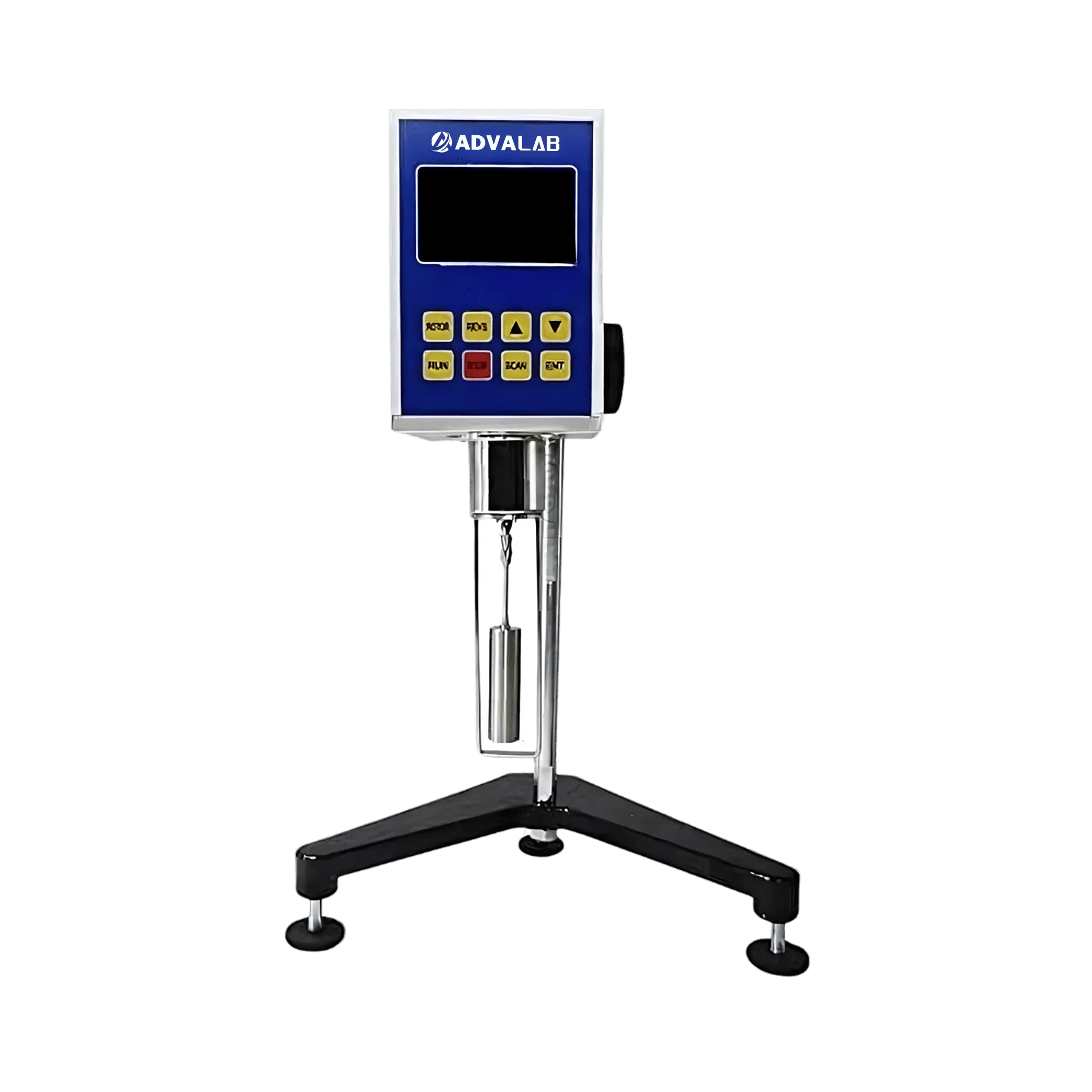
| Measurement Range | 1 to 100kmPa.s |
| Speed | 6,12,30,60 rpm |
| No of Rotors | 0 to 4 rotor |
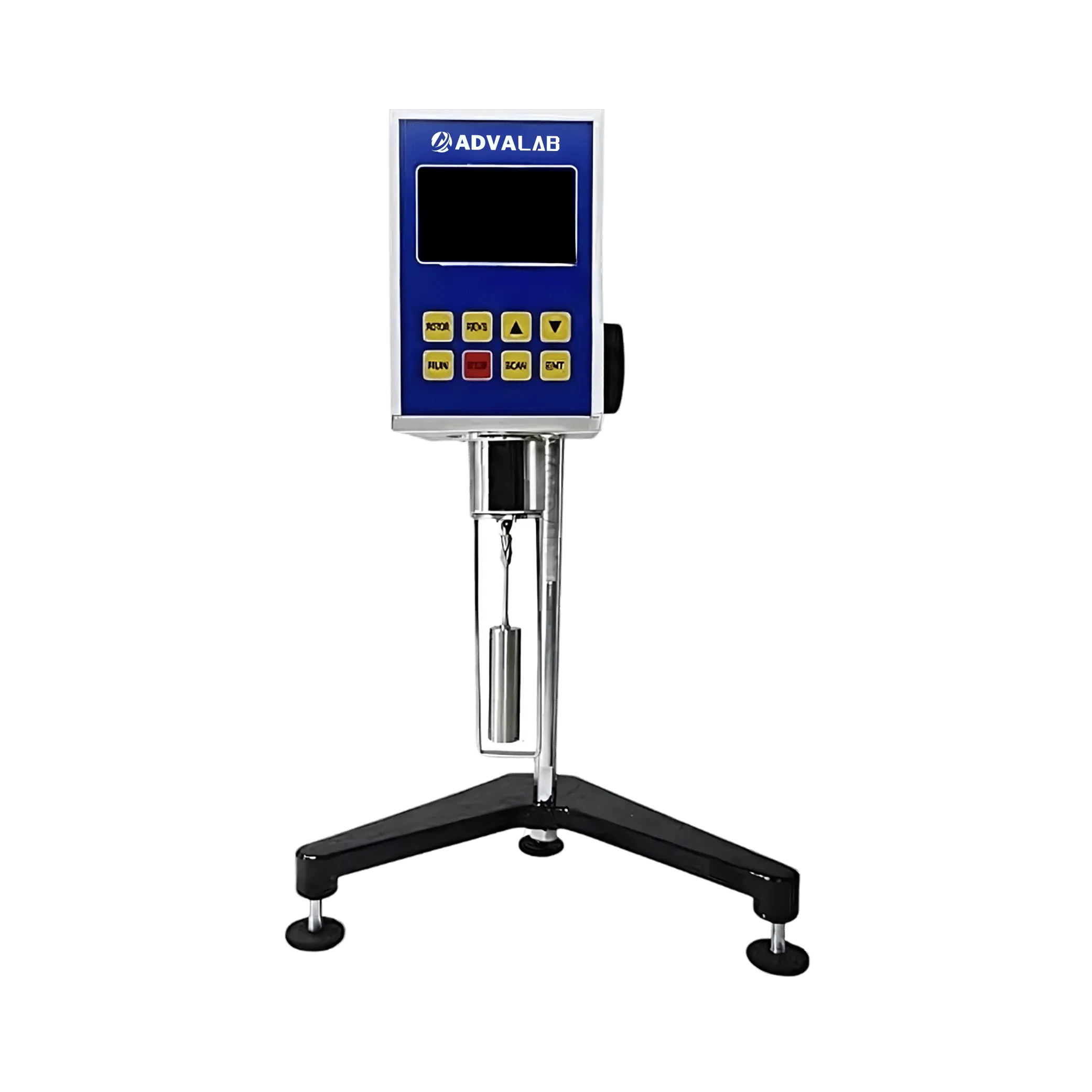
| Measurement Range | 1 to 100kmPa.s |
| Speed | 6,12,30,60 rpm |
| No of Rotors | 0 to 4 rotor |
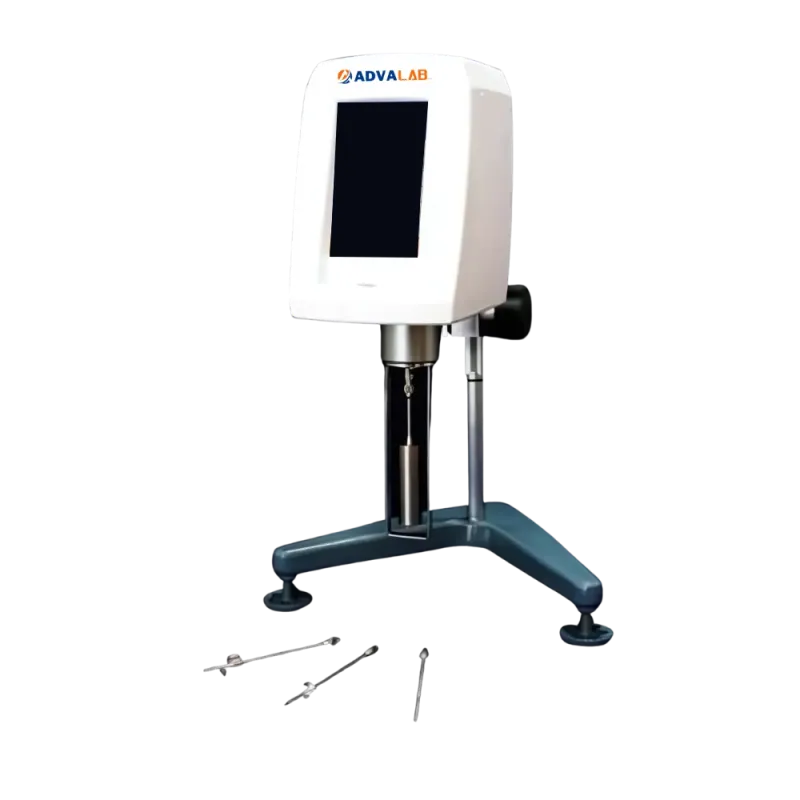
| Measurement Range | 1 – 2,000,000 mPa·s |
| Speed | 0.3 / 0.6 / 1.5 / 3 / 6 / 12 / 30 / 60 rpm |
| No of Rotors | 1 to 4 rotors |
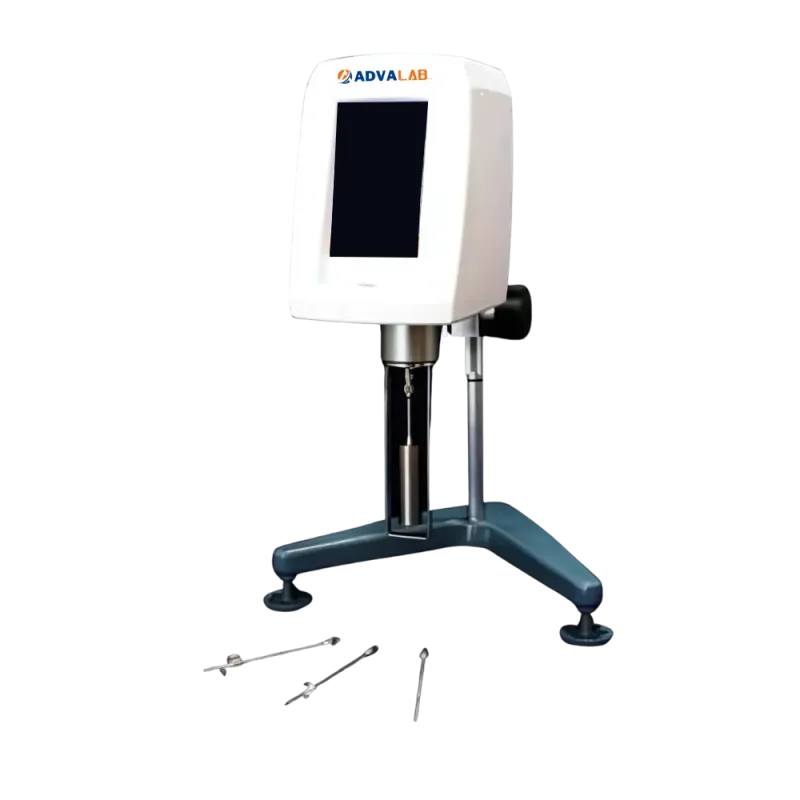
| Measurement Range | 1 – 100,000 mPa·s |
| Speed | 3 / 6 / 12 / 30 / 60 rpm |
| No of Rotors | 1 to 4 rotors |

| Measuring Range: | 1 to 2×10⁶m Pa.s |
| Precision: | ± 2% |
| Temperature: | 5° C to 35 ° C |
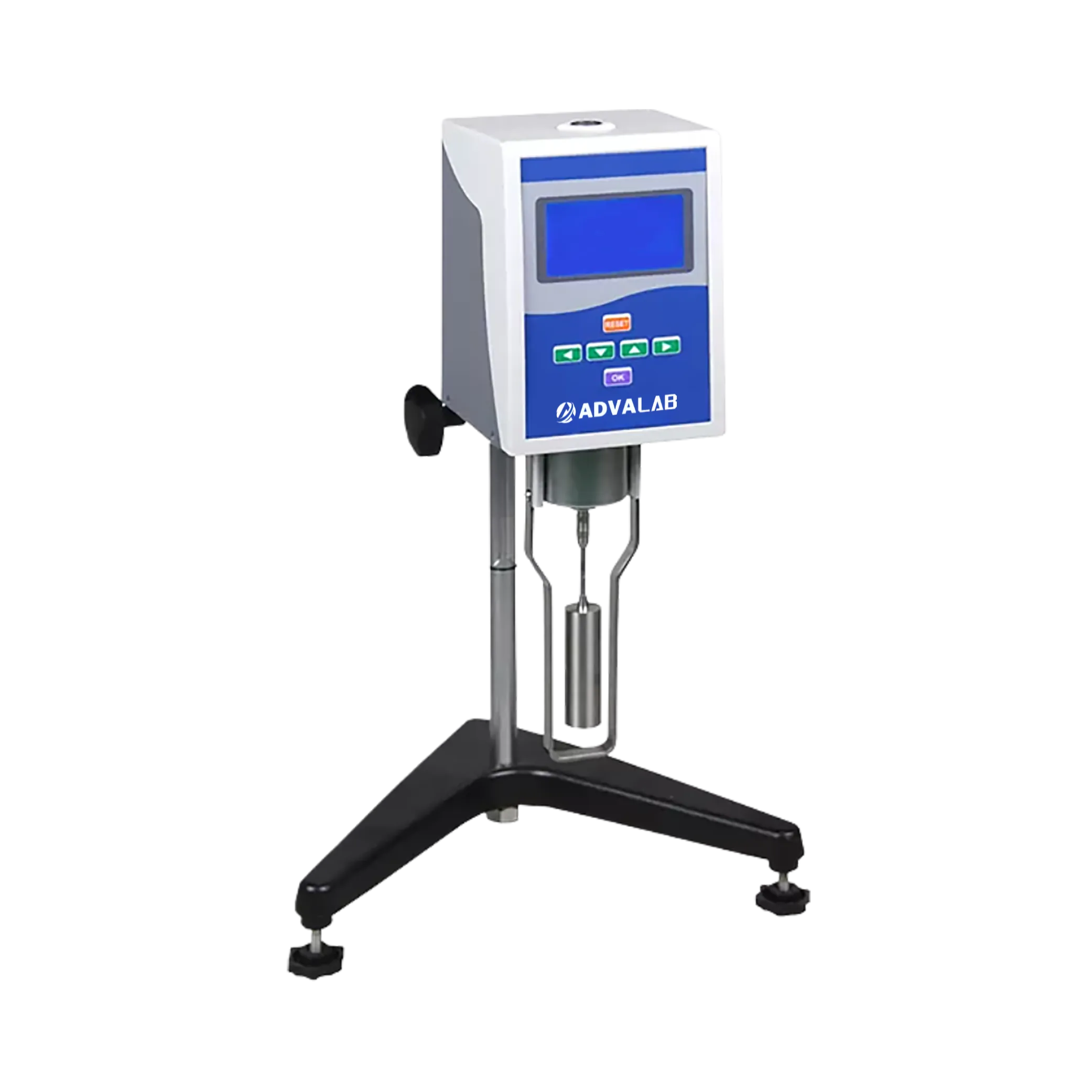
| Measuring Range: | 1 to 2×10⁶m Pa.s |
| Precision: | ± 2% |
| Temperature: | 5° C to 35 ° C |
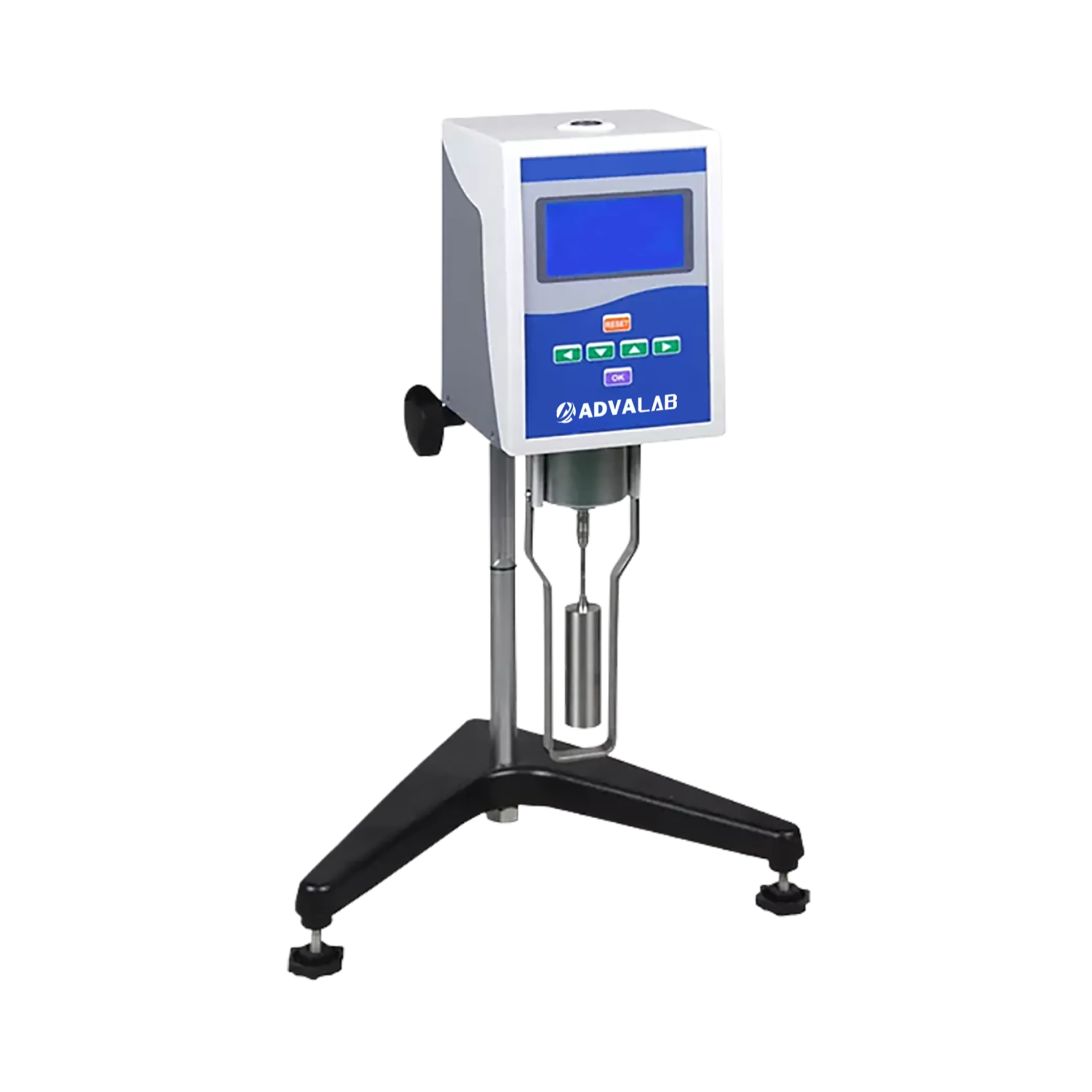
| Measuring Range: | 1 to 2×10⁶m Pa.s |
| Precision: | ± 3% |
| Temperature: | 5° C to 35 ° C |
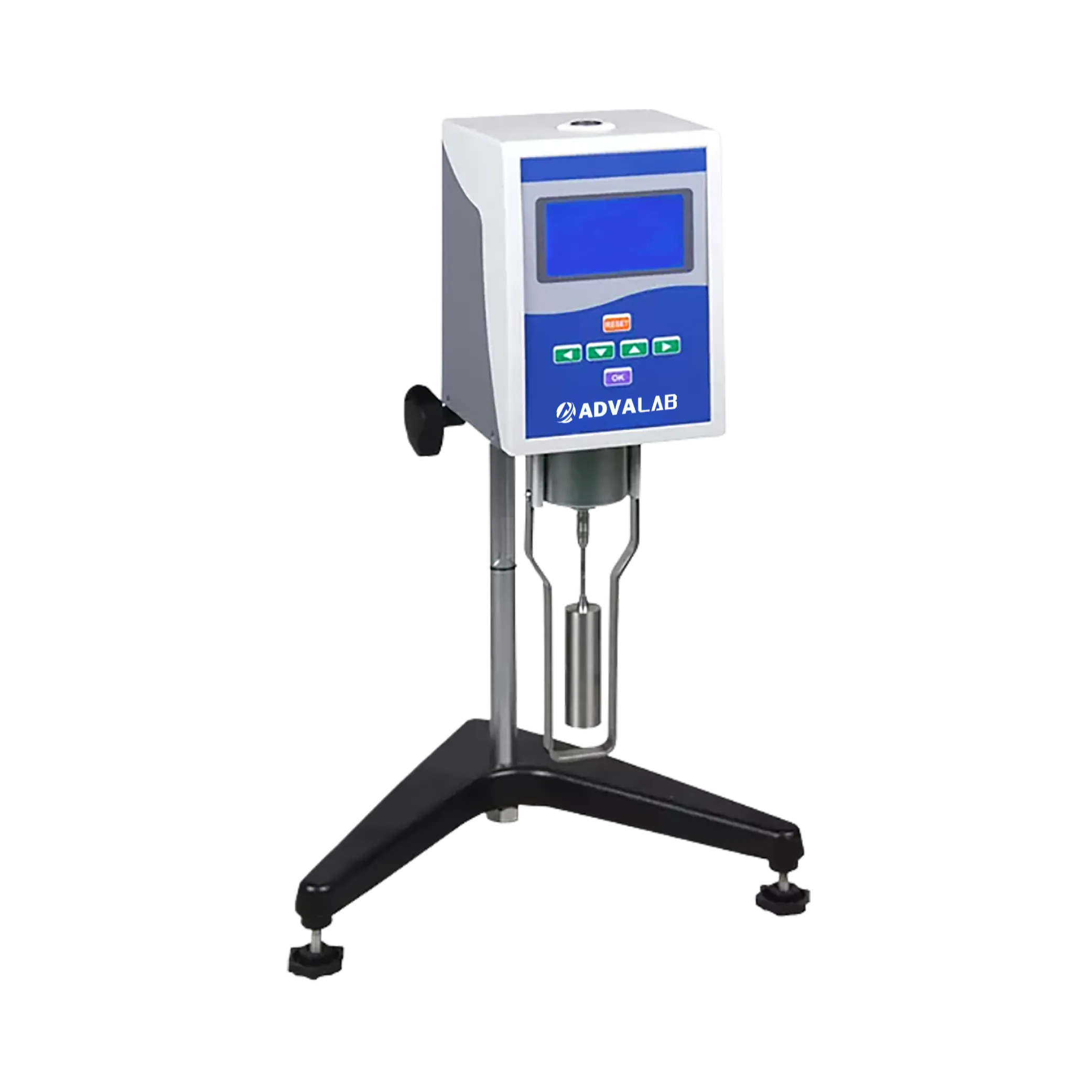
| Measuring Range: | 1 to 1×10⁵ m Pa.s |
| Precision: | ± 2% |
| Temperature: | 5° C to 35 ° C |
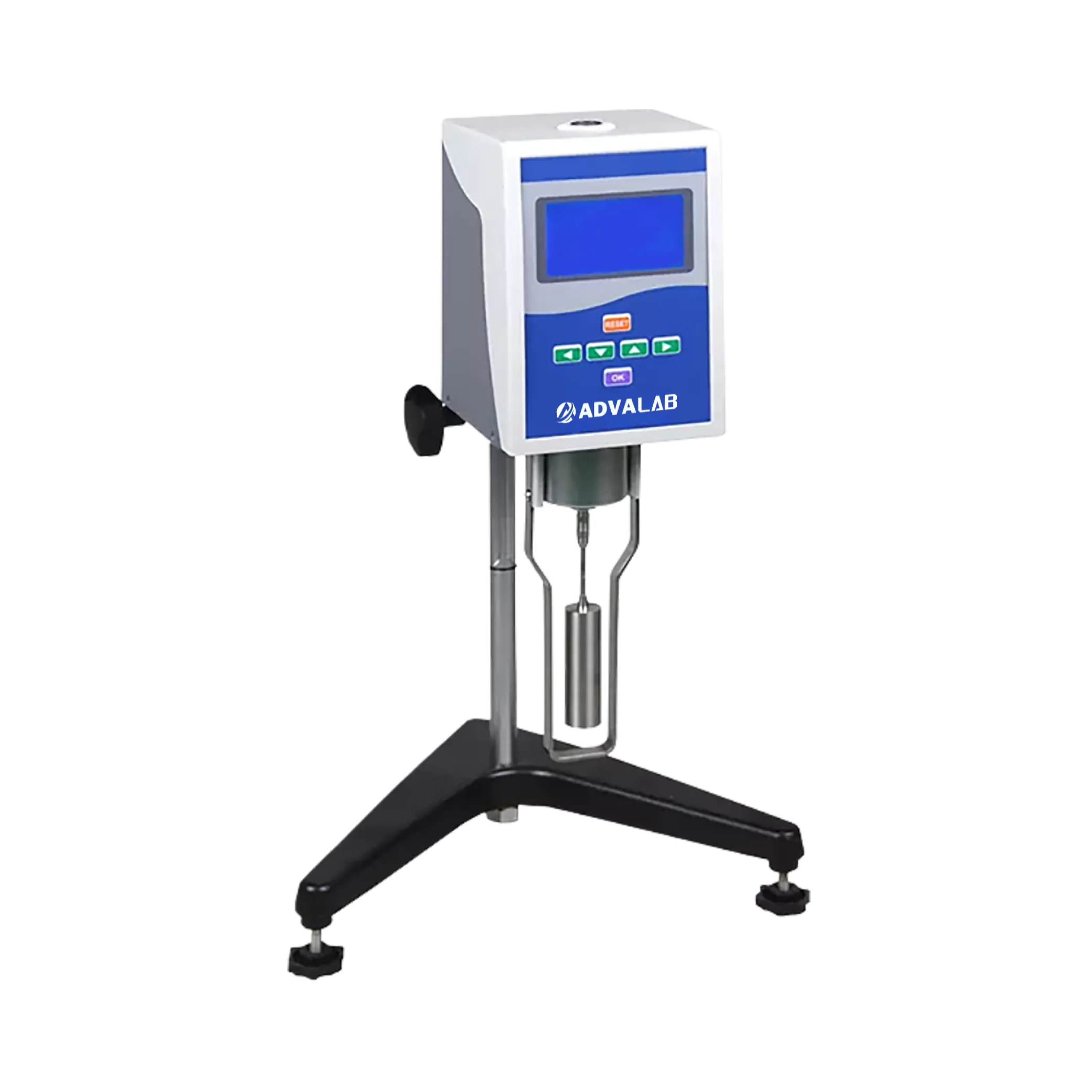
| Measuring Range: | 1 to 1×10⁵ m Pa.s |
| Precision: | ± 3% |
| Temperature: | 5° C to 35 ° C |

| Measuring Range: | 1 to 1×10⁵ m Pa.s |
| Precision: | ± 2% |
| Temperature: | 5° C to 35 ° C |
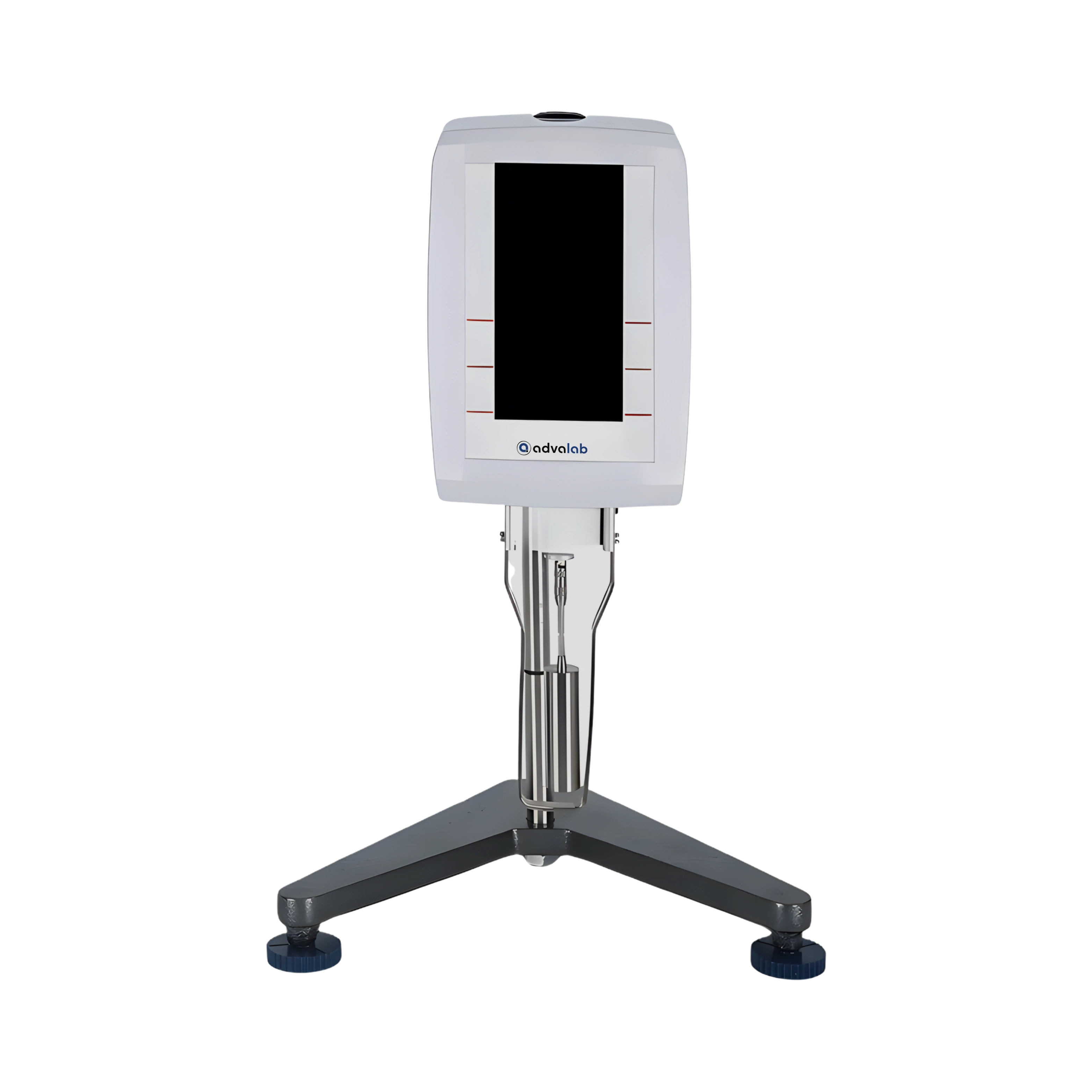
| Measurement Range: | 1-6 x 10⁴ mpa.s |
| Speed: | 6, 12, 30, 60 rpm |
| No of Rotors: | 0 to 4 rotors |
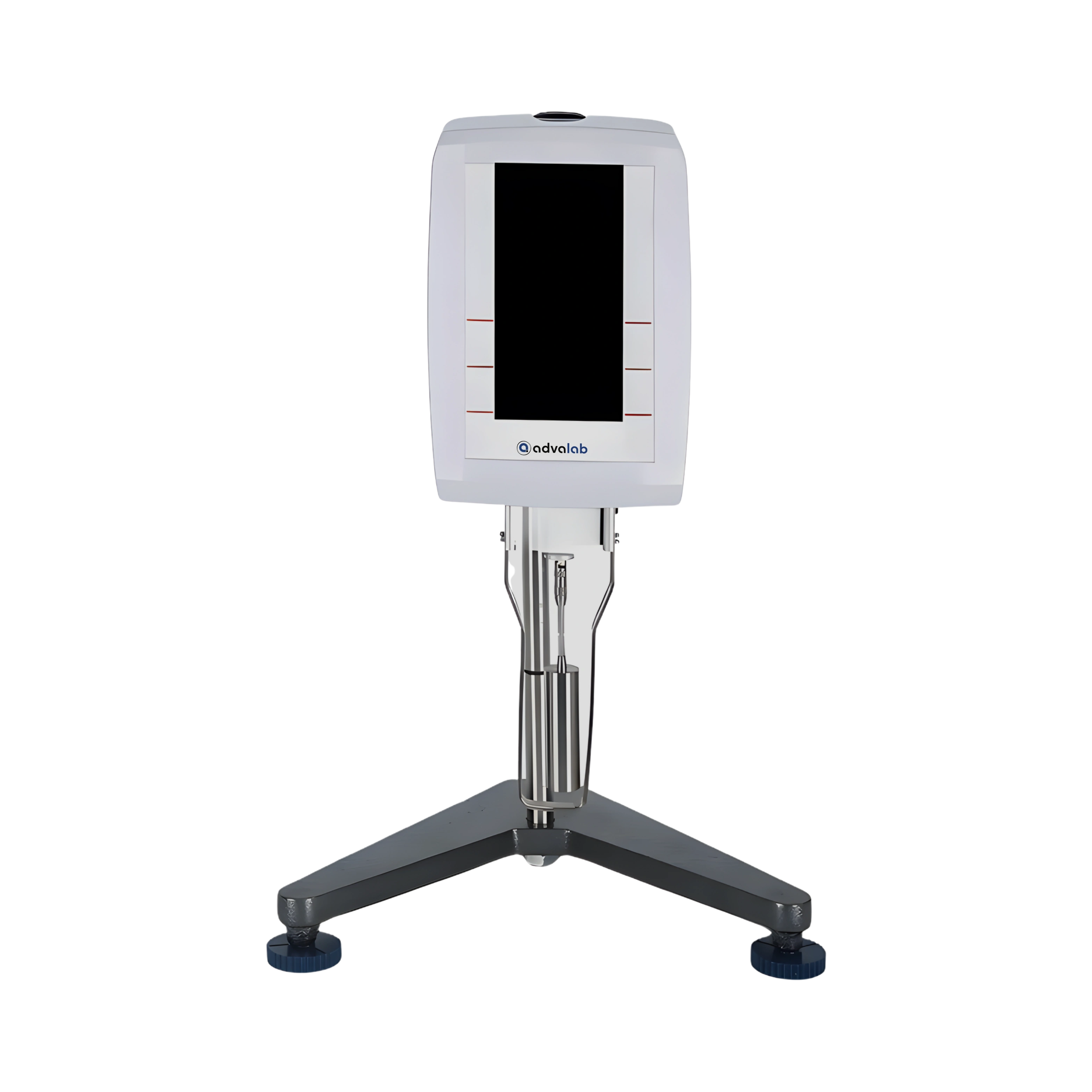
| Measurement Range: | 0 to 8×10⁵ MPa·s |
| Speed: | 0.3, 0.6, 1.5, 3, 6, 12, 30, 60 rpm |
| No of Rotors: | 1 to 4 rotors |
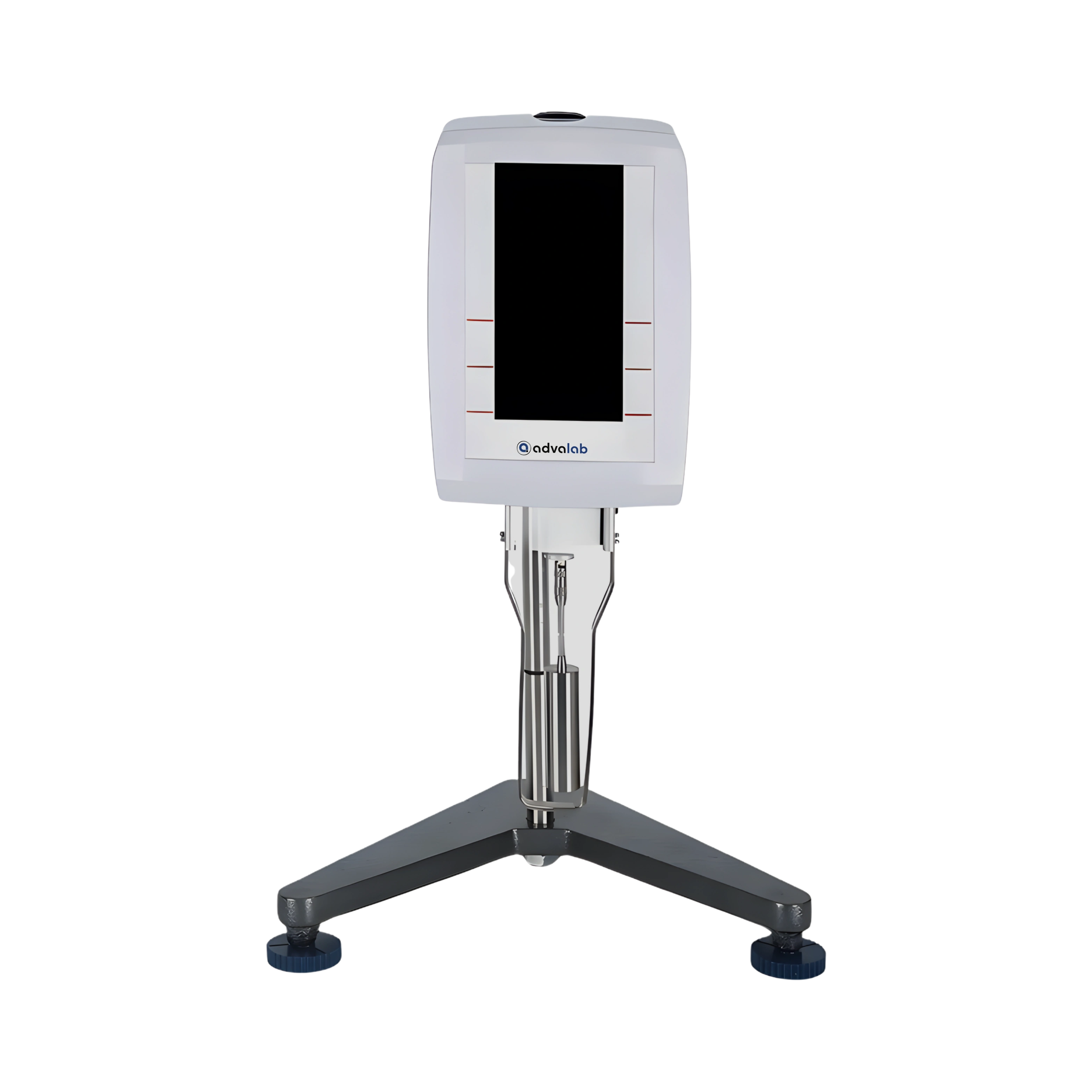
| Measurement Range: | 1-8 x10⁴ mpa.s |
| Speed: | 6 / 12 / 30 / 60 rpm |
| No of Rotors: | 0 to 4 rotors |
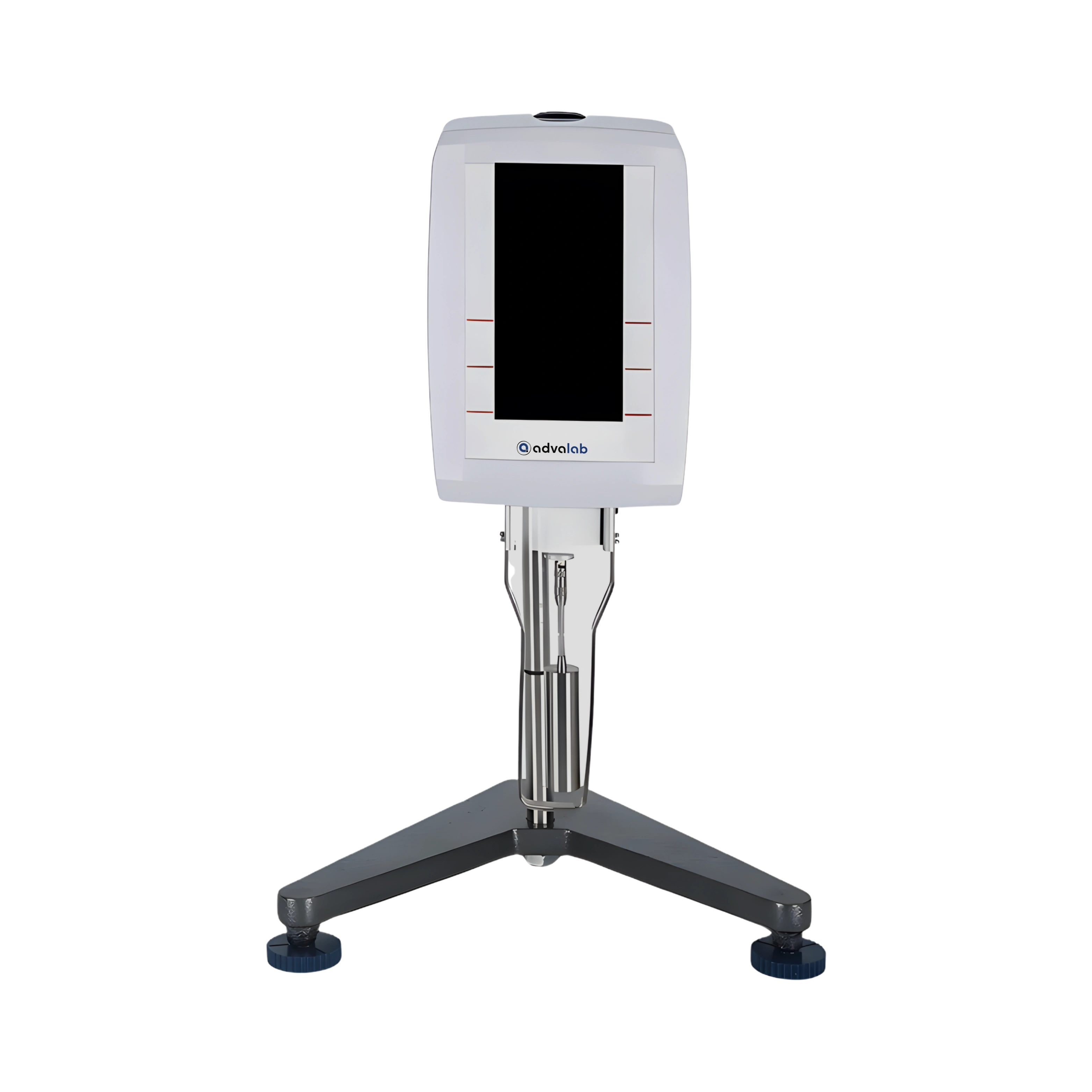
| Measurement Range: | 1-6 x10 mpa.s |
| Speed: | 6 / 12 / 30 / 60 rpm |
| No of Rotors: | 1 to 4 rotors |