
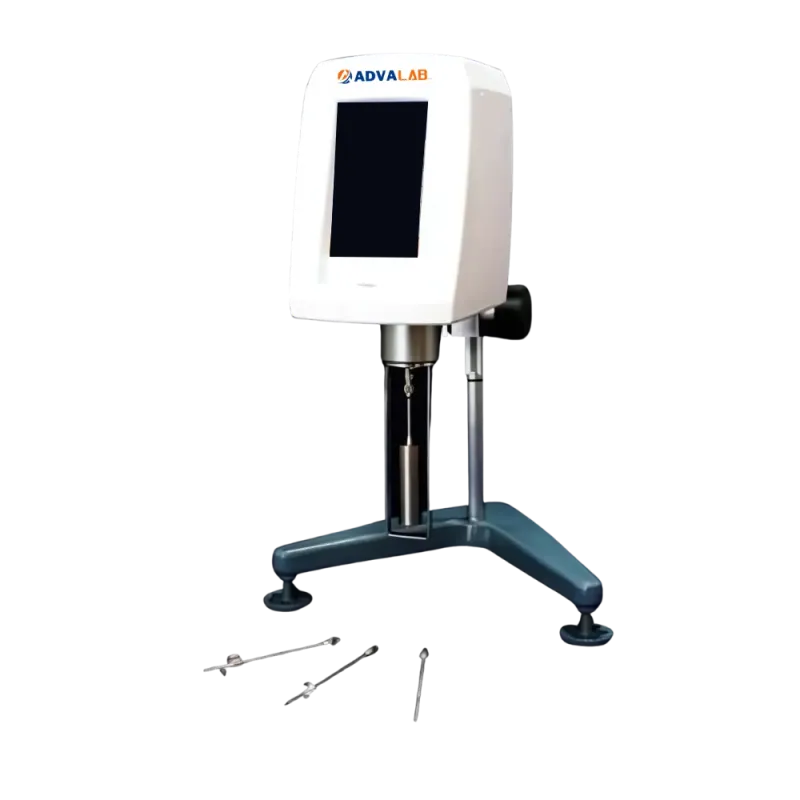
| Measurement Range | 1 – 2,000,000 mPa·s |
| Speed | 0.3 / 0.6 / 1.5 / 3 / 6 / 12 / 30 / 60 rpm |
| No of Rotors | 1 to 4 rotors |
| Precision | ± 0.5 % |
| Voltage | AC 108V / 60Hz or 220V / 50Hz |
| Dimension (W × D × H) | 300 × 300 × 450 mm |
| Packing Dimension (W × D × H) | 420 × 420 × 350 mm |
| Weight | 10 kg |
| Gross Weight | 12 kg |
1. What is the viscosity measurement range of the Digital Rotational Viscometer ADVR-506?
The Digital Rotational Viscometer ADVR-506 offers an exceptionally wide range of 1 to 2,000,000 mPa·s, allowing accurate testing of both very thin and highly viscous fluids. Its eight selectable speeds from 0.3 to 60 rpm ensure adaptability for diverse sample conditions. With automatic rotor-speed scanning, it identifies the optimal test settings in seconds. This makes the ADVR-506 suitable for industries that require both low- and high-viscosity profiling. Its capability extends to paints, lubricants, cosmetics, adhesives, and specialty chemical R&D.
2. How does the Digital Rotational Viscometer ADVR-506 ensure accurate temperature-compensated results?
The Digital Rotational Viscometer ADVR-506 is equipped with a temperature sensing port that allows direct calculation of kinematic viscosity when the sample density is known. Since viscosity is temperature dependent, this ensures test results remain reliable across varying conditions. The system delivers precise analysis for heat-sensitive materials like polymers, adhesives, and cosmetics. This feature is especially valuable for quality control laboratories requiring consistent thermal-compensated results. It enhances accuracy in both research and production monitoring.
3. What makes the Digital Rotational Viscometer ADVR-506 user-friendly in laboratory and industrial environments?
The Digital Rotational Viscometer ADVR-506 features a touch-optimized interface powered by an ARM-based Linux platform for stability and speed. Users can navigate settings easily, with results displayed clearly for real-time monitoring. Its multi-interface connectivity enables efficient data transfer and integration into laboratory systems. The compact design (300 × 300 × 450 mm, 10 kg) makes it bench-friendly and portable. With automated scanning and intuitive controls, the ADVR-506 minimizes operator training needs while ensuring accuracy.
4. In which industries and applications is the Digital Rotational Viscometer ADVR-506 most effective?
The Digital Rotational Viscometer ADVR-506 is widely applied in rheological studies, quality control, and product development. Industries such as paints and coatings, lubricants, cosmetics, adhesives, and specialty chemicals benefit most from its performance. It supports formulation optimization by providing detailed viscosity profiles under different shear conditions. The ADVR-506 is also valuable for R&D laboratories working on new product development. Its ability to cover extreme viscosity ranges ensures versatility for a broad spectrum of applications.
5. What optional accessories are available with the Digital Rotational Viscometer ADVR-506?
The Digital Rotational Viscometer ADVR-506 is supplied with rotor sets (No. 1–4) and includes important accessories to extend functionality. These include an adaptor, protection frame, foundation plate, and up-down frame for secure and flexible testing. The protection frame enhances durability during extended runs, while the foundation plate provides vibration-free stability. The up-down frame makes rotor positioning convenient for different sample containers. Together, these accessories improve reliability and ease of use in laboratory and industrial testing.

| Measurement Range | 1 to 2 Million mPa.s |
| Speed | 6,12,30,60 rpm |
| No of Rotors | 0 to 4 rotor |
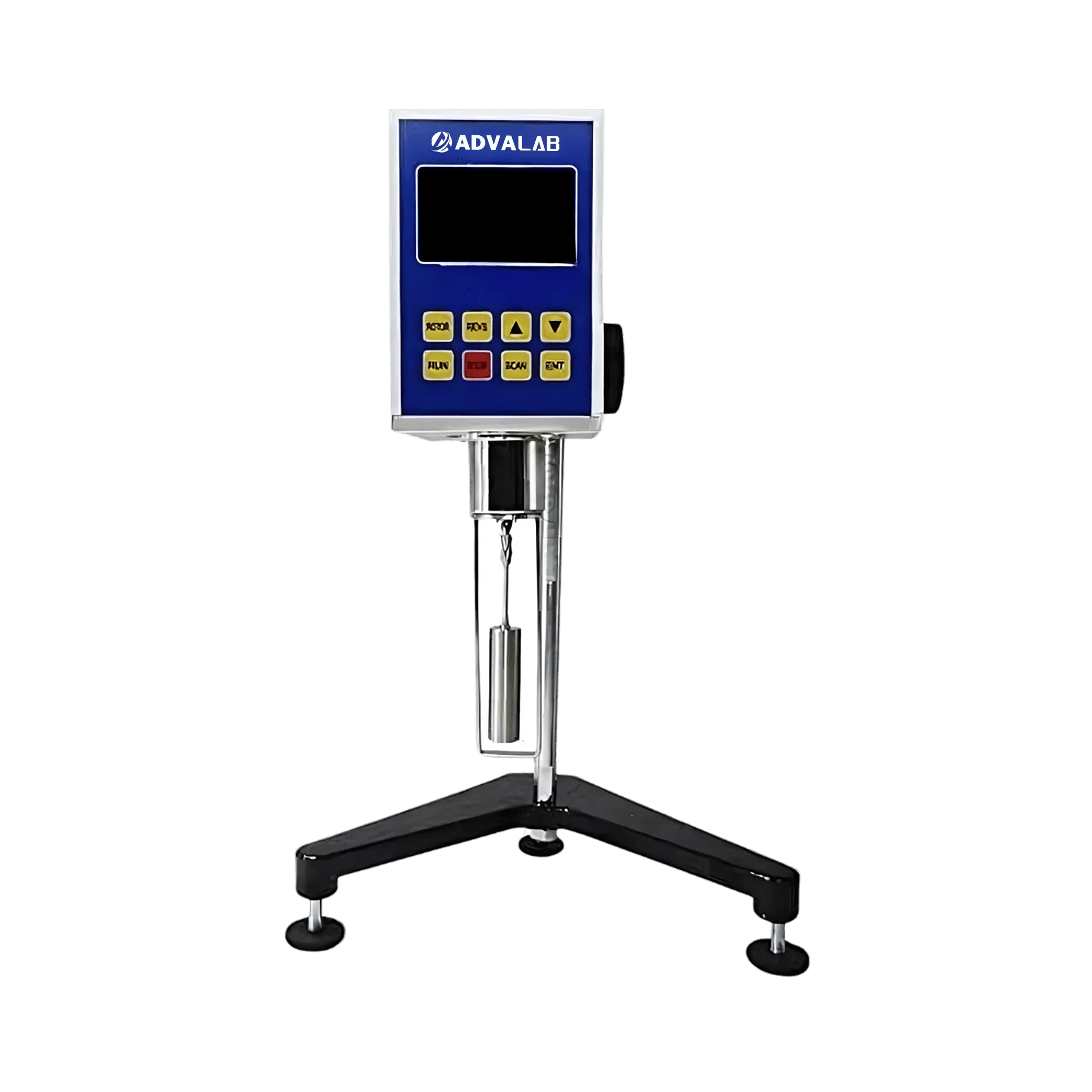
| Measurement Range | 1 to 100kmPa.s |
| Speed | 6,12,30,60 rpm |
| No of Rotors | 0 to 4 rotor |

| Measurement Range | 1 – 2,000,000 mPa·s |
| Speed | 0.3 / 0.6 / 1.5 / 3 / 6 / 12 / 30 / 60 rpm |
| No of Rotors | 1 to 4 rotors |

| Measurement Range | 1 – 6,000,000 mPa·s |
| Speed | 0.1 / 0.3 / 0.6 / 1.5 / 3 / 6 / 10 / 30 / 60 rpm |
| No of Rotors | 1 to 4 rotors |
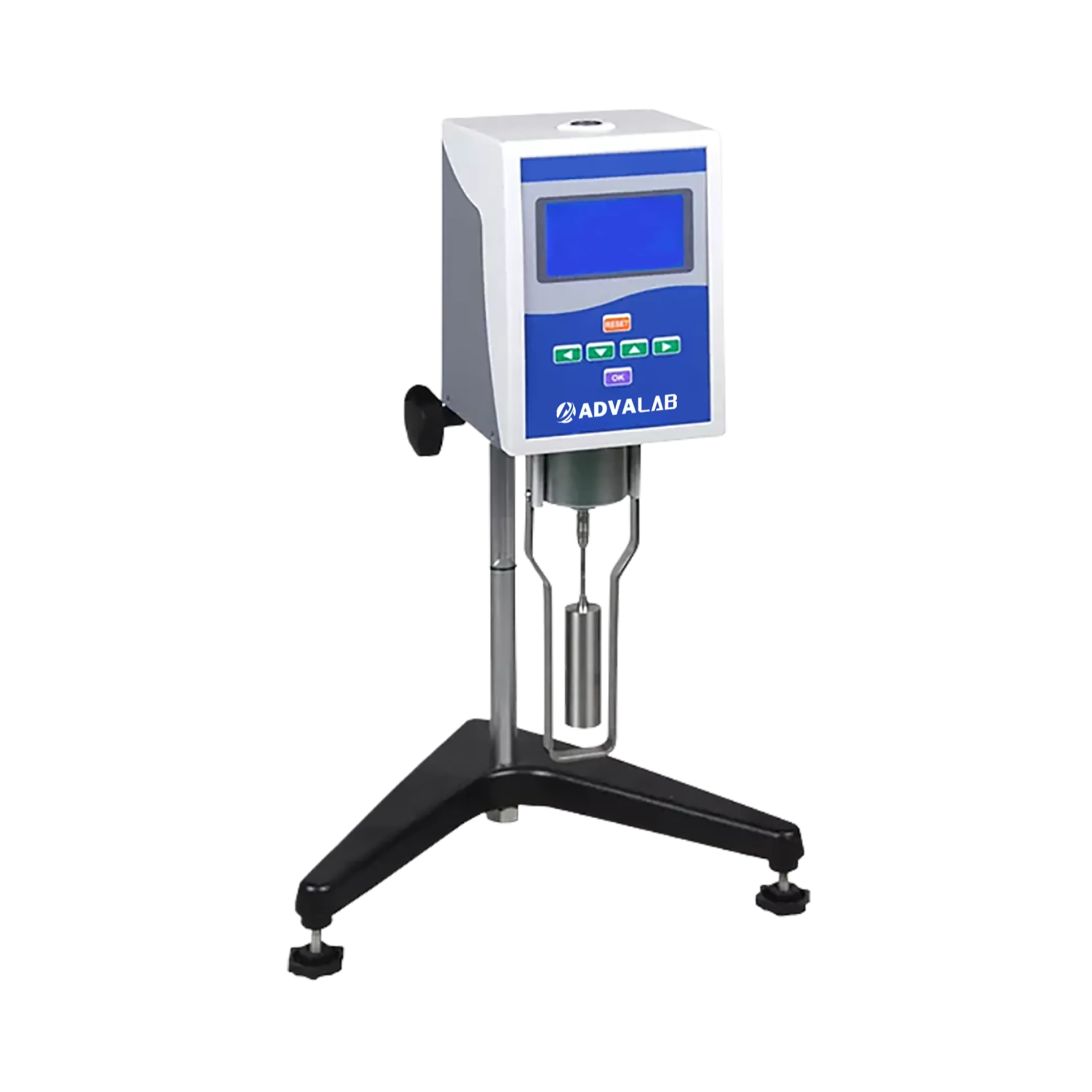
| Measuring Range: | 1 to 2×10⁶m Pa.s |
| Precision: | ± 3% |
| Temperature: | 5° C to 35 ° C |
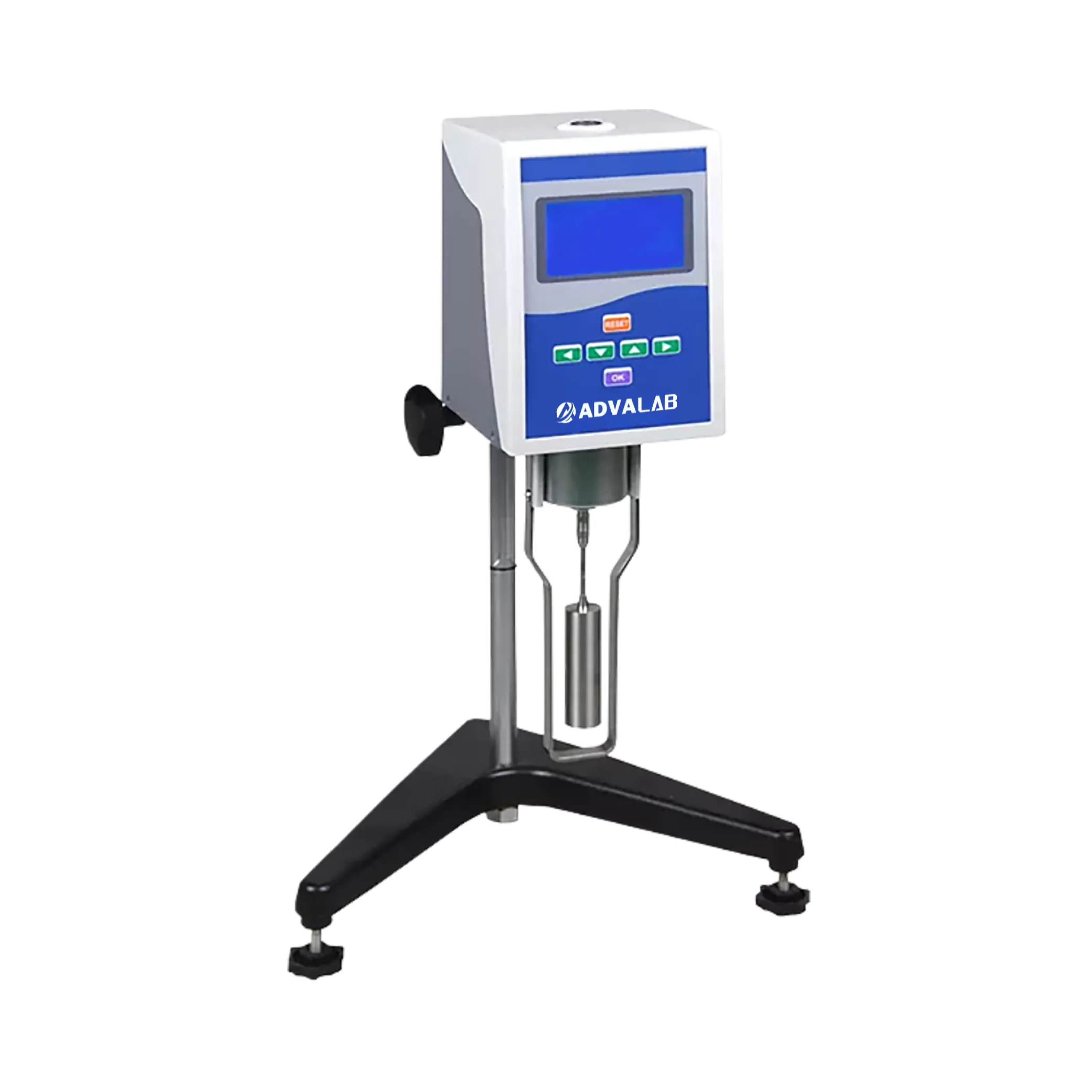
| Measuring Range: | 1 to 1×10⁵ m Pa.s |
| Precision: | ± 3% |
| Temperature: | 5° C to 35 ° C |
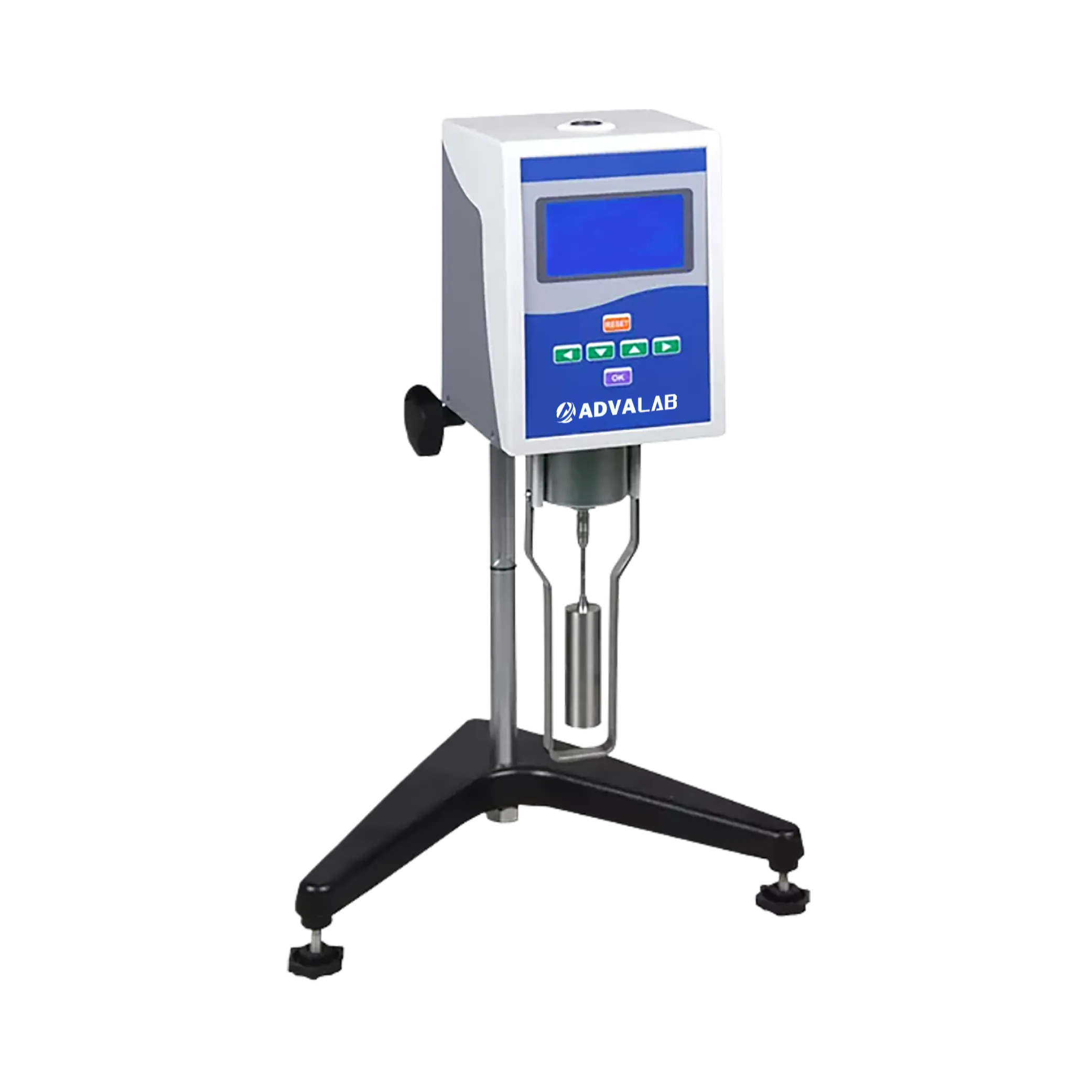
| Measuring Range: | 1 to 1×10⁵ m Pa.s |
| Precision: | ± 2% |
| Temperature: | 5° C to 35 ° C |

| Measuring Range: | 1 to 2×10⁶m Pa.s |
| Precision: | ± 2% |
| Temperature: | 5° C to 35 ° C |

| Measuring Range: | 1 to 1×10⁵ m Pa.s |
| Precision: | ± 2% |
| Temperature: | 5° C to 35 ° C |
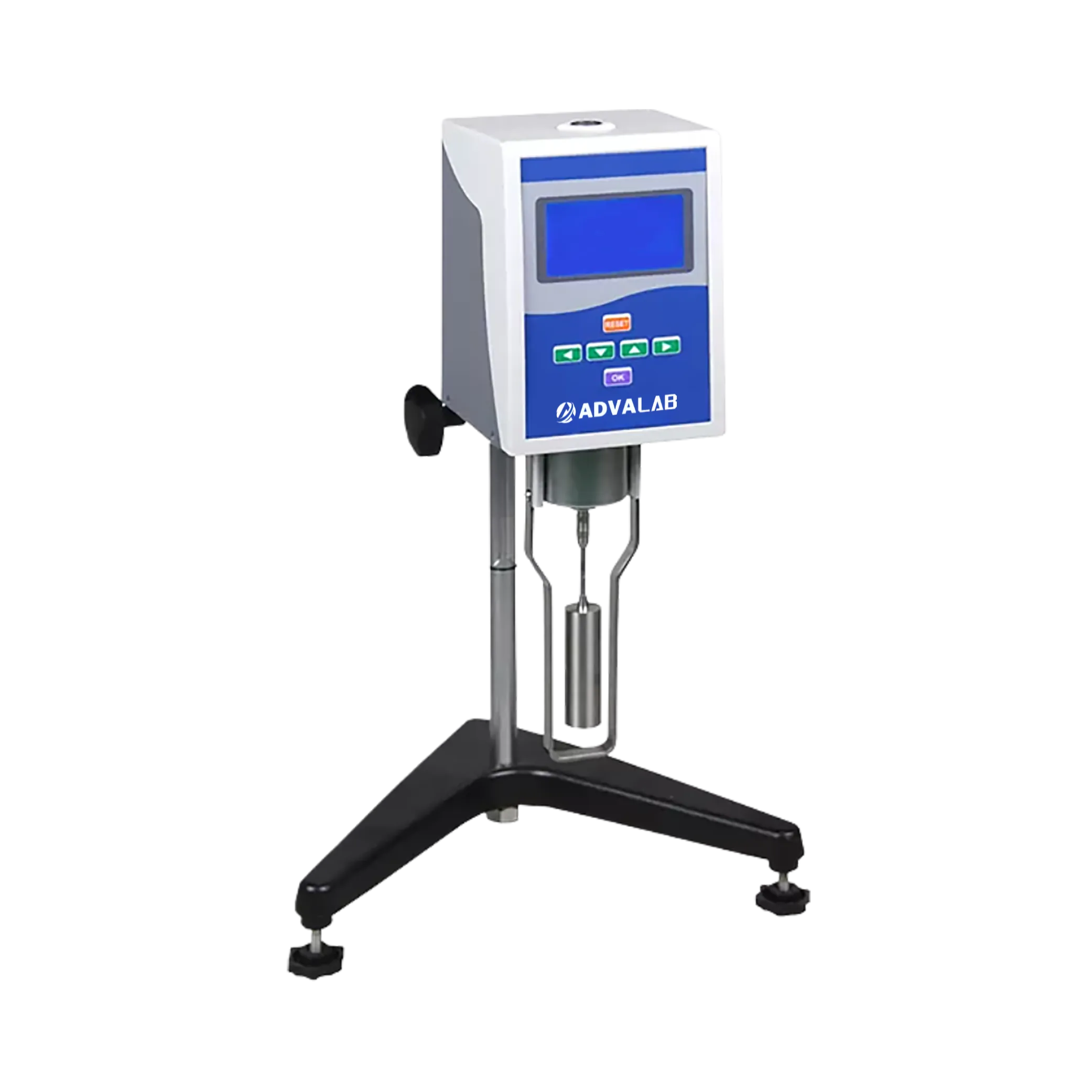
| Measuring Range: | 1 to 2×10⁶m Pa.s |
| Precision: | ± 2% |
| Temperature: | 5° C to 35 ° C |
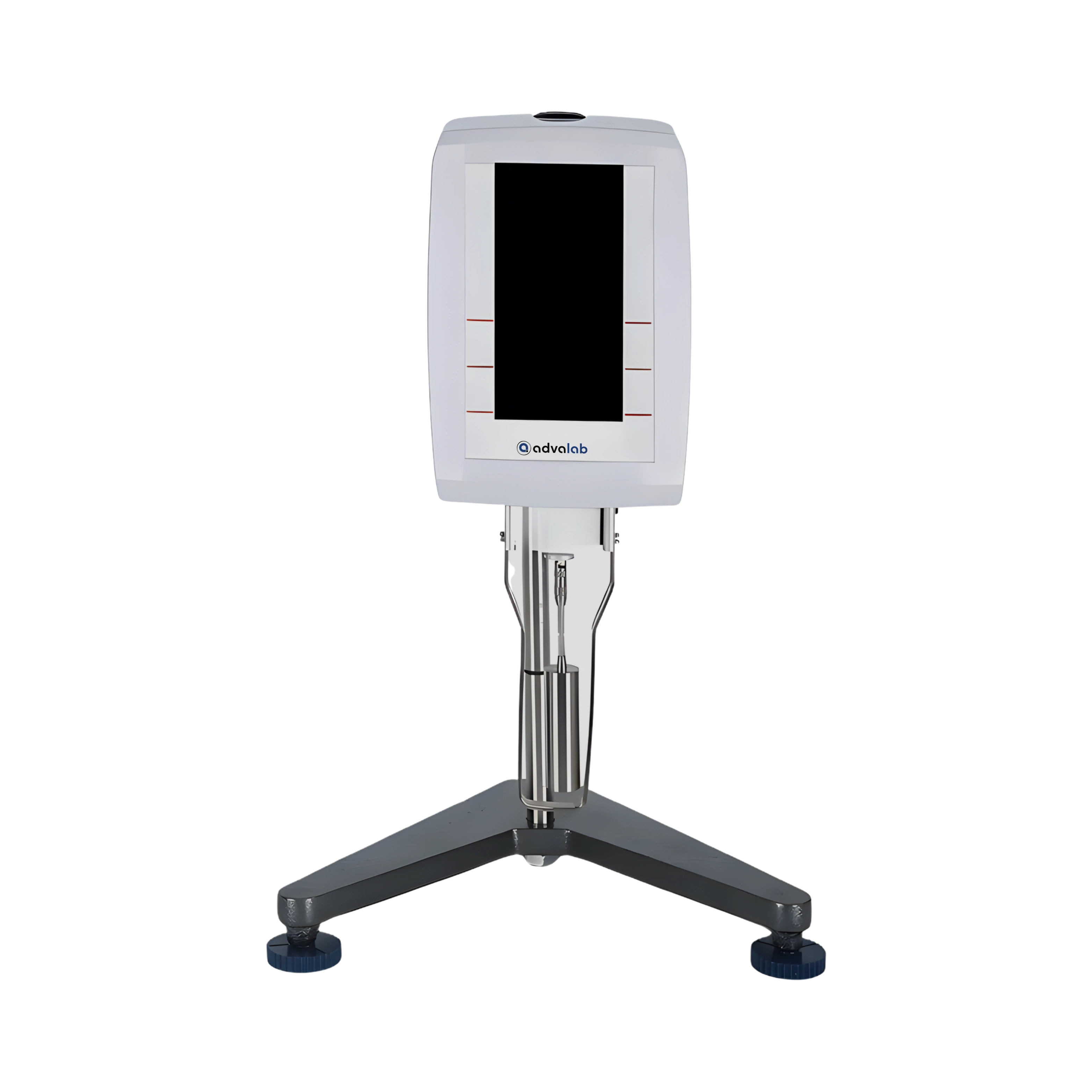
| Measurement Range: | 1-6 x 10⁴ mpa.s |
| Speed: | 6, 12, 30, 60 rpm |
| No of Rotors: | 0 to 4 rotors |
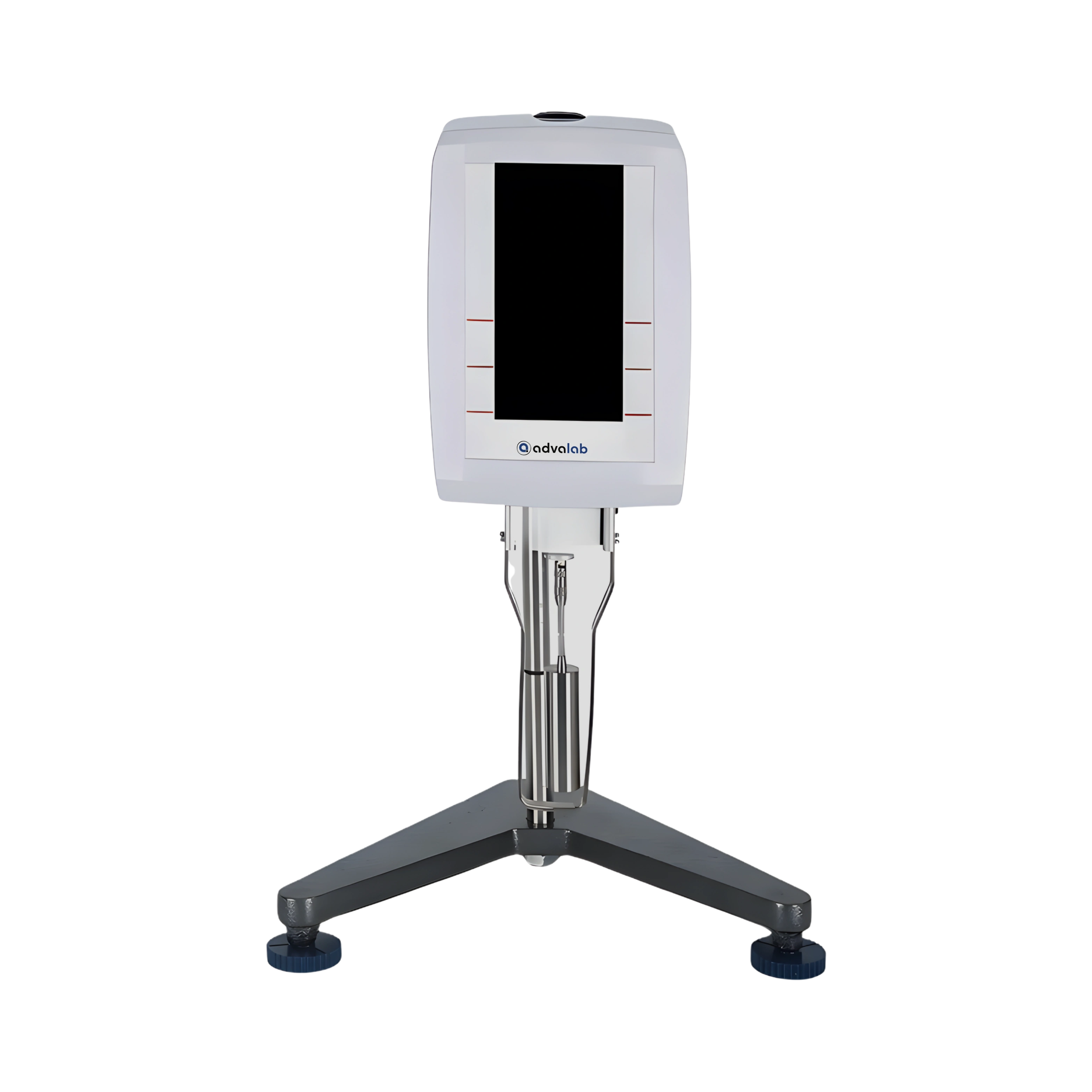
| Measurement Range: | 0 to 8×10⁵ MPa·s |
| Speed: | 0.3, 0.6, 1.5, 3, 6, 12, 30, 60 rpm |
| No of Rotors: | 1 to 4 rotors |
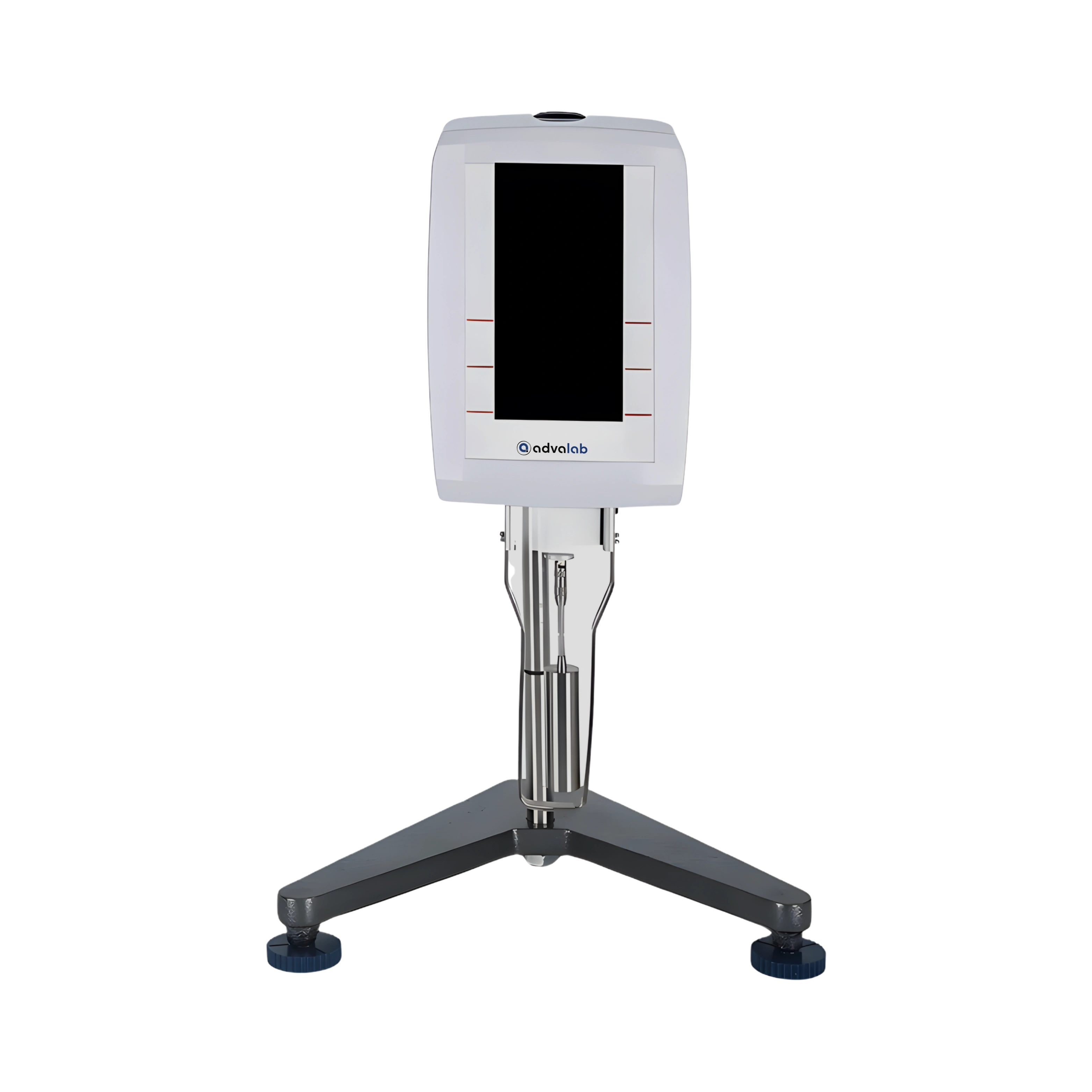
| Measurement Range: | 1-6 x10 mpa.s |
| Speed: | 6 / 12 / 30 / 60 rpm |
| No of Rotors: | 1 to 4 rotors |
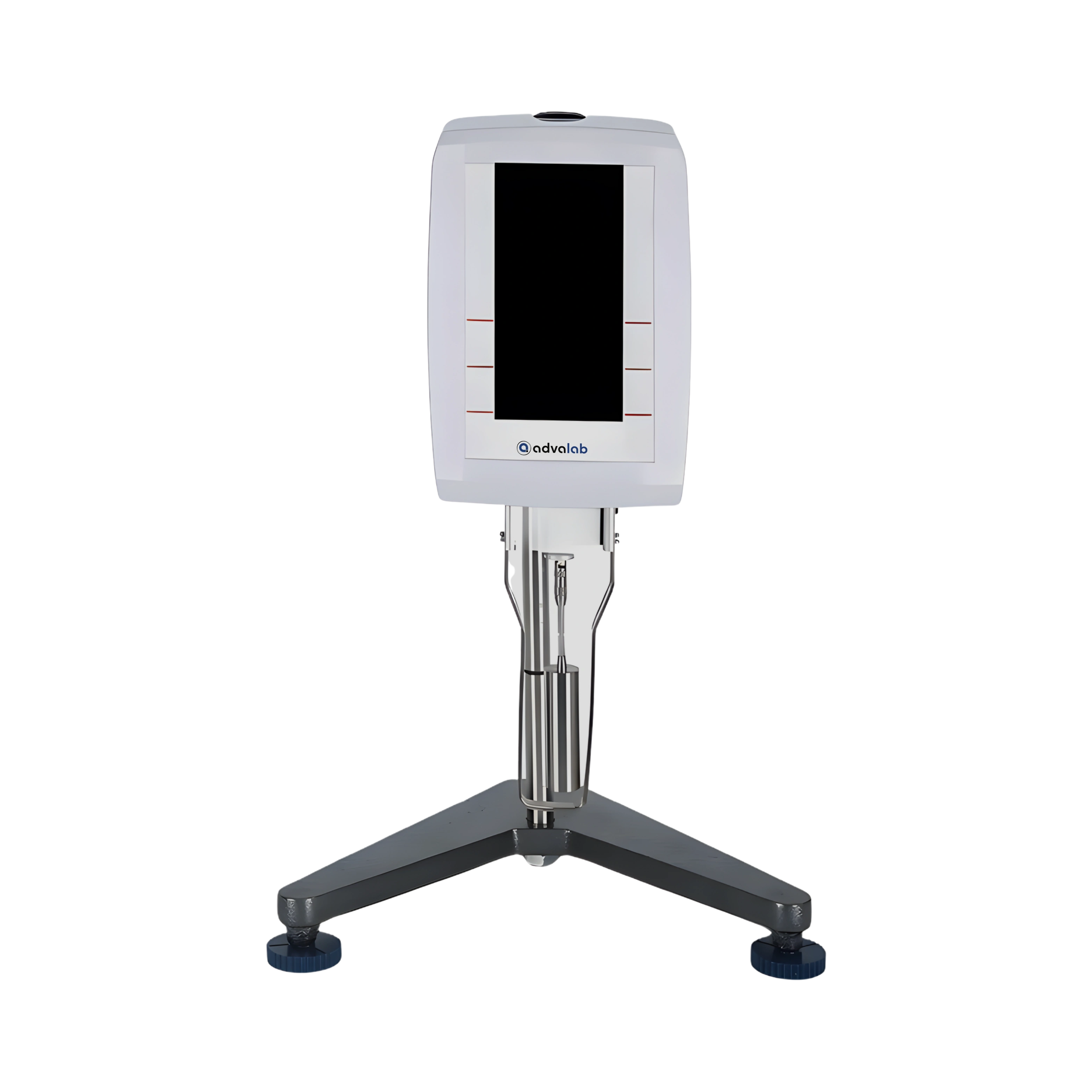
| Measurement Range: | 1-8 x10⁴ mpa.s |
| Speed: | 6 / 12 / 30 / 60 rpm |
| No of Rotors: | 0 to 4 rotors |