

| Speed | 50 to 300 rpm |
| Orbital Diameter | 10 mm |
| Maximum Load | 3 kg |
| Working Temperature | 4 to 45℃ |
| Timer | 1m to 99h 59m/0 infinite time |
| Power Consumption | 35 W |
| Dimensions (W×D×H) | 284×264×90 mm |
Our Orbital Shaker ADOS-508 can mix and cultivate common flasks, Petri dishes, and beakers. It is widely used in the fields of biology, microbiology, and medical analysis.
Accessory | Dimension | Quantity |
Single platform | 280×260 mm | 1 Pc |
Double platform | 280×260×120 mm | 1 Pc |
Aluminum alloy tray with flask clamps 1 | 6×250 ml, 270×220×5 mm | 1 Pc |
Aluminum alloy tray with flask clamps 2 | 12×100 ml, 270×220×5 mm | 1 Pc |
Stainless steel tray with adjustable flask holder | 270×220×40 mm | 1 Pc |
Universal tray | 301×235×50 mm | 1 Pc |


1. Are interchangeable platforms available with the Orbital Shaker?
Yes, our Orbital Shaker includes interchangeable platforms that accommodate a variety of vessels like culture plates, flasks, and tubes. This design offers versatility, making it easy to customize the shaker for different experiments and sample sizes.
2. Does the Orbital Shaker have an LCD display?
Yes, our Orbital Shaker is equipped with a clear LCD display that shows real-time information such as speed, time, and operation mode. This makes monitoring and adjusting settings straightforward and user-friendly. The display enhances precision and ease of use during experiments.
3. Can the Orbital Shaker be used in freezer or cold room environments?
Yes, this Orbital Shaker is designed with multiple mixing modes that make it suitable for use in freezer rooms and other low-temperature environments. Its robust construction ensures reliable performance even under cold conditions. This versatility supports a wide range of applications across different fields.
4. What is the operating temperature range of the Orbital Shaker?
This Orbital Shaker operates efficiently within a temperature range of 4 to 45?. This allows it to perform reliably in various laboratory settings, including controlled temperature environments. Its design ensures stable operation across this wide temperature range.
5. What are the key specifications of the pallets used in the Orbital Shaker?
The pallets of the Orbital Shaker are designed with six key specifications, including size, material, load capacity, compatibility with different vessels, surface texture, and ease of cleaning. These features ensure secure holding, durability, and versatility for various laboratory applications. Together, they contribute to the shaker’s reliable and efficient performance.
6. What is an Orbital Shaker?
An Orbital Shaker is a laboratory device that moves samples in a smooth, circular motion to mix liquids gently and evenly, ideal for cell culture, bacterial growth, and solubility experiments. This gentle agitation helps maintain the viability of sensitive biological samples and promotes uniform mixing. It is widely used in research, clinical, and industrial laboratories for consistent and reproducible results.
7. How does an Orbital Shaker work?
The Orbital Shaker uses a motor to rotate the platform in a circular orbit at adjustable speeds, providing consistent agitation without causing turbulence or damage to delicate samples. The circular motion ensures even distribution of nutrients and gases in culture media, improving sample growth and reaction efficiency. Speed and time controls allow for customizable operation tailored to specific experimental needs.
8. What types of containers can be used on an Orbital Shaker?
Orbital Shakers accommodate flasks, test tubes, bottles, petri dishes, and microplates, usually secured with clamps, racks, or platforms to prevent movement during shaking. This versatility makes them suitable for a variety of lab applications, from microbiology to biochemistry. Accessories and platforms can often be swapped or customized to fit unique container sizes and shapes.
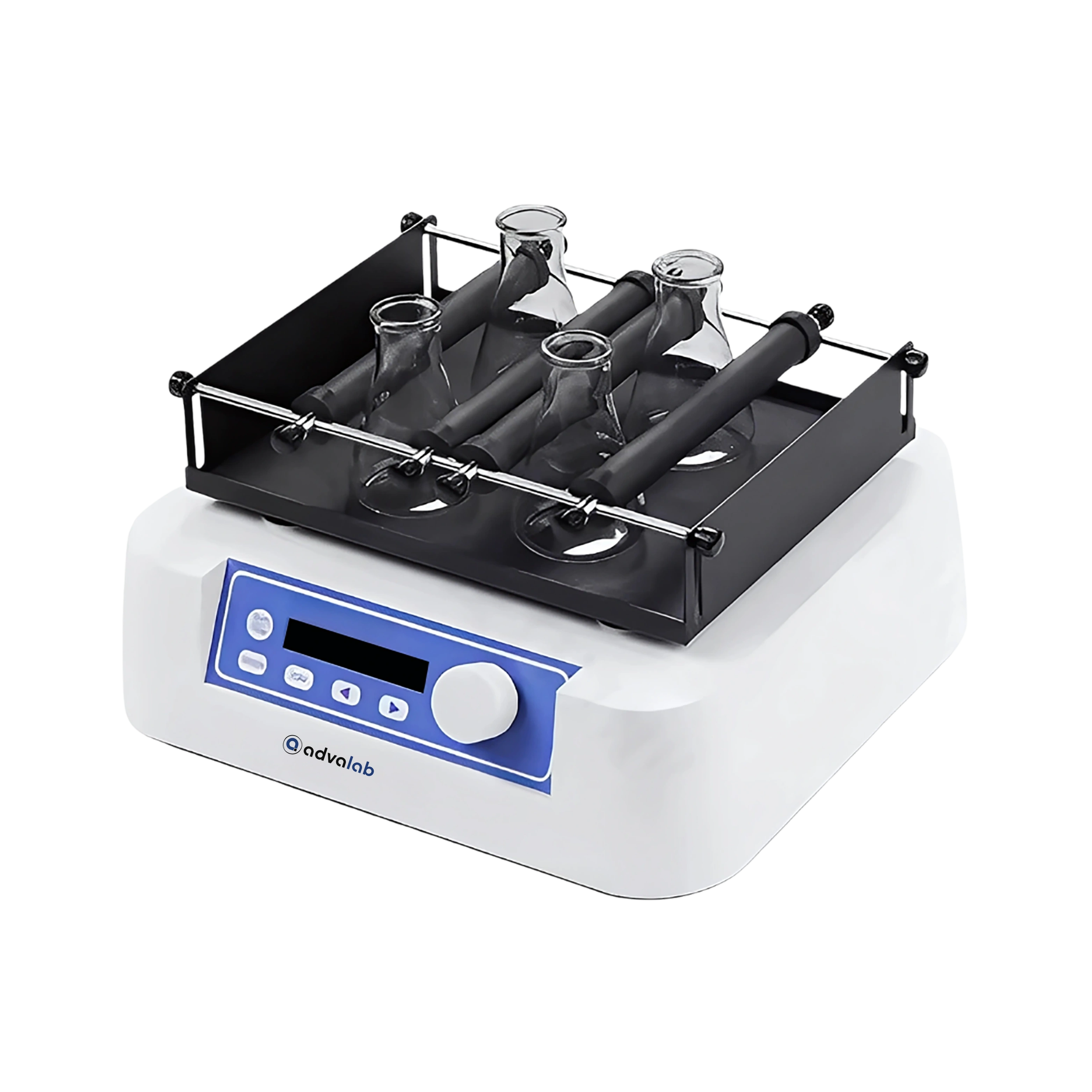
| Speed Range | 50 to 250 rpm |
| Orbital Diameter | 20 mm |
| Maximum Load | 2.5 kg |

| Speed Range | 40 to 200 rpm |
| Maximum Load | 1.2 kg |
| Orbit Diameter | 20 mm |

| Speed | 40 to 200rpm |
| Max Load | 3 kg |
| Plate Size | 320×320 mm |

| Speed | 50 to 250 rpm |
| Orbital Diameter | 20 mm |
| Maximum Load | 2.5 kg |
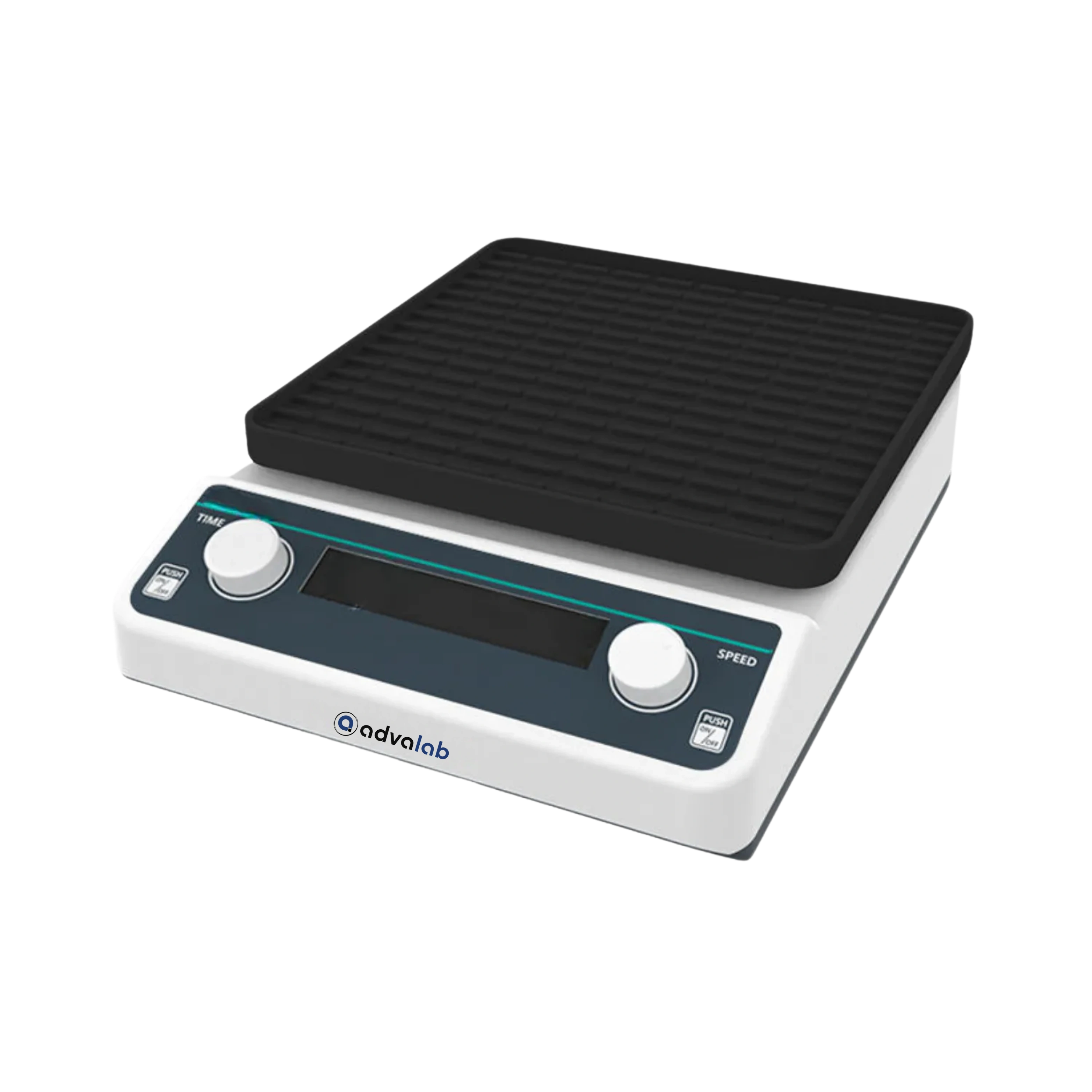
| Speed: | 500 to 1200rpm |
| RPM Increment: | 10 rpm |
| Horizontal Gyration Amplitude: | 3 mm |

| Shaking Speed: | 200 to 1500 rpm |
| Sample Capacity: | 4 plates |
| Speed Step Value: | 10 rpm |

| Shaking Speed: | 200 to 2000 rpm |
| Sample Capacity: | 2 plates |
| Speed Step Value: | 10 rpm |
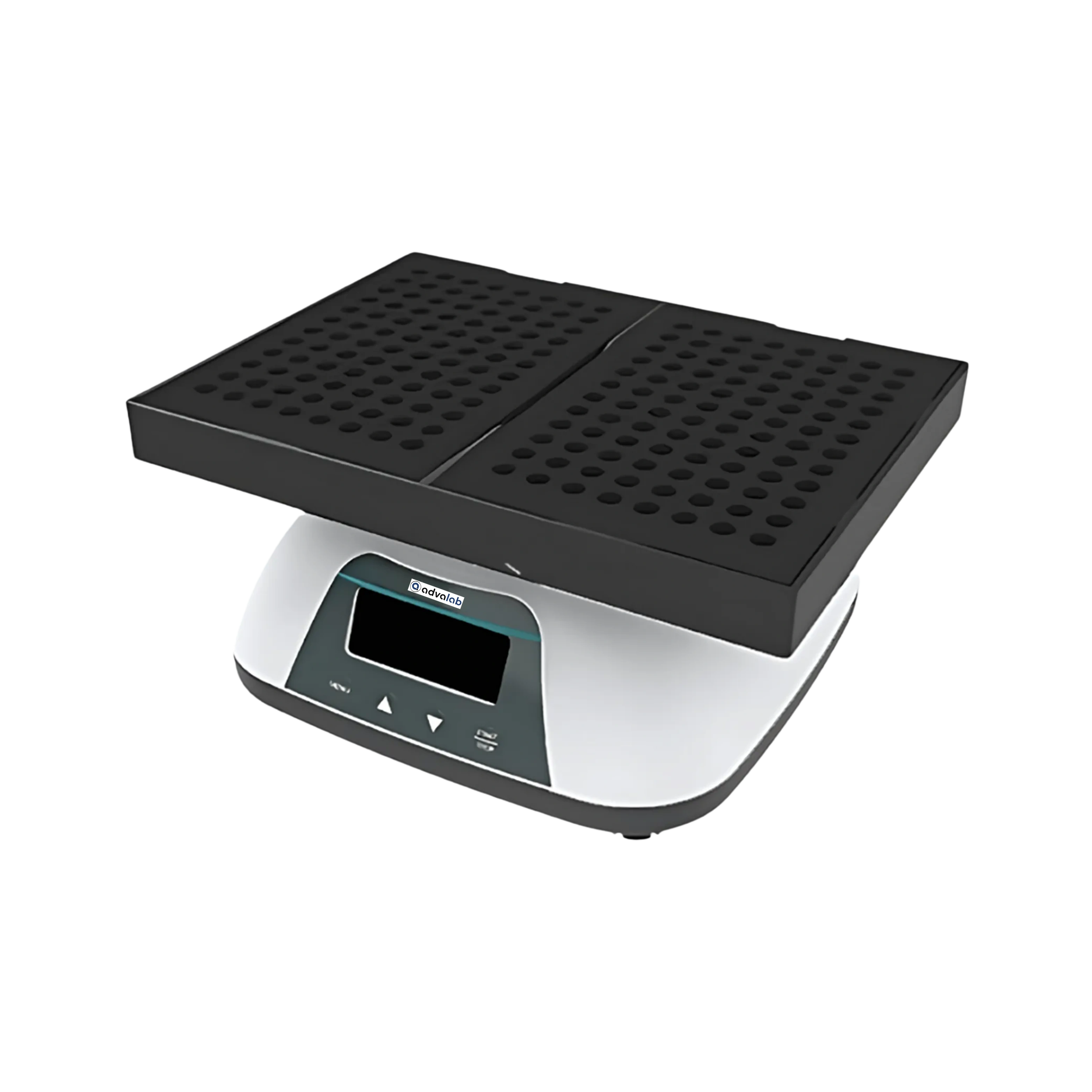
| Speed: | 100 to 1200 rpm |
| RPM Increment: | 100 rpm |
| Horizontal Gyration Amplitude: | 4 m |
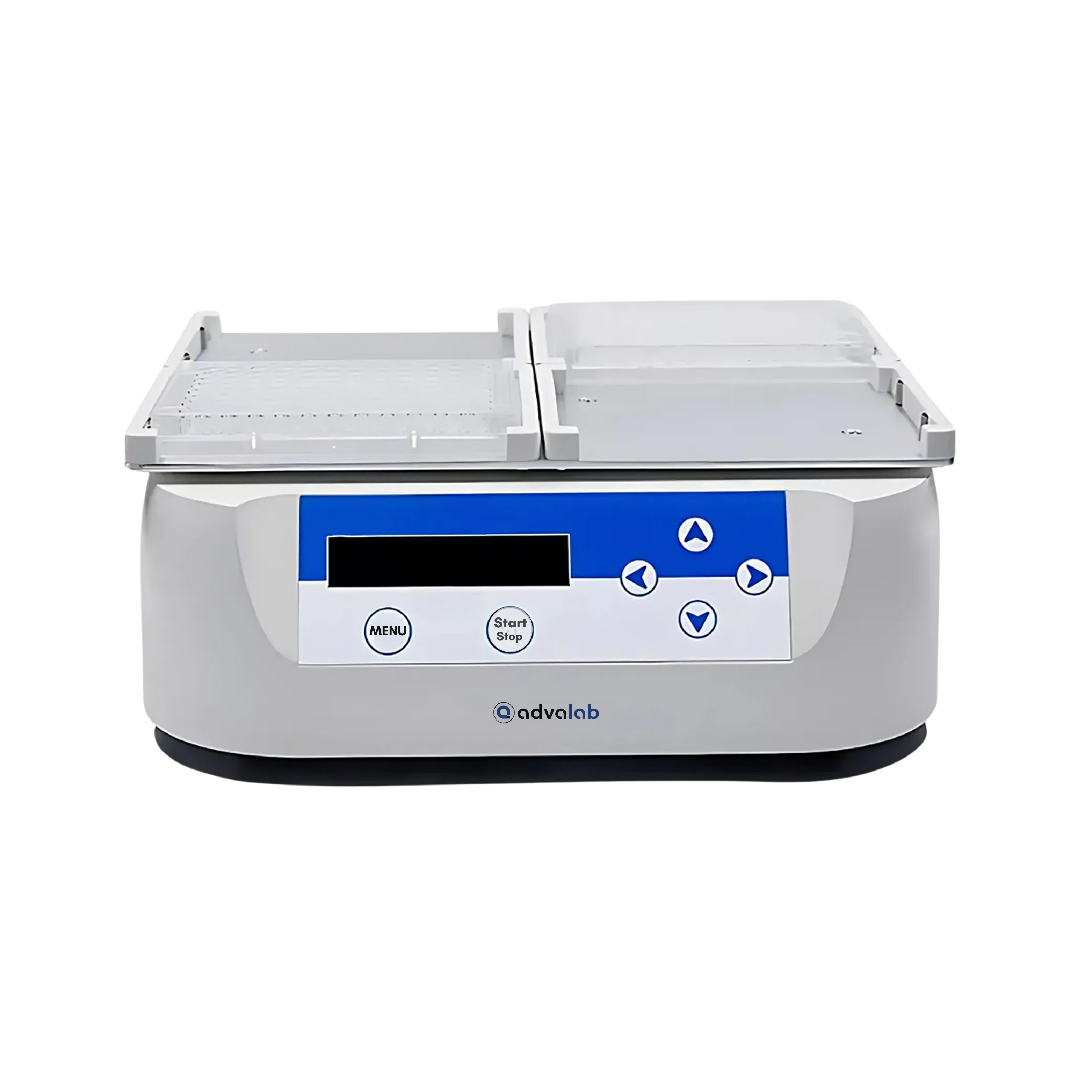
| Speed Range: | 200 to 1500 rpm |
| Amplitude: | 3 mm, horizontal rotation |
| Timer: | 1 min to 99 hr 59 min / 0: infinite time |

| Speed: | 500 to 1200 rpm |
| RPM Increment: | 10 rpm |
| Horizontal Gyration Amplitude: | 3 mm |
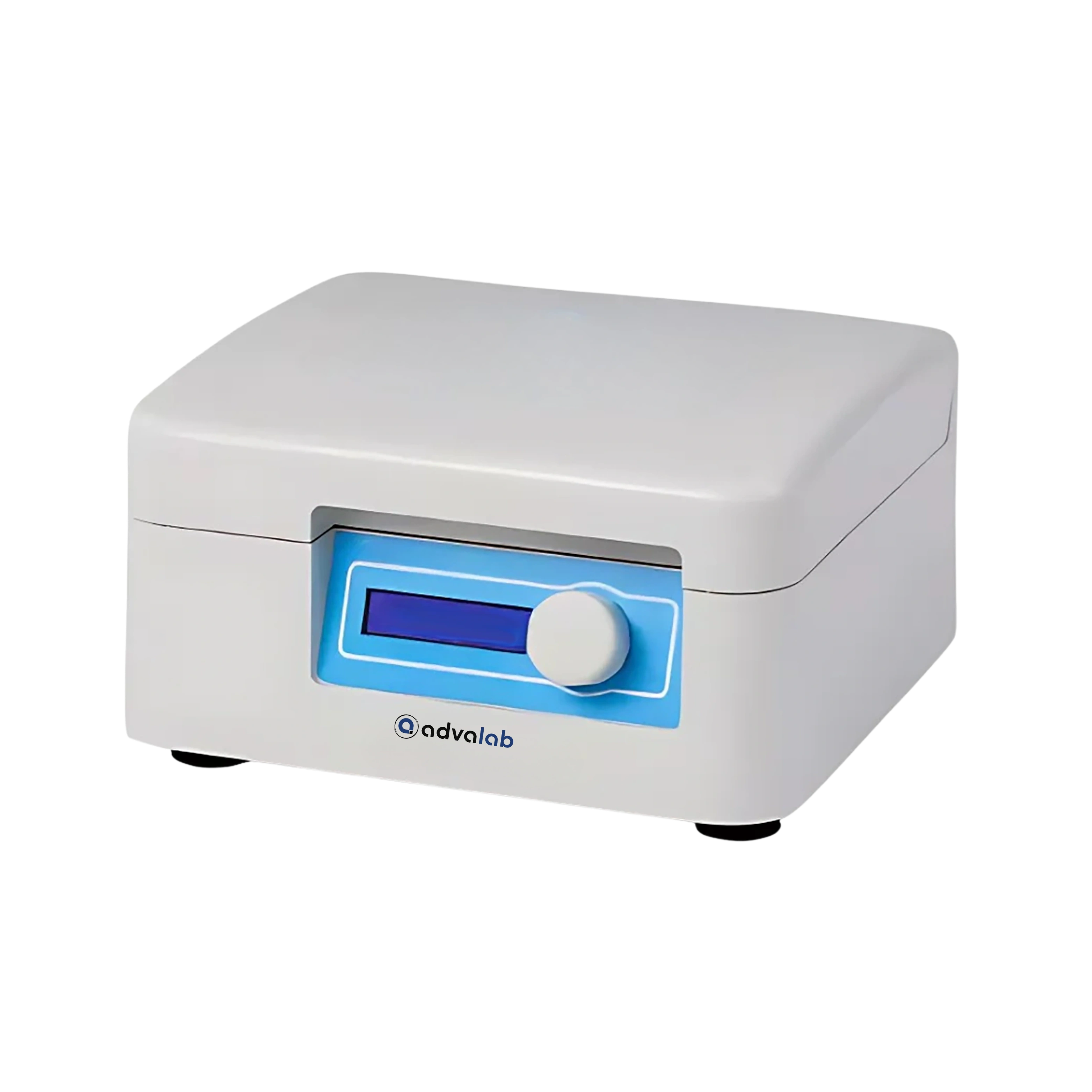
| Temperature Control Range: | RT. +5℃ to 80℃ |
| Shaking Speed: | 200 to 1600 rpm |
| Temperature Accuracy: | ≤ ± 0.5℃ |

| Speed: | Brushless motor 100to1200rpm |
| RPM Increment: | 100 rpm |
| Horizontal Gyration Amplitude: | 4 mm |
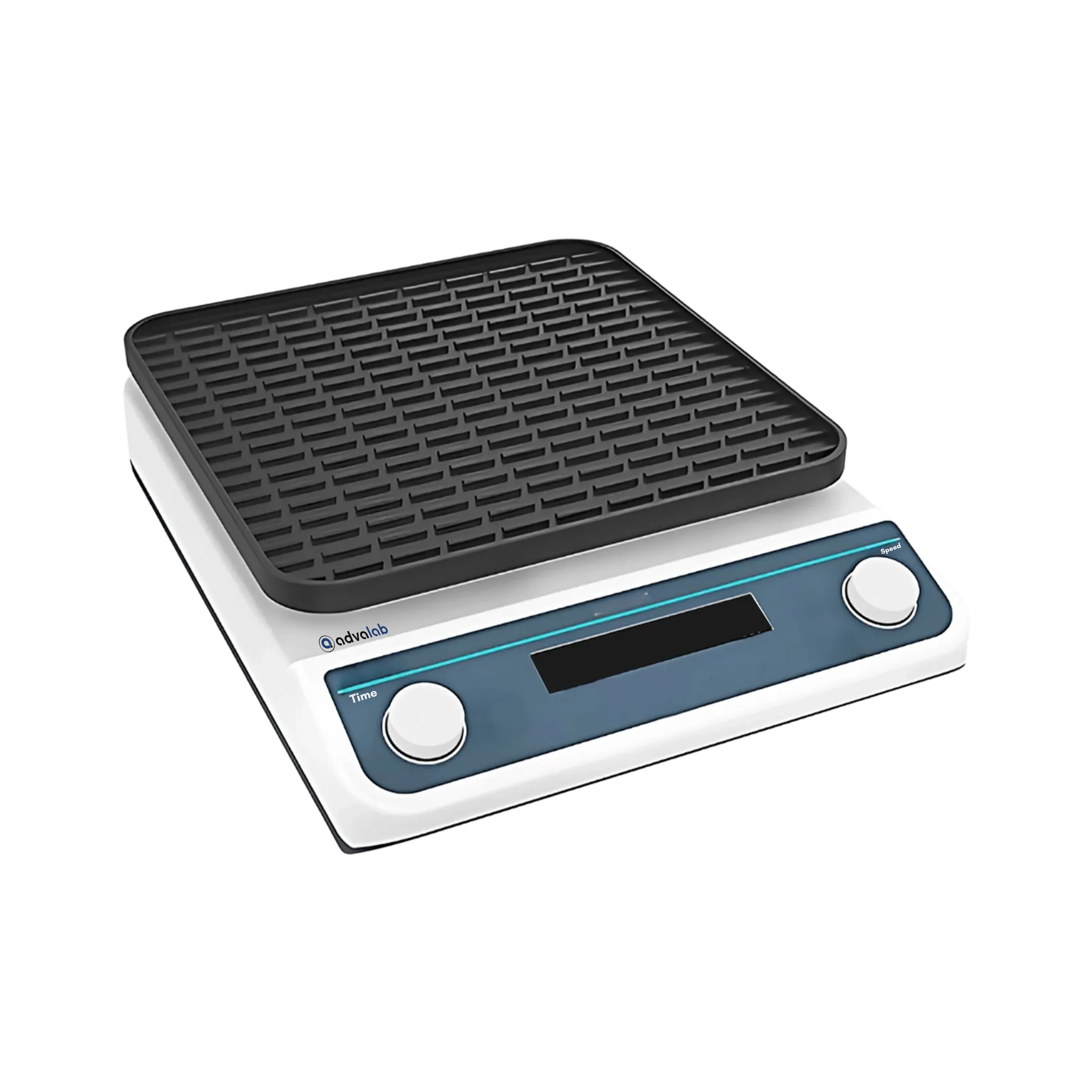
| Speed: | 40 to 200 rpm |
| Max Load: | 3 kg |
| Plate Size : | 320×320 mm |

| Speed Range: | 1 to 70 rpm |
| Maximum Load: | 2.0 kg |
| Tilt Angle: | 1 to 10 ° |
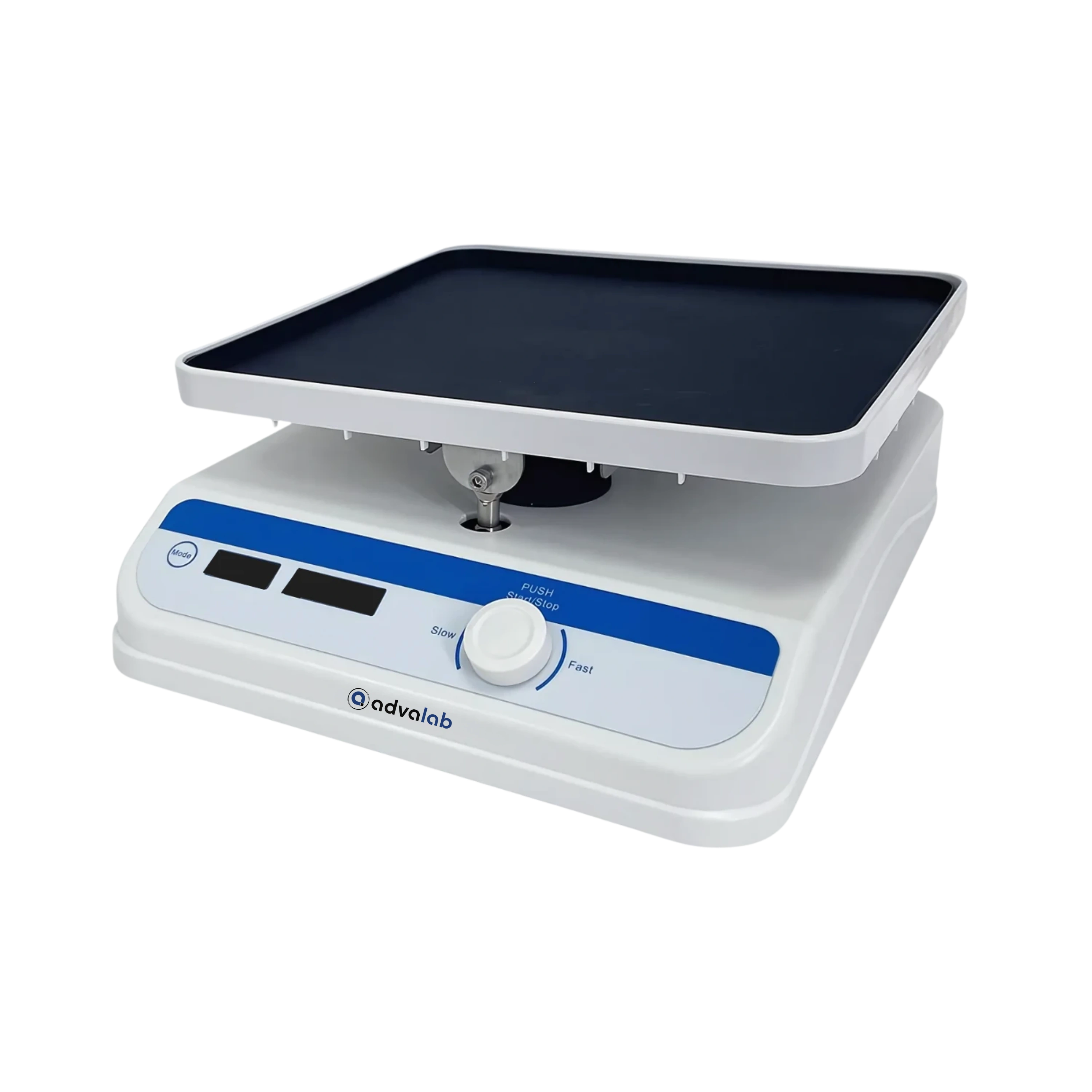
| Speed: | 10 to 70 rpm |
| Maximum Load with clamps: | 3 kg |
| Orbital Diameter: | 10° |
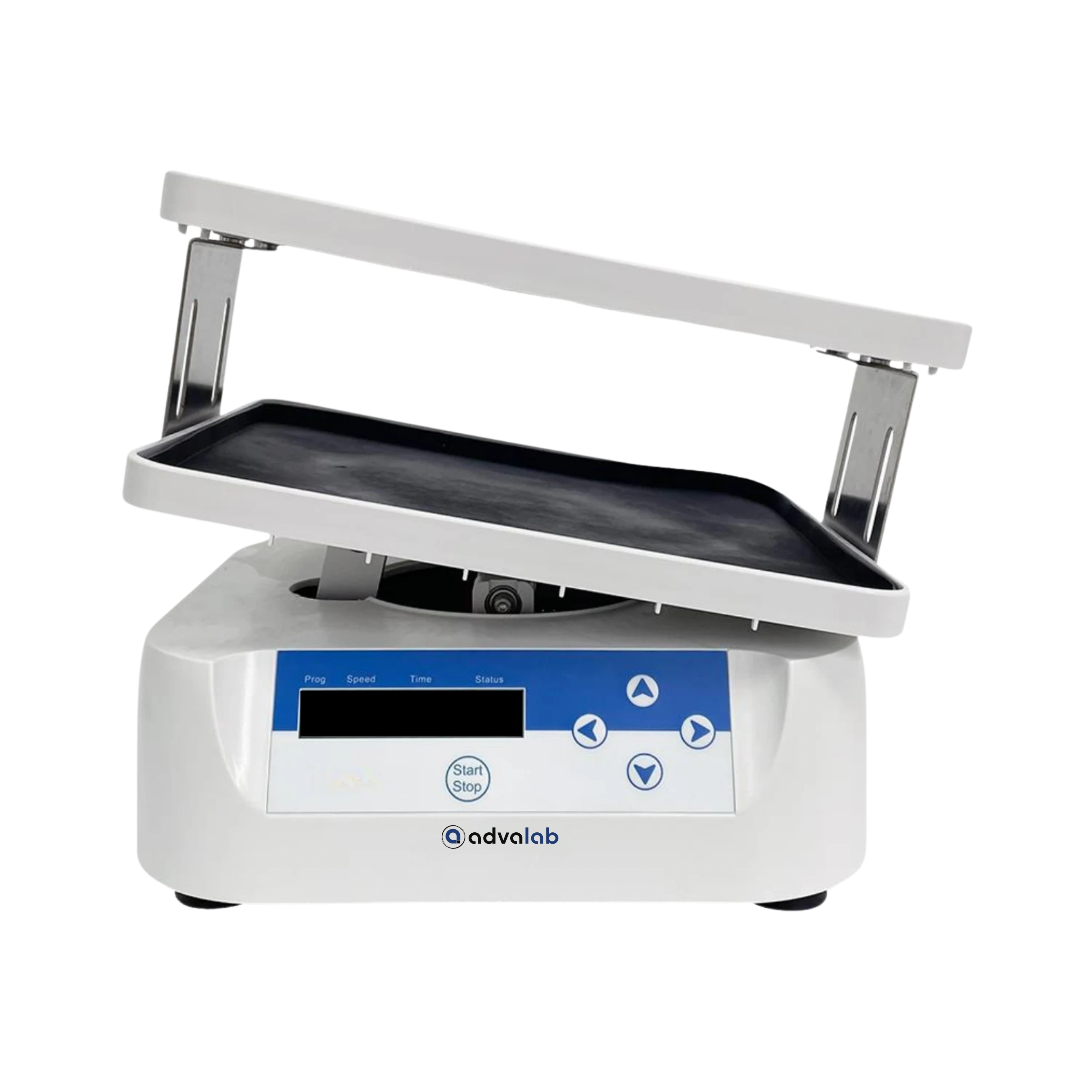
| Speed: | 10 to 100 rpm |
| Maximum Load : | 5.0 kg |
| Amplitude: | 25mm, 10’, up and down |