
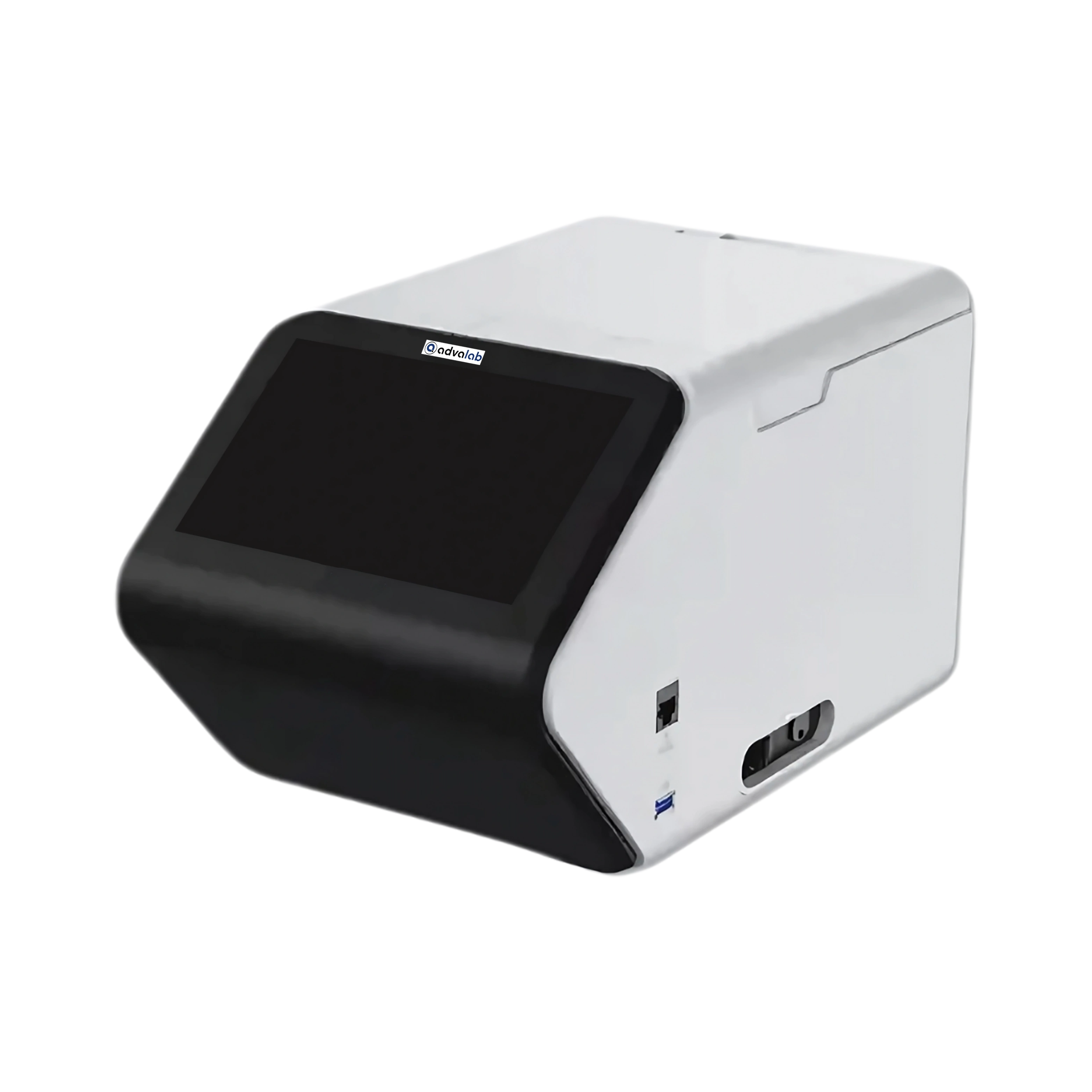
| Sample Volume | 10 µl |
| Sample Concentration | 1×10⁴ to 2×10⁷cells/mL, maximum at 4 ×10⁷ cells/mL |
| Detection of Particle Size | 3 to 30 µm |
| Detection Time | 20 to 30 sec, depends on the cell concentration |
| Image Module | Yes |
| Image Magnification | 5X |
| Dye Used | Trypan-blue |
| Automatic Cleaning | Yes |
| Diameter of the District | Yes |
| Dilution Calculator | Yes |
| Data Input and Output | USB 2.0; all in one |
| Coefficient of Variation | ≤5% |
| Net Weight | 11.5 Kg |
| Gross Weight | 13 Kg |
Our Automated Cell Counter ADACC-502 is used in biomedical research for rapid cell quantification, in clinical diagnostics for monitoring blood and in pharmaceutical industries for drug testing.
1. What are the advantages of using an Automated Cell Counter ADACC-502?
Automated Cell Counter ADACC-502 save time by processing samples in seconds, making them ideal for high-throughput environments. It reduces human error and improve reproducibility between users and experiments. It provides additional metrics like cell viability, size distribution, and concentration. The digital interface and data export features streamline record-keeping and analysis.
2. Can an Automated Cell Counter ADACC-502 detect cell viability?
Yes, an Automated Cell Counter ADACC-502 can assess cell viability using vital dyes such as Trypan Blue or fluorescent viability markers. These dyes help distinguish live cells from dead ones based on membrane integrity. The software calculates the percentage of viable versus non-viable cells automatically. This is especially useful in applications like cell culture quality control or cytotoxicity testing.
3. How often should I calibrate an Automated Cell Counter ADACC-502?
Automated Cell Counter ADACC-502 have built-in calibration routines or verification tools to ensure accuracy. Regular calibration, typically monthly or quarterly, ensures consistent results over time. If you notice discrepancies in counts, recalibration should be performed immediately.
4. Is Automated Cell Counter ADACC-502 suitable for all lab environments?
Yes, It is widely used in academic, clinical, pharmaceutical, and biotech laboratories. It is ideal for space-constrained labs, while more advanced systems suit high-throughput workflows. Environmental factors like temperature and cleanliness can still impact performance. Proper training and maintenance ensure optimal use in any setting.
5. What is the maintenance required for an Automated Cell Counter ADACC-502?
Routine maintenance typically includes cleaning the sample chamber, checking the optics or electrodes, and running system checks. It has an automated cleaning cycles to simplify this process. It’s important to use recommended cleaning solutions. Preventive maintenance helps avoid clogs, inaccuracies, and breakdowns. Regular software updates may also improve functionality and fix known bugs.

| Sample Volume | 10 µl |
| Sample Concentration | 1×10⁴ to 2×10⁷cells/mL, maximum at 4 ×10⁷ cells/mL |
| Detection of Particle Size | 3 to 30 µm |
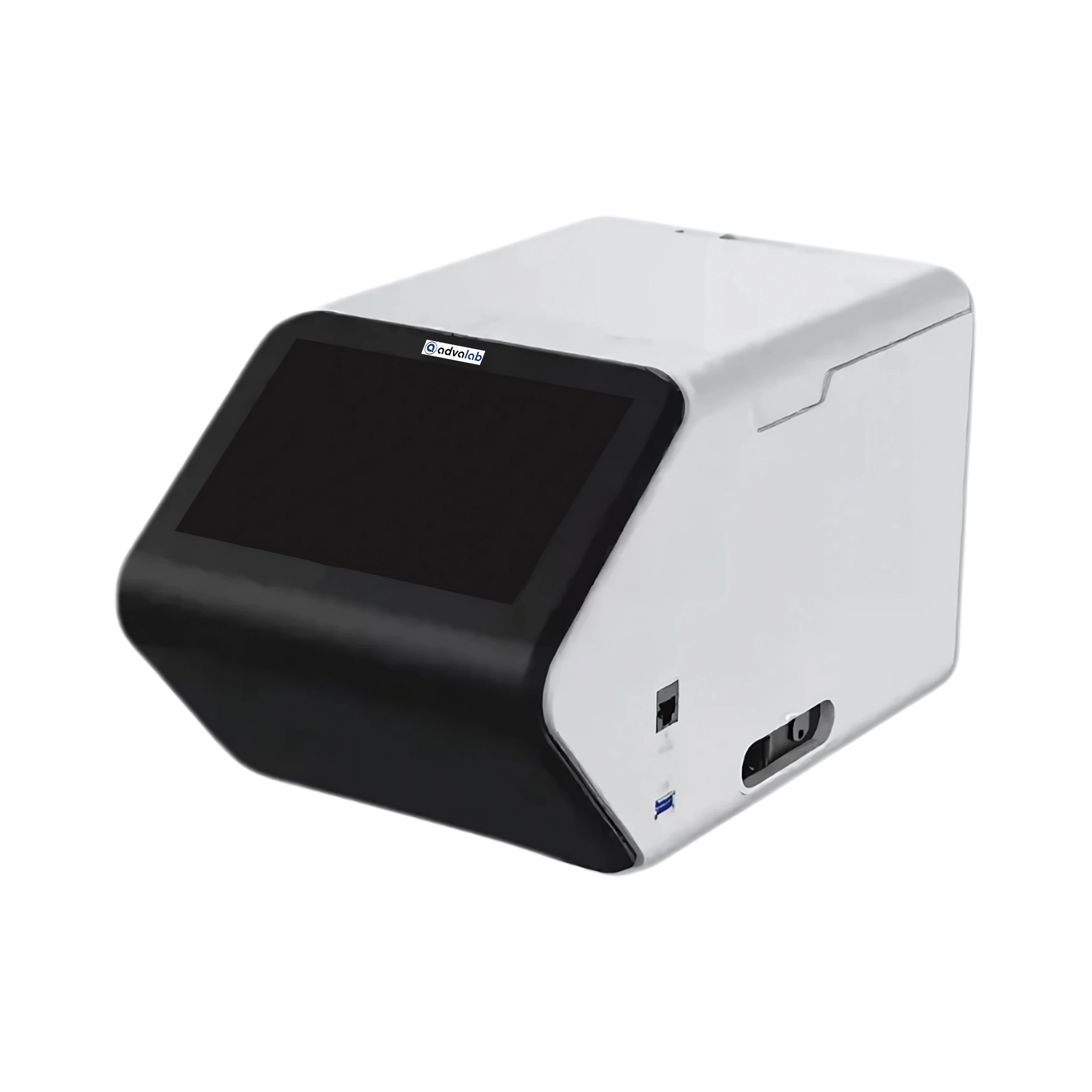
| Sample Volume | 10µl |
| Sample Concentration | 1×10⁴ to 1×10⁷ cells/mL |
| Detection of Particle Size | 3 to 30 µm |
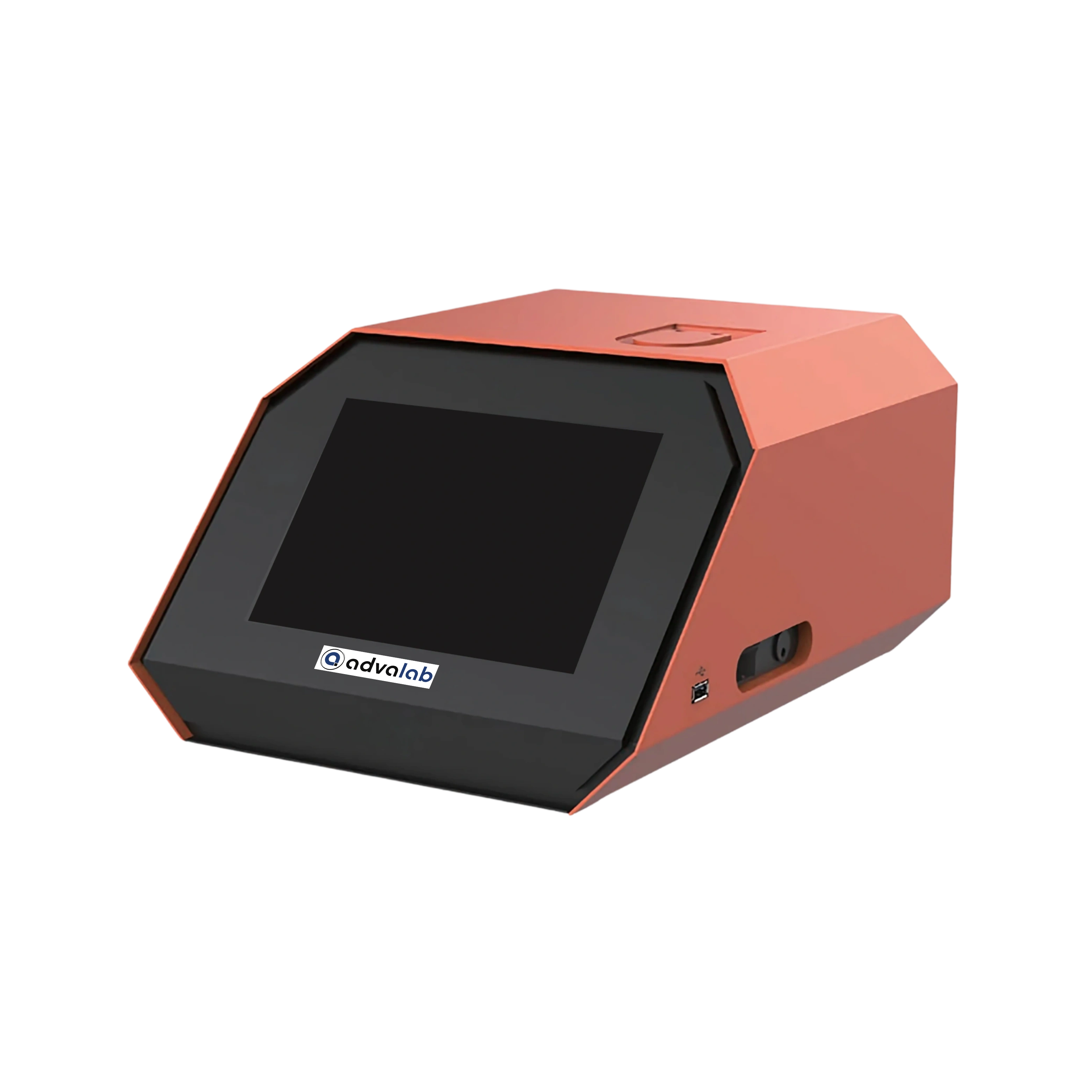
| Sample Volume: | 10 µl |
| Sample Concentration: | 5×10⁴ to 2×10⁷cells/mL |
| Coefficient of Variation: | ≤10% |