
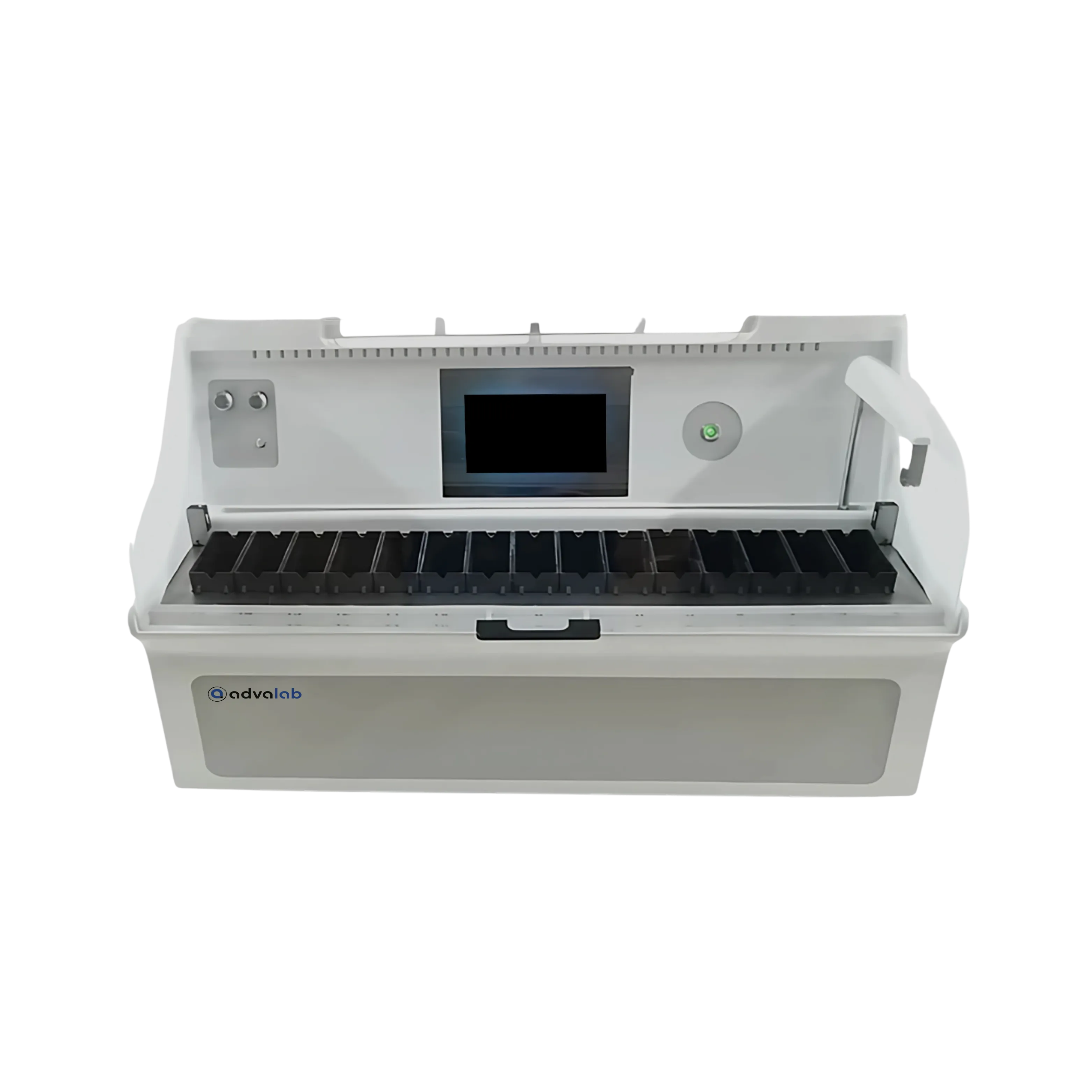
| Number of Cylinders | 15 |
| Cylinder Details |
1 starting protection 5 cleaning 1 hematoxylin 1 differentiation 1 eosin 1 Blue Back 4 gradient alcohol 1 ending |
| Cylinder Arrangement |
2nd, 4th, 6th, 8th, 10th: cleaning 3rd: hematoxylin 5th: differentiation 7th: Blue Back 9th: eosin 11th to 14th: gradient alcohol 15th: ending |
| Staining Process | Fixing (10s) → Water scrubbing (10s) → HE staining (1 min 20s) → Water rinsing (10s) → Differentiation (once) → Water rinsing (10s) → Blue Back staining → Water rinsing (10s) → Eosin staining (3s) → Water rinsing (10s) → Gradient alcohol rinsing (10s each) → Dimethylbenzene rinsing (end) |
| Packaging | Each unit packed in wooden case |
| Single-Cylinder Processing Time | Adjustable from 1s to 10s |
| Power Consumption | ≤200 W |
| Power Supply | AC 220V ±22V, 50 Hz ±1 Hz |
| External Dimensions (L × W × H) | 810 × 430 × 450 mm |
| Packaging Dimensions (L × W × H) | 880 × 510 × 535 mm |
| Gross Weight | 60 kg |
Mini Slide Stainer ADMSS-501 is used in histology and clinical laboratories for rapid frozen section staining, ensuring accurate and consistent results for microscopic diagnosis.


1. What is the cylinder capacity of the Mini Slide Stainer ADMSS-501?
The Mini Slide Stainer ADMSS-501 is designed with 15 cylinders, each assigned for distinct staining actions. Its arrangement ensures a smooth transition between cleaning, hematoxylin, differentiation, Blue Back, eosin, alcohol, and final treatment. This structured design supports complete workflows without interruptions. With dedicated cylinders, accurate and reproducible staining is achieved.
2. How does the display system benefit Mini Slide Stainer ADMSS-501 users?
The Mini Slide Stainer ADMSS-501 features an LCD touch-operated control panel that simplifies operation. It's clear digital interface adjusts quick, accurate, and efficient. Users navigate settings smoothly without complicated training. Interactive touch response ensures minimal errors during processes. This unit enhances productivity with user-friendly technology.
3. Why is the construction of the Mini Slide Stainer ADMSS-501 considered durable?
The Mini Slide Stainer ADMSS-501 is coated with metallic paint, offering both visual appeal and resilience. Its body is corrosion resistant, extending operational life under demanding laboratory conditions. Strong construction ensures stability during continuous usage. This durability reduces downtime and maintenance requirements.
4. What advantages does the belt drive system of the Mini Slide Stainer ADMSS-501 provide?
Mini Slide Stainer ADMSS-501 uses a belt drive mechanism, offering smooth and steady performance. This design reduces operational noise significantly compared to traditional systems. The system resists high stress and wear over time. Belt operation ensures precise movement for each staining step.
5. How does the Mini Slide Stainer ADMSS-501 ensure accurate frozen section staining?
Mini Slide Stainer ADMSS-501 performs a complete sequence from fixing to dimethylbenzene finishing. Each programmed step delivers controlled timing for reproducible outcomes. Frozen tissues receive uniform treatment without manual intervention. The integrated system minimizes variability between slides.
6. What are Mini Slide Stainers?
Mini Slide Stainers are laboratory units designed for automated staining of tissue sections. They feature multiple cylinders arranged for specific reagents, ensuring consistent and accurate results. With touch-based control systems, they simplify workflows and reduce manual handling. Their design makes them efficient, reliable, and user-friendly. These systems are valuable tools for laboratories requiring precision and speed in sample preparation.
7. What are the applications of Mini Slide Stainers?
Mini Slide Stainers are widely used in histology and pathology laboratories for tissue section staining. They support procedures such as frozen section preparation, HE staining, dehydration, and clearing. By automating multiple steps, they enhance consistency and reduce errors in routine work. Their structure makes them suitable for labs with limited space.
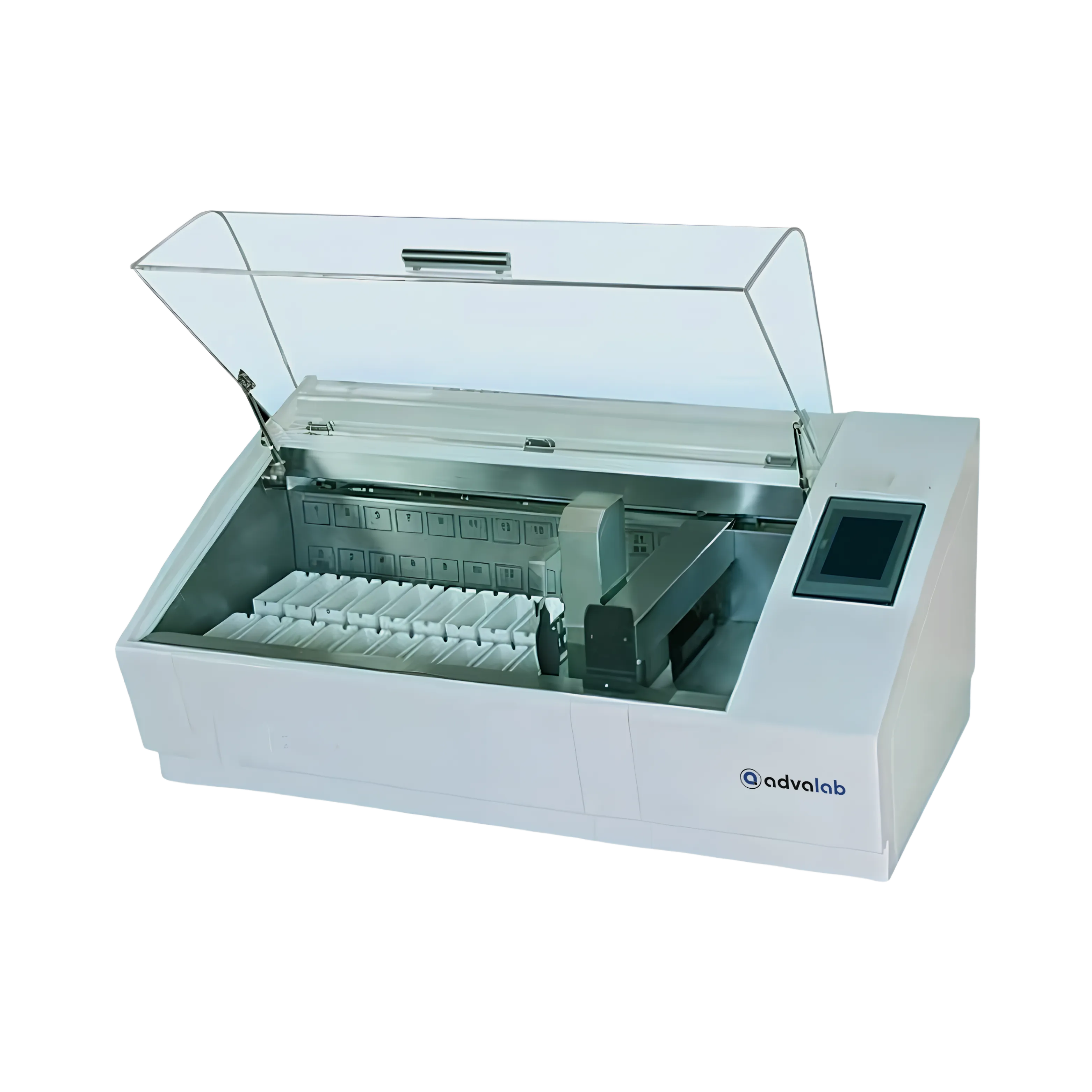
| Slide Rack Capacity: | 30 specimen slides |
| Loading Capacity : | 3 slide racks |
| Specimen Slide Throughput : | Up to 200 slides per hour |
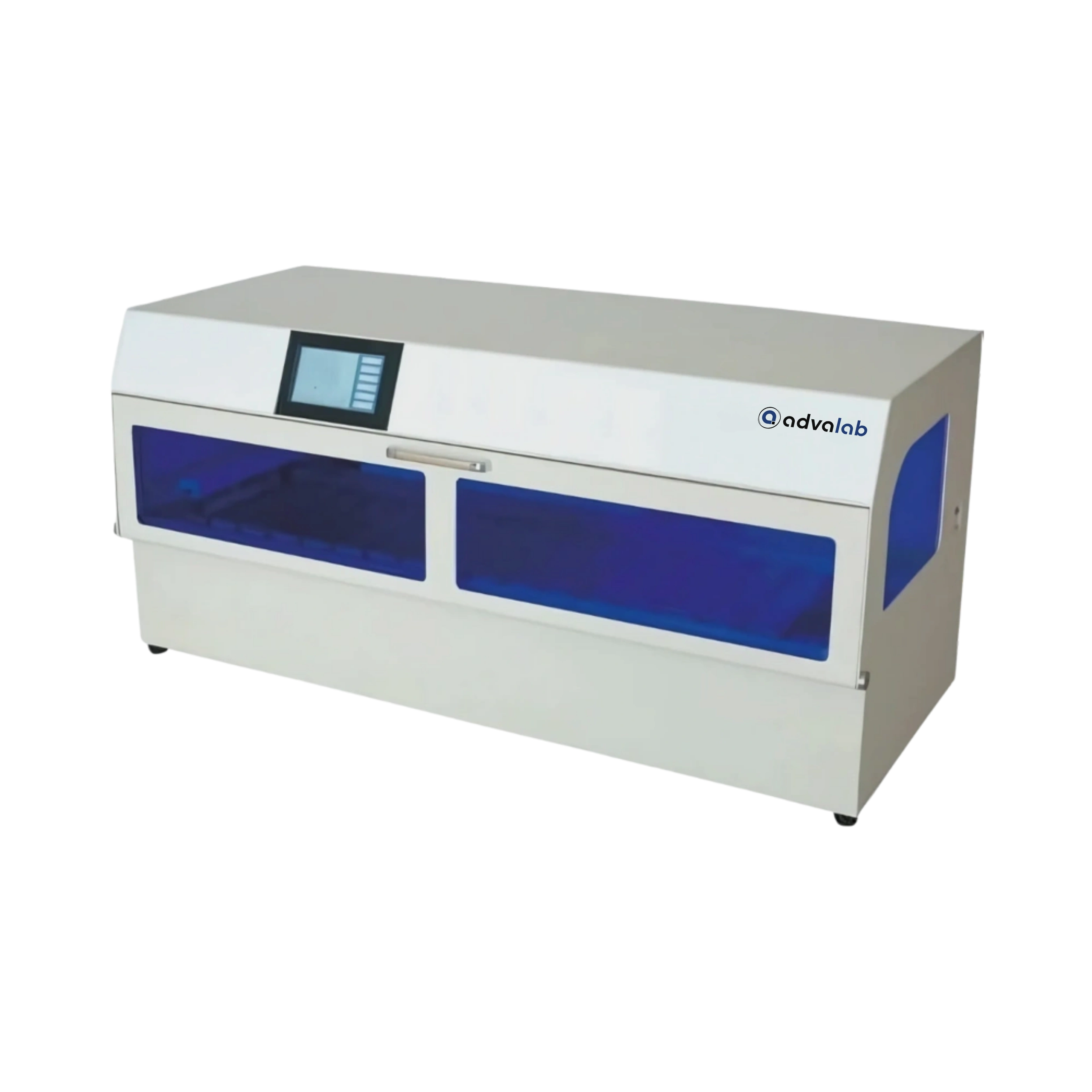
| Slide Rack Capacity: | >75 slides |
| Reagent Tanks : | 18 cylinders |
| Tank Volume : | 1000 ml |
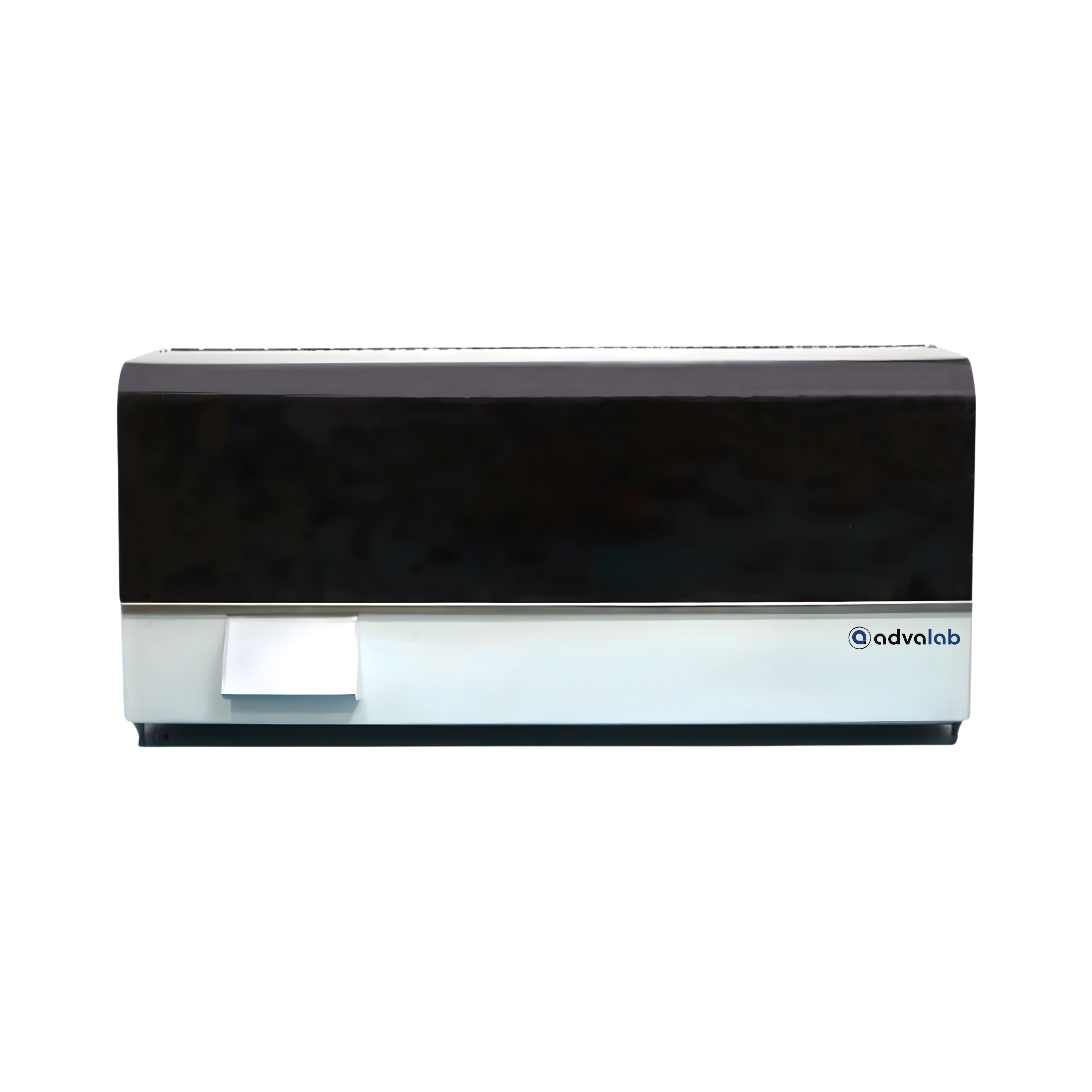
| Loading Capacity: | 62 samples per run |
| Single Cylinder Capacity : | 1000 mL |
| Cylinder Positions : | 14 in total, 1 washing cylinder (first) and 1 drying cylinder (last) |
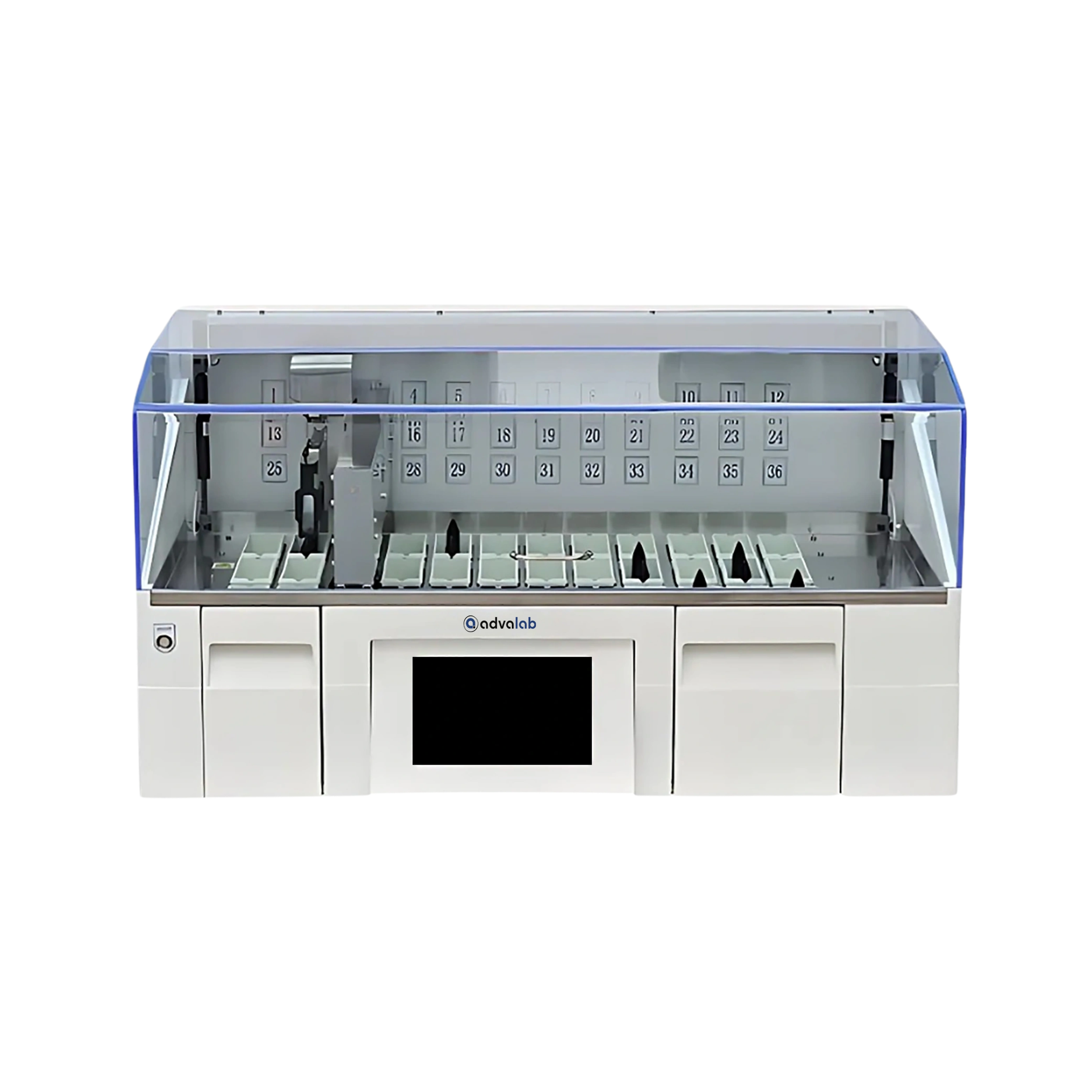
| Specimen Slide Throughput: | 400 slides per hour |
| Sample Capacity: | 30 slides per rack |
| Rack Capacity: | 11 slide racks |
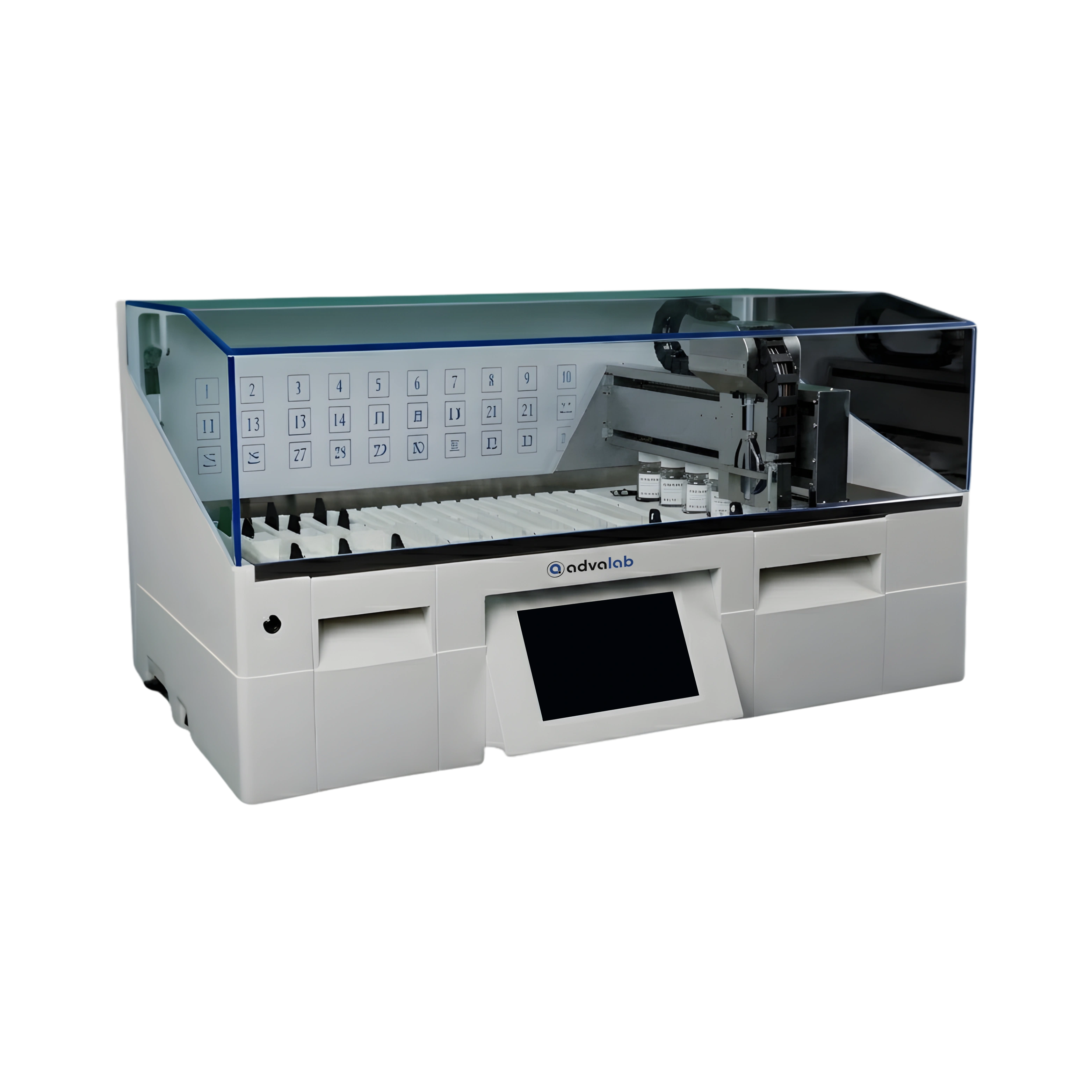
| Dyeing Frame Capacity: | 30 glass slides |
| Reagent Sites: | 26 |
| Washing Sites : | 5 |

| Capacity: | 12 slides, up to 180/hour |
| Sample Tray Capacity : | 1 to 12 / 16 / 24 slides depending on configuration |
| Solution Efficiency : | 600 to 1000 slides |