
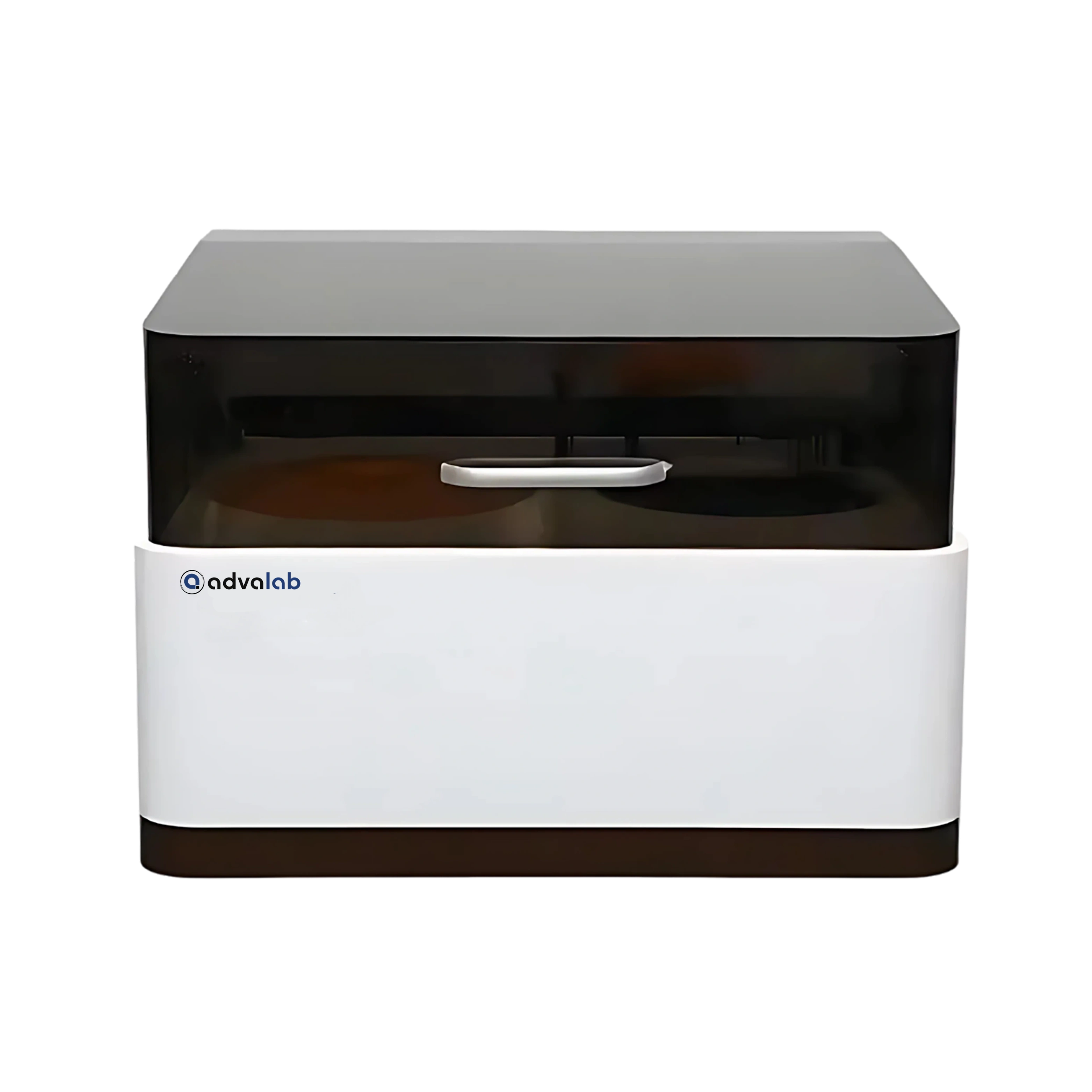
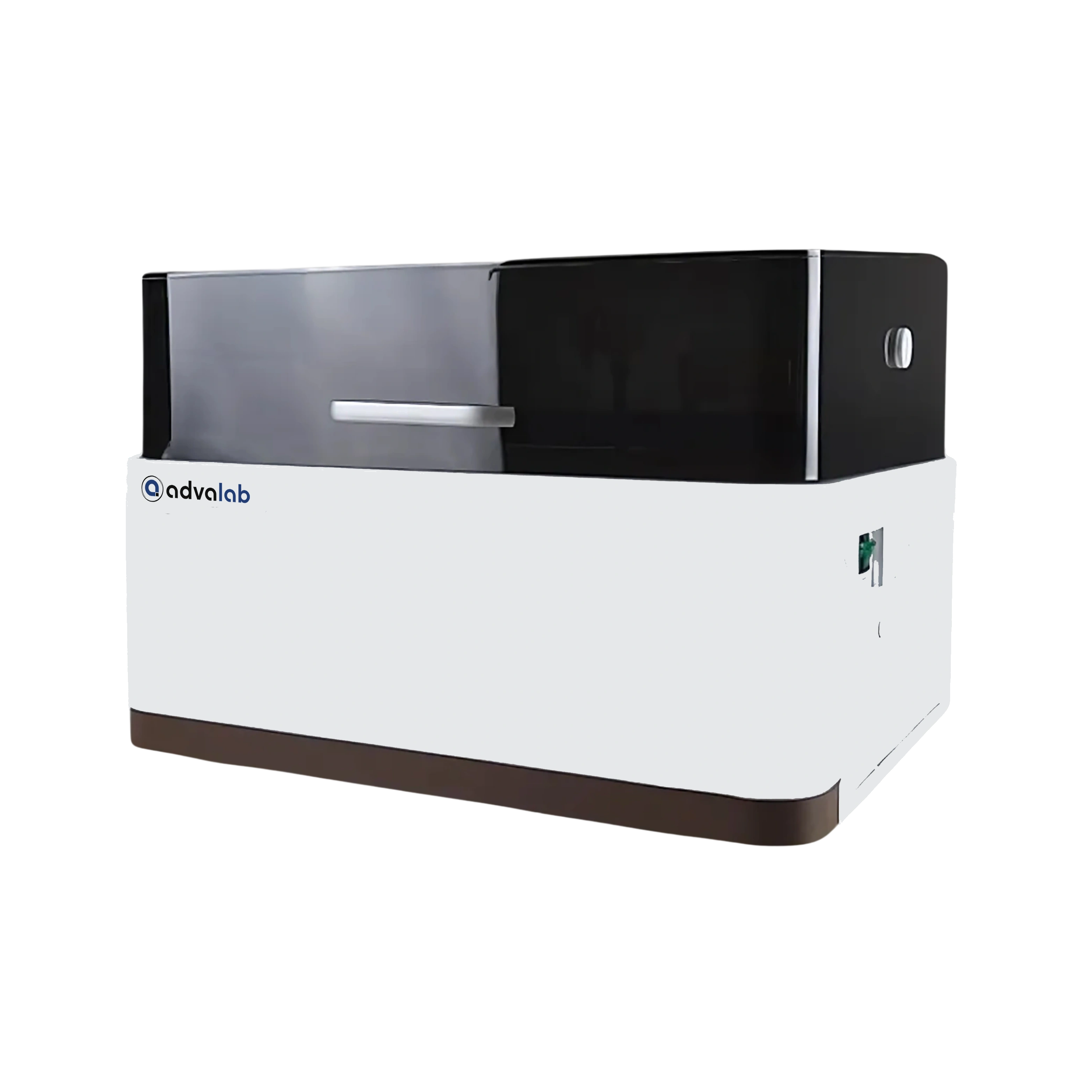
| Sample Volume | 1 to 100µl, 0.1µl / step |
| Reagent Position | 2 × 36 |
| Reagent Volume R1 | 1 to 400 µl, 1µl / step |
| Reagent Volume R2 | 1 to 400 µl, 1µl / step |
| Wavelength | 340 nm to 810nm |
| Throughput 1 Reagent | 200 tests/hour |
| Throughput 2 Reagent | 150 tests/hour |
| Reaction Time | 0 to 999 seconds |
| Assay Items | 36 Assay |
| Operation | Random access |
| Reading System | Direct Reading System |
| Method |
End Point Kinetic Fixed Time Immunoturbidimetric 1 to 2 reagents Multistandard Reagent / serum blank |
| Reagent / Sample Probe |
With liquid level sensor Collision sensor Teflon coating Automatic washing plastic |
| Washing | 5 Channel automatic washing system for reaction cuvette |
| Calibration |
Linear Non- linear Multi-standard K factor |
| Sample Dilution / Retest | Sample can be diluted and rested if results are out of range or sample is insufficient. Also, with calibrator auto diluting function. |
| Light Source | Halogen Lamp |
| Absorbance Resolution | 0.0001 A |
| Absorbance Accuracy | ± 0.0003A (0 to 2.5 A) |
| Repeatability (CV %) | ≤ 2 % |
| Quality Control | Levy Jennings quality control Program at 3 levels |
| Dimensions (L × B × H) | 650 × 530 × 520 mm |
| Weight | 45 kg |
Automatic Biochemistry Analyzer ADBCA-501 enables fast, accurate testing of blood and other samples, supporting disease diagnosis and clinical decision-making. It is used to assess biochemical markers in sample for clinical evaluation and treatment planning.
1. What is primary function of the Automatic Biochemistry Analyzer ADBCA-501 and its importance in laboratory?
Automatic Biochemistry Analyzer ADBCA-501 is a laboratory instrument designed to perform quantitative analysis of biochemical substances. They detect analytes in biological samples such as blood, serum, plasma, and urine. Its primary function is to measure the concentration of analytes such as Glucose, Urea, Cholesterol, Creatinine etc. This Analyzer automates the biochemical testing process, delivering fast, accurate, and reproducible results.
2. Explain the significance of reagent volume and sample volume control in Automatic Biochemistry Analyzer ADBCA-501.
In an Automatic Biochemistry Analyzer ADBCA-501, precise control over reagent and sample volumes is essential. Accurate volumes are critical for achieving reliable and reproducible test results. Both reagent and sample volumes directly affect the chemical reactions during the assay. Any variation in volume can impact the accuracy of the test outcome. This, in turn, influences the measured concentration of analytes in the sample.
3. What wavelength range does Automatic Biochemistry Analyzer ADBCA-501 support?
Automatic Biochemistry Analyzer ADBCA-501 support wavelength range of 340 nm to 810 nm. Optional additional filters can be installed as needed. It is a fundamental parameter that determines the specificity and sensitivity of measurement by selecting the appropriate light absorption characteristics of the analyte or its reaction product. This is essential for accurate, reliable biochemical analysis that guides clinical decisions.
4. Explain the difference between endpoint and kinetic assays in Automatic Biochemistry Analyzer ADBCA-501.
Automatic Biochemistry Analyzer ADBCA-501 use two primary types of assays to measure analytes in biological samples which is endpoint assays and kinetic assays. End Point measure the absorbance once, after the reaction is complete or reaches a stable point. It reflects the total amount of product formed. Kinetic Assays measure the change in absorbance over time by taking multiple readings. It provide information about the reaction rate and analyte concentration.
5. Is quality control build-in present in Automatic Biochemistry Analyzer ADBCA-501?
Quality control build-in is present in Automatic Biochemistry Analyzer ADBCA-501. It supports Levey-Jennings charts for up to three level control. One can run low, normal and high control samples in the unit. It runs control tests to make sure results are accurate. This helps to keep lab results safe and trustworthy.
6. What are Automatic Biochemistry Analyzers?
Automatic Biochemistry Analyzers are fully automated laboratory instrument used to measure chemical substances in biological samples. They reduce manual effort and increase accuracy and efficiency in clinical diagnostics. Designed to support a wide range of biochemical tests essential for disease diagnosis and monitoring. Such Analyzers is commonly used in hospitals, diagnostic labs, and research institutions.
7. What are the advanced features that make Automatic Biochemistry Analyzers efficient and reliable in laboratory settings?
Automatic Biochemistry Analyzers offer reagent temperature regulation to ensure stable reactions. They include liquid level detection for precise sampling and collision safety to protect internal components. Analyzers have high-performance cuvette washer that maintains cleanliness and prevents cross-contamination. These features collectively enhance testing accuracy, safety, and operational efficiency.
8. What makes Automatic Biochemistry Analyzers enhanced?
Automatic Biochemistry Analyzers feature full automation, reducing manual steps and improving accuracy. They have advanced software platforms enable efficient data management and LIS integration. Eco-friendly features like waste reduction and sustainable reagent use improve lab sustainability. Overall, these Analyzers deliver faster, safer, and more reliable diagnostic results in high-throughput environments.
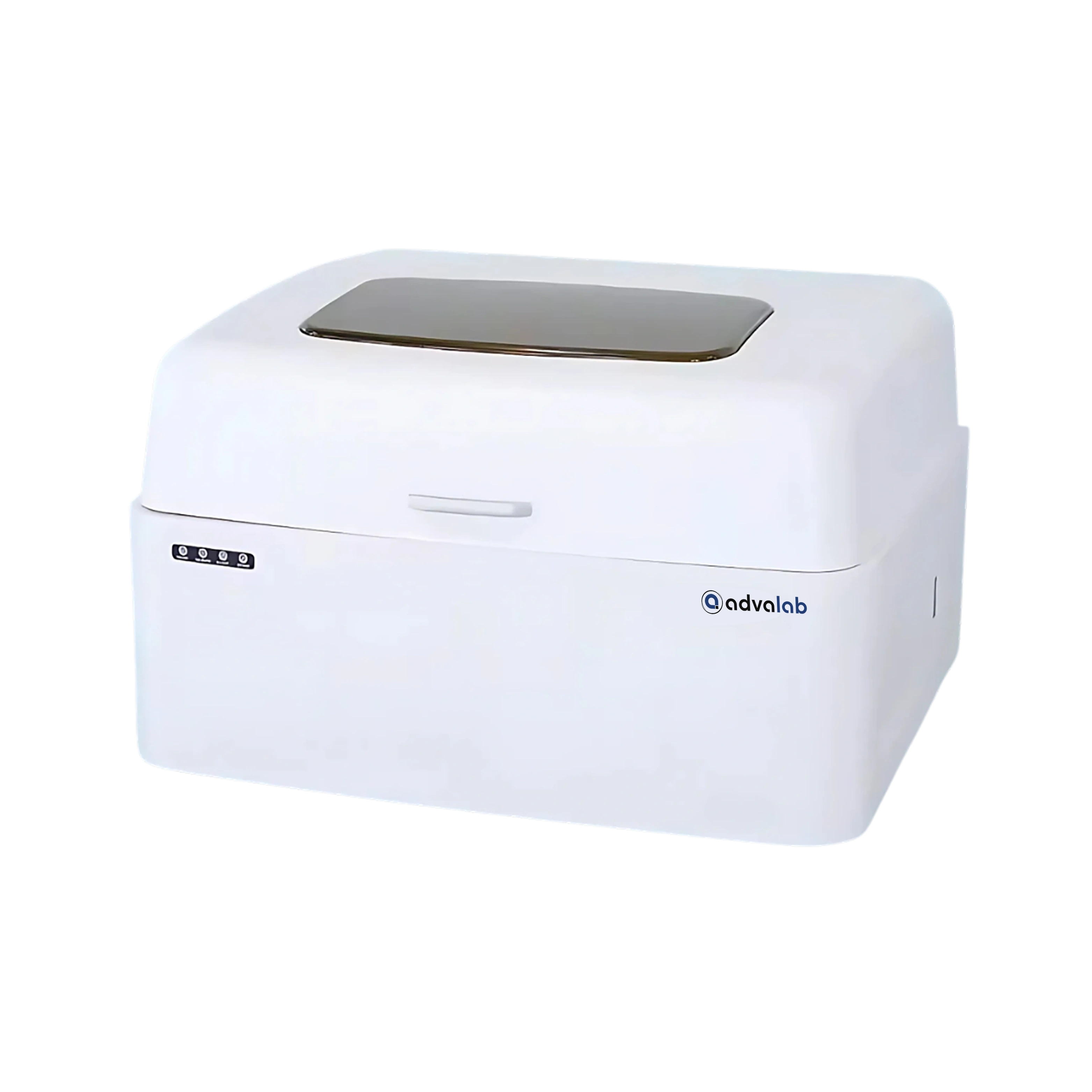
| Sample Volume | 1 to 100µl, 0.1µl / step |
| Reagent Position | 2 × 40 |
| Reagent Volume R1 | 1 to 400 µl, 1µl / step |
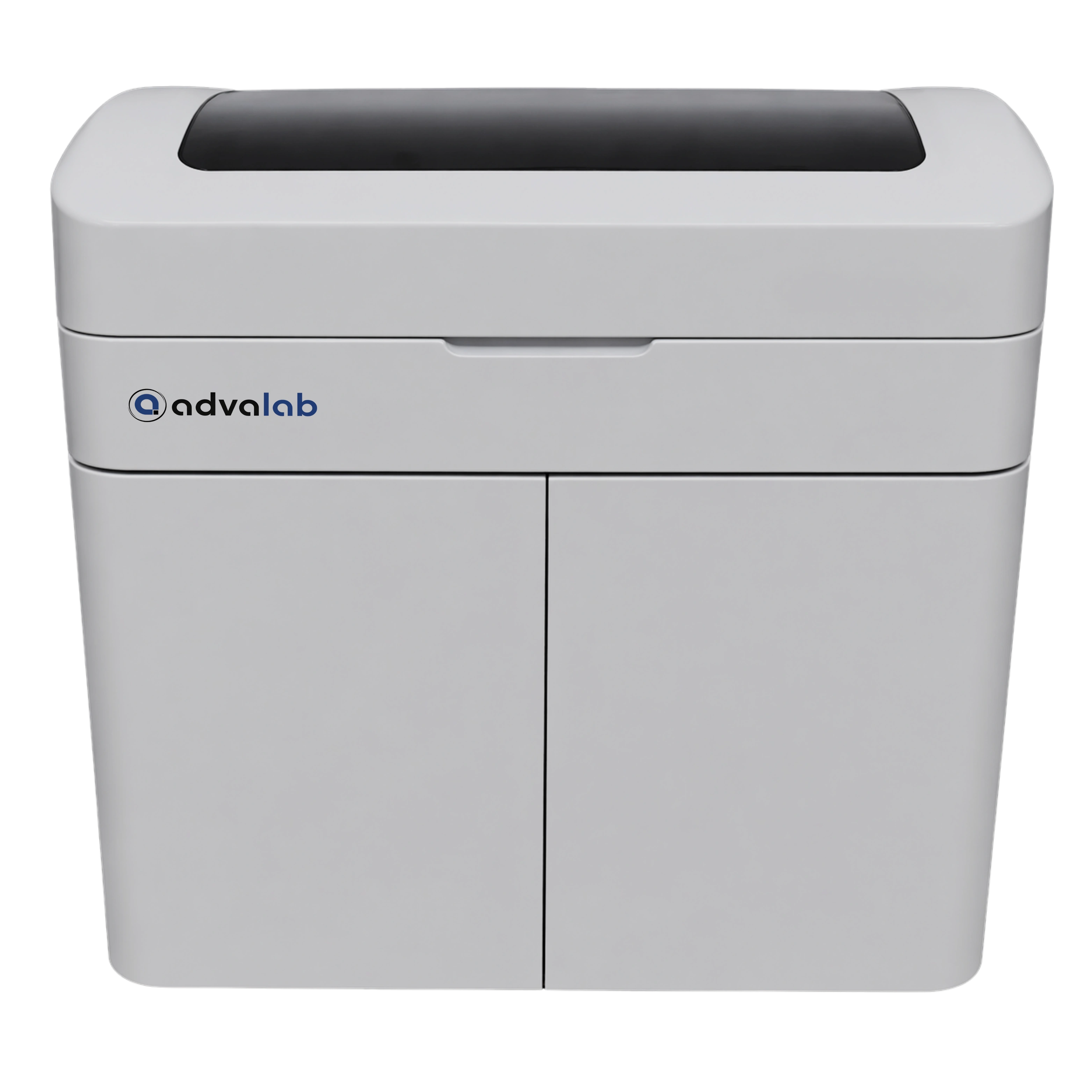
| Sample Volume | 1 to 100µl, 0.1µl / step |
| Reagent Position | 2 × 40 |
| Reagent Volume R1 | 1 to 400 µl, 1µl / step |
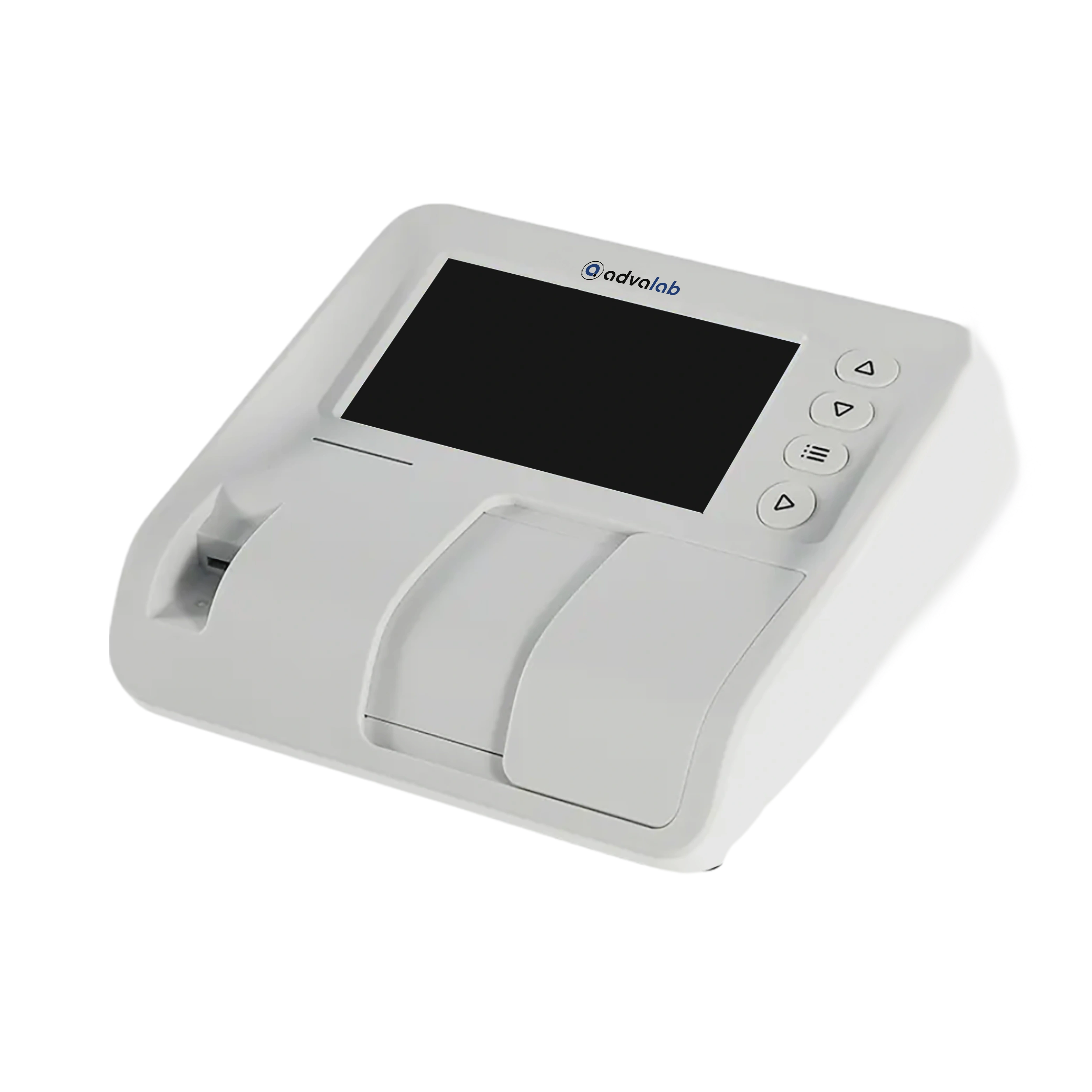
| Sample Type: | Serum, whole Blood, Plasma |
| Sample Volume: | 45 µl |
| Detection Time: | ≤3 minutes |