

| Internal Dimensions (W×D×H) | 1300×650×520 mm |
| Exterior Dimensions (W×D×H) | 1460×700×1650 mm |
| Airflow Direction | Vertical |
| Wind Speed | 0.3 to 0.6 m/s |
| Cleanliness Class | 100 |
| Noise | ≤67 dB |
| Vibration of Half Peak | ≤5 µm |
| Illuminance | ≥300 Lux |
| Persons Per Side | 2 |
| Working Sides | 1 |
| Dimensions of HEPA | 1250×560×50 mm |
| Number of HEPA | 1 pc |
| Lamp Power | 40/1 pc |
| UV Light Power | 20/1 pc |
| Power Consumption | 0.3 kW |
| Package Dimensions (W×D×H) | 1580×820×1820 mm |
| Net Weight | 171 kg |
| Gross Weight | 217 kg |
Vertical Laminar Airflow Cabinet ADVL-515 is used to maintain contamination-free conditions while conducting experiments or handling sensitive materials in research and laboratories.
1. Can I stack items or equipment inside a Vertical Laminar Airflow Cabinet?
No, stacking items inside a Vertical Laminar Airflow Cabinet should be avoided. Stacked materials can block vertical airflow, create turbulence, and trap contaminants. All items should be arranged in a single layer to maintain proper airflow inside the Vertical Laminar Airflow Cabinet.
2. What industries commonly use a Vertical Laminar Airflow Cabinet?
Industries such as pharmaceuticals, biotechnology, electronics, food testing, and academic research commonly use a Vertical Laminar Airflow Cabinet. It’s essential for any setting that requires sterile handling, contamination control, or clean assembly work under ISO Class 5 conditions.
3. What documentation is needed for compliance when using a Vertical Laminar Airflow Cabinet?
To ensure compliance, a Vertical Laminar Airflow Cabinet should have records of installation, operating procedures, maintenance logs, and annual certification reports. These documents help demonstrate that the Vertical Laminar Airflow Cabinet meets cleanroom and regulatory standards.
4. Can a Vertical Laminar Airflow Cabinet be connected to an external duct system?
Typically, a Vertical Laminar Airflow Cabinet is a recirculating system and does not require ducting. However, some specialized models can be ducted if necessary for particle extraction or additional filtration. Always consult the manufacturer before modifying a Vertical Laminar Airflow Cabinet.
5. What are the limitations of a Vertical Laminar Airflow Cabinet?
A Vertical Laminar Airflow Cabinet does not protect the user from chemical fumes, biological hazards, or cross-contamination between samples. It is designed only for product protection in sterile conditions, and its use should be limited to non-hazardous tasks requiring clean airflow.
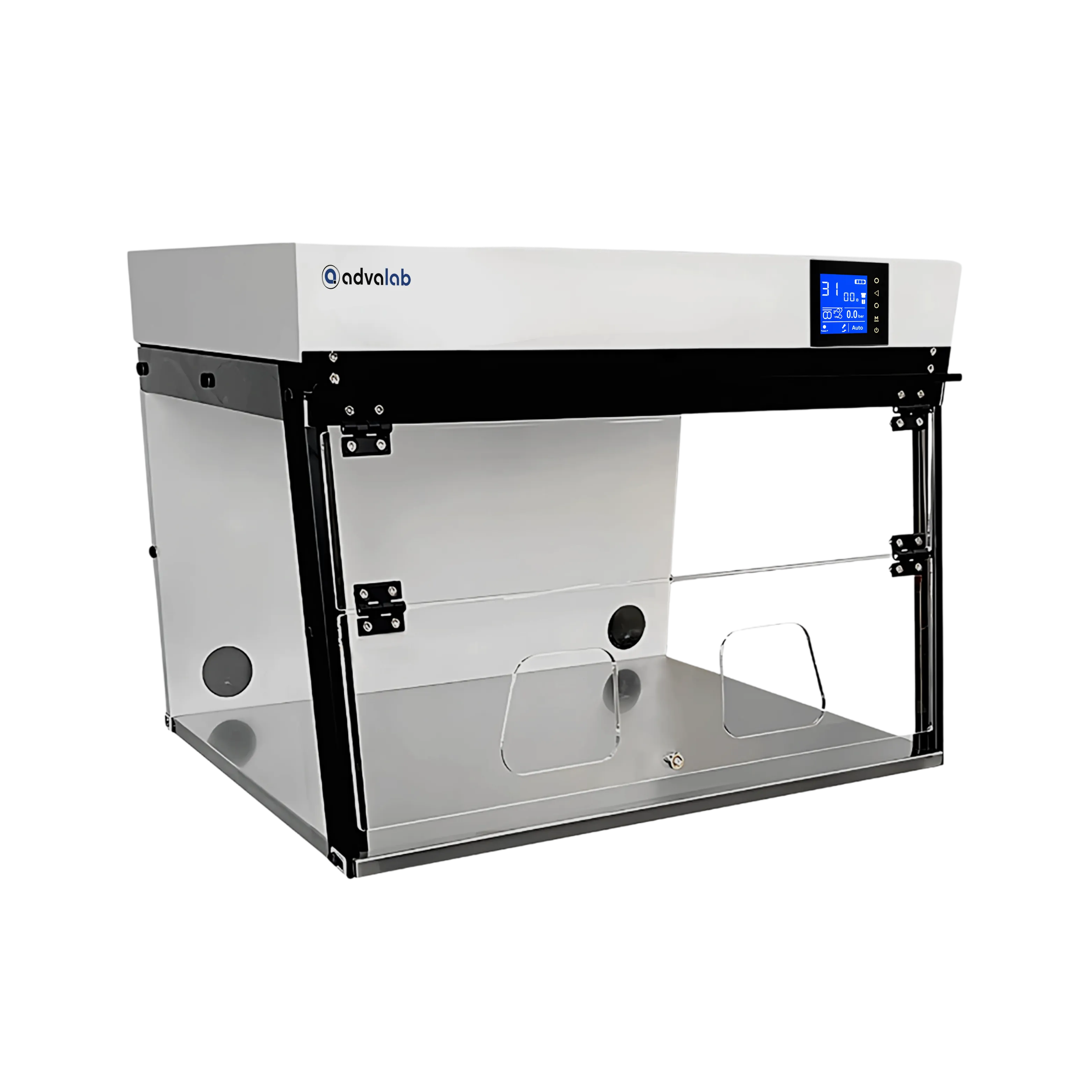
| External Dimension (L×B×H) | 800×575×580 mm |
| Internal Dimension (L×B×H) | 790×530×400 mm |
| Surface Wind Speed | 0.5 m/h |
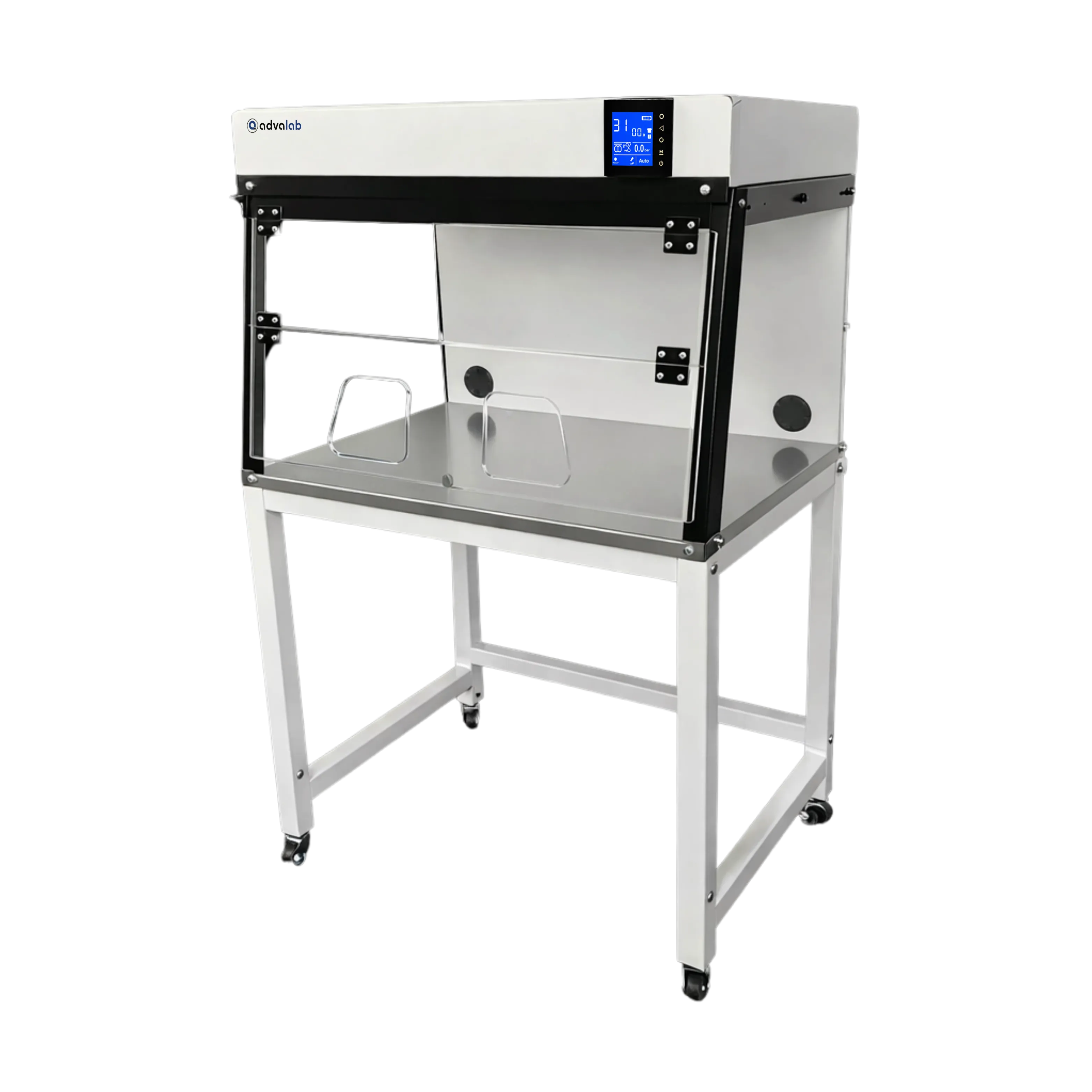
| External Dimension (L×B×H) | 1000×575×1360 mm |
| Internal Dimension (L×B×H) | 990×530×400 mm |
| Surface Wind Speed | 0.5 m/h |

| External Dimension (L×B×H) | 1200×550×1600 mm |
| Internal Dimension (L×B×H) | 1150×500×460 mm |
| Surface Wind Speed | 0.5 m/h |
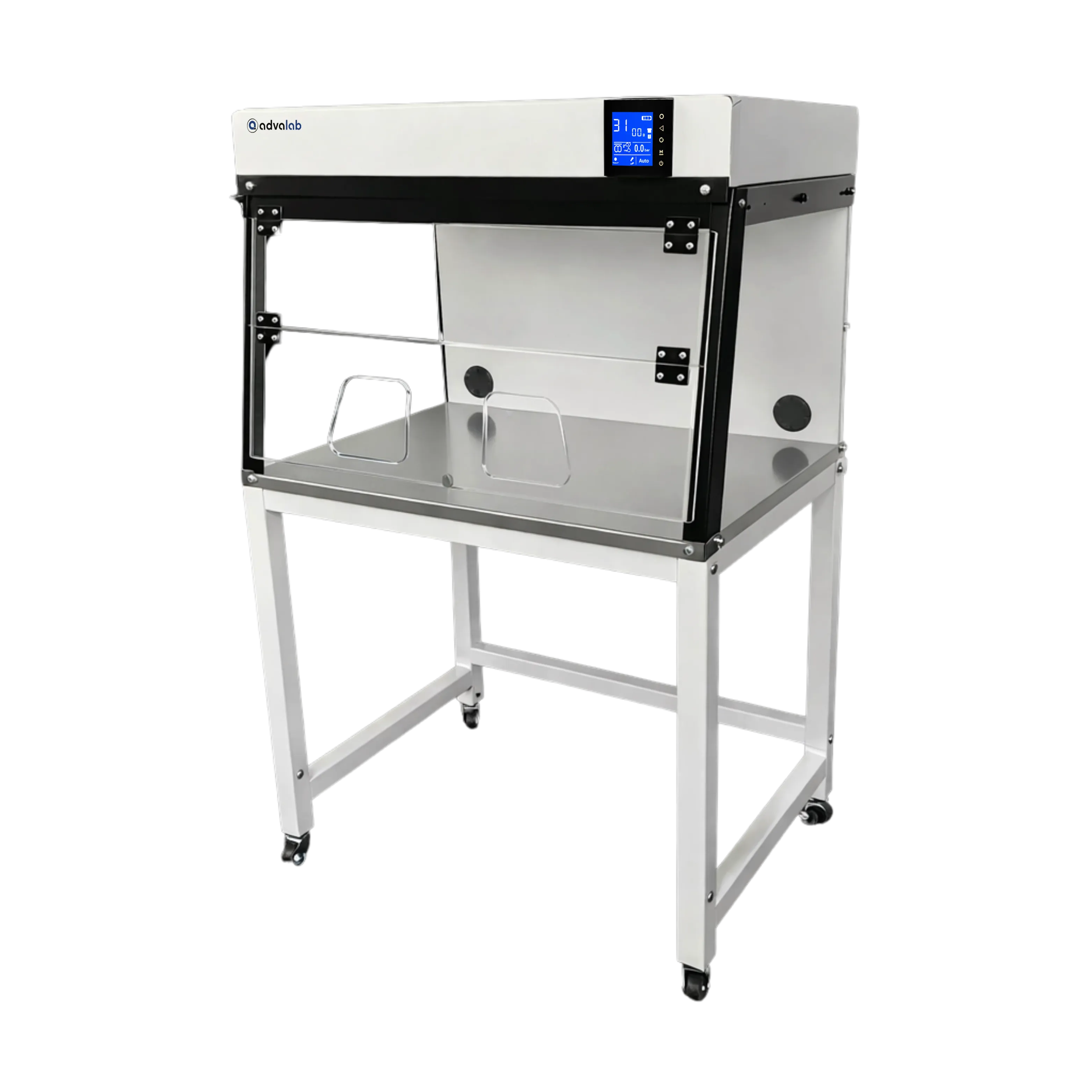
| External Dimension (L×B×H) | 1200×575×1360 mm |
| Internal Dimension (L×B×H) | 1190×530×400mm |
| Surface Wind Speed | 0.5 m/h |
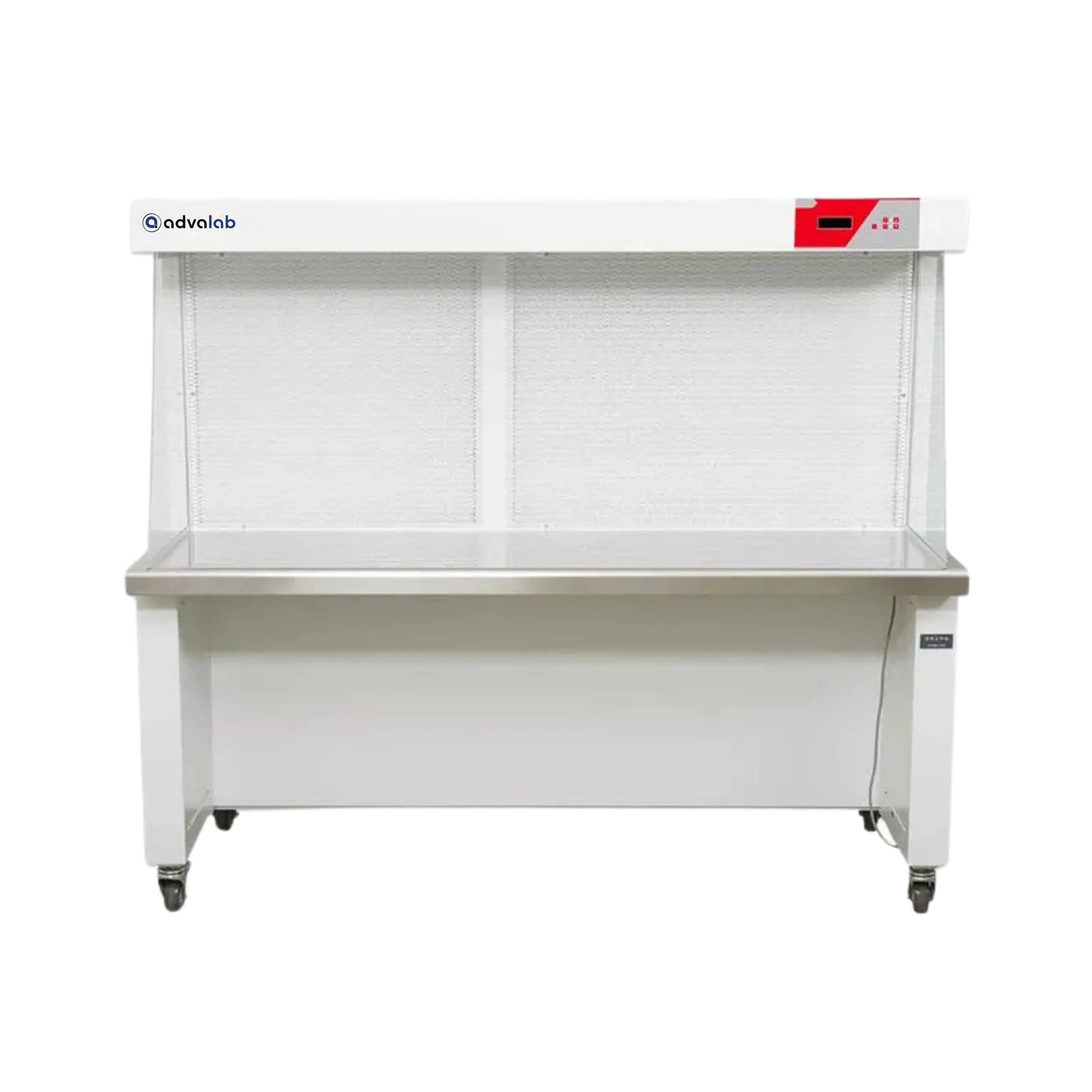
| Internal Dimensions (W×D×H): | 1570×480×570 mm |
| Exterior Dimensions (W×D×H): | 1570×790×1380 mm |
| Airflow Direction: | Horizontal |
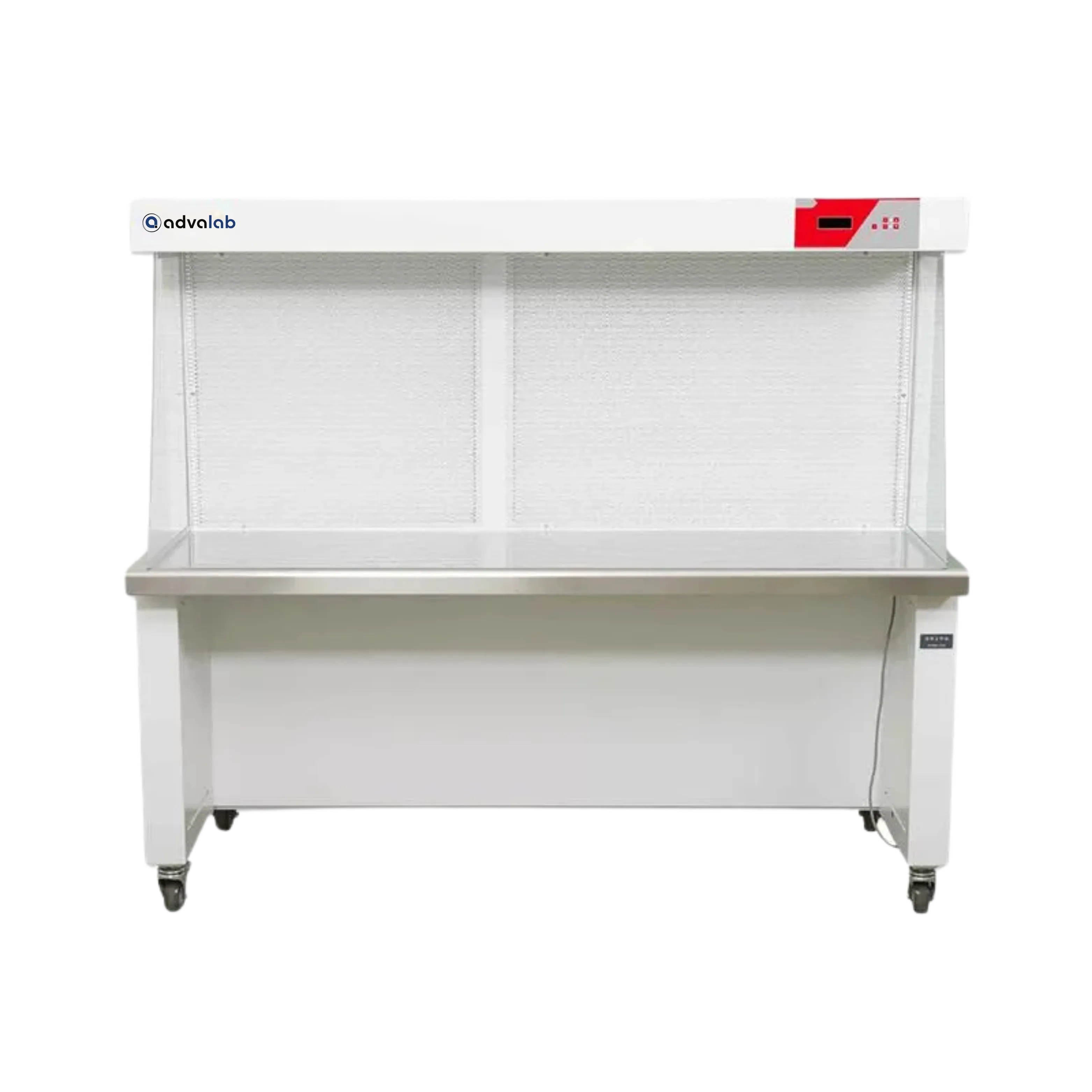
| Internal Dimensions (W×D×H): | 910×480×570 mm |
| Exterior Dimensions (W×D×H): | 910×790×1380 mm |
| Airflow Direction: | Horizontal |

| Velocity: | 0.3 to 0.6 m/s |
| Half Peak Amplitude: | ≤ 3µm |
| Number of Colonies: | ≤ 0.5 dish/hr |

| Velocity: | 0.3 to 0.6 m/s |
| Half Peak Amplitude: | ≤ 3µm |
| Number of Colonies: | ≤ 0.5 dish/hr |

| Velocity: | 0.3 to 0.6 m/s |
| Half Peak Amplitude: | ≤ 3µm |
| Number of Colonies: | ≤ 0.5 dish/hr |

| Velocity: | 0.3 to 0.6 m/s |
| Half Peak Amplitude: | ≤ 3µm |
| Number of Colonies: | ≤ 0.5 dish/hr |