

| Capacity | 200 (cassettes) |
| Number of Reagent Steps | 9 reagent steps |
| Number of Paraffin Wax Steps | 3 steps |
| Number of Programs | 10 programs |
| Time per Program Step | 0 to 99 hours, 59 minutes |
| Number of Baths | 3 |
| Volume per bath | 4 liters |
| Temperature Accuracy | + 3°C |
| Paraffin Wax Temperature | 65°C |
| Melt Time | 3 hours |
| Operating Temperature Range | 15°C to 35°C |
| Relative Humidity | 10% to 80%, non-condensing |
| Time Between Cycles | 20 minutes |
| Main Fuses | 10 A |
| Number of Reagent Bottles | 10 |
| Cleaning Solution Bottles | 2 |
| Reagent Volume | 5.3 liters (per bottle) |
| Display | Large color Liquid Crystal Display (LCD) |
| Specimen Protection System | Multiple specimen protection system |
| Packaging Method | Wooden case |
| Filling Time | 5 minutes |
| Drain Time | 5 minutes |
| Impregnation Pressure | 35 kPa (g) |
| Drain Pressure | 35 kPa (g) |
| Recirculation | ON or OFF |
| Power Consumption | 1000 W |
| Power Supply | AC 220 V 60 Hz |
| Exterior Dimensions | 800 × 740 × 1460 mm |
| Gross Weight | 165 kg |
This Automatic Tissue Processor ADAT-505 serves clinical and research histopathology labs by automating tissue processing, enhancing specimen quality and streamlining workflow efficiency.
Tissue Basket | 1 pc |
Reagent Bottle | 17 pcs |
Fuse (10 A) | 2 pcs |
Power Line | 1 line |
1. What safety features are included in the Automatic Tissue Processor ADAT-505?
Automatic Tissue Processor ADAT-505 system incorporates multiple specimen protection mechanisms to avoid sample loss. It has alarms that alert users to operational issues. Temperature controls and timers ensure safe reagent handling. The enclosed design minimizes exposure to harmful chemicals. These features promote safe and reliable laboratory operation.
2. Can the Automatic Tissue Processor ADAT-505 processor be customized for different tissue types?
Yes, it allows programming of different reagent steps and durations tailored to tissue characteristics. Users can create and save multiple protocols for diverse sample needs. This adaptability ensures optimal fixation and processing for a variety of specimens. It supports both routine and specialized histopathology workflows. The customization helps maintain high-quality results.
3. What maintenance is required for the Automatic Tissue Processor ADAT-505?
Regular cleaning of reagent and wax baths is necessary to maintain Automatic Tissue Processor ADAT-505 performance. The instrument should undergo periodic calibration to ensure temperature accuracy. Consumables like reagent bottles and filters need timely replacement. The software requires updates to keep features current.
4. Is training needed to operate the Automatic Tissue Processor ADAT-505?
Automatic Tissue Processor ADAT-505 is designed to be user-friendly, initial training is recommended. This helps users understand software navigation, programming, and safety procedures. Training reduces the risk of errors and improves confidence in operation. Most labs find staff quickly adapt due to the intuitive interface. Ongoing support is usually available from the supplier.
5. How many samples can the Automatic Tissue Processor ADAT-505 process at once?
Automatic Tissue Processor ADAT-505 handle up to 200 tissue cassettes simultaneously. This capacity makes it ideal for high-throughput labs dealing with many specimens daily. Processing multiple samples at once saves time and increases productivity. The system is designed to maintain consistent quality across all samples. It supports laboratories requiring reliable batch processing.
6. What are Automatic Tissue Processors?
Automatic Tissue Processors automate the preparation of tissue samples through chemical treatments and embedding. They handle dehydration, clearing, and paraffin infiltration efficiently. These instruments ensure consistent and reliable specimen processing. This automation improves overall workflow in the laboratory.
7. Where are Automatic Tissue Processors used?
Automatic Tissue Processors are found in histopathology labs, research centers, and diagnostic facilities. They process tissue specimens for detailed microscopic examination. Their use supports accurate diagnosis and medical research. These processors are essential tools in pathology workflows.

| Capacity | 100 (cassettes) |
| Number of Reagent Steps | 9 reagent steps |
| Number of Paraffin Wax Steps | 3 steps |
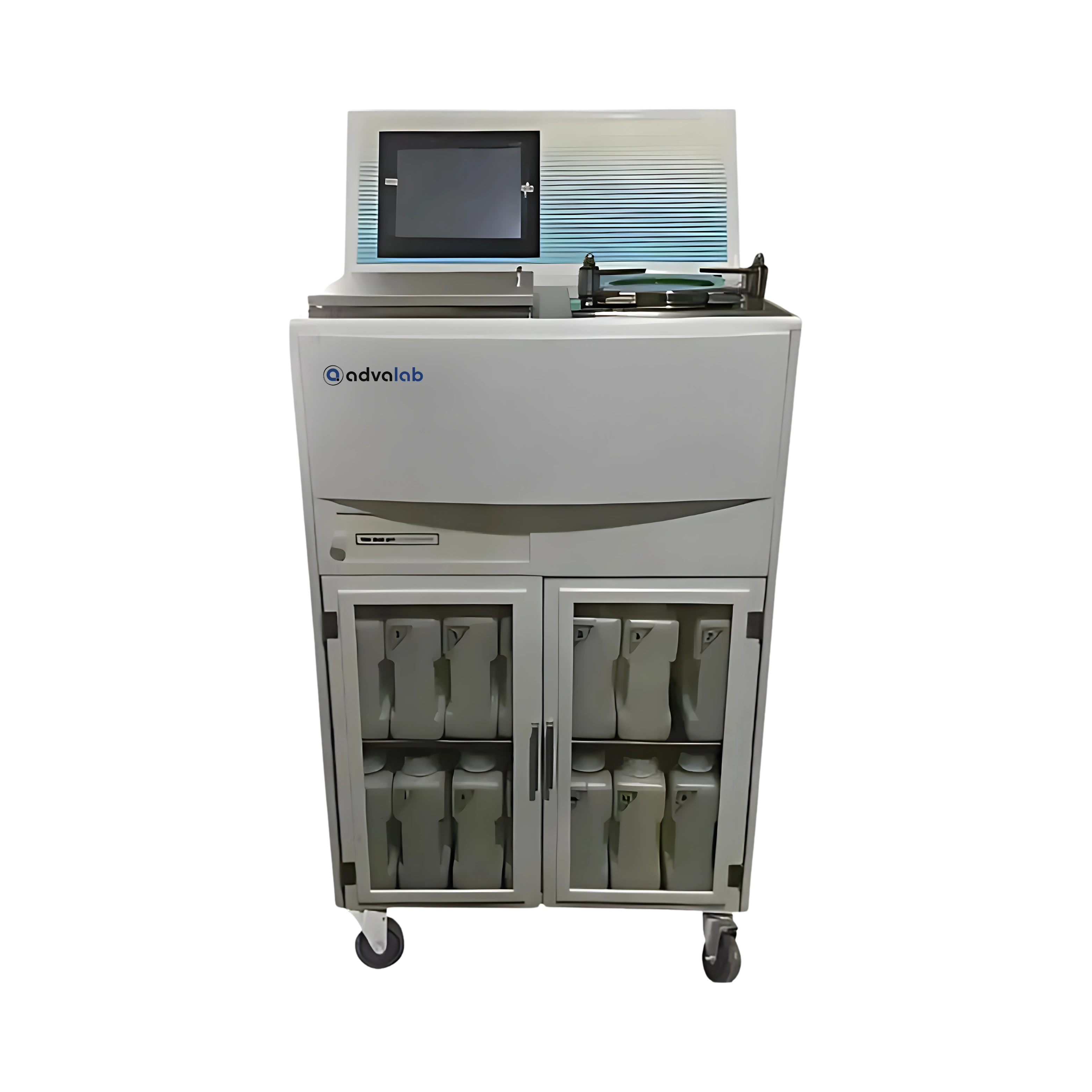
| Capacity | 300 (cassettes) |
| Number of Reagent Steps | 9 reagent steps |
| Number of Paraffin Wax Steps | 3 steps |

| Capacity | 1500 mL |
| Number of Tanks | 12 tanks (including 3 paraffin wax tanks at the end) |
| Basket Capacity | 75 specimens |

| Capacity | 1000 mL |
| Number of Tanks | 12 tanks (including 3 paraffin wax tanks at the end) |
| Basket Capacity | 60 specimens |

| Glass Containers: | 9 units <br> capacity 1.2 L each |
| Wax Cups : | 3 units <br> capacity 1 L each |
| Temperature Control Range : | 60 to 99 °C |

| Glass Containers: | 9 units <br> capacity 2.3 L each |
| Wax Cups : | 3 units <br> capacity 1.8 L each |
| Temperature Control Range : | 60 to 99 °C |

| Capacity: | 2 L |
| Number of Reagent Containers : | 144 |
| Processing Time : | 0 to 99 hours per container |