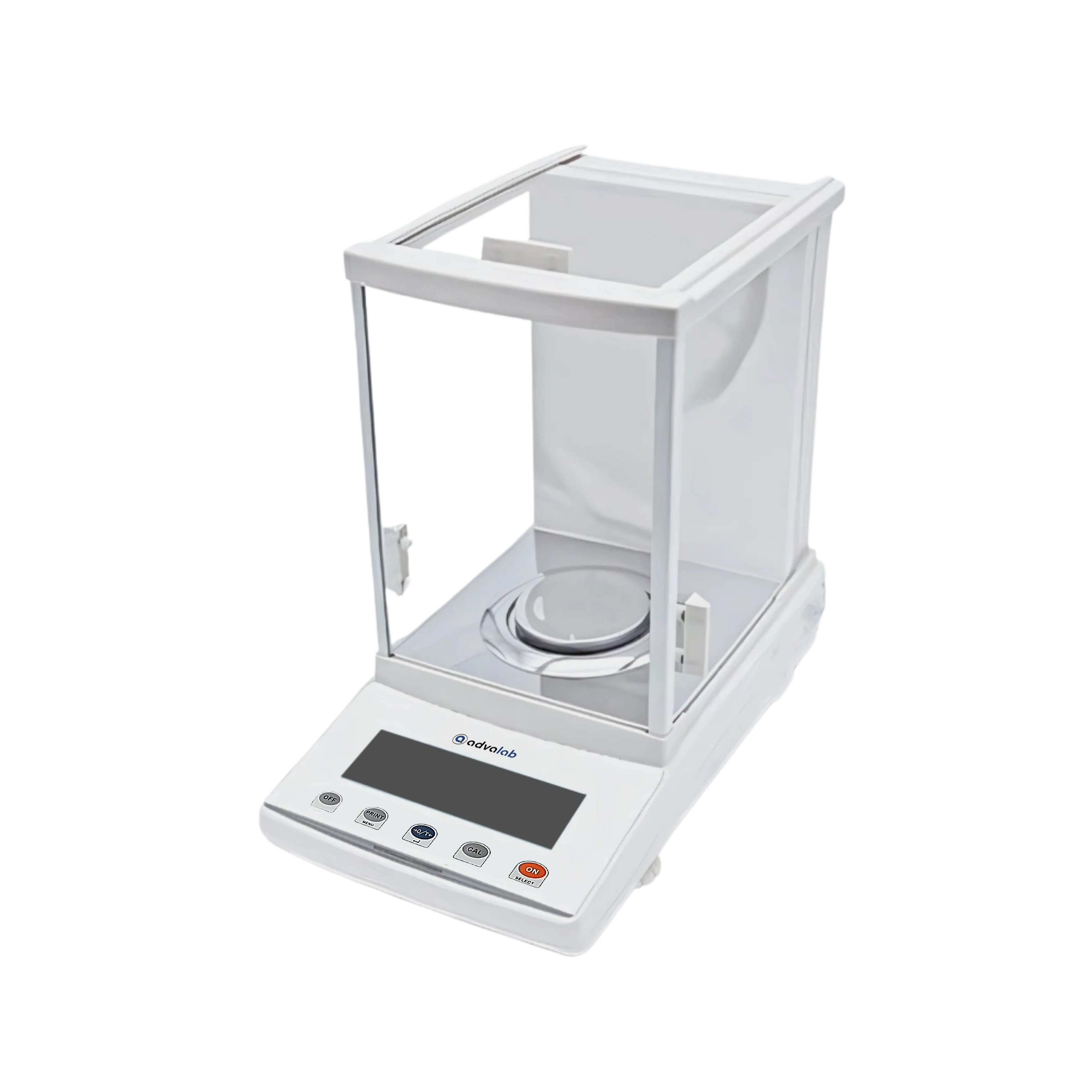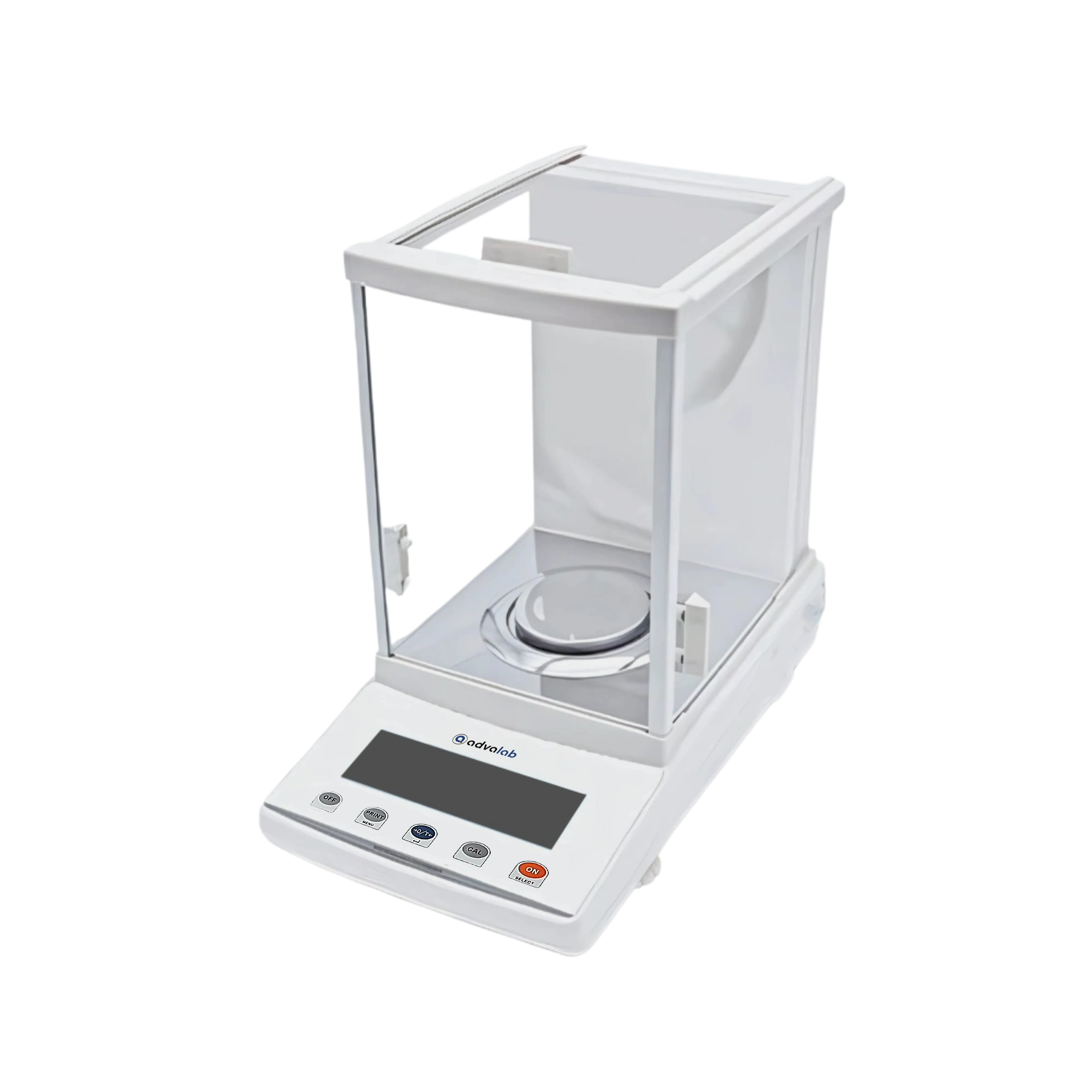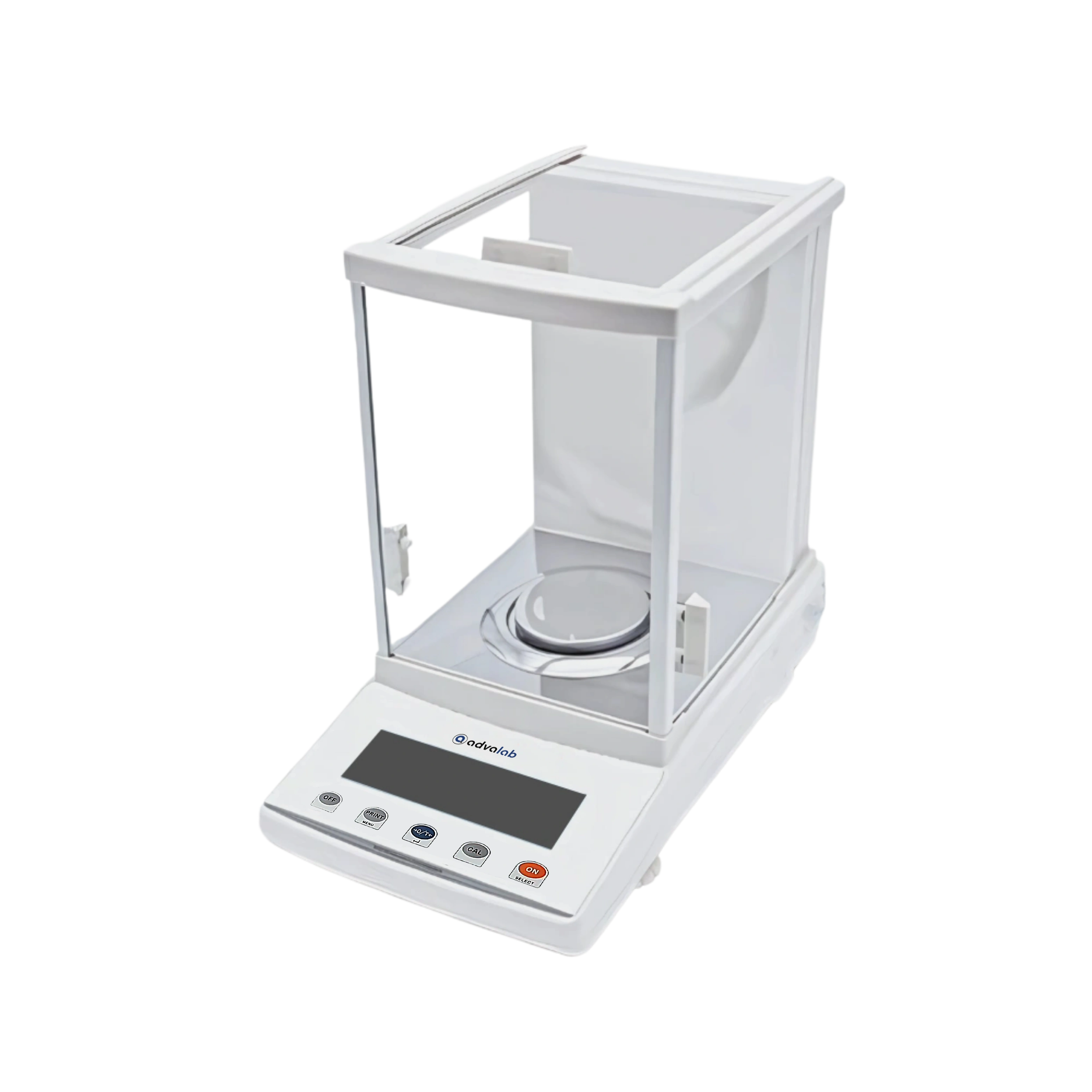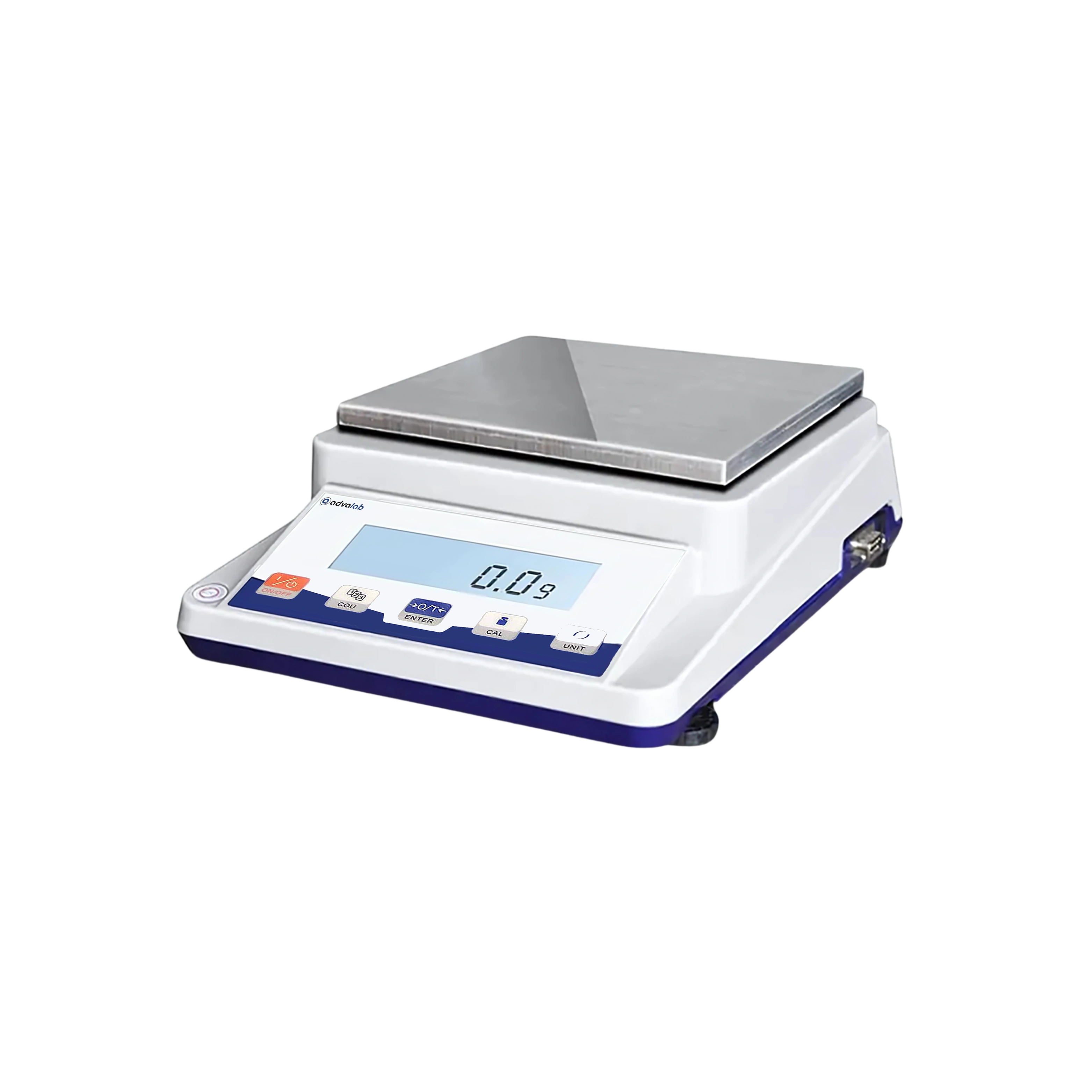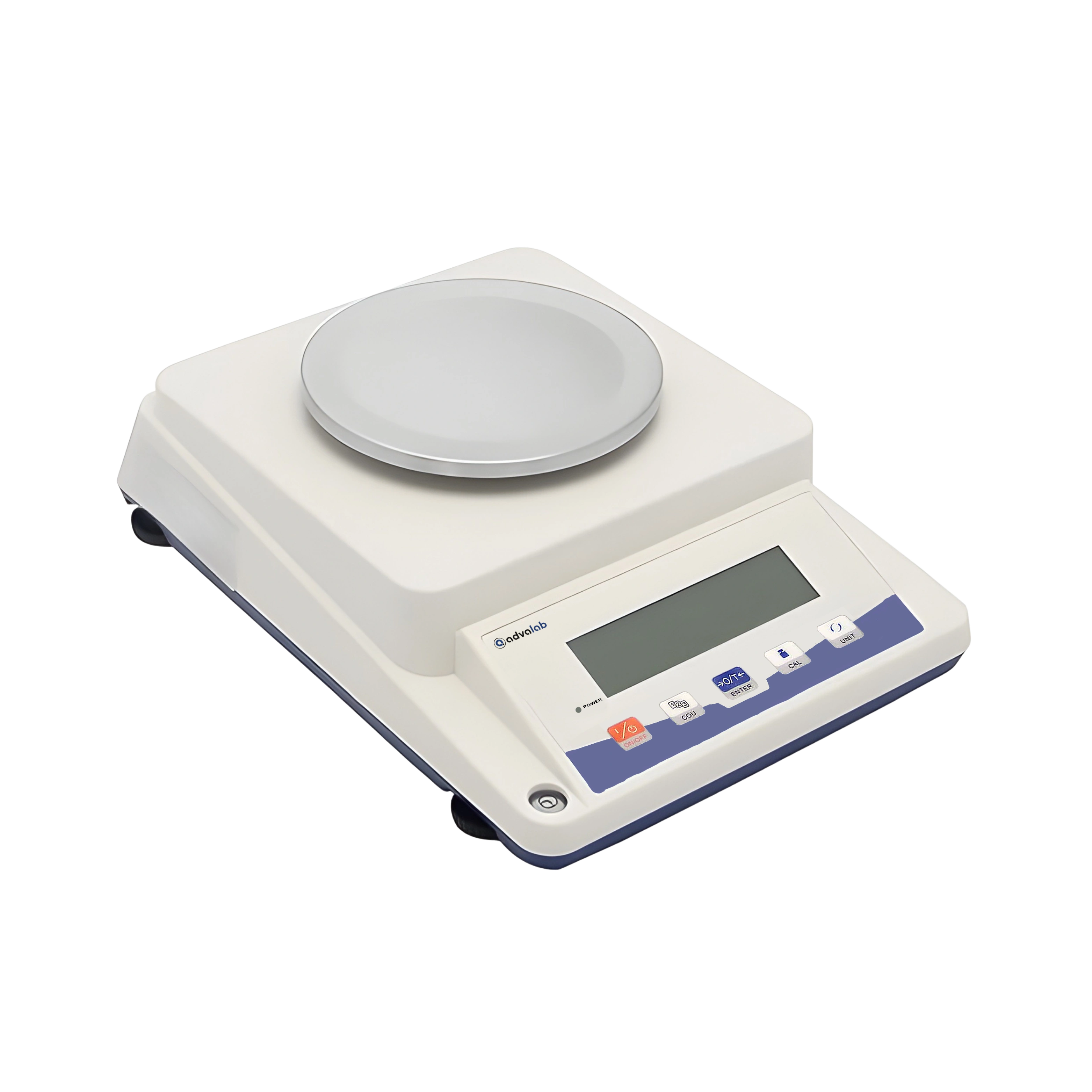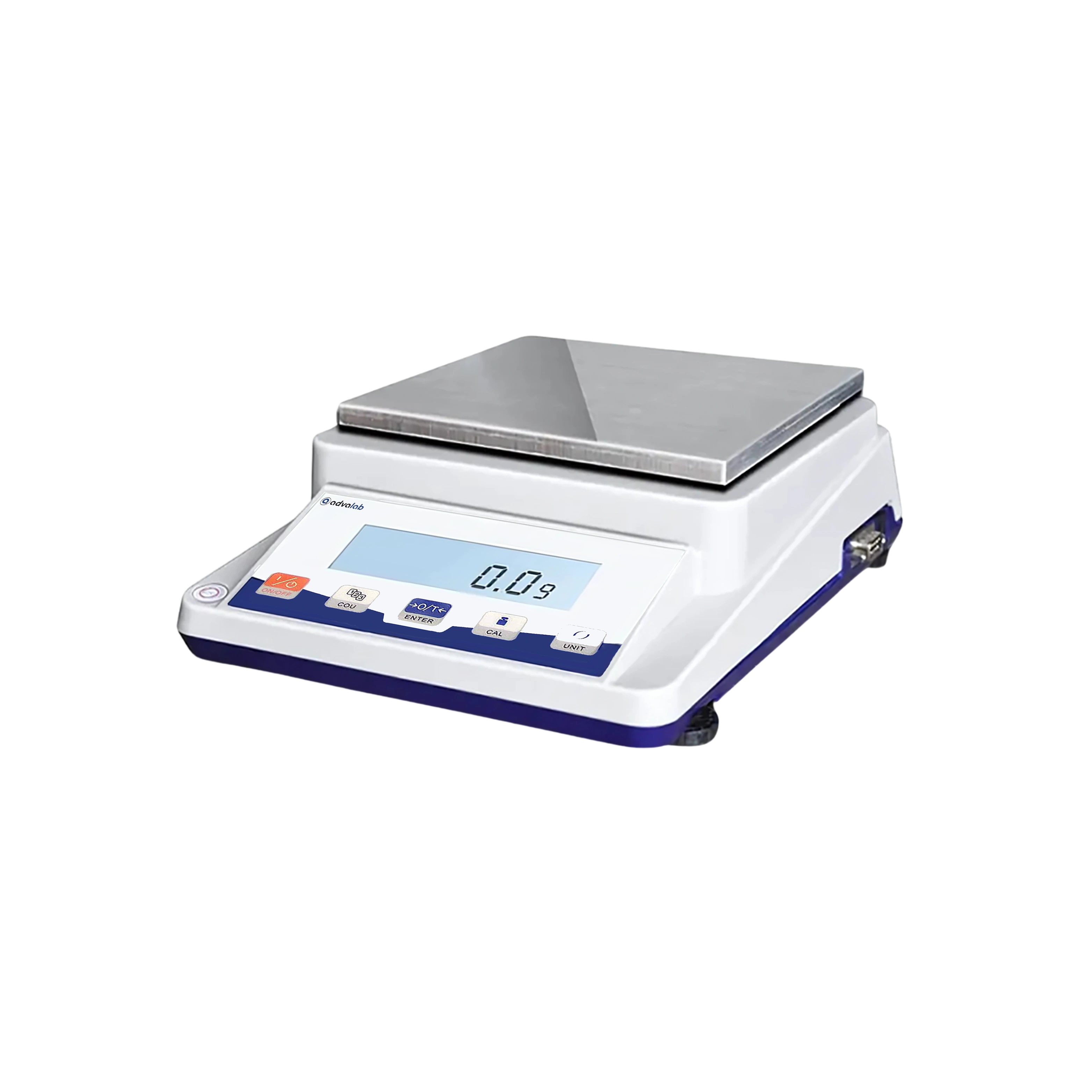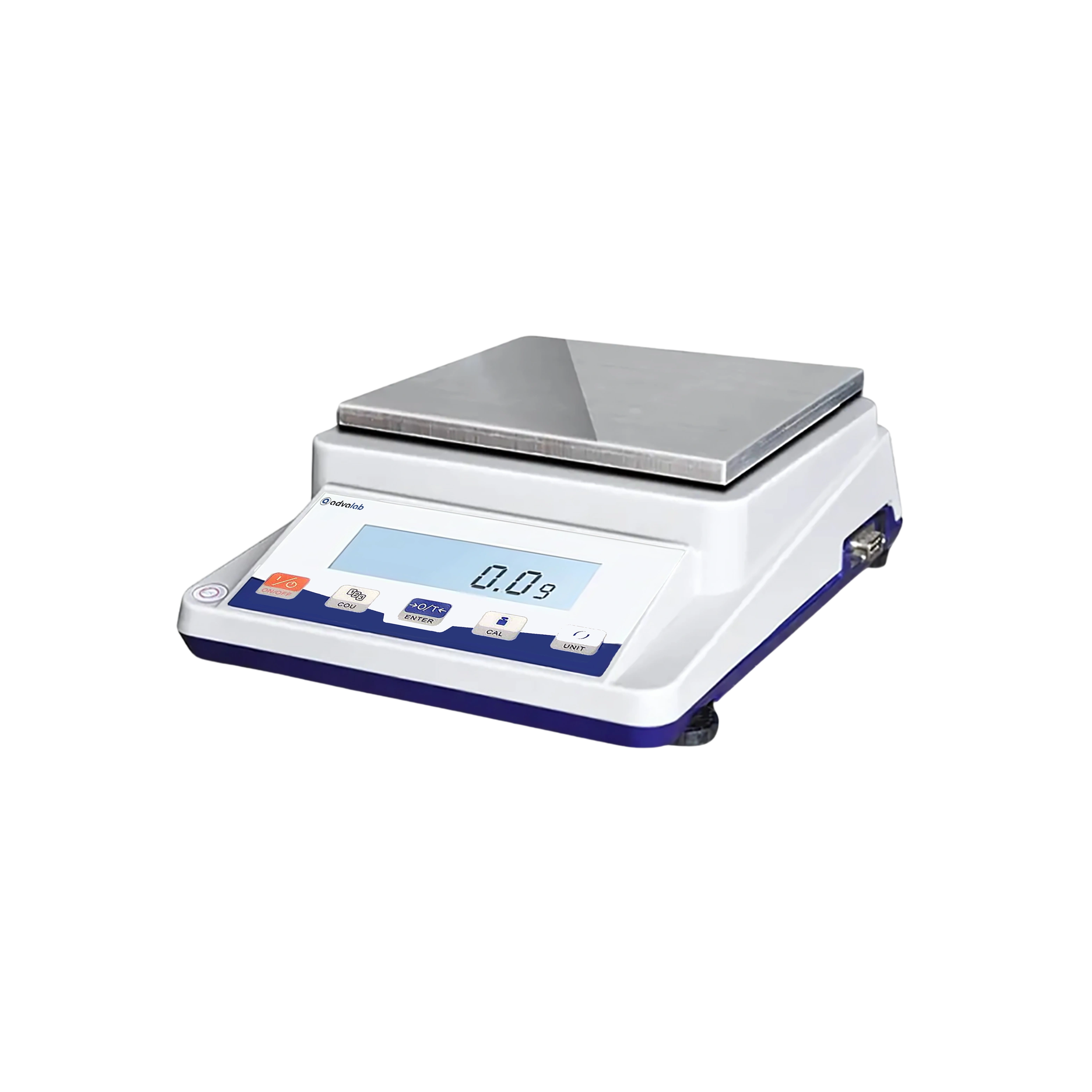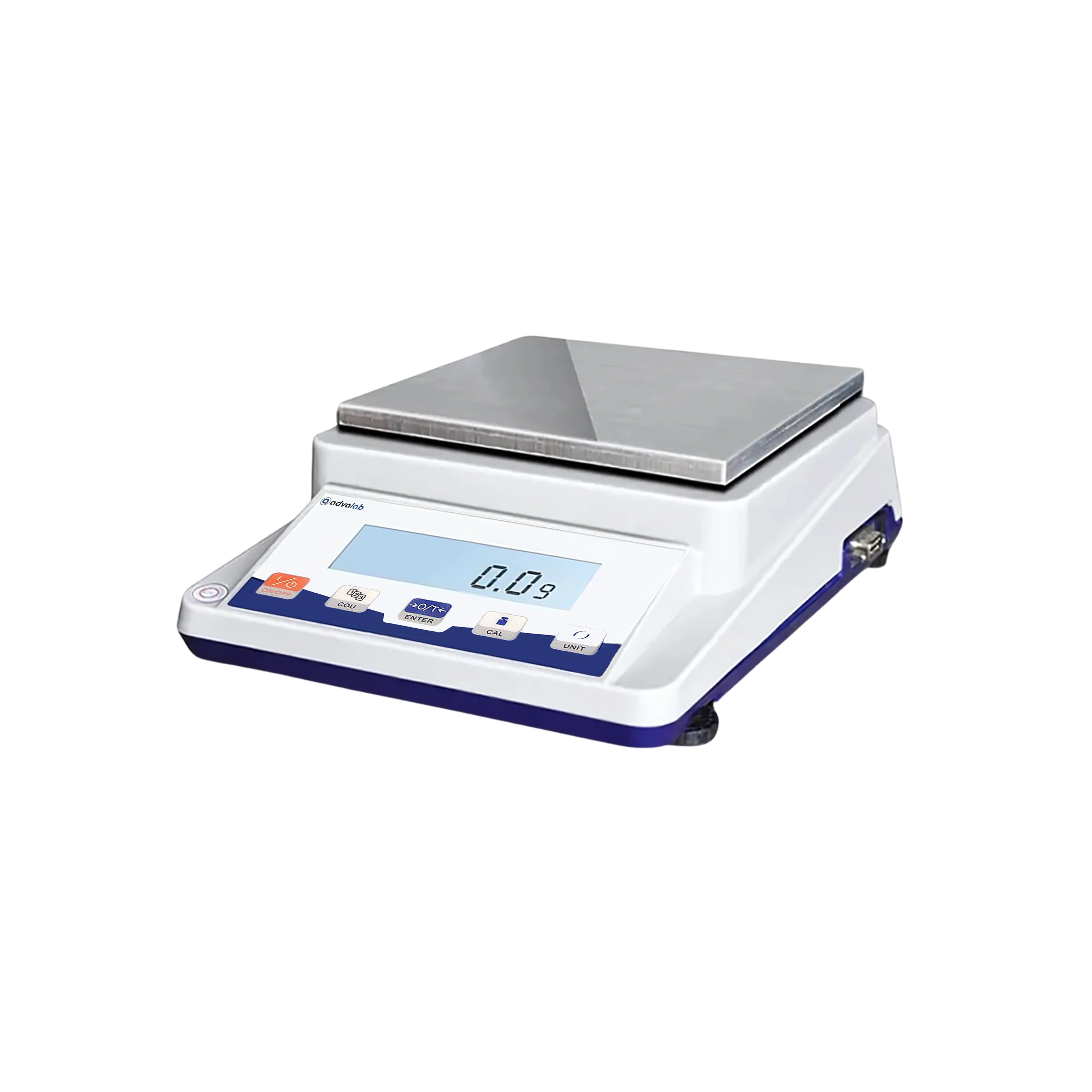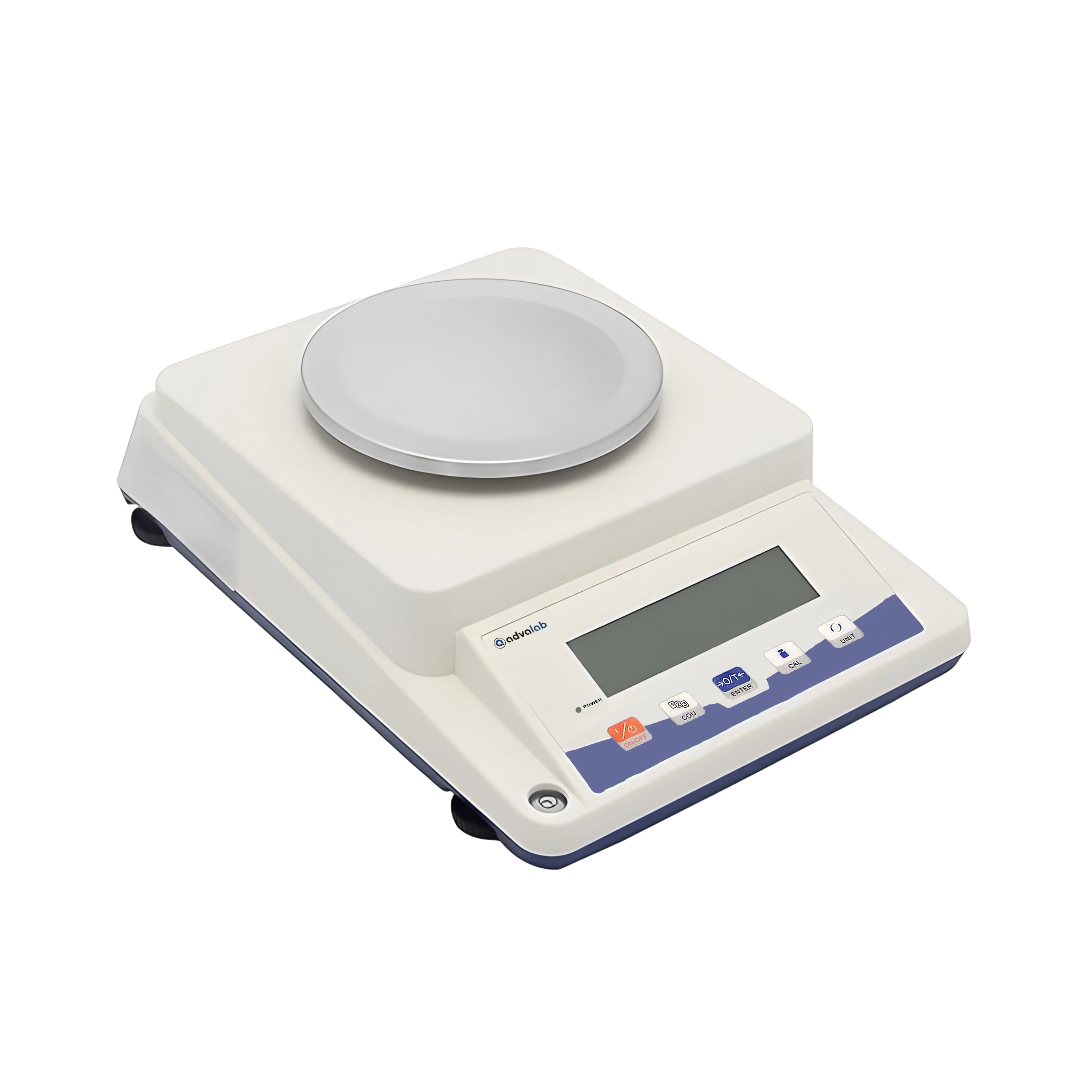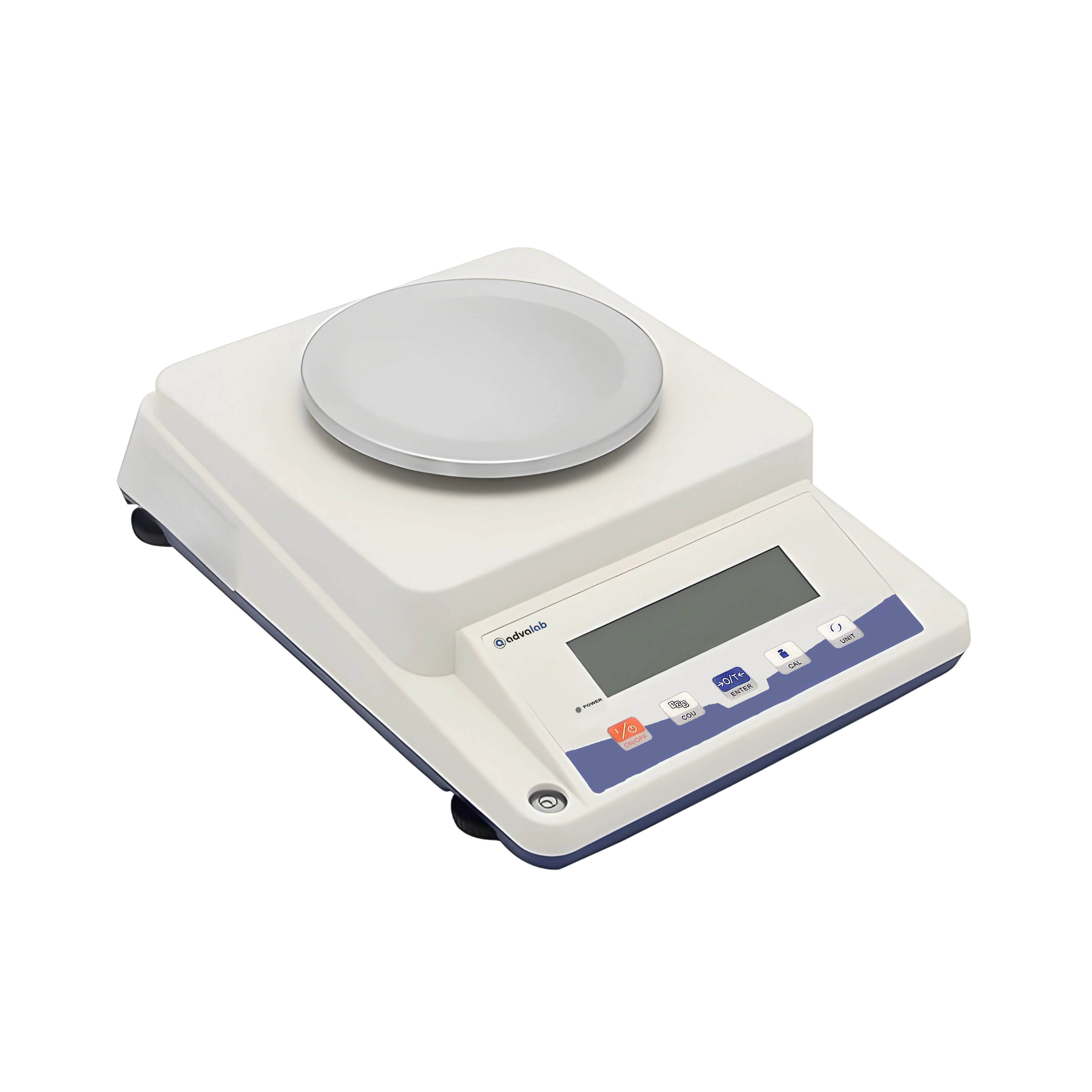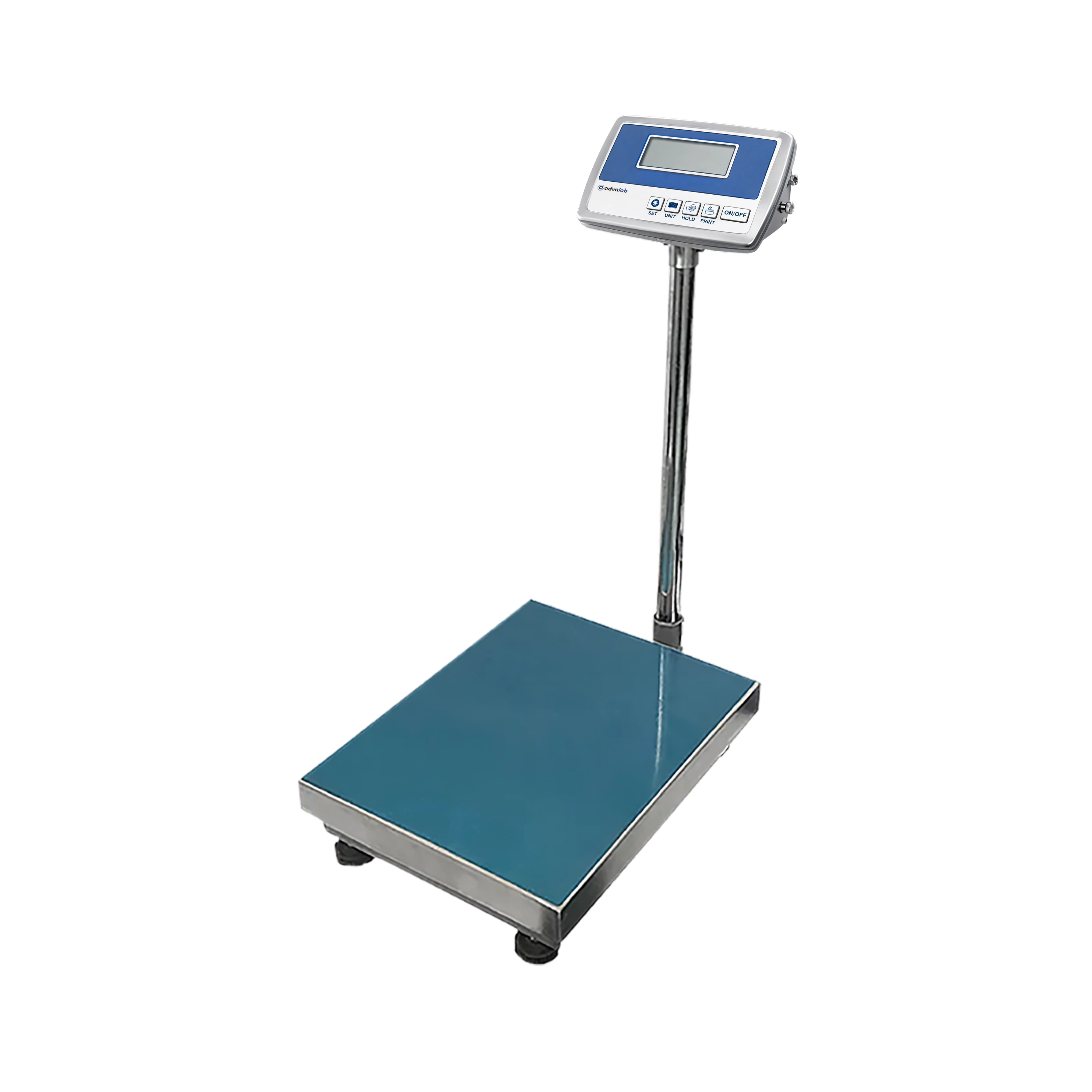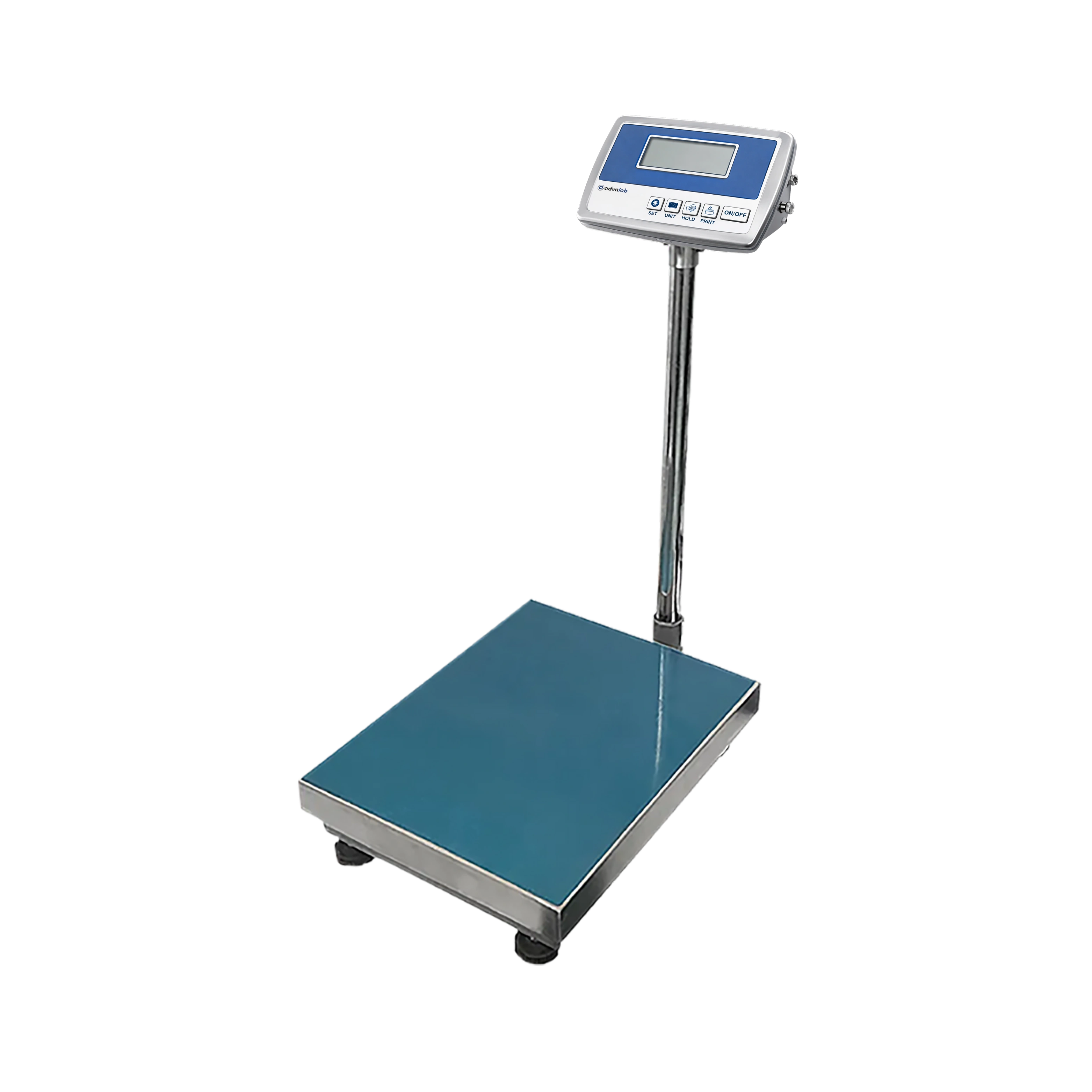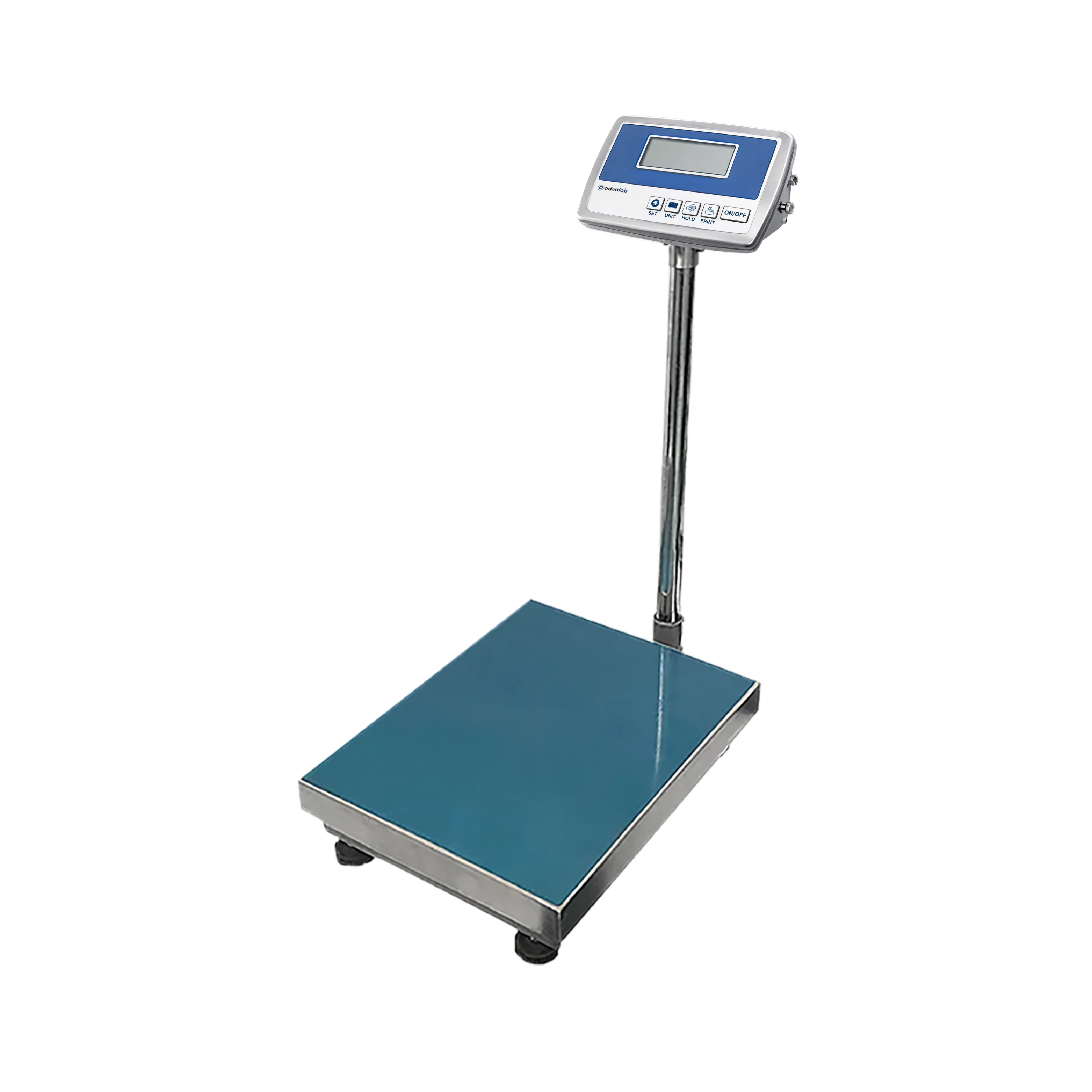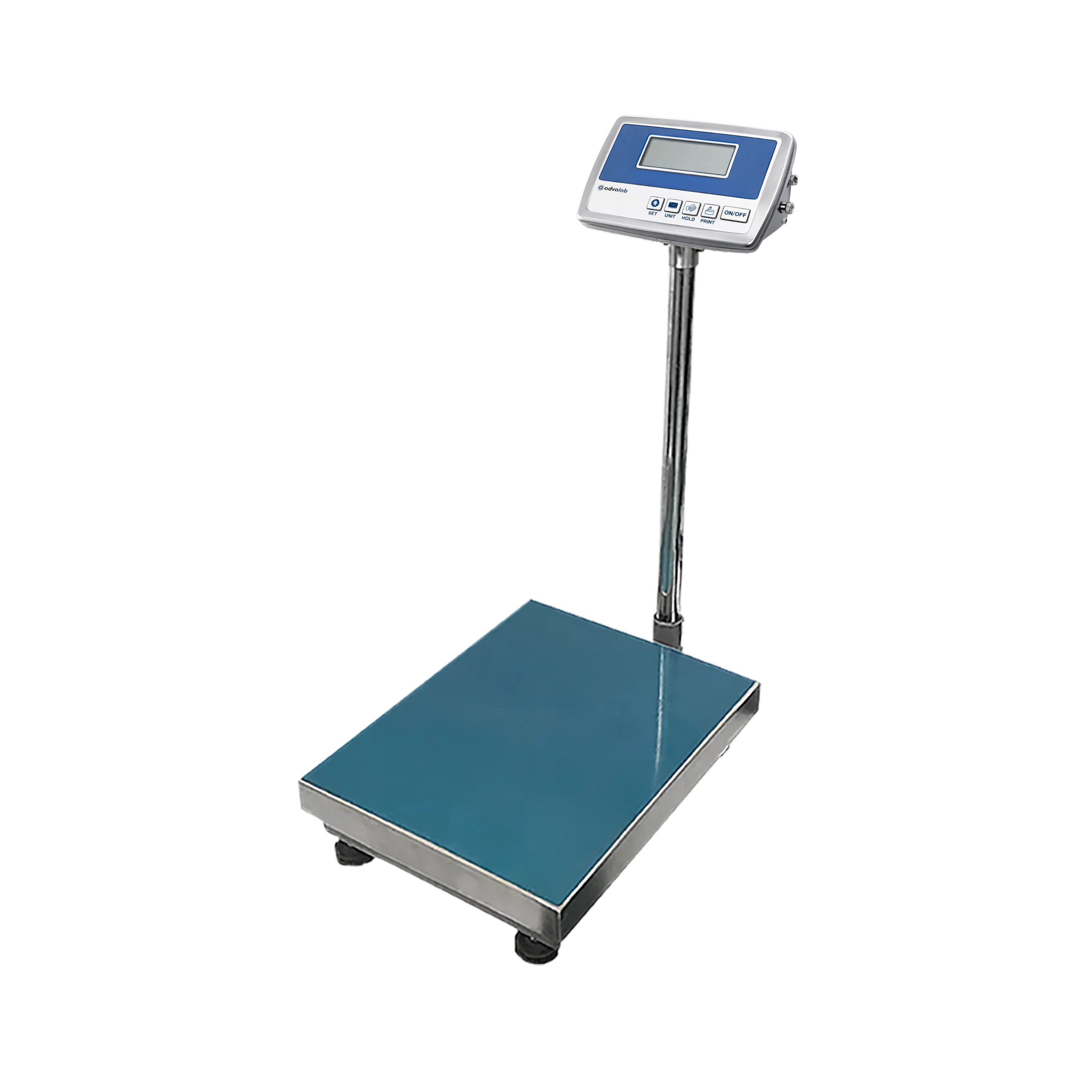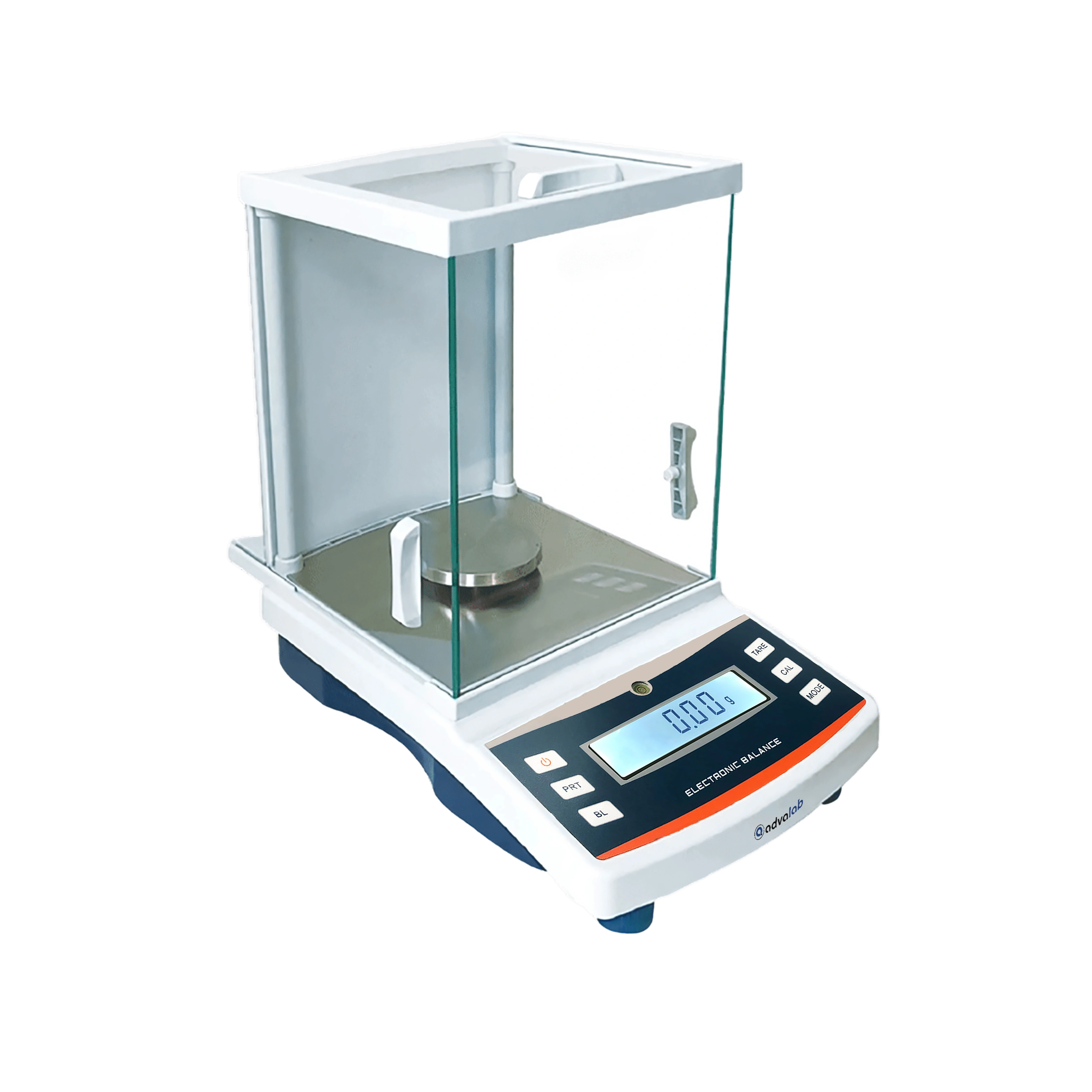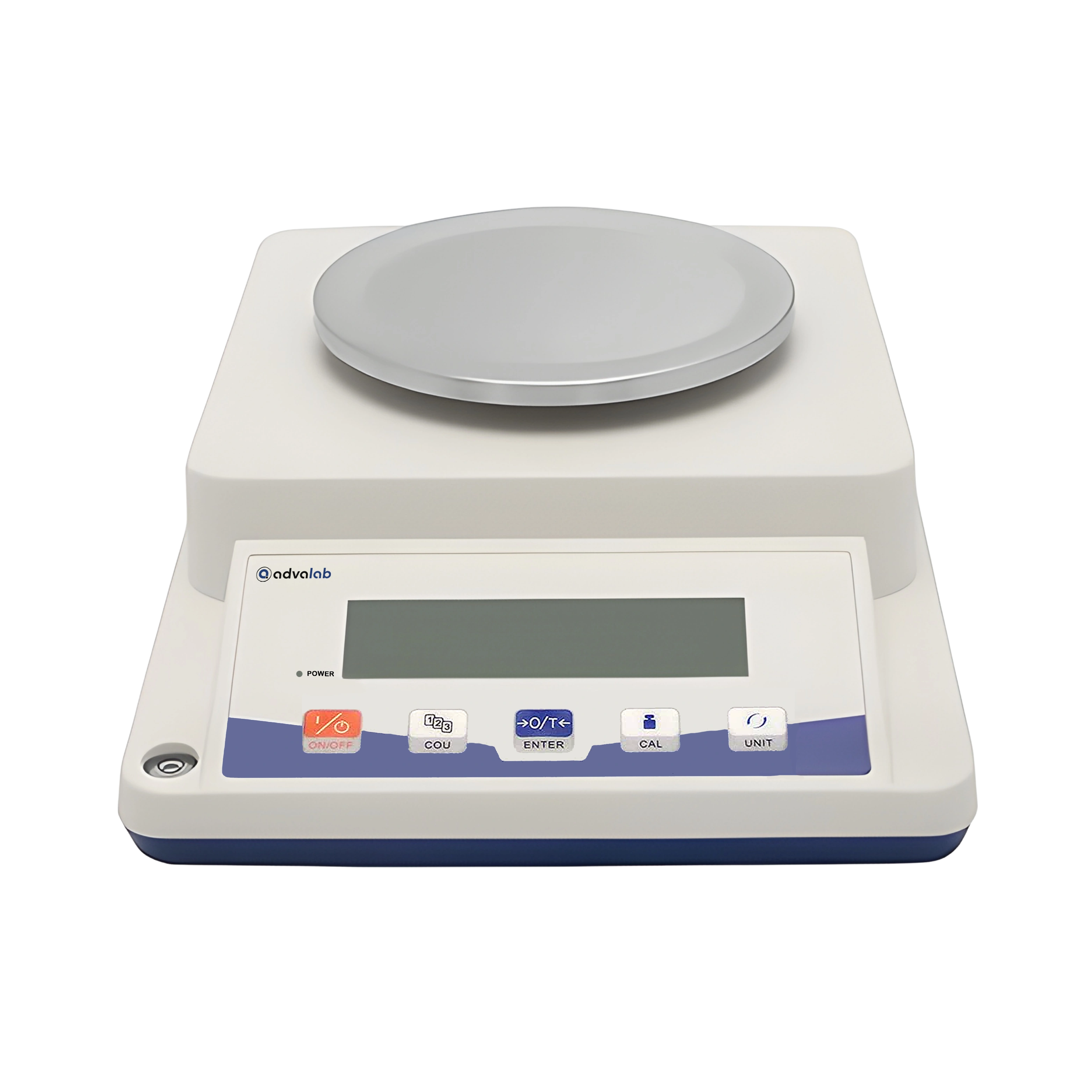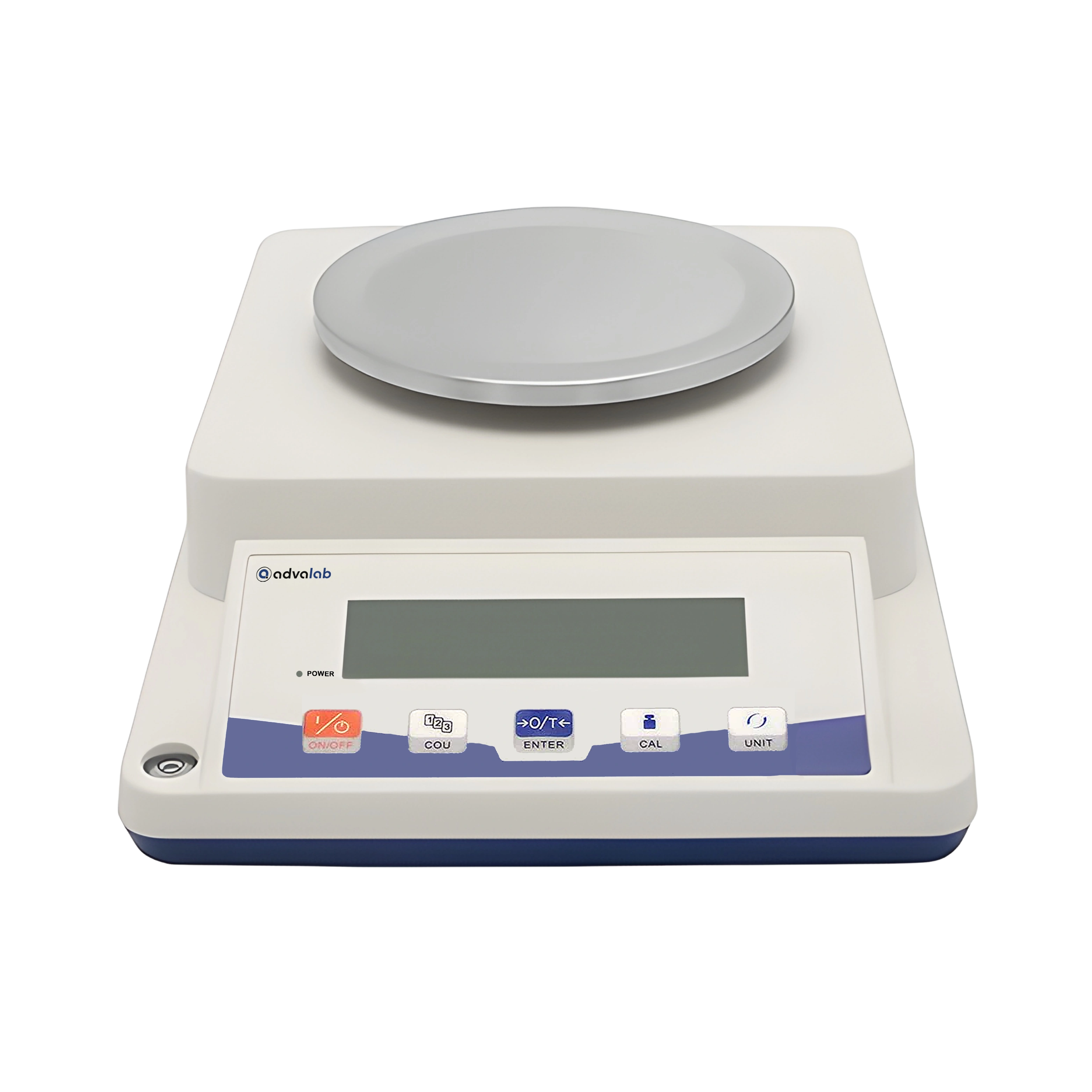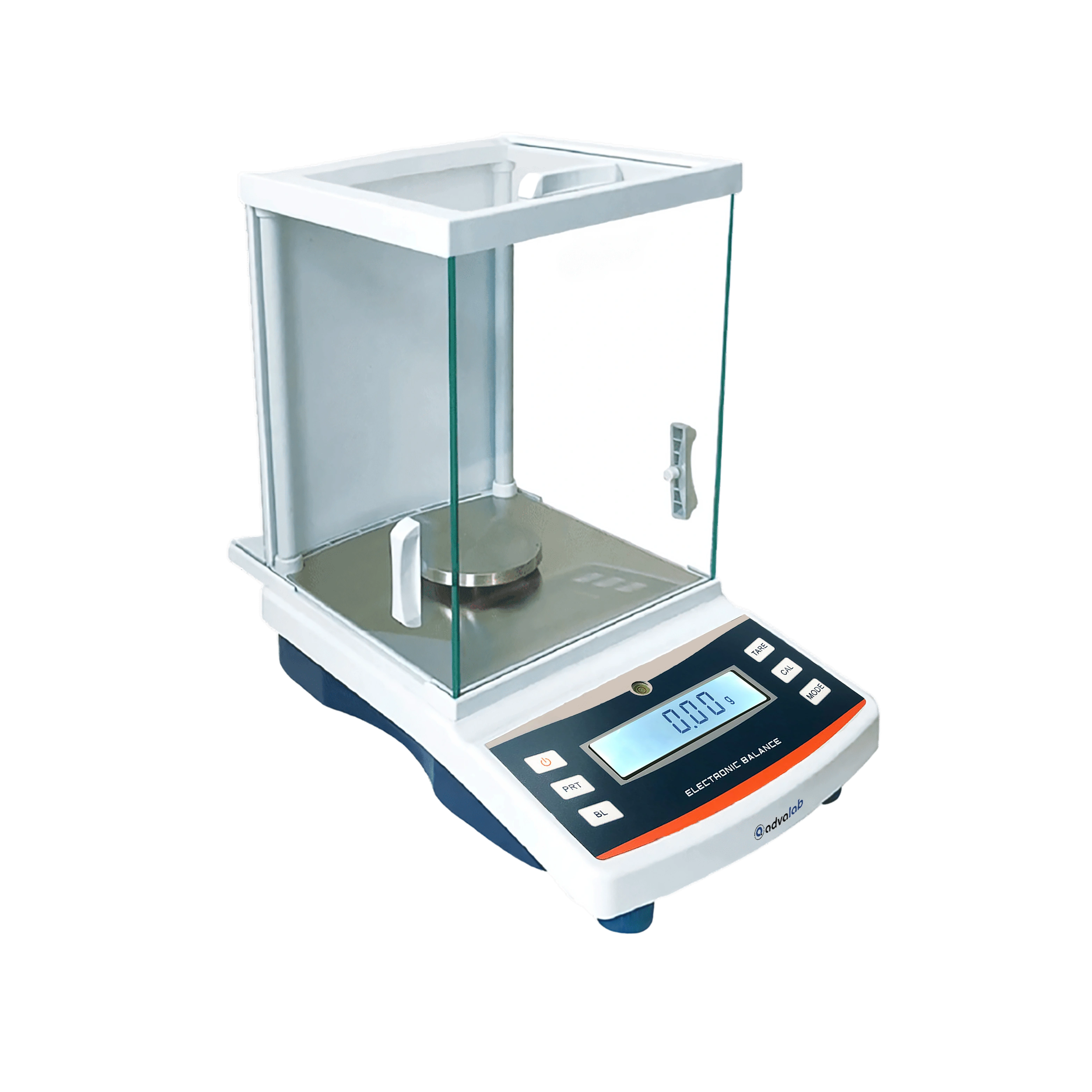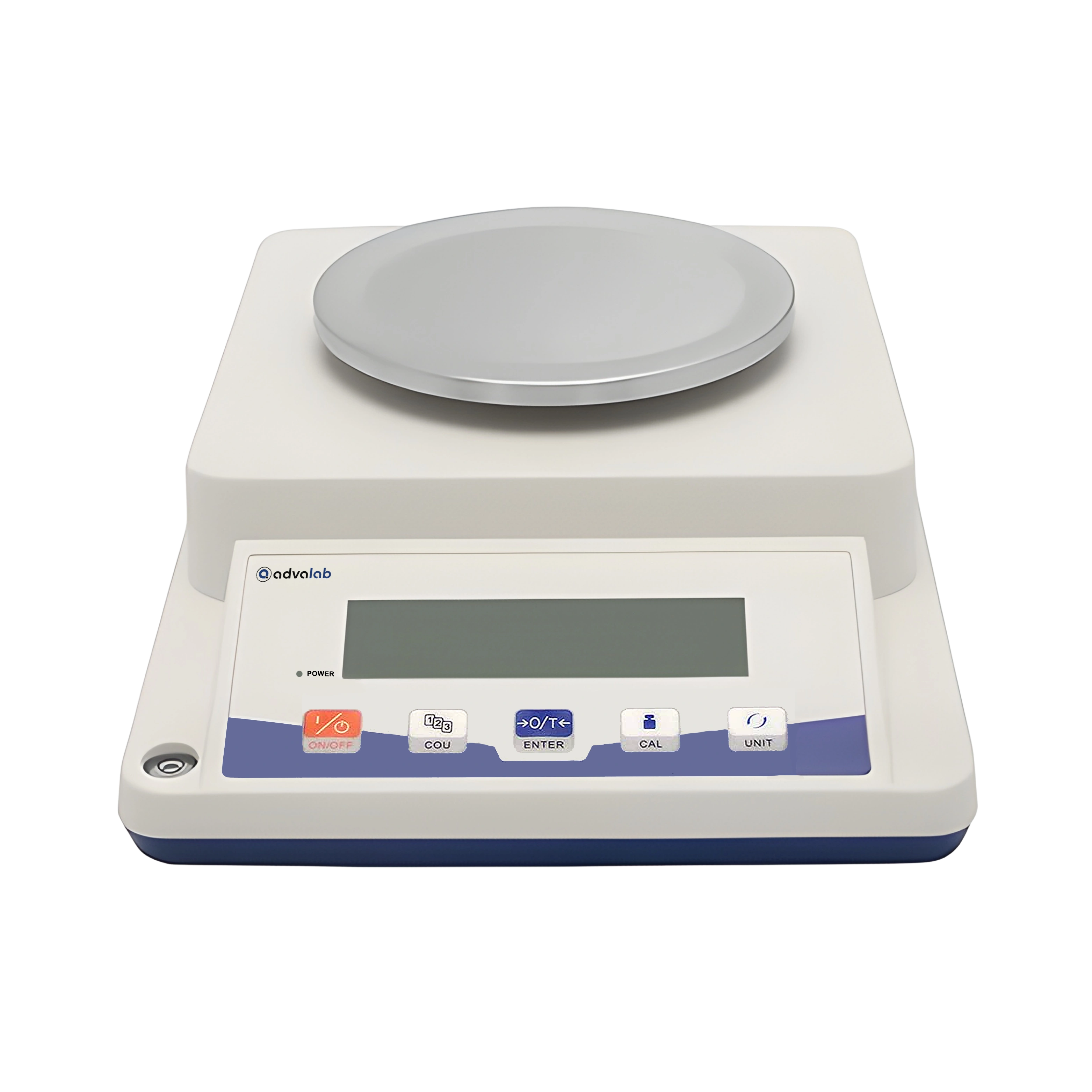

| Capacity | 15000 g |
| Readability | 1 g |
| Repeatability | ±1 g |
| Linearity | ±1 g |
| Calibration | External |
| Pan Dimensions | 200 × 200 mm |
| Housing Dimensions (L × W × H) | 340 × 210 × 90 mm |
| Packaging Dimensions (L × W × H) | 345 × 290 × 160 mm |
| Net Weight | 3 kg |
The Digital Electronic Balance ADDL-506 is used in laboratories, industrial facilities, and academic institutions to provide accurate weight measurements essential for research integrity, quality control, and instructional use.

1. What type of display is included in the Digital Electronic Balance ADDL-506 for reading results?
Equipped with a high-visibility LCD screen, the Digital Electronic Balance ADDL-506 provides clear readouts under various lighting conditions. The user-friendly interface minimizes the chance of misreading data, which is particularly beneficial in fast-paced laboratory or production settings. The display also supports intuitive operation, making it ideal for both novice and experienced users.
2. How does the Digital Electronic Balance ADDL-506 support quality assurance processes?
The Digital Electronic Balance ADDL-506 contributes to quality assurance by offering stable and reproducible results, essential for batch consistency and product uniformity. Its calibration features, error alerts, and high sensitivity ensure that measurements are within accepted tolerances, which is vital in industries such as pharmaceuticals, cosmetics, and food production.
3. What safety features are included in the Digital Electronic Balance ADDL-506?
Digital Electronic Balance ADDL-506 is equipped with overload protection to prevent damage in case of excessive loading. It includes anti-skid feet to ensure stability on laboratory benches and features a low battery indicator for timely maintenance. These safety enhancements contribute to the balance’s durability and reliability during continuous use.
4. In which environments is the Digital Electronic Balance ADDL-506 most used?
The Digital Electronic Balance ADDL-506 is frequently found in educational laboratories, research facilities, pharmaceutical units, and light industrial workshops. Its reliable construction and consistent performance make it a trusted choice for professionals who require accuracy and repeatability across a wide range of weighing applications.
5. How does the Digital Electronic Balance ADDL-506 maintain measurement accuracy over time?
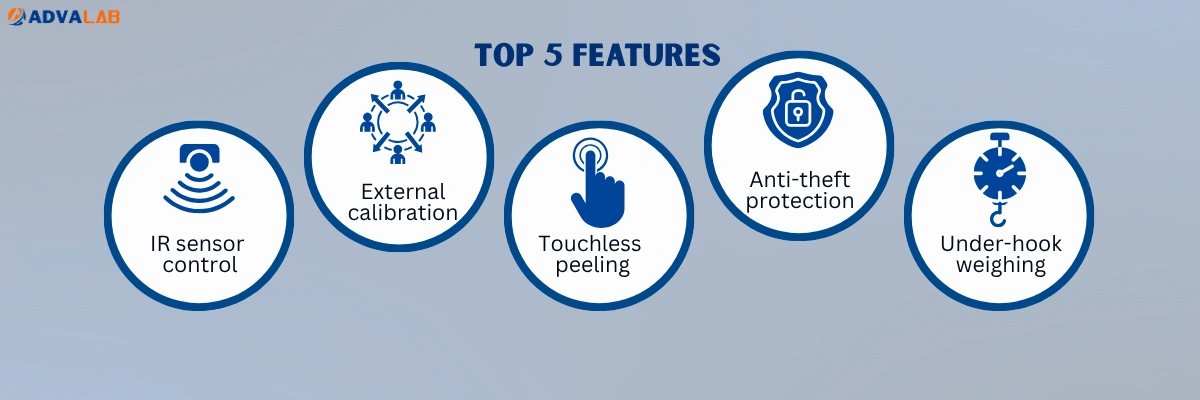
The Digital Electronic Balance ADDL-506 features external calibration functionality, enabling users to periodically recalibrate the unit and maintain accurate readings. This capability is especially important in regulated environments where consistency and traceability are essential. With proper calibration practices, users can ensure long-term precision in critical applications.
6. What are Digital Electronic Balances?
Digital Electronic Balances are highly precise weighing instruments that use electronic sensors to determine the mass of various substances. They display measurements digitally, significantly reducing human error associated with analog scales. These instruments are engineered to deliver accurate, quick, and consistent results. Equipped with advanced features like automatic calibration, tare functionality, and multi-unit conversion.
7. In what way do temperature fluctuations impact the performance of Digital Electronic Balances?
Temperature variations can affect the accuracy and stability of Digital Electronic Balances. Sudden changes may cause thermal drift, leading to inconsistent or inaccurate readings. To ensure reliable performance, balances should be used in temperature-controlled environments and allowed to acclimate before weighing.

| Capacity | 60 g |
| Readability | 0.001 g |
| Repeatability | ±0.002 g |
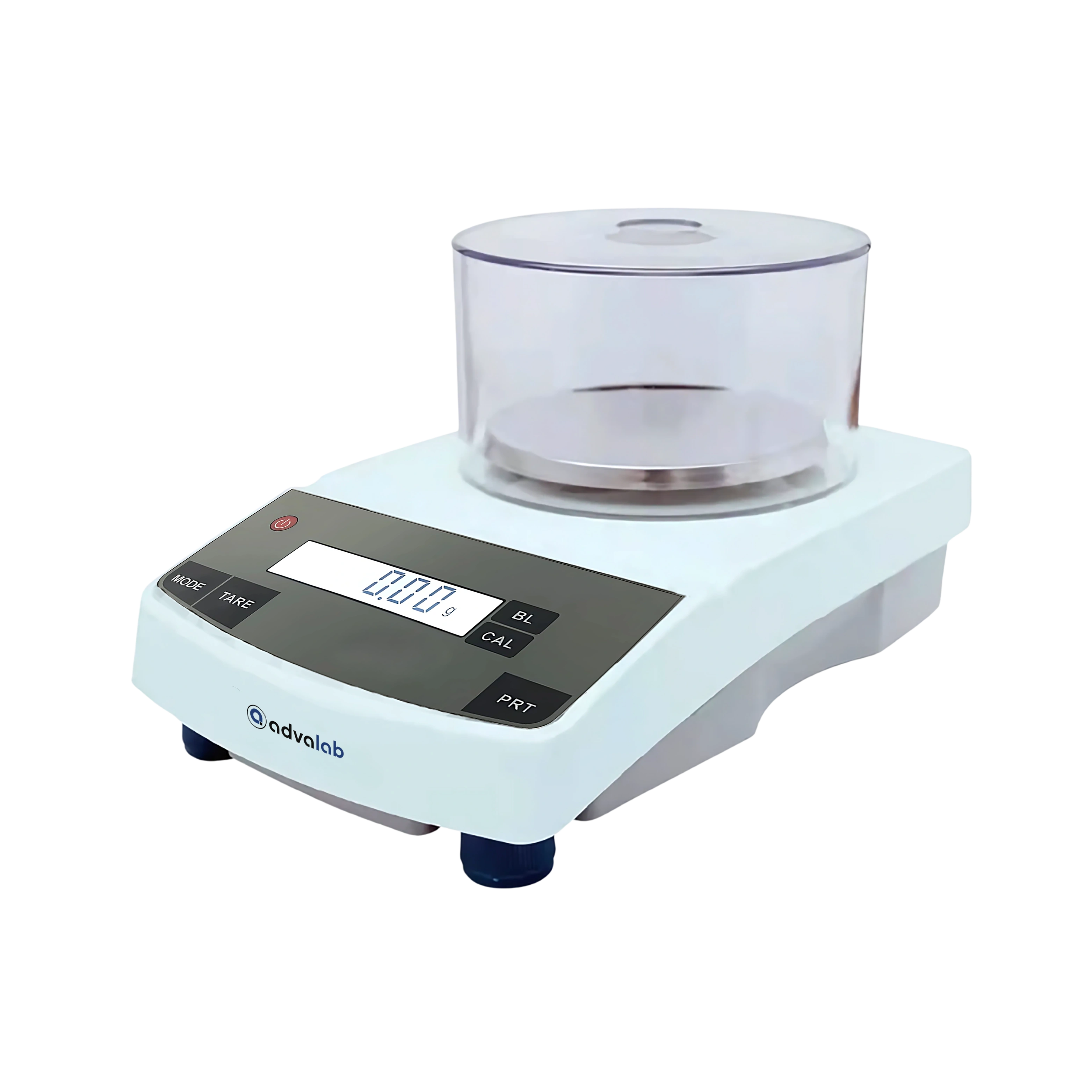
| Capacity | 200 g |
| Readability | 0.001 g |
| Repeatability | ±0.002 g |
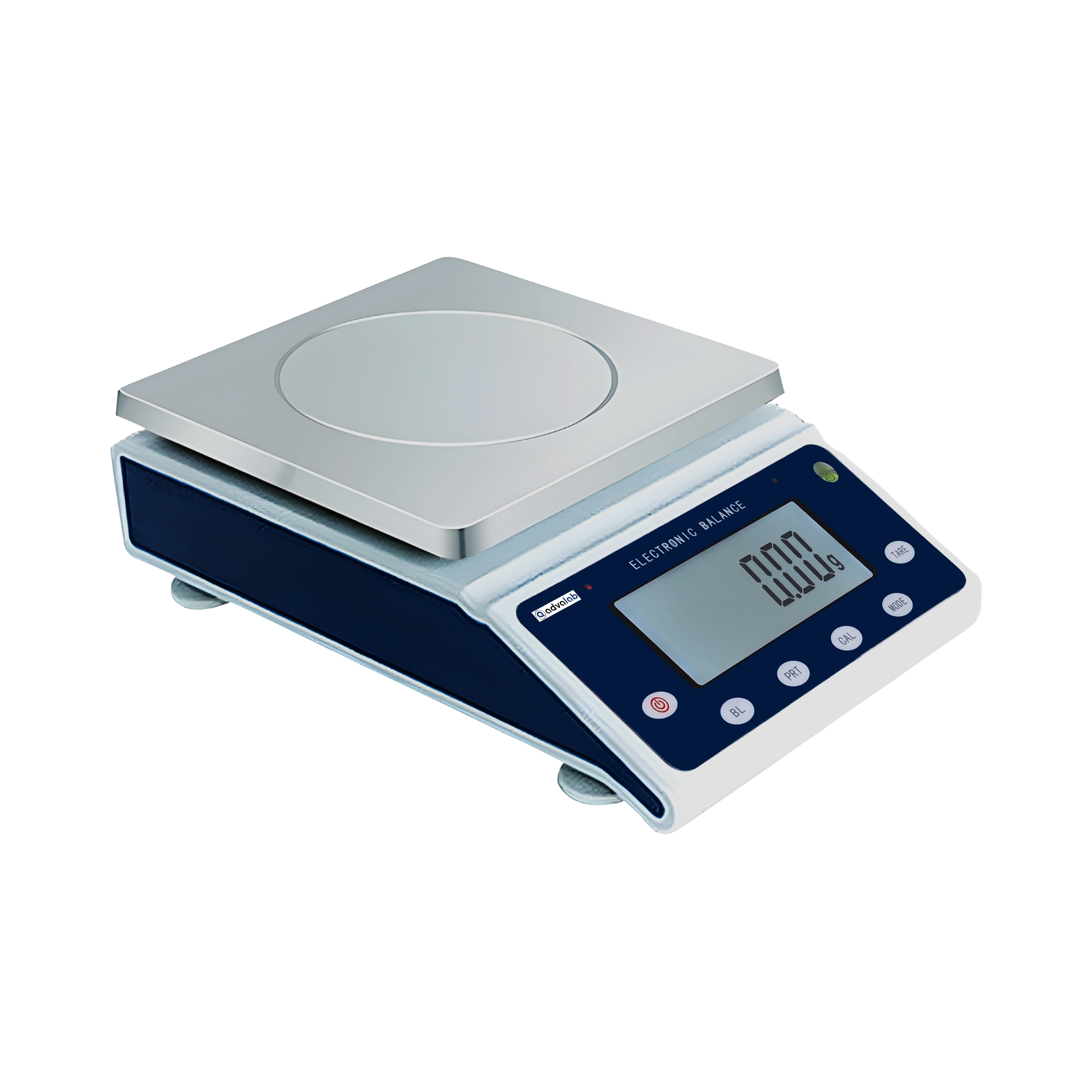
| Capacity | 6000 g |
| Readability | 0.1 g |
| Repeatability | ±0.1 g |
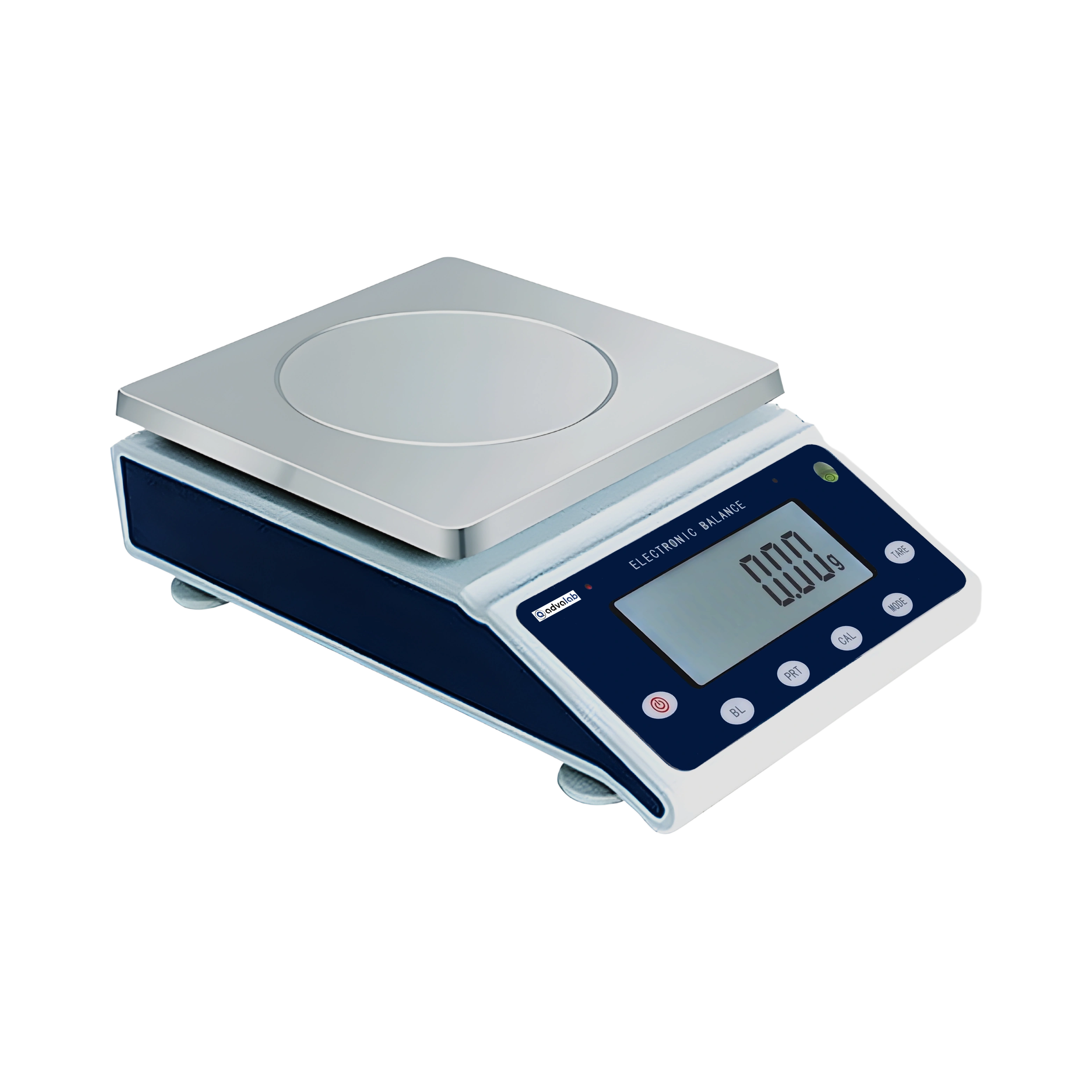
| Capacity | 10000 g |
| Readability | 0.1 g |
| Repeatability | ±0.1 g |

| Capacity: | 220 g |
| Readability: | 0.0001 g |
| Minimum Weighing: | 0.0004 g |
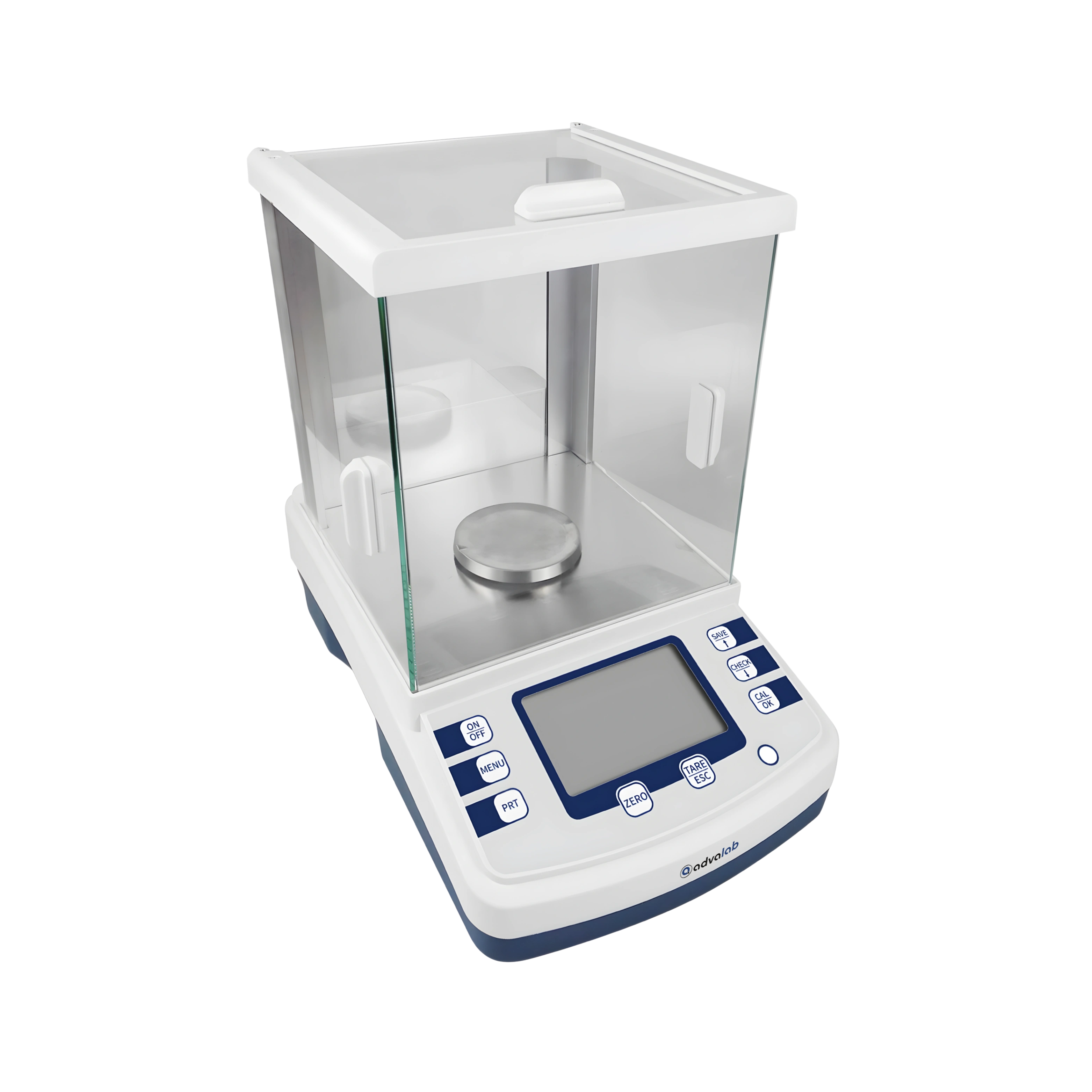
| Capacity: | 0 to 50 g |
| Readability: | 0.01 mg |
| Stabilization Time: | ≤13 s |
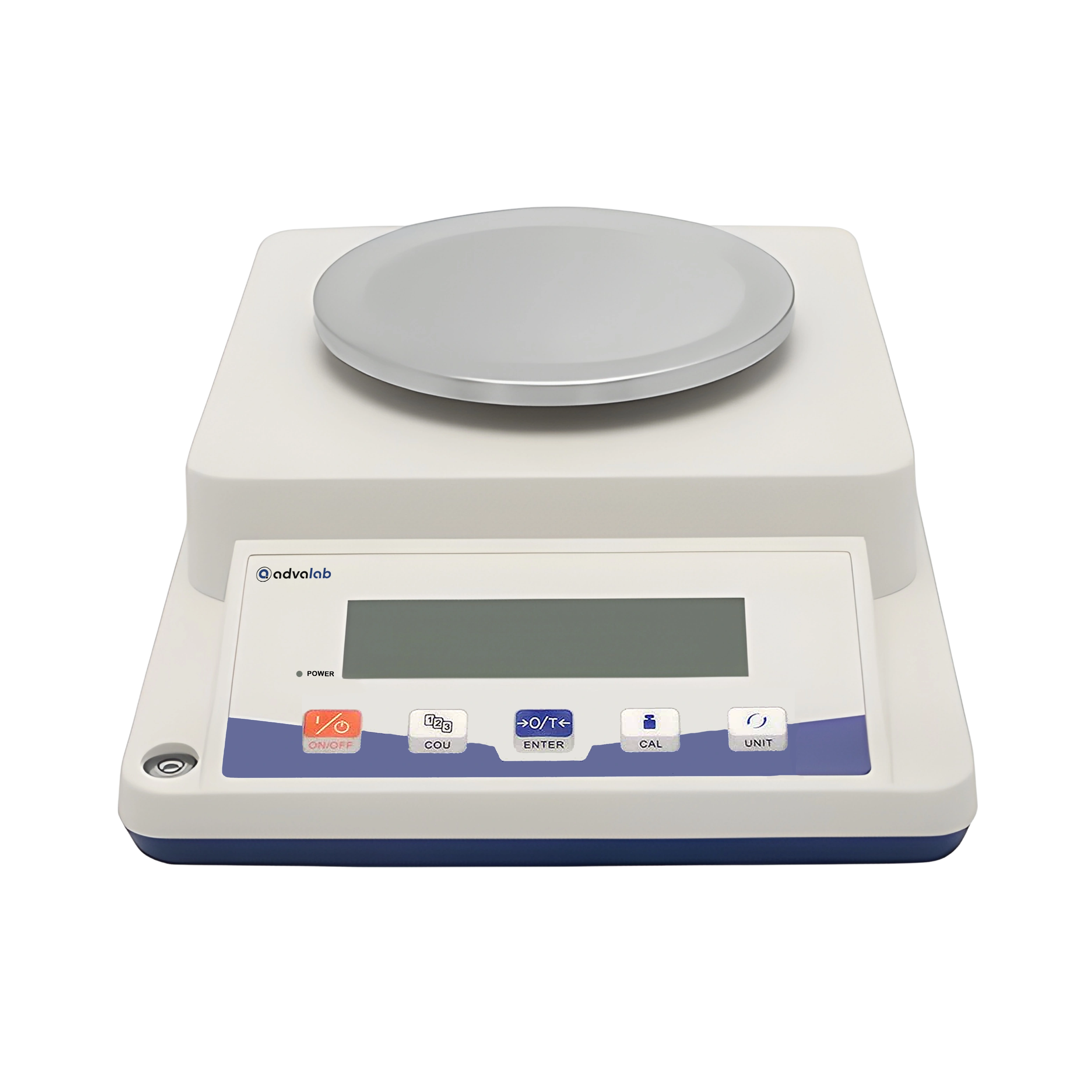
| Capacity: | 3100 g |
| Readability: | 0.01 g |
| Pan Size: | Ø 130 mm |
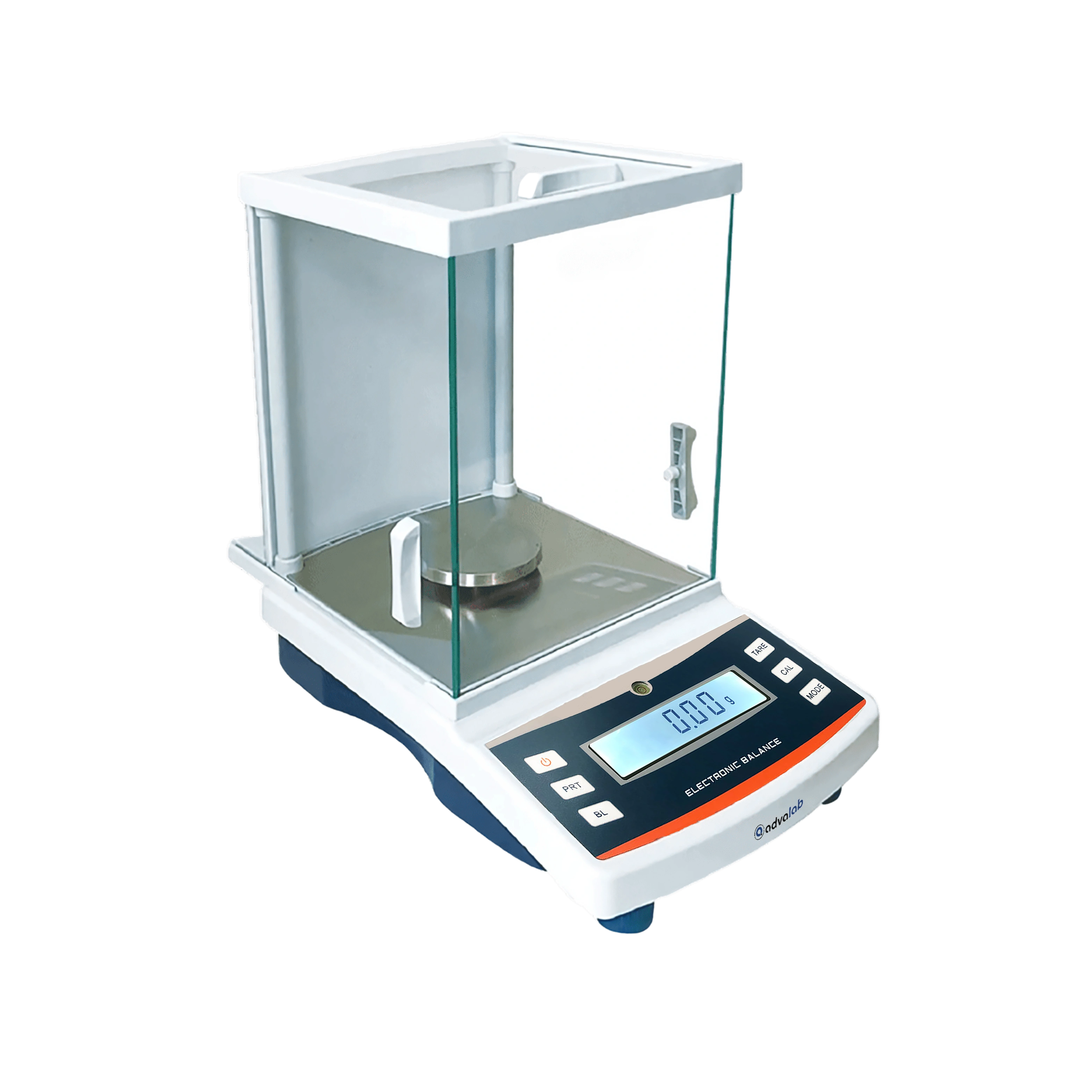
| Capacity: | 60 g |
| Readability : | 1 mg |
| Repeatability : | 1 mg |
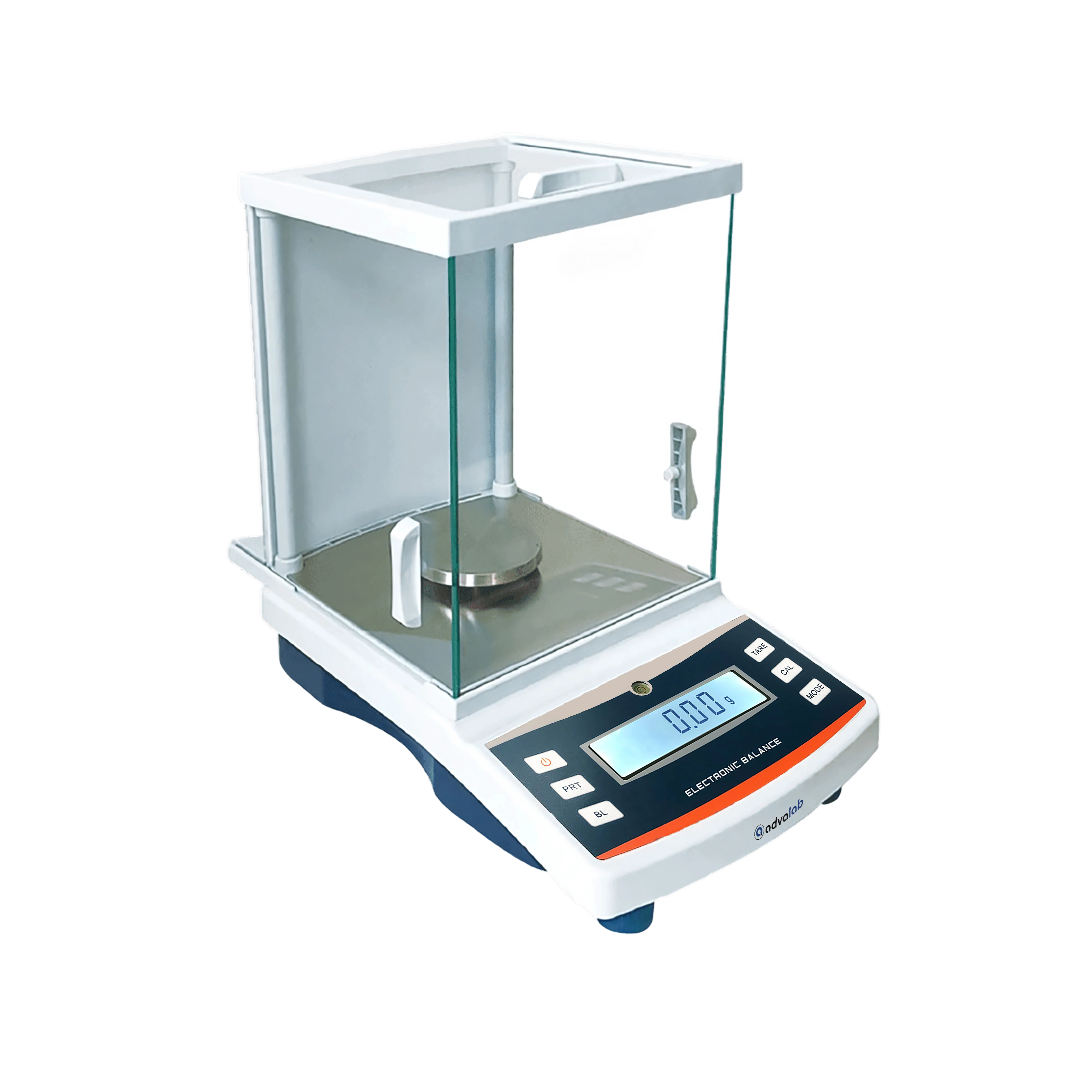
| Capacity: | 300 g |
| Readability : | 1 mg |
| Repeatability: | 1 mg |

| Capacity: | 1100 g |
| Resolution : | 0.01 g |
| Minimum Weighing : | 0.04 g |

| Capacity: | 500 g |
| Readability : | 1 mg |
| Repeatability : | 1 mg |
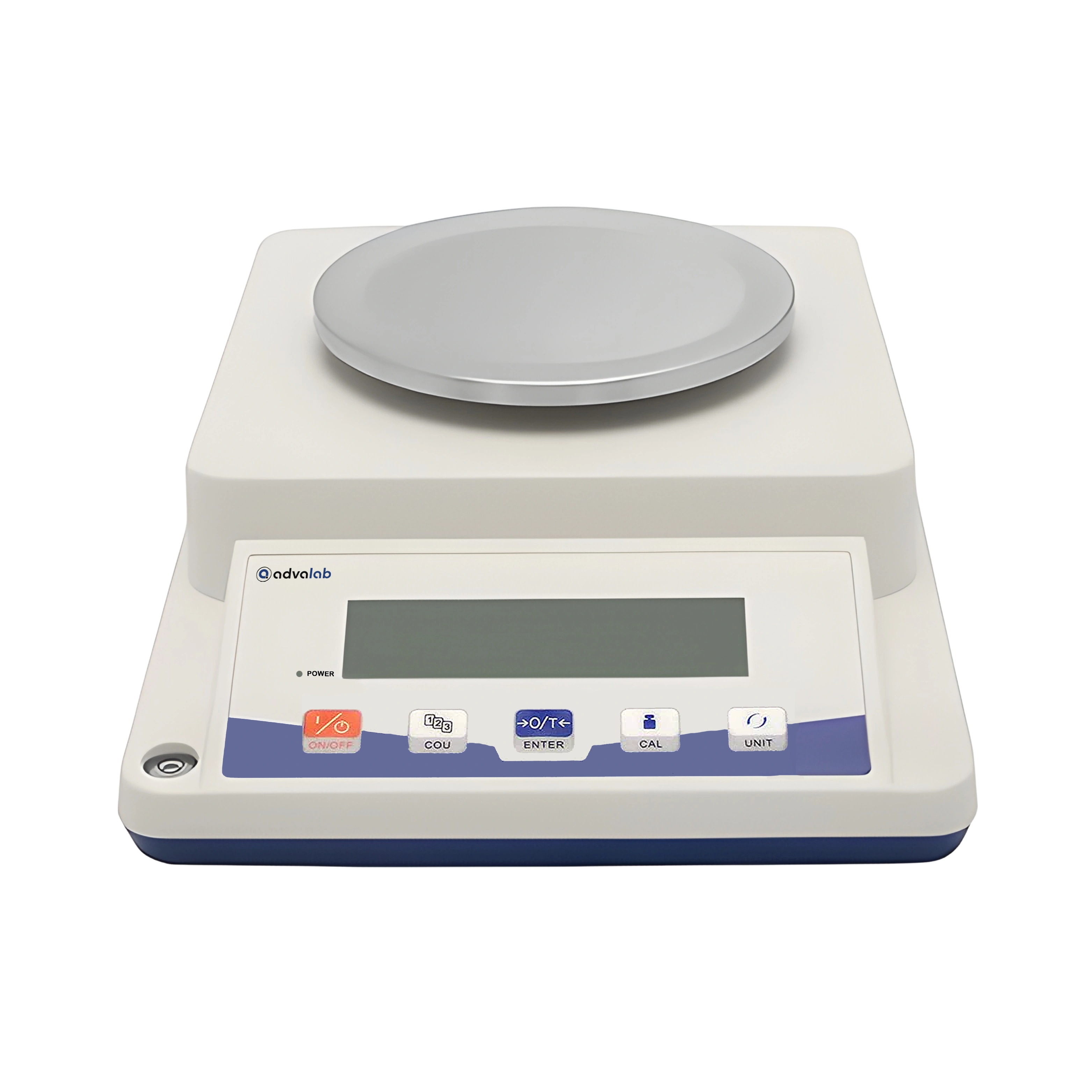
| Capacity: | 3100 g |
| Resolution : | 0.01 g |
| Minimum Weighing : | 0.04 g |
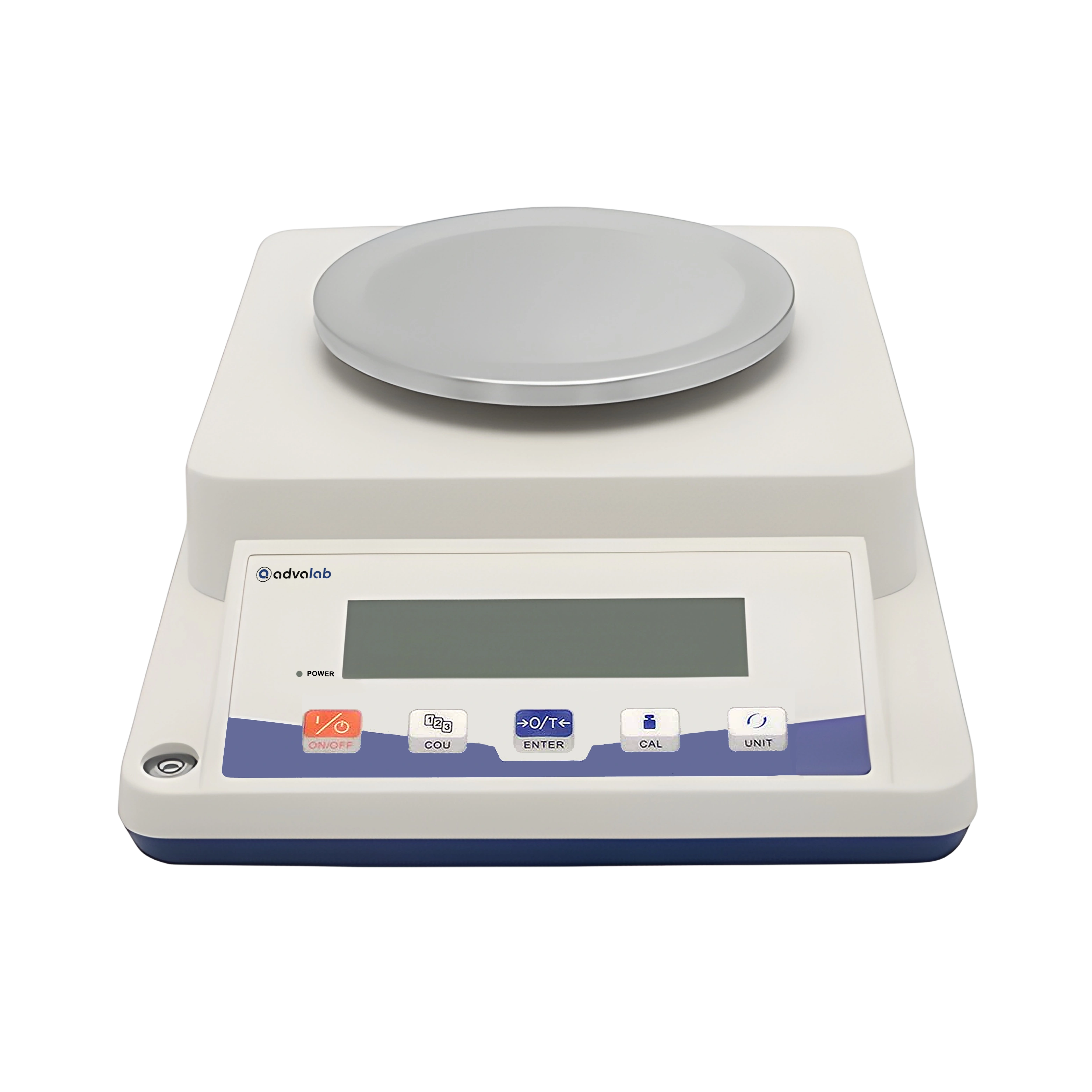
| Capacity: | 2100 g |
| Resolution : | 0.01 g |
| Minimum Weighing : | 0.04 g |
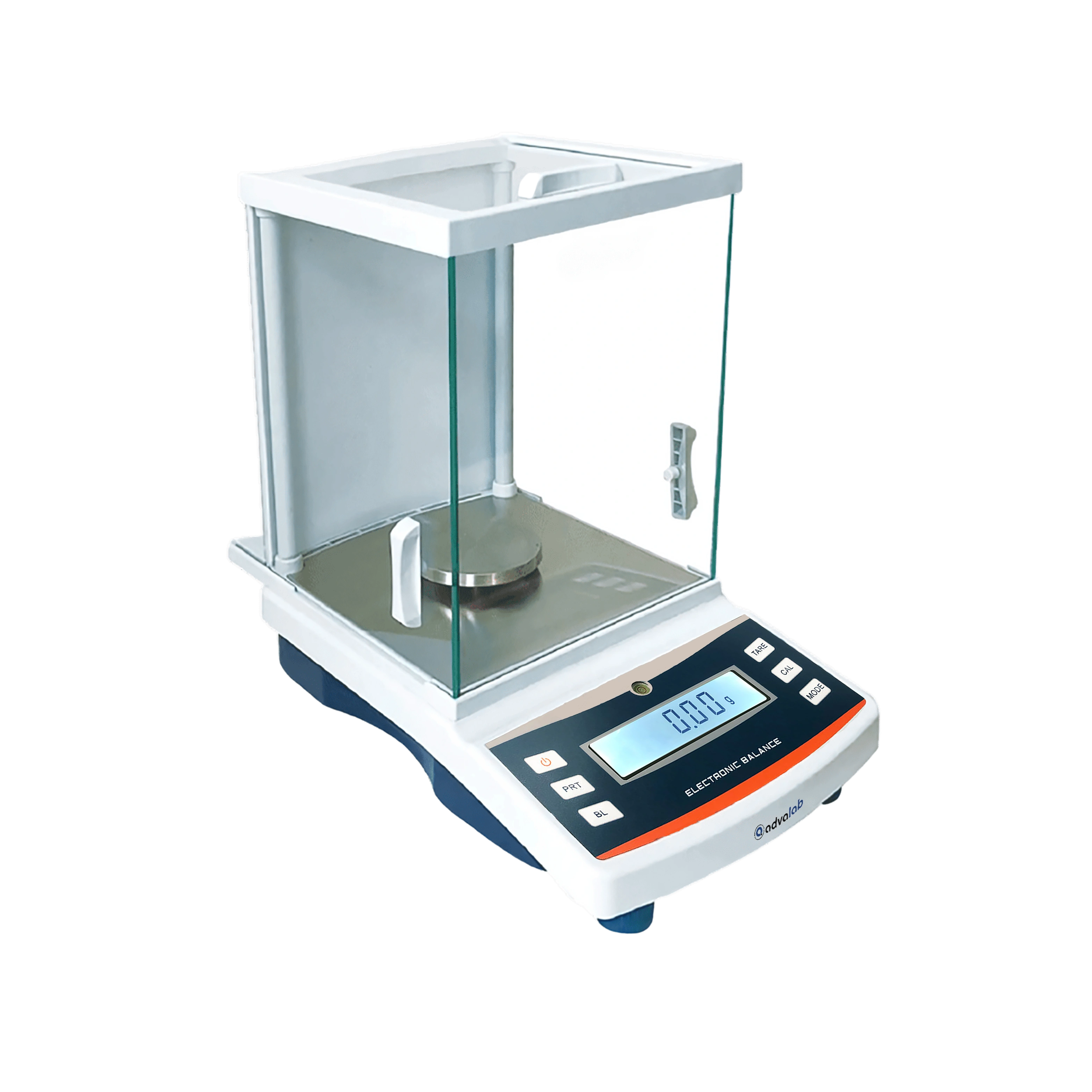
| Capacity: | 100 g |
| Readability : | 1 mg |
| Repeatability: | 1 mg |
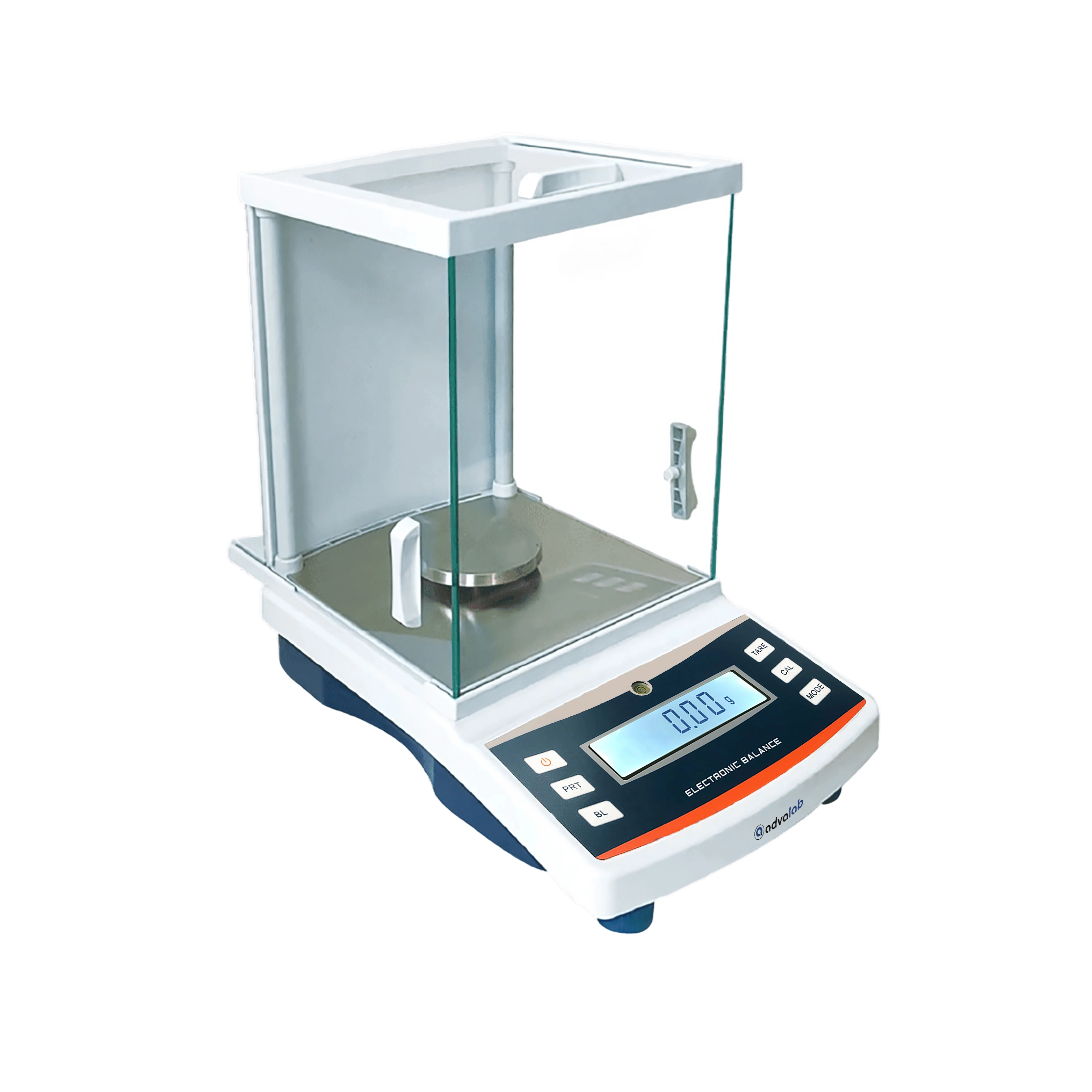
| Capacity: | 200 g |
| Readability : | 1 mg |
| Repeatability: | 1 mg |
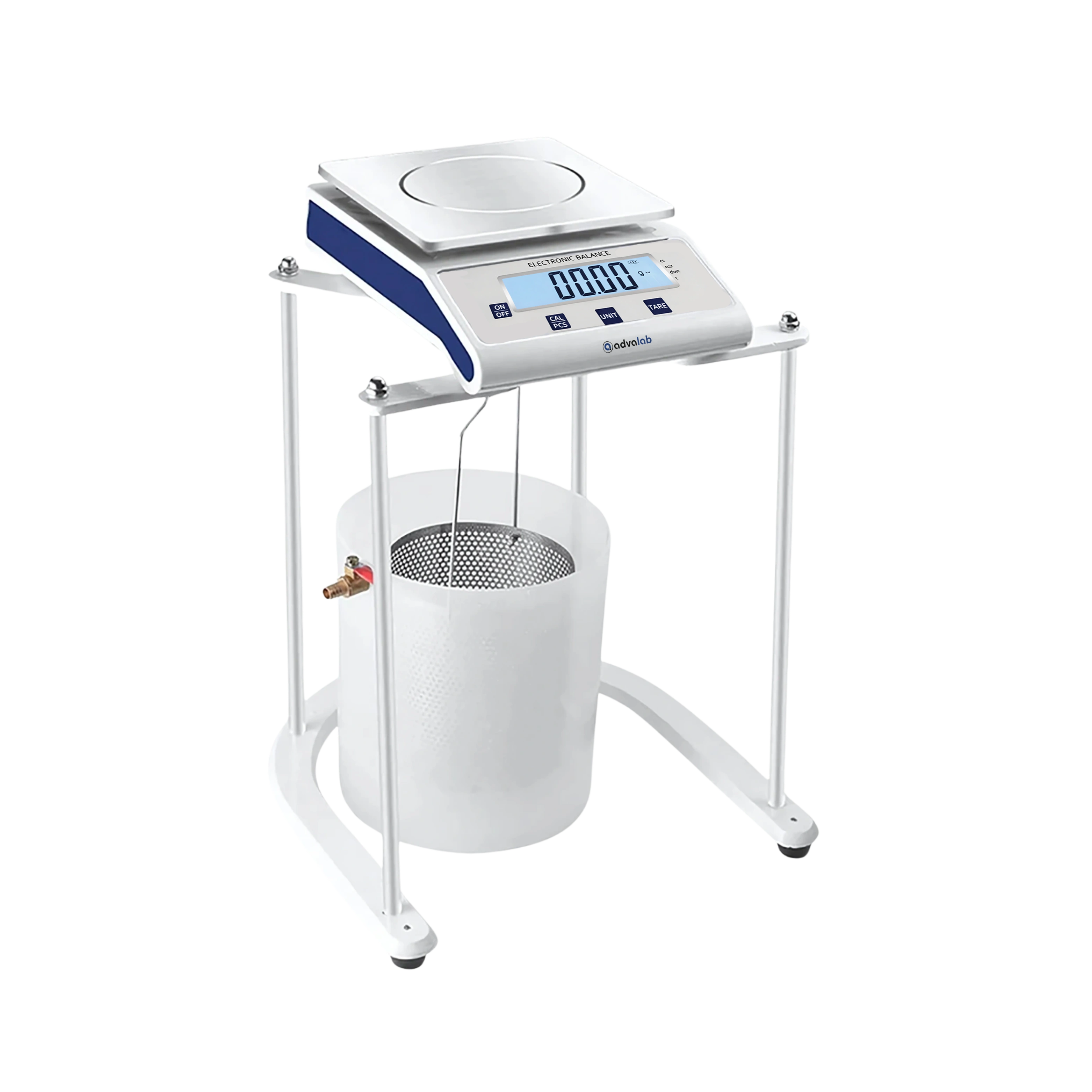
| Capacity: | 2000g |
| Accuracy: | 0.01g |
| Linearity Error: | ±0.03g |

| Capacity: | 5000g |
| Accuracy: | 0.01 g |
| Linearity error: | ±0.03g |
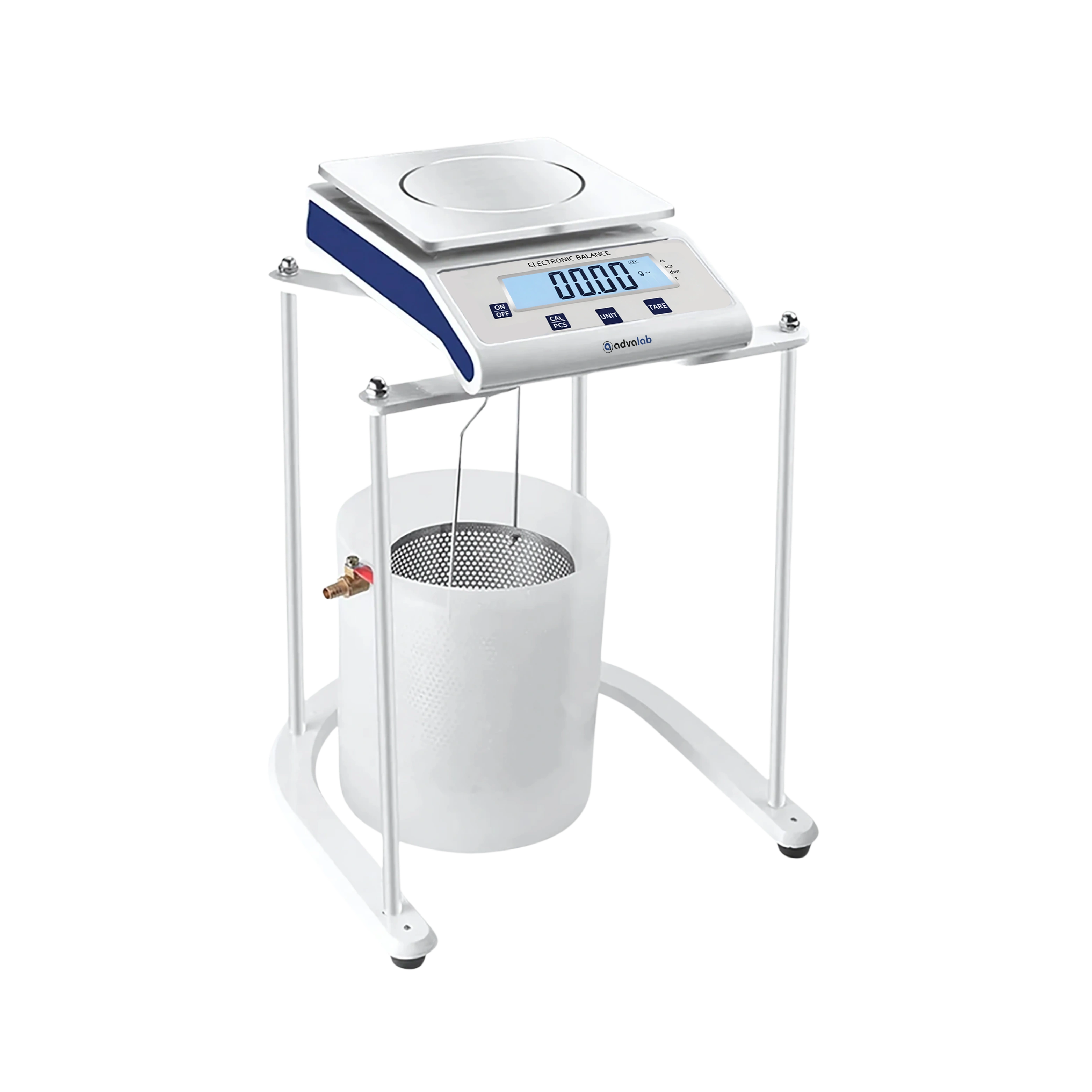
| Capacity: | 5000g |
| Accuracy: | 0.1g |
| Linearity error: | ±0.3g |
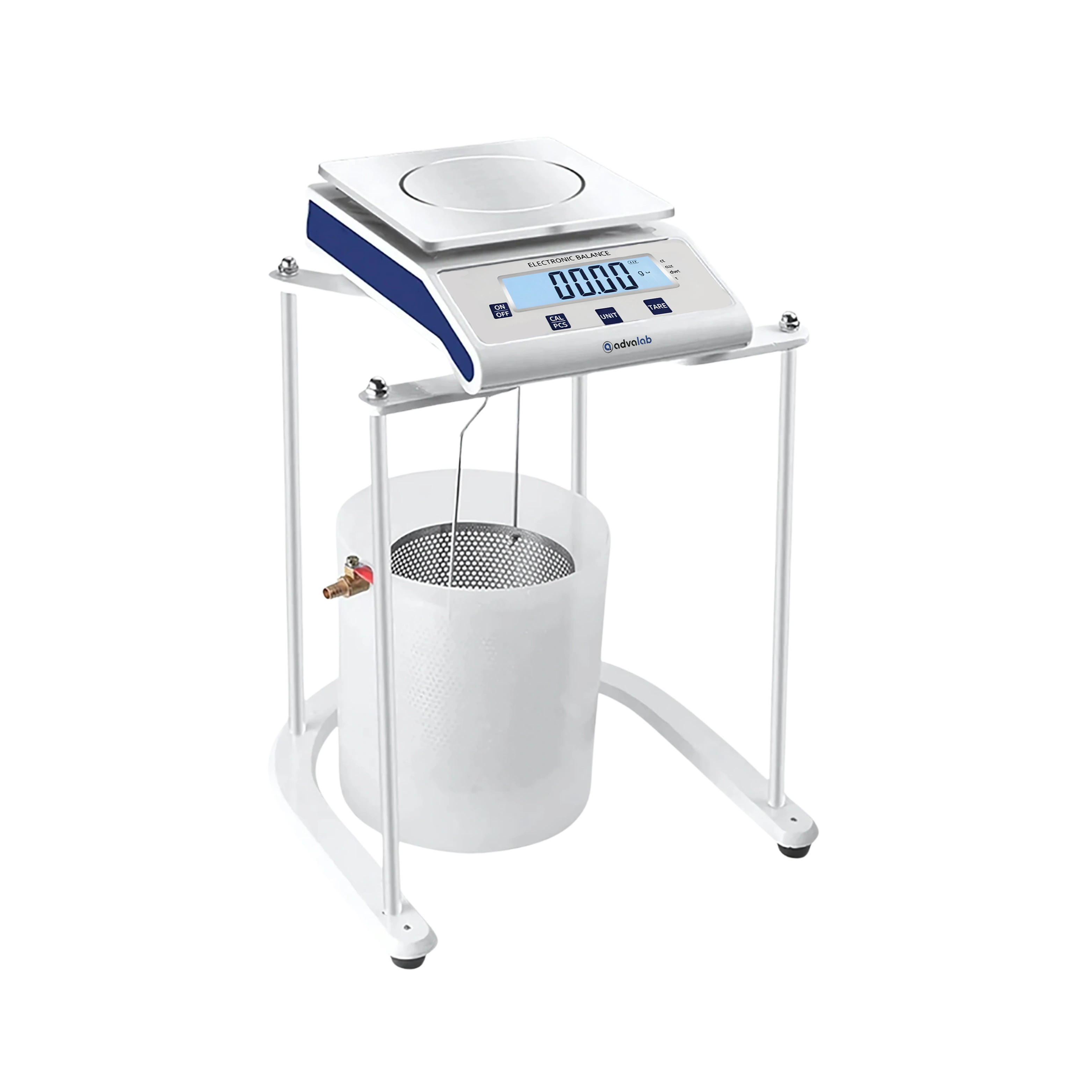
| Capacity: | 2000g |
| Accuracy: | 0.1g |
| Linearity error: | ±0.3g |