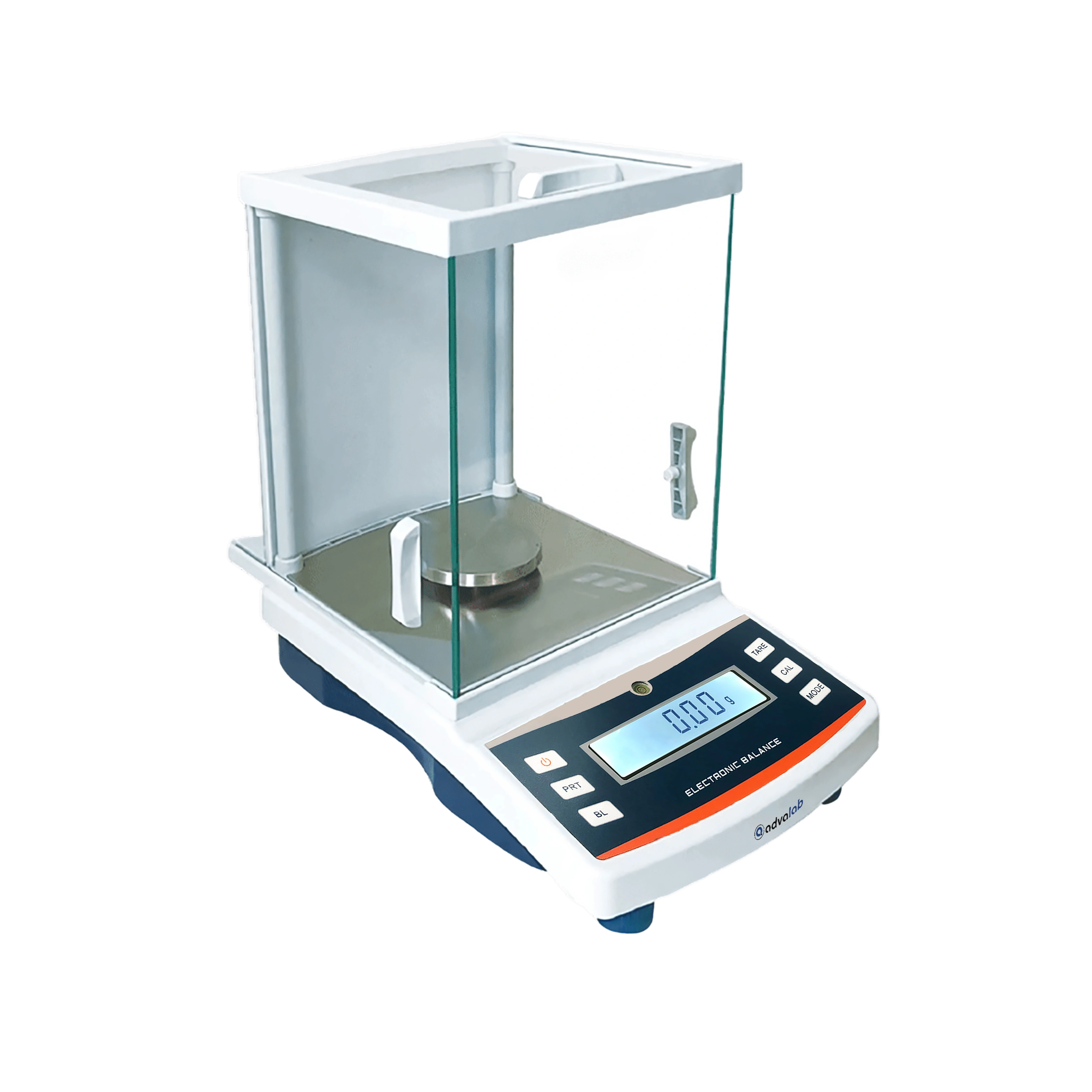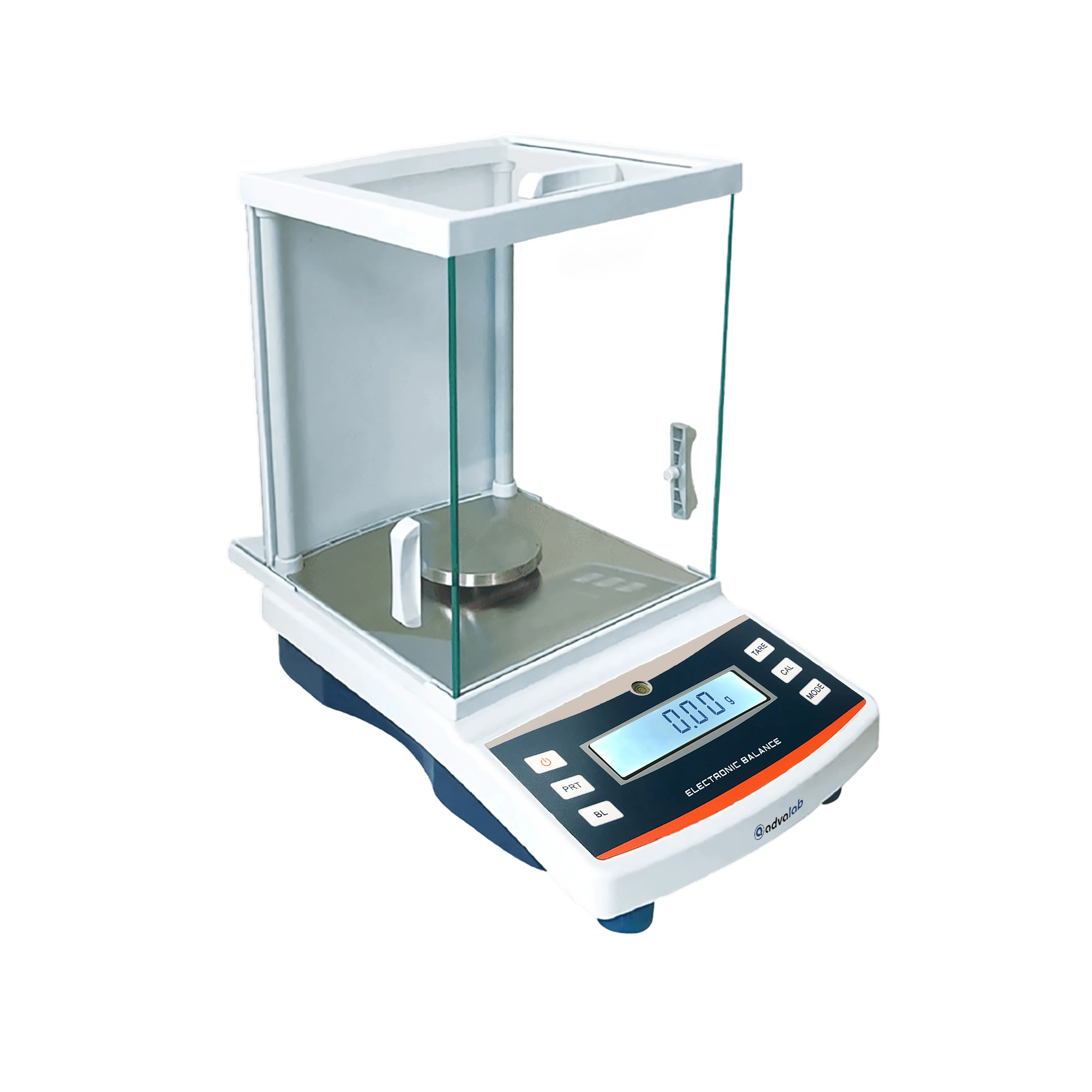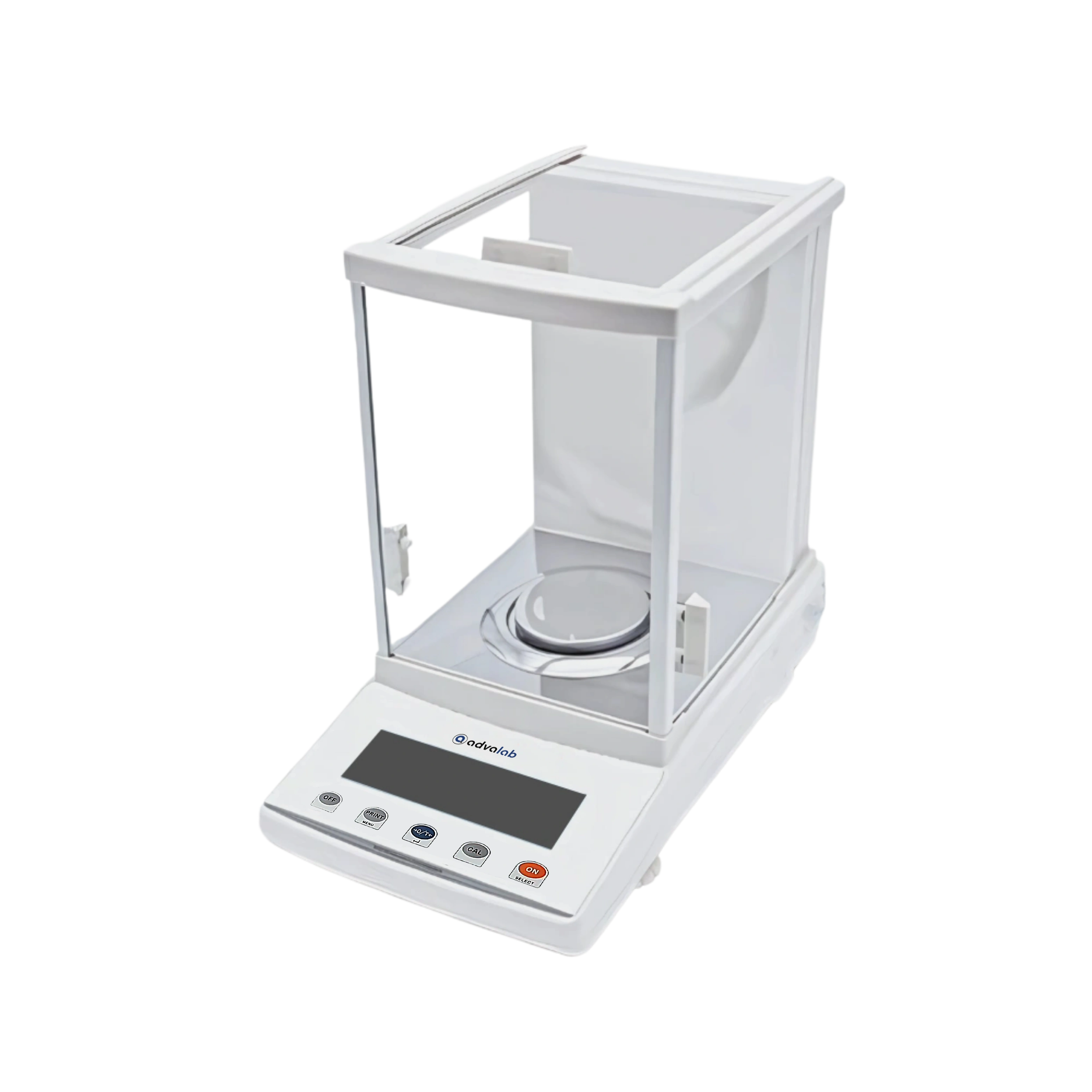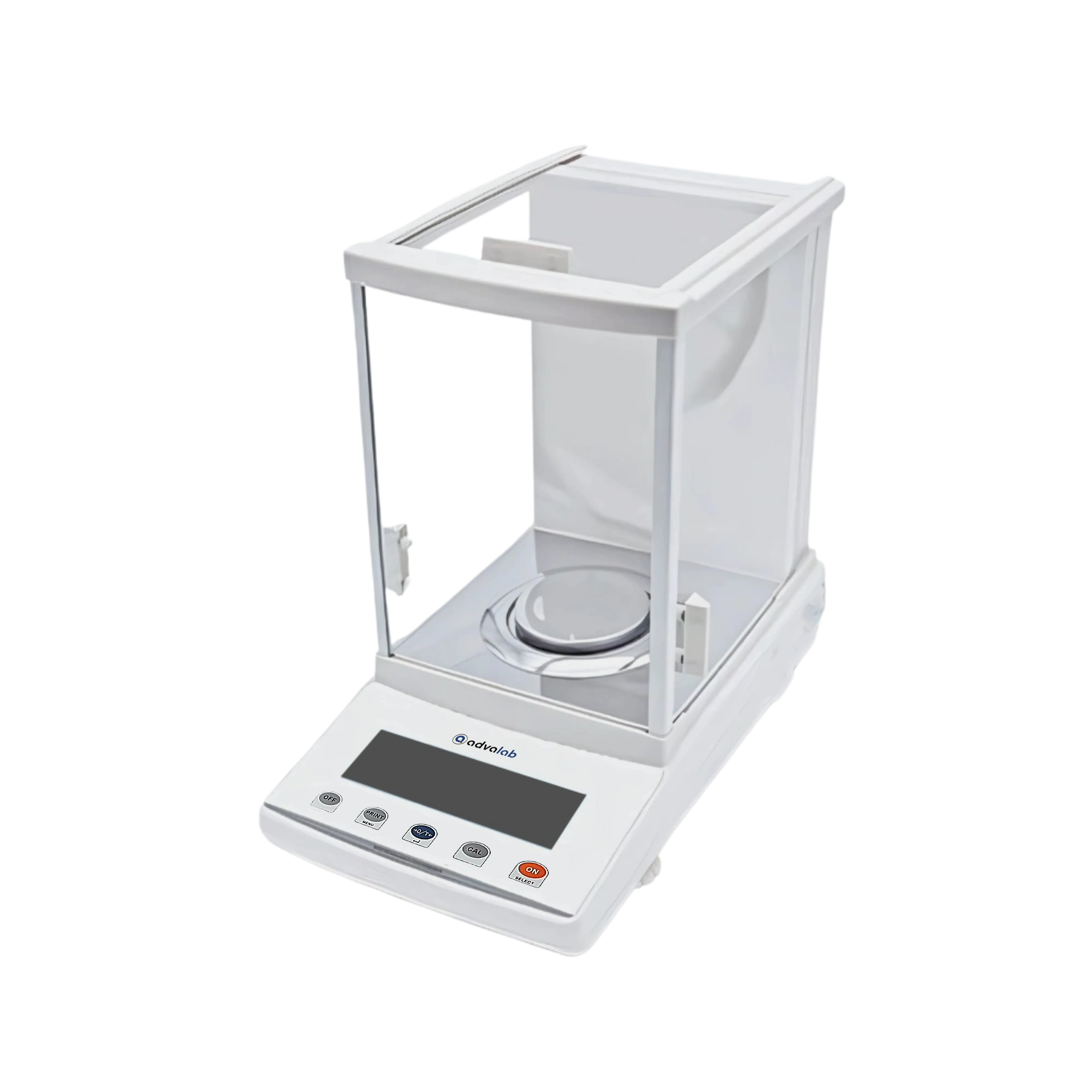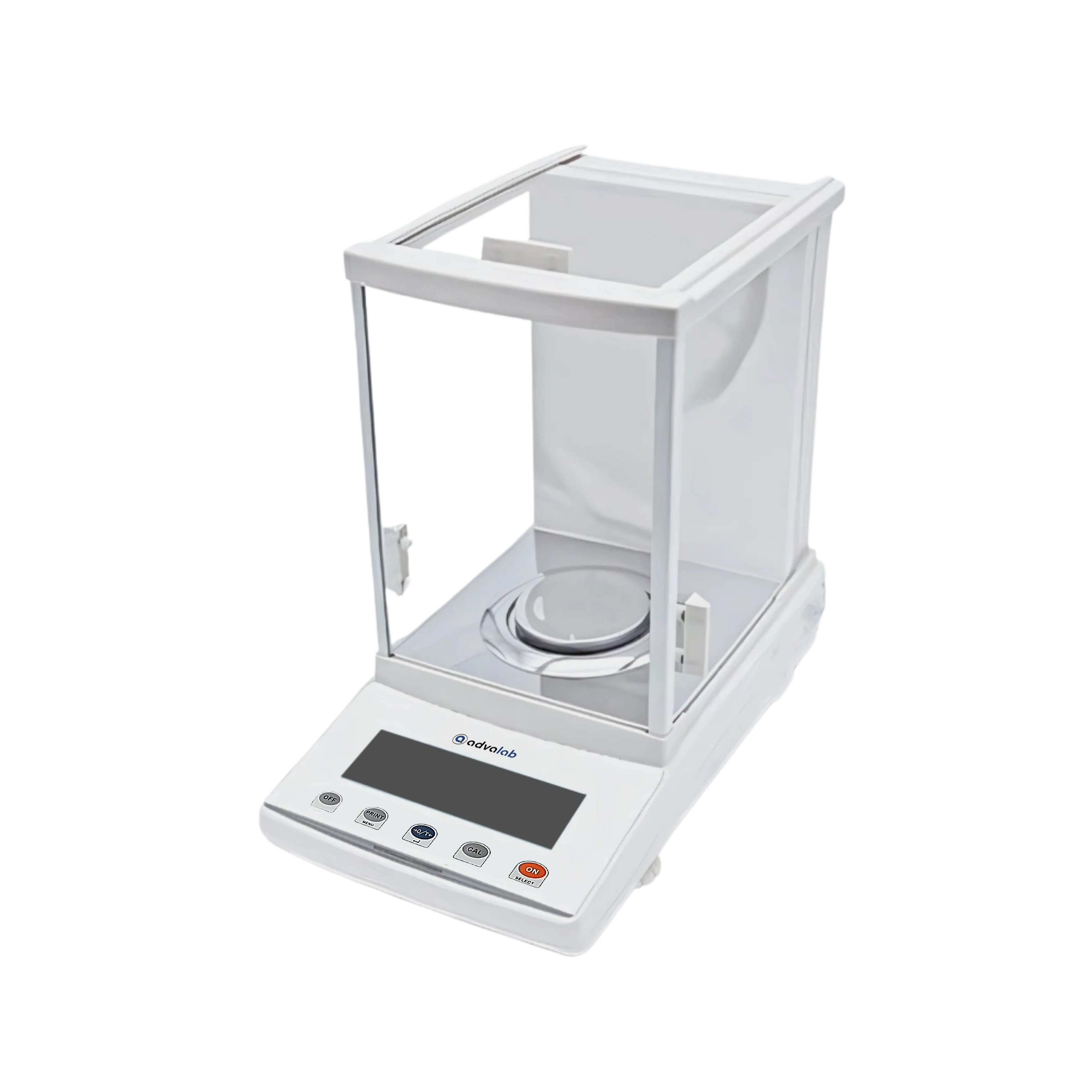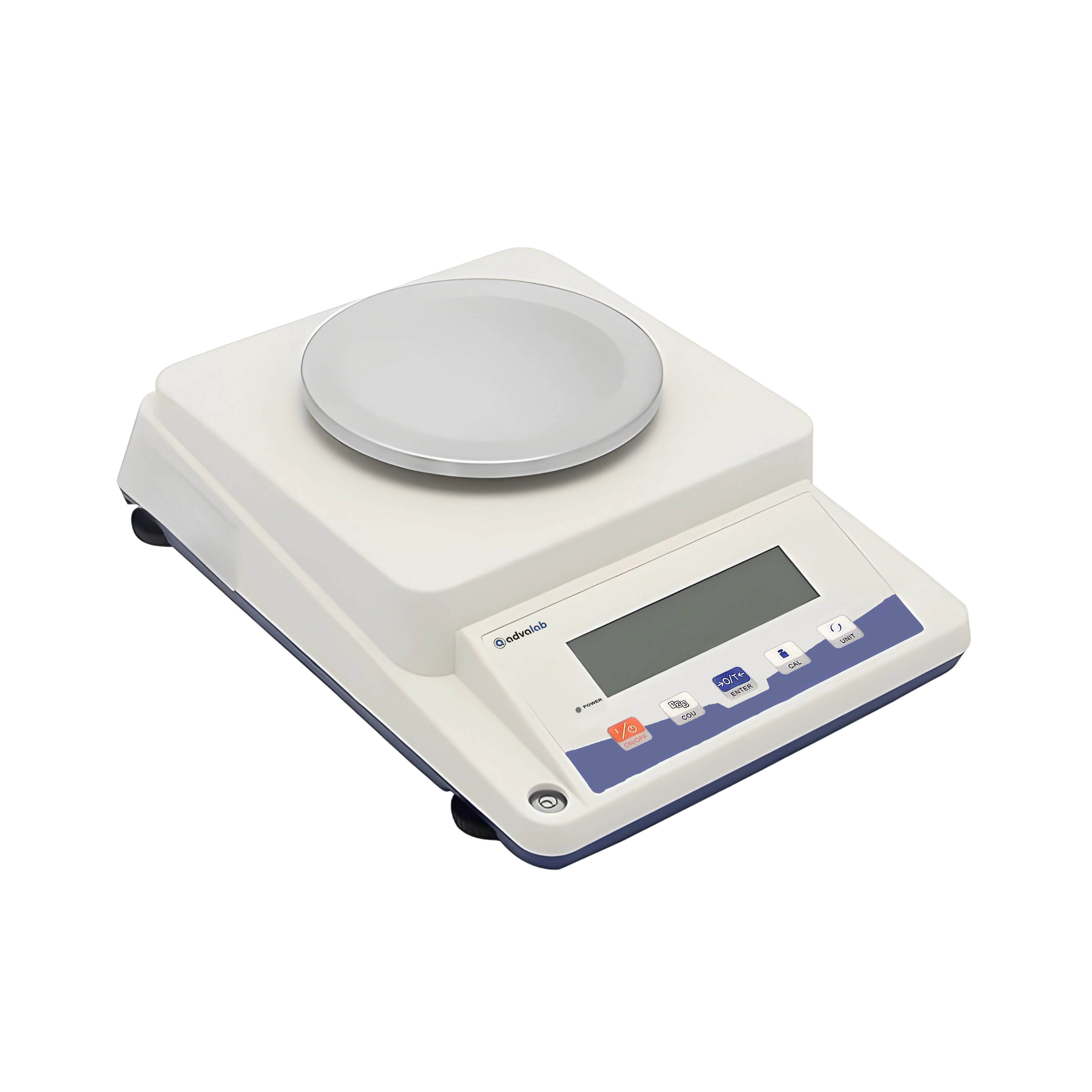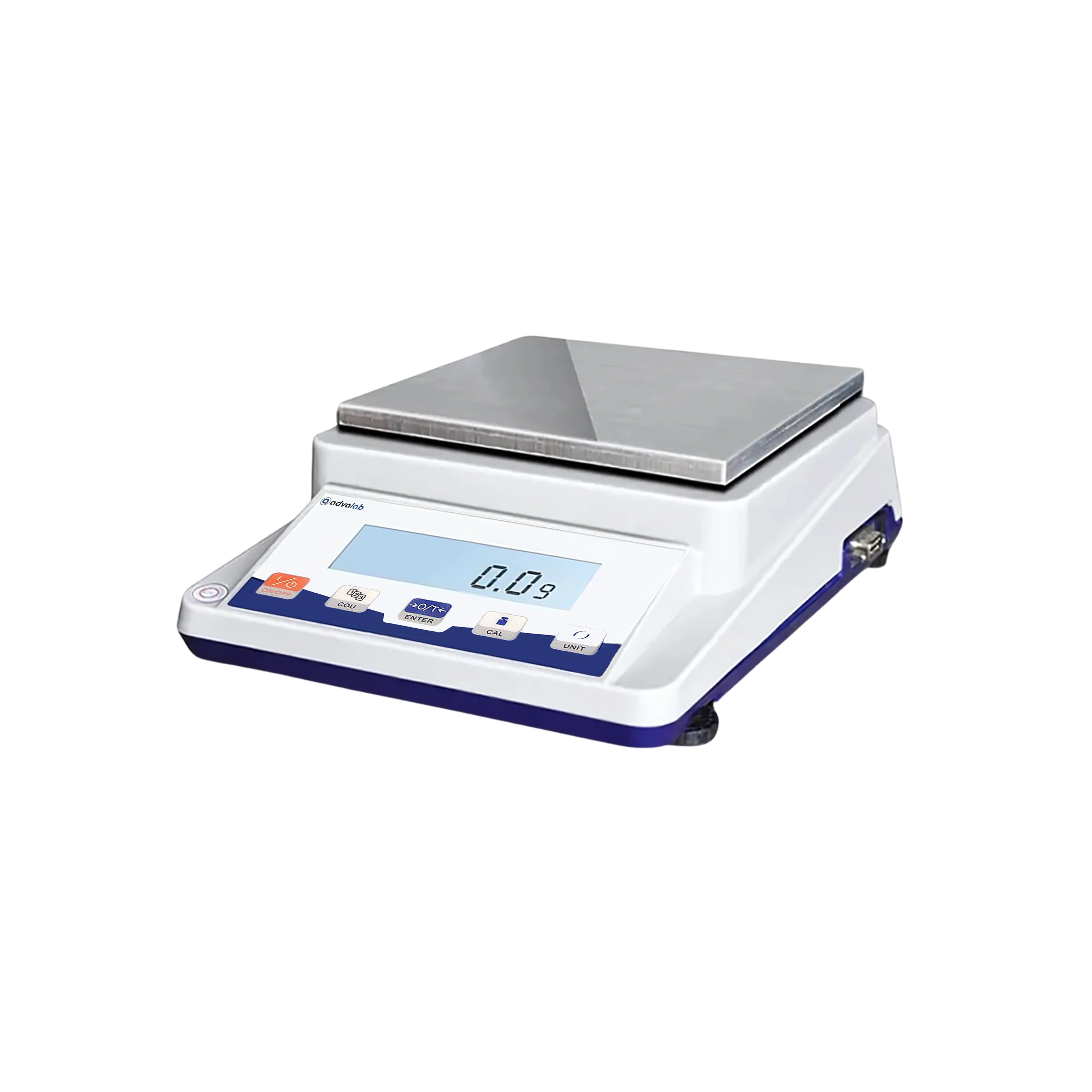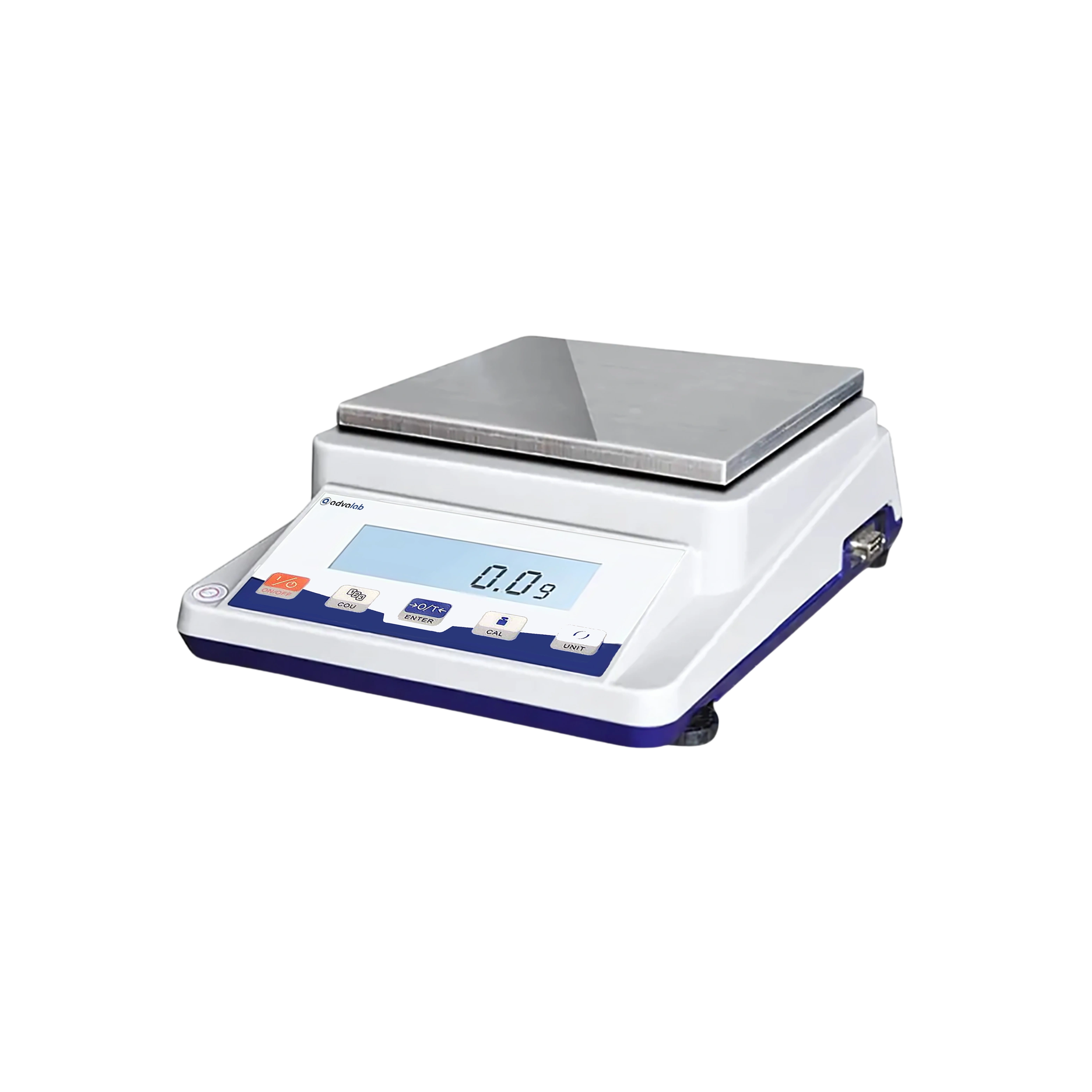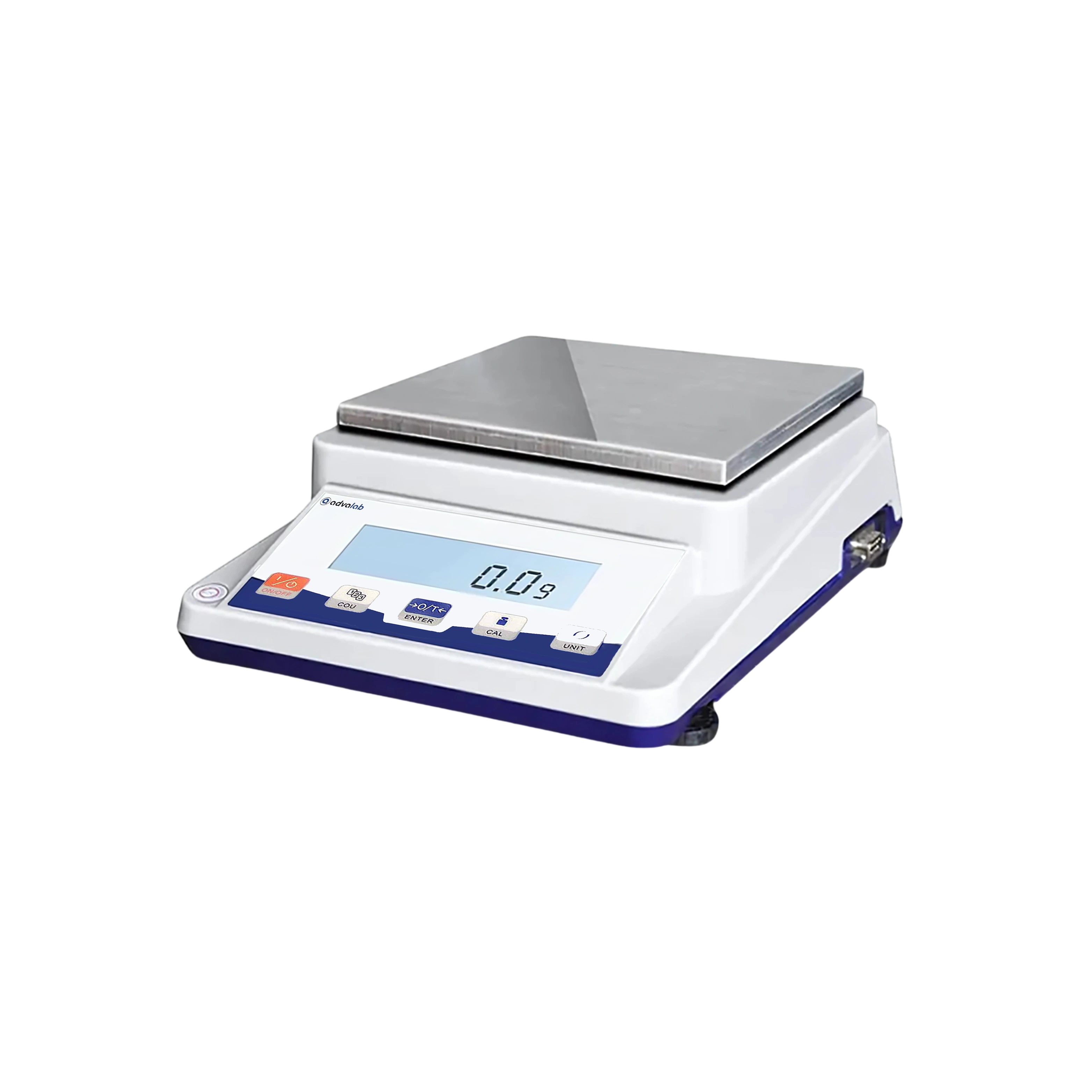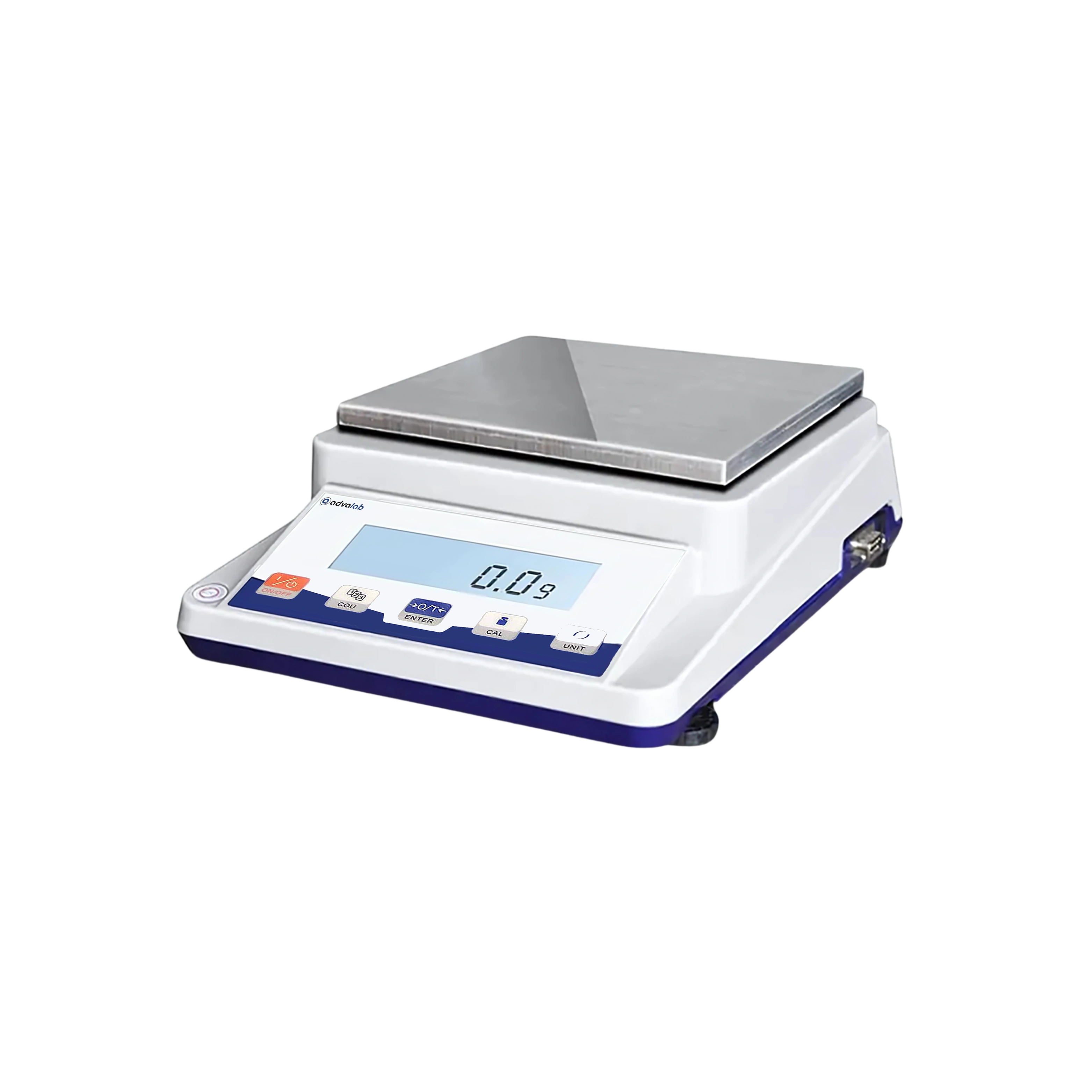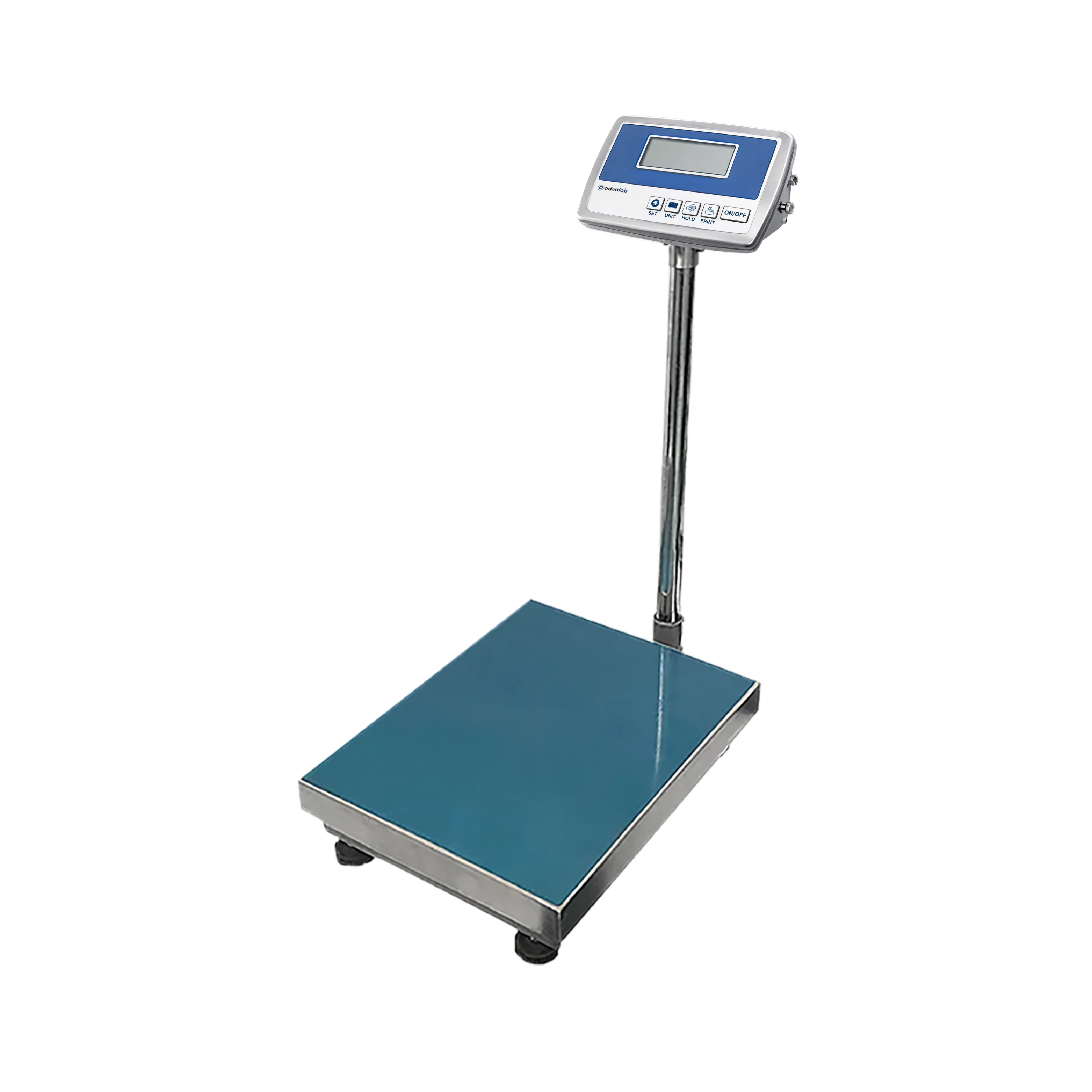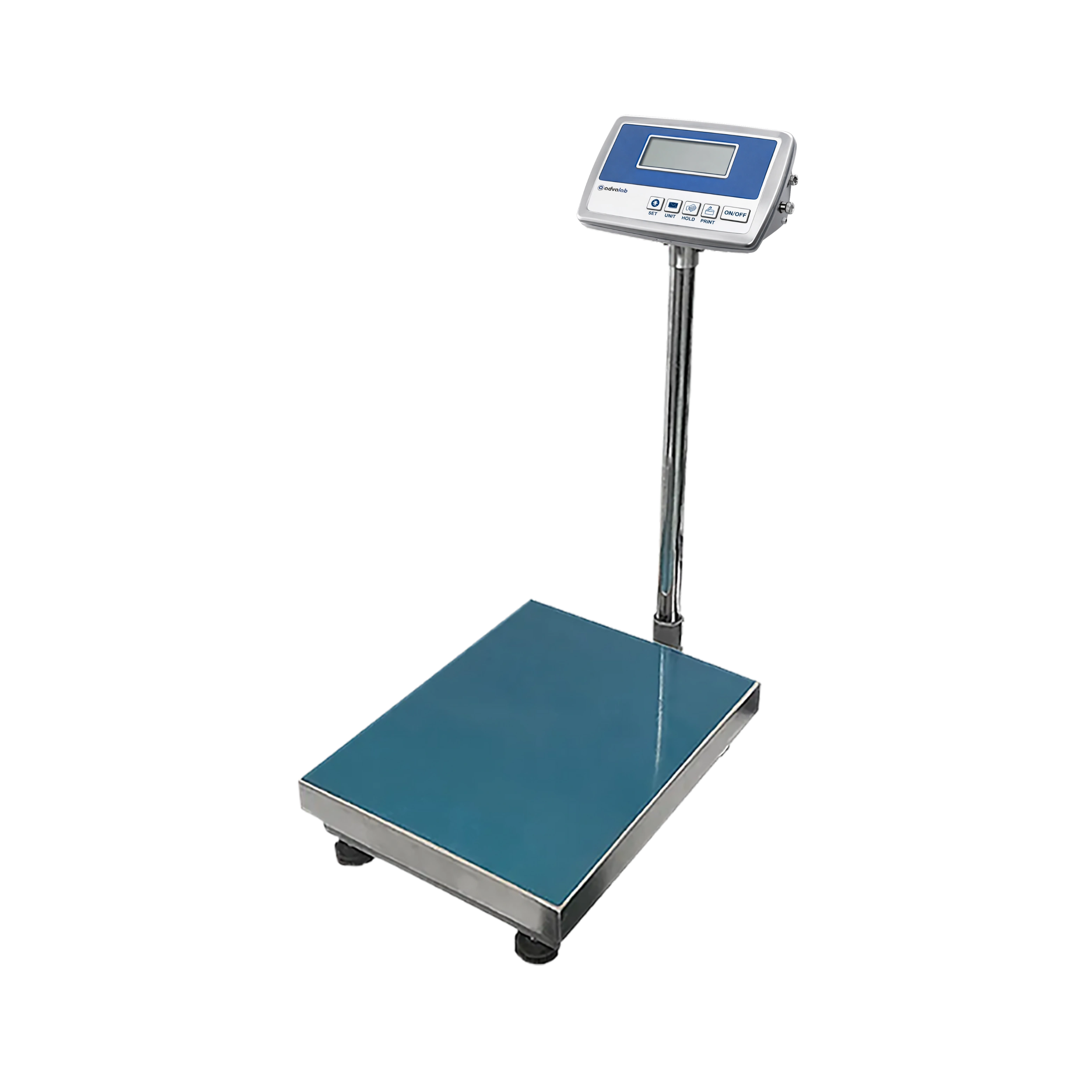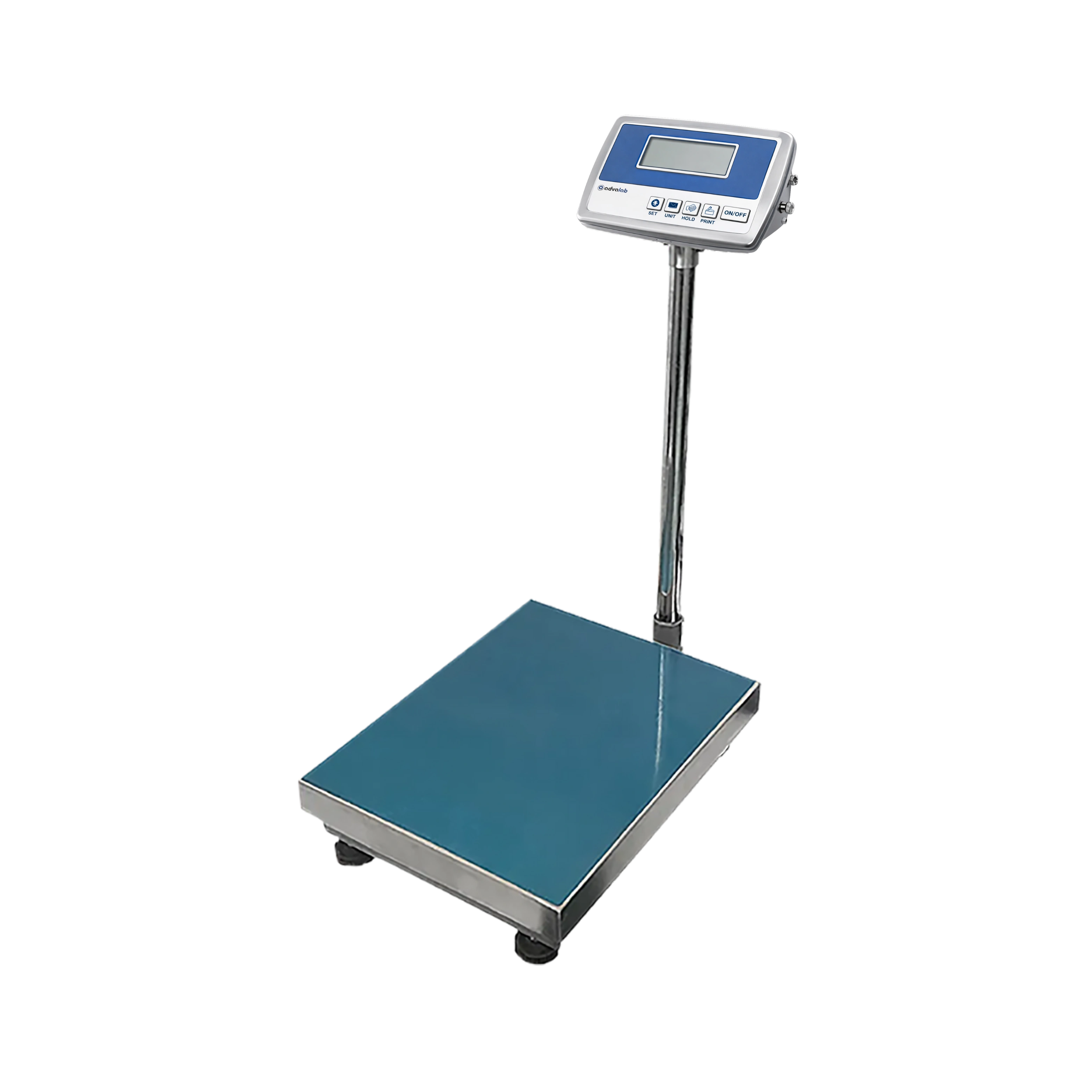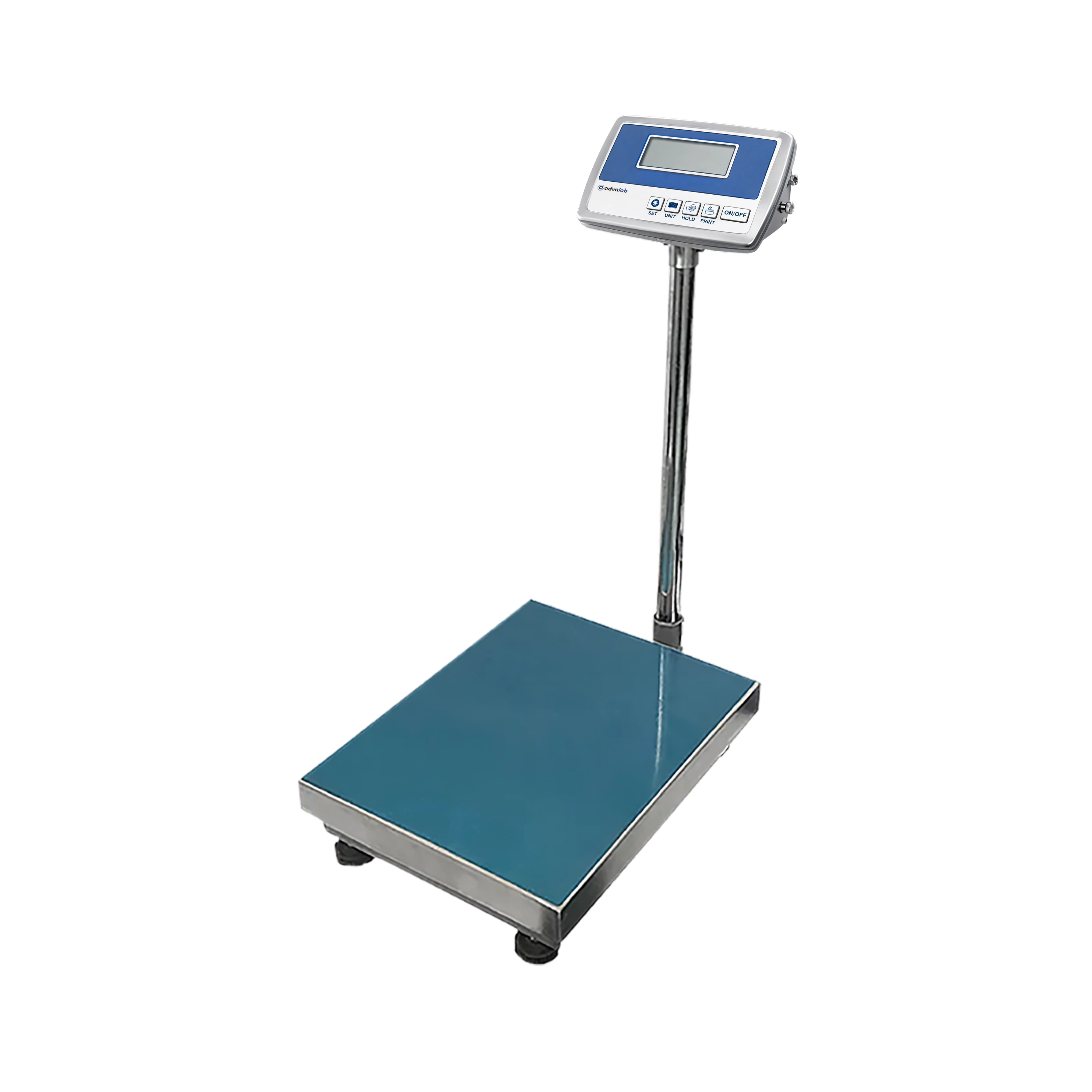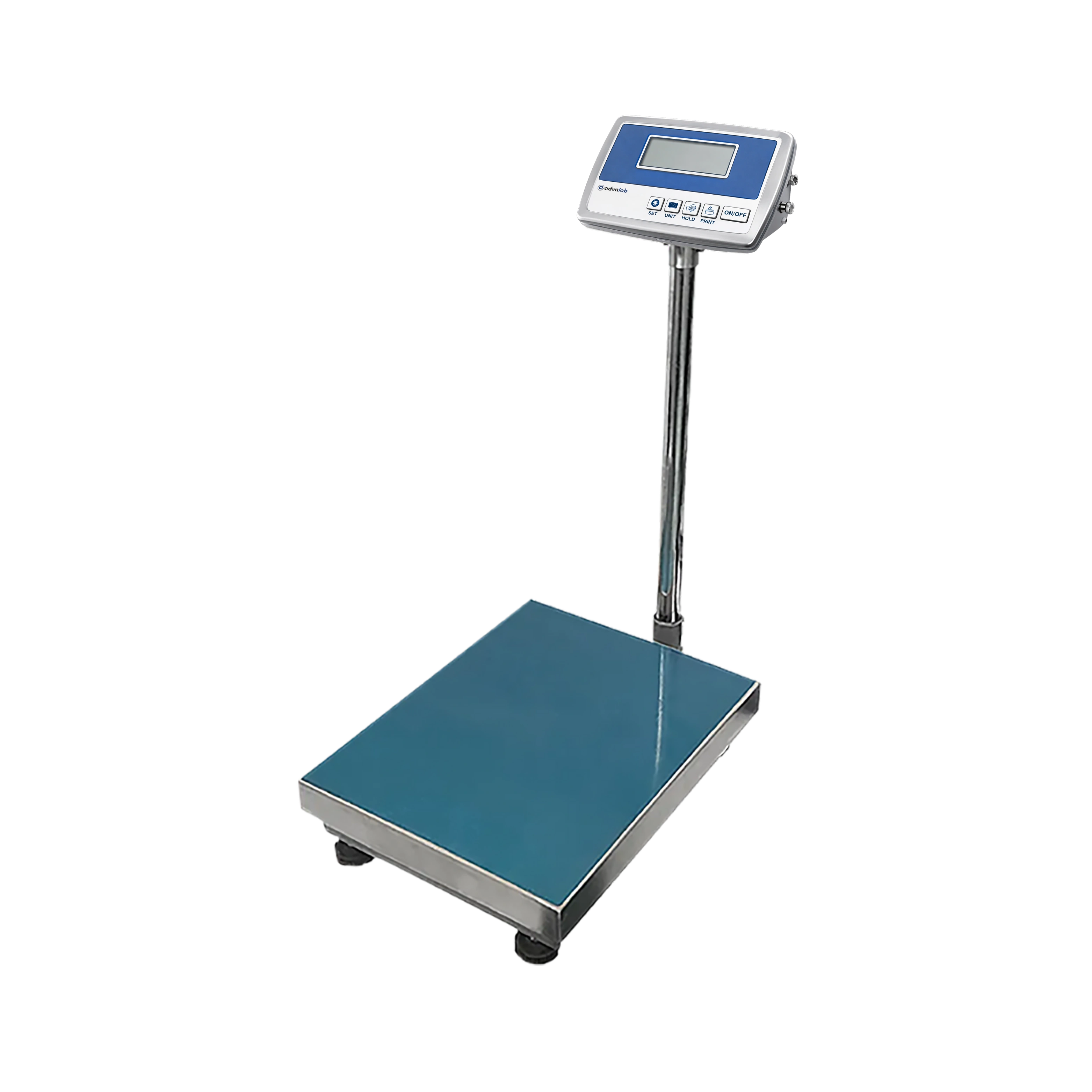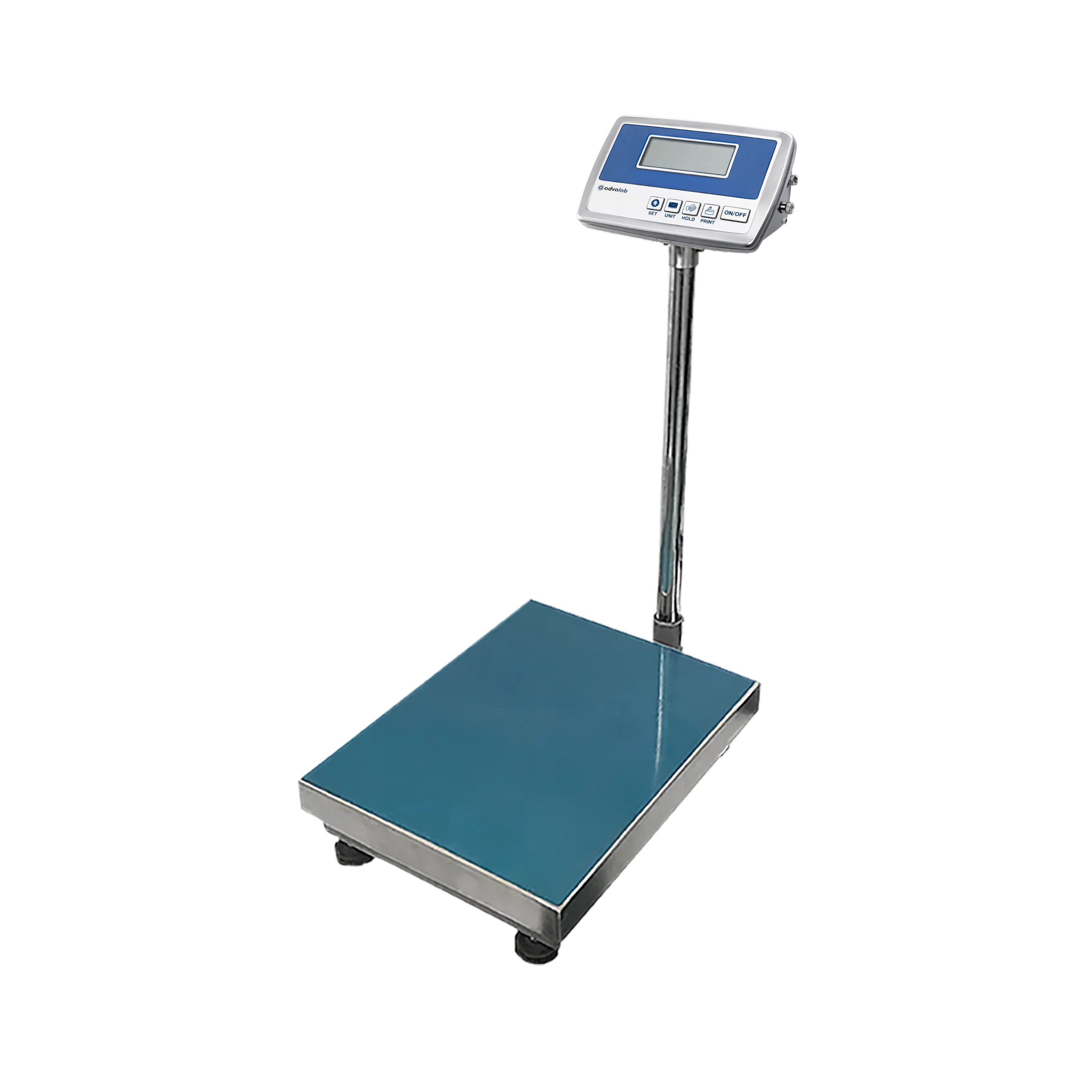
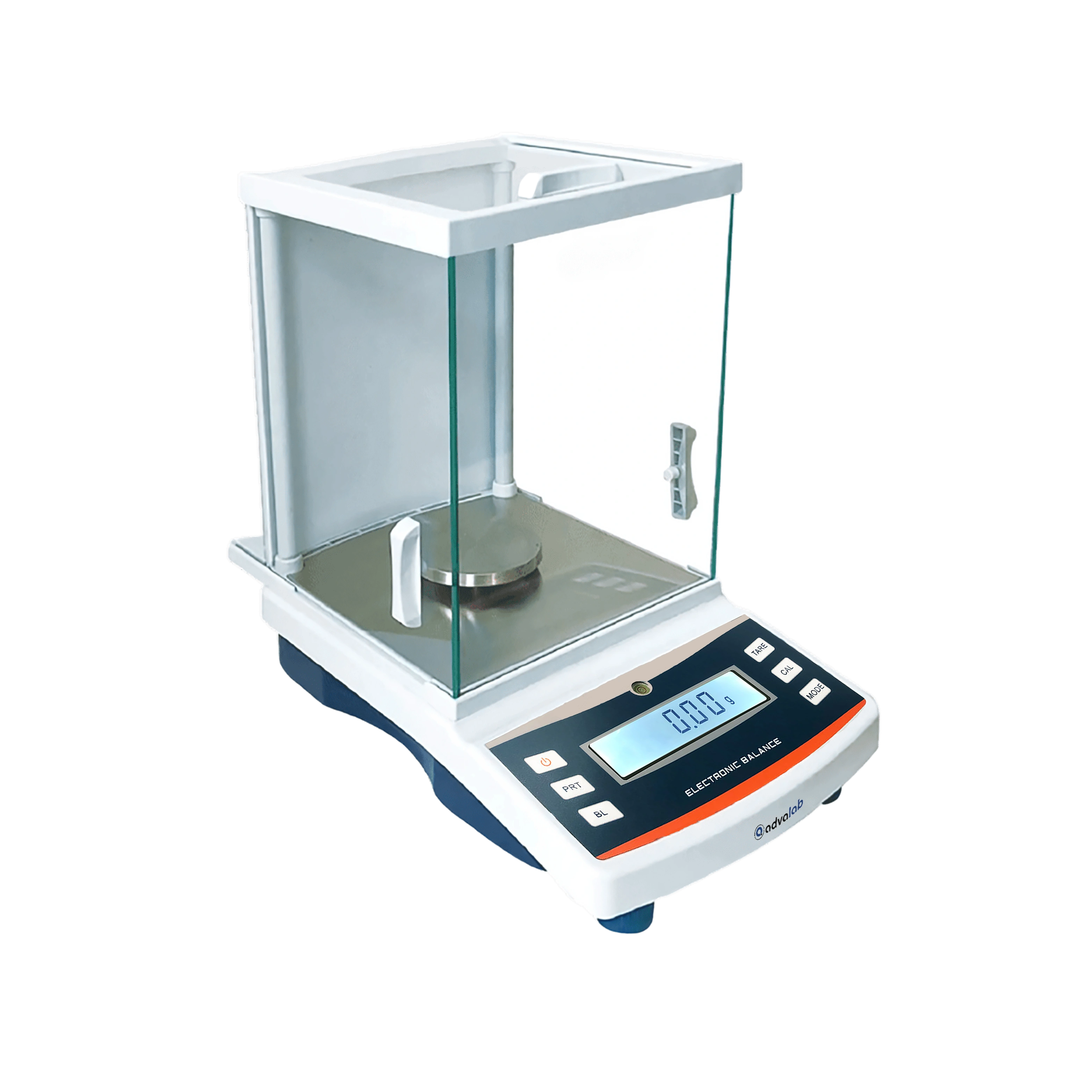
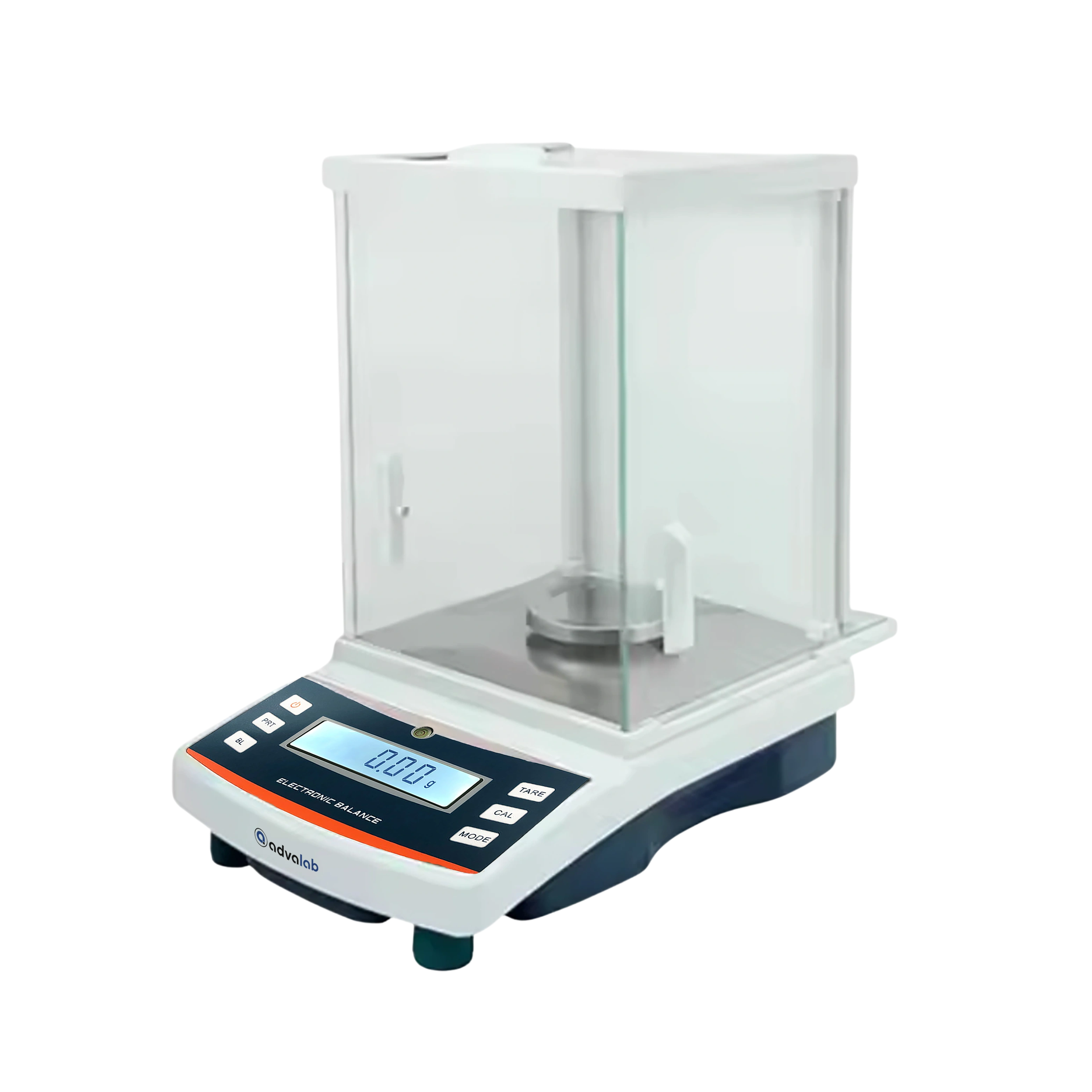
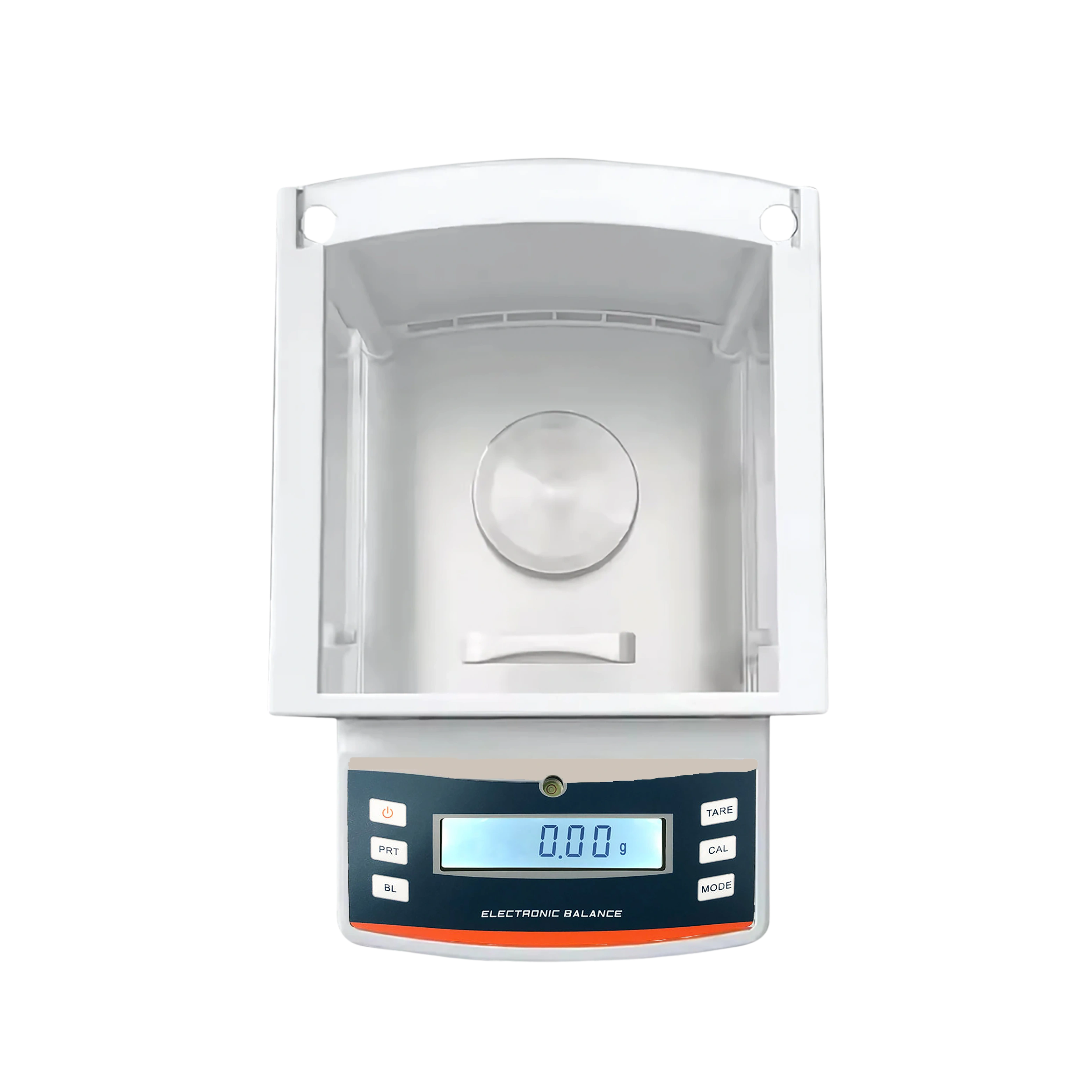
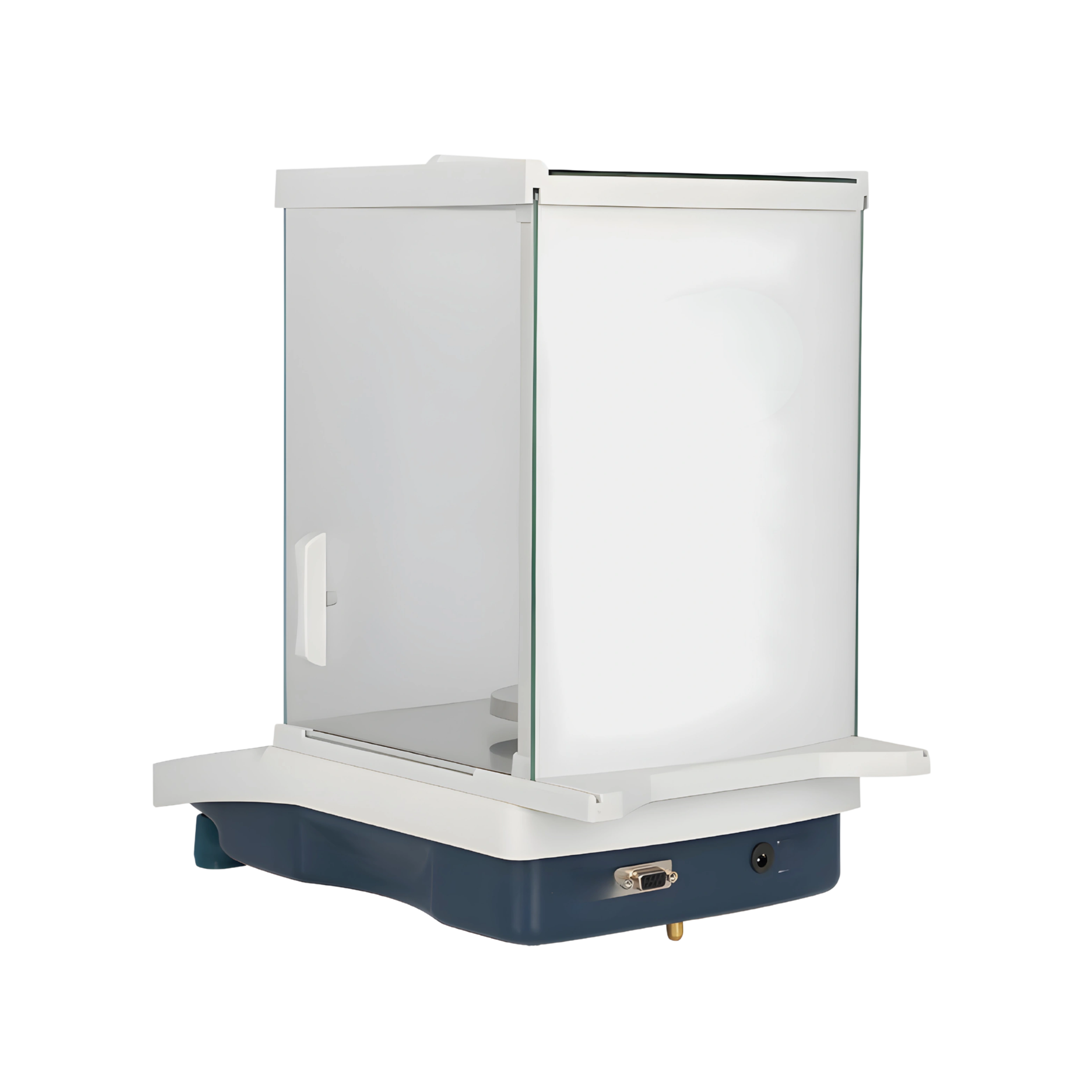
| Capacity | 60 g |
| Readability | 1 mg |
| Repeatability | 1 mg |
| Linearity | 2 mg |
| Pan Dimensions | 80 mm |
| Housing Dimensions (L × W × H) | 340 × 210 × 170 mm |
| Packaging Dimensions (L × W × H) | 500 × 370 × 490 mm |
| Net Weight | 3.95 kg |
The Digital Precision Balance ADPD-509 is used in analytical laboratories for accurately measuring small sample weights, ensuring precision in research and quality control processes.


1. What is the maximum weighing capacity of the Digital Precision Balance ADPD-509?
The Digital Precision Balance ADPD-509 has a maximum capacity of 60 grams, ideal for precise measurement of small, lightweight samples. It is well-suited for analytical applications in laboratories requiring high accuracy. The unit ensures stable performance when handling sensitive materials like powders or chemicals. Its design supports both research and quality control tasks with reliable results.
2. How accurate is the Digital Precision Balance ADPD-509?
This Digital Precision Balance ADPD-509 provides 1 milligram readability, enabling precise measurement of even the smallest samples. Its high resolution captures slight weight variations essential in scientific and pharmaceutical work. Consistent performance across repeated use ensures reliable results. The precision makes it ideal for tasks requiring strict quality control.
3. What type of display is featured in the Digital Precision Balance ADPD-509?
The Digital Precision Balance ADPD-509 features a large, backlit LCD display for clear visibility of measurements. It ensures easy reading even in low-light or enclosed lab settings. The user-friendly interface displays values and functions clearly, minimizing errors. Real-time updates and quick stabilization support smooth, efficient workflows.
4. Is the Digital Precision Balance ADPD-509 capable of external calibration?
Yes, the Digital Precision Balance ADPD-509 supports external calibration, allowing users to manually verify accuracy using certified weights. This ensures consistent performance, especially in labs requiring strict measurement standards. It's essential for compliance in regulated environments where traceability is critical. The feature helps maintain long-term reliability and minimizes measurement drift.
5. What materials are used in the construction of the Digital Precision Balance ADPD-509?
The Digital Precision Balance ADPD-509 features a strong ABS plastic body and a stainless-steel weighing pan for durability. This sturdy construction ensures stability and long-term use in labs and industrial settings. The pan offers a clean, corrosion-resistant surface ideal for handling different materials. Its design minimizes external influences, maintaining accurate results in challenging environments.
6. What is a Digital Precision Balance used for?
A Digital Precision Balance is used to measure the mass of objects with high accuracy. It is ideal for laboratory, industrial, and academic applications where precise measurements are required. It ensures reliable results in research, quality control, and production processes. These balances are also commonly used in chemical analysis, formulation, and material testing.
7. How does a Digital Precision Balance work?
A Digital Precision Balance works by detecting the weight of an object using a load cell or electromagnetic sensor. The force is converted into an electronic signal, processed, and shown as a digital reading. Calibration and internal filters ensure accuracy and stability.
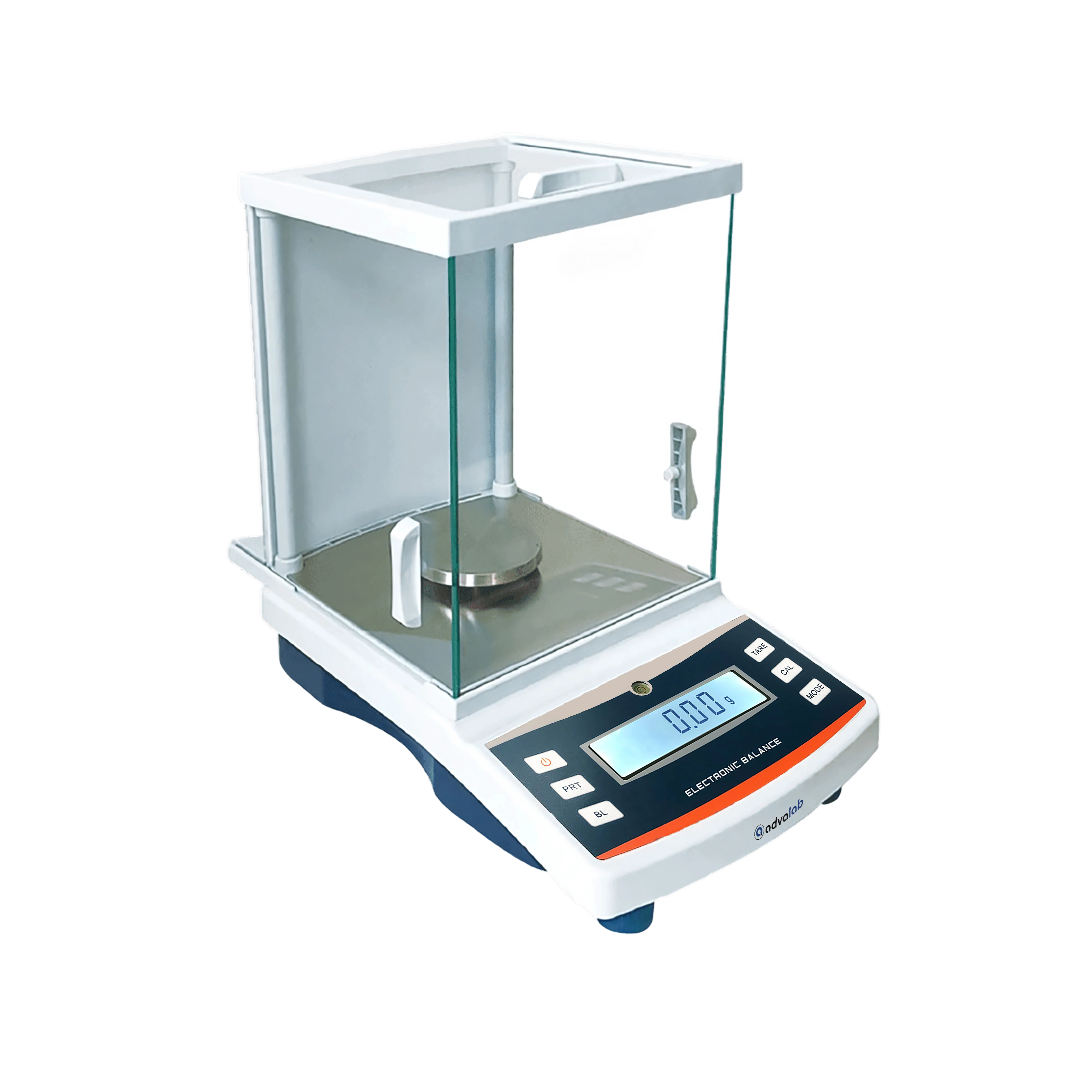
| Capacity | 300 g |
| Readability | 1 mg |
| Repeatability | 1 mg |

| Capacity | 510 g |
| Resolution | 0.01 g |
| Minimum Weighing | 0.04 g |

| Capacity: | 220 g |
| Readability: | 0.0001 g |
| Minimum Weighing: | 0.0004 g |
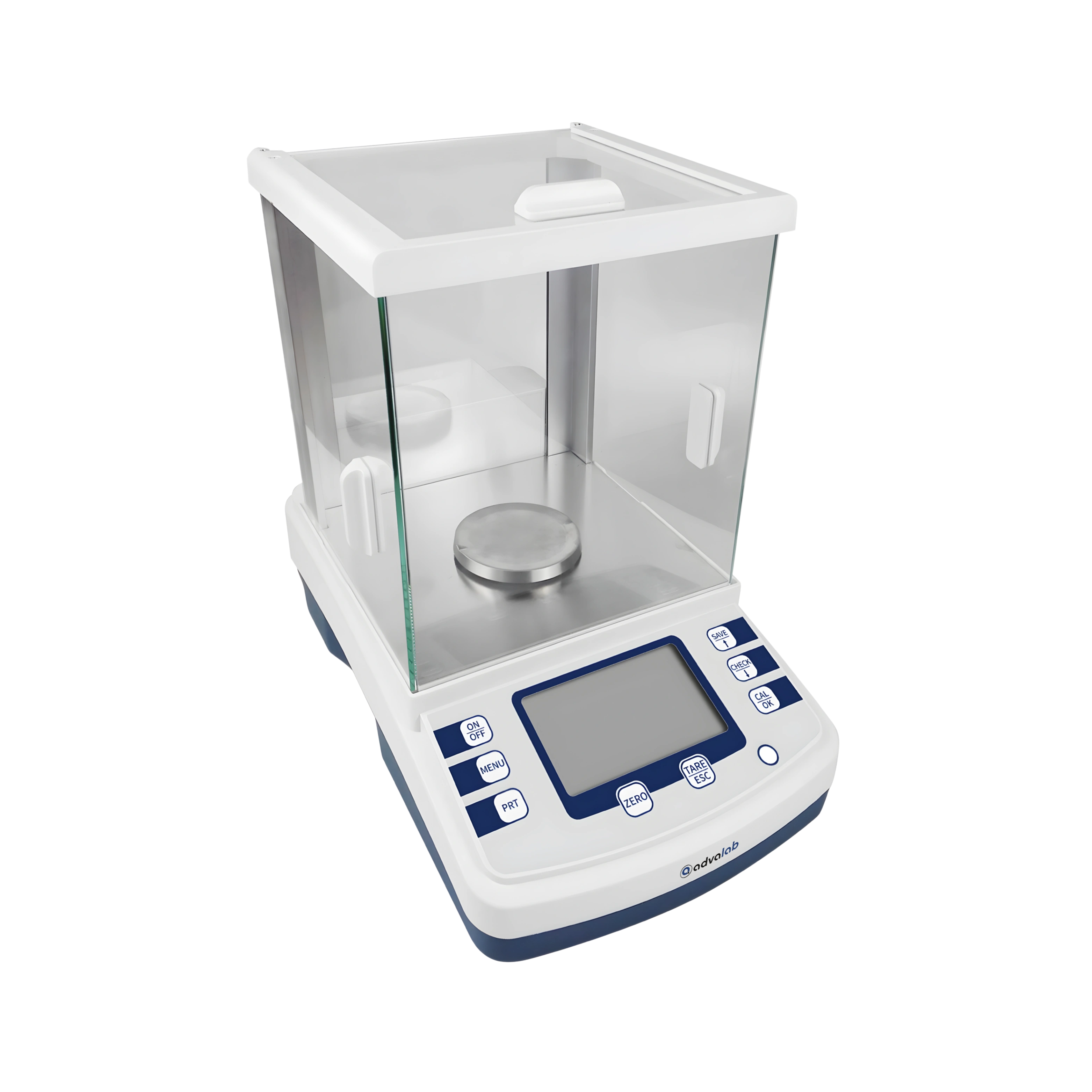
| Capacity: | 0 to 50 g |
| Readability: | 0.01 mg |
| Stabilization Time: | ≤13 s |

| Capacity: | 60 g |
| Readability: | 0.001 g |
| Repeatability: | ±0.002 g |
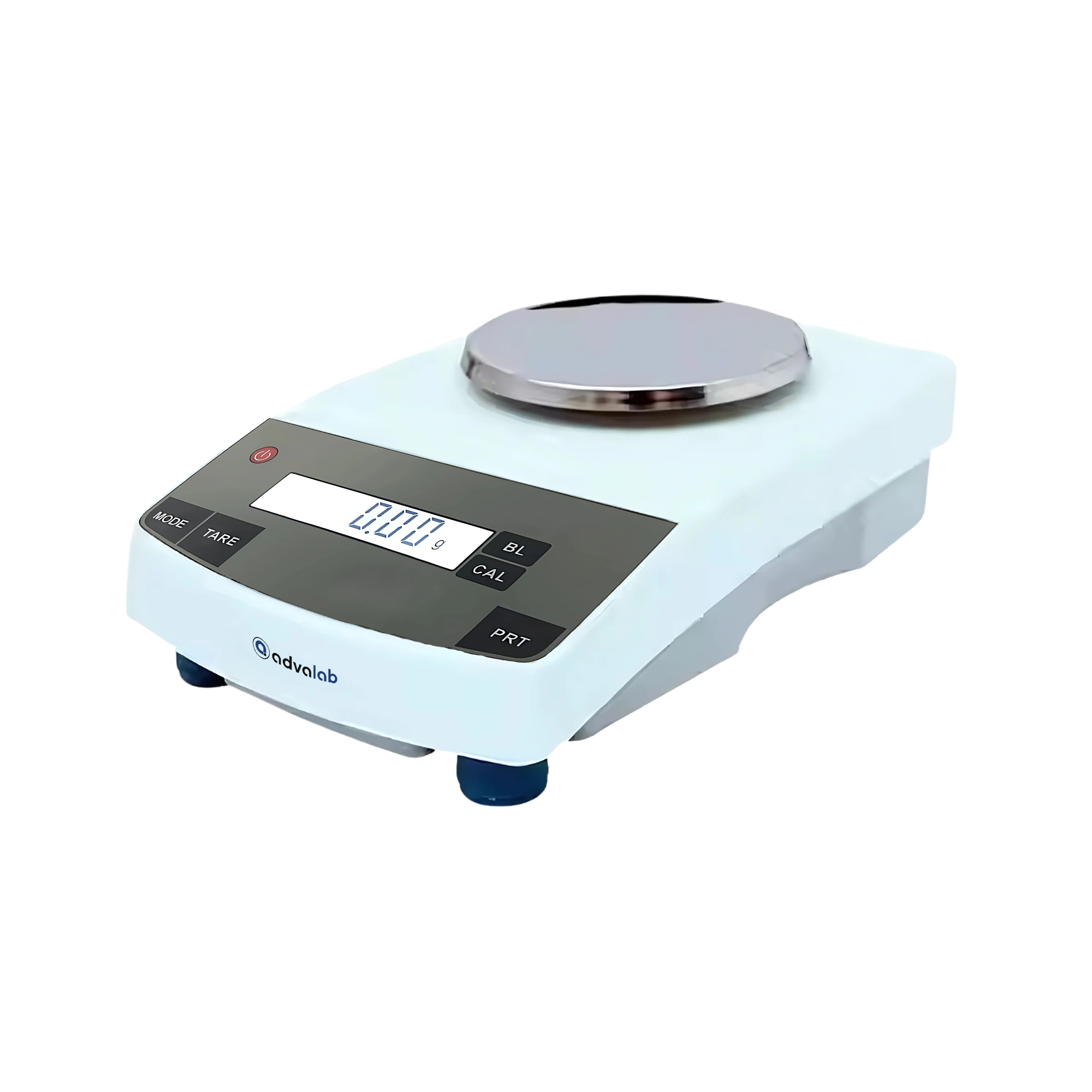
| Capacity: | 500 g |
| Readability : | 0.01 g |
| Repeatability: | ±0.01 g |
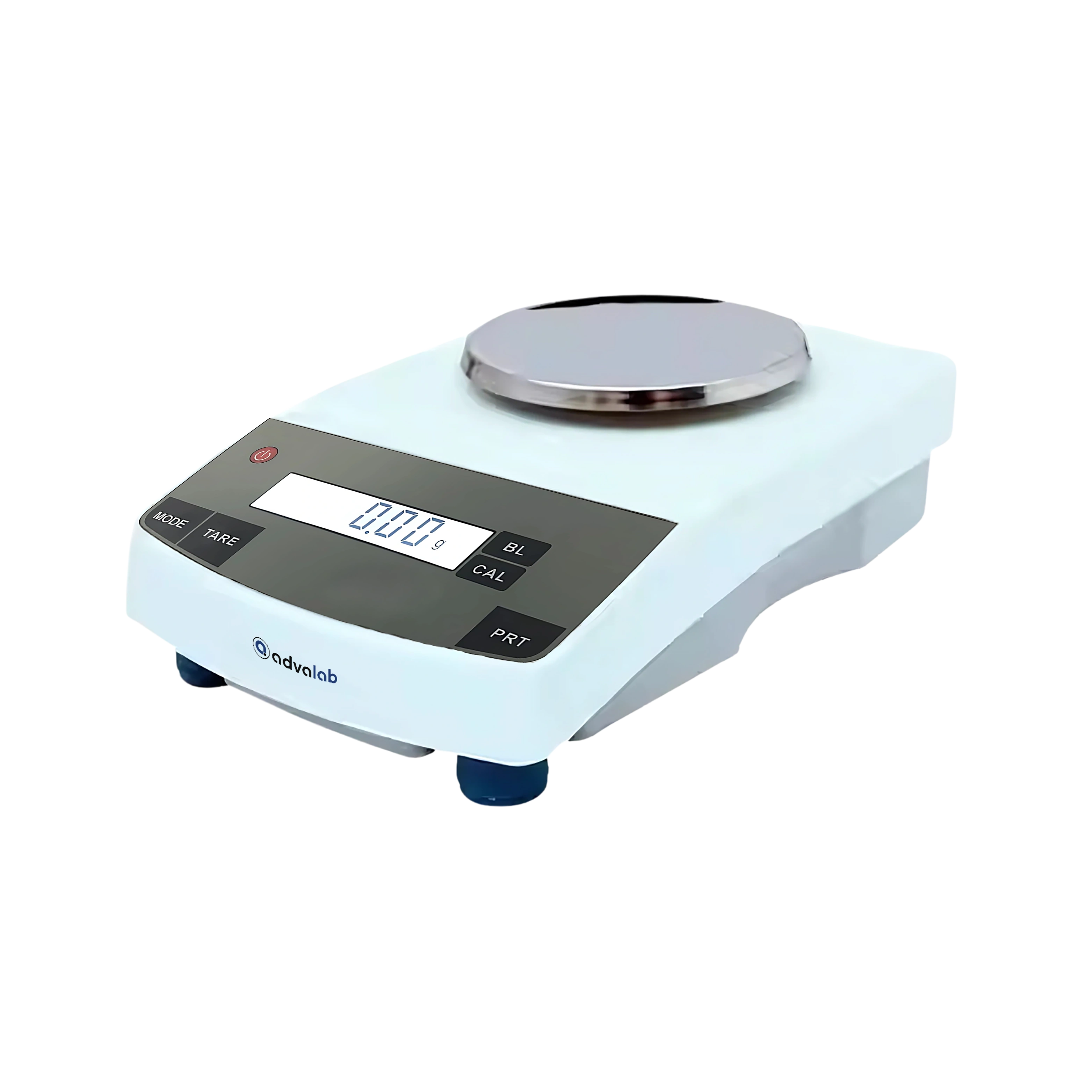
| Capacity: | 300 g |
| Readability : | 0.01 g |
| Repeatability : | ±0.01 g |
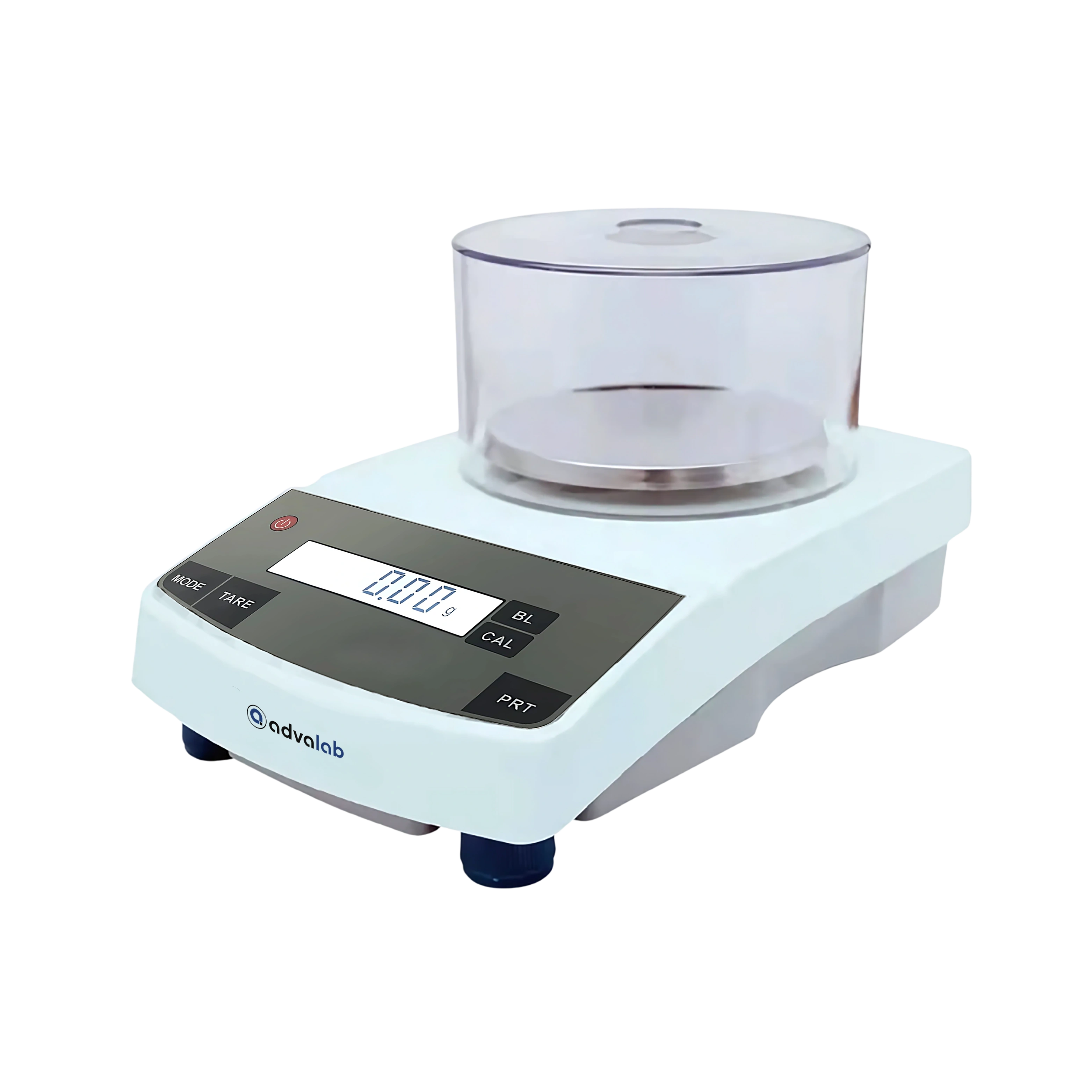
| Capacity: | 200 g |
| Readability : | 0.001 g |
| Repeatability : | ±0.002 g |
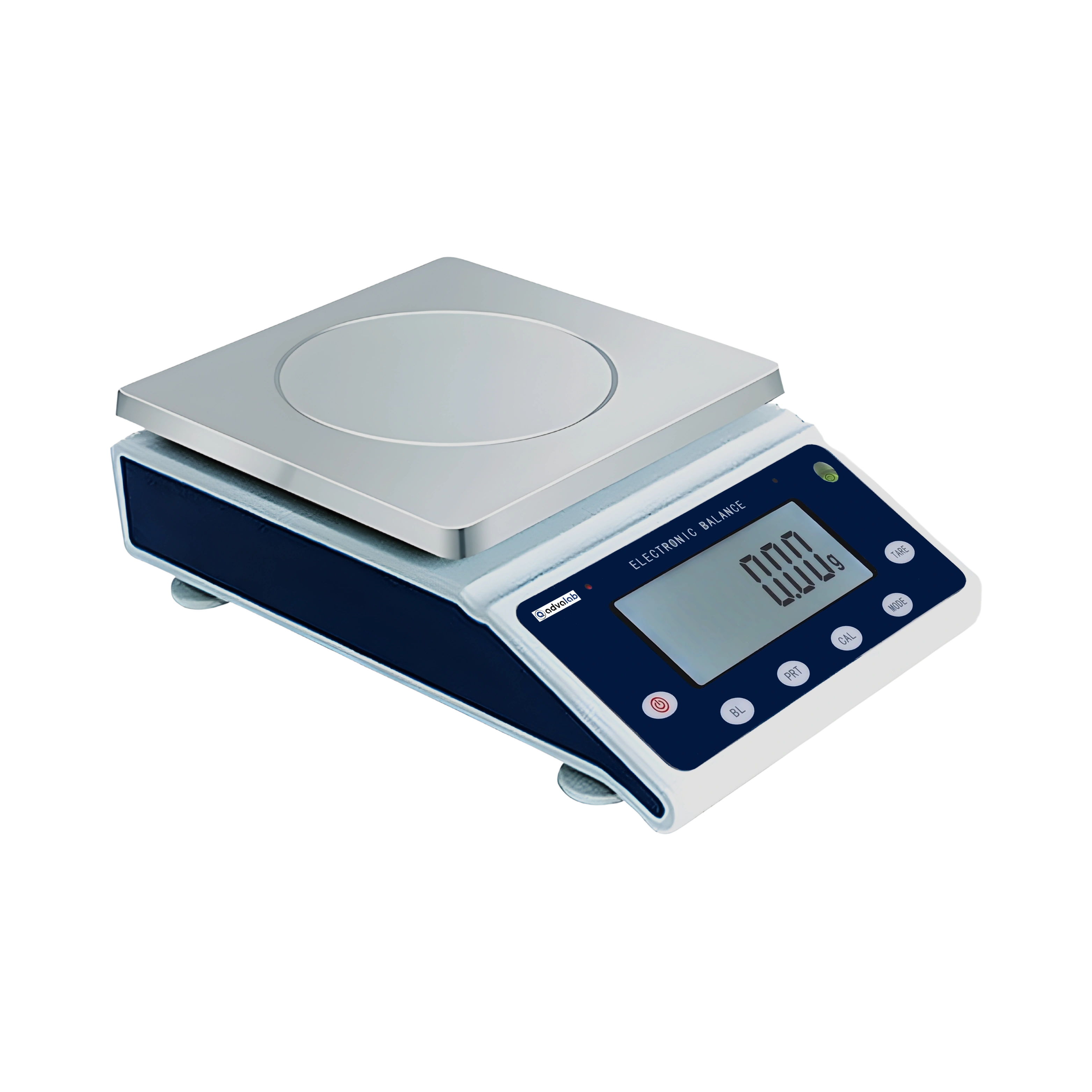
| Capacity: | 6000 g |
| Readability: | 1 g |
| Repeatability: | ±1 g |
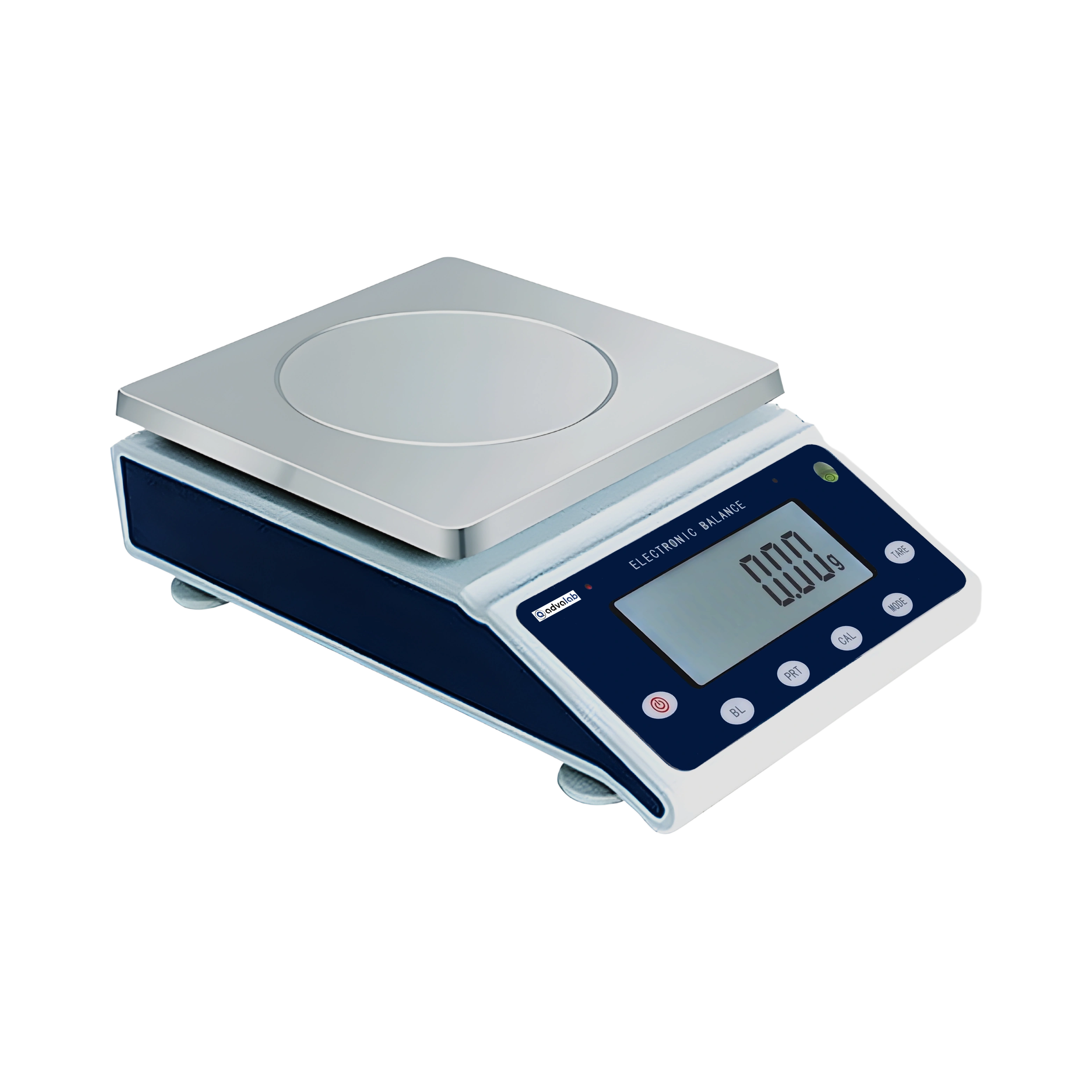
| Capacity: | 10000 g |
| Readability: | 0.1 g |
| Repeatability: | ±0.1 g |

| Capacity: | 100 g |
| Readability: | 0.001 g |
| Repeatability: | ±0.002 g |
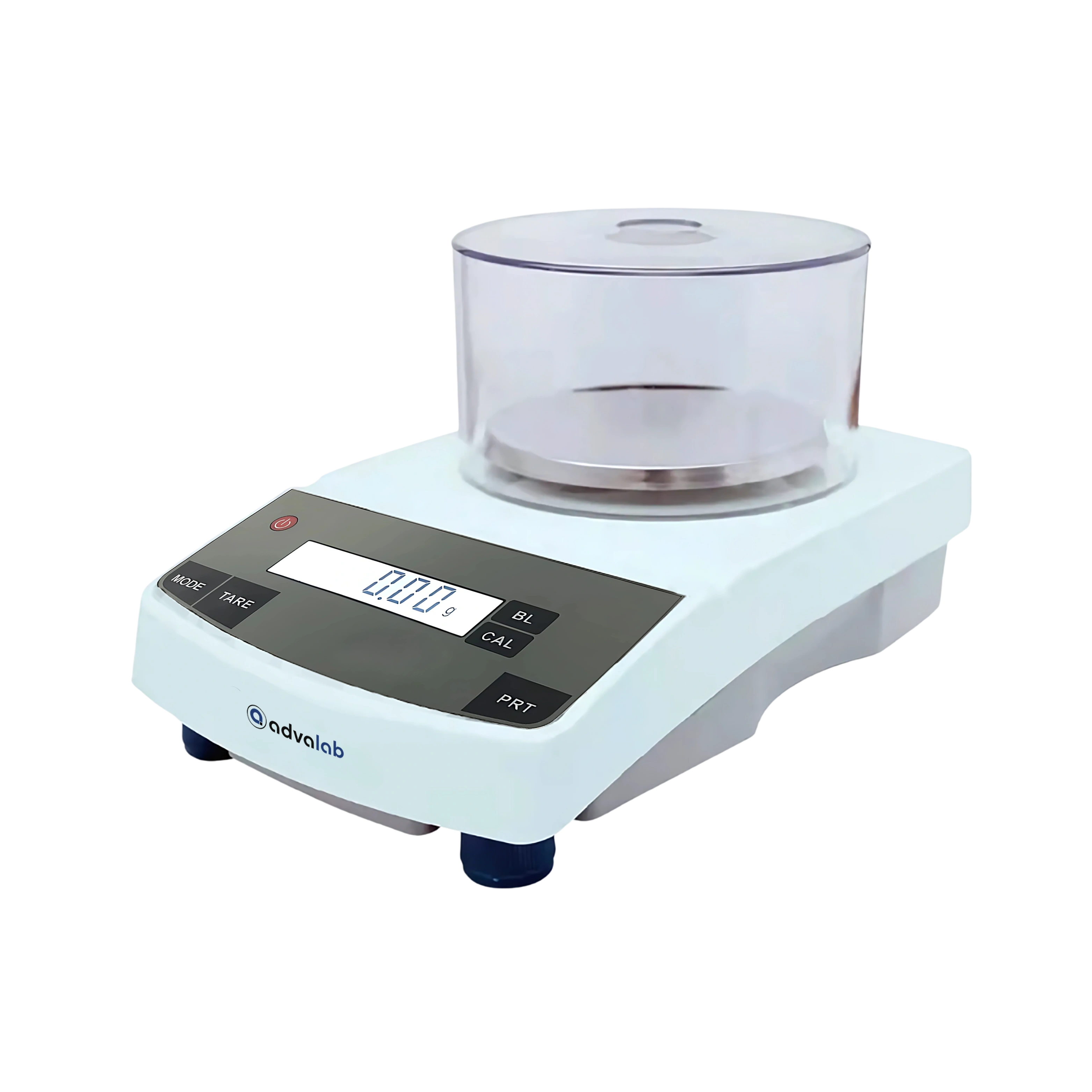
| Capacity: | 300 g |
| Readability : | 0.001 g |
| Repeatability : | ±0.002 g |

| Capacity: | 1000 g |
| Readability : | 0.01 g |
| Repeatability : | ±0.01 g |

| Capacity: | 15000 g |
| Readability: | 1 g |
| Repeatability : | ±1 g |

| Capacity: | 300 g |
| Readability : | 0.1 g |
| Repeatability : | ±0.1 g |

| Capacity: | 600 g |
| Readability : | 0.01 g |
| Repeatability : | ±0.01 g |

| Capacity: | 15000 g |
| Readability: | 0.1 g |
| Repeatability: | ±0.1 g |
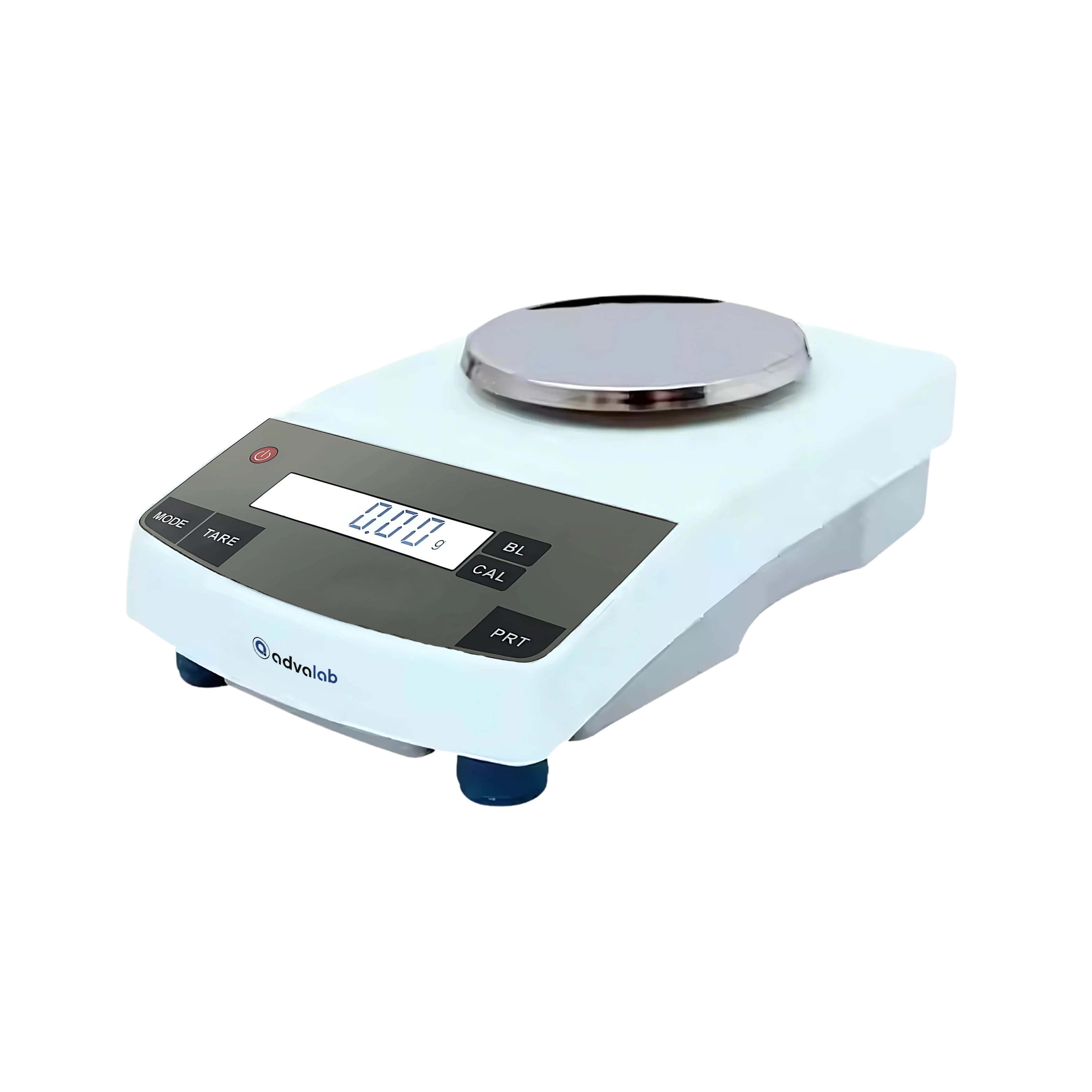
| Capacity: | 600 g |
| Readability : | 0.1 g |
| Repeatability: | ±0.1 g |
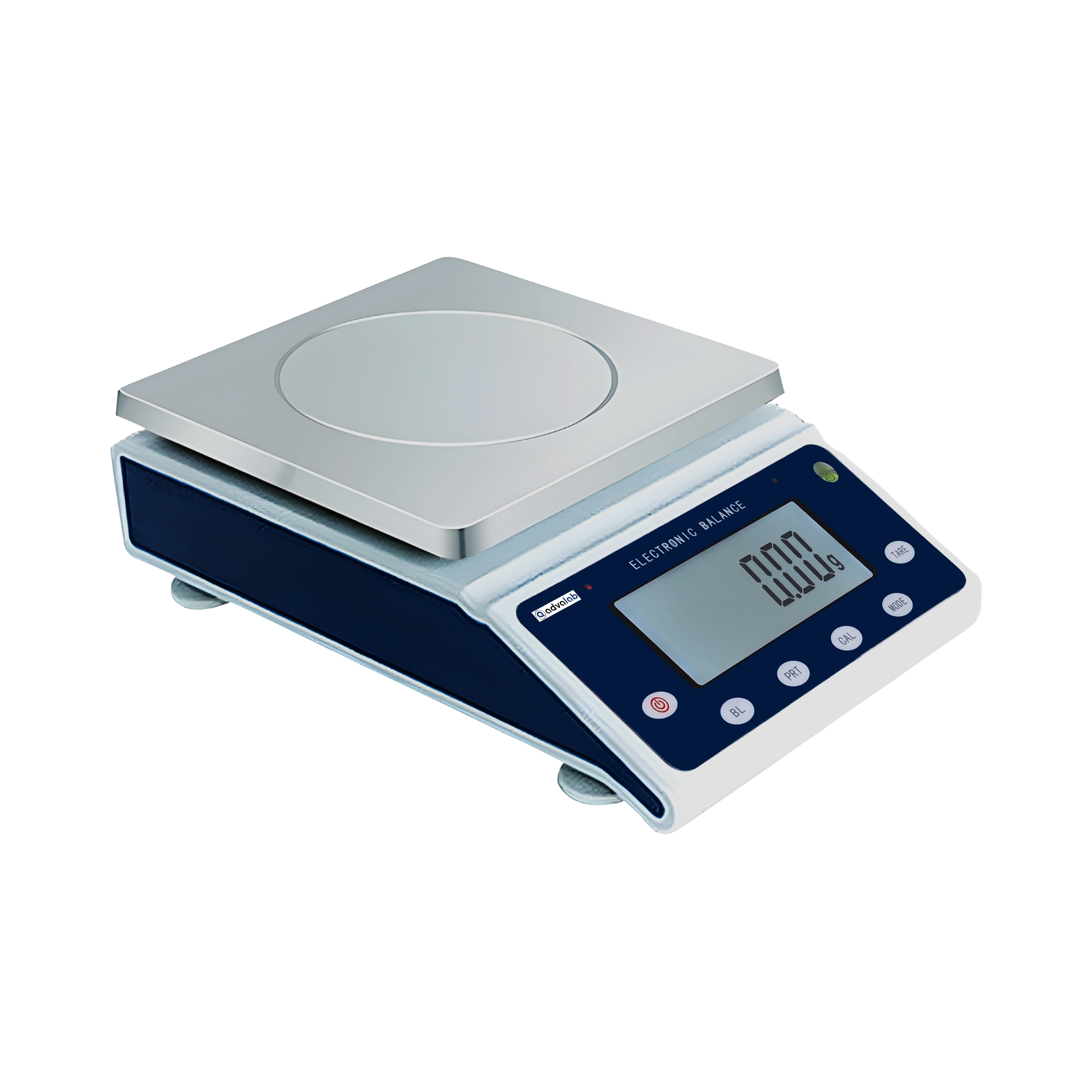
| Capacity: | 6000 g |
| Readability: | 0.1 g |
| Repeatability: | ±0.1 g |
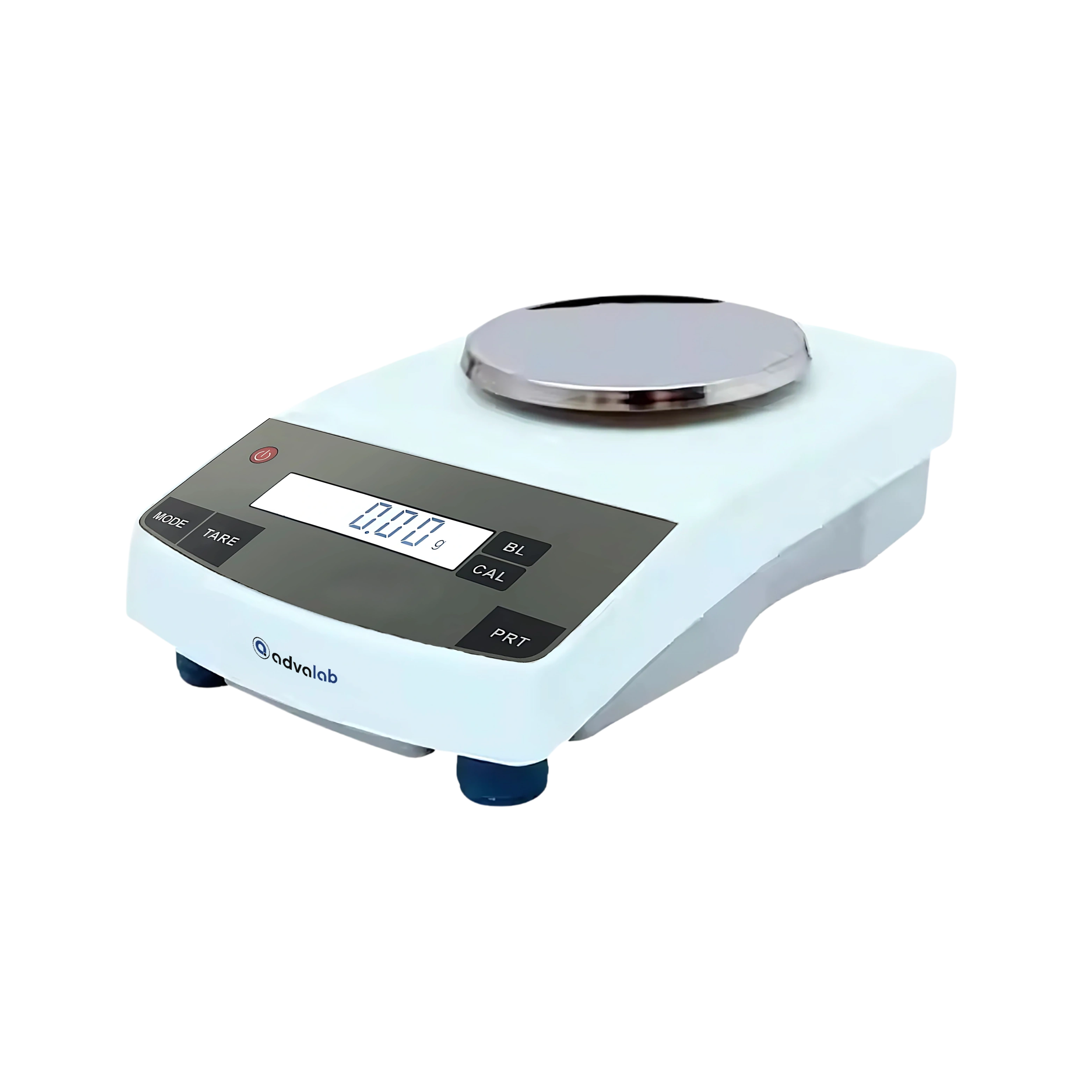
| Capacity: | 1000 g |
| Readability : | 0.1 g |
| Repeatability : | ±0.1 g |

| Capacity: | 200 g |
| Readability : | 0.01 g |
| Repeatability : | ±0.01 g |

| Capacity: | 1000 g |
| Readability: | 1 g |
| Repeatability: | ±1 g |
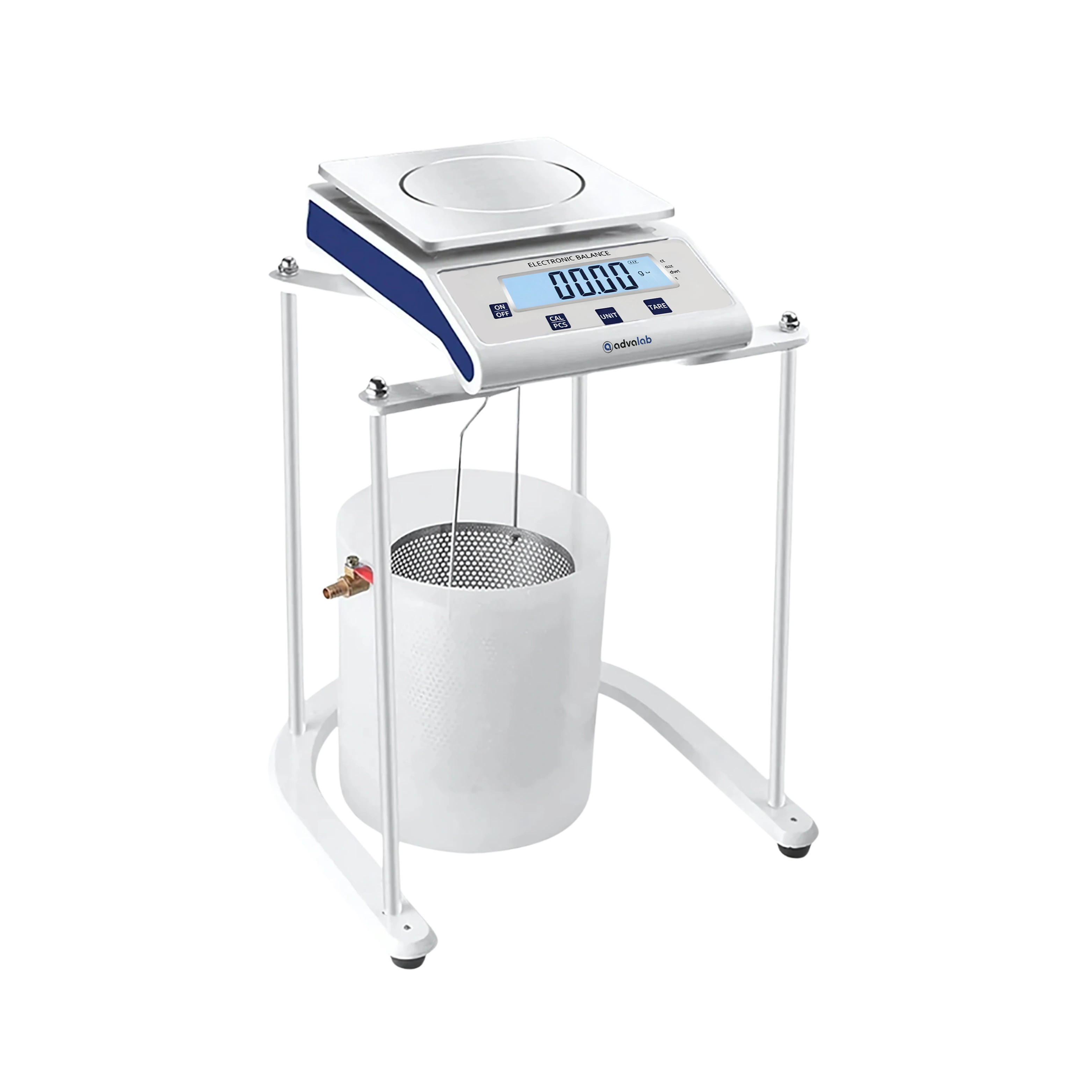
| Capacity: | 2000g |
| Accuracy: | 0.1g |
| Linearity error: | ±0.3g |

| Capacity: | 5000g |
| Accuracy: | 0.01 g |
| Linearity error: | ±0.03g |
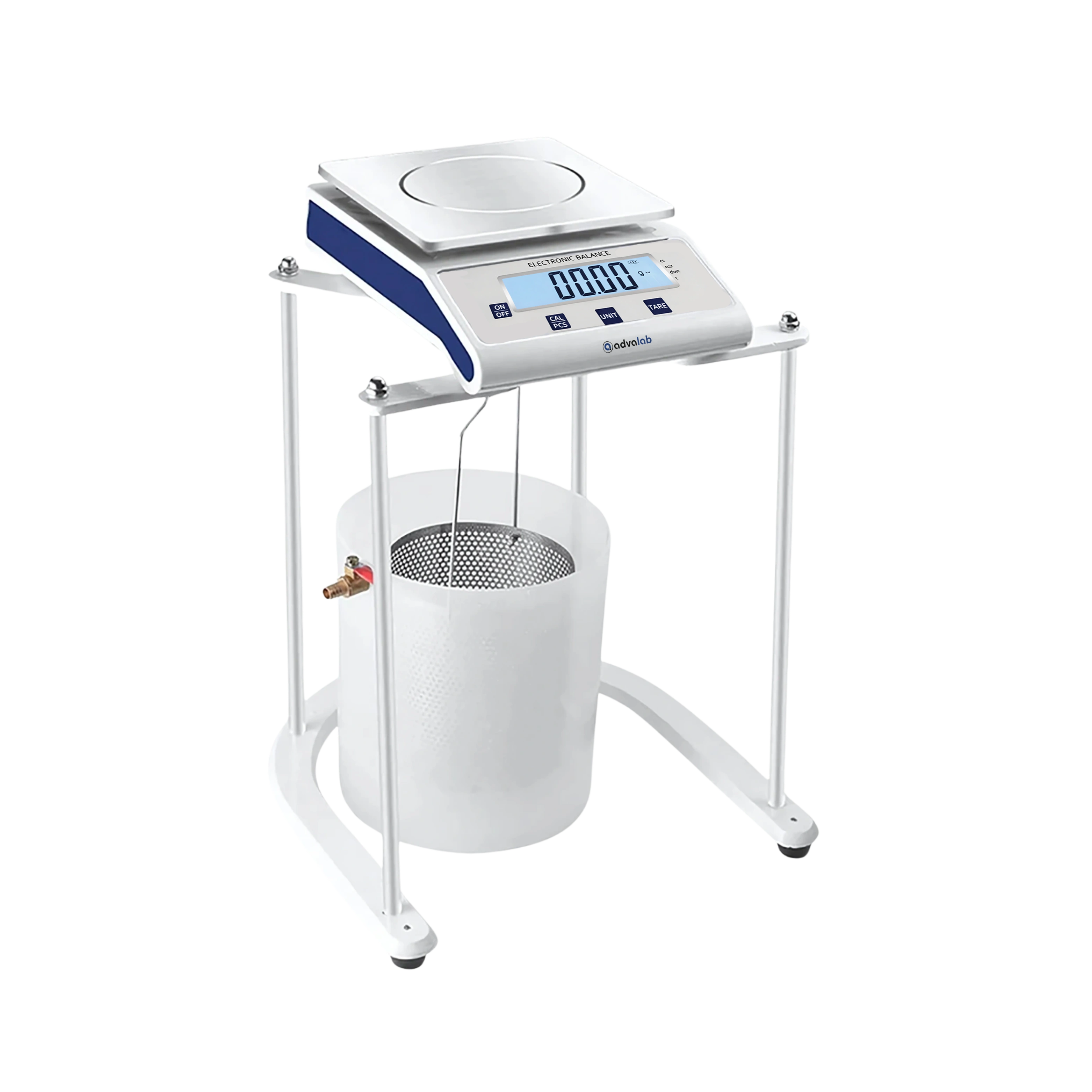
| Capacity: | 2000g |
| Accuracy: | 0.01g |
| Linearity Error: | ±0.03g |
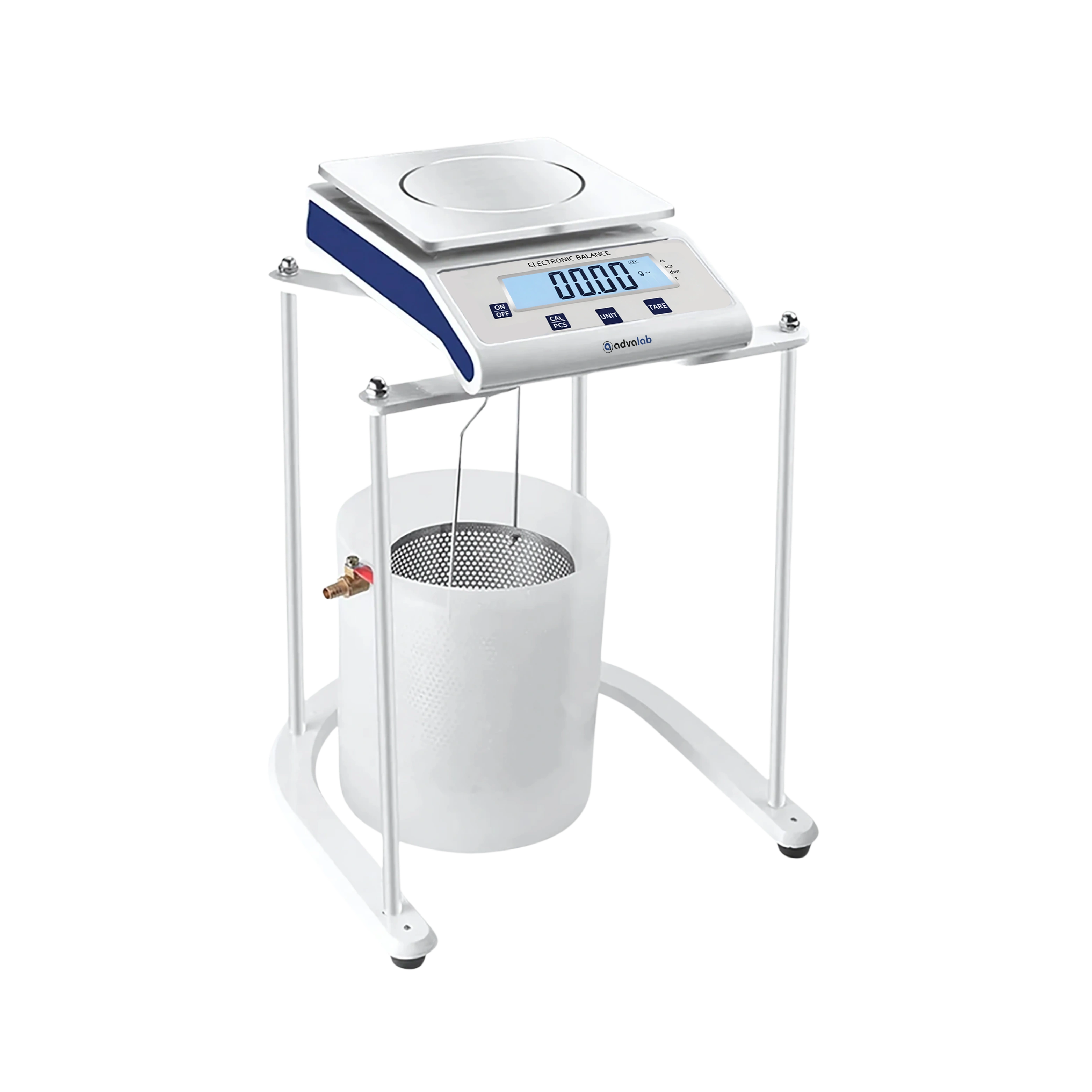
| Capacity: | 5000g |
| Accuracy: | 0.1g |
| Linearity error: | ±0.3g |