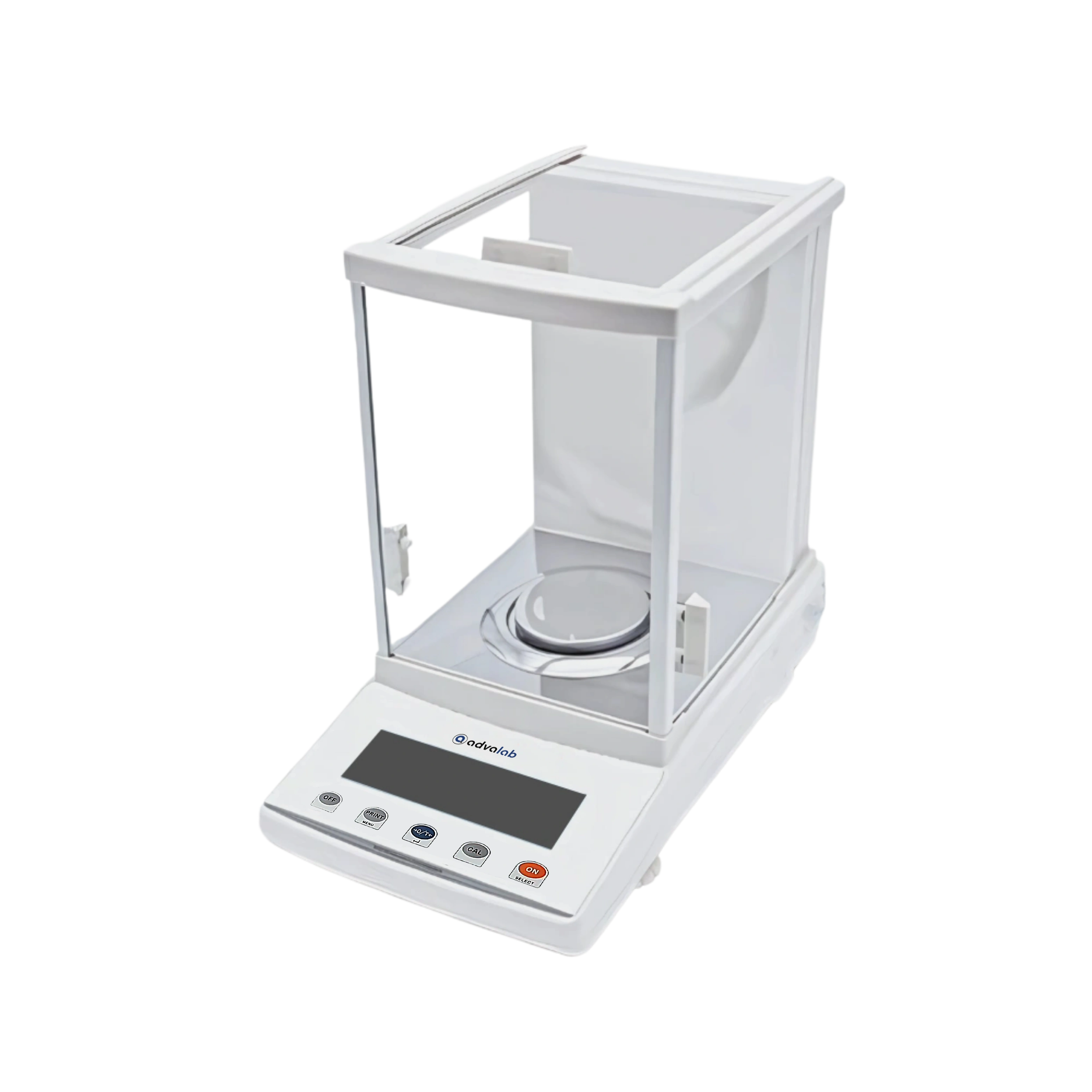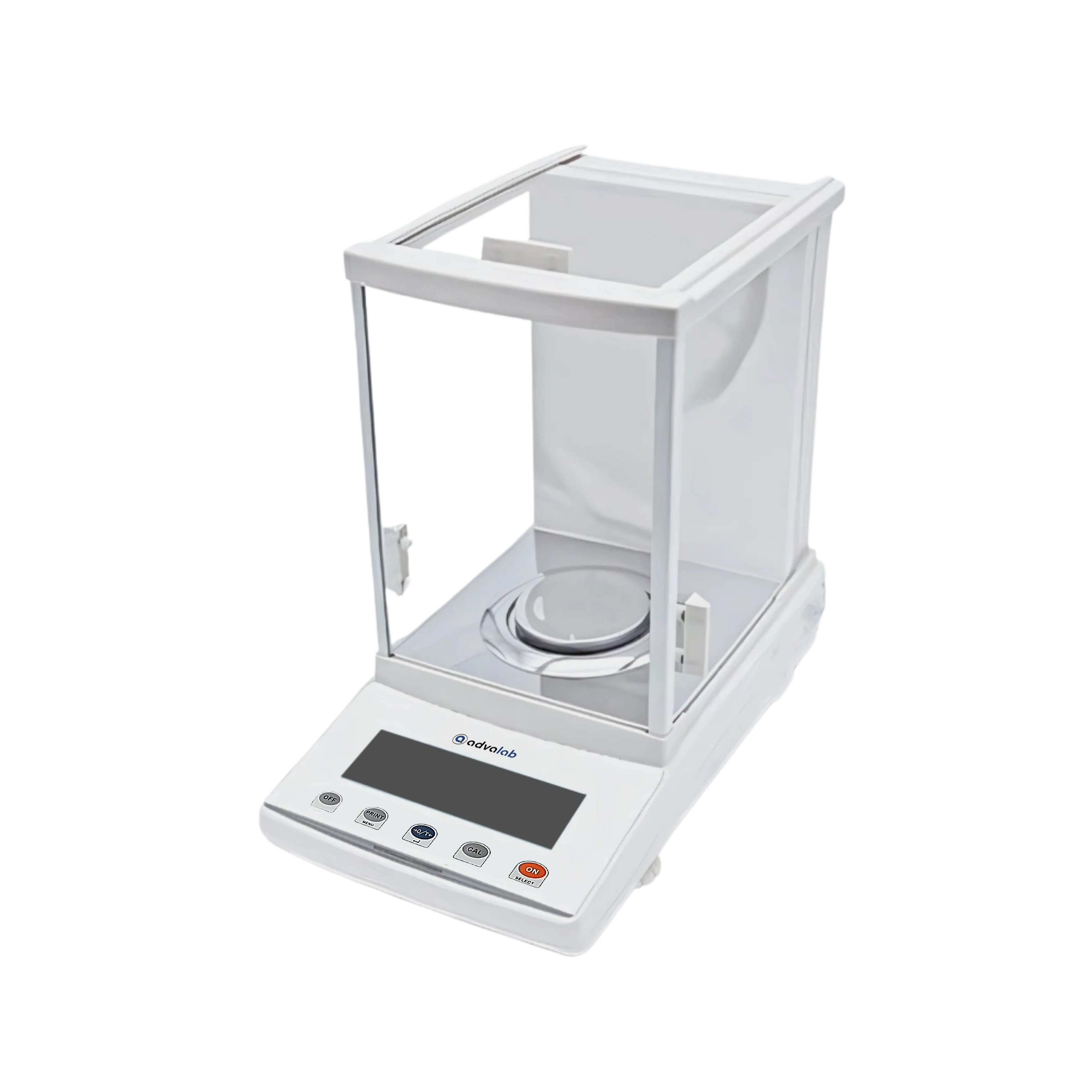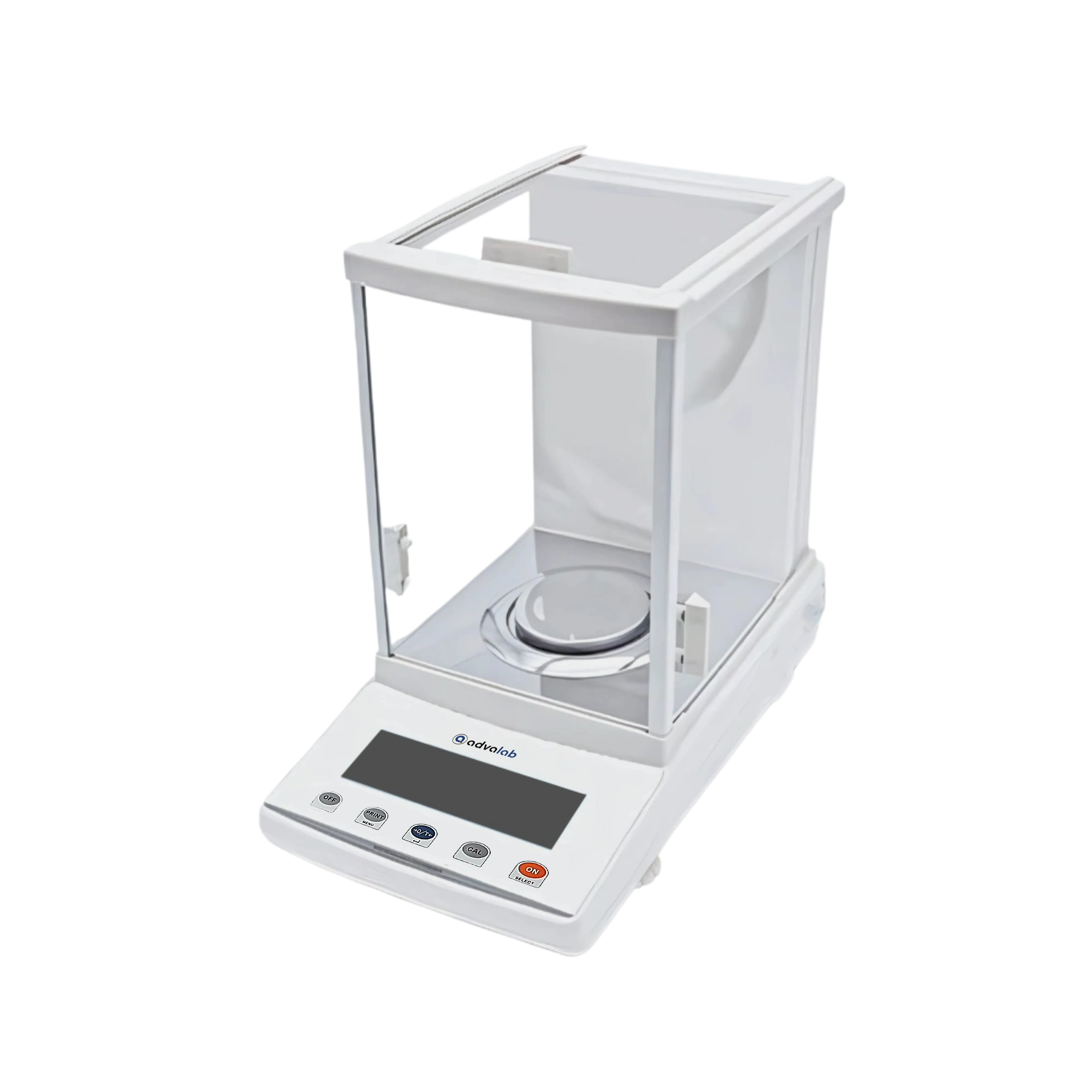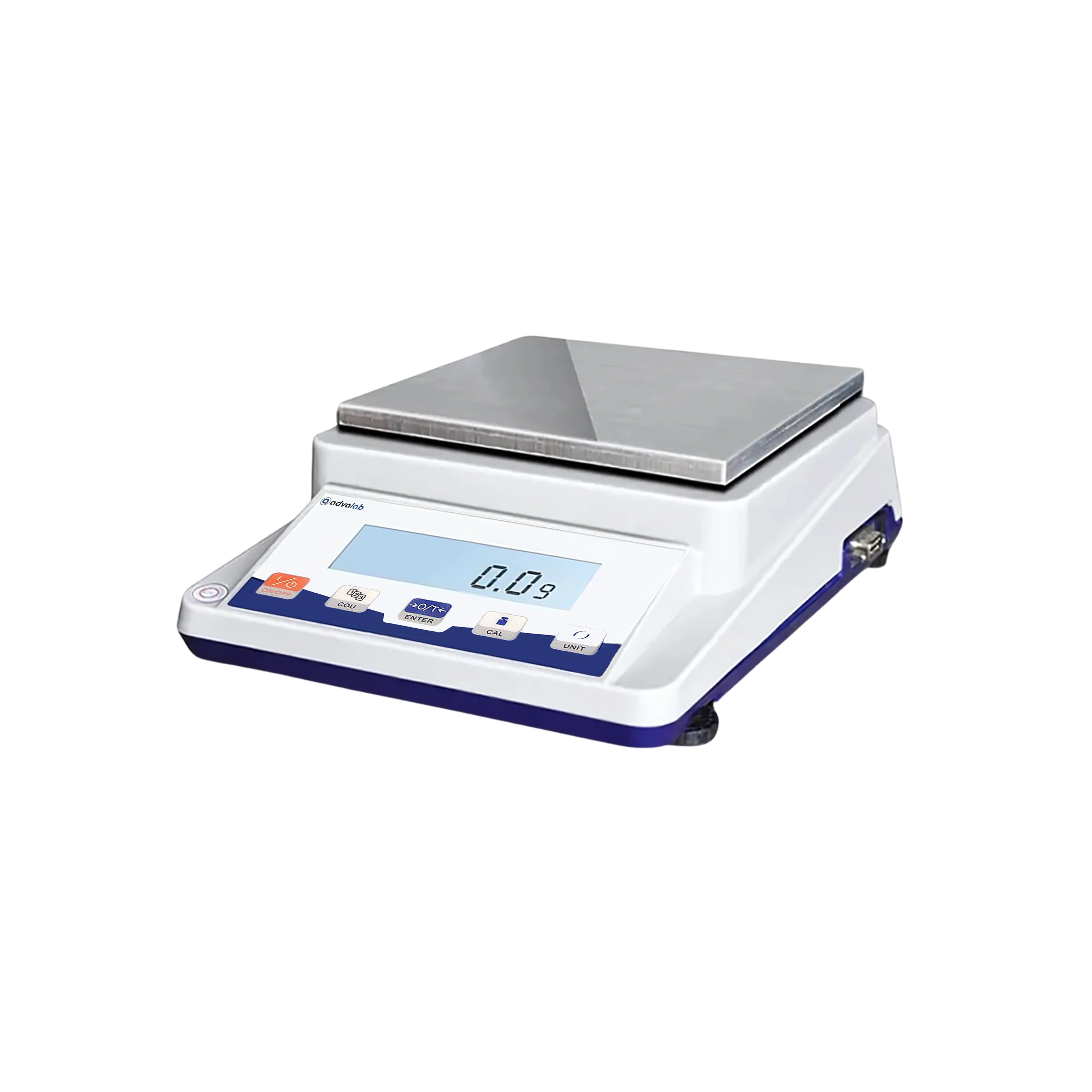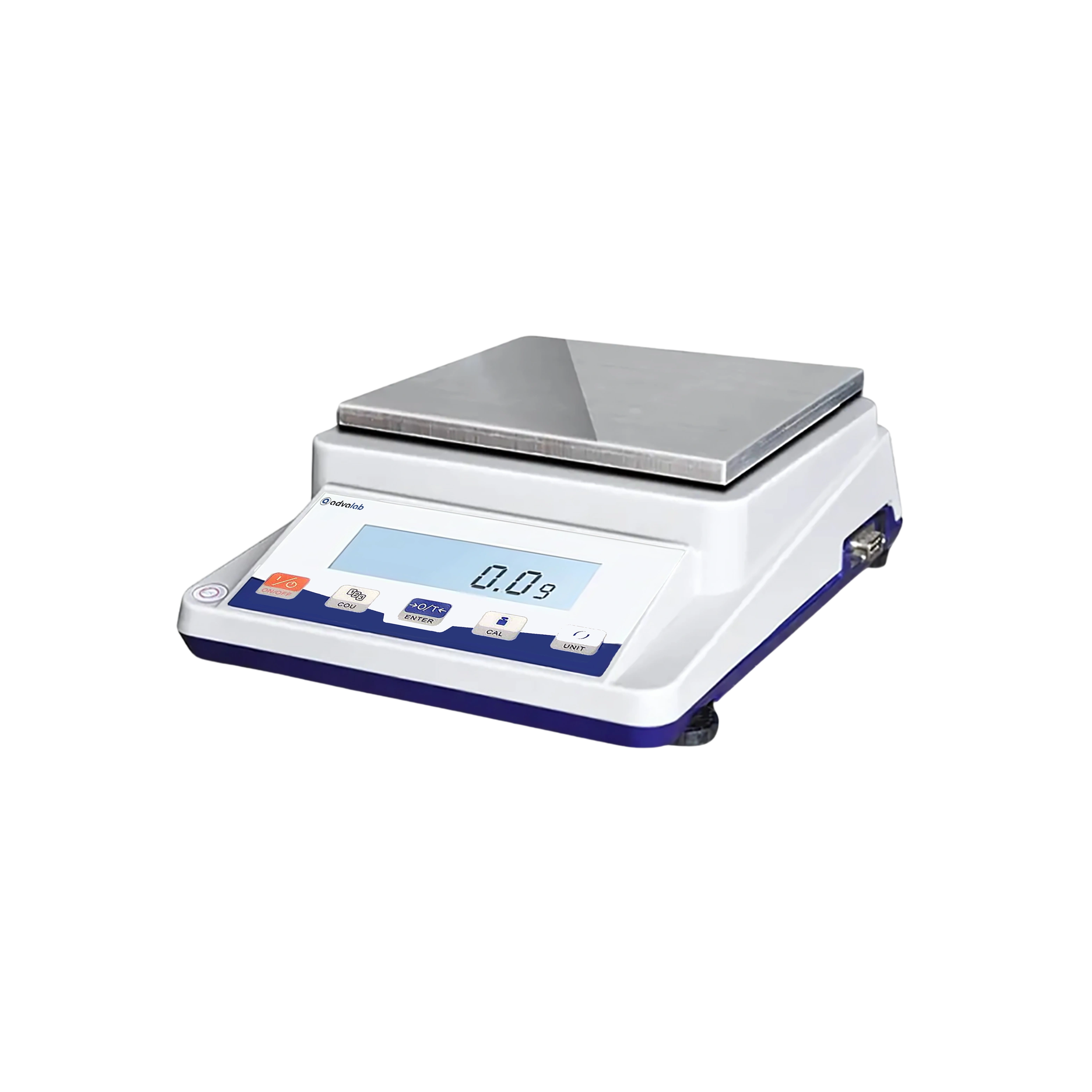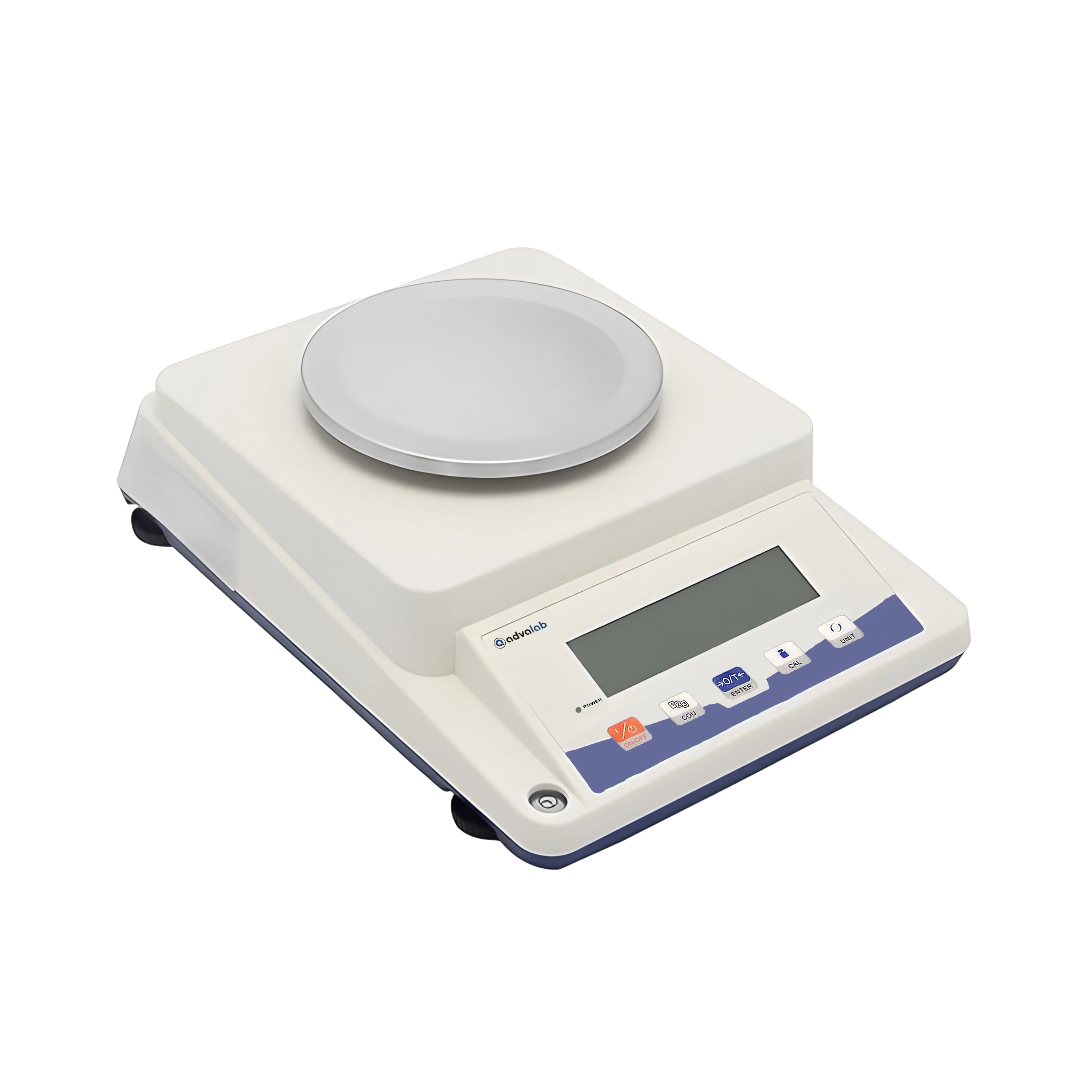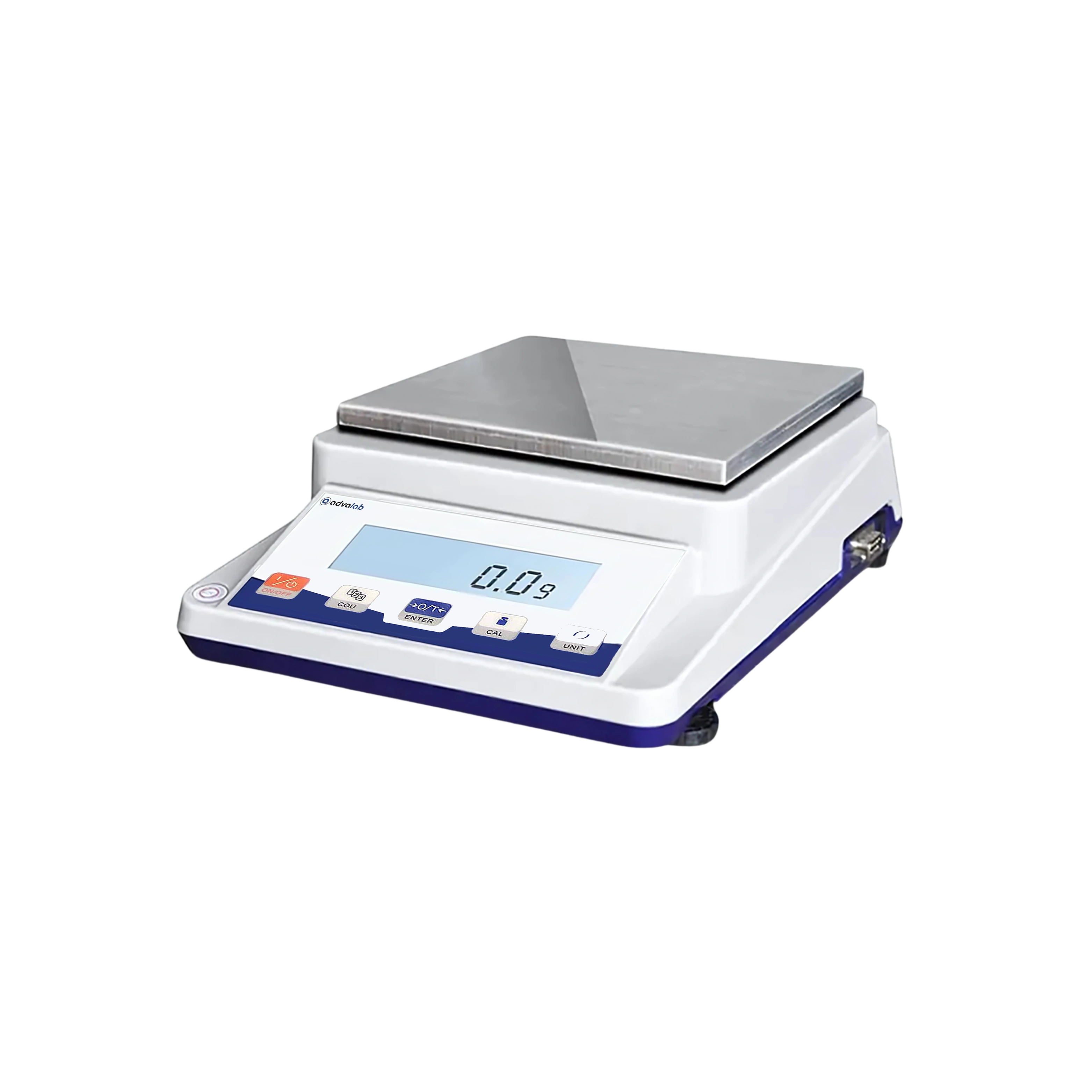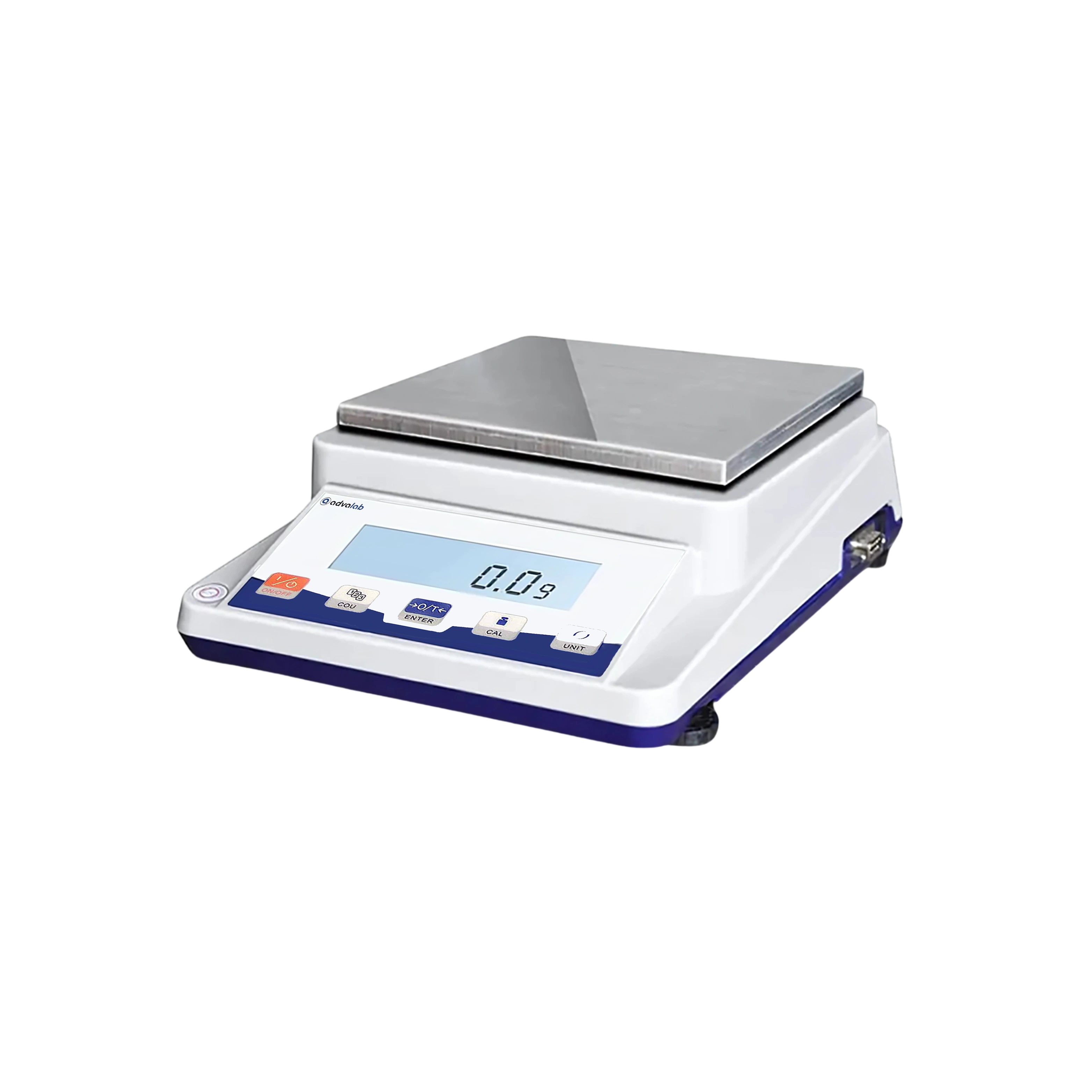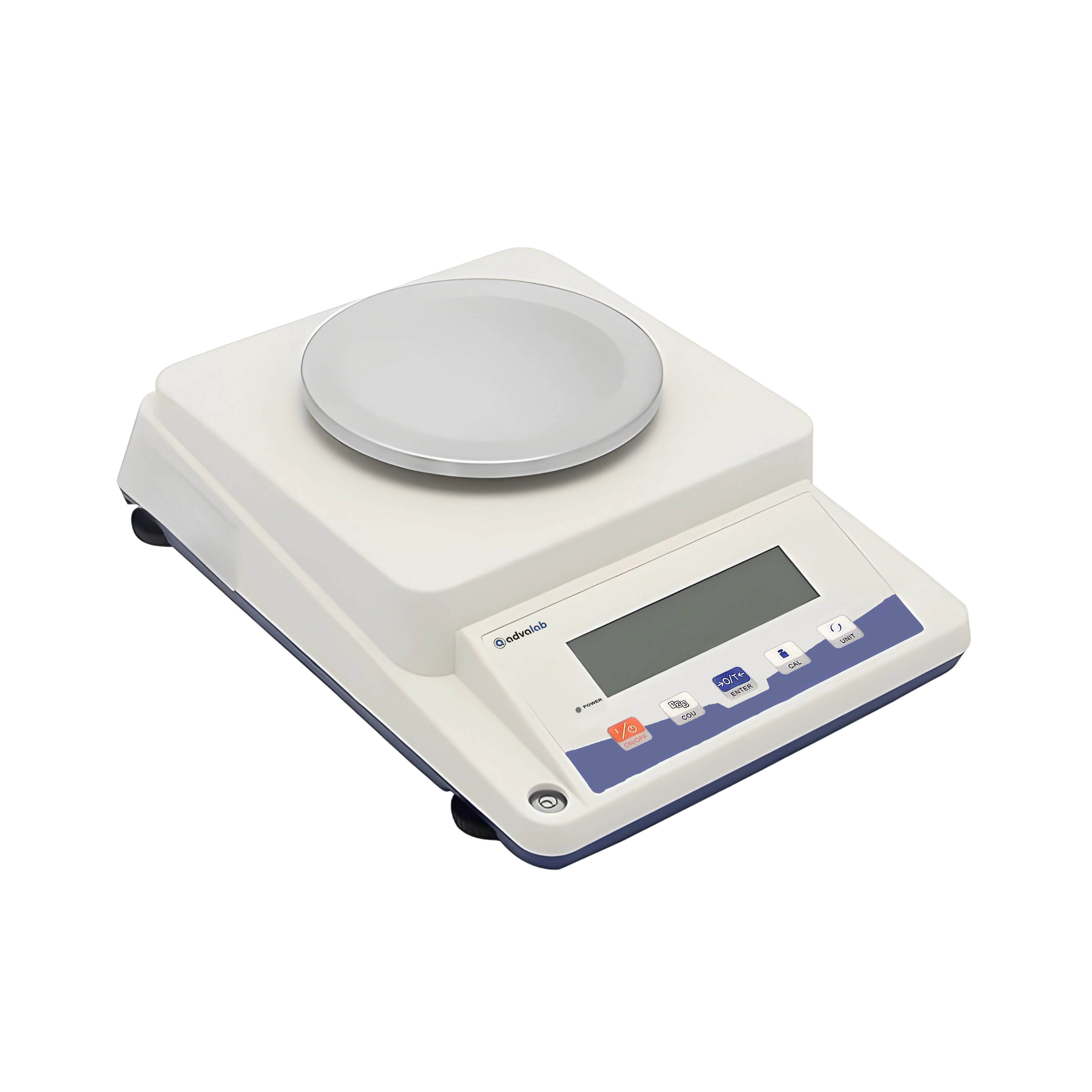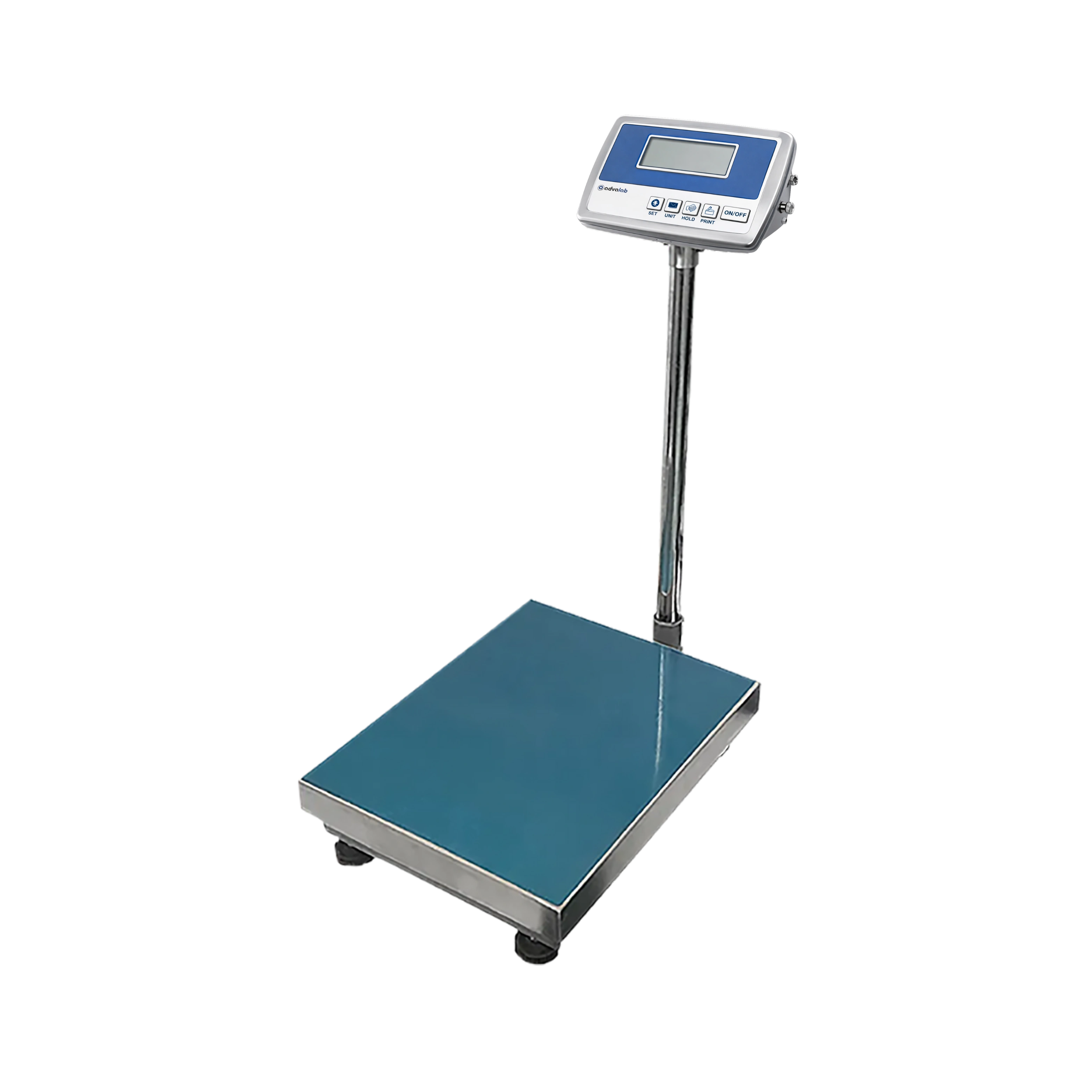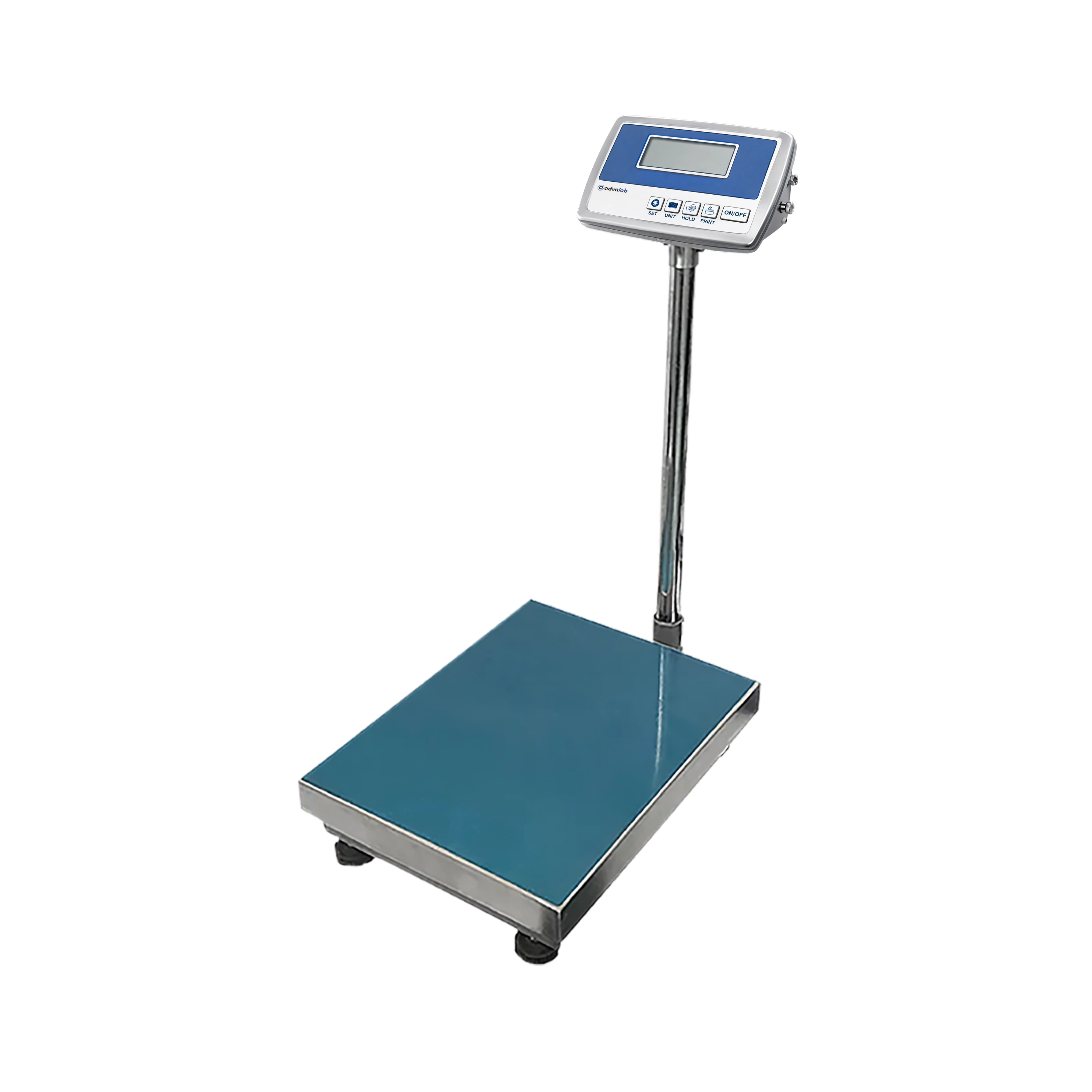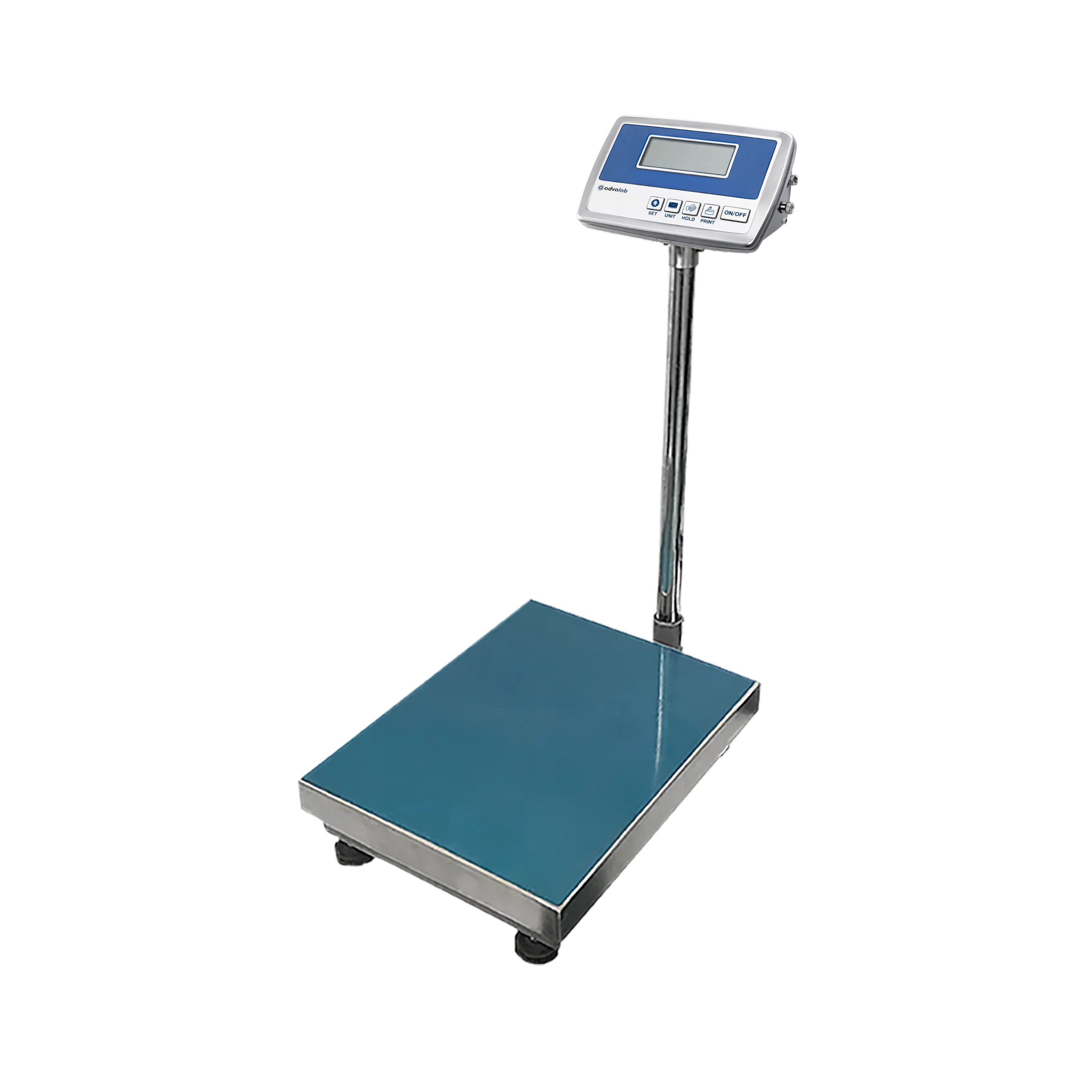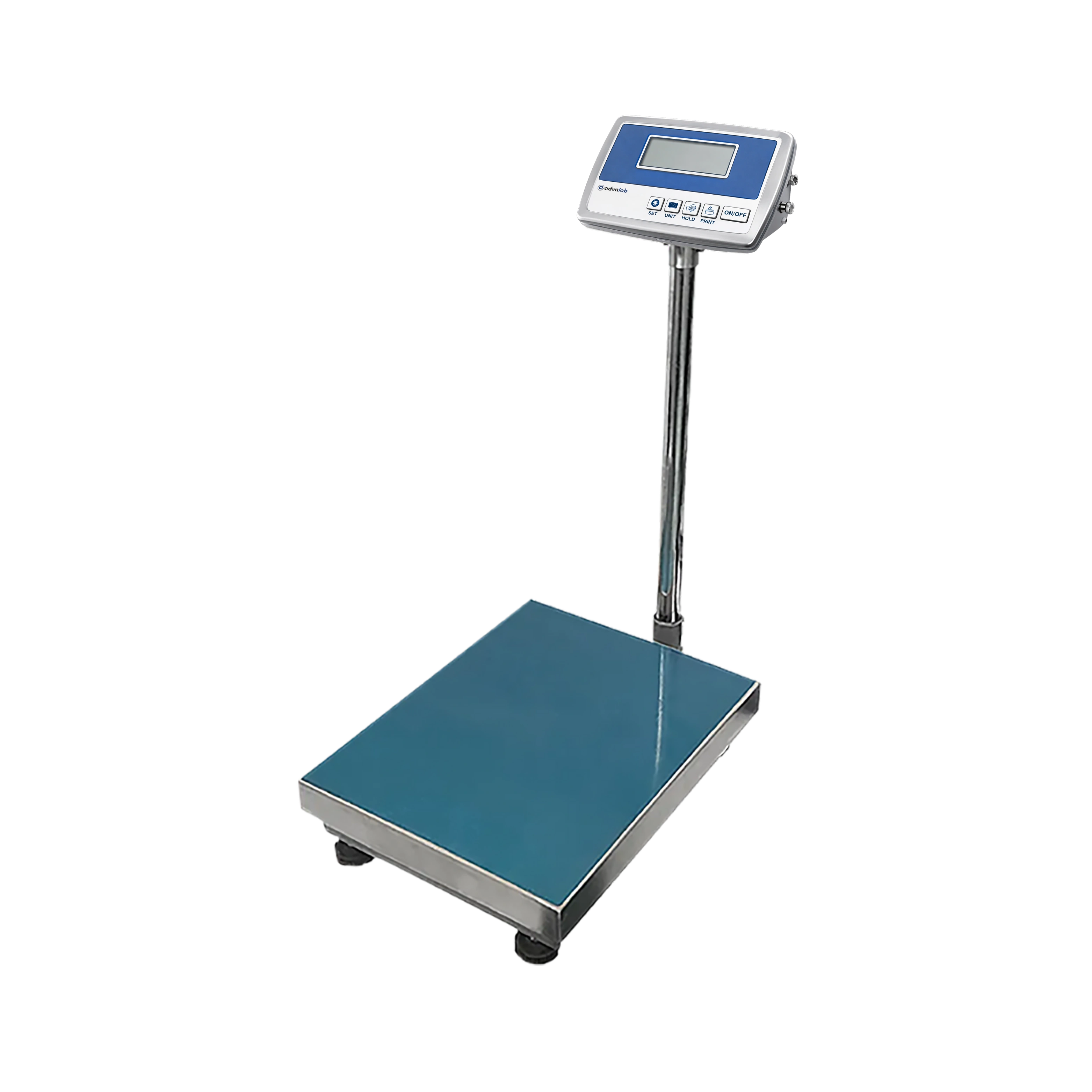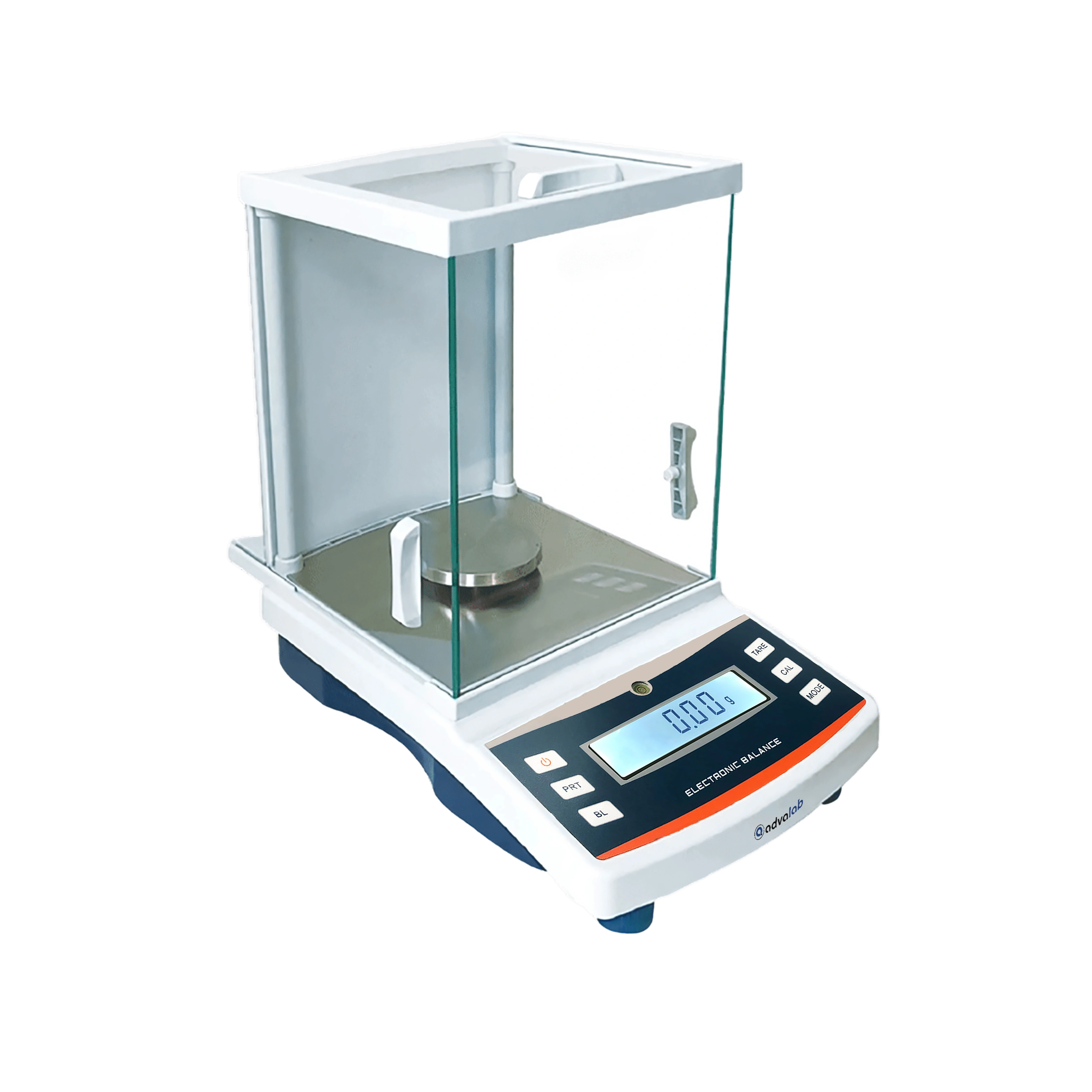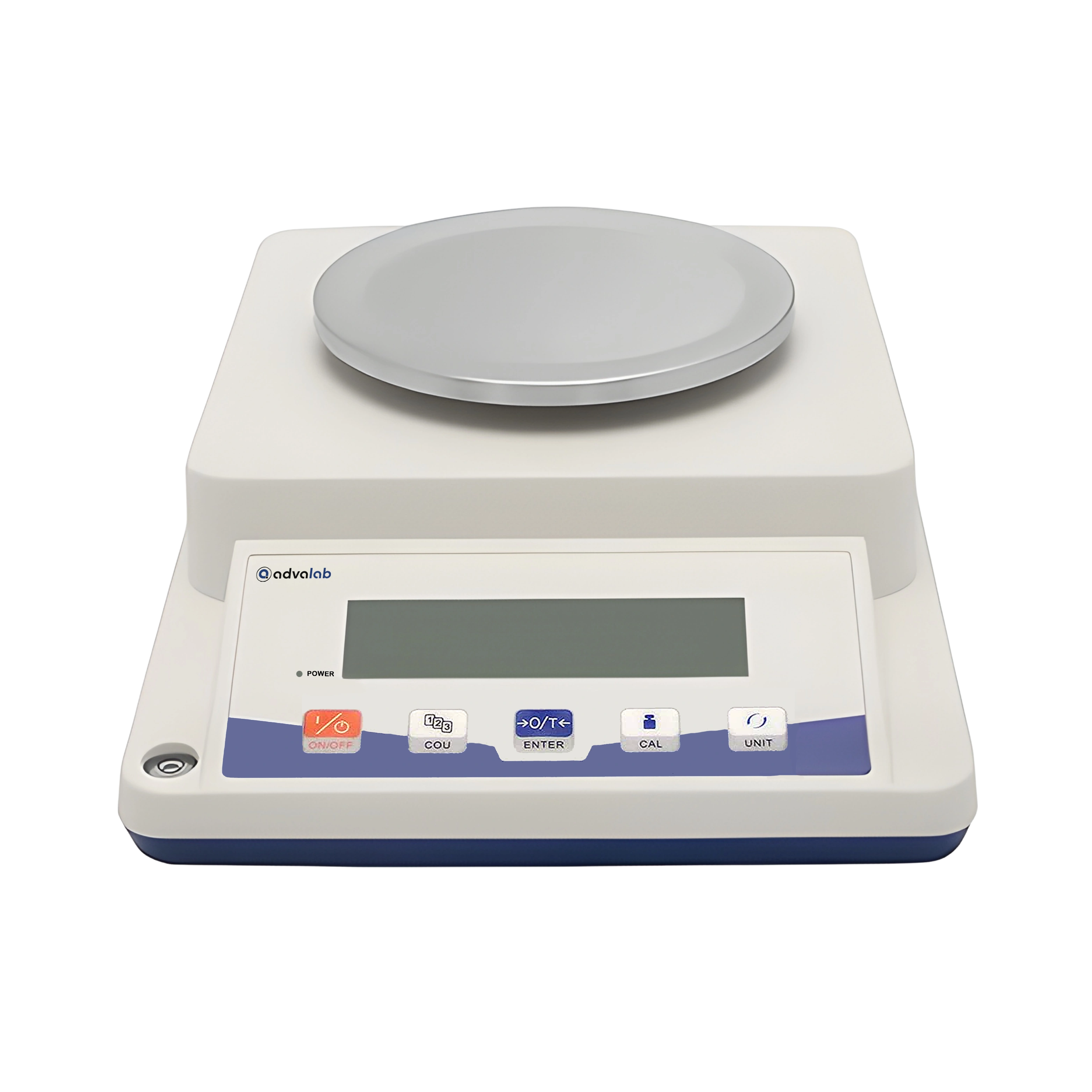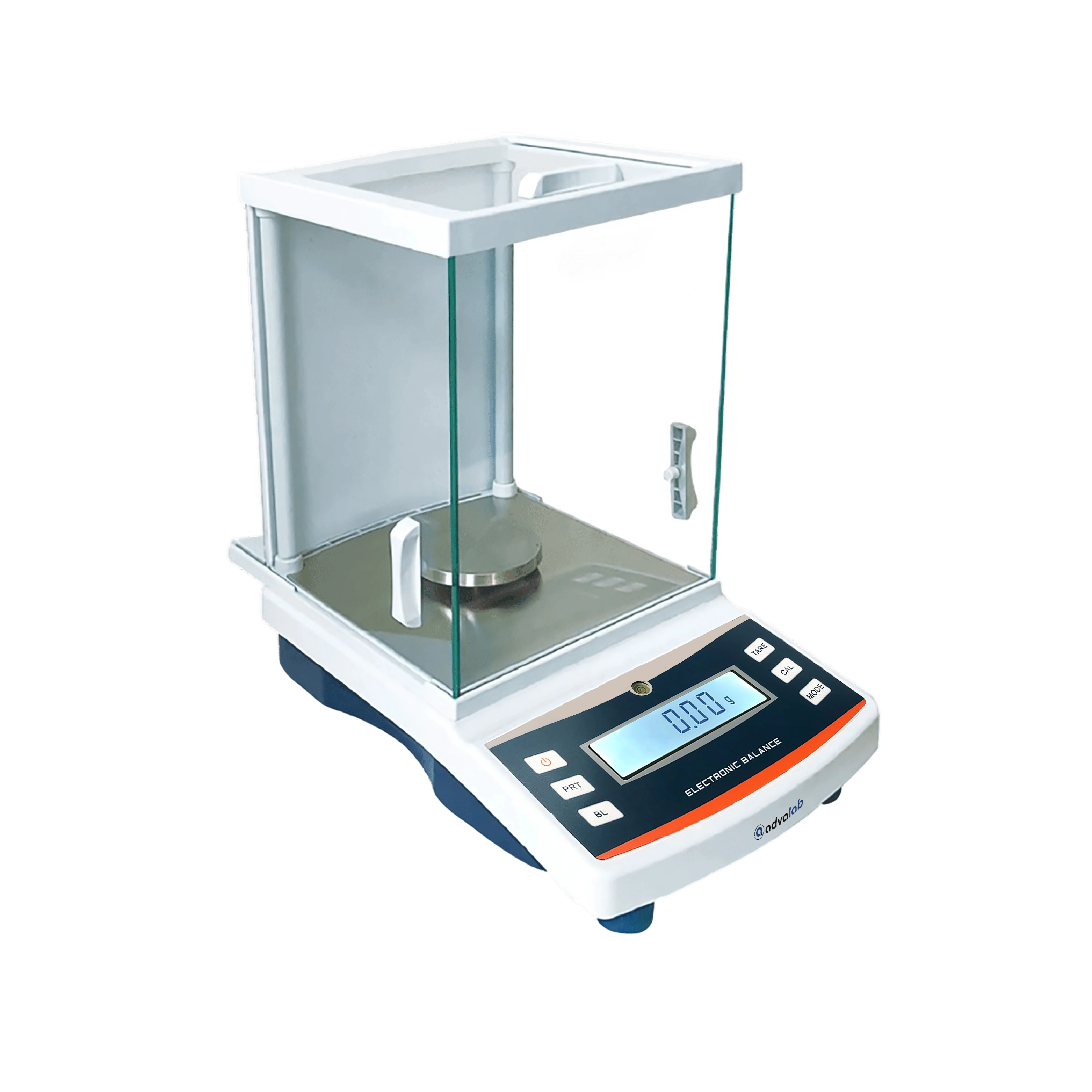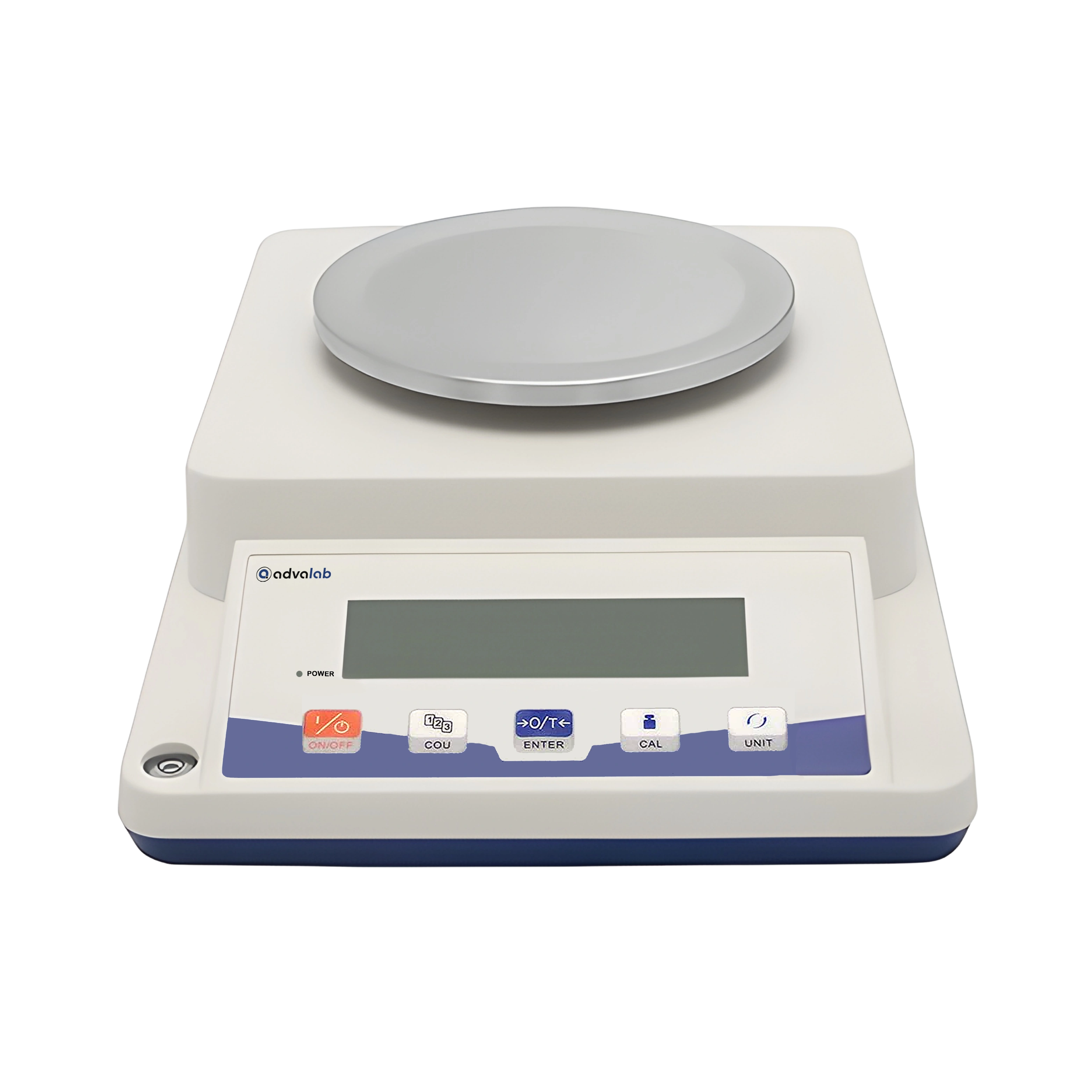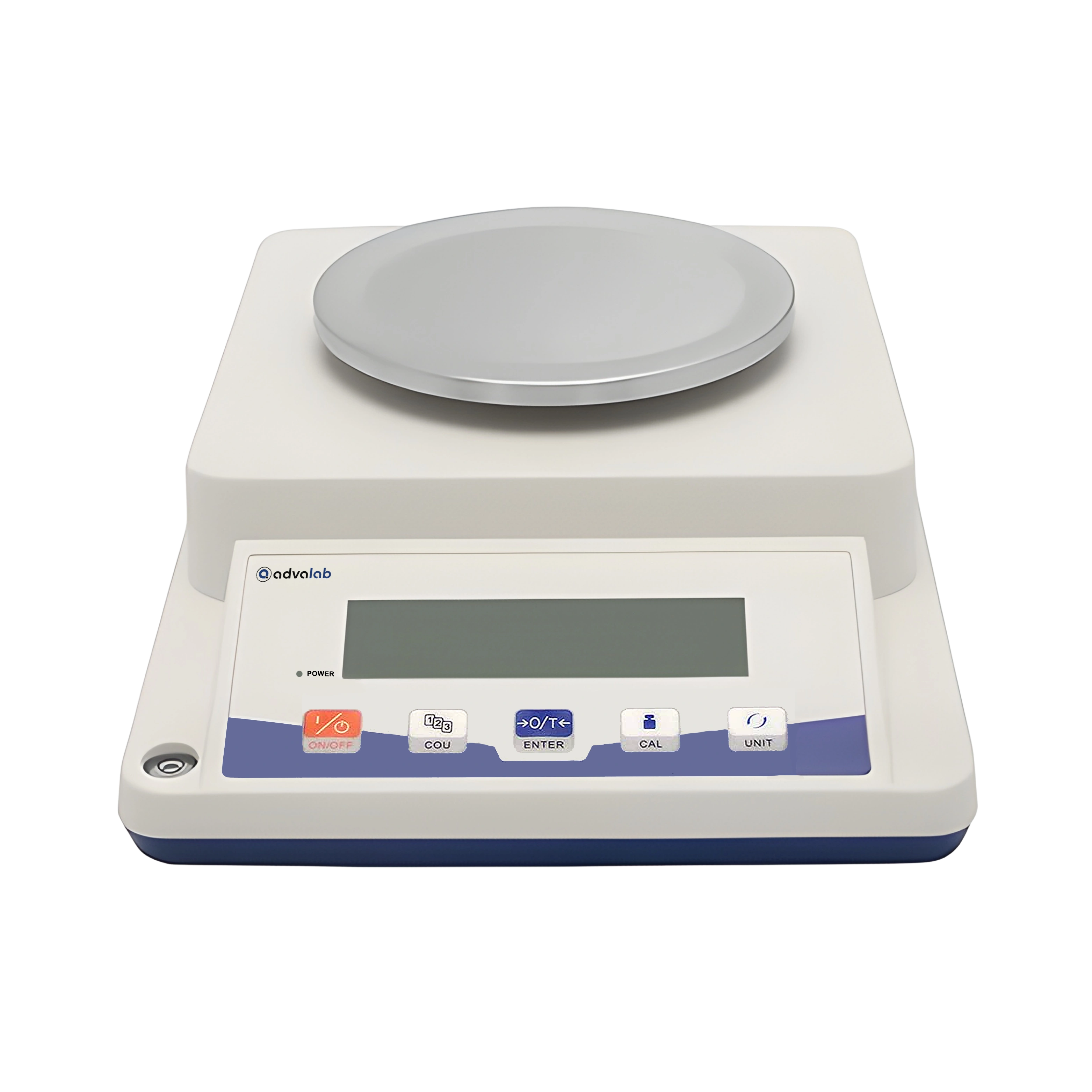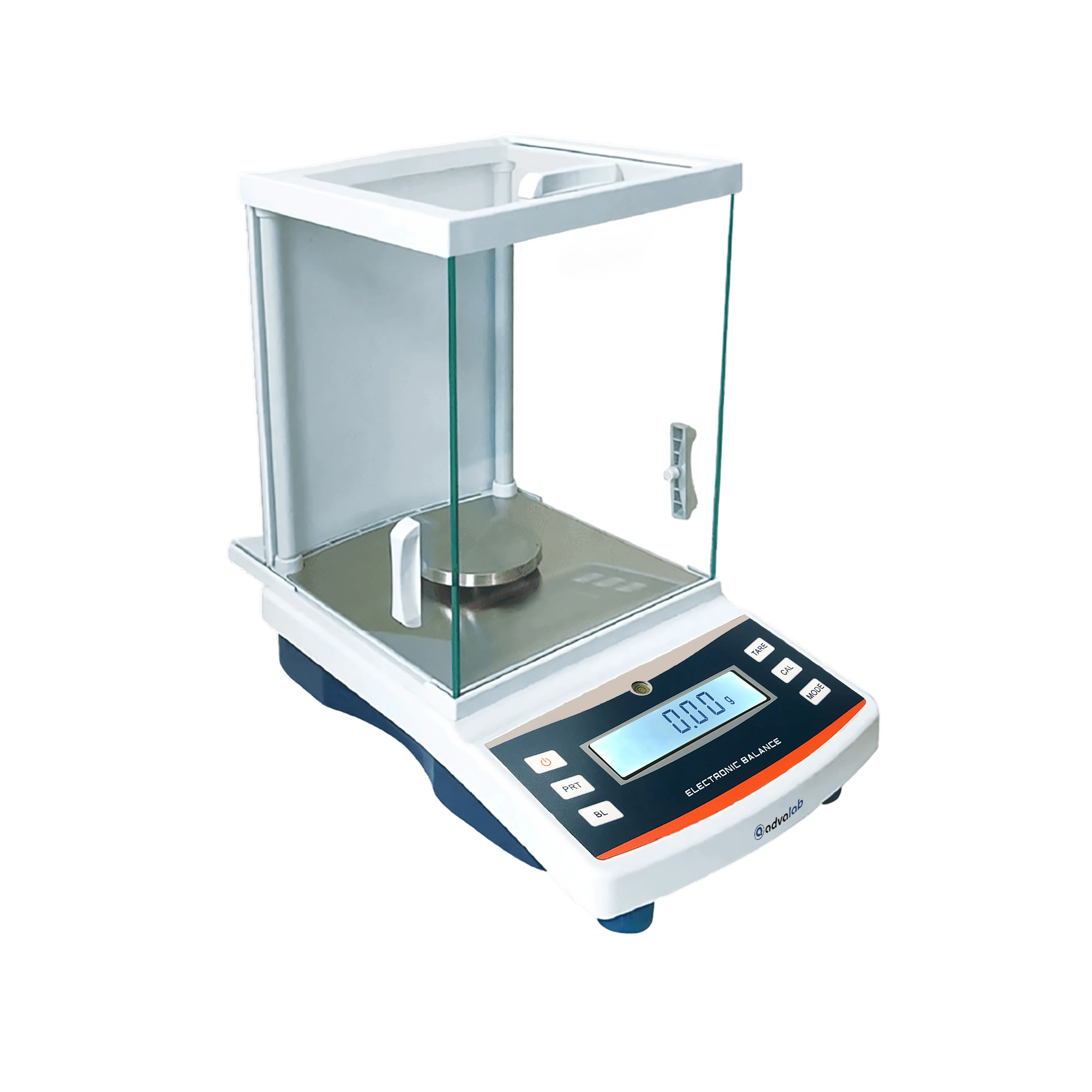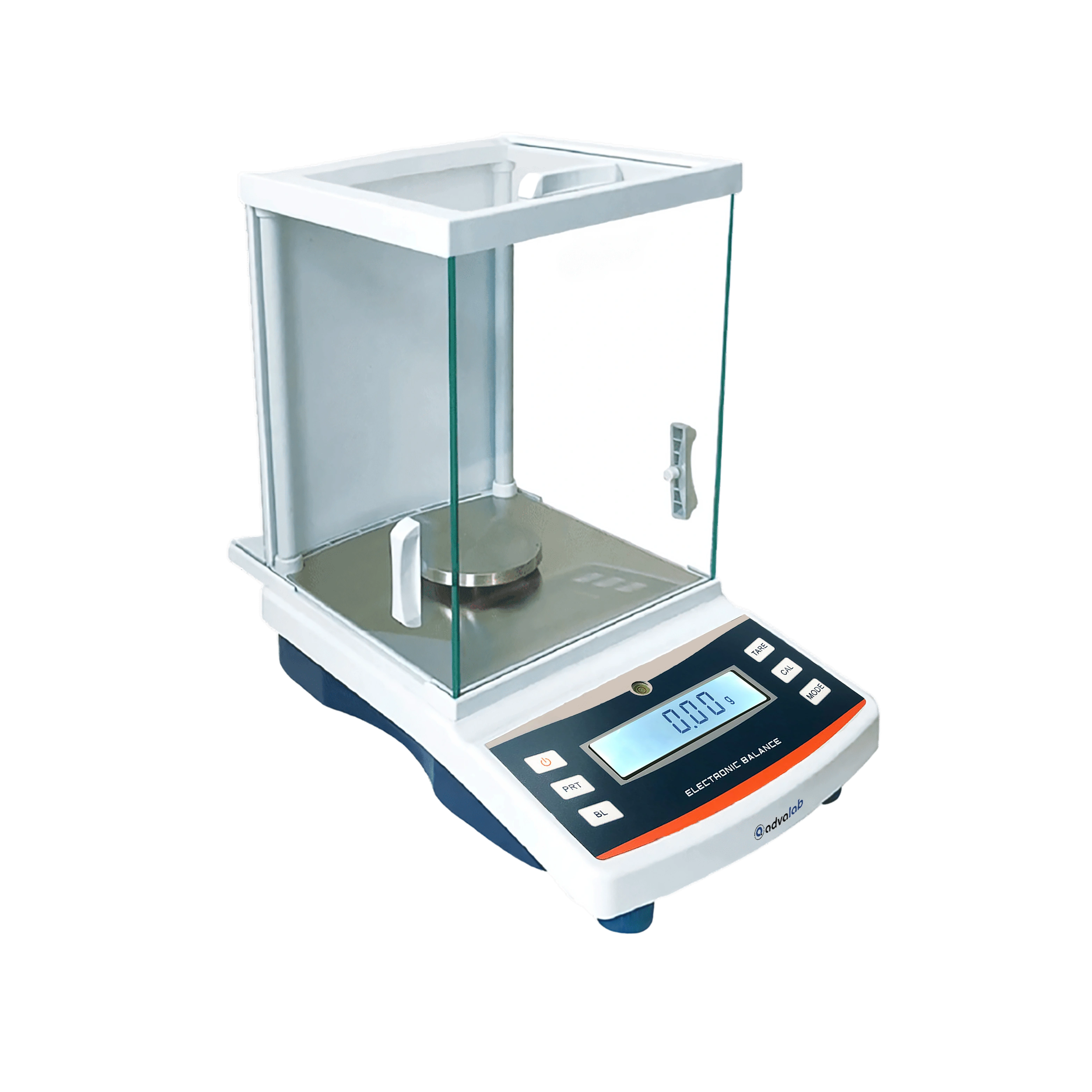

| Capacity | 15000 g |
| Readability | 0.1 g |
| Repeatability | ±0.1 g |
| Linearity | ±0.1 g |
| Calibration | External |
| Pan Dimensions | 200 × 200 mm |
| Housing Dimensions (L × W × H) | 340 × 210 × 90 mm |
| Packaging Dimensions (L × W × H) | 345 × 290 × 160 mm |
| Net Weight | 3 kg |
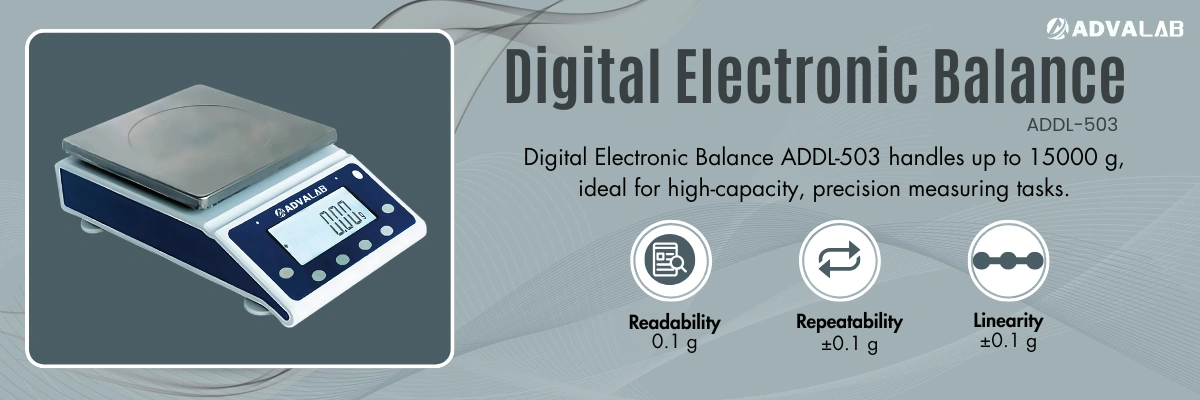
The Digital Electronic Balance ADDL-503 is utilized in laboratories, industrial facilities, and academic environments to deliver accurate weight measurements critical for quality assurance, scientific research, and educational demonstrations.

1. How is long-term accuracy ensured in the Digital Electronic Balance ADDL-503?
The Digital Electronic Balance ADDL-503 supports external calibration, allowing users to routinely adjust the balance for optimal performance. This ensures precise readings are maintained over time, which is crucial for compliance in regulated industries. Regular calibration also helps eliminate environmental variances that may affect accuracy. It gives users confidence in consistent performance for critical tasks.
2. What kind of display does the Digital Electronic Balance ADDL-503 use for result visibility?
This Digital Electronic Balance ADDL-503 features a high-contrast LCD display, offering excellent readability in diverse lighting conditions. Its intuitive layout helps users quickly interpret results, reducing operational errors and improving workflow efficiency. The screen is designed to be glare-free, making it ideal for long periods of use. Backlighting further enhances visibility in shadowed spaces.
3. Where is the Digital Electronic Balance ADDL-503 typically used?
The Digital Electronic Balance ADDL-503 is utilized in academic labs, pharmaceutical research, quality testing, and light industrial applications. Its precision, combined with ease of use, makes it ideal for tasks requiring accurate weight assessments. It is favored in training laboratories due to its simple interface and dependable results. The unit’s durability suits both sensitive and rugged environments.
4. What built-in safety mechanisms does the Digital Electronic Balance ADDL-503 offer?
Designed with user safety and equipment longevity in mind, the Digital Electronic Balance ADDL-503 includes overload protection to guard against excessive weight. It also features non-slip feet for secure placement and a low battery alert to avoid unexpected shutdowns during critical operations. These safety features help preserve the device’s internal components and improve overall stability. This ensures continuous functionality, even in demanding lab conditions.
5. How does the Digital Electronic Balance ADDL-503 contribute to quality assurance standards?
By delivering repeatable and stable measurements, the Digital Electronic Balance ADDL-503 supports quality control processes across various industries. Features like calibration support, precision sensors, and alert systems help ensure every batch meets established standards for accuracy. Its reliability minimizes measurement deviations, which is essential for regulatory compliance.
6. What are Digital Electronic Balances?
Digital Electronic Balances are highly precise weighing instruments that use electronic sensors to determine the mass of various substances. They display measurements digitally, significantly reducing human error associated with analog scales. These instruments are engineered to deliver accurate, quick, and consistent results. Equipped with advanced features like automatic calibration, tare functionality, and multi-unit conversion.
7. In what way do temperature fluctuations impact the performance of Digital Electronic Balances?
Temperature variations can affect the accuracy and stability of Digital Electronic Balances. Sudden changes may cause thermal drift, leading to inconsistent or inaccurate readings. To ensure reliable performance, balances should be used in temperature-controlled environments and allowed to acclimate before weighing.
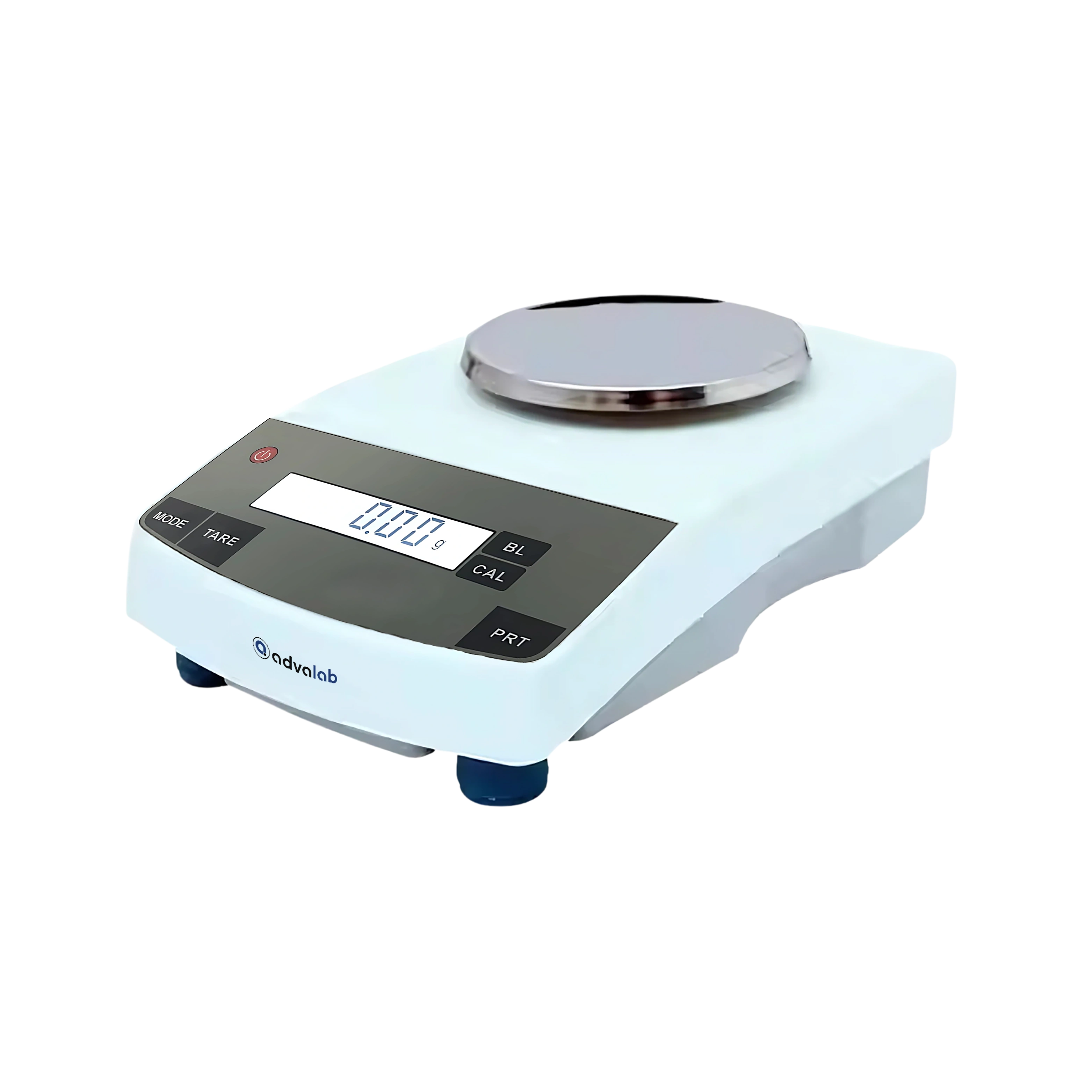
| Capacity | 300 g |
| Readability | 0.01 g |
| Repeatability | ±0.01 g |
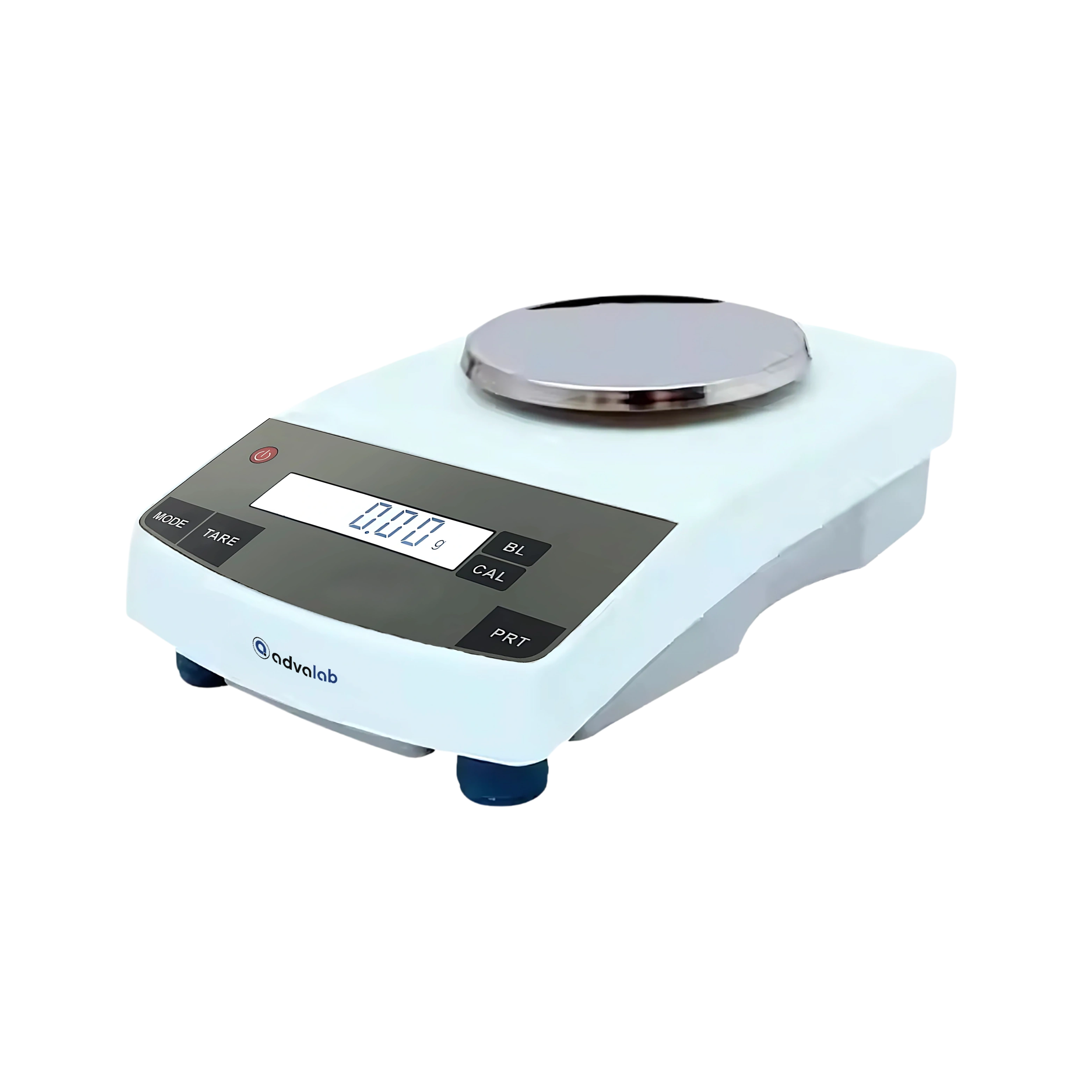
| Capacity | 1000 g |
| Readability | 0.1 g |
| Repeatability | ±0.1 g |

| Capacity | 1000 g |
| Readability | 0.01 g |
| Repeatability | ±0.01 g |
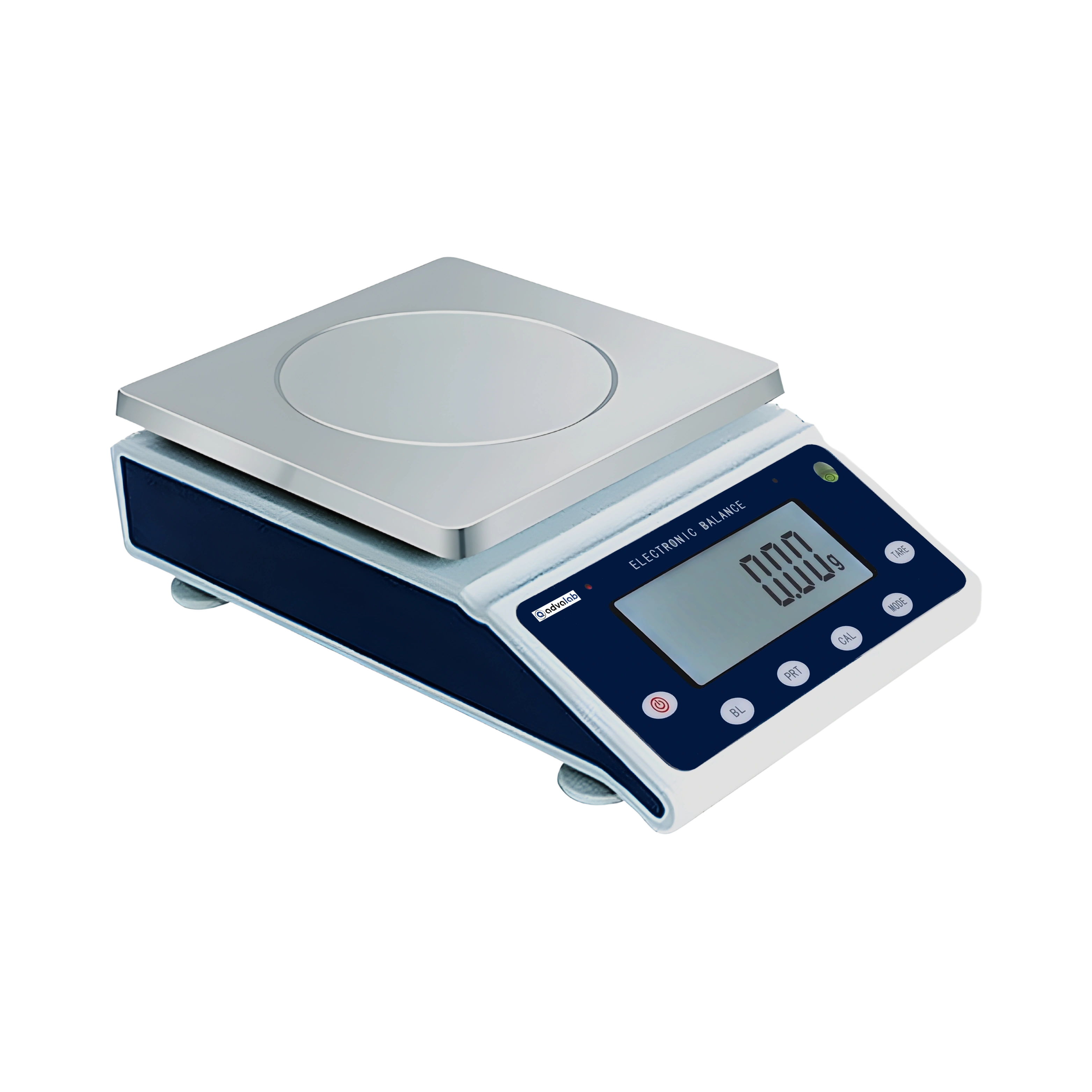
| Capacity | 6000 g |
| Readability | 1 g |
| Repeatability | ±1 g |

| Capacity: | 220 g |
| Readability: | 0.0001 g |
| Minimum Weighing: | 0.0004 g |
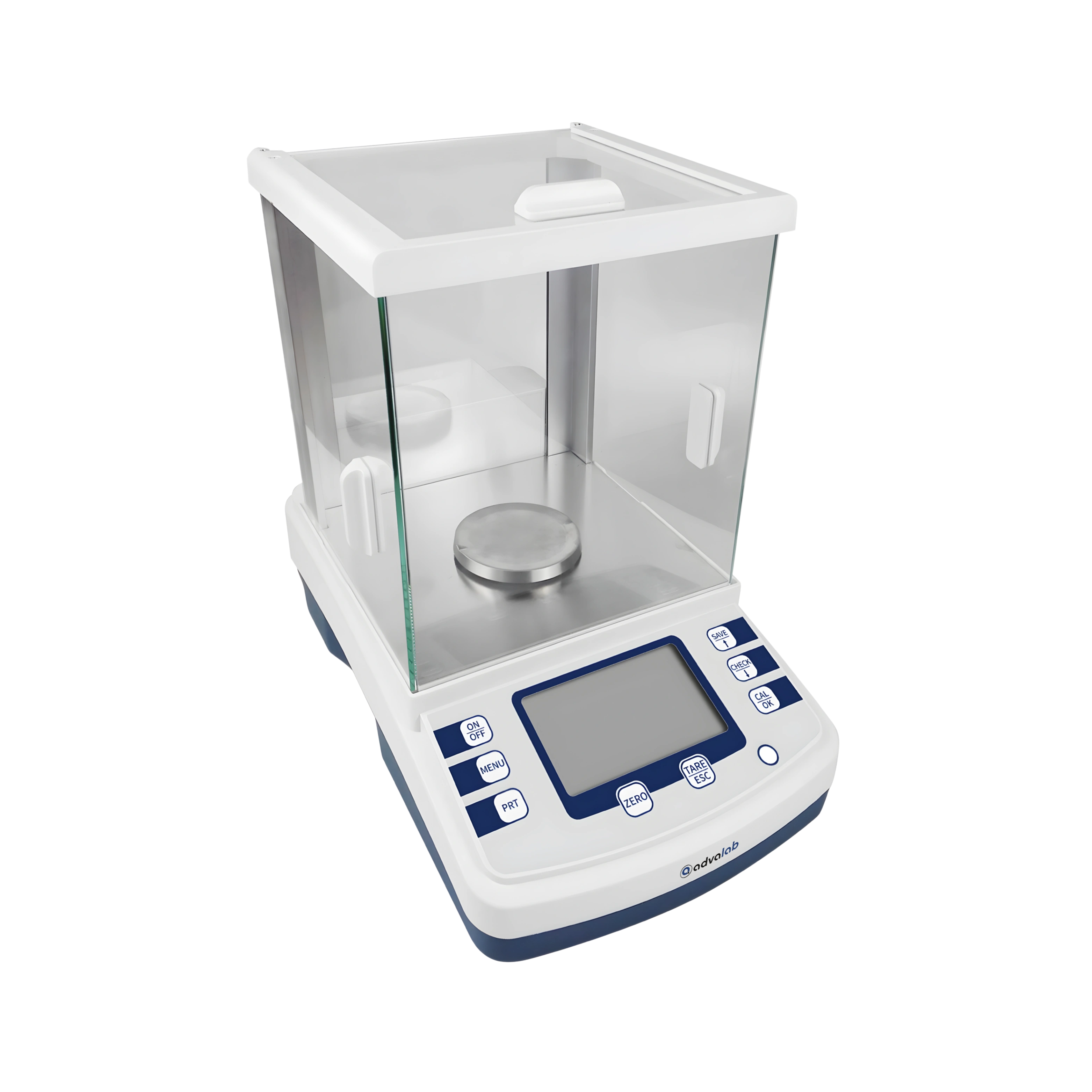
| Capacity: | 0 to 50 g |
| Readability: | 0.01 mg |
| Stabilization Time: | ≤13 s |
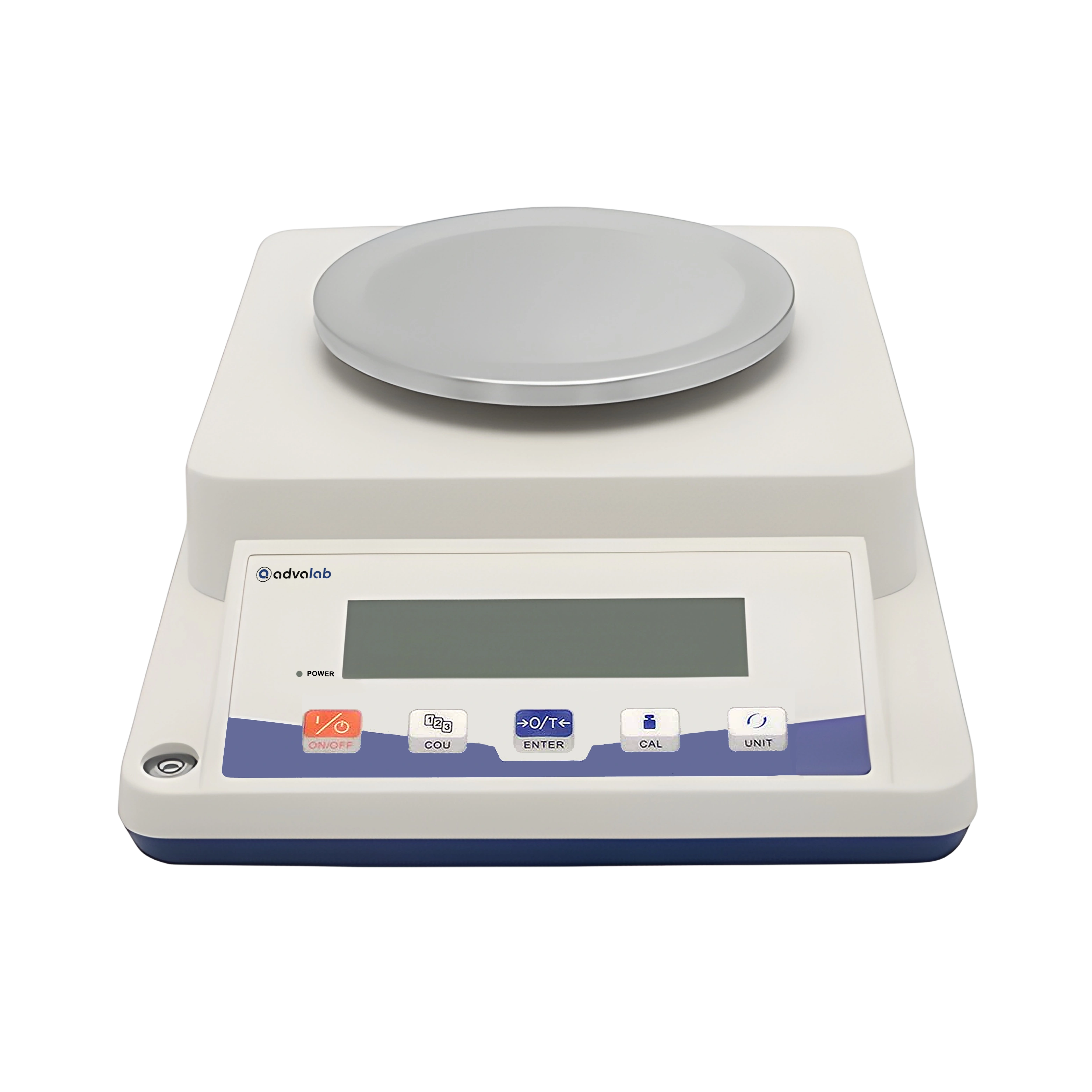
| Capacity: | 2100 g |
| Resolution : | 0.01 g |
| Minimum Weighing : | 0.04 g |
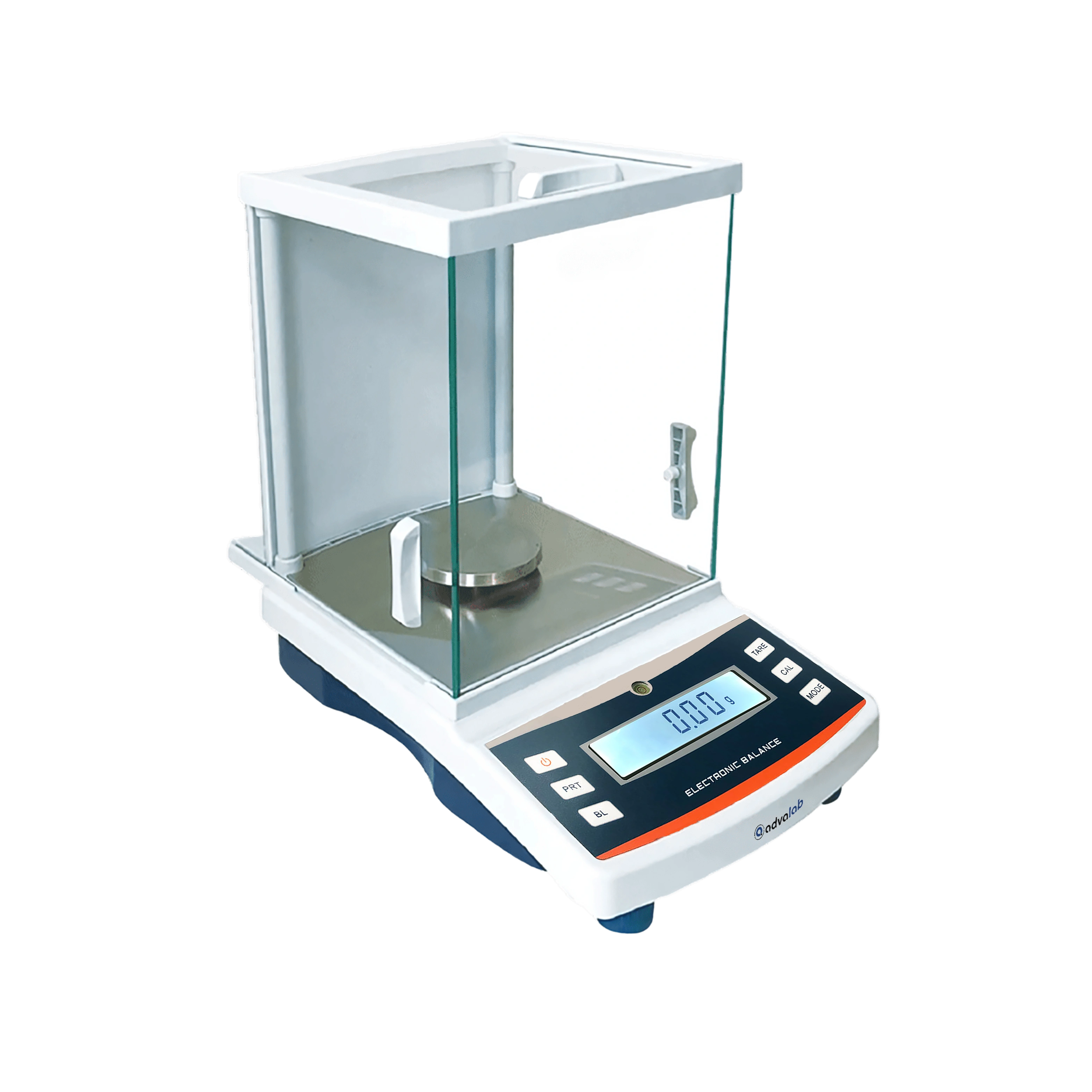
| Capacity: | 100 g |
| Readability : | 1 mg |
| Repeatability: | 1 mg |
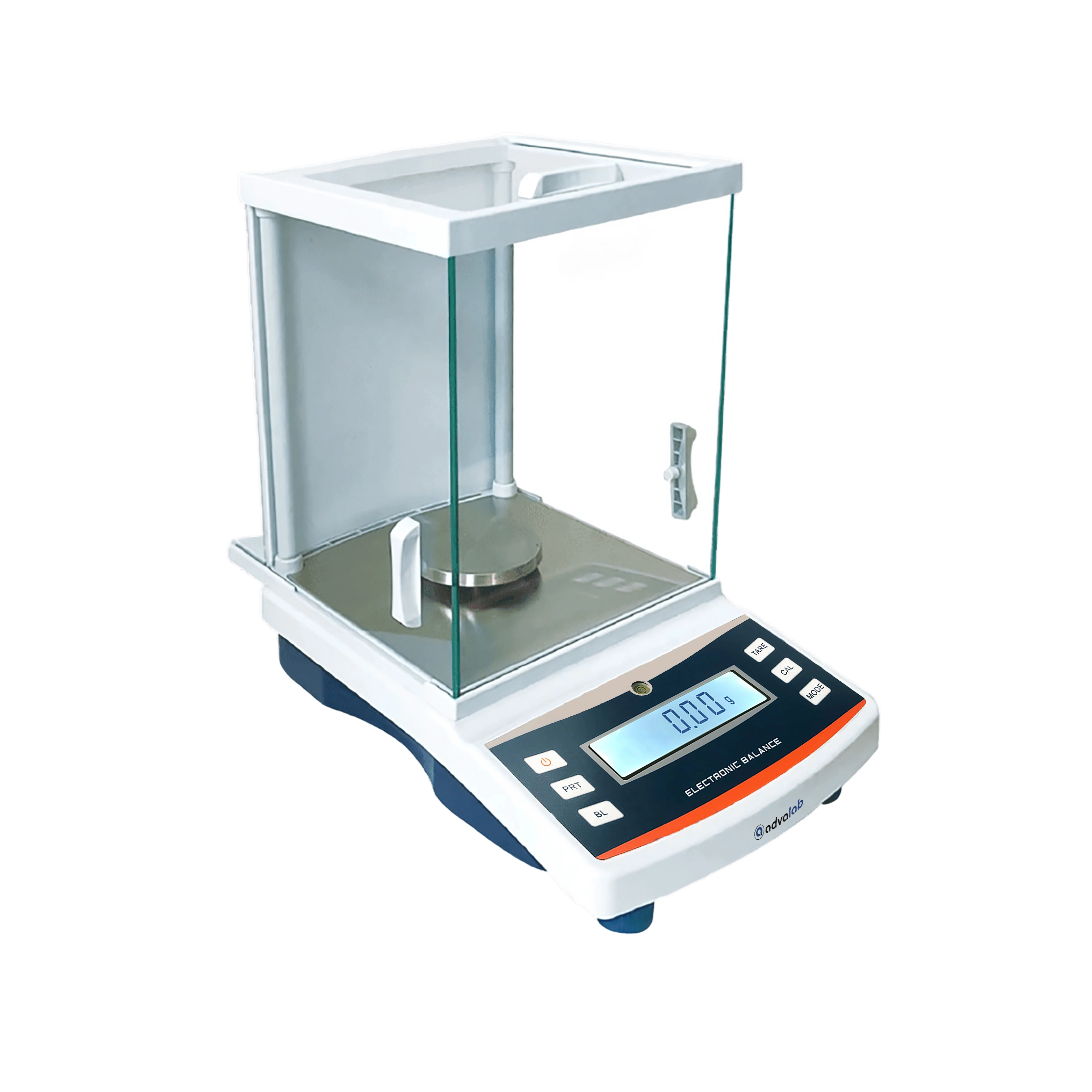
| Capacity: | 200 g |
| Readability : | 1 mg |
| Repeatability: | 1 mg |
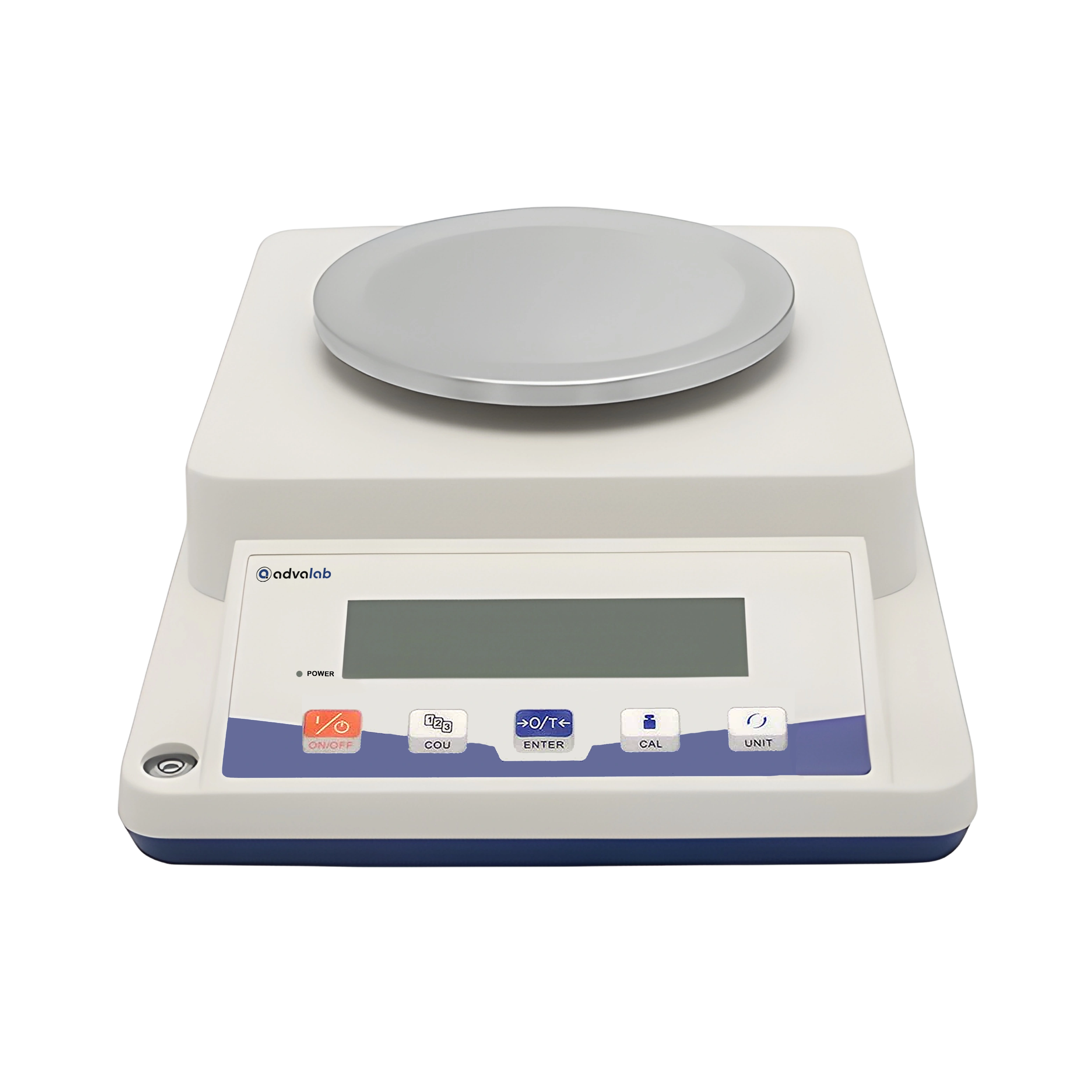
| Capacity: | 3100 g |
| Readability: | 0.01 g |
| Pan Size: | Ø 130 mm |

| Capacity: | 500 g |
| Readability : | 1 mg |
| Repeatability : | 1 mg |
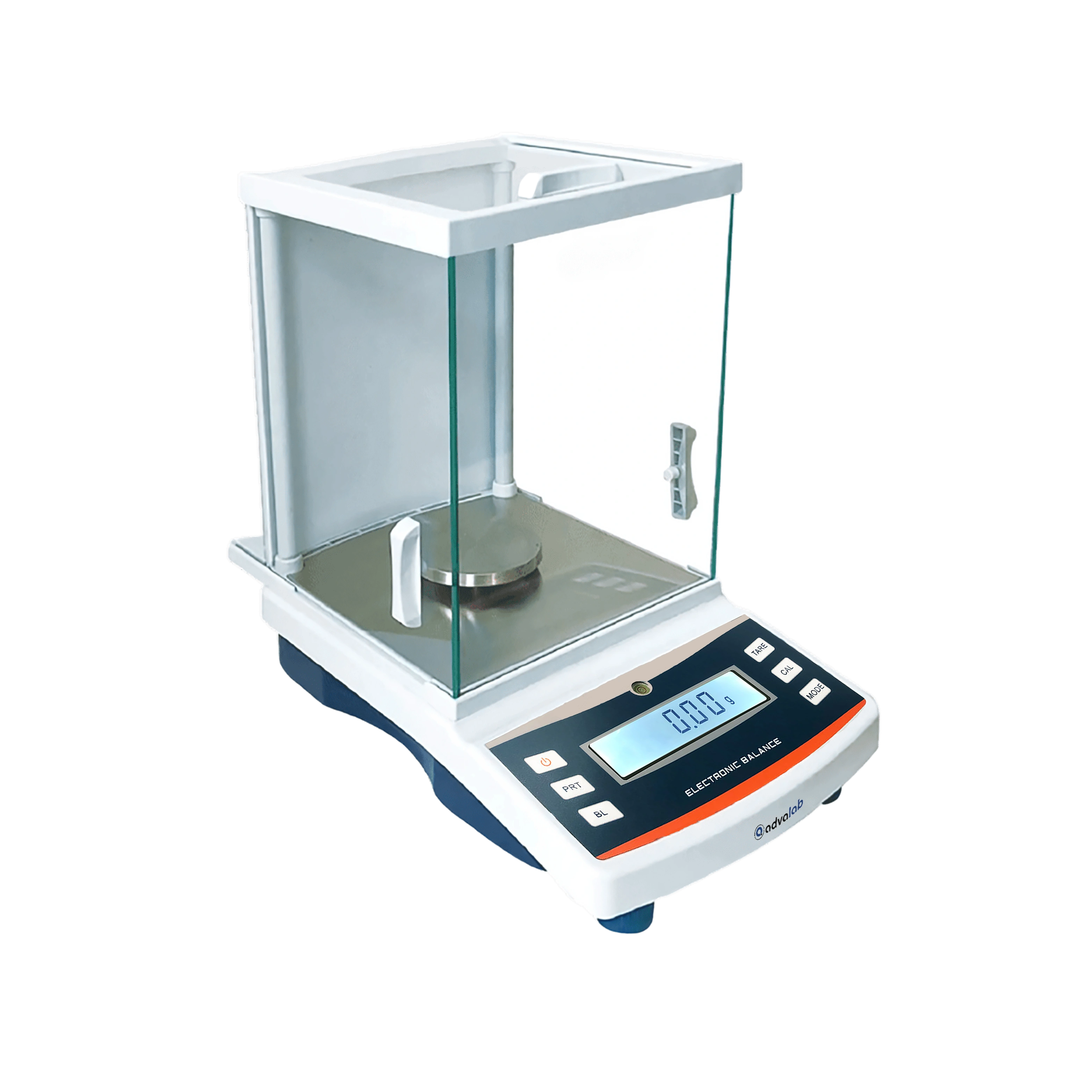
| Capacity: | 60 g |
| Readability : | 1 mg |
| Repeatability : | 1 mg |
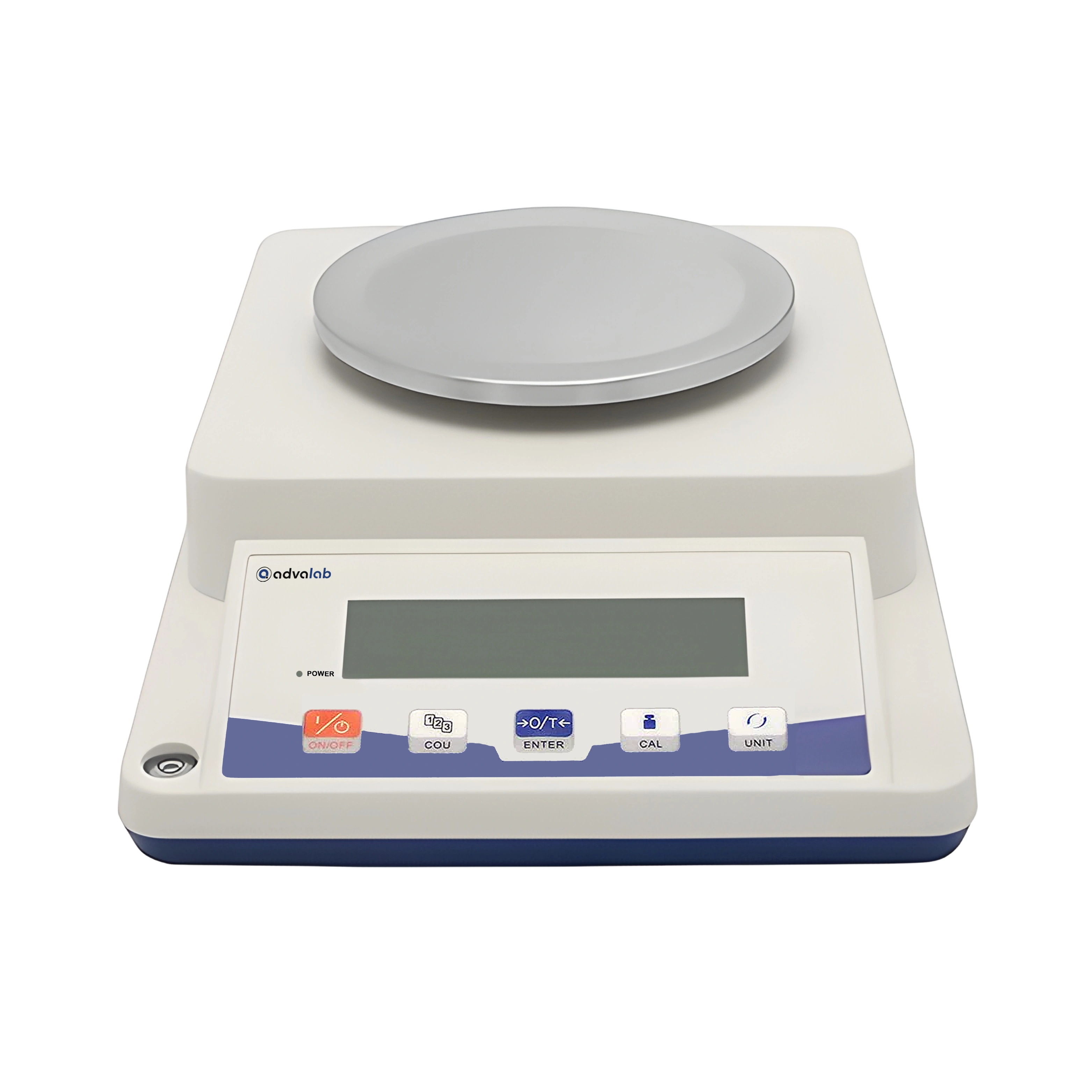
| Capacity: | 3100 g |
| Resolution : | 0.01 g |
| Minimum Weighing : | 0.04 g |
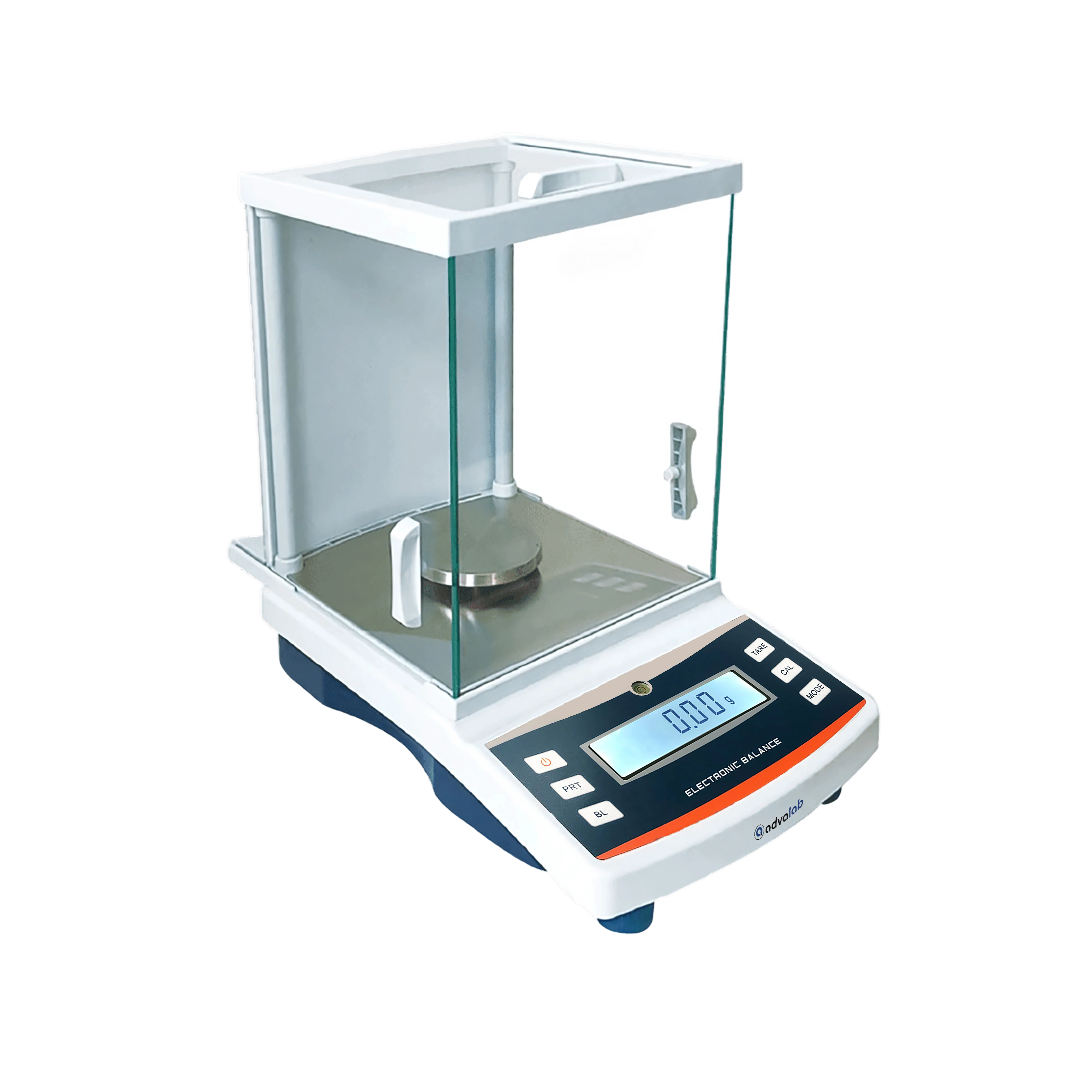
| Capacity: | 300 g |
| Readability : | 1 mg |
| Repeatability: | 1 mg |

| Capacity: | 1100 g |
| Resolution : | 0.01 g |
| Minimum Weighing : | 0.04 g |
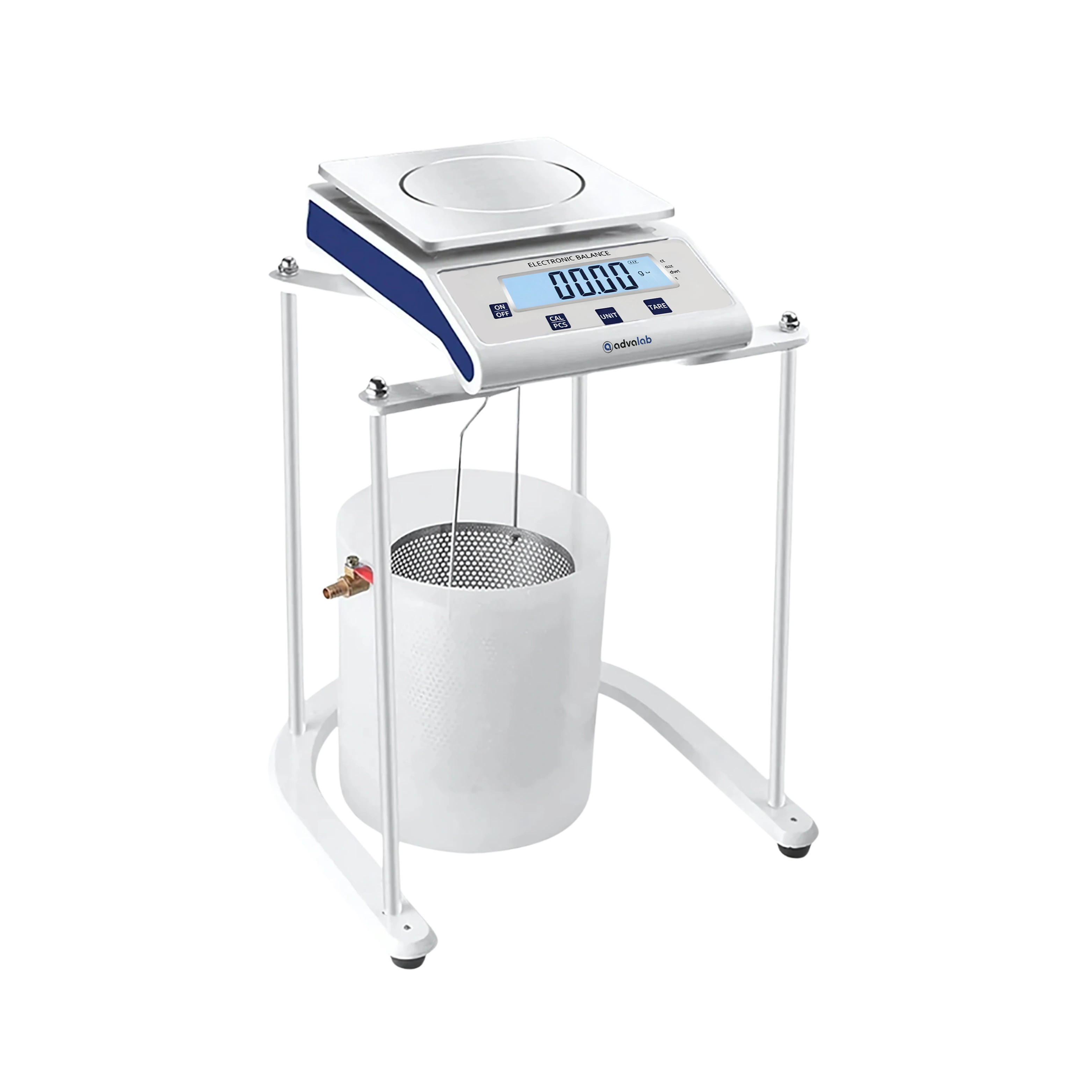
| Capacity: | 2000g |
| Accuracy: | 0.1g |
| Linearity error: | ±0.3g |

| Capacity: | 5000g |
| Accuracy: | 0.01 g |
| Linearity error: | ±0.03g |
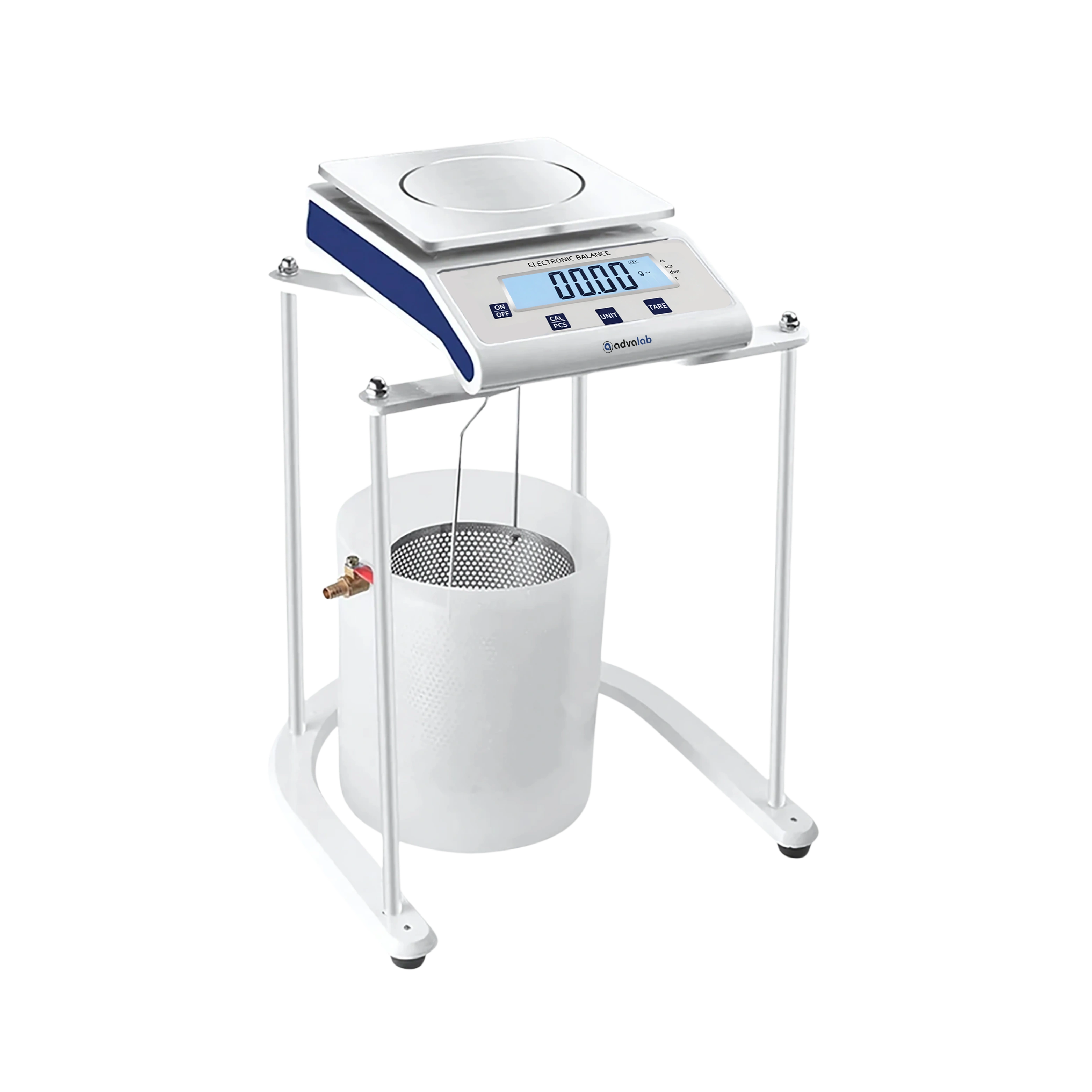
| Capacity: | 5000g |
| Accuracy: | 0.1g |
| Linearity error: | ±0.3g |
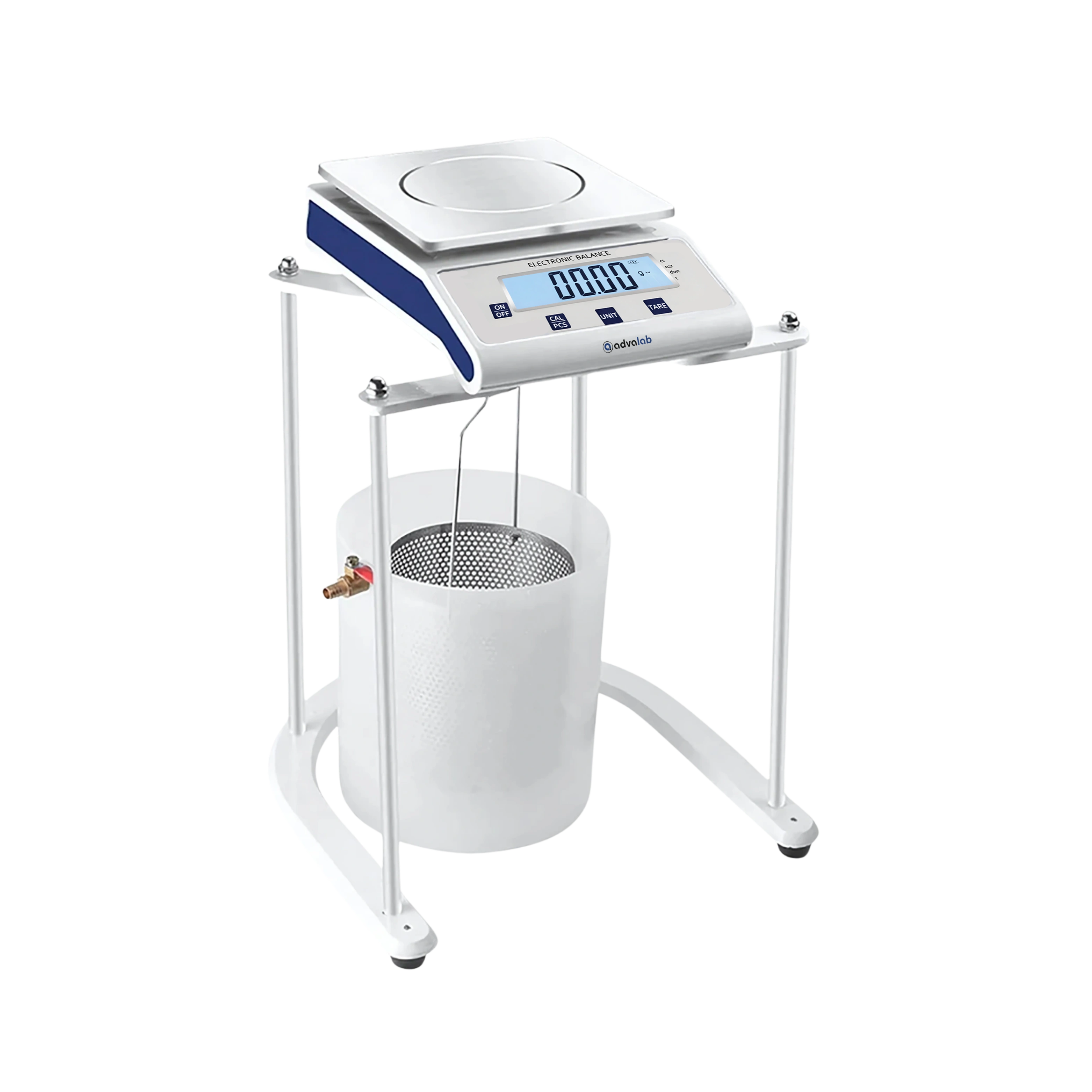
| Capacity: | 2000g |
| Accuracy: | 0.01g |
| Linearity Error: | ±0.03g |