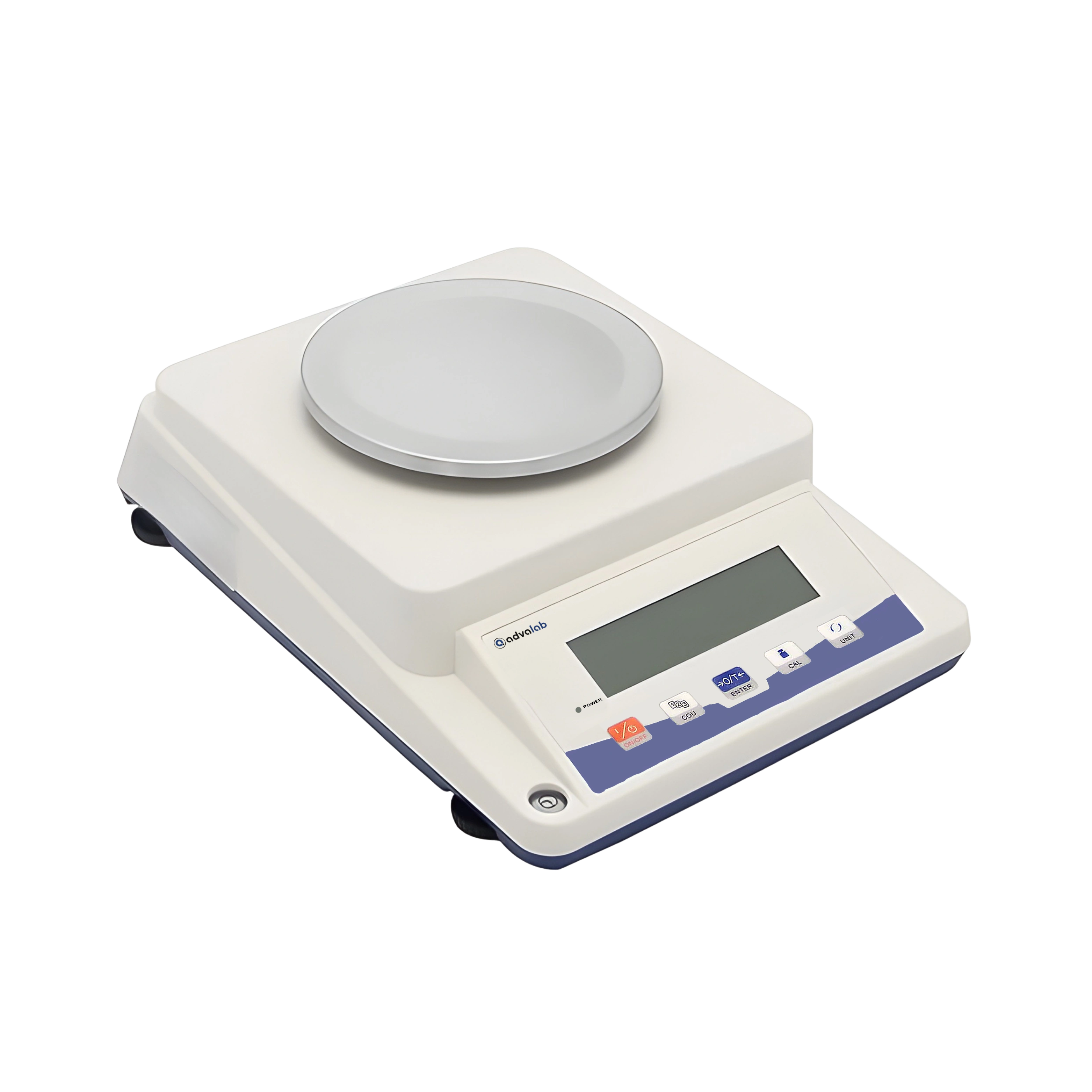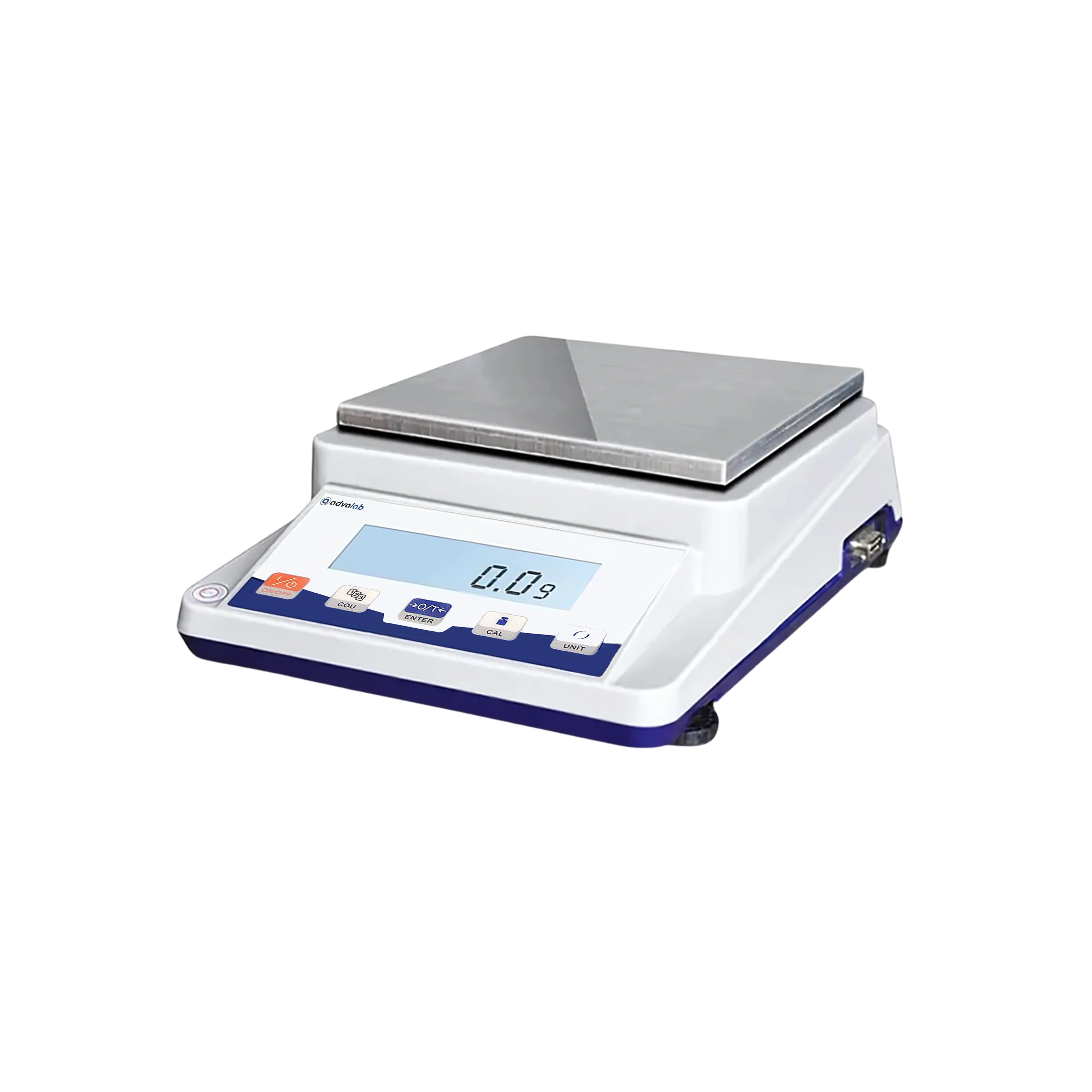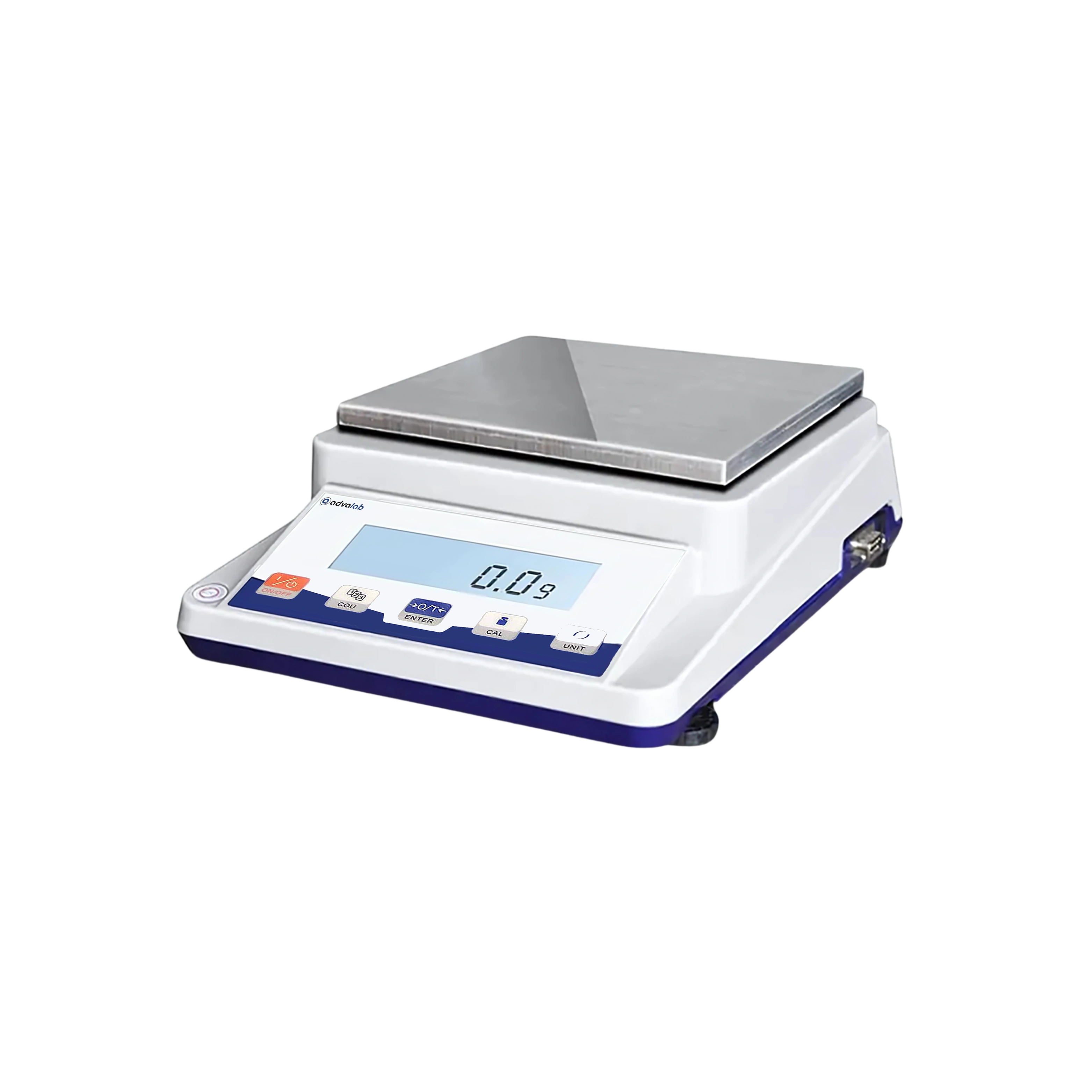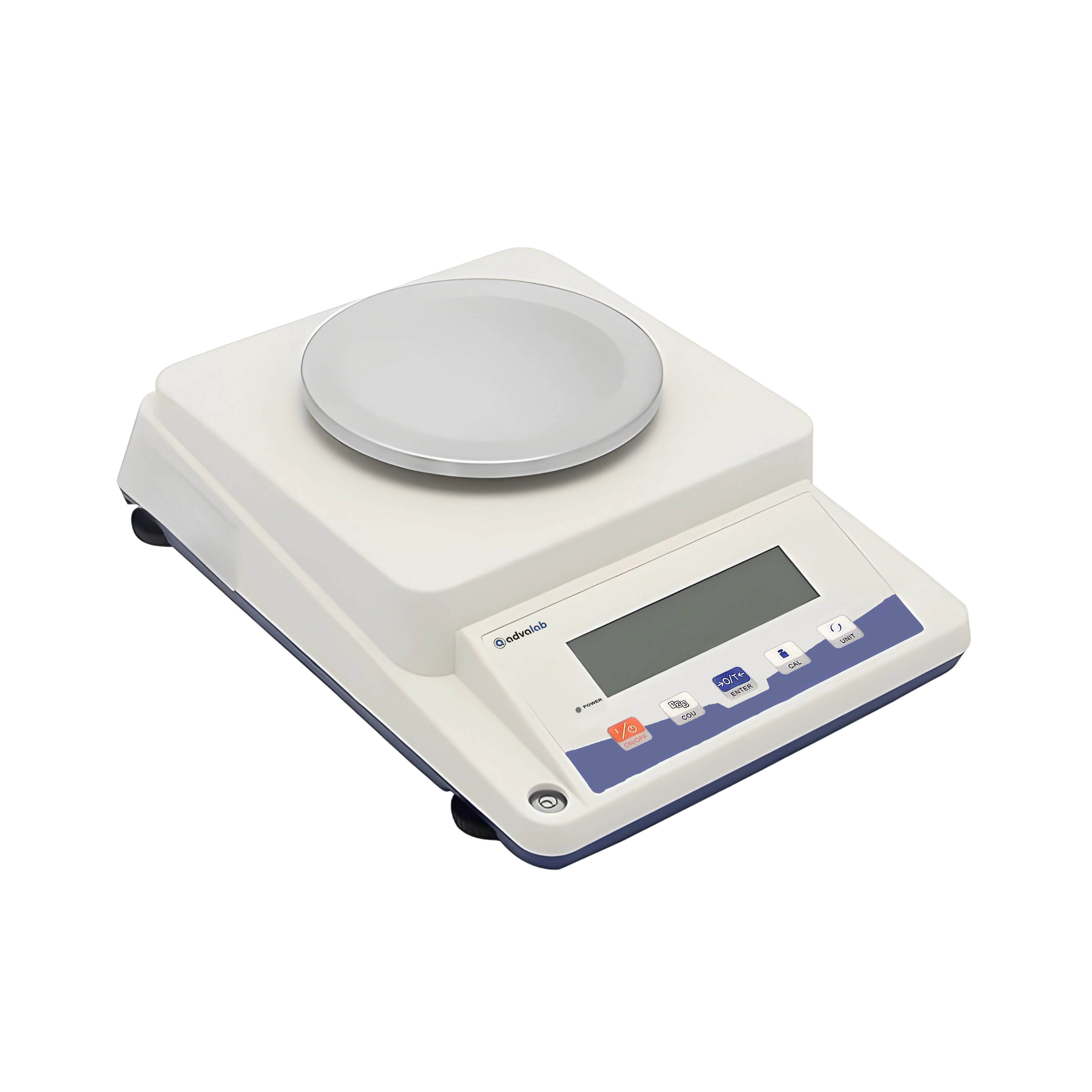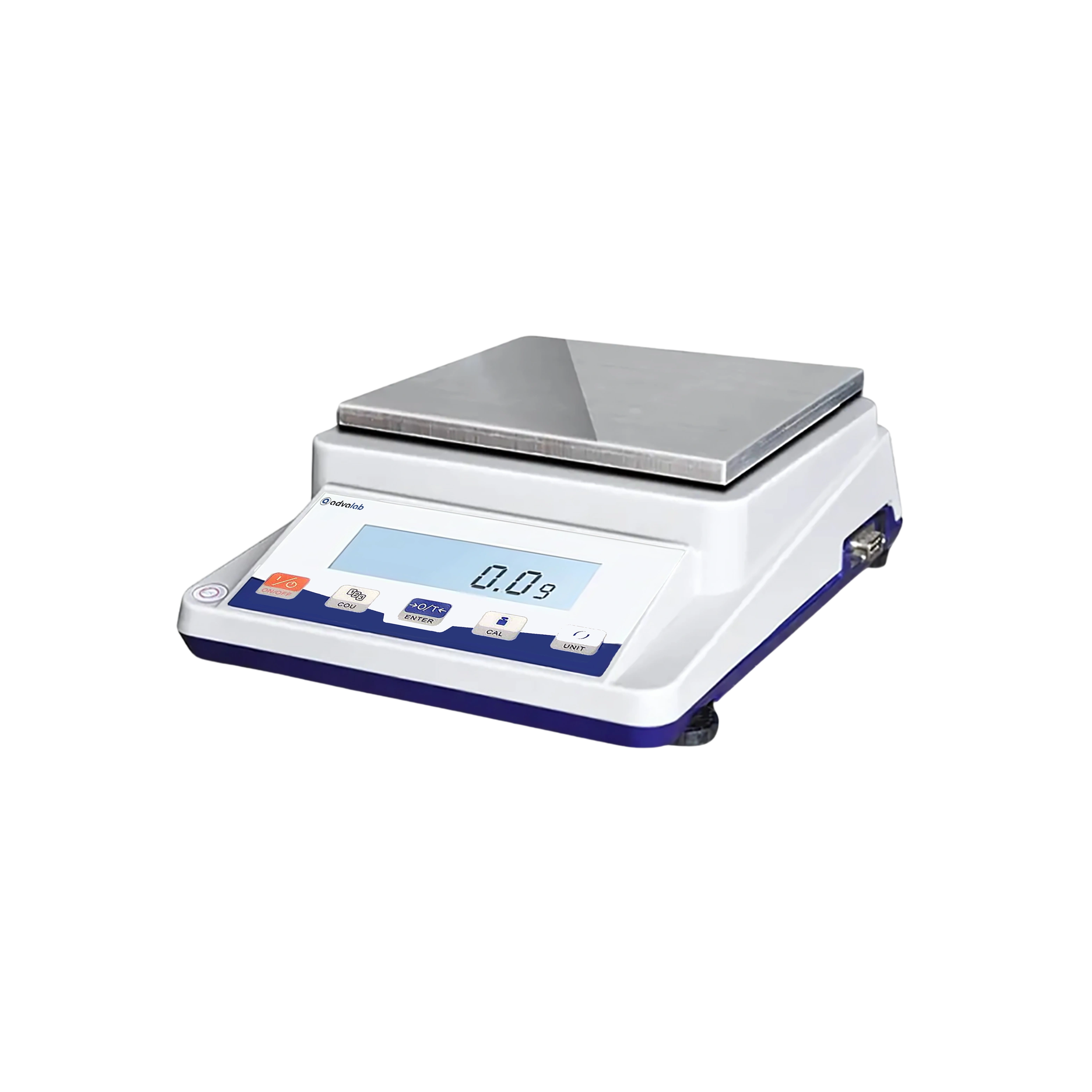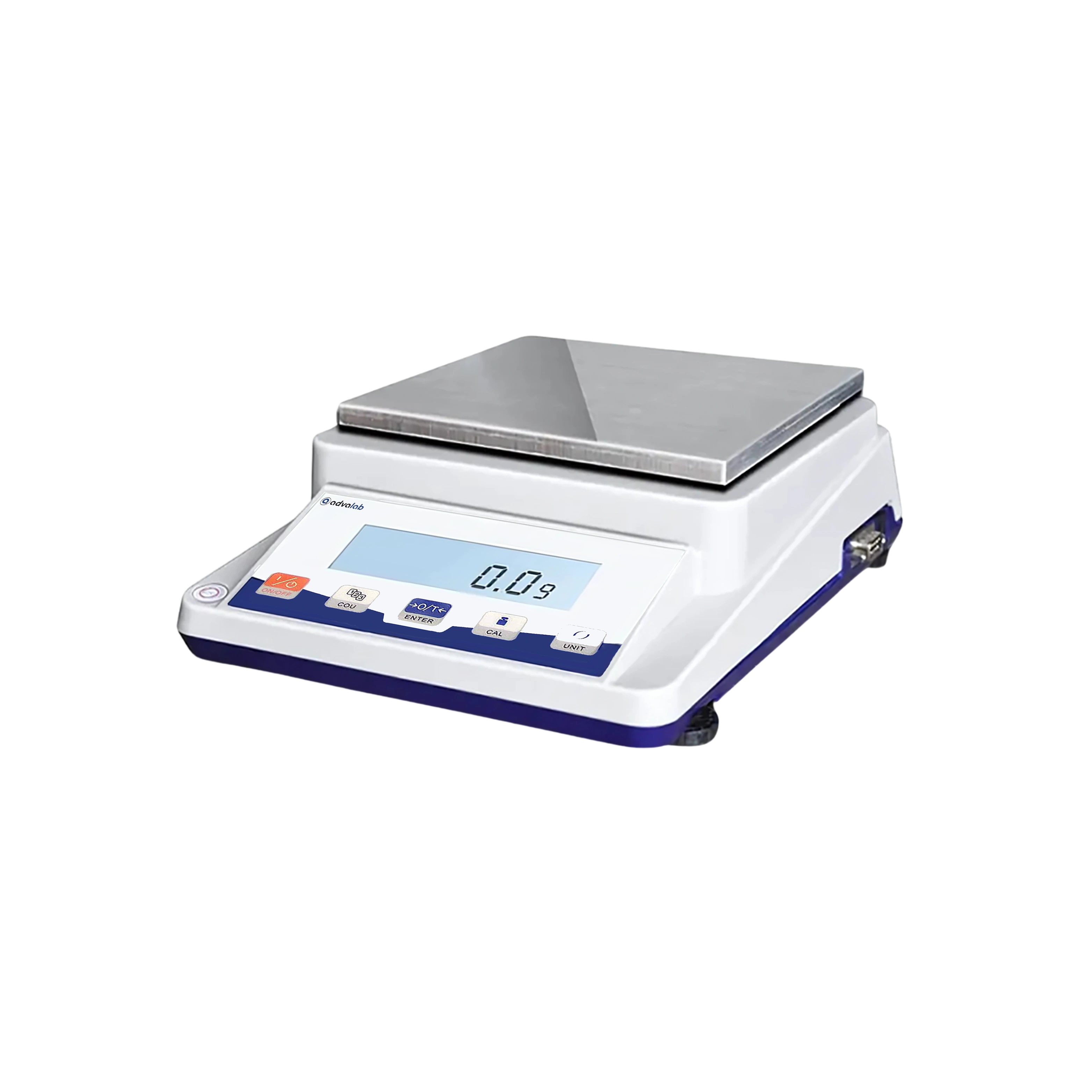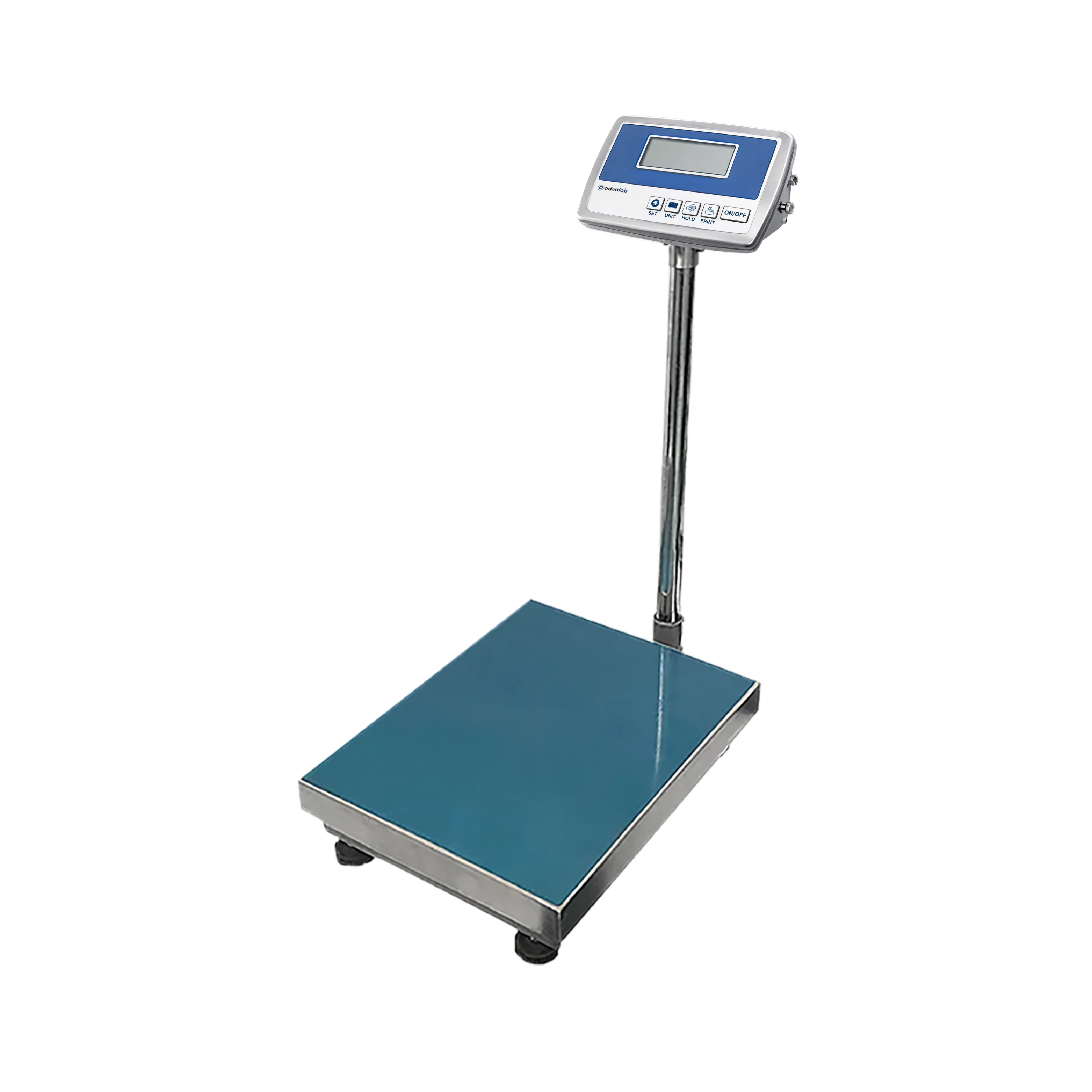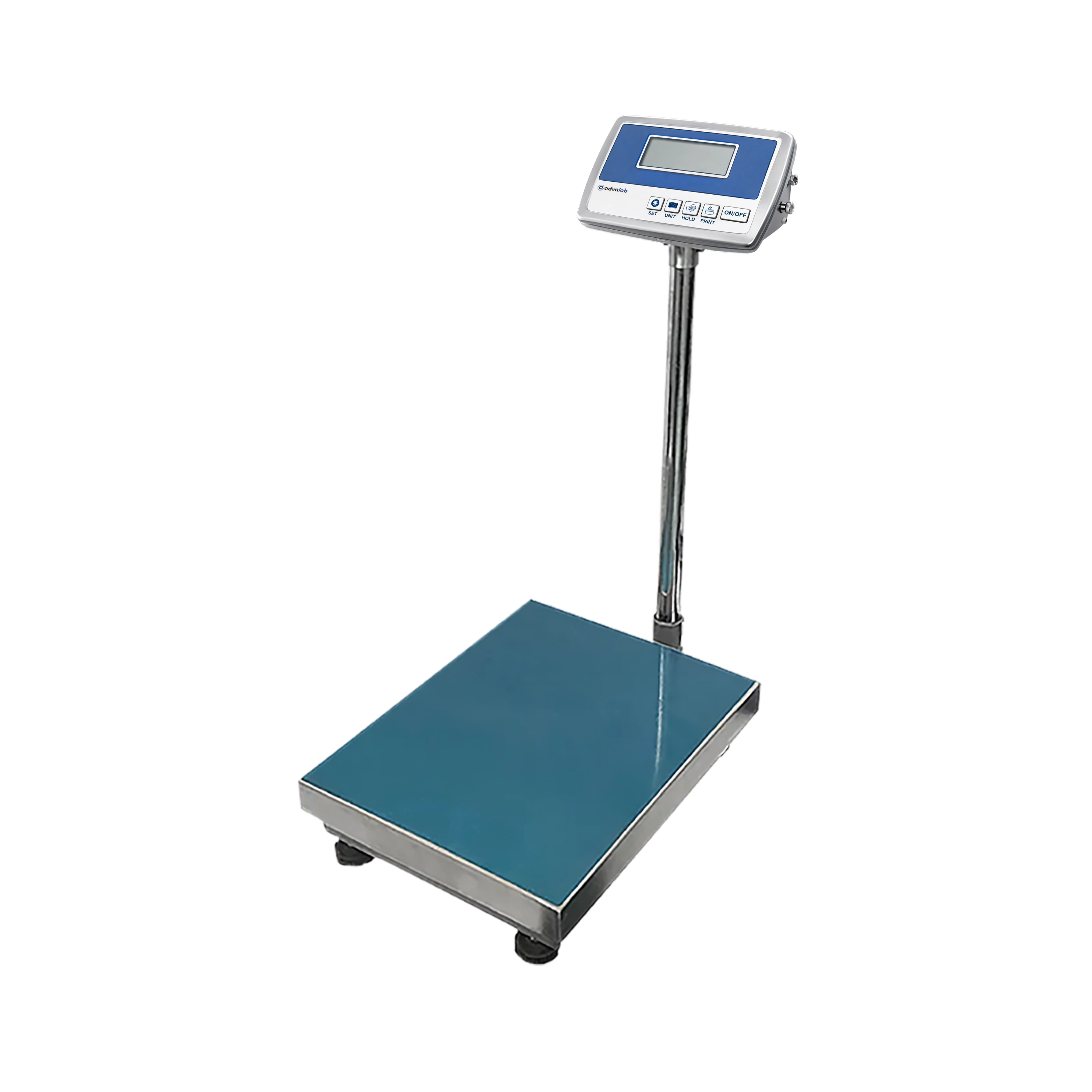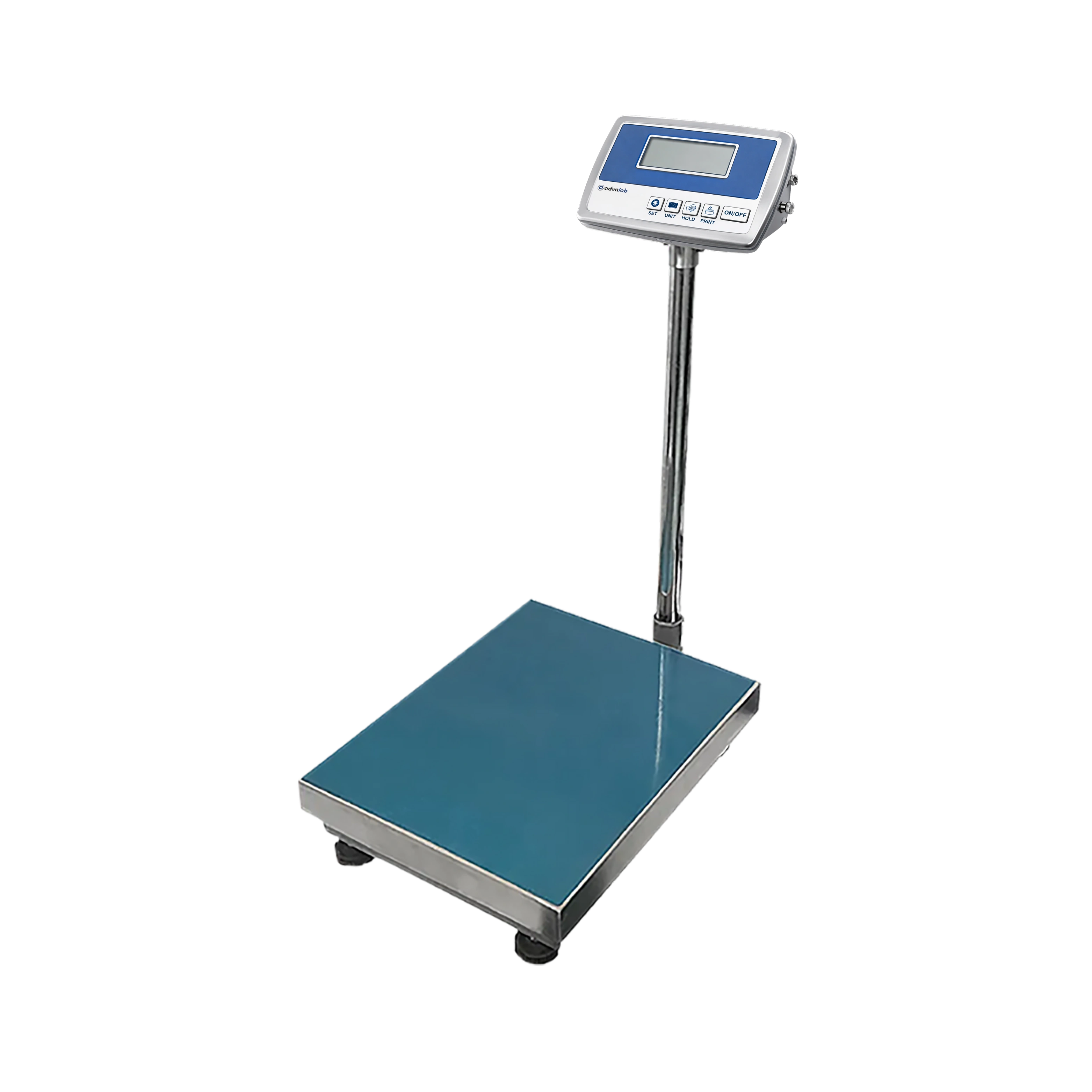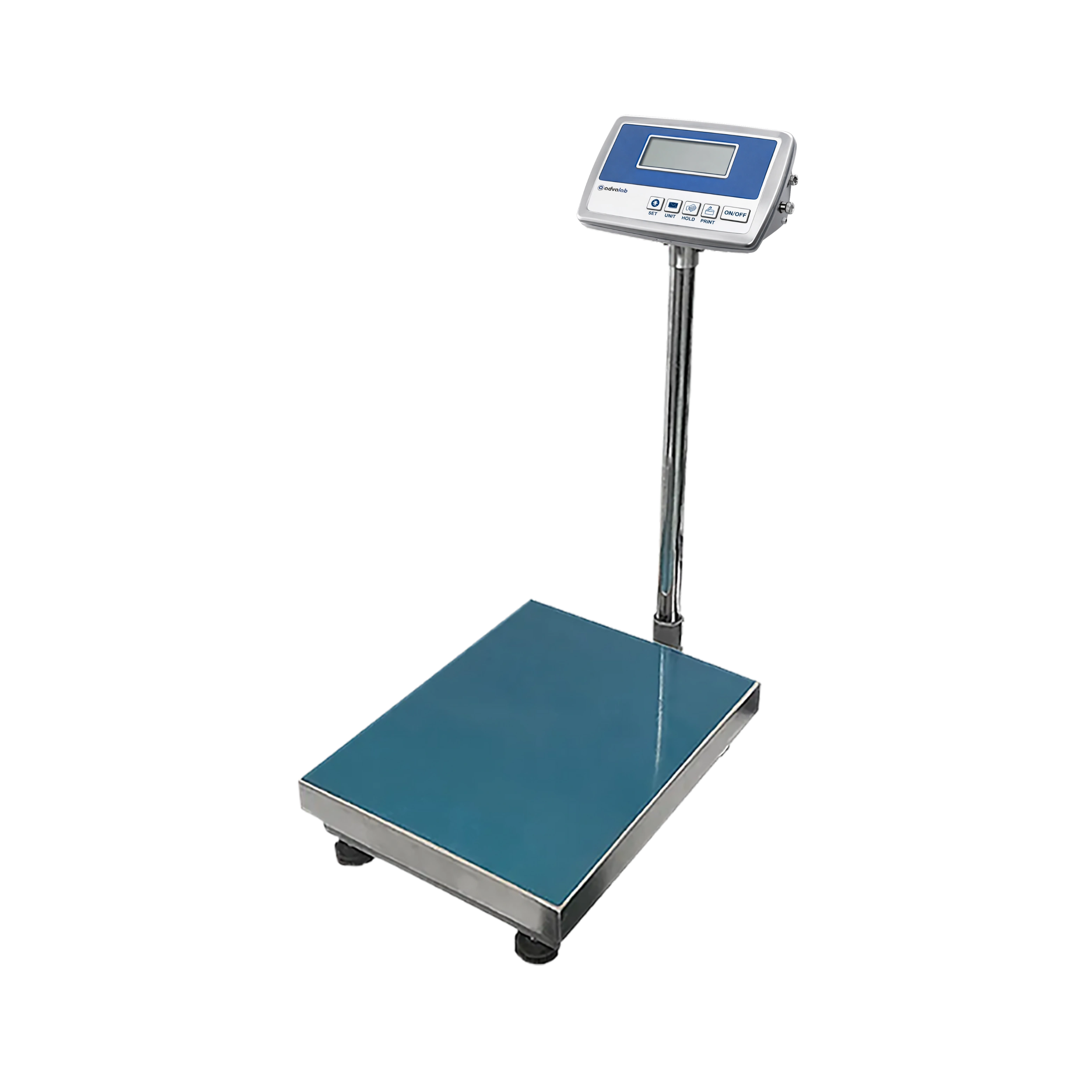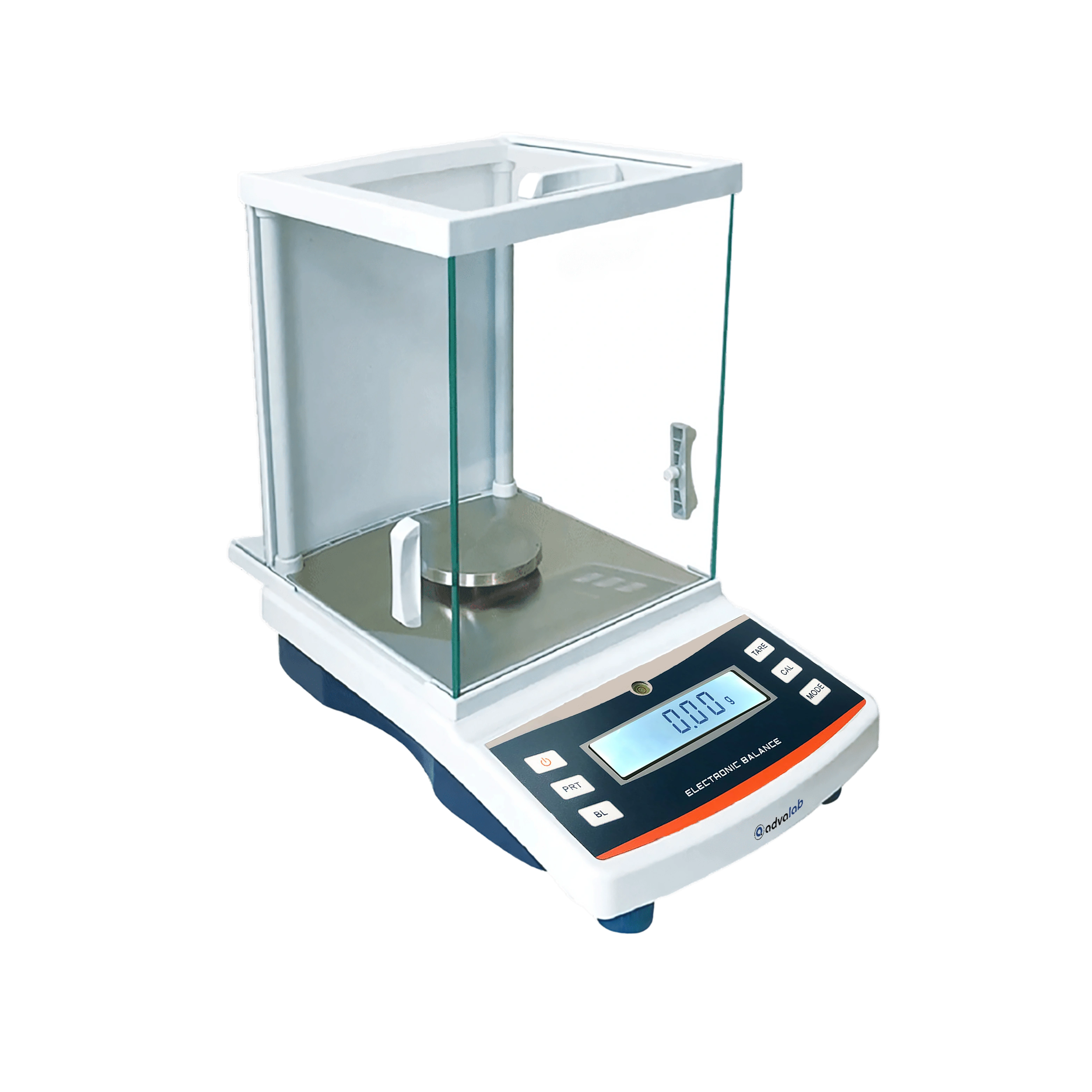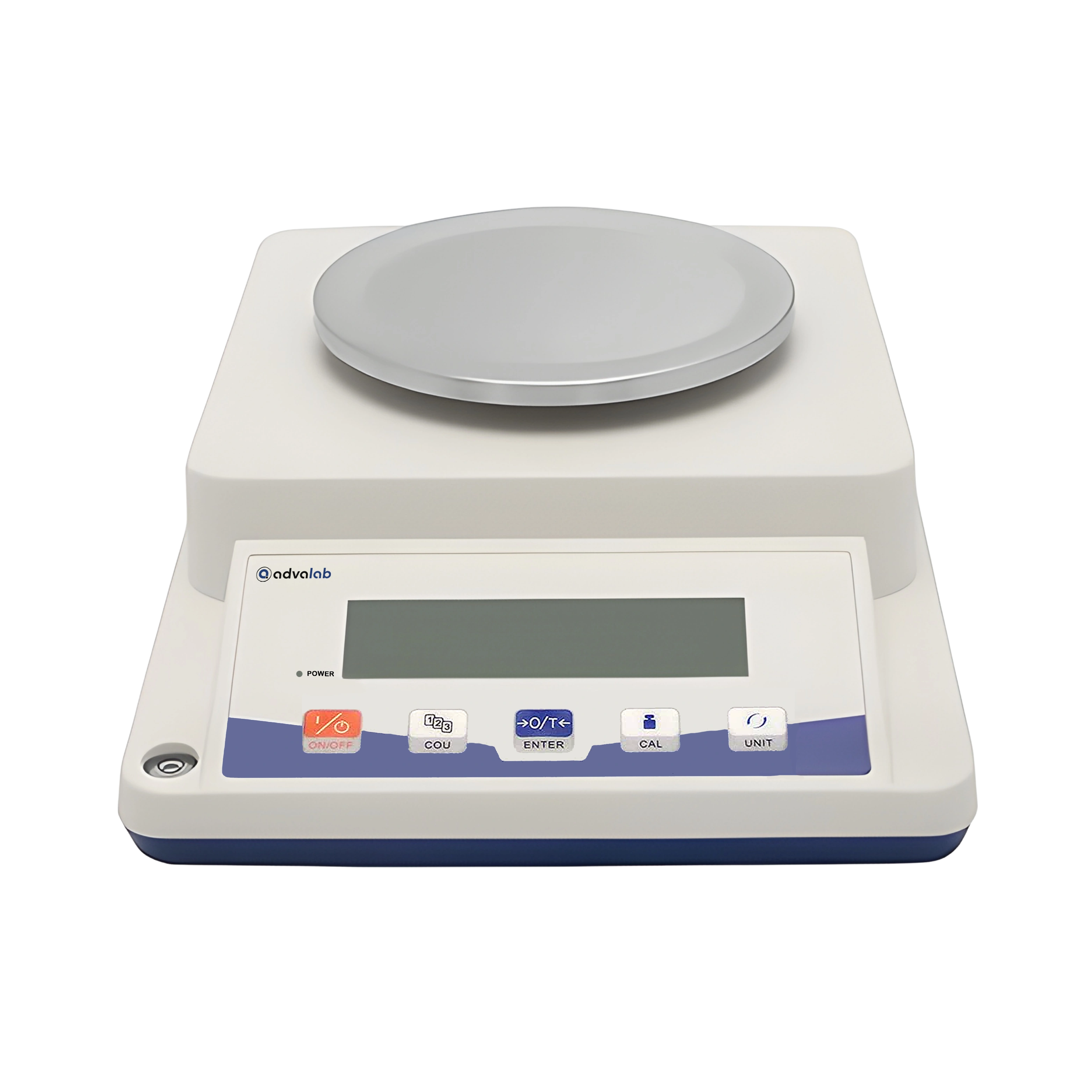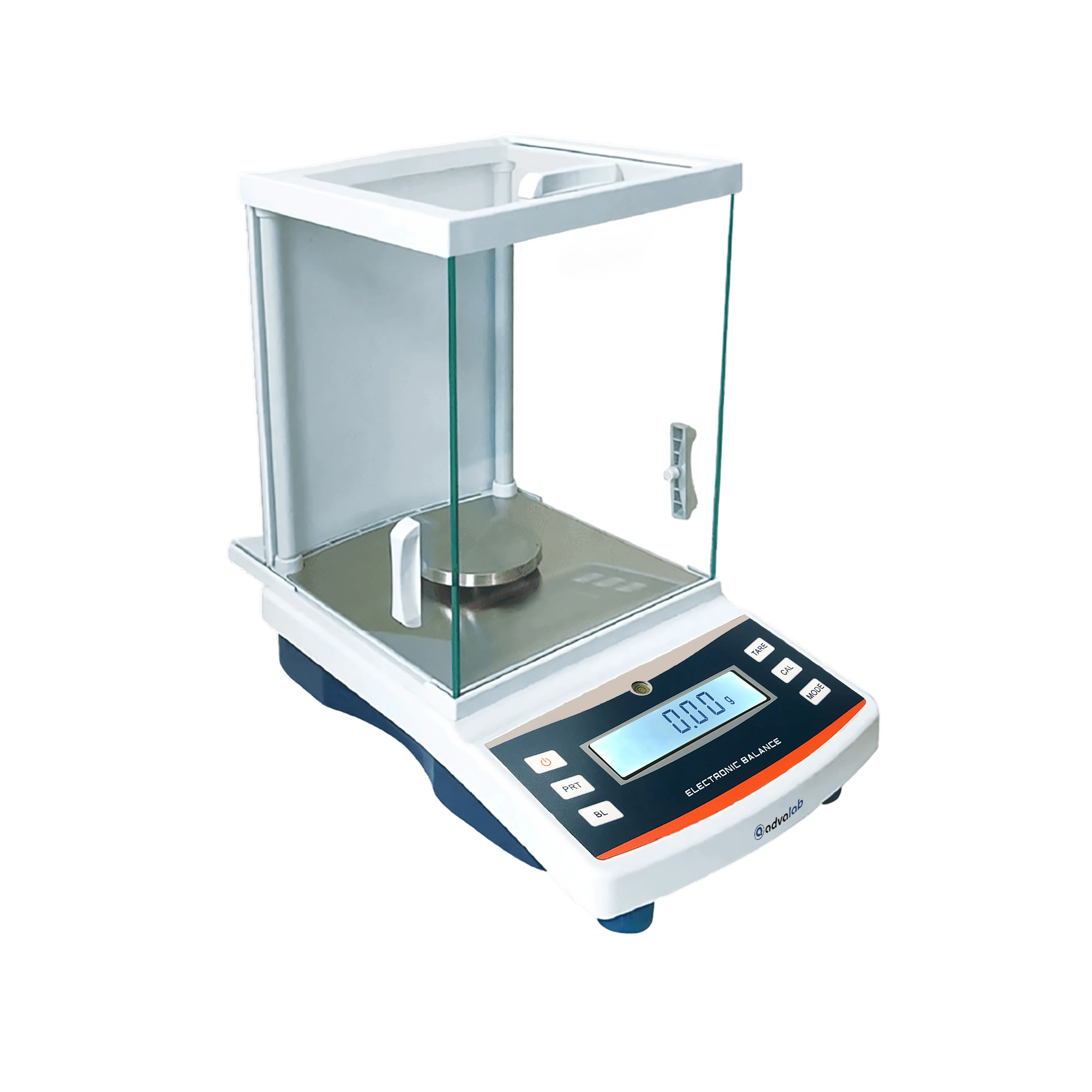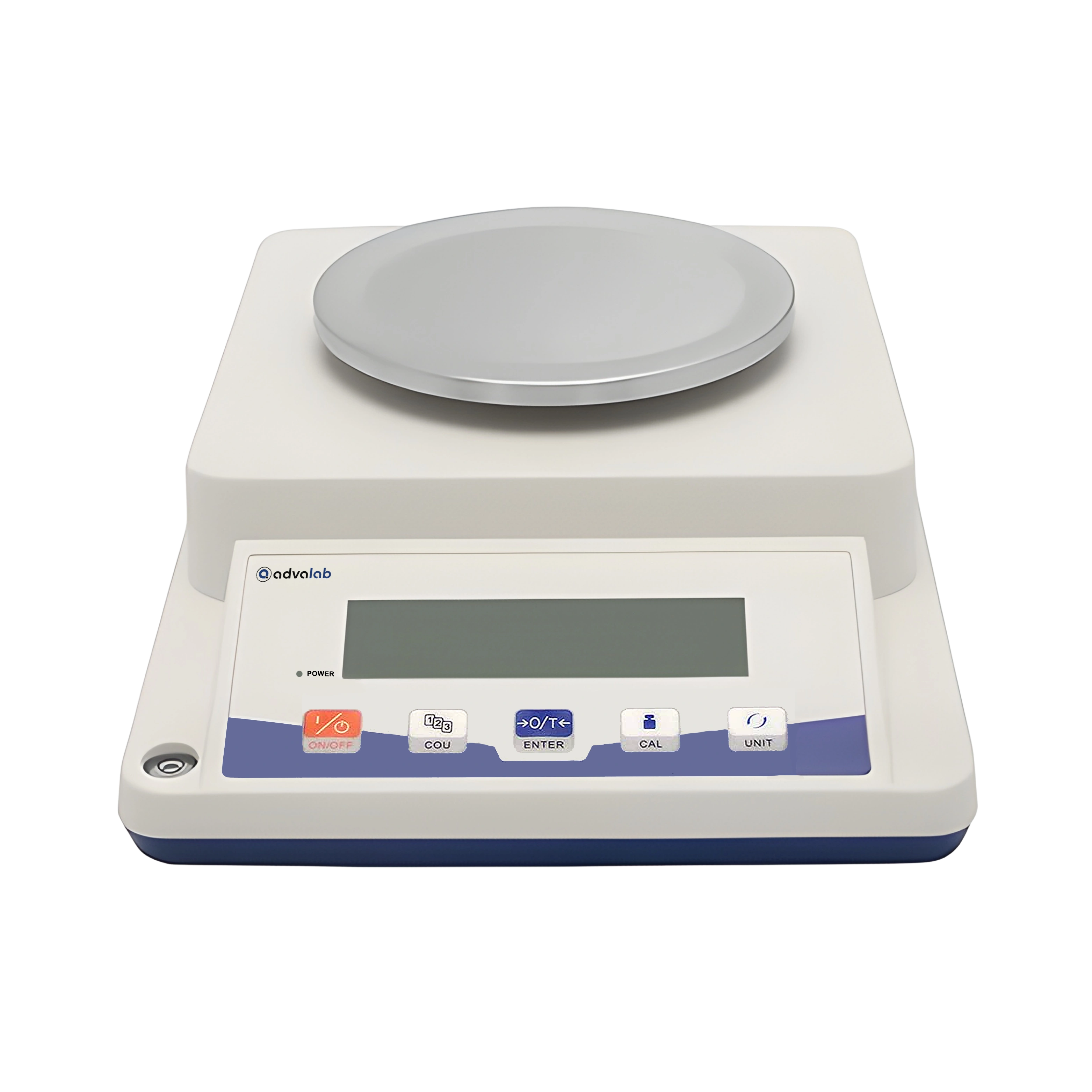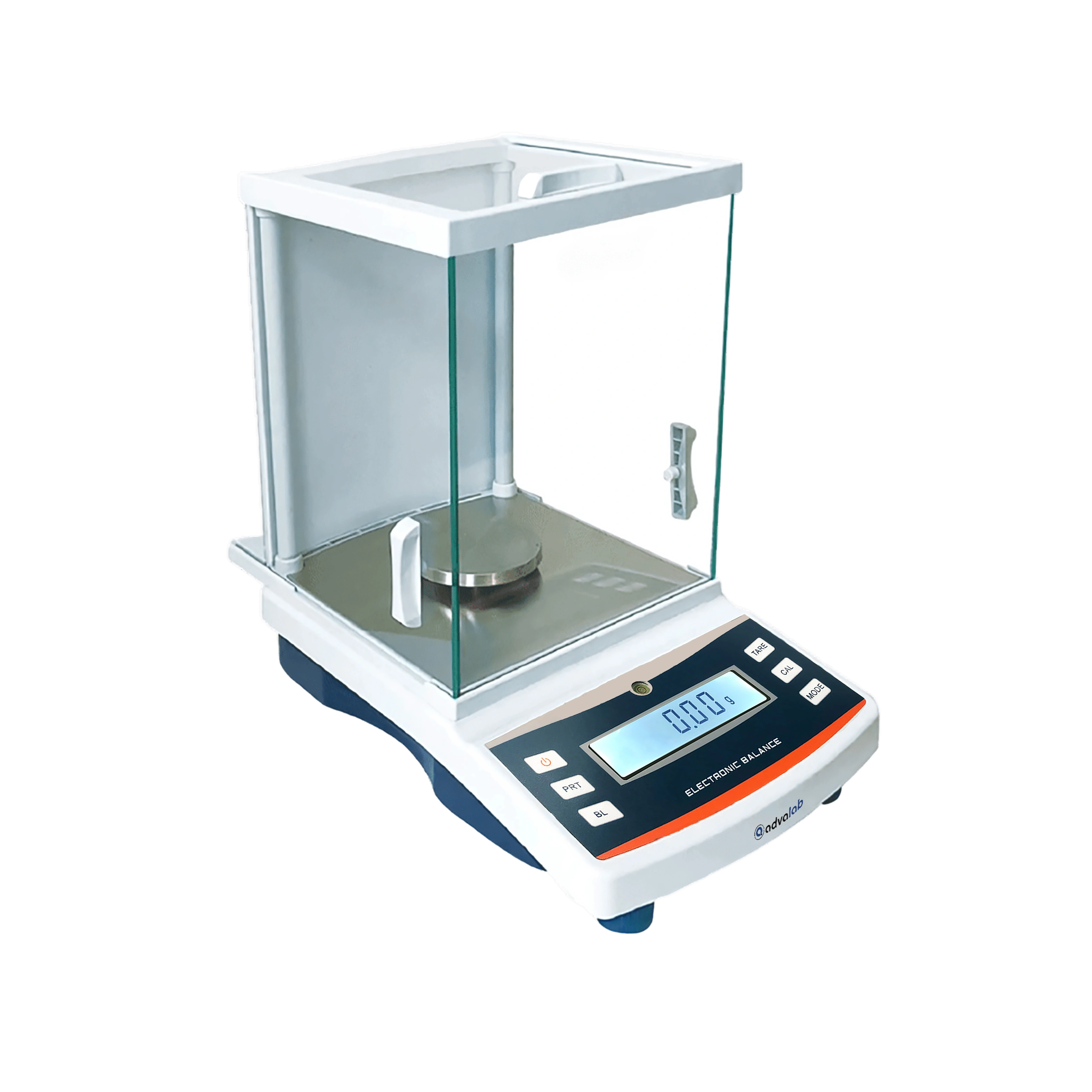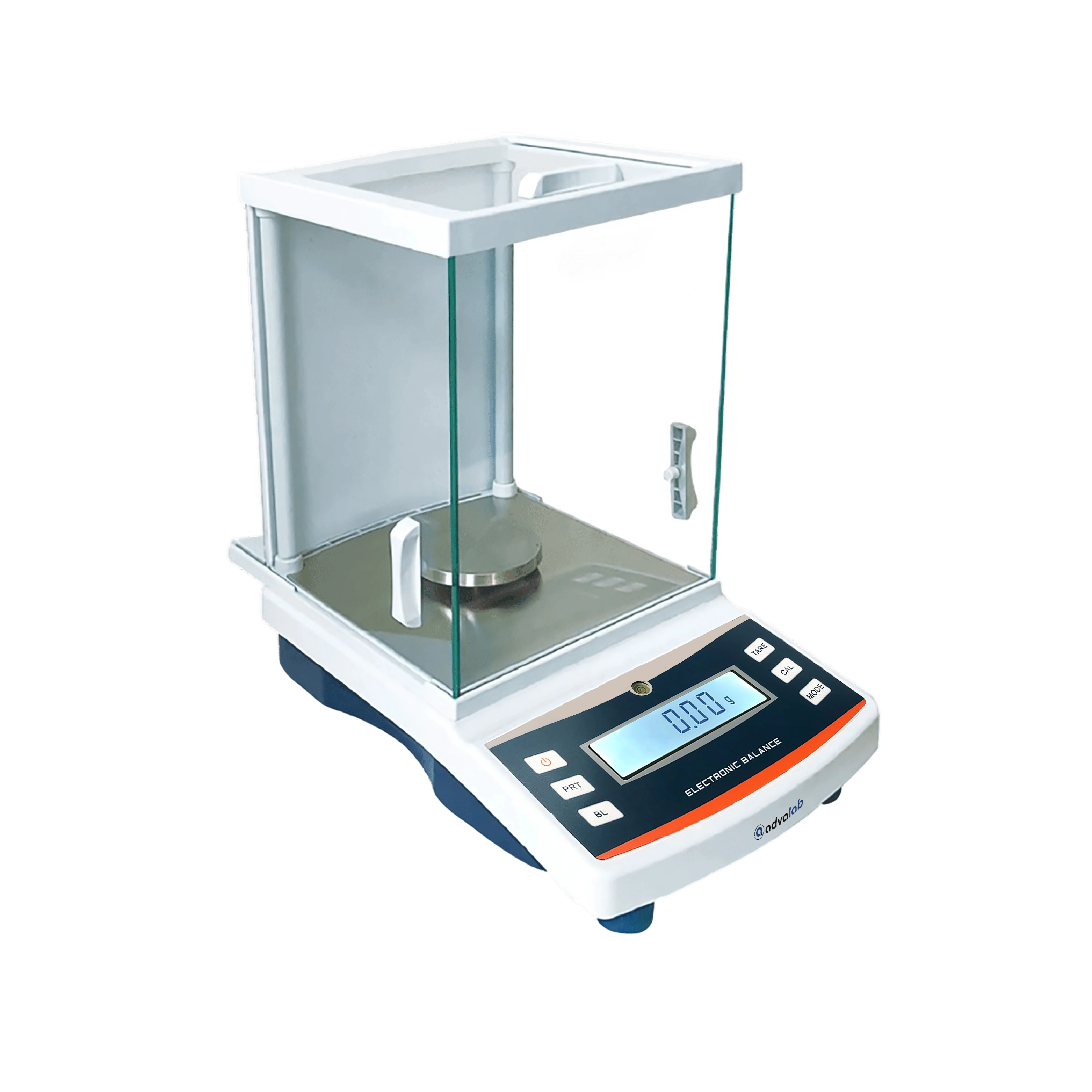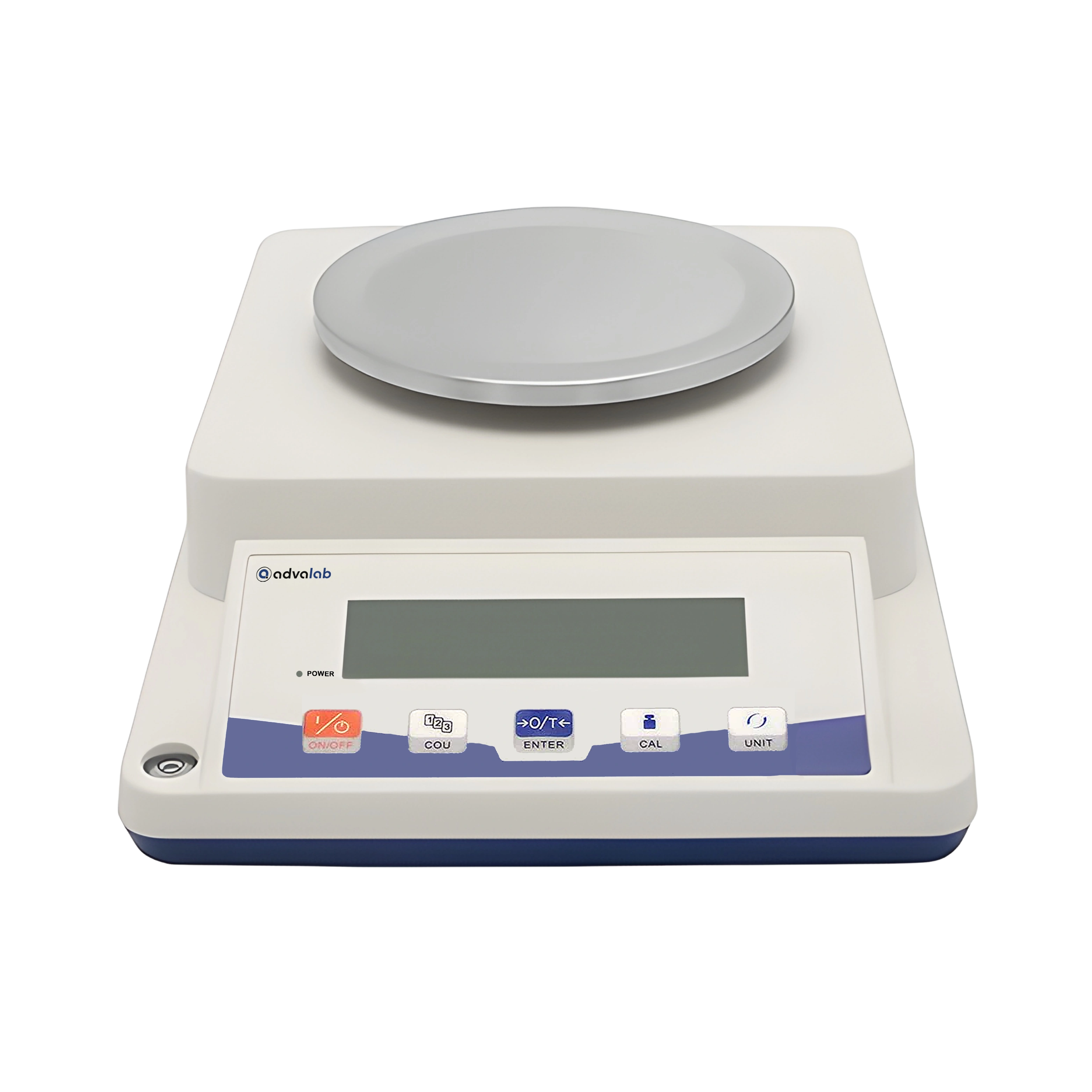
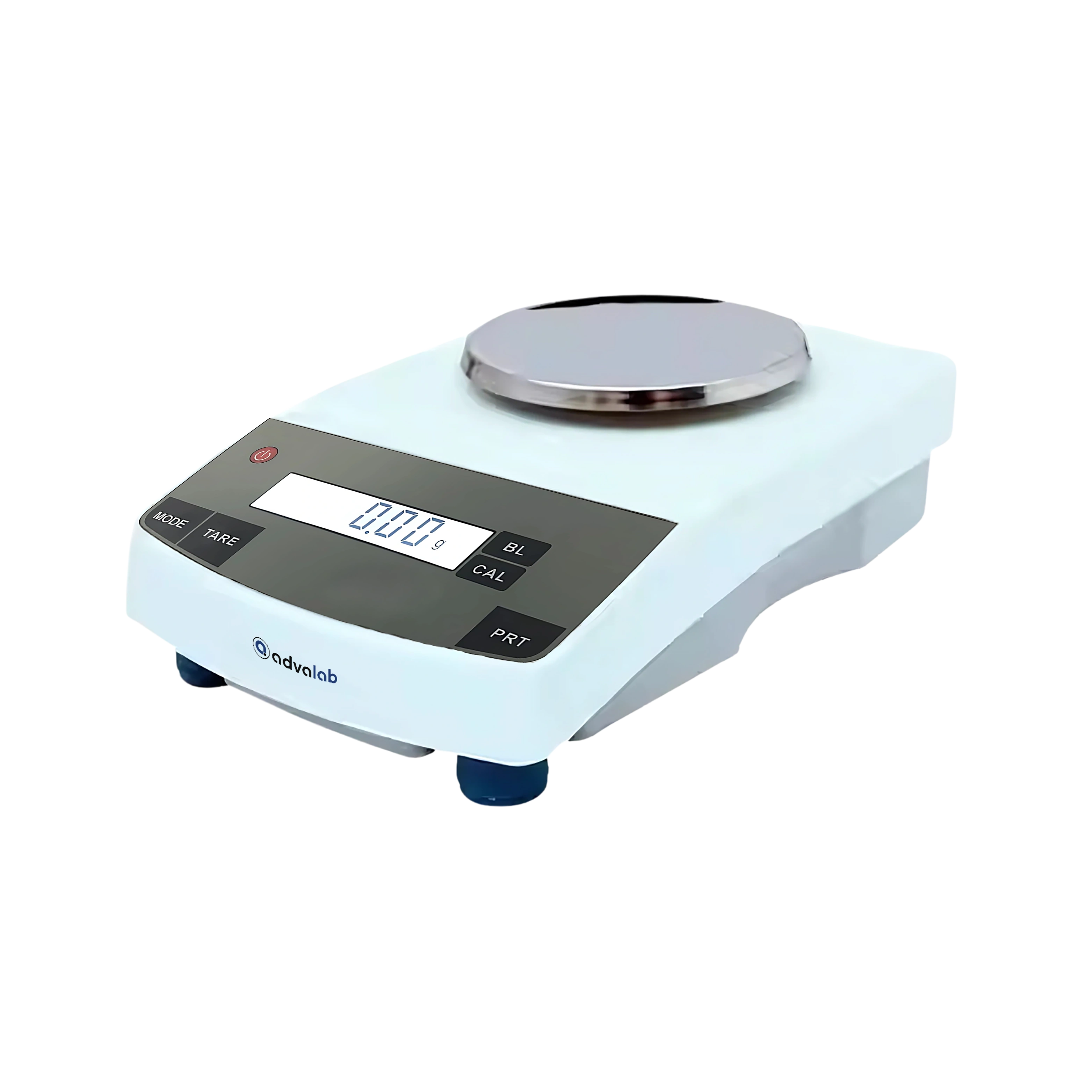
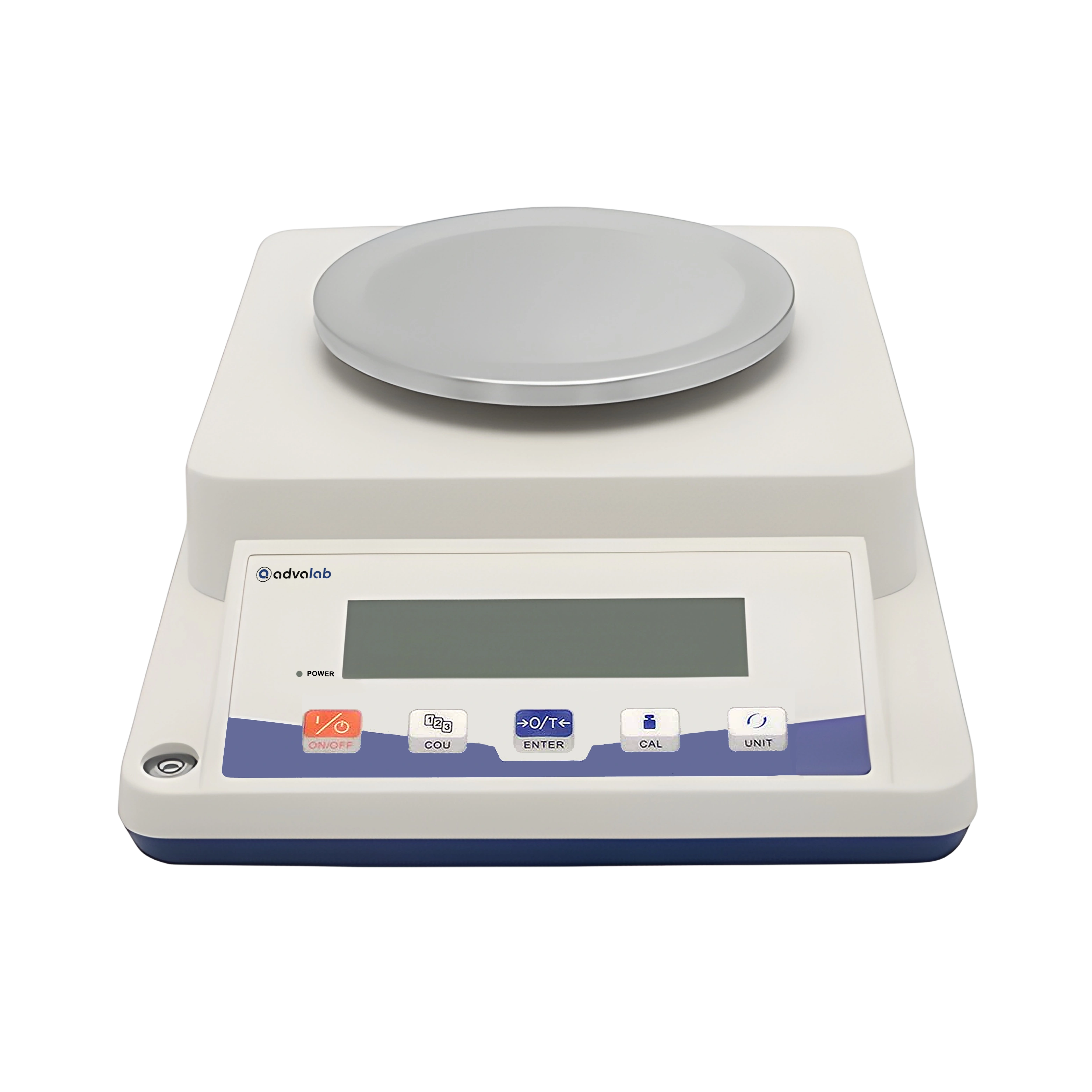
| Capacity | 300 g |
| Readability | 0.01 g |
| Repeatability | ±0.01 g |
| Linearity | ±0.02 g |
| Calibration | External |
| Pan Dimensions | 130 mm |
| Housing Dimensions (L × W × H) | 300 × 190 × 100 mm |
| Packaging Dimensions (L × W × H) Packaging Dimensions (L × W × H) | 320 × 280 × 150 mm |
| Net Weight | 1.2 kg |
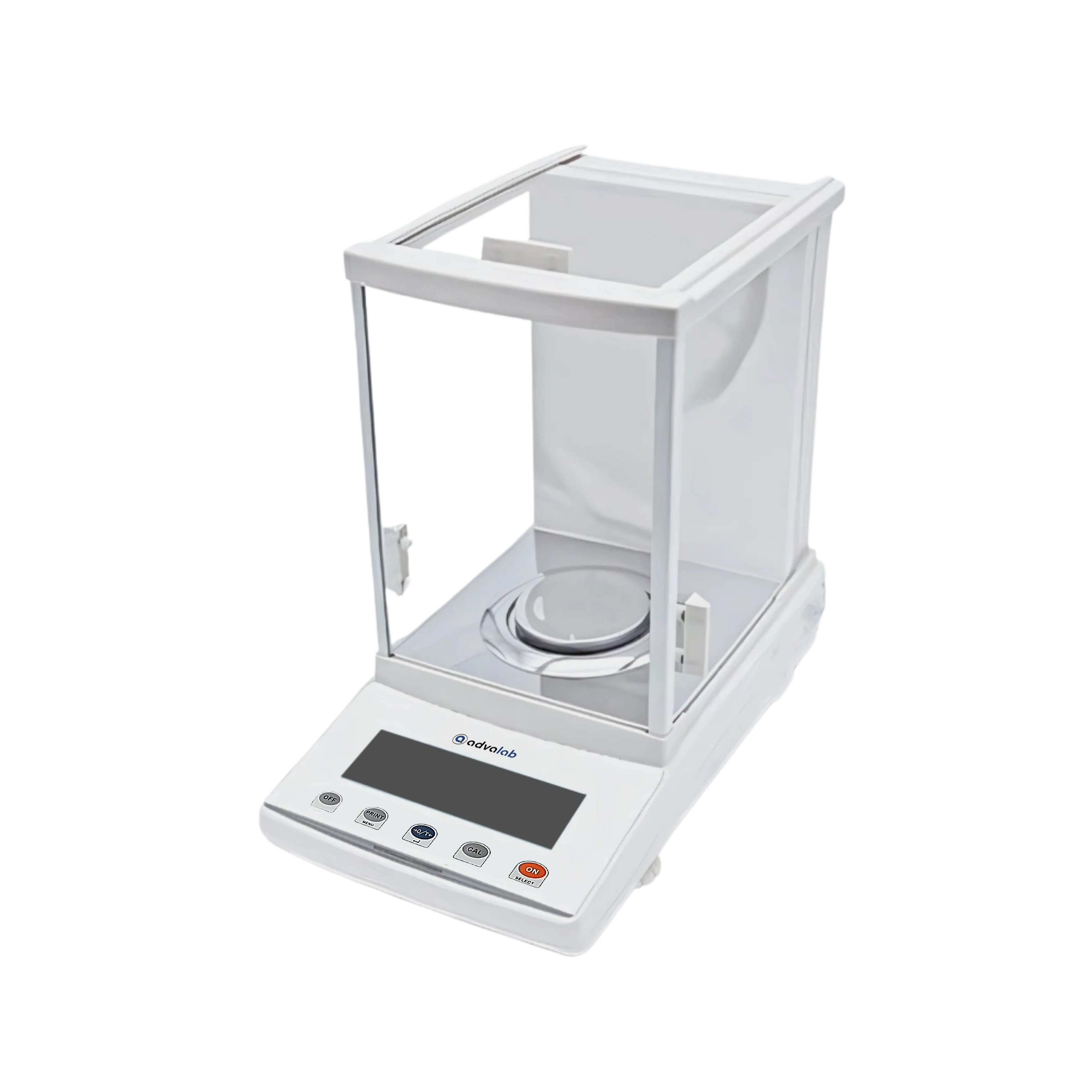
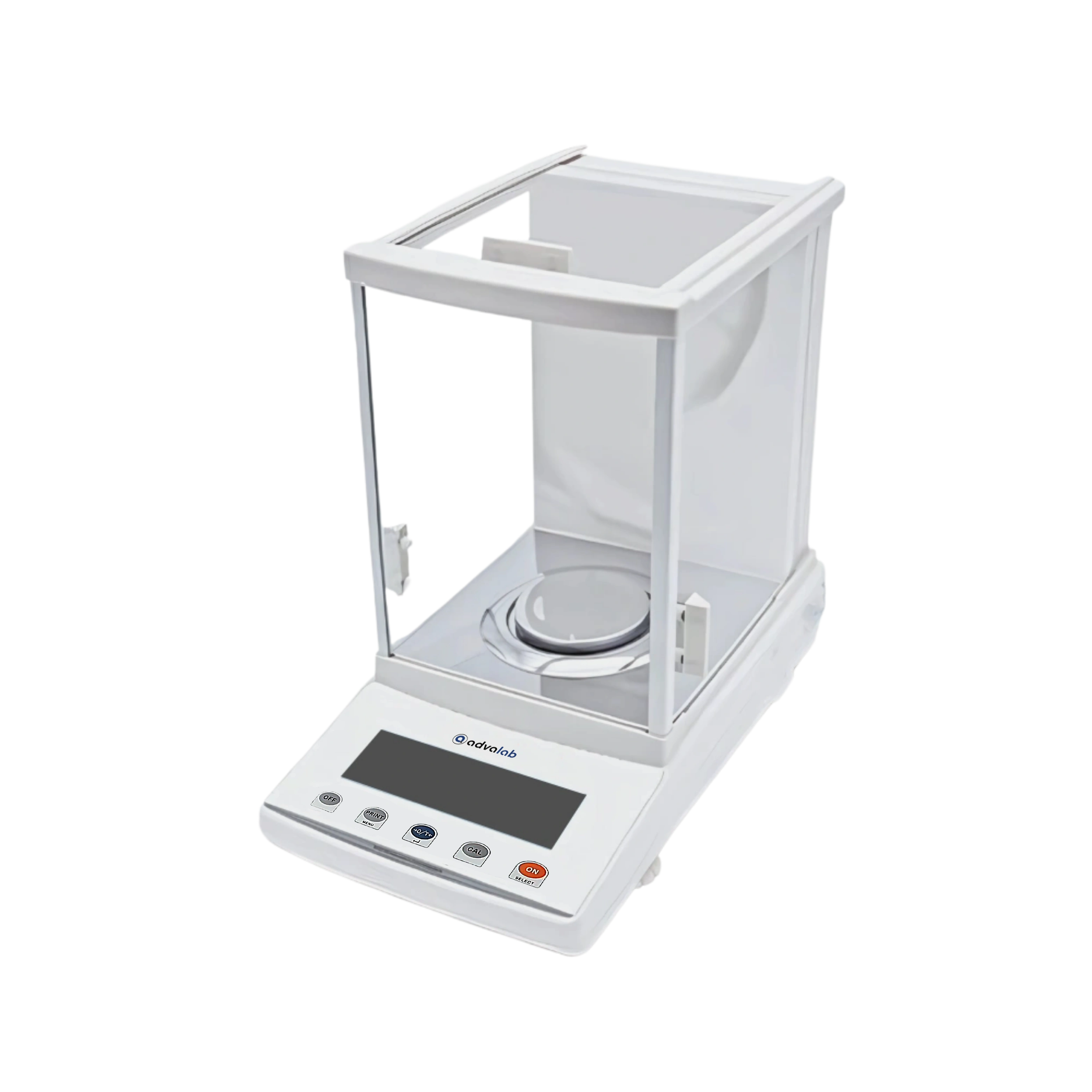
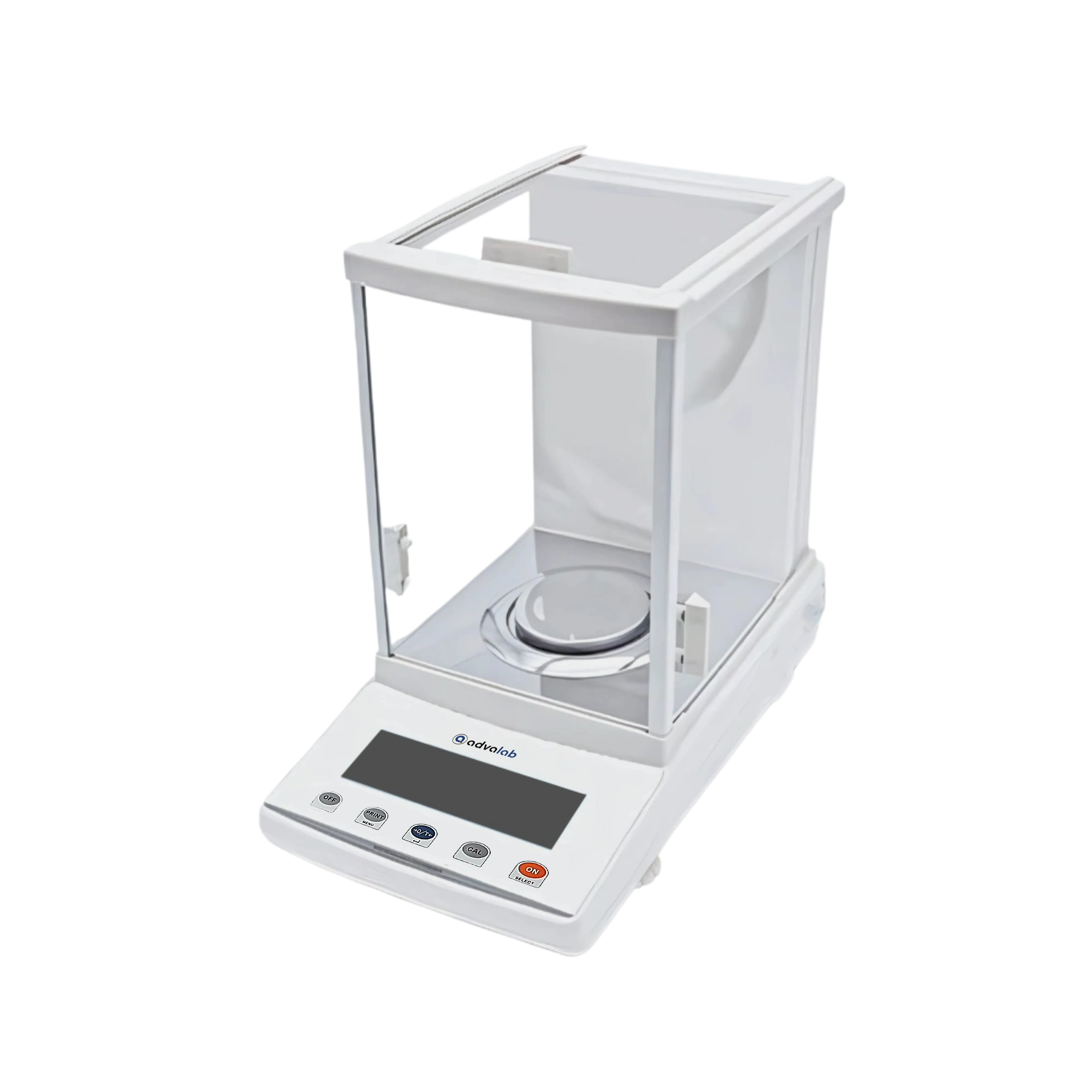
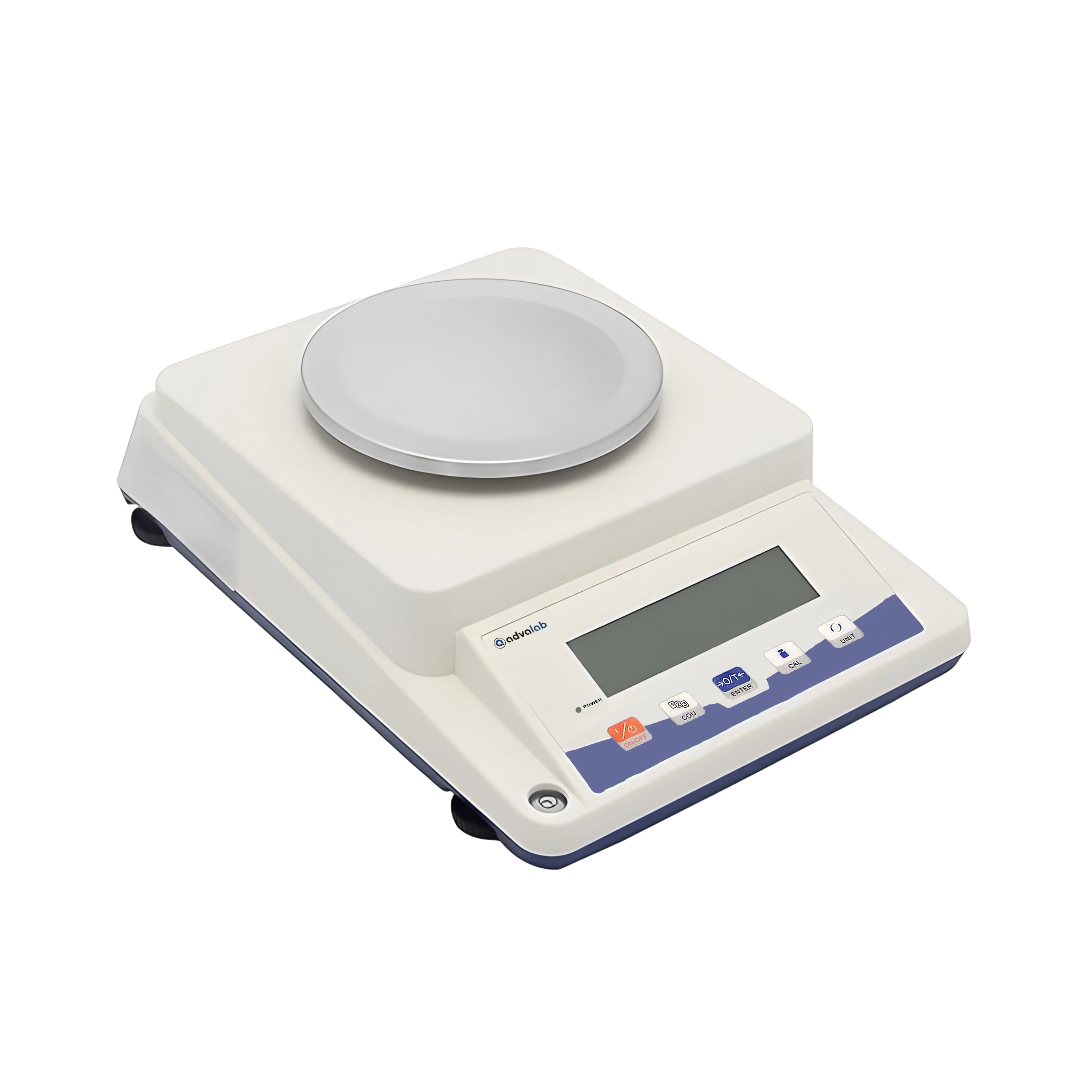
The Digital Electronic Balance ADDL-512 is utilized in laboratories for precise measurement of small sample amounts, ensuring accuracy in analytical testing and enhancing reliability in quality control processes.


1. Does the Digital Electronic Balance ADDL-512 include a tare function, and what is its function?
Yes, the tare function is integrated into the Digital Electronic Balance ADDL-512, enabling users to subtract container or vessel weight with ease. This allows for more accurate measurement of the actual substance or item being weighed. It supports workflows that involve frequent weighing of samples in containers, improving both speed and accuracy.
2. How does the Digital Electronic Balance ADDL-512 ensure consistent accuracy during repeated use?
The Digital Electronic Balance ADDL-512 maintains stable linearity and consistent performance by integrating advanced load cell technology and precision components. Even with frequent usage, the system prevents deviation and maintains output reliability. Its dependable internal mechanisms help reduce drift over time, supporting dependable outcomes across varied weighing tasks.
3. What is the maximum accurate weighing capacity of the Digital Electronic Balance ADDL-512?
The Digital Electronic Balance ADDL-512 can weigh up to 300 grams, making it ideal for small to medium-scale measurement tasks across diverse applications. Its robust build allows for stable weighing of light samples. This makes it a preferred choice in environments that require ultra-precise, low-capacity measurements, such as analytical laboratories and micro-sample testing.
4. In what ways does the Digital Electronic Balance ADDL-512 enhance workflow efficiency in laboratory environments?
With rapid stabilization time and intuitive controls, this Digital Electronic Balance ADDL-512 speeds up weighing procedures without compromising accuracy. Its responsive interface minimizes operational delays and allows users to navigate functions quickly. Whether used for multiple samples or complex batch tasks, it optimizes lab productivity by reducing wait times.
5. Which type of display does the Digital Electronic Balance ADDL-512 utilize for showing measurements?
Digital Electronic Balance ADDL-512 features a clear LCD screen that ensures excellent visibility of results, even under low or bright lighting. The display is backlit and designed for prolonged use, minimizing glare and user fatigue. Easy-to-read digits reduce the chance of misinterpretation, making it highly efficient in fast-paced environments.
6. What are Digital Electronic Balances?
Digital Electronic Balances are highly precise weighing instruments that use electronic sensors to determine the mass of various substances. They display measurements digitally, significantly reducing human error associated with analog scales. These instruments are engineered to deliver accurate, quick, and consistent results. Equipped with advanced features like automatic calibration, tare functionality, and multi-unit conversion.
7. In what way do temperature fluctuations impact the performance of Digital Electronic Balances?
Temperature variations can affect the accuracy and stability of Digital Electronic Balances. Sudden changes may cause thermal drift, leading to inconsistent or inaccurate readings. To ensure reliable performance, balances should be used in temperature-controlled environments and allowed to acclimate before weighing.

| Capacity | 200 g |
| Readability | 0.01 g |
| Repeatability | ±0.01 g |

| Capacity | 1000 g |
| Readability | 0.01 g |
| Repeatability | ±0.01 g |

| Capacity | 300 g |
| Readability | 0.1 g |
| Repeatability | ±0.1 g |

| Capacity | 15000 g |
| Readability | 1 g |
| Repeatability | ±1 g |
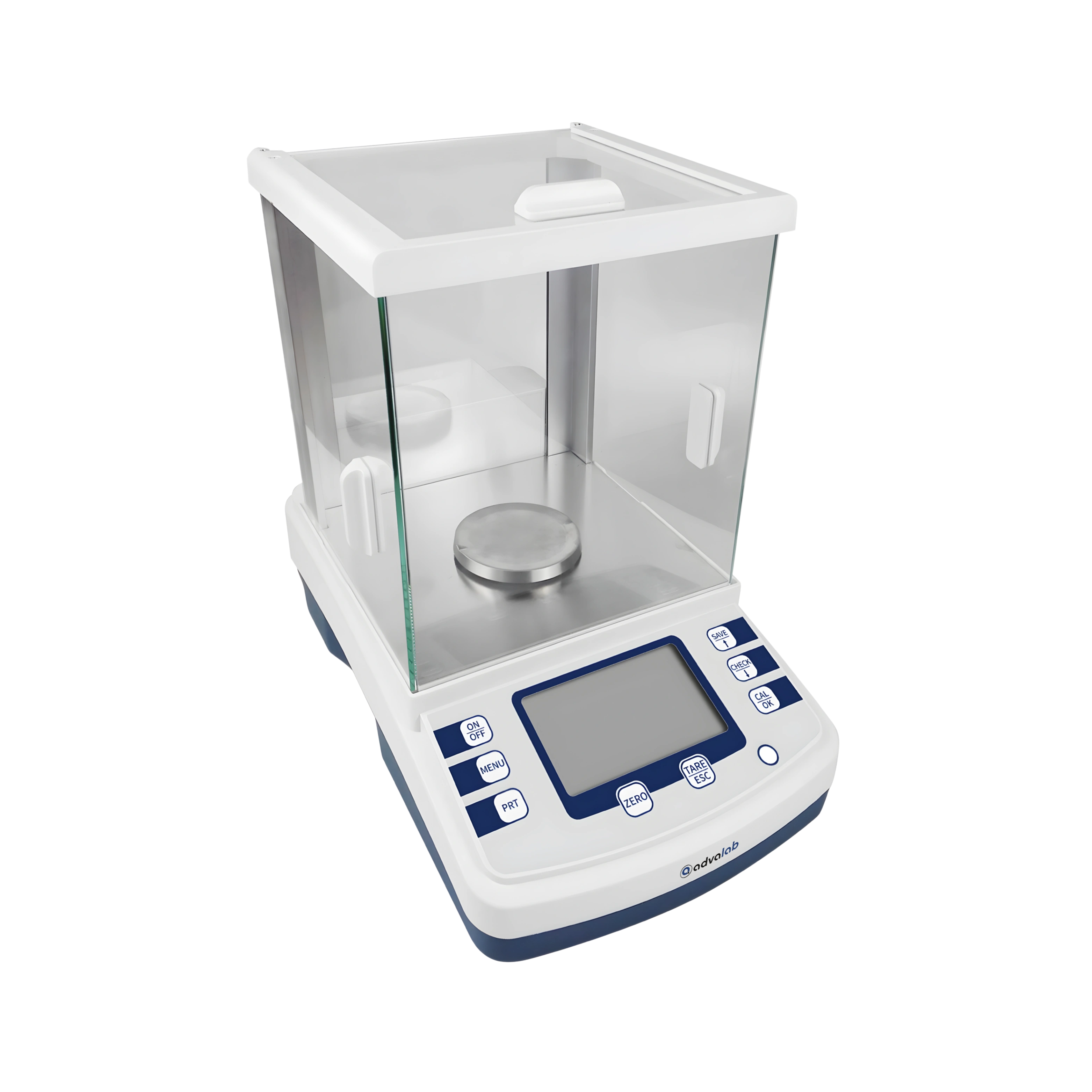
| Capacity: | 0 to 50 g |
| Readability: | 0.01 mg |
| Stabilization Time: | ≤13 s |

| Capacity: | 220 g |
| Readability: | 0.0001 g |
| Minimum Weighing: | 0.0004 g |
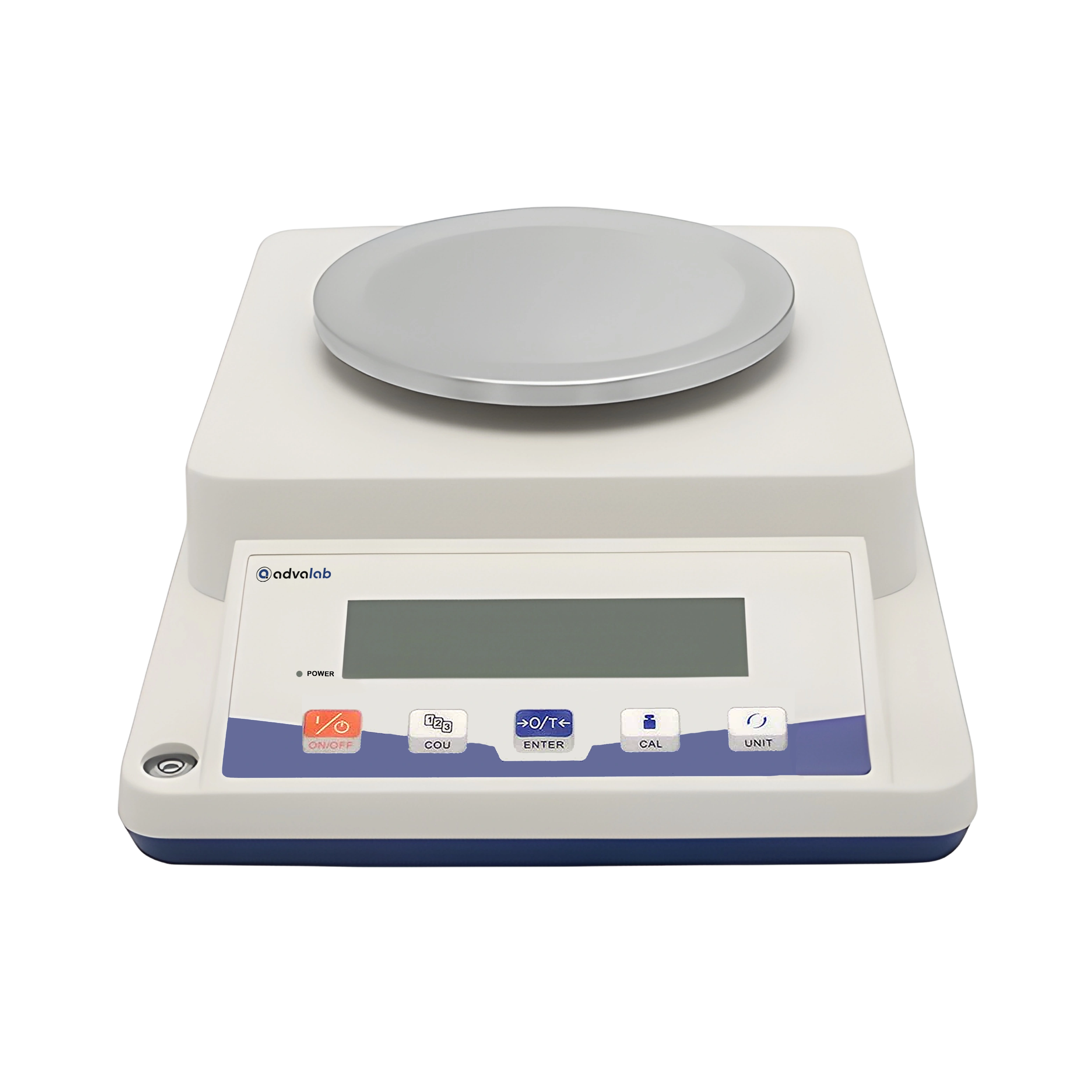
| Capacity: | 3100 g |
| Readability: | 0.01 g |
| Pan Size: | Ø 130 mm |

| Capacity: | 1100 g |
| Resolution : | 0.01 g |
| Minimum Weighing : | 0.04 g |
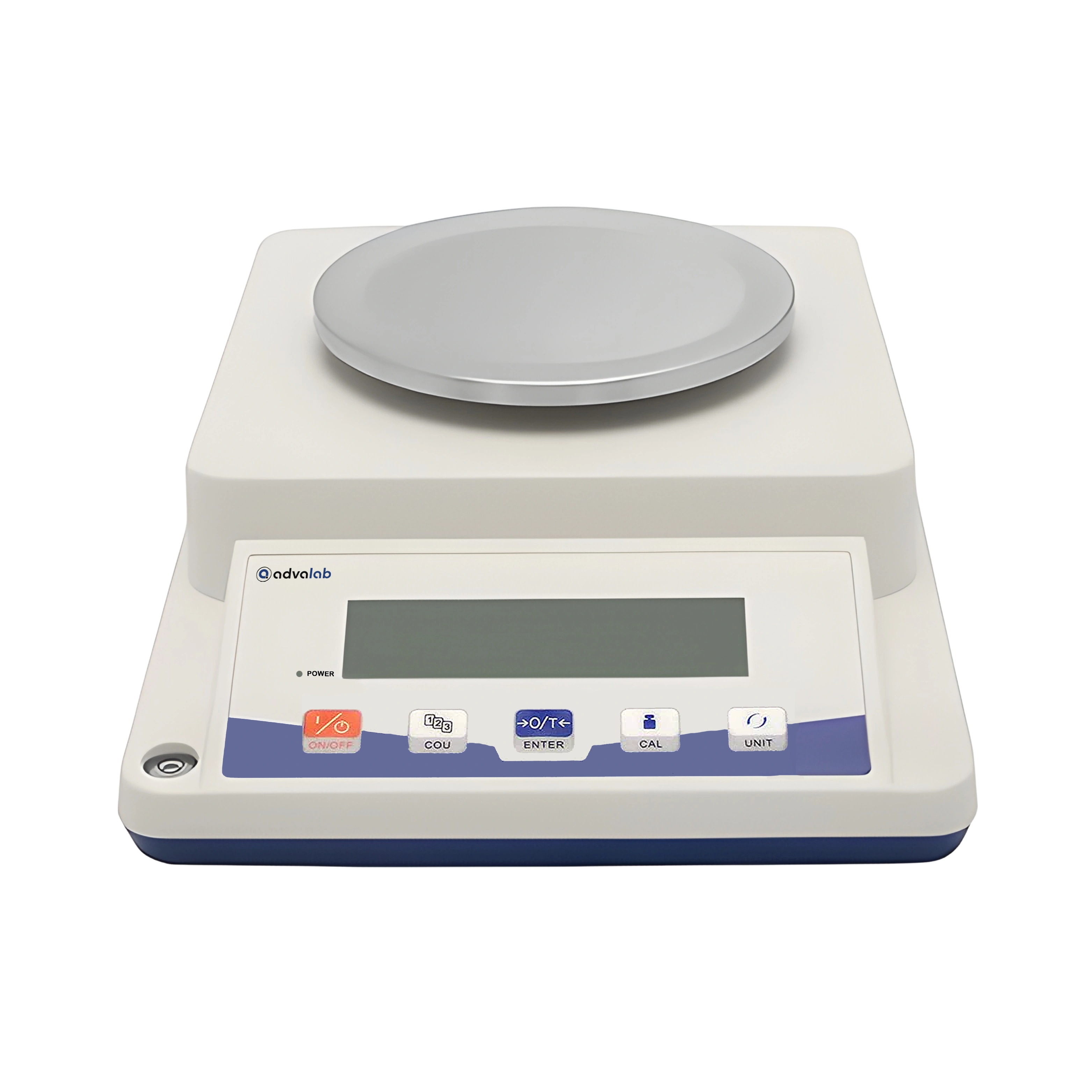
| Capacity: | 3100 g |
| Resolution : | 0.01 g |
| Minimum Weighing : | 0.04 g |
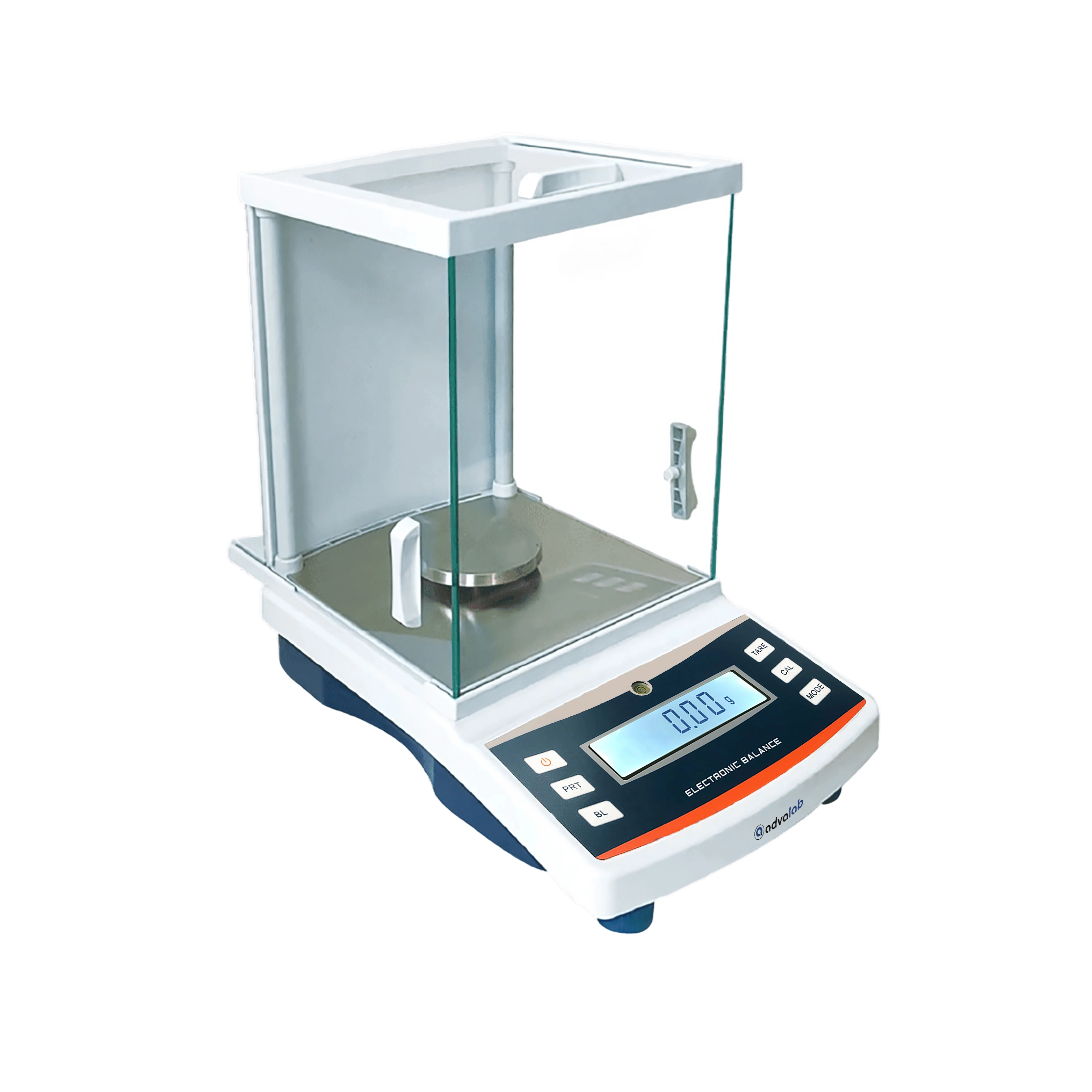
| Capacity: | 200 g |
| Readability : | 1 mg |
| Repeatability: | 1 mg |
| Capacity: | 2100 g |
| Resolution : | 0.01 g |
| Minimum Weighing : | 0.04 g |

| Capacity: | 500 g |
| Readability : | 1 mg |
| Repeatability : | 1 mg |
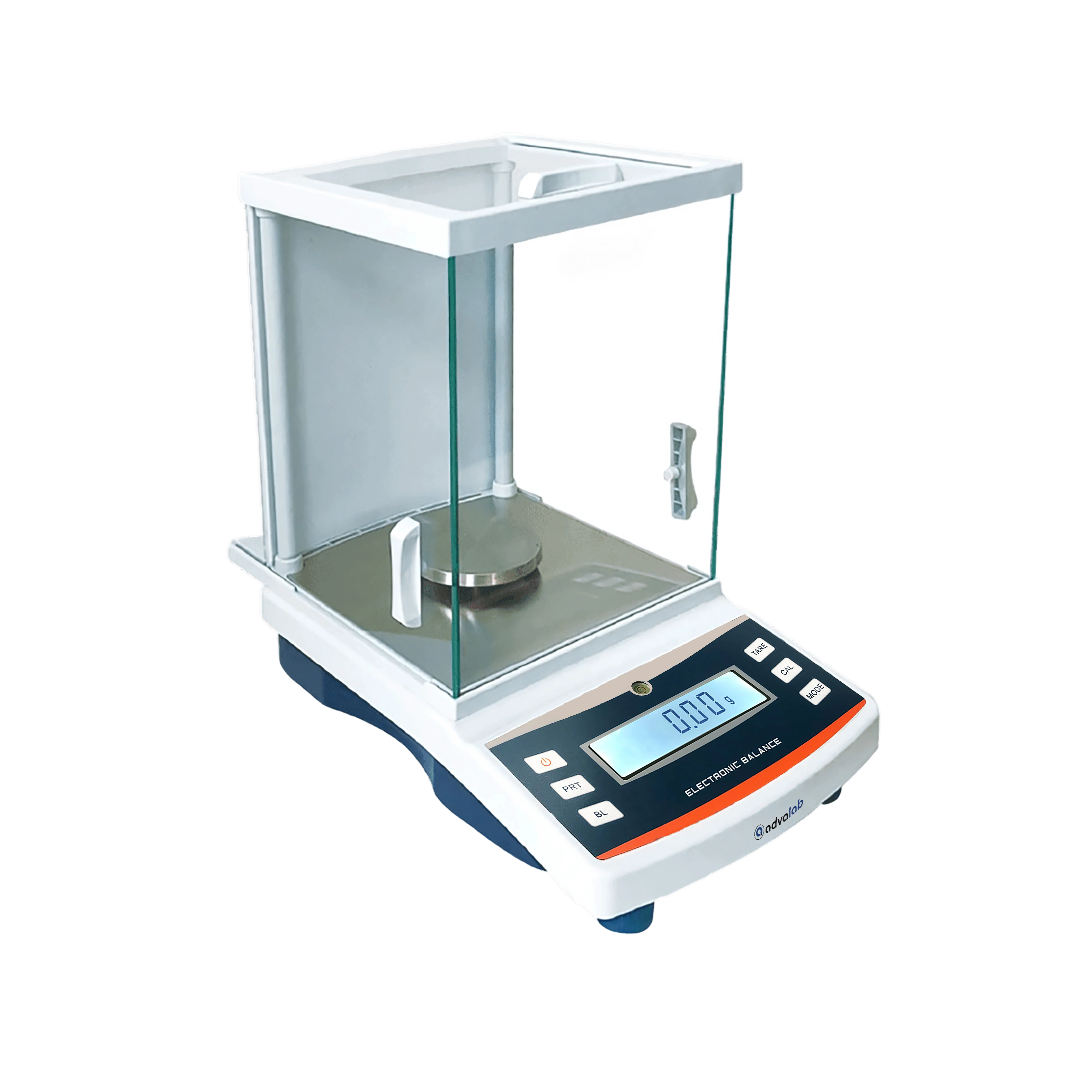
| Capacity: | 300 g |
| Readability : | 1 mg |
| Repeatability: | 1 mg |
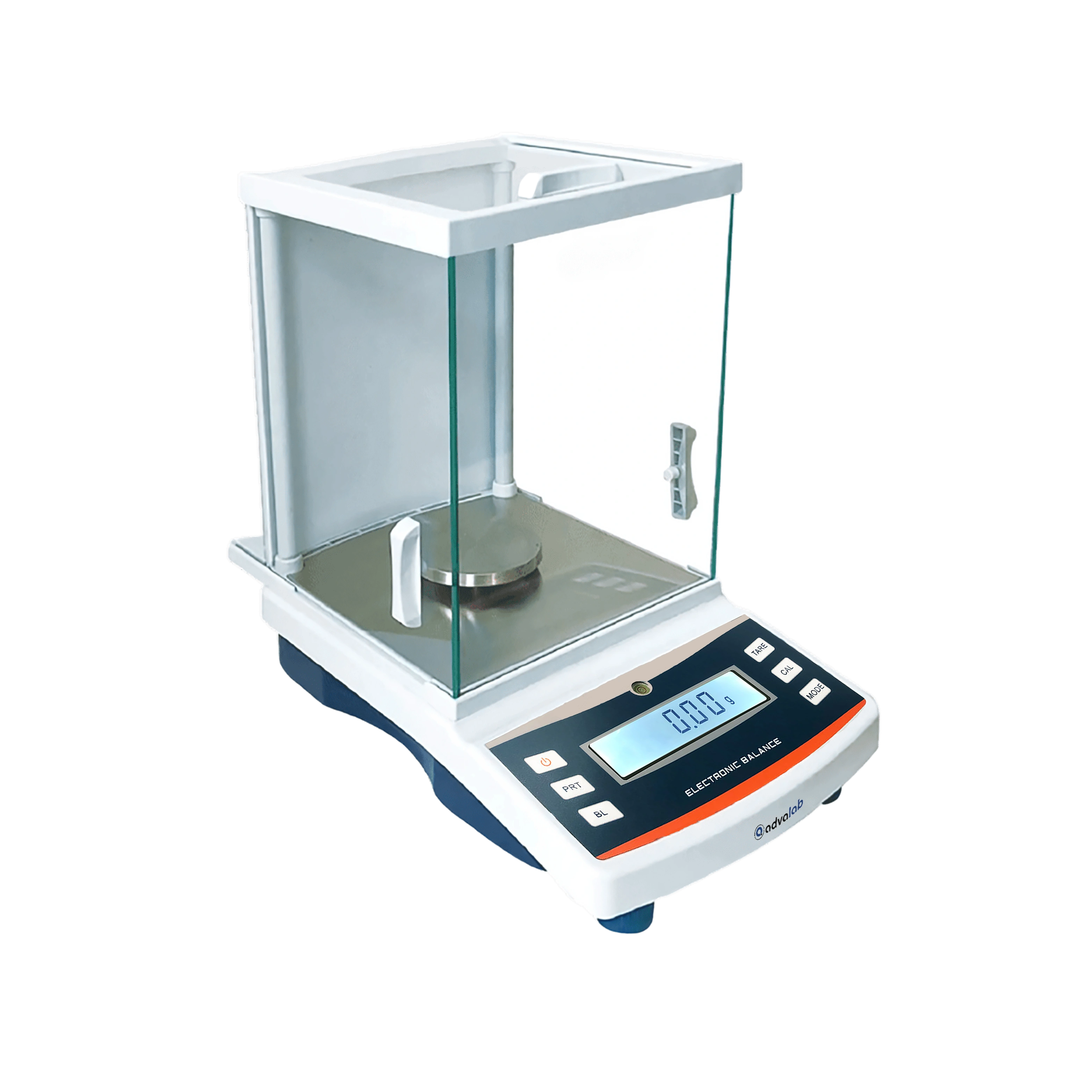
| Capacity: | 60 g |
| Readability : | 1 mg |
| Repeatability : | 1 mg |
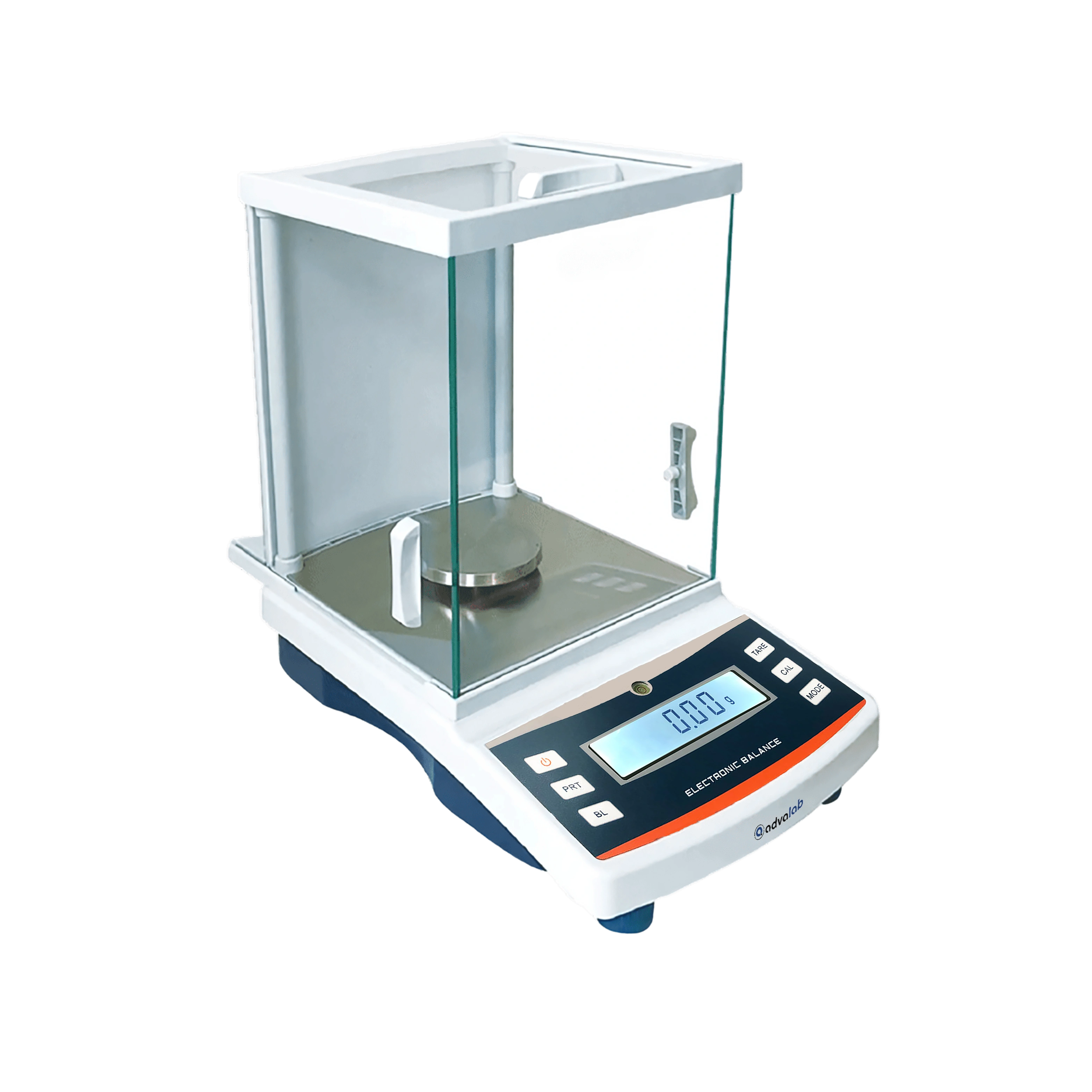
| Capacity: | 100 g |
| Readability : | 1 mg |
| Repeatability: | 1 mg |
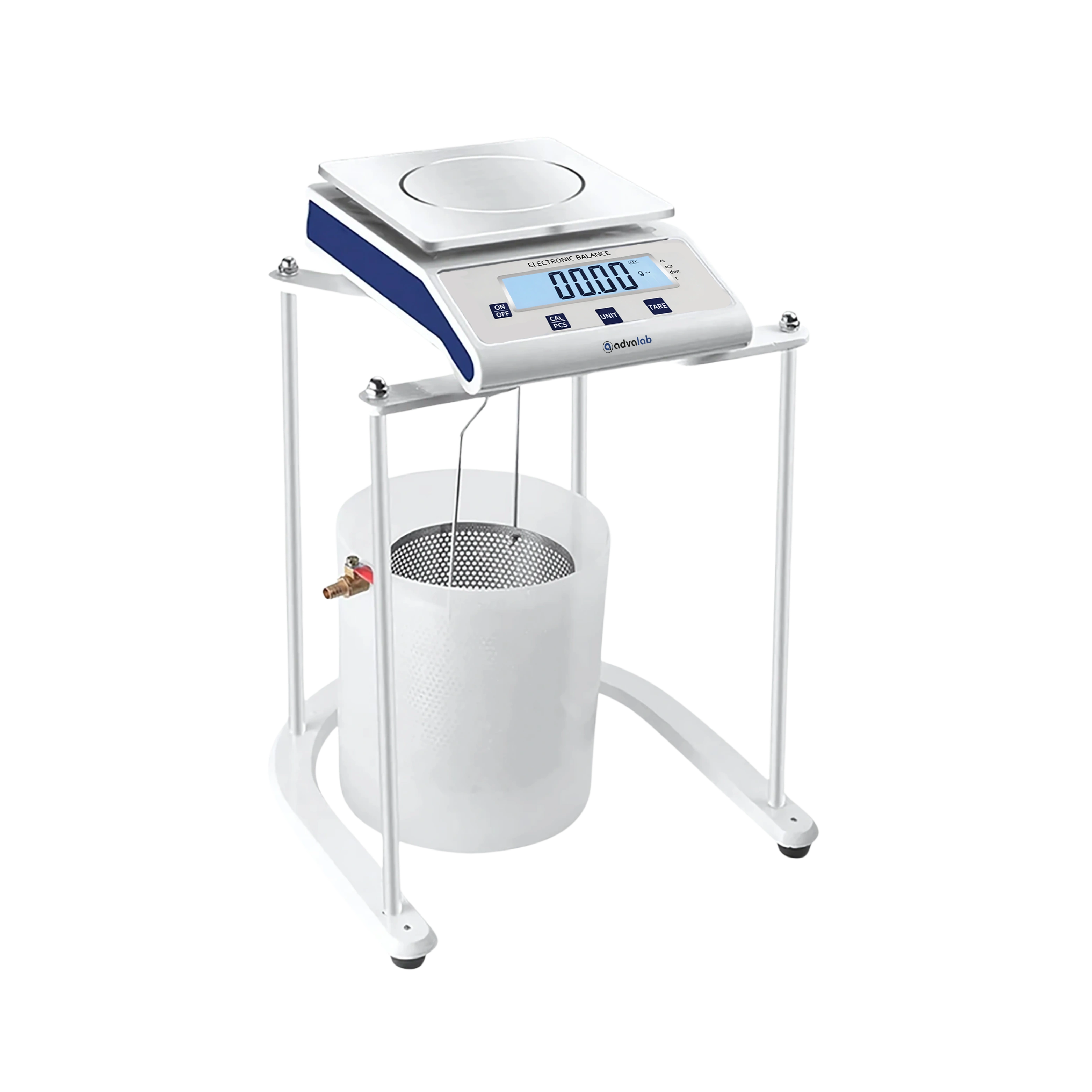
| Capacity: | 5000g |
| Accuracy: | 0.1g |
| Linearity error: | ±0.3g |
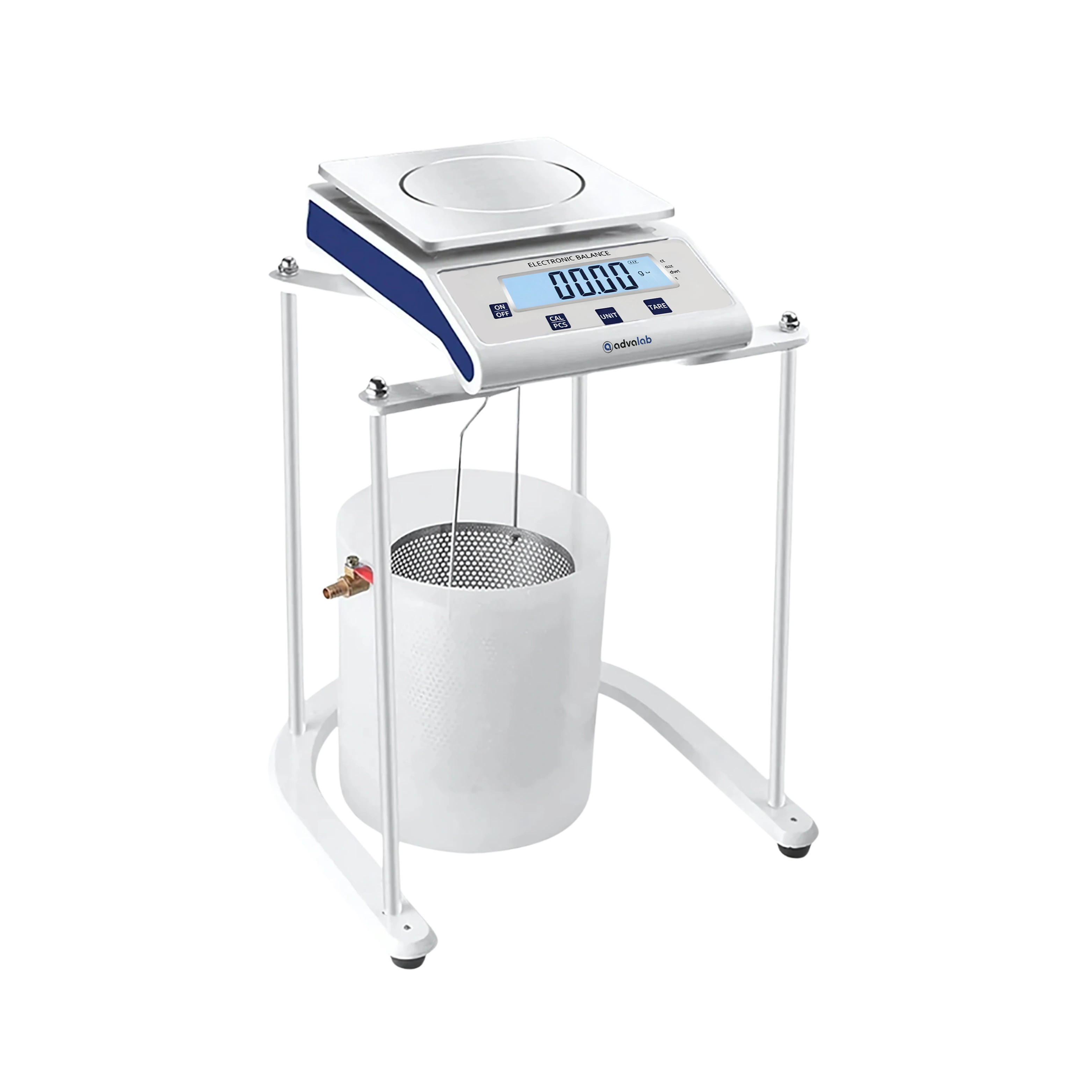
| Capacity: | 2000g |
| Accuracy: | 0.1g |
| Linearity error: | ±0.3g |

| Capacity: | 5000g |
| Accuracy: | 0.01 g |
| Linearity error: | ±0.03g |
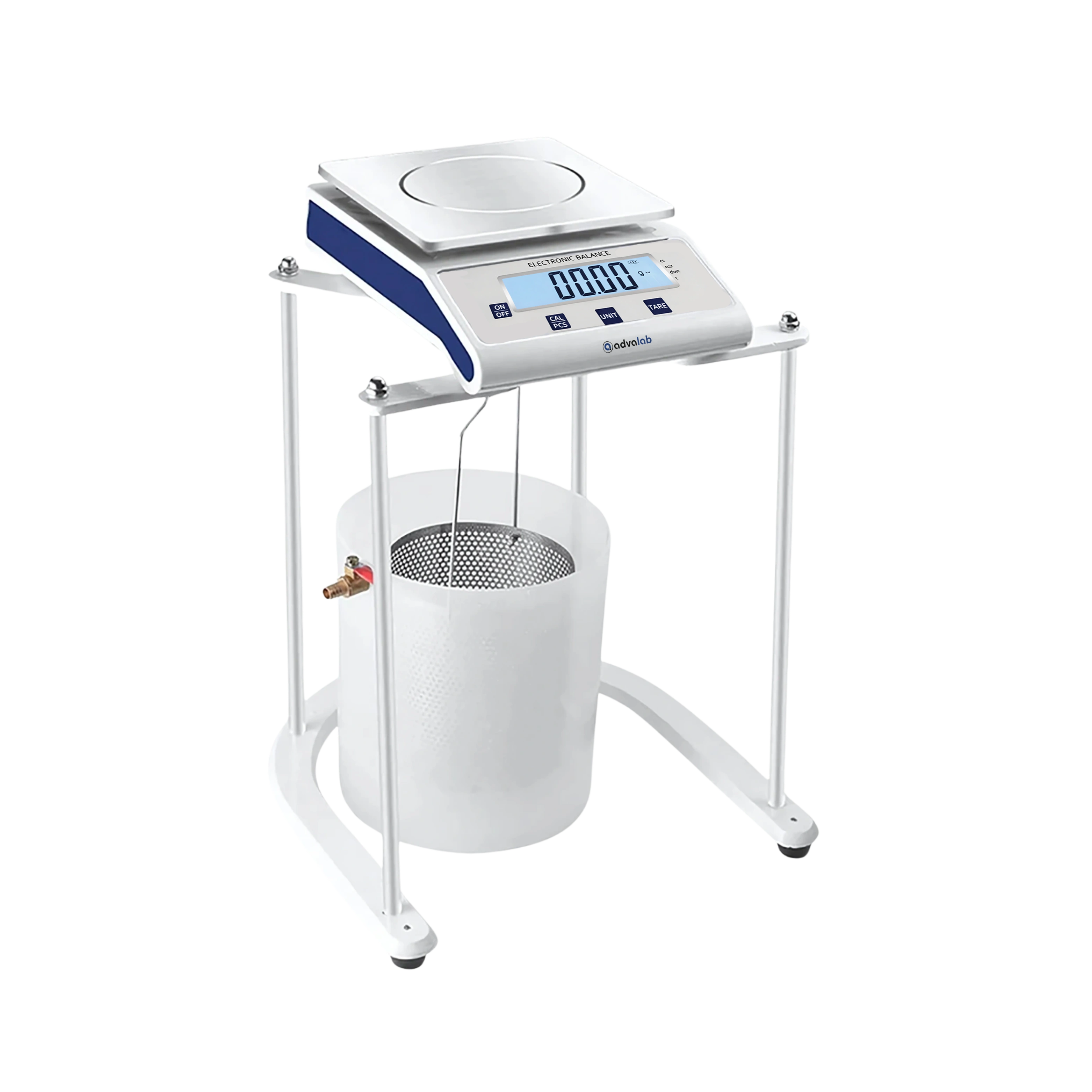
| Capacity: | 2000g |
| Accuracy: | 0.01g |
| Linearity Error: | ±0.03g |