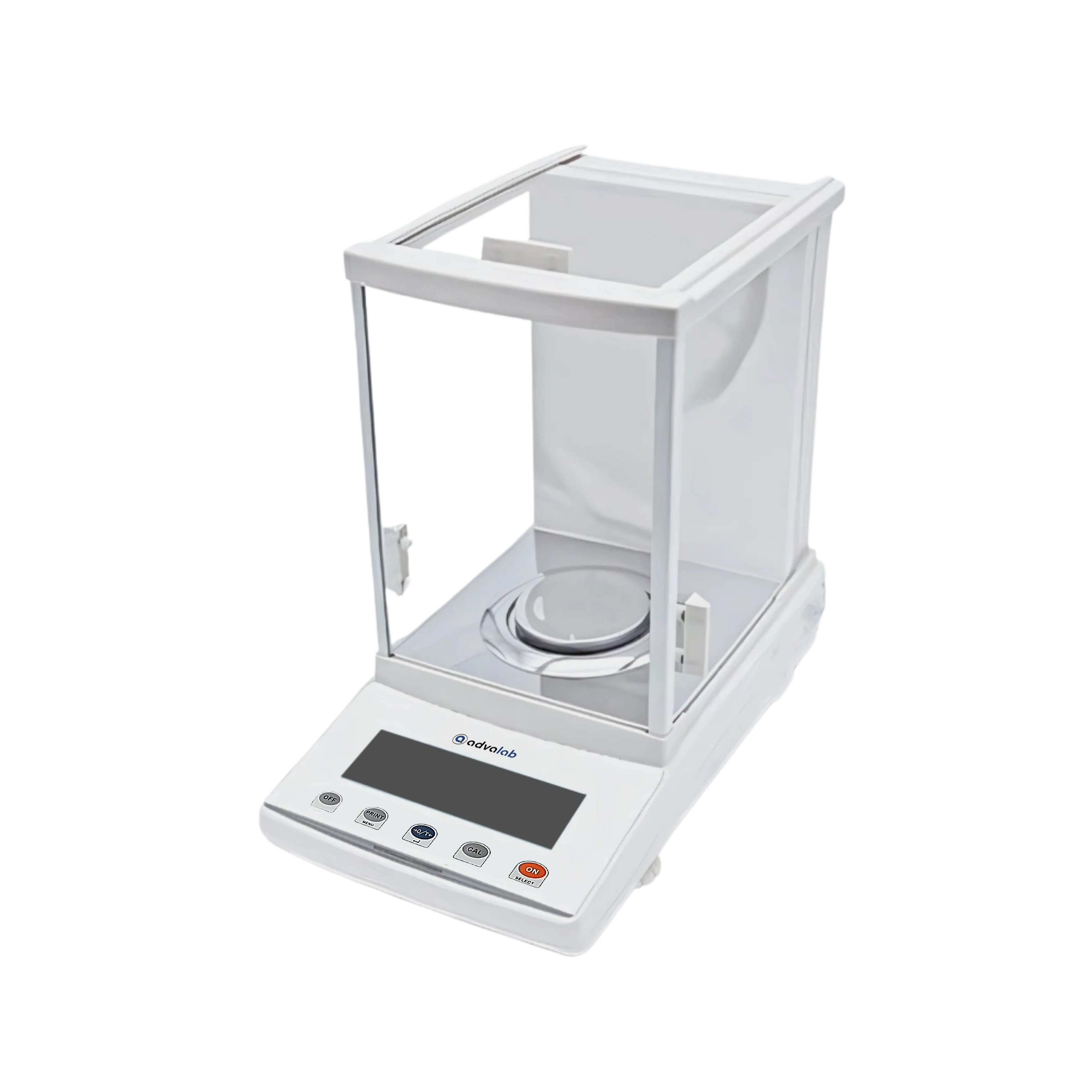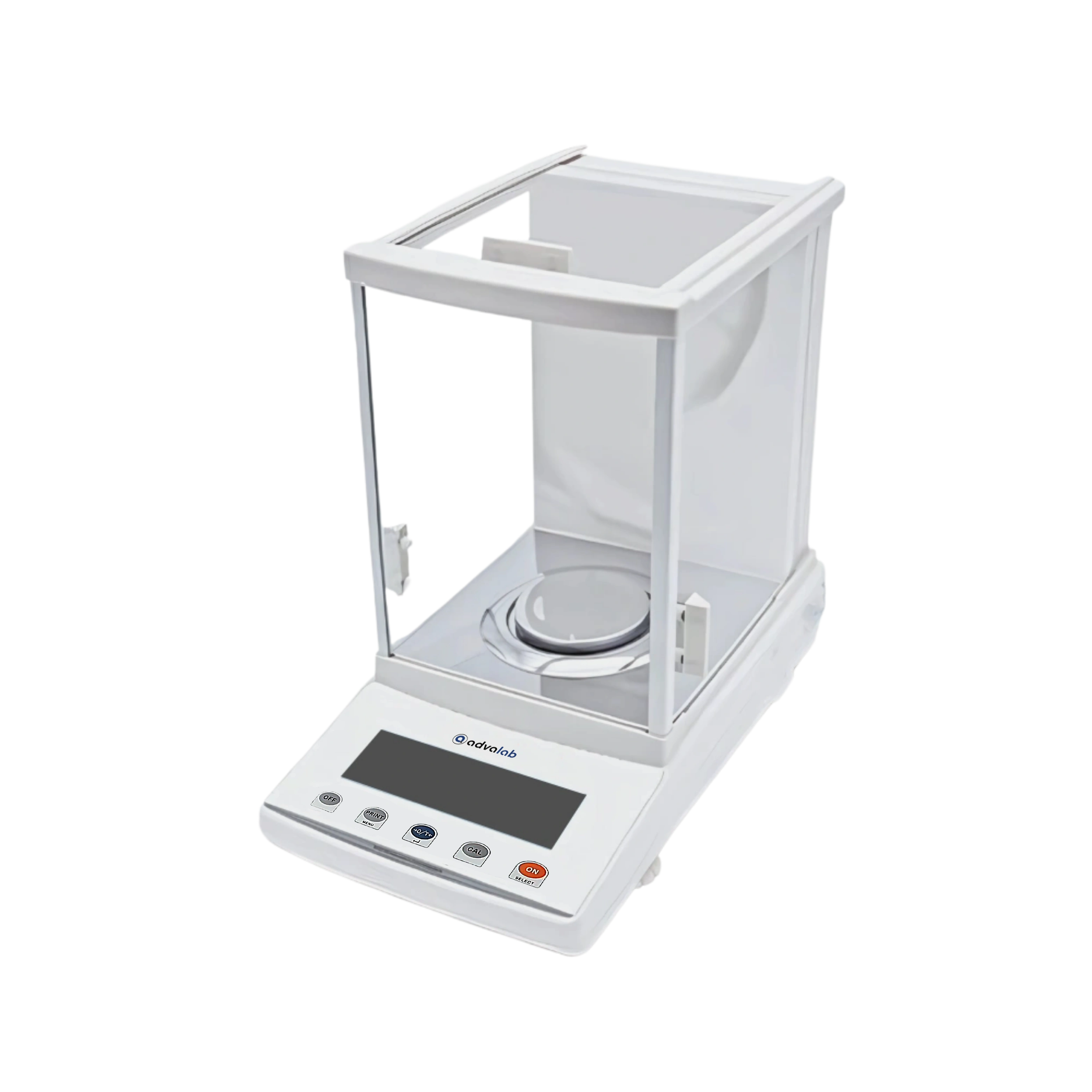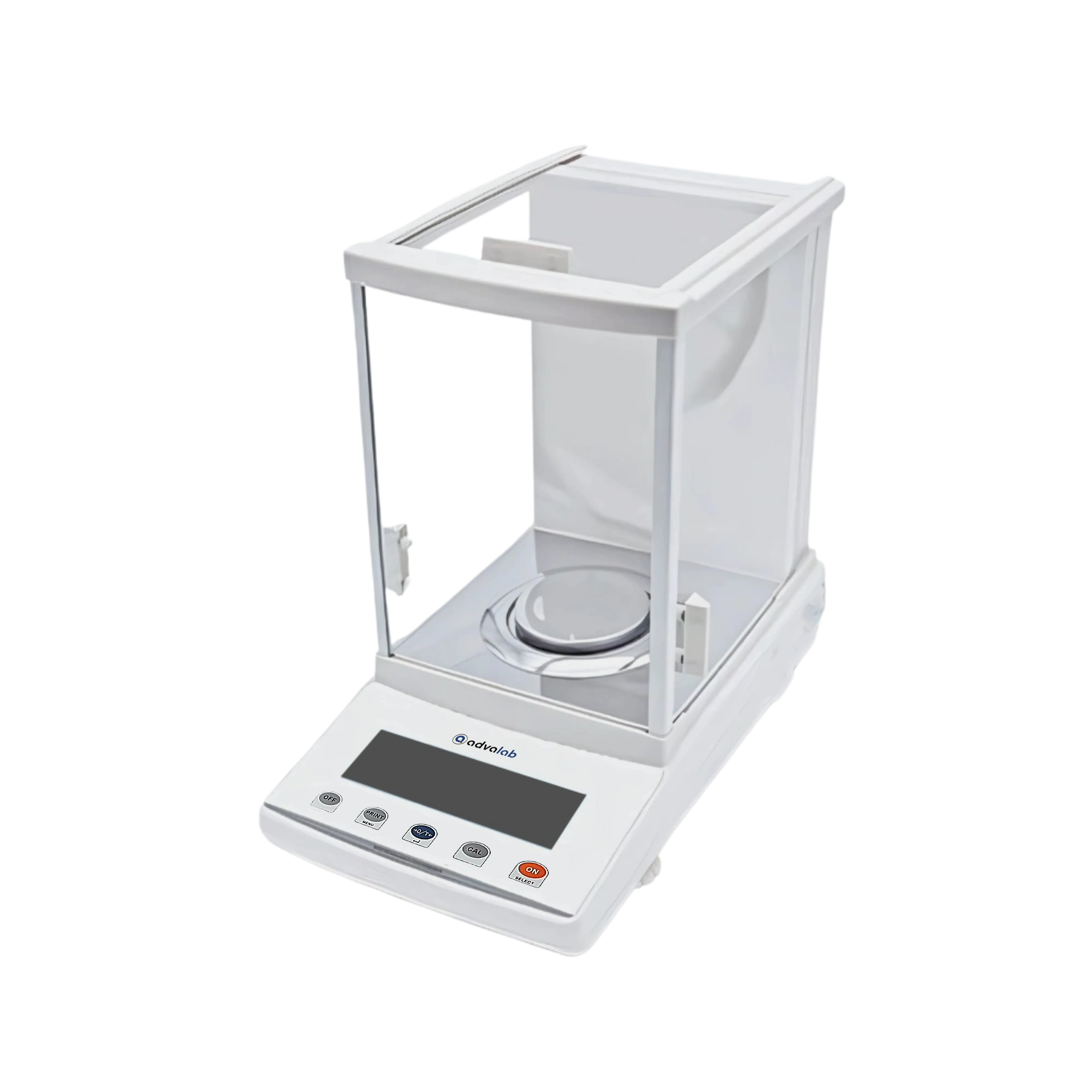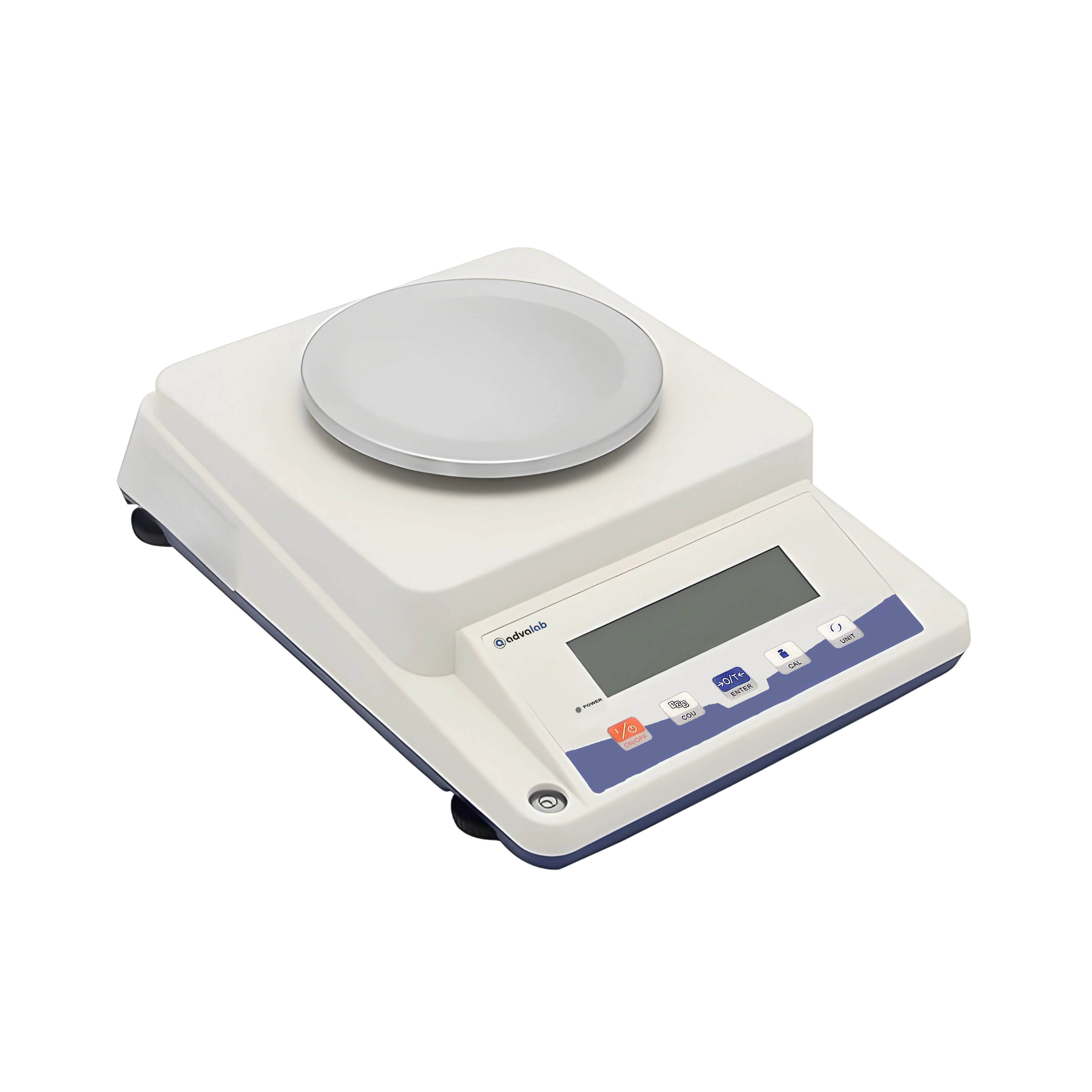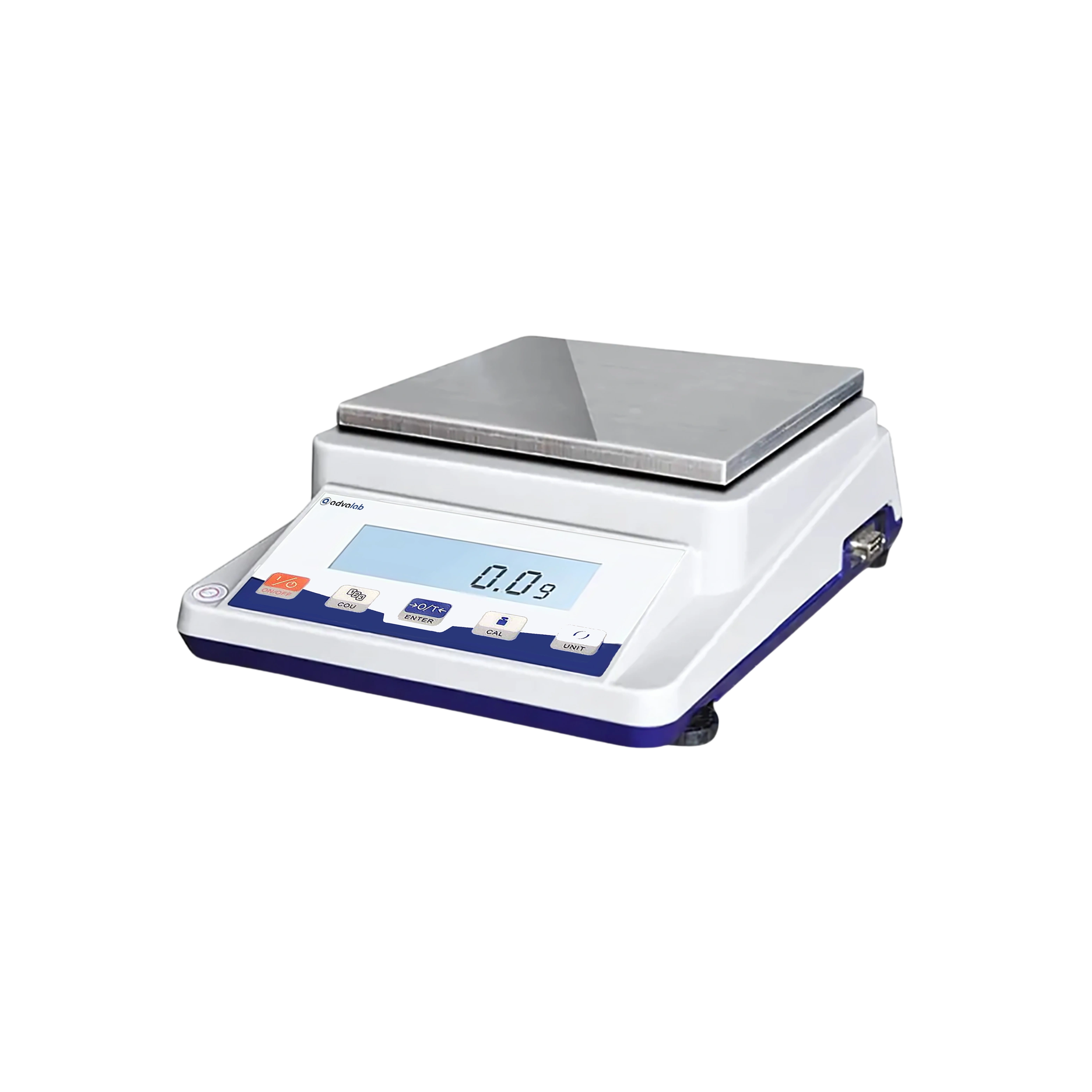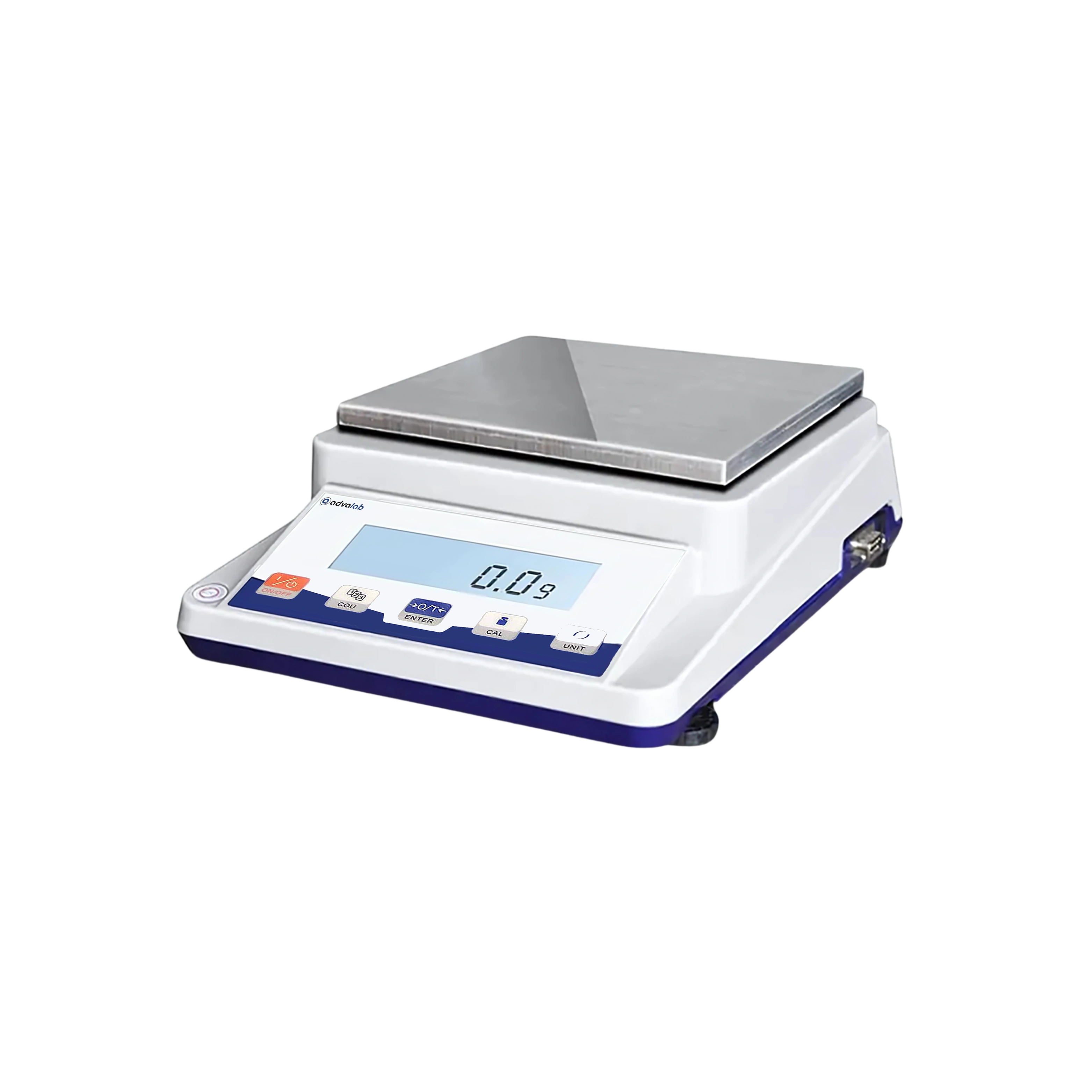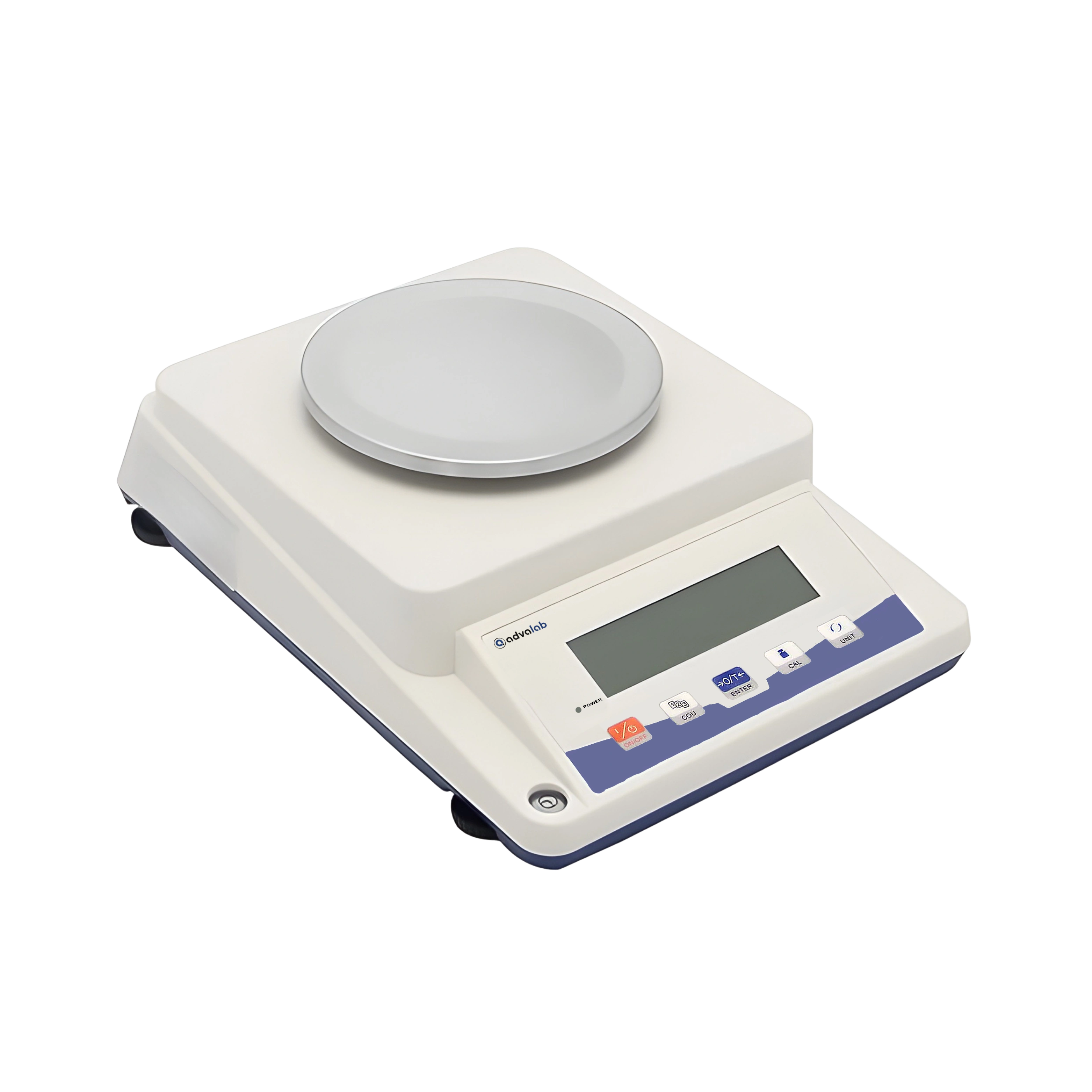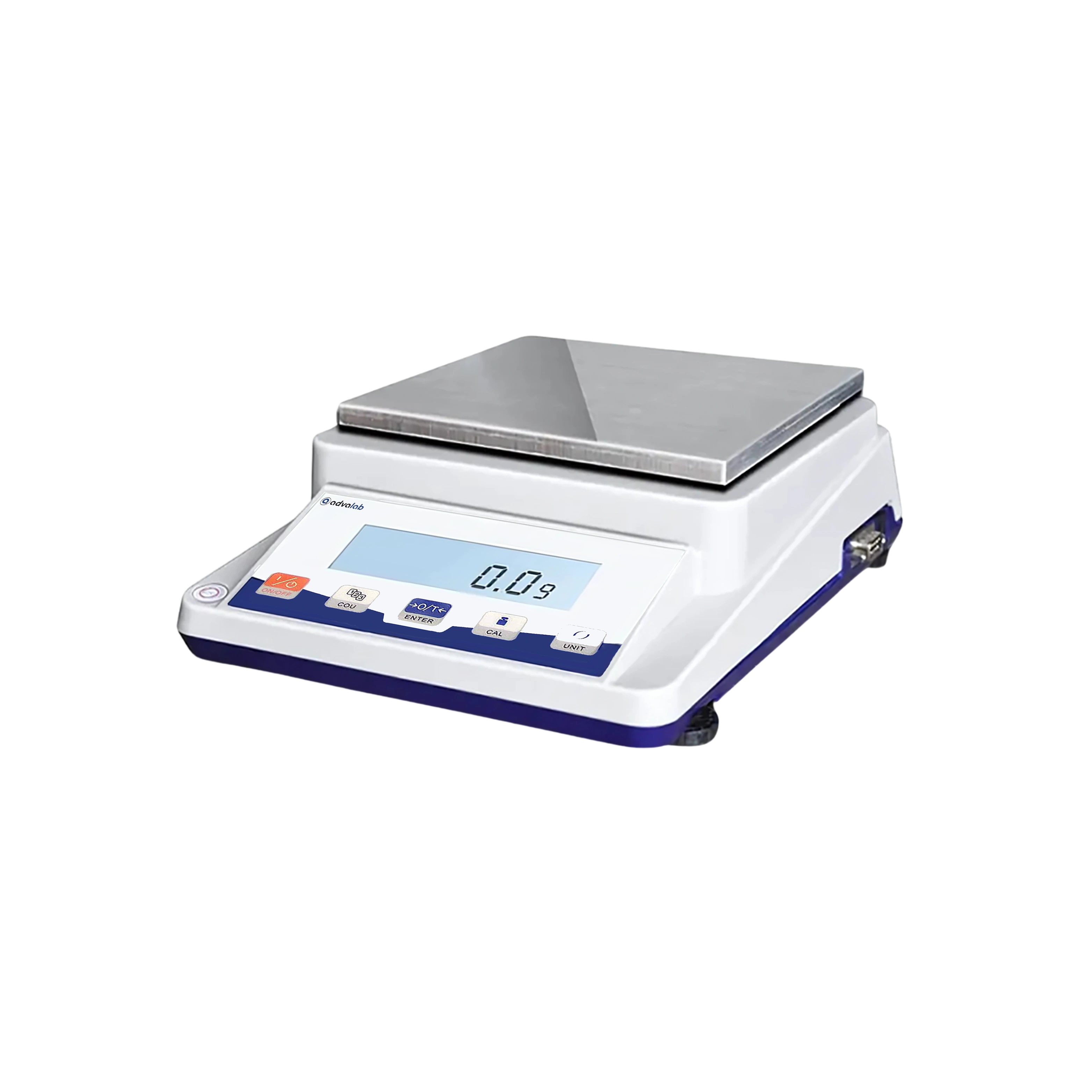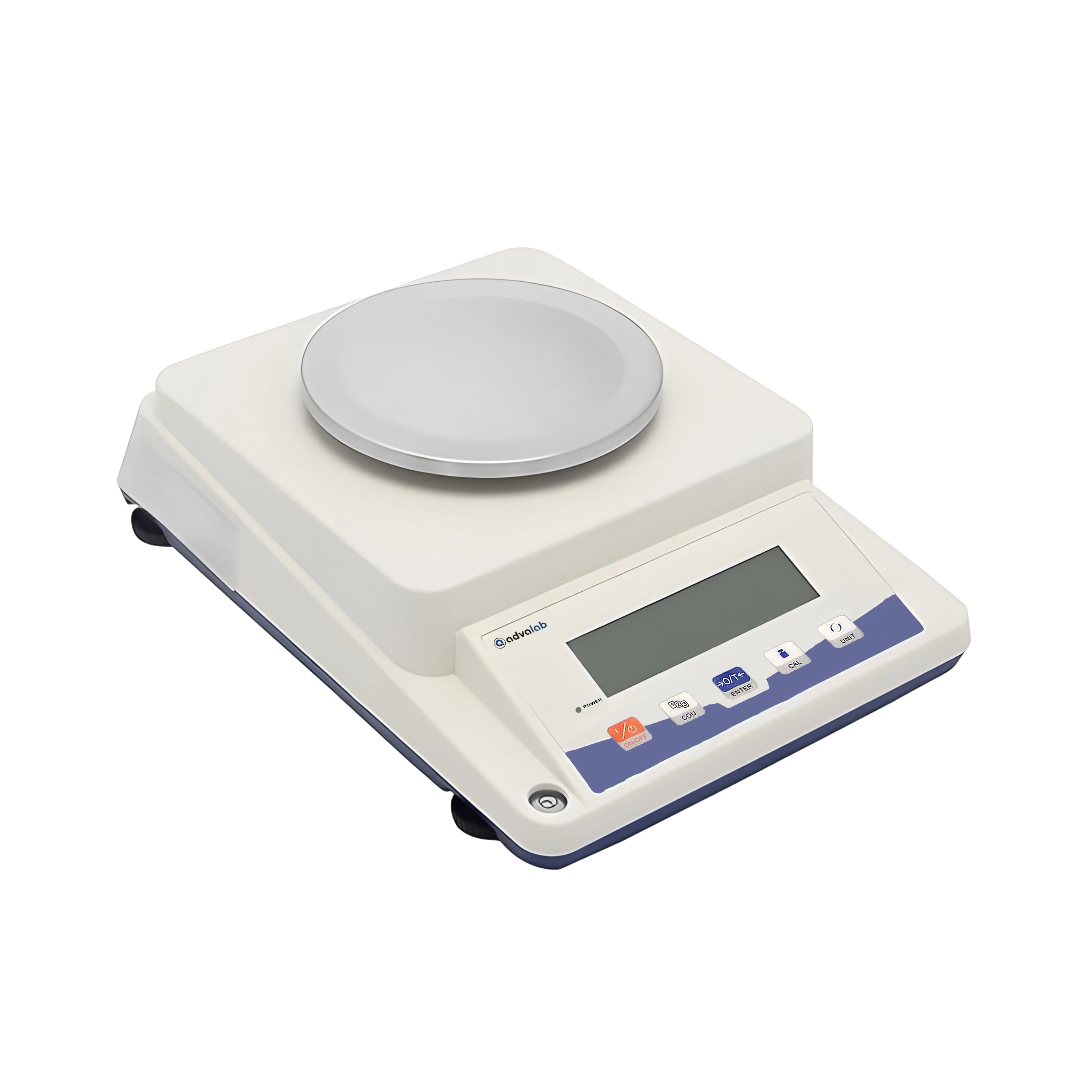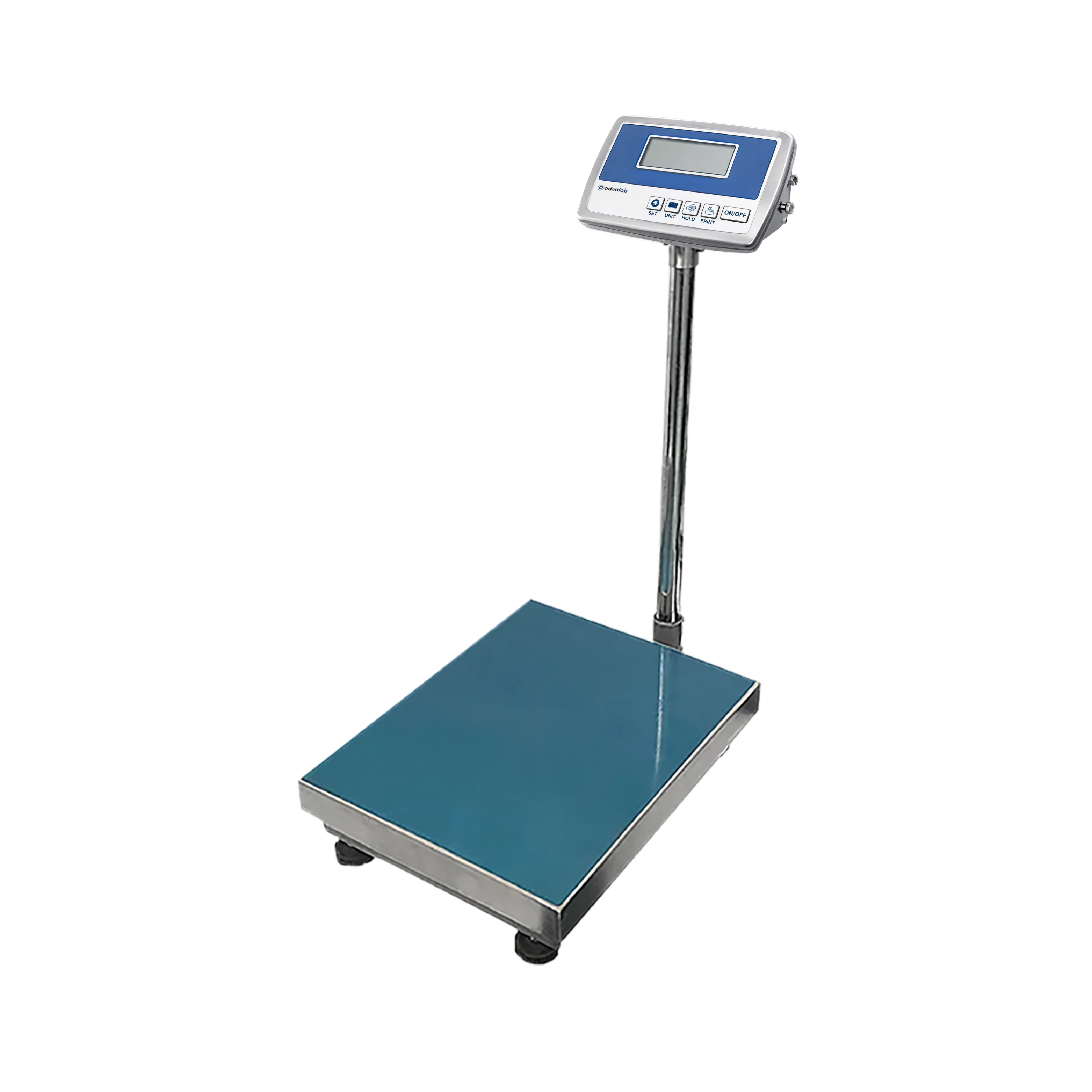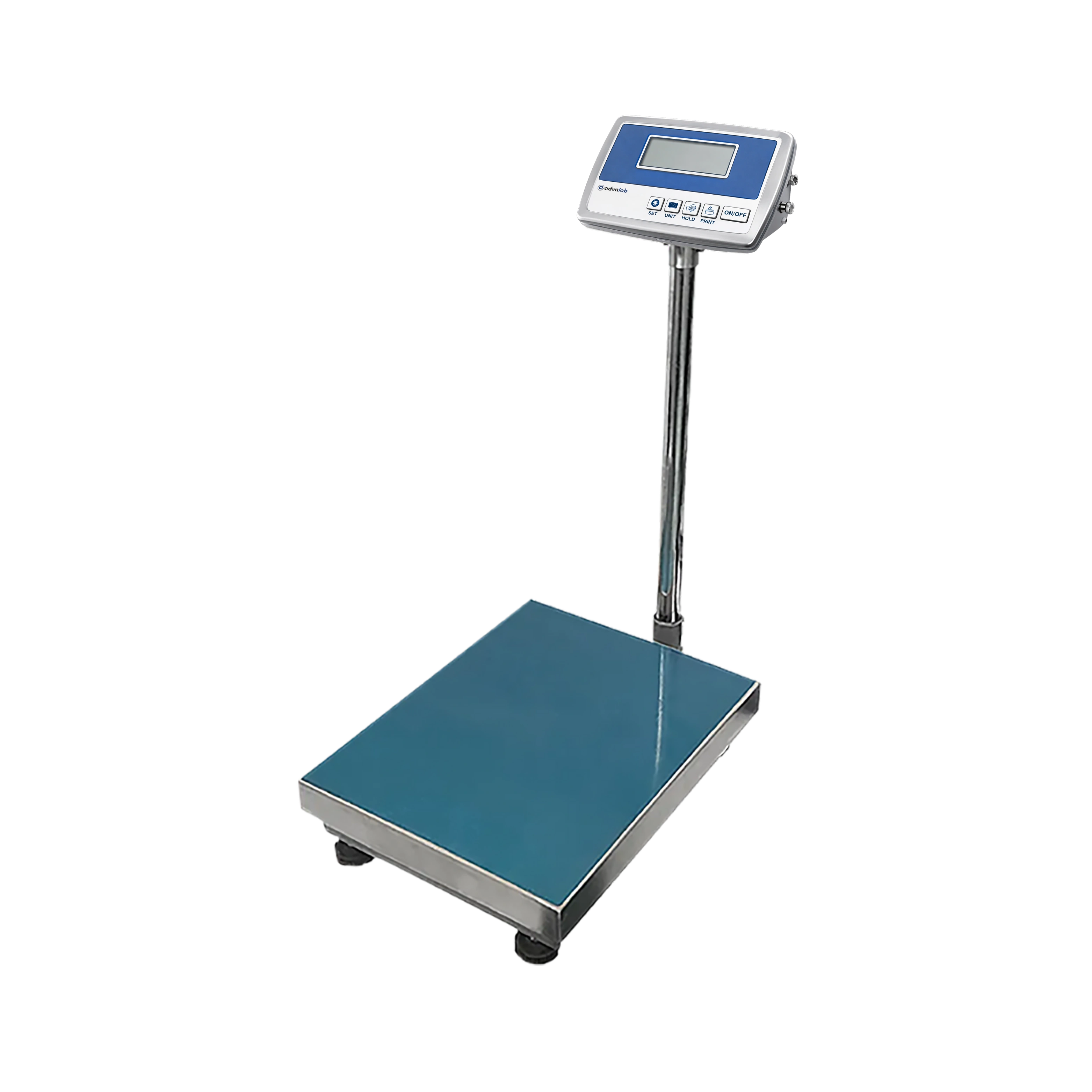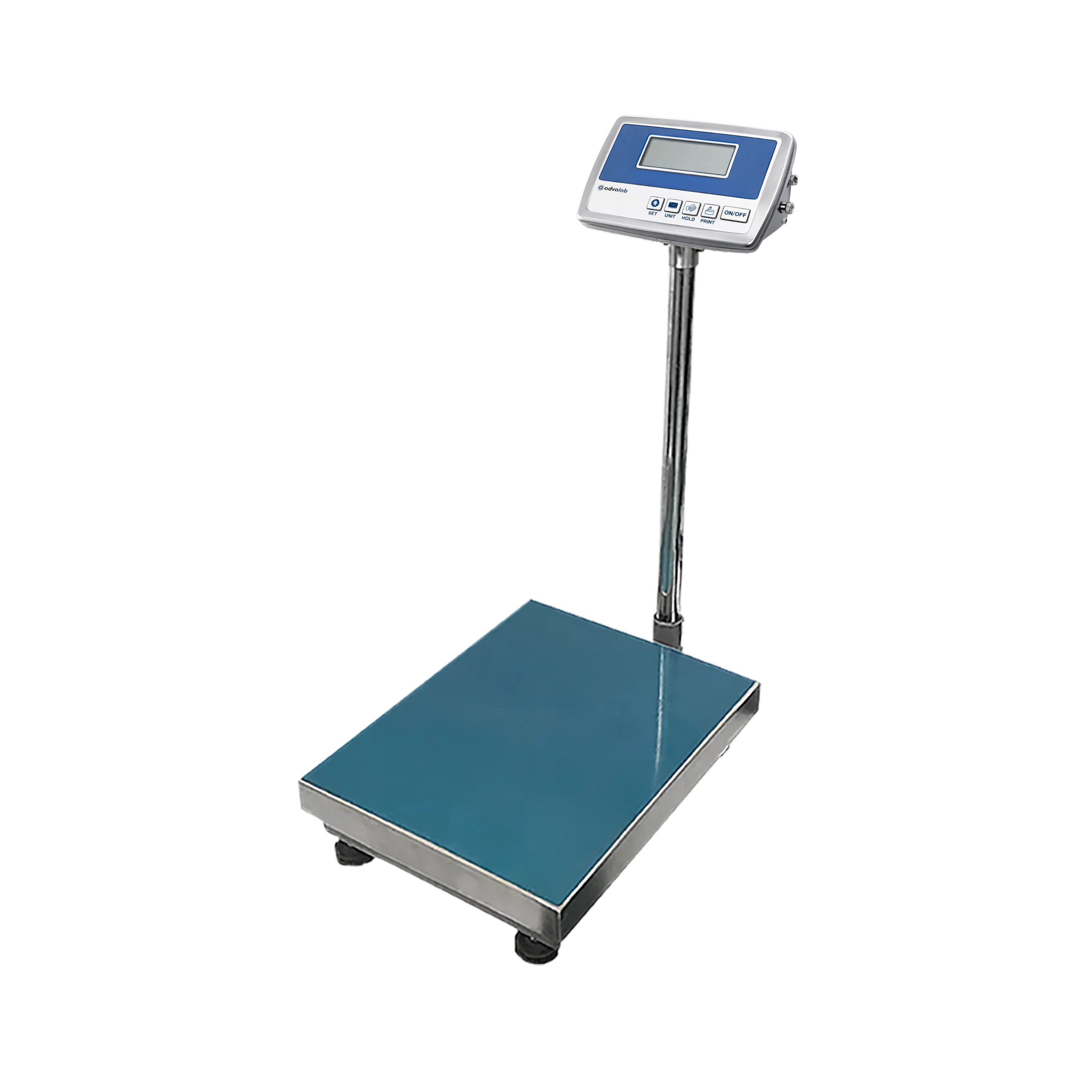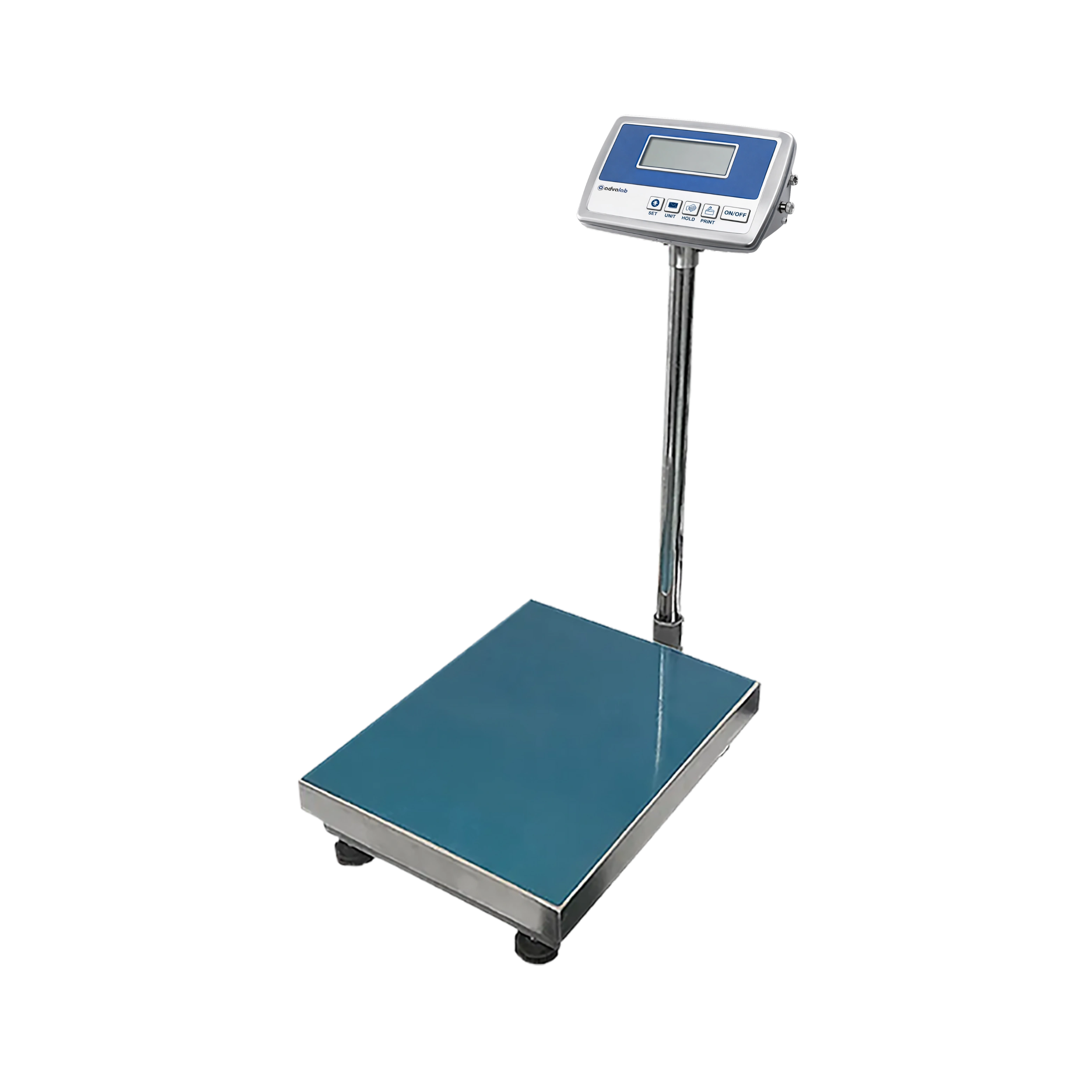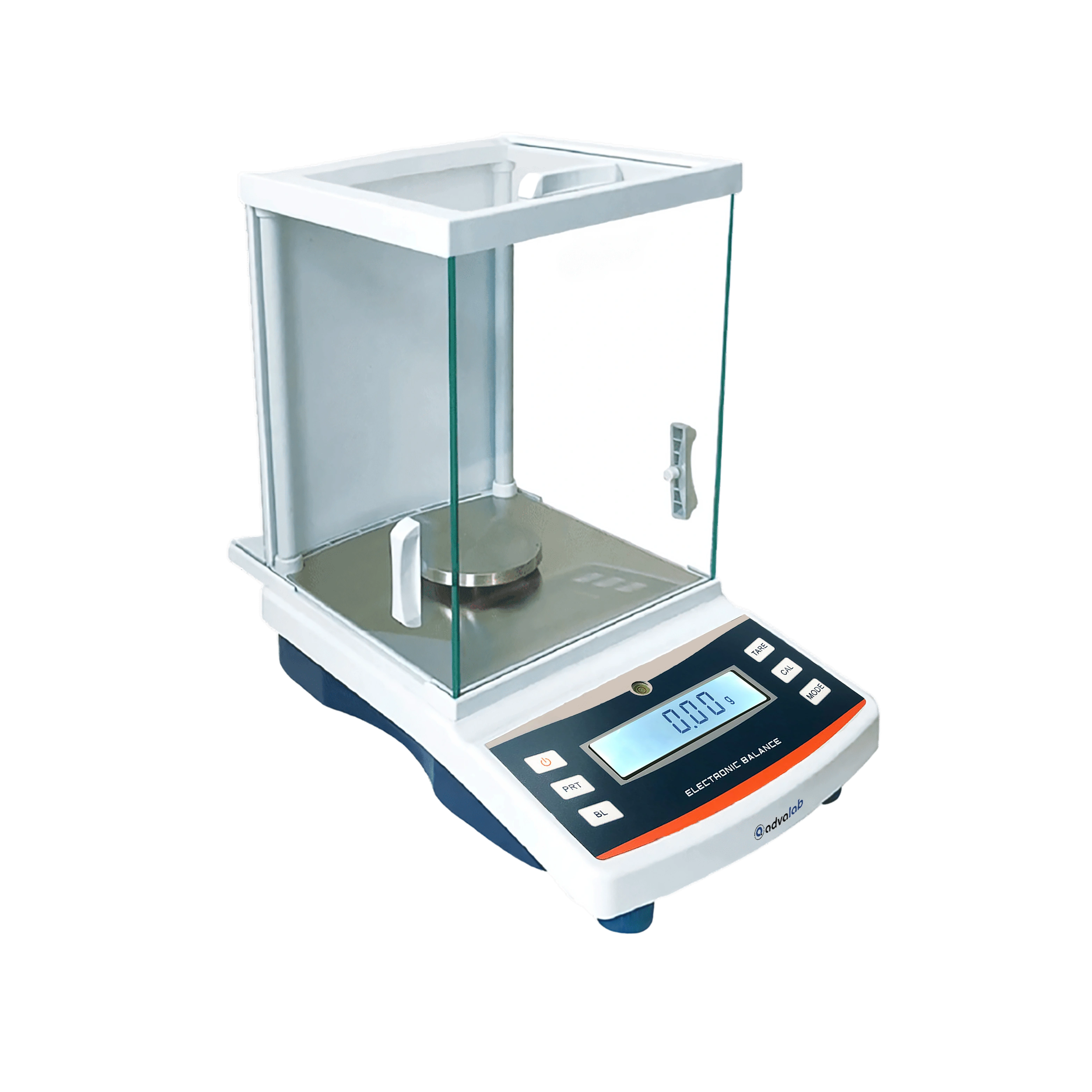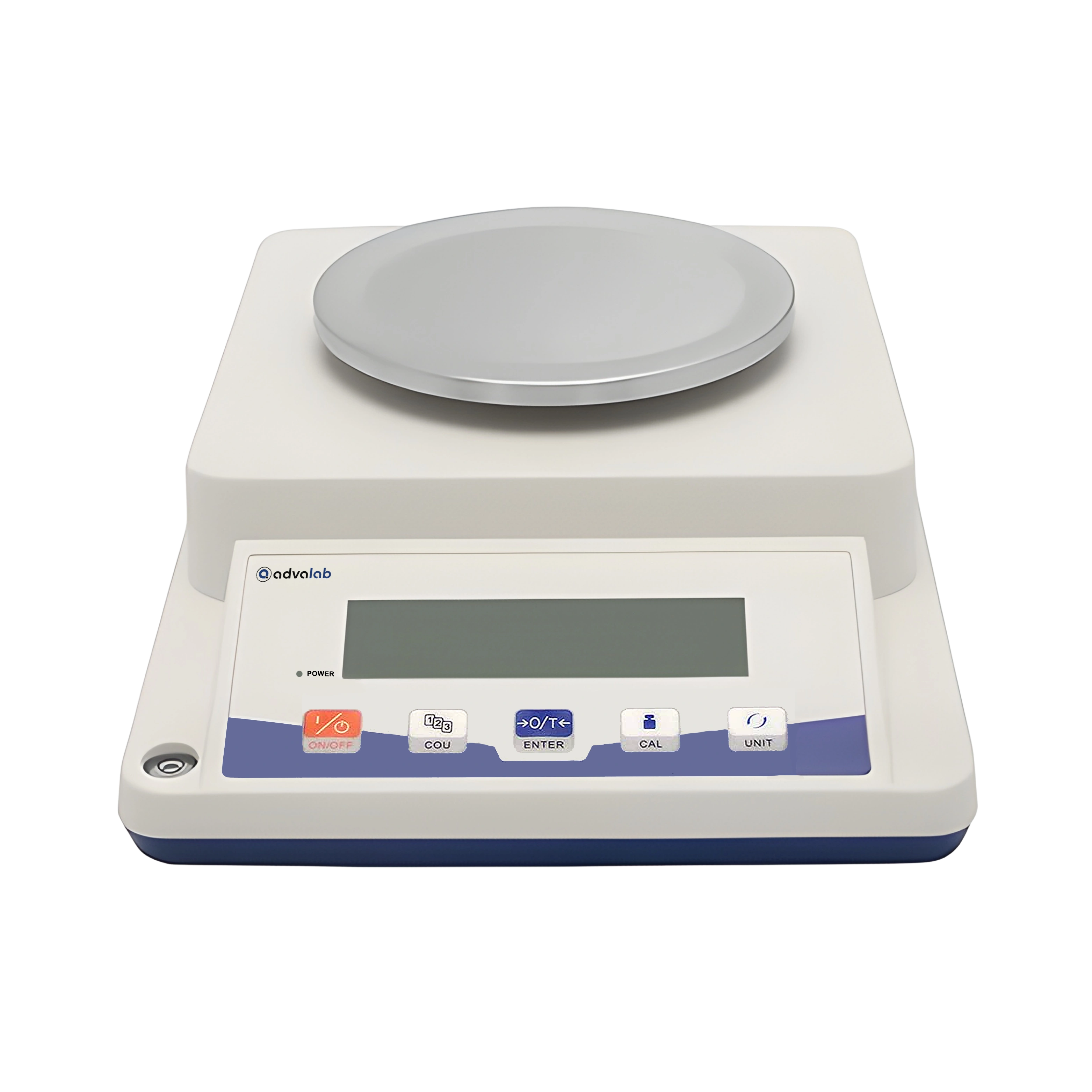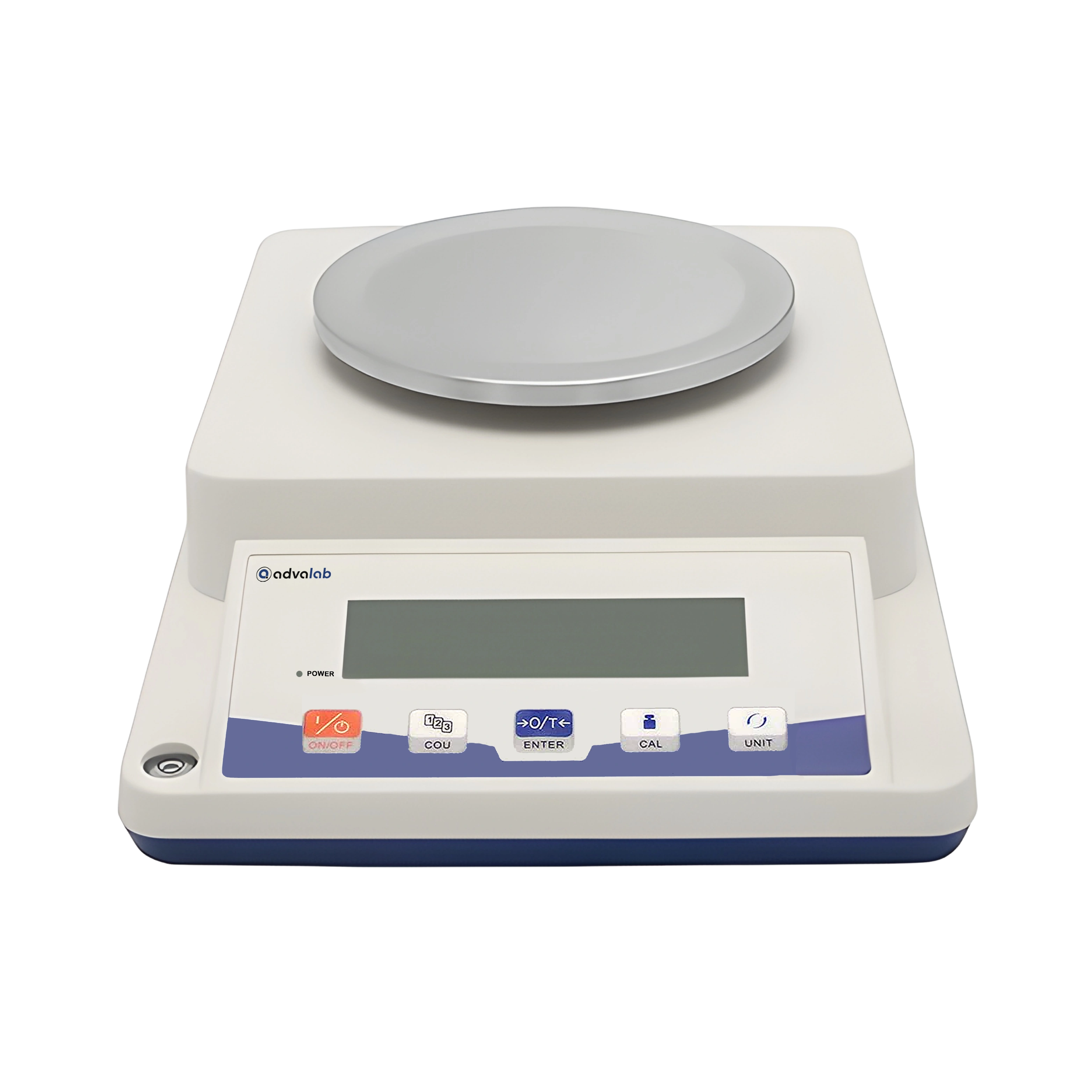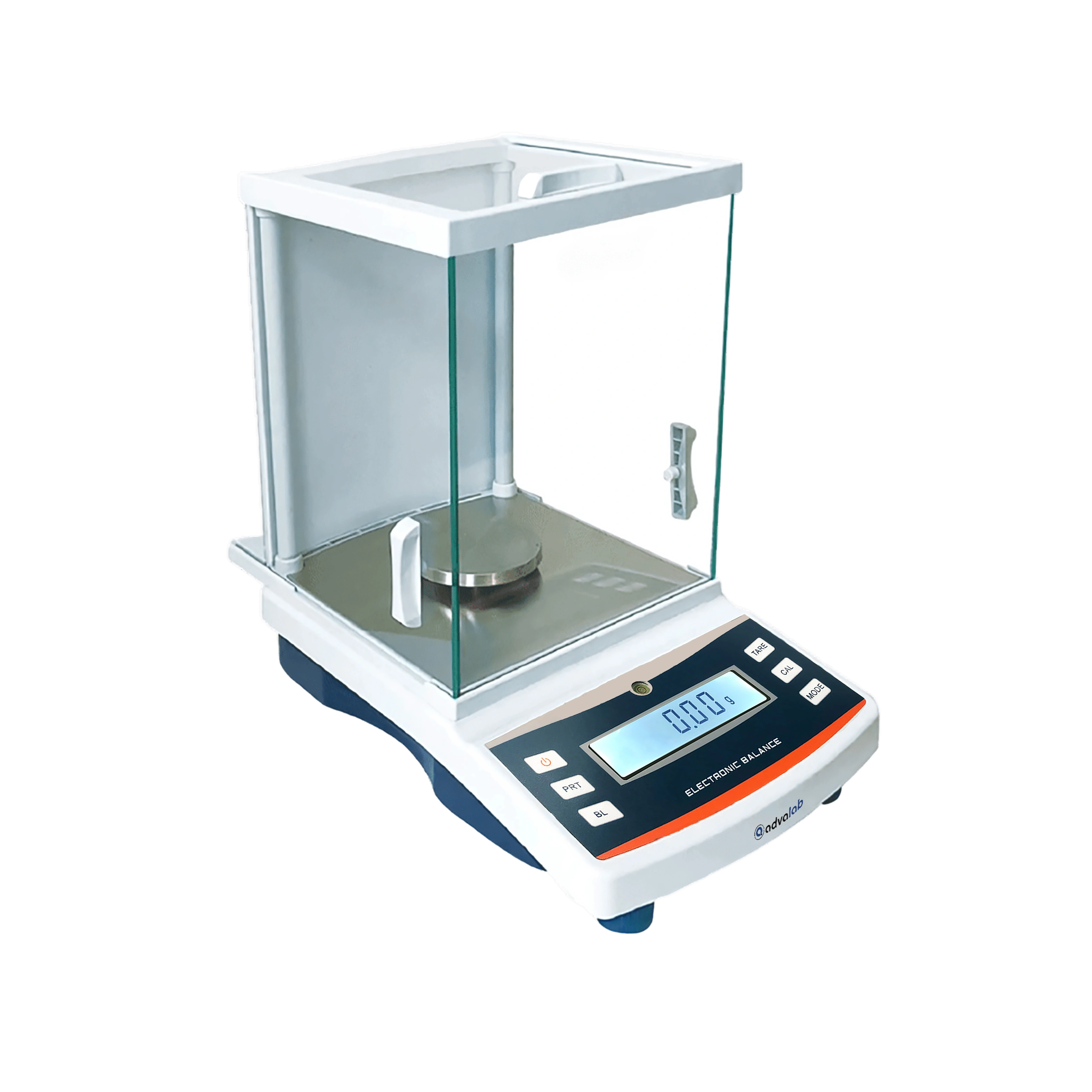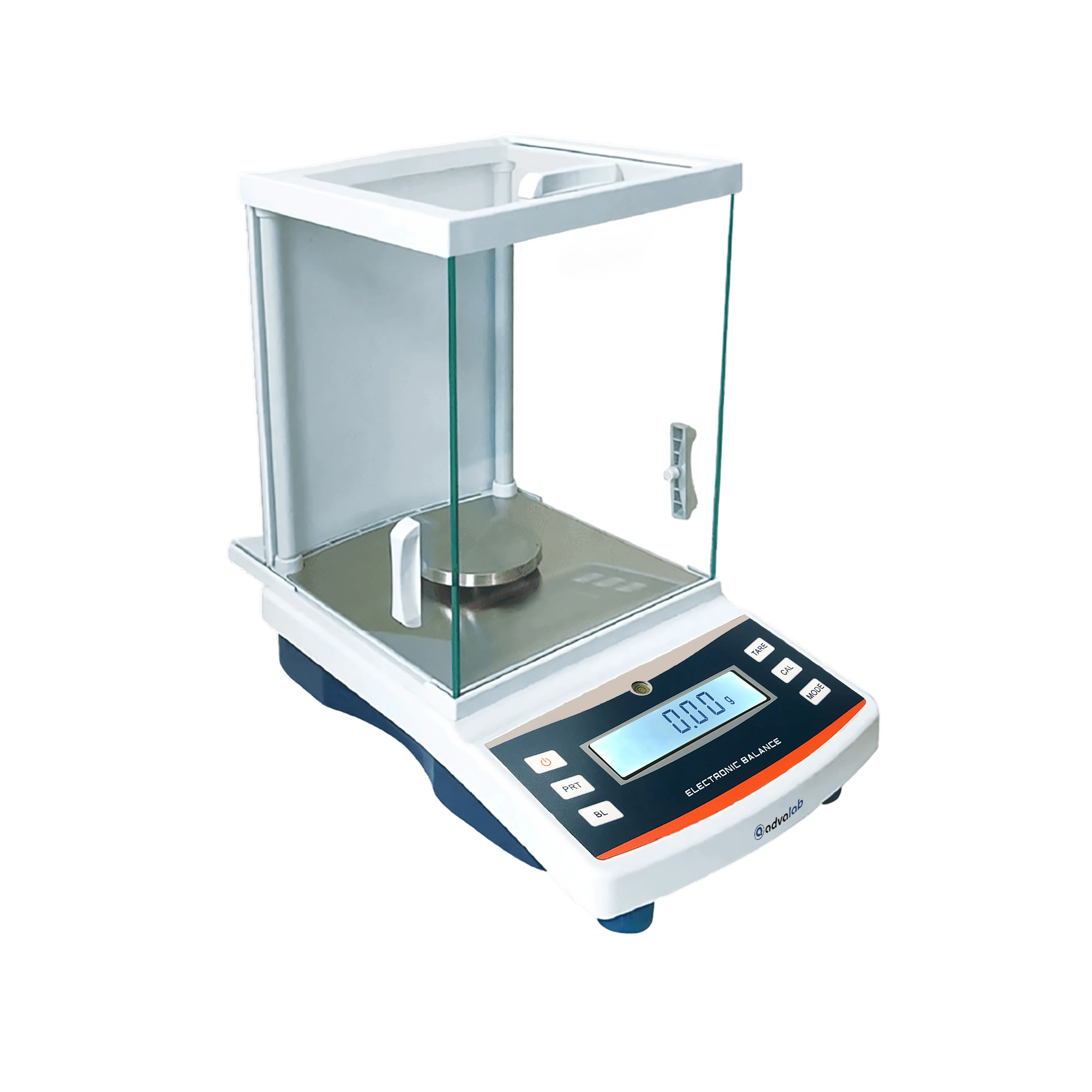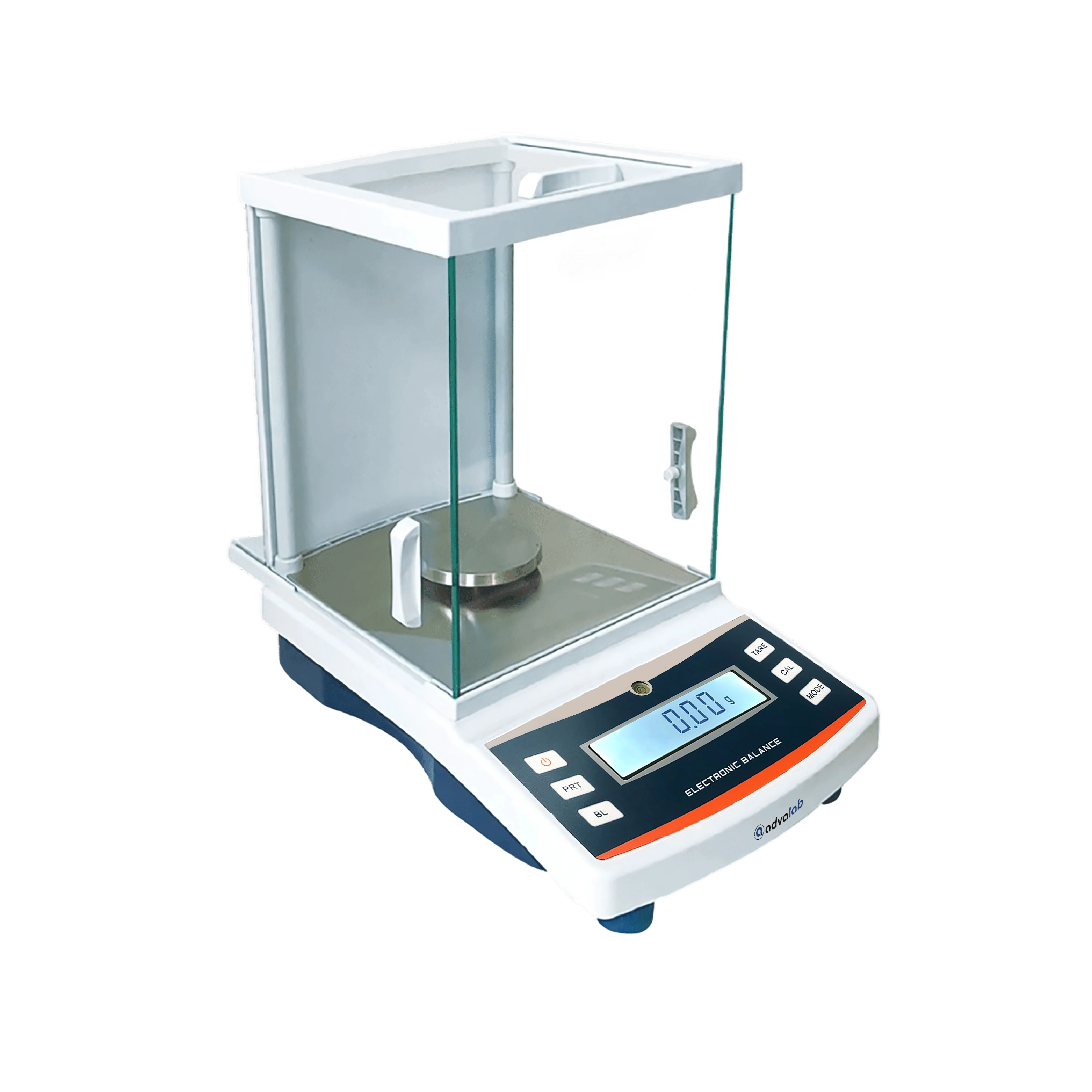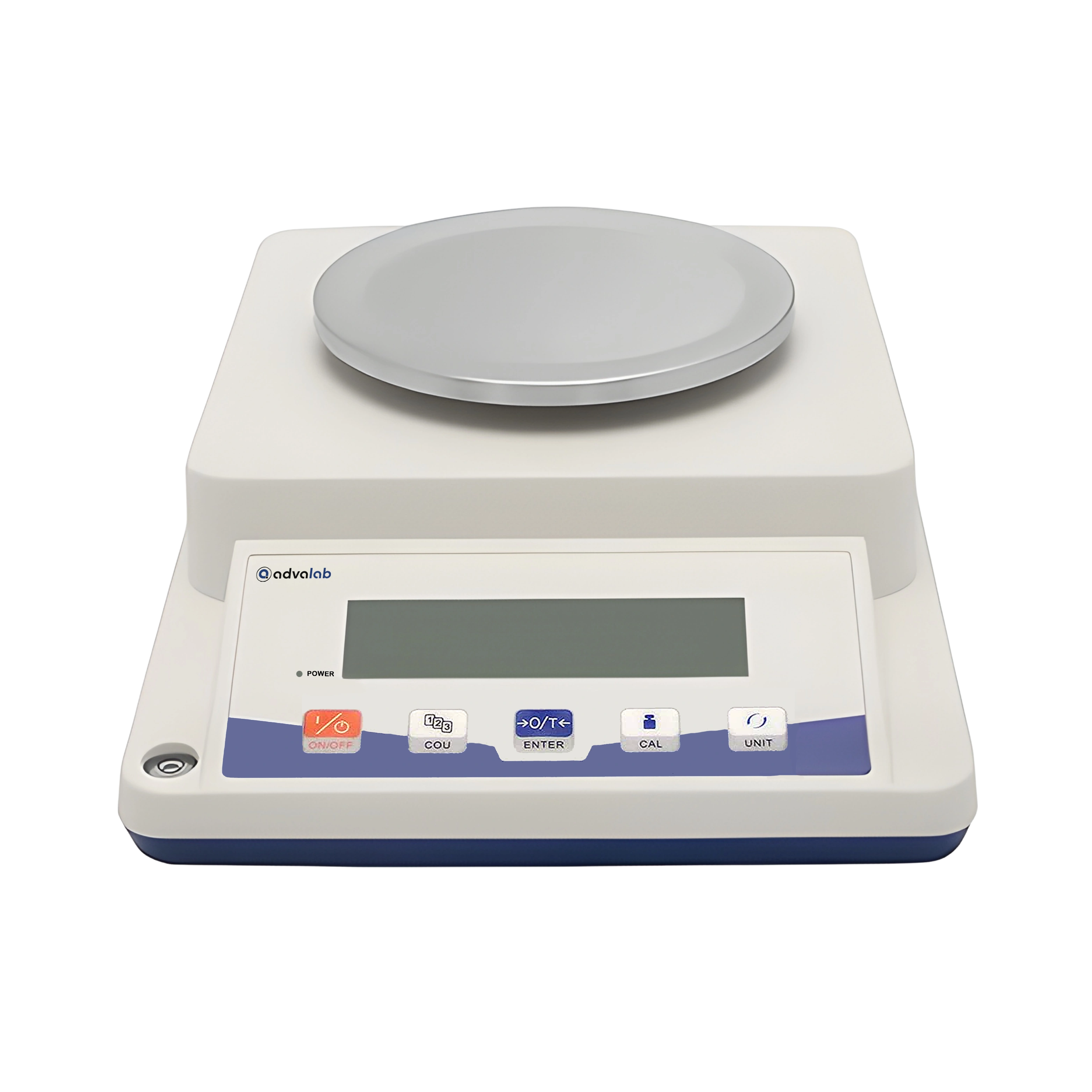
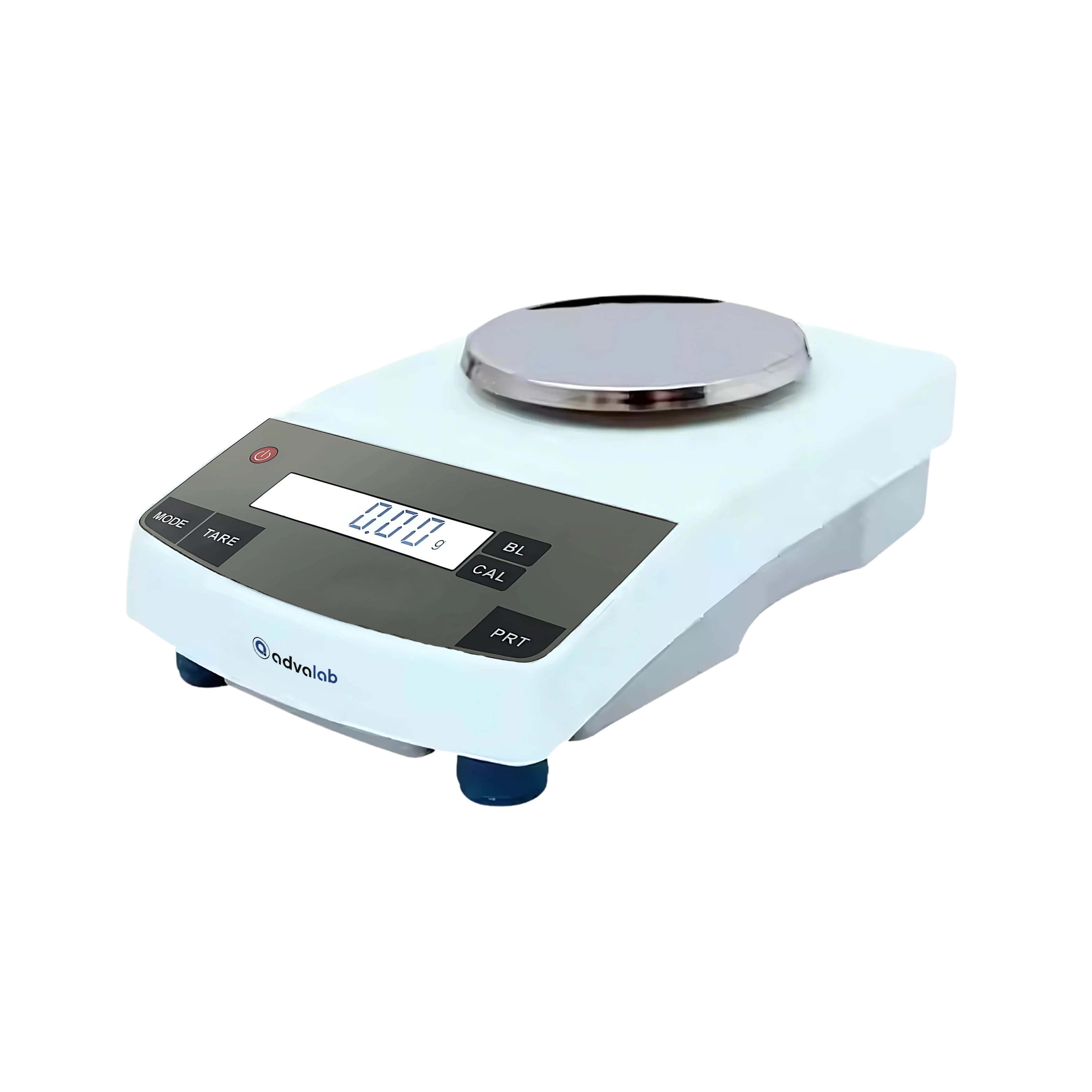
| Capacity | 600 g |
| Readability | 0.1 g |
| Repeatability | ±0.1 g |
| Linearity | ±0.1 g |
| Calibration | External |
| Pan Dimensions | 130 mm |
| Housing Dimensions (L × W × H) | 300 × 190 × 100 mm |
| Packaging Dimensions (L × W × H) | 320 × 280 × 150 mm |
| Net Weight | 1.2 kg |
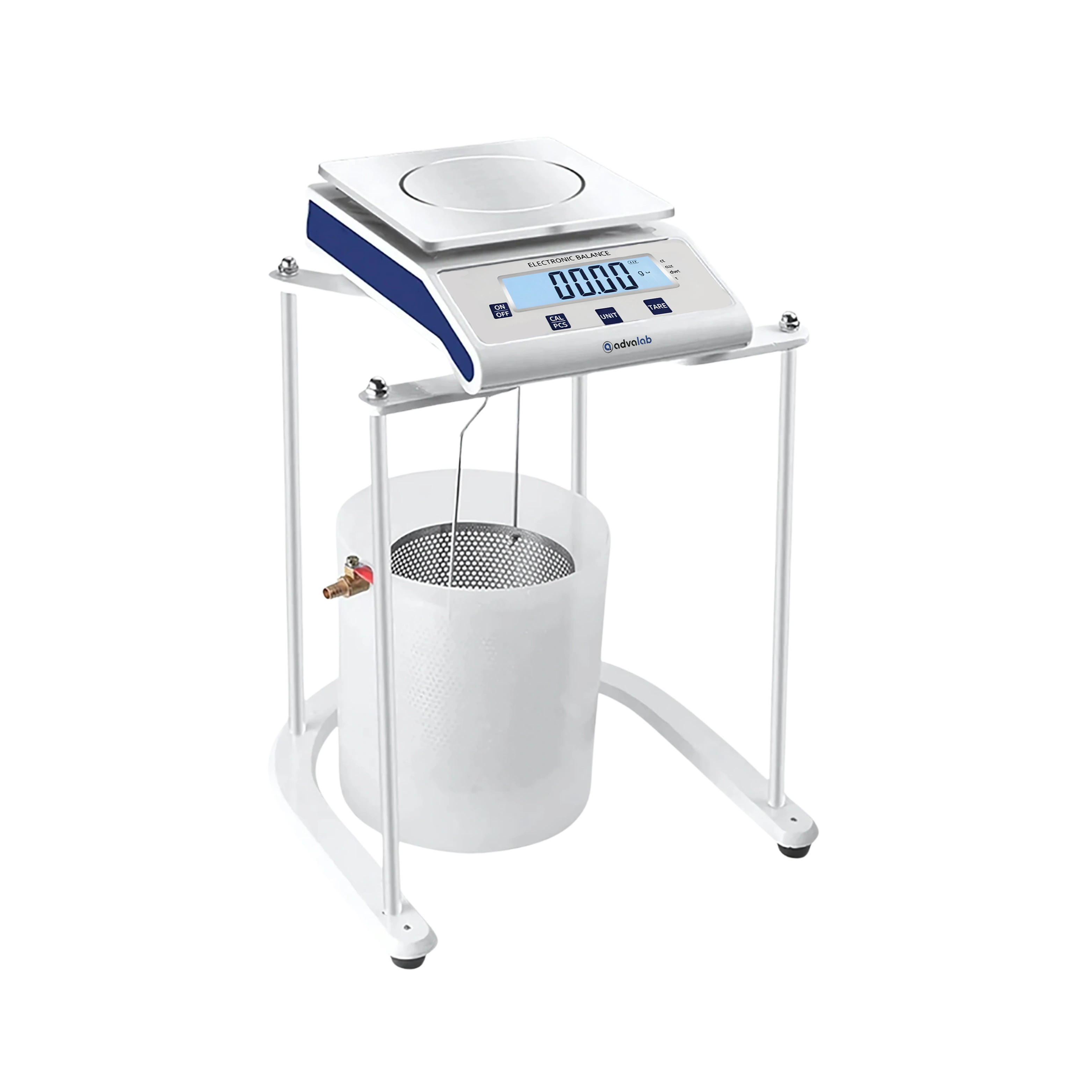
The Digital Electronic Balance ADDL-517 is utilized in pharmaceutical laboratories to achieve precise compound formulation, supporting accurate dosing and adherence to regulatory standards.


1. What role does repeatability play in the performance of the Digital Electronic Balance ADDL-517?
Repeatability, rated at ±0.1 g in the Digital Electronic Balance ADDL-517, indicates the unit ability to deliver the same result under unchanged conditions. This high level of consistency is essential for tasks involving formulation, sample preparation, and data recording, where even minimal variations could compromise experimental integrity or product standards.
2. How does the LCD screen improve user interaction with the Digital Electronic Balance ADDL-517?
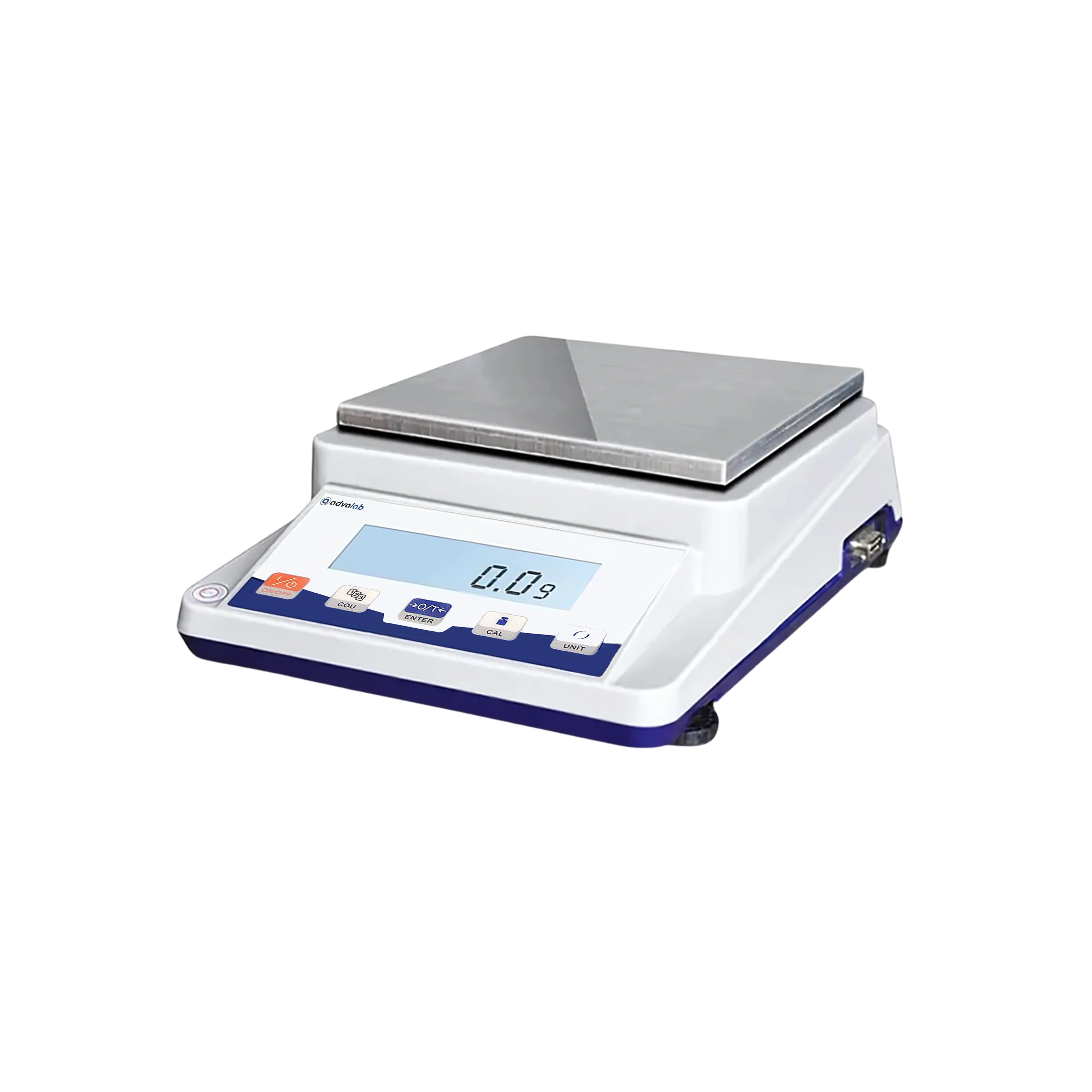
The Digital Electronic Balance ADDL-517 features a bright, backlit LCD display that enhances visibility, even in dim lighting environments. This intuitive screen layout ensures that users can easily read values without straining their eyes, reducing the likelihood of errors and improving workflow efficiency during extended periods of operation.
3. What is the maximum weighing capacity of the Digital Electronic Balance ADDL-517?
The Digital Electronic Balance ADDL-517 is designed to measure loads up to 600 grams, making it highly suitable for tasks that require precise and delicate weight assessments. This capacity is ideal for applications in laboratory research, pharmaceuticals, and quality control environments where small quantities must be measured with high reliability.
4. How does the Digital Electronic Balance ADDL-517 maintain measurement reliability over time?
The Digital Electronic Balance ADDL-517 is equipped with an external calibration feature that allows users to perform routine adjustments using standard weights. This helps maintain long-term stability and ensures the instrument remains accurate despite environmental changes. Regular calibration contributes significantly to consistent output and measurement confidence.
5. In which environments are the Digital Electronic Balance ADDL-517 most used?
The Digital Electronic Balance ADDL-517 finds widespread application in academic laboratories, industrial testing facilities, and pharmaceutical production units. Its precision, durability, and user-friendly features make it a reliable choice for professionals who require accurate measurements and dependable performance in routine and critical weighing tasks.
6. What are Digital Electronic Balances?
Digital Electronic Balances are highly precise weighing instruments that use electronic sensors to determine the mass of various substances. They display measurements digitally, significantly reducing human error associated with analog scales. These instruments are engineered to deliver accurate, quick, and consistent results. Equipped with advanced features like automatic calibration, tare functionality, and multi-unit conversion.
7. In what way do temperature fluctuations impact the performance of Digital Electronic Balances?
Temperature variations can affect the accuracy and stability of Digital Electronic Balances. Sudden changes may cause thermal drift, leading to inconsistent or inaccurate readings. To ensure reliable performance, balances should be used in temperature-controlled environments and allowed to acclimate before weighing.
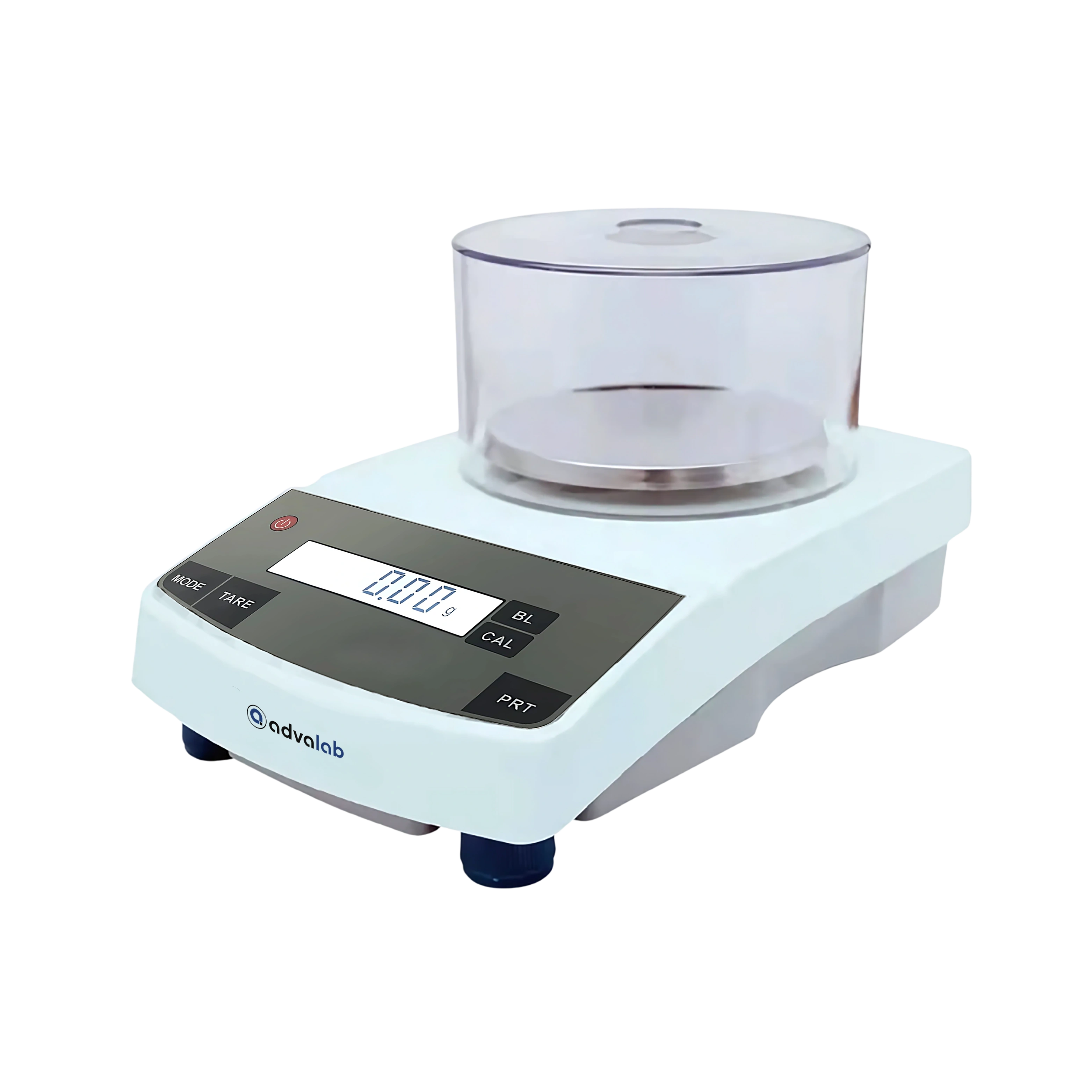
| Capacity | 200 g |
| Readability | 0.001 g |
| Repeatability | ±0.002 g |

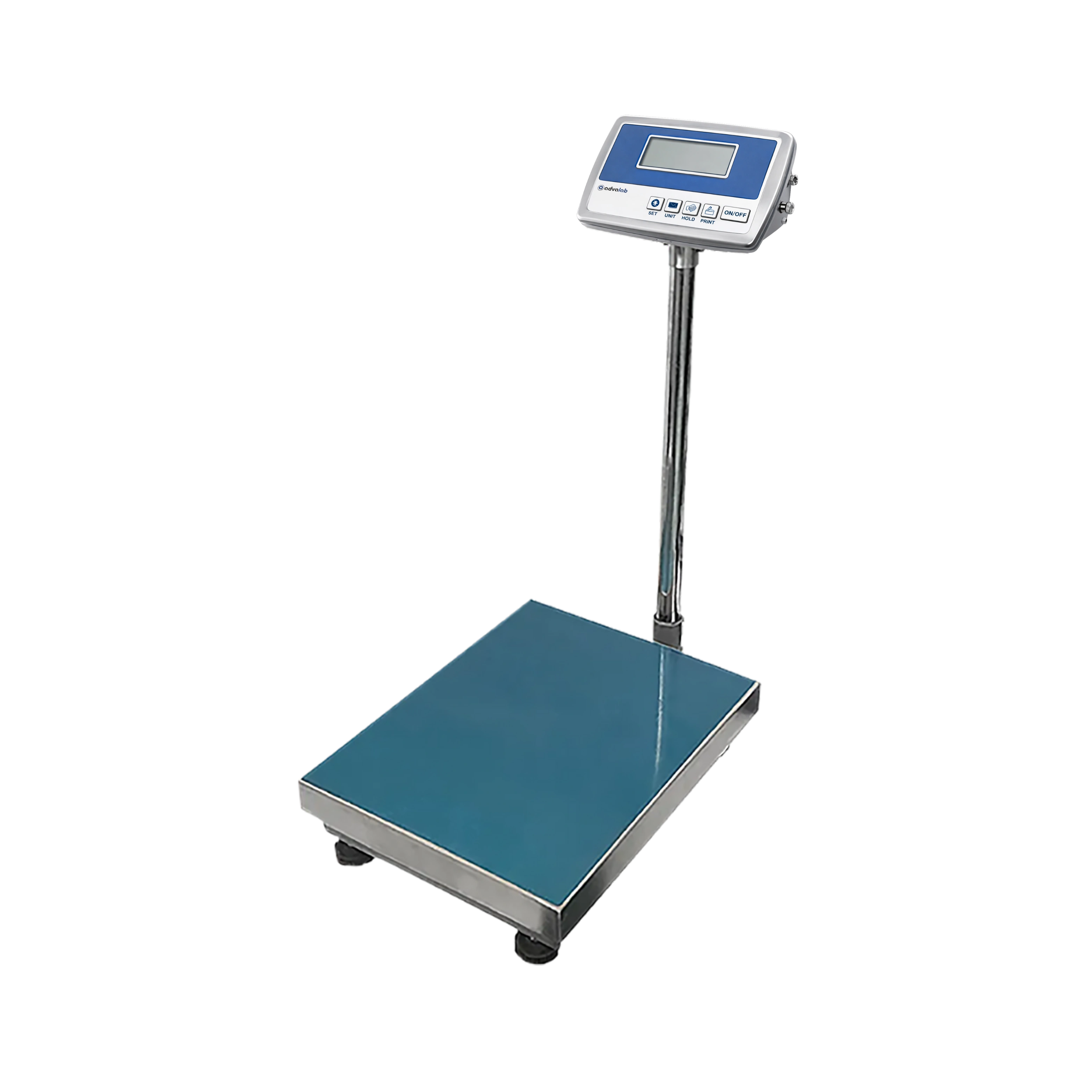
| Capacity | 15000 g |
| Readability | 1 g |
| Repeatability | ±1 g |
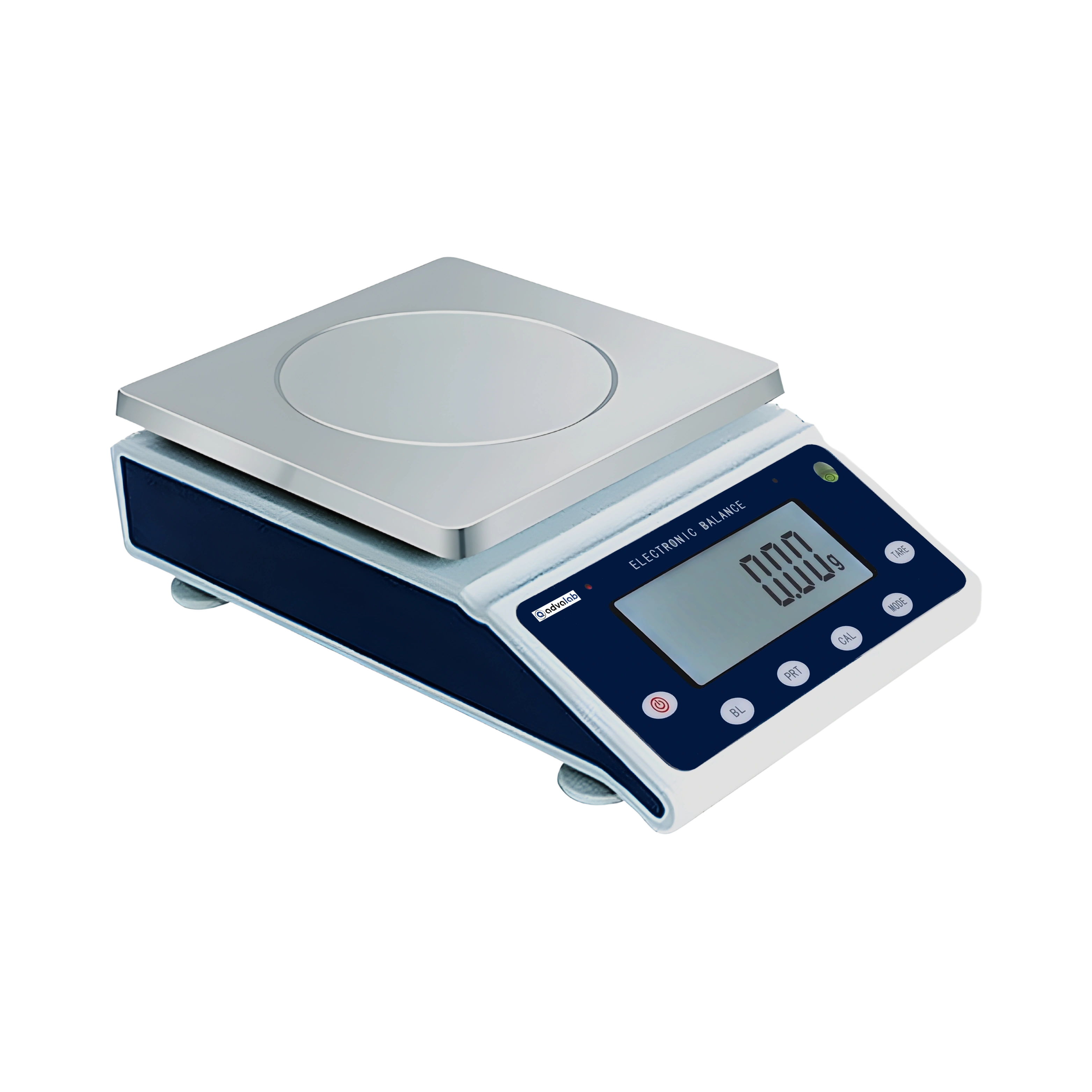
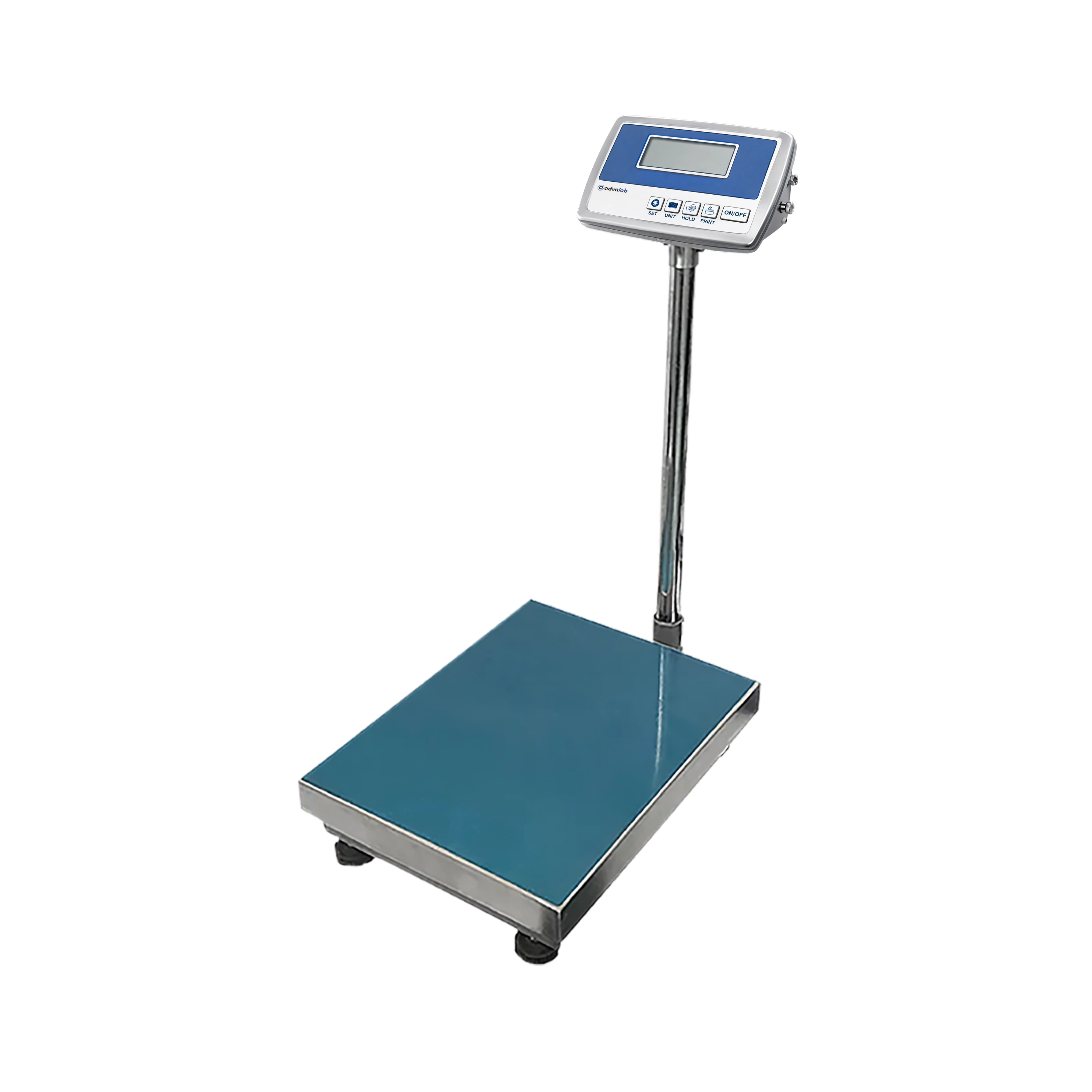
| Capacity | 6000 g |
| Readability | 1 g |
| Repeatability | ±1 g |

| Capacity | 200 g |
| Readability | 0.01 g |
| Repeatability | ±0.01 g |
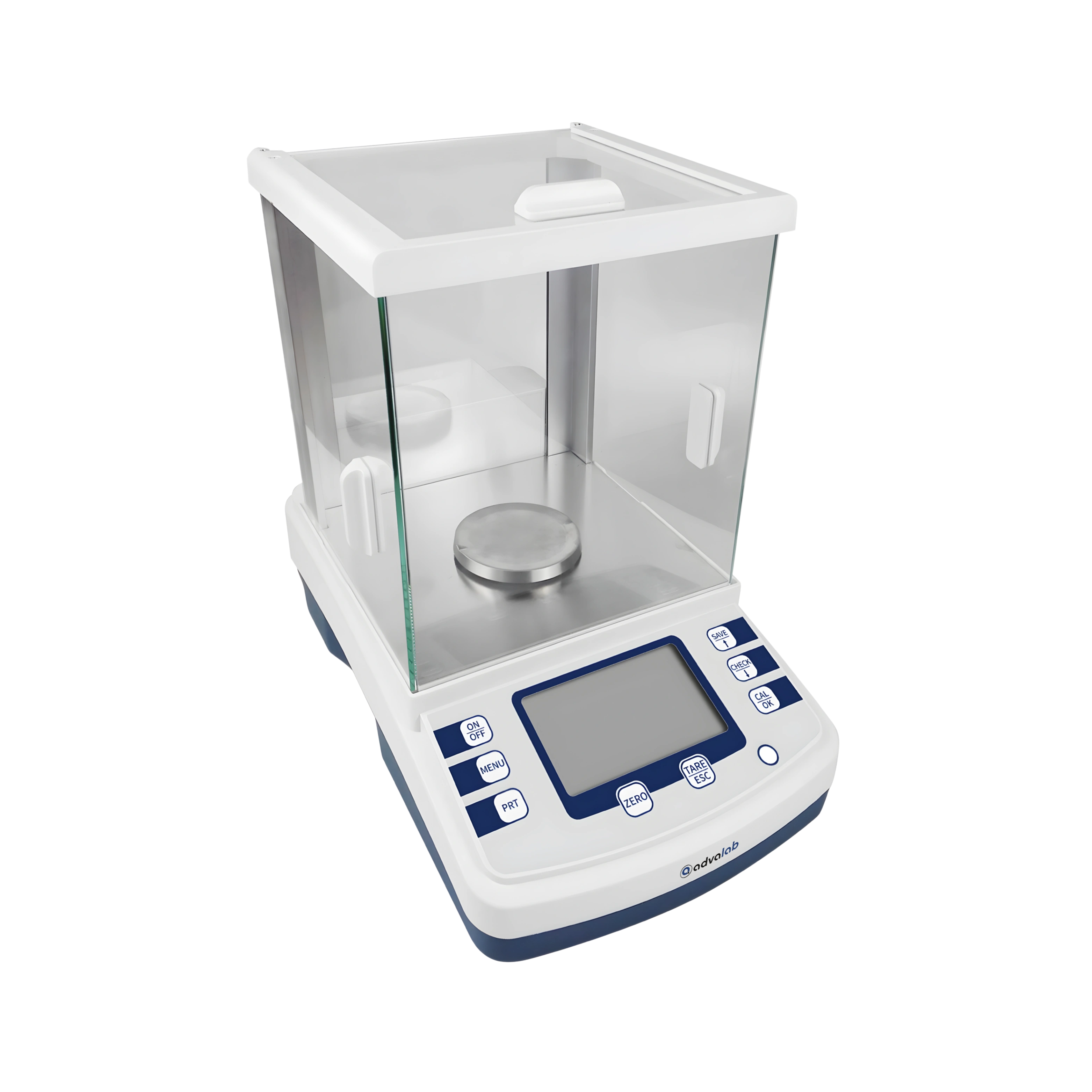
| Capacity: | 0 to 50 g |
| Readability: | 0.01 mg |
| Stabilization Time: | ≤13 s |

| Capacity: | 220 g |
| Readability: | 0.0001 g |
| Minimum Weighing: | 0.0004 g |

| Capacity: | 500 g |
| Readability : | 1 mg |
| Repeatability : | 1 mg |
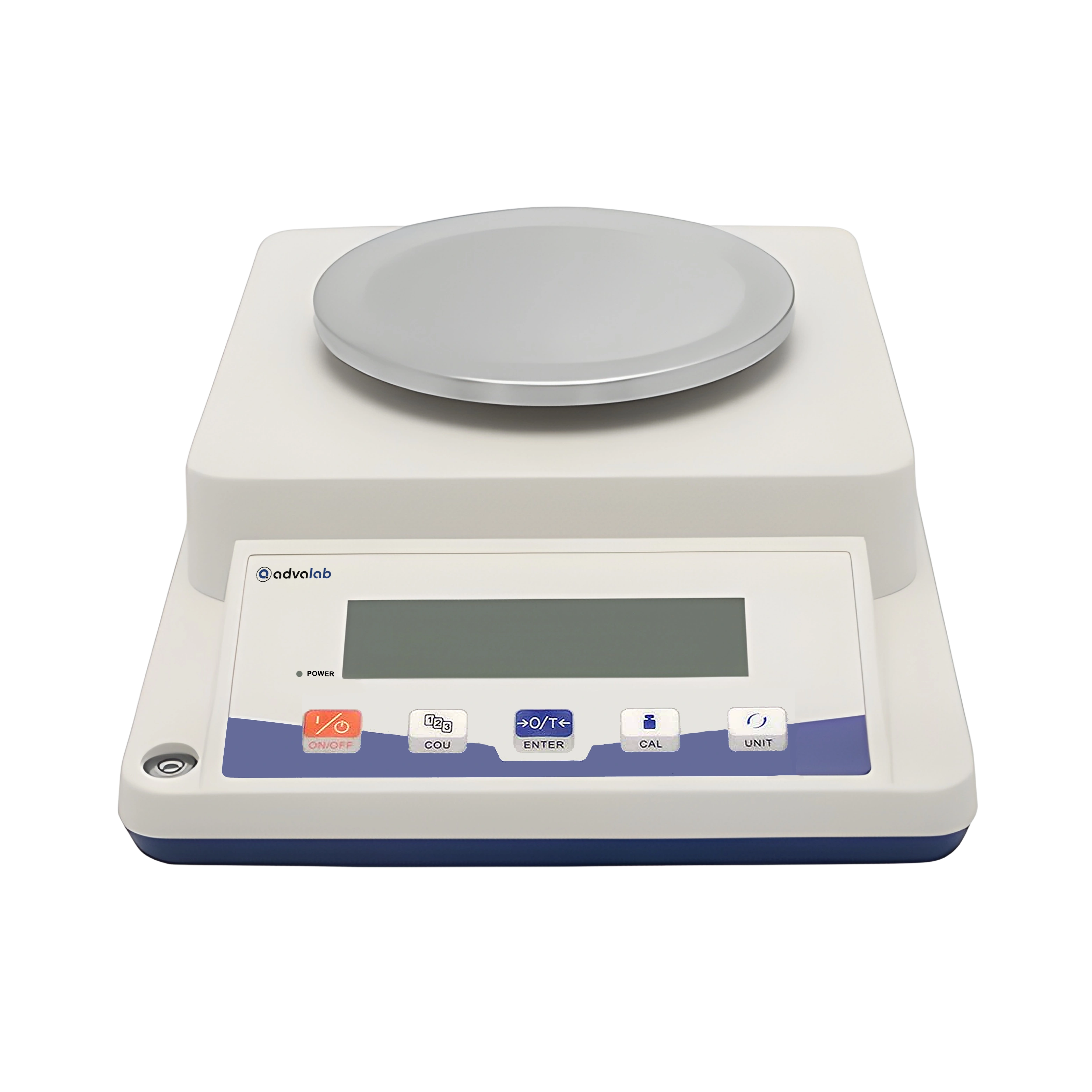
| Capacity: | 2100 g |
| Resolution : | 0.01 g |
| Minimum Weighing : | 0.04 g |
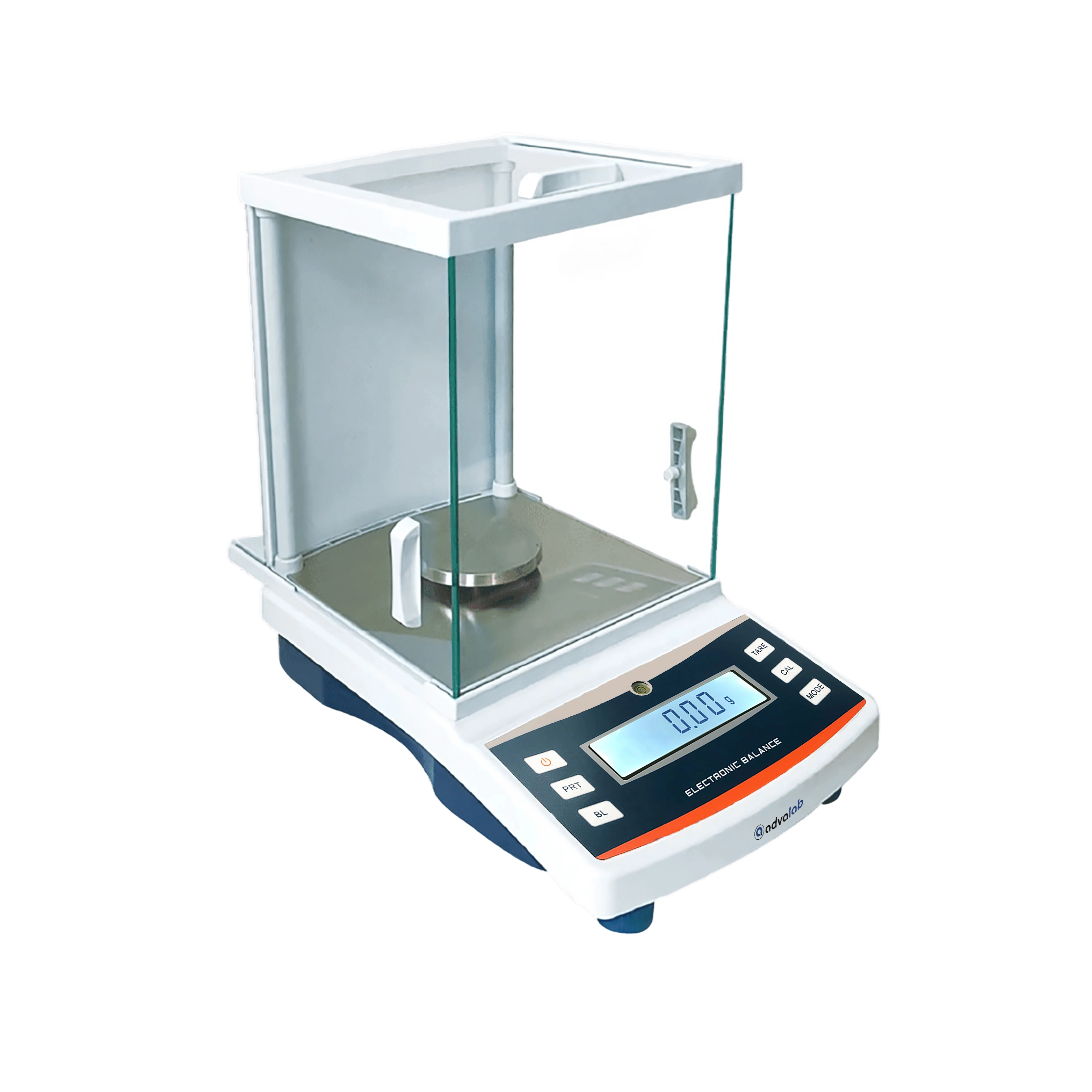
| Capacity: | 200 g |
| Readability : | 1 mg |
| Repeatability: | 1 mg |
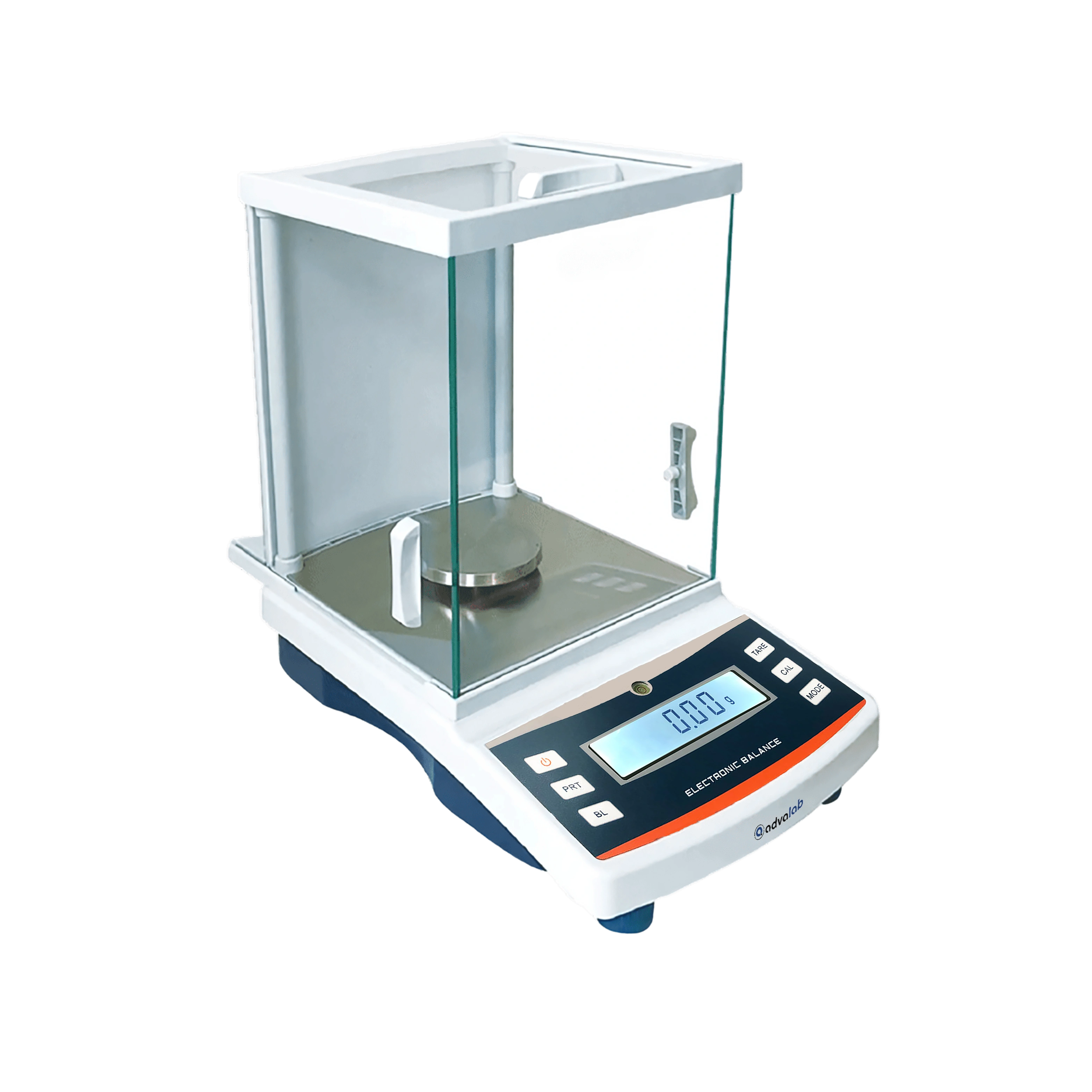
| Capacity: | 100 g |
| Readability : | 1 mg |
| Repeatability: | 1 mg |
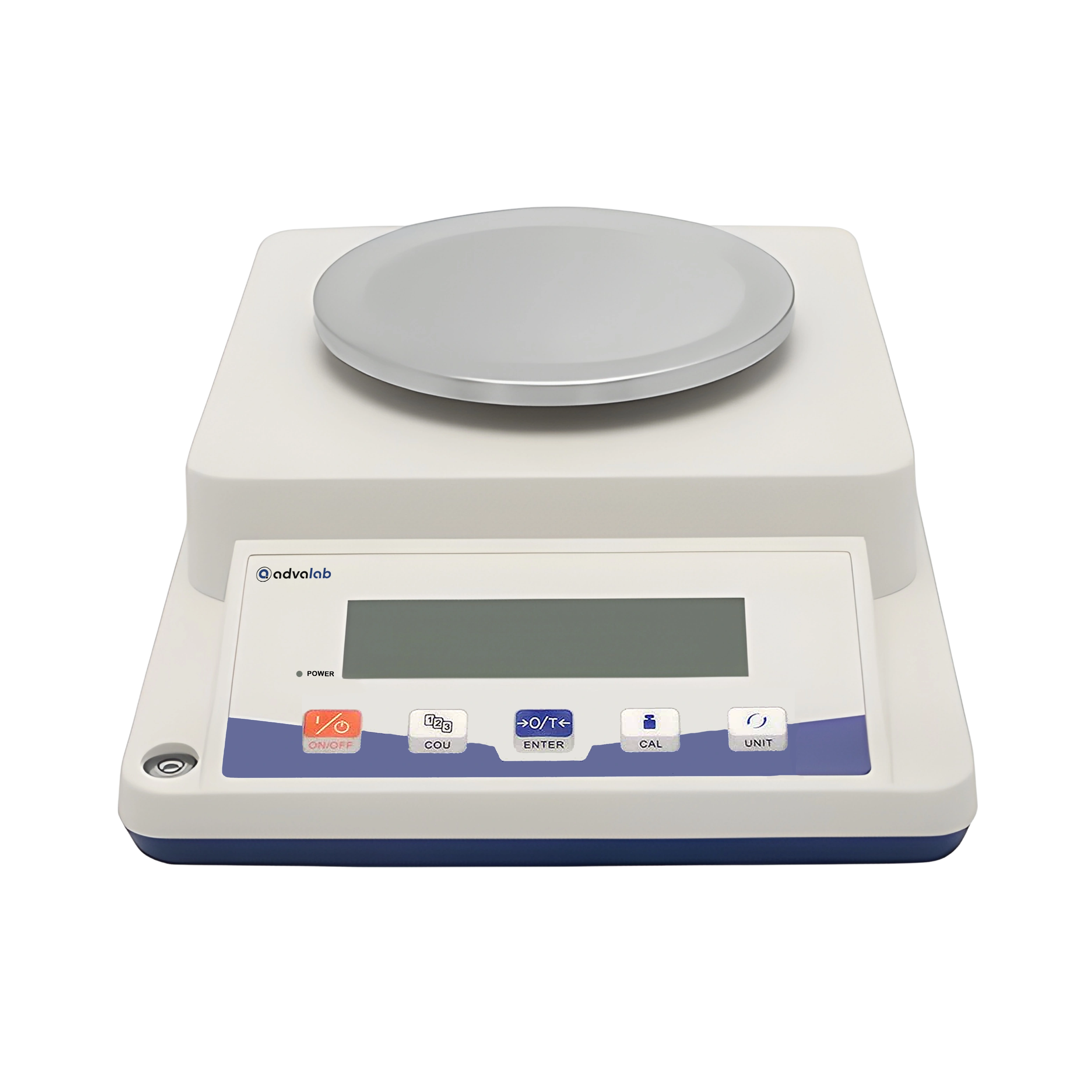
| Capacity: | 3100 g |
| Readability: | 0.01 g |
| Pan Size: | Ø 130 mm |
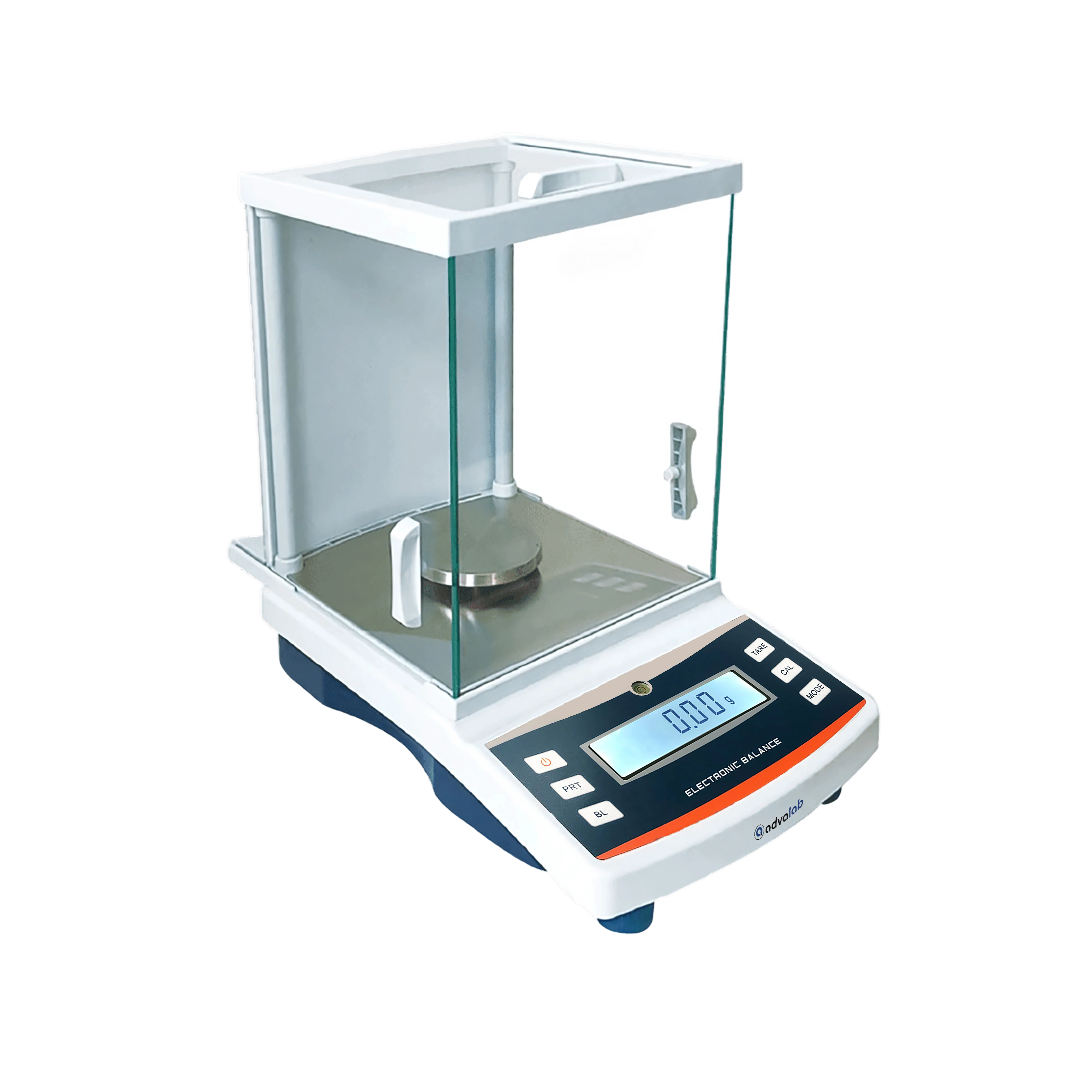
| Capacity: | 300 g |
| Readability : | 1 mg |
| Repeatability: | 1 mg |
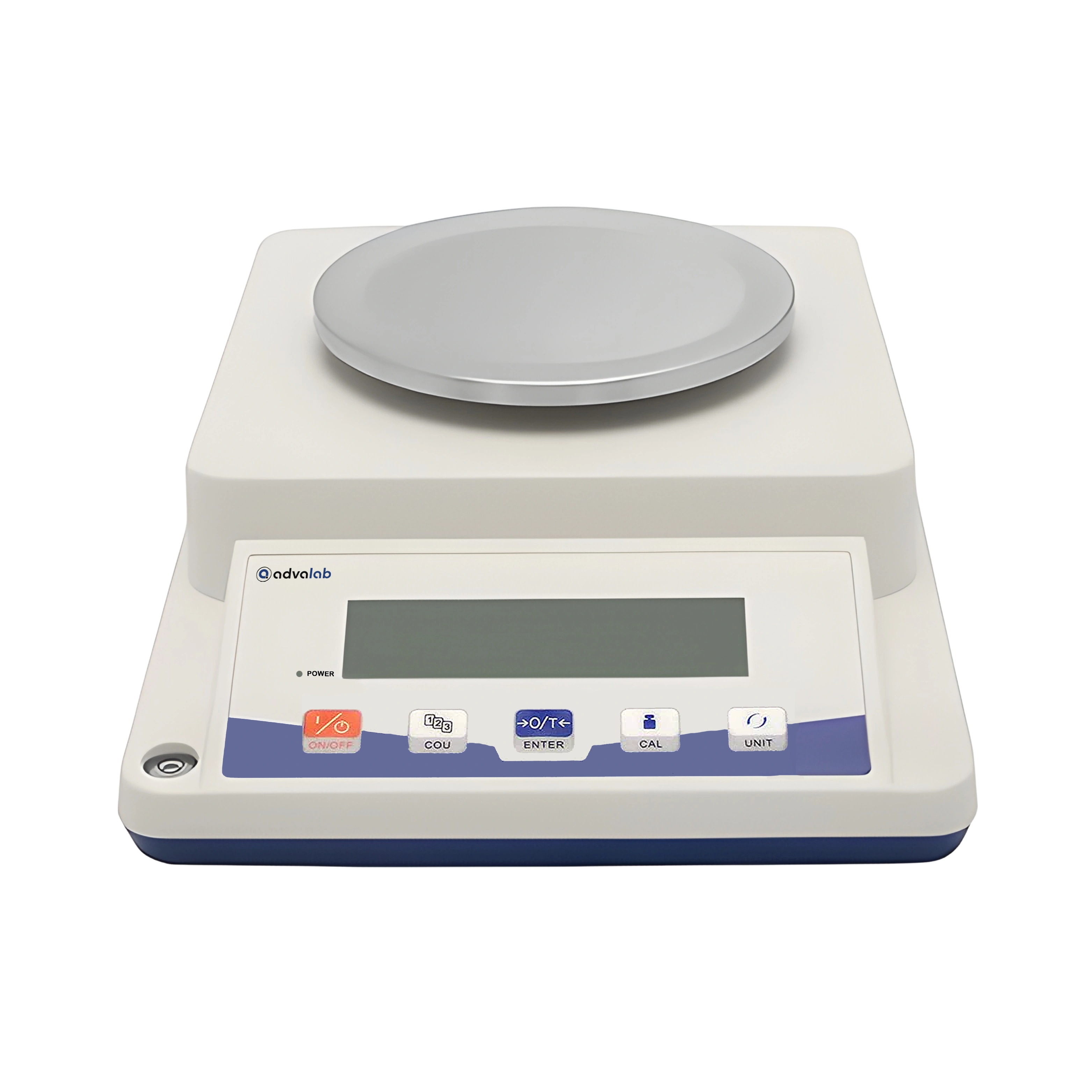
| Capacity: | 3100 g |
| Resolution : | 0.01 g |
| Minimum Weighing : | 0.04 g |

| Capacity: | 1100 g |
| Resolution : | 0.01 g |
| Minimum Weighing : | 0.04 g |
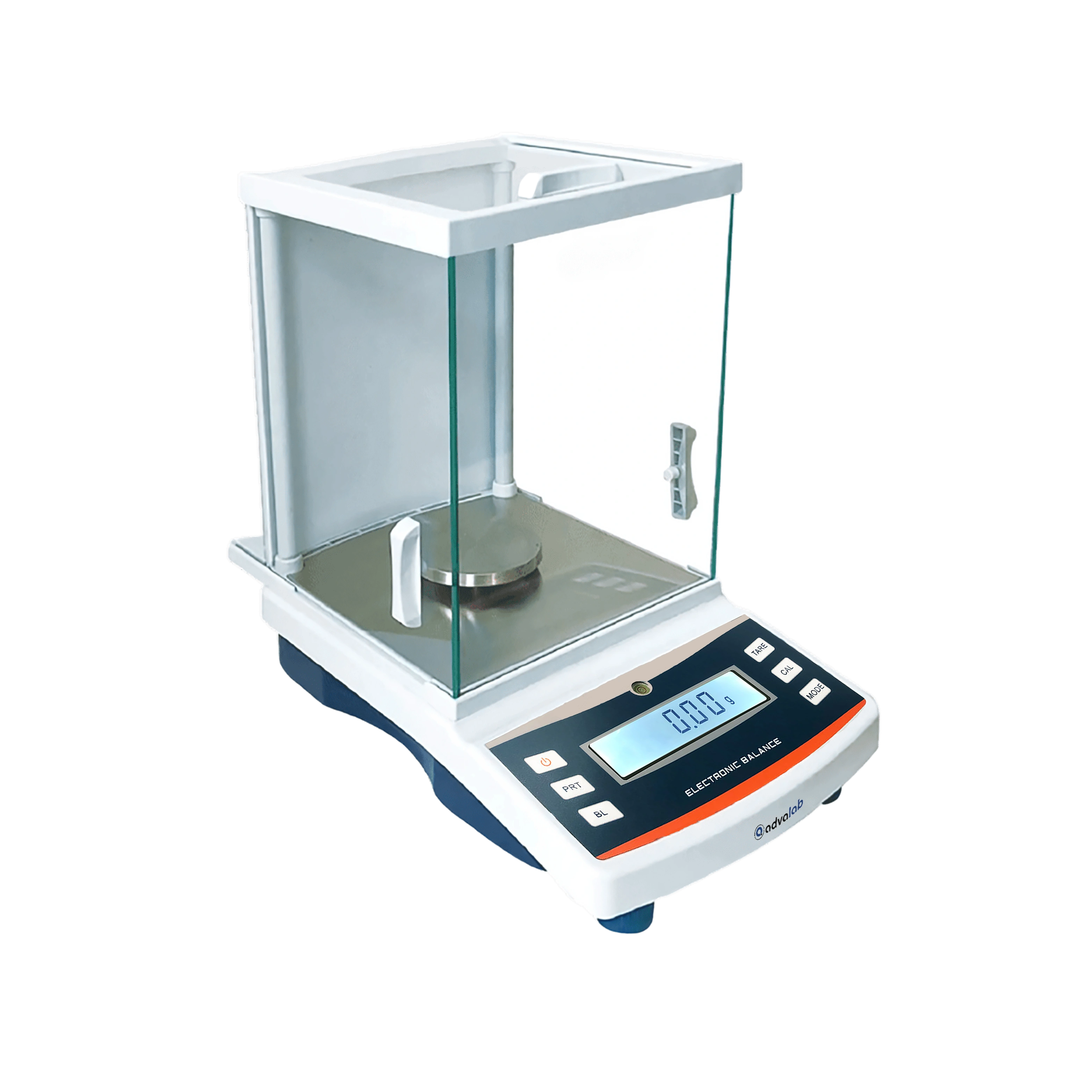
| Capacity: | 60 g |
| Readability : | 1 mg |
| Repeatability : | 1 mg |

| Capacity: | 5000g |
| Accuracy: | 0.01 g |
| Linearity error: | ±0.03g |
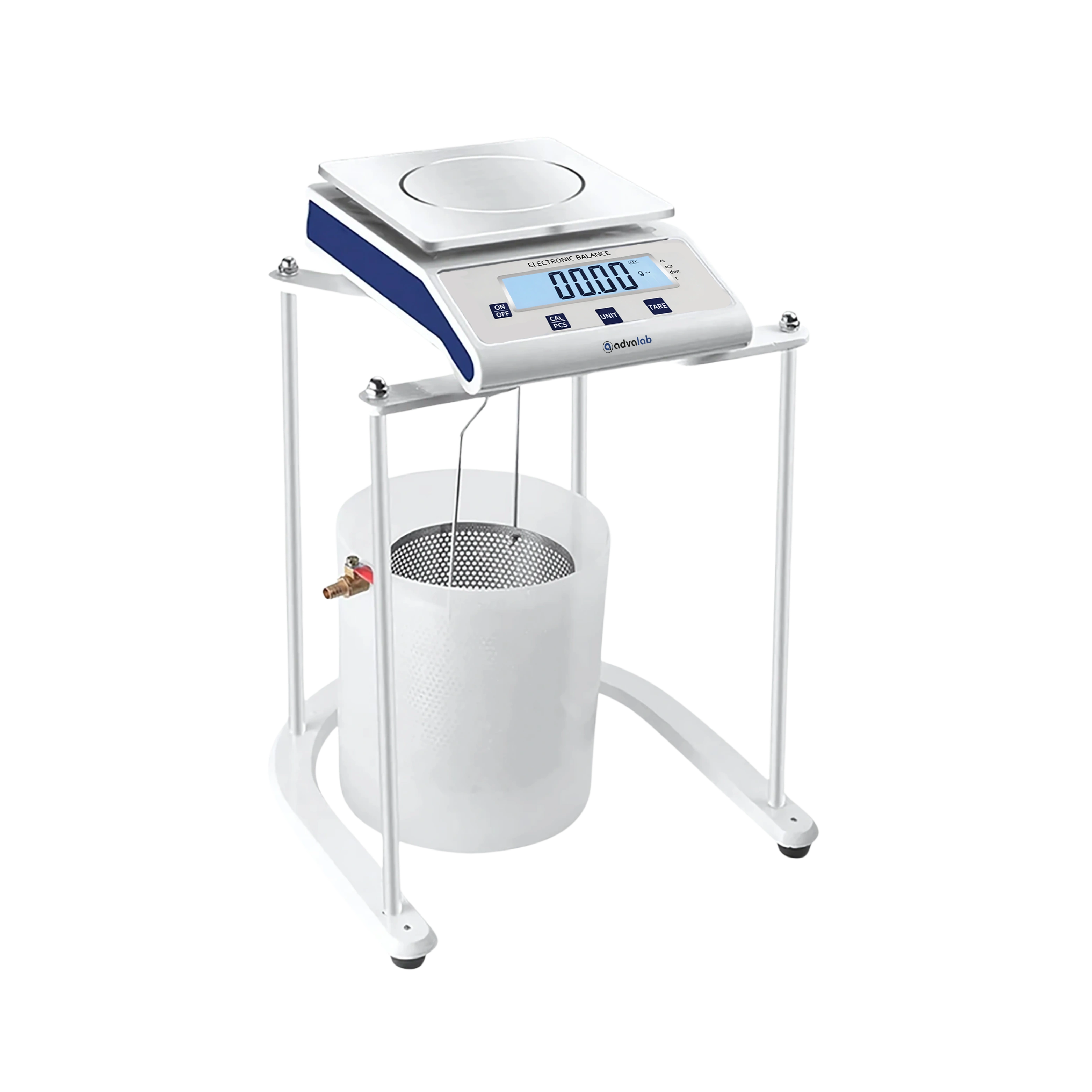
| Capacity: | 5000g |
| Accuracy: | 0.1g |
| Linearity error: | ±0.3g |
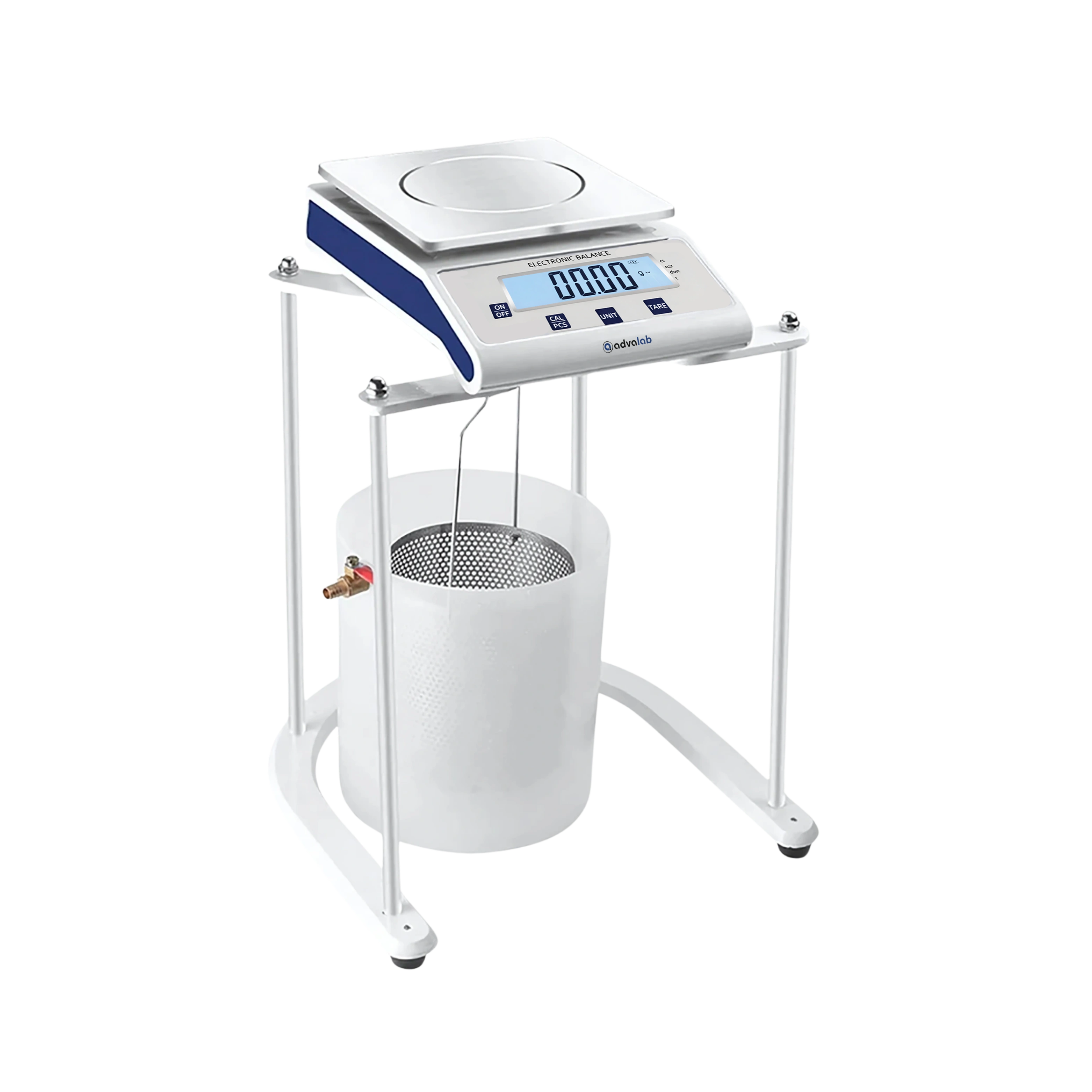
| Capacity: | 2000g |
| Accuracy: | 0.01g |
| Linearity Error: | ±0.03g |
| Capacity: | 2000g |
| Accuracy: | 0.1g |
| Linearity error: | ±0.3g |