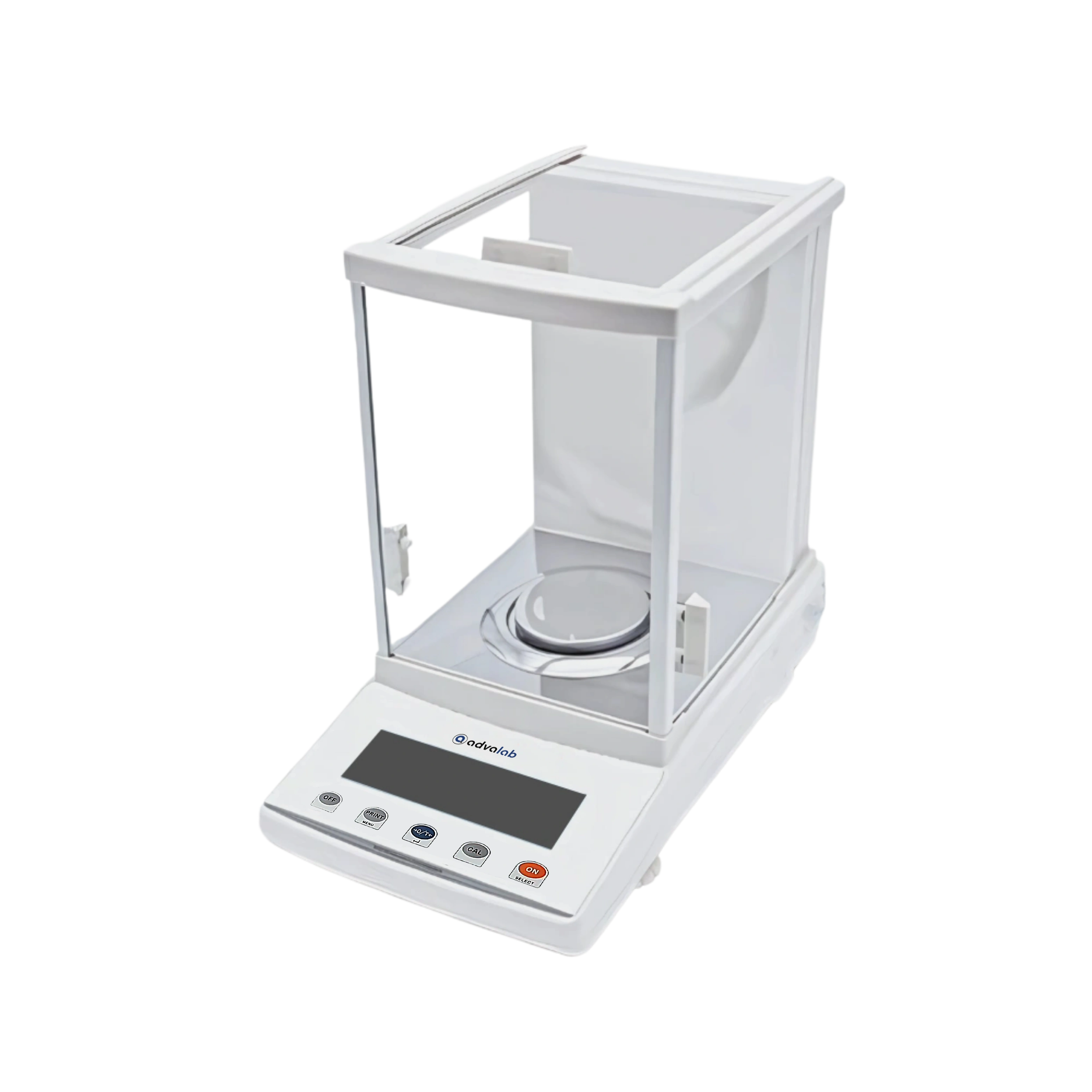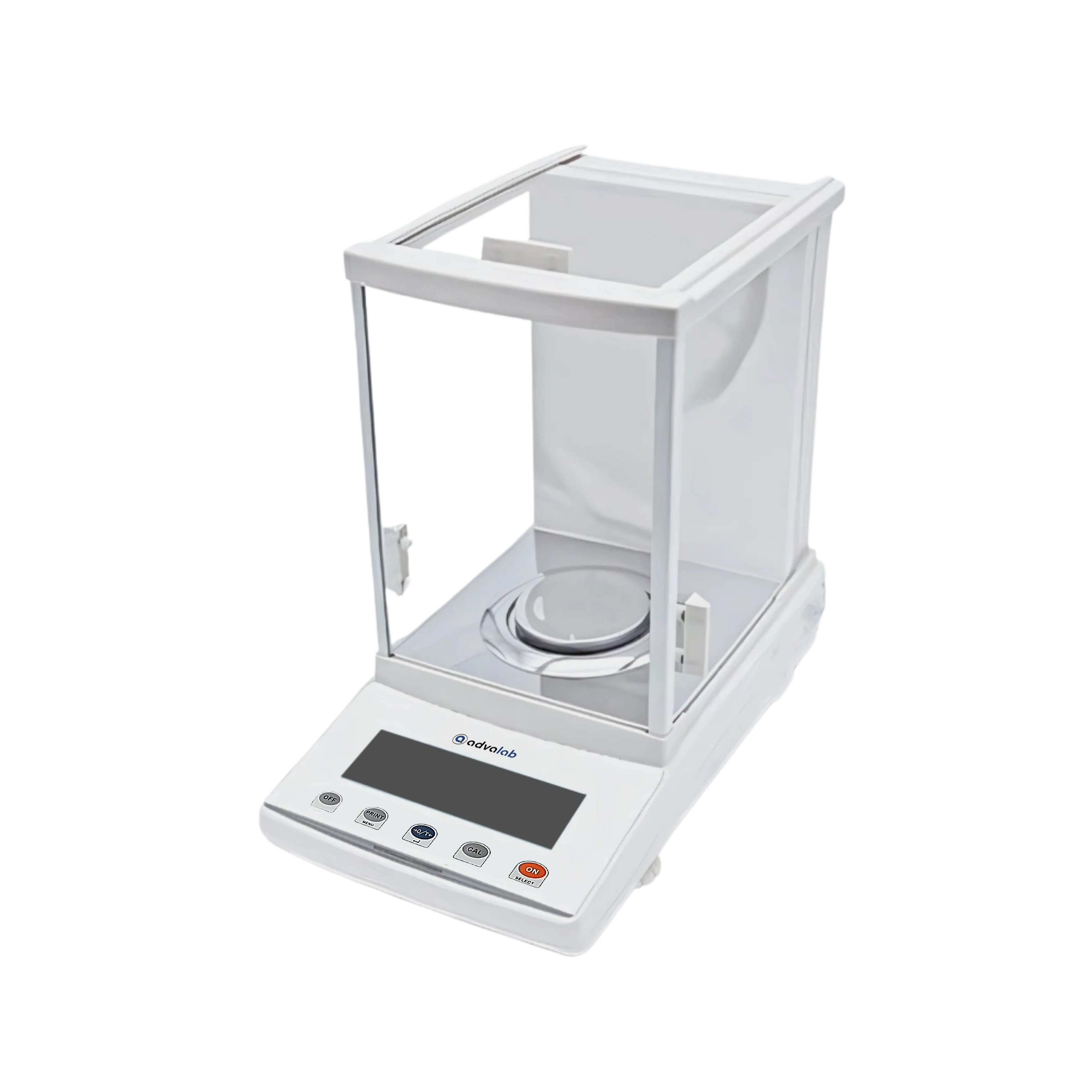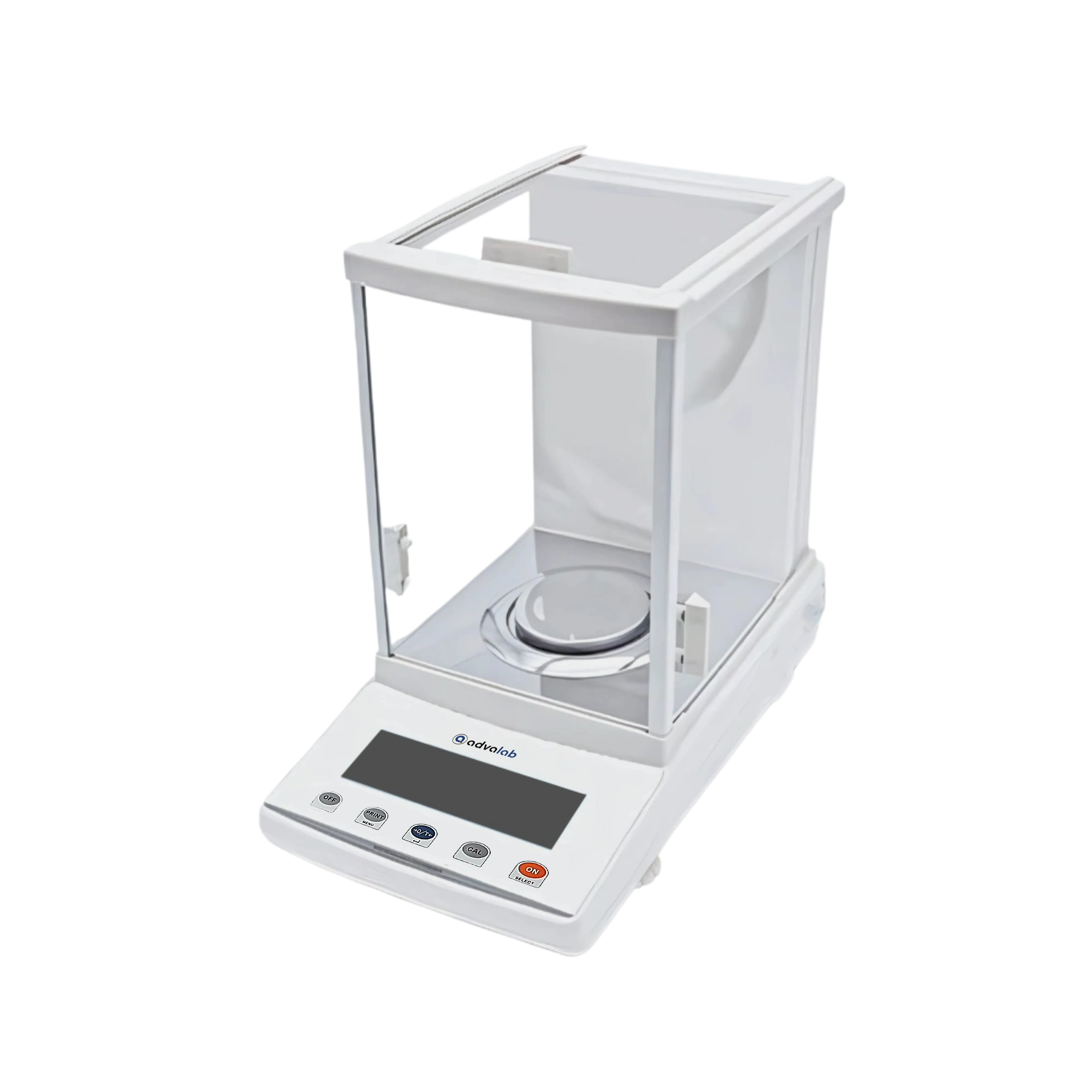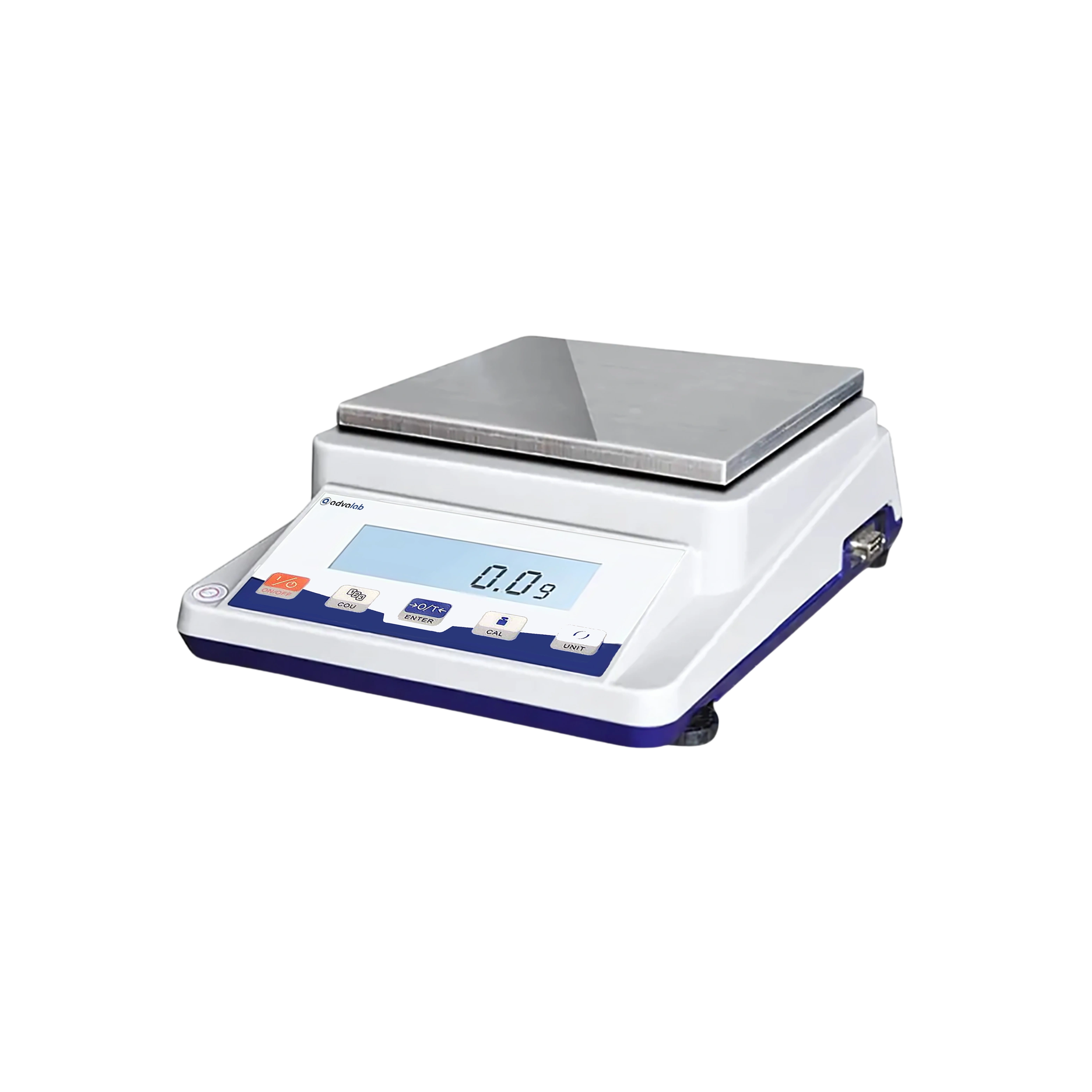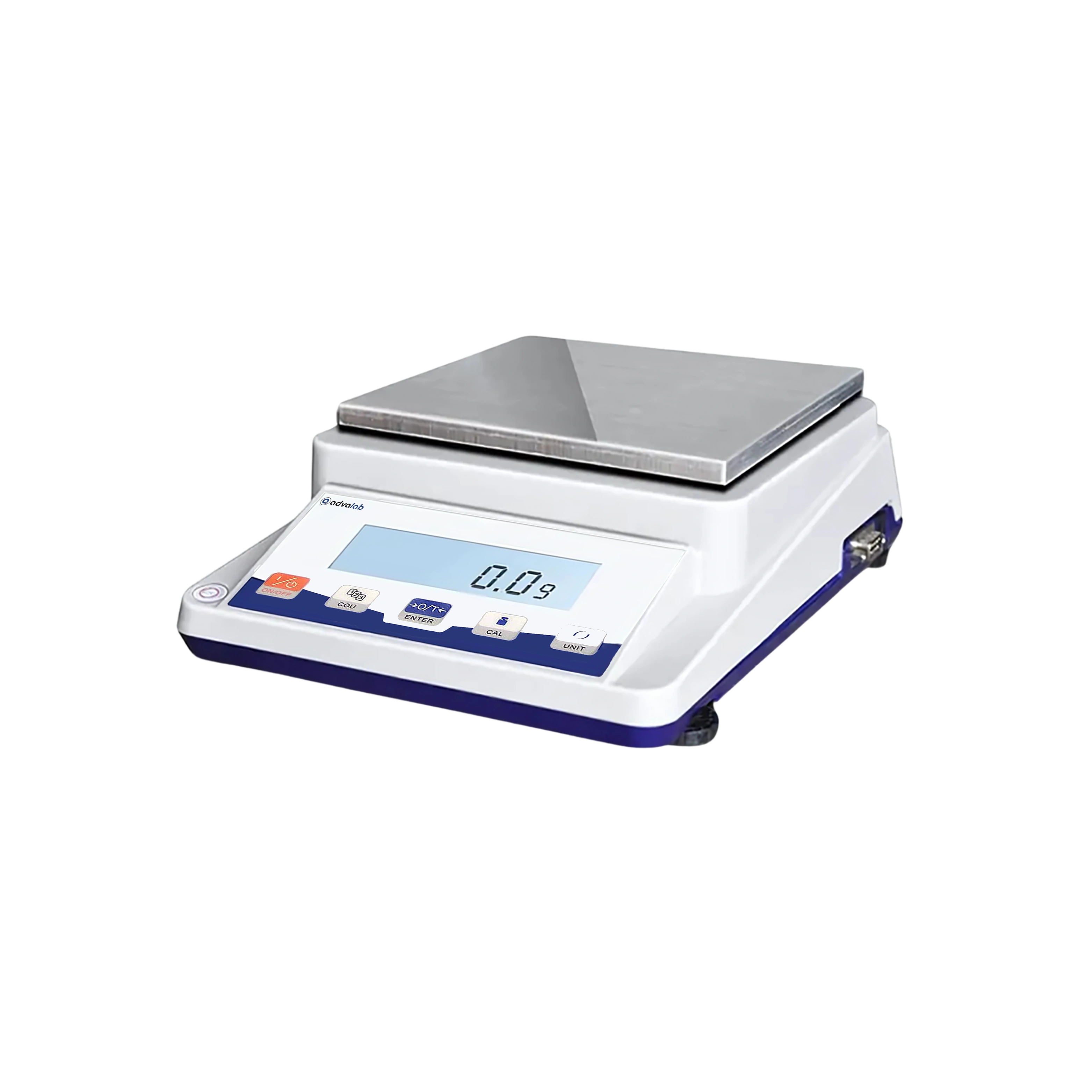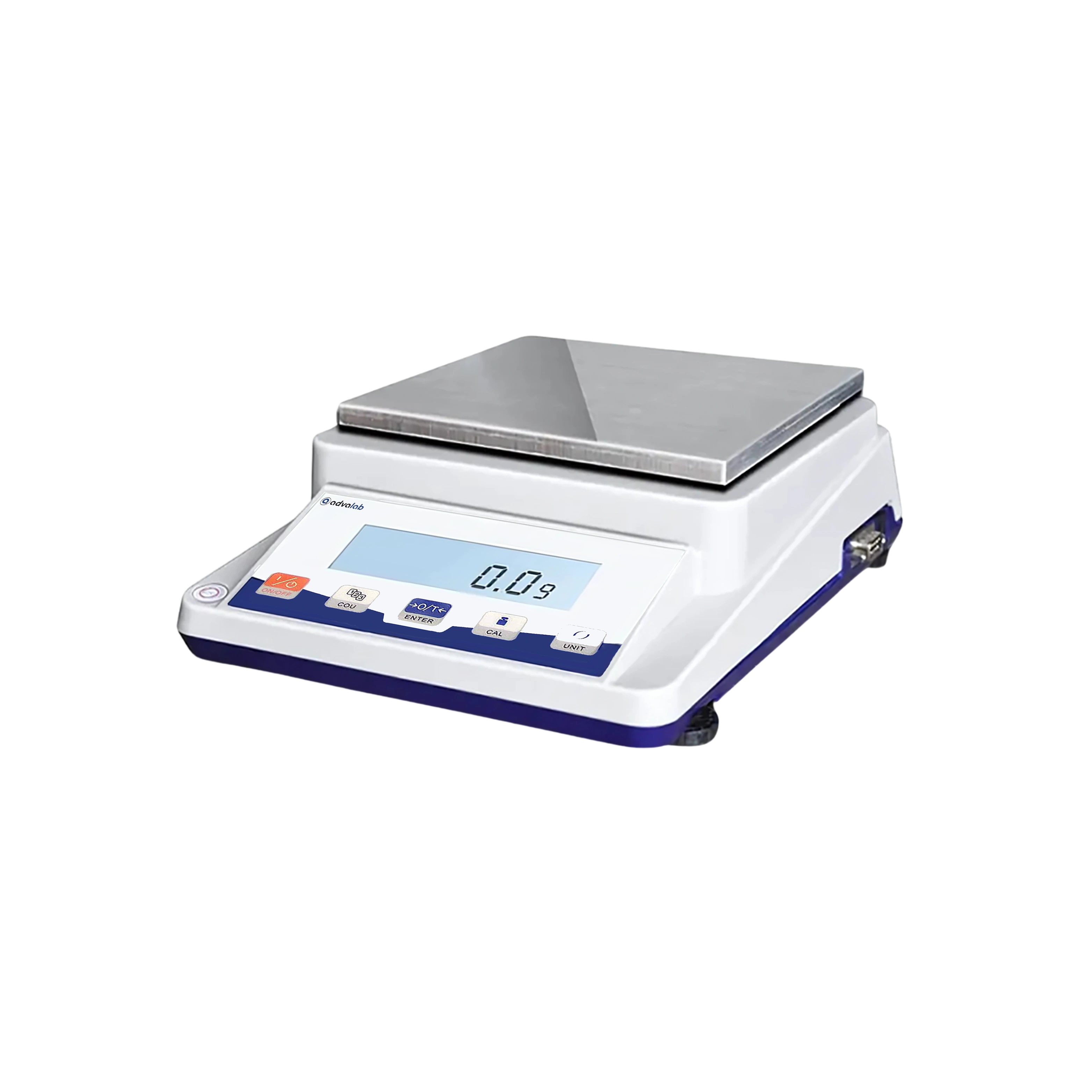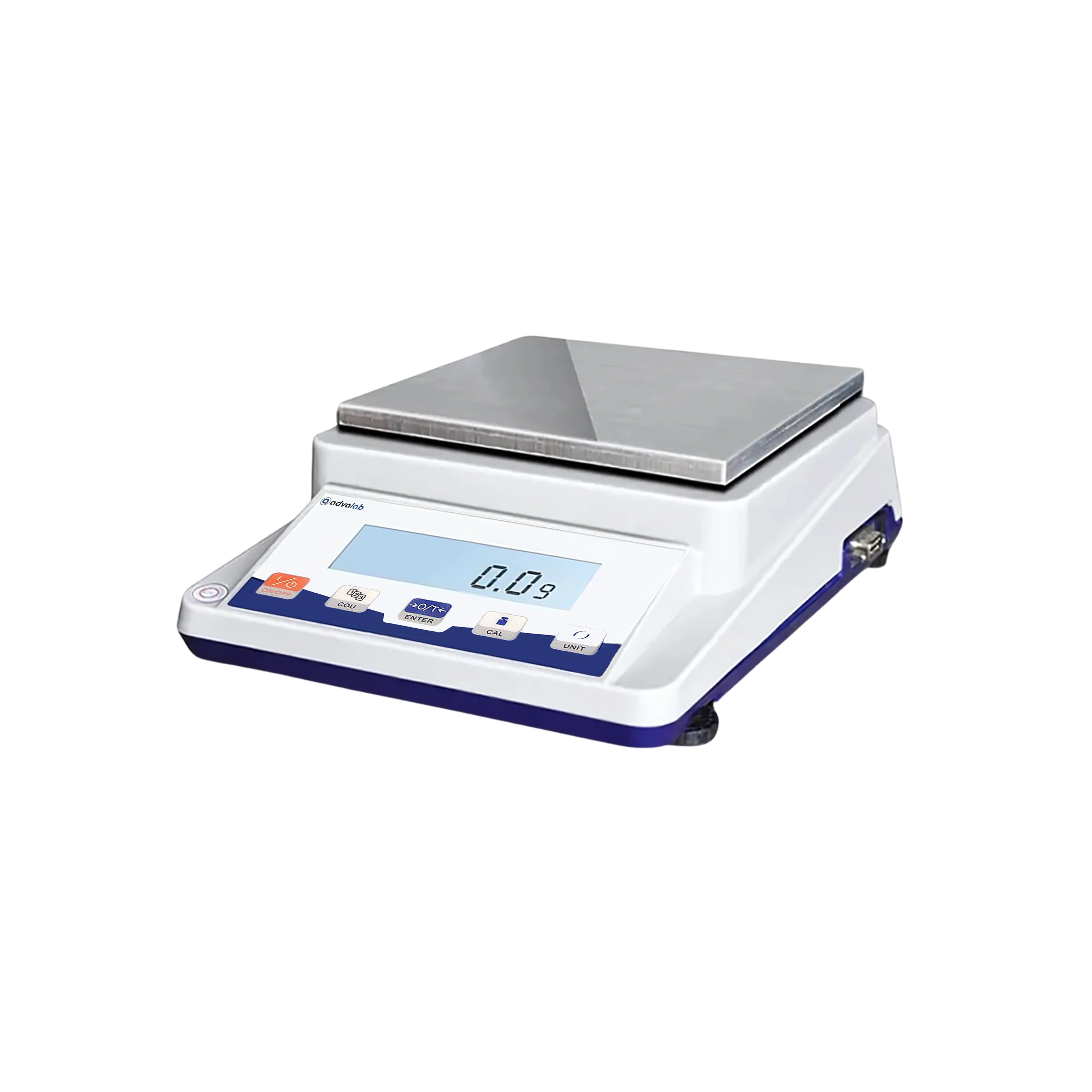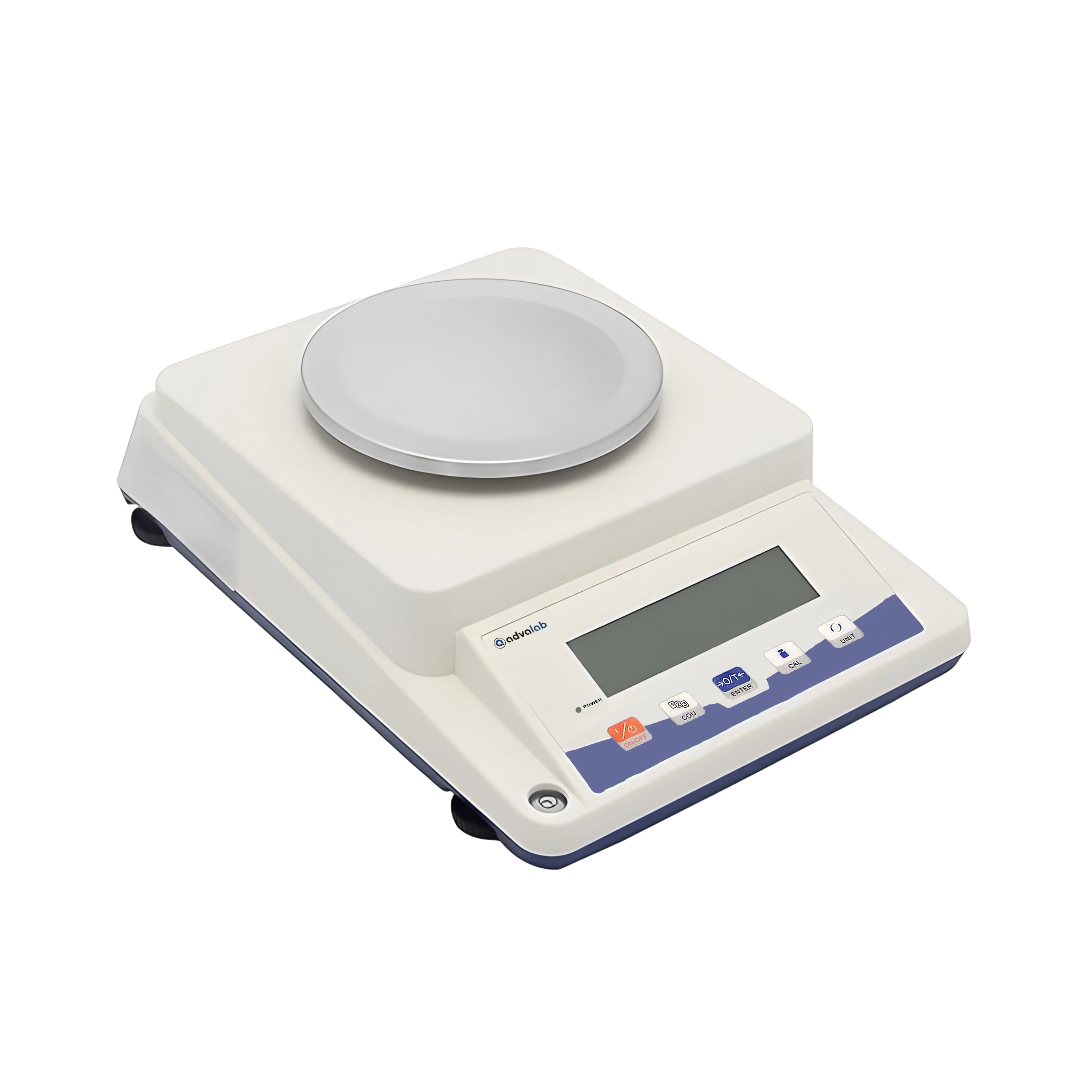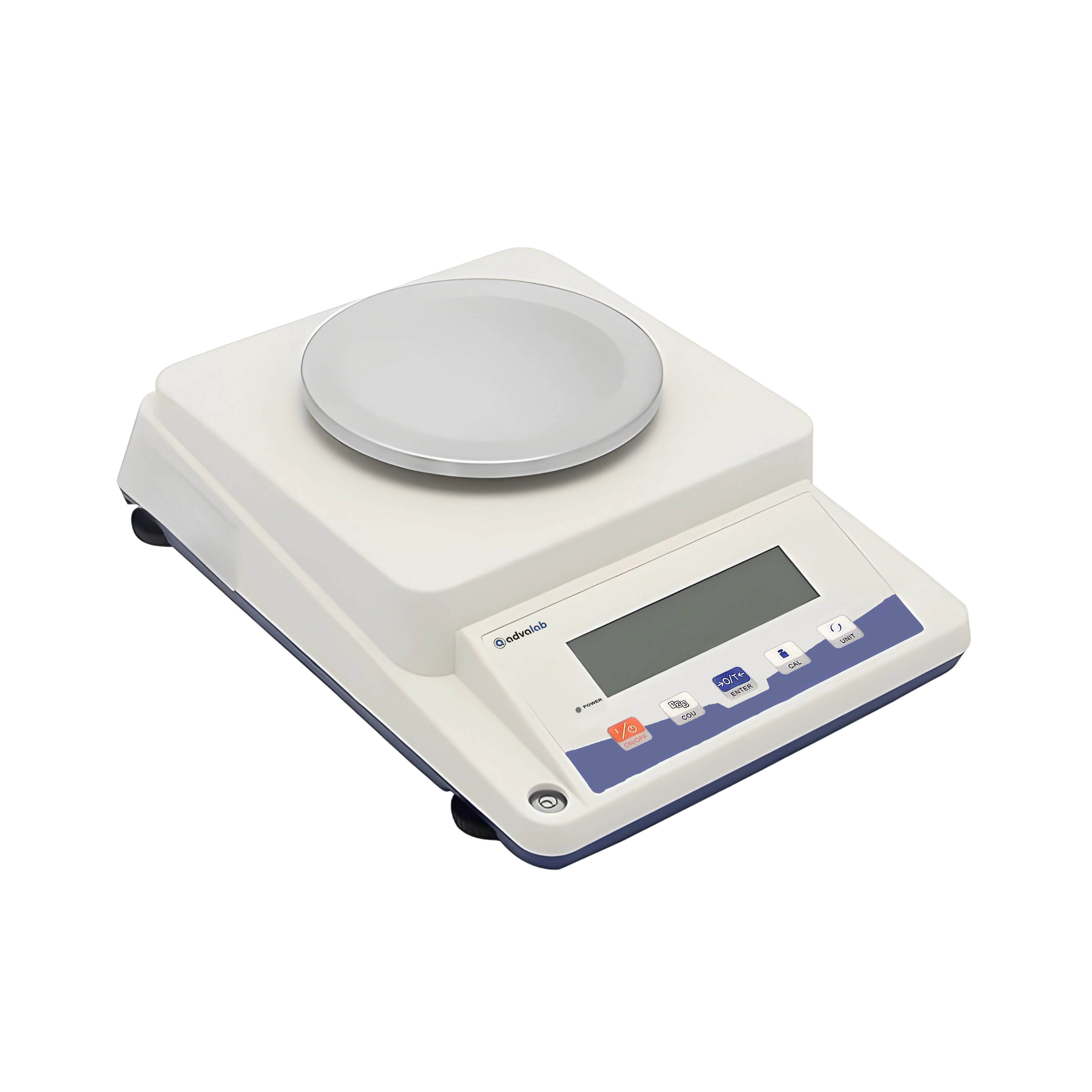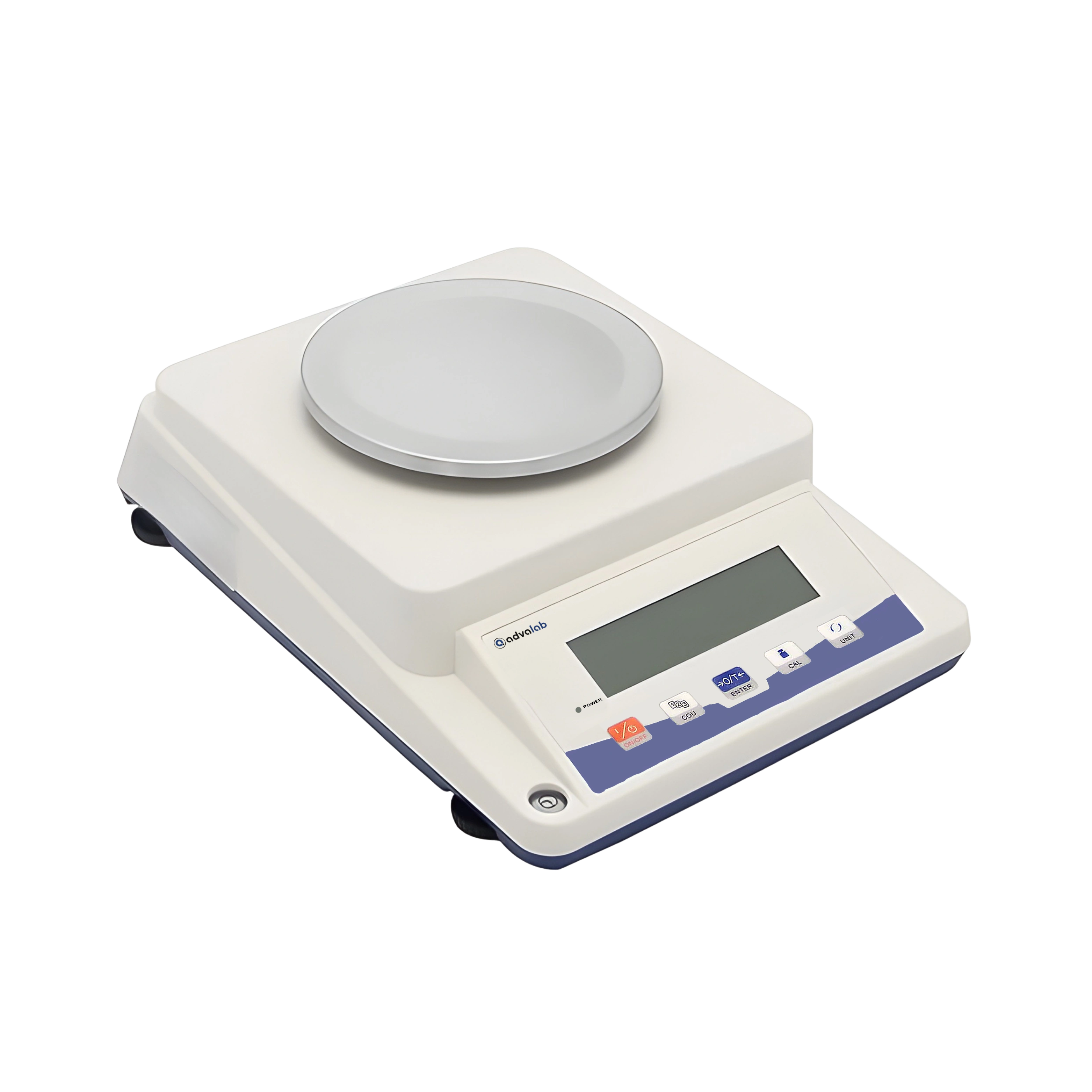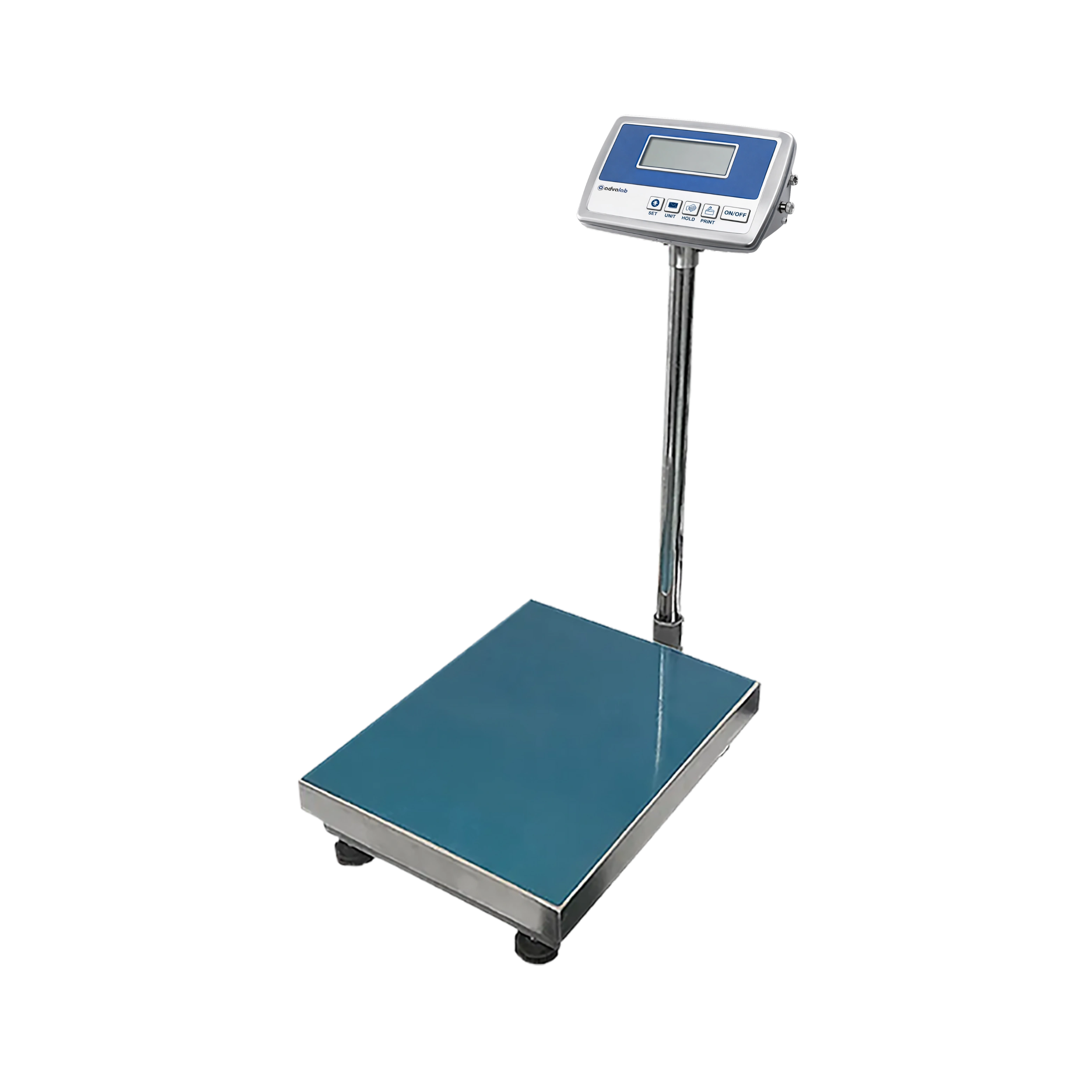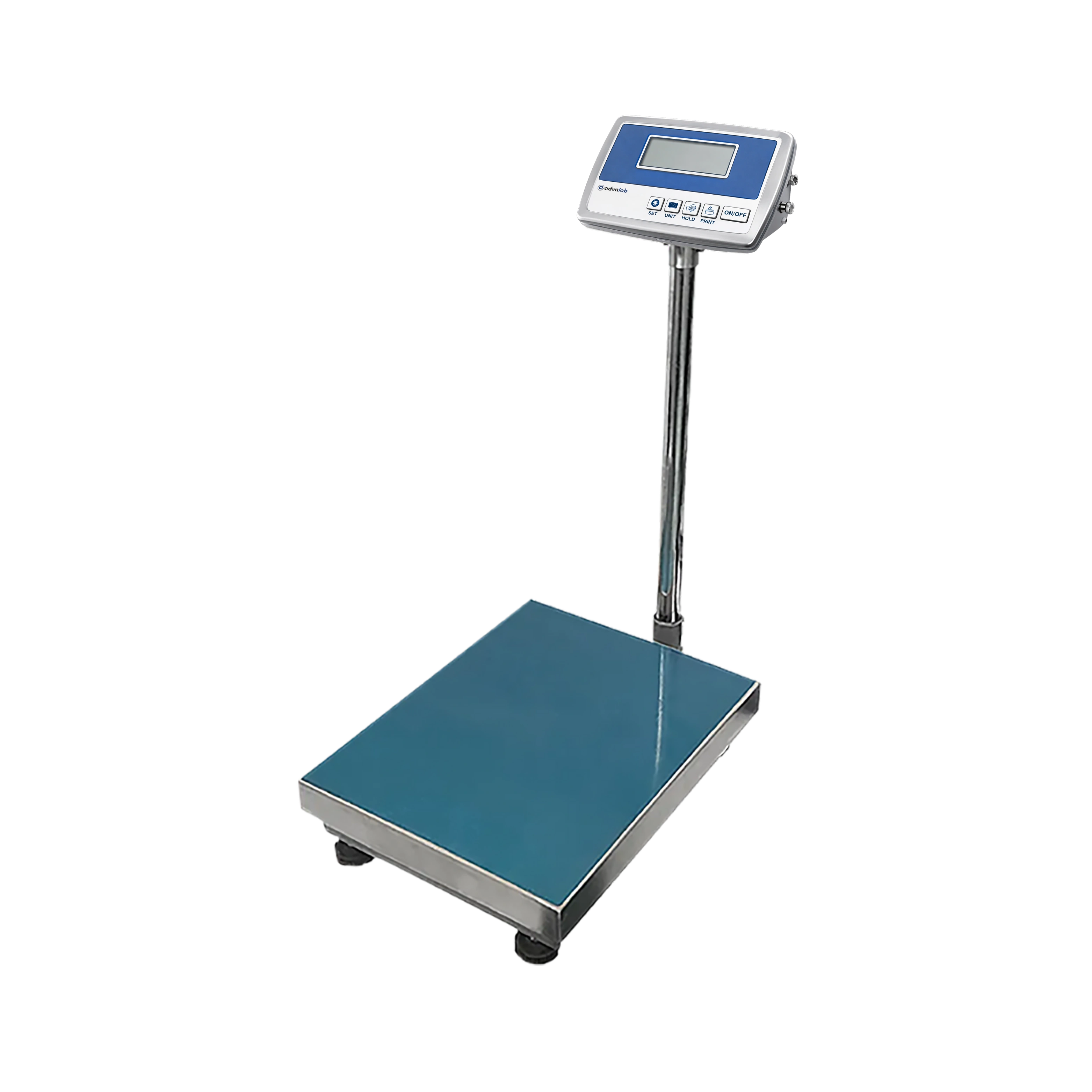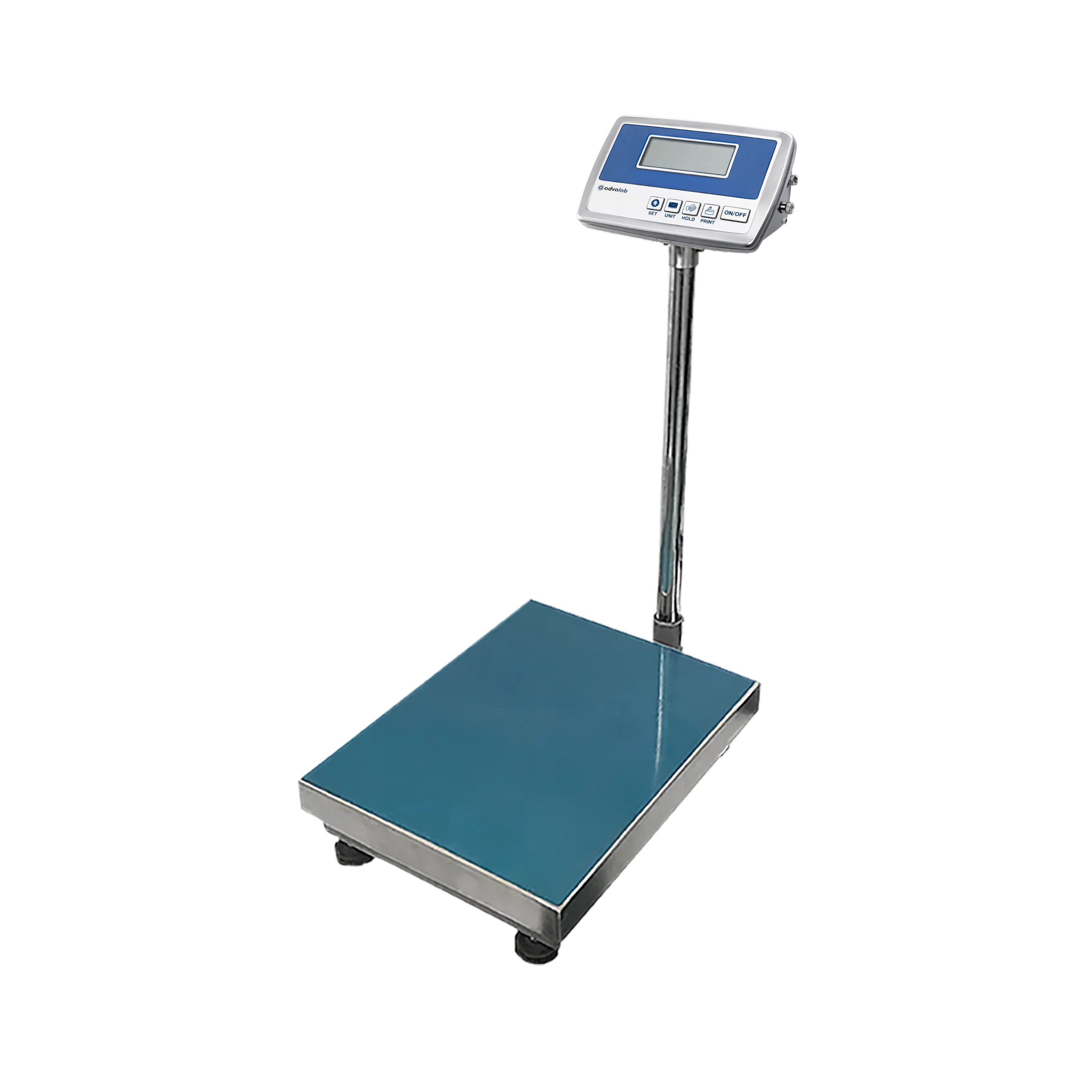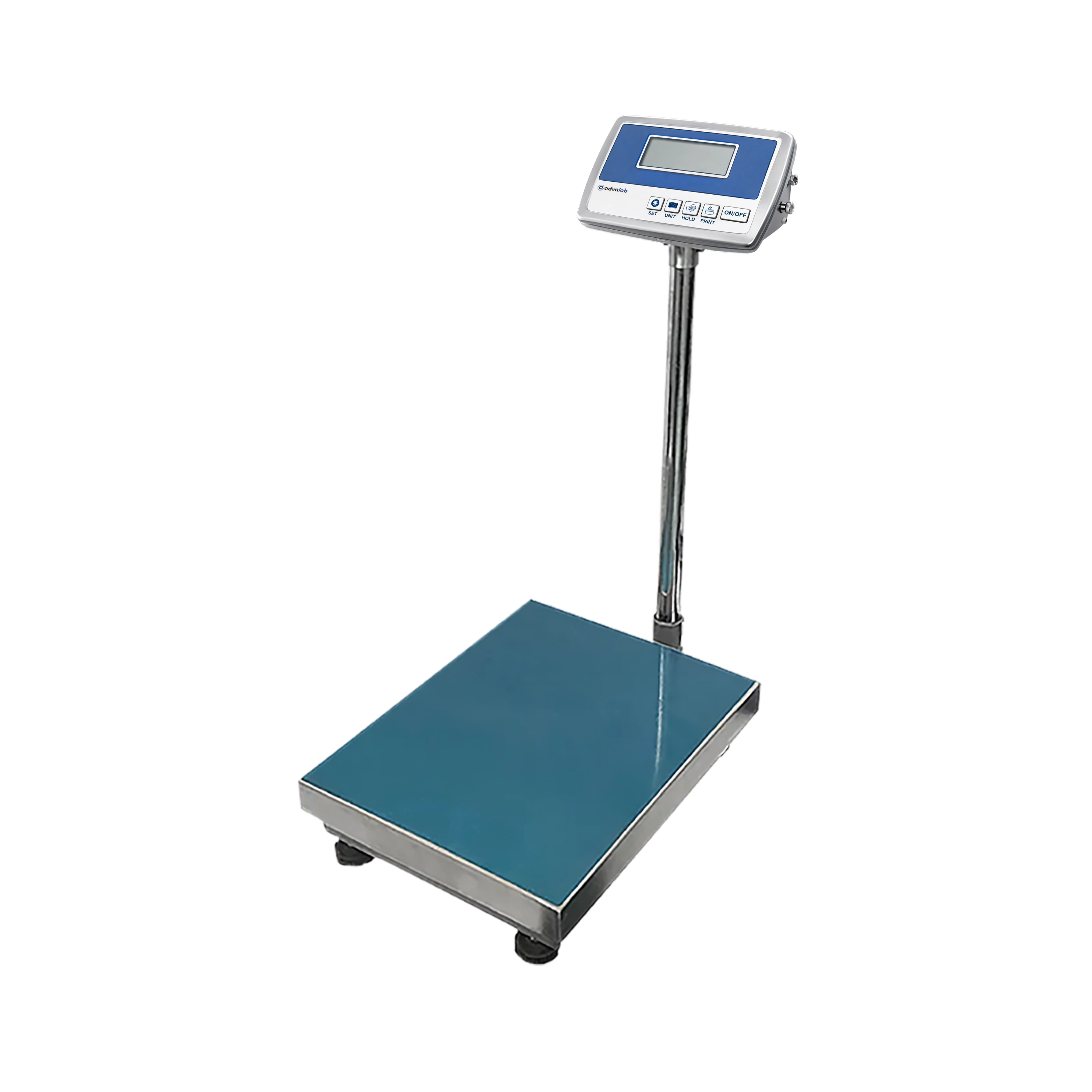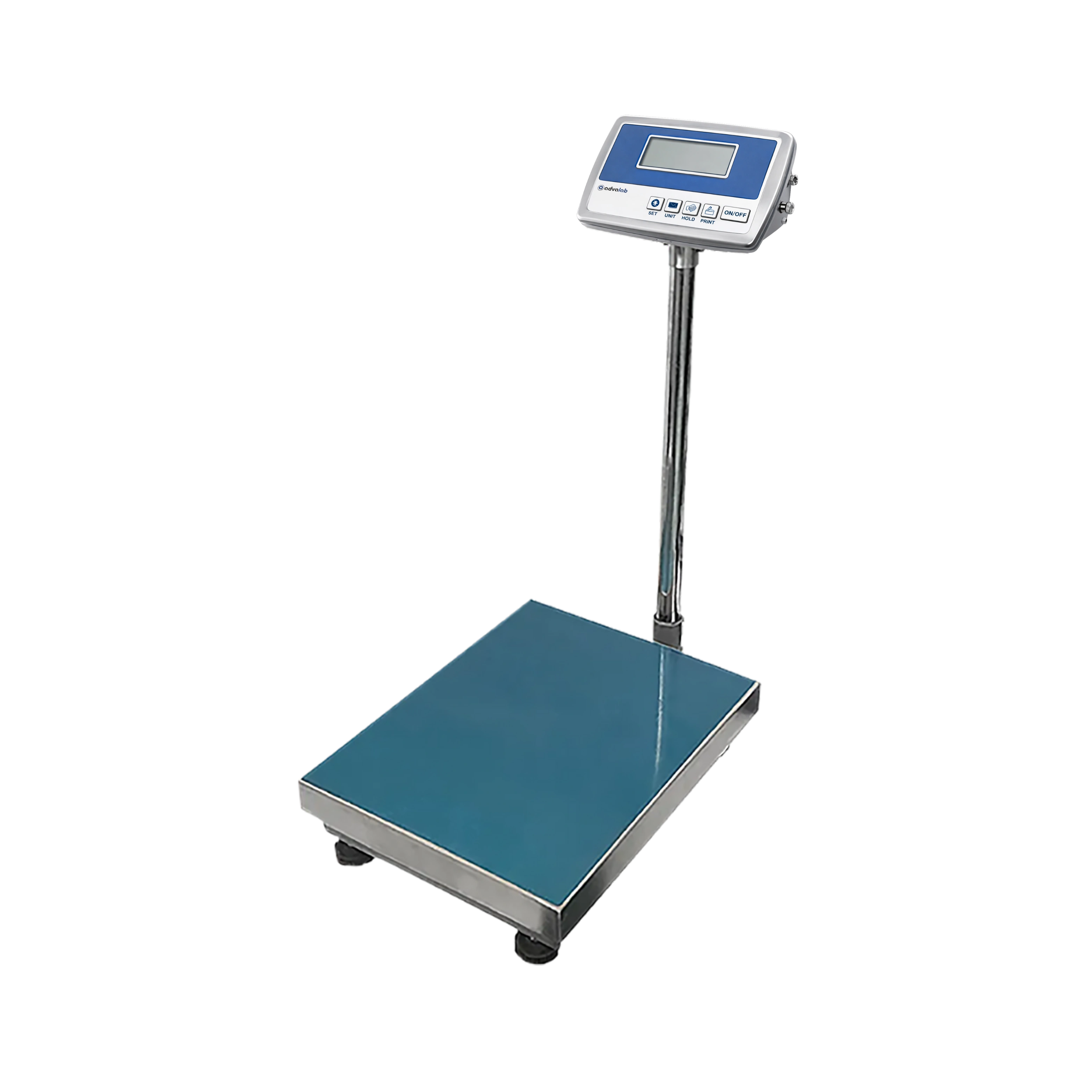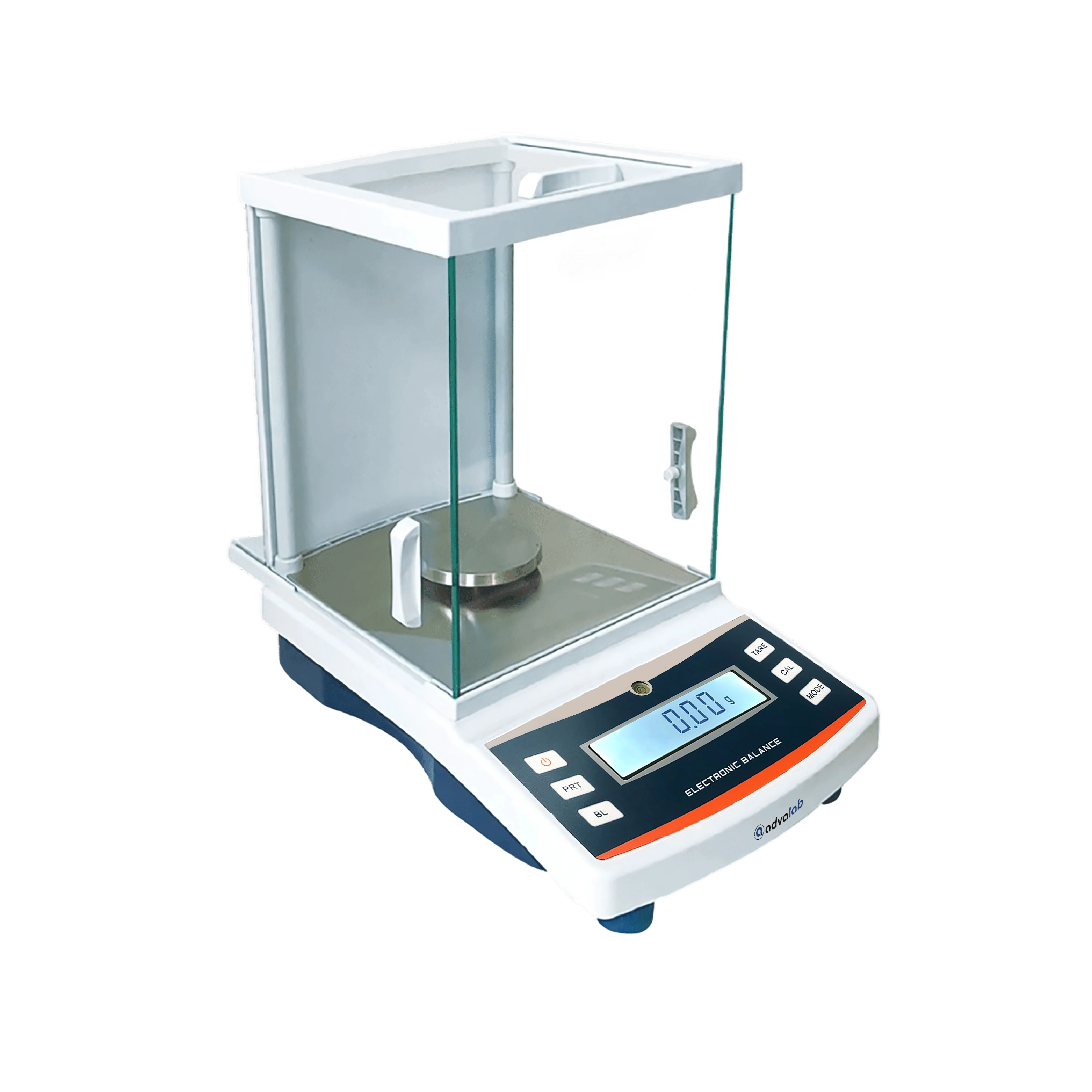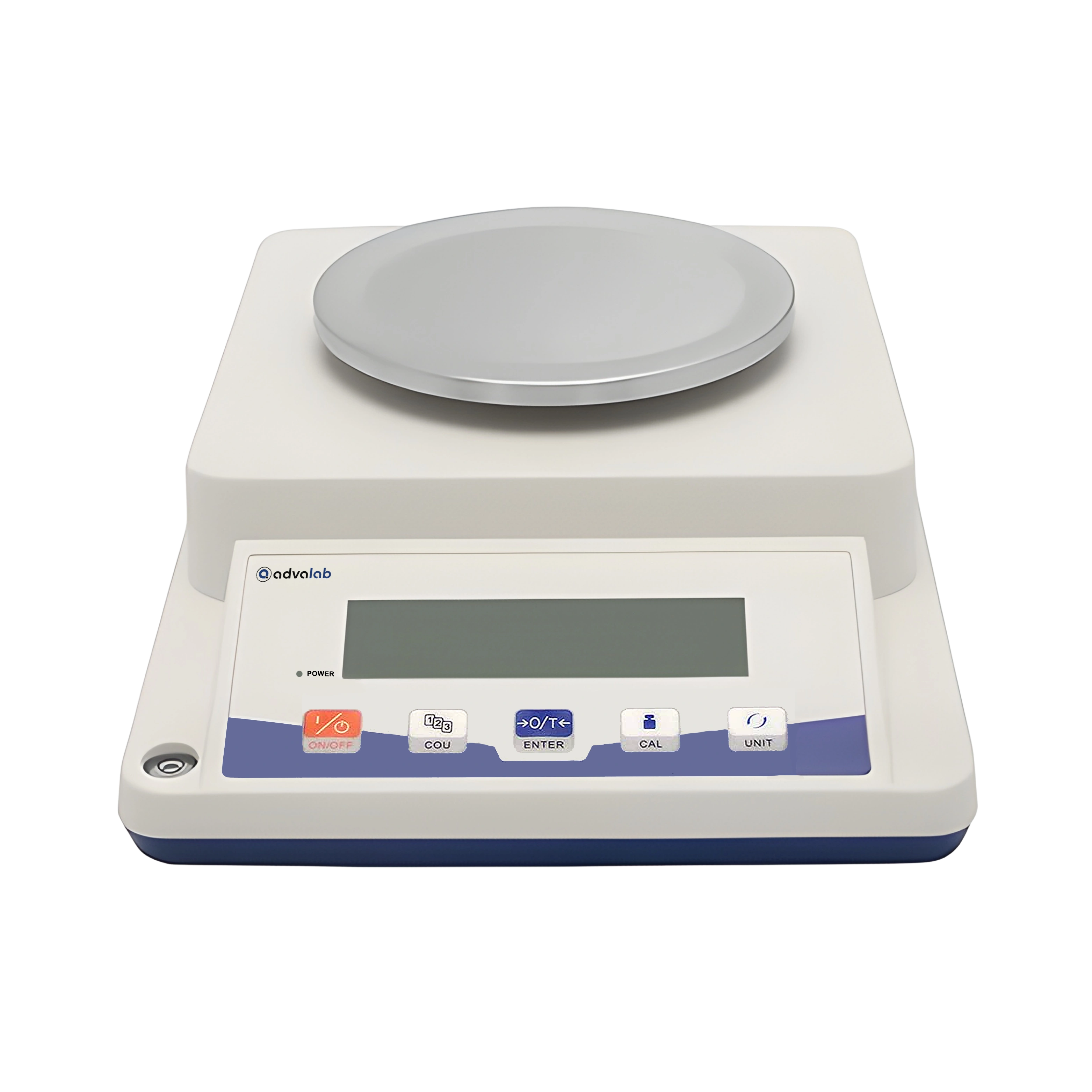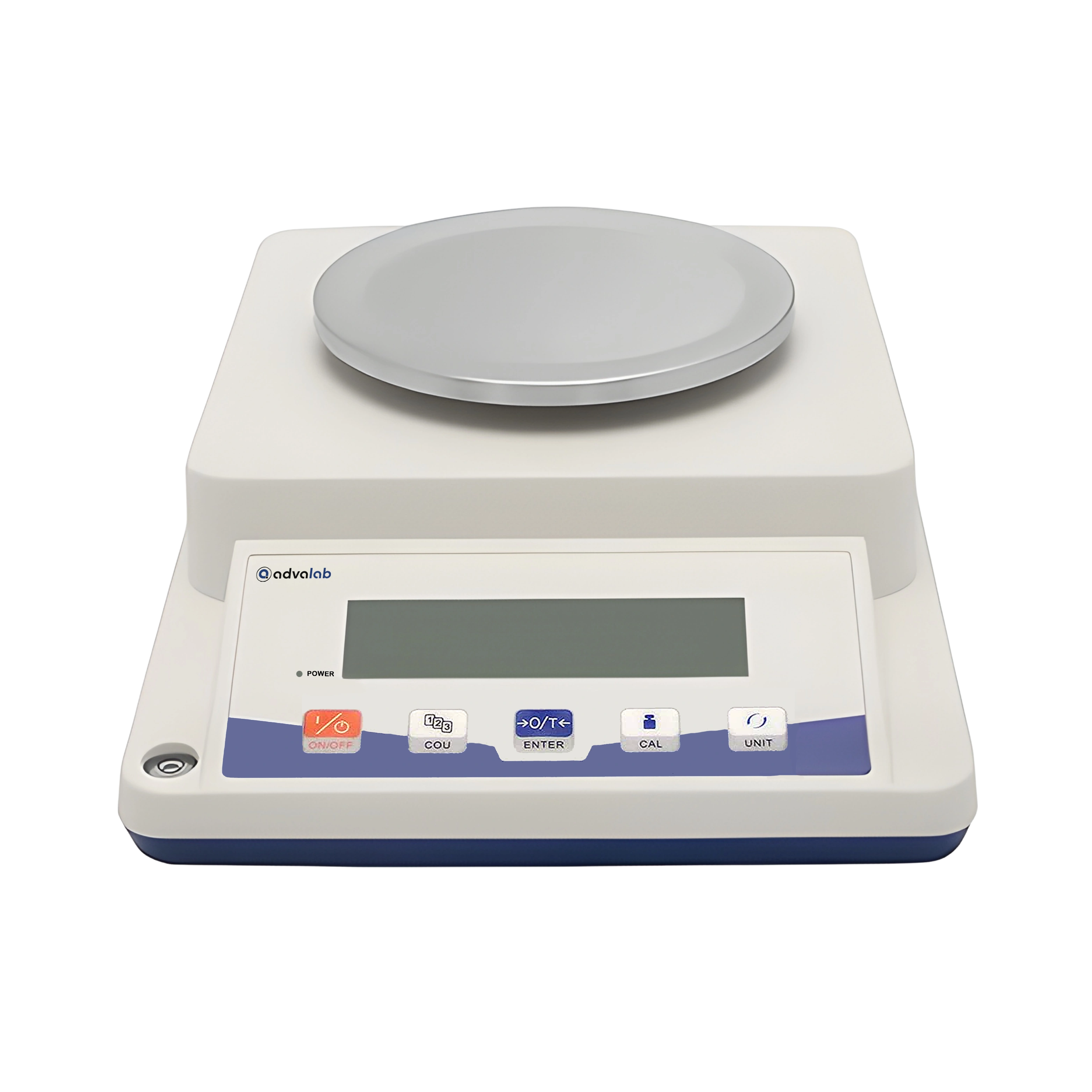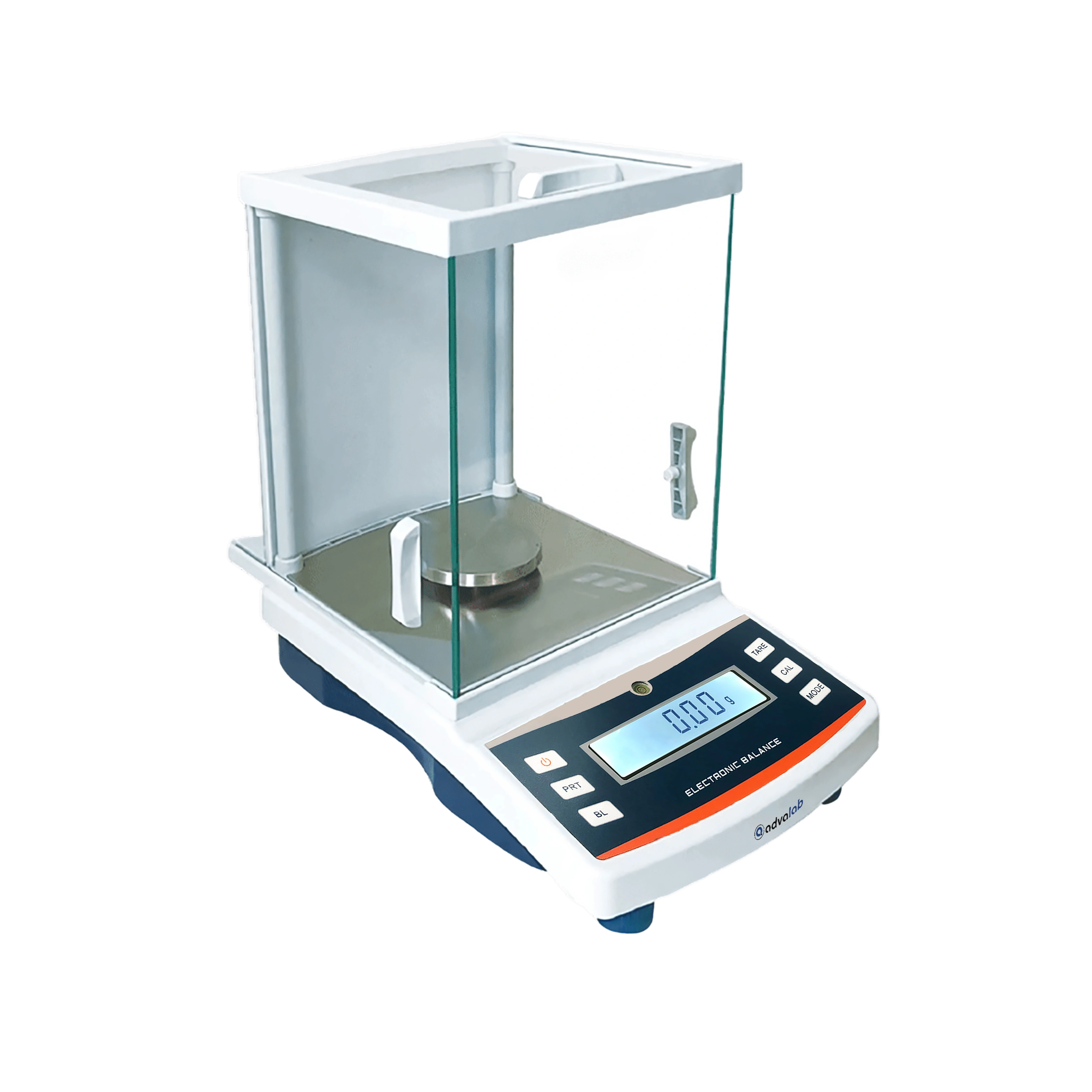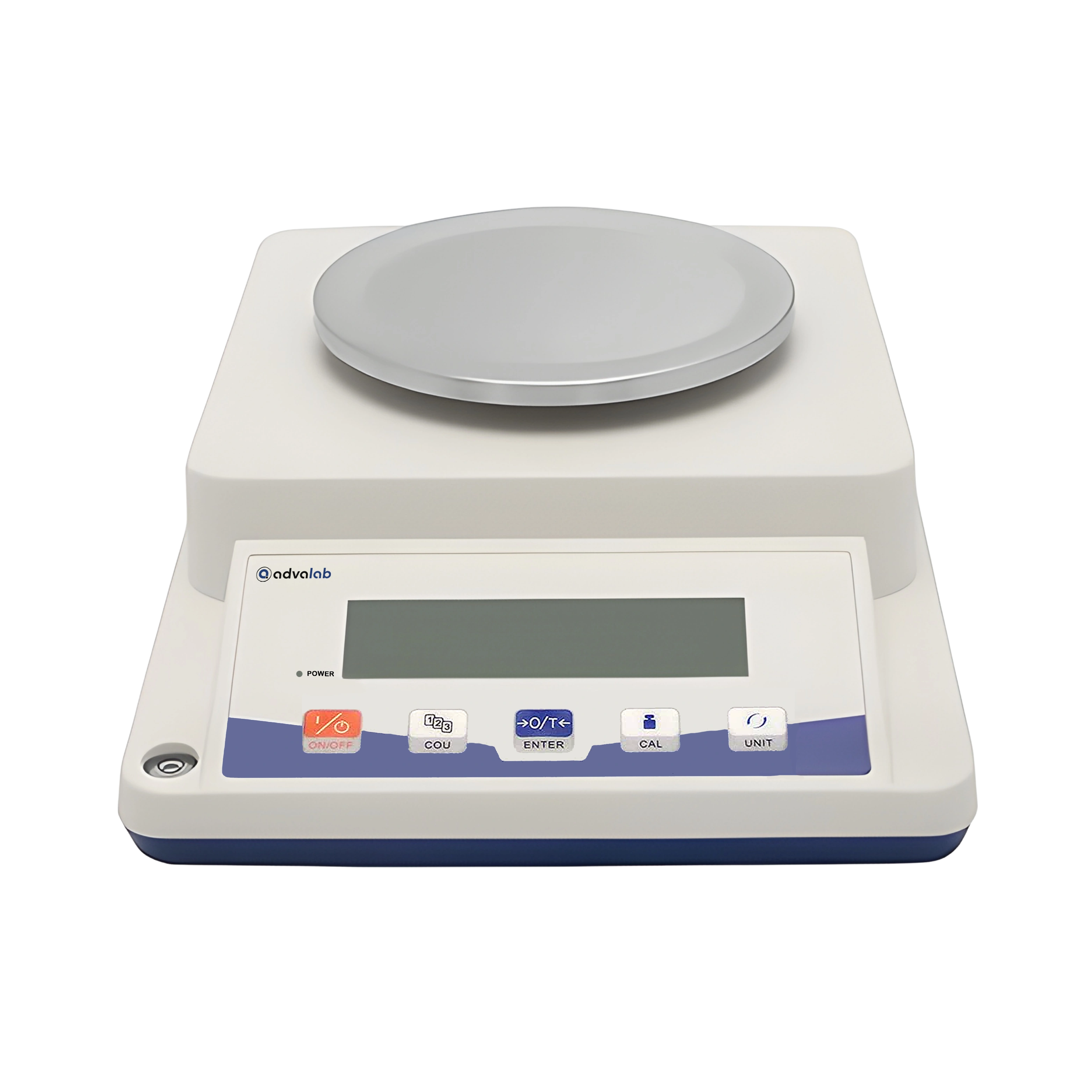
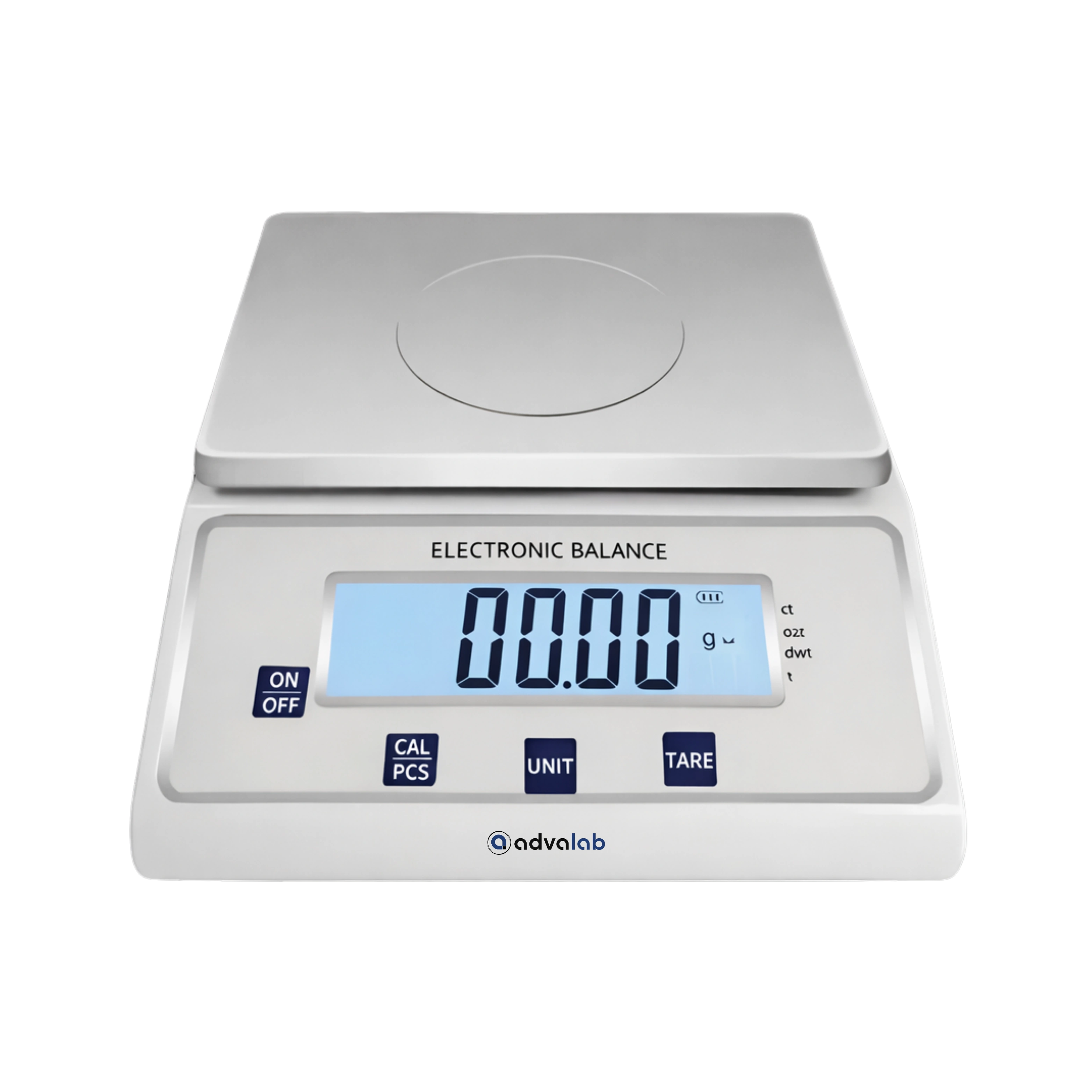
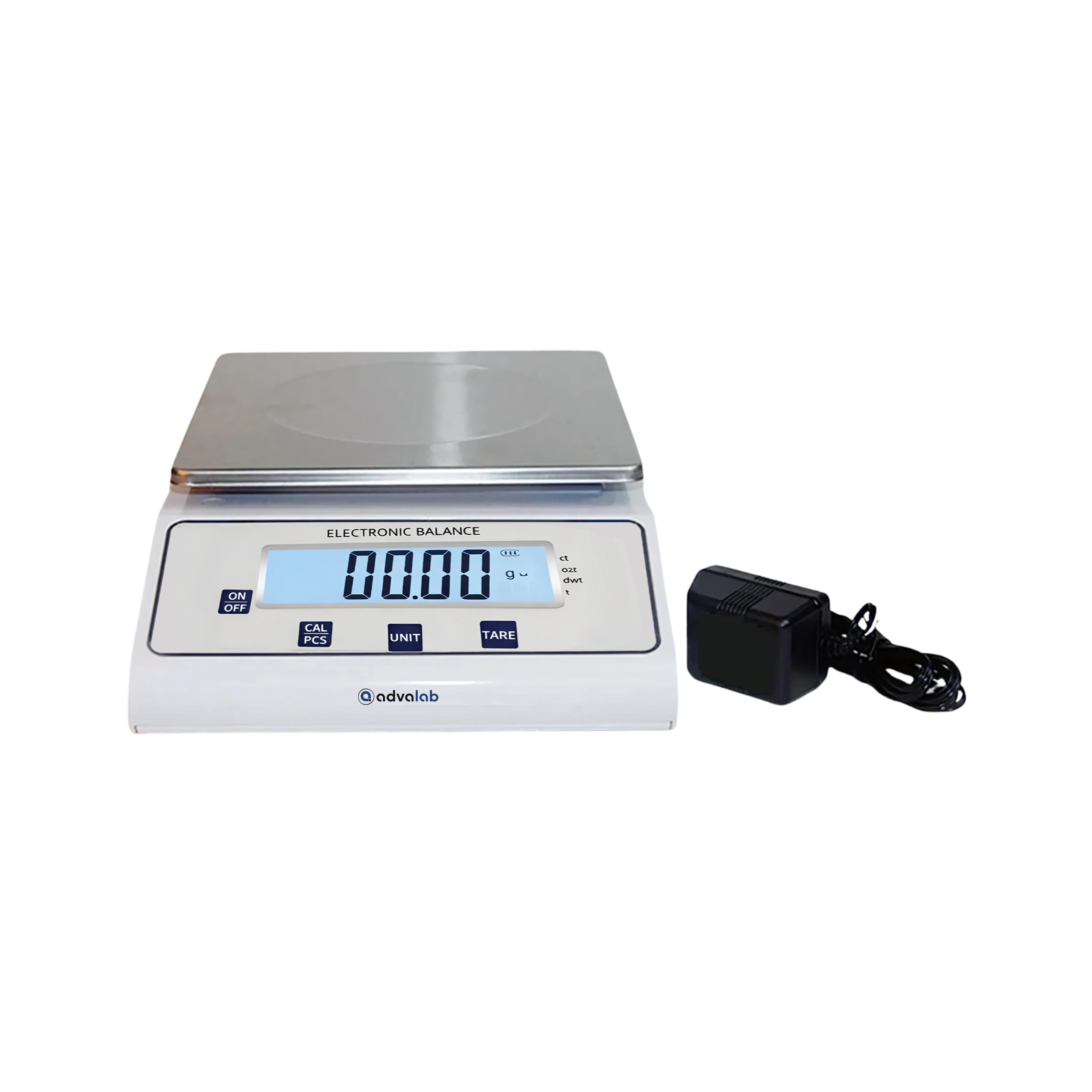
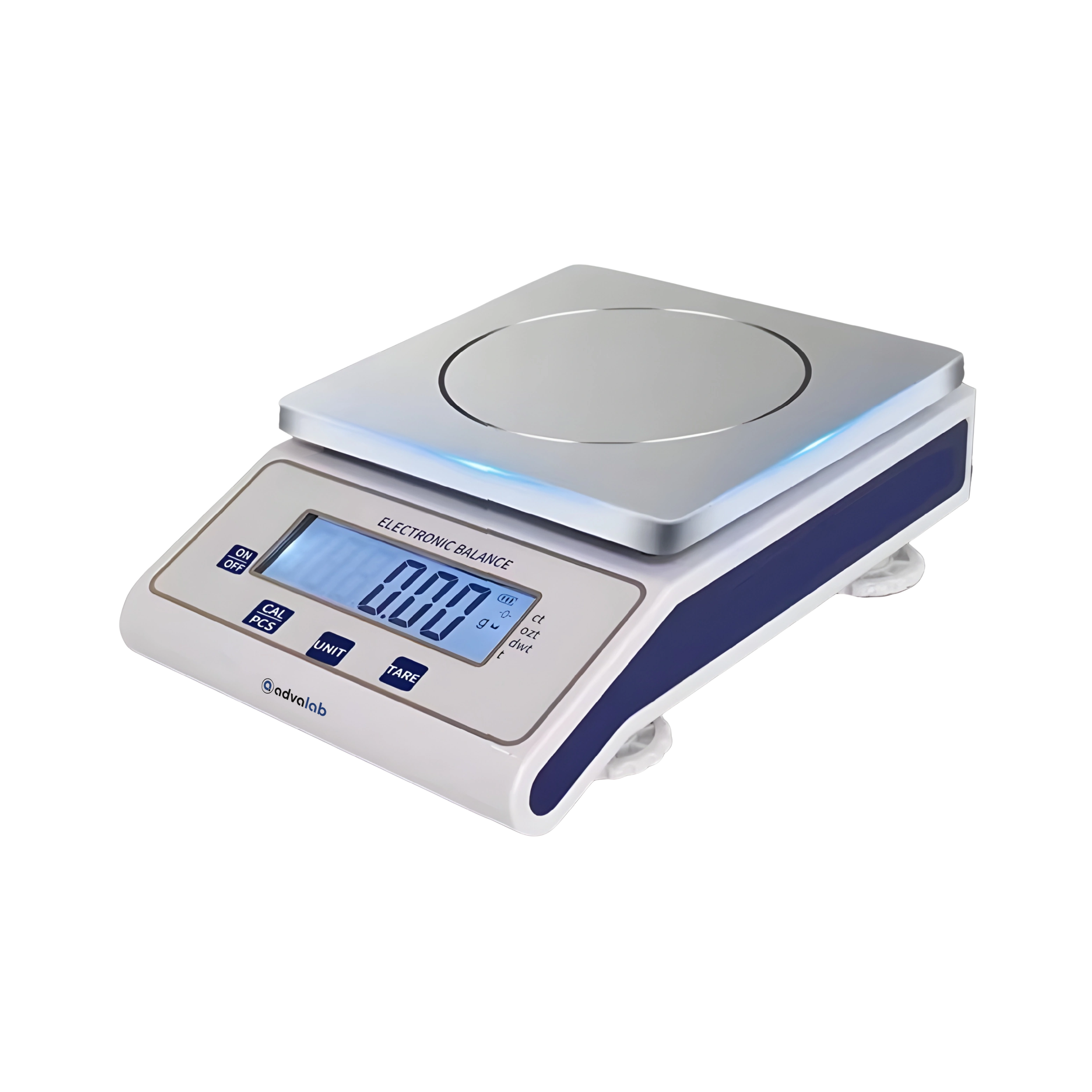
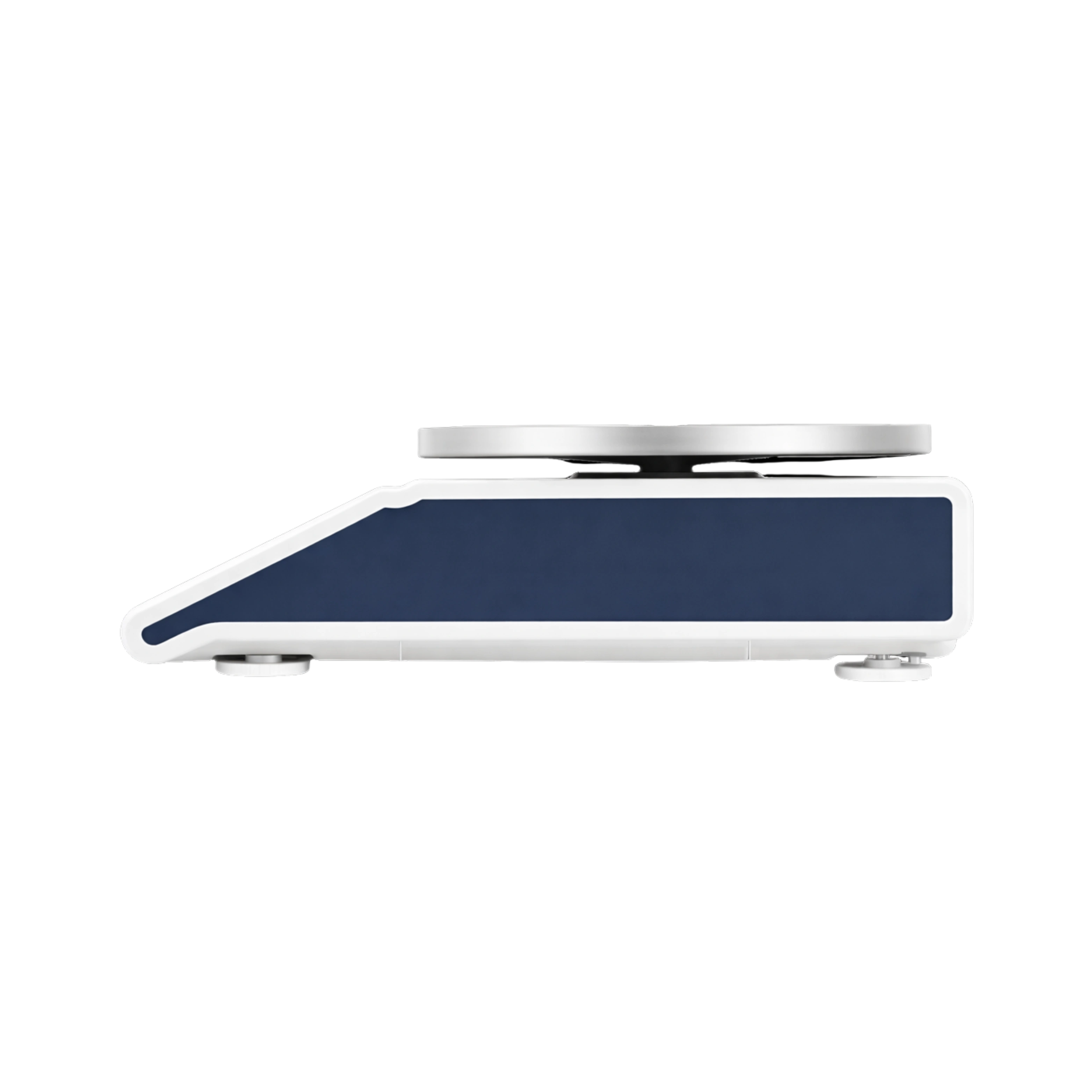
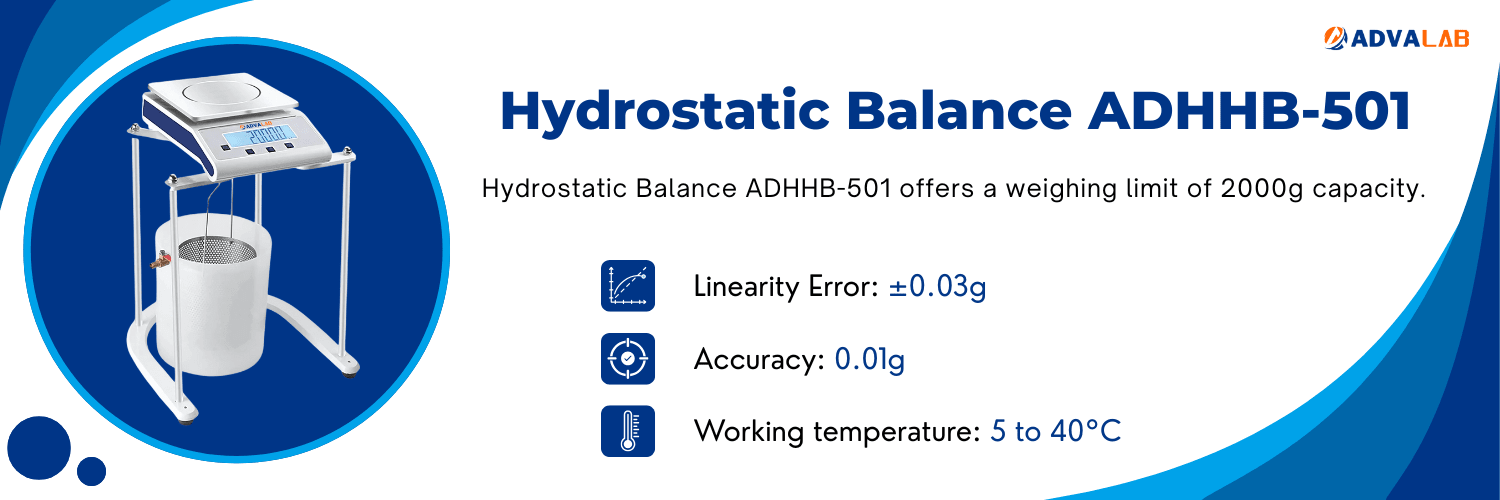
| Capacity | 2000g |
| Accuracy | 0.01g |
| Linearity Error | ±0.03g |
| Working temperature | 5 to 40°C |
| Pan Dimension(L×B×H) | 195×195mm |
| Container Dimension (L×B×H) | 200×210mm |
| Bracket Dimension(L×B×H) | 135×150mm |
| Dimension(L×B×H) | 290×205×70mm |
| Packaging Dimension(L×B×H) | 440×400×460mm |
| Weight | 6 to 8 kg |
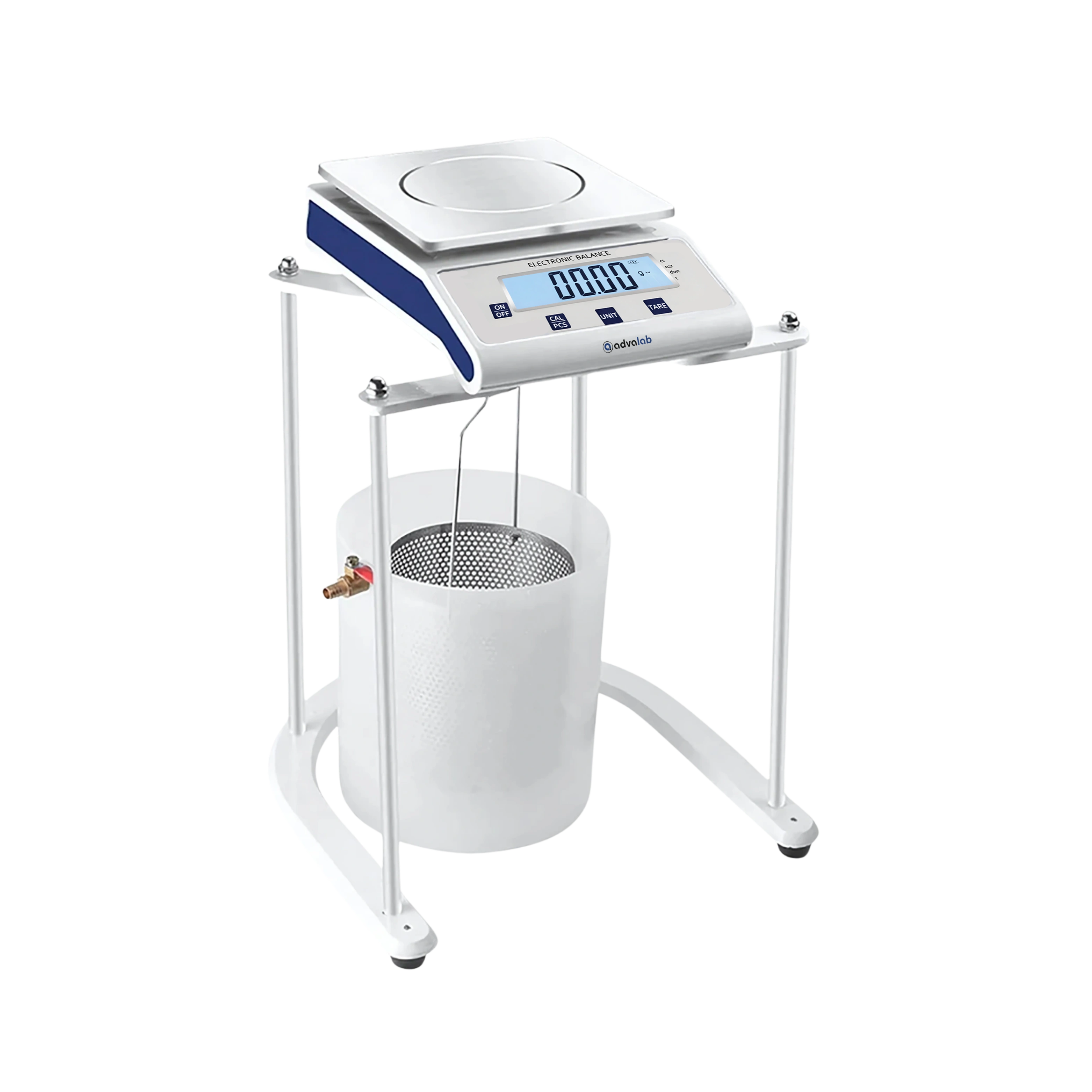
Our Hydrostatic Balance is ideal for the precise evaluation of density and specific gravity of materials by providing reliable results for consistent identification and quality control across substances.
1. What is the primary use of the Hydrostatic Balance ADHHB-501?
This Hydrostatic Balance ADHHB-501 is primarily used to measure fluid density and calibrate instruments like barometers. It's ideal for both educational and professional applications. This device ensures high accuracy and repeatability. It's a trusted tool in both lab and field environments.
2. How accurate is the Hydrostatic Balance ADHHB-501?
This Hydrostatic Balance ADHHB-501 delivers high-precision measurements with dependable results. It is designed to minimize errors during hydrostatic weighing or pressure testing. Users can rely on its consistency across various settings. Its precision makes it suitable for scientific and industrial use
3. Can the Hydrostatic Balance ADHHB-501 be used outdoors?
Yes, Our Hydrostatic Balance ADHHB-501 is built for both lab use and fieldwork. Its durable design makes it resistant to wear and environmental conditions. This flexibility allows users to conduct measurements in diverse locations. It remains accurate and reliable in outdoor settings
4. What makes the Hydrostatic Balance ADHHB-501 user-friendly?
This Hydrostatic Balance ADHHB-501 features a straightforward setup and initiative operation. Its compact design and clear readouts simplify the measuring process. Even users with minimal training can operate it effectively. It's designed for ease without compromising performance.
5. How durable is the Hydrostatic Balance ADHHB-501?
Our Hydrostatic Balance ADHHB-501 is built with robust materials to ensure long-term durability. It withstands frequent use in demanding environments. Its quality construction protects internal components from damage. This makes it a long-lasting investment for consistent measurements
6. What industries commonly use Hydrostatic Balance?
Hydrostatic Balance are widely used in industries such as pharmaceuticals, chemicals, metallurgy, and food processing. They help determine material density, which is critical for quality control and product development. These balances ensure accuracy in manufacturing processes and material verification. Their precision supports compliance with industry standards. Overall, they are essential tools in many technical fields.
7. How does a Hydrostatic Balance improve material analysis?
A Hydrostatic Balance provides accurate density measurements without destroying the sample. By measuring weight in air and in a fluid, it calculates volume and density precisely. This enables detailed characterization of materials, helping identify purity and composition. It simplifies complex testing procedures and saves time. This accuracy supports research, quality assurance, and development efforts.
8. What maintenance is required for Hydrostatic Balance?
Hydrostatic Balance Regular calibration is essential to maintain accuracy. The device should be kept clean, especially the weighing components and suspension wires. Periodic checks of software and hardware ensure reliable operation. Proper handling prevents damage to sensitive parts. Routine maintenance extends the lifespan and performance consistency of the balance.
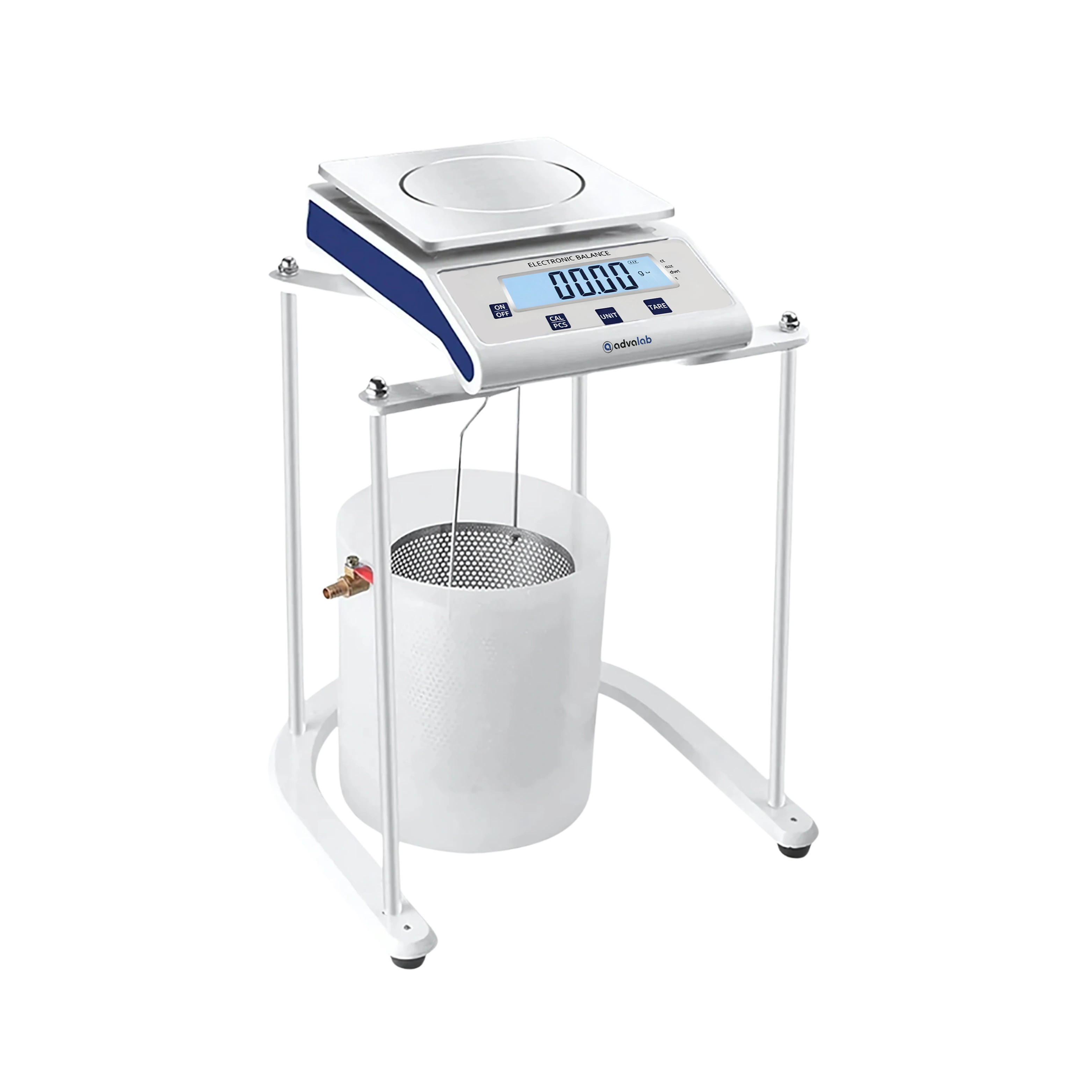
| Capacity | 2000g |
| Accuracy | 0.1g |
| Linearity error | ±0.3g |
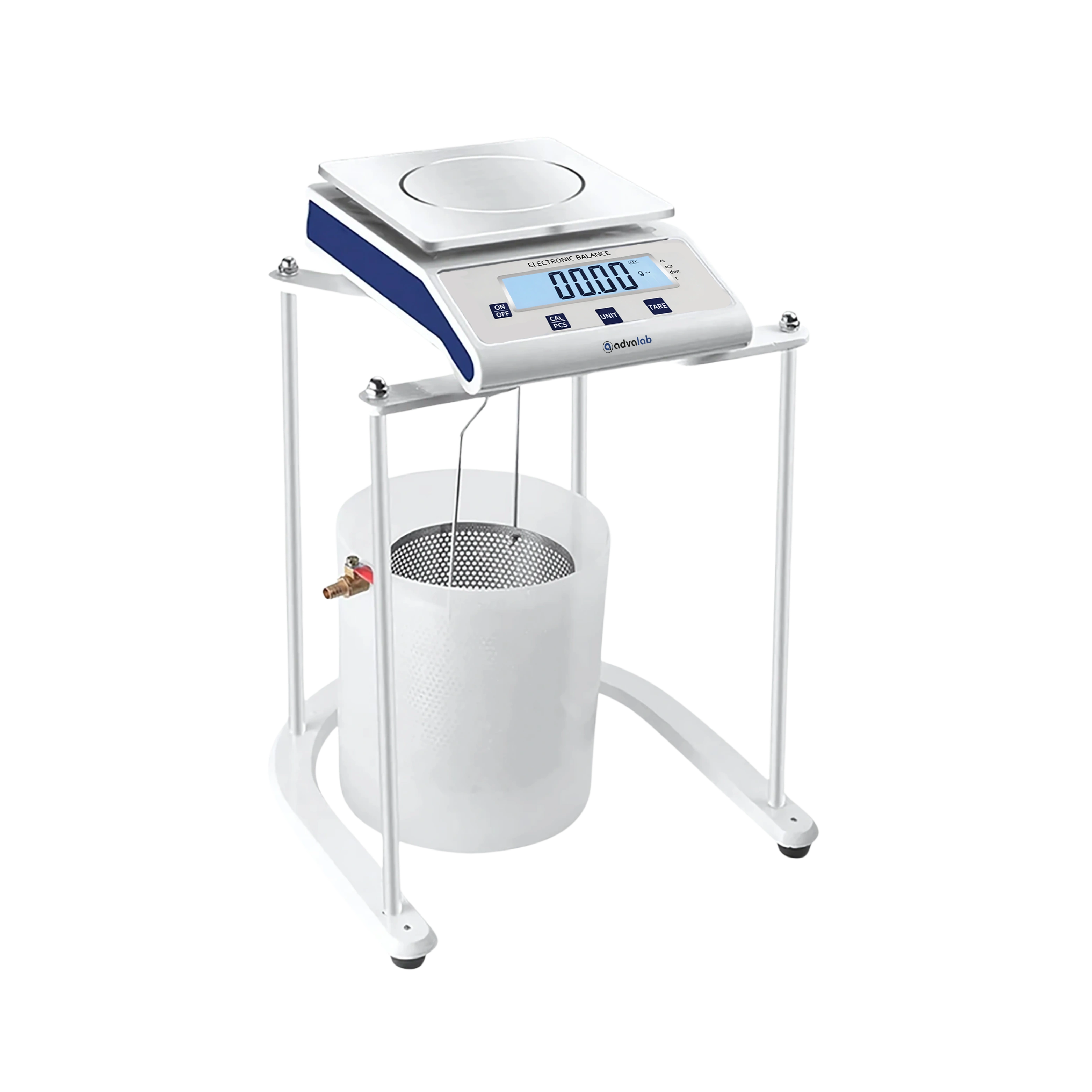
| Capacity | 5000g |
| Accuracy | 0.1g |
| Linearity error | ±0.3g |

| Capacity | 5000g |
| Accuracy | 0.01 g |
| Linearity error | ±0.03g |

| Capacity: | 220 g |
| Readability: | 0.0001 g |
| Minimum Weighing: | 0.0004 g |
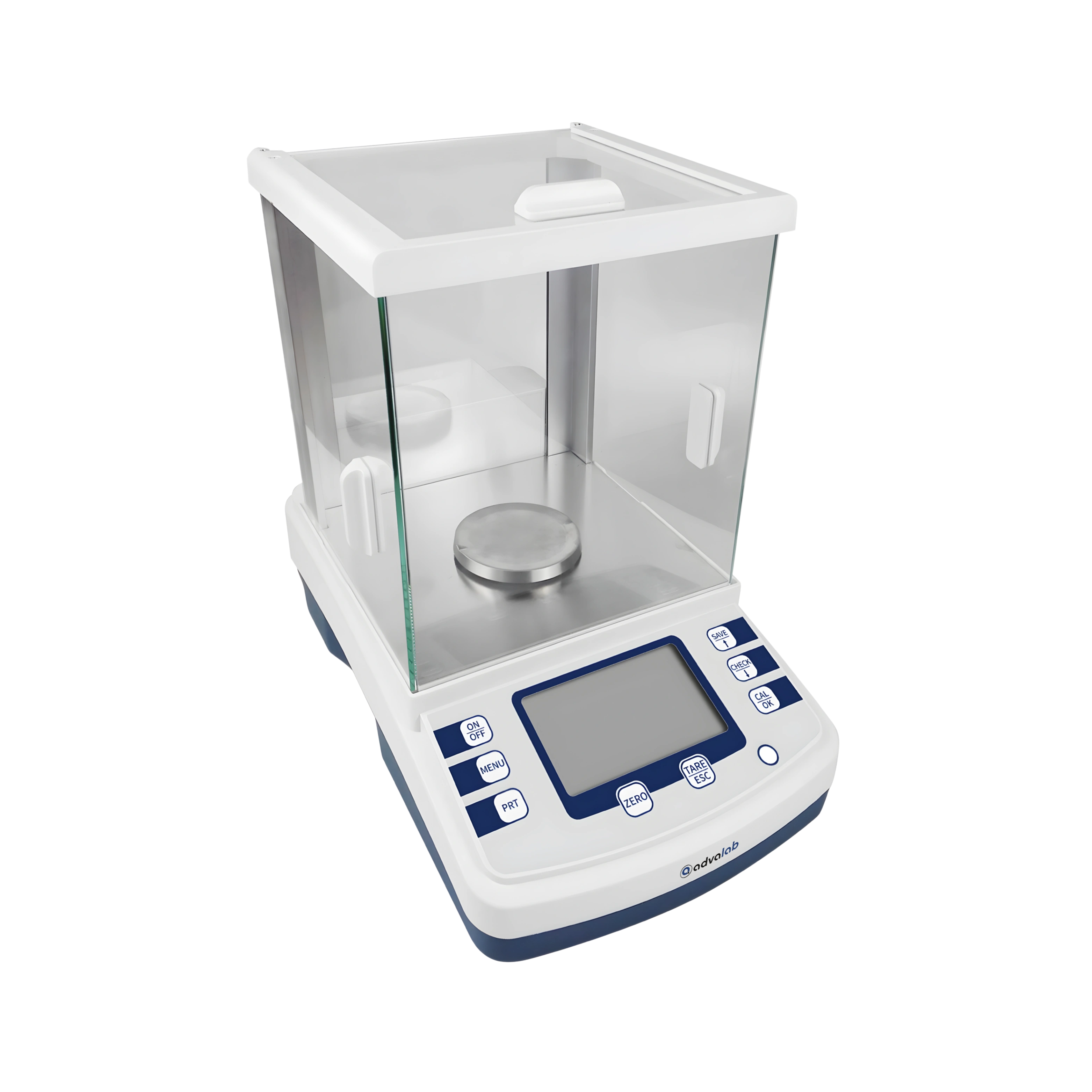
| Capacity: | 0 to 50 g |
| Readability: | 0.01 mg |
| Stabilization Time: | ≤13 s |
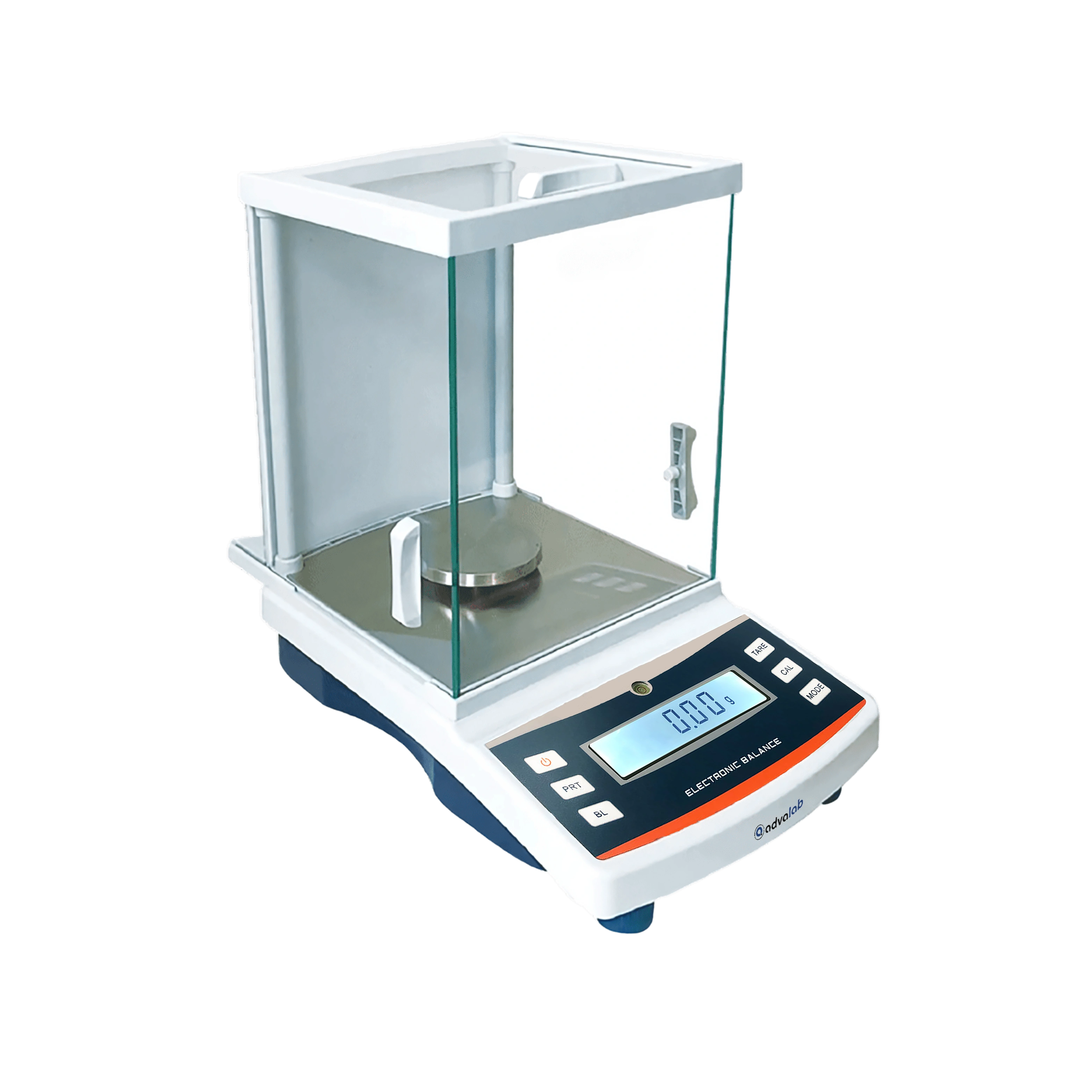
| Capacity: | 60 g |
| Readability : | 1 mg |
| Repeatability : | 1 mg |

| Capacity: | 1100 g |
| Resolution : | 0.01 g |
| Minimum Weighing : | 0.04 g |
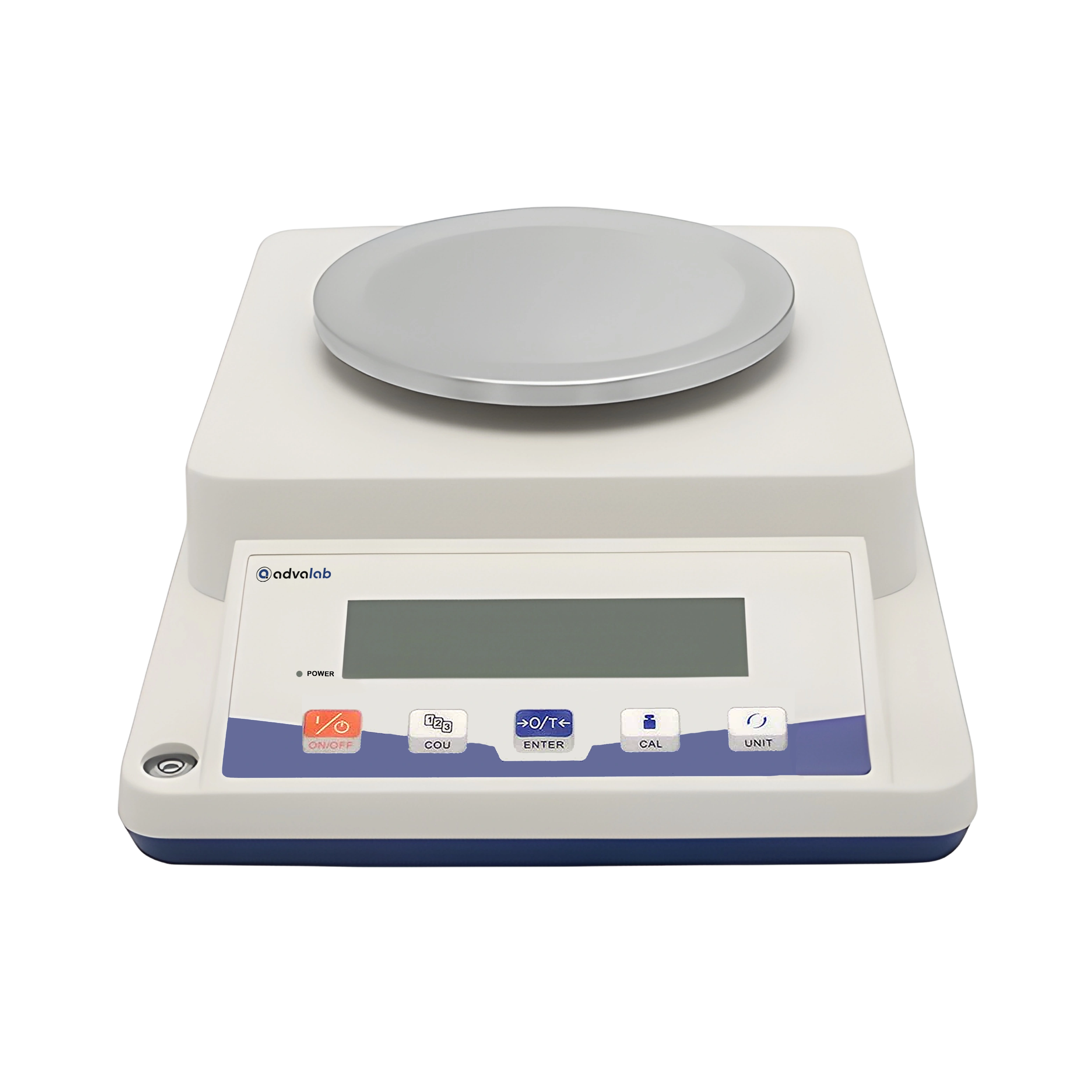
| Capacity: | 3100 g |
| Readability: | 0.01 g |
| Pan Size: | Ø 130 mm |
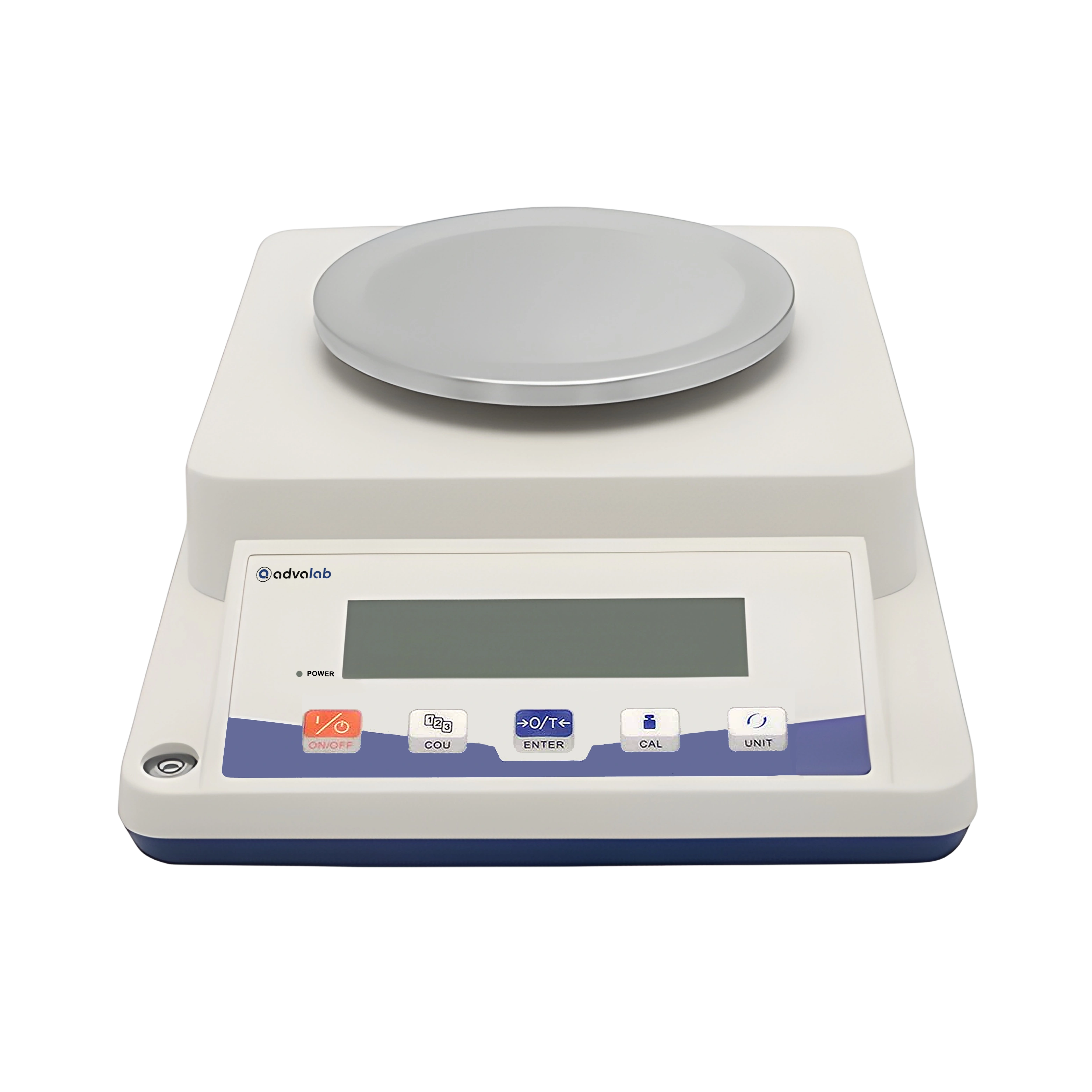
| Capacity: | 2100 g |
| Resolution : | 0.01 g |
| Minimum Weighing : | 0.04 g |

| Capacity: | 500 g |
| Readability : | 1 mg |
| Repeatability : | 1 mg |
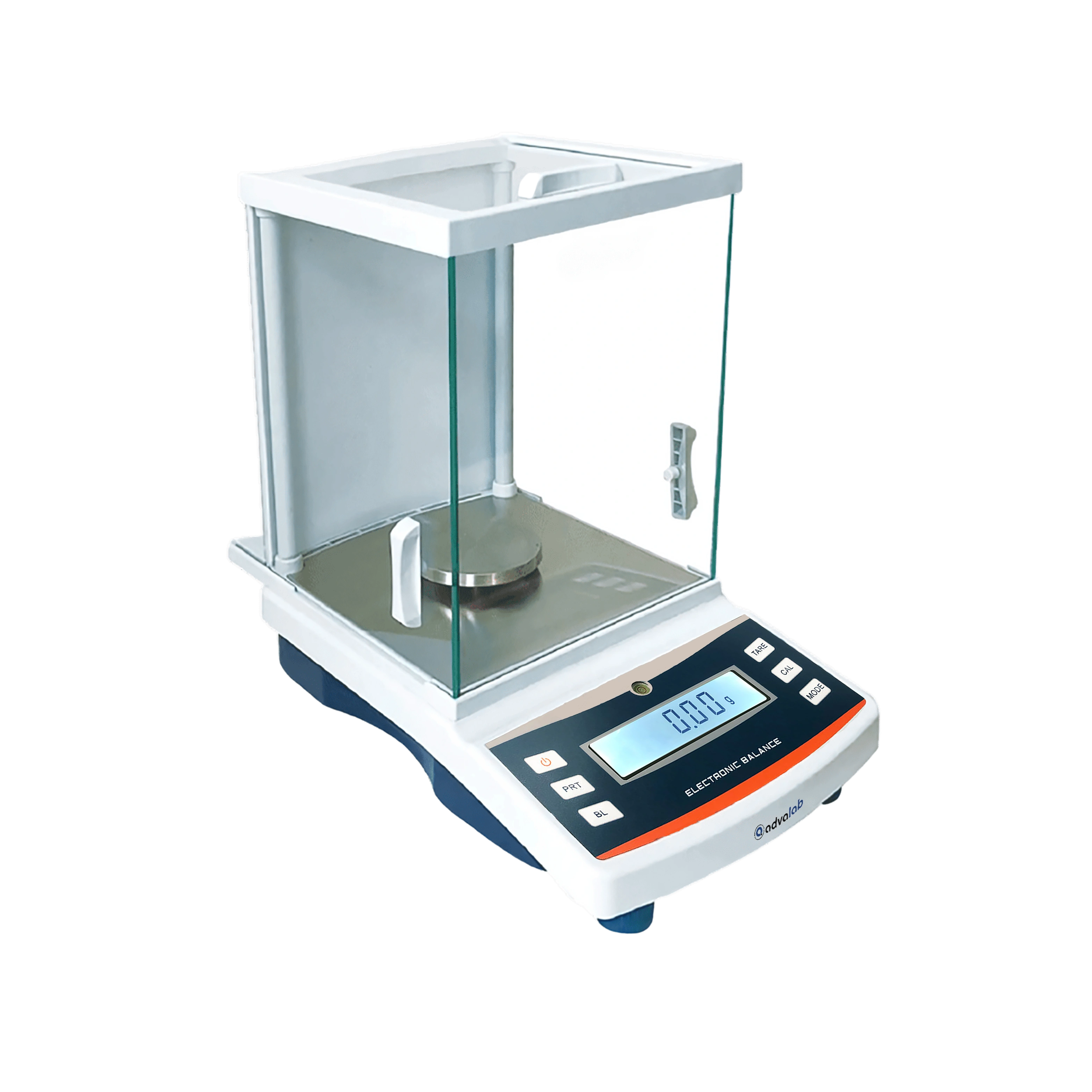
| Capacity: | 100 g |
| Readability : | 1 mg |
| Repeatability: | 1 mg |
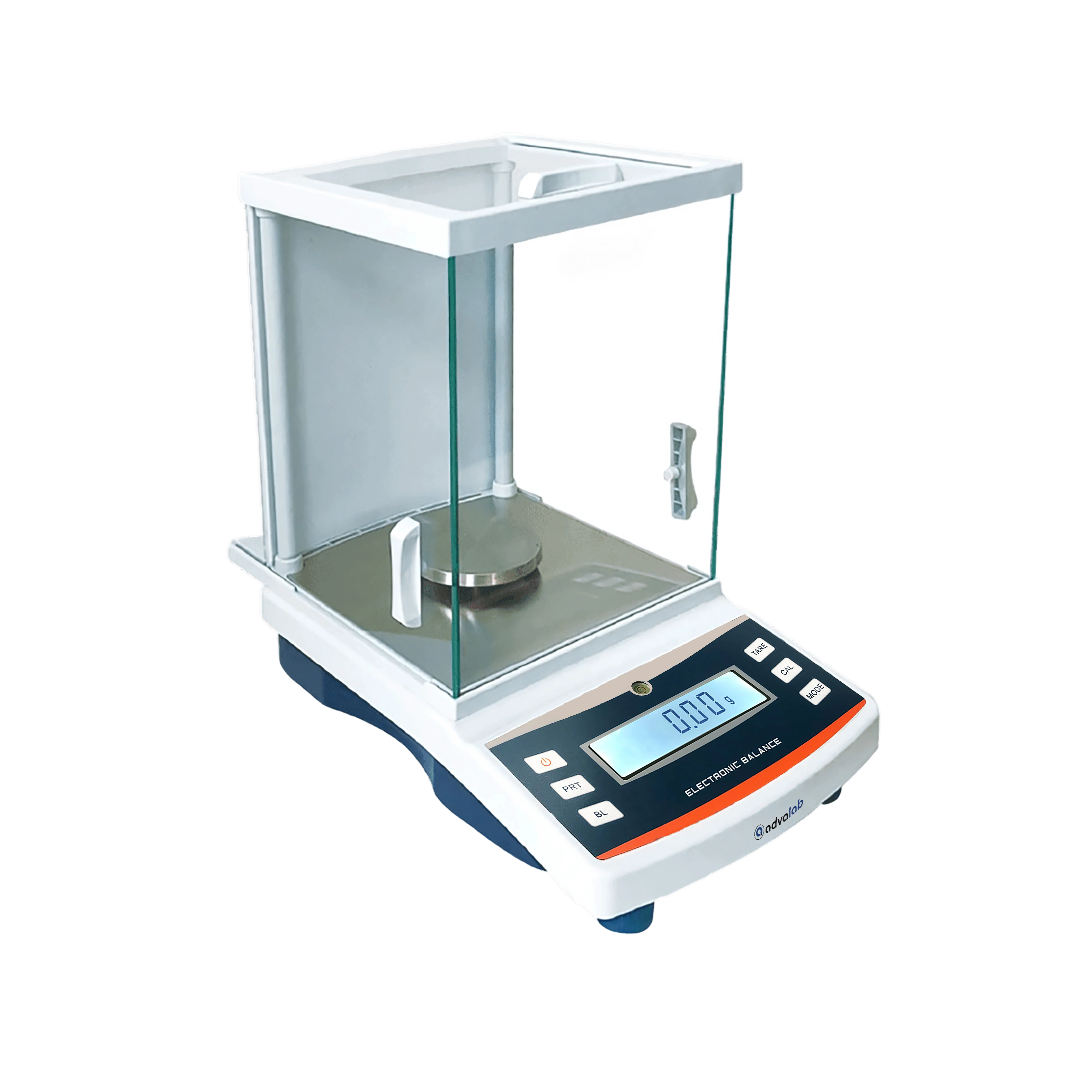
| Capacity: | 300 g |
| Readability : | 1 mg |
| Repeatability: | 1 mg |
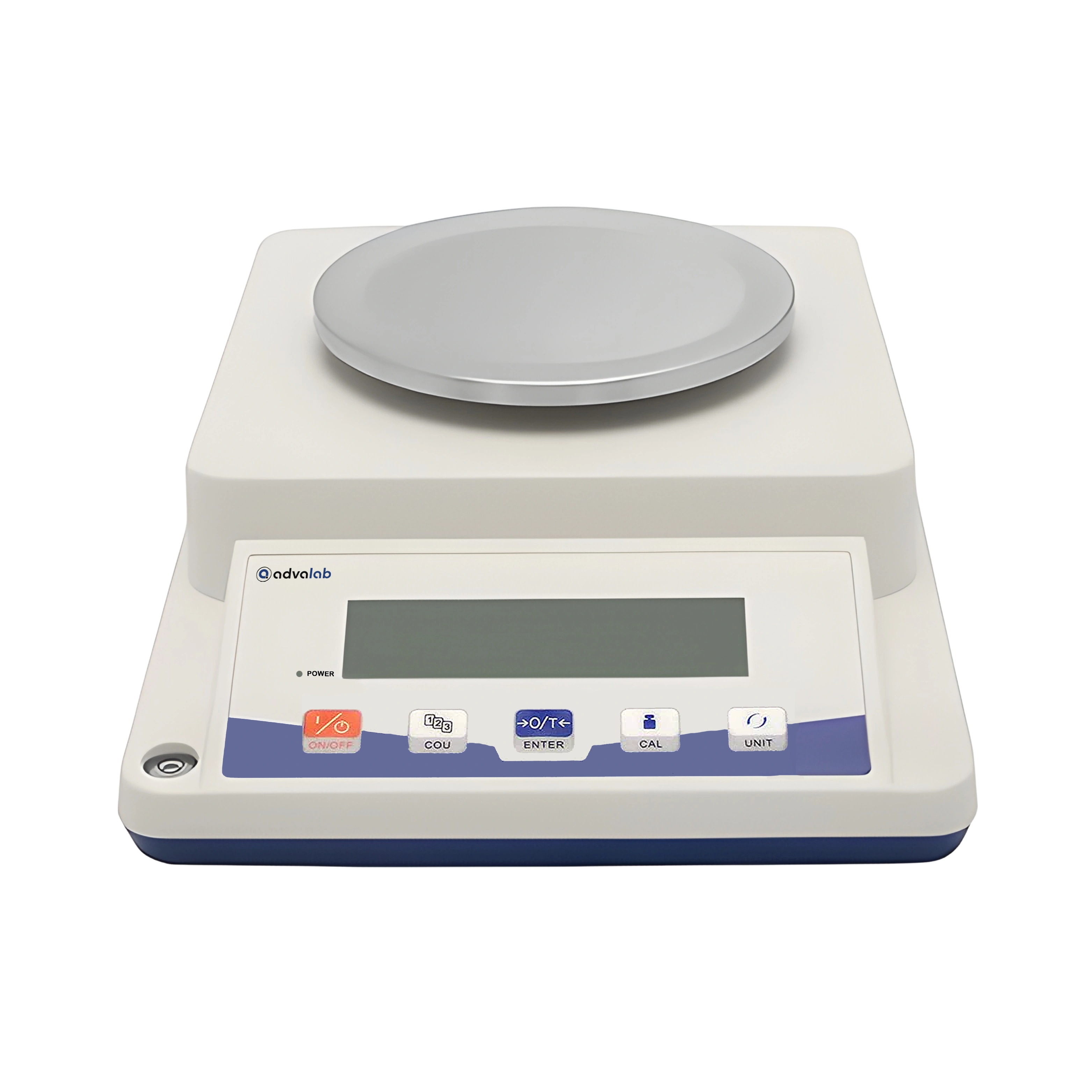
| Capacity: | 3100 g |
| Resolution : | 0.01 g |
| Minimum Weighing : | 0.04 g |
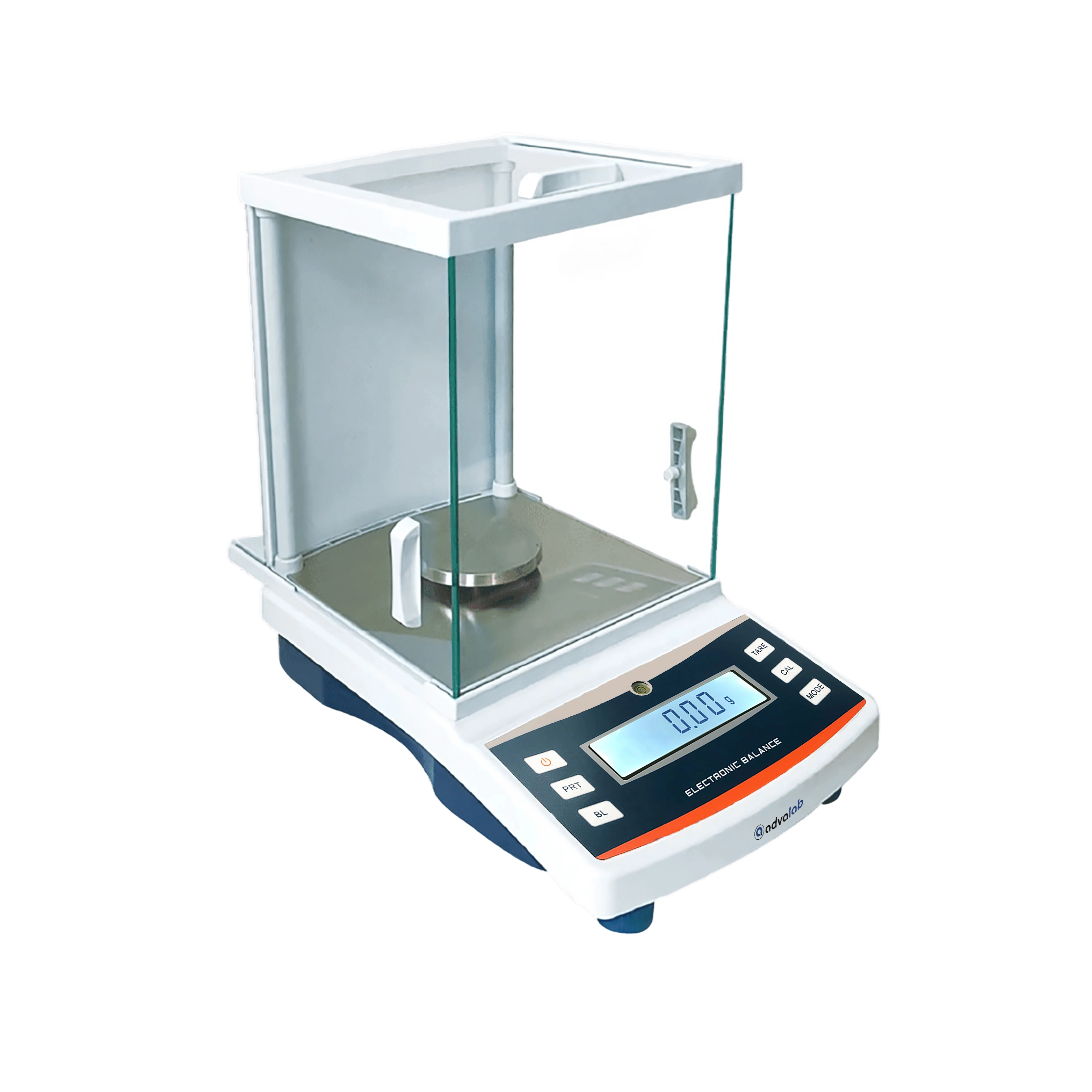
| Capacity: | 200 g |
| Readability : | 1 mg |
| Repeatability: | 1 mg |
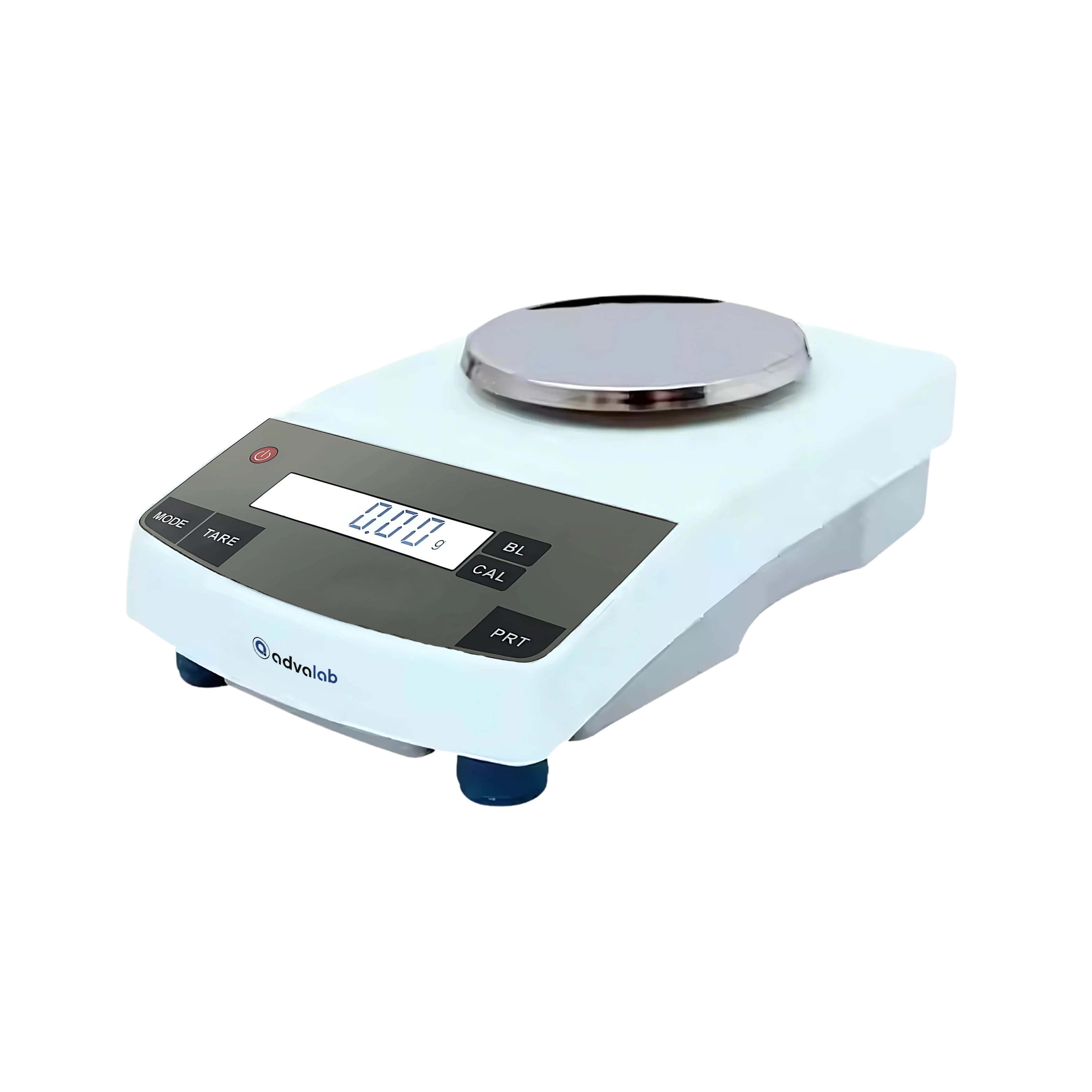
| Capacity: | 600 g |
| Readability : | 0.1 g |
| Repeatability: | ±0.1 g |

| Capacity: | 60 g |
| Readability: | 0.001 g |
| Repeatability: | ±0.002 g |

| Capacity: | 15000 g |
| Readability: | 0.1 g |
| Repeatability: | ±0.1 g |

| Capacity: | 15000 g |
| Readability: | 1 g |
| Repeatability : | ±1 g |

| Capacity: | 300 g |
| Readability : | 0.1 g |
| Repeatability : | ±0.1 g |

| Capacity: | 1000 g |
| Readability : | 0.01 g |
| Repeatability : | ±0.01 g |
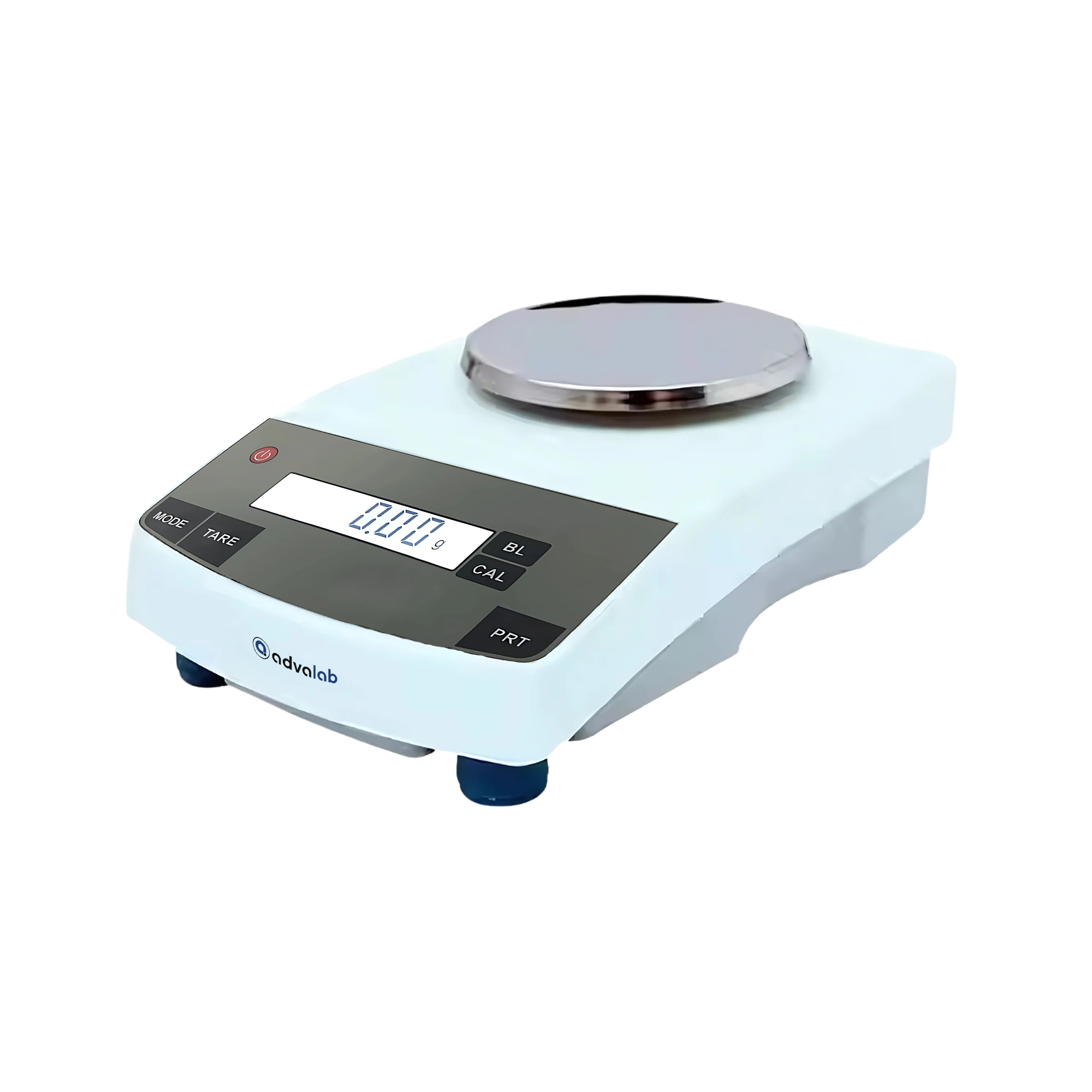
| Capacity: | 500 g |
| Readability : | 0.01 g |
| Repeatability: | ±0.01 g |
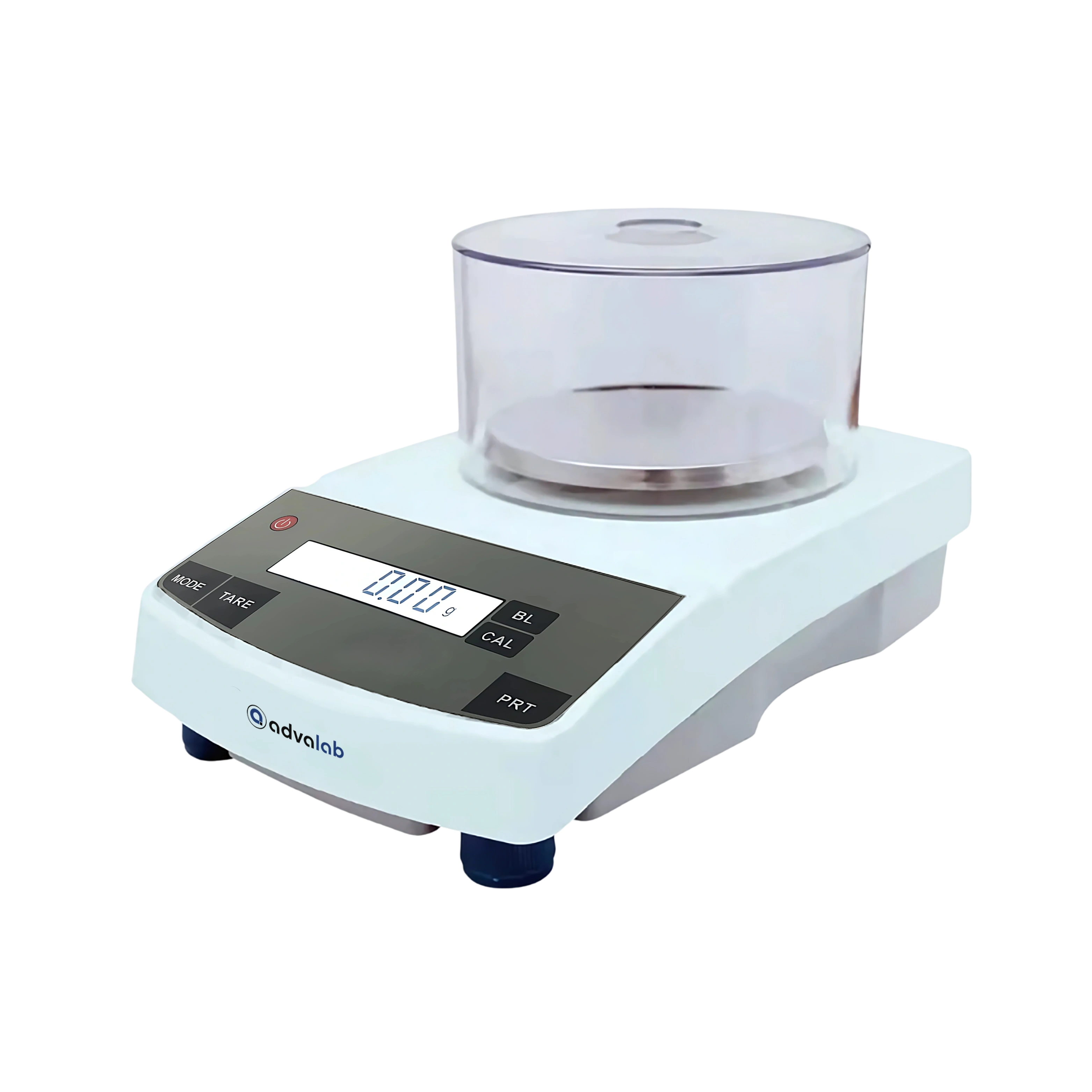
| Capacity: | 300 g |
| Readability : | 0.001 g |
| Repeatability : | ±0.002 g |

| Capacity: | 200 g |
| Readability : | 0.01 g |
| Repeatability : | ±0.01 g |
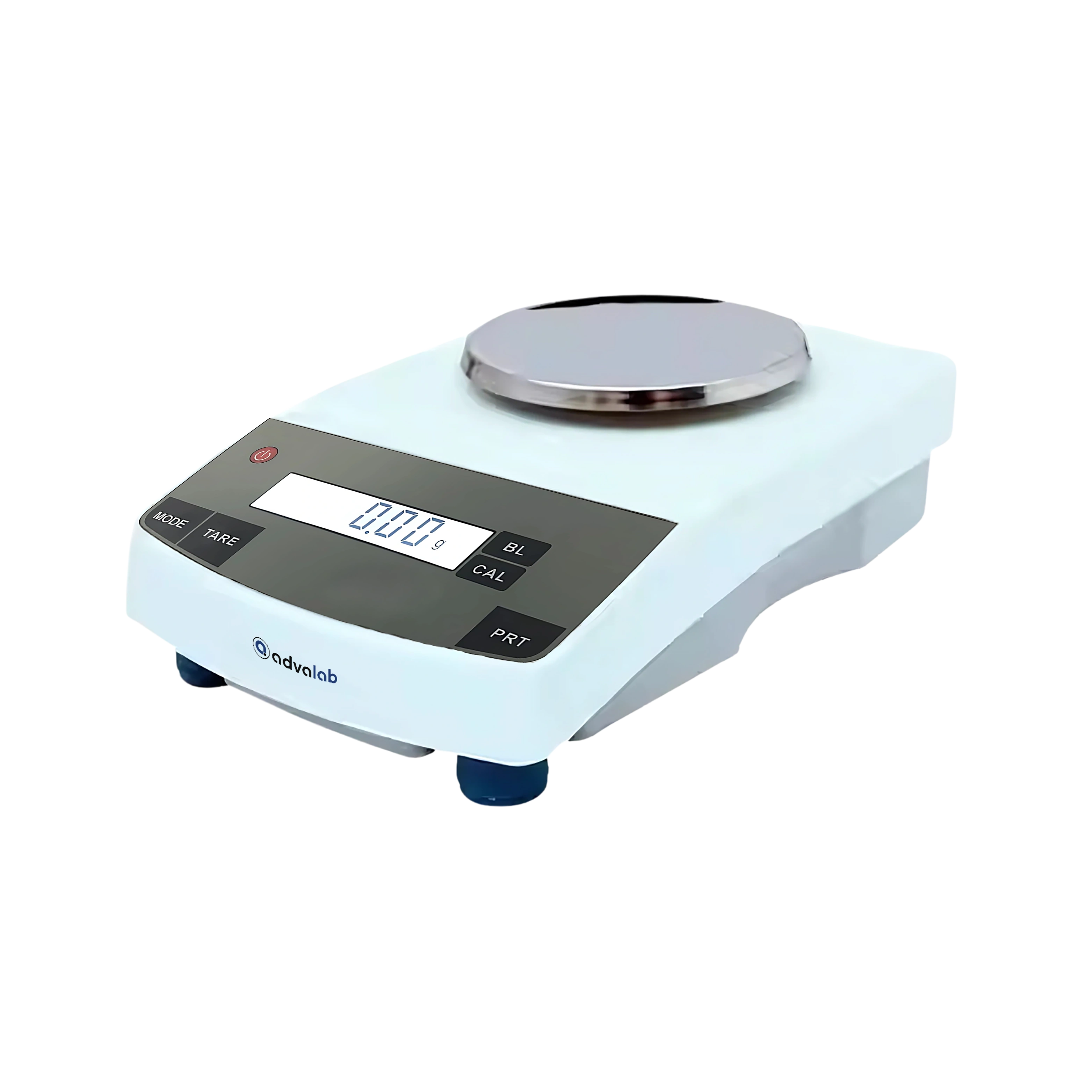
| Capacity: | 300 g |
| Readability : | 0.01 g |
| Repeatability : | ±0.01 g |

| Capacity: | 1000 g |
| Readability: | 1 g |
| Repeatability: | ±1 g |

| Capacity: | 600 g |
| Readability : | 0.01 g |
| Repeatability : | ±0.01 g |

| Capacity: | 100 g |
| Readability: | 0.001 g |
| Repeatability: | ±0.002 g |
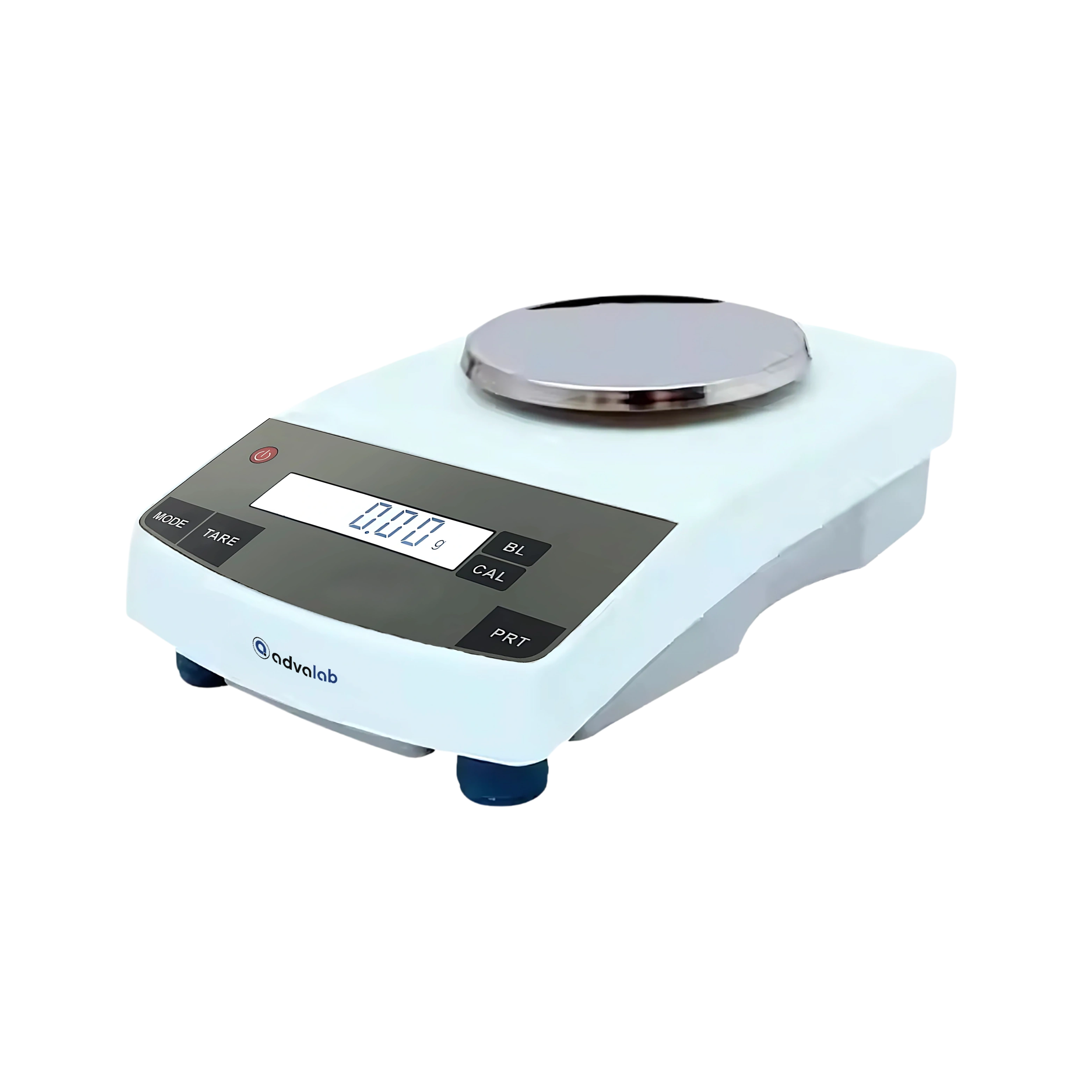
| Capacity: | 1000 g |
| Readability : | 0.1 g |
| Repeatability : | ±0.1 g |
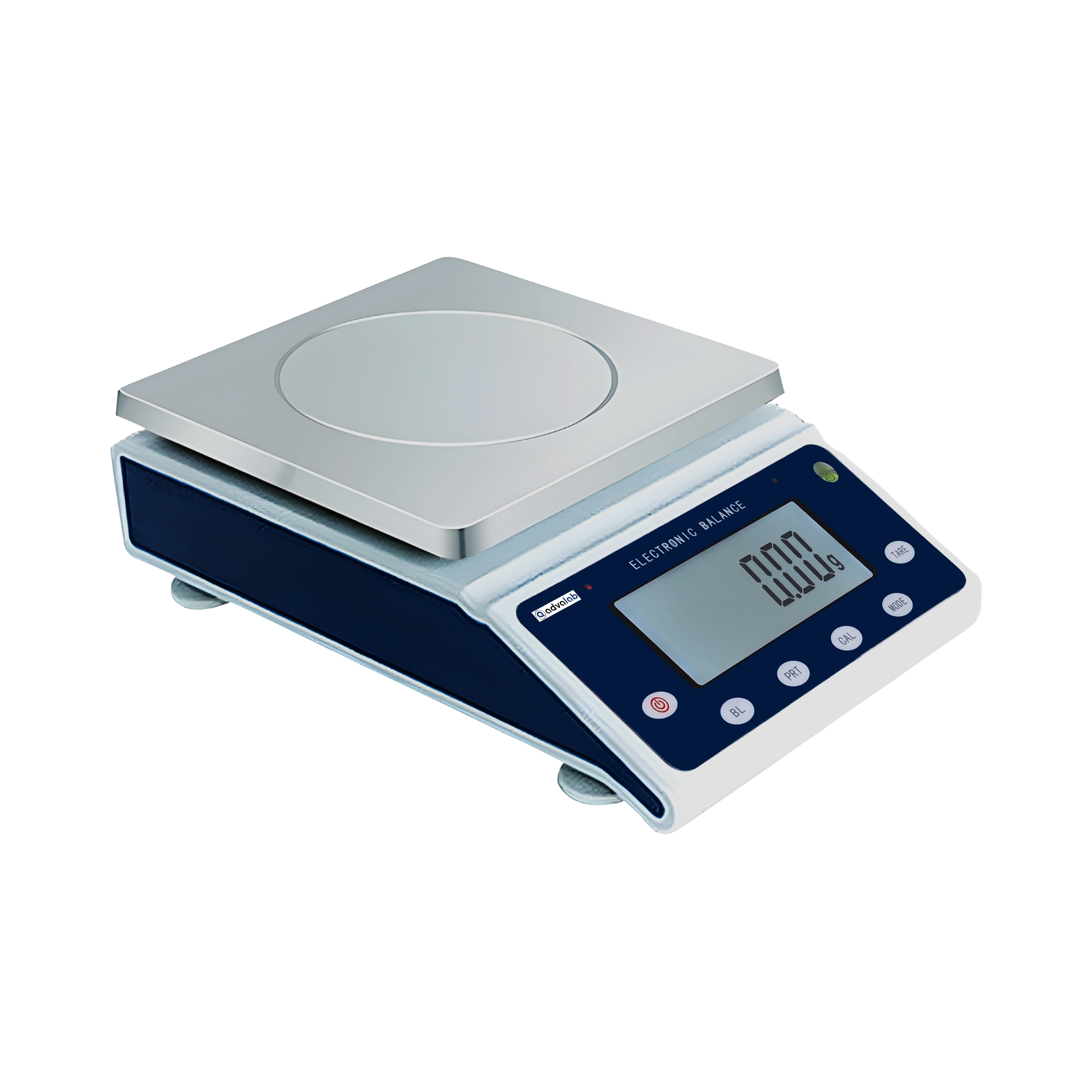
| Capacity: | 6000 g |
| Readability: | 0.1 g |
| Repeatability: | ±0.1 g |
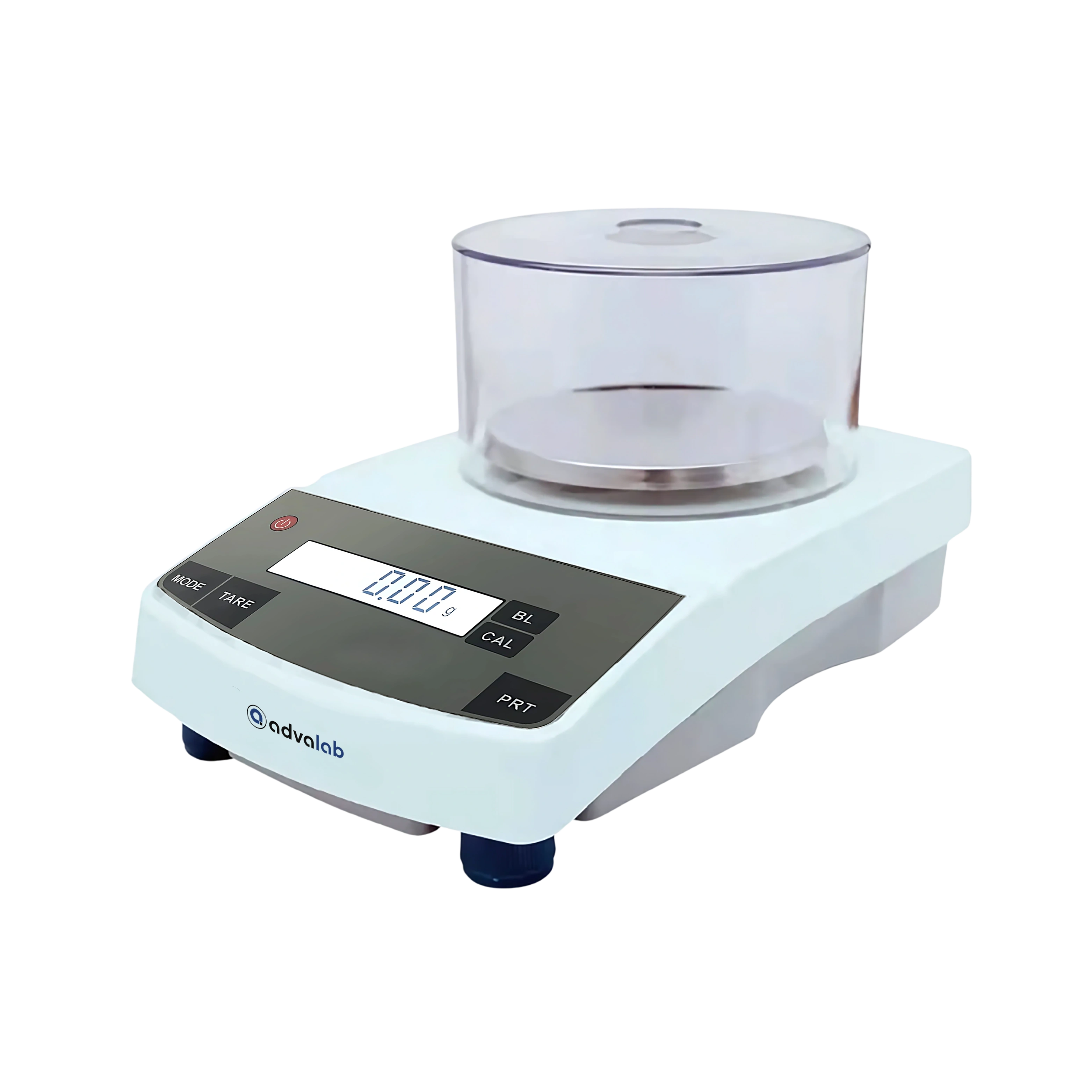
| Capacity: | 200 g |
| Readability : | 0.001 g |
| Repeatability : | ±0.002 g |
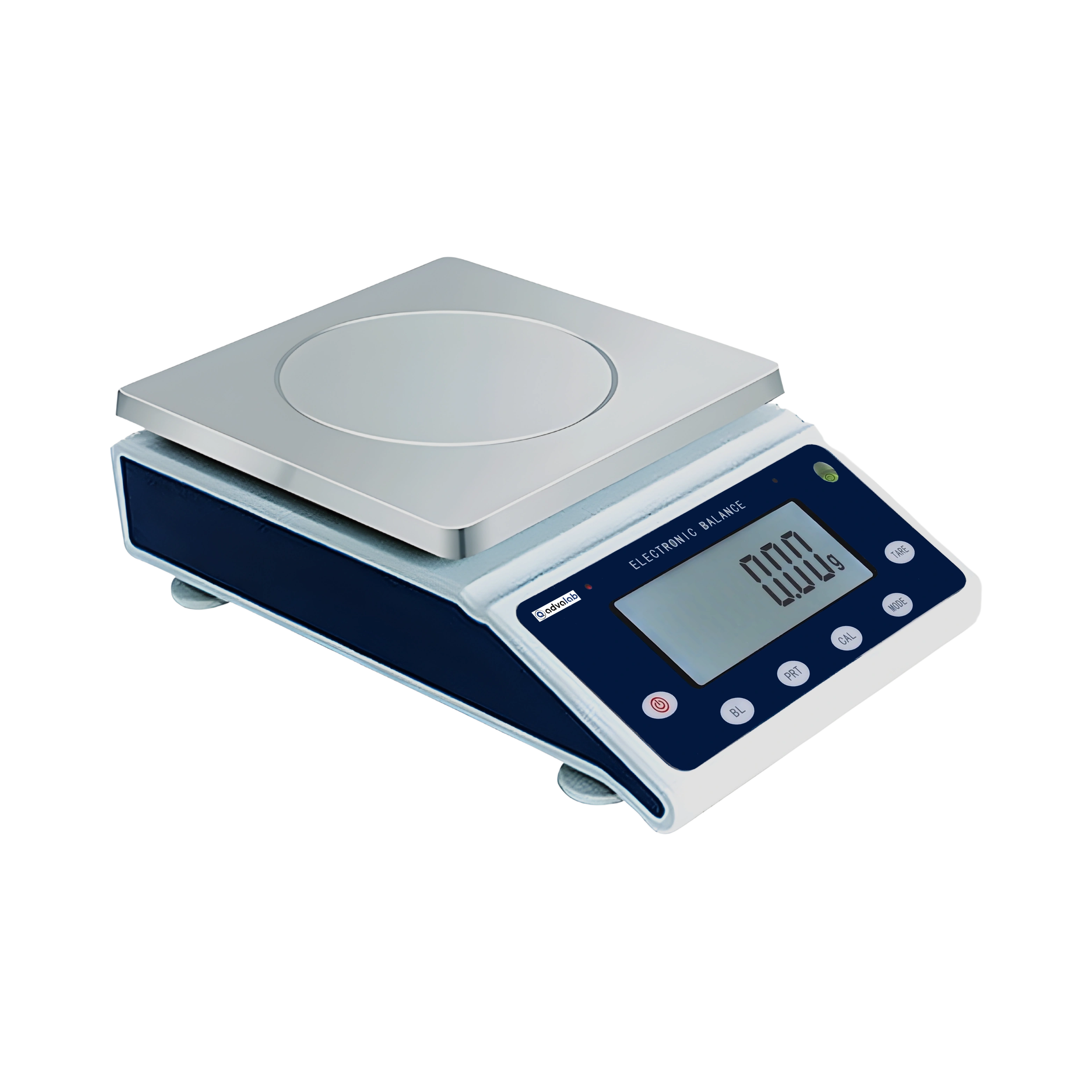
| Capacity: | 10000 g |
| Readability: | 0.1 g |
| Repeatability: | ±0.1 g |
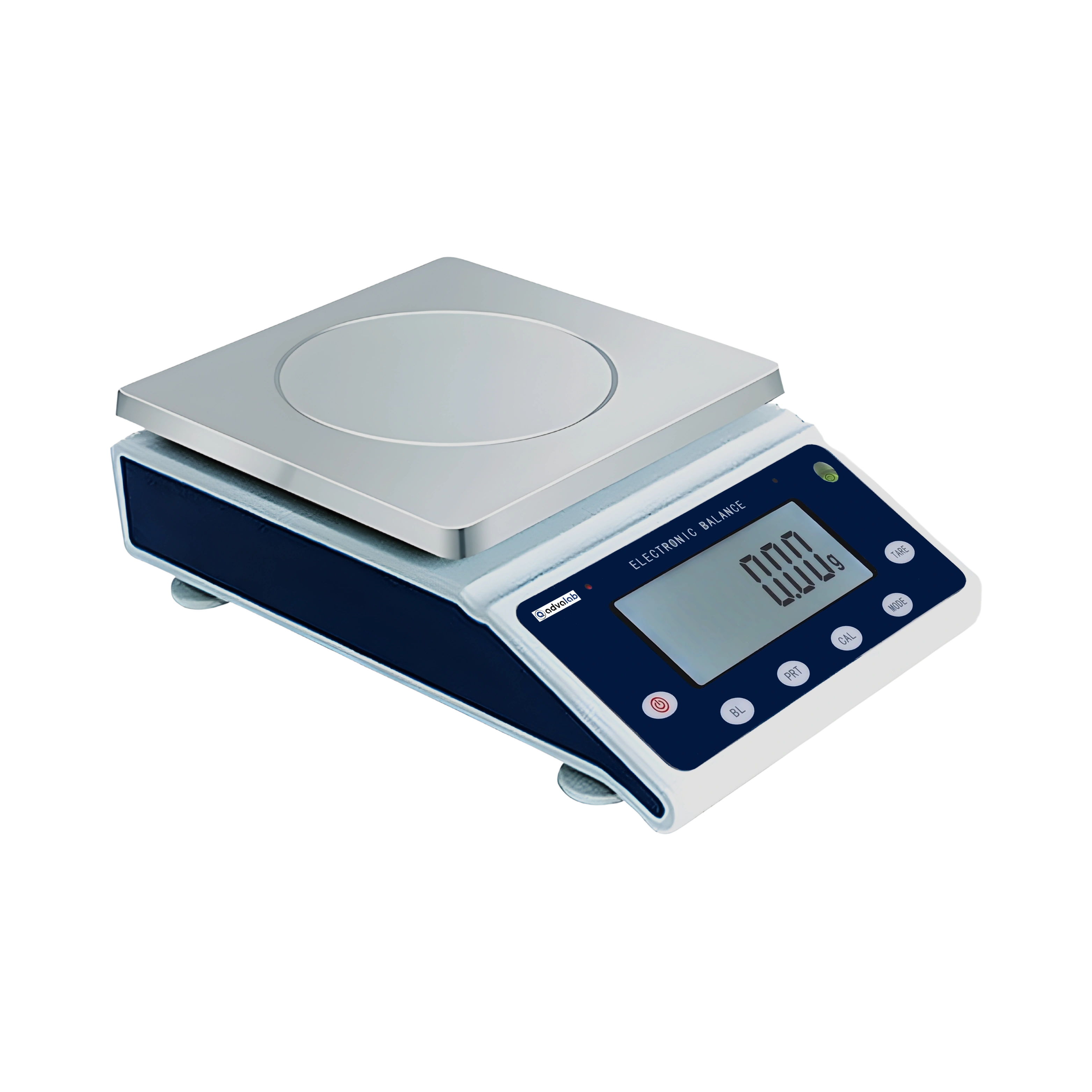
| Capacity: | 6000 g |
| Readability: | 1 g |
| Repeatability: | ±1 g |