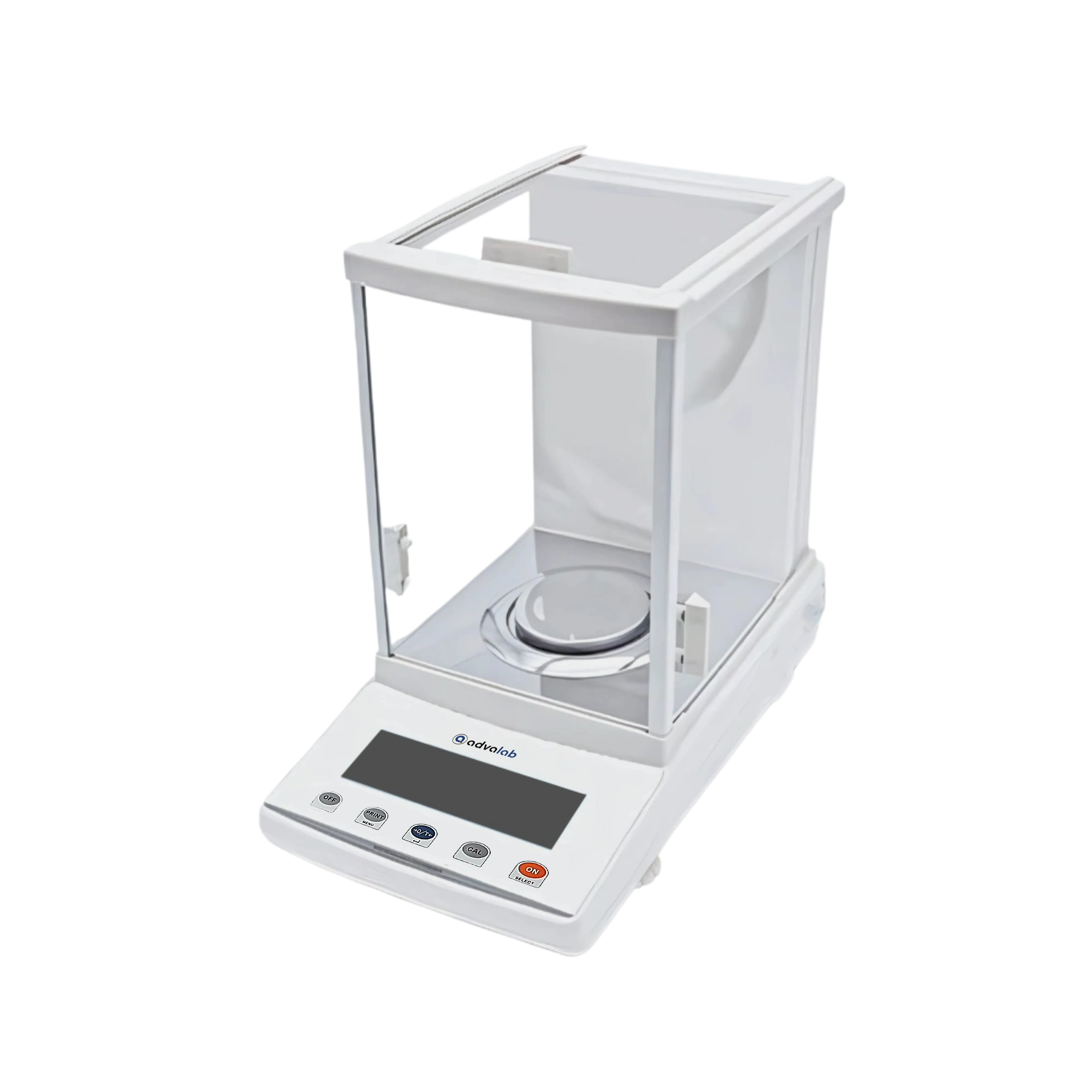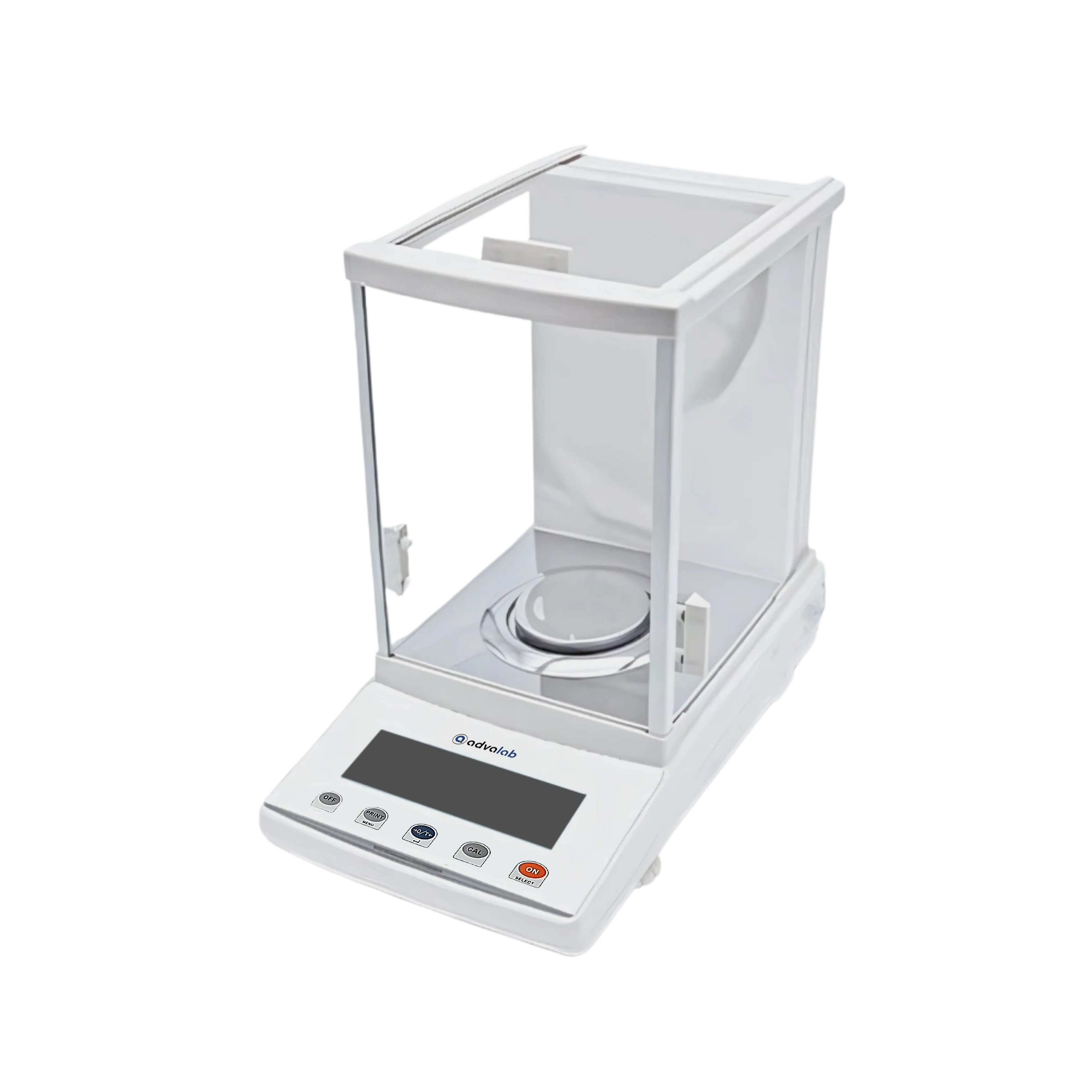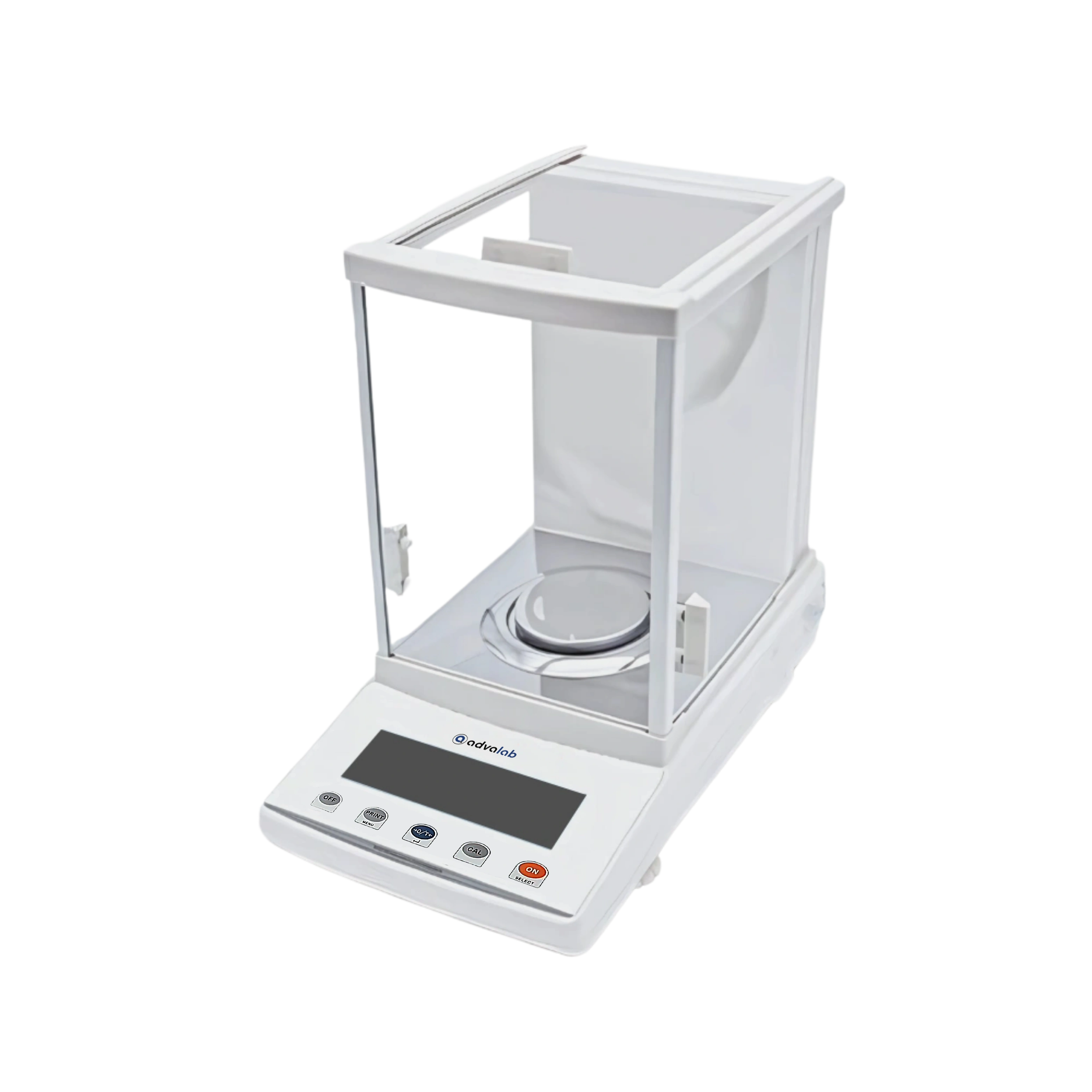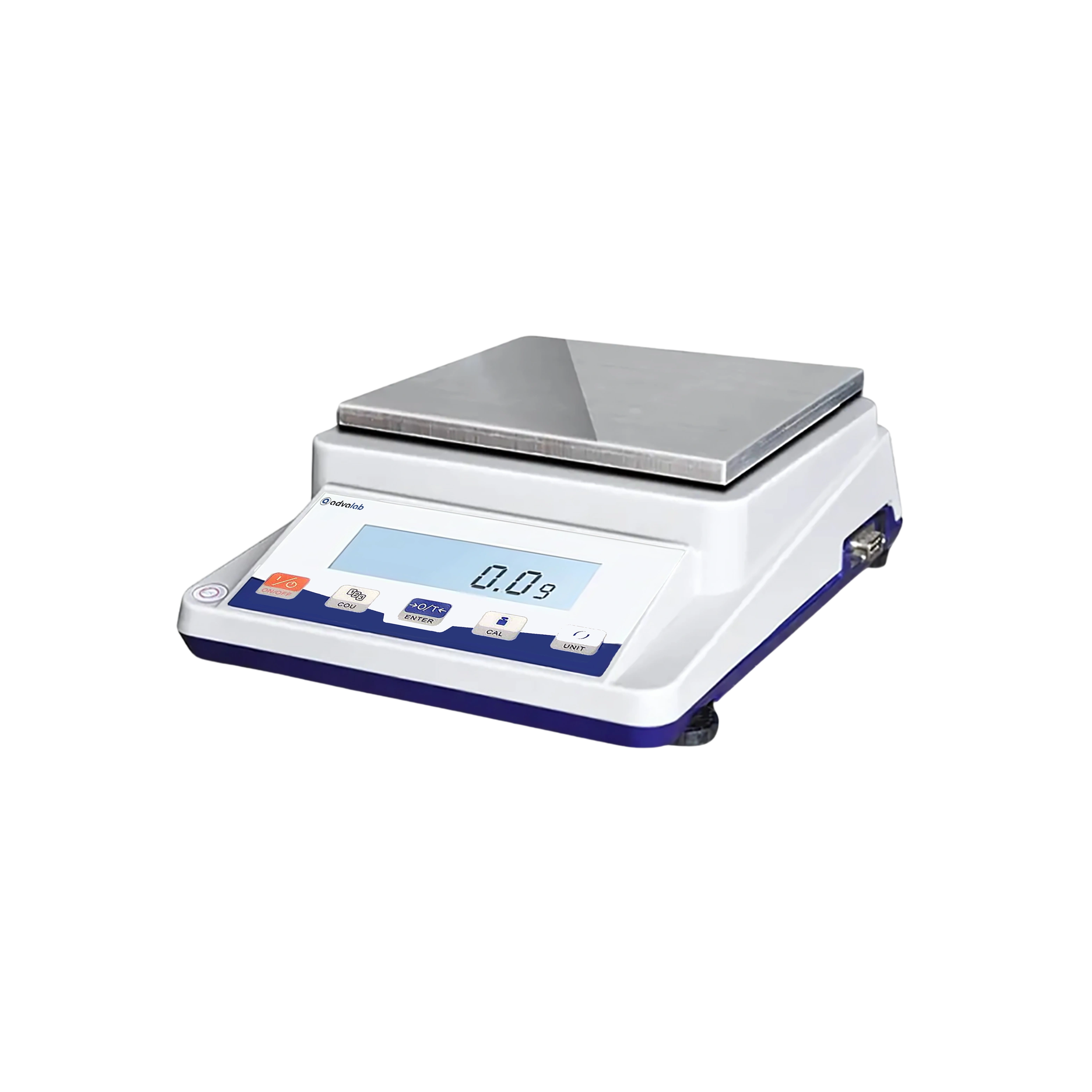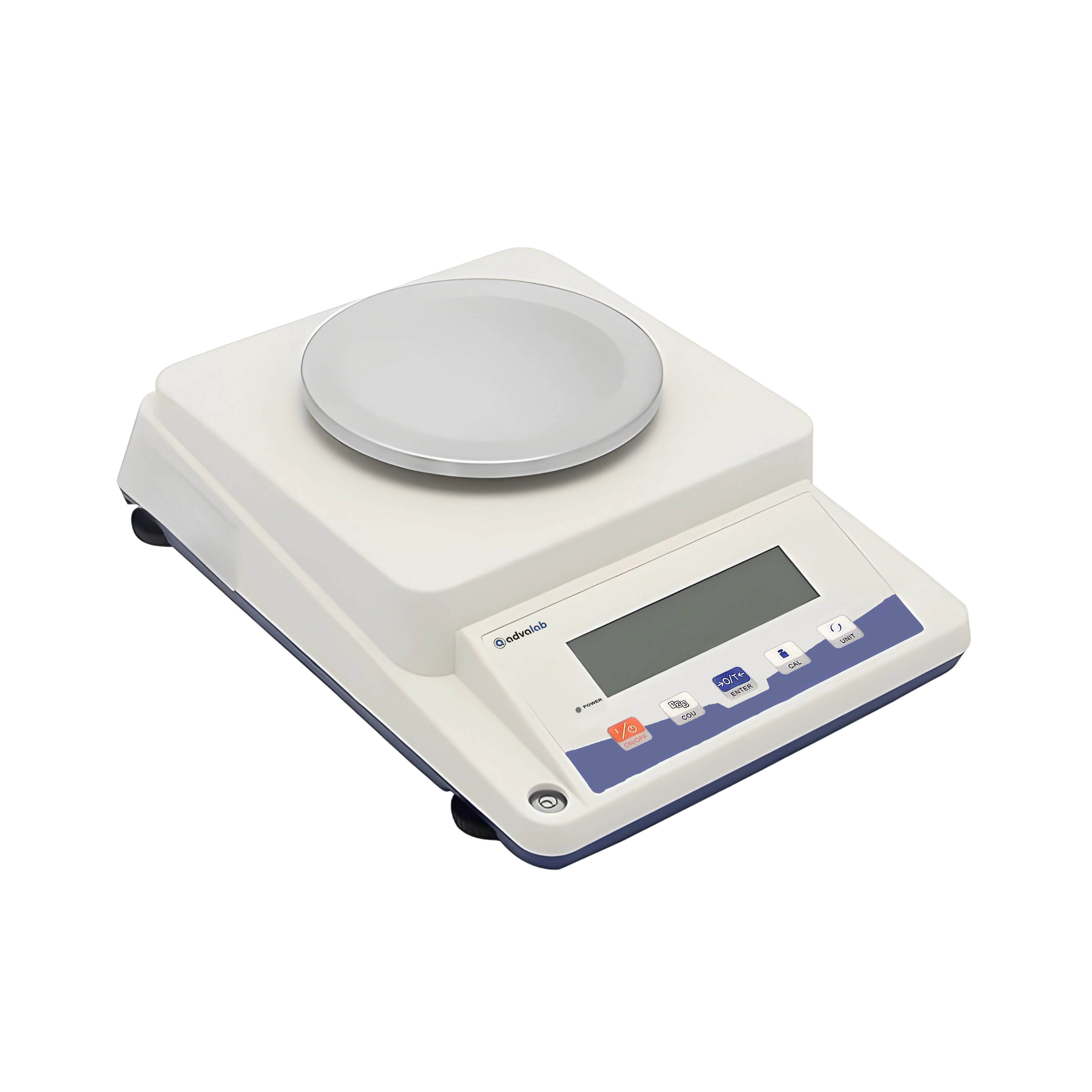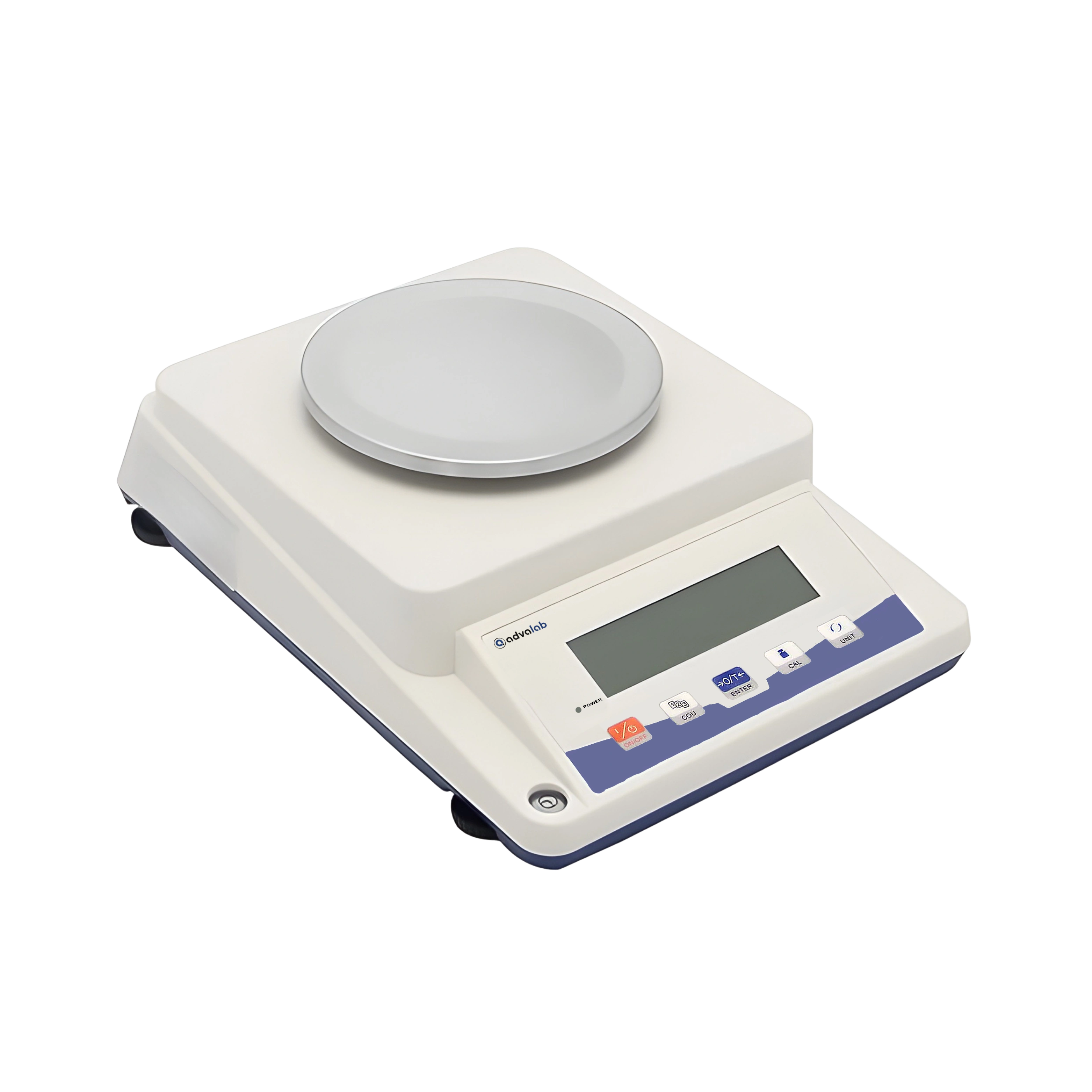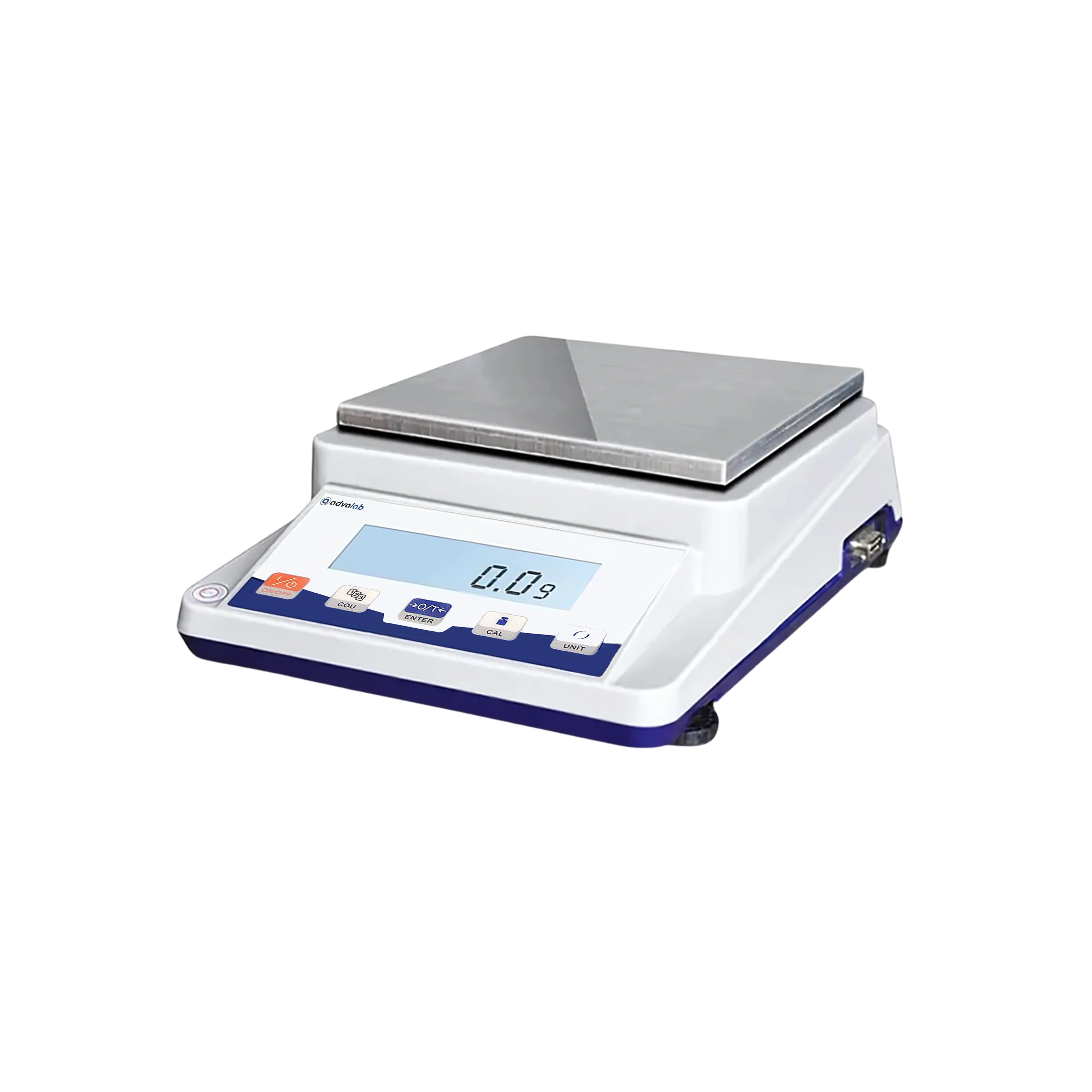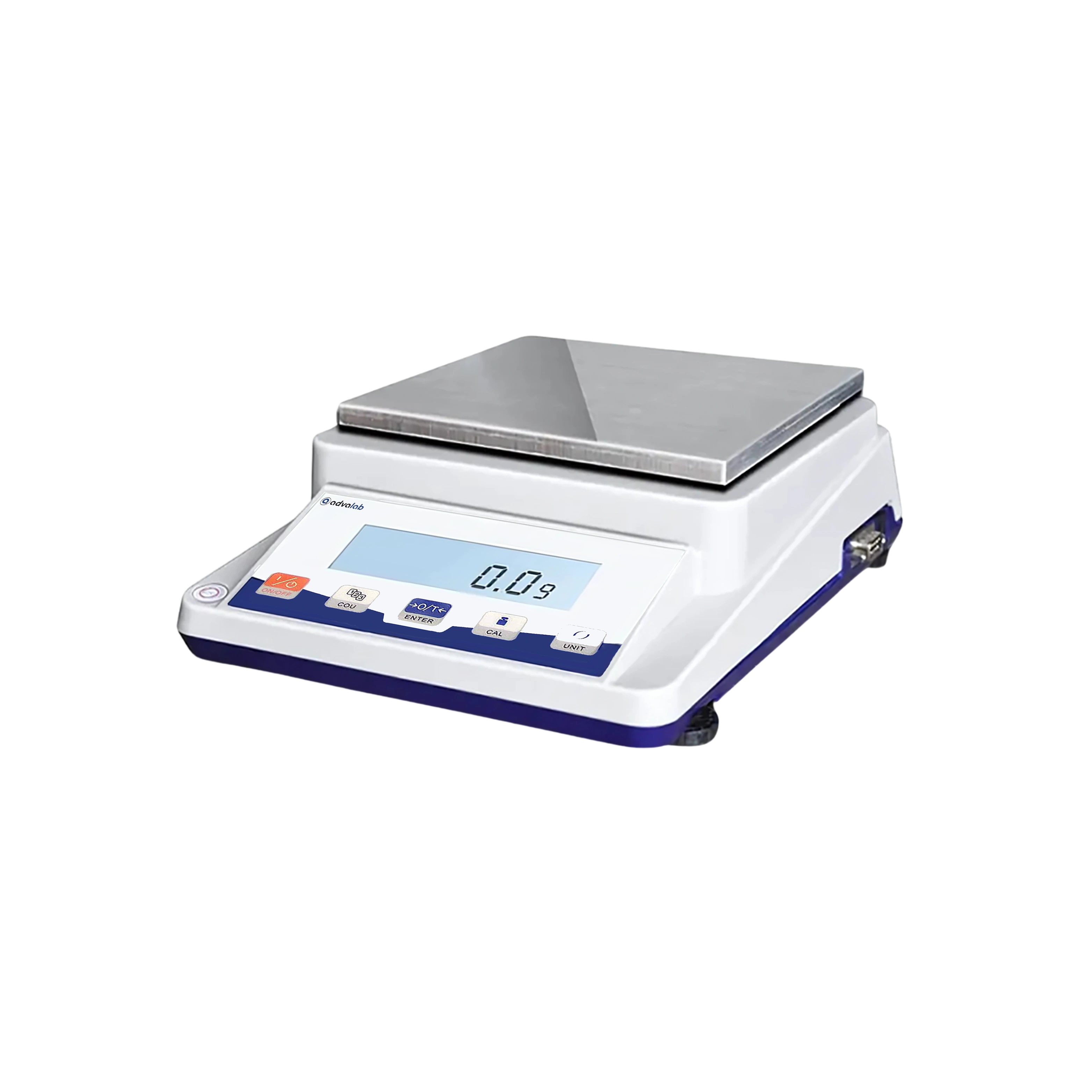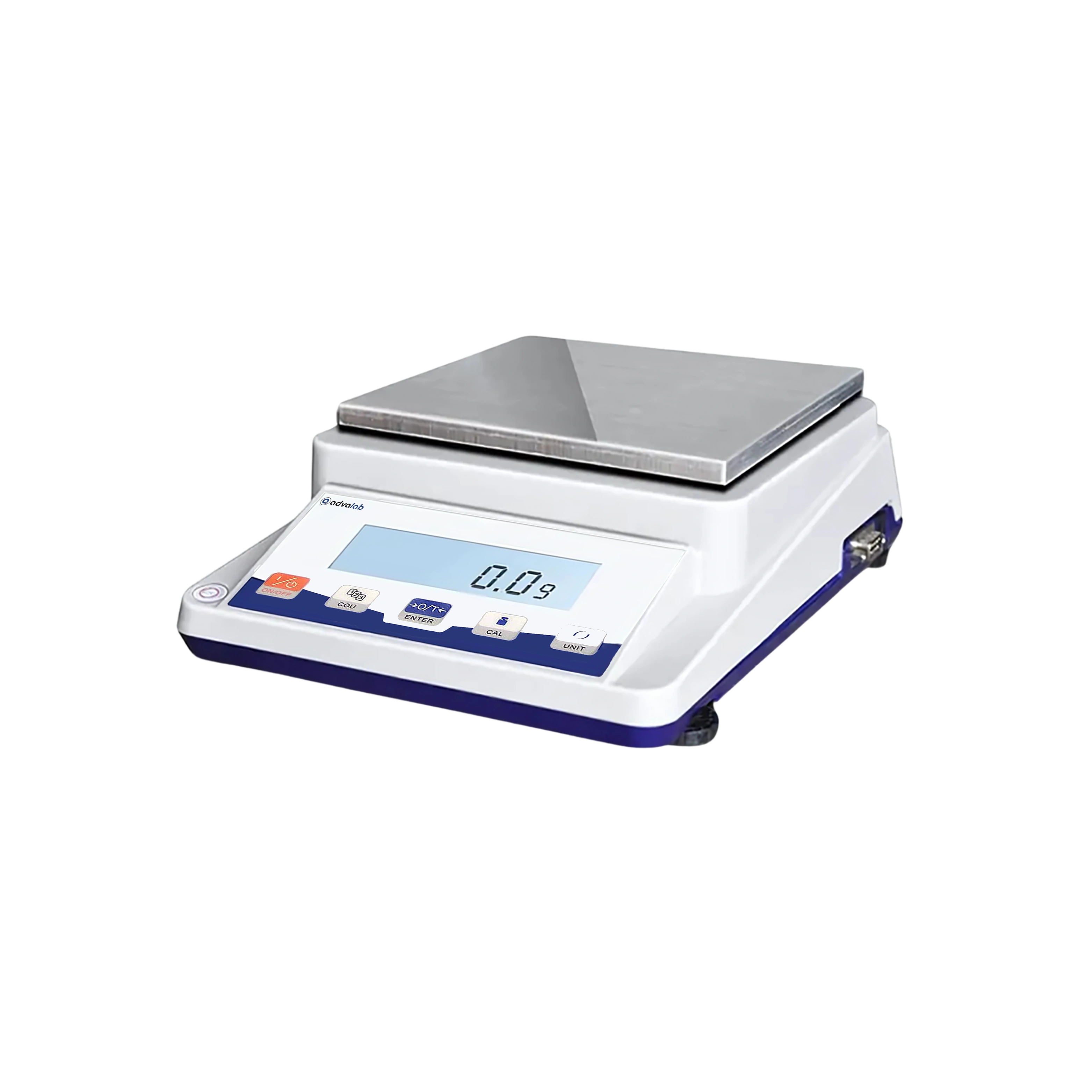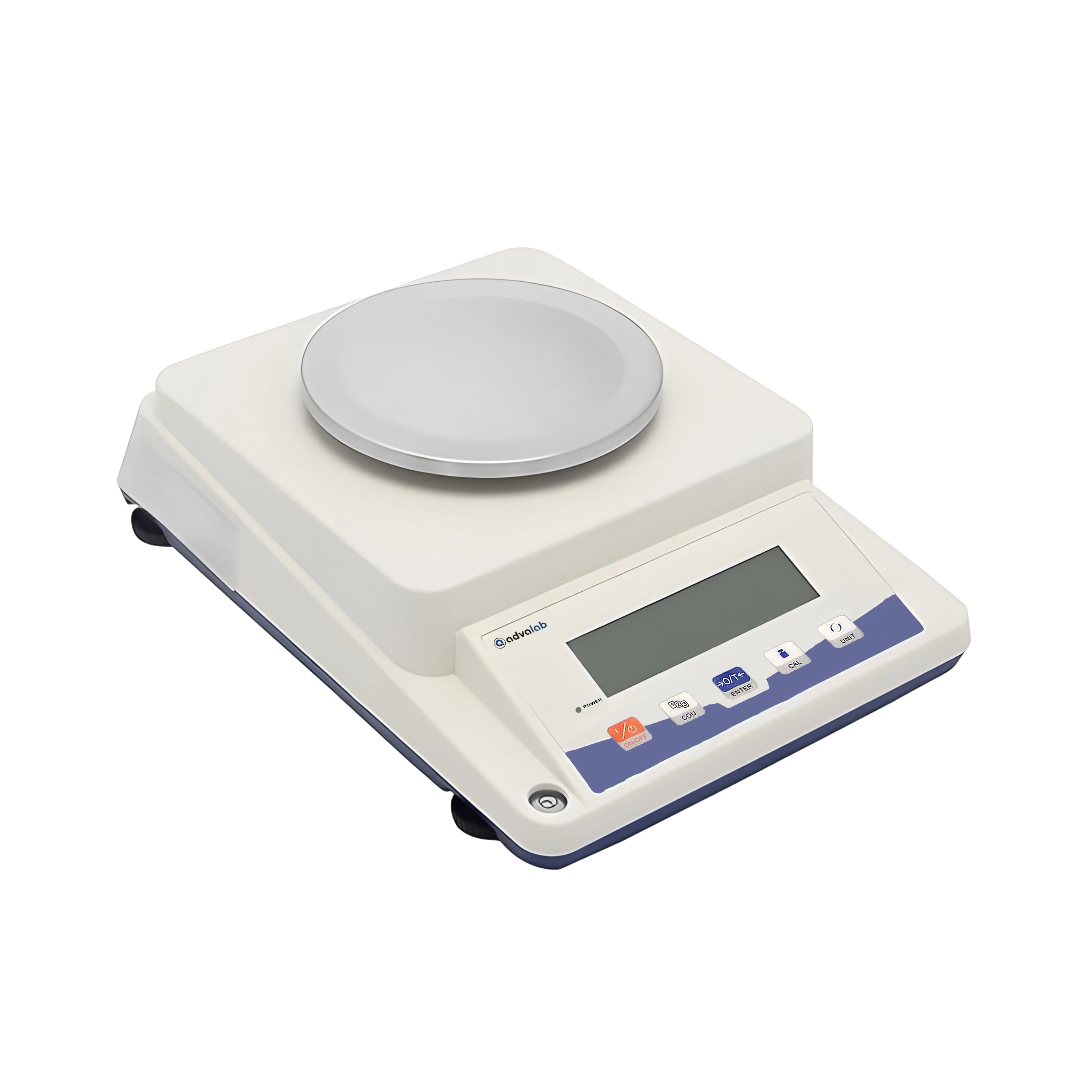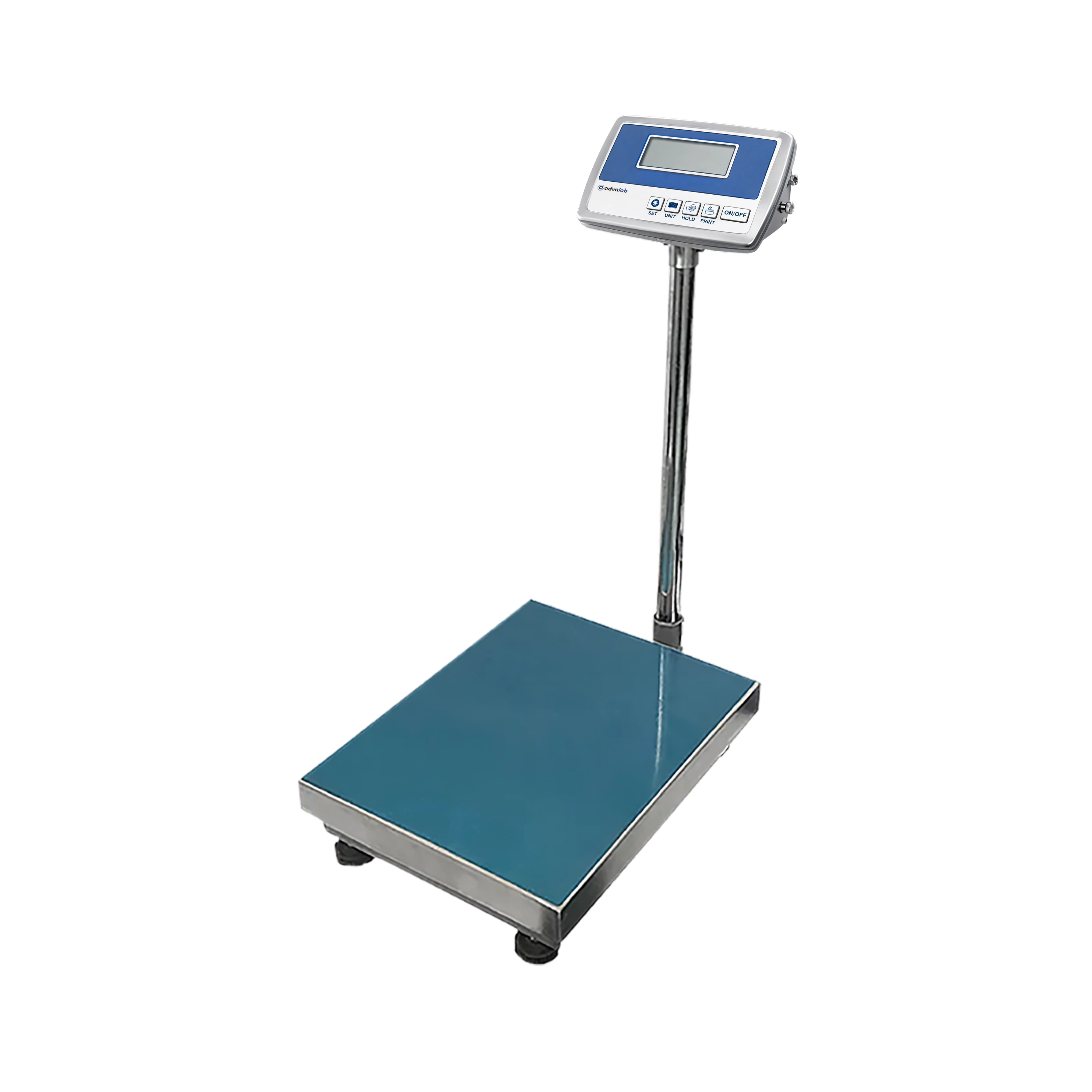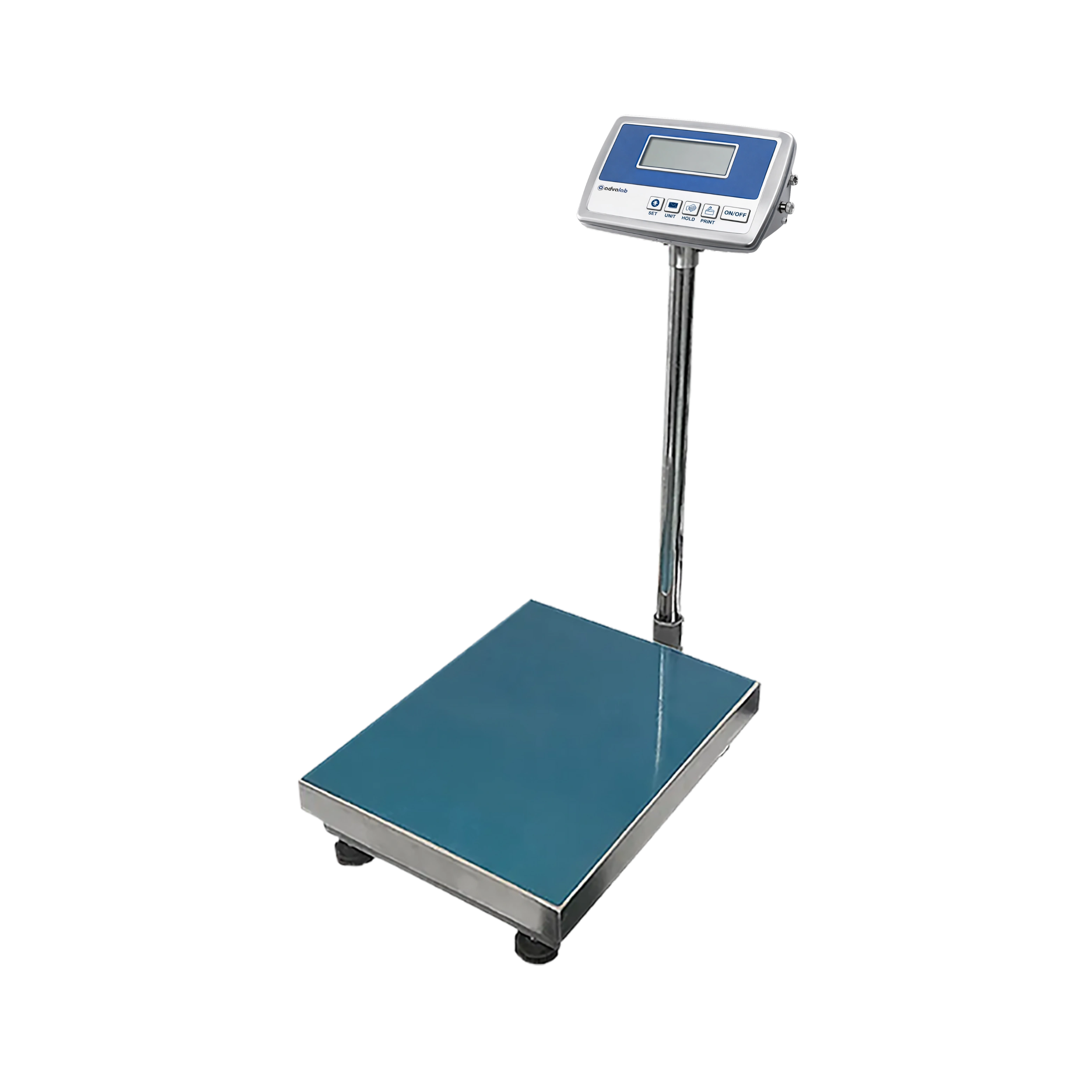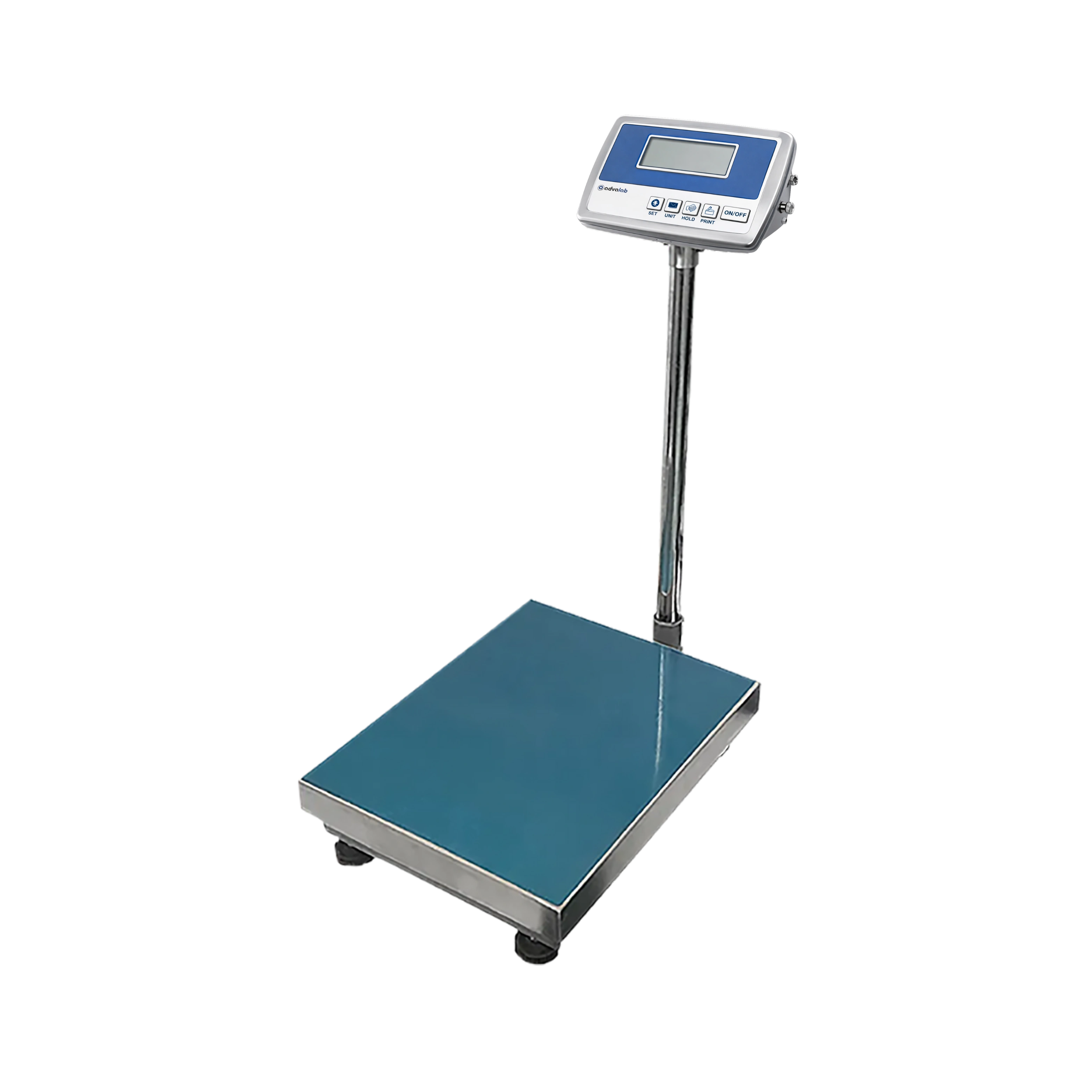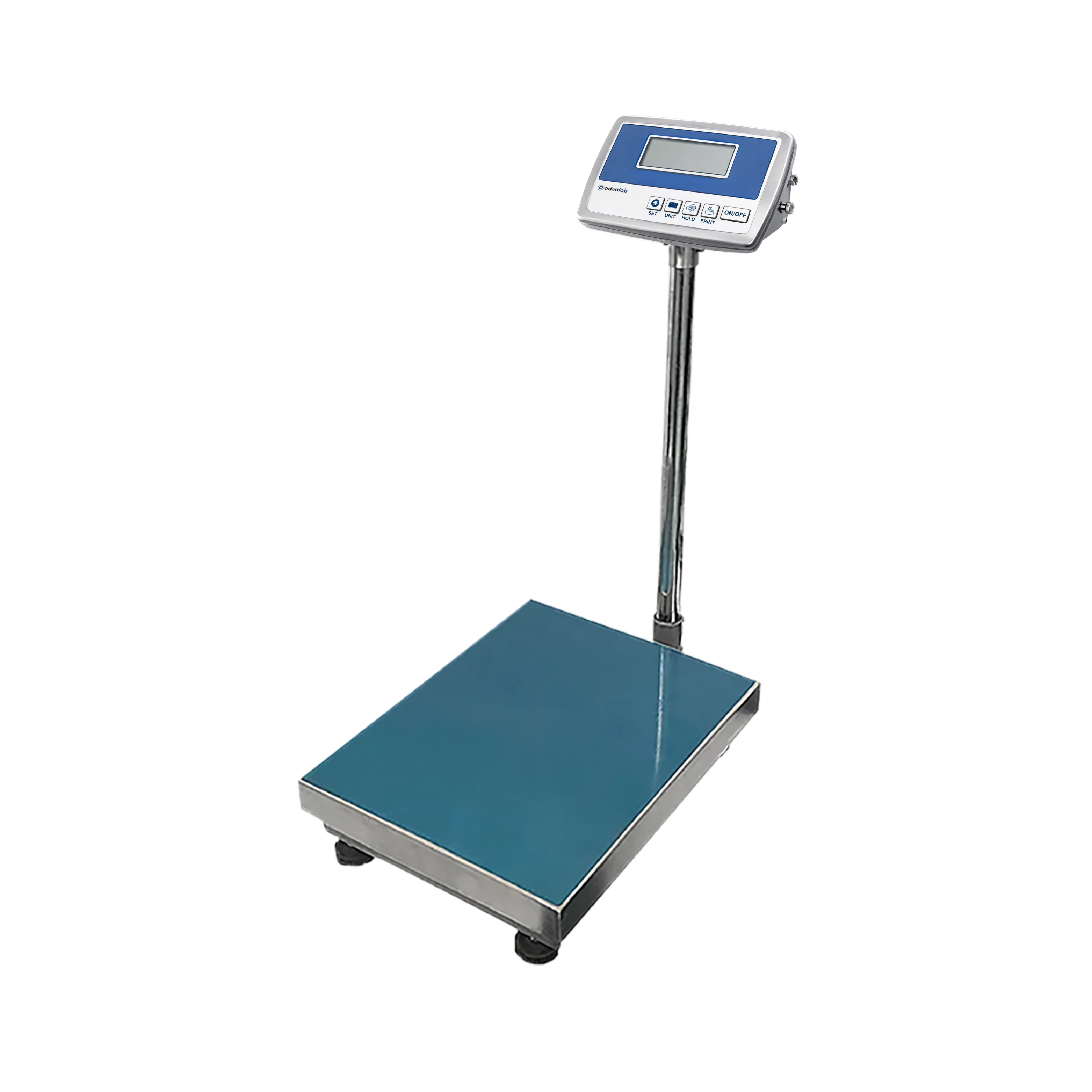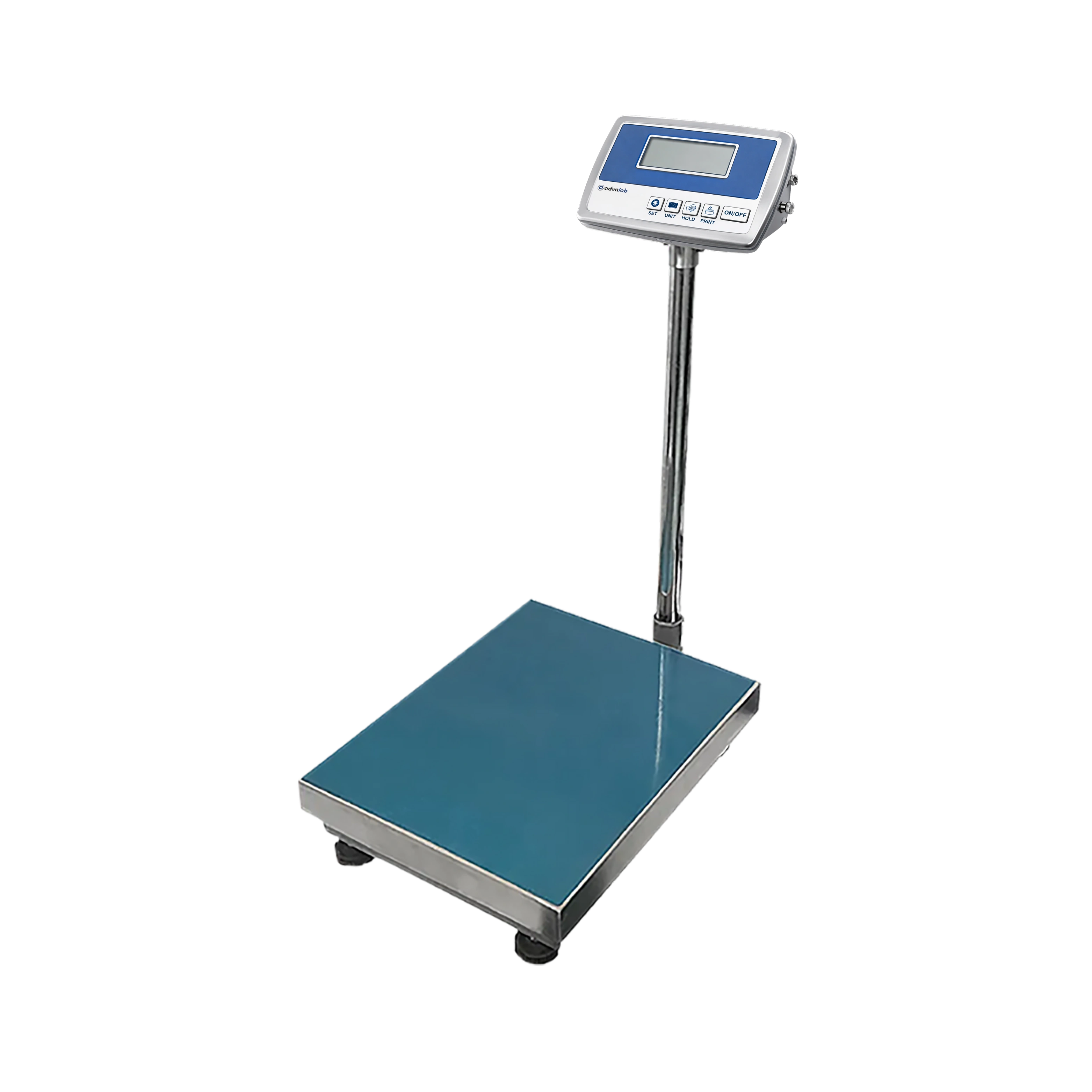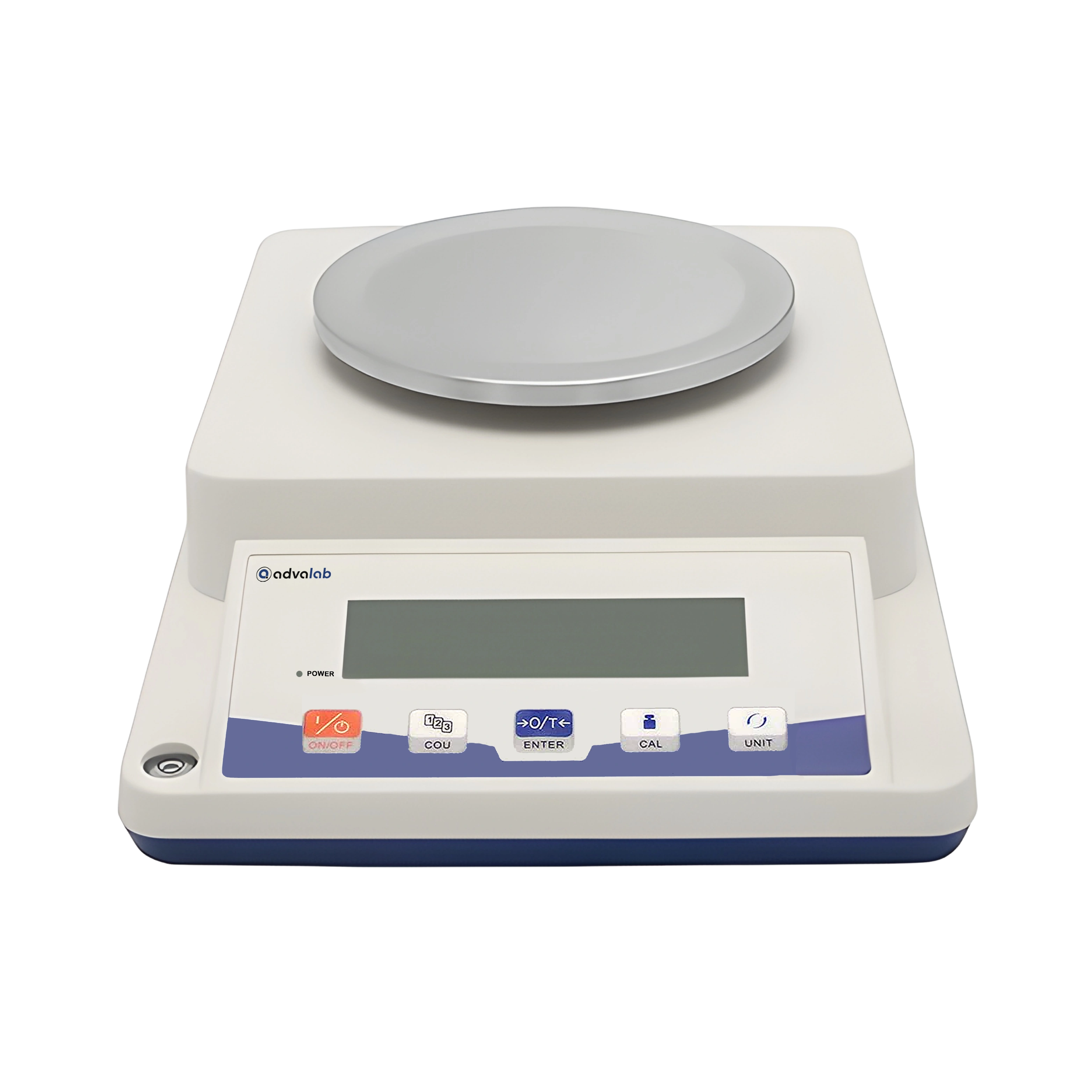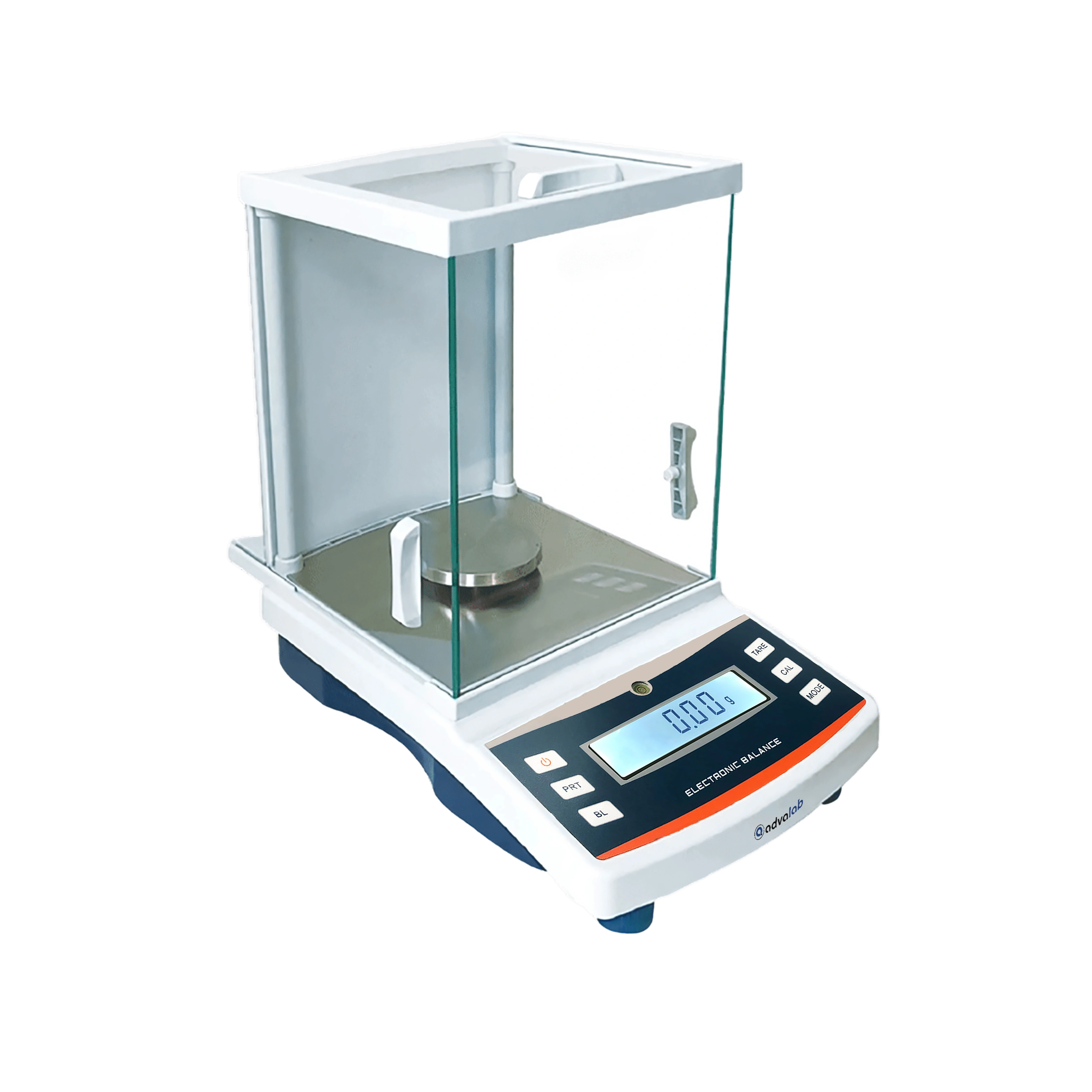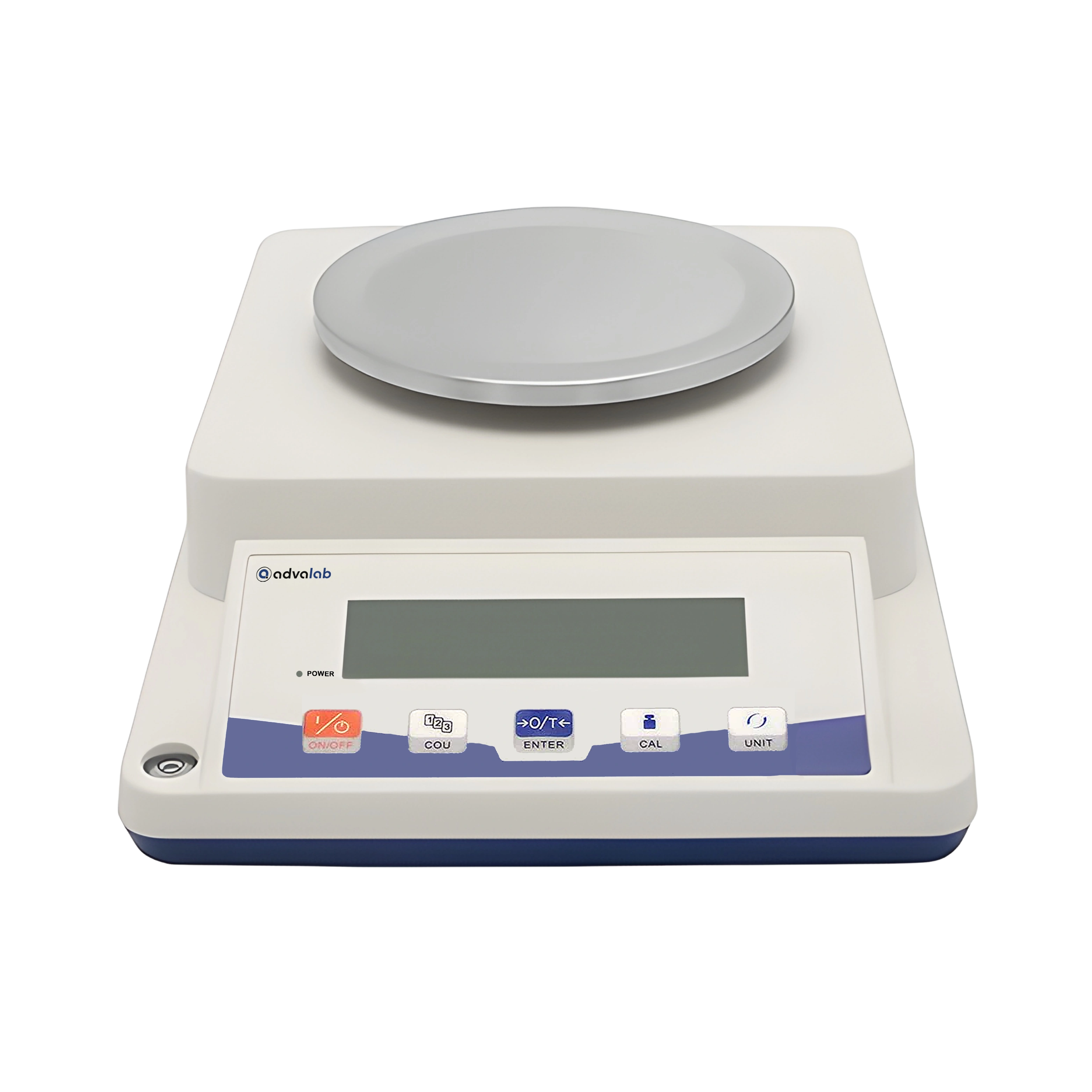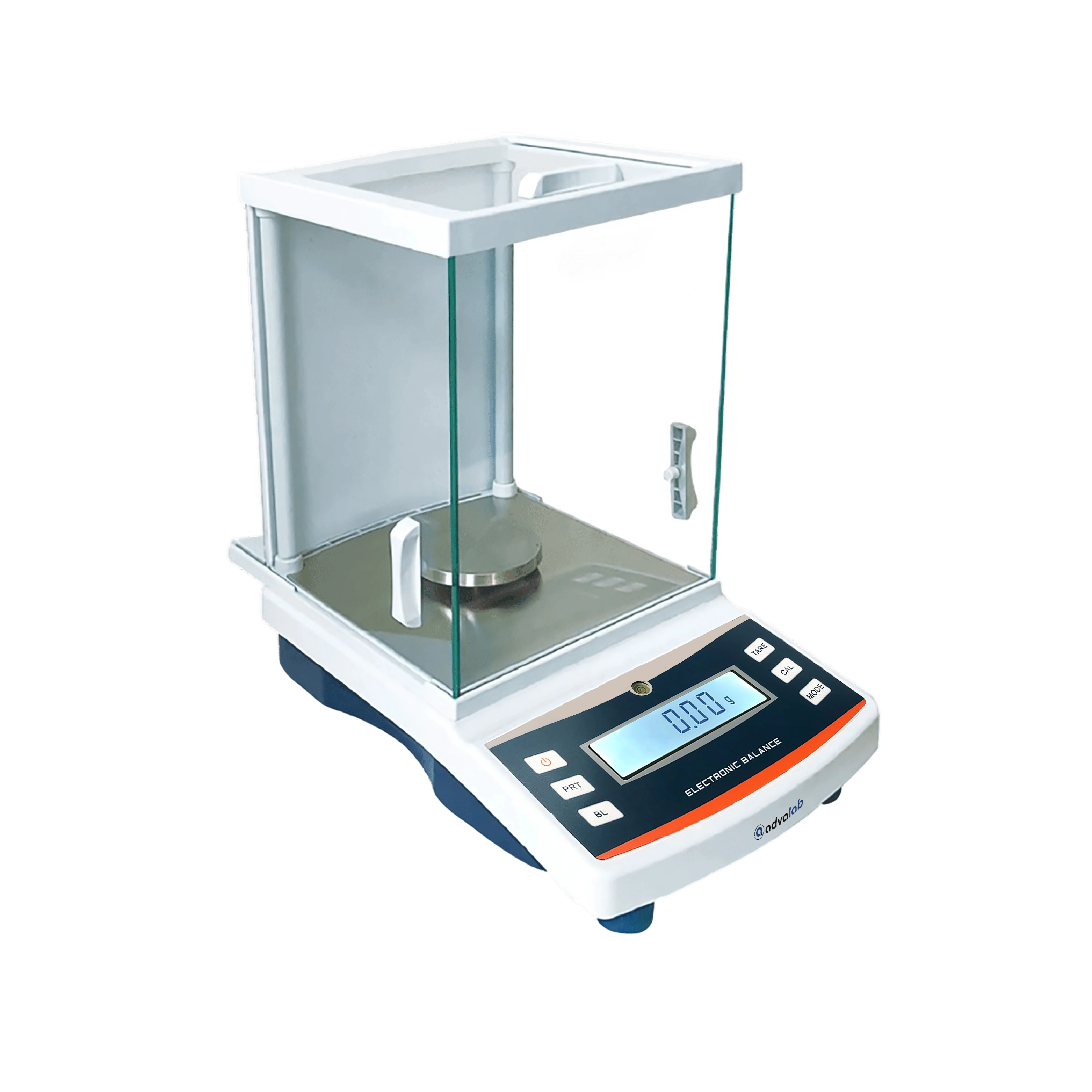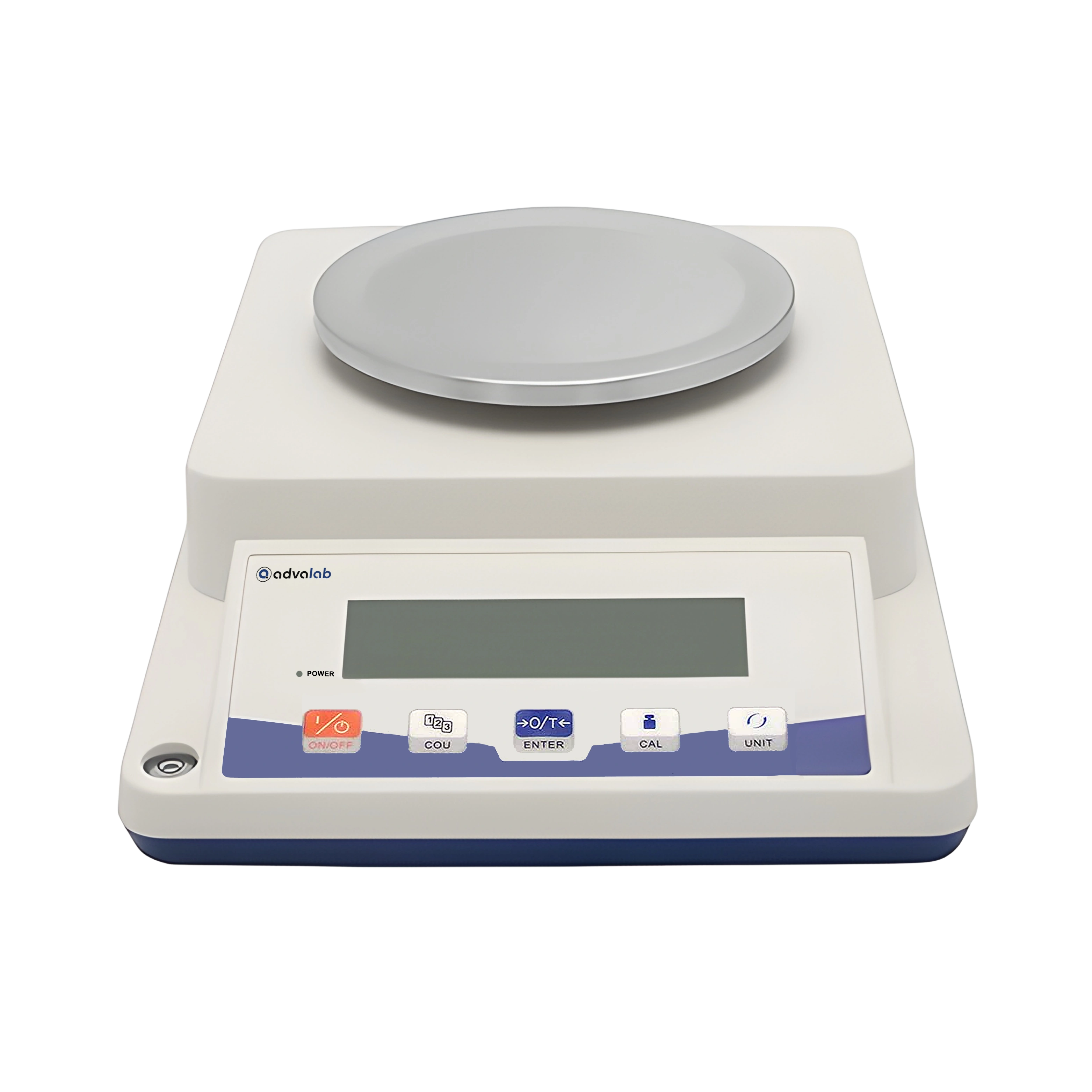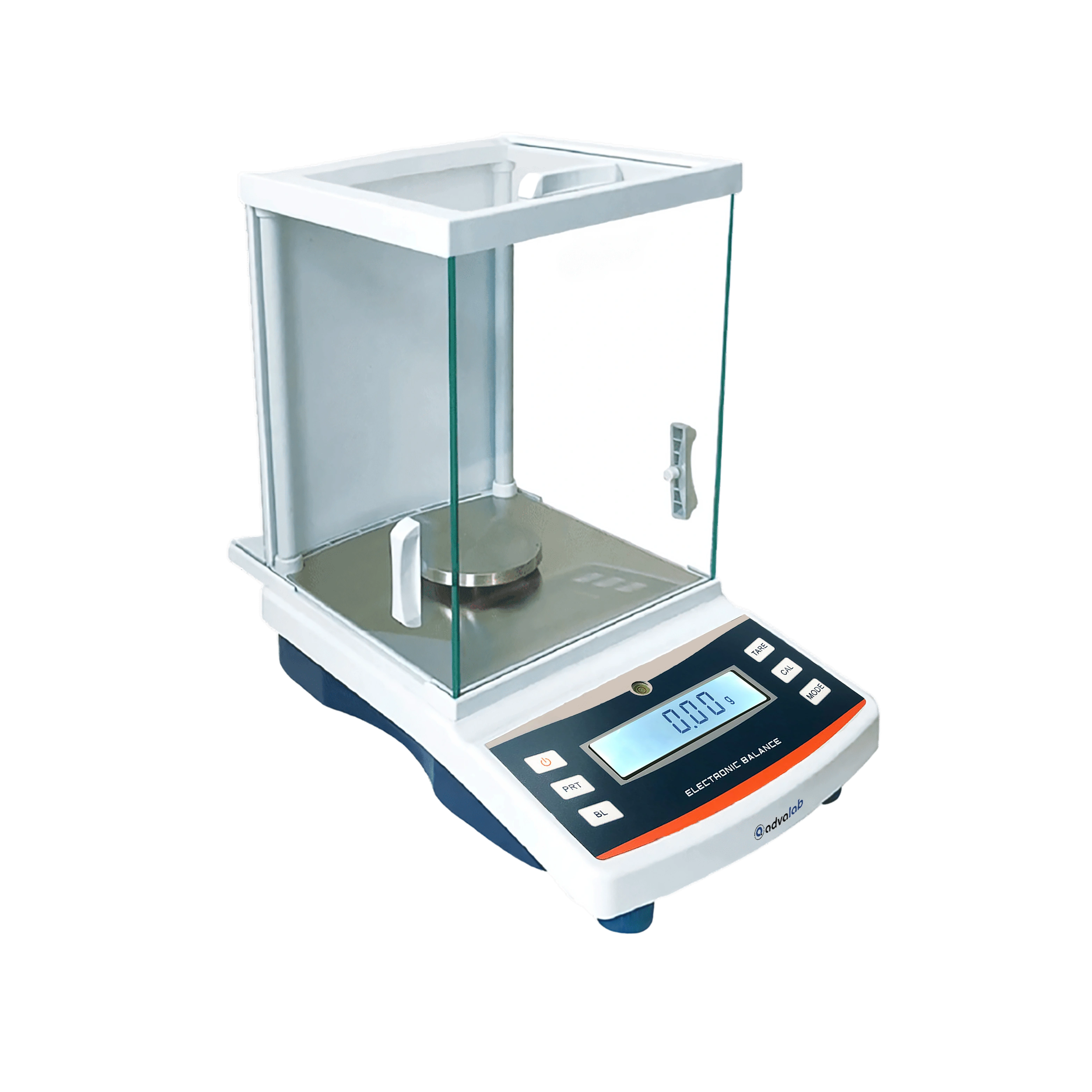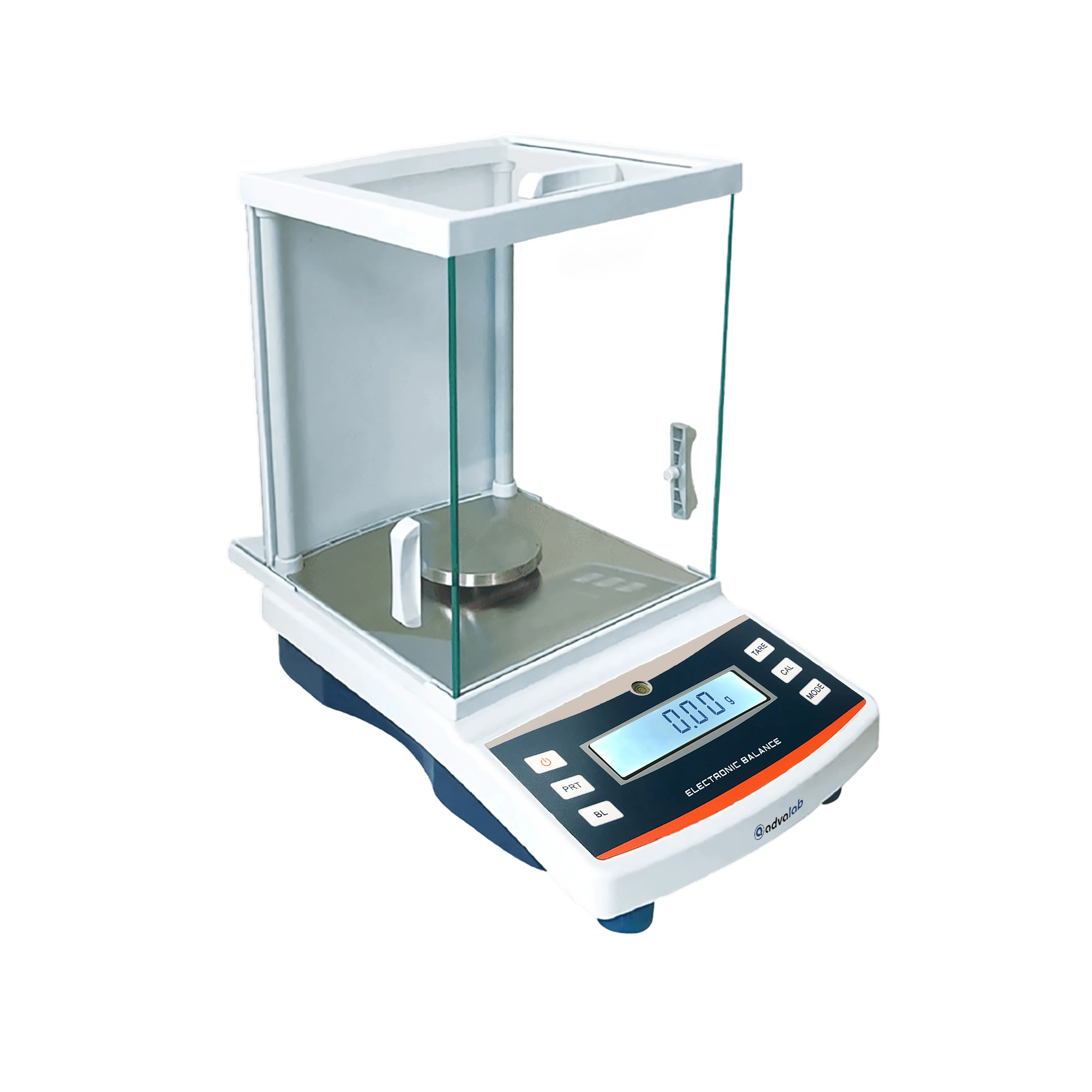
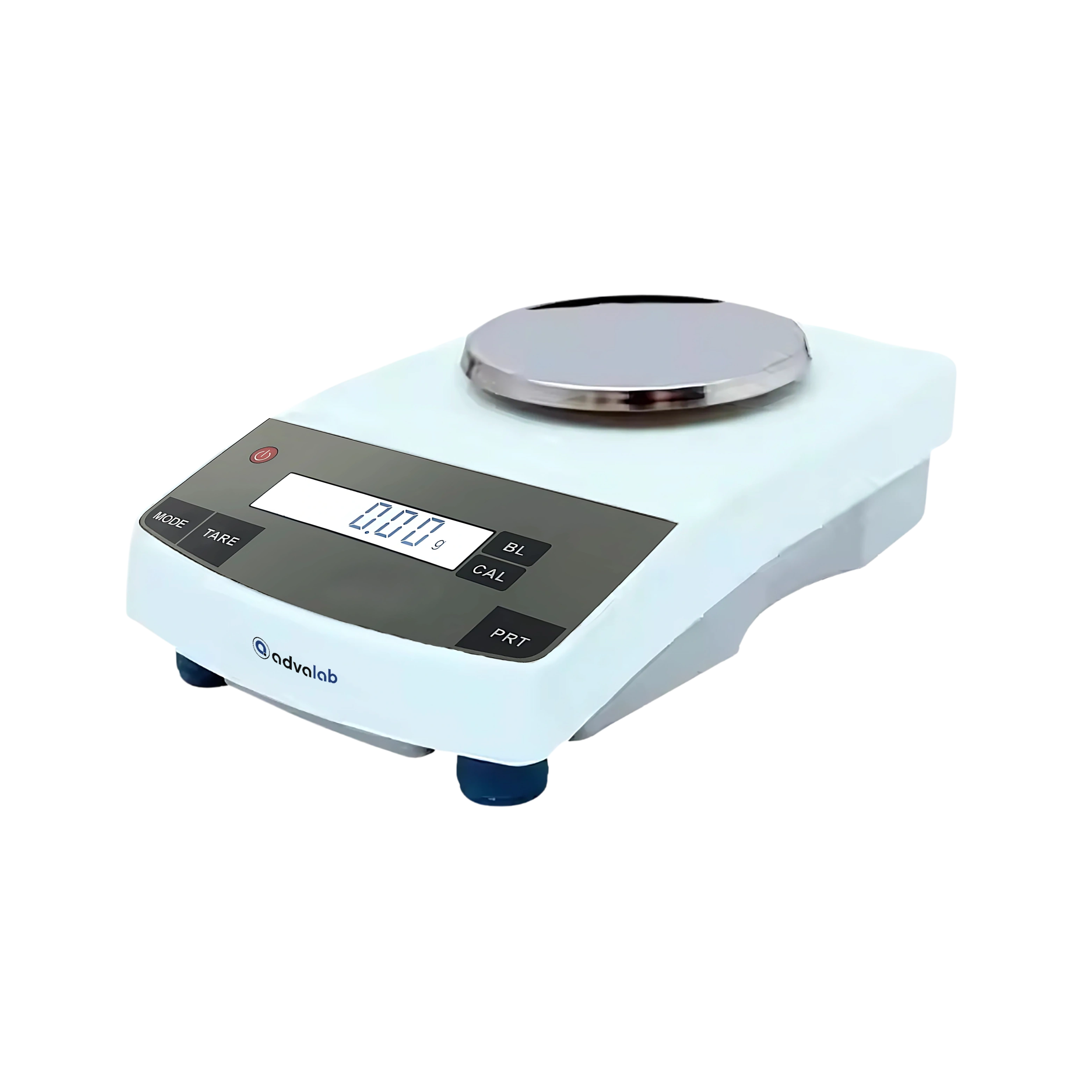
| Capacity | 1000 g |
| Readability | 0.1 g |
| Repeatability | ±0.1 g |
| Linearity | ±0.1 g |
| Calibration | External |
| Pan Dimensions | 130 mm |
| Housing Dimensions (L × W × H) | 300 × 190 × 100 mm |
| Packaging Dimensions (L × W × H) | 320 × 280 × 150 mm |
| Net Weight | 1.2 kg |
The Digital Electronic Balance ADDL-518 is used in pharmaceutical laboratories for accurate compound formulation, ensuring precise dosing and compliance with regulatory requirements.


1. How does the LCD screen enhance user experience with the Digital Electronic Balance ADDL-518?
The LCD screen on the Digital Electronic Balance ADDL-518 enhances usability by offering bright, sharp, and easily readable values, even in dim lighting. This boosts visibility, minimizes reading mistakes, and ensures smooth, efficient operation during prolonged use. It reduces user fatigue during extended measurement sessions. Overall, it contributes to faster, more accurate weighing with improved user confidence.
2. Why is repeatability essential in the functioning of the Digital Electronic Balance ADDL-518?
Repeatability is a key factor in ensuring the Digital Electronic Balance ADDL-518 consistently delivers identical results when weighing the same sample under unchanged conditions. This uniformly is vital in precision-dependent fields such as pharmaceutical research, laboratory testing, and industrial quality control. High repeatability minimizes variability in data, supports dependable analysis, and helps maintain confidence in every measurement taken.
3. What is the maximum weighing capacity of the Digital Electronic Balance ADDL-518?
The Digital Electronic Balance ADDL-518 is designed to measure loads up to 1000 grams, making it highly suitable for tasks that require precise and delicate weight assessments. This capacity is ideal for applications in laboratory research, pharmaceuticals, and quality control environments where small quantities must be measured with high reliability.
4. How does the Digital Electronic Balance ADDL-518 maintain measurement reliability over time?
The Digital Electronic Balance ADDL-518 is equipped with an external calibration feature that allows users to perform routine adjustments using standard weights. This helps maintain long-term stability and ensures the instrument remains accurate despite environmental changes. Regular calibration contributes significantly to consistent output and measurement confidence.
5. Where is the Digital Electronic Balance ADDL-518 typically utilized?
The Digital Electronic Balance ADDL-518 is typically found in professional environments such as scientific laboratories, industrial quality control departments, and academic research facilities. Its precise measurement capability and consistent performance make it an essential tool in settings that demand accuracy and reliability in material assessment.
6. What are Digital Electronic Balances?
Digital Electronic Balances are highly precise weighing instruments that use electronic sensors to determine the mass of various substances. They display measurements digitally, significantly reducing human error associated with analog scales. These instruments are engineered to deliver accurate, quick, and consistent results. Equipped with advanced features like automatic calibration, tare functionality, and multi-unit conversion.
7. In what way do temperature fluctuations impact the performance of Digital Electronic Balances?
Temperature variations can affect the accuracy and stability of Digital Electronic Balances. Sudden changes may cause thermal drift, leading to inconsistent or inaccurate readings. To ensure reliable performance, balances should be used in temperature-controlled environments and allowed to acclimate before weighing.

| Capacity | 300 g |
| Readability | 0.1 g |
| Repeatability | ±0.1 g |

| Capacity | 100 g |
| Readability | 0.001 g |
| Repeatability | ±0.002 g |
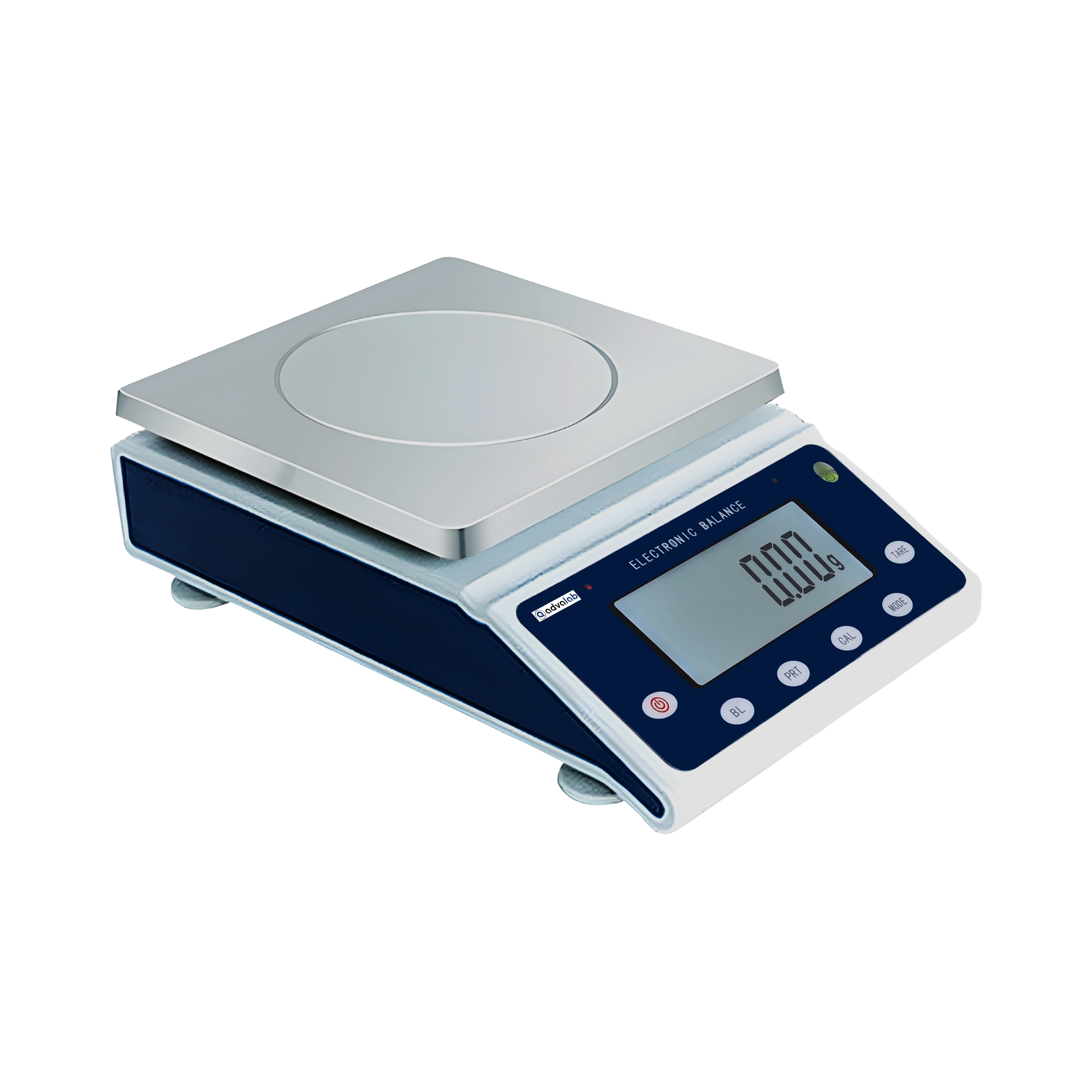
| Capacity | 6000 g |
| Readability | 0.1 g |
| Repeatability | ±0.1 g |

| Capacity | 60 g |
| Readability | 0.001 g |
| Repeatability | ±0.002 g |
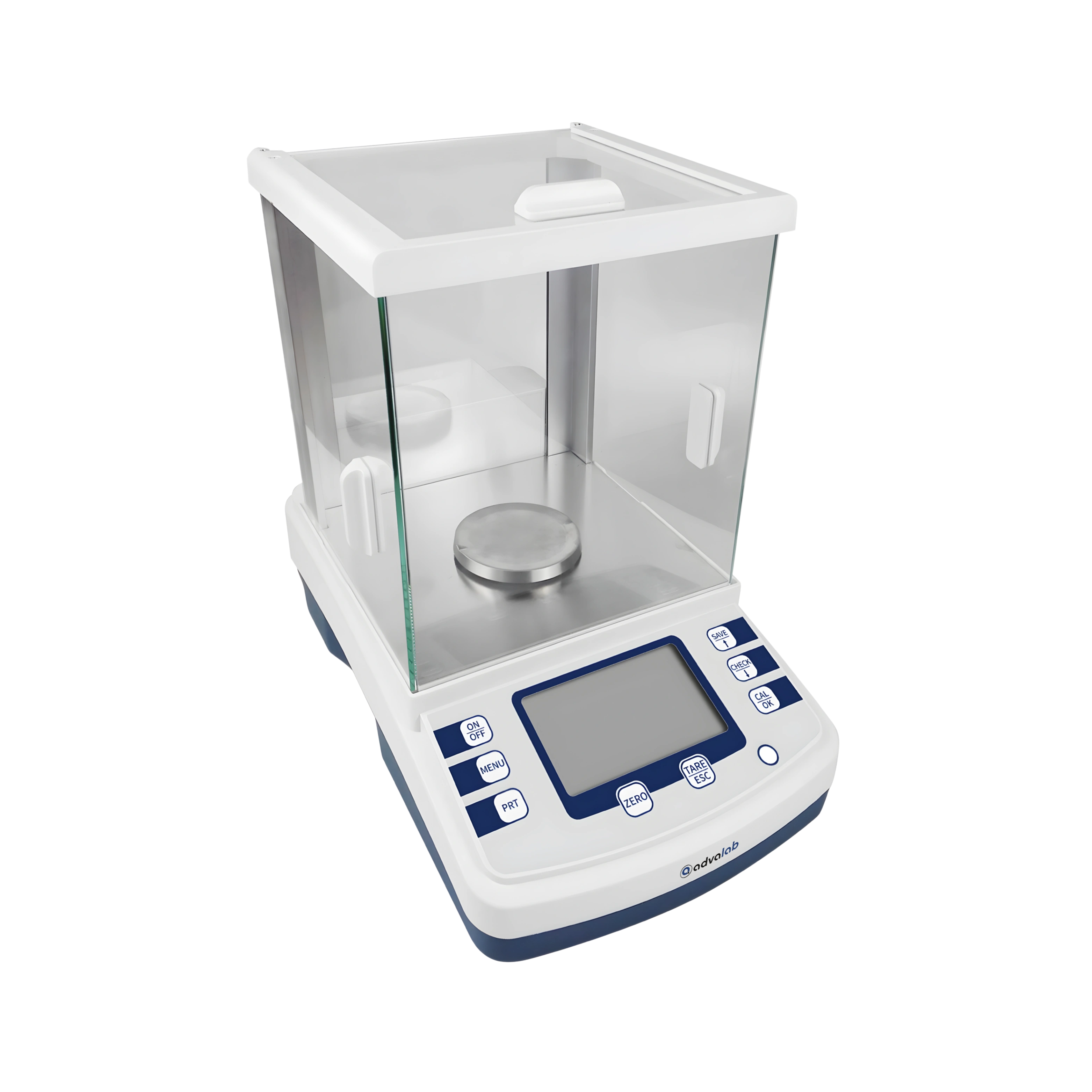
| Capacity: | 0 to 50 g |
| Readability: | 0.01 mg |
| Stabilization Time: | ≤13 s |

| Capacity: | 220 g |
| Readability: | 0.0001 g |
| Minimum Weighing: | 0.0004 g |
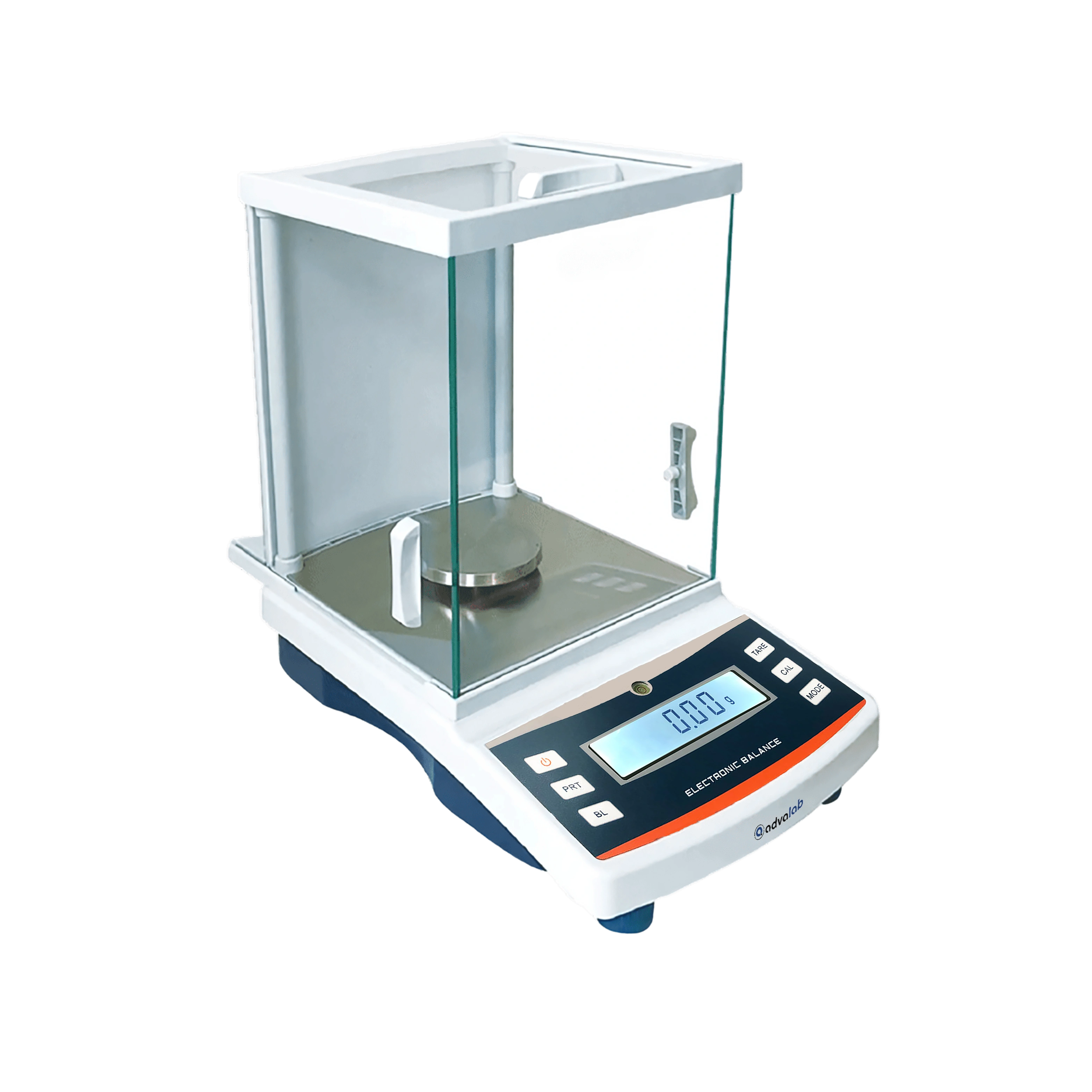
| Capacity: | 100 g |
| Readability : | 1 mg |
| Repeatability: | 1 mg |
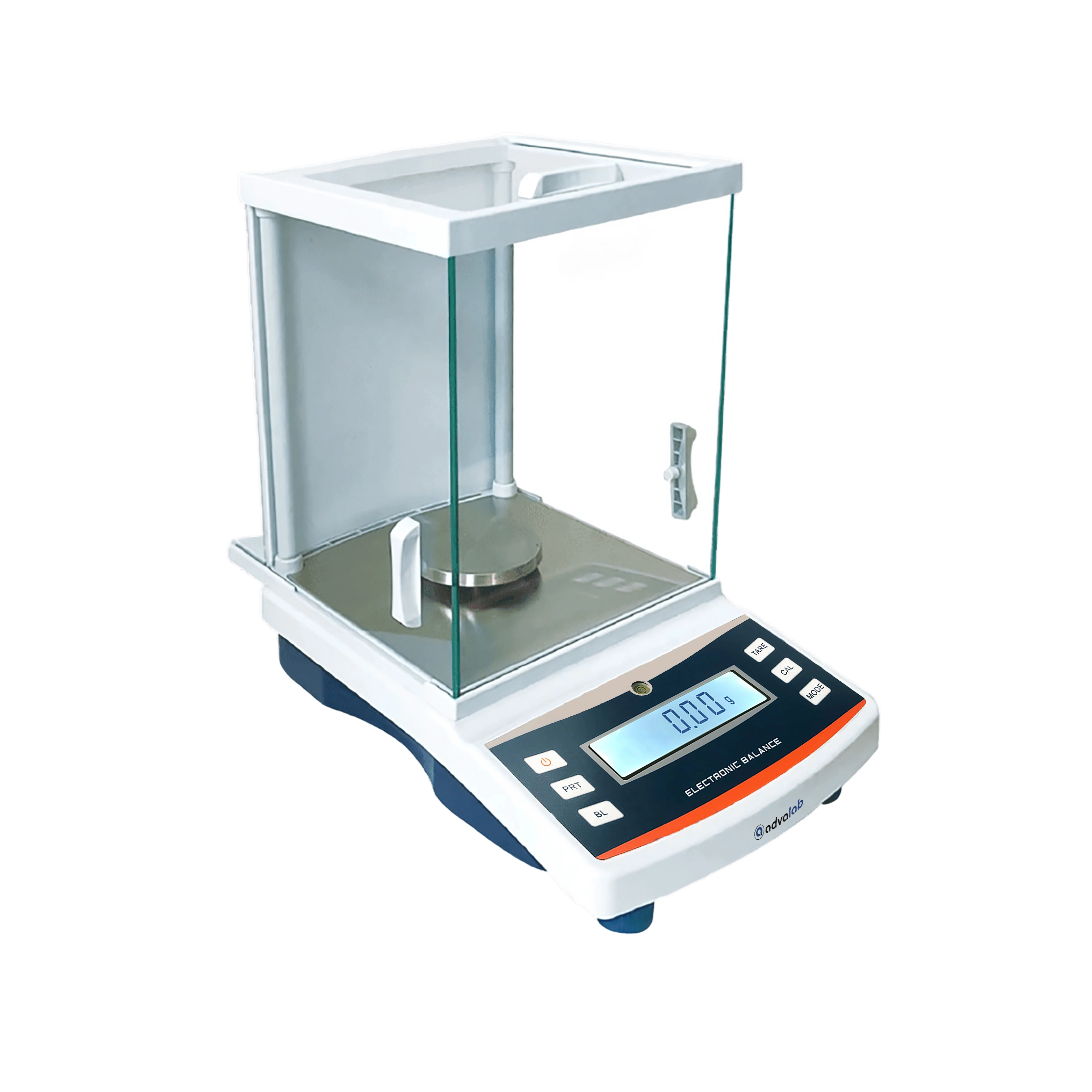
| Capacity: | 200 g |
| Readability : | 1 mg |
| Repeatability: | 1 mg |
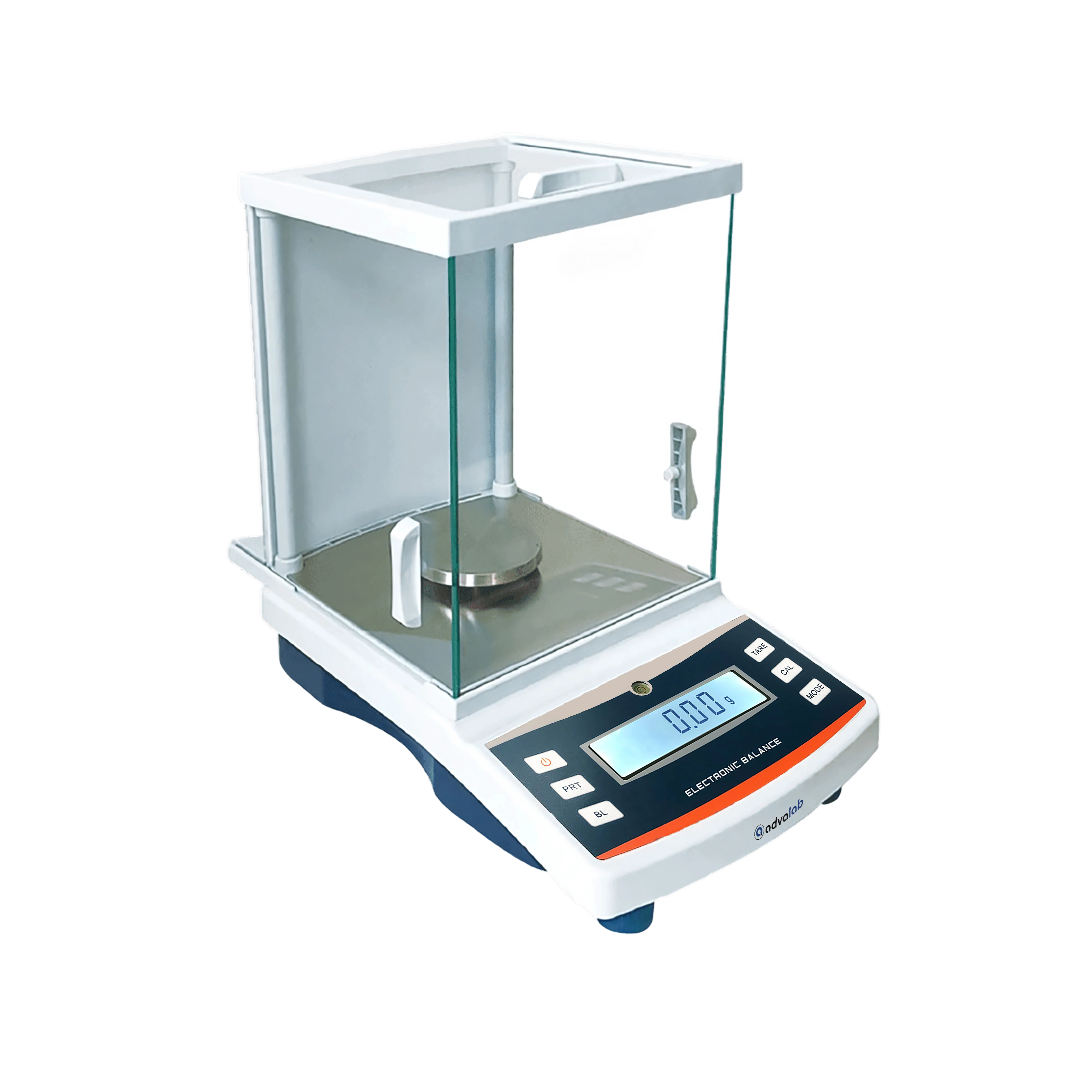
| Capacity: | 300 g |
| Readability : | 1 mg |
| Repeatability: | 1 mg |

| Capacity: | 1100 g |
| Resolution : | 0.01 g |
| Minimum Weighing : | 0.04 g |
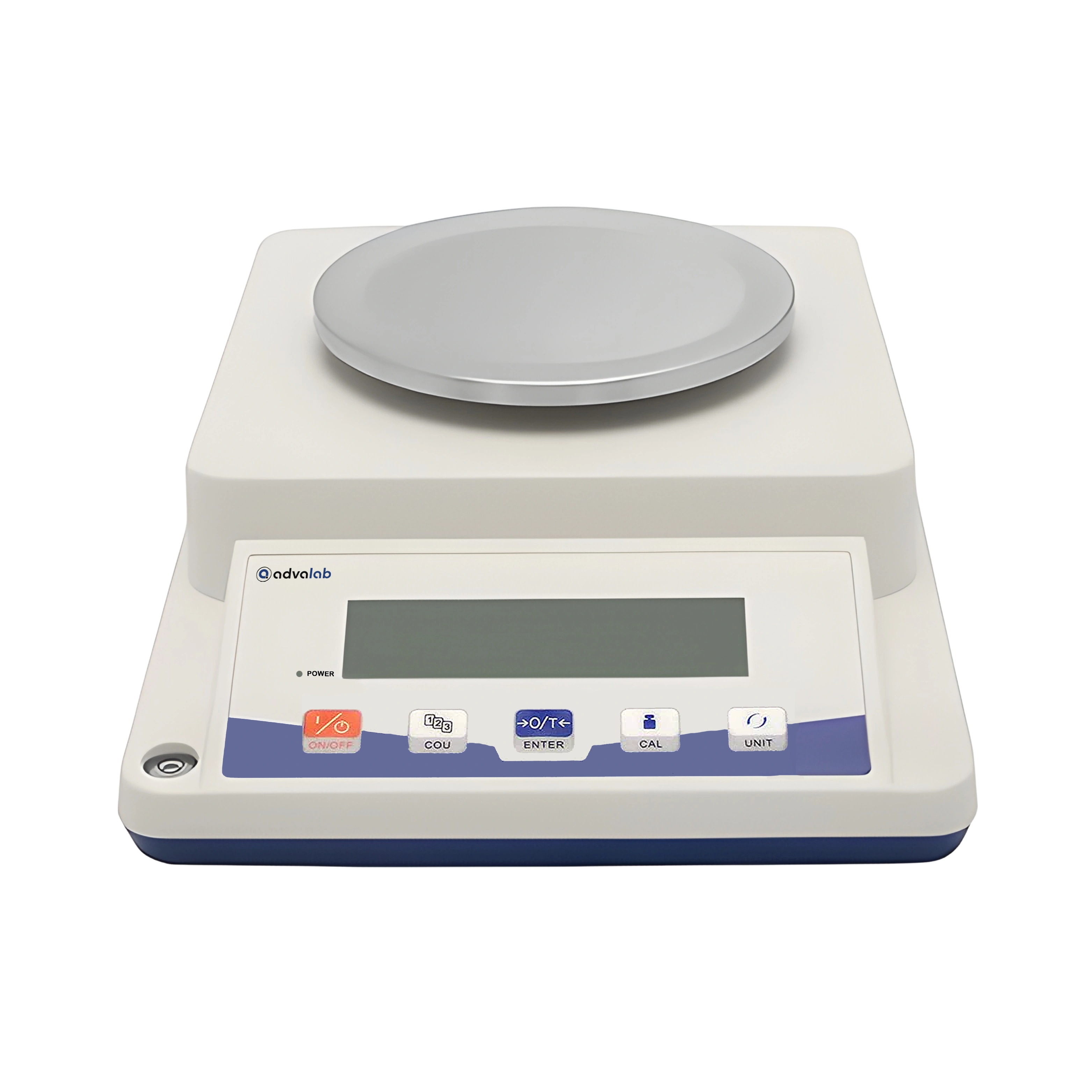
| Capacity: | 3100 g |
| Resolution : | 0.01 g |
| Minimum Weighing : | 0.04 g |

| Capacity: | 500 g |
| Readability : | 1 mg |
| Repeatability : | 1 mg |
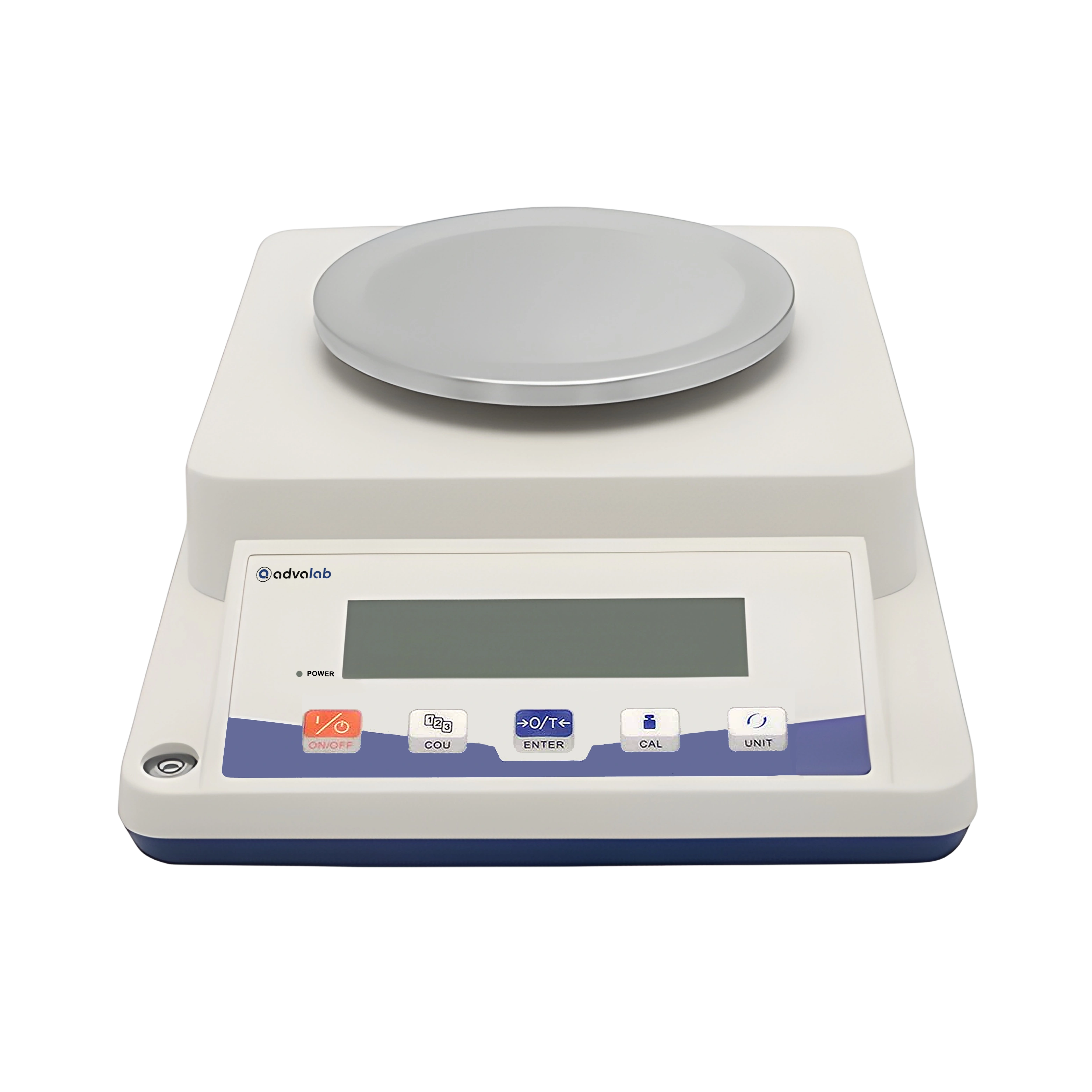
| Capacity: | 2100 g |
| Resolution : | 0.01 g |
| Minimum Weighing : | 0.04 g |
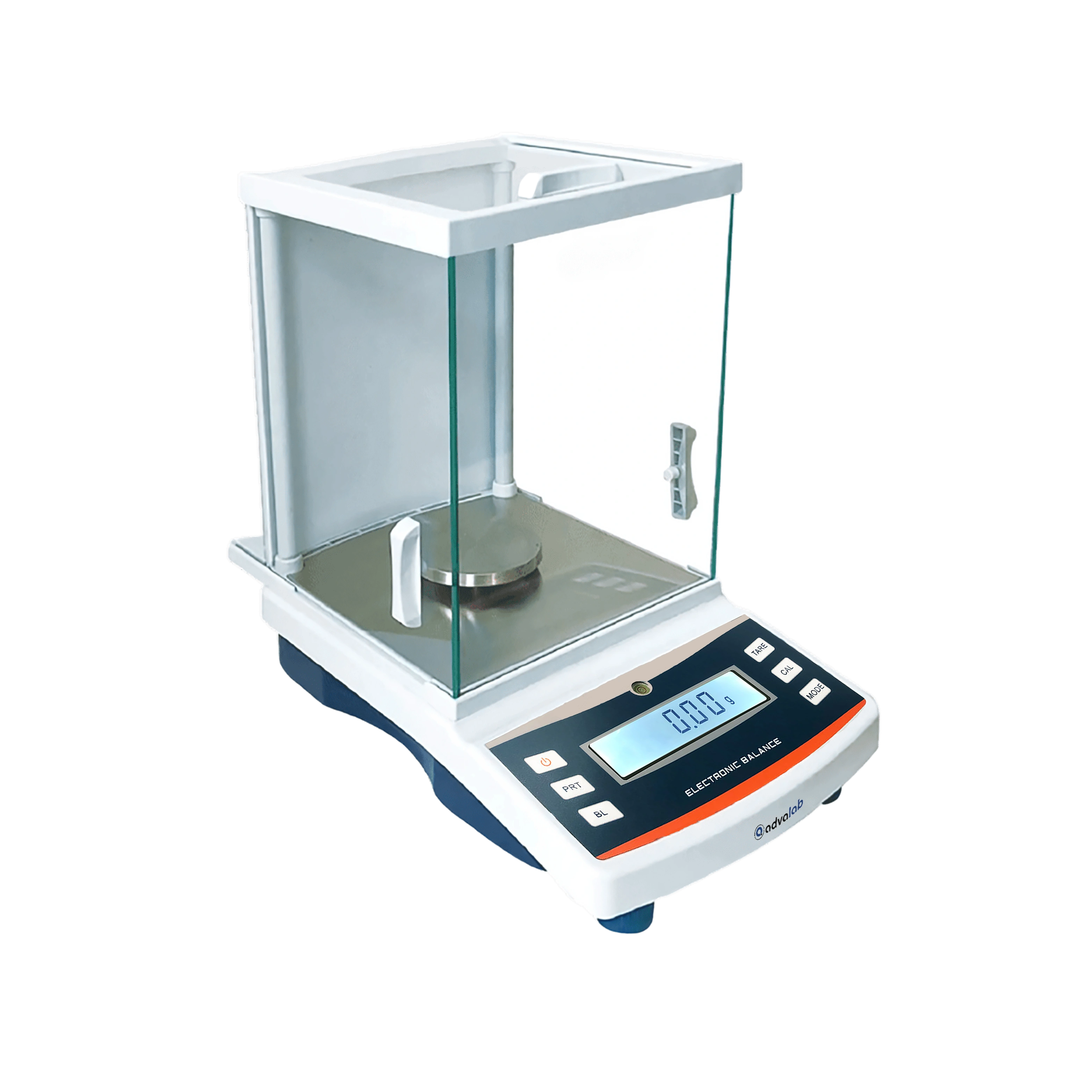
| Capacity: | 60 g |
| Readability : | 1 mg |
| Repeatability : | 1 mg |
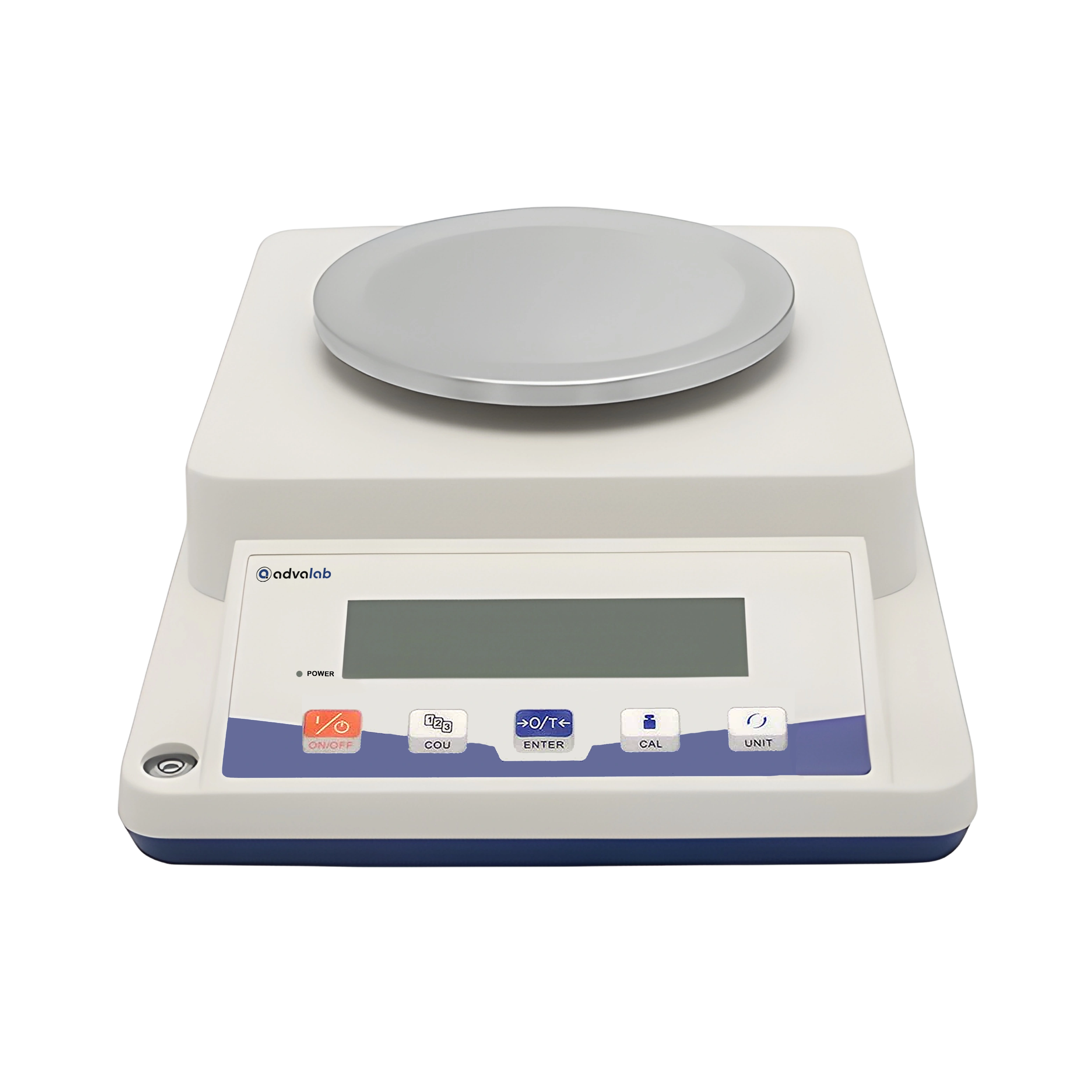
| Capacity: | 3100 g |
| Readability: | 0.01 g |
| Pan Size: | Ø 130 mm |
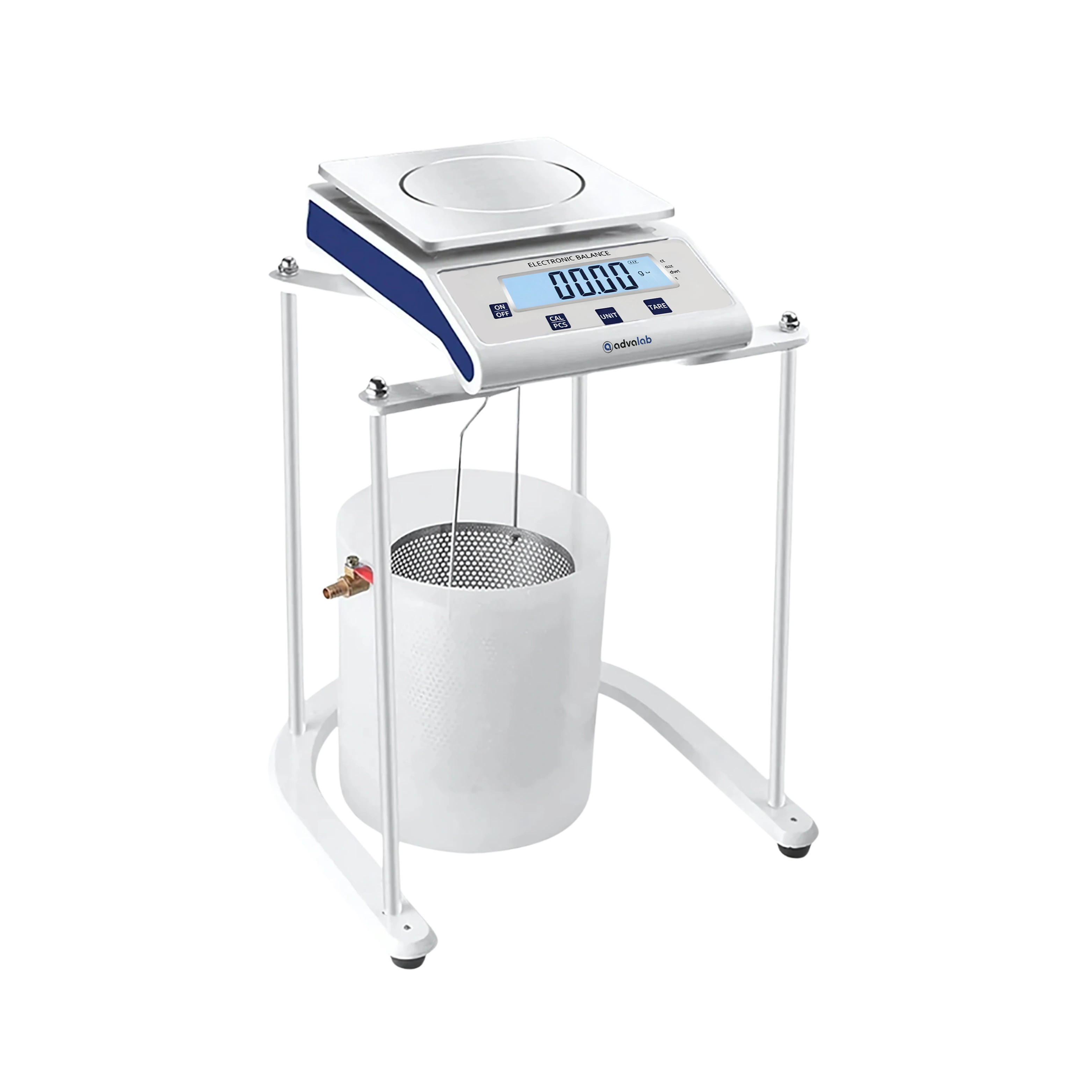
| Capacity: | 2000g |
| Accuracy: | 0.1g |
| Linearity error: | ±0.3g |
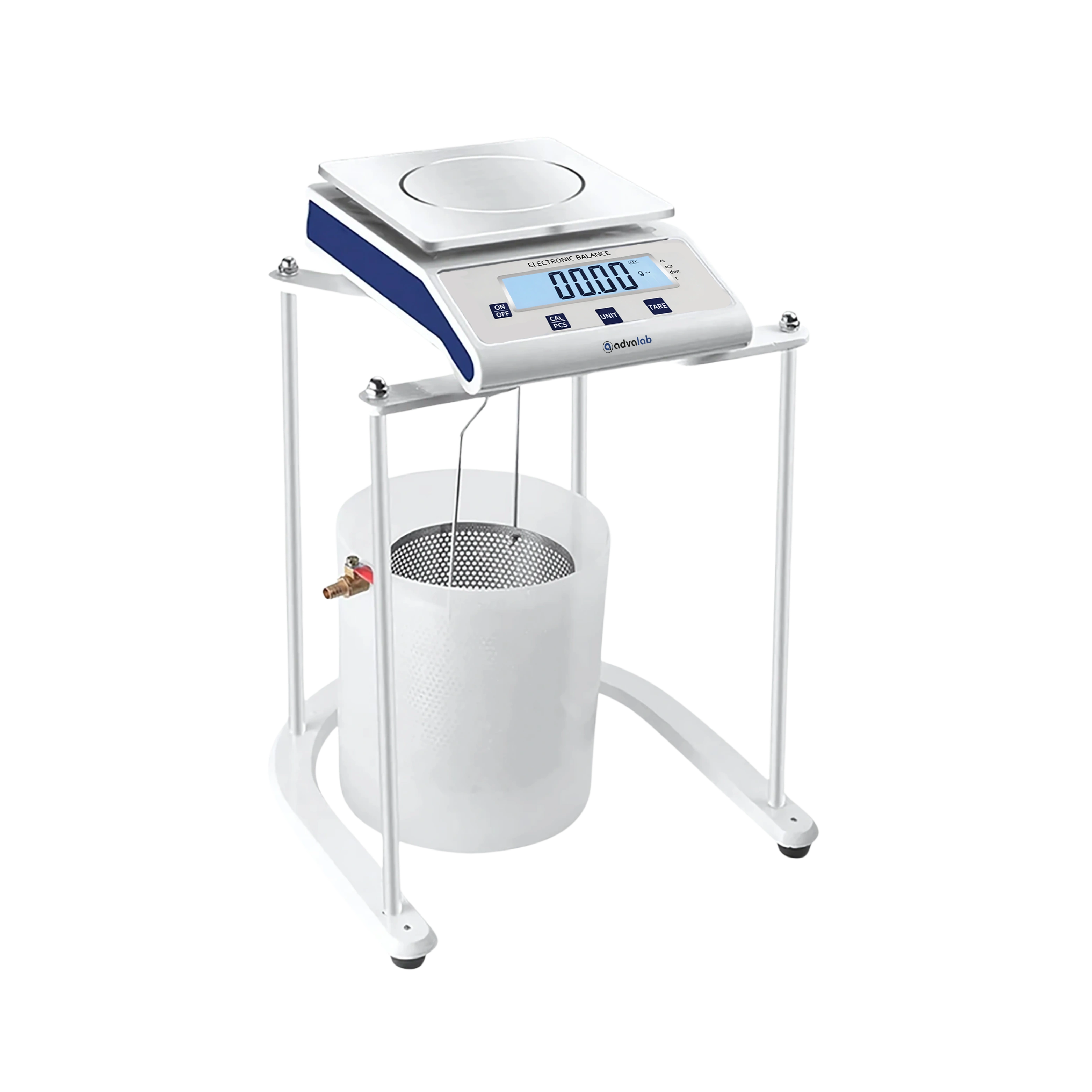
| Capacity: | 5000g |
| Accuracy: | 0.1g |
| Linearity error: | ±0.3g |
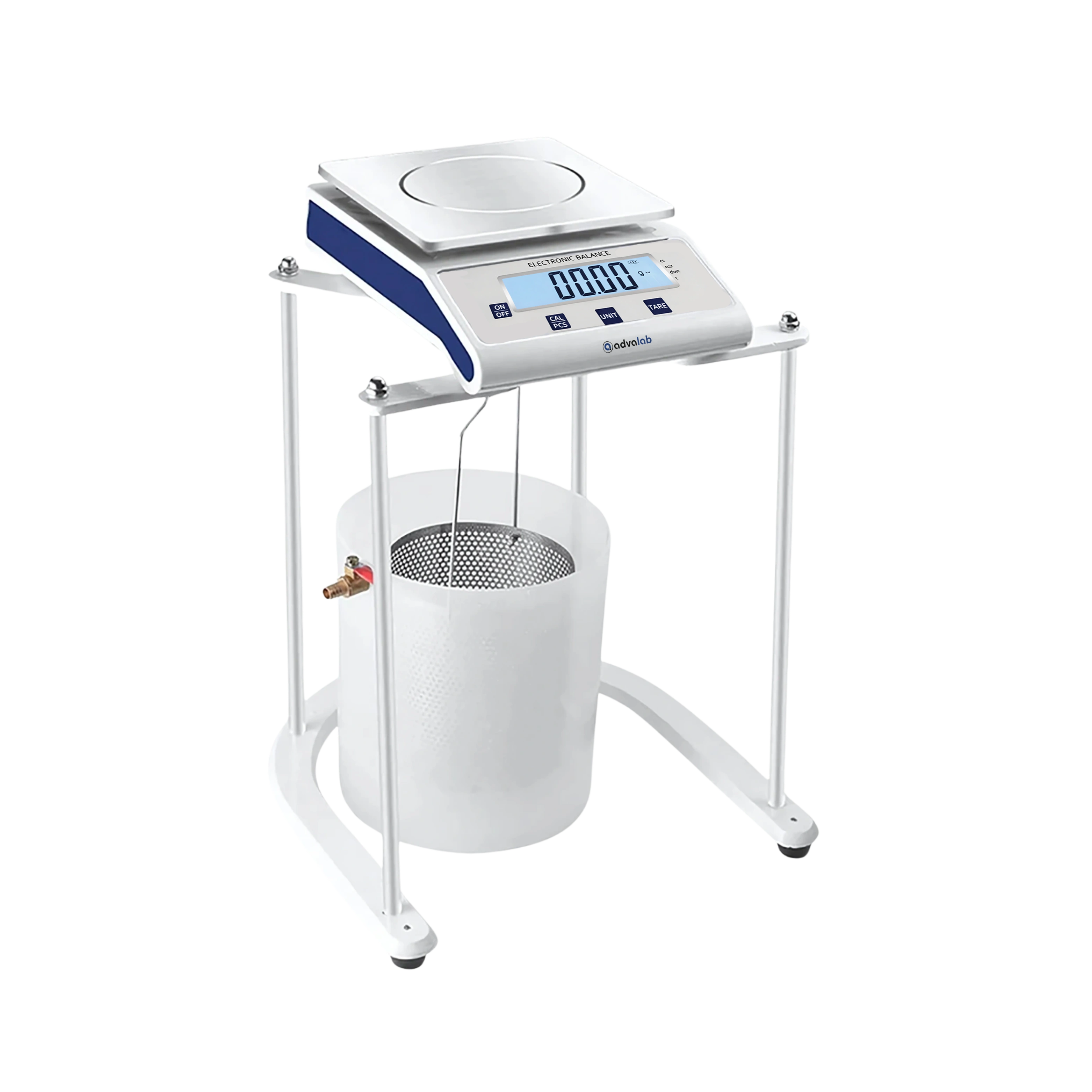
| Capacity: | 2000g |
| Accuracy: | 0.01g |
| Linearity Error: | ±0.03g |

| Capacity: | 5000g |
| Accuracy: | 0.01 g |
| Linearity error: | ±0.03g |