
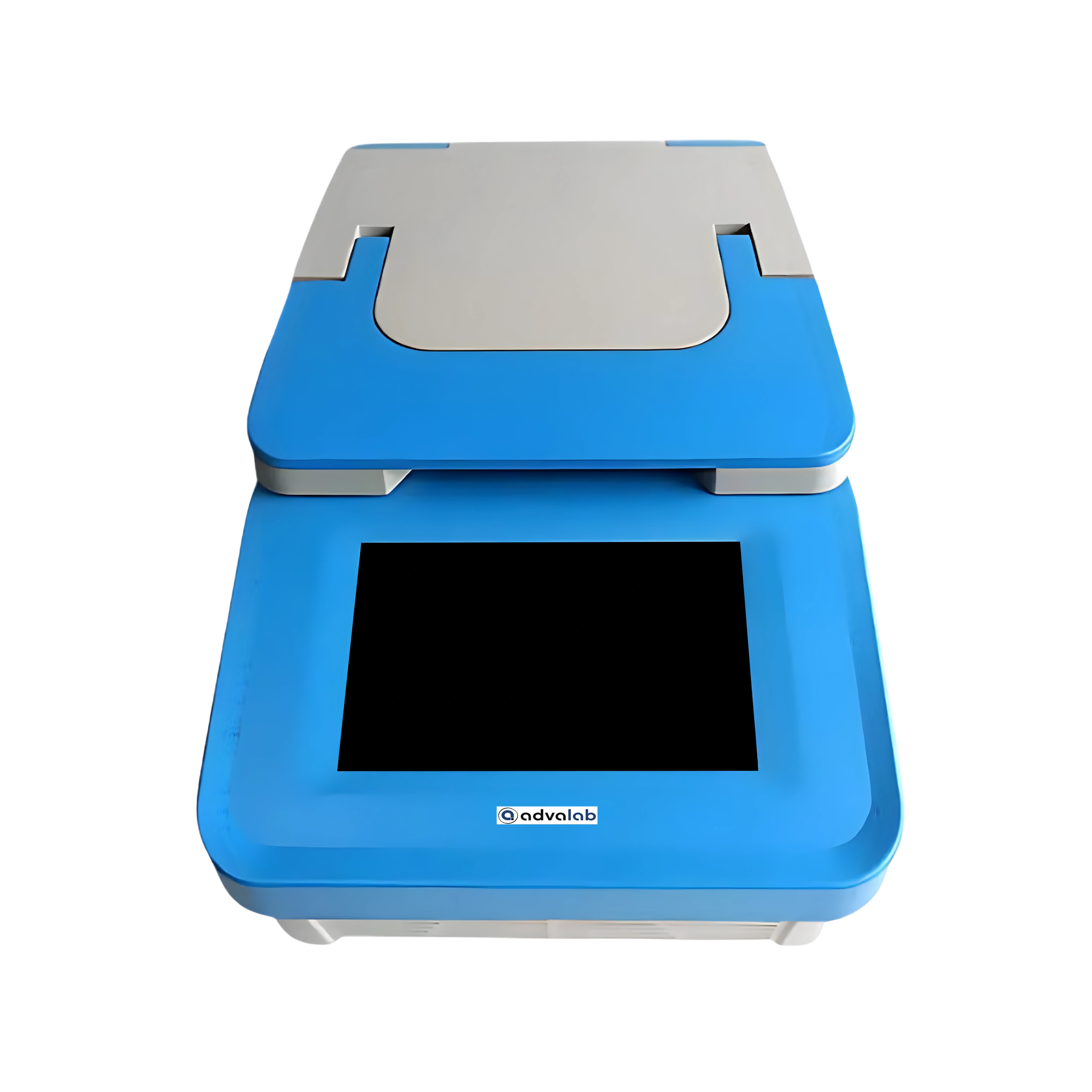
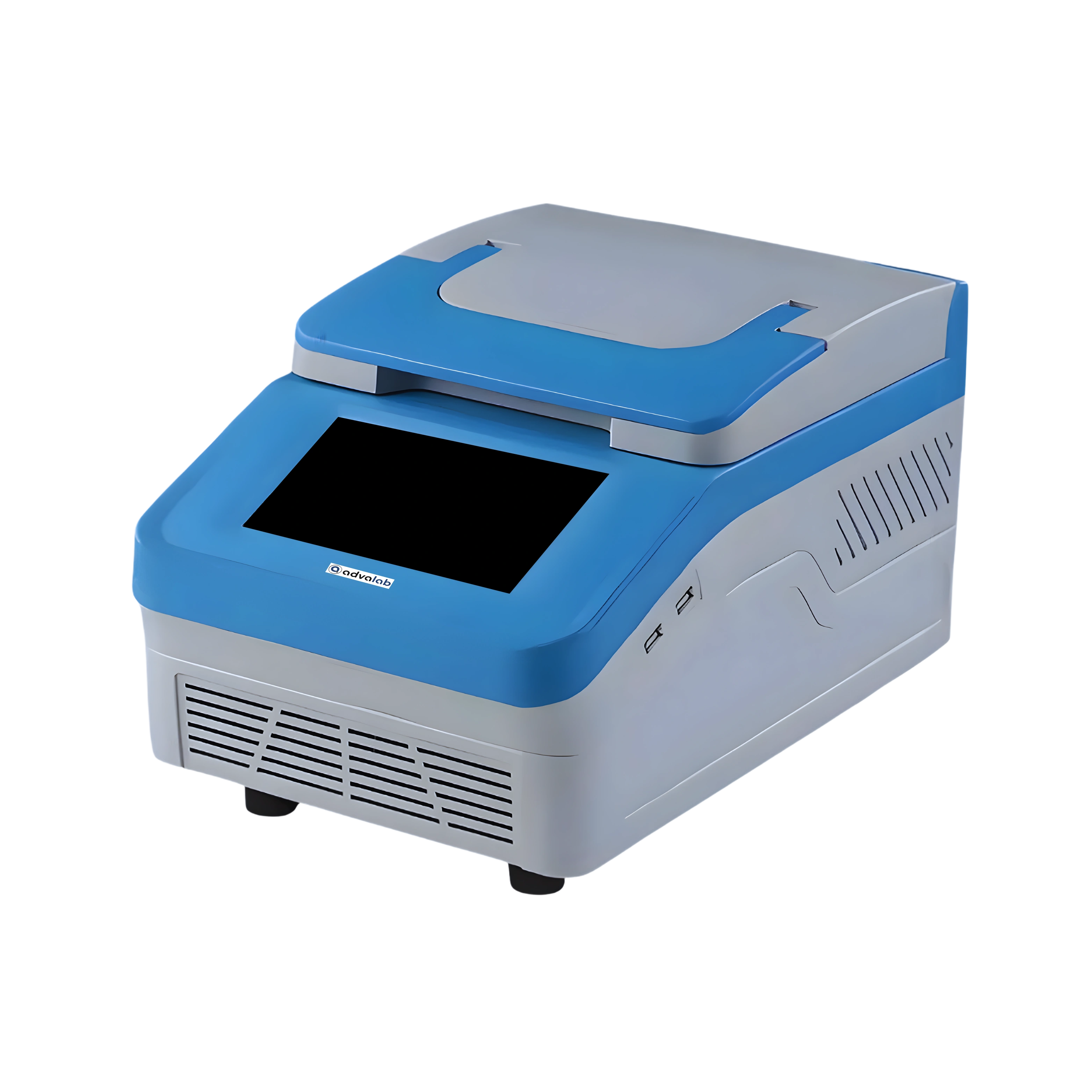
| Capacity | 96 x 0.2ml (0.2ml PCR tubes, 8-tube strips) |
| Temperature Setting Range | 4℃ to 105℃ |
| Gradient Temperature Range | 30 to 105℃ |
| Gradient Setting Range | 0.1 to 30℃ |
| Maximum Heating Time | 5℃/sec |
| Maximum Cooling Time | 4℃/sec |
| Gradient Temperature Uniformity | ≤ ± 0.2℃ |
| Gradient Temperature Accuracy | ≤ ± 0.2℃ |
| Heated Lid Temperature Range | 30℃ to 115℃ (user adjustable) |
| Temperature Accuracy | ≤ ± 0.2℃ |
| Temperature Uniformity | ≤ ± 0.2℃ |
| Temperature Change Rate | 0.1 to 4℃/s |
| Temperature Control Method | Block / Tube |
| Temperature Increments / Decrements | -10 to 10℃ |
| Tm Calculation | Automated |
| Program Memory | 10000+ |
| Program Maximum Cycle Numbers | 100 |
| Program Pause Function | Yes |
| Maximum Step of the Program | 30 |
| 16℃ Insulation | Yes |
| Time Increment / Decrement | -999 to 999s |
| Single Step Time Range | 0 to 9h59min59s / infinite |
| Display | 7-inch color touch screen, 800x480 Pixel |
| Communication Interface | USB x 2 |
| On-Screen Report | Yes |
| Fuse | 250V 10A Ф5×20 |
| Voltage | AC100 to 240V / 50 to 60Hz |
| Dimension | 420 x 260 x 245 mm |
| Net Weight | 11 kg |
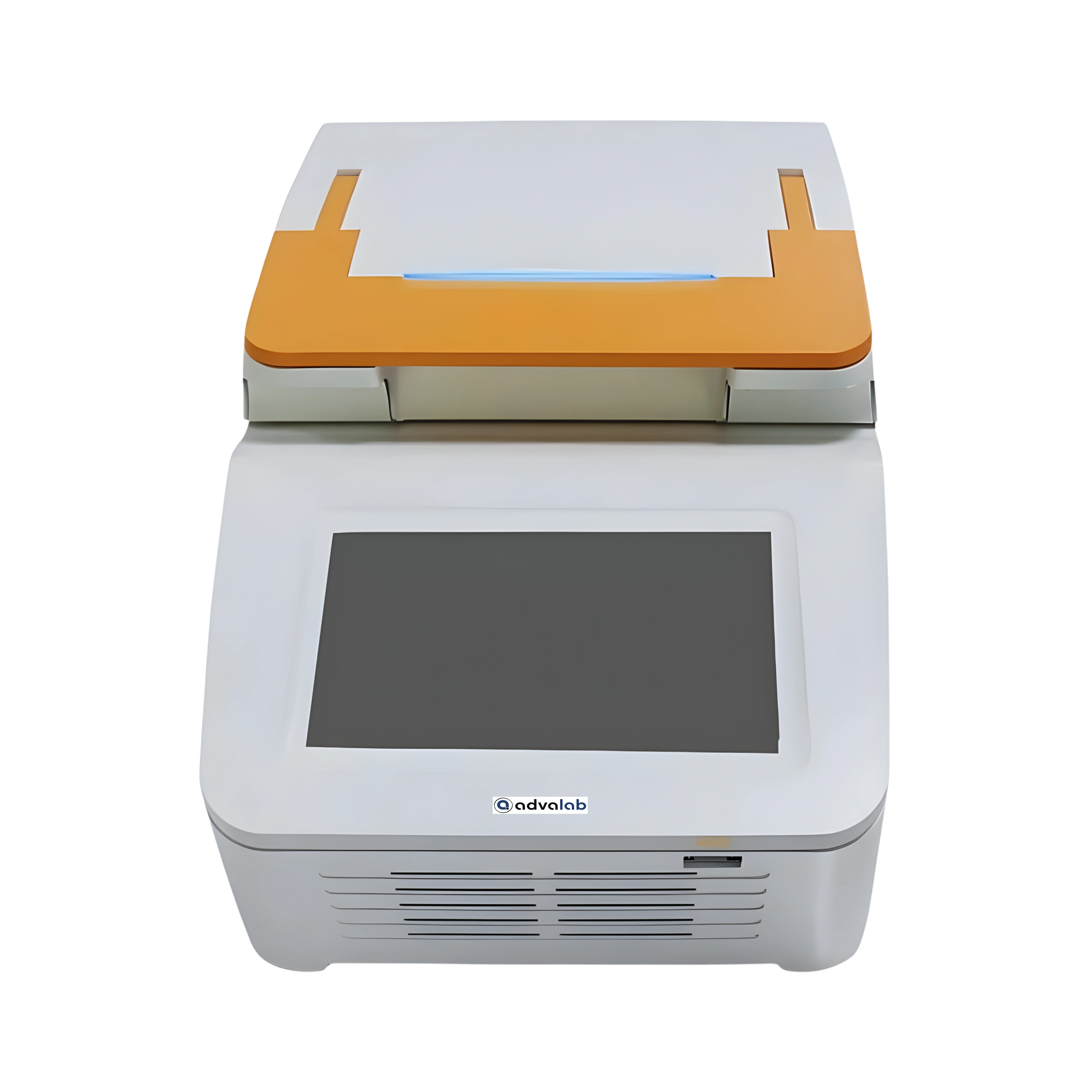
Gradient Thermal Cycler ADGTC-511 is used for genotyping, sequencing library preparation, and pathogen detection in infectious disease research. Additionally, it supports workflows in forensic analysis, agricultural biotechnology, and environmental microbiology.
1. What is Gradient Thermal Cycler?
Gradient Thermal Cycler is a technique that uses a thermal cycler with a temperature gradient across the heating block. This allows users to test multiple annealing temperatures in a single run, helping to quickly identify the optimal temperature for primer binding. It is especially useful during primer validation and assay development.
2. Why is Gradient Thermal Cycler used?
Gradient PCR is used to optimize PCR conditions, especially the annealing temperature, which is critical for specificity and efficiency. It helps reduce trial-and-error by allowing multiple conditions to be tested simultaneously. This improves accuracy while saving time and reagents during PCR setup.
3. What are the benefits of Gradient Thermal Cycler?
Gradient Thermal Cycler offers several benefits, particularly during the optimization phase of PCR. It saves time by allowing multiple annealing temperatures to be tested in a single run, eliminating the need for separate experiments. This approach also reduces reagent use and overall costs. Gradient PCR improves efficiency and specificity by quickly identifying the optimal annealing temperature.
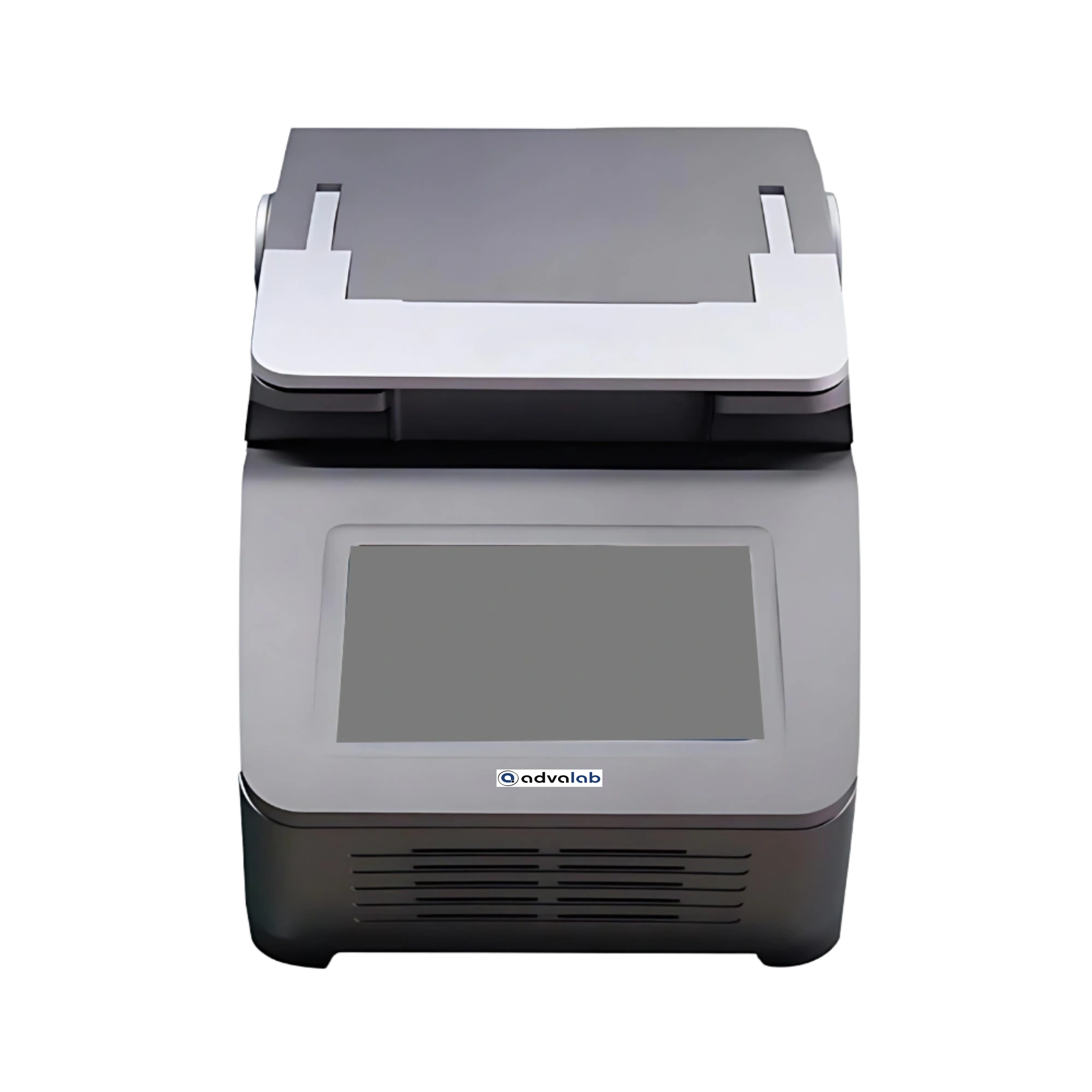
| Capacity | 0.2 mL × 384-well, aluminum |
| Thermal Control System | Three independently controlled Peltier modules with peripheral edge heating |
| Temperature Control Accuracy | ±0.1°C |

| Capacity | 0.2 mL × 96-well, aluminum |
| Thermal Control System | Three independently controlled Peltier modules with peripheral edge heating |
| Temperature Control Accuracy | ±0.1°C |
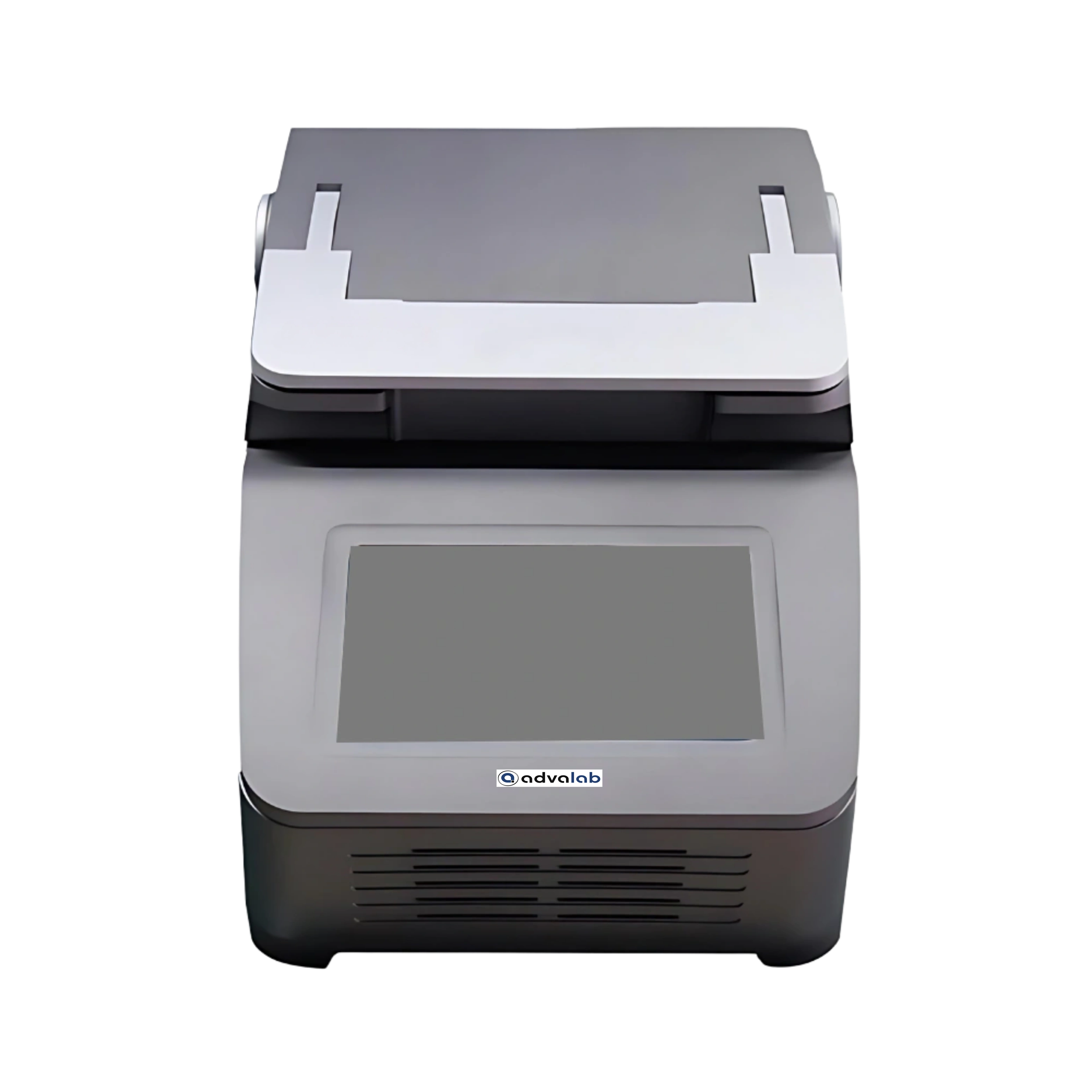
| Capacity | 0.2 mL × 96 wells, Interchangeable aluminum block |
| Sample Compatibility | 96-well plates, 8/12-strip PCR tubes, tall/short/dome/flat caps |
| Temperature Accuracy | ≤ ±0.1°C |
| Capacity | 0.2 mL × 384-well, aluminum |
| Thermal Control System | Three independently controlled Peltier modules with peripheral edge heating |
| Temperature Control Accuracy | ±0.1°C |

| Capacity: | 2 × 0.2 mL × 48-wells, aluminum |
| Thermal Control System: | Peltier |
| Temperature Control Accuracy : | ±0.1°C |

| Capacity: | 2 × 0.2 mL × 48-wells, aluminum |
| Thermal Control System : | Three independently controlled Peltier modules with peripheral edge heating |
| Temperature Control Accuracy : | ±0.1°C |

| Capacity: | 32 x 0.2ml tubes, 4 x 8 tube strips |
| Temperature Setting Range: | 0℃ to 100℃ |
| Maximum Heating Time: | 4℃/sec |