
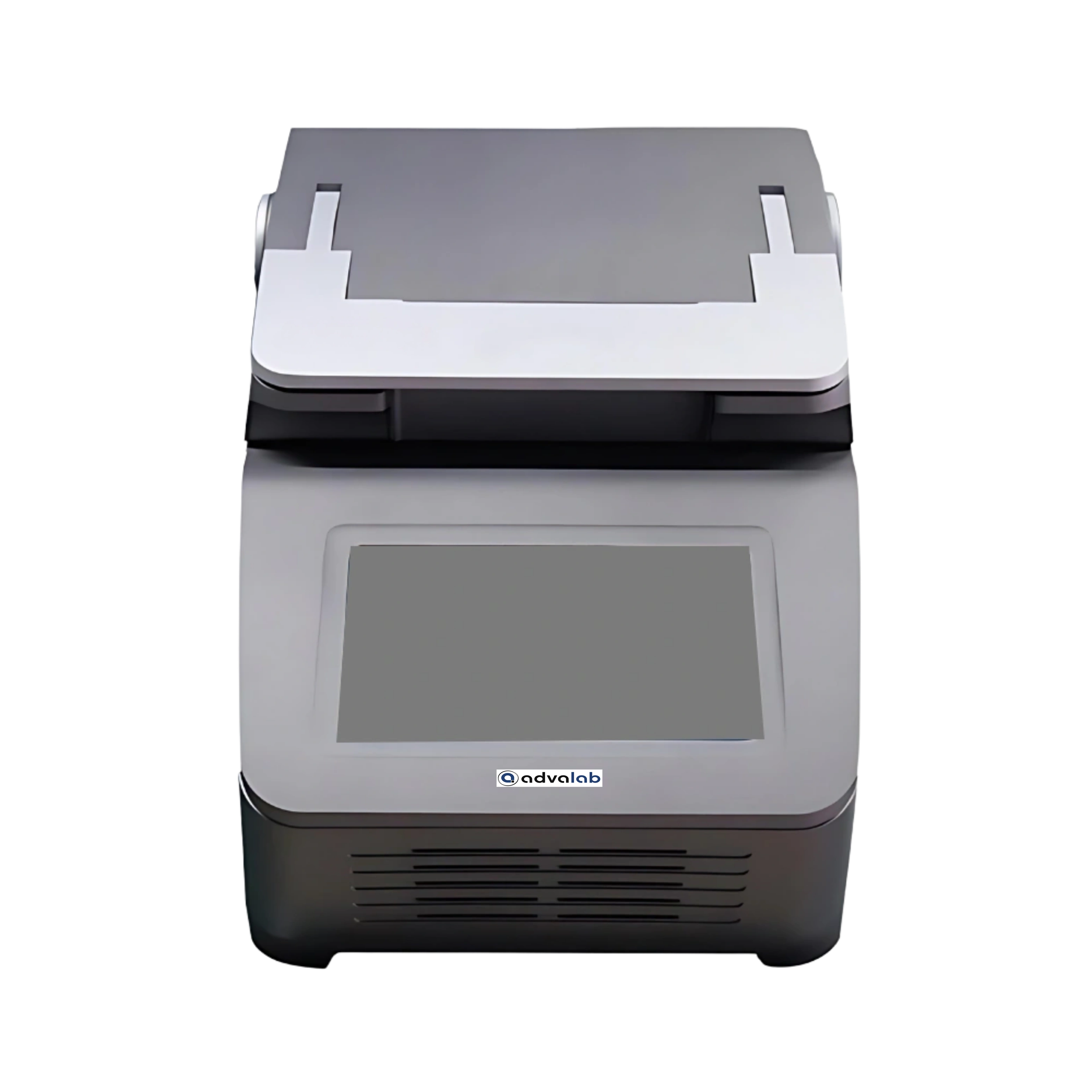
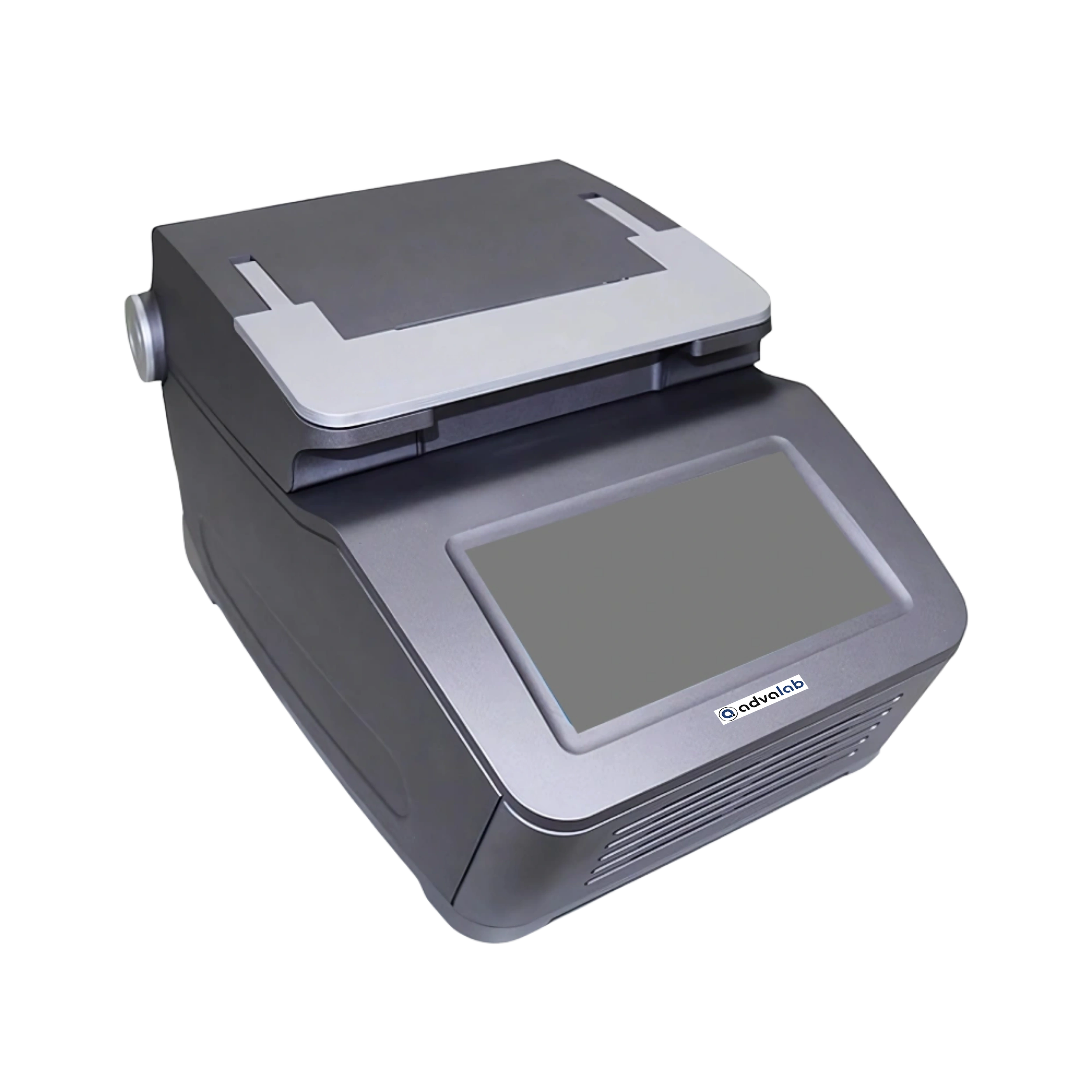

| Capacity | 0.2 mL × 96 wells, Interchangeable aluminum block |
| Sample Compatibility | 96-well plates, 8/12-strip PCR tubes, tall/short/dome/flat caps |
| Temperature Accuracy | ≤ ±0.1°C |
| Block Temperature Precision | ±0.1°C |
| Temperature Uniformity | ≤ ±0.3°C @ 55°C |
| Maximum Heating Ramp Rate | > 5°C/sec |
| Average Ramp Rate | > 2°C/sec |
| Gradient Temperature Range | 30 to 99°C |
| Temperature Control System | Triple Peltier modules with edge-zone auxiliary heating |
| Program Storage Capacity | 5000 programs (50 folders, 100 files) |
| Programming Steps | Up to 30 steps per program |
| User Accounts | Supports up to 50 individual user profiles |
| User Access Control | Role-based access (Guest, Private, Shared Programs, Run-Only Modes) |
| Screen Lock Function | Enabled for non-guest users during operation |
| Real-Time Editing | In-run program editing supported |
| Data Logging Capability | Full process curve playback and event operation logging |
| Recent Program Recall | Stores and recalls recently executed protocols |
| Labeling & Tagging | Customizable labels for stored programs |
| Interface Display Modes | Selectable: Minimalist, Segment Graph, Curve |
| User Interface Type | Android-based touchscreen with graphical menu navigation |
| USB Connectivity | Yes |
| Maintenance Diagnostics | Built-in maintenance index for system health tracking |
| Power Supply | Power Supply 100 to 240V AC, 50/60Hz, 1000VA |
| Product Dimensions (L × W × H) | 427 × 288 × 227 mm |
| Shipping Dimensions (L × W × H) | 540 × 450 × 385 mm |
| Net Weight | 9.7 kg |
| Gross Weight | 14.5 kg |
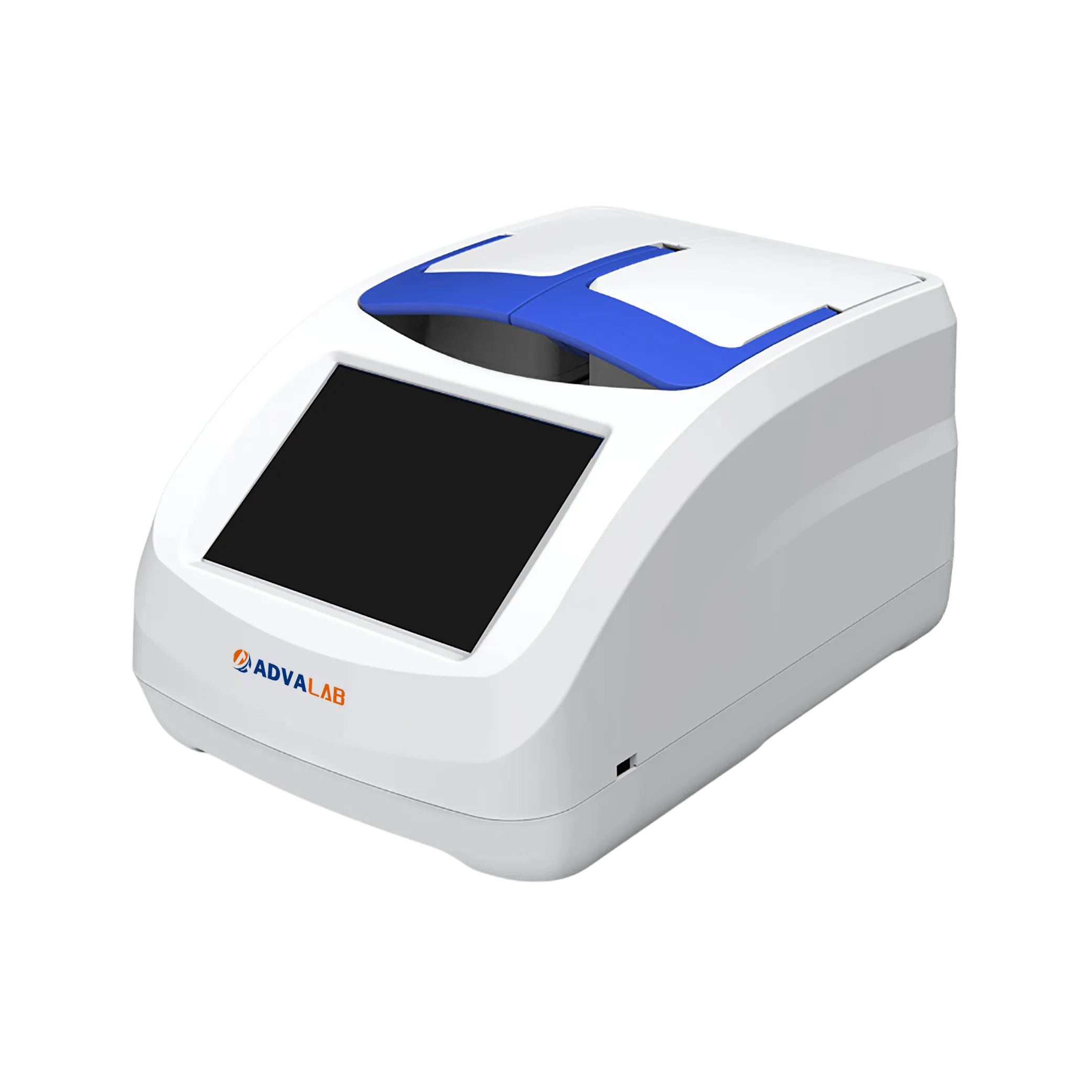
The Gradient Thermal Cycler ADGTC-507 is used in molecular biology laboratories for precise DNA amplification through PCR, ensuring dependable results in diagnostics, genomic research, and scientific investigations.
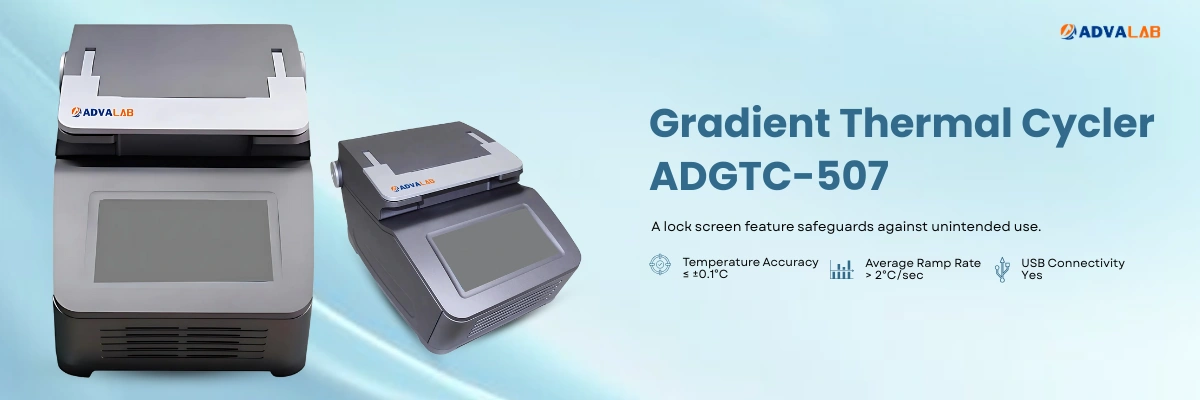

1. What is the main function of the Gradient Thermal Cycler ADGTC-507?
Gradient Thermal Cycler ADGTC-507 performs automated thermal cycling for DNA amplification using PCR. The unit maintains precise temperature profiles to enhance cycle efficiency. Designed for high-throughput labs, it ensures consistent and accurate results in molecular workflows.
2. What type of samples are compatible with this Gradient Thermal Cycler ADGTC-507?
The Gradient Thermal Cycler ADGTC-507 supports 0.2 mL PCR tubes, 8/12-strip tubes, and standard 96-well plates. It accommodates flat, dome, and short/tall tube variants. This compatibility supports various research needs including genotyping, cloning, and qPCR.
3. How does the Gradient Thermal Cycler ADGTC-507 ensure temperature consistency?
Gradient Thermal Cycler ADGTC-507 features triple Peltier modules with edge-zone heating for even temperature distribution. This results in uniform amplification across all wells. Temperature accuracy of ±0.1°C minimizes variation and boosts reaction reliability.
4. Is there a user access control feature in the Gradient Thermal Cycler ADGTC-507?
Yes, the Gradient Thermal Cycler ADGTC-507 includes role-based access control, allowing assignment of permissions for private, shared, guest, and run-only modes. This ensures secure usage and prevents unauthorized modifications. It supports efficient workflow management in multi-user lab environments, maintaining data integrity and access transparency.
5. Can users modify protocols during operation on the Gradient Thermal Cycler ADGTC-507?
Yes, the Gradient Thermal Cycler ADGTC-507 supports in-run editing, allowing real-time changes without halting the program. This enhances flexibility during protocol optimization. It saves time by enabling adjustments without restarting thermal cycles, making it suitable for experimental refinement and troubleshooting.
6. What is Gradient Thermal Cycler?
Gradient Thermal Cycler is a technique that uses a thermal cycler with a temperature gradient across the heating block. This allows users to test multiple annealing temperatures in a single run, helping to quickly identify the optimal temperature for primer binding. It is especially useful during primer validation and assay development.
7. Why is Gradient Thermal Cycler used?
Gradient PCR is used to optimize PCR conditions, especially the annealing temperature, which is critical for specificity and efficiency. It helps reduce trial-and-error by allowing multiple conditions to be tested simultaneously. This improves accuracy while saving time and reagents during PCR setup.
8. What are the benefits of Gradient Thermal Cycler?
Gradient Thermal Cycler offers several benefits, particularly during the optimization phase of PCR. It saves time by allowing multiple annealing temperatures to be tested in a single run, eliminating the need for separate experiments. This approach also reduces reagent use and overall costs. Gradient PCR improves efficiency and specificity by quickly identifying the optimal annealing temperature.

| Capacity | 0.2 mL × 96-well, aluminum |
| Thermal Control System | Three independently controlled Peltier modules with peripheral edge heating |
| Temperature Control Accuracy | ±0.1°C |
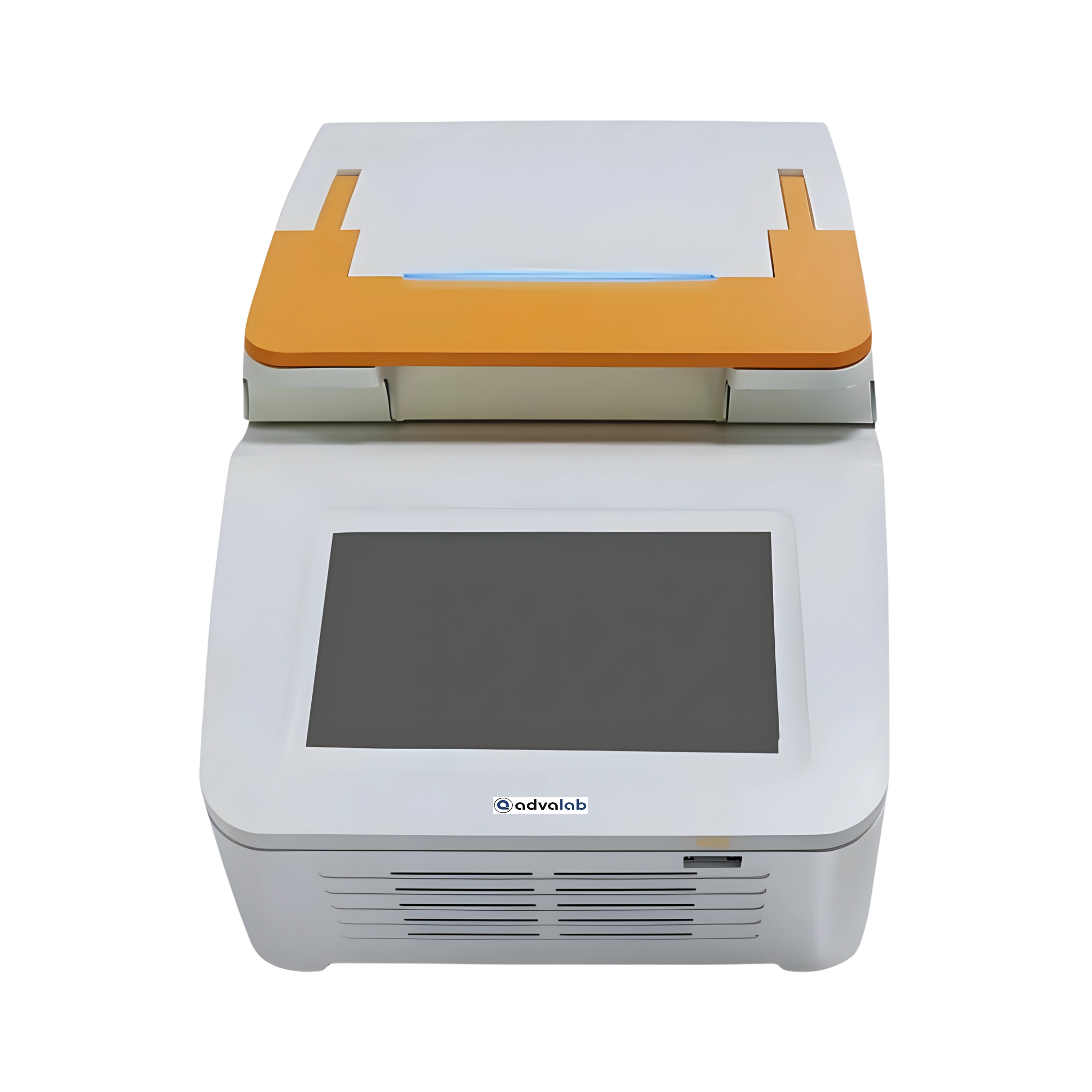
| Capacity | 0.2 mL × 96-well, aluminum |
| Thermal Control System | Three independently controlled Peltier modules with peripheral edge heating |
| Temperature Control Accuracy | ±0.1°C |
| Tubes Capacity |
0.2 ml PCR tube 8 × 0.2 ml strip 48 well plate |
| Capacity | Double 48 × 0.2 ml |
| Maximum Heating Up Rate | 6℃/s |

| Capacity | 0.2 mL × 96-well, aluminum |
| Thermal Control System | Three independently controlled Peltier modules with peripheral edge heating |
| Temperature Control Accuracy | ±0.1°C |

| Capacity: | 2 × 0.2 mL × 48-wells, aluminum |
| Thermal Control System : | Three independently controlled Peltier modules with peripheral edge heating |
| Temperature Control Accuracy : | ±0.1°C |

| Capacity: | 2 × 0.2 mL × 48-wells, aluminum |
| Thermal Control System: | Peltier |
| Temperature Control Accuracy : | ±0.1°C |

| Capacity: | 32 x 0.2ml tubes, 4 x 8 tube strips |
| Temperature Setting Range: | 0℃ to 100℃ |
| Maximum Heating Time: | 4℃/sec |