


| Capacity | 2 × 0.2 mL × 48-wells, aluminum |
| Thermal Control System | Peltier |
| Temperature Control Accuracy | ±0.1°C |
| Block Temperature Precision | ≤±0.1°C |
| Temperature Uniformity | ≤±0.3°C at 55°C |
| Maximum Ramp Rate | >5°C/s |
| Average Ramp Rate | >2°C/s |
| Ramp Rate Adjustment Range | 0.1 to 3.5°C/s |
| Step Setting Range | 1 to 100 |
| Block Temperature Range | 0°C to 105°C |
| Heated Lid Temperature Range | 30°C to 105°C, ON or OFF switchable |
| Block Control Mode | Block-based or tube-based temperature control |
| Gradient | Yes, Double blocks gradient,8 columns arranged vertically, gradient range 0.1-24°C. |
| Temperature Touchdown Function | 0.1°C to 10°C per cycle |
| Time Touchdown Function | 1 to 120 sec per cycle |
| Waiting for Operation | Yes |
| Auto-Adaptive Heated Lid | Yes |
| Real-Time Curve | Yes |
| Independent Dual-Block Operation | Yes |
| Wizard Template | Yes |
| Program Storage Limit | Supports up to 1 million PCR protocols, organized in 1,000 folders with 1,000 files each |
| Post-Run Soak Mode | Yes |
| Remaining Time Display | Yes |
| On-the-Fly Program Editing | Yes |
| Remote Service Support | Yes, via We Chat platform |
| Applicable Consumables | 2×48 wells, single tube, 8-strip tubes, non-skirted, semi-skirted. |
| Power Supply | 100 to 240V AC, 50/60 Hz, 600 VA |
| Product Dimensions (L × W × H) | 427 × 288 × 227 mm |
| Shipping Dimensions (L × W × H) | 540 × 450 × 385 mm |
| Net Weight | 9.7 kg |
| Gross Weight | 14.5 kg |
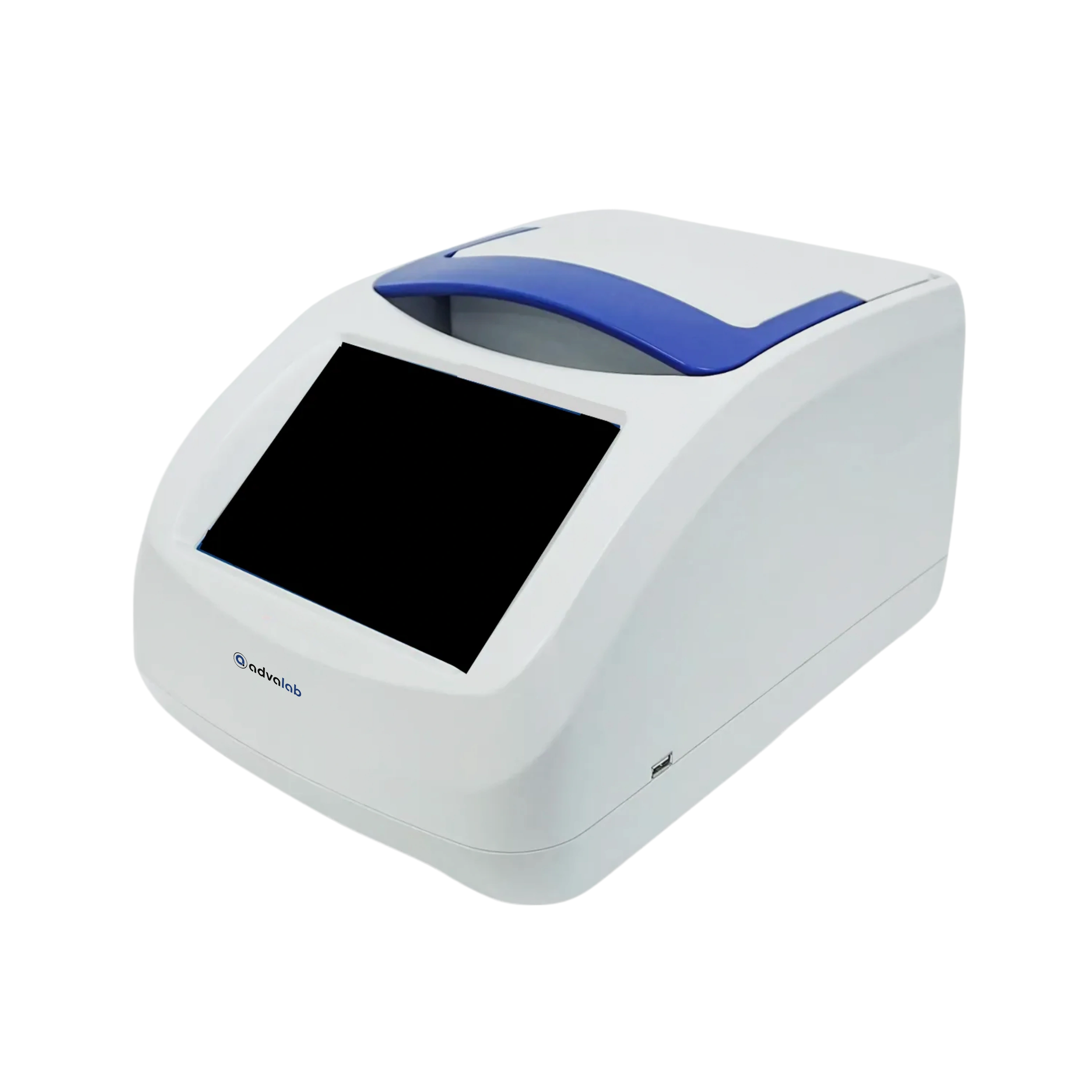
Our Double-Block Gradient Thermal Cycler ADBTC-502 is utilized in molecular biology laboratories for high-precision DNA amplification, ensuring dependable outcomes in diagnostic procedures, scientific research, and genetic evaluation.


1. Can both blocks operate independently in the Double-Block Gradient Thermal Cycler ADBTC-502?
Yes, each block functions independently with separate temperature and timing controls. This allows simultaneous execution of two different PCR protocols. Users can customize settings for varied experimental needs. It boosts efficiency in multi-target studies. Dual operation enhances flexibility in research workflows.
2. What types of tubes and plates are compatible with Double-Block Gradient Thermal Cycler ADBTC-502?
The Double-Block Gradient Thermal Cycler ADBTC-502 supports 0.2 mL tubes, 8-strip tubes, and both non-skirted and semi-skirted plates. This makes it versatile across various lab setups. It accommodates multiple PCR consumables without requiring adaptors. Compatibility ensures convenience for researchers. Switching between formats is seamless and efficient.
3. How does Double-Block Gradient Thermal Cycler ADBTC-502 maintain precise thermal control?
The Double-Block Gradient Thermal Cycler ADBTC-502 utilizes high-precision Peltier modules for stable temperature regulation. It maintains a control accuracy of ±0.1°C and uniformity of ±0.3°C at 55°C. This ensures consistent amplification cycles. Sensitive protocols benefit from minimized thermal deviation. Temperature stability supports reproducibility in experiments.
4. How much data can the Double-Block Gradient Thermal Cycler ADBTC-502 store?
Double-Block Gradient Thermal Cycler ADBTC-502 can store up to 1 million PCR programs. It supports a maximum of 1000 folders, each containing up to 1000 files. This massive capacity is ideal for high-throughput labs. Researchers can archive extensive experiment histories. It reduces the need for external storage.
5. Is the interface user-friendly for programming thermal profiles on the Double-Block Gradient Thermal Cycler ADBTC-502?
Yes, the Double-Block Gradient Thermal Cycler ADBTC-502 features a 7-inch full-color touchscreen with an intuitive layout and LED backlighting. Users can easily program, edit, and monitor thermal profiles. Its responsive interface streamlines routine PCR setup. Both beginners and experienced researchers benefit from the user-centric design. The touchscreen boosts operational efficiency in lab workflows.
6. What are Double-Block Gradient Thermal Cyclers used for?
Double-Block Gradient Thermal Cyclers are utilized in molecular biology laboratories for amplifying DNA, RNA, and cDNA across two independent blocks. This setup allows researchers to perform multiple PCR protocols in parallel, making them ideal for high-throughput workflows. They are particularly valuable for optimizing annealing temperatures, and conducting comparative gene expression studies, mutation analysis.
7. How are Double-Block Gradient Thermal Cyclers different from standard Gradient Thermal Cyclers?
Double-Block Gradient Thermal Cyclers are equipped with two independently controlled thermal blocks, allowing simultaneous execution of different PCR programs. In contrast, standard Gradient Thermal Cyclers typically have a single block, limiting them to one protocol at a time. This dual block systems configuration enhances flexibility and throughput in laboratories handling diverse experiments.

| Capacity | 2 × 0.2 mL × 48-wells, aluminum |
| Thermal Control System | Three independently controlled Peltier modules with peripheral edge heating |
| Temperature Control Accuracy | ±0.1°C |
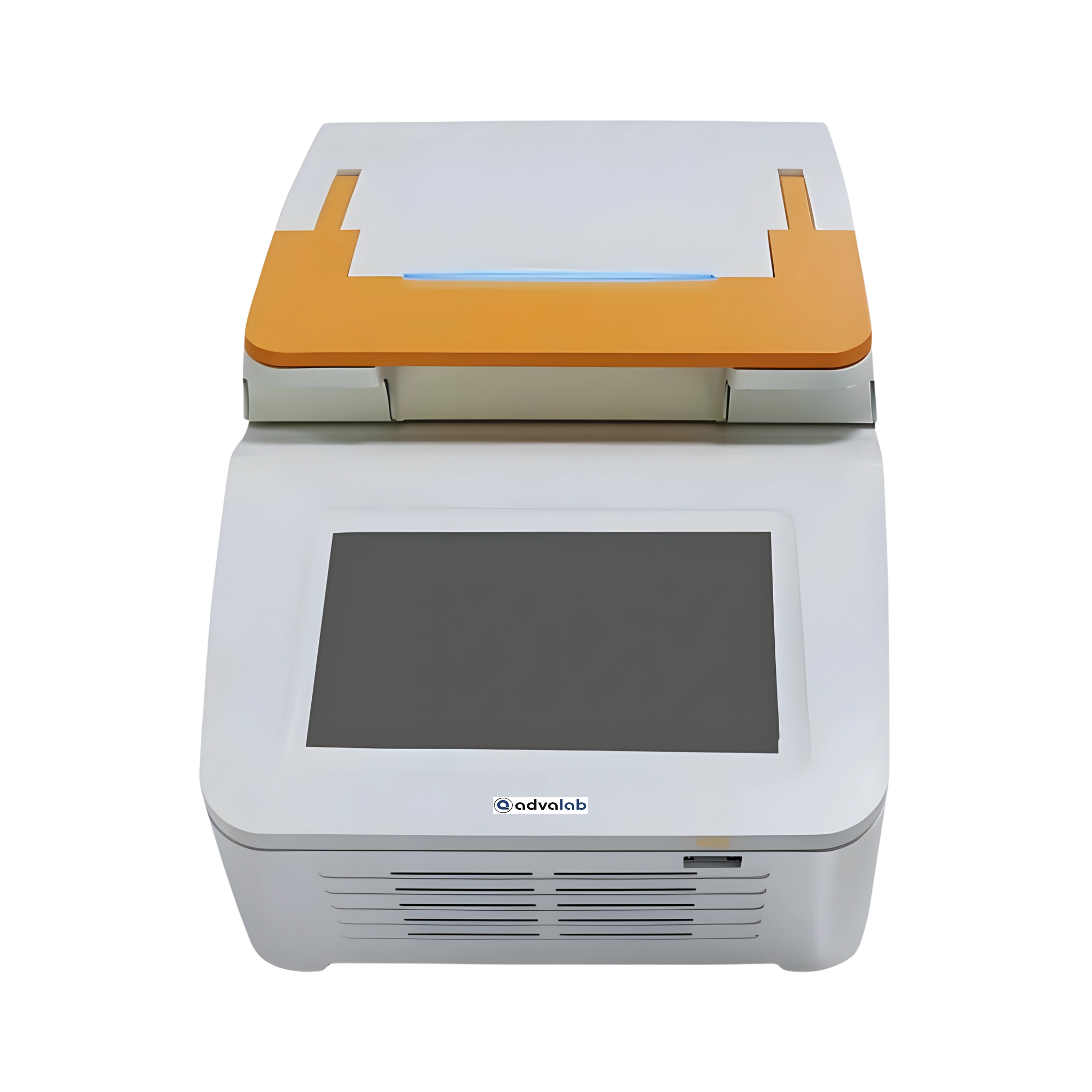
| Capacity: | 0.2 mL × 96-well, aluminum |
| Thermal Control System: | Three independently controlled Peltier modules with peripheral edge heating |
| Temperature Control Accuracy : | ±0.1°C |
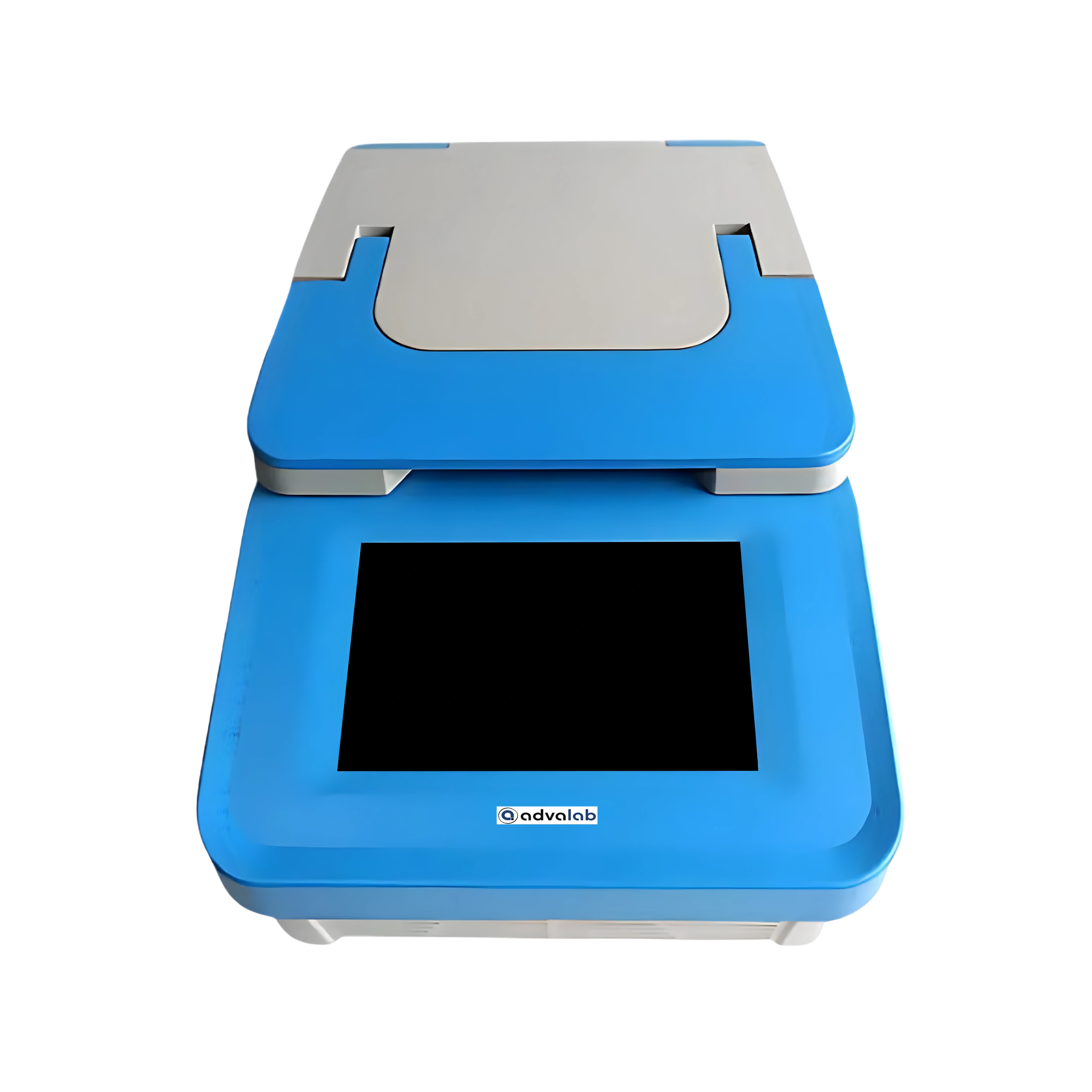
| Capacity: | 96 x 0.2ml (0.2ml PCR tubes, 8-tube strips) |
| Temperature Setting Range: | 4℃ to 105℃ |
| Gradient Temperature Range: | 30 to 105℃ |

| Capacity: | 0.2 mL × 96-well, aluminum |
| Thermal Control System : | Three independently controlled Peltier modules with peripheral edge heating |
| Temperature Control Accuracy : | ±0.1°C |
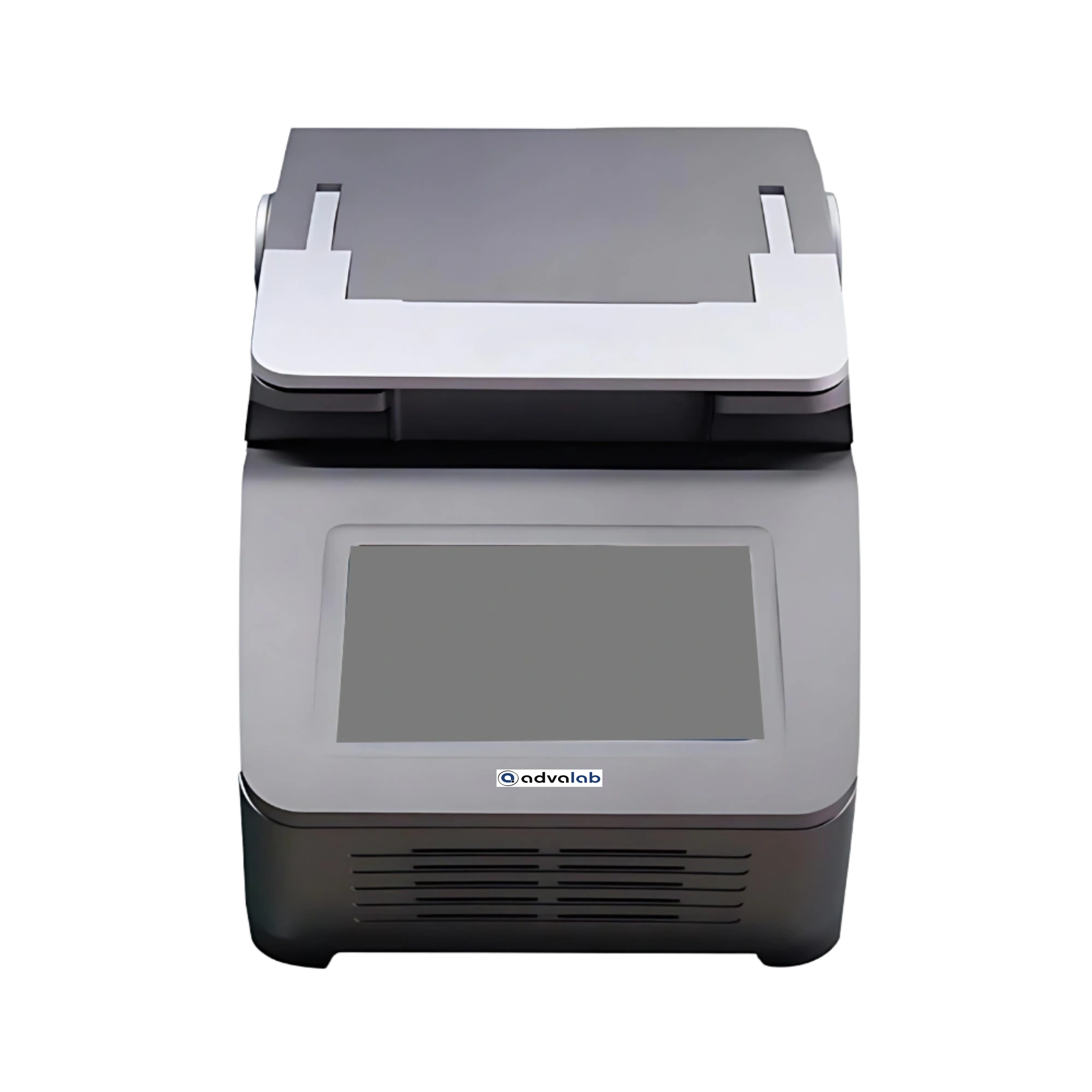
| Capacity: | 0.2 mL × 384-well, aluminum |
| Thermal Control System : | Three independently controlled Peltier modules with peripheral edge heating |
| Temperature Control Accuracy : | ±0.1°C |
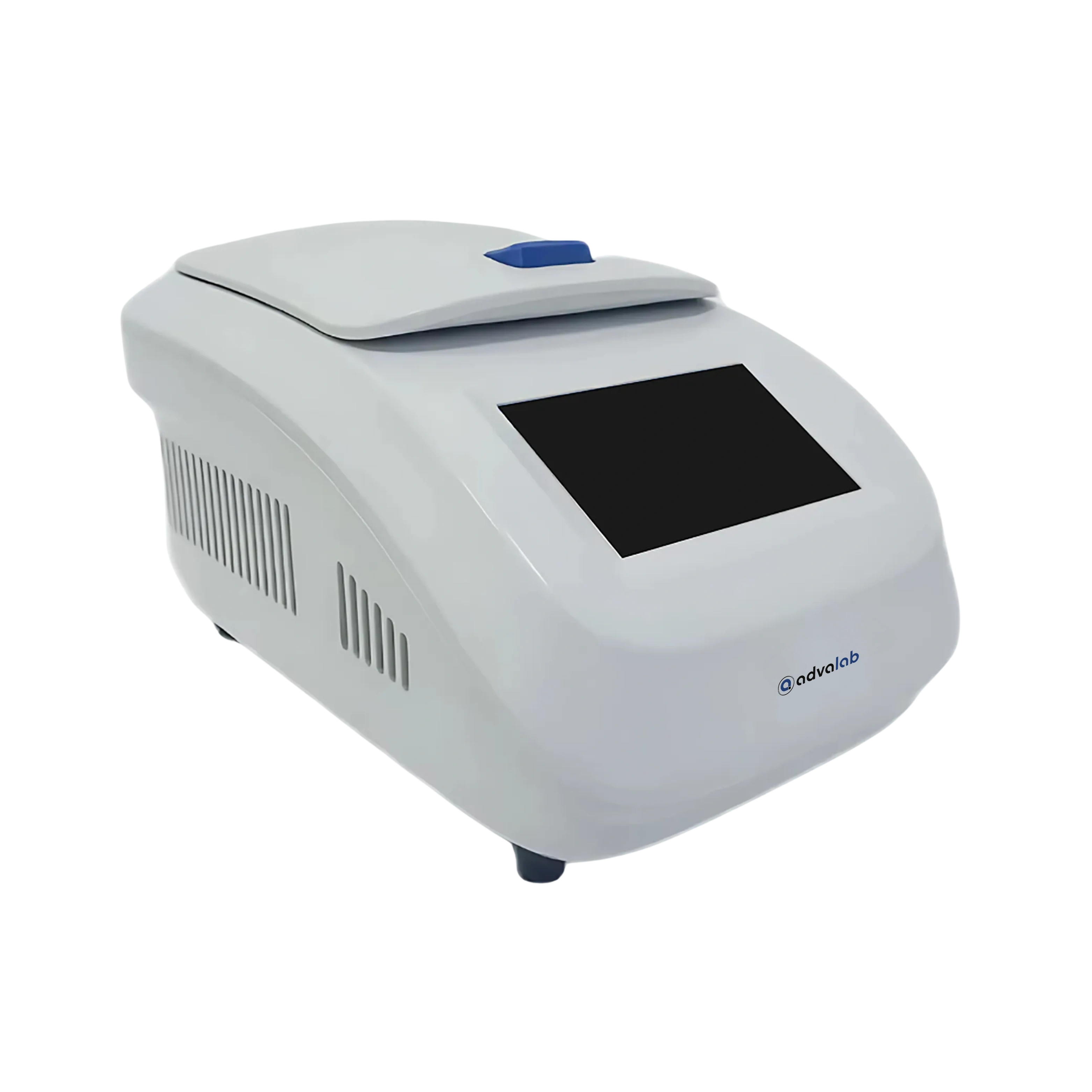
| Capacity: | 96×0.2 ml (PCR plate without/semi skirt) <br/> 12×8×0.2 ml (strips) <br/> 8×12×0.2 ml (strips) <br/> 0.2ml tubes (height 20 to 23mm) |
| Maximum Heating Rate: | 5℃/s |
| Maximum Cooling Rate: | 4.5℃/s |
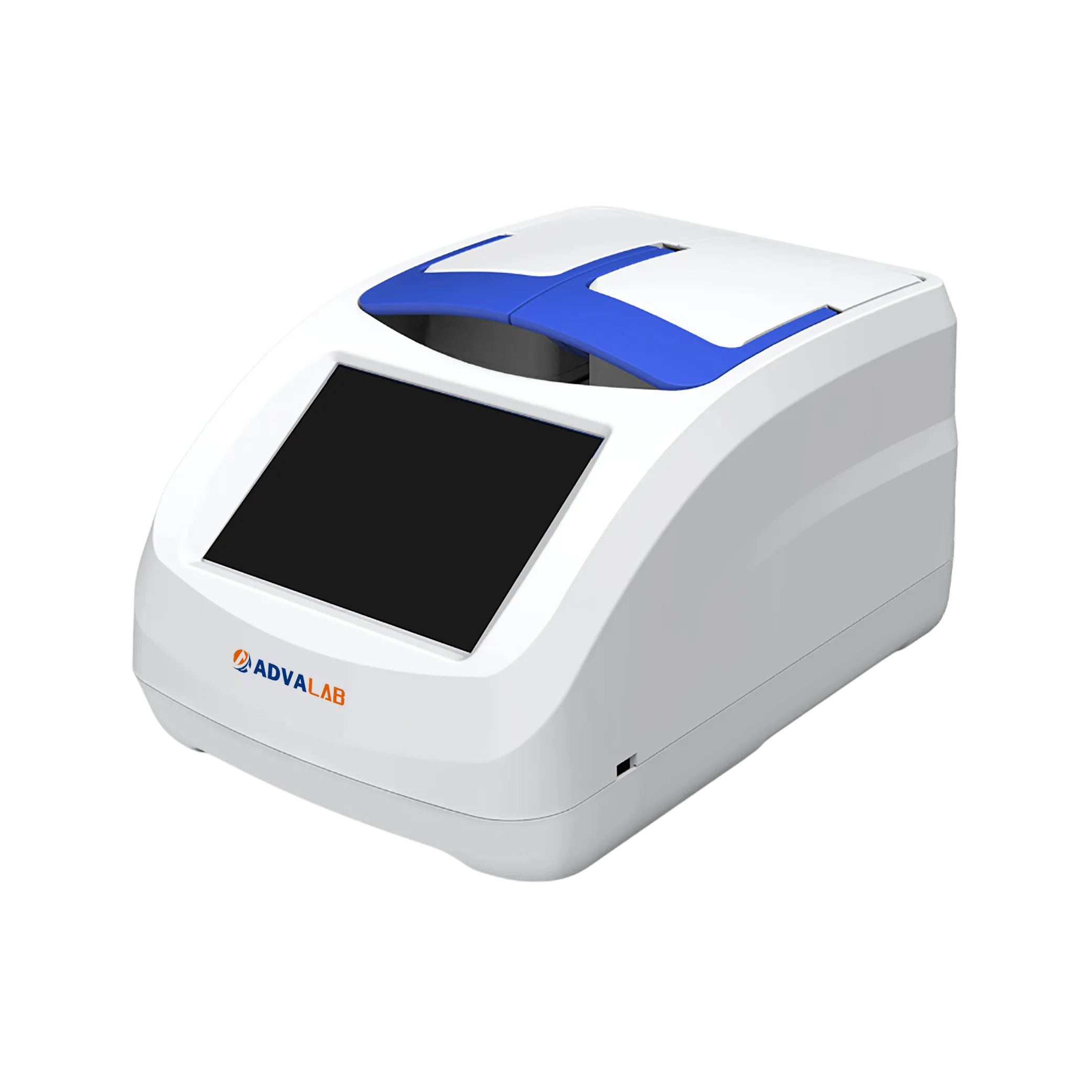
| Tubes Capacity: | 0.2 ml PCR tube <br> 8 × 0.2 ml strip <br> 48 well plate |
| Capacity: | Double 48 × 0.2 ml |
| Maximum Heating Up Rate : | 6℃/s |
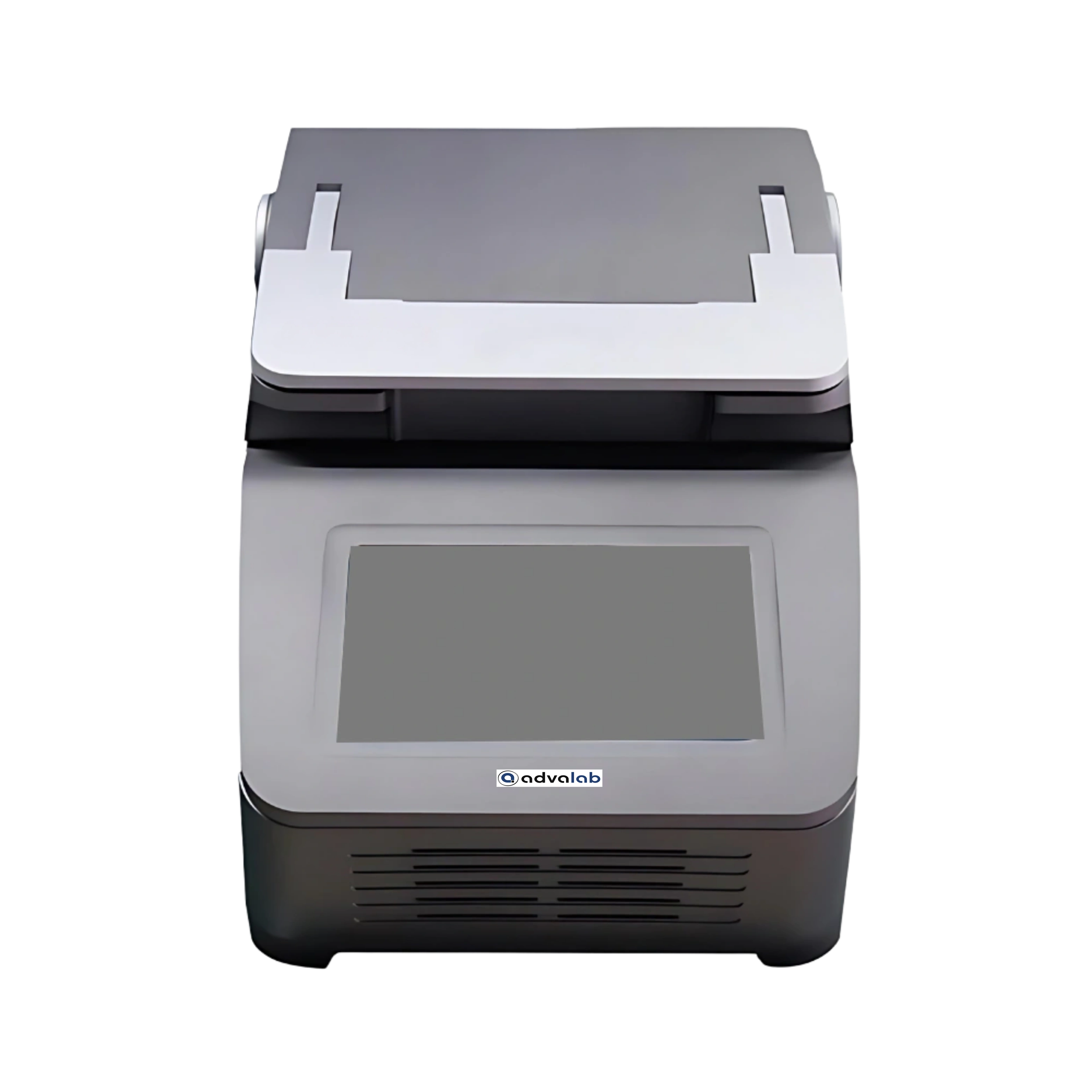
| Capacity: | 0.2 mL × 96 wells, Interchangeable aluminum block |
| Sample Compatibility : | 96-well plates, 8/12-strip PCR tubes, tall/short/dome/flat caps |
| Temperature Accuracy : | ≤ ±0.1°C |
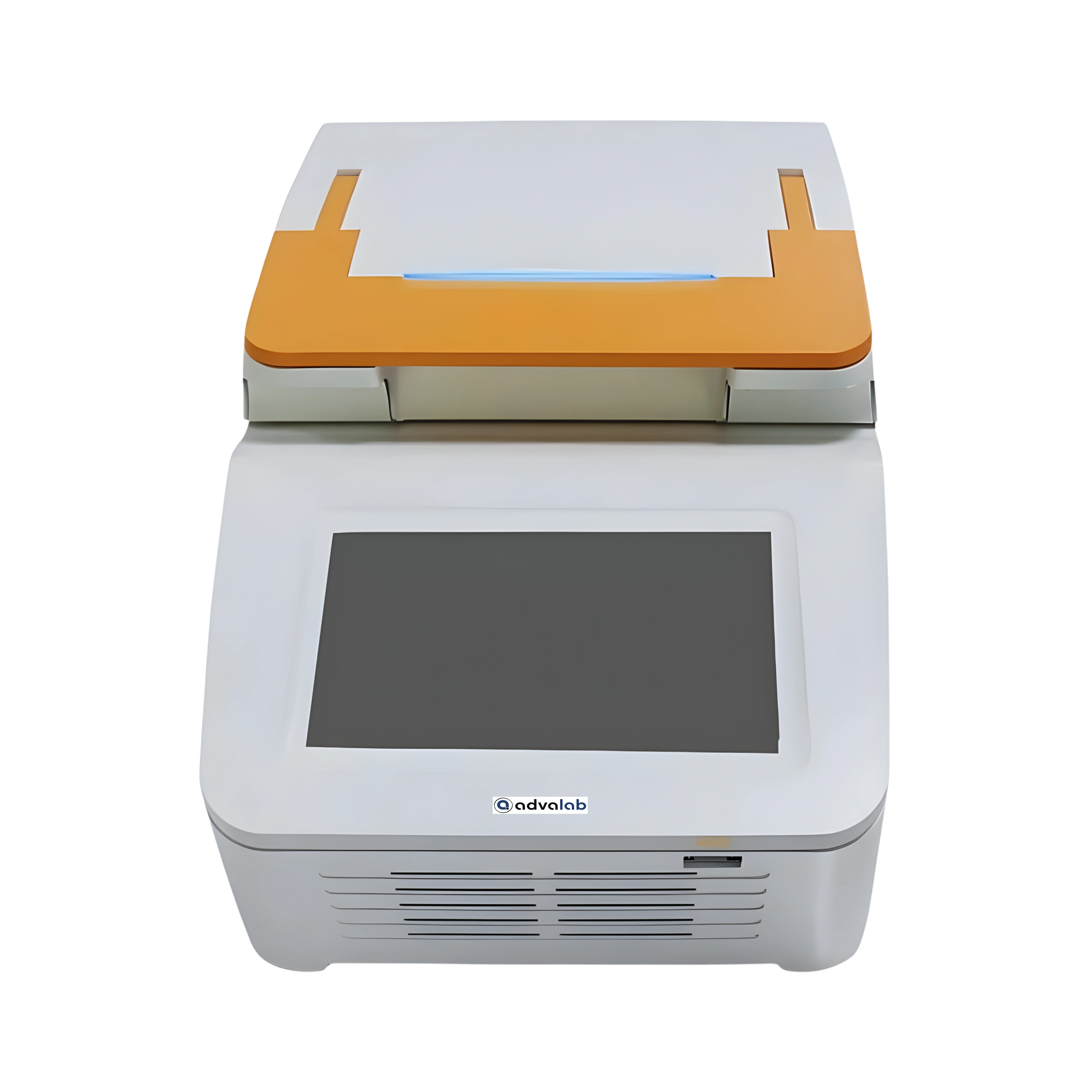
| Capacity: | 0.2 mL × 384-well, aluminum |
| Thermal Control System : | Three independently controlled Peltier modules with peripheral edge heating |
| Temperature Control Accuracy : | ±0.1°C |

| Capacity: | 0.2 mL × 96-well, aluminum |
| Thermal Control System : | Three independently controlled Peltier modules with peripheral edge heating |
| Temperature Control Accuracy : | ±0.1°C |
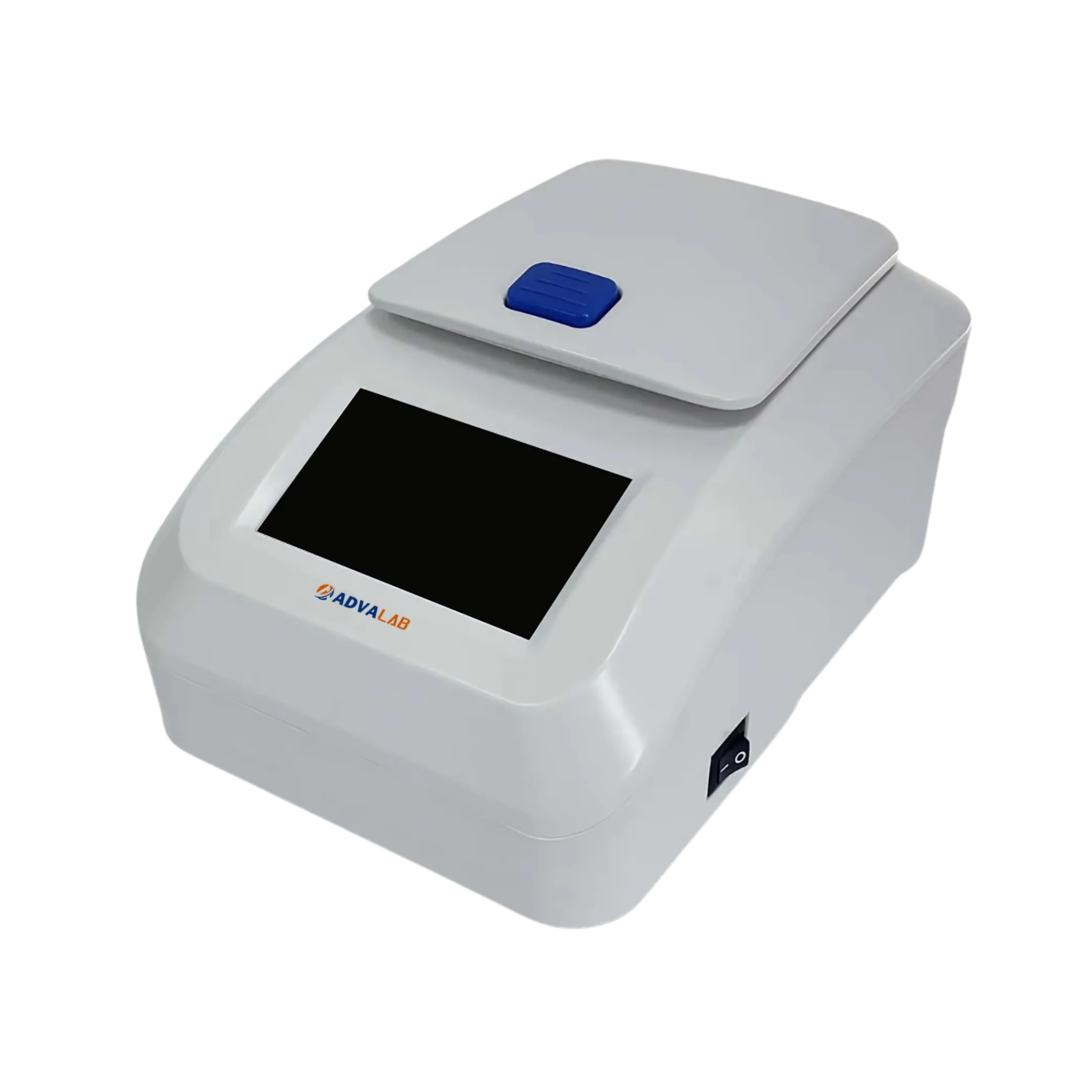
| Capacity: | 32×0.2 ml (microtubes) <br/> 4×8×0.2 ml (tube strips) |
| Maximum Heating Up Rate : | 5℃/s |
| Maximum Cooling Down Rate : | 4℃/s |
| Tubes Capacity: | 0.2 ml microtubes <br/> 8 × 0.2 ml tube strips <br/> 96 × 0.2 ml PCR plate (no/semi-skirted) |
| Capacity: | 96 × 0.2 ml |
| Maximum Heating Up Rate : | 6℃/s |

| Capacity: | 32 x 0.2ml tubes, 4 x 8 tube strips |
| Temperature Setting Range: | 0℃ to 100℃ |
| Maximum Heating Time: | 4℃/sec |