
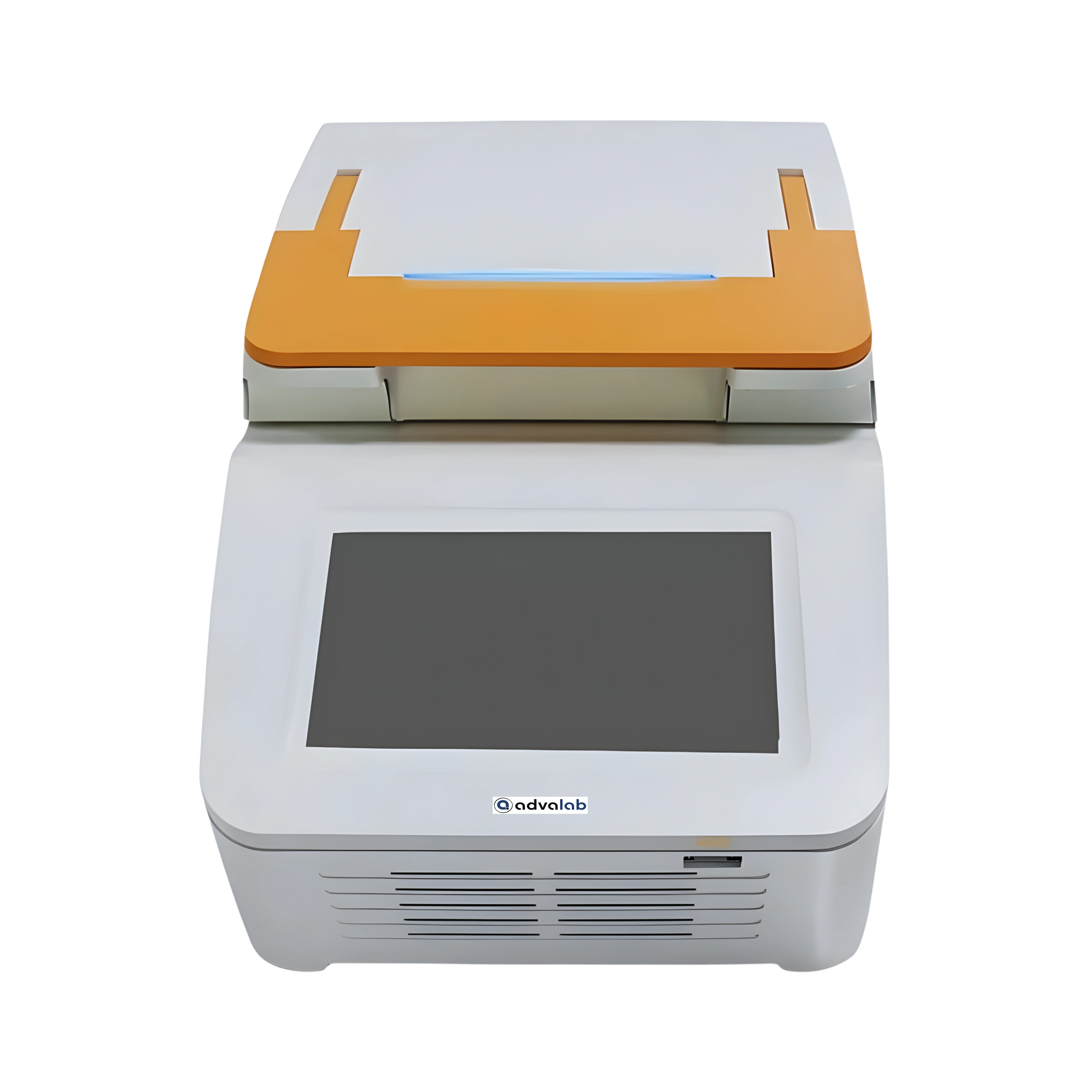
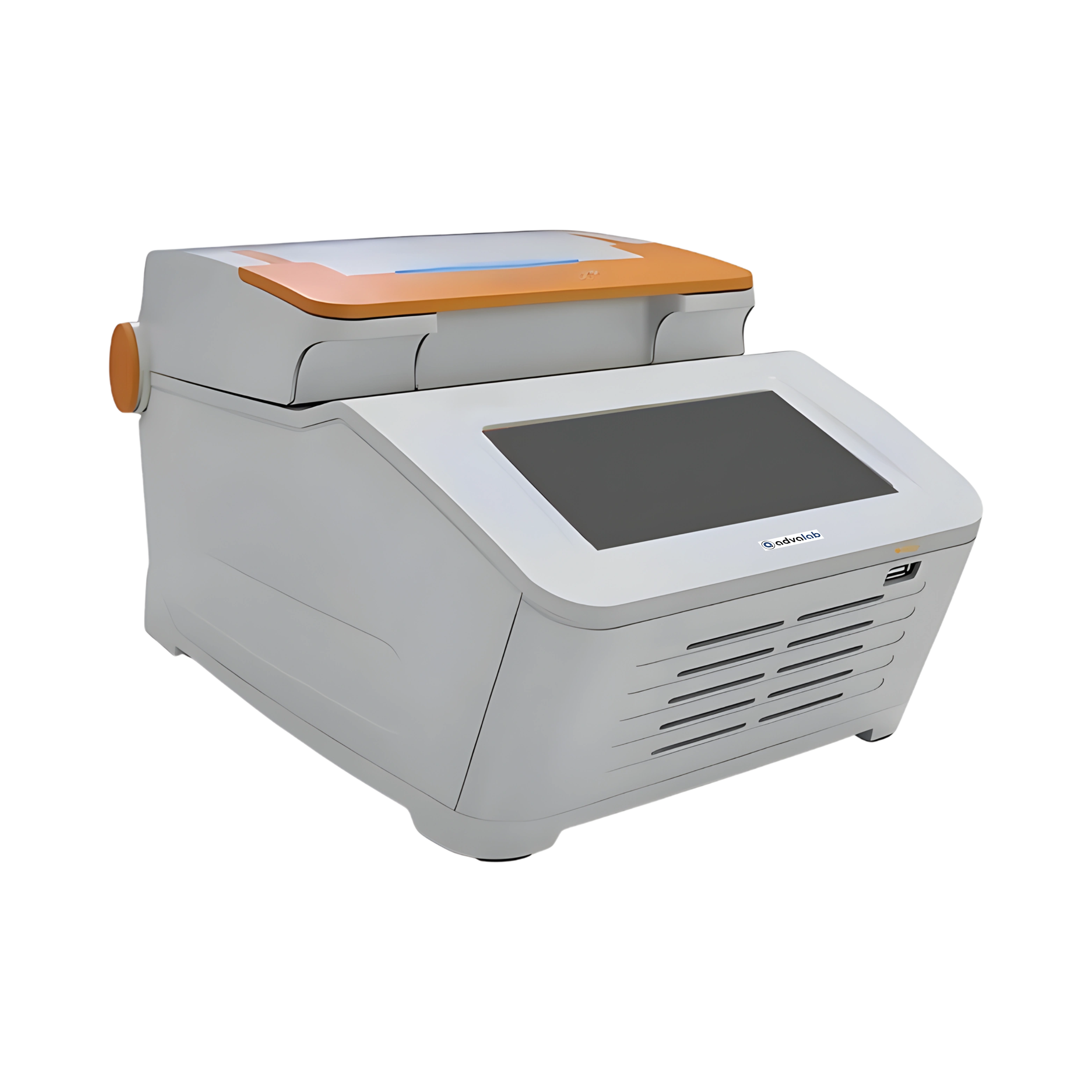
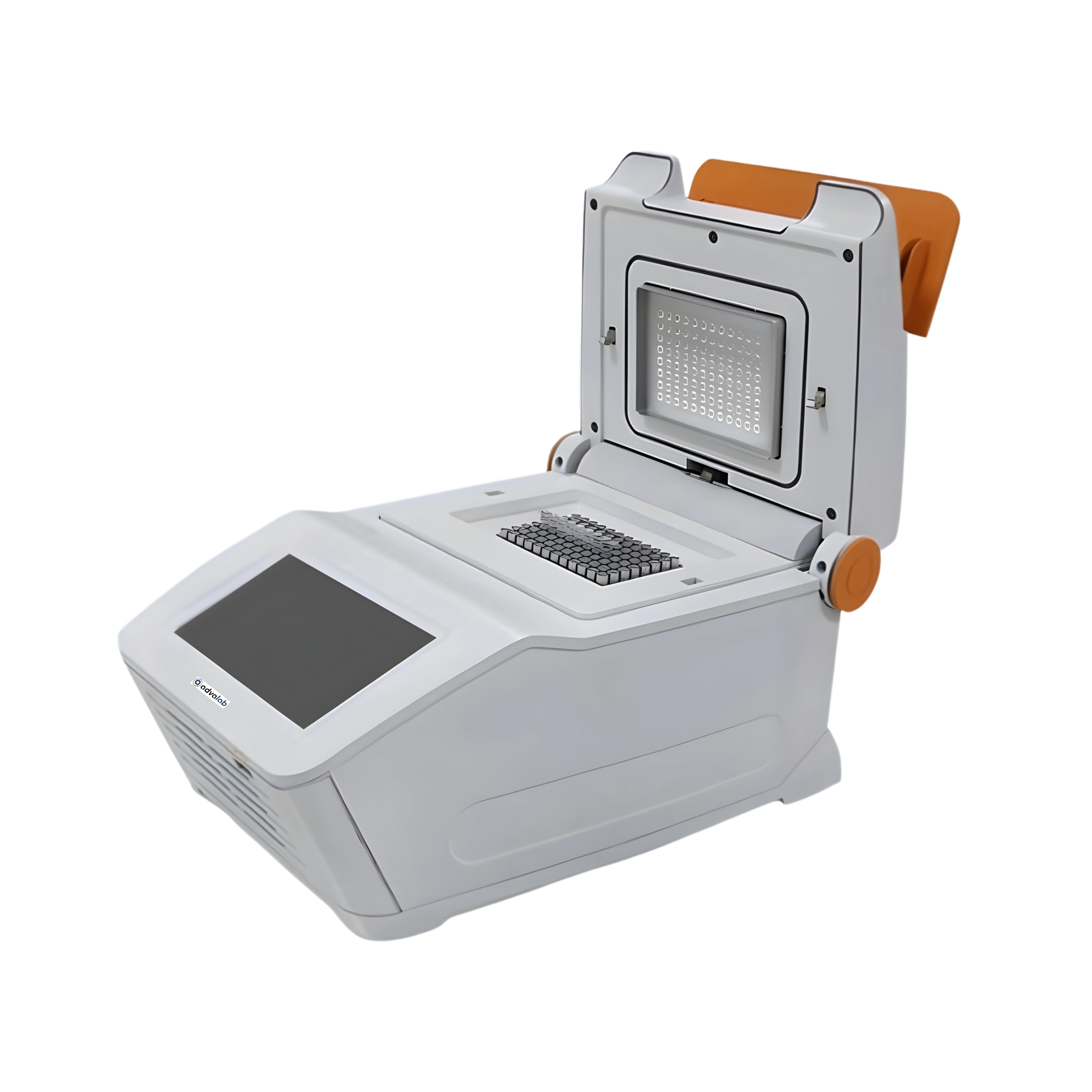
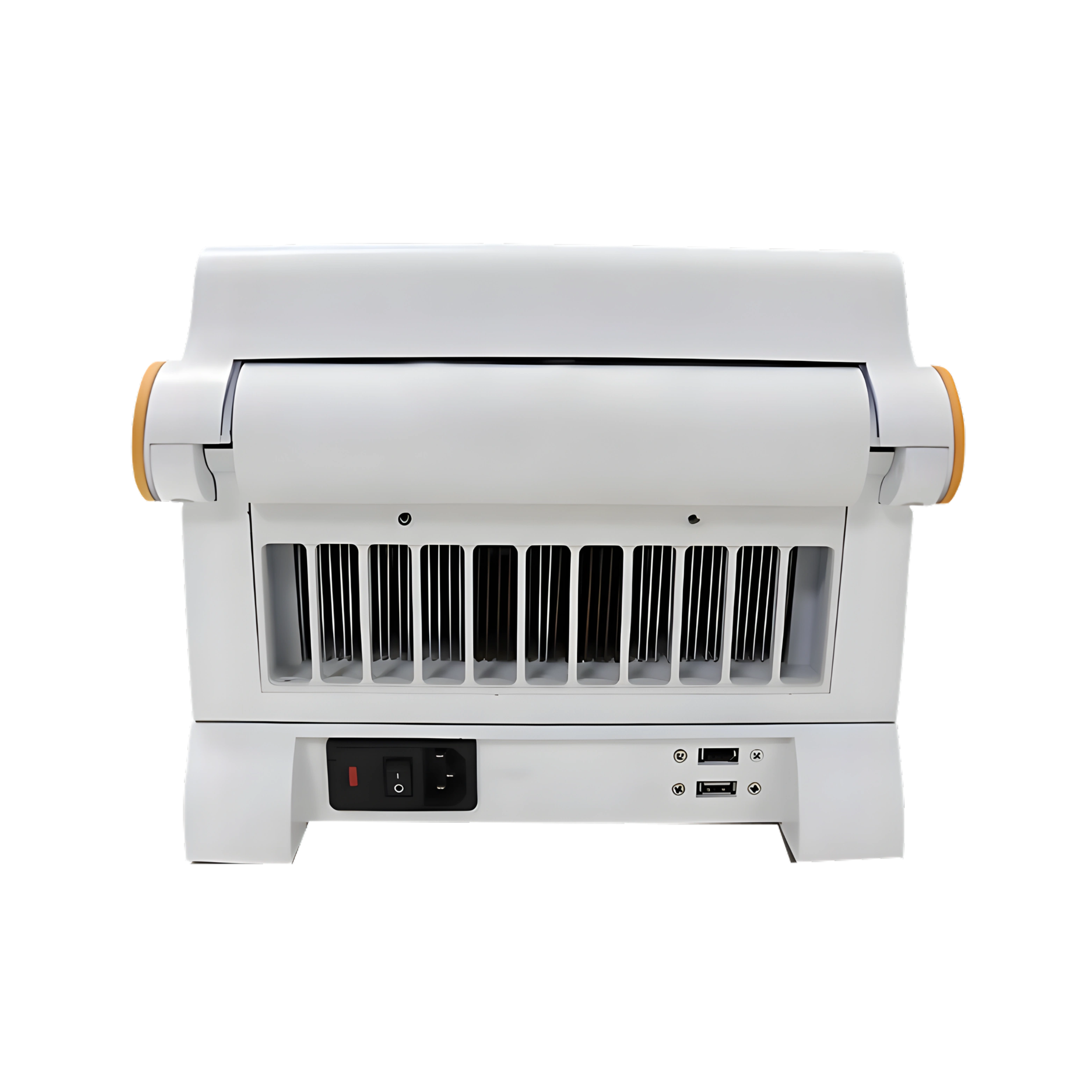
| Capacity | 0.2 mL × 384-well, aluminum |
| Thermal Control System | Three independently controlled Peltier modules with peripheral edge heating |
| Temperature Control Accuracy | ±0.1°C |
| Block Temperature Precision | ≤±0.1°C |
| Temperature Uniformity | ≤±0.3°C at 55°C |
| Maximum Heating Rate | >5°C/s |
| Maximum Cooling Rate | >5°C/s |
| Average Ramp Rate | >2°C/s |
| Ramp Rate Adjustment Range | 0.1 to 3.5°C/s |
| Step Setting Range | 1 to 100 |
| Block Temperature Range | 0°C to 105°C |
| Heated Lid Temperature Range | 30°C to 105°C, ON or OFF switchable |
| Block Control Mode | Block-based or tube-based temperature control |
| Gradient Temperature Range | 30°C to 99°C; gradient span: 0.1°C to 42°C |
| Temperature Touchdown Function | 0.1°C to 10°C per cycle |
| Time Touchdown Function | 1 to 120sec per cycle |
| Smart Ramp Rate | Yes |
| Auto-Adaptive Heated Lid | Yes |
| Display Interface | 7 |
| Program Storage Capacity | 1000 folders maximum |
| Power Failure Recovery | Yes |
| Post-Run Soak Mode | Yes |
| Remaining Time Display | Yes |
| On-the-Fly Program Editing | Yes |
| Remote Service Support | Yes, via We Chat platform |
| Certification | CE marked |
| Applicable Consumables | 384 Microplates |
| Product Dimensions (L × W × H) | 427 × 288 × 227 mm |
| Shipping Dimensions (L × W × H) | 540 × 450 × 385 mm |
| Net Weight | 9.7 kg |
| Gross Weight | 14.5 kg |
The Gradient Thermal Cycler ADGTC-509 is ideal in molecular biology laboratories for precise DNA amplification through PCR, ensuring dependable results in diagnostics, research, and genomic analysis.


1. How does the hot lid improve PCR performance in the Gradient Thermal Cycler ADGTC-509?
The intelligent hot lid applies uniform pressure to tube caps, preventing sample evaporation during cycling. It automatically adapts to different tube heights, maintaining consistent contact with the block. This ensures even heating and safeguard's reaction integrity. Manual adjustment is not required, enhancing operational ease. It also minimizes the risk of condensation affecting PCR efficiency.
2. Which applications are most suitable for the Gradient Thermal Cycler ADGTC-509?
This system excels in DNA, RNA, and cDNA amplification across diverse experimental protocols. It’s tailored for molecular diagnostics, cloning, forensic profiling, and sequencing library preparation. With accurate block and gradient controls, it handles varied genetic targets effortlessly. The unit is designed to deliver reproducible results. It’s an asset in both research and clinical environments.
3. Can the Gradient Thermal Cycler ADGTC-509 store multiple protocols for user convenience?
Yes, Gradient Thermal Cycler ADGTC-509 supports the storage of numerous PCR workflows within its interface. It allows fast access to saved protocols, ideal for labs with multiple users or recurring experiments. Built-in password protection secures sensitive method data. This functionality streamlines daily lab routines. It improves operational efficiency and protocol consistency.
4. How does the gradient heating capability benefit PCR optimization in ADGTC-509?
The system creates a controlled thermal gradient across the block, allowing evaluation of several annealing temperatures simultaneously. This feature eliminates the need for separate runs to determine optimal conditions. It speeds up primer testing and reduces reagent usage. The gradient range is programmable to meet user needs. It’s instrumental in fine-tuning PCR reactions.
5. What is the sample handling capacity of the Gradient Thermal Cycler ADGTC-509?
The Gradient Thermal Cycler ADGTC-509 accommodates a 0.2 mL × 384-well format within a precision-machined aluminum block. This supports high-throughput experiments with excellent thermal uniformity. Its structure promotes equal heat distribution, minimizing variability. Large-scale labs benefit from its robust performance. It’s ideal for facilities running extensive PCR batches.
6. What is Gradient Thermal Cycler?
Gradient Thermal Cycler is a technique that uses a thermal cycler with a temperature gradient across the heating block. This allows users to test multiple annealing temperatures in a single run, helping to quickly identify the optimal temperature for primer binding. It is especially useful during primer validation and assay development.
7. Why is Gradient Thermal Cycler used?
Gradient PCR is used to optimize PCR conditions, especially the annealing temperature, which is critical for specificity and efficiency. It helps reduce trial-and-error by allowing multiple conditions to be tested simultaneously. This improves accuracy while saving time and reagents during PCR setup.
8. What are the benefits of Gradient Thermal Cycler?
Gradient Thermal Cycler offers several benefits, particularly during the optimization phase of PCR. It saves time by allowing multiple annealing temperatures to be tested in a single run, eliminating the need for separate experiments. This approach also reduces reagent use and overall costs. Gradient PCR improves efficiency and specificity by quickly identifying the optimal annealing temperature.

| Capacity | 0.2 mL × 96-well, aluminum |
| Thermal Control System | Three independently controlled Peltier modules with peripheral edge heating |
| Temperature Control Accuracy | ±0.1°C |

| Capacity | 0.2 mL × 96-well, aluminum |
| Thermal Control System | Three independently controlled Peltier modules with peripheral edge heating |
| Temperature Control Accuracy | ±0.1°C |
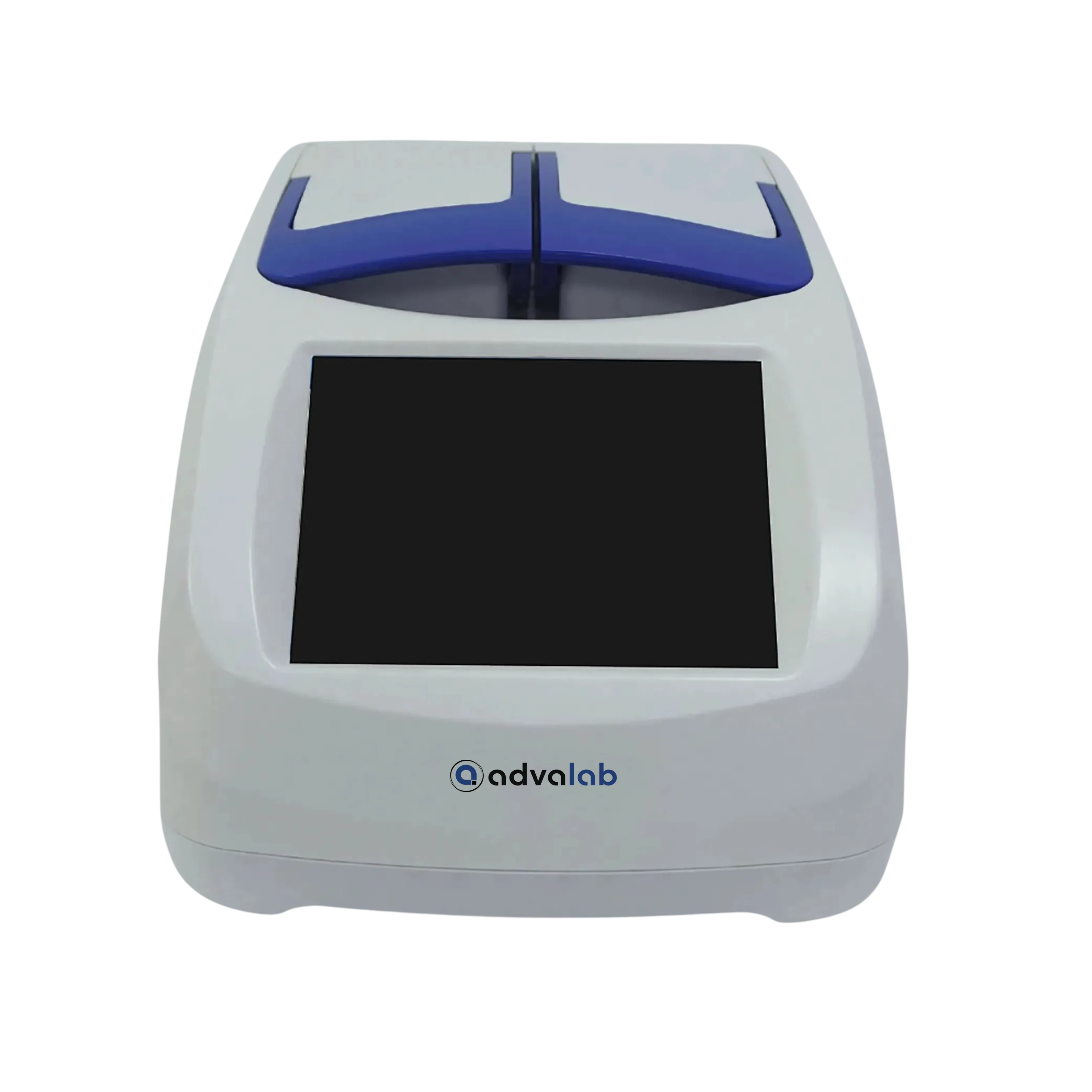
| Tubes Capacity |
0.2 ml PCR tube 8 × 0.2 ml strip 48 well plate |
| Capacity | Double 48 × 0.2 ml |
| Maximum Heating Up Rate | 6℃/s |
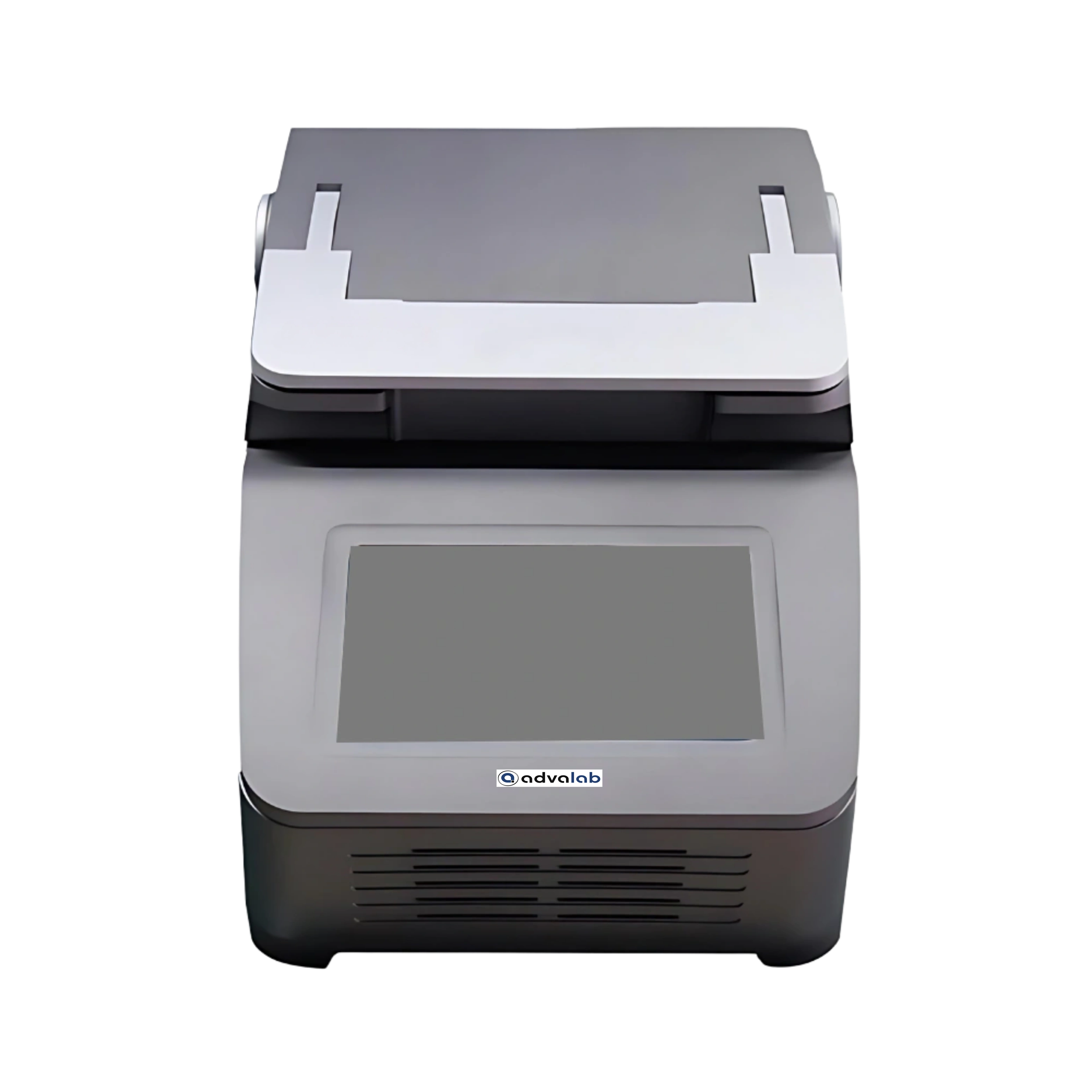
| Capacity | 0.2 mL × 96 wells, Interchangeable aluminum block |
| Sample Compatibility | 96-well plates, 8/12-strip PCR tubes, tall/short/dome/flat caps |
| Temperature Accuracy | ≤ ±0.1°C |

| Capacity: | 2 × 0.2 mL × 48-wells, aluminum |
| Thermal Control System: | Peltier |
| Temperature Control Accuracy : | ±0.1°C |

| Capacity: | 2 × 0.2 mL × 48-wells, aluminum |
| Thermal Control System : | Three independently controlled Peltier modules with peripheral edge heating |
| Temperature Control Accuracy : | ±0.1°C |

| Capacity: | 32 x 0.2ml tubes, 4 x 8 tube strips |
| Temperature Setting Range: | 0℃ to 100℃ |
| Maximum Heating Time: | 4℃/sec |