
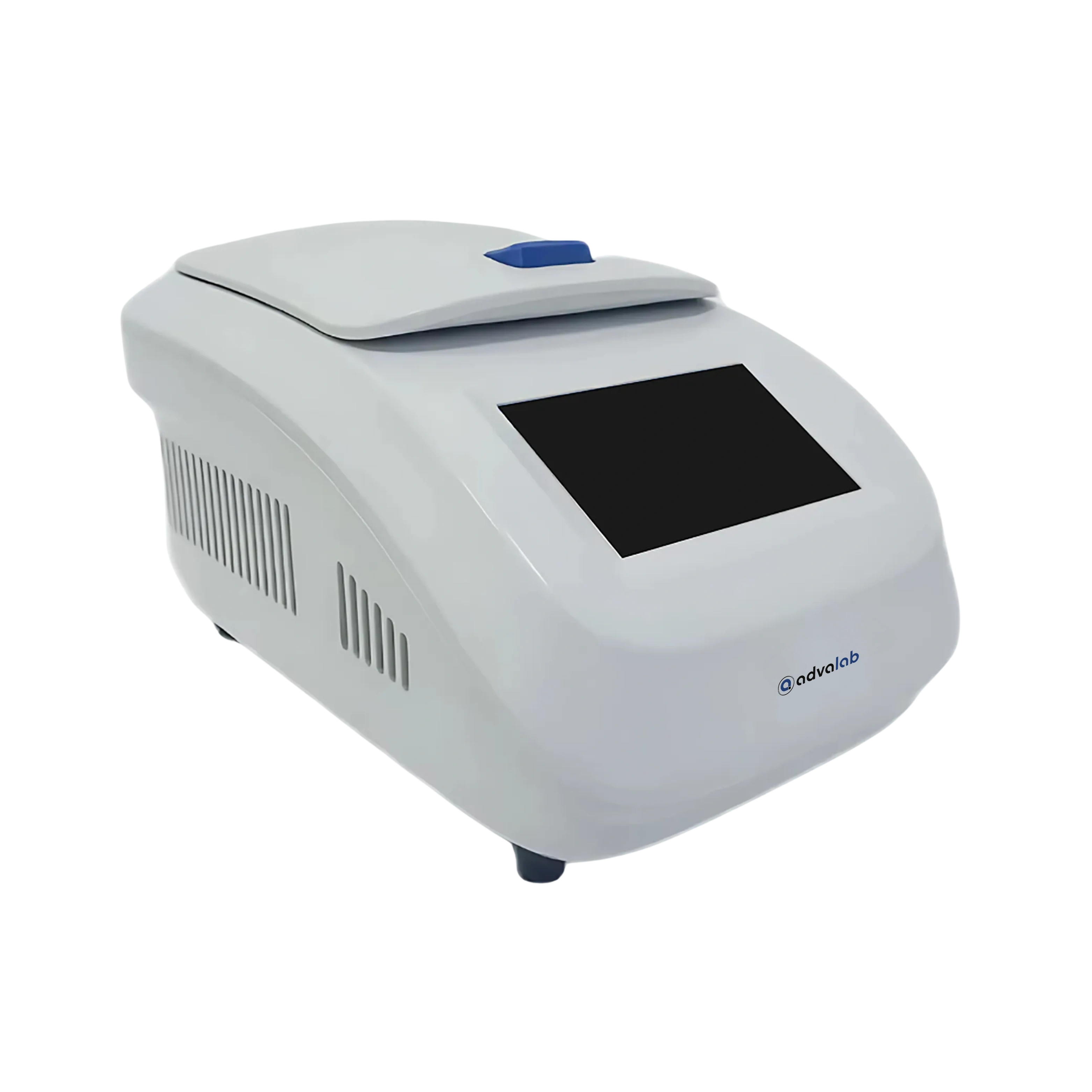


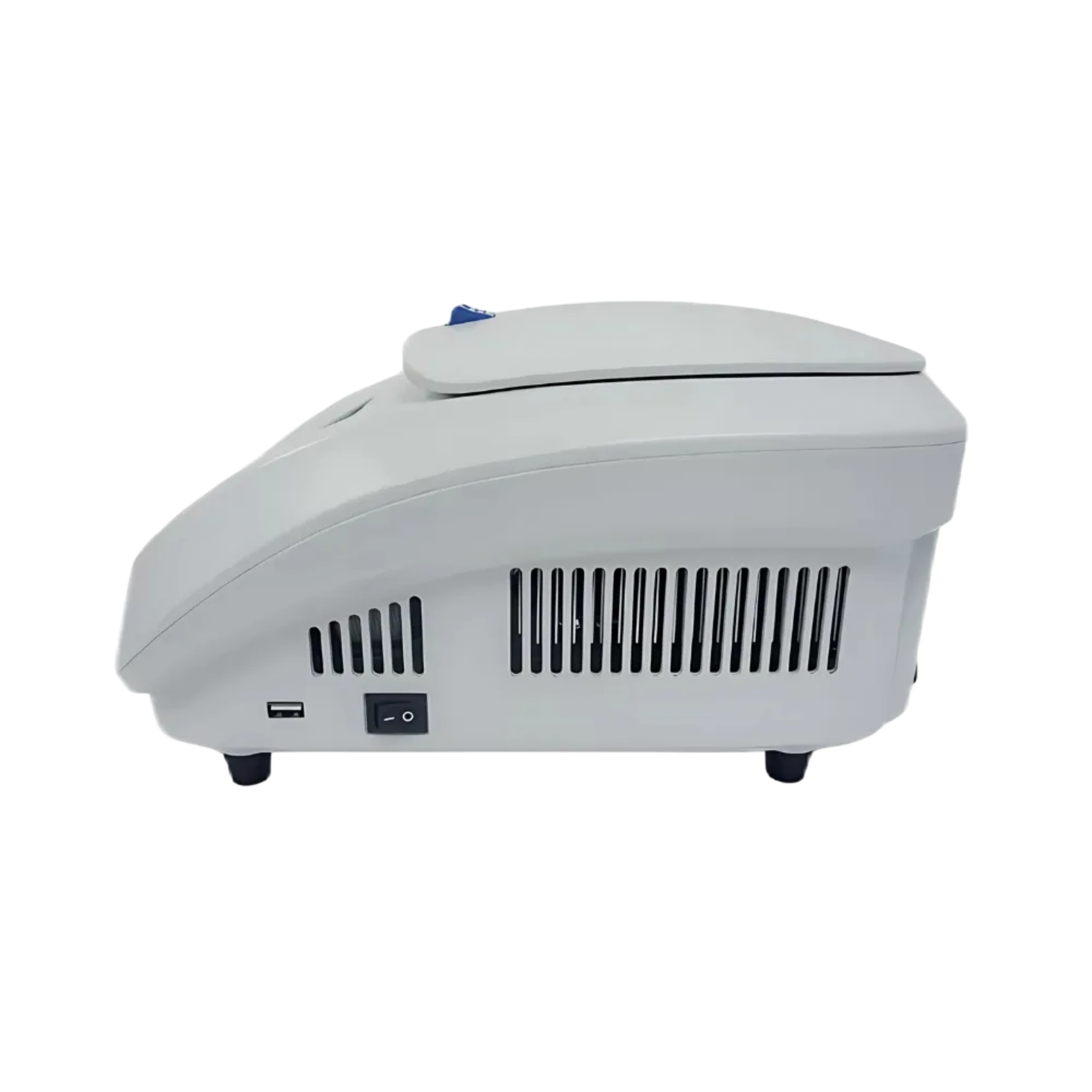
| Capacity |
96×0.2 ml (PCR plate without/semi skirt) 12×8×0.2 ml (strips) 8×12×0.2 ml (strips) 0.2ml tubes (height 20 to 23mm) |
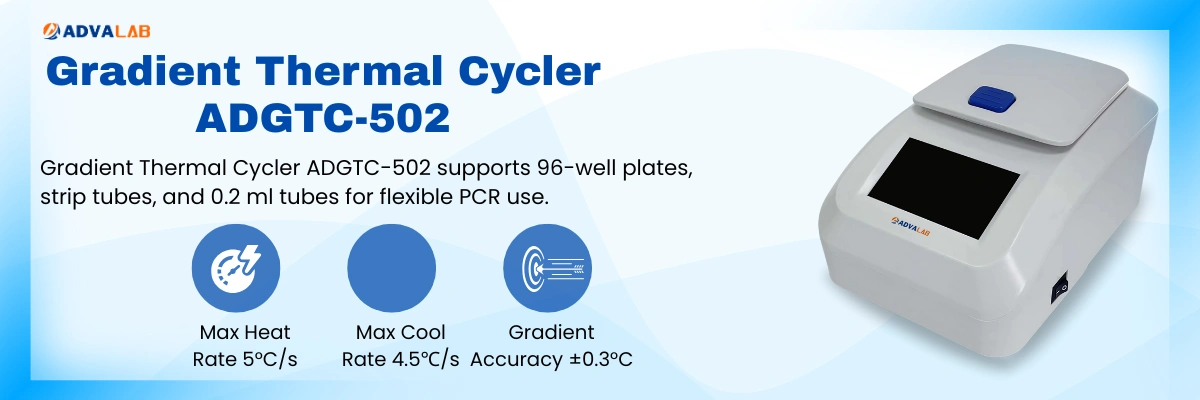
| Maximum Heating Rate | 5℃/s |
| Maximum Cooling Rate | 4.5℃/s |
| Block Temperature Range | 0 to 105℃ |
| Gradient Temperature Range | 30 to 105℃ |
| Gradient Temperature Accuracy | ±0.3℃ |
| Temperature Display Accuracy | 0.1℃ |
| Temperature Control Ways | Block or Tube |
| Block Temperature Accuracy | ±0.2℃ |
| Block Temperature Uniformity | ±0.25℃ |
| Heating Up Rate | 4℃ (average) |
| Cooling Down Rate | 3℃ (average) |
| Gradient Set Span | Maximum 42℃ |
| Heating Lid Temperature Range | 30℃ to 110℃ |
| Automatically Heating Lid | Shuts off automatically when sample is lower than 30℃ or program ends |
| Timer | 1s to 59min 59sec / infinite |
| Timer Increasing / Decreasing | -599 to 599 s (for long PCR) |
| Temperature Increasing / Decreasing | -9.9 to 9.9℃ (for touchdown PCR) |
| Programs Stored | >10,000 |
| Maximum Cycles | 99 |
| Maximum Steps | 30 |
| Program Pause Function | Yes |
| 16℃ Temperature Holding Function | Infinite |
| Realtime Operation Status | Image text displayed |
| Interface Port | USB 2.0 |
| Power Consumption | 600 W |
| Dimension (W×D×H) | 200×300×170 mm |
| Net Weight | 4.5 kg |
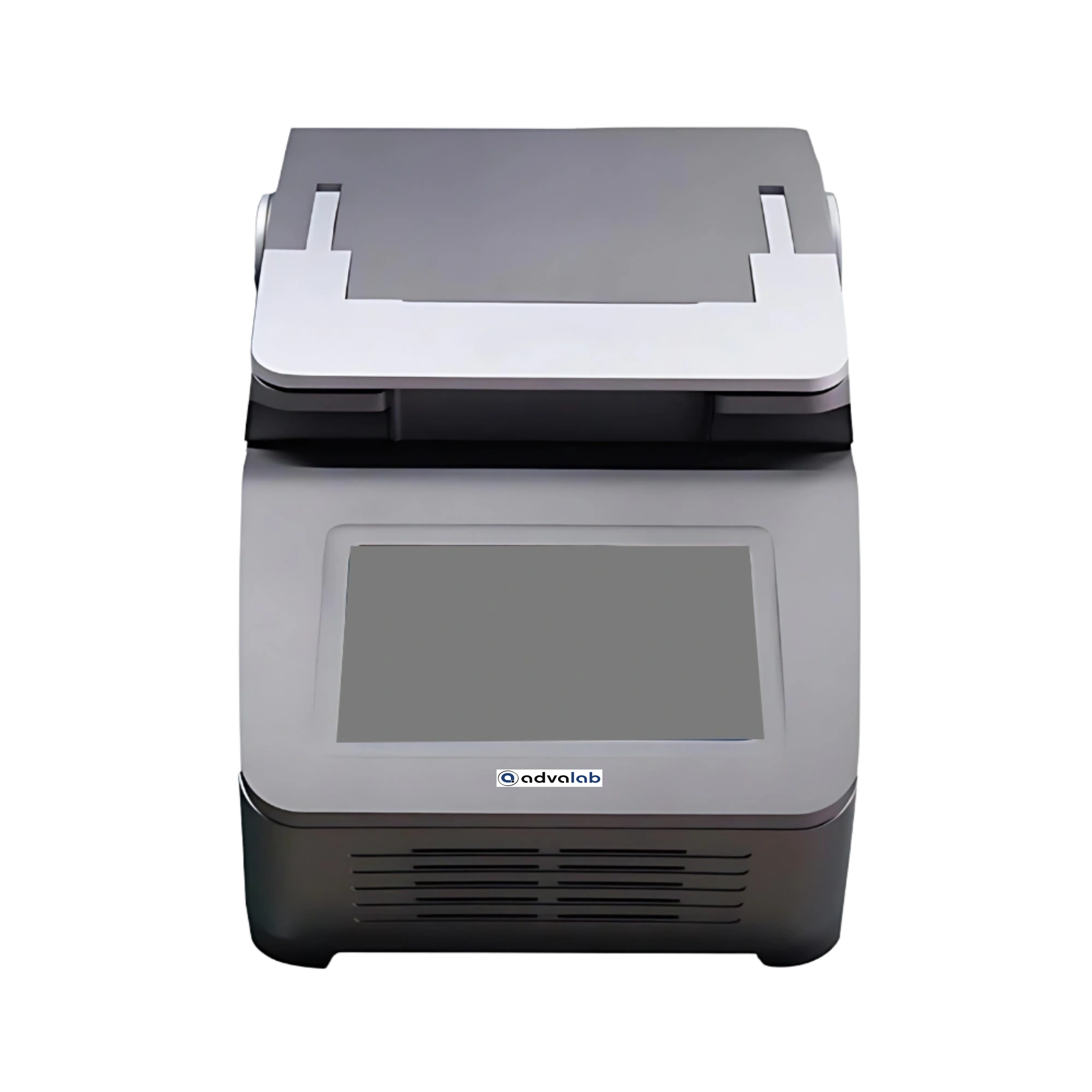
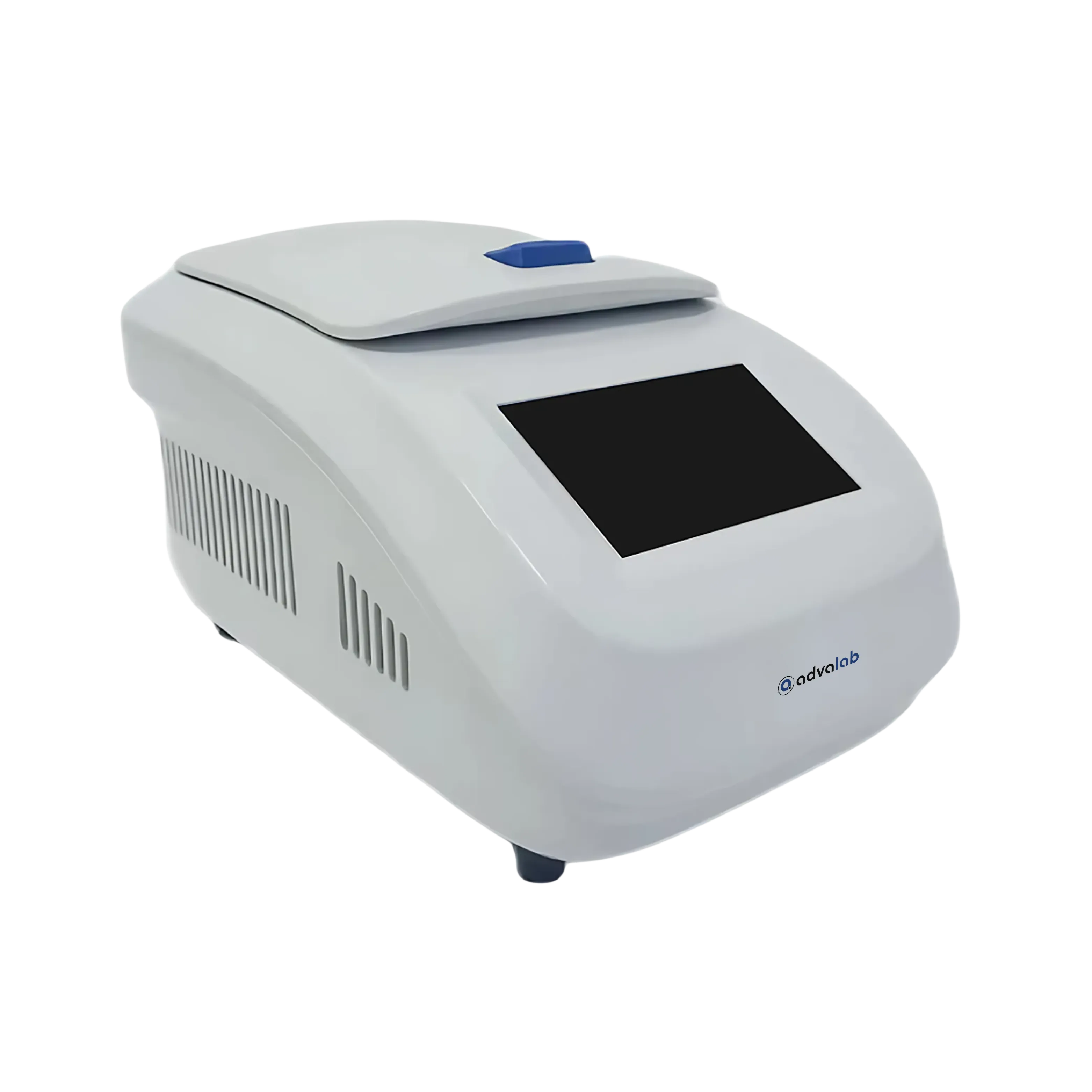
Our Gradient Thermal Cycler ADGTC-502, is perfect for PCR applications in molecular biology, medical research, food testing, and genetic analysis.

1. What makes the Gradient Thermal Cycler ideal for PCR applications?
The Gradient Thermal Cycler features excellent amplification due to its high-quality semiconductor technology, providing reliable and efficient performance for various PCR applications. Its gradient temperature control optimizes annealing temperatures across multiple samples, ensuring precise and consistent results.
2. How can data be saved in the Gradient Thermal Cycler?
In our Gradient Thermal Cycler, the data’s can be saved directly to a USB flash memory for easy transfer and storage. Simply connect the USB drive to the thermal cycler and follow the on-screen prompts to save your data. This feature ensures that your data is securely stored and easily accessible for future analysis or sharing with colleagues.
3. What are the design features of the Gradient Thermal Cycler?
This Gradient Thermal Cycler boasts an impact-resistant design and a compact size, making it highly durable and space-efficient for any lab setting. Despite its powerful performance, it operates extremely quietly, providing a smooth, noise-free experience, which is ideal for environments that require minimal disturbance.
4. How does the Gradient Thermal Cycler support protocol optimization?
This Gradient Thermal Cycler features a 42°C gradient range, making it ideal for optimizing protocols across different samples in a single run. This capability allows researchers to fine-tune experimental conditions with precision, ensuring consistent and reliable results in various applications.
5. What makes the Gradient Thermal Cycler reliable for continuous use?
Our Gradient Thermal Cycler features an industrial-grade operating system, designed for 24/7 operation. This ensures high reliability and consistent performance, even under demanding conditions, making it ideal for labs that require uninterrupted functionality. Its robust design also enhances durability, ensuring long-term use.
6. What is Gradient Thermal Cycler?
Gradient Thermal Cycler is a technique that uses a thermal cycler with a temperature gradient across the heating block. This allows users to test multiple annealing temperatures in a single run, helping to quickly identify the optimal temperature for primer binding. It is especially useful during primer validation and assay development.
7. Why is Gradient Thermal Cycler used?
Gradient PCR is used to optimize PCR conditions, especially the annealing temperature, which is critical for specificity and efficiency. It helps reduce trial-and-error by allowing multiple conditions to be tested simultaneously. This improves accuracy while saving time and reagents during PCR setup.
8. What are the benefits of Gradient Thermal Cycler?
Gradient Thermal Cycler offers several benefits, particularly during the optimization phase of PCR. It saves time by allowing multiple annealing temperatures to be tested in a single run, eliminating the need for separate experiments. This approach also reduces reagent use and overall costs. Gradient PCR improves efficiency and specificity by quickly identifying the optimal annealing temperature.

| Capacity | 0.2 mL × 96-well, aluminum |
| Thermal Control System | Three independently controlled Peltier modules with peripheral edge heating |
| Temperature Control Accuracy | ±0.1°C |
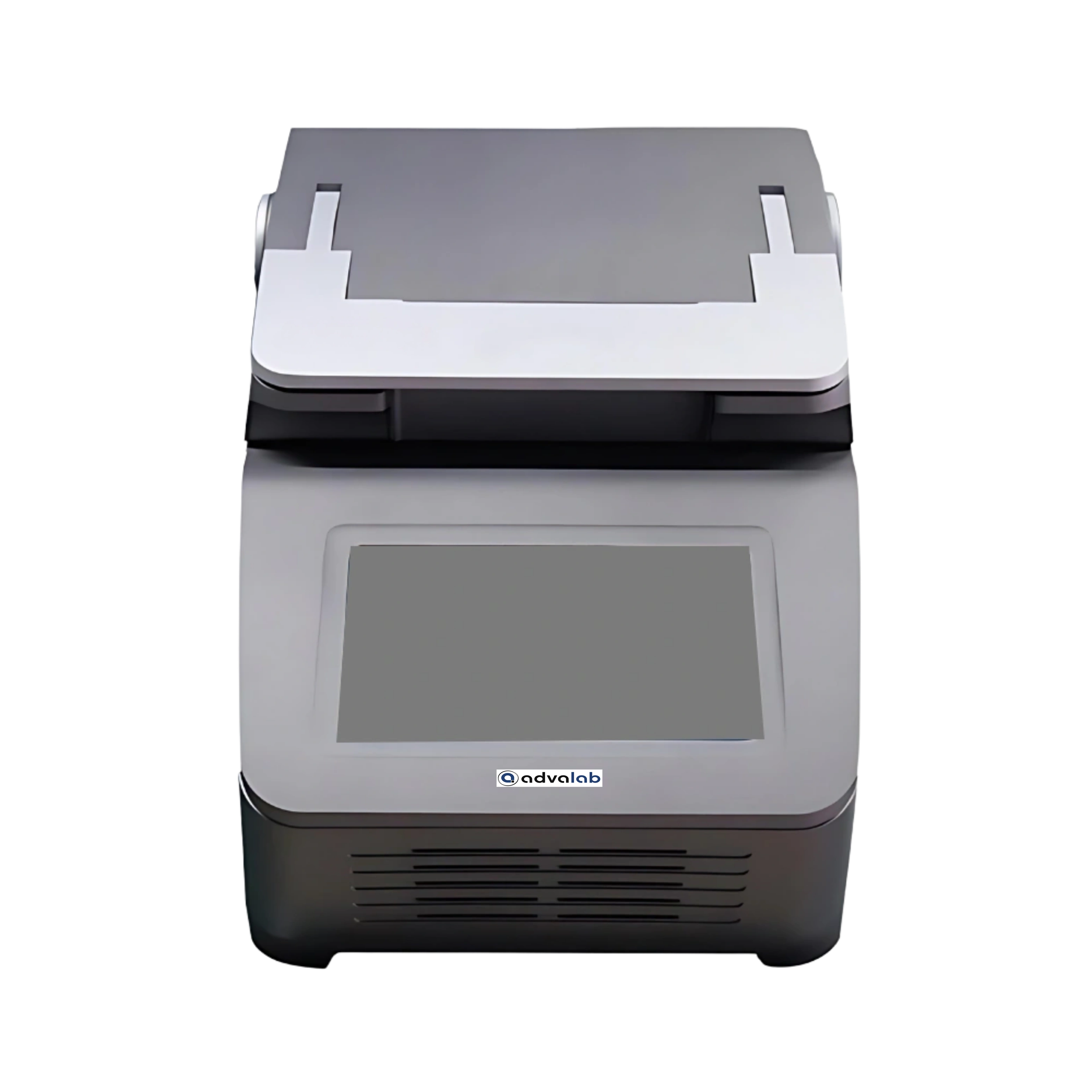
| Capacity | 0.2 mL × 96 wells, Interchangeable aluminum block |
| Sample Compatibility | 96-well plates, 8/12-strip PCR tubes, tall/short/dome/flat caps |
| Temperature Accuracy | ≤ ±0.1°C |
| Capacity | 0.2 mL × 384-well, aluminum |
| Thermal Control System | Three independently controlled Peltier modules with peripheral edge heating |
| Temperature Control Accuracy | ±0.1°C |
| Capacity |
32×0.2 ml (microtubes) 4×8×0.2 ml (tube strips) |
| Maximum Heating Up Rate | 5℃/s |
| Maximum Cooling Down Rate | 4℃/s |

| Capacity: | 2 × 0.2 mL × 48-wells, aluminum |
| Thermal Control System : | Three independently controlled Peltier modules with peripheral edge heating |
| Temperature Control Accuracy : | ±0.1°C |

| Capacity: | 2 × 0.2 mL × 48-wells, aluminum |
| Thermal Control System: | Peltier |
| Temperature Control Accuracy : | ±0.1°C |

| Capacity: | 32 x 0.2ml tubes, 4 x 8 tube strips |
| Temperature Setting Range: | 0℃ to 100℃ |
| Maximum Heating Time: | 4℃/sec |