
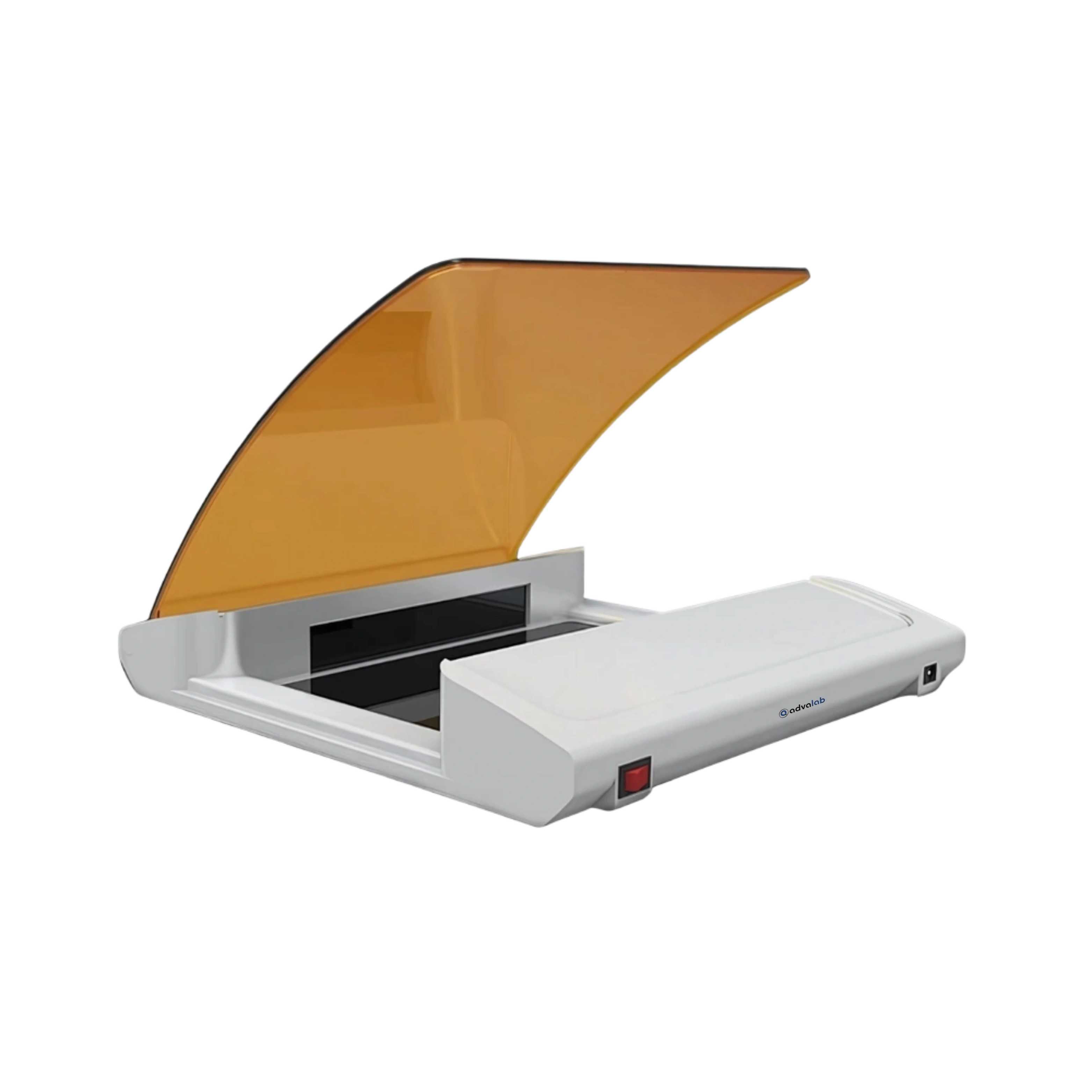
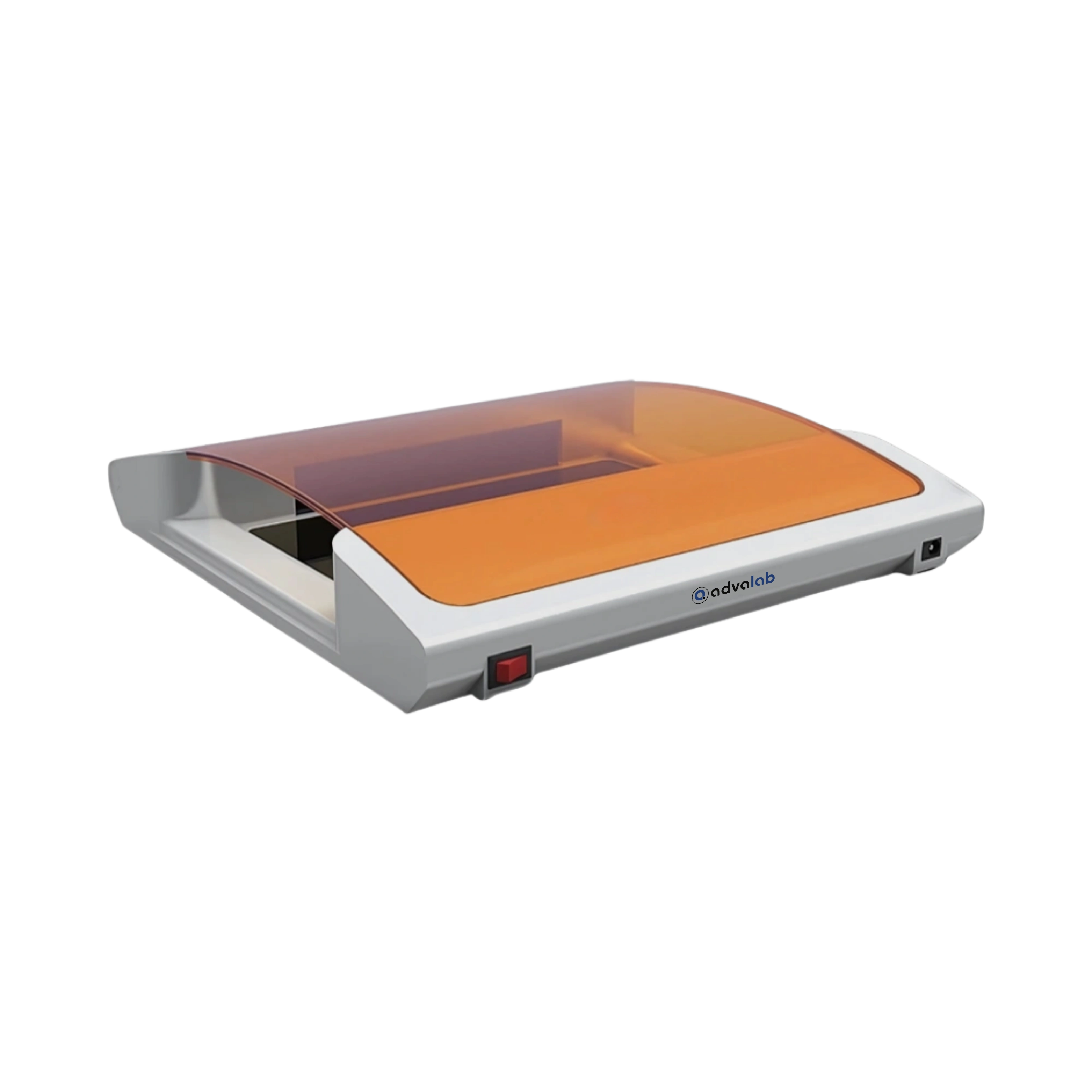
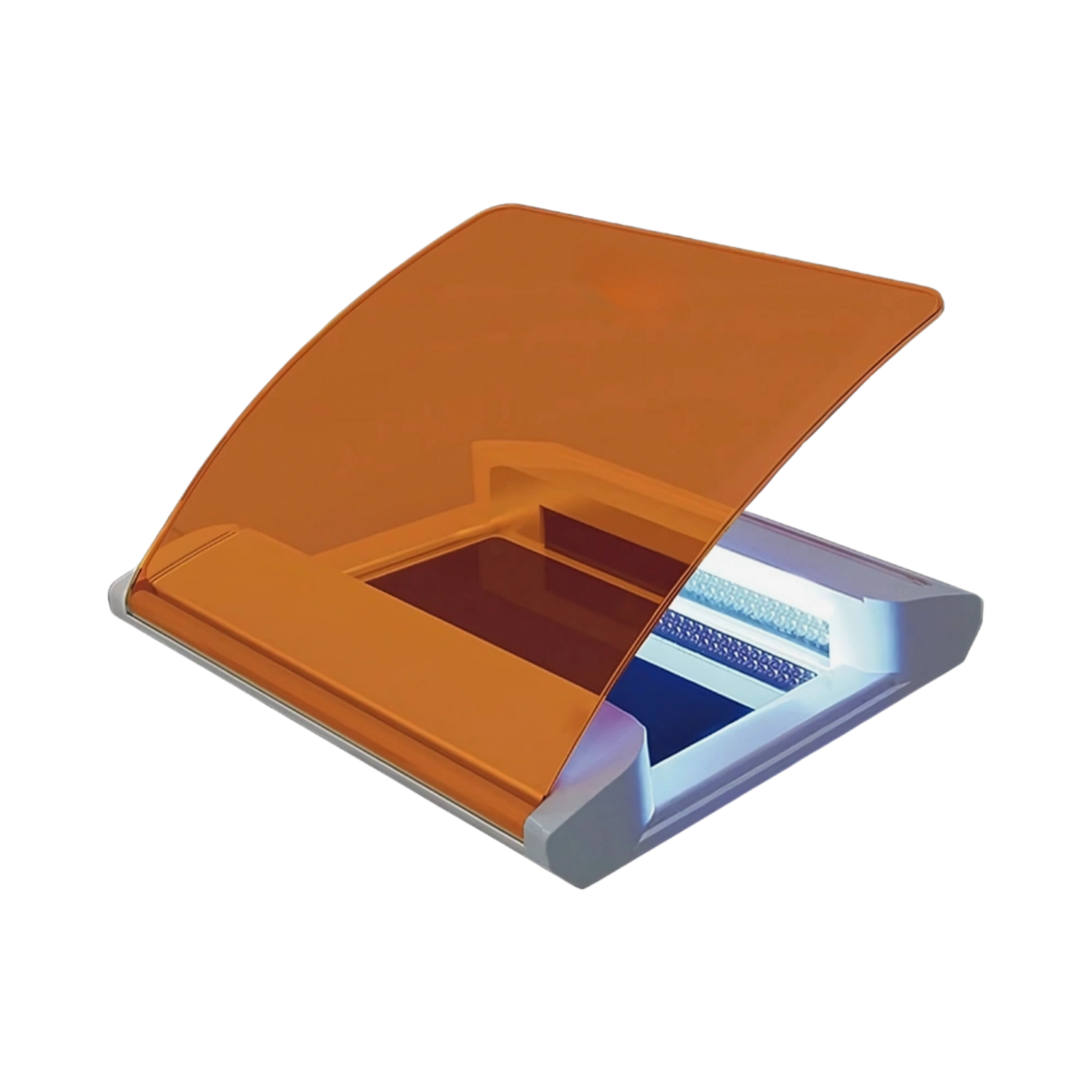
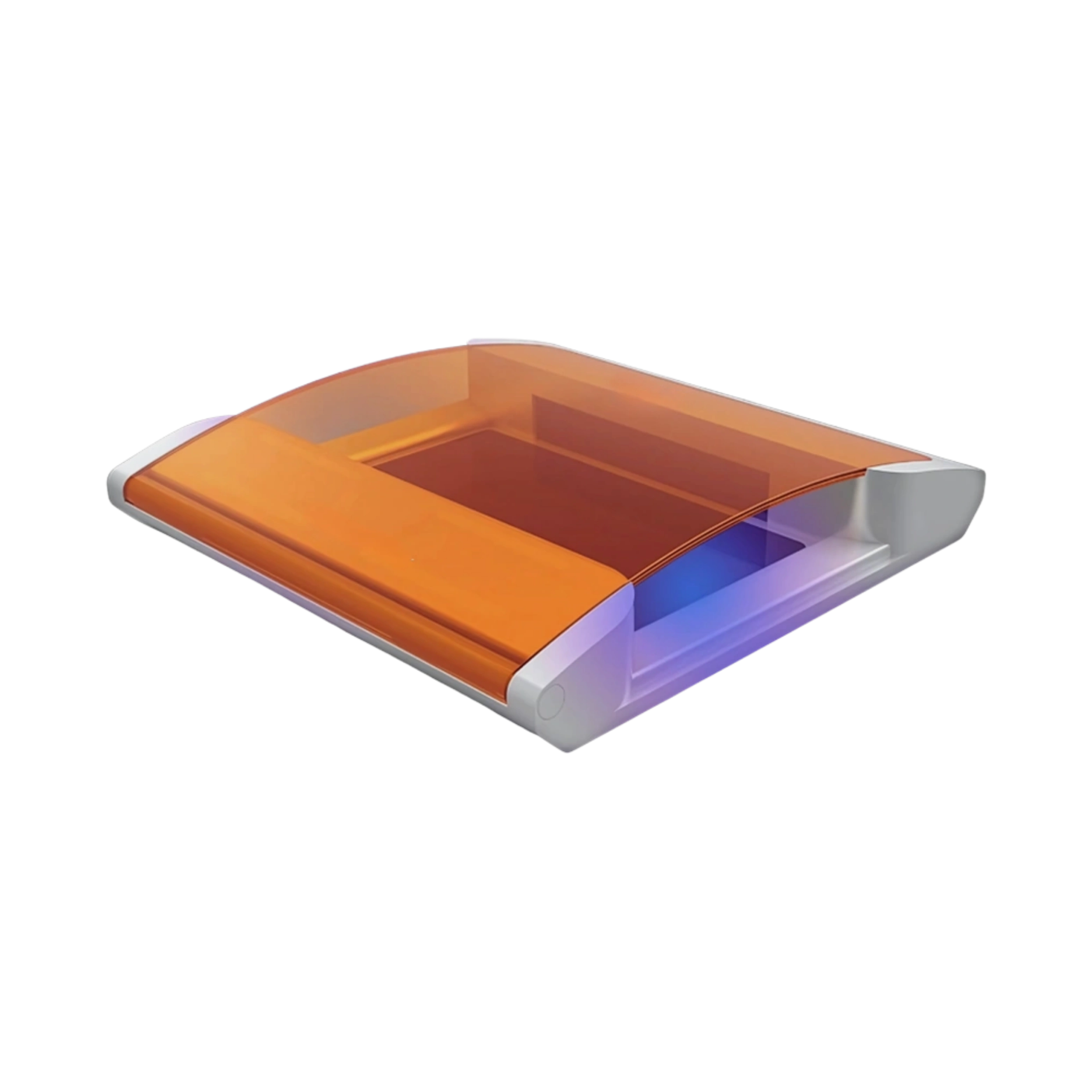

| Excitation Light Source | 470 nm wavelength high-intensity blue light (144 LED array) |
| Detection Sensitivity | DetMinimum detection limit of 0.5 ng |
| Transillumination Area | 180 × 110 mm |
| LED Lifespan | > 50,000 hours |
| Applicable Fluorescent Dyes | Gene Green, Gel Red, Gel Green, SYBR Green I, SYBR Safe, Gold view, SYBR Gold, SYPRO Ruby, SYPRO Orange, SYPRO Tangerine, eGFP, Cy2, FITC, EB |
| Filter Type and Angle | Orange emission filter, tilt-adjustable from 0° to 135° |
| Power Supply | DC 24V / 1A |
| Product Dimensions (L×W×H) | 250 × 240 × 40 mm |
| Shipping Dimensions (L×W×H) | 358 × 268 × 85 mm |
| Net Weight | 1 kg |
| Gross Weight | 1.5 kg |
Blue Light Transilluminator ADTI-502 is used in molecular biology labs for post-PCR analysis to safely visualize and document DNA bands without harmful UV exposure.


1. What is the size of the transillumination area in Blue Light Transilluminator ADTI-502?
The Blue Light Transilluminator ADTI-502 features a 180 × 110 mm viewing surface. This compact area accommodates standard gels used in routine lab applications. It ensures uniform light distribution for clear visualization. The size is ideal for efficient bench use. Its design supports precise detection of nucleic acid bands. The illumination helps reduce background noise for better clarity.
2. Which fluorescent dyes are supported by Blue Light Transilluminator ADTI-502?
Blue Light Transilluminator ADTI-502 is compatible with dyes such as SYBR Safe, Gel Red, Gel Green, and other visible-light-excited stains. It avoids the need for hazardous ethidium bromide. These dyes offer bright, safe visualization. It provides reliable results in nucleic acid analysis. The blue light enhances contrast and reduces photobleaching. This ensures long-lasting fluorescence and accurate documentation.
3. How does Blue Light Transilluminator ADTI-502 enhance user safety?
Blue Light Transilluminator ADTI-502 uses LED-based blue light, eliminating harmful UV exposure. This reduces risks to eyes and skin during operation. It preserves the quality of DNA and RNA samples. Built-in safety features make it suitable for educational and research environments. The absence of UV makes it safe for students and routine users. Protective filters and shielding further ensure operator well-being.
4. Can Blue Light Transilluminator ADTI-502 be connected to gel documentation systems?
Yes, Blue Light Transilluminator ADTI-502 is compatible with most gel documentation and imaging systems. Its flat platform allows easy placement of cameras. This setup simplifies gel image capture and analysis. It supports efficient data storage and reporting in lab workflows. Digital connectivity helps streamline lab records and presentations. It is ideal for publishing-quality image output.
5. What are the main applications of Blue Light Transilluminator ADTI-502?
Blue Light Transilluminator ADTI-502 is used for observing DNA, RNA, and protein gels post-electrophoresis. It supports fluorescence-based gel analysis in molecular biology labs. The system is ideal for PCR, cloning, and genetic screening. Its versatility benefits both research and teaching labs. It is also used for visualizing ligation, restriction digestion, and CRISPR studies. Its compact design fits seamlessly into any lab setup.
6. What is a Blue Light Transilluminator?
A Blue Light Transilluminator is a device used in laboratories to visualize nucleic acids, such as DNA or RNA, that have been stained with fluorescent dyes. It uses blue light (around 470 nm) to excite the dyes, causing them to fluoresce for easy visualization without the harmful UV radiation associated with traditional transilluminators.
7. What types of samples can be visualized with a Blue Light Transilluminator?
A Blue Light Transilluminator is primarily used for visualizing DNA, RNA, and protein gels that have been stained with fluorescent dyes such as SYBR Green, GelRed, Ethidium Bromide, and other safe alternatives.
8. What kind of stains work best with the Blue Light Transilluminator?
Common stains compatible with our Blue Light Transilluminator include: SYBR Green, GelRed, Ethidium Bromide (if safely used in conjunction with the proper protocols), Safe DNA dyes such as SYBR Safe, Coomassie Brilliant Blue (for protein gels).
9. What are the primary applications of a Blue Light Transilluminator?
A Blue Light Transilluminator is commonly used in molecular biology to visualize DNA, RNA, or protein gels stained with fluorescent dyes such as SYBR Green or GelRed. In forensics, it helps detect bodily fluids or other trace substances that fluoresce under blue light, and in medical diagnostics, it is used for certain dermatological or clinical tests that require fluorescence visualization.
10. How to use a Blue Light Transilluminator?
To use our Blue Light Transilluminator, begin by placing your gel or sample on the illuminated platform of the device. Once the sample is properly positioned, switch on the transilluminator; the emitted blue light will activate any fluorescent dyes or markers present in the sample, causing them to fluoresce.
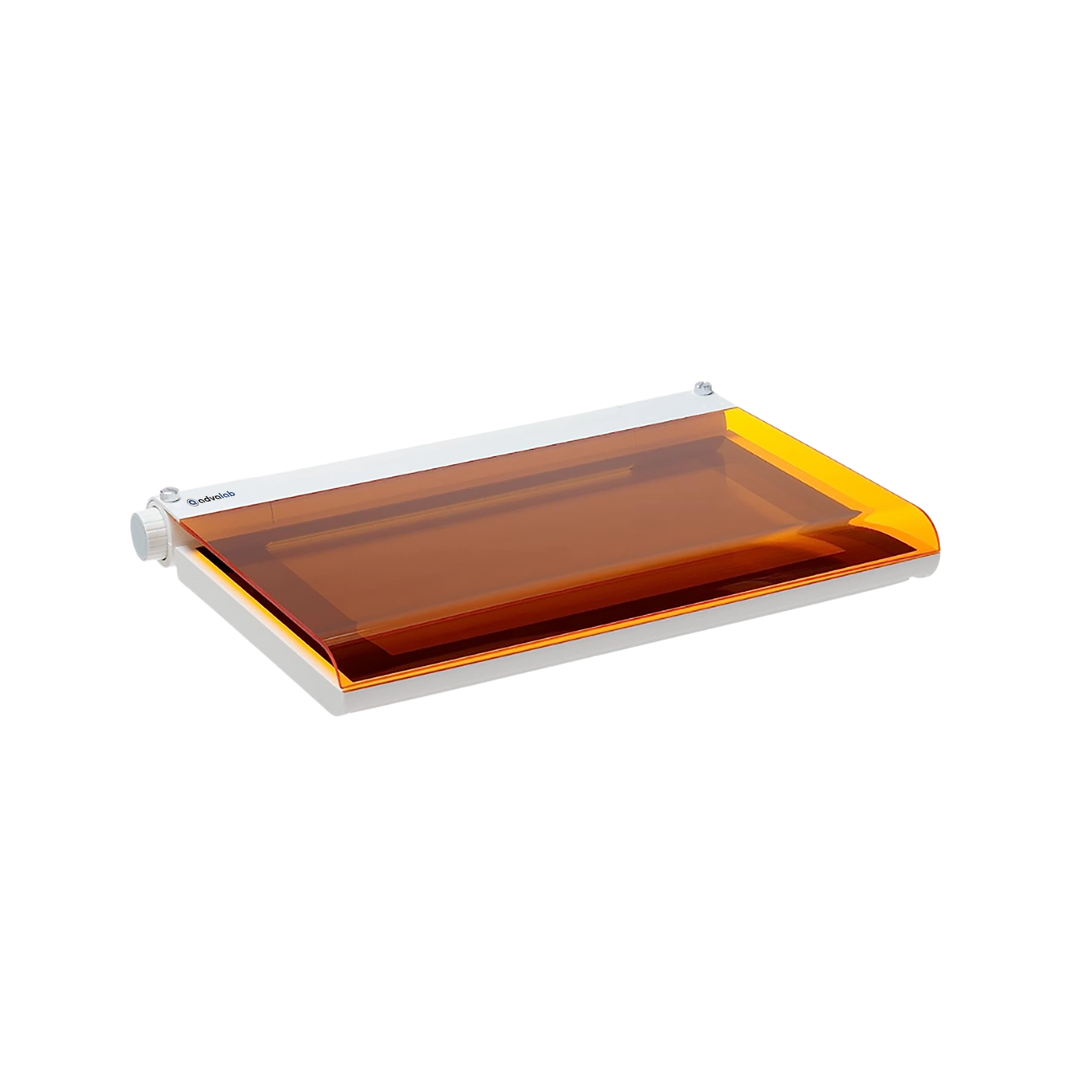
| Maximum Emission Wavelength | 470 nm |
| Observation Area (L×W) | 210 × 120 mm |
| LED Source | Bottom built-in blue LED light module |
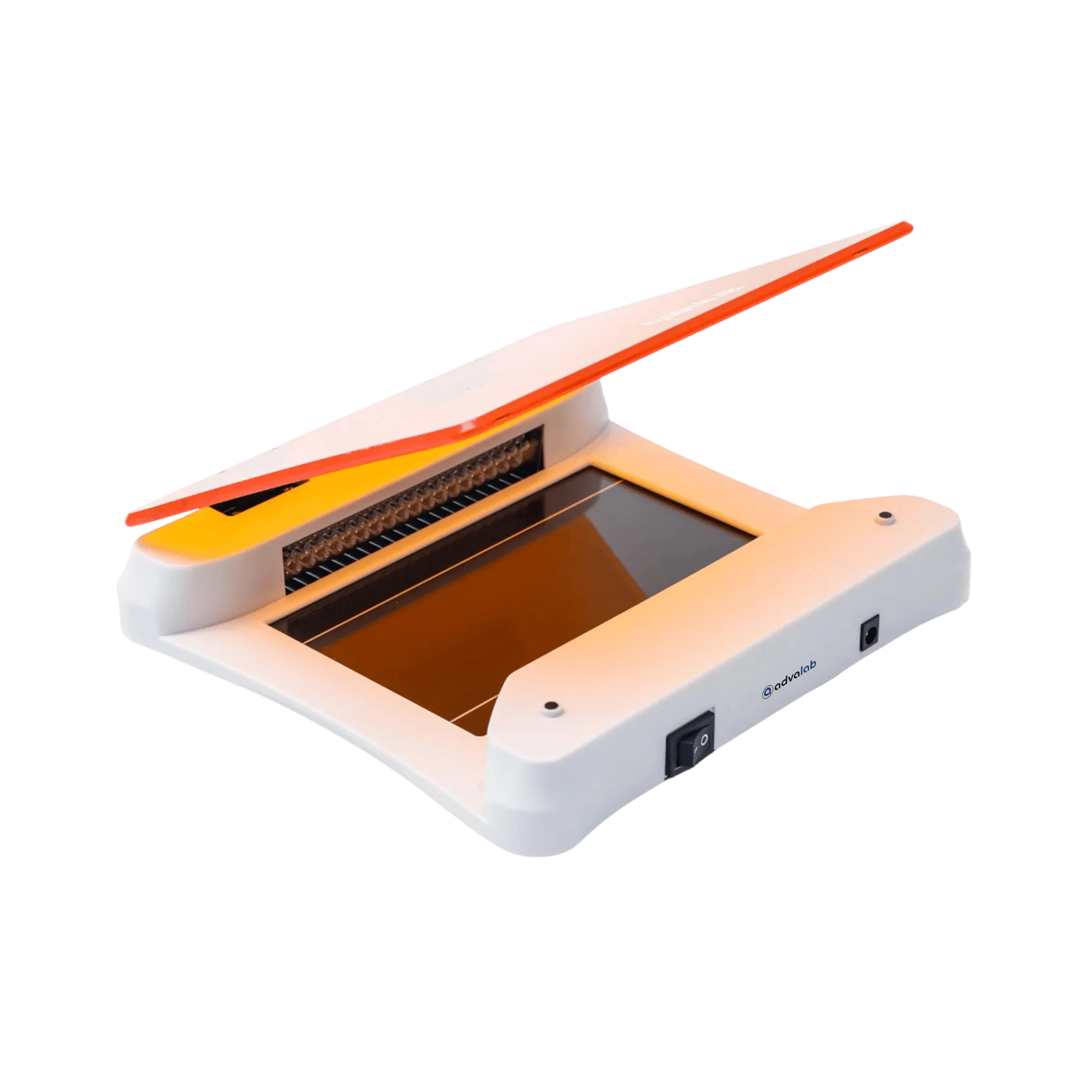
| Wavelength | 470 nm |
| Maximum Gel Size | 160 ×100 mm |
| LED Radiation Mode | Double sides matrices |

| Transmission Wavelength: | 302nm |
| Observation Area (L×W): | 195mm×145mm |
| UV Lamp Lifetime: | Less than 1,500 hours |
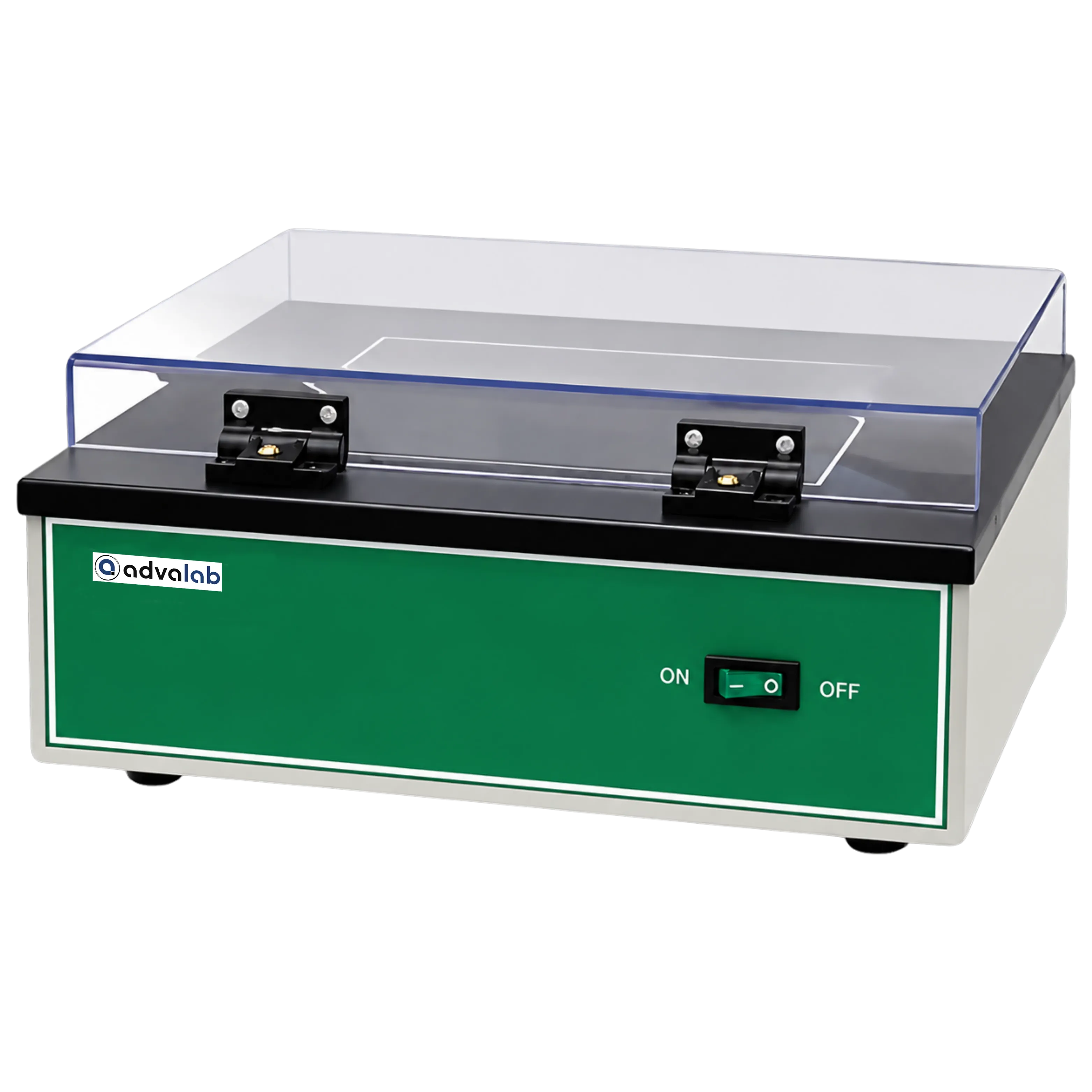
| Transmission size (W×L): | 200×150 mm |
| Source ultraviolet wavelength (nm): | 302 nm |
| Transmission UV lamp power (W): | 8 W |
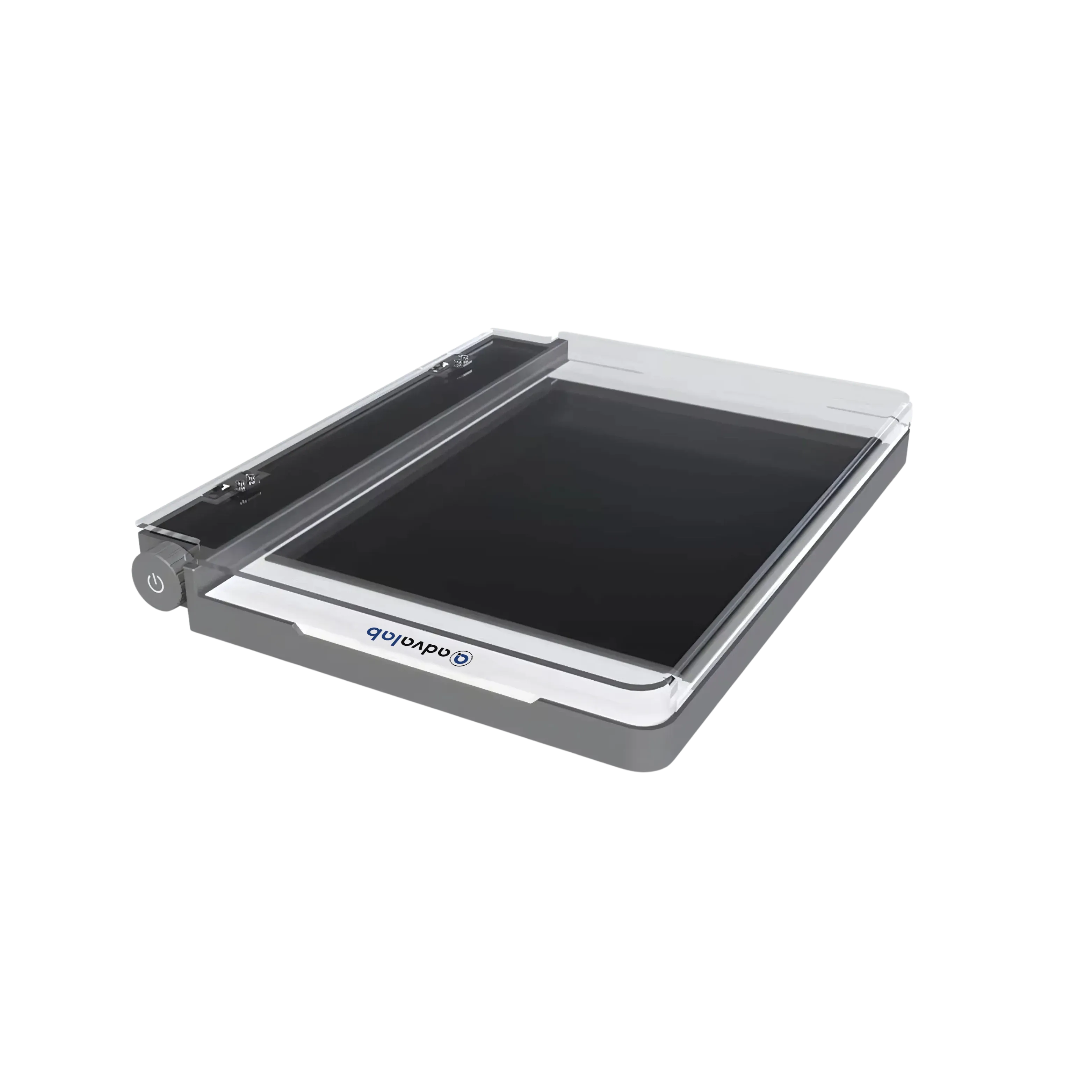
| Emission Wavelength: | 302 nm |
| Observation Area (L×W): | 150mm×120mm |
| LED Source: | Built-in bottom UV LED light module |

| Emission Wavelength: | 302 nm |
| Observation Area (L×W): | 200mm×130mm |
| LED Source: | Bottom built-in UV LED light module |

| Maximum Emission Wavelength: | 470nm |
| Observation Area (L×W): | 210×120mm |
| LED Source: | Bottom built-in blue and white LED light module |