
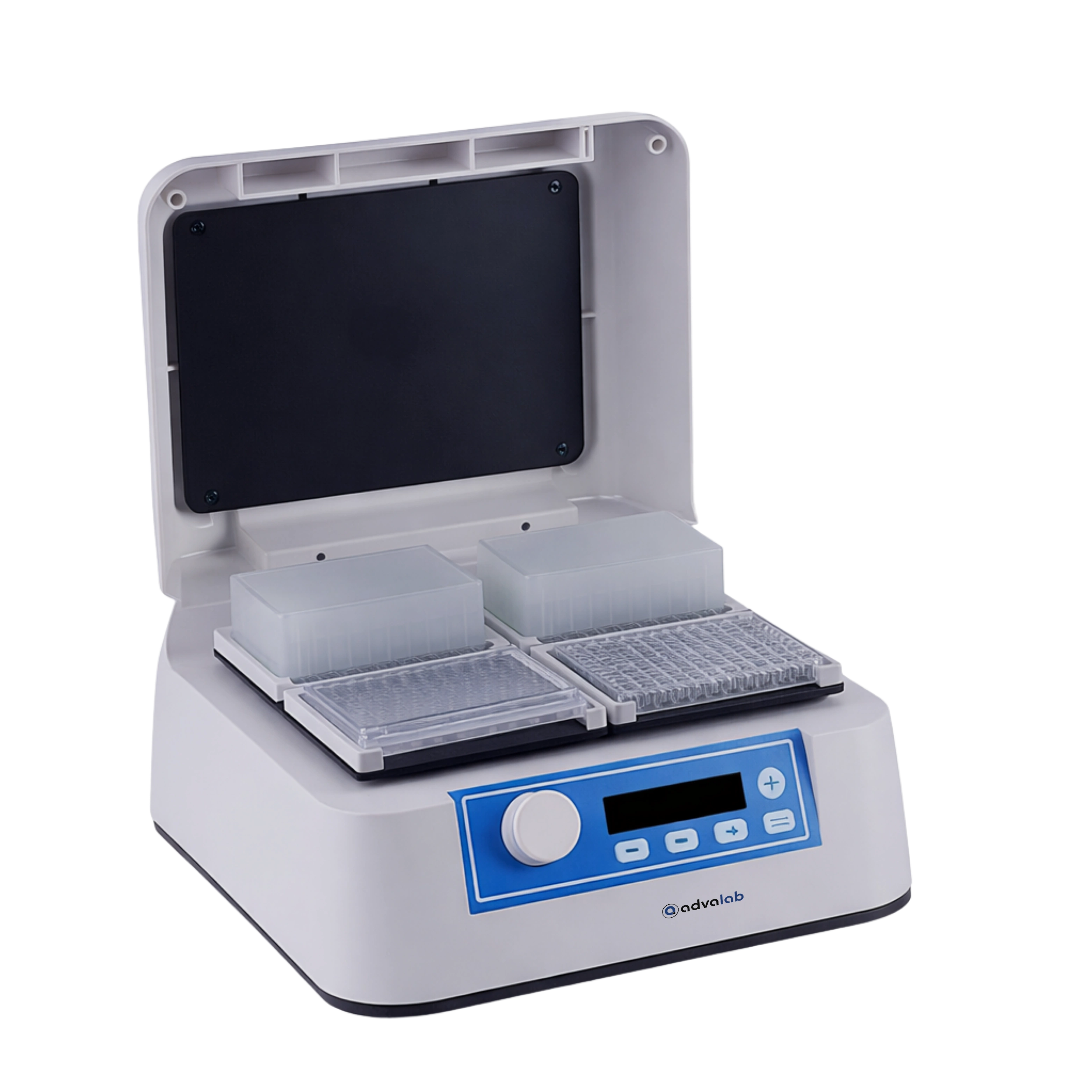
| Capacity | 4 microplates or deep well plates |
| Speed Range | 300 to 1350 rpm |
| Orbit | 3mm |
| Temperature Setting Range | 0℃ to 80℃ |
| Temperature Control Range | RT +5℃ to 80℃ |
| Temperature Accuracy | ≤ ± 0.5℃ |
| Temperature Uniformity | ≤ ± 0.5℃ |
| Heating Time | ≤ 10 min (from 25℃ to 80℃) |
| Timing Range | 1min to 99h59min / infinite |
| Display Accuracy | 0.1℃ |
| Auto Preheating | Yes |
| Auto Resume to Run | Yes |
| Dimension (W × D × H) | 340 x 320 x 200 mm |
| Weight | 9.5 kg |
Microplate Thermo-Shaker ADMTS-505 is used for automating sample hatching and catalytic reactions. It also supports preservation, blending, and other essential laboratory tasks.
1. What is the capacity of the Microplate Thermo-Shaker ADMTS-505?
Microplate Thermo-Shaker ADMTS-505 has a capacity to hold up to 4 microplates or deep well plates at the same time. This makes it ideal for labs that need to process multiple samples efficiently. The secure design ensures that the plates remain stable during shaking and heating. It has capacity that supports high-throughput workflows without compromising performance.
2. How does Microplate Thermo-Shaker ADMTS-505 improve experimental operation time?
Microplate Thermo-Shaker ADMTS-505 combines constant temperature and oscillation perfectly together. This integration greatly shortens the overall experimental operation time. By maintaining precise temperature control while shaking, it ensures consistent and reliable results. As a result, researchers can complete experiments faster without compromising quality.
3. What types of plates are compatible with the Microplate Thermo-Shaker ADMTS-505?
Microplate Thermo-Shaker ADMTS-505 is compatible with a variety of plates, including standard microplates and deep well plates. This flexibility makes it suitable for diverse laboratory applications such as PCR and ELISA. The secure holding system ensures that plates remain stable during operation. It supports multiple plate formats to meet different experimental needs efficiently.
4. What kind of motor does the Microplate Thermo-Shaker ADMTS-505 use?
Microplate Thermo-Shaker ADMTS-505 uses a brushless DC motor, known for its durability and quiet operation. This motor type reduces maintenance needs and extends the lifespan. It has smooth and efficient performance that ensures consistent shaking without causing noise disruption. Overall, it enhances the reliability and user experience of the unit.
5. Can Microplate Thermo-Shaker ADMTS-505 run continuous operations?
Microplate Thermo-Shaker ADMTS-505 is designed to run continuous operations reliably. It has built-in software and hardware protections that prevent overheating and motor overload. This ensures safe, uninterrupted performance during extended experiments. As a result, it supports long-duration workflows with consistent results.
6. What is a Microplate Thermo-Shaker?
A Microplate Thermo-Shaker is a laboratory instrument that combines precise temperature control with shaking capabilities to mix samples in microplates uniformly during incubation. It is essential for enhancing reaction efficiency and ensuring reproducible results in various biological and chemical assays.
7. Can I adjust the shaking speed in a Microplate Thermo-Shaker?
Yes, our Microplate Thermo-Shakers offer adjustable shaking speeds with options for orbital or linear shaking motions to suit different sample types. This flexibility allows you to optimize mixing intensity based on your specific assay requirements. Precise speed control helps prevent sample damage while ensuring thorough mixing.
8. Are the shaking motions gentle enough for sensitive samples in Microplate Thermo-Shaker?
Yes, in Microplate Thermo-Shaker speeds can be finely tuned from gentle mixing to vigorous shaking, ensuring sample integrity is maintained. This makes microplate thermo-shakers ideal for delicate applications such as cell culture and enzyme reactions. The adjustable motion minimizes shear stress, protecting sensitive biological samples.

| Temperature Setting Range | 0℃ to 100℃ |
| Temperature Control Range | RT +5℃ to 100℃ |
| Shaking Speed | 200 to 1600 rpm |
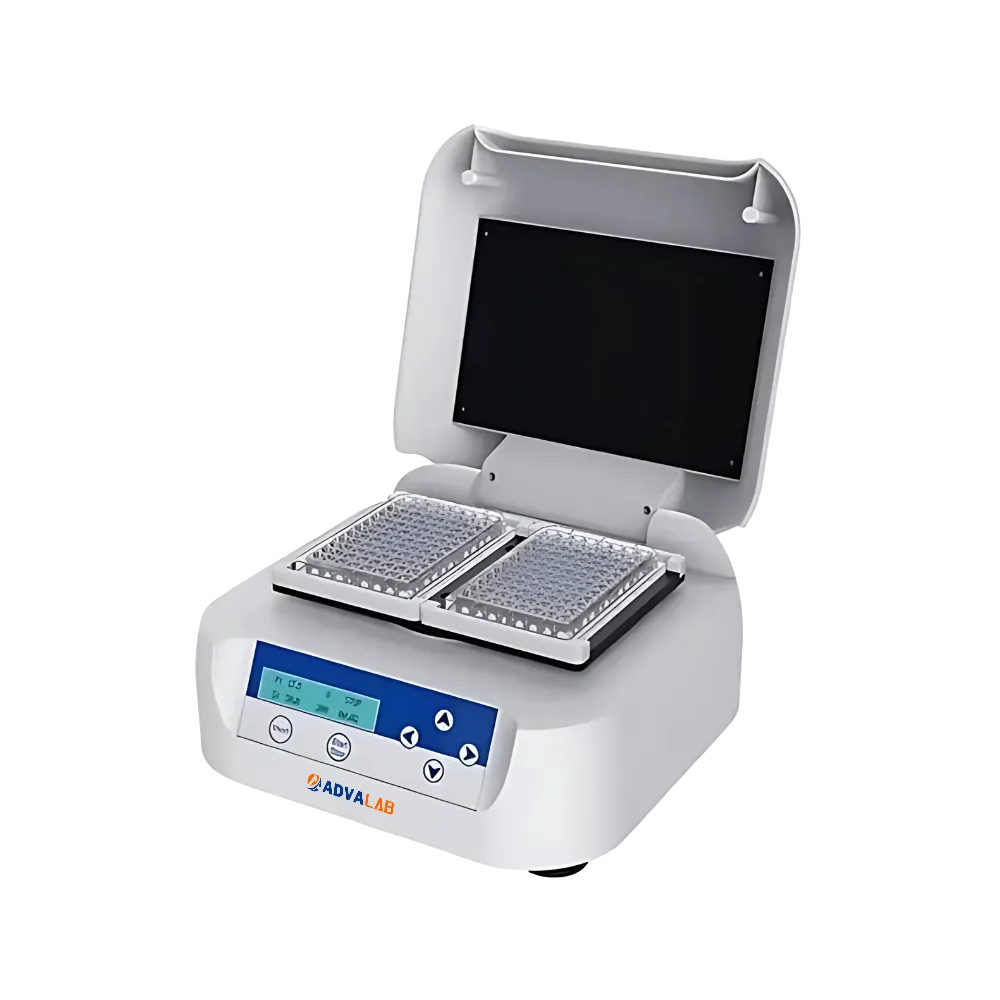
| Speed Range | 200 to 1500 rpm |
| Amplitude | 2 mm, Horizontal rotation |
| Temperature Control Range | RT+5 to 80℃ |

| Capacity | 2 microplates or culture plates |
| Speed Range | 200 to 1600 rpm |
| Temperature Control Range | RT +5°C to 80°C |
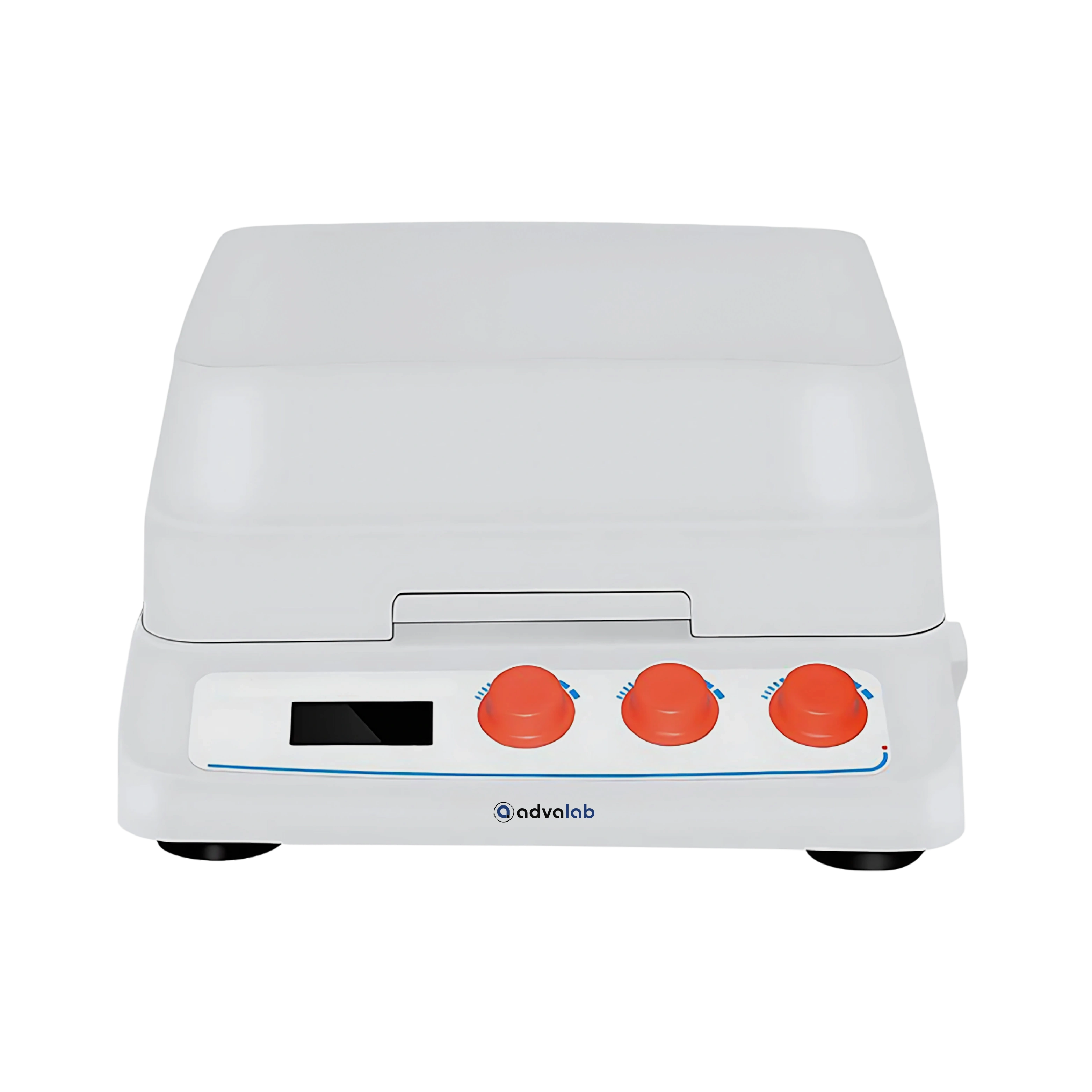
| Capacity | 2 enzyme standard plates or deep-well plates |
| Speed Range | 100 to 1600 |
| Temperature Control Range | RT +5 to 70 °C |

| Temperature Control Range: | RT +5℃ to 100℃ |
| Speed Range: | 300 to 2000 rpm |
| Amplitude: | 2 mm, Horizontal rotation |

| Temperature Control Range: | RT -20℃ to 100℃ |
| Speed Range: | 300 to 1500 rpm |
| Amplitude: | 2 mm, Horizontal rotation |

| Temperature Setting Range: | 0℃ to 100℃ |
| Temperature Control Range: | RT. -20℃ to 100℃ |
| Speed Range: | 200 to 1500 rpm |
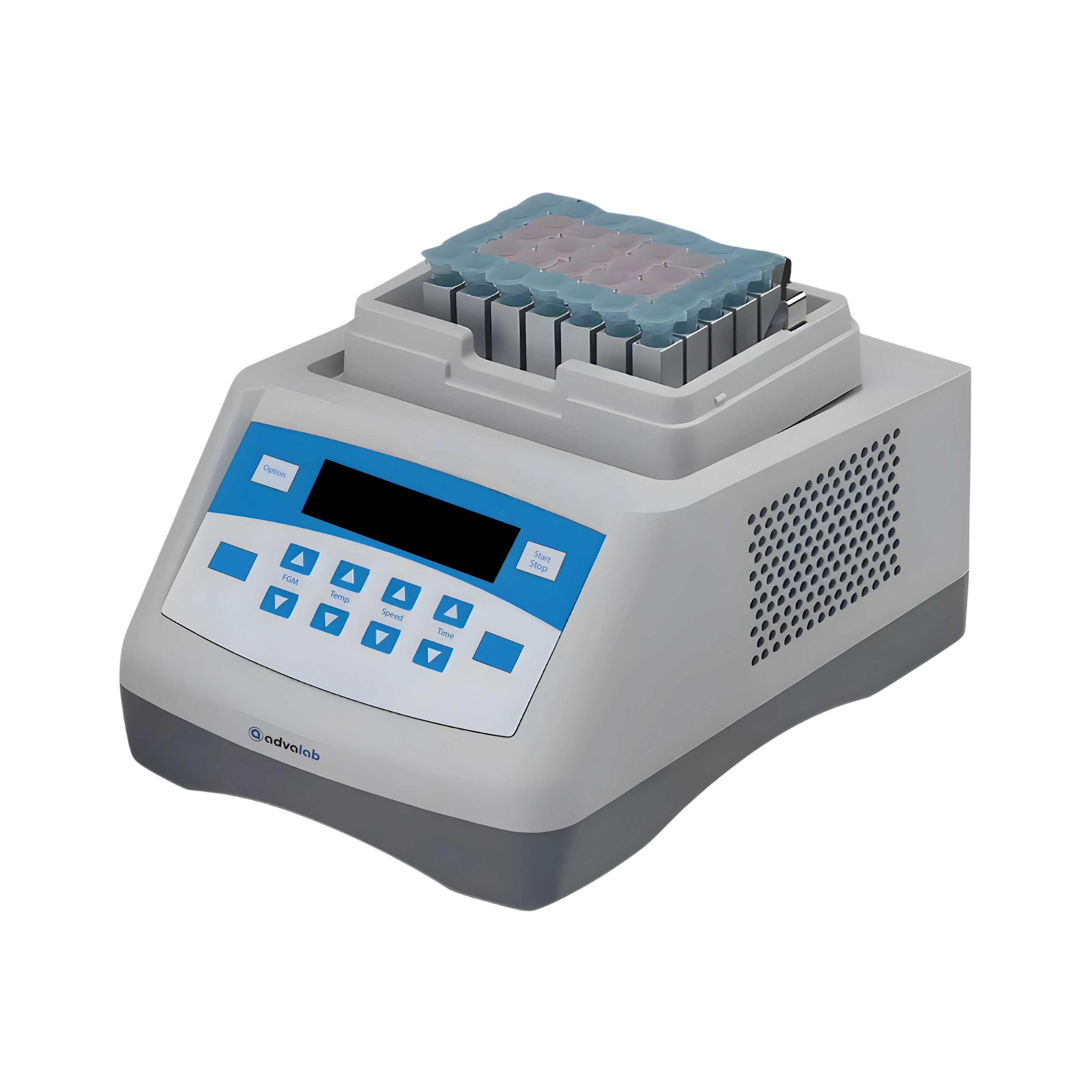
| Temperature Setting Range: | 0℃ to 100℃ |
| Temperature Control Range: | RT. +5℃ to 100℃ |
| Speed Range: | 200 to 1800 rpm |

| Temperature Setting Range: | 0℃ to 100℃ |
| Temperature Control Range: | RT. -5℃ to 100℃ |
| Speed Range: | 200 to 2000 rpm |