

| Speed | 40 to 200 rpm |
| Maximum Load | 5 kg |
| Orbital Diameter | Linear 20 mm |
| Plate Size | 320 mm |
| Timing Range | 1 min to 23 h 59 min |
| Dimensions (L×B×H) | 340×435×140 mm |
| Weight | 9 kg |
Our Orbital Shaker ADOS-503 is widely used in scientific research, pharmaceuticals, and food industries for sample mixing, cell culturing, and homogenizing samples in a controlled and efficient manner.
1. What is the shaking speed range of the Orbital Shaker?
It provides a variable speed range, typically from 50 to 300 RPM (Revolutions Per Minute). This adjustable speed control ensures optimal sample mixing, whether the application requires gentle swirling or more vigorous agitation. Researchers can set the appropriate speed based on the sample type and experiment requirements.
2. What is the primary purpose of the Orbital Shaker?
The Orbital Shaker is mainly used for consistent and uniform mixing of biological samples, chemical solutions, and other laboratory substances. It is commonly applied in procedures such as cell culture, microbial growth, solubility testing, and sample preparation in research institutions, pharmaceutical companies, and diagnostic laboratories.
3. How does the timer function work on the Orbital Shaker?
The built-in digital timer can be set for durations ranging from 1 minute to 99 hours, providing convenience and accuracy in experimental timing. This feature allows unattended operation, reducing manual supervision and ensuring consistent results. Once the timer completes the set duration, the shaker automatically stops, preventing over-mixing and sample degradation.
4. What is the orbital diameter of the Orbital Shaker, and why is it important?
The Shaker has an orbital motion diameter of approximately 20mm. This specific movement ensures uniform mixing of samples across all container types. It is especially beneficial for cell culture applications, as it promotes effective gas exchange and even nutrient distribution, leading to optimal cell growth.
5. What safety features are included in the Orbital Shaker?
Orbital Shaker is equipped with comprehensive safety features, including overload protection and audible alarms. These features monitor the operational status of the shaker, preventing damage to samples and protecting the equipment from electrical faults. The system also alerts users if any deviations in speed or malfunction occur, ensuring secure and reliable performance.
6. What is an Orbital Shaker?
An Orbital Shaker is a laboratory device that moves samples in a smooth, circular motion to mix liquids gently and evenly, ideal for cell culture, bacterial growth, and solubility experiments. This gentle agitation helps maintain the viability of sensitive biological samples and promotes uniform mixing. It is widely used in research, clinical, and industrial laboratories for consistent and reproducible results.
7. How does an Orbital Shaker work?
The Orbital Shaker uses a motor to rotate the platform in a circular orbit at adjustable speeds, providing consistent agitation without causing turbulence or damage to delicate samples. The circular motion ensures even distribution of nutrients and gases in culture media, improving sample growth and reaction efficiency. Speed and time controls allow for customizable operation tailored to specific experimental needs.
8. What types of containers can be used on an Orbital Shaker?
Orbital Shakers accommodate flasks, test tubes, bottles, petri dishes, and microplates, usually secured with clamps, racks, or platforms to prevent movement during shaking. This versatility makes them suitable for a variety of lab applications, from microbiology to biochemistry. Accessories and platforms can often be swapped or customized to fit unique container sizes and shapes.

| Speed Range | 50 to 300 rpm |
| Orbital Diameter | 10 mm |
| Timer Setting | 1min to 99h59min |

| Speed | 50 to 250 rpm |
| Orbital Diameter | 20 mm |
| Maximum Load | 2.5 kg |

| Speed Range | 40 to 200 rpm |
| Maximum Load | 1.2 kg |
| Orbit Diameter | 20 mm |
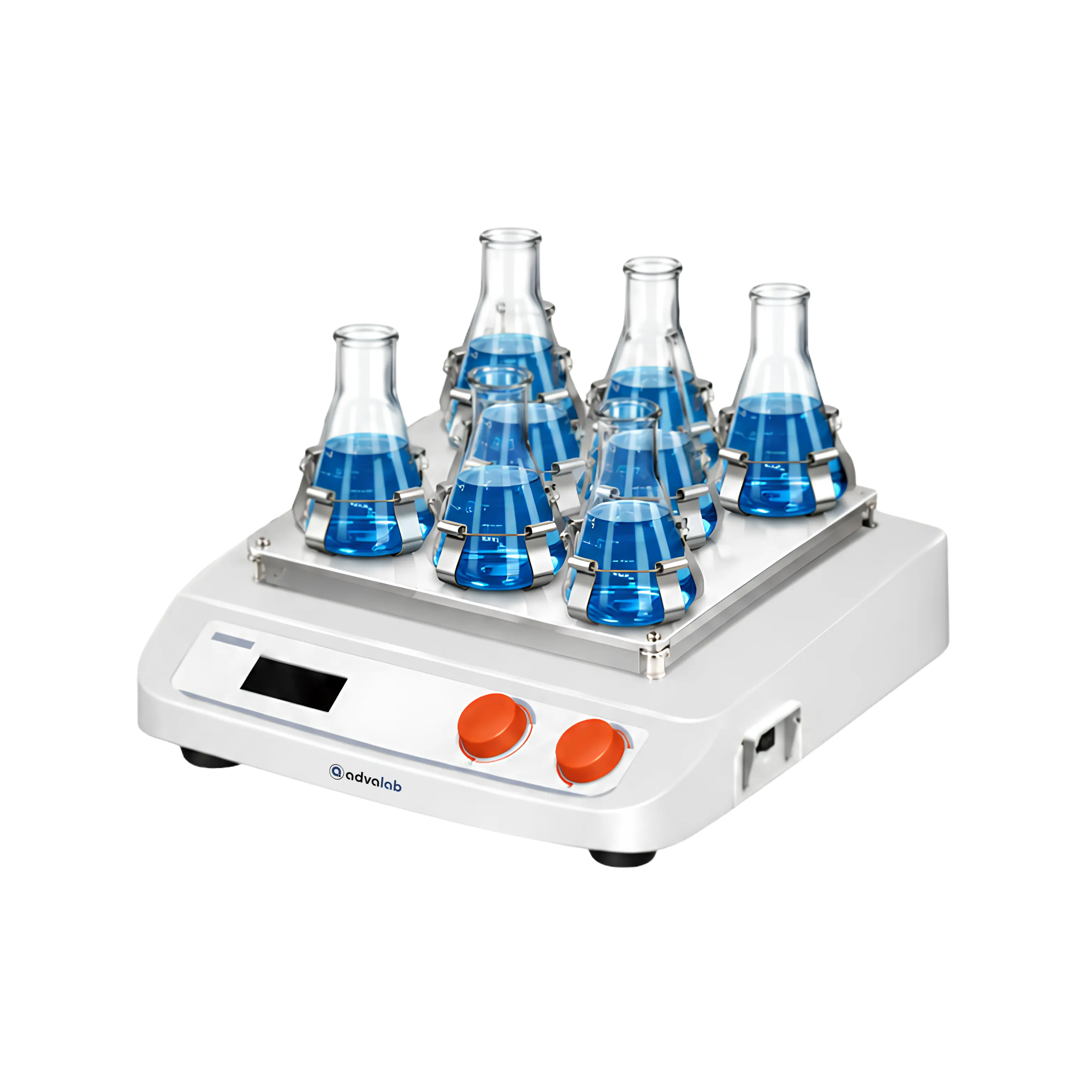
| Shaking Mode | Orbital |
| Amplitude | 8 mm |
| Speed Range | 60–400 rpm (Optional 500 rpm) |

| Speed: | 500 to 1200 rpm |
| RPM Increment: | 10 rpm |
| Horizontal Gyration Amplitude: | 3 mm |
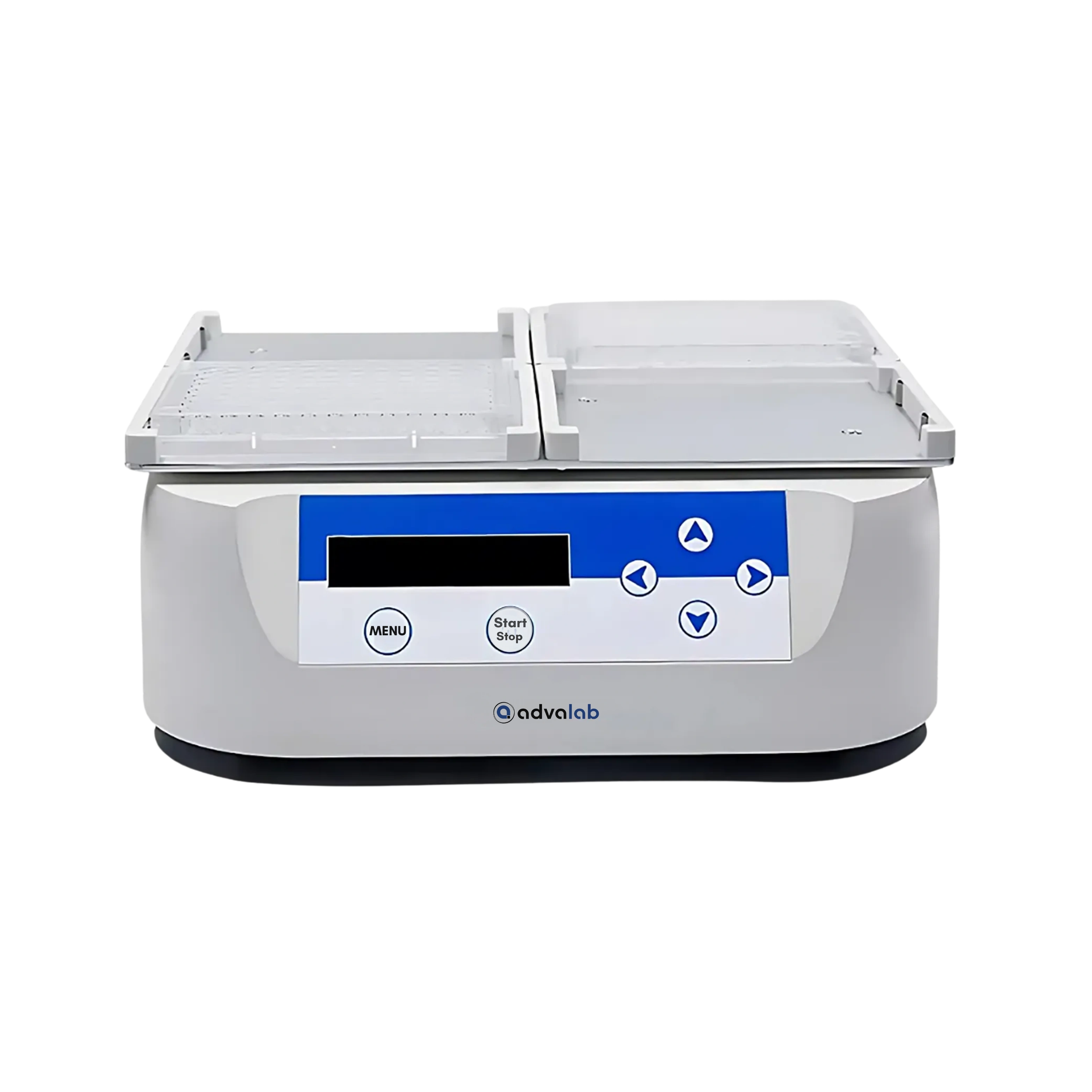
| Speed Range: | 200 to 1500 rpm |
| Amplitude: | 3 mm, horizontal rotation |
| Timer: | 1 min to 99 hr 59 min / 0: infinite time |

| Speed: | Brushless motor 100to1200rpm |
| RPM Increment: | 100 rpm |
| Horizontal Gyration Amplitude: | 4 mm |

| Shaking Speed: | 200 to 1500 rpm |
| Sample Capacity: | 4 plates |
| Speed Step Value: | 10 rpm |
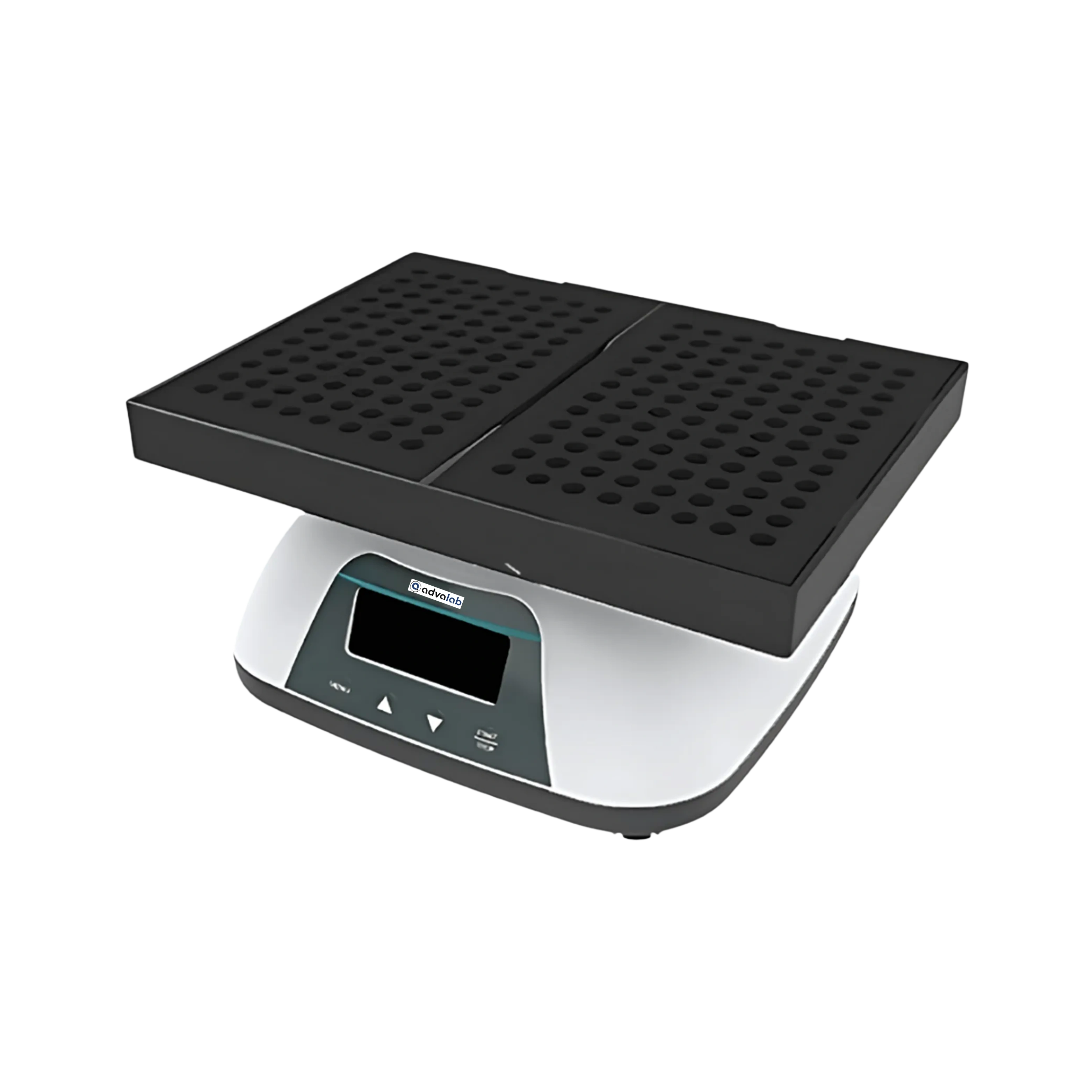
| Speed: | 100 to 1200 rpm |
| RPM Increment: | 100 rpm |
| Horizontal Gyration Amplitude: | 4 m |
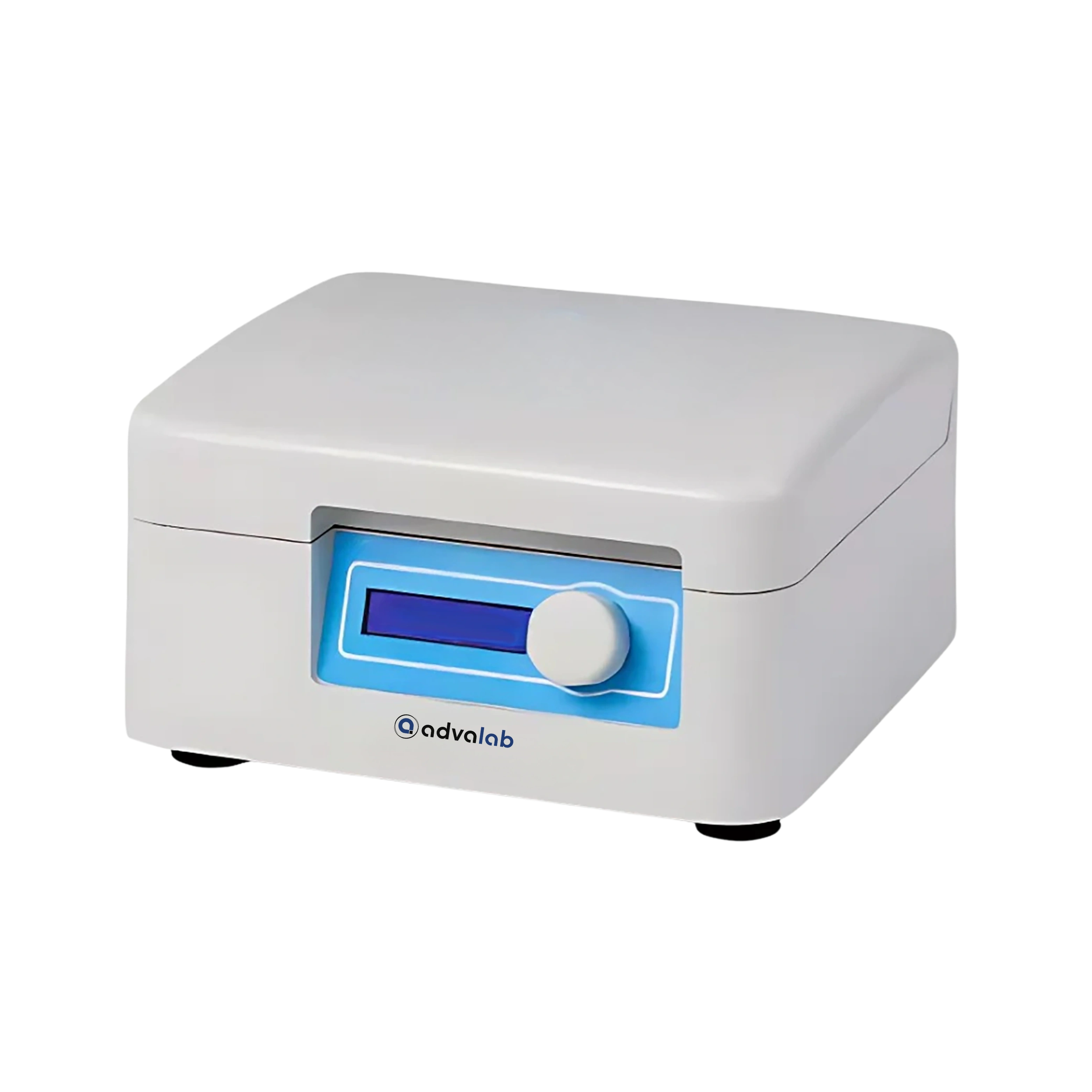
| Temperature Control Range: | RT. +5℃ to 80℃ |
| Shaking Speed: | 200 to 1600 rpm |
| Temperature Accuracy: | ≤ ± 0.5℃ |

| Shaking Speed: | 200 to 2000 rpm |
| Sample Capacity: | 2 plates |
| Speed Step Value: | 10 rpm |
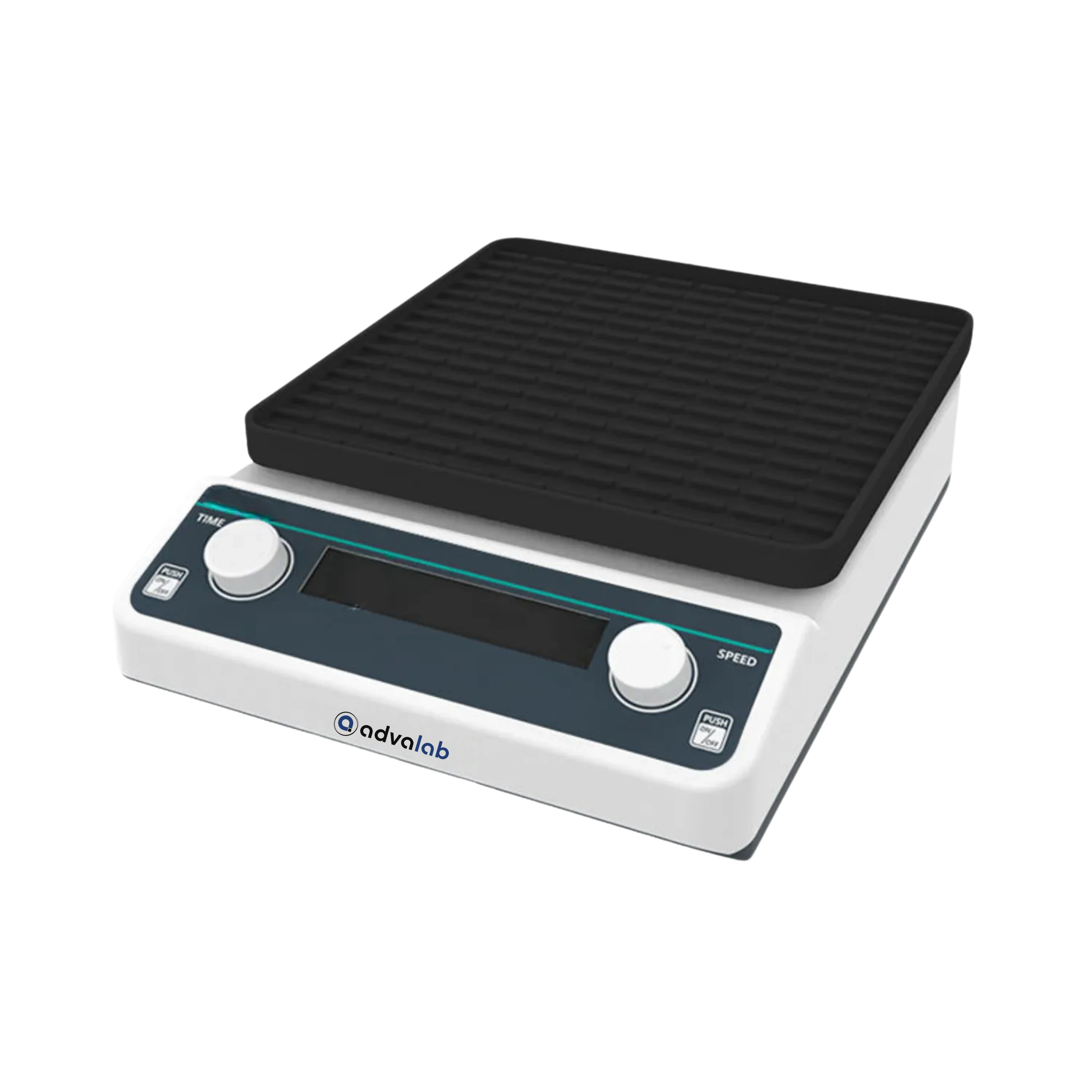
| Speed: | 500 to 1200rpm |
| RPM Increment: | 10 rpm |
| Horizontal Gyration Amplitude: | 3 mm |
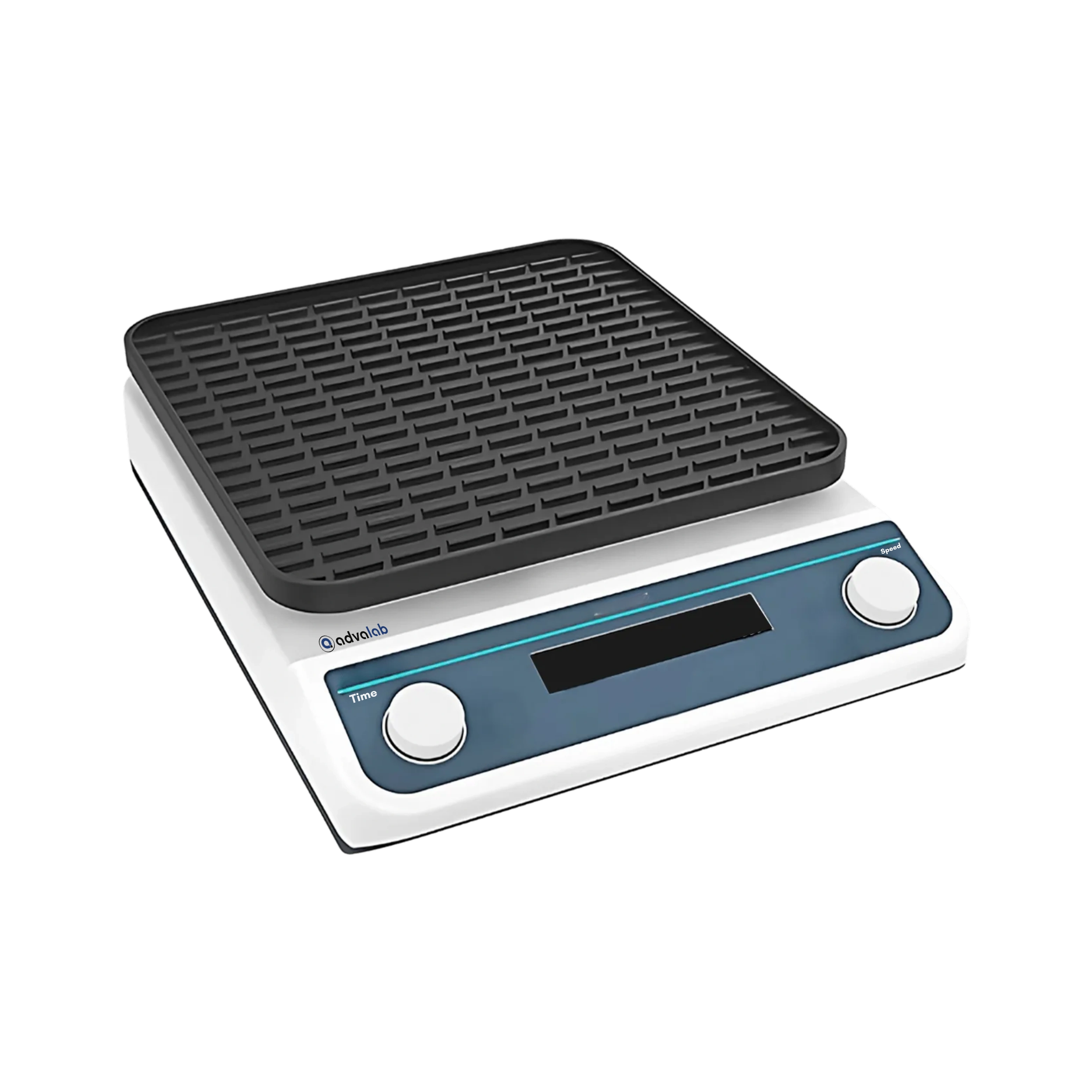
| Speed: | 40 to 200 rpm |
| Max Load: | 3 kg |
| Plate Size : | 320×320 mm |
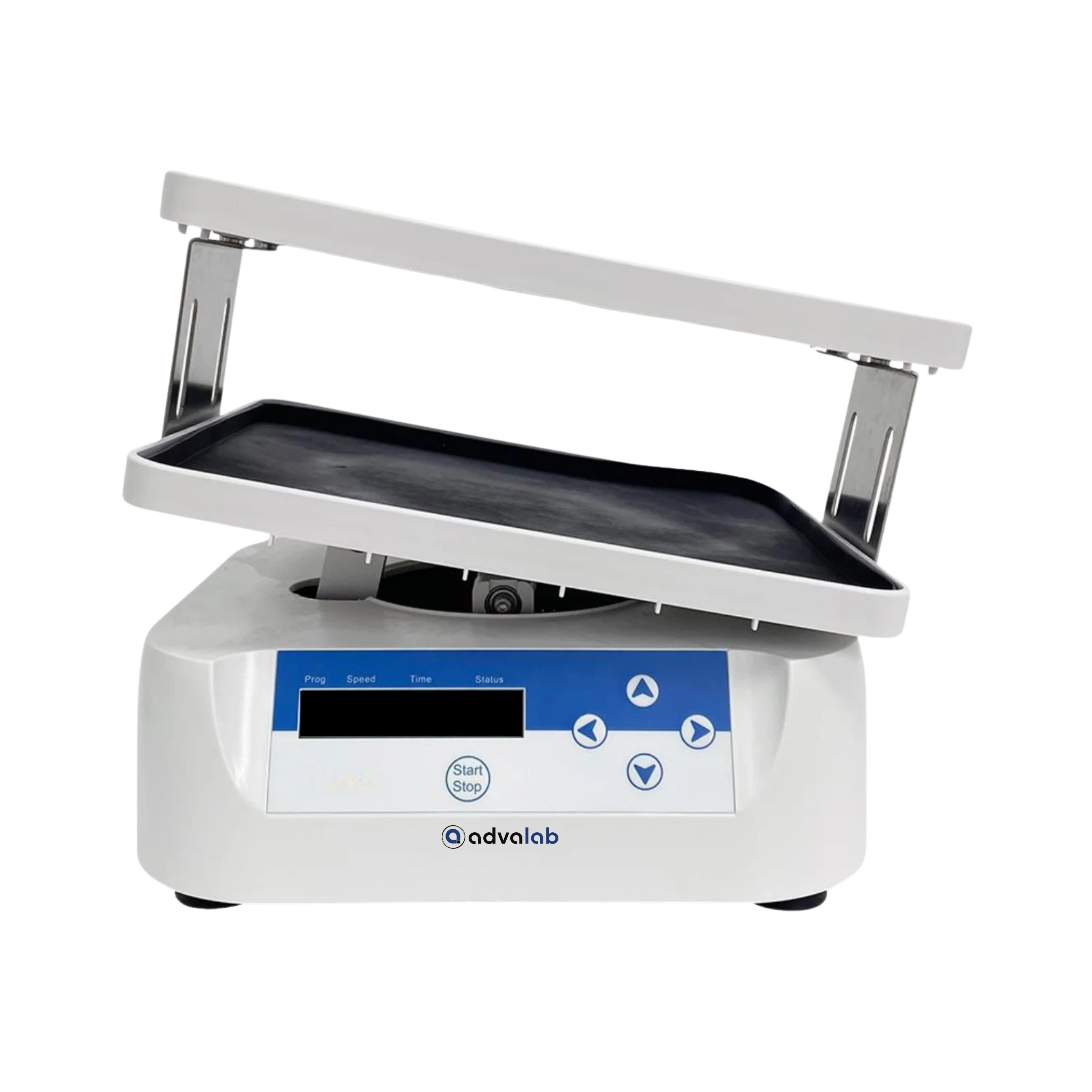
| Speed: | 10 to 100 rpm |
| Maximum Load : | 5.0 kg |
| Amplitude: | 25mm, 10’, up and down |

| Speed Range: | 1 to 70 rpm |
| Maximum Load: | 2.0 kg |
| Tilt Angle: | 1 to 10 ° |
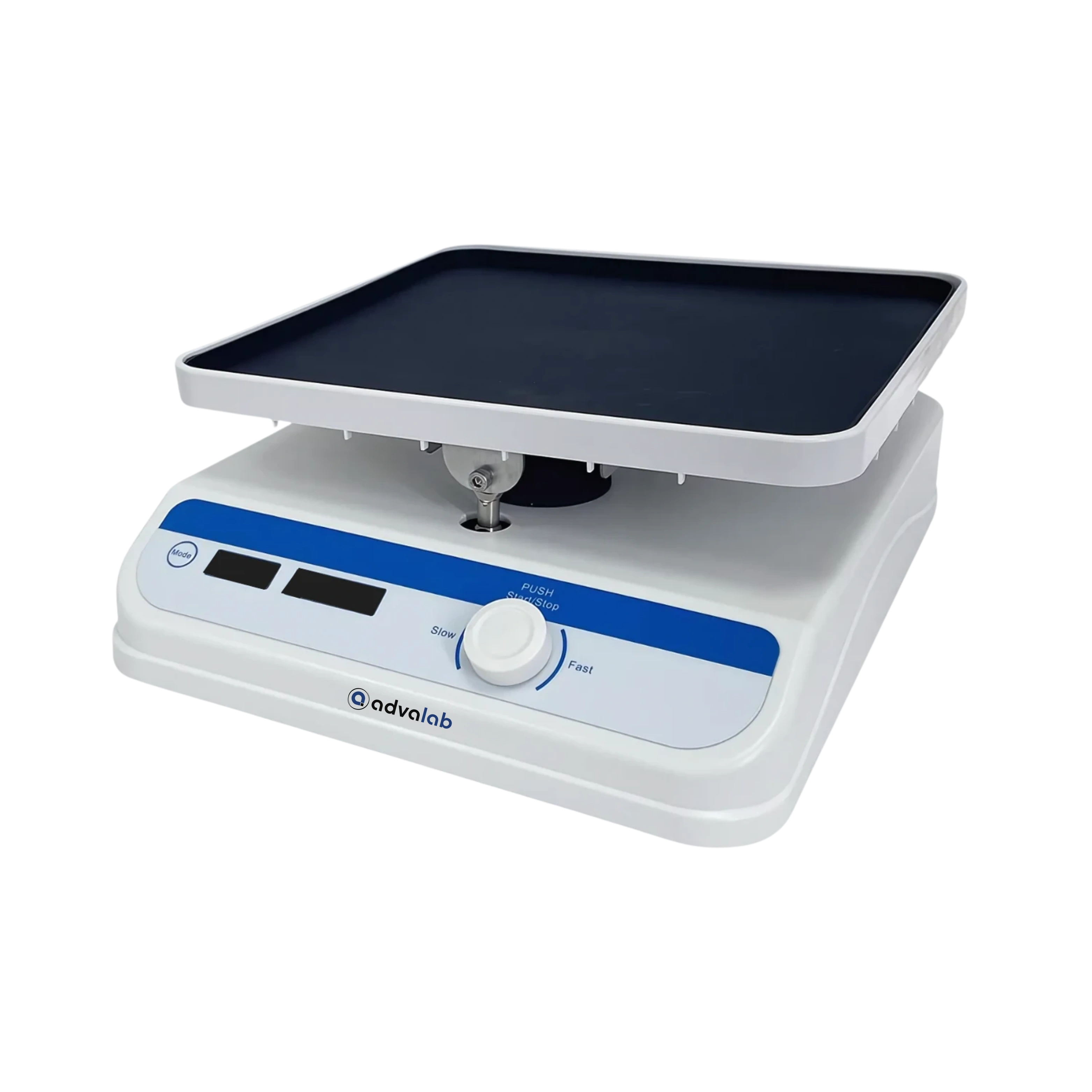
| Speed: | 10 to 70 rpm |
| Maximum Load with clamps: | 3 kg |
| Orbital Diameter: | 10° |