

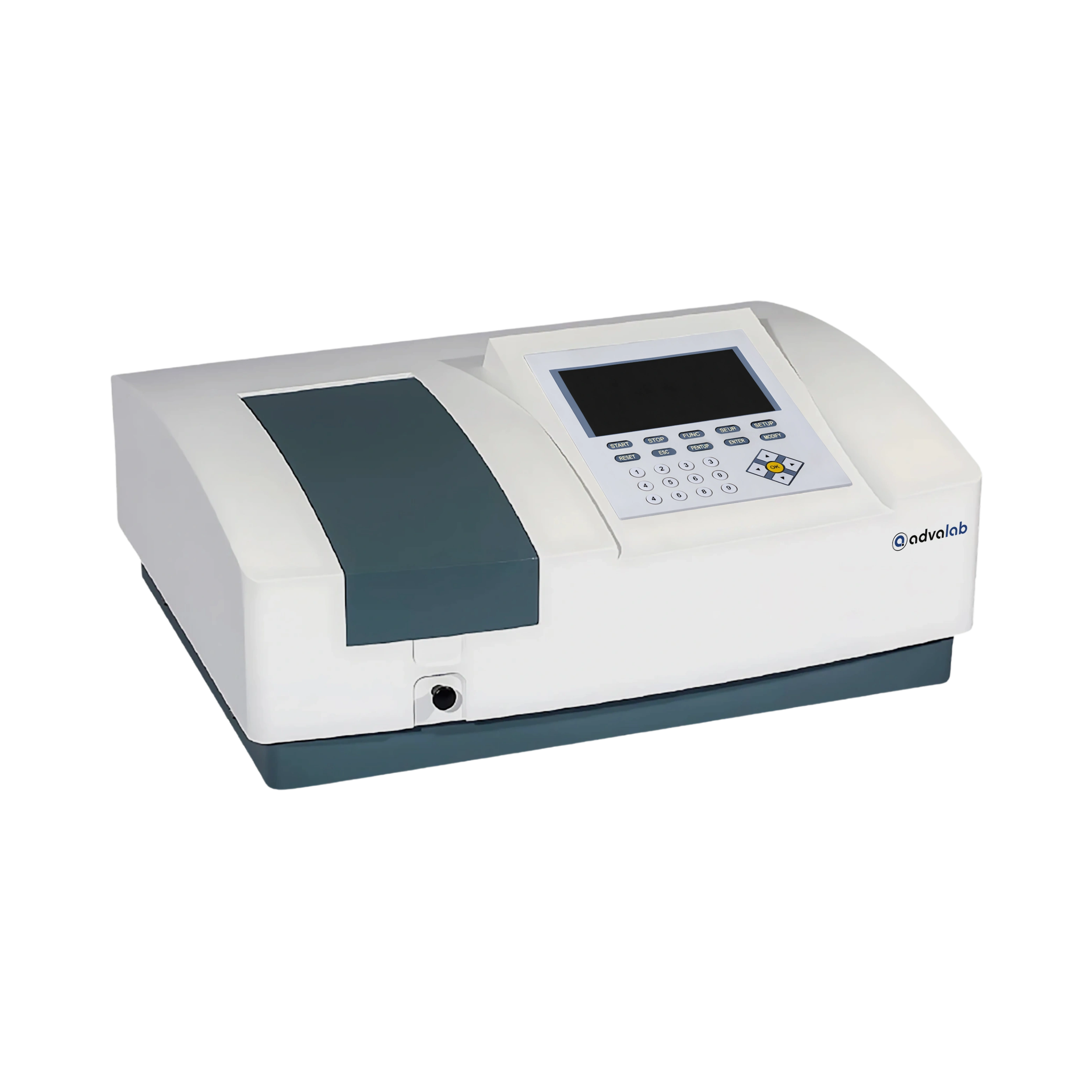
| Optical System | Double Beam, Grating 1200 lines/mm |
| Wavelength Range | 190 to 1100 nm |
| Spectral Bandwidth | 0.5/1/2/4/5 nm |
| Wavelength Setting | Auto |
| Wavelength Accuracy | ± 0.1 nm 656.1 nm, ± 0.3 nm all |
| Wavelength Repeatability | <= 0.1 nm |
| Photometric Accuracy | 0.2 % T (0 to 100 % T), ± 0.002 A (0to 0.5 A), ± 0.004 A (0.5 to 1 A) |
| Photometric Repeatability | ≤ 0.15 % T (0 to 100 % T), 0.001 A (0 to 0.5 A), 0.002 A (0.5 to 1 A) |
| Photometric Stability | ± 0.15 % T, ± 0.002 A (0 to 0.5 A), ± 0.004 A (0.5 to 1 A) |
| Photometric Range | 0 to 200 % T, -0.3 to 3 A, 0 to 9999 C |
| Stray Light | <= 0.03 % T 220 nm, 360 nm |
| Stability | ± 0.0003 A/h 500 nm |
| Work Mode | T, A, C, E |
| Baseline Flatness | ± 0.001 A |
| Noise | 0.0005 A 500 nm |
| Scanning Speed | Hi, Med, Low (Max. 3000nm/min) |
| Display | 7-inch Colour touch screen |
| Light Source | Deuterium and tungsten lamp |
| Detector | Imported silicon photodiode |
| Cuvette Holder | 10 mm single hole cell holder |
| Output | USB drive, USB host, RS232 |
| Power | AC 110 to 220 V 50 to 60 Hz |
| Dimensions (L×B×H) | 880×690×520 mm |
| Gross Weight | 45 Kg |
Our Double Beam Spectrophotometer ADDS-526 is used in clinical diagnostics, academic research, and water quality monitoring, for accurate chemical and optical measurements.
Accessory | Quantity |
10 mm Glass cuvette | 4 Pc |
10 mm Quartz cuvette (UV) | 2 Pc |
Power cord | 1 Pc |
Manual | 1 Pc |
PC software | 1 Pc |
1. What is the main advantage of using the Double Beam Spectrophotometer ADDS-526?
The primary advantage of the Double Beam Spectrophotometer ADDS-526 is its dual-beam design, which allows simultaneous measurement of sample and reference, reducing drift and enhancing stability. This ensures accurate and reliable results over time, especially during long experimental runs. The system compensates for lamp fluctuations and other interferences automatically. It also supports a wide spectral range and precise baseline correction. This makes it ideal for routine and advanced analytical applications in laboratories.
2. What type of light source and detector does the Double Beam Spectrophotometer ADDS-526 use?
The Double Beam Spectrophotometer ADDS-526 typically uses a combination of a deuterium lamp for UV and a tungsten halogen lamp for visible light. These provide broad spectral coverage from around 190 nm to 1100 nm. The spectrophotometer is equipped with a high-sensitivity photodiode or photomultiplier tube for accurate detection. It offers excellent resolution and low stray light performance. This ensures precise absorbance and transmittance measurements across the full spectrum.
3. Is the Double Beam Spectrophotometer ADDS-526 suitable for quantitative analysis?
Yes, the Double Beam Spectrophotometer ADDS-526 is highly suitable for quantitative analysis in chemistry, pharmaceuticals, environmental testing, and biological studies. It offers multiple calibration options, including linear and non-linear regression modes. The software supports multi-wavelength analysis, standard curve creation, and sample concentration calculation. Users can easily generate analytical reports with tabulated results and graphs. Its reliability and repeatability make it a trusted choice for routine quantification.
4. Can the Double Beam Spectrophotometer ADDS-526 store and export data?
Yes, the Double Beam Spectrophotometer ADDS-526 includes user-friendly software with data storage and export capabilities. It allows you to save measurement results, method parameters, and calibration curves for future use. Data can be exported in various formats such as CSV or PDF for further analysis or documentation. USB and LAN connectivity options are usually available for easy transfer. This enhances traceability and compliance with laboratory data management standards.
5. What are the maintenance requirements for the Double Beam Spectrophotometer ADDS-526?
The Double Beam Spectrophotometer ADDS-526 requires regular but minimal maintenance to ensure optimal performance. Users should periodically clean optical components and check lamp intensity and alignment. The software often includes built-in diagnostics to alert users of potential issues. Calibration and validation using standard reference materials should be done at scheduled intervals. With proper handling and regular upkeep, the spectrophotometer remains accurate and durable for years.
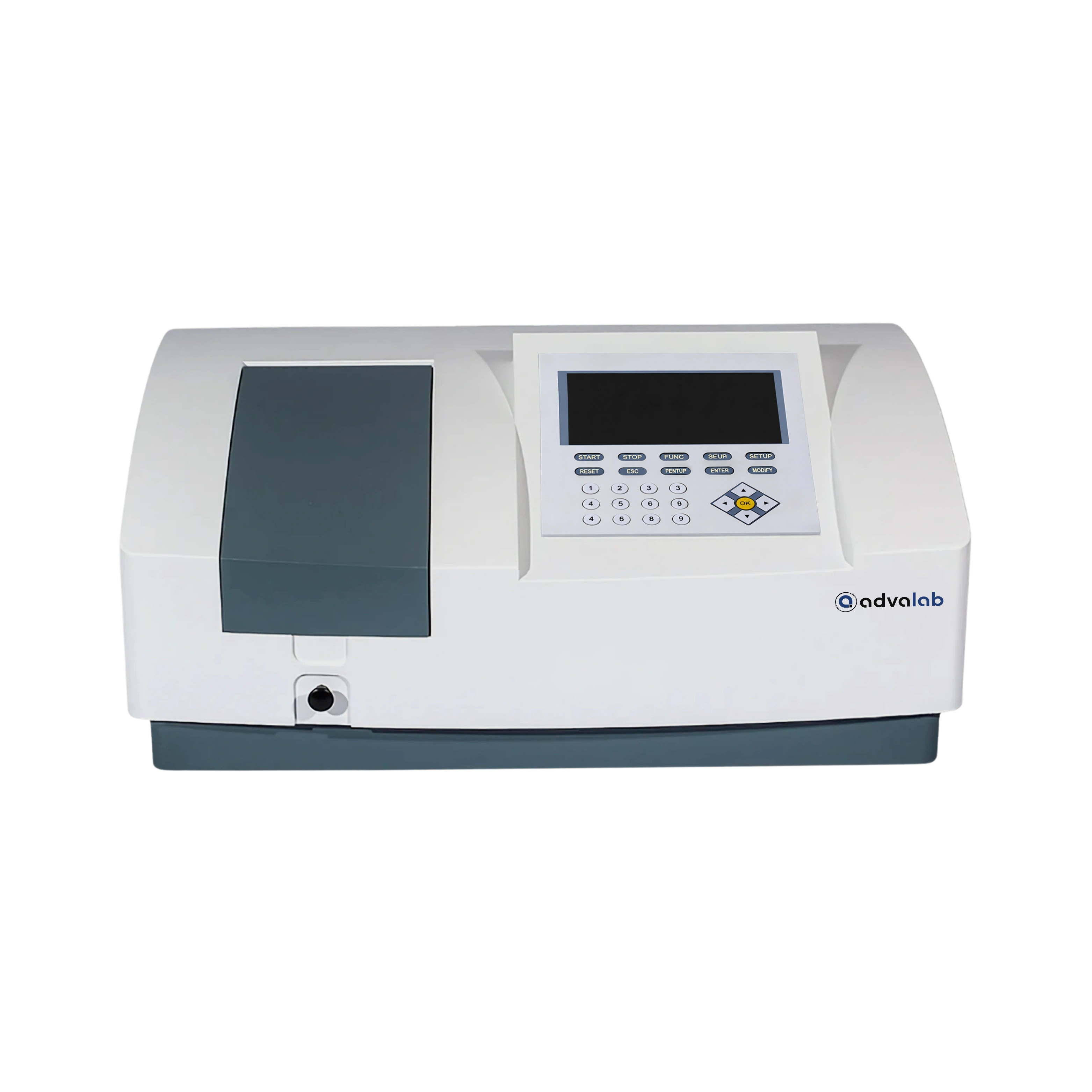
| Optical System | Double beam, grating 1200 lines/mm |
| Wavelength Range | 190 to 1100 nm |
| Spectral Bandwidth | 1 nm |

| Optical System | Double beam, grating 1200 lines/mm |
| Wavelength Range | 190 to 1100 nm |
| Spectral Bandwidth | 1 nm |
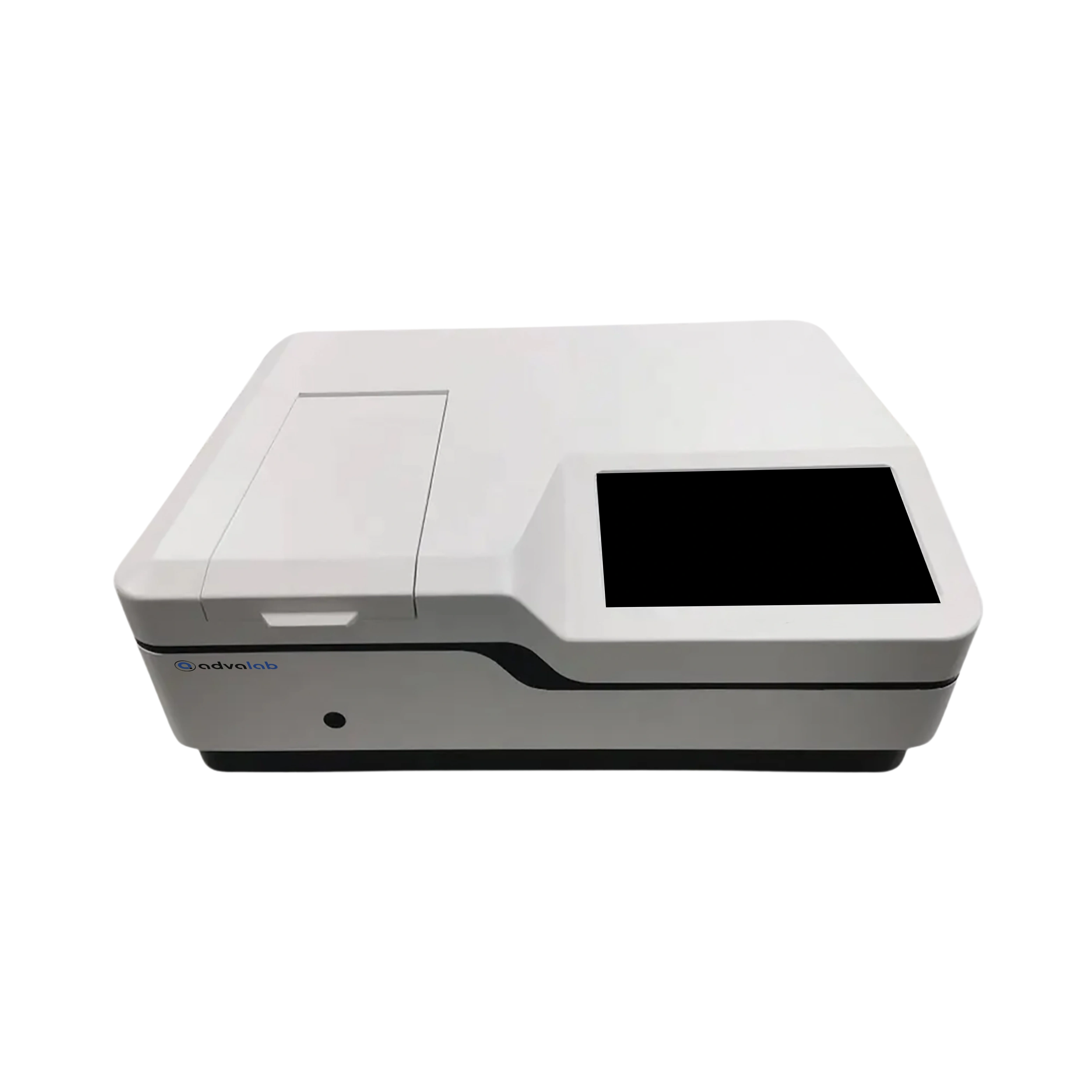
| Display | 7-inch Colour Screen |
| Optical System | Double beam, grating 1200 lines/mm |
| Wavelength Range | 190 to 1100 nm |
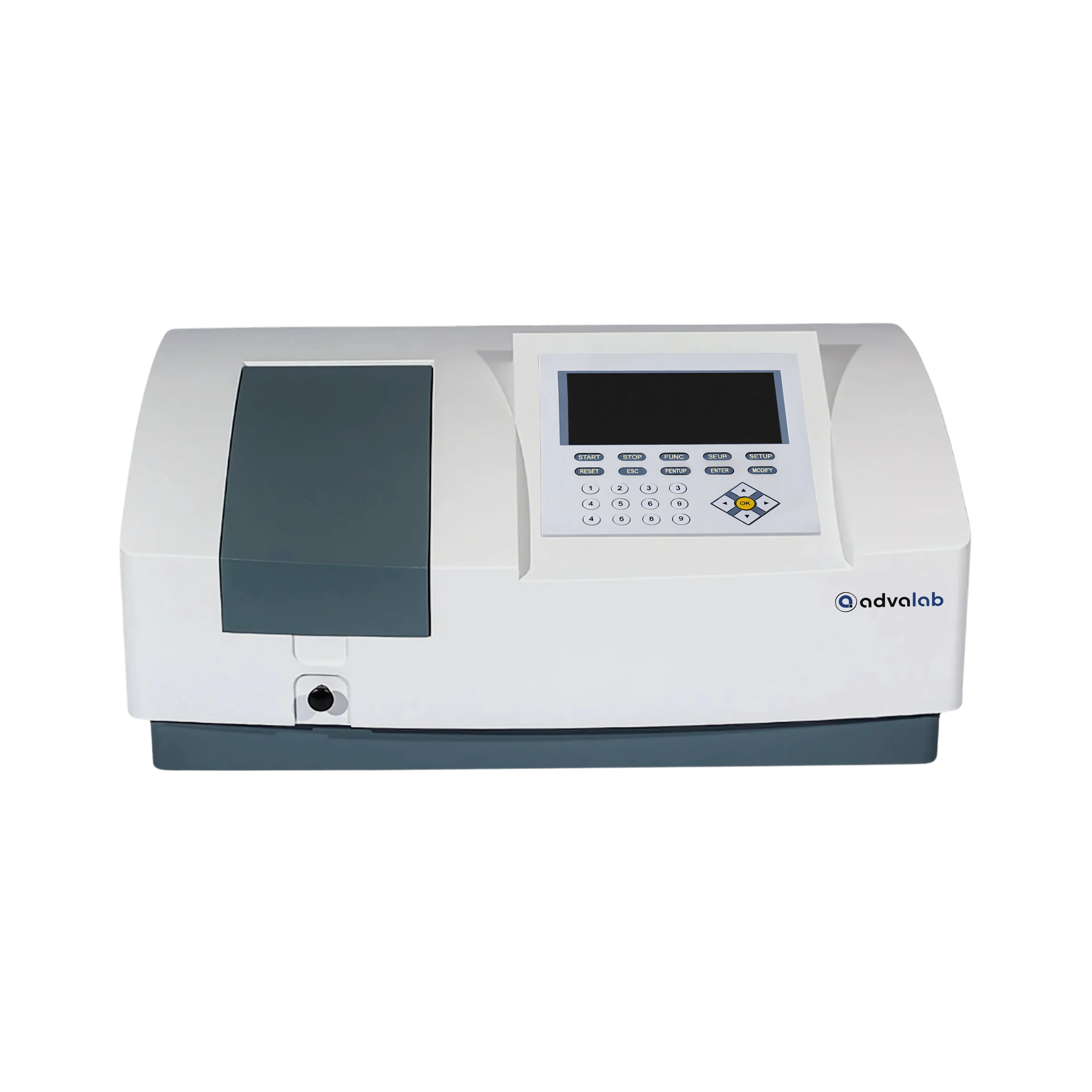
| Optical System | Double beam, grating 1200 lines/mm |
| Wavelength Range | 190 to 1100 nm |
| Spectral Bandwidth | 2 nm |
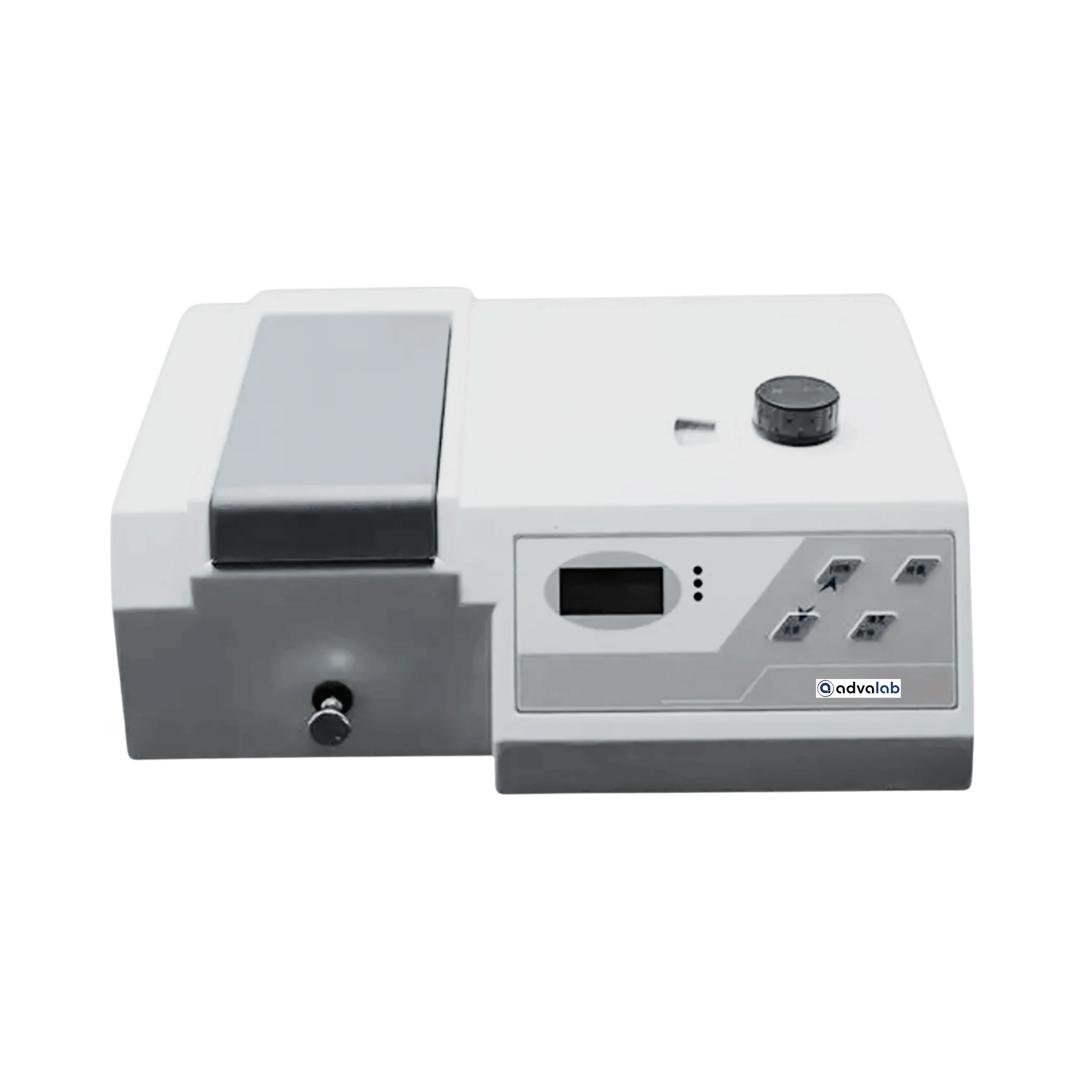
| Wavelength Range: | 325 to 1050 nm |
| Wavelength Accuracy: | ± 2 nm |
| Wavelength Reproducibility: | 1 nm |

| Wavelength Range: | 320 to 1050 nm |
| Wavelength Accuracy: | ± 2 nm |
| Wavelength Reproducibility: | 1 nm |

| Wavelength Range: | 340 to 1000 nm |
| Wavelength Accuracy: | ± 3 nm |
| Transmittance Range: | 0 to 199.9 |

| Wavelength Range: | 325 to 1000 nm |
| Wavelength Accuracy: | ± 2 nm |
| Transmittance Range: | 0 to 199.9 |

| Wavelength Range: | 195 to 1000 nm |
| Wavelength Accuracy: | ± 2 nm |
| Transmittance Range: | 0 to 199.9 |
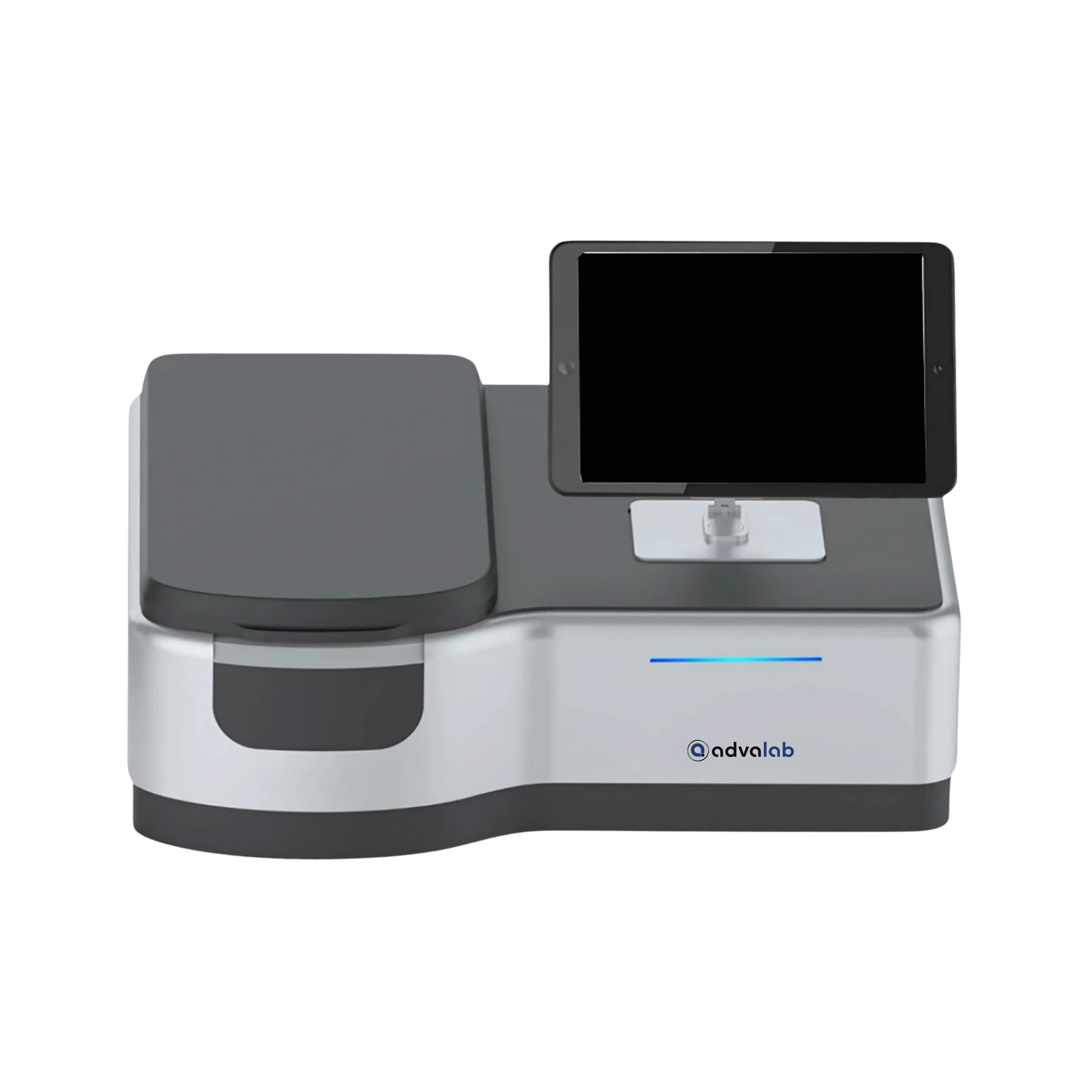
| Optical System: | Single beam, grating 1200 lines/mm |
| Wavelength Range: | 190 to 1100 nm |
| Spectral Bandwidth: | 1 nm |
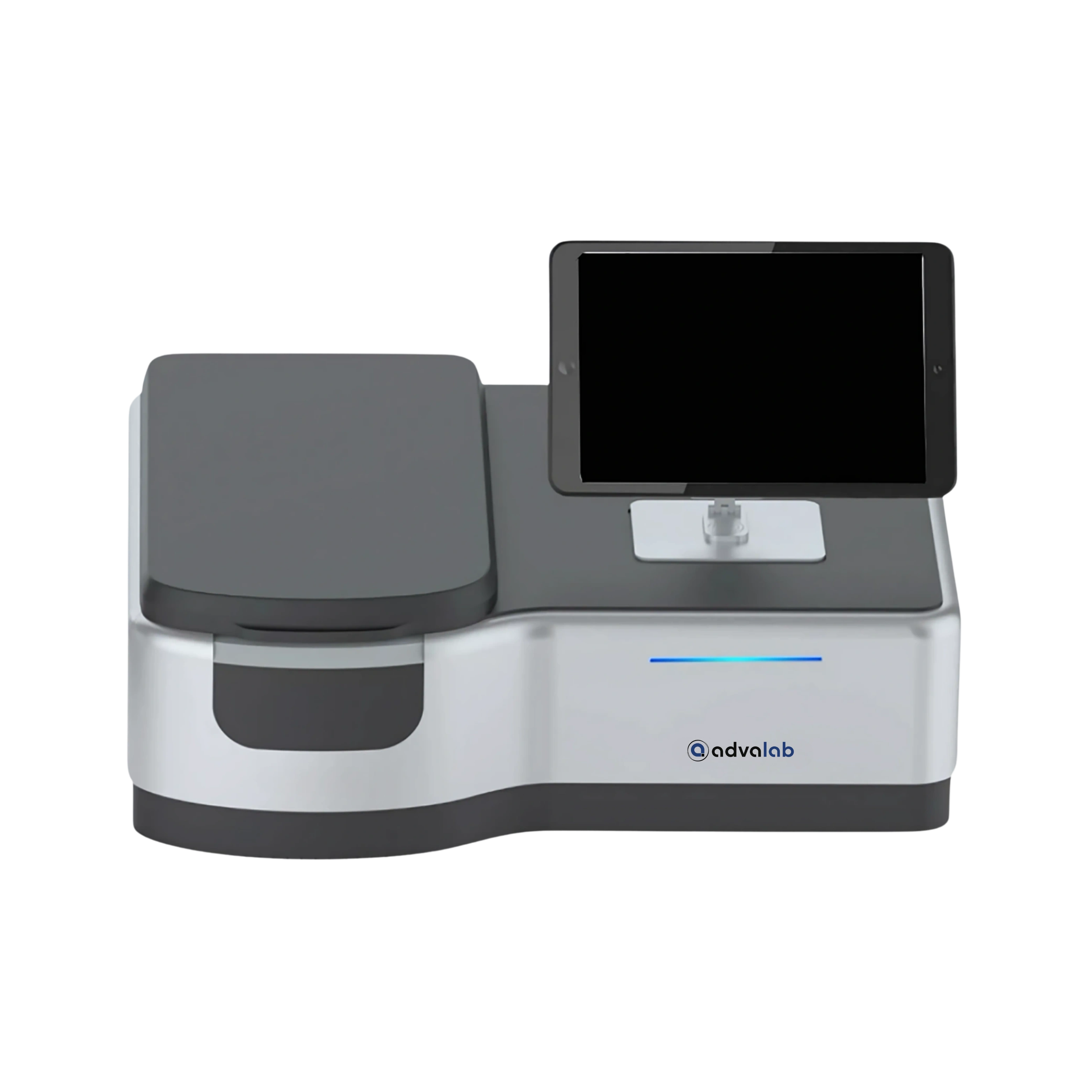
| Optical System: | Single beam, grating 1200 lines/mm |
| Wavelength Range: | 190 to 1100 nm |
| Spectral Bandwidth: | 0.1/0.2/0.5/1/ 2/4/5 nm |
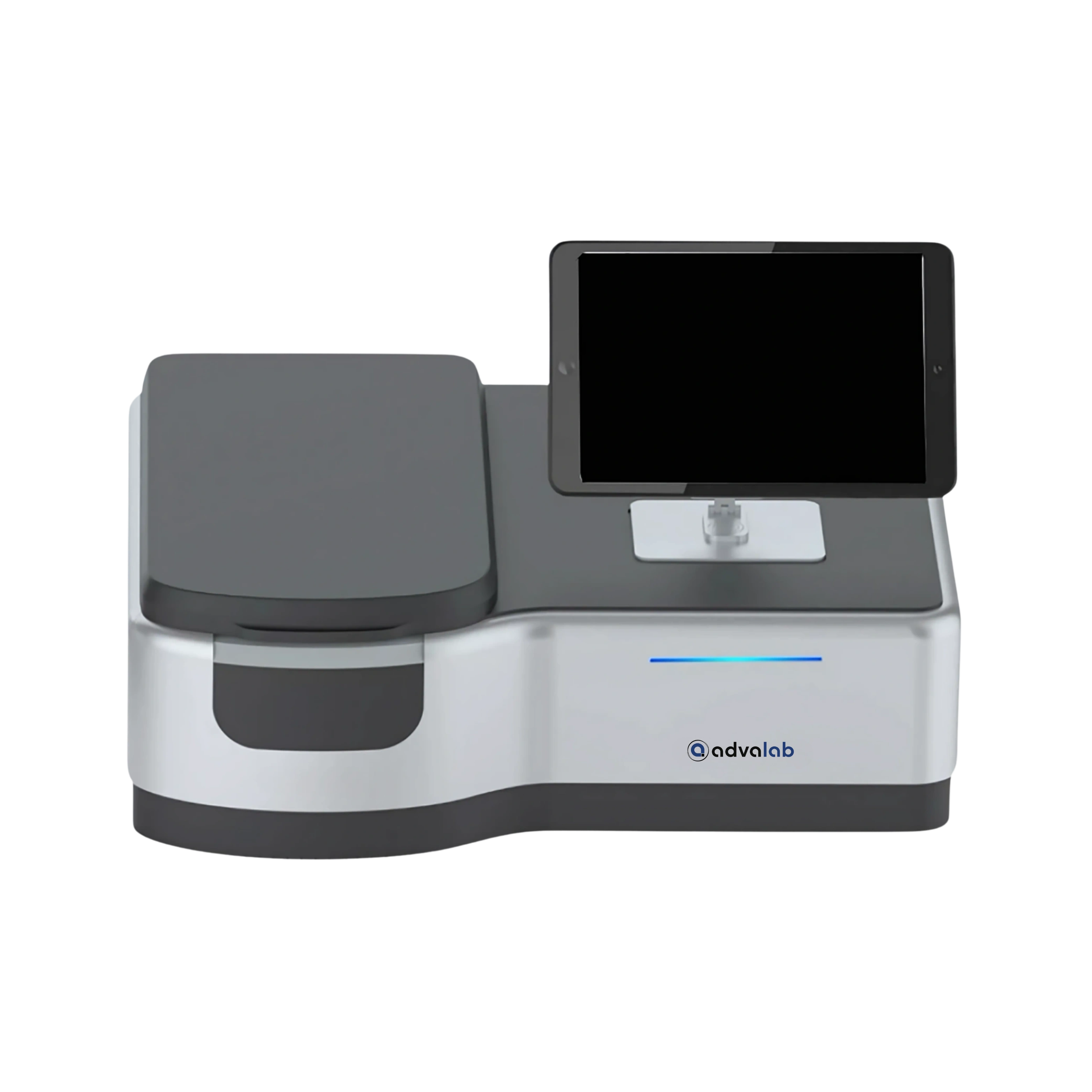
| Optical System: | Single beam, grating 1200 lines/mm |
| Wavelength Range: | 320 to 1100 nm |
| Spectral Bandwidth: | 2 nm |
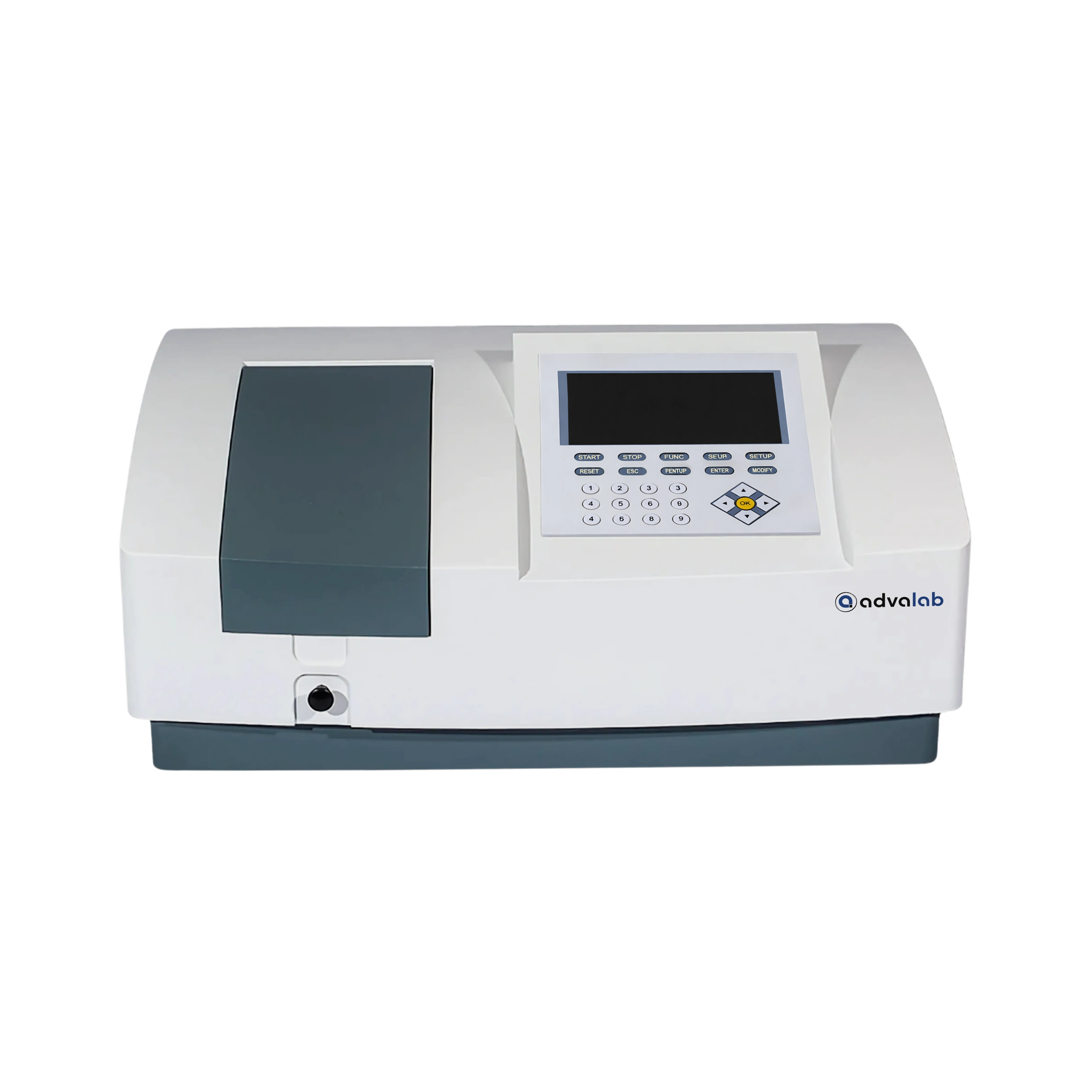
| Optical System: | Single beam, grating 1200 lines/mm |
| Wavelength Range: | 190 to 1100 nm |
| Spectral Bandwidth: | 1 nm |
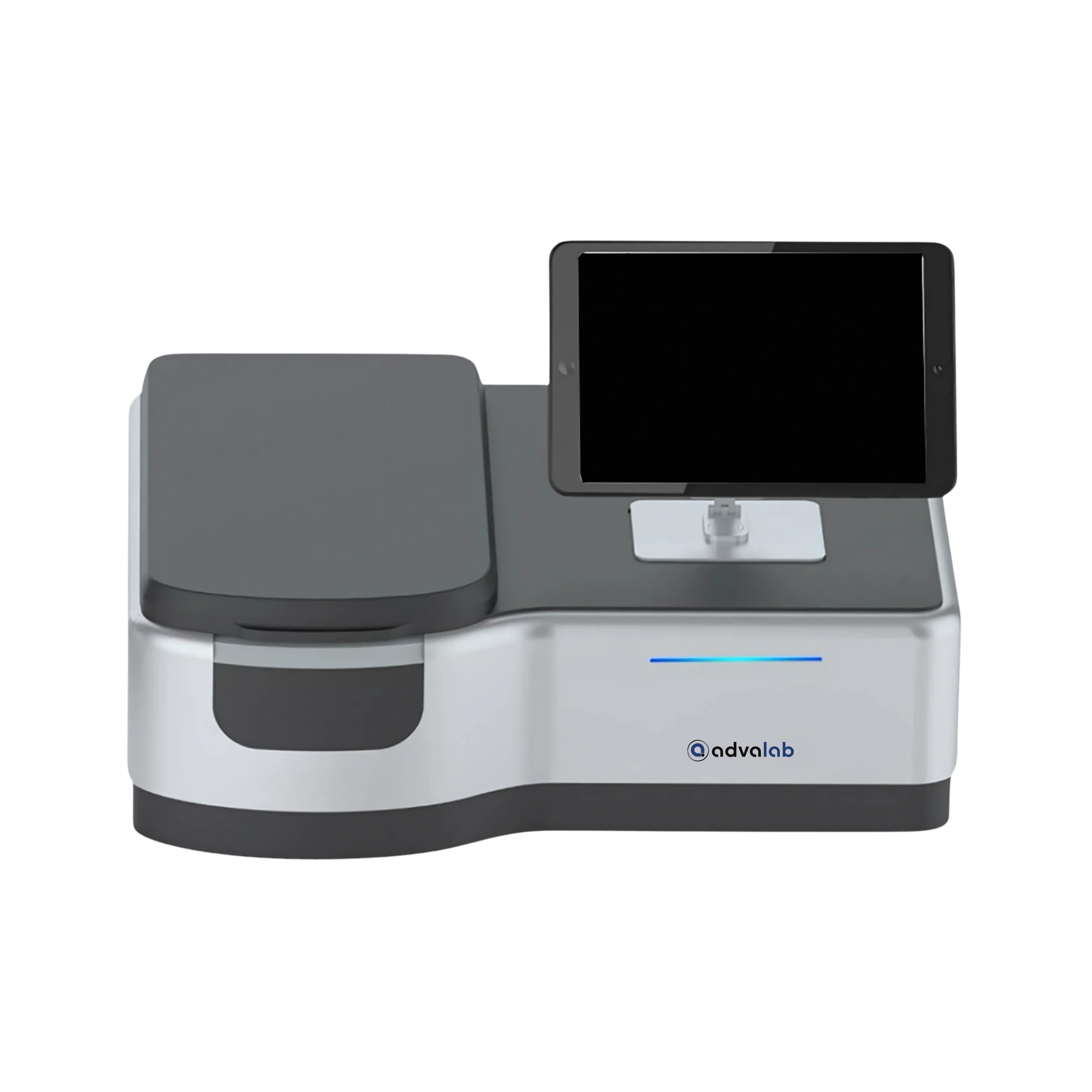
| Optical System: | Single Beam, Grating 1200 lines/mm |
| Wavelength Range: | 190 to 1100 nm |
| Spectral Bandwidth: | 2 nm |

| Optical System: | Single beam, grating 1200 lines/mm |
| Wavelength Range: | 190 to 1100 nm |
| Spectral Bandwidth: | 2 nm |
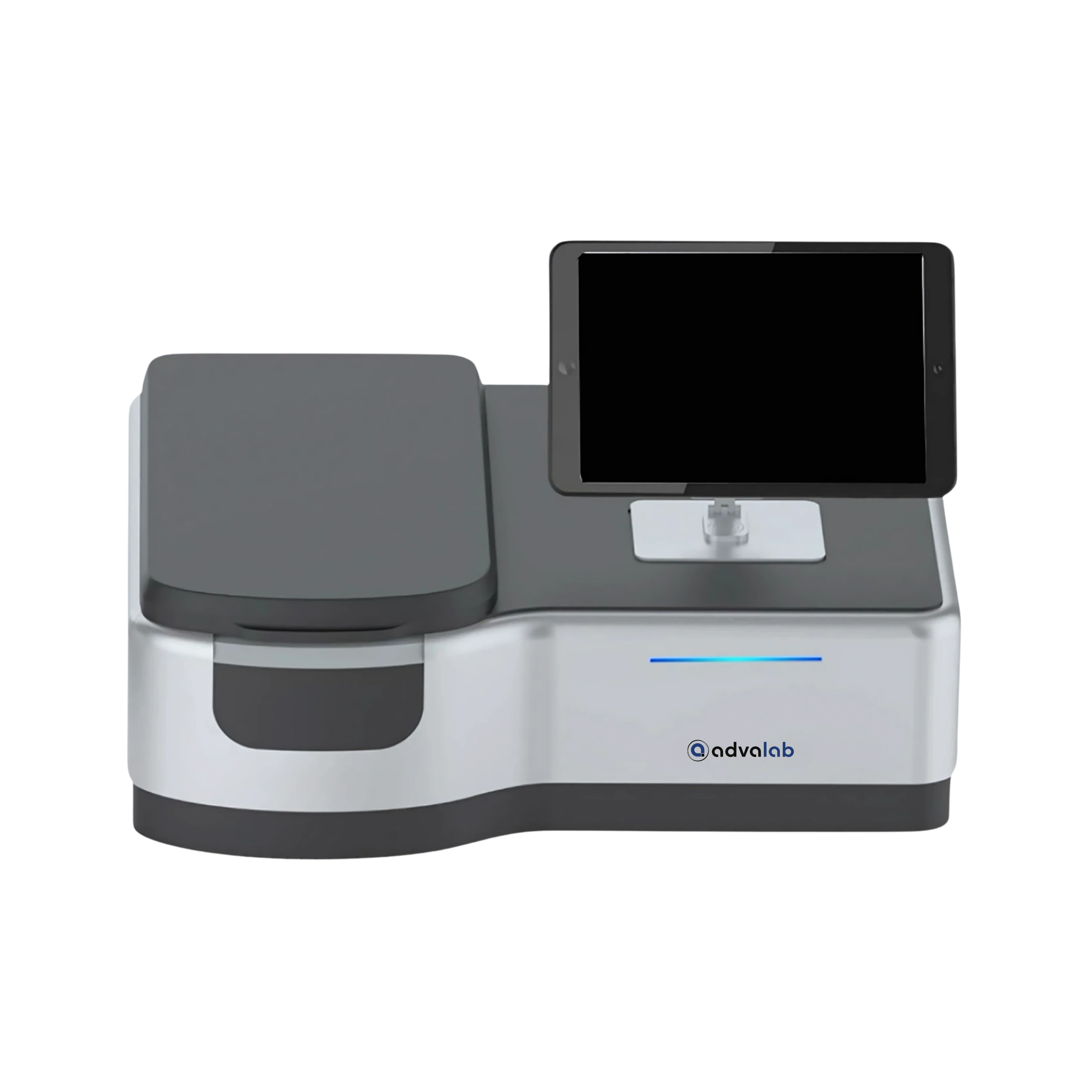
| Optical System: | Single Beam, Grating 1200 lines/mm |
| Wavelength Range: | 190 to 1100 nm |
| Spectral Bandwidth: | 1 nm |
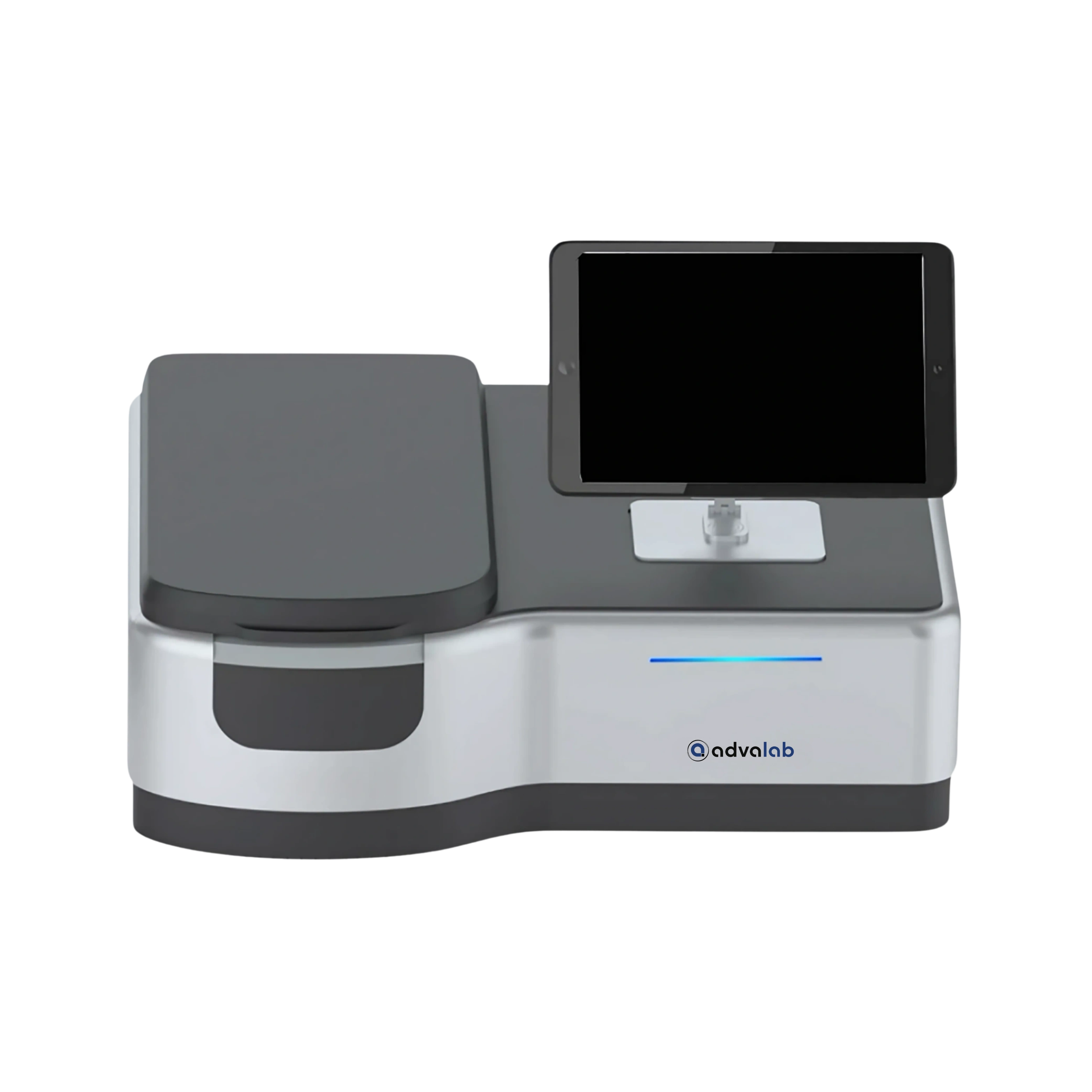
| Optical System: | Single Beam, Grating 1200 lines/mm |
| Wavelength Range: | 190 to 1100 nm |
| Spectral Bandwidth: | 0.1/0.2/0.5/1/2/4 |
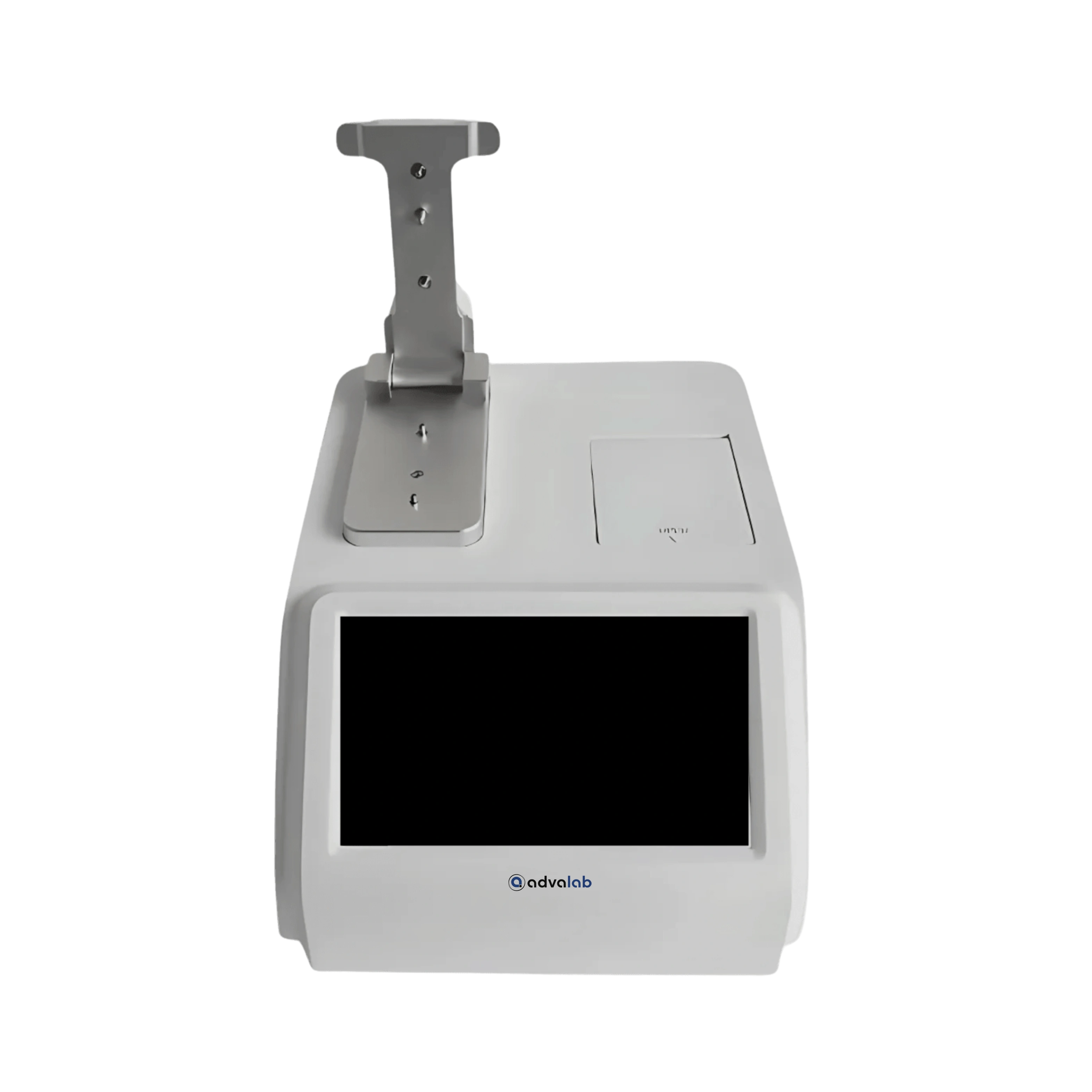
| Sample Volume: | 0.5μl to 2μl (recommended to use 2μl) |
| Nucleic Acid Detection Range: | 2 to 37500ng /μL (dsDNA) <br/> 1.32 to 24750 ng/μL (ss DNA) <br/> 1.6 to 30000ng/μL (RNA) |
| Protein Detection Range: | 0.04 to 750mg/mL (A280) <br/> 0.06 to 1119mg/mL (BSA) <br/> 0.03 to 547mg/mL (IgG) <br/> 0.015 to 284mg/mL (lysozyme) |
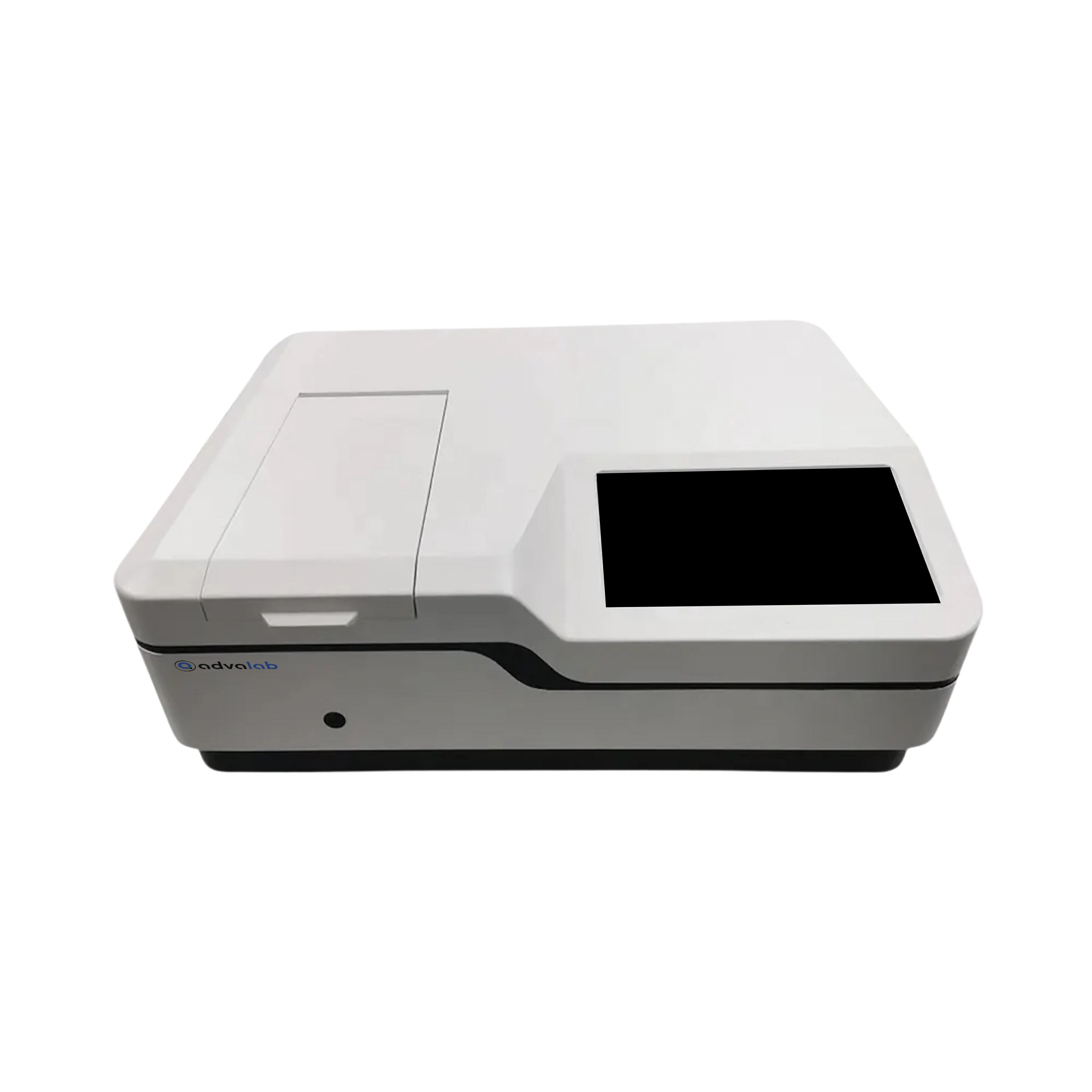
| Optical System: | Single beam, grating 1200 lines/mm |
| Wavelength Range: | 190 to 1100 nm |
| Spectral Bandwidth: | 2 nm |
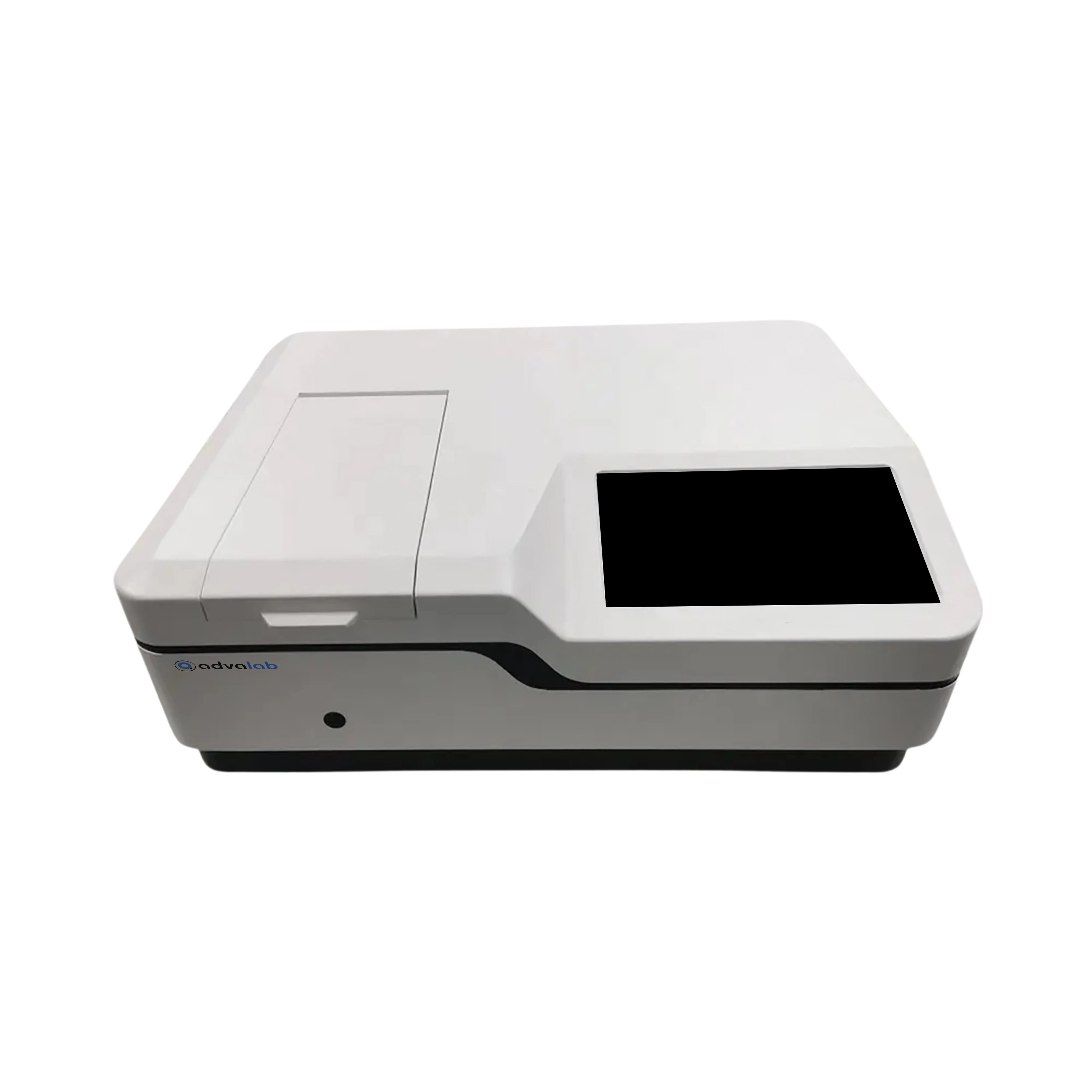
| Optical System: | Single Beam, Grating 1200 lines/mm |
| Wavelength Range: | 190 to 1100 nm |
| Spectral Bandwidth: | 2 nm |
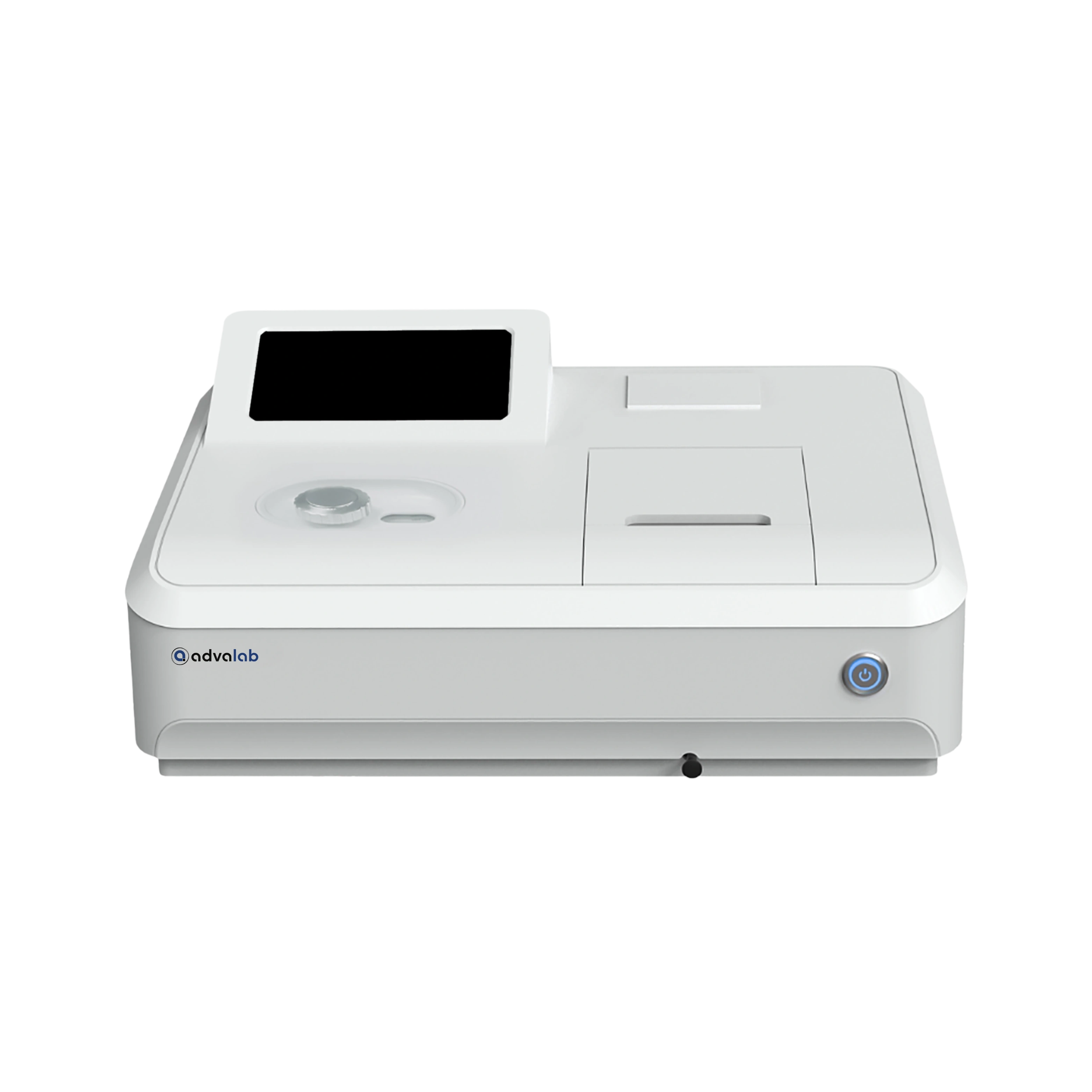
| Optical System: | Single beam |
| Monochromator: | C-T Monochromator, blazed holographic grating 1200 lines/nm |
| Wavelength Range: | 320 to 1020 nm |
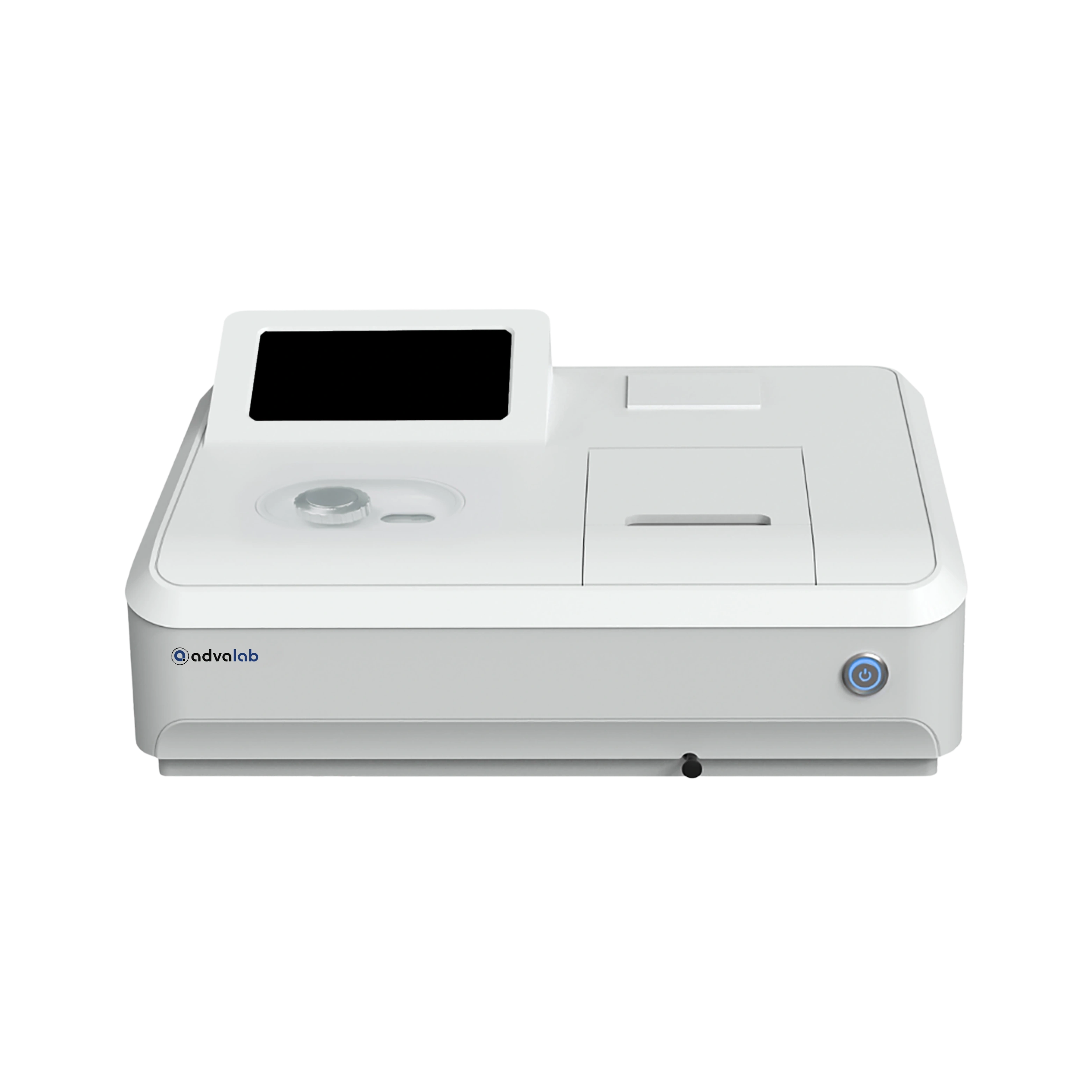
| Optical System: | Single beam |
| Monochromator: | C-T Monochromator, blazed holographic grating 1200 lines/nm |
| Wavelength Range: | 190 to 1020 nm |
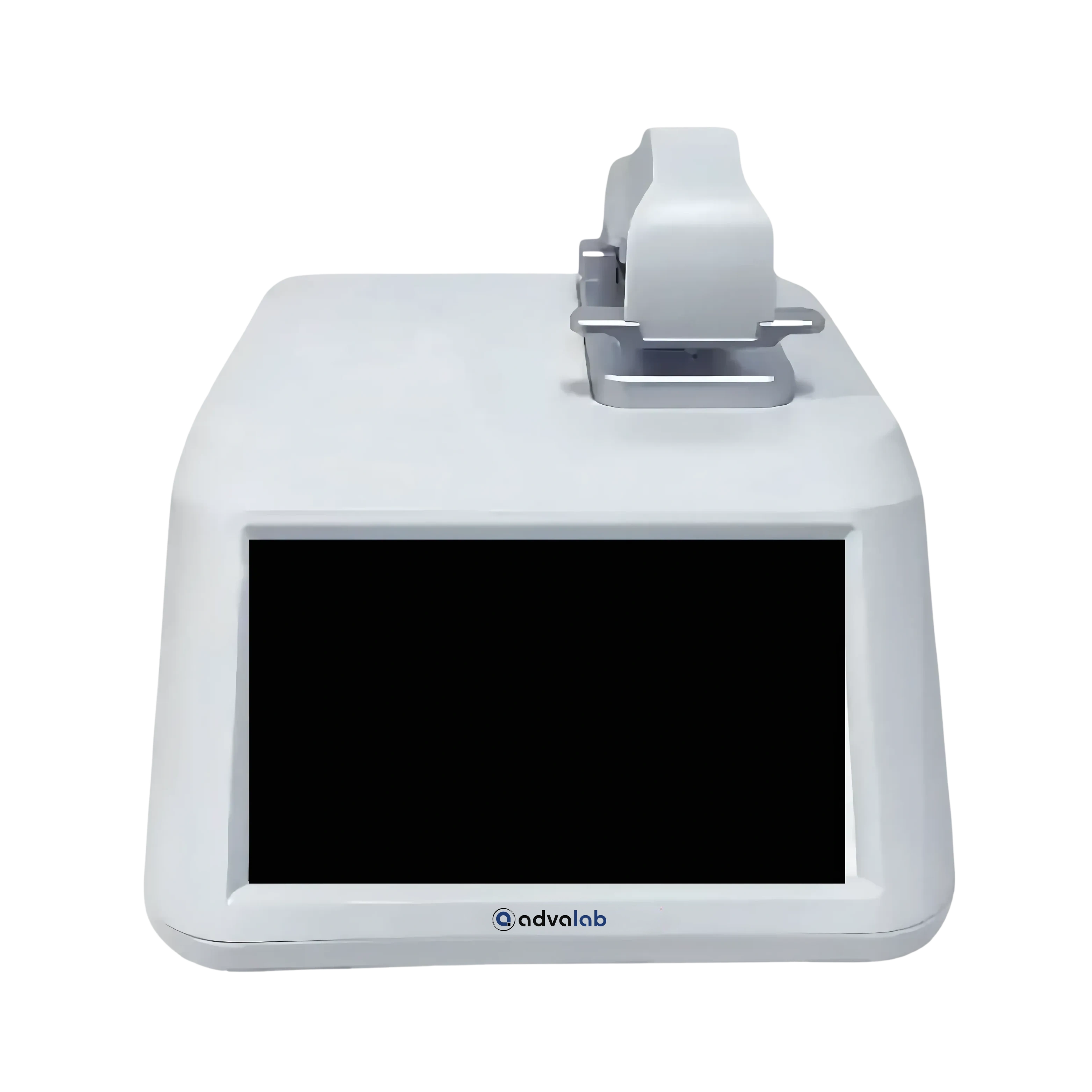
| Sample Volume: | 0.5 to 2.0 μL |
| Nucleic Acid Detection Range: | 2 to 15000 ng/μL (dsDNA) <br/> 1.32 to 9900 ng/μL (ss DNA) <br/> 1.6 to12000ng/μL (RNA) |
| Protein Detection Range: | 0.04 to 750 mg/mL (A280) <br/> 0.06 to 1119 mg/mL (BSA) <br/> 0.03 to 547 mg/mL (IgG) <br/> 0.015 to 284 mg/mL (lysozyme) |
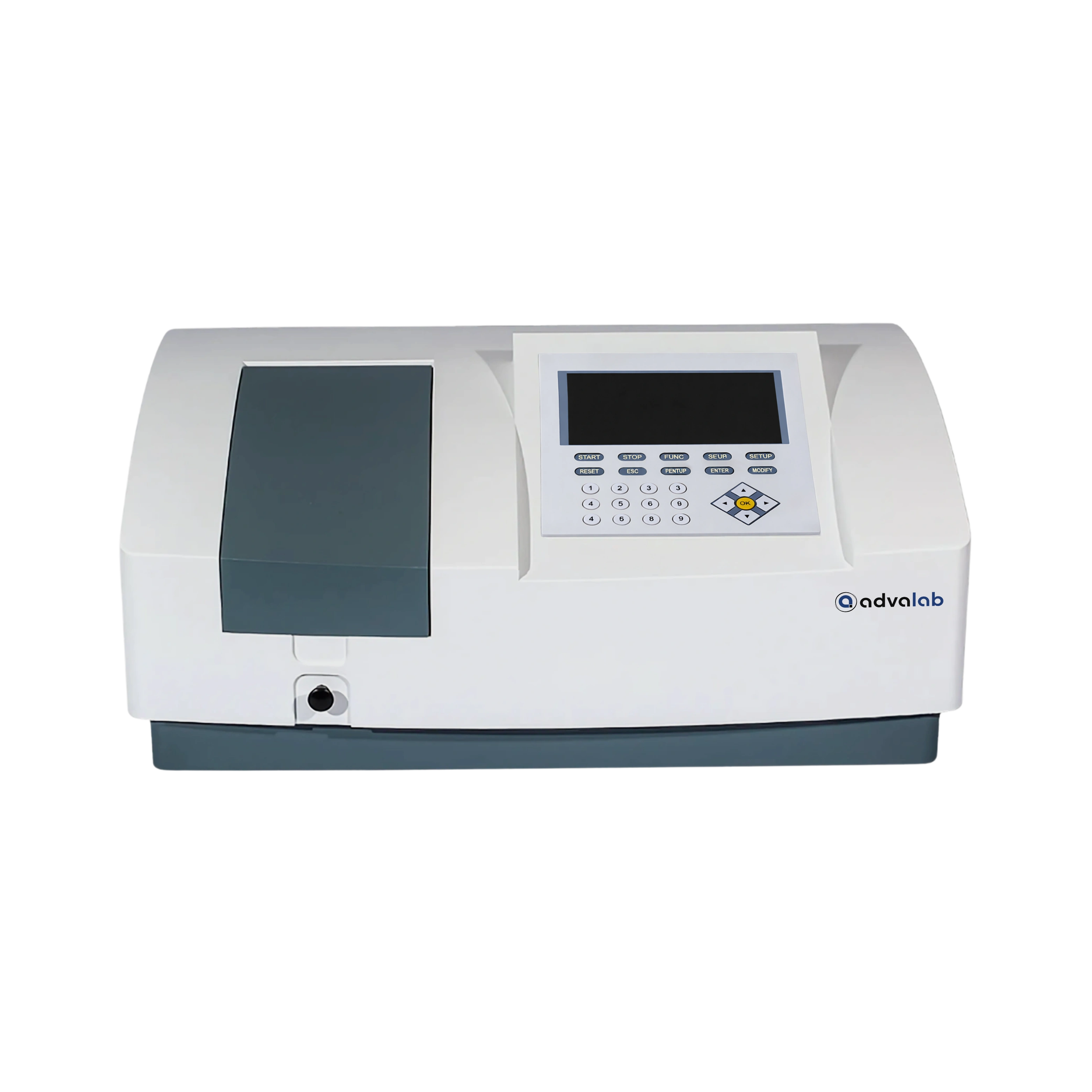
| Optical System: | Single beam, grating 1200 lines/mm |
| Wavelength Range: | 190 to 1100 nm |
| Spectral Bandwidth: | 0.5/1/2/4/5 nm |
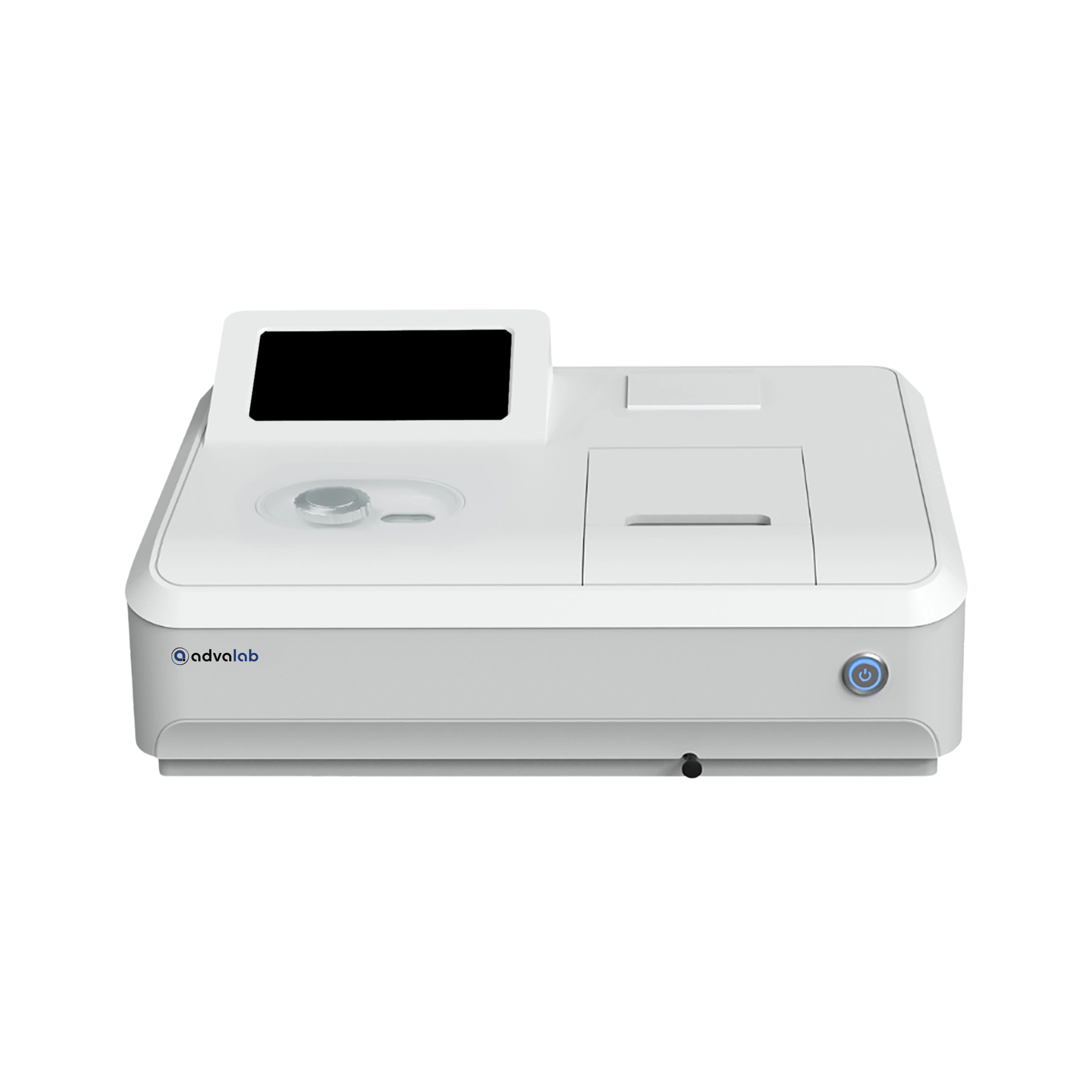
| Optical System: | Single beam |
| Monochromator: | C-T Monochromator, blazed holographic grating 1200 lines/nm |
| Wavelength Range: | 320 to 1100 nm |
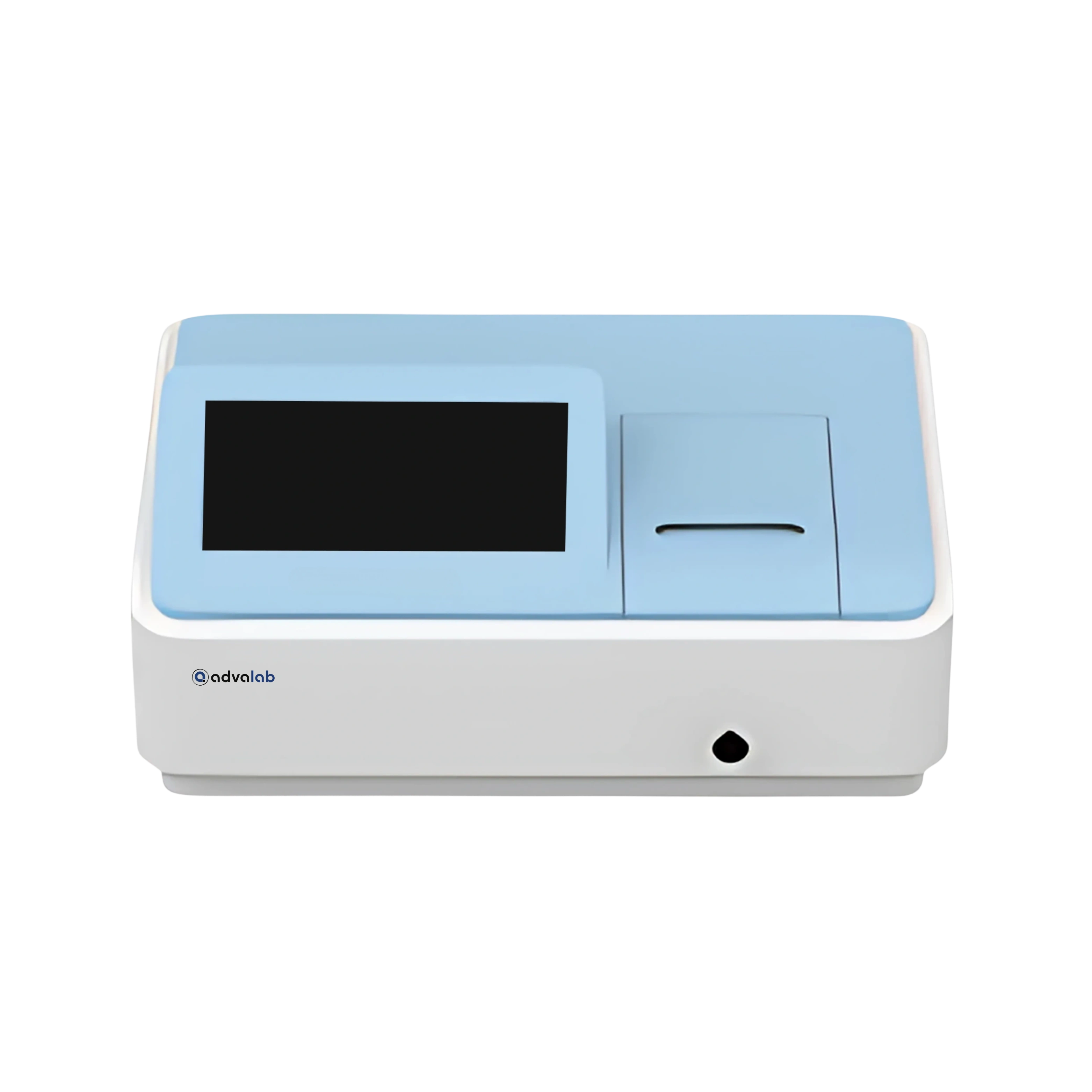
| Optical System: | Single beam, grating 1200 lines/mm |
| Wavelength Range: | 190 to 1100 nm |
| Spectral Bandwidth: | 2 nm |
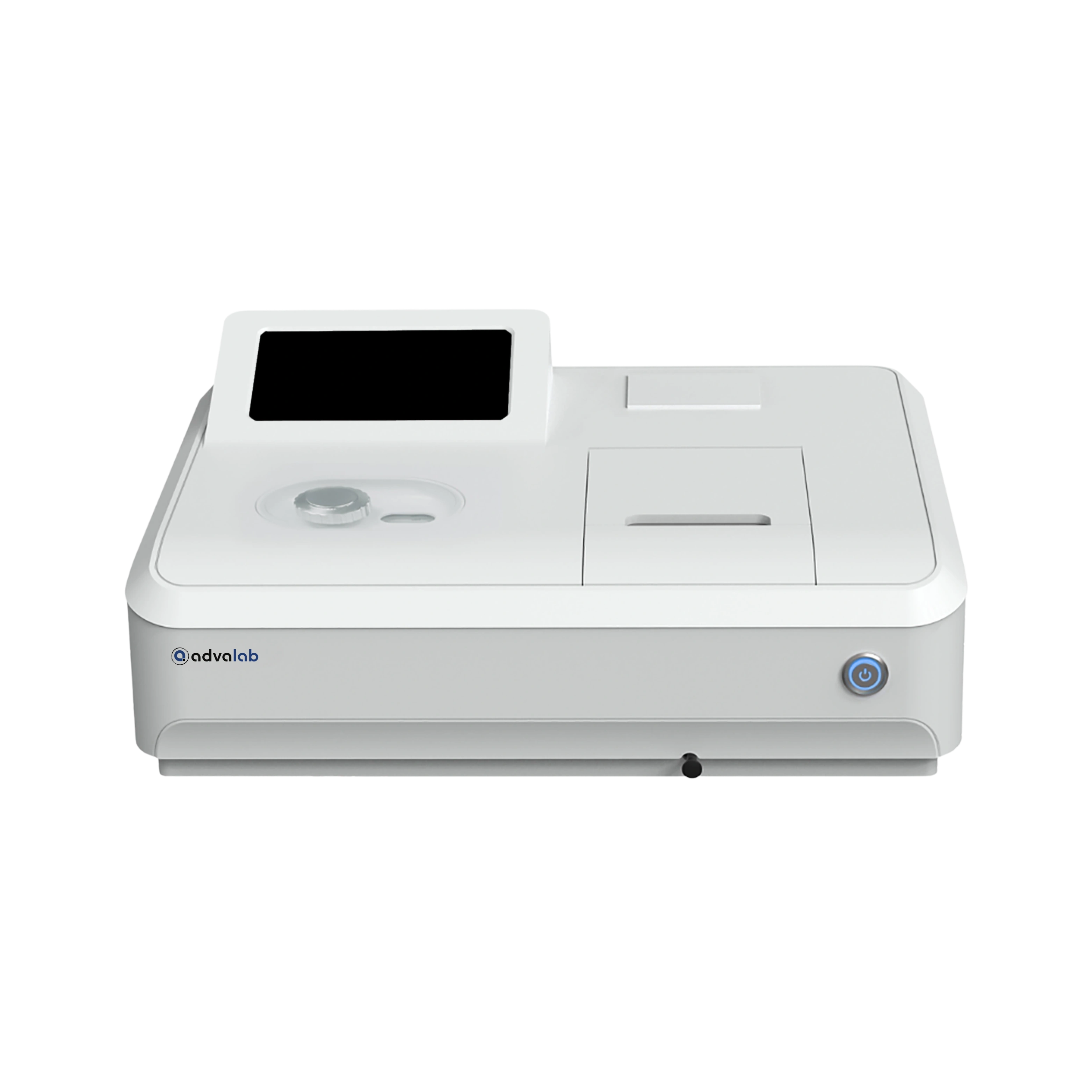
| Optical System: | Single beam |
| Monochromator: | C-T Monochromator, blazed holographic grating 1200 lines/nm |
| Wavelength Range: | 190 to 1020 nm |
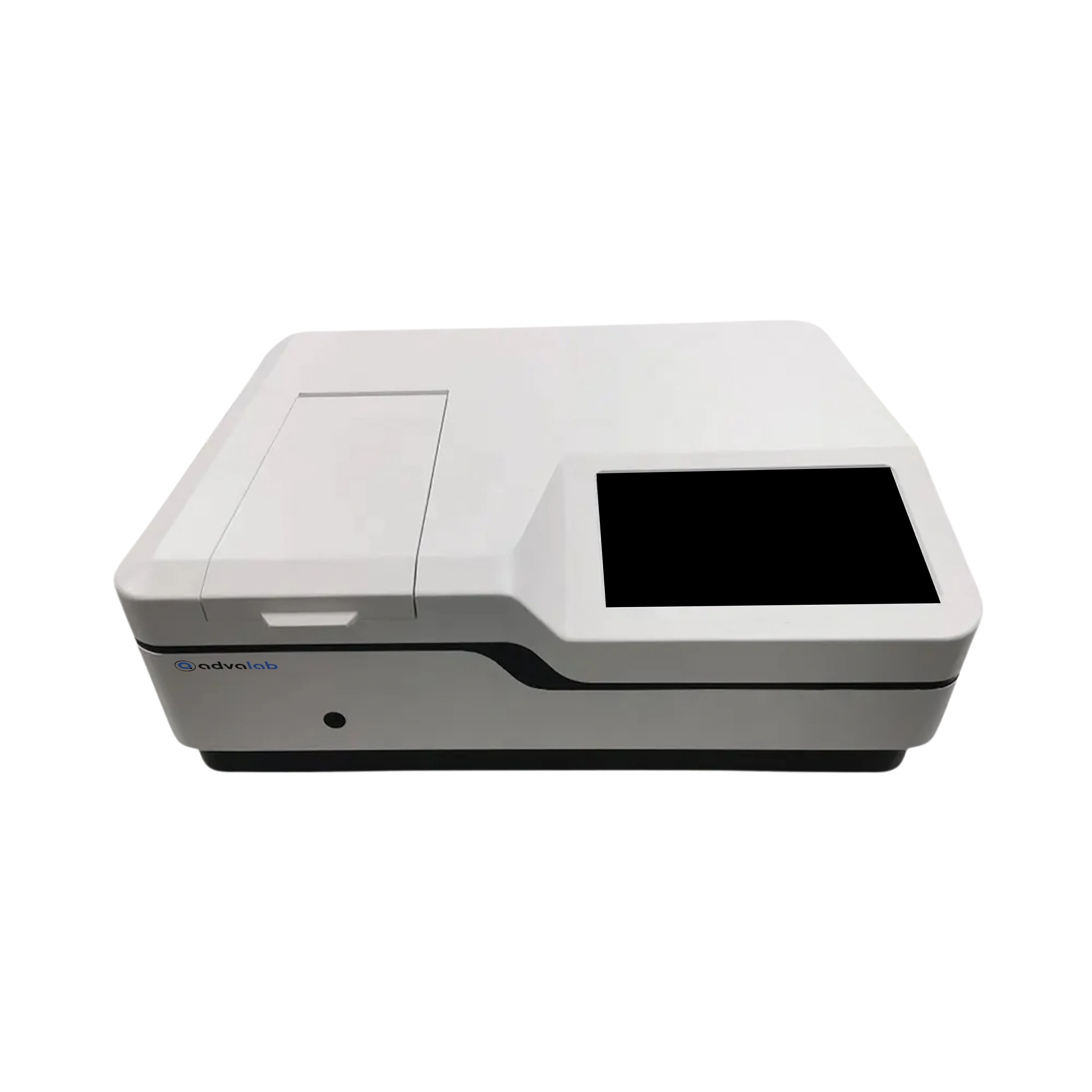
| Optical System: | Single beam, grating 1200 lines/mm |
| Wavelength Range: | 190 to 1100 nm |
| Spectral Bandwidth: | 1 nm |
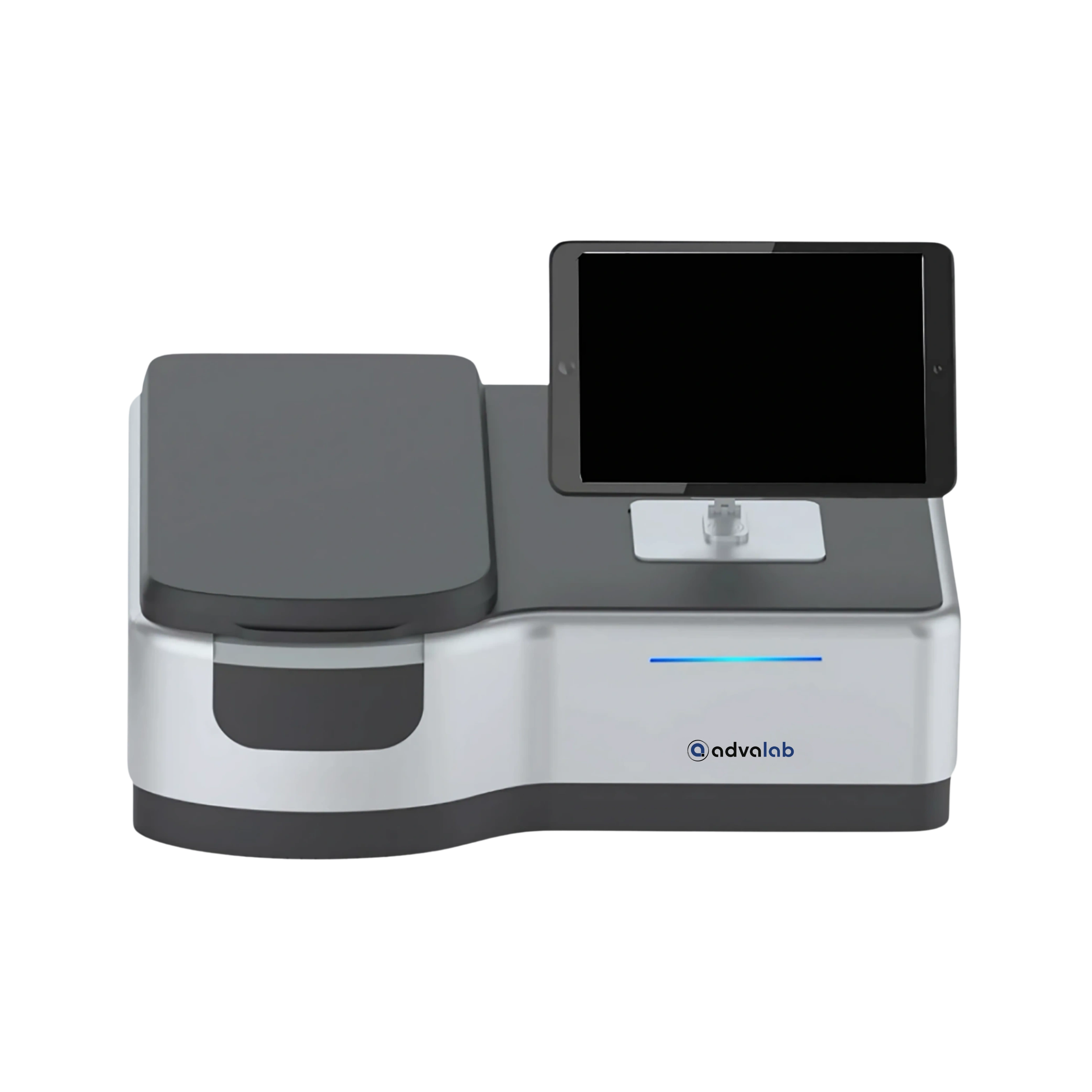
| Optical System: | Single beam, grating 1200 lines/mm |
| Wavelength Range: | 190 to 1100 nm |
| Spectral Bandwidth: | 2 nm |
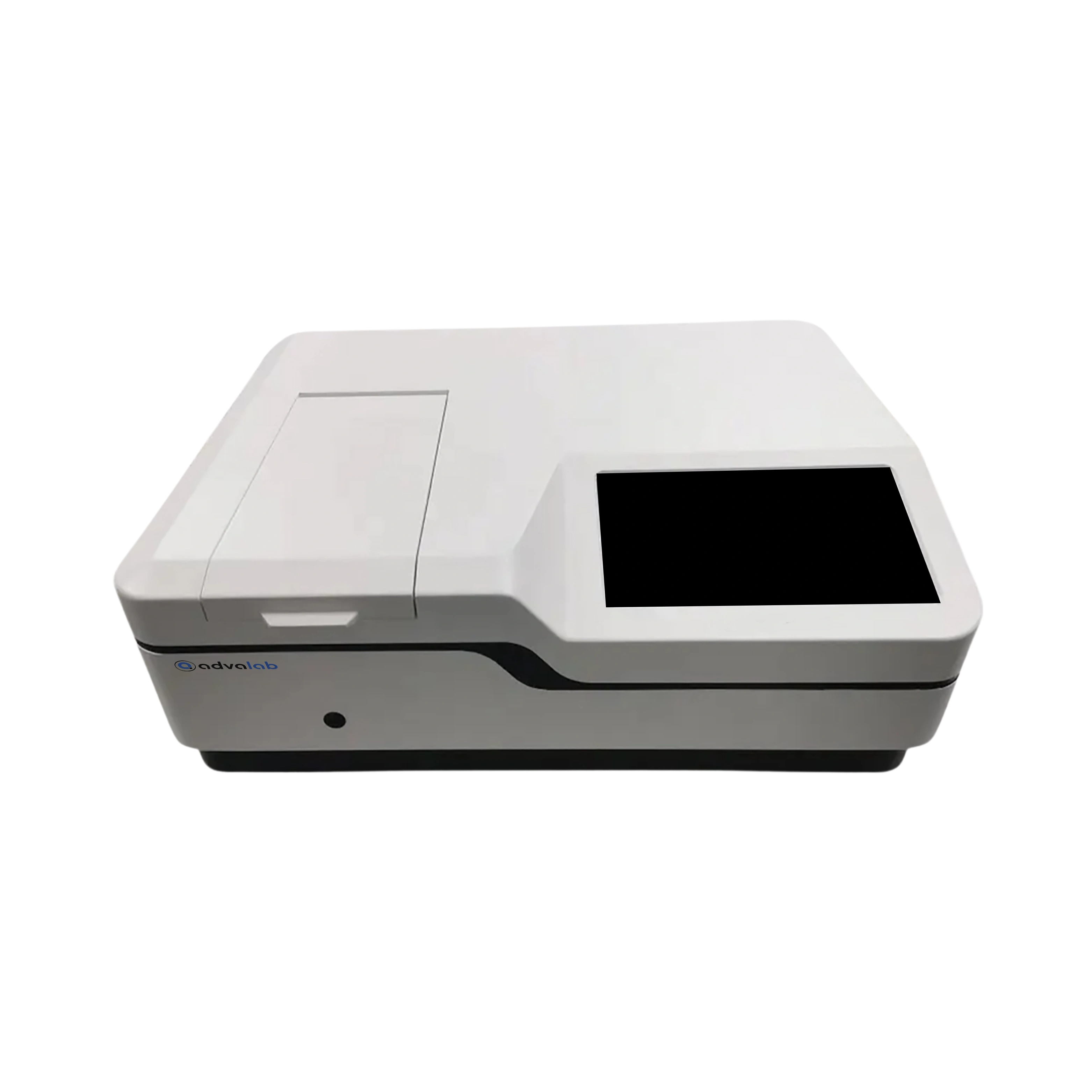
| Optical System: | Single Beam, Grating 1200 lines/mm |
| Wavelength Range: | 190 to 1100 nm |
| Spectral Bandwidth: | 0.5/1/2/4/5nm |
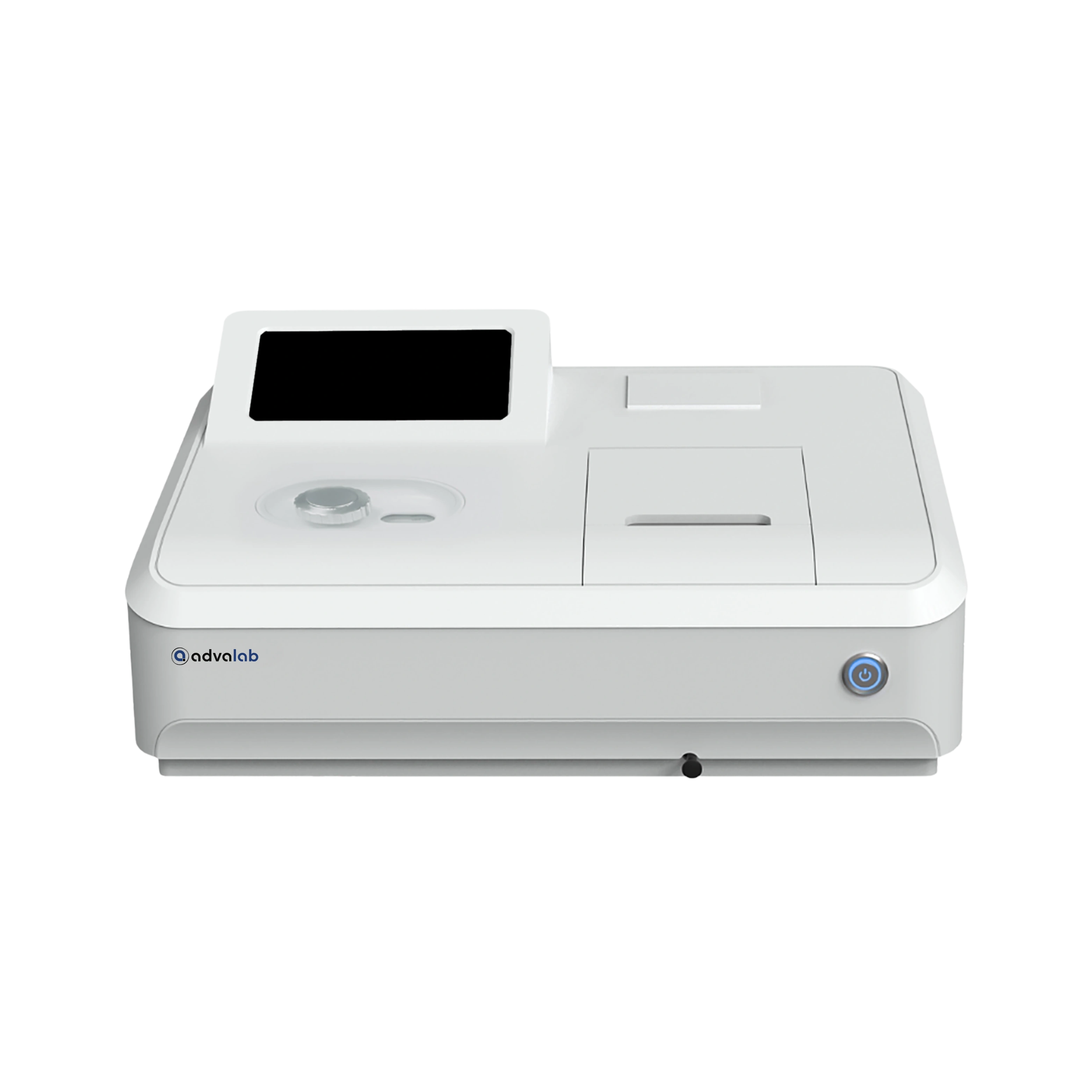
| Optical System: | Single beam |
| Monochromator: | C-T Monochromator, blazed holographic grating 1200 lines/nm |
| Wavelength Range: | 190 to 1100 nm |
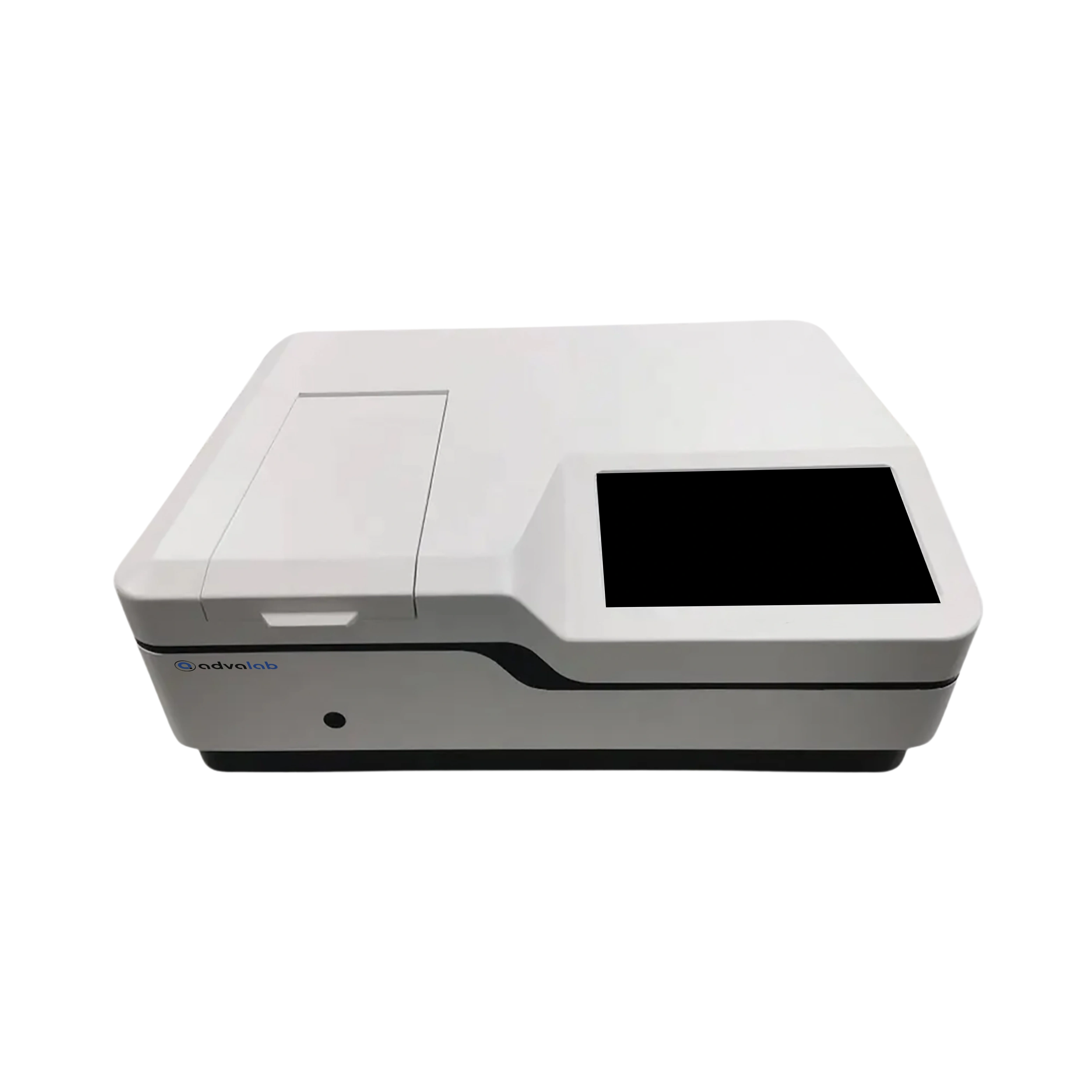
| Optical System: | Single beam, grating 1200 lines/mm |
| Wavelength Range: | 190 to 1100 nm |
| Spectral Bandwidth: | 0.5/1/2/4/5nm |

| Optical System: | Single beam, grating 1200 lines/mm |
| Wavelength Range: | 190 to 1100 nm |
| Spectral Bandwidth: | 1 nm |
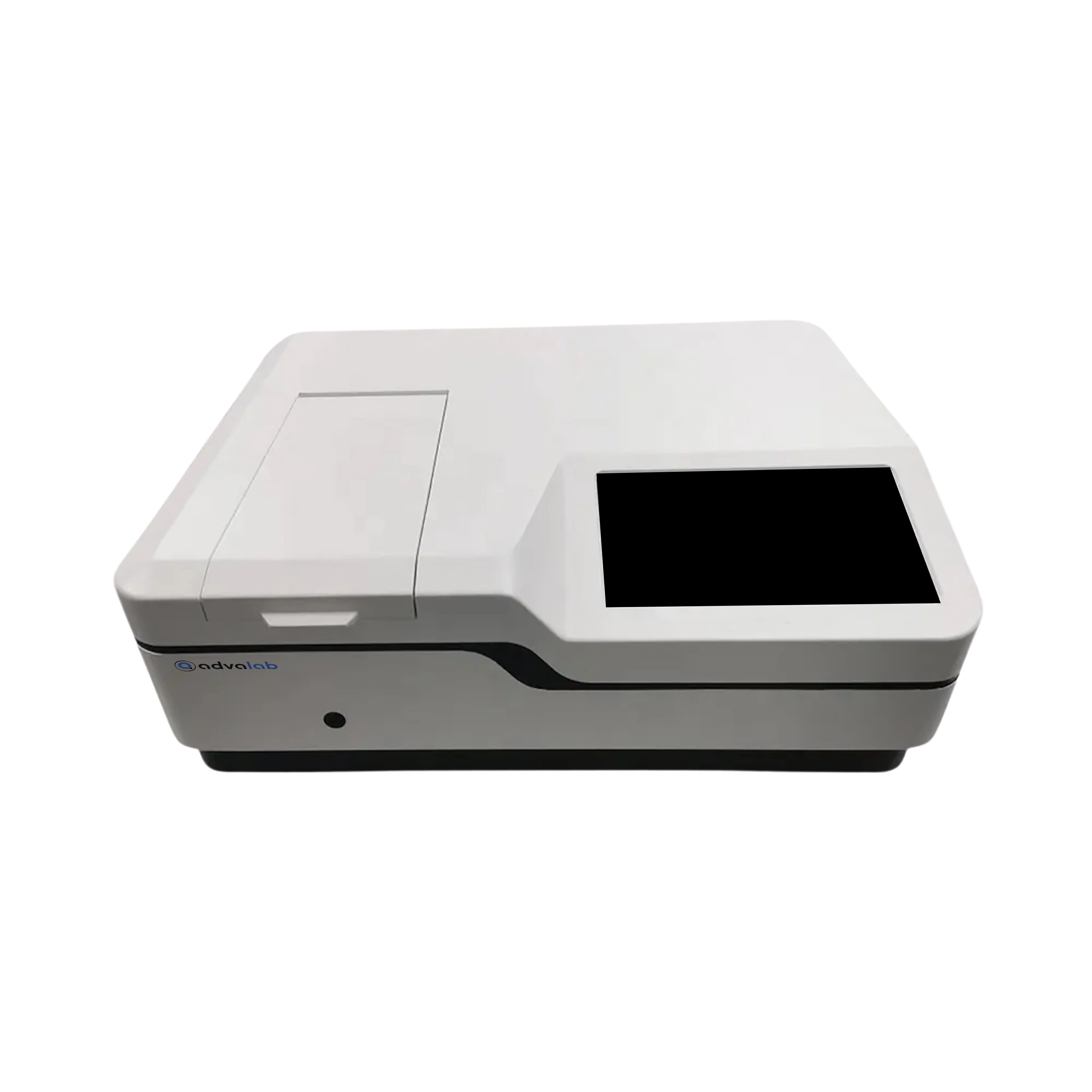
| Optical System: | Single Beam, Grating 1200 lines/mm |
| Wavelength Range: | 190 to 1100 nm |
| Spectral Bandwidth: | 1 nm |
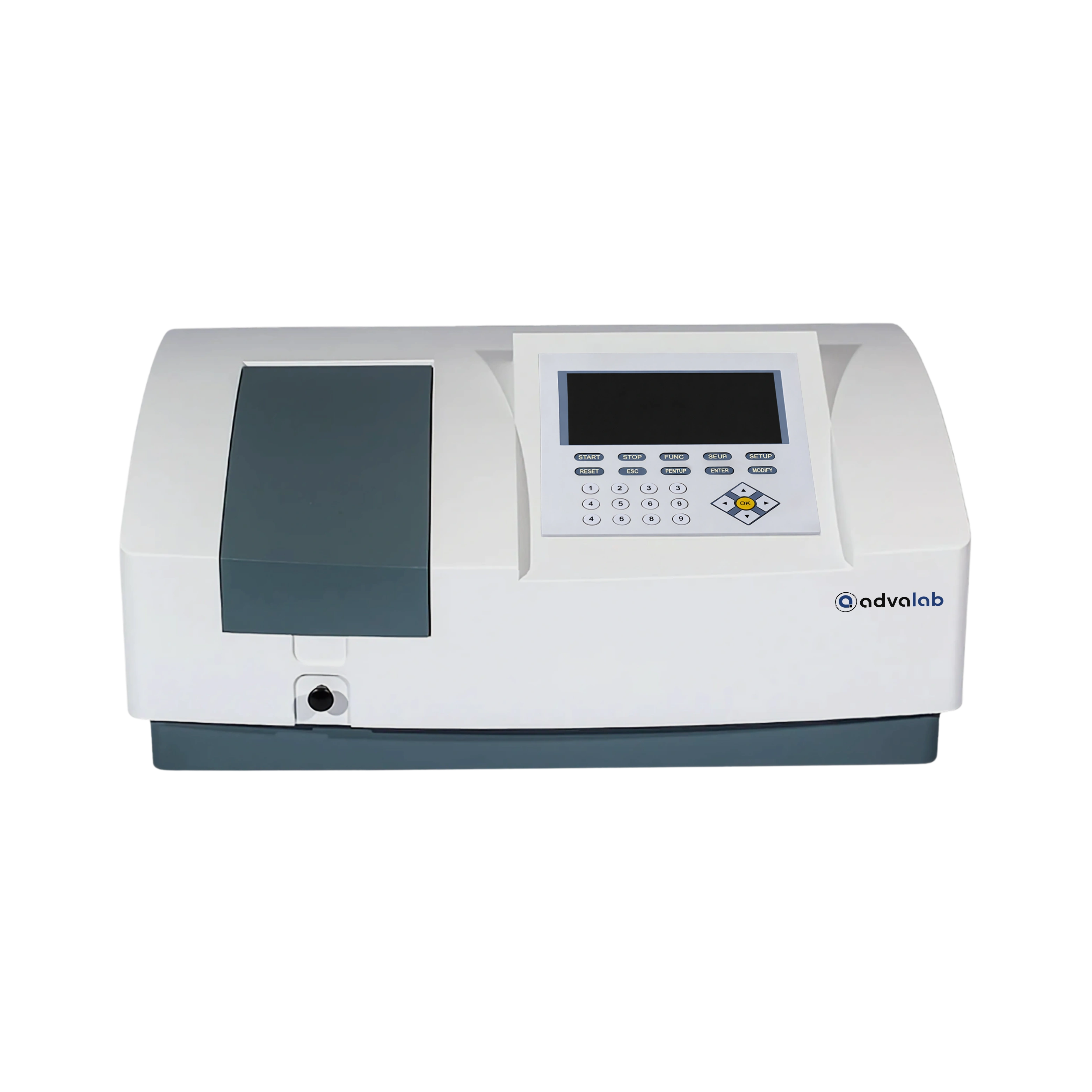
| Optical System: | Single beam, grating 1200 lines/mm |
| Wavelength Range: | 190 to 1100 nm |
| Spectral Bandwidth: | 2 nm |
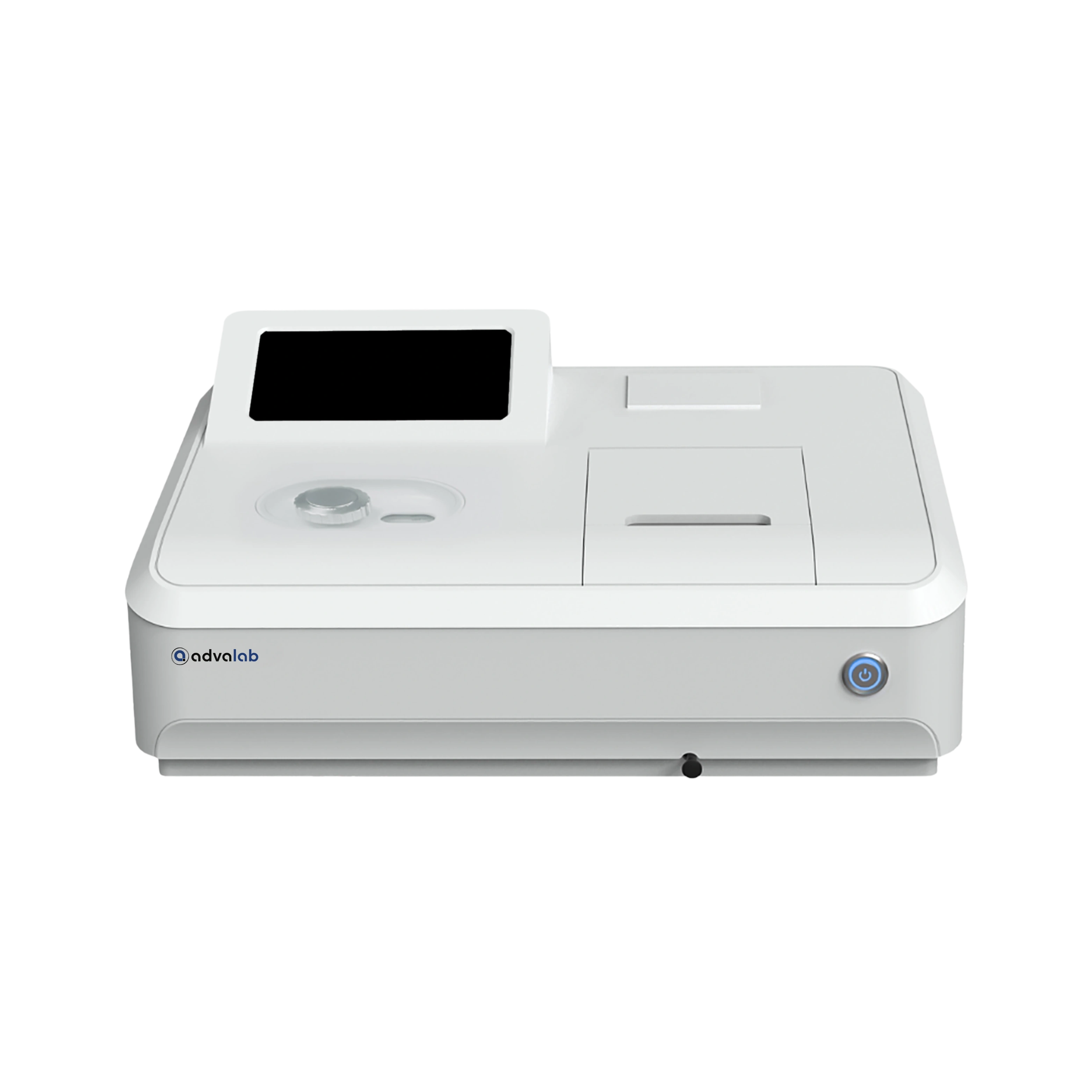
| Optical System: | Single beam |
| Monochromator: | C-T Monochromator, blazed holographic grating 1200 lines/nm |
| Wavelength Range: | 320 to 1100 nm |

| Optical System: | Split Beam, Grating 1200 lines/mm |
| Wavelength Range: | 190 to 1100 nm |
| Spectral Bandwidth: | 2 nm |