
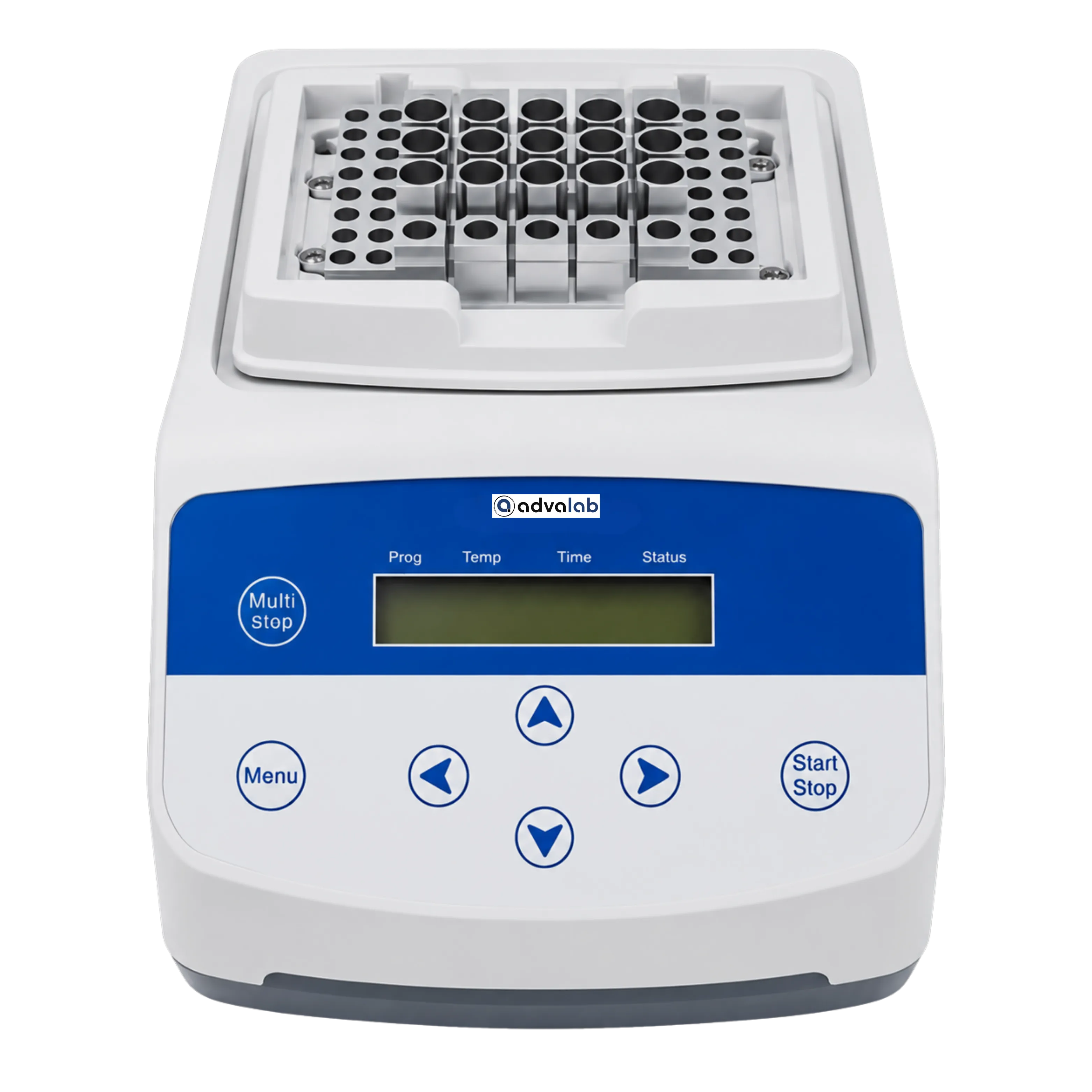
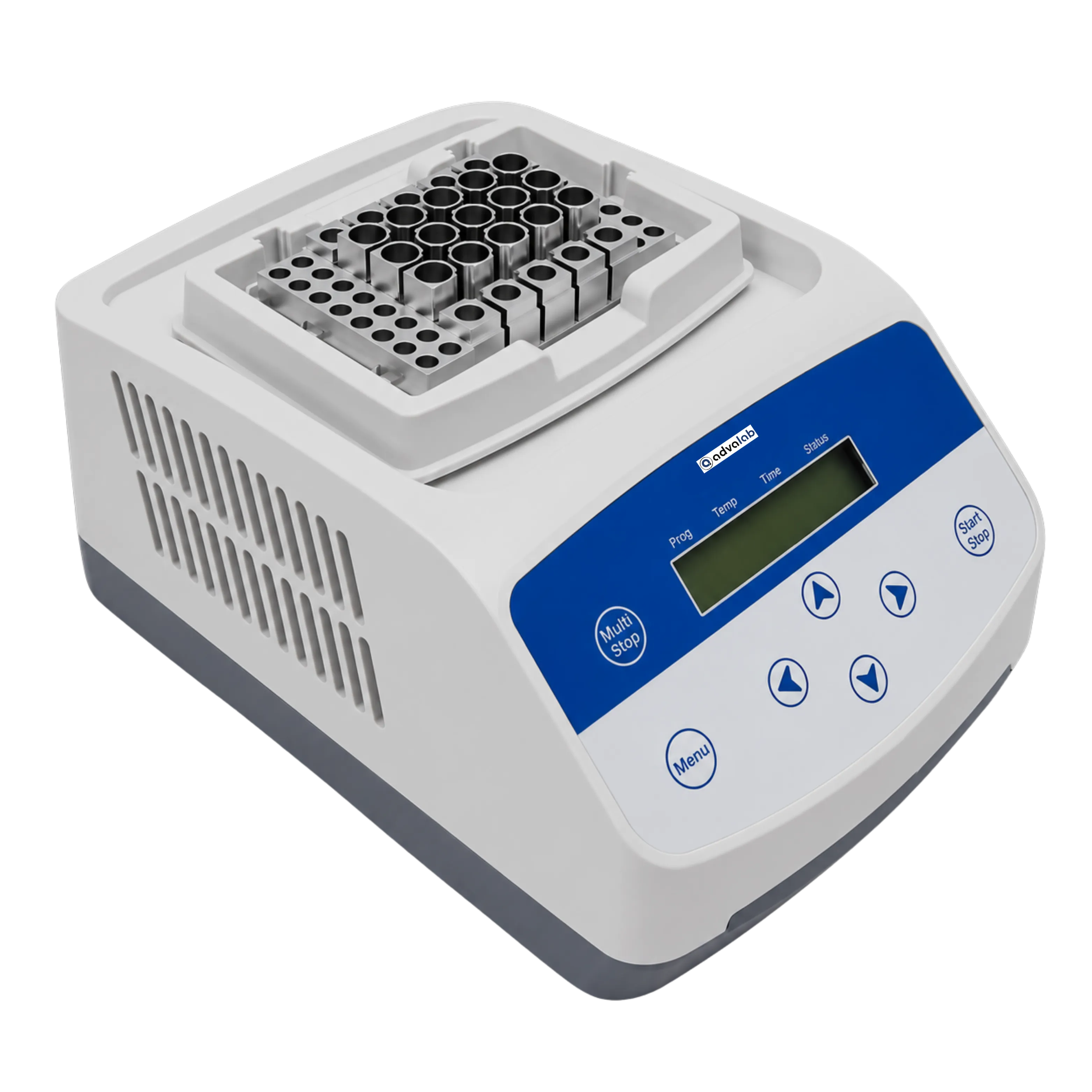


| Temperature Range | RT+5°C to 100°C |
| Temperature Accuracy | ±0.3°C |
| Temperature Set Range | 5°C to 100°C |
| Temperature Stability | ±0.3°C |
| Heating Up Rate | ≤ 15min, 20°C to 100°C |
| Maximum Temperature | 100°C |
| Temperature Control Mode | Heating membrane |
| Timer | 1m-99h59m / 0: infinite time |
| Display Accuracy | 0.1°C |
| Power Consumption | 150W |
| Dimensions (W×D×H) | 220 × 300 × 170 mm |
| Net Weight | 2.8kg |
OurDry Bath Incubator ADDB-508 is widely used in sample cultivation and preservation and reaction.
Accessory | Description | Maximum Temperature | Quantity |
Block 01 | 96 × 0.2ml PCR plate (φ6.7×16) | 100℃ | 1 Pc |
Block 02 | 54 × 0.5ml tubes (φ8×23) | 100℃ | 1 Pc |
Block 03 | 35 × 1.5ml tubes (φ10.8×31) | 100℃ | 1 Pc |
Block 04 | 35 × 2.0ml tubes (φ10.8×31) | 100℃ | 1 Pc |
Block 05 | 20 × 0.5ml + 15× 1.5ml tubes | 100℃ | 1 Pc |
Block 06 | 24 × φ12mm × 30 tubes | 100℃ | 1 Pc |
Block 07 | 32 × 0.2ml + 25 × 1.5ml tubes | 100℃ | 1 Pc |
Block 08 | 32 × 0.2ml + 10 × 0.5ml + 15 × 1.5ml tubes | 100℃ | 1 Pc |
Block 09 | 32 × 0.2ml + 10 × 0.5ml + 15 × 2.0ml tubes | 100℃ | 1 Pc |
Block 10 | 103 × 67 × 30 (water tank) | 100℃ | 1 Pc |
Block 11 | 96 × 0.2ml Elisa (Flat bottom) | 100℃ | 1 Pc |
Block 12 | 24 × 5ml (φ13.5×30) | 100℃ | 1 Pc |
Block 13 | 12 × 15ml (φ16.9×98) | 100℃ | 1 Pc |
Block 14 | 6 × 50ml (φ29.5×90) | 100℃ | 1 Pc |
Block 15 | 12 × 10ml (φ15.9×65) | 100℃ | 1 Pc |
Lid A | 152 × 113 × 45 | - | 1 Pc |
Lid B | 145 × 105 × 62.5 | - | 1 Pc |
Lid C | 145 × 105 × 122.5 | - | 1 Pc |


1. How can I monitor the temperature in a Dry Bath Incubator?
Our Dry Bath Incubators feature built-in LCD digital displays for real-time temperature monitoring and control. These interfaces clearly show the current temperature and timer settings, ensuring precise adjustments during operation. Users can easily track and maintain stable incubation conditions. This reliable monitoring system enhances accuracy and efficiency in lab workflows.
2. Can a Dry Bath Incubator be used for PCR sample preparation?
Dry bath Incubators are commonly used for PCR sample preparation due to their precise and stable temperature control. They support key steps like enzyme activation, DNA denaturation, and reagent preheating. These devices eliminate the need for water, making them cleaner and easier to use. Their accuracy ensures optimal conditions for successful PCR reactions. Dry baths are especially useful for activating hot-start polymerases before amplification.
3. Can a Dry Bath Incubator replace a water bath incubator?
Yes, a Dry Bath Incubator can effectively replace a water bath incubator, depending on the specific application. Dry bath incubators offer several advantages such as faster heating times, greater portability, and more precise temperature control without the hassle of dealing with water. They eliminate issues like water evaporation, contamination, and the need for regular water changes, making them cleaner, safer, and more low-maintenance.
4. Does the Dry Bath Incubator support programmable operation?
Yes, Dry Bath Incubator includes 5 stored programs that can run independently or be linked together for continuous operation. This feature allows users to automate multiple temperature steps, making it ideal for complex protocols that require sequential heating phases during multi-stage incubations.
5. How do I maintain a Dry Bath Incubator?
Maintaining a Dry Bath Incubator is simple but important for ensuring long-term performance and safety. Start by regularly cleaning the exterior and heating block using a soft, lint-free cloth avoid using harsh chemicals or abrasive materials that could damage the surface. Make sure the heating block is free of dust, residue, or any spilled samples, and check that no foreign objects are lodged in the wells.
6. What is a Dry Bath Incubator?
A Dry Bath Incubator is a laboratory instrument designed to regulate and maintain a stable temperature for samples, eliminating the need for water. It is commonly used for heating, growing, or storing biological or chemical samples under controlled conditions. Its precise temperature control makes it ideal for applications such as enzyme reactions, DNA denaturation, and sample incubation.
7. Can a Dry Bath Incubator be used for cell culture?
A Dry Bath Incubator is not suitable for cell culture, as it lacks the ability to control humidity and CO? levels, which are essential for proper cell growth. It is designed for molecular biology applications like PCR or enzyme reactions. For cell culture, a CO? incubator with precise environmental control is more appropriate. These incubators also maintain optimal temperature, pH, and gas conditions crucial for maintaining cell viability.
8. How do I ensure even heating in a Dry Bath Incubator?
To ensure even heating in a Dry Bath Incubator, always use the appropriate block size for your sample containers. Make sure the block is correctly positioned and seated within the incubator. Regularly calibrating the incubator ensures accurate temperature readings. Avoid overcrowding to allow for uniform heat distribution, and ensure the incubator door remains closed during operation to maintain stable conditions.
9. What are the typical features of a Dry Bath Incubator?
Features of a Dry Bath Incubator: • Digital temperature control: Allows for precise adjustments and displays the current temperature. • Timer function: Allows users to set incubation times. • Multiple blocks: Our incubators offer interchangeable blocks to accommodate different sample sizes. • Over-temperature alarm: Alerts users if the temperature exceeds the set point.
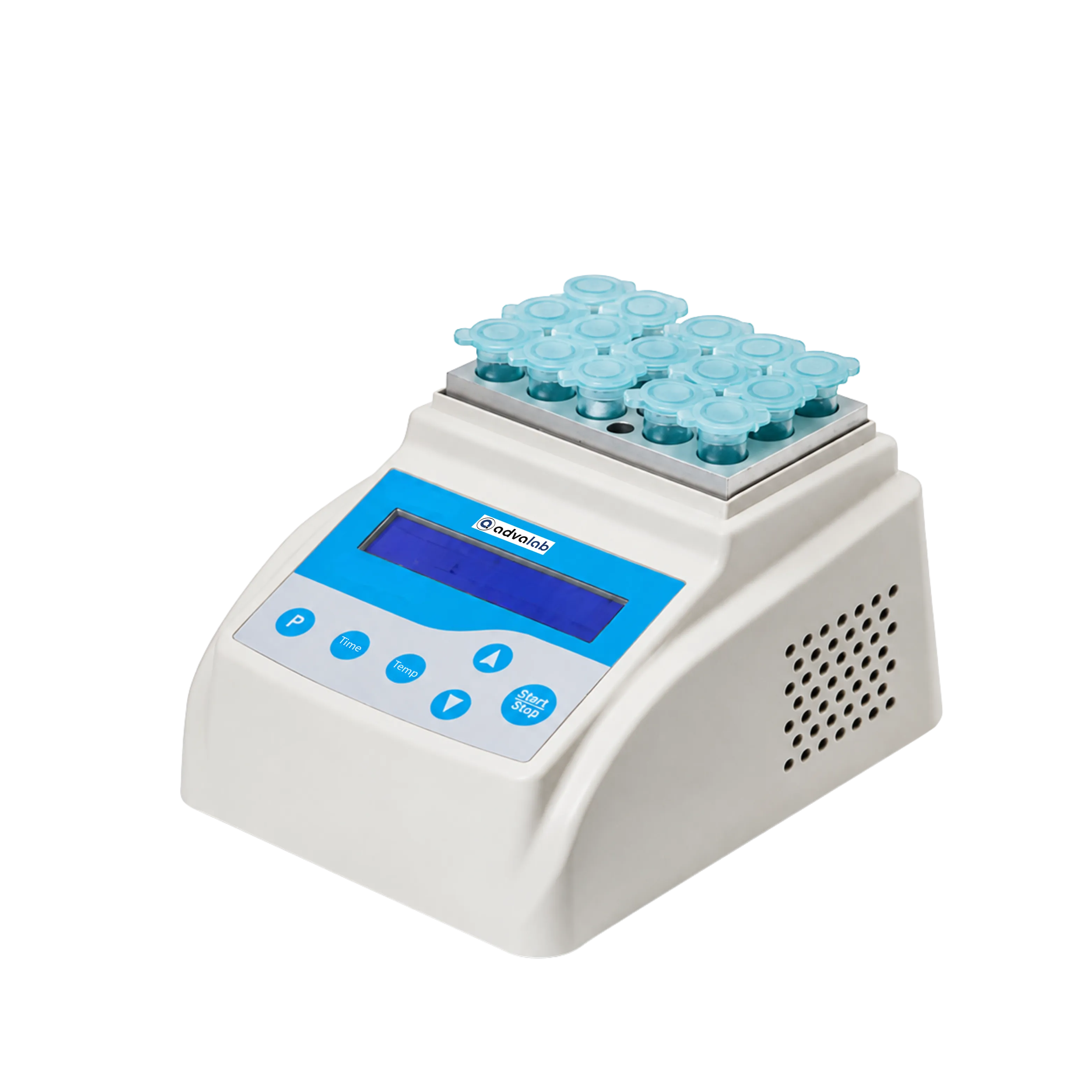
| Temperature Setting Range | 0℃ to 100℃ |
| Temperature Control Range | RT. -20℃ to 100℃ |
| Temperature Accuracy | ≤ ± 0.3℃ |
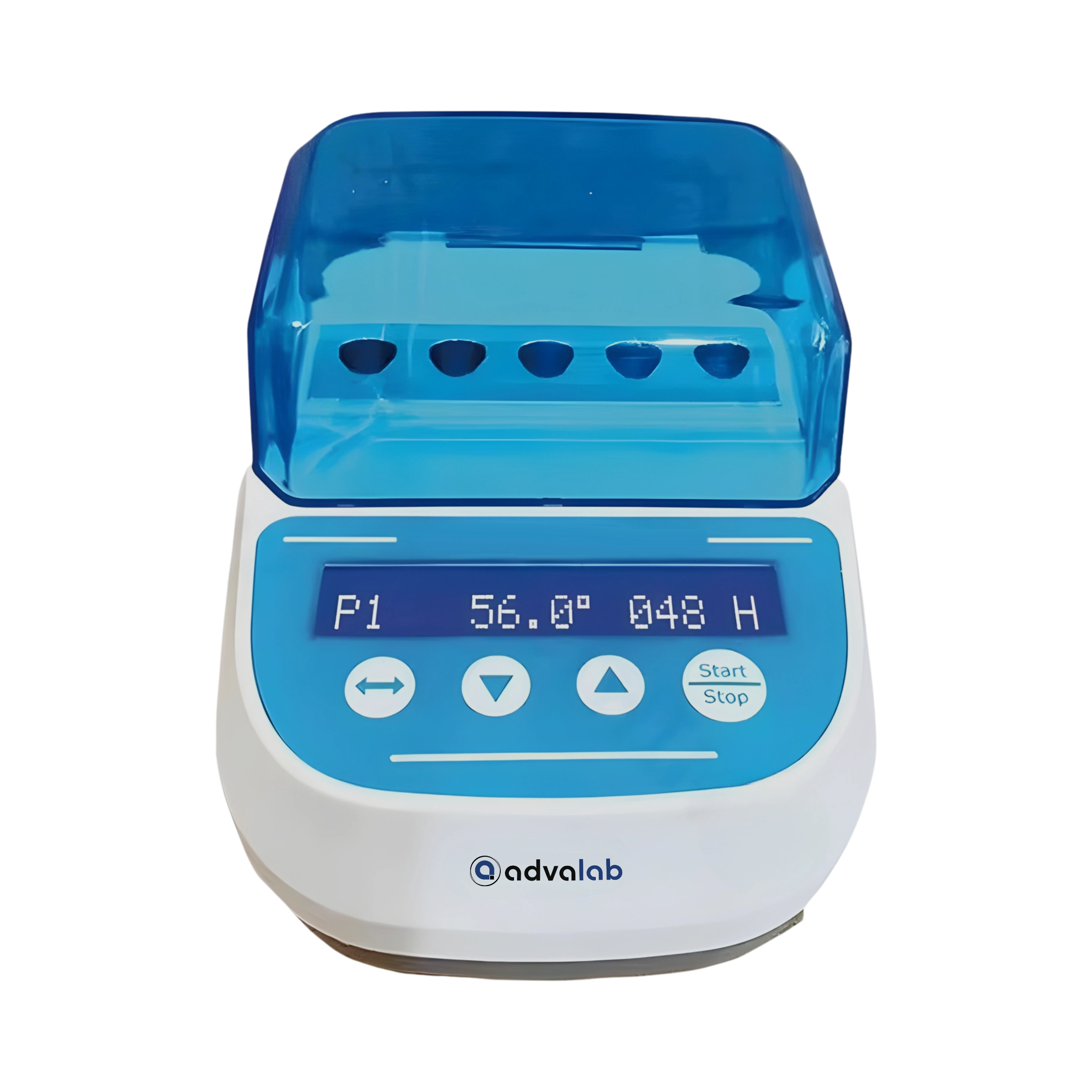
| Temperature Setting Range | 0℃ to 100℃ |
| Temperature Control Range | RT +5℃ to 100℃ |
| Temperature Accuracy | ≤ ± 0.5℃ at 37℃ |
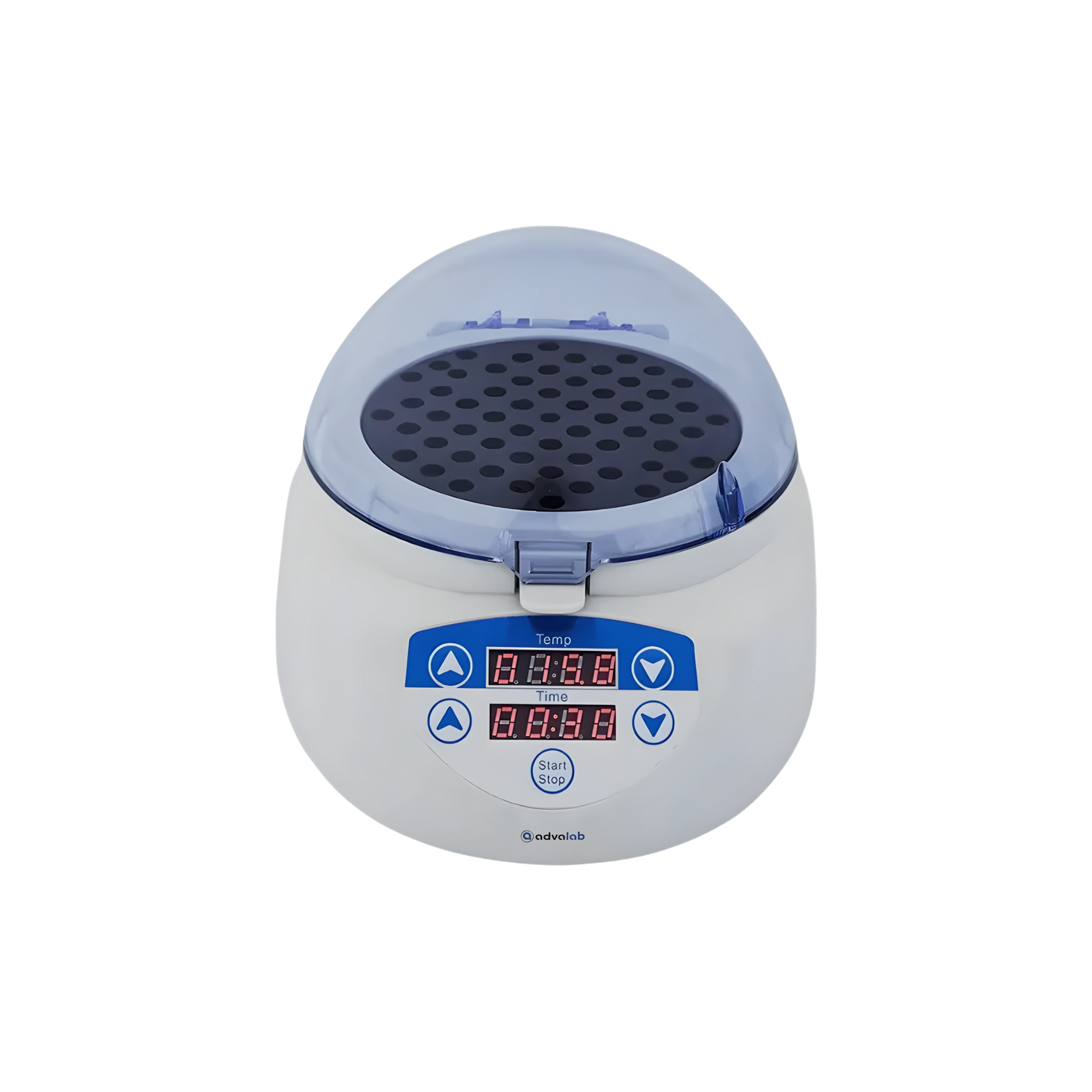
| Temperature Range | RT+5℃ to 105℃ |
| Temperature Accuracy | ±0.3℃ |
| Temperature Set Range | 0℃ to 105℃ |
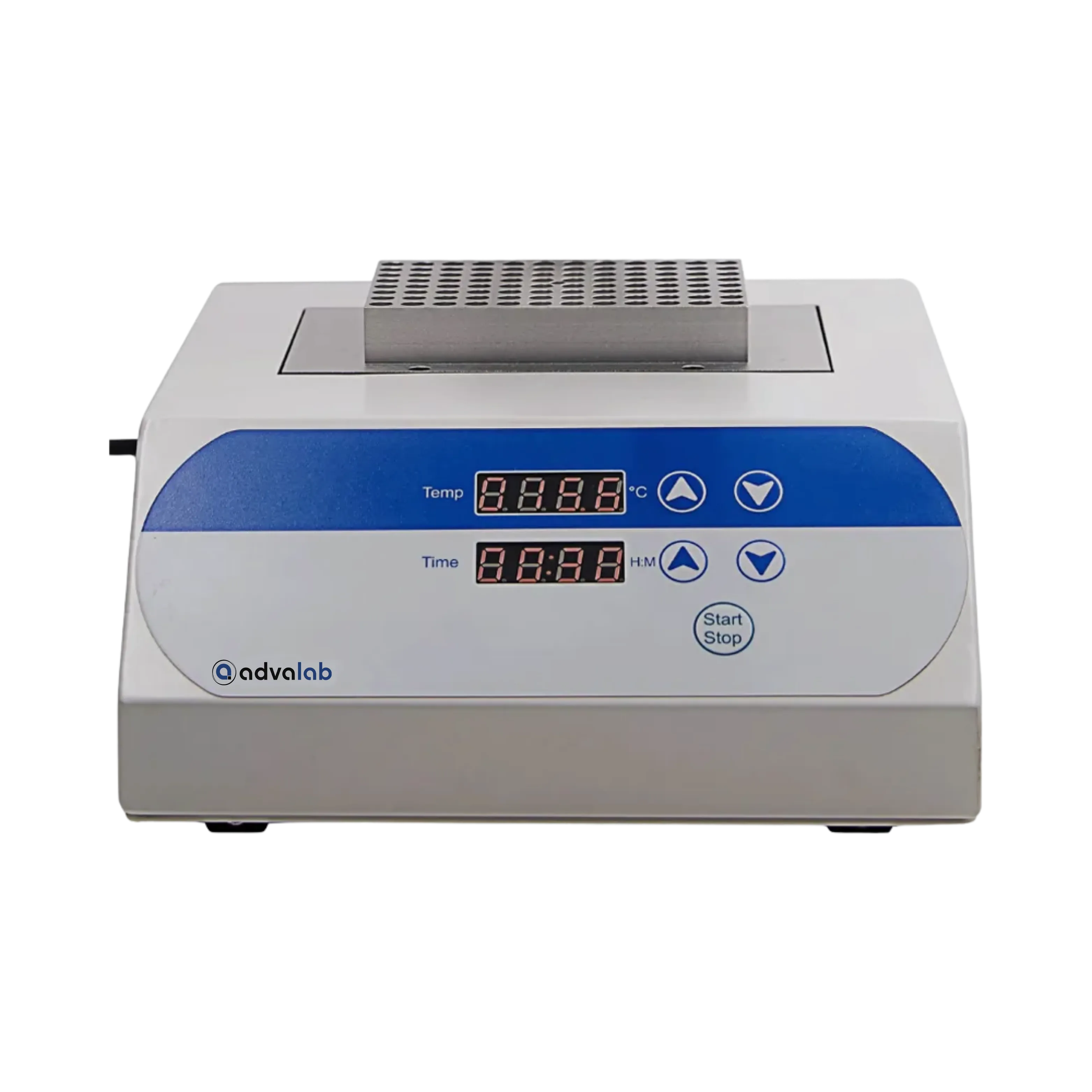
| Temperature Range | RT + 5℃ to 150℃ |
| Heating Up Rate |
≤ 10 min, 20℃ to 100℃ ≤ 30 min, 20℃ to 150℃ |
| Temperature Stability |
±0.3℃ at 40℃ ±0.5℃ at 100℃ ±1℃ at 120℃ |
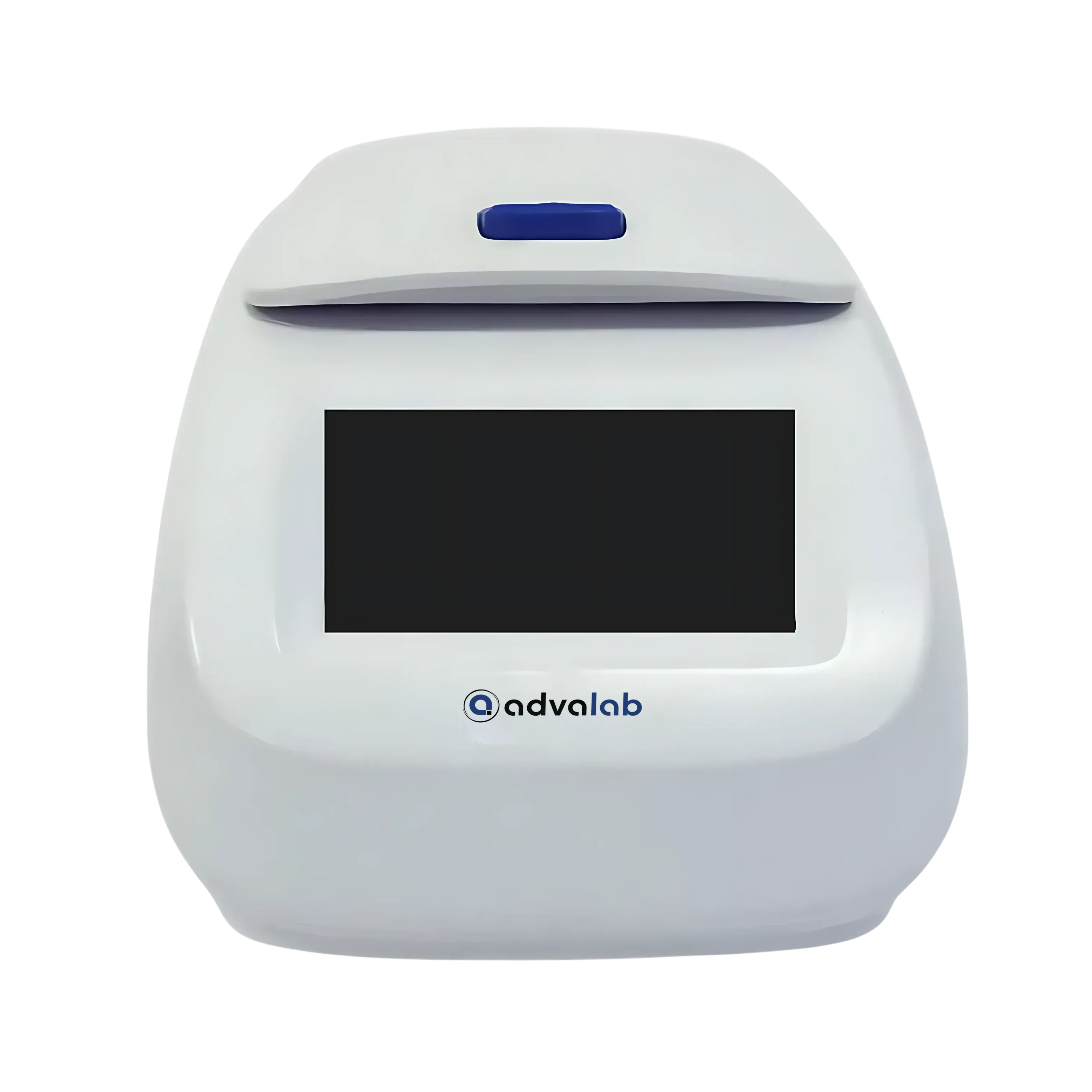
| Block Temperature Setting Range: | RT +5℃ to 105℃ |
| Temperature Set Range: | 0℃ to 105℃ |
| Lid Temperature Setting Range: | RT +5°C to 110°C |
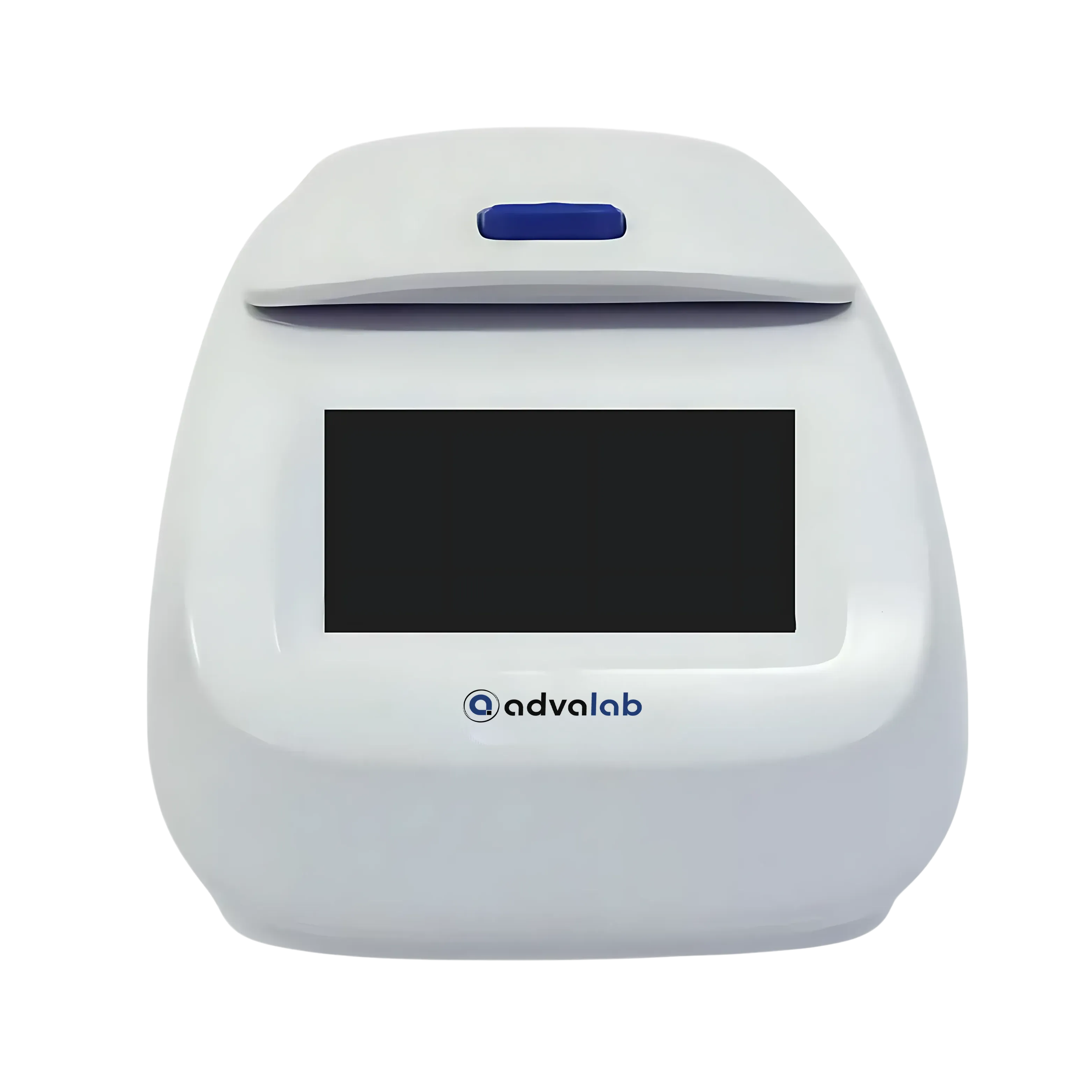
| Block Temperature Setting Range: | RT -30°C to 105°C |
| Temperature Set Range: | -10°C to 105°C |
| Lid Temperature Setting Range: | RT +5°C to 110°C |
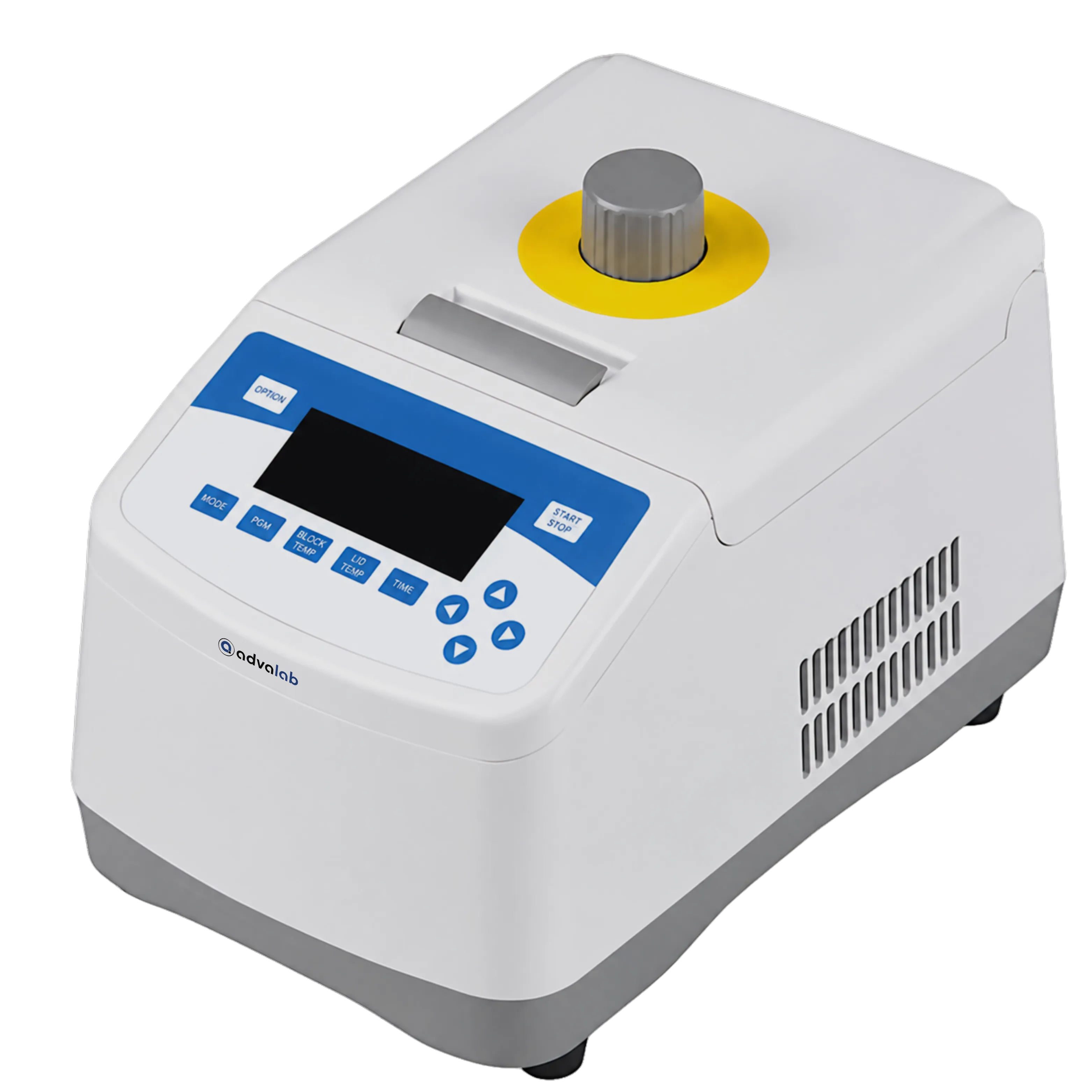
| Temperature Setting Range: | 0℃ to 100℃ |
| Temperature Control Range: | RT +5℃ to 100℃ |
| Temperature Accuracy: | ≤ ± 0.3℃ at 37℃ |
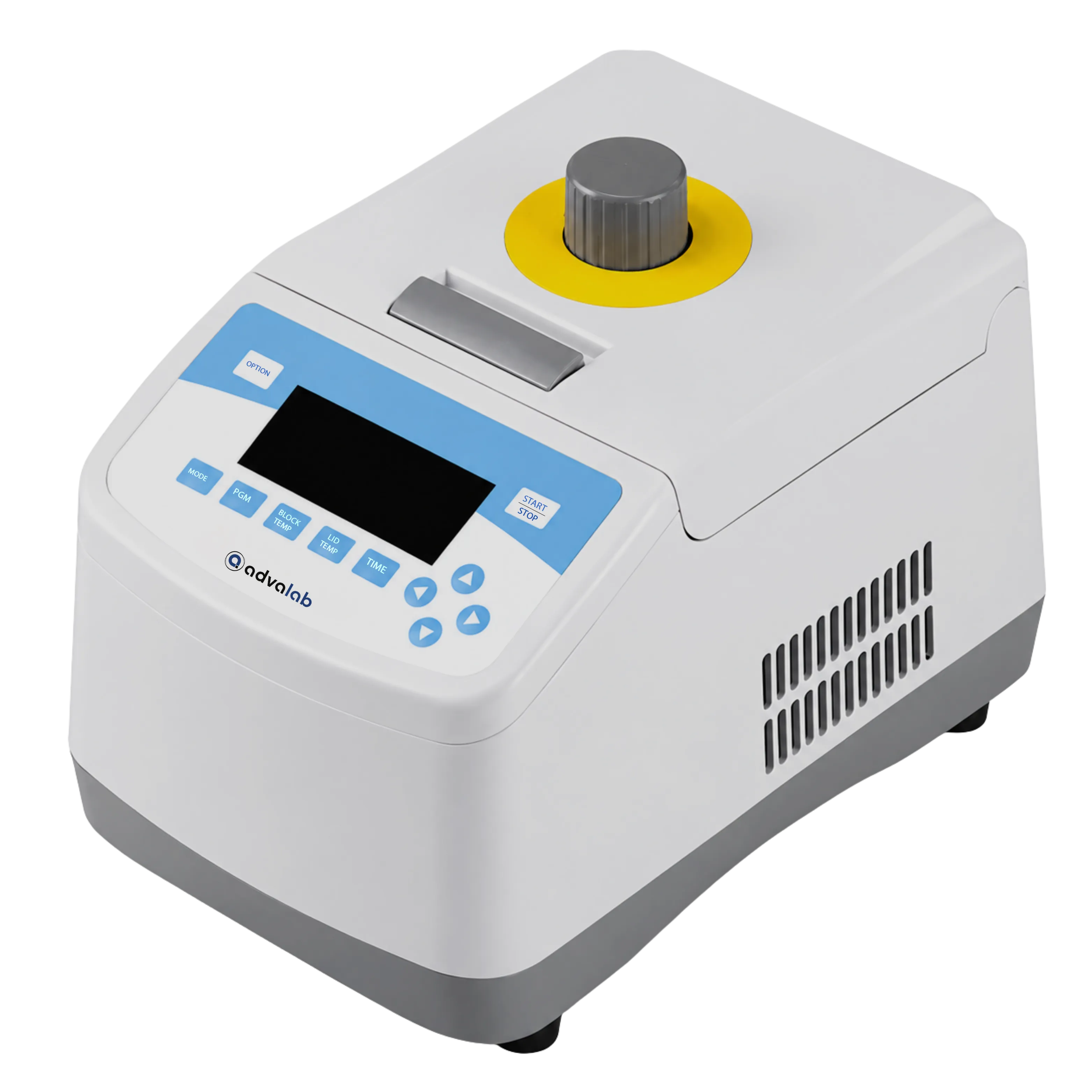
| Temperature Setting Range: | -10℃ to 100℃ |
| Temperature Control Range: | RT -25℃ to 100℃ |
| Temperature Accuracy: | ≤ ± 0.3℃ at 37℃ |
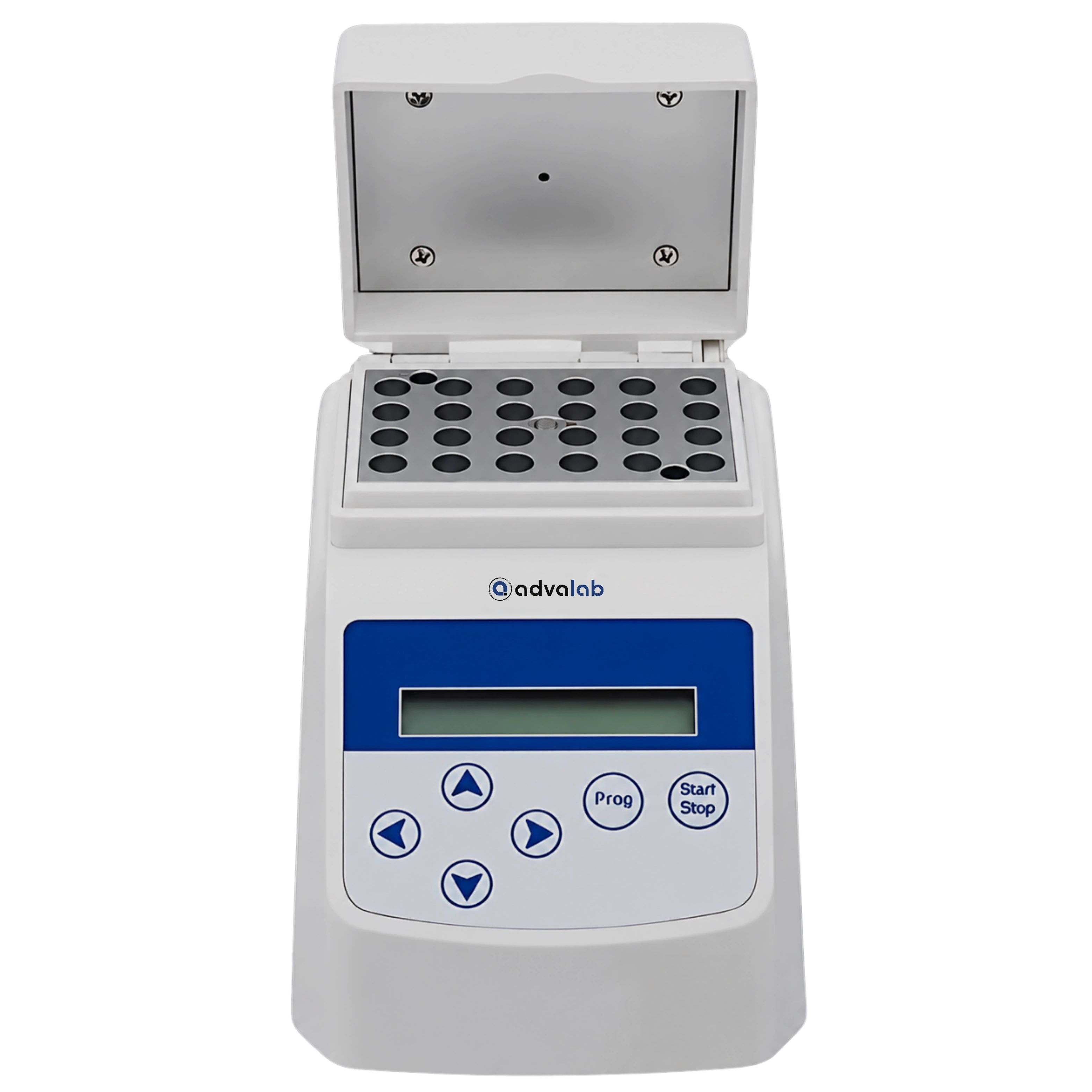
| Temperature Range: | RT+5℃ to 100℃ |
| Temperature Accuracy: | ±0.3℃ |
| Temperature Set Range: | 0℃ to100℃ |