
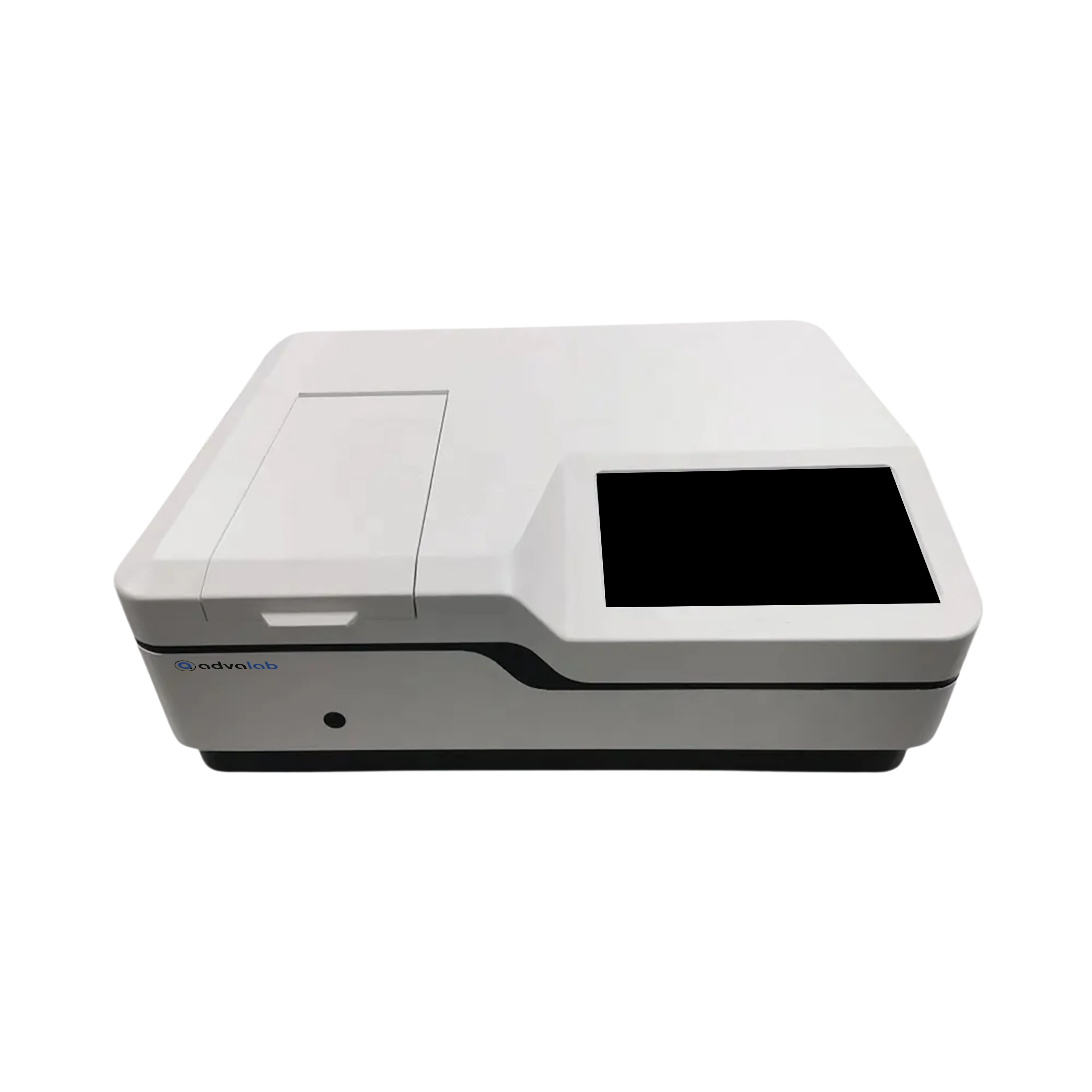
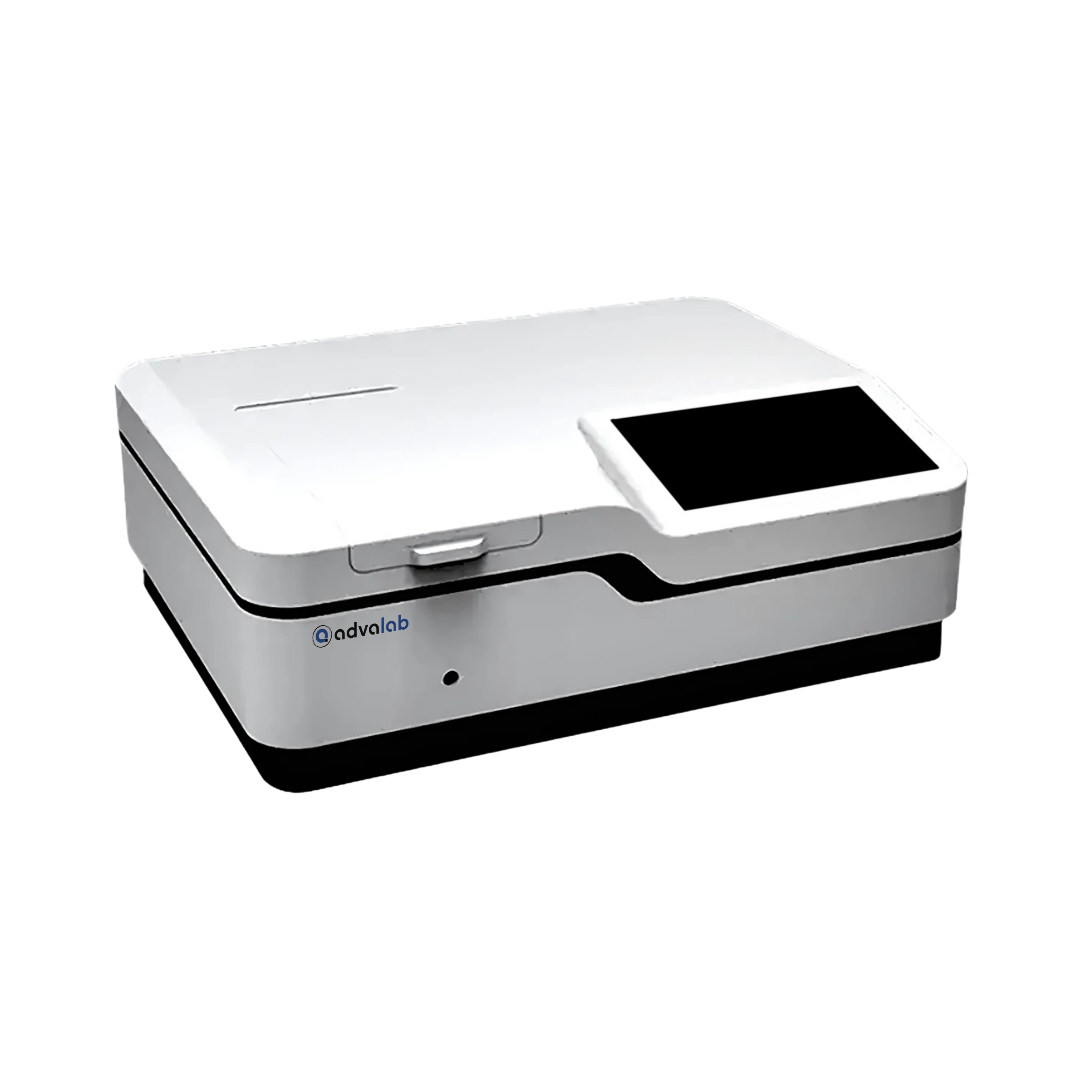

| Optical System | Double beam, grating 1200 lines/mm |
| Wavelength Range | 190 to 1100 nm |
| Spectral Bandwidth | 2 nm |
| Wavelength Accuracy | ± 0.1 nm, 656.1 nm, ± 0.3 nm all |
| Wavelength Repeatability | <=0.1 nm |
| Photometric Accuracy | 0.2 % T (0 to 100 % T), ± 0.002 A (0 to 0.5 A), ± 0.004 A (0.5 to 1 A) |
| Photometric Repeatability | ≤0.15 % T (0 to 100 % T), 0.00 A (0 to 0.5A), 0.002 A (0.5 to 1A) |
| Photometric Range | 0 to 200 % T, 0.3 to 3 A, 0 to 999 C |
| Stray Light | <=0.03 % T, 220 nm, 360 nm |
| Stability | ± 0.0005 A/h 500 nm |
| Baseline Flatness | ± 0.002 A |
| Noise | 0.0005 A 500 nm |
| Work Mode | T, A, C, E |
| Scanning Speed | High, medium, low (Max. 3000 nm/min) |
| Display | 7-inch Colour Screen |
| Light Source | Deuterium and tungsten lamp |
| Detector | Imported silicon photodiode |
| Cuvette Holder | 10 mm single hole cell holder |
| Output | USB drive, USB host, RS232 |
| Power | AC 110 to 220 V 50 to 60 Hz |
| Dimensions (L×B×H) | 810×660×390 mm |
| Gross Weight | 27 kg |
Our Double Beam Spectrophotometer ADDS-513 is used in clinical diagnostics, academic research, and water quality monitoring, for accurate chemical and optical measurements.
Accessory | Quantity |
10 mm glass cuvette | 4 Pc |
10 mm quartz cuvette (UV) | 2 Pc |
Power cord | 1 Pc |
User's Manual | 1 Pc |
PC software | 1 Pc |


1. Does the Double Beam Spectrophotometer ADDS-513 offer data storage and connectivity features?
Yes, the Double Beam Spectrophotometer ADDS-513 often includes USB ports, PC connectivity, and internal memory for convenient data storage and transfer. The user can save, export, and analyze data using software on an external computer. This enables better report generation, remote monitoring, and integration into laboratory information systems (LIMS). Some models also offer SD card support or printer connectivity. These features streamline workflow and ensure data traceability.
2. What types of samples can be analyzed with the Double Beam Spectrophotometer ADDS-513?
The Double Beam Spectrophotometer ADDS-513 can analyze a wide range of liquid samples, and with proper accessories, it can also handle solid and film samples. It supports different cuvette sizes and path lengths to accommodate varied sample types. Whether for quantitative or qualitative analysis, it performs reliably across industries like pharmaceuticals, food testing, and water quality monitoring. It is especially effective for solutions requiring high sensitivity and accuracy. Compatibility with flow cells and temperature control enhances its application versatility.
3. What is the main advantage of using the Double Beam Spectrophotometer ADDS-513?
The Double Beam Spectrophotometer ADDS-513 provides simultaneous measurement of sample and reference, offering higher accuracy and stability in absorbance readings. This design helps in reducing drift and compensating for fluctuations in the light source. It ensures real-time comparison, enhancing reliability for long-duration experiments. Users benefit from improved baseline correction and minimal noise. Overall, it is ideal for precise quantitative analysis in research and industrial labs.
4. What wavelength range does the Double Beam Spectrophotometer ADDS-513 cover?
The Double Beam Spectrophotometer ADDS-513 typically covers a broad wavelength range from 190 nm to 1100 nm. This allows it to analyze a wide variety of samples, from UV to visible light. It is especially suitable for compounds that absorb in both UV and visible regions. The broad range supports diverse applications in chemistry, biology, and environmental testing. With high-resolution optics, it delivers sharp spectral details across the entire range.
5. Is the Double Beam Spectrophotometer ADDS-513 suitable for kinetic studies or time-based measurements?
Yes, the Double Beam Spectrophotometer ADDS-513 is well-suited for kinetic studies and real-time monitoring of reactions. Its fast scanning and stable beam design allow accurate tracking of absorbance changes over time. The software typically includes kinetic modes with adjustable time intervals. This makes it effective for enzyme studies, reaction rate analysis, and thermal denaturation experiments. Users can record and analyze data efficiently with built-in data processing tools.
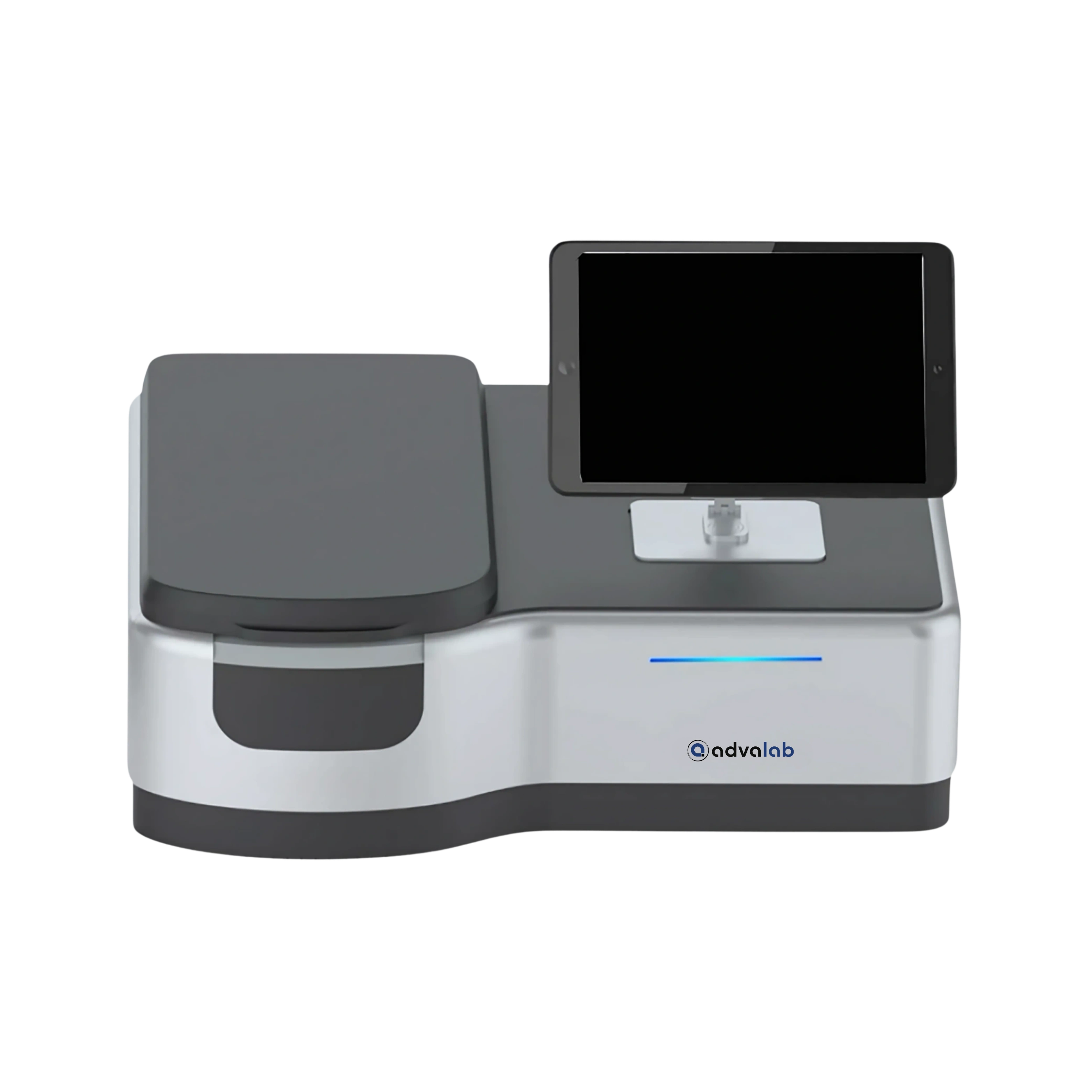
| Optical System | Double beam, grating 1200 lines/mm |
| Wavelength Range | 190 to 1100 nm |
| Spectral Bandwidth | 0.1/0.2/0.5/1/ 2/4/5 nm |
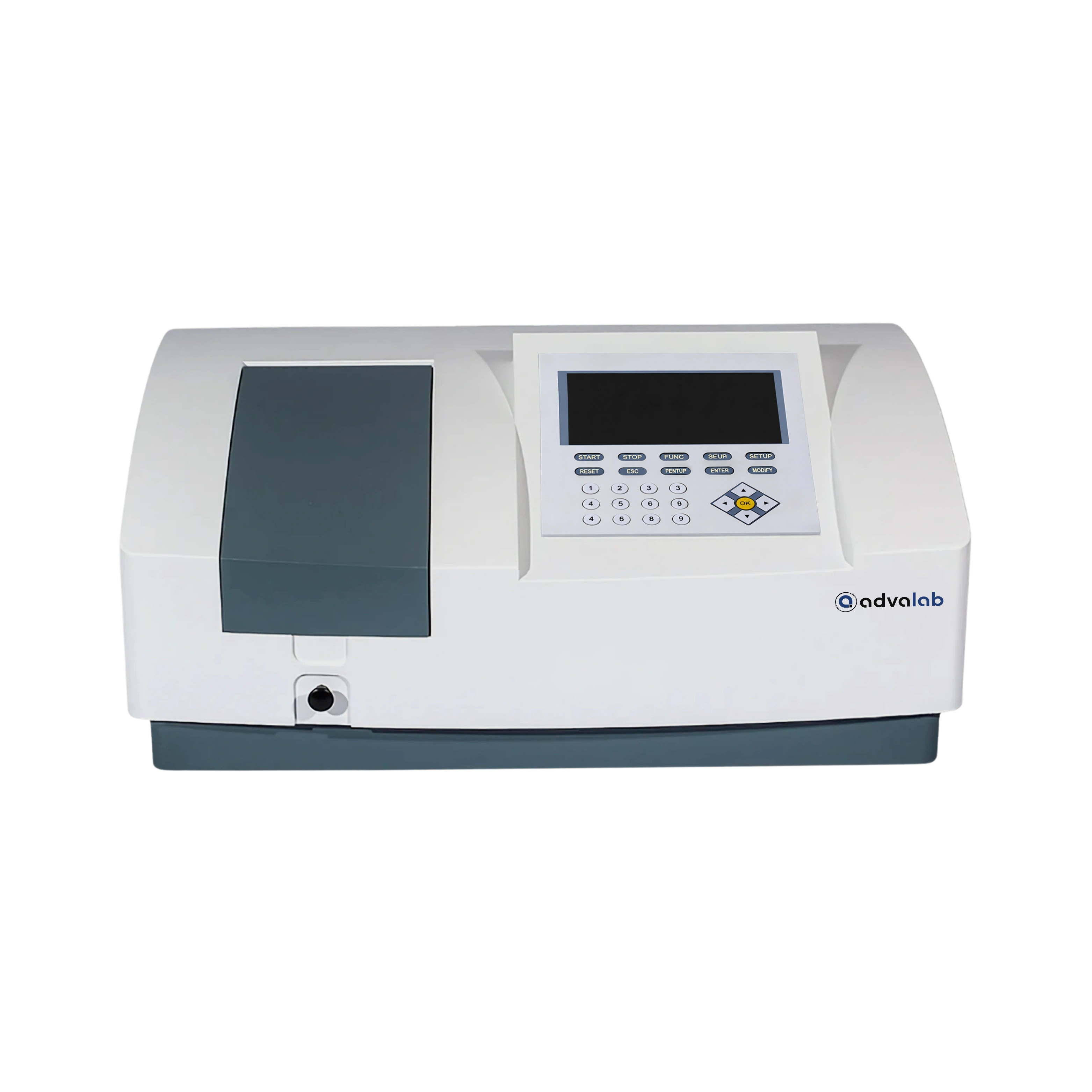
| Optical System | Double beam, grating 1200 lines/mm |
| Wavelength Range | 190 to 1100 nm |
| Spectral Bandwidth | 1 nm |
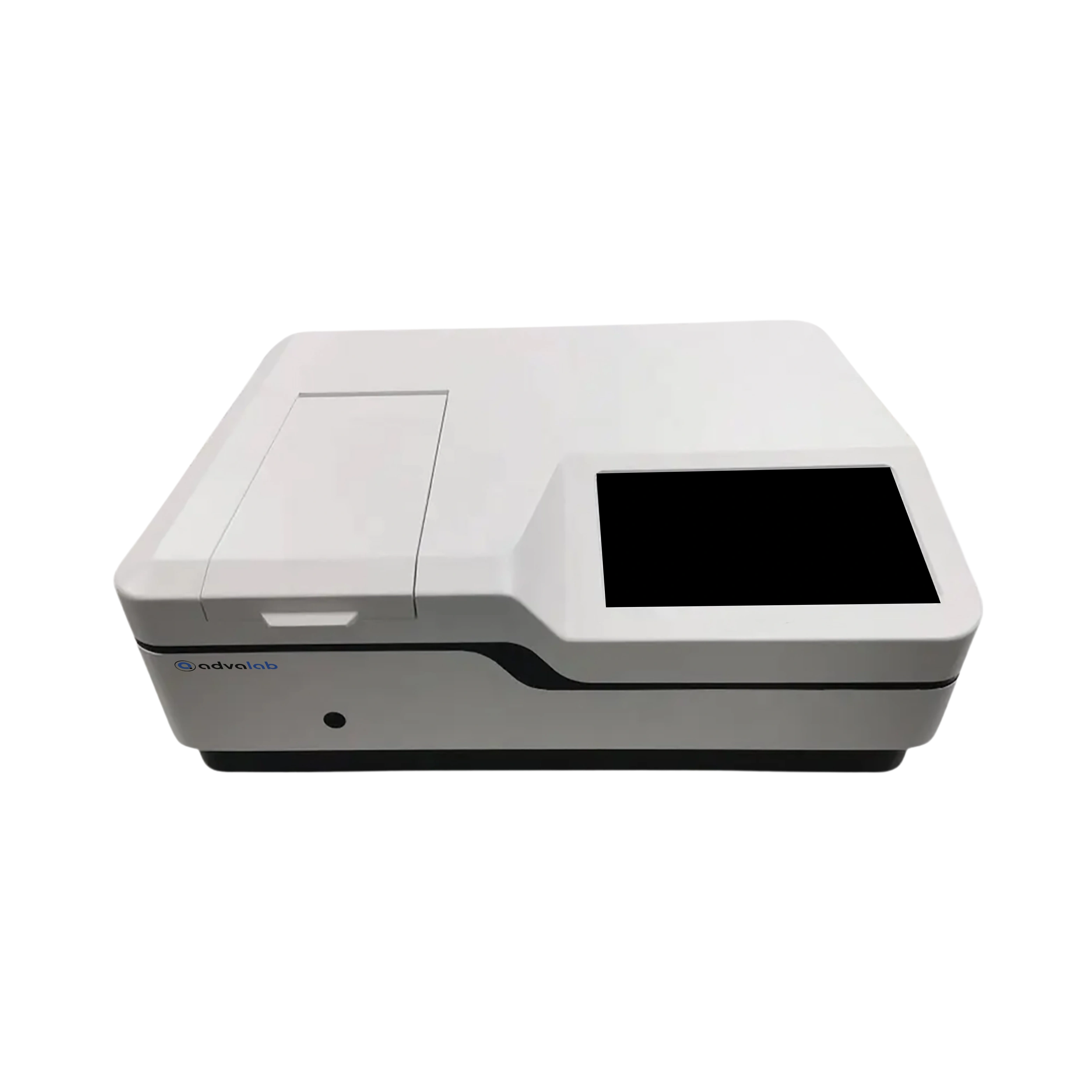
| Display | 7-inch Colour Screen |
| Optical System | Double beam, grating 1200 lines/mm |
| Wavelength Range | 190 to 1100 nm |
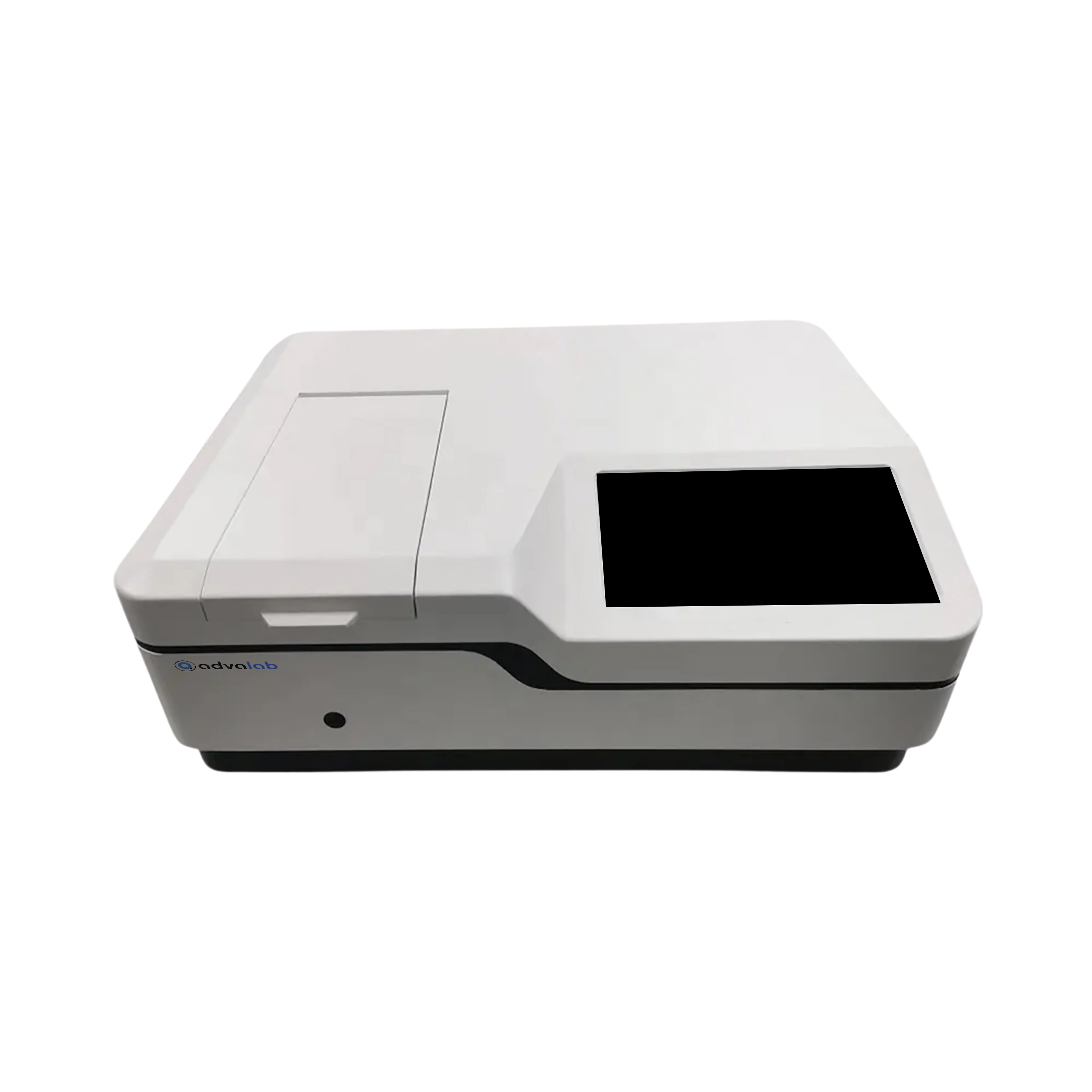
| Display | 7-inch Colour Screen |
| Optical System | Double beam, grating 1200 lines/mm |
| Wavelength Range | 190 to 1100 nm |
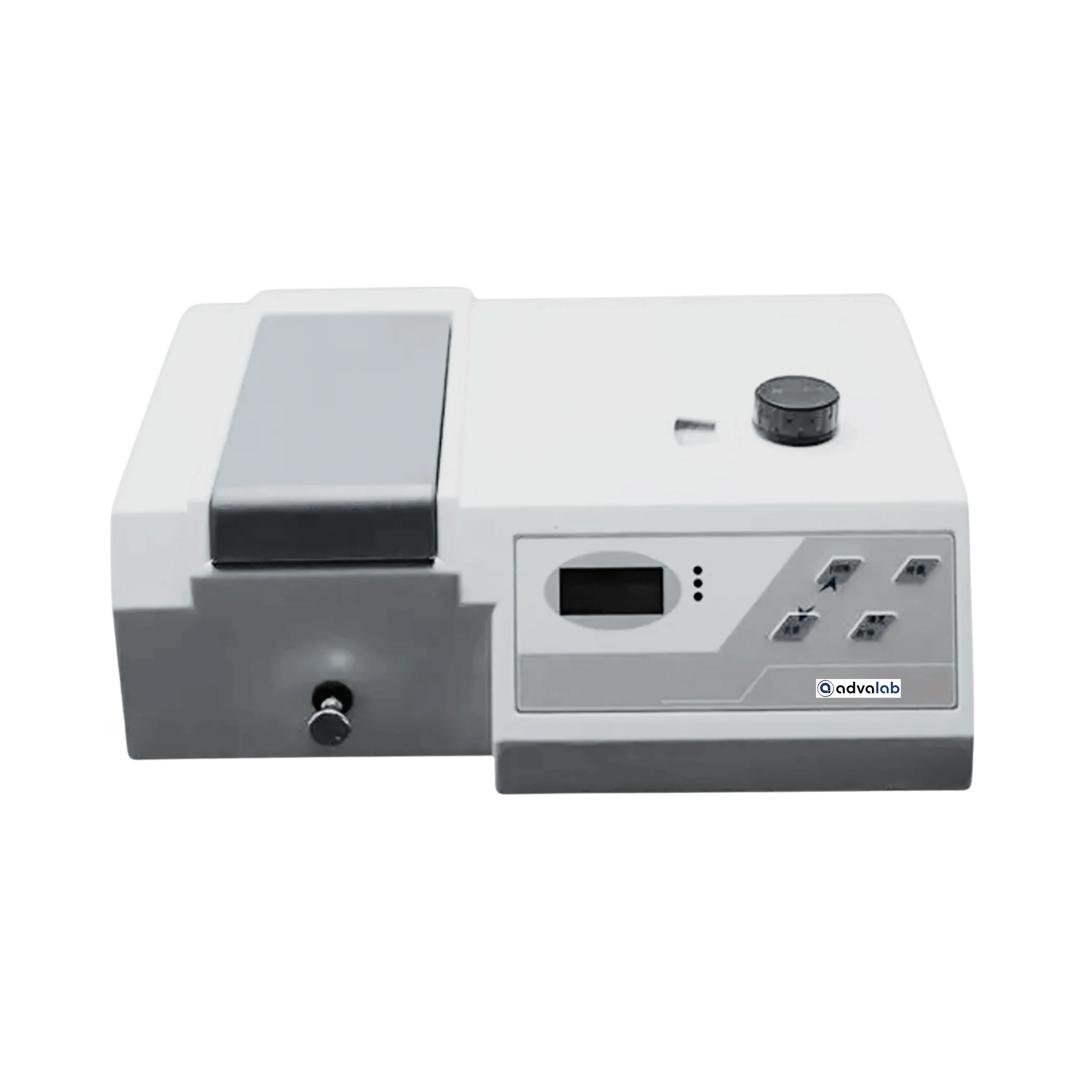
| Wavelength Range: | 325 to 1050 nm |
| Wavelength Accuracy: | ± 2 nm |
| Wavelength Reproducibility: | 1 nm |

| Wavelength Range: | 320 to 1050 nm |
| Wavelength Accuracy: | ± 2 nm |
| Wavelength Reproducibility: | 1 nm |

| Wavelength Range: | 195 to 1000 nm |
| Wavelength Accuracy: | ± 2 nm |
| Transmittance Range: | 0 to 199.9 |

| Wavelength Range: | 325 to 1000 nm |
| Wavelength Accuracy: | ± 2 nm |
| Transmittance Range: | 0 to 199.9 |

| Wavelength Range: | 340 to 1000 nm |
| Wavelength Accuracy: | ± 3 nm |
| Transmittance Range: | 0 to 199.9 |
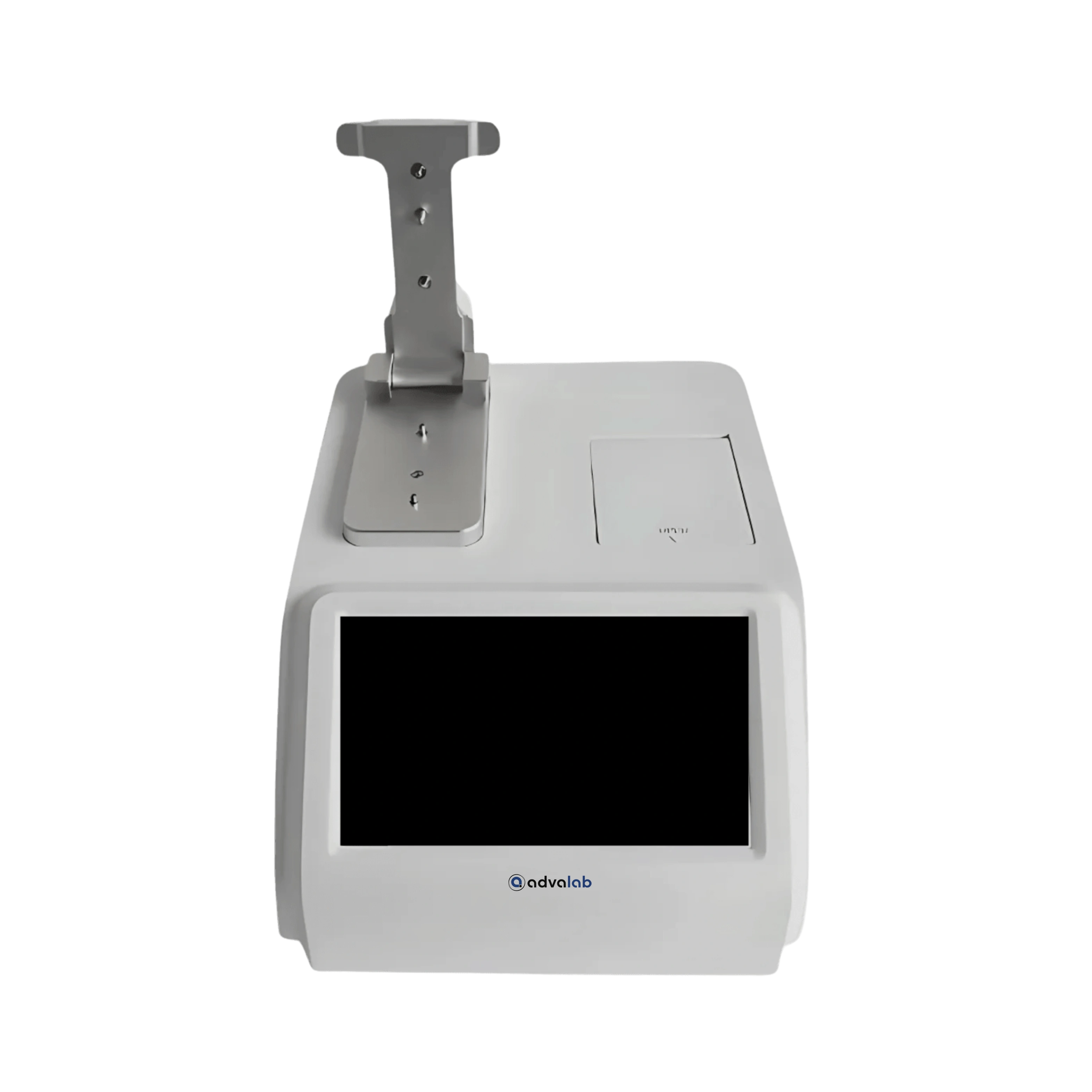
| Sample Volume: | 0.5μl to 2μl (recommended to use 2μl) |
| Nucleic Acid Detection Range: | 2 to 37500ng /μL (dsDNA) <br/> 1.32 to 24750 ng/μL (ss DNA) <br/> 1.6 to 30000ng/μL (RNA) |
| Protein Detection Range: | 0.04 to 750mg/mL (A280) <br/> 0.06 to 1119mg/mL (BSA) <br/> 0.03 to 547mg/mL (IgG) <br/> 0.015 to 284mg/mL (lysozyme) |
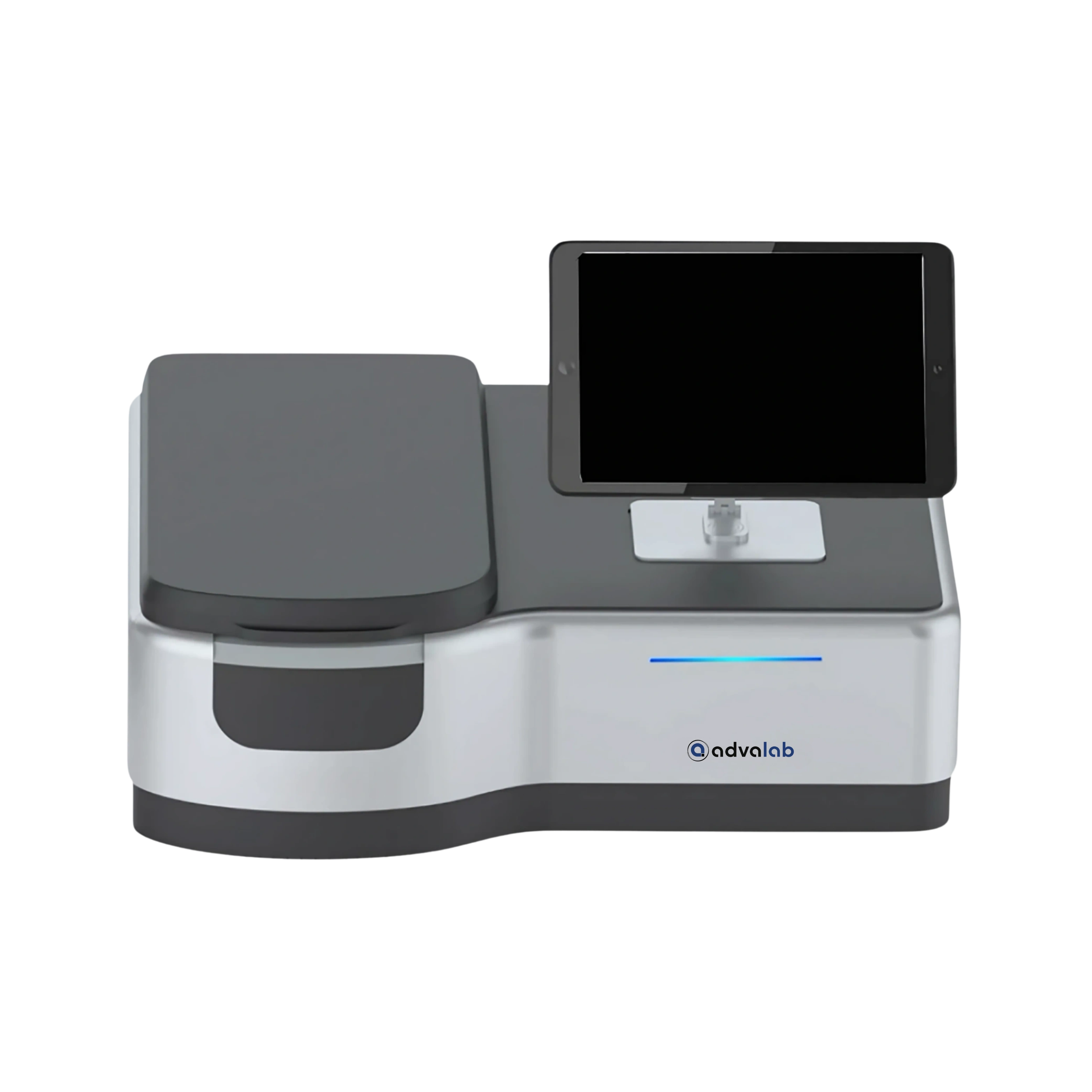
| Optical System: | Single Beam, Grating 1200 lines/mm |
| Wavelength Range: | 190 to 1100 nm |
| Spectral Bandwidth: | 0.1/0.2/0.5/1/2/4 |
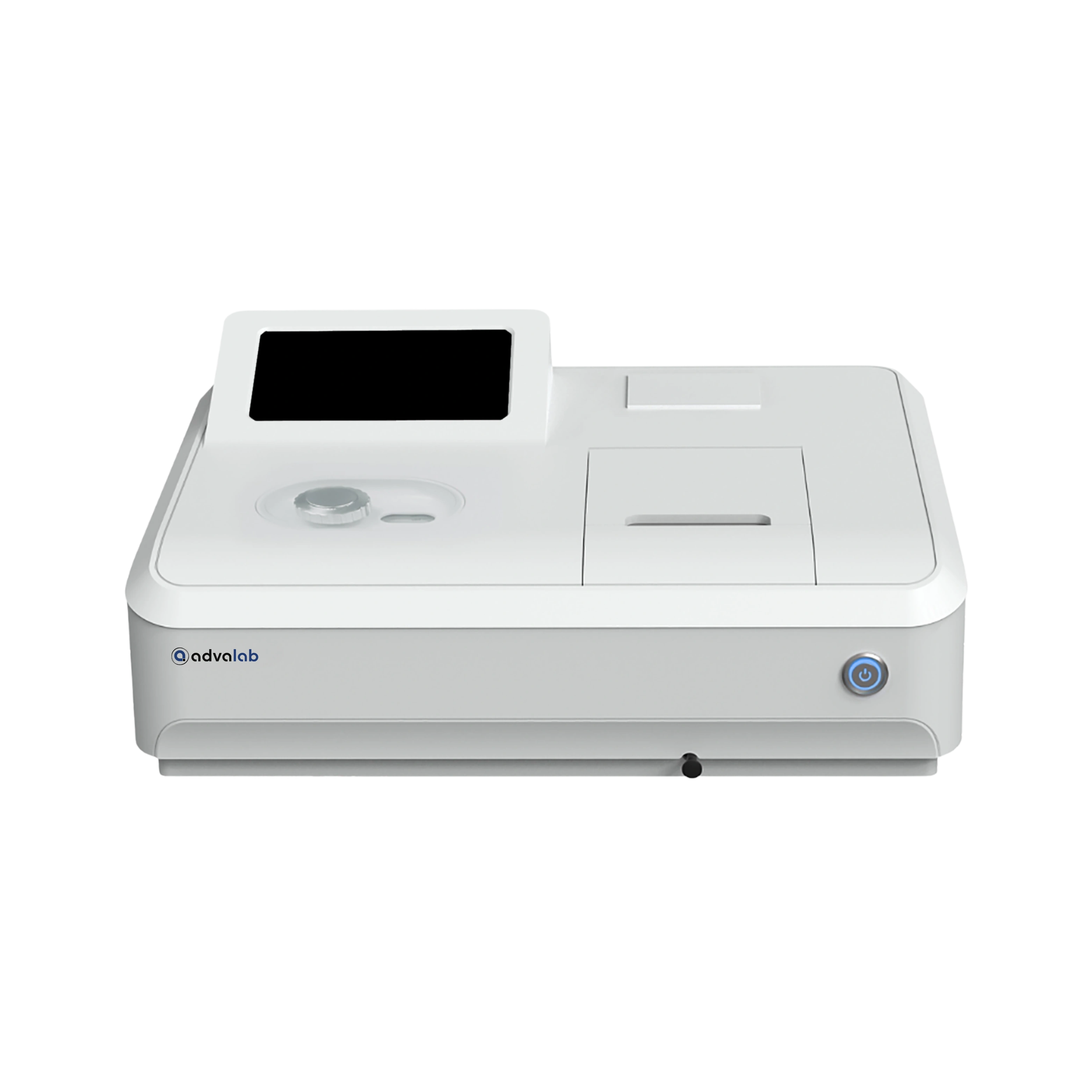
| Optical System: | Single beam |
| Monochromator: | C-T Monochromator, blazed holographic grating 1200 lines/nm |
| Wavelength Range: | 190 to 1100 nm |
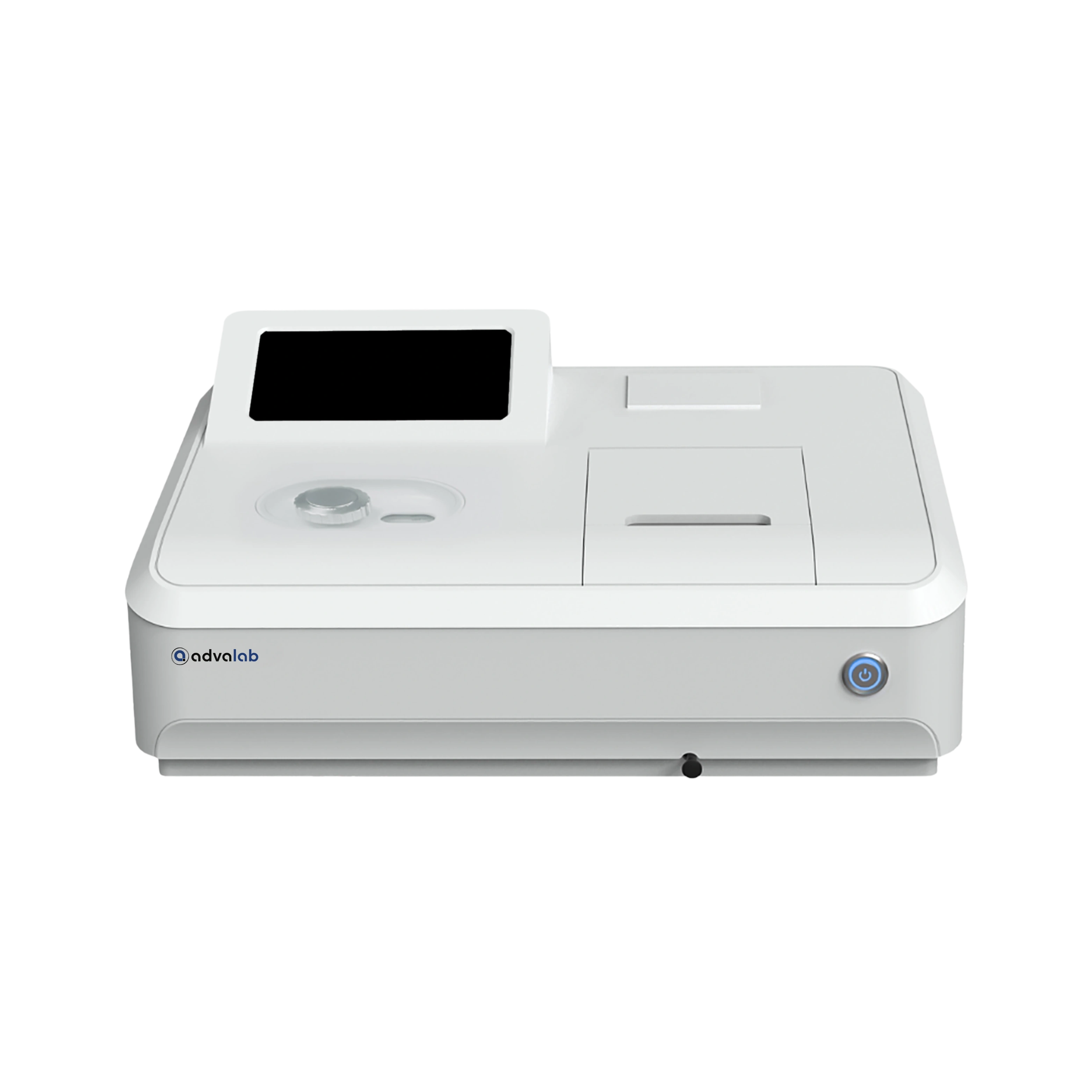
| Optical System: | Single beam |
| Monochromator: | C-T Monochromator, blazed holographic grating 1200 lines/nm |
| Wavelength Range: | 320 to 1100 nm |
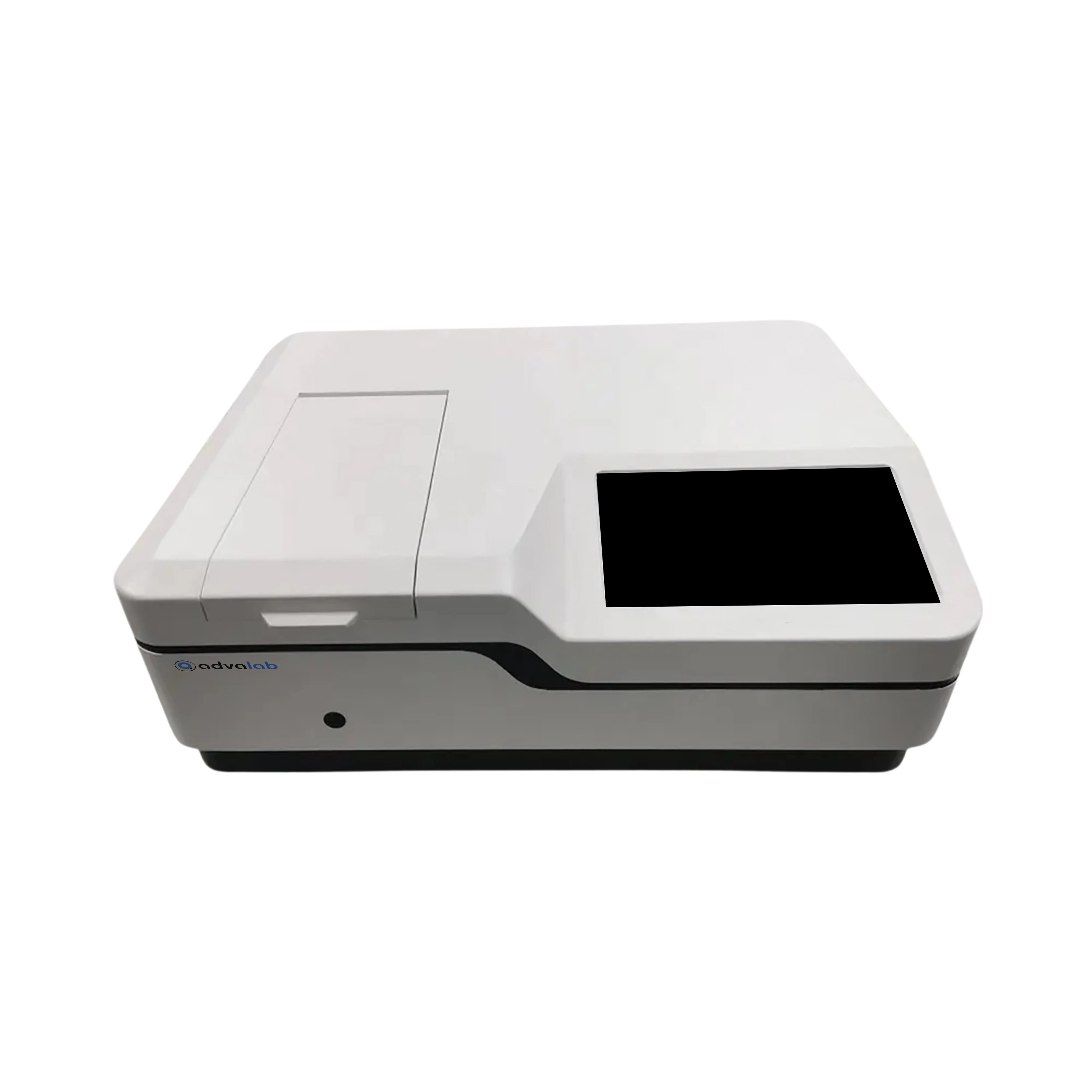
| Optical System: | Single Beam, Grating 1200 lines/mm |
| Wavelength Range: | 190 to 1100 nm |
| Spectral Bandwidth: | 2 nm |

| Optical System: | Single beam, grating 1200 lines/mm |
| Wavelength Range: | 190 to 1100 nm |
| Spectral Bandwidth: | 1 nm |
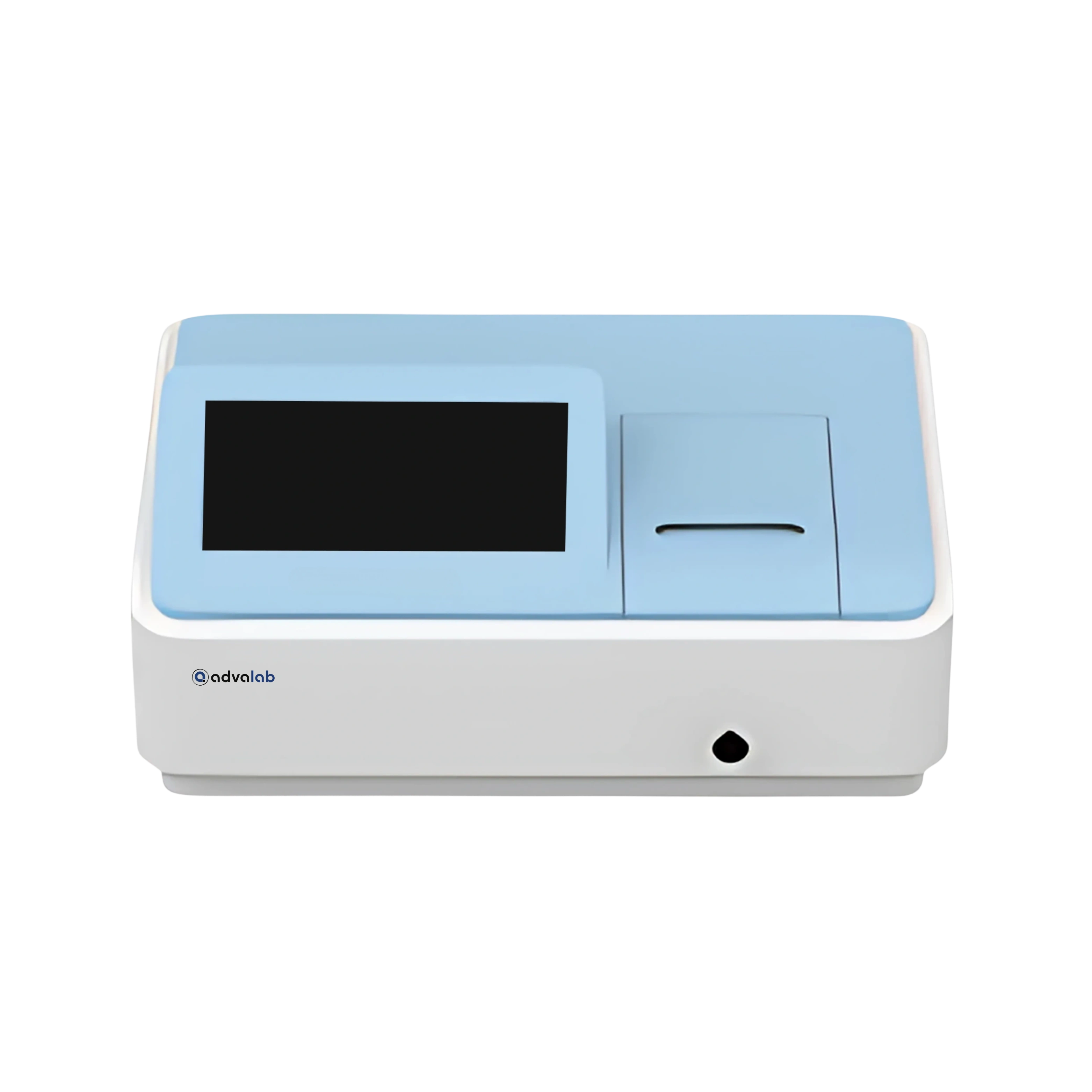
| Optical System: | Single beam, grating 1200 lines/mm |
| Wavelength Range: | 190 to 1100 nm |
| Spectral Bandwidth: | 2 nm |
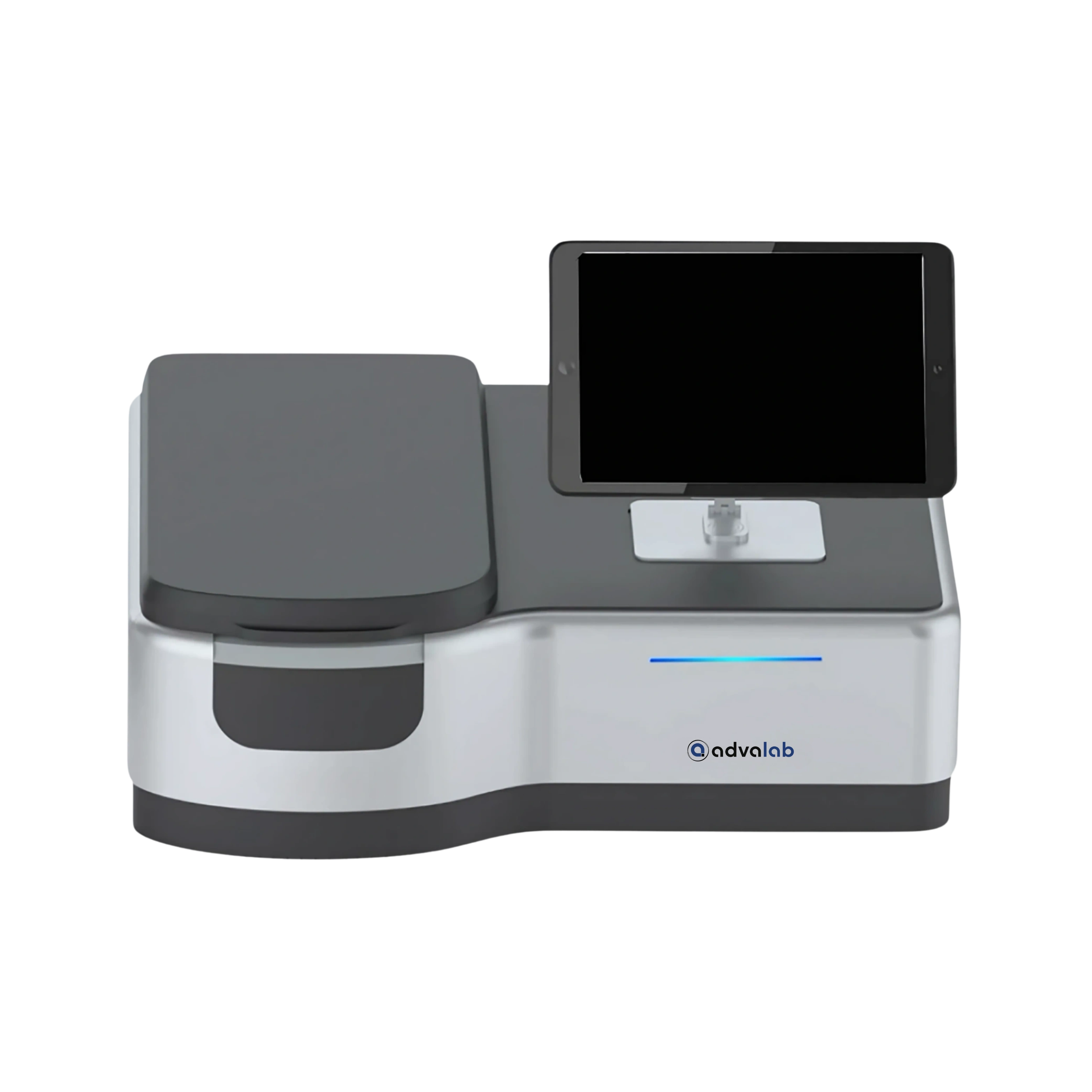
| Optical System: | Single beam, grating 1200 lines/mm |
| Wavelength Range: | 320 to 1100 nm |
| Spectral Bandwidth: | 2 nm |

| Optical System: | Single beam, grating 1200 lines/mm |
| Wavelength Range: | 190 to 1100 nm |
| Spectral Bandwidth: | 2 nm |
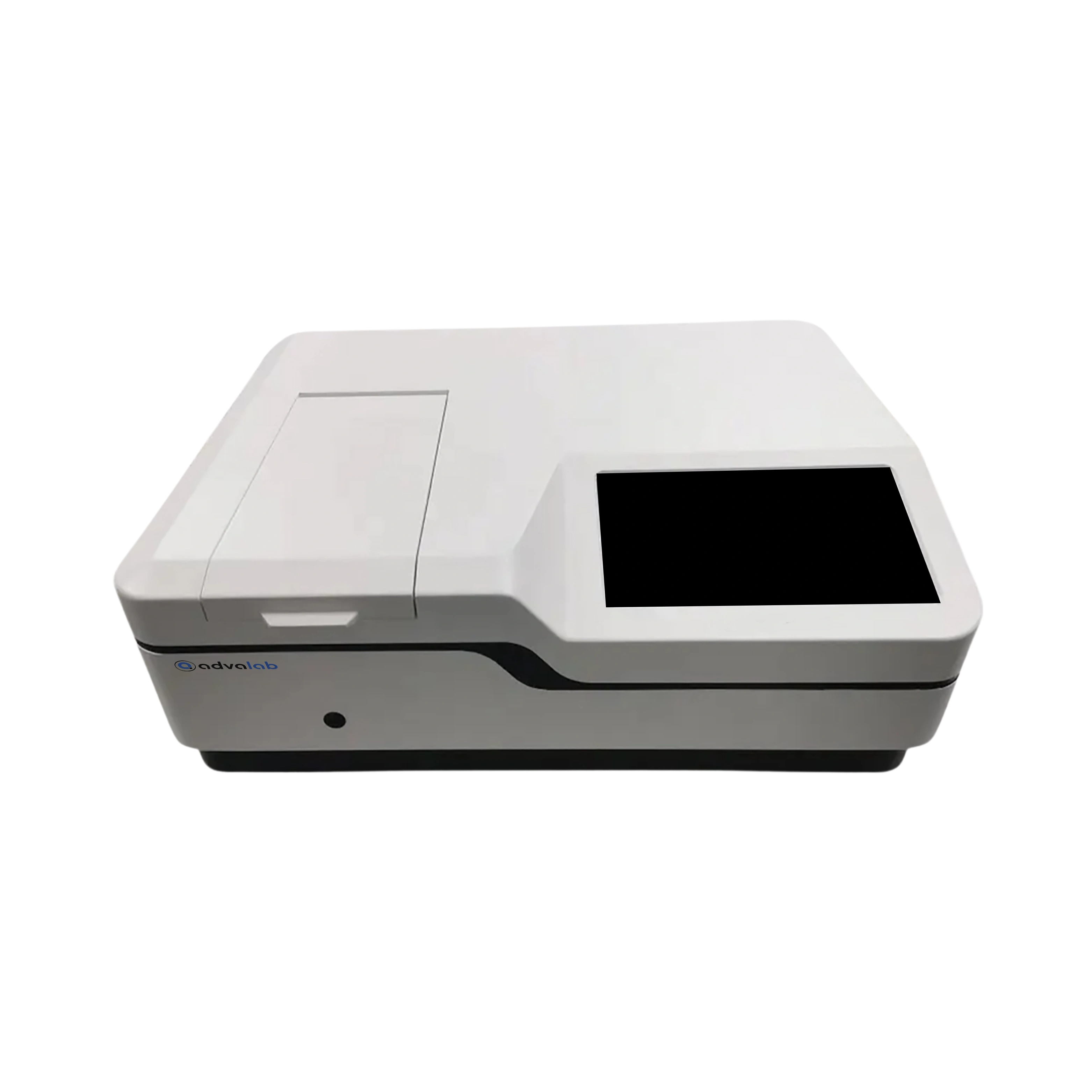
| Optical System: | Single Beam, Grating 1200 lines/mm |
| Wavelength Range: | 190 to 1100 nm |
| Spectral Bandwidth: | 0.5/1/2/4/5nm |
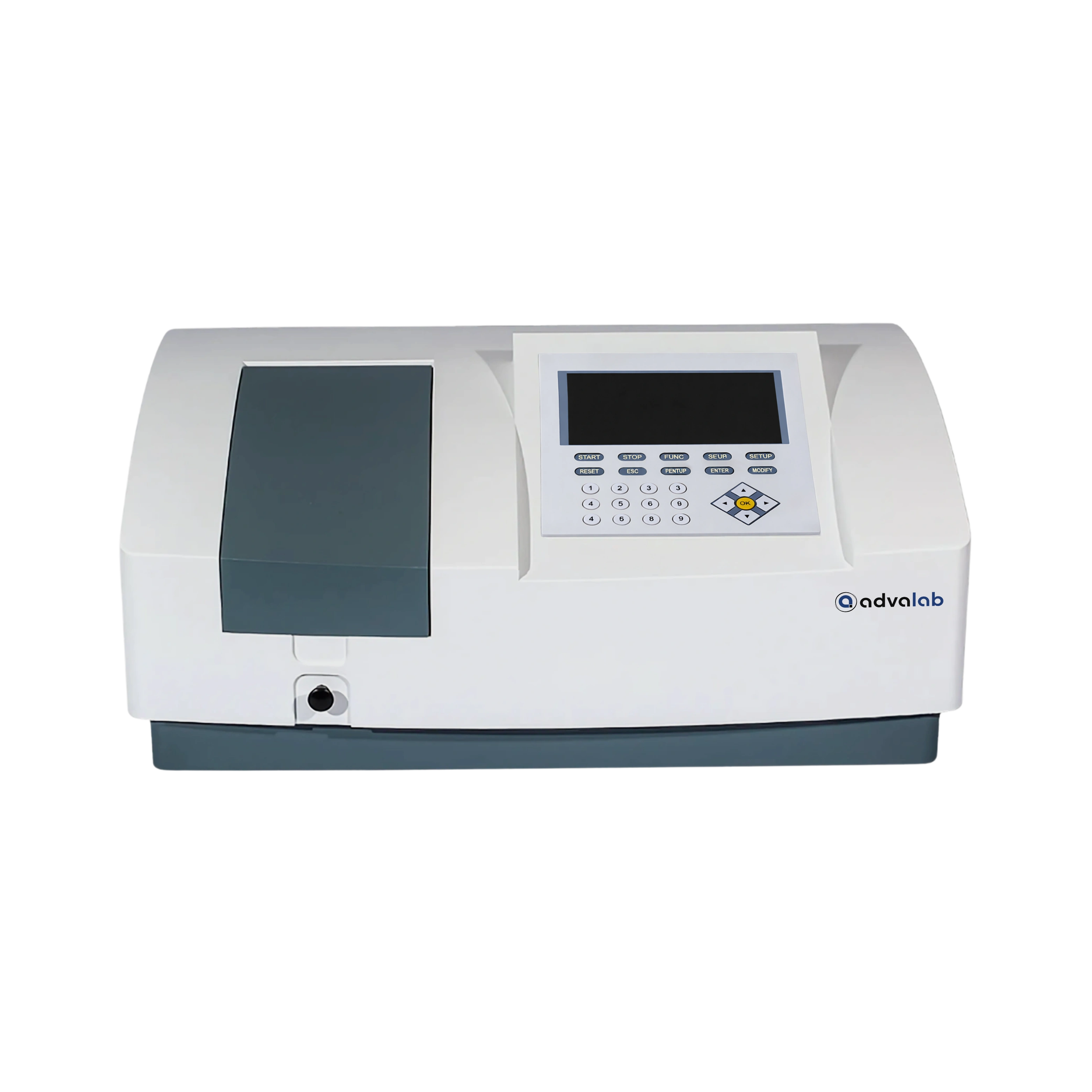
| Optical System: | Single beam, grating 1200 lines/mm |
| Wavelength Range: | 190 to 1100 nm |
| Spectral Bandwidth: | 0.5/1/2/4/5 nm |
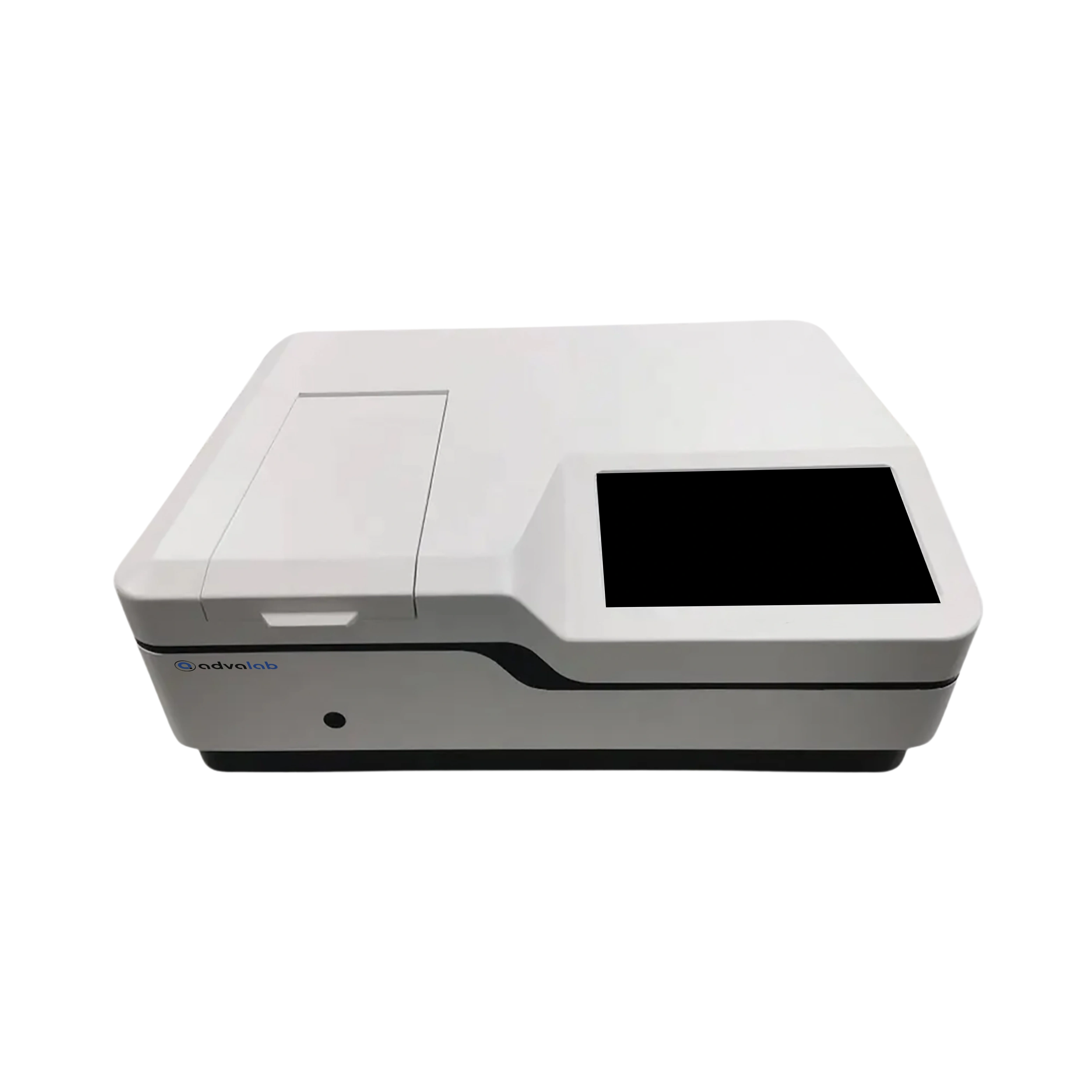
| Optical System: | Single beam, grating 1200 lines/mm |
| Wavelength Range: | 190 to 1100 nm |
| Spectral Bandwidth: | 0.5/1/2/4/5nm |
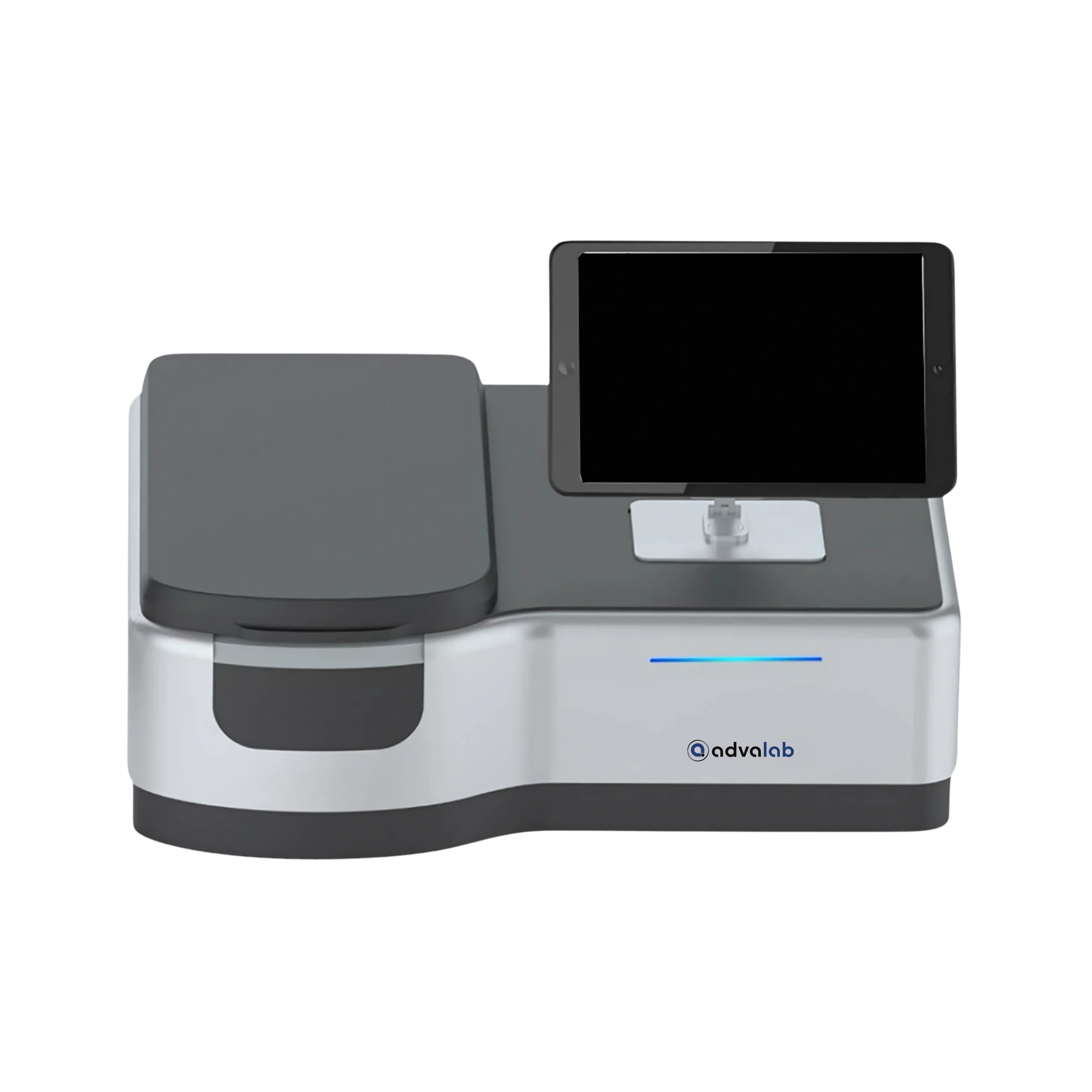
| Optical System: | Single Beam, Grating 1200 lines/mm |
| Wavelength Range: | 190 to 1100 nm |
| Spectral Bandwidth: | 2 nm |
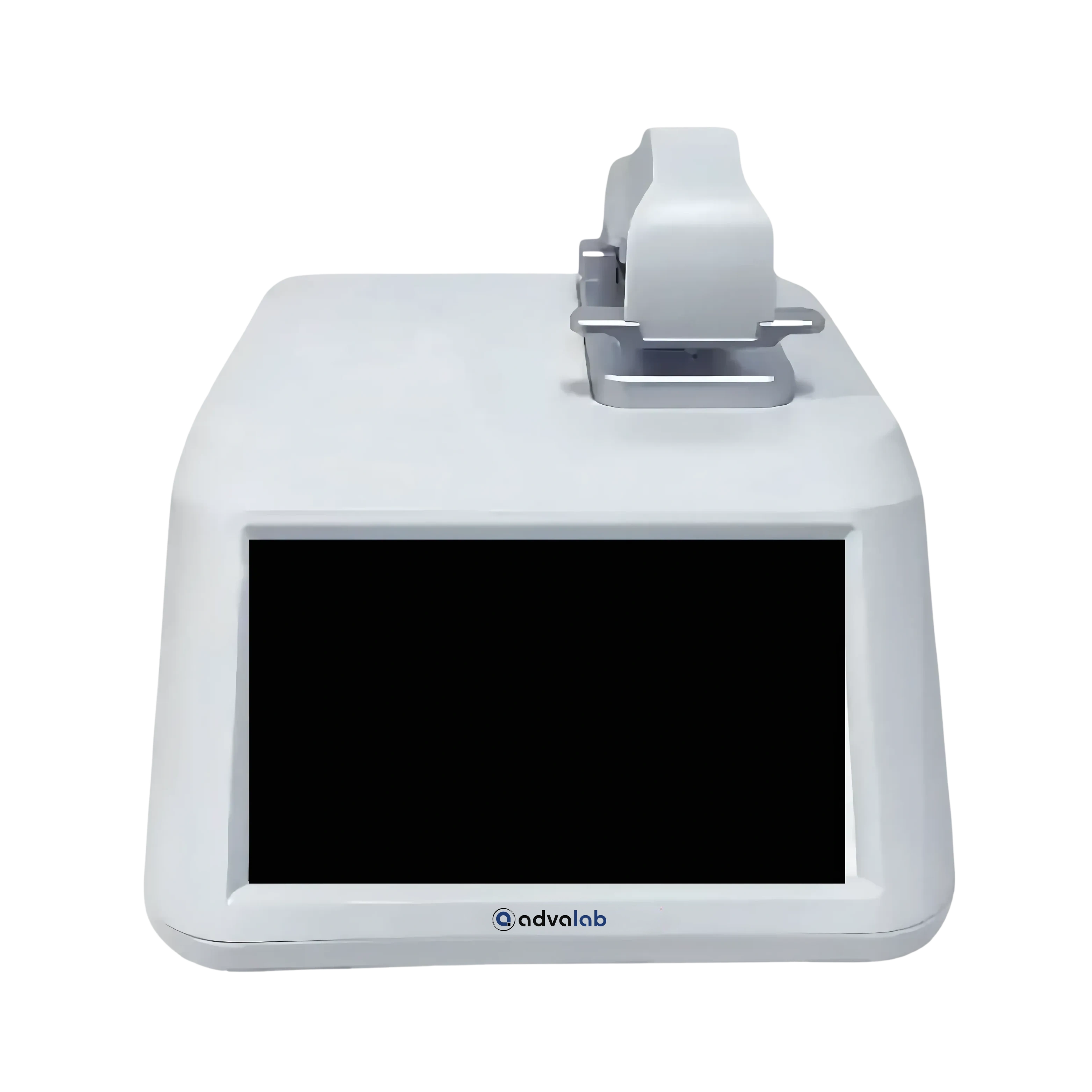
| Sample Volume: | 0.5 to 2.0 μL |
| Nucleic Acid Detection Range: | 2 to 15000 ng/μL (dsDNA) <br/> 1.32 to 9900 ng/μL (ss DNA) <br/> 1.6 to12000ng/μL (RNA) |
| Protein Detection Range: | 0.04 to 750 mg/mL (A280) <br/> 0.06 to 1119 mg/mL (BSA) <br/> 0.03 to 547 mg/mL (IgG) <br/> 0.015 to 284 mg/mL (lysozyme) |
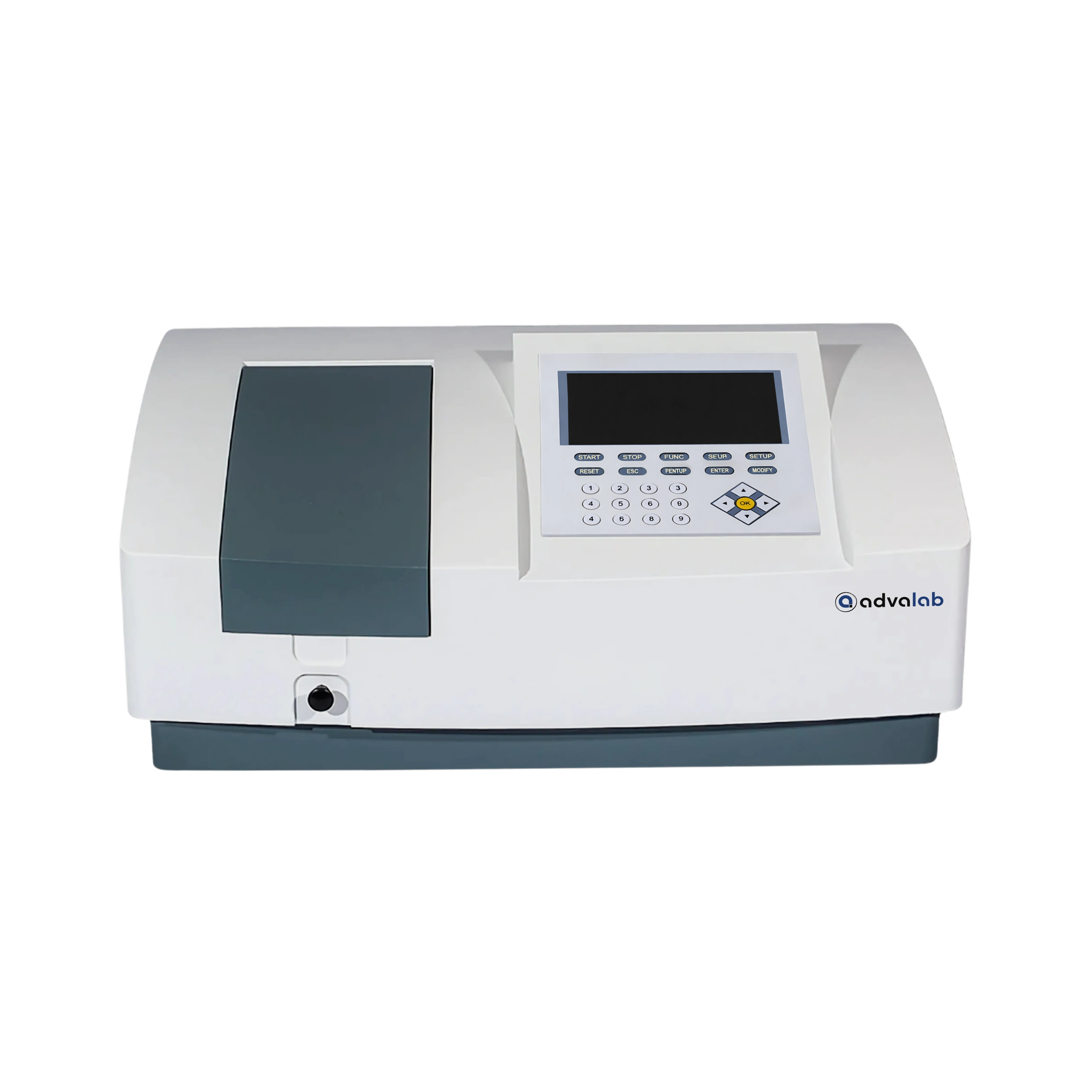
| Optical System: | Single beam, grating 1200 lines/mm |
| Wavelength Range: | 190 to 1100 nm |
| Spectral Bandwidth: | 1 nm |
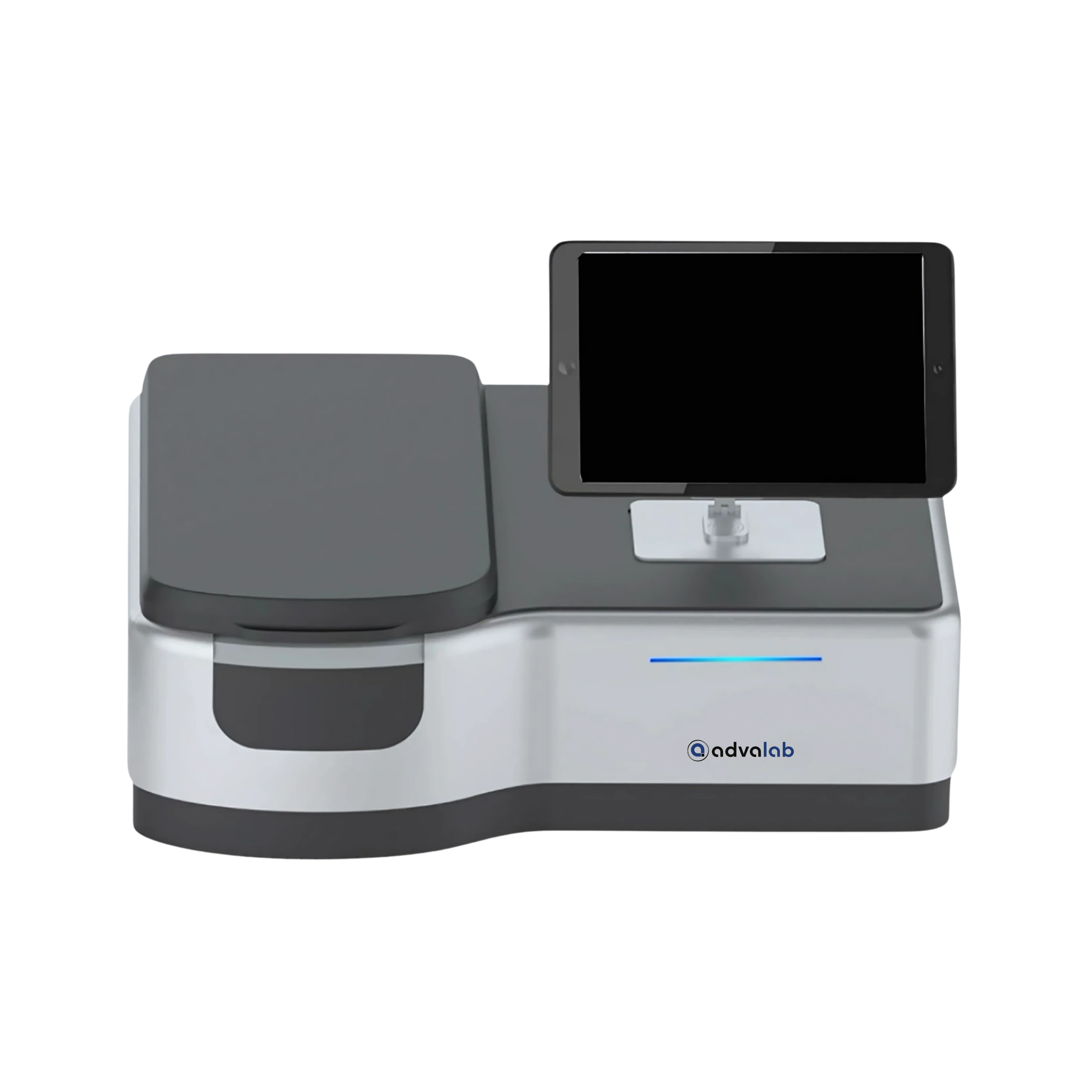
| Optical System: | Single Beam, Grating 1200 lines/mm |
| Wavelength Range: | 190 to 1100 nm |
| Spectral Bandwidth: | 1 nm |
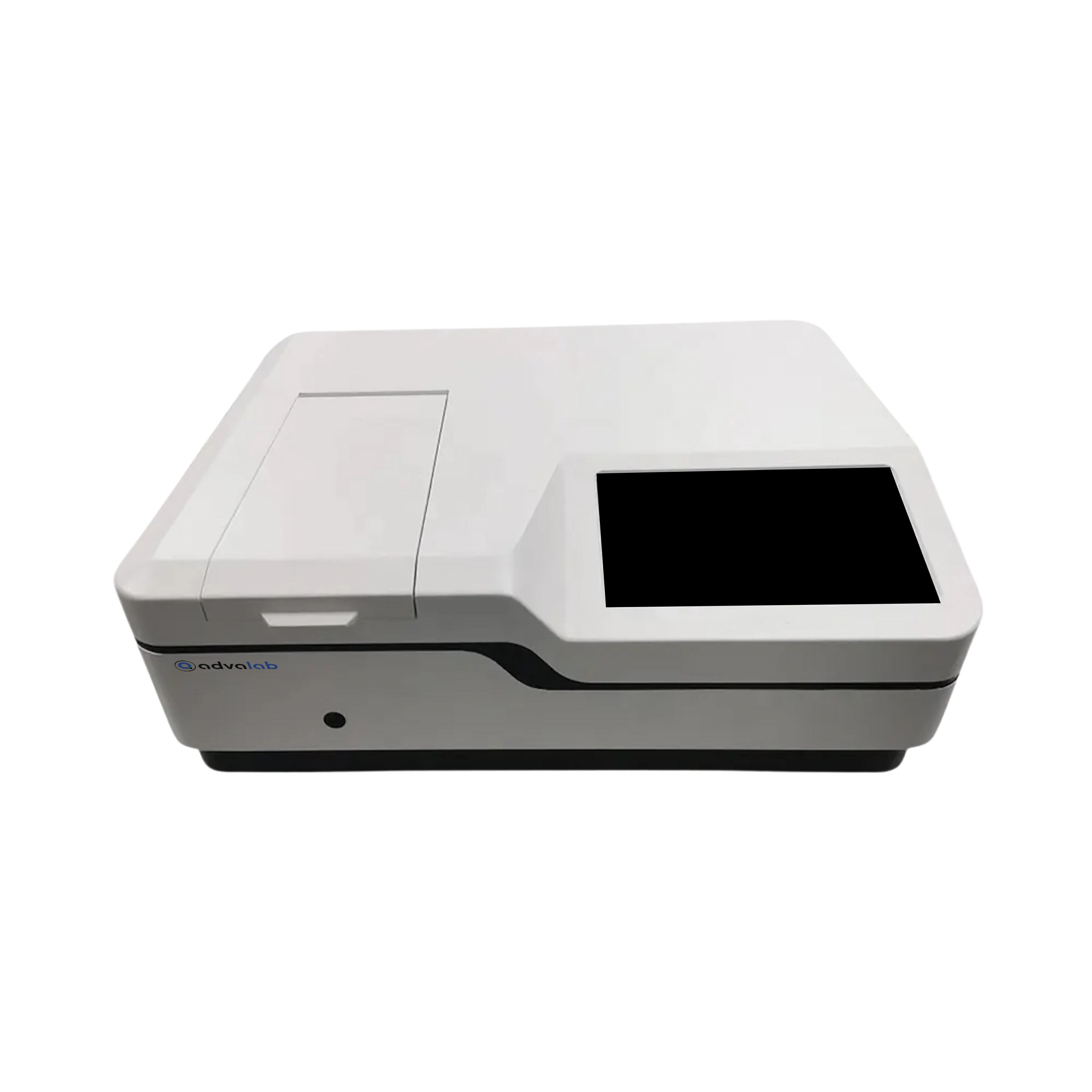
| Optical System: | Single beam, grating 1200 lines/mm |
| Wavelength Range: | 190 to 1100 nm |
| Spectral Bandwidth: | 2 nm |
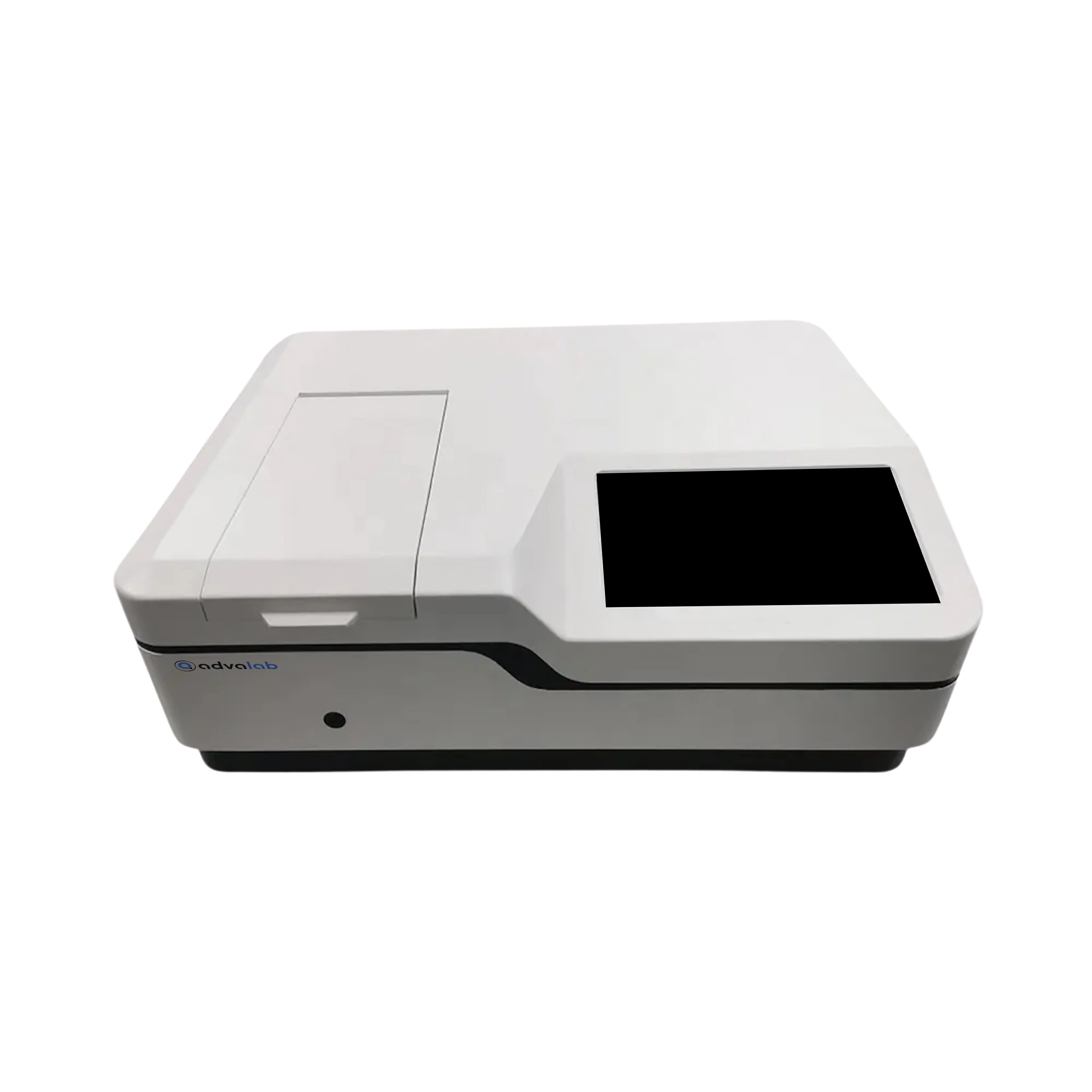
| Optical System: | Single Beam, Grating 1200 lines/mm |
| Wavelength Range: | 190 to 1100 nm |
| Spectral Bandwidth: | 1 nm |
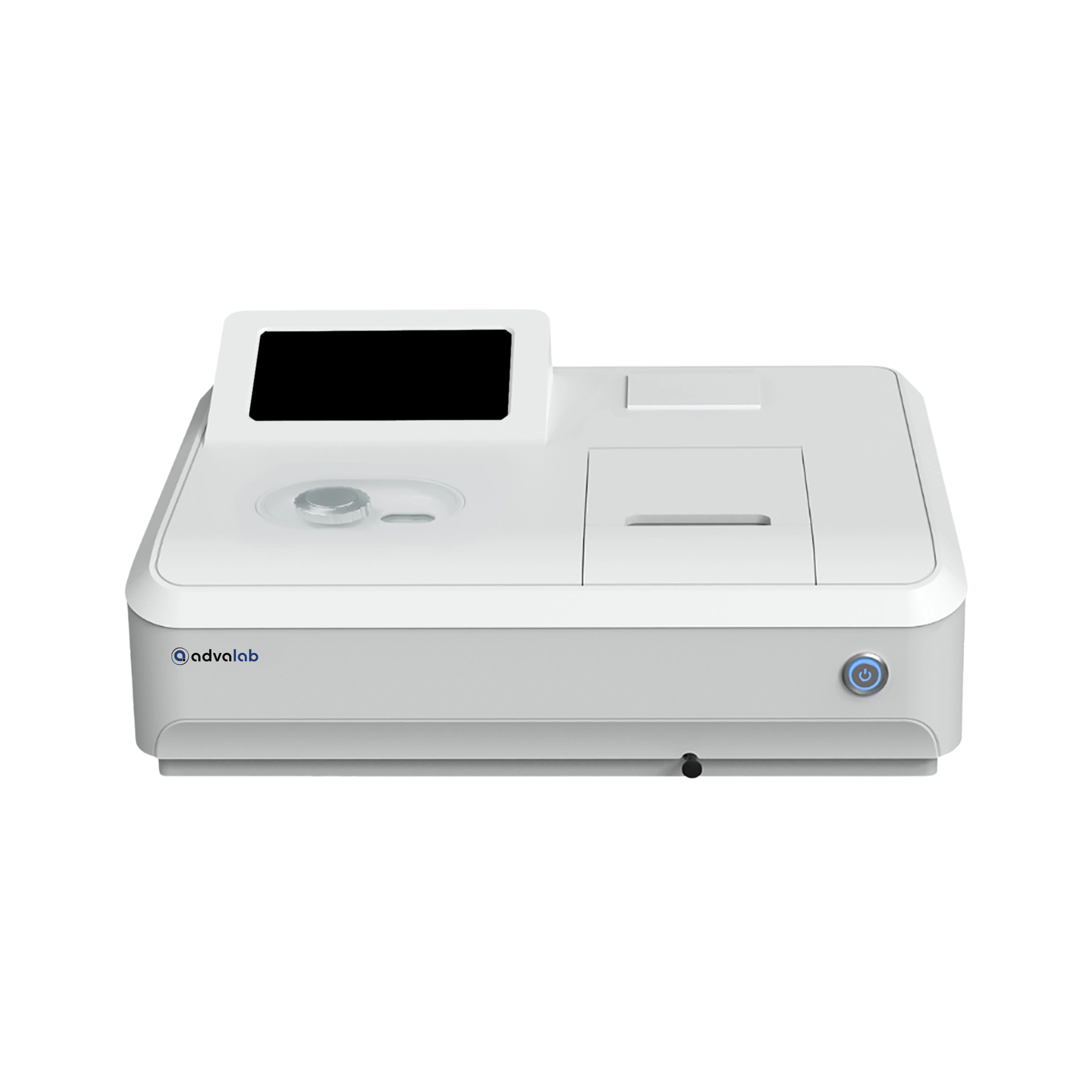
| Optical System: | Single beam |
| Monochromator: | C-T Monochromator, blazed holographic grating 1200 lines/nm |
| Wavelength Range: | 320 to 1100 nm |
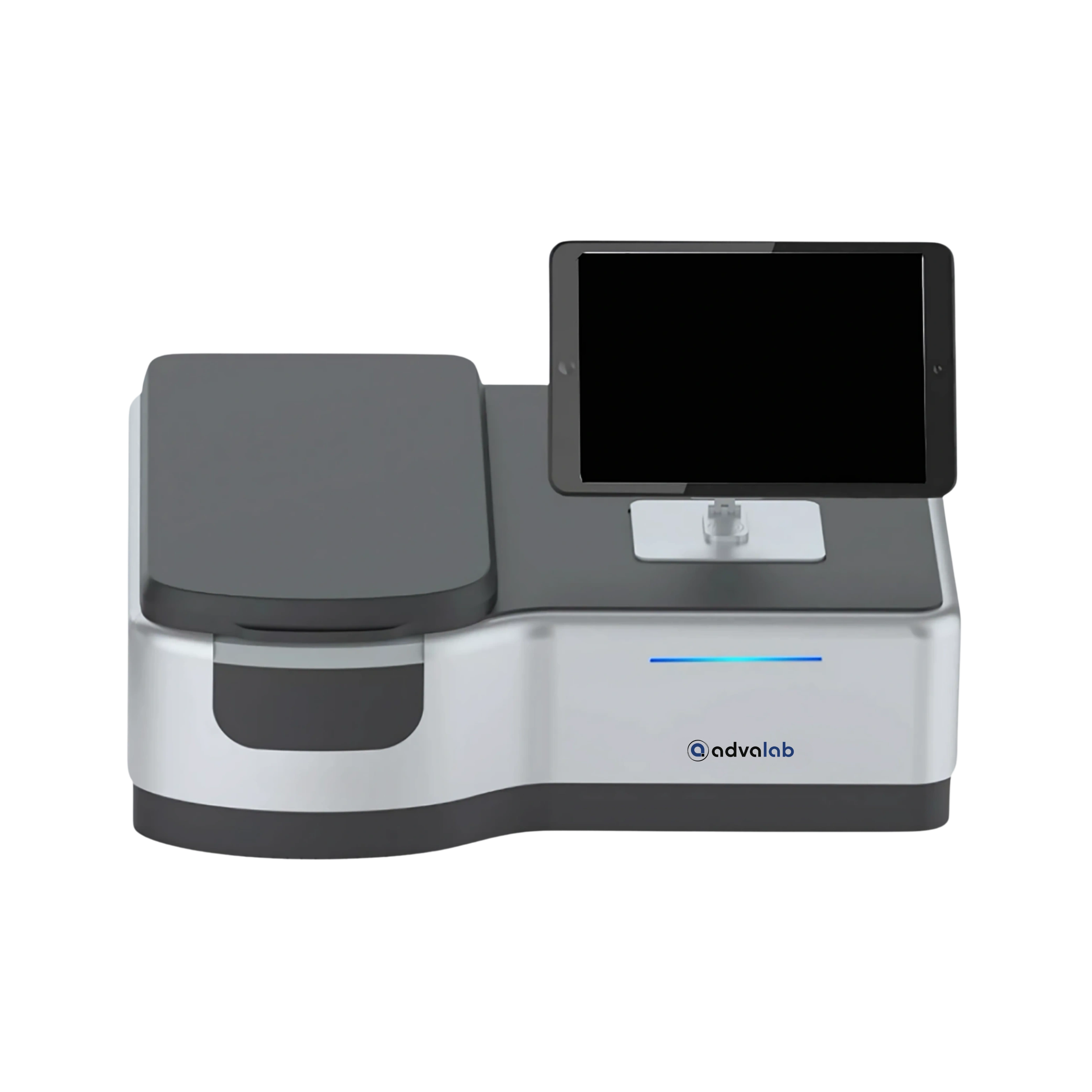
| Optical System: | Single beam, grating 1200 lines/mm |
| Wavelength Range: | 190 to 1100 nm |
| Spectral Bandwidth: | 2 nm |
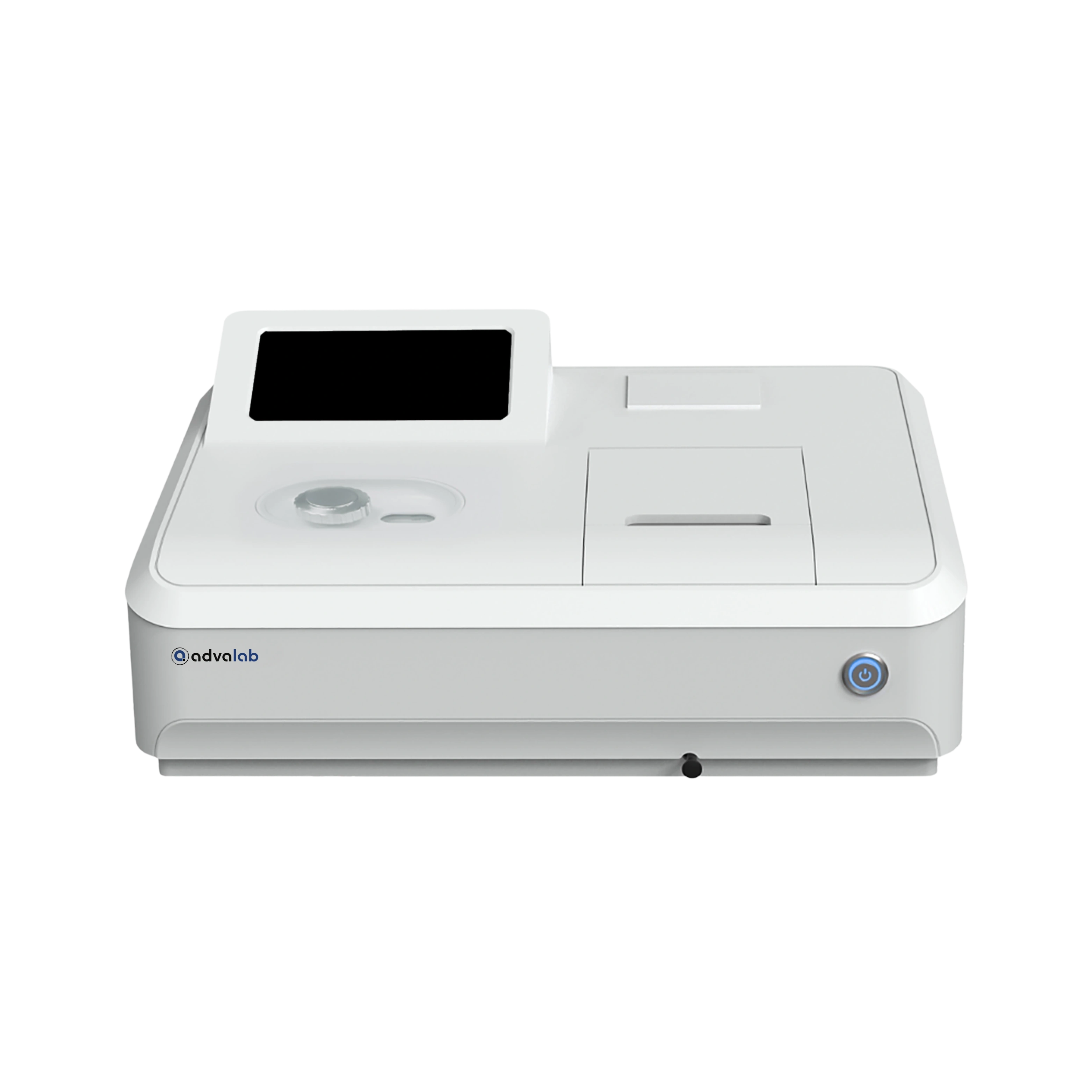
| Optical System: | Single beam |
| Monochromator: | C-T Monochromator, blazed holographic grating 1200 lines/nm |
| Wavelength Range: | 190 to 1020 nm |
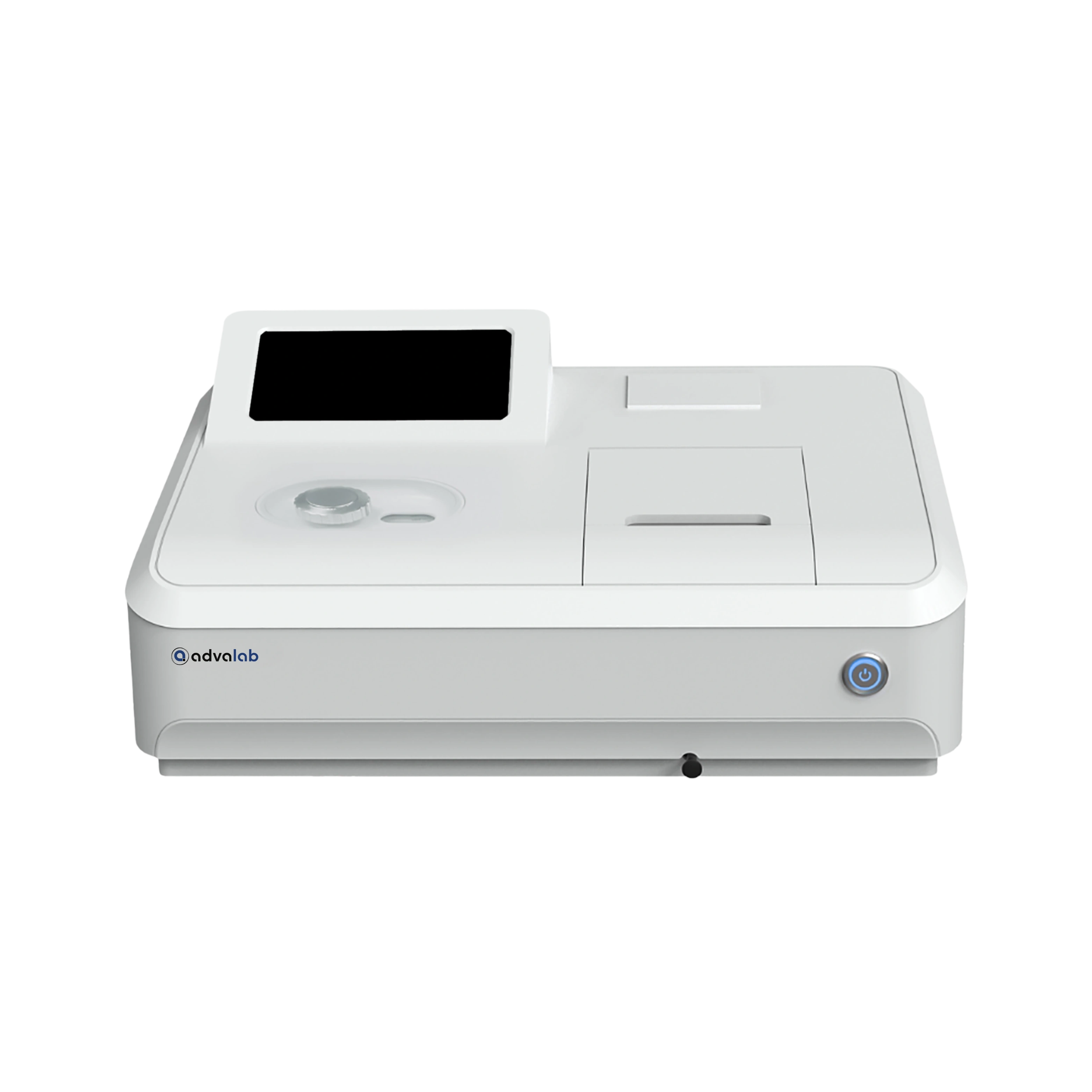
| Optical System: | Single beam |
| Monochromator: | C-T Monochromator, blazed holographic grating 1200 lines/nm |
| Wavelength Range: | 320 to 1020 nm |
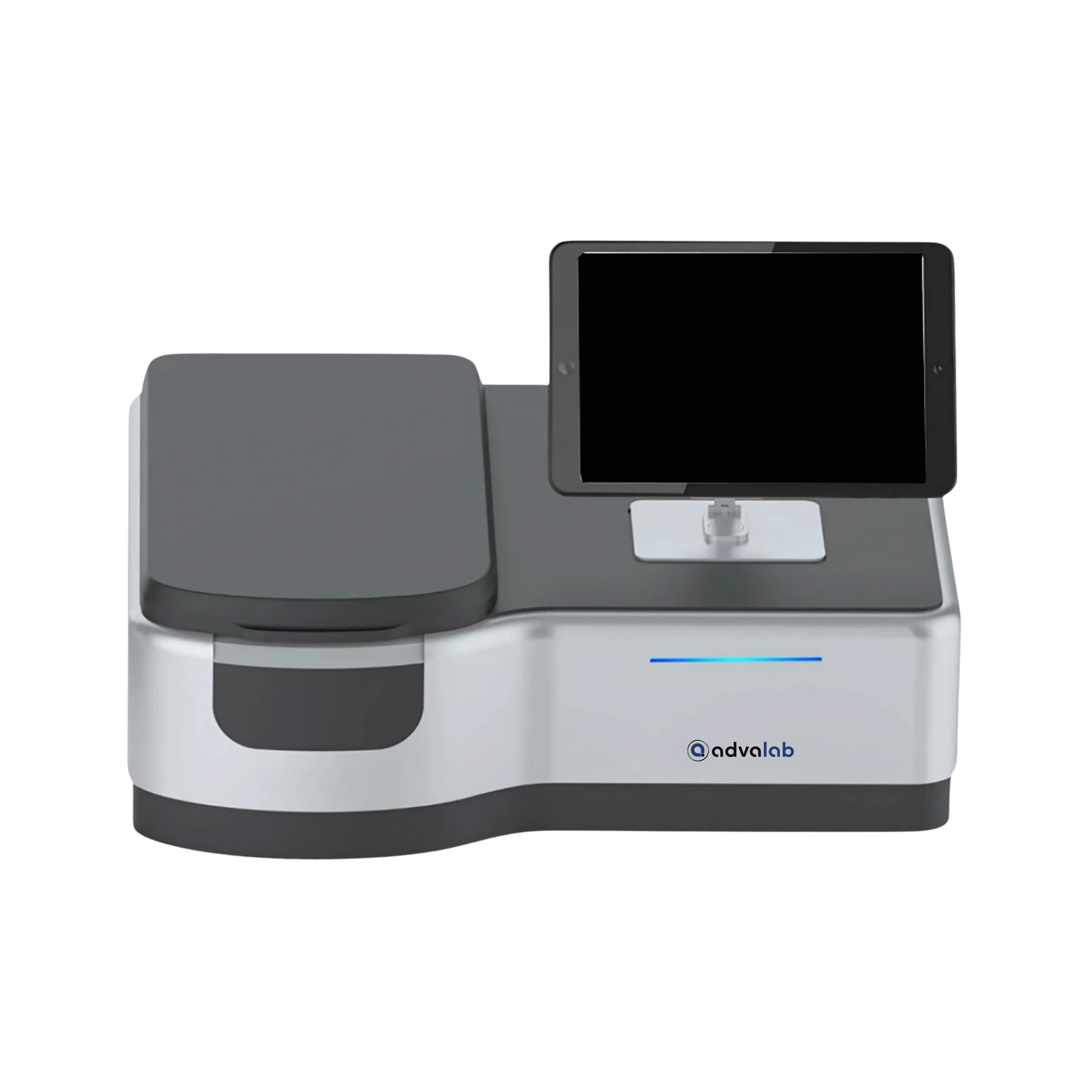
| Optical System: | Single beam, grating 1200 lines/mm |
| Wavelength Range: | 190 to 1100 nm |
| Spectral Bandwidth: | 1 nm |
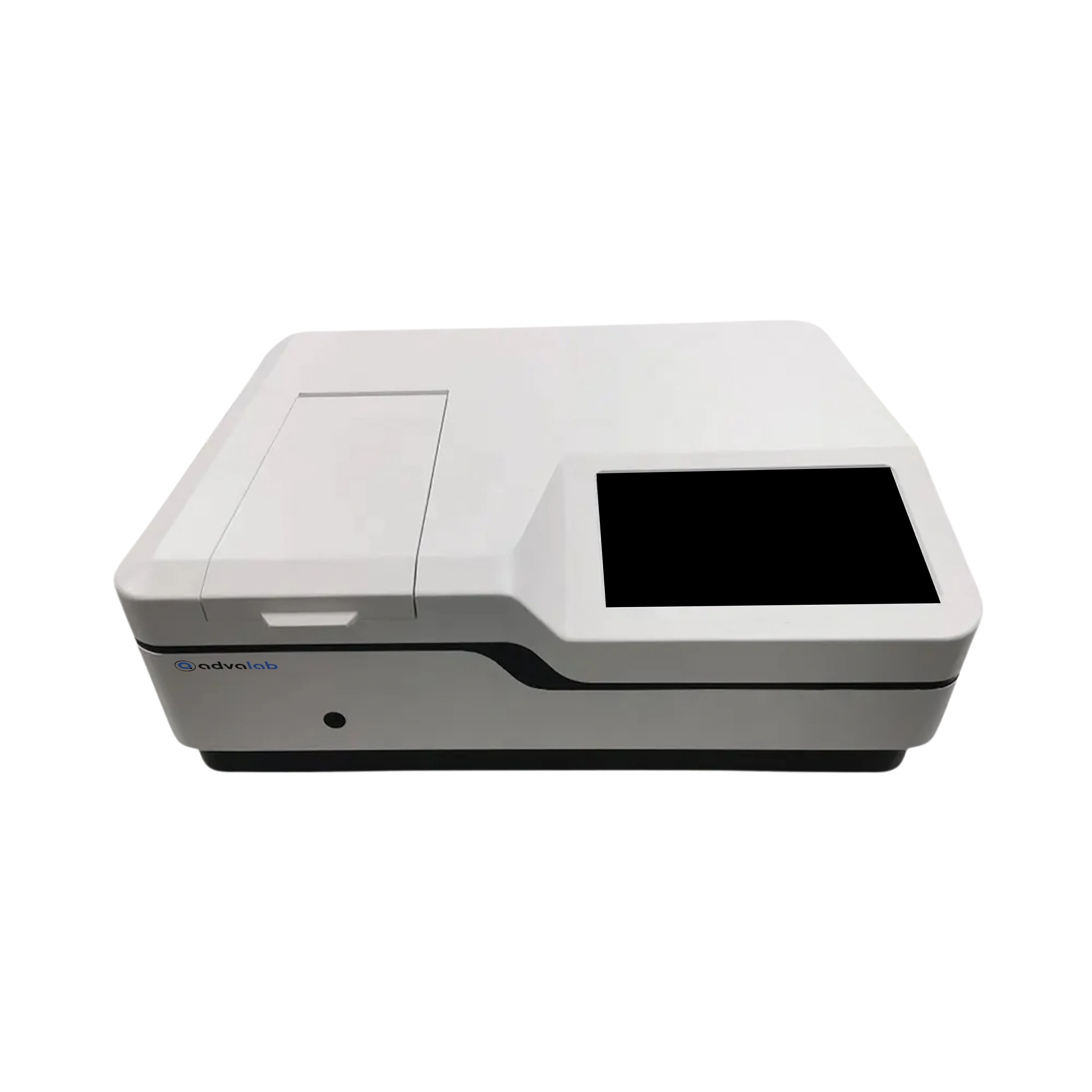
| Optical System: | Single beam, grating 1200 lines/mm |
| Wavelength Range: | 190 to 1100 nm |
| Spectral Bandwidth: | 1 nm |
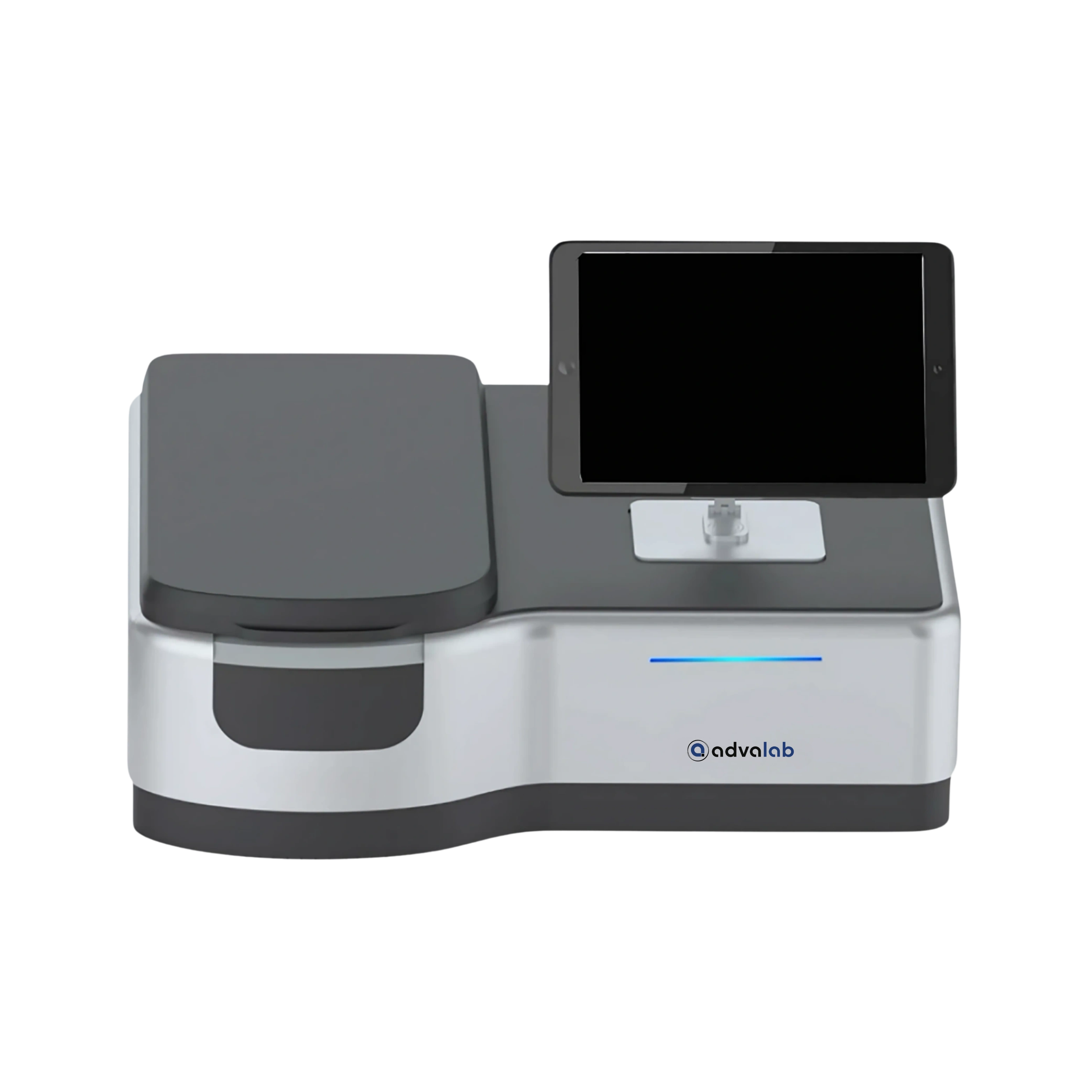
| Optical System: | Single beam, grating 1200 lines/mm |
| Wavelength Range: | 190 to 1100 nm |
| Spectral Bandwidth: | 0.1/0.2/0.5/1/ 2/4/5 nm |
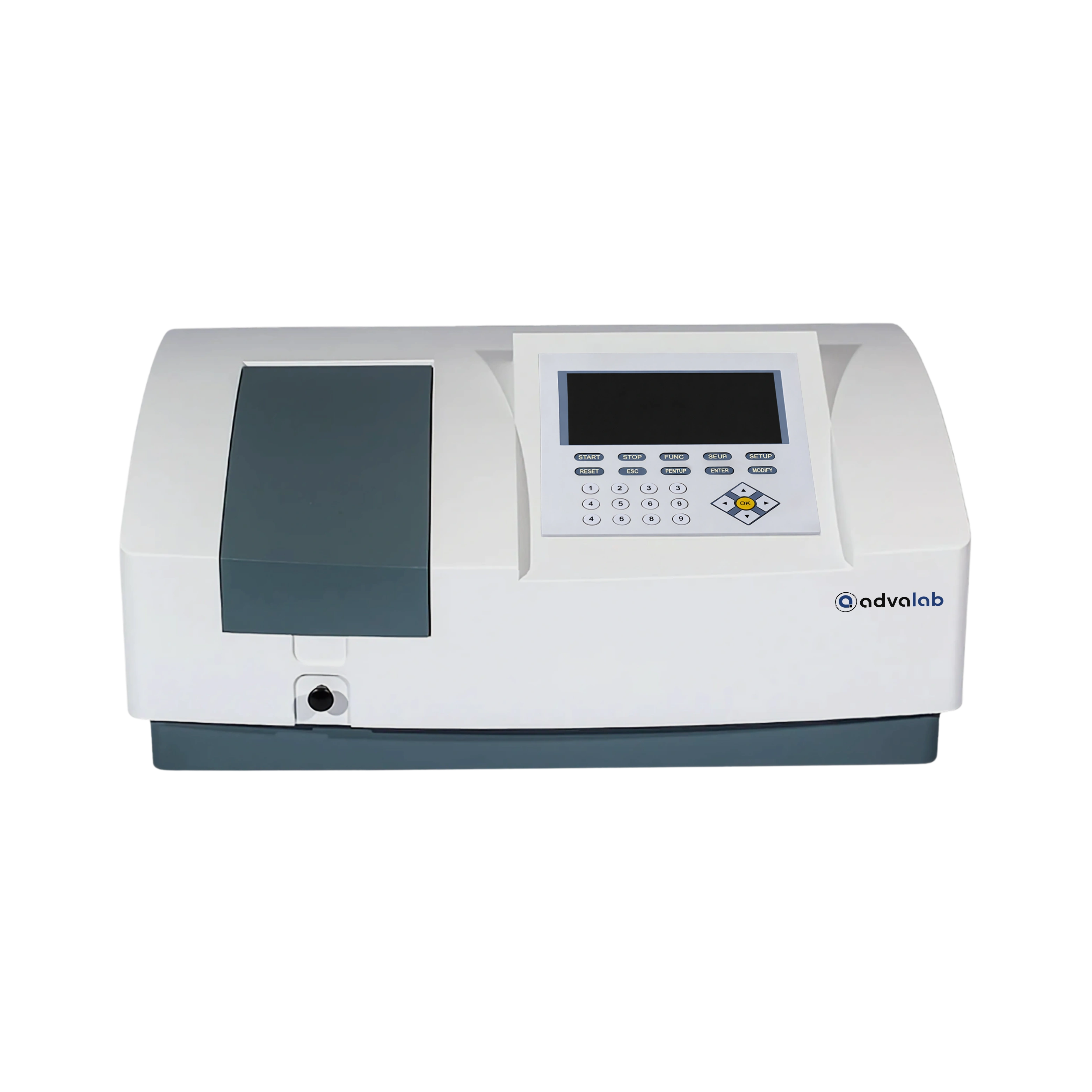
| Optical System: | Single beam, grating 1200 lines/mm |
| Wavelength Range: | 190 to 1100 nm |
| Spectral Bandwidth: | 2 nm |
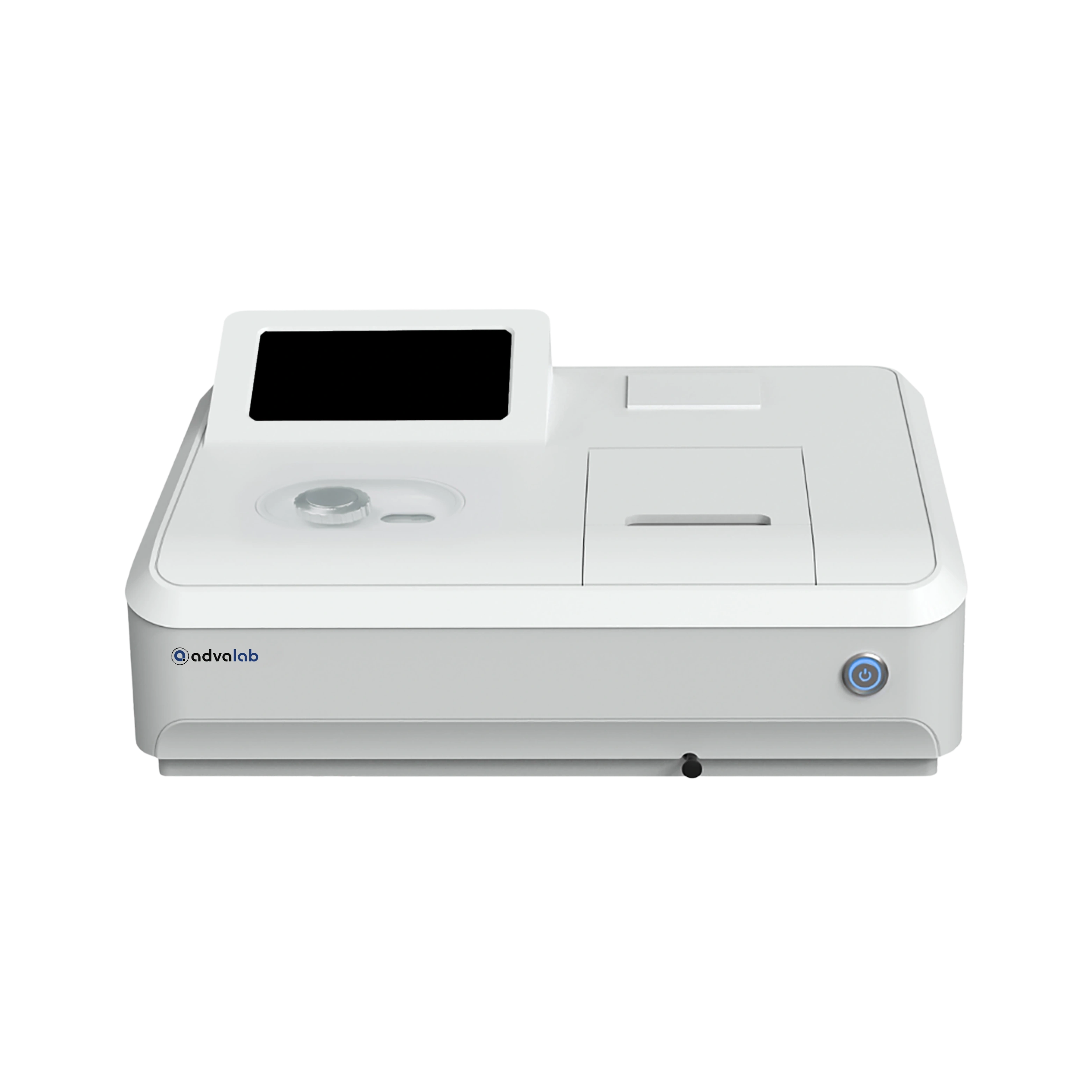
| Optical System: | Single beam |
| Monochromator: | C-T Monochromator, blazed holographic grating 1200 lines/nm |
| Wavelength Range: | 190 to 1020 nm |

| Optical System: | Split Beam, Grating 1200 lines/mm |
| Wavelength Range: | 190 to 1100 nm |
| Spectral Bandwidth: | 2 nm |