
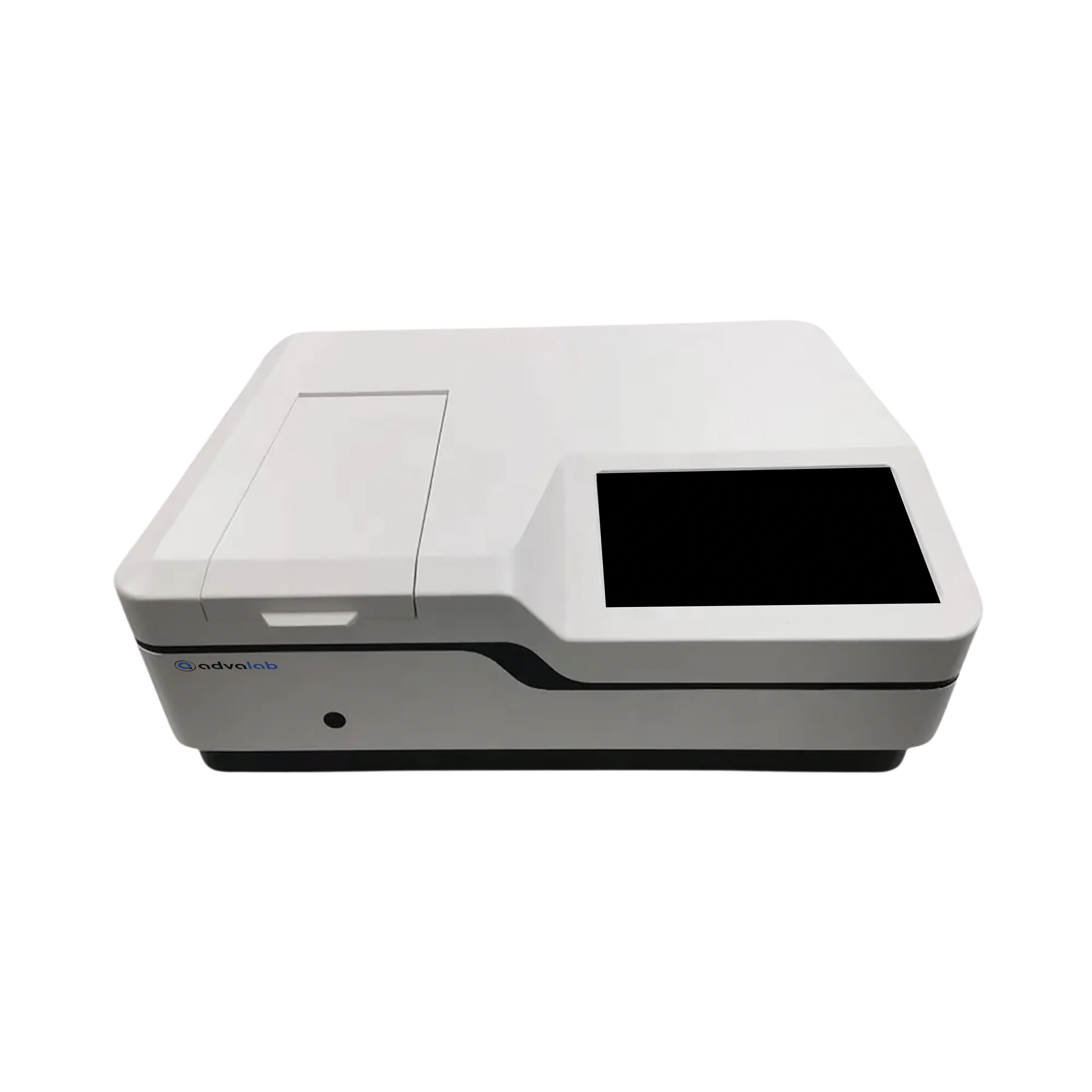
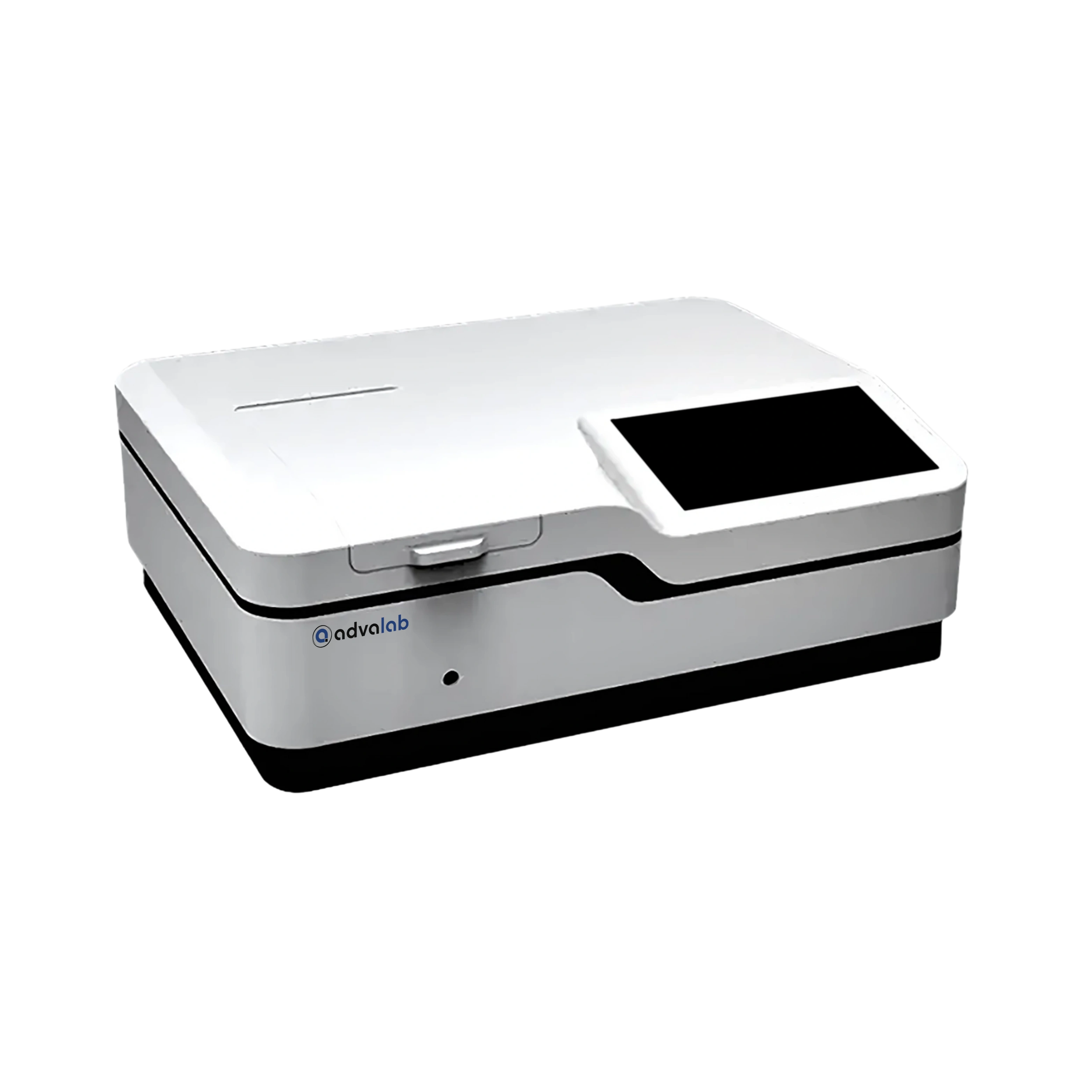
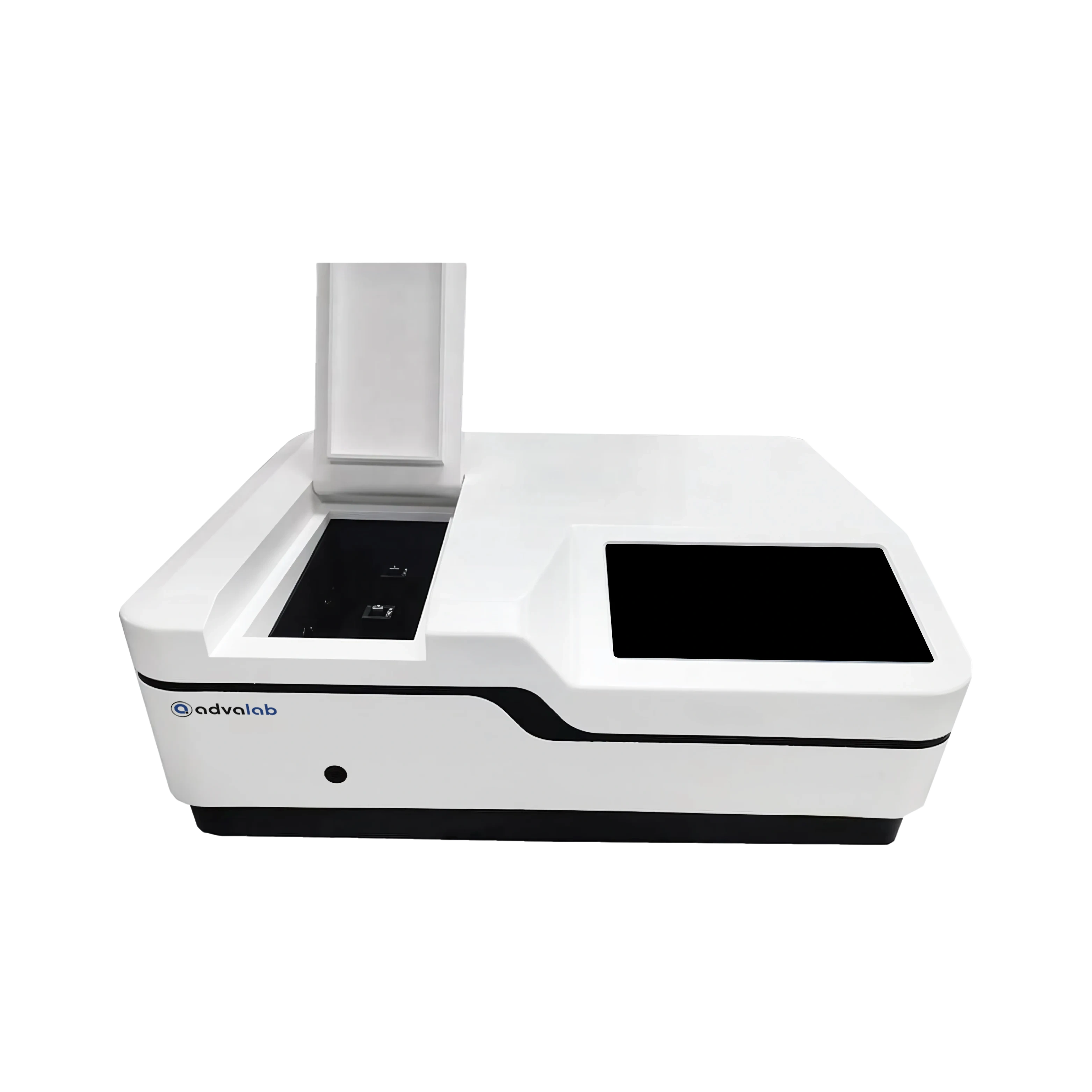
| Optical System | Double beam, grating 1200 lines/mm |
| Wavelength Range | 190 to 1100 nm |
| Spectral Bandwidth | 0.5/1/2/4/5 nm |
| Wavelength Accuracy | ± 0.1 nm, 656.1nm, ± 0.3 nm all |
| Wavelength Repeatability | <=0.1nm |
| Photometric Accuracy | 0.2 % T (0 to 100 % T), ± 0.002 A (0 to 0.5 A), ± 0.004 A (0.5 to 1 A) |
| Photometric Repeatability | ≤0.15 % T (0 to 100 % T), 0.00 A (0 to 0.5A), 0.002 A (0.5 to 1A) |
| Photometric Range | 0 to 200 % T, 0.3 to 3 A, 0 to 999 C |
| Stray Light | <=0.03 % T, 220 nm, 360 nm |
| Stability | ± 0.0005 A/h 500 nm |
| Baseline Flatness | ± 0.002 A |
| Noise | 0.0005 A 500 nm |
| Work Mode | T, A, C, E |
| Scanning Speed | High, medium, low (Max. 3000 nm/min) |
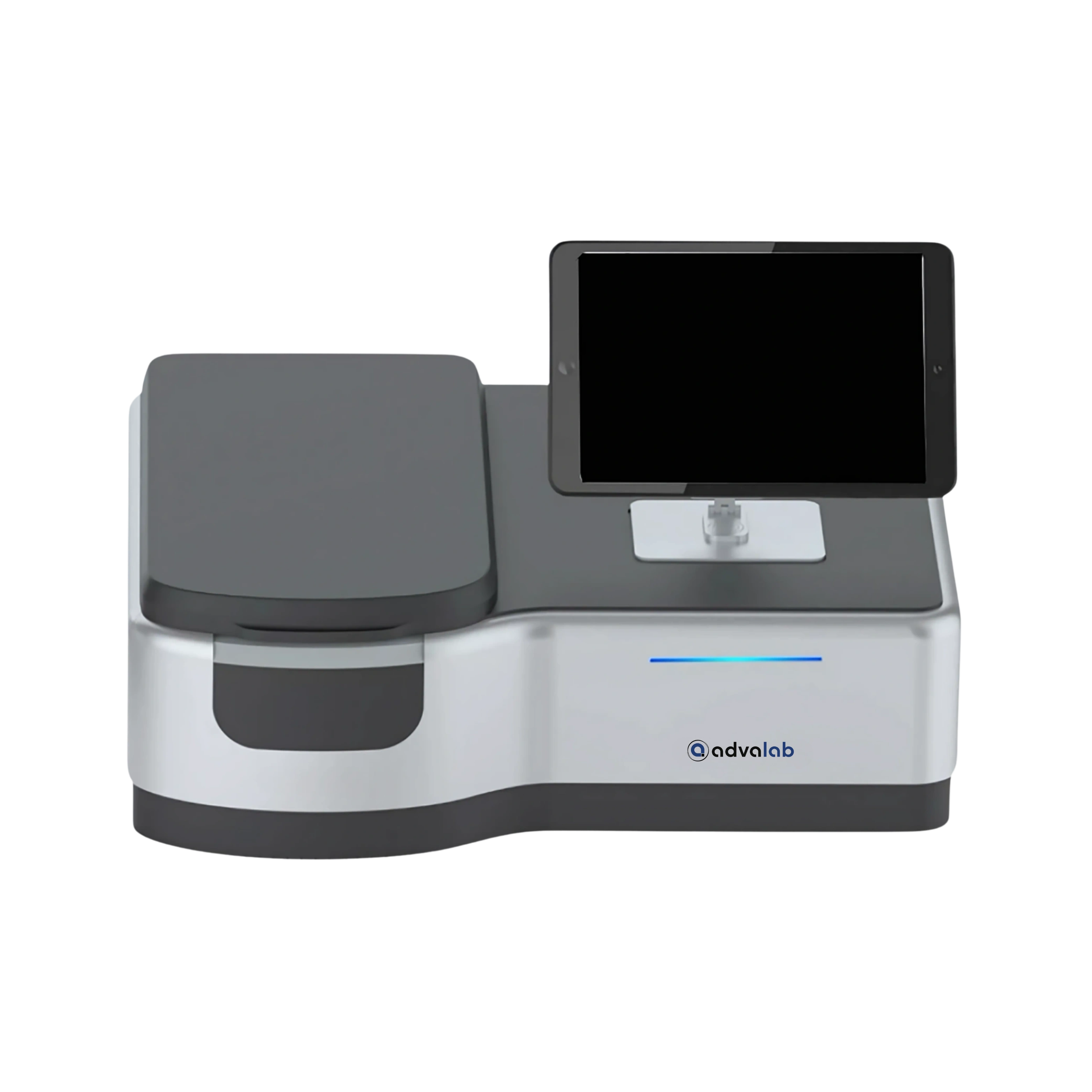
| Display | 7-inch Colour Screen |
| Light Source | Deuterium and tungsten lamp |
| Detector | Imported silicon photodiode |
| Cuvette Holder | 10 mm single hole cell holder |
| Output | USB drive, USB host, RS232 |
| Power | AC 110 to 220 V 50 to 60 Hz |
| Dimensions (L×B×H) | 880×690×520 mm |
| Gross Weight | 45 kg |
Our Double Beam Spectrophotometer ADDS-515 is used in petrochemicals, agriculture, and beverage industries for precise analysis of chemical composition.
Accessory | Quantity |
10 mm glass cuvette | 4 Pc |
10 mm quartz cuvette (UV) | 2 Pc |
Power cord | 1 Pc |
User's Manual | 1 Pc |
PC software | 1 Pc |
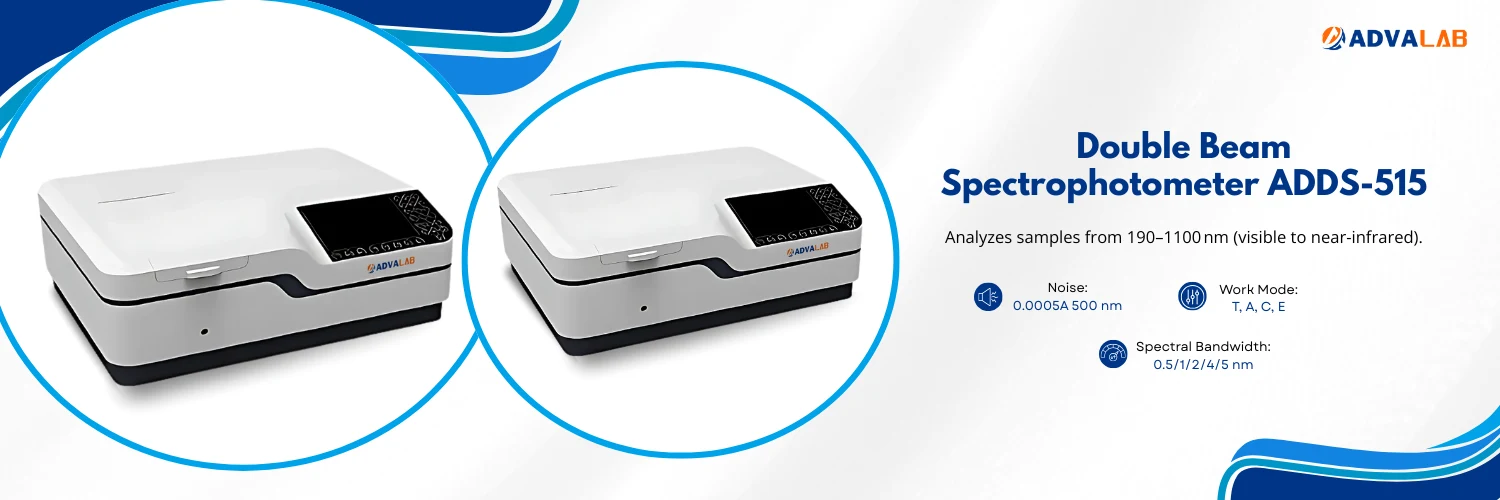

1. How does the Double Beam Spectrophotometer ADDS-515 differ from a single beam spectrophotometer?
Unlike single beam models, the Double Beam Spectrophotometer ADDS-515 simultaneously measures both sample and reference beams, reducing measurement drift. This real-time comparison compensates for lamp intensity variations and enhances stability. It is more suitable for kinetic studies and high-precision work. While single beam spectrophotometers are simpler and more economical, the ADDS-515 offers superior performance and reliability.
2. What are the main applications of the Double Beam Spectrophotometer ADDS-515 in different fields?
The Double Beam Spectrophotometer ADDS-515 is widely used in pharmaceutical analysis, environmental testing, chemical research, food and beverage quality control, and educational labs. It helps determine the concentration of compounds by measuring their absorbance at specific wavelengths. In environmental labs, it can assess water quality by detecting pollutants. In pharmaceuticals, it ensures active ingredient consistency in drugs. Its accuracy and versatility make it suitable for both research and routine analysis.
3. What is the working principle of the Double Beam Spectrophotometer ADDS-515?
It operates on the principle of splitting a light beam into two paths—one passing through the sample and the other through a reference. This allows simultaneous measurement of both, minimizing errors due to fluctuations in light source intensity. The instrument detects the absorbance of the sample at specific wavelengths. It compares this with the reference to provide accurate and stable readings. This dual-path design enhances precision and repeatability.
4. How should the Double Beam Spectrophotometer ADDS-515 be maintained for optimal performance?
To maintain accuracy, the instrument should be calibrated regularly and kept in a dust-free, dry environment. The sample compartment should be cleaned frequently, and the optical components should not be touched with bare hands. Software updates and regular performance checks are also recommended. Lamp life should be monitored and replaced when nearing end-of-life. Proper maintenance extends the device's lifespan and ensures consistent results.
5. What are the key features of the Double Beam Spectrophotometer ADDS-515?
The Double Beam Spectrophotometer ADDS-515 features a wide wavelength range, high photometric accuracy, real-time beam comparison, and user-friendly software. Its optical system ensures stable and reproducible results. It often includes a touchscreen interface and options for data export. The double beam setup allows long-term measurements without frequent recalibration. These features support reliable, high-throughput analysis in professional lab settings.
6. What types of samples and cuvettes can be used with the Double Beam Spectrophotometer ADDS-516?
The Double Beam Spectrophotometer ADDS-516 supports a variety of cuvette sizes and path lengths, including standard 10 mm quartz and glass cuvettes. It accommodates both liquid and transparent solid samples. With adjustable holders, it offers flexibility for different sample types and volumes. This versatility makes it useful across multiple industries like chemistry, life sciences, and environmental testing. Specialized accessories can also be used for micro or flow-through cuvette applications.

| Optical System | Double beam, grating 1200 lines/mm |
| Wavelength Range | 190 to 1100 nm |
| Spectral Bandwidth | 1 nm |
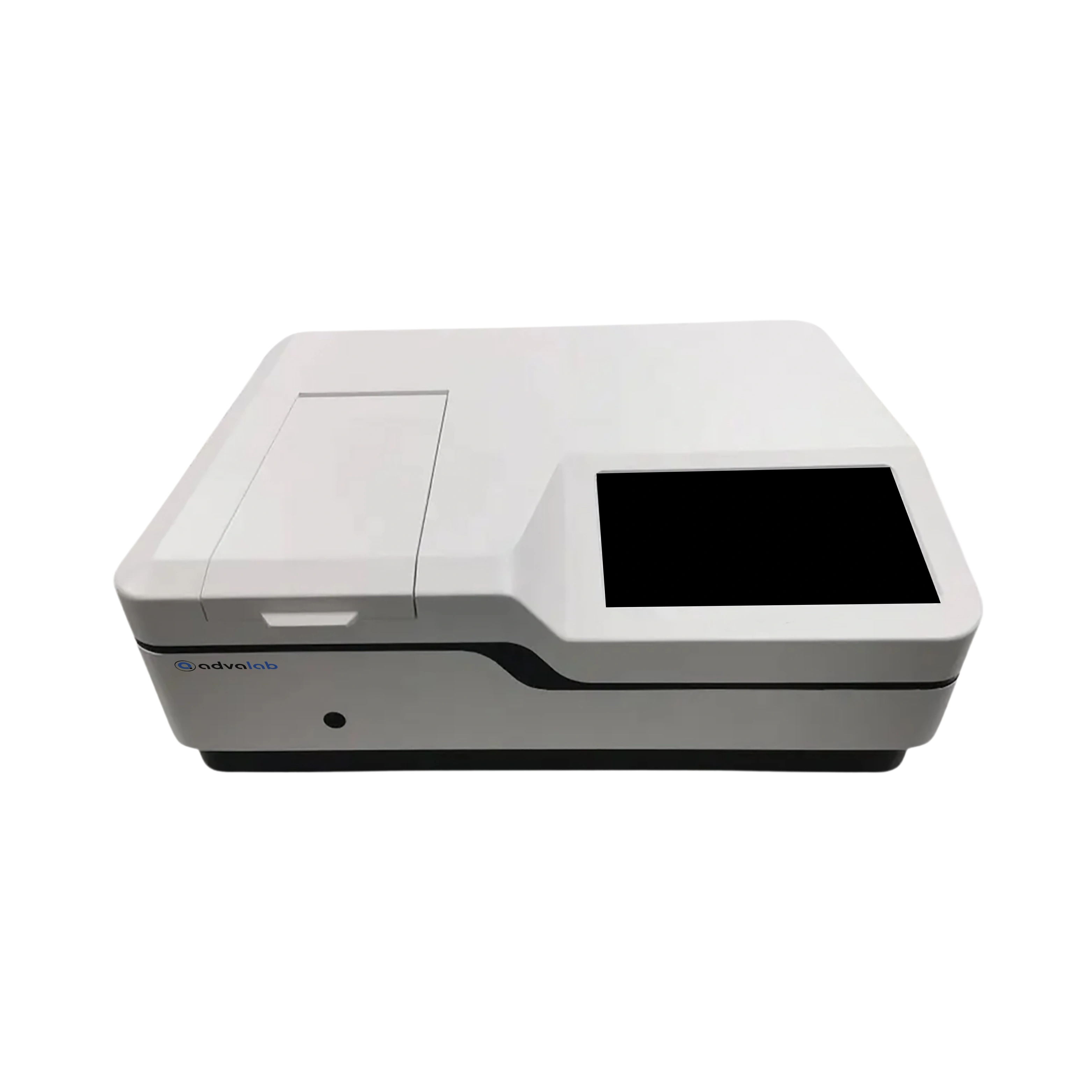
| Display | 7-inch Colour Screen |
| Optical System | Double beam, grating 1200 lines/mm |
| Wavelength Range | 190 to 1100 nm |
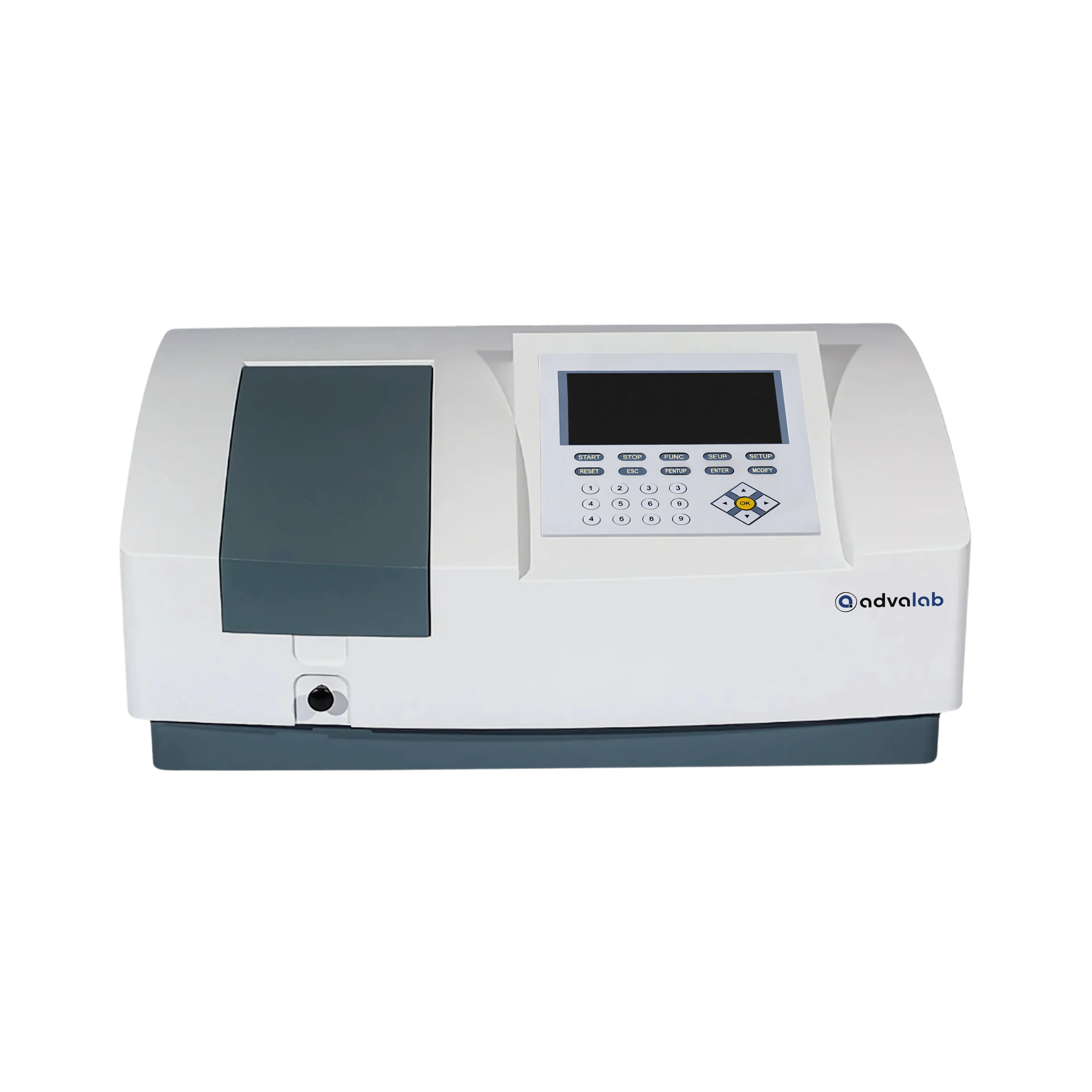
| Optical System | Double beam, grating 1200 lines/mm |
| Wavelength Range | 190 to 1100 nm |
| Spectral Bandwidth | 2 nm |
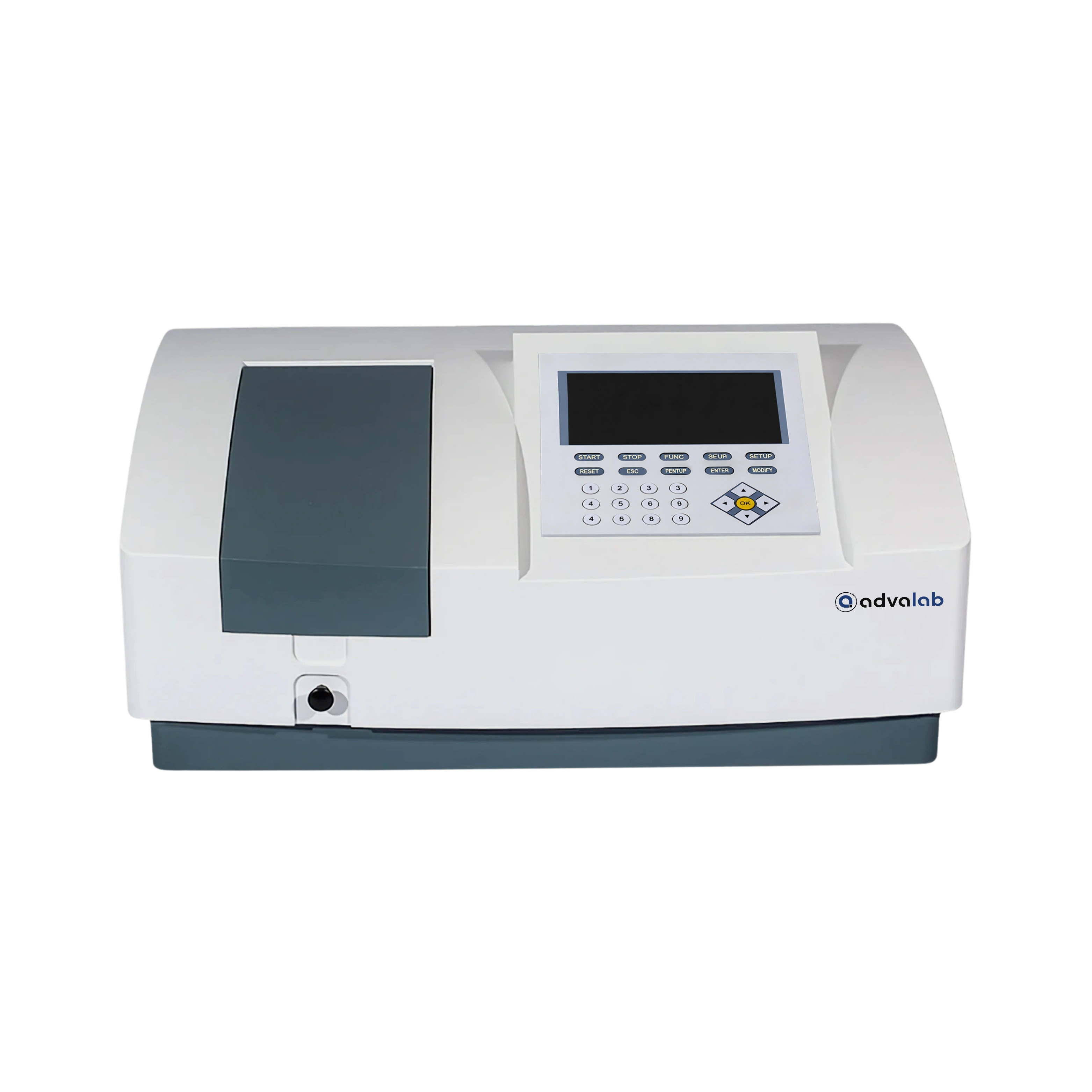
| Optical System | Double beam, grating 1200 lines/mm |
| Wavelength Range | 190 to 1100 nm |
| Spectral Bandwidth | 1 nm |
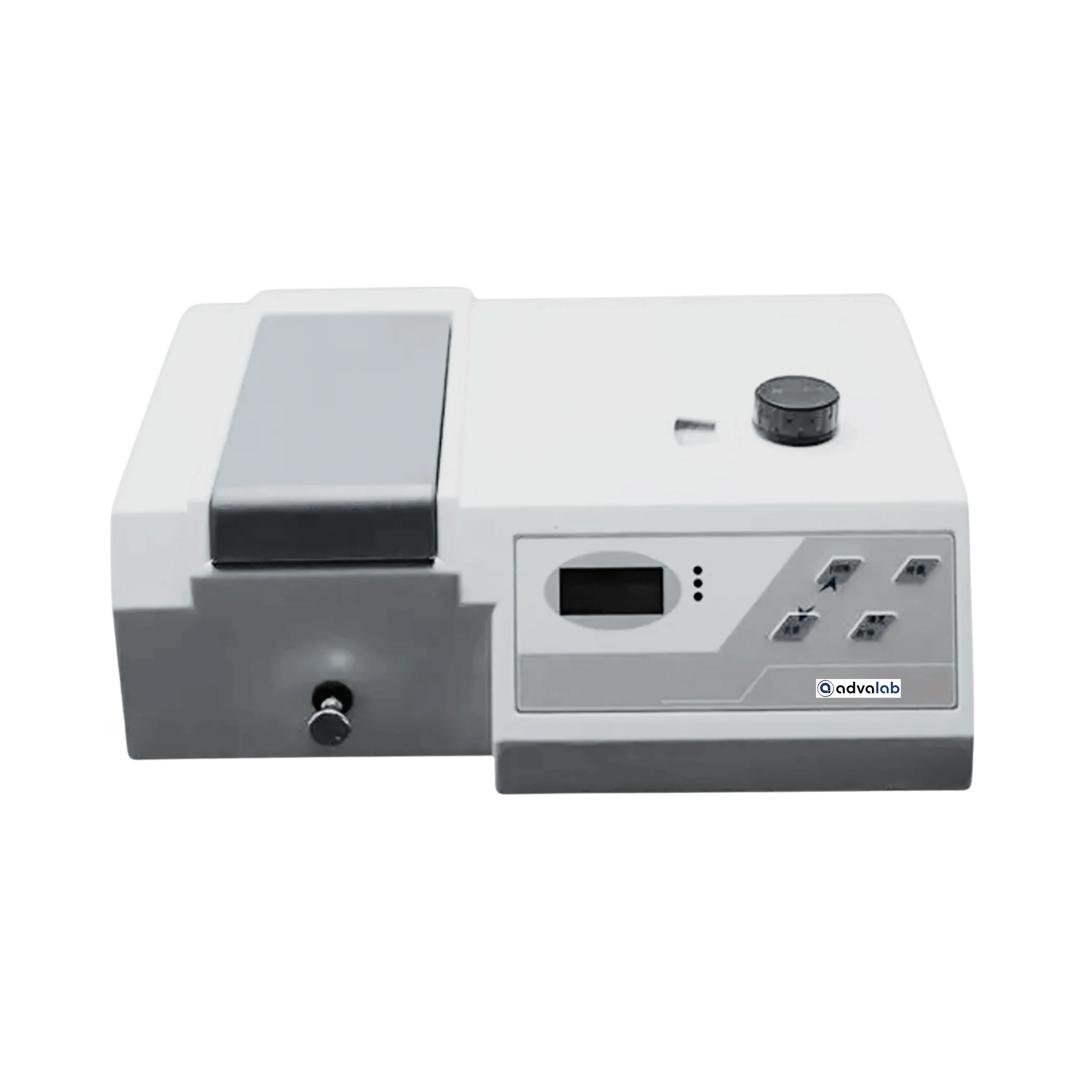
| Wavelength Range: | 325 to 1050 nm |
| Wavelength Accuracy: | ± 2 nm |
| Wavelength Reproducibility: | 1 nm |

| Wavelength Range: | 320 to 1050 nm |
| Wavelength Accuracy: | ± 2 nm |
| Wavelength Reproducibility: | 1 nm |

| Wavelength Range: | 340 to 1000 nm |
| Wavelength Accuracy: | ± 3 nm |
| Transmittance Range: | 0 to 199.9 |

| Wavelength Range: | 325 to 1000 nm |
| Wavelength Accuracy: | ± 2 nm |
| Transmittance Range: | 0 to 199.9 |

| Wavelength Range: | 195 to 1000 nm |
| Wavelength Accuracy: | ± 2 nm |
| Transmittance Range: | 0 to 199.9 |
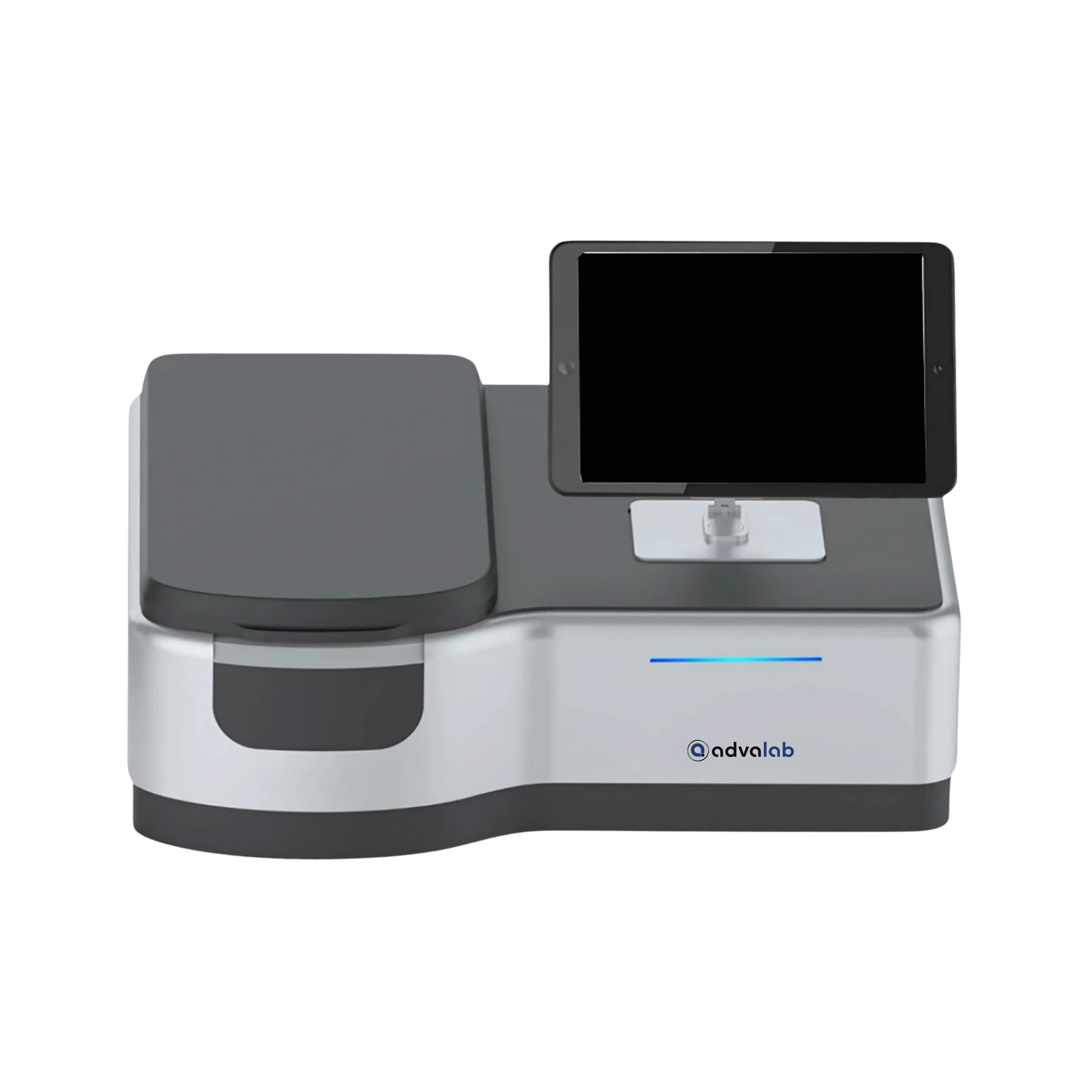
| Optical System: | Single beam, grating 1200 lines/mm |
| Wavelength Range: | 190 to 1100 nm |
| Spectral Bandwidth: | 1 nm |
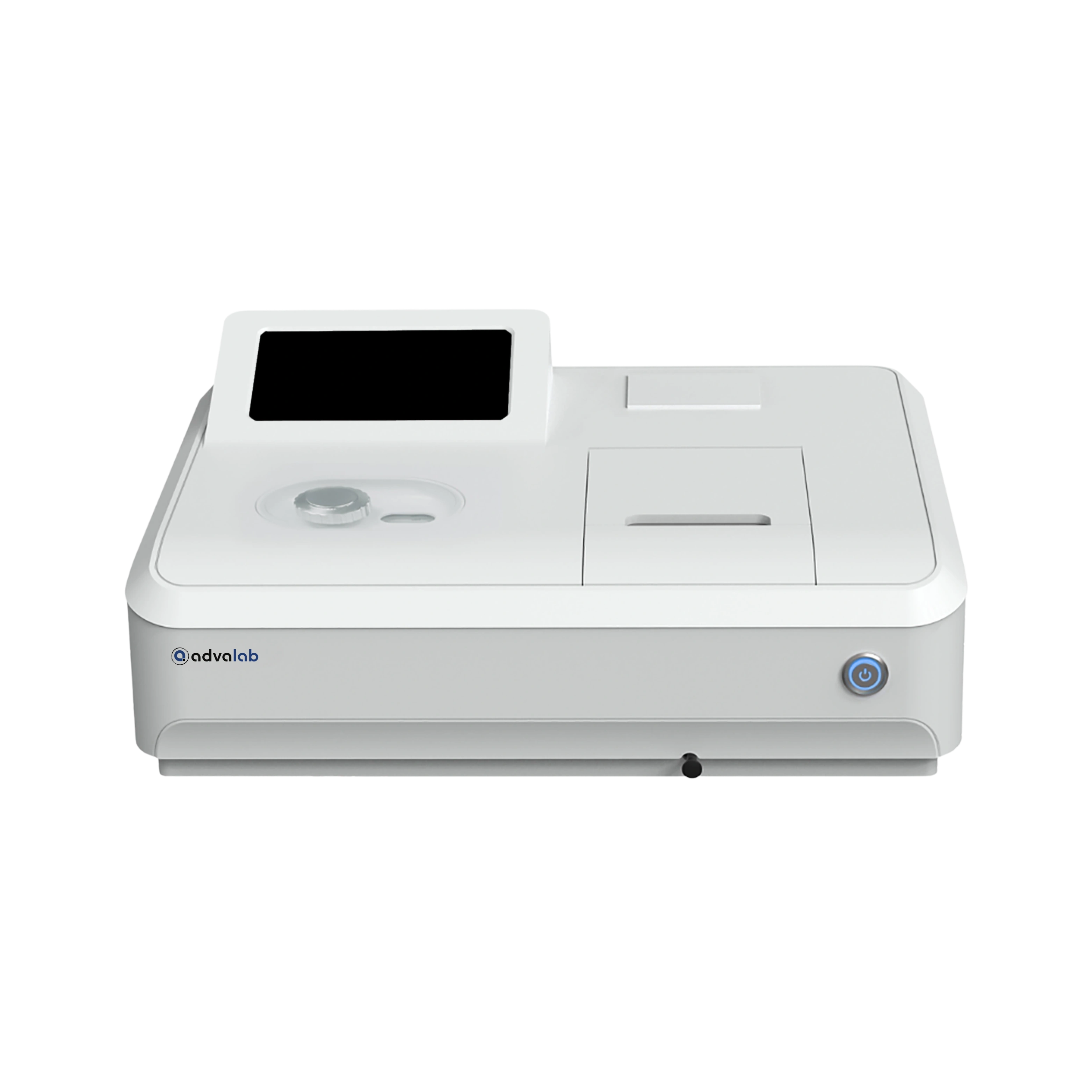
| Optical System: | Single beam |
| Monochromator: | C-T Monochromator, blazed holographic grating 1200 lines/nm |
| Wavelength Range: | 190 to 1020 nm |
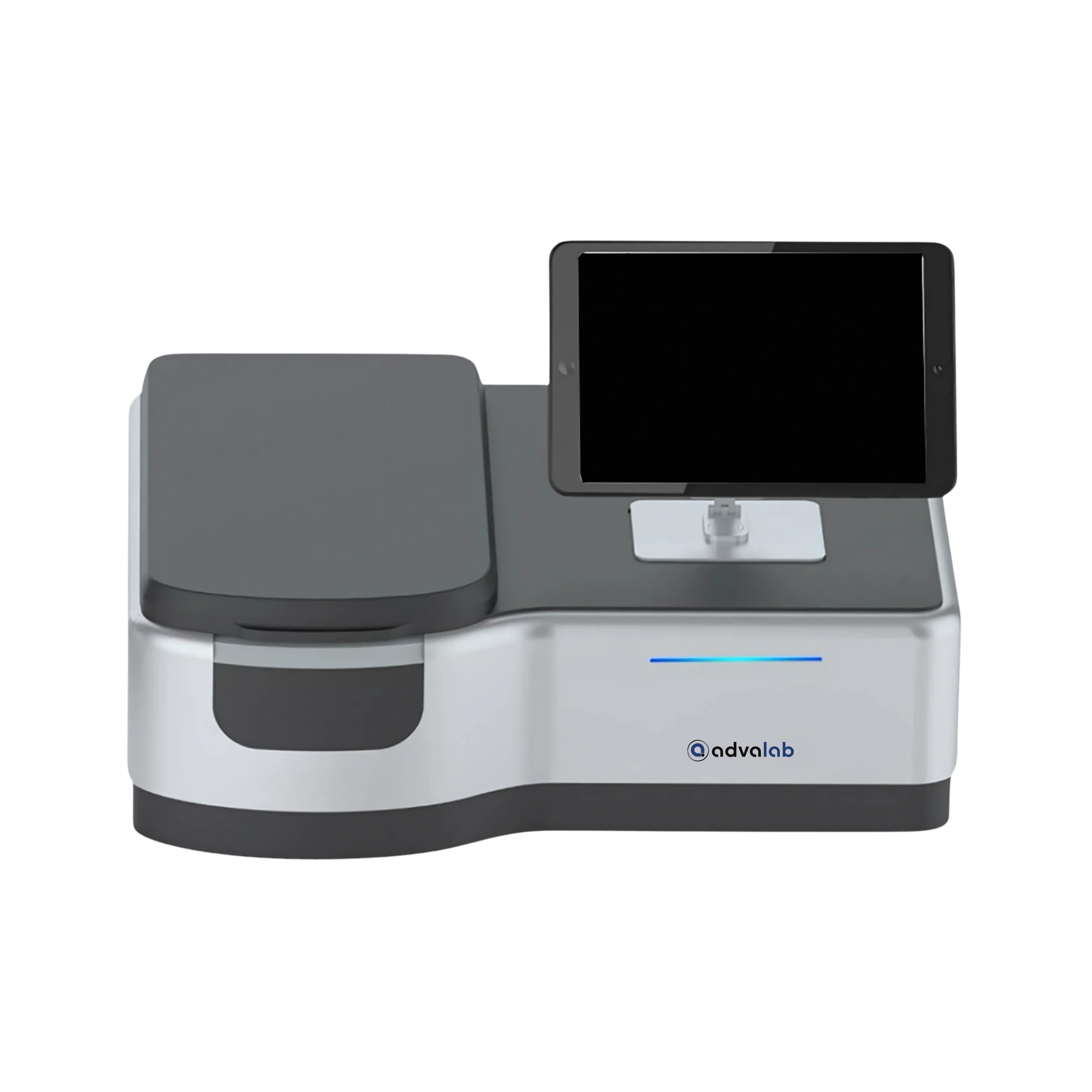
| Optical System: | Single Beam, Grating 1200 lines/mm |
| Wavelength Range: | 190 to 1100 nm |
| Spectral Bandwidth: | 2 nm |
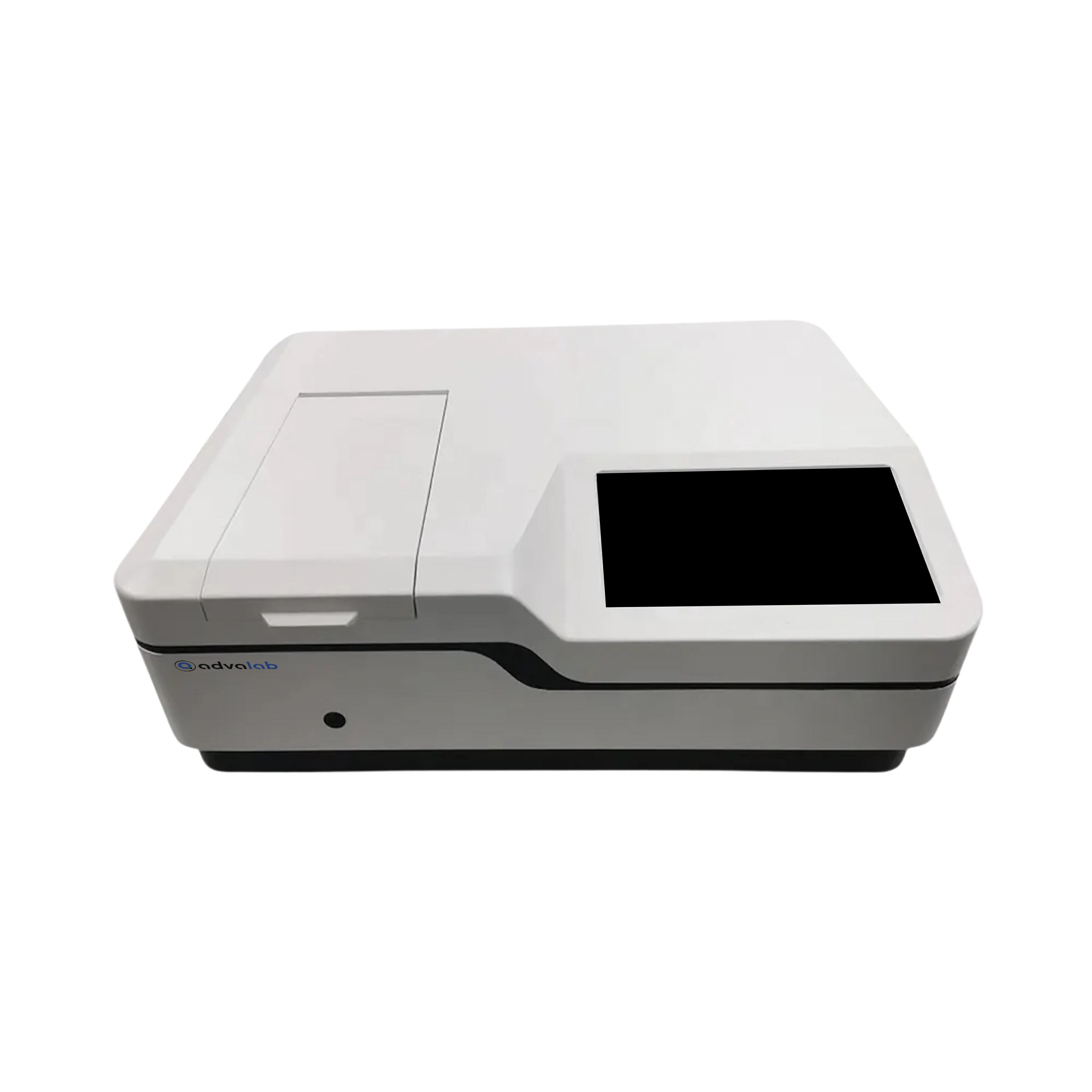
| Optical System: | Single beam, grating 1200 lines/mm |
| Wavelength Range: | 190 to 1100 nm |
| Spectral Bandwidth: | 2 nm |

| Optical System: | Single beam, grating 1200 lines/mm |
| Wavelength Range: | 190 to 1100 nm |
| Spectral Bandwidth: | 1 nm |
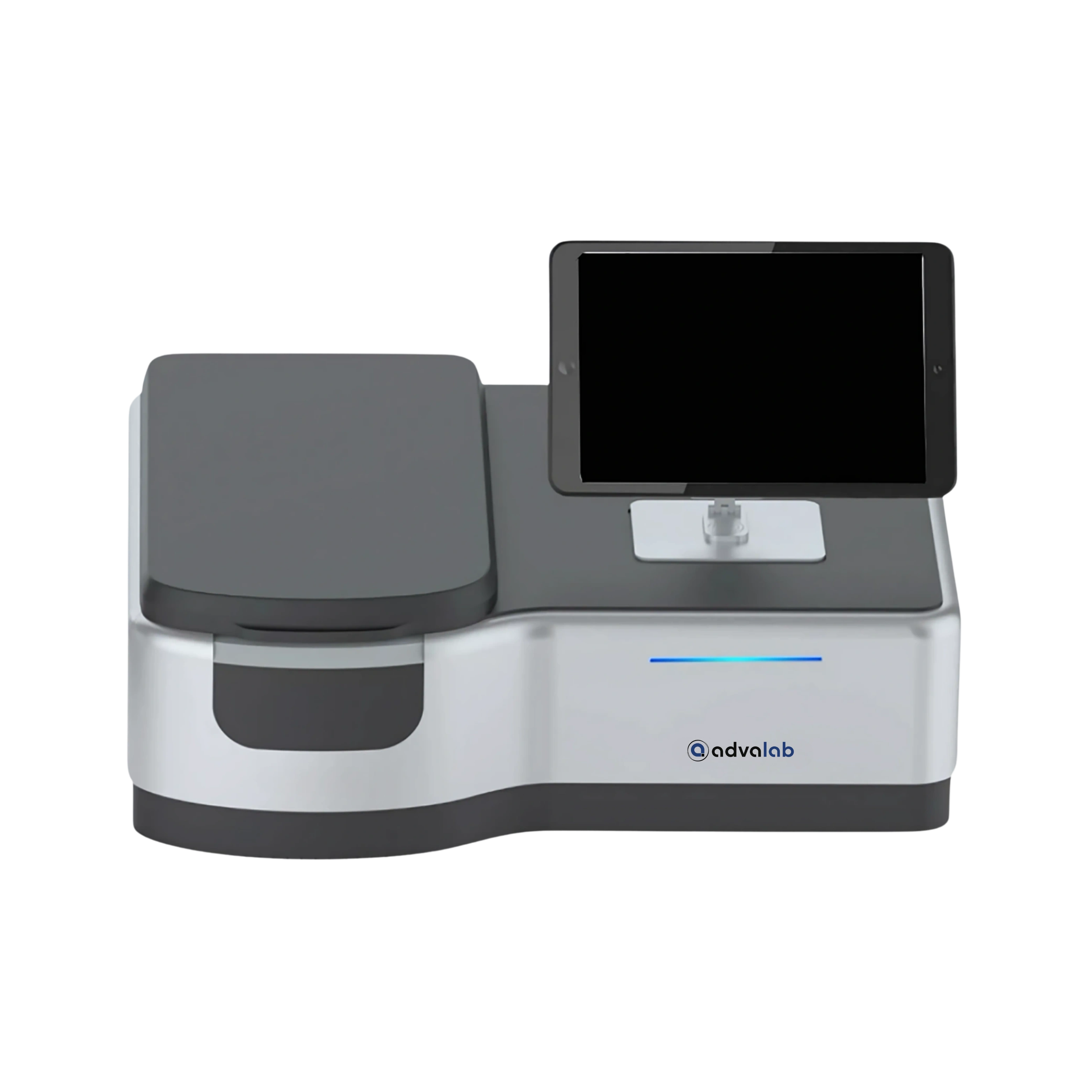
| Optical System: | Single beam, grating 1200 lines/mm |
| Wavelength Range: | 190 to 1100 nm |
| Spectral Bandwidth: | 0.1/0.2/0.5/1/ 2/4/5 nm |
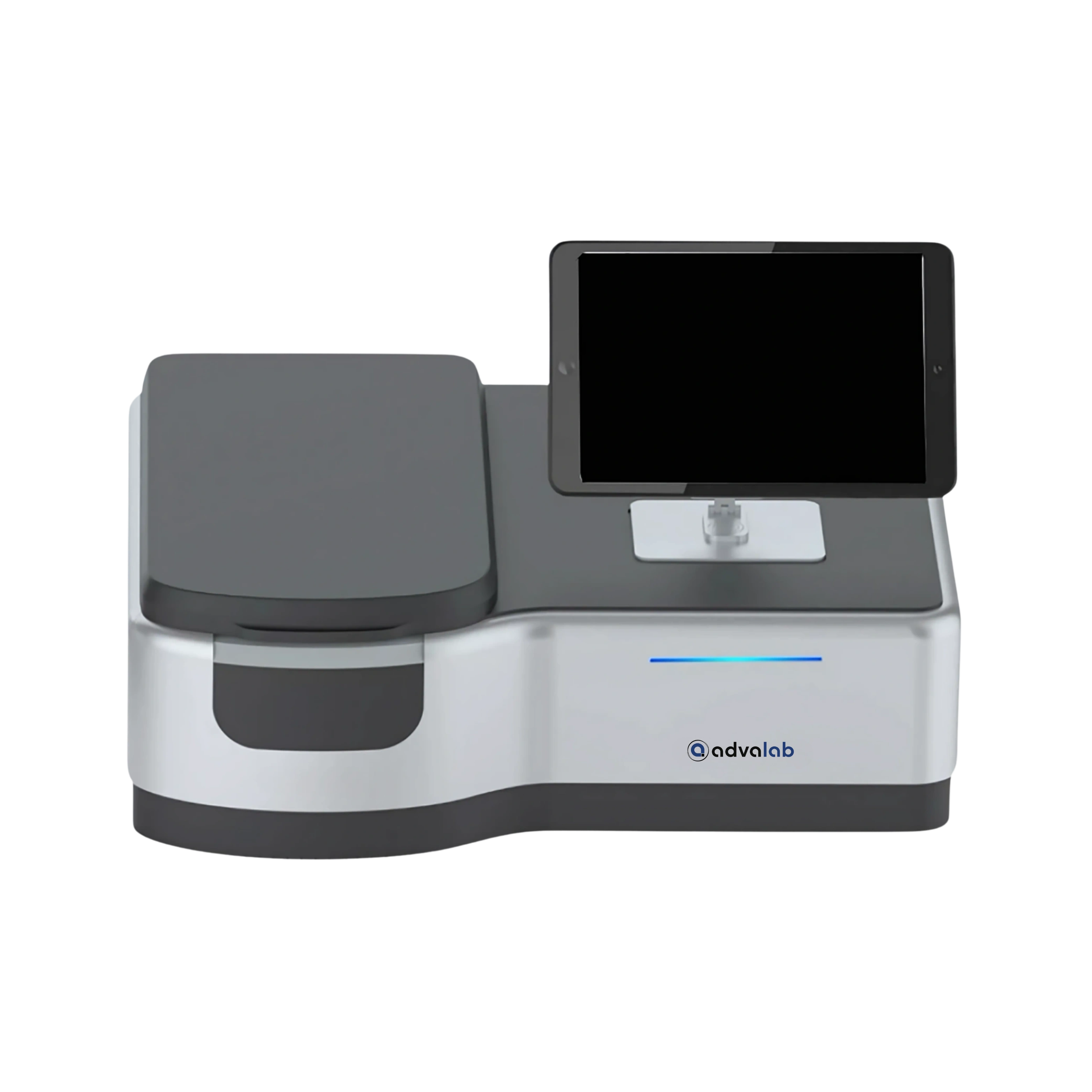
| Optical System: | Single beam, grating 1200 lines/mm |
| Wavelength Range: | 320 to 1100 nm |
| Spectral Bandwidth: | 2 nm |
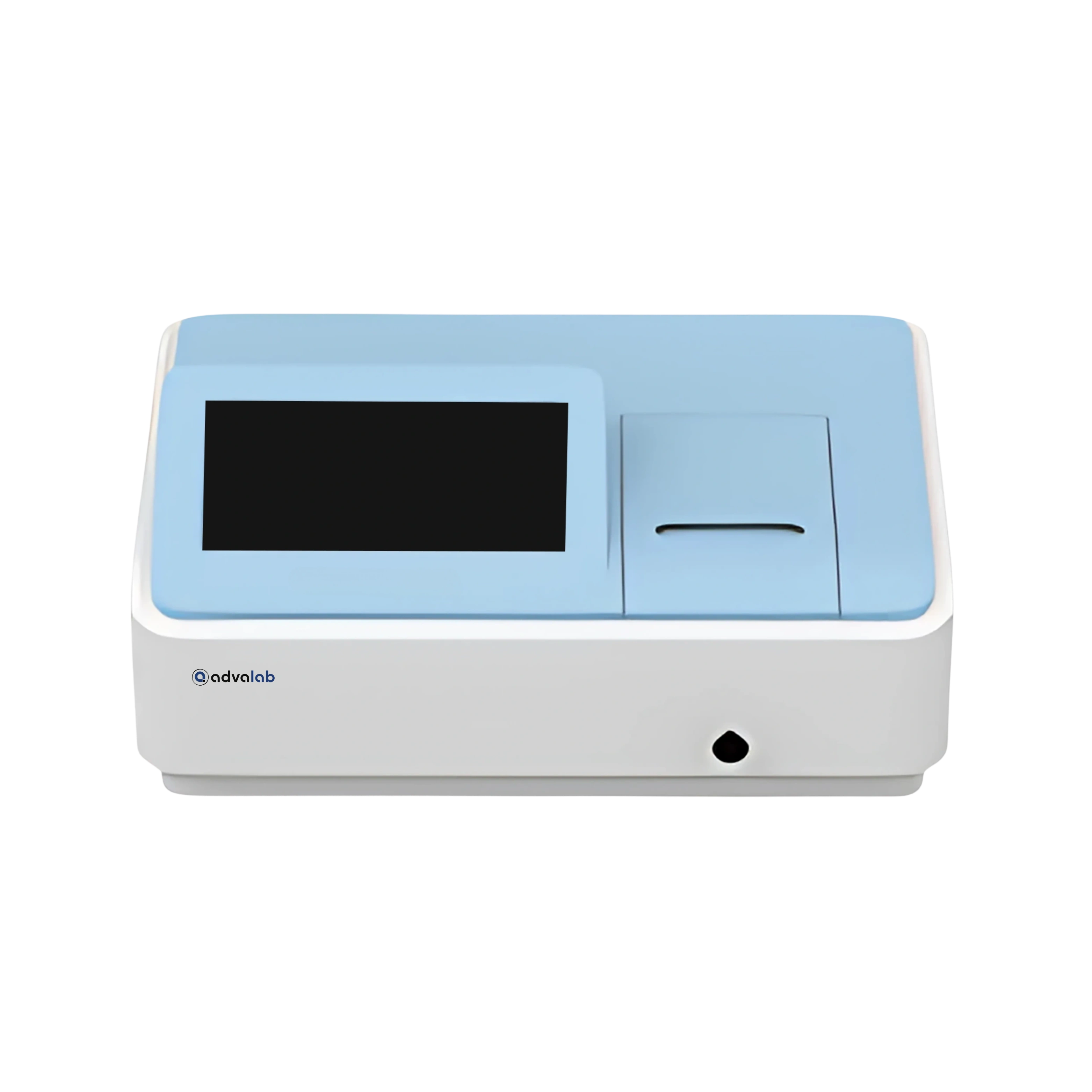
| Optical System: | Single beam, grating 1200 lines/mm |
| Wavelength Range: | 190 to 1100 nm |
| Spectral Bandwidth: | 2 nm |
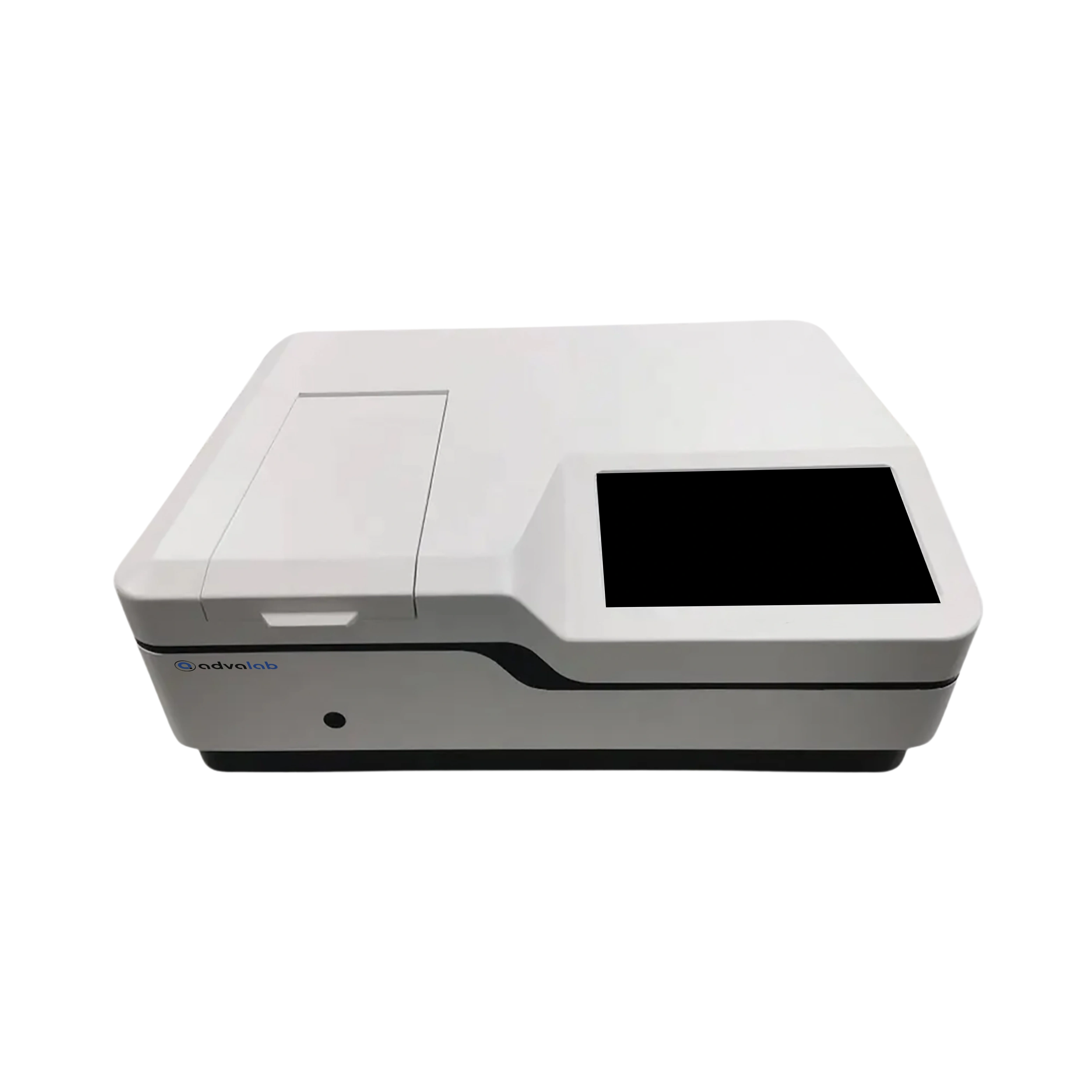
| Optical System: | Single beam, grating 1200 lines/mm |
| Wavelength Range: | 190 to 1100 nm |
| Spectral Bandwidth: | 0.5/1/2/4/5nm |
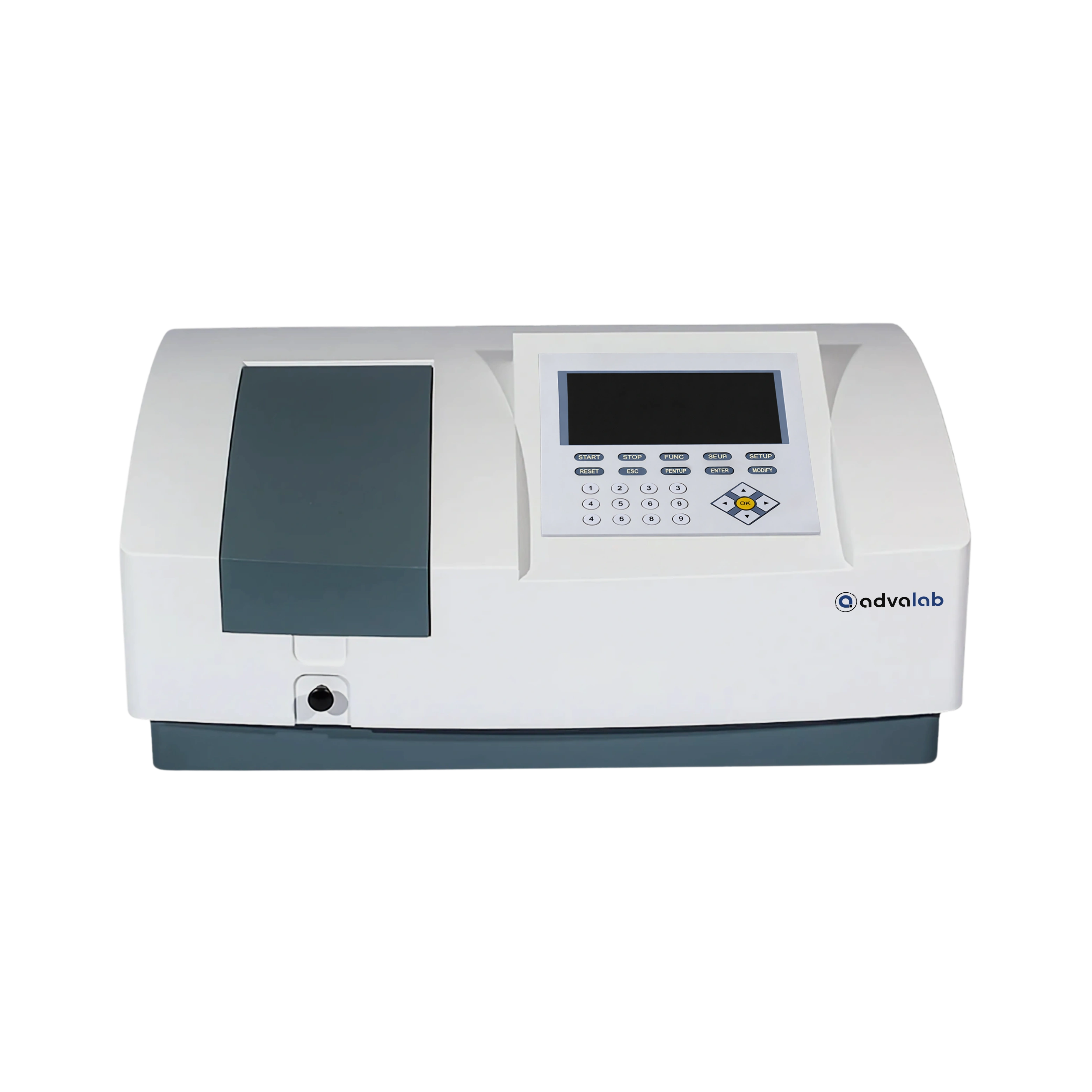
| Optical System: | Single beam, grating 1200 lines/mm |
| Wavelength Range: | 190 to 1100 nm |
| Spectral Bandwidth: | 2 nm |
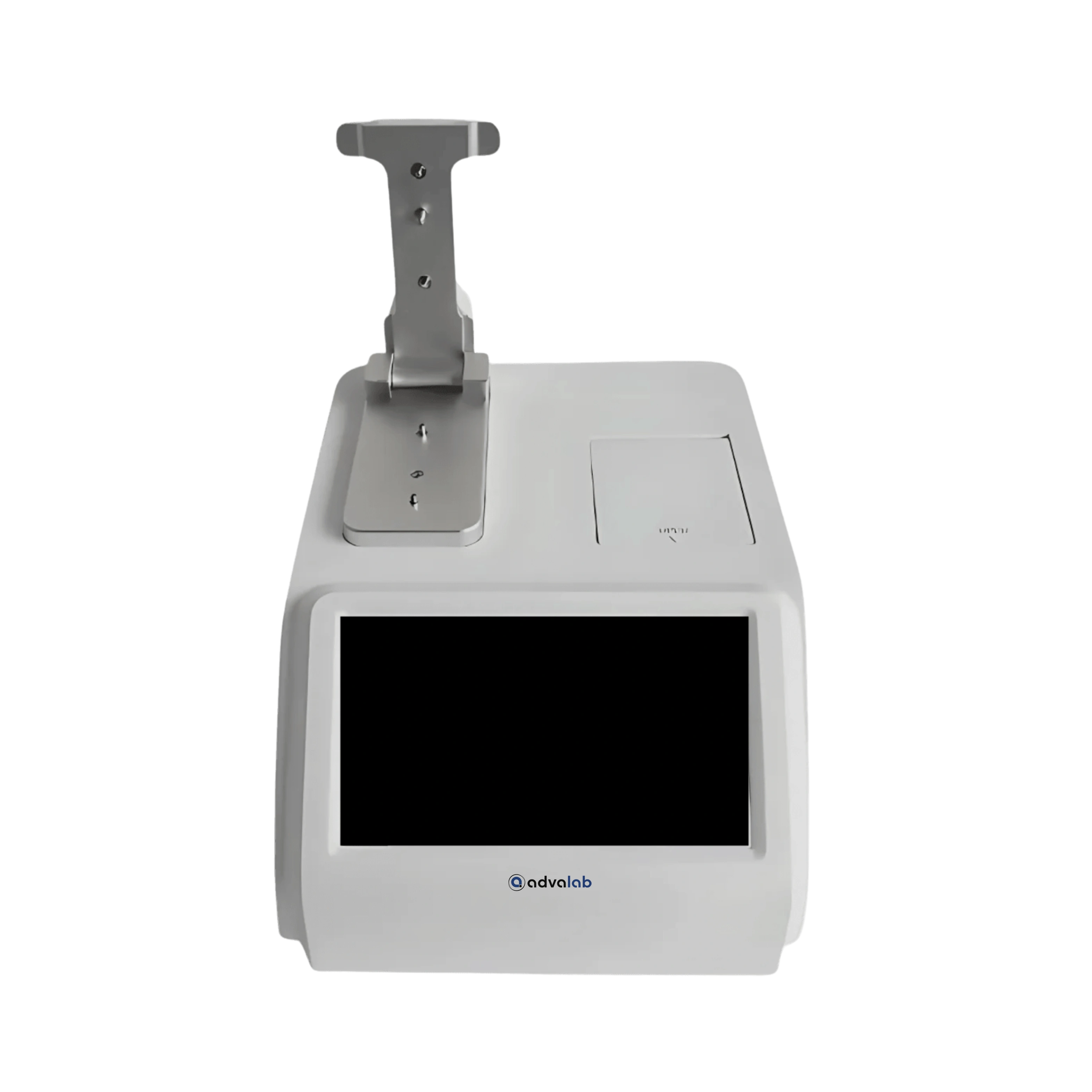
| Sample Volume: | 0.5μl to 2μl (recommended to use 2μl) |
| Nucleic Acid Detection Range: | 2 to 37500ng /μL (dsDNA) <br/> 1.32 to 24750 ng/μL (ss DNA) <br/> 1.6 to 30000ng/μL (RNA) |
| Protein Detection Range: | 0.04 to 750mg/mL (A280) <br/> 0.06 to 1119mg/mL (BSA) <br/> 0.03 to 547mg/mL (IgG) <br/> 0.015 to 284mg/mL (lysozyme) |
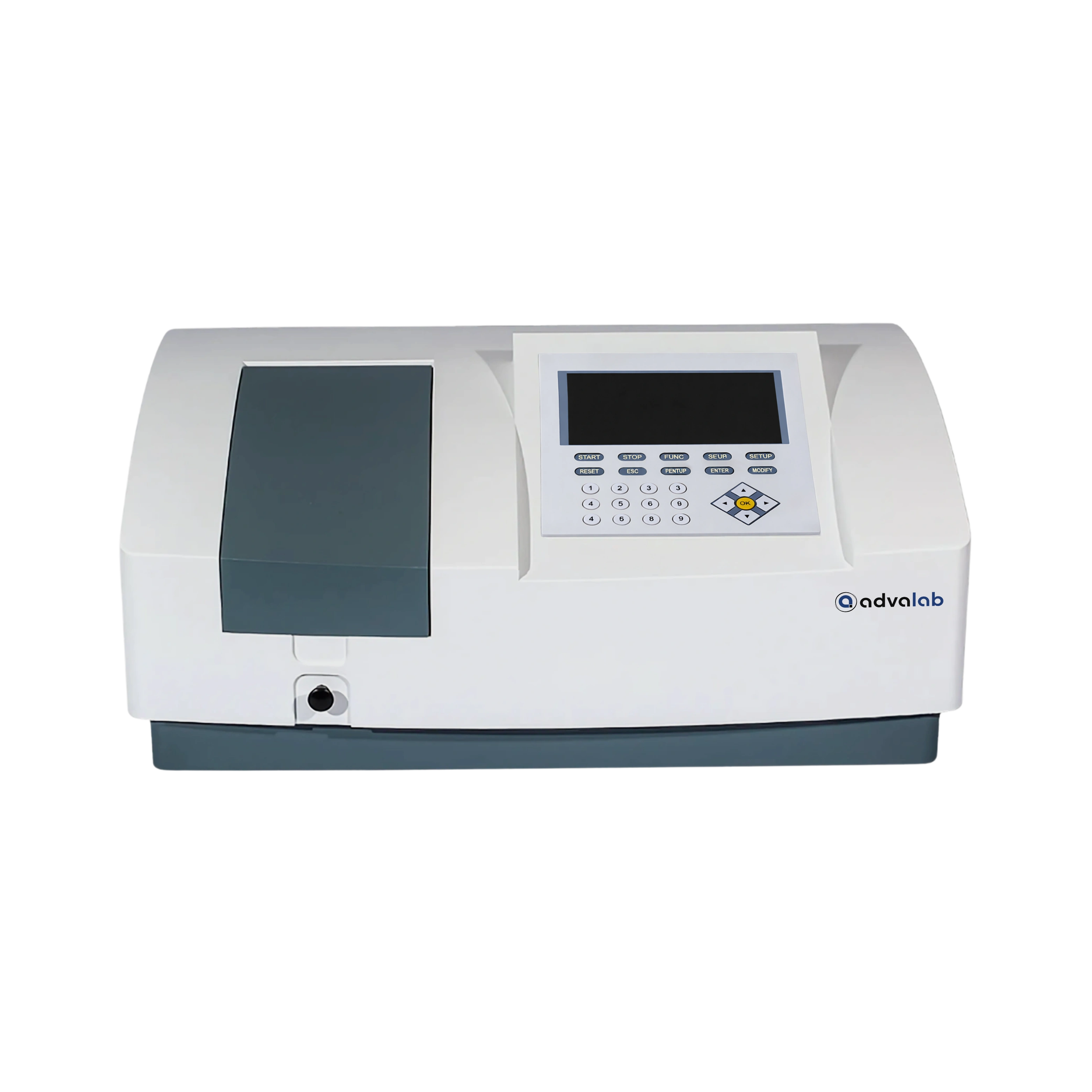
| Optical System: | Single beam, grating 1200 lines/mm |
| Wavelength Range: | 190 to 1100 nm |
| Spectral Bandwidth: | 0.5/1/2/4/5 nm |
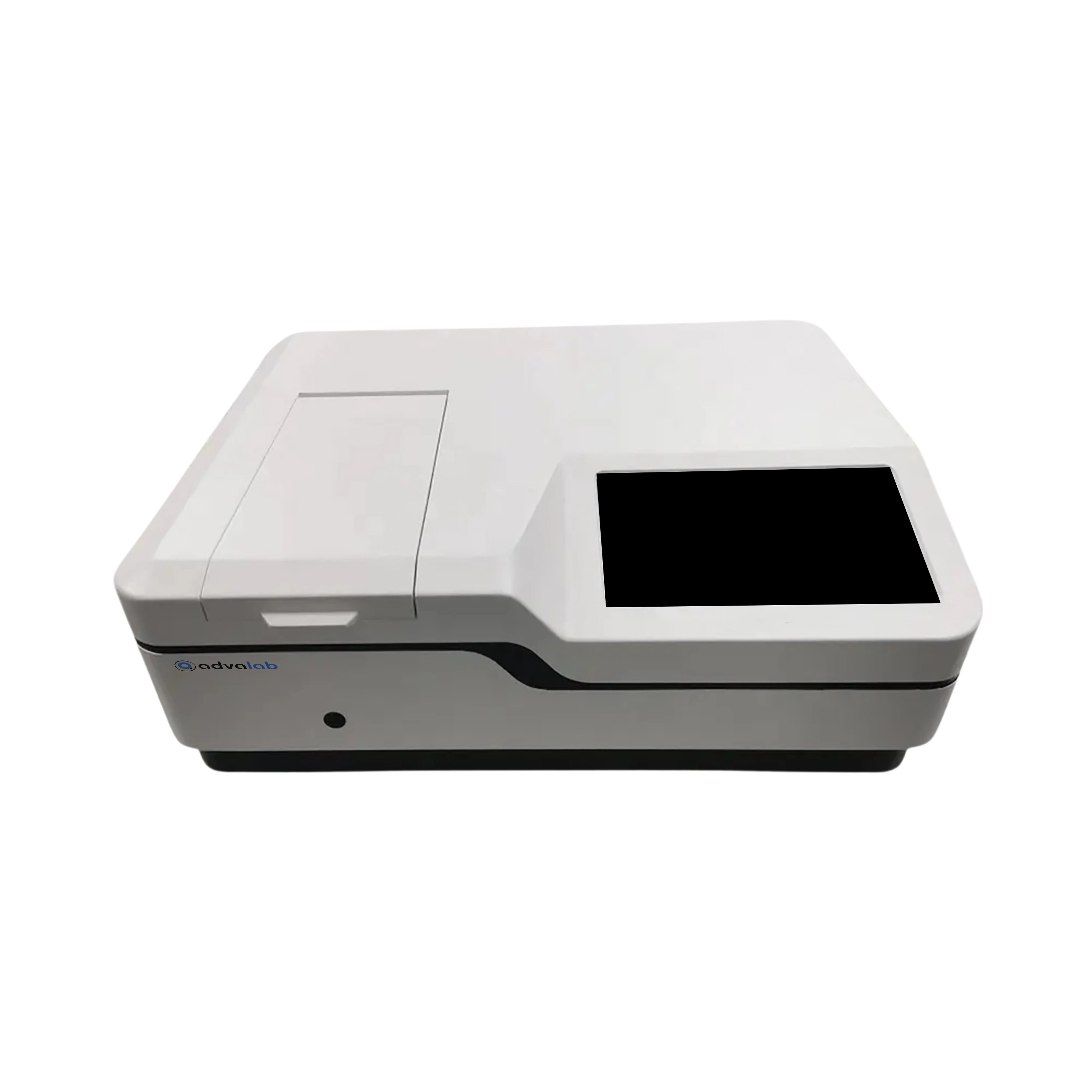
| Optical System: | Single Beam, Grating 1200 lines/mm |
| Wavelength Range: | 190 to 1100 nm |
| Spectral Bandwidth: | 2 nm |
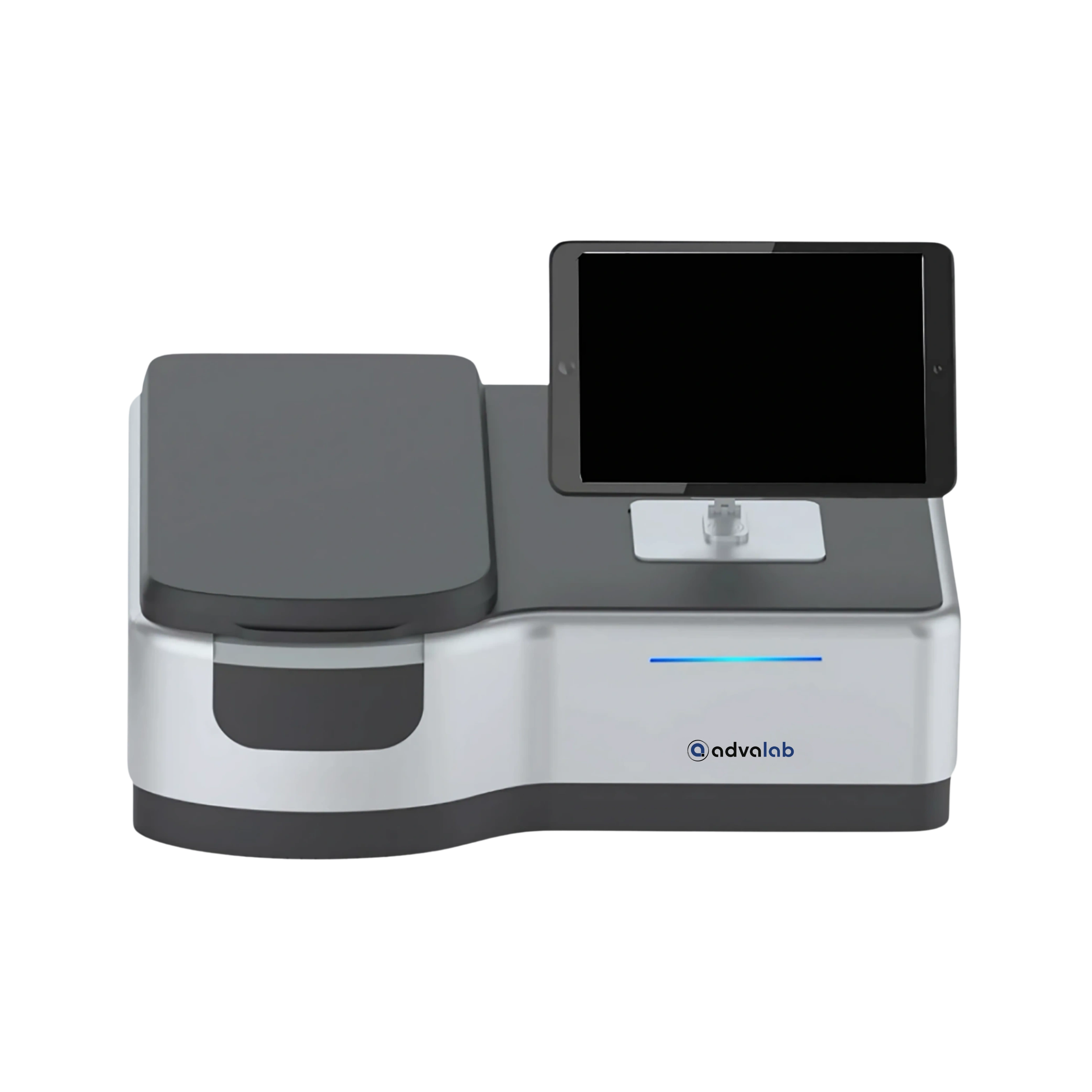
| Optical System: | Single beam, grating 1200 lines/mm |
| Wavelength Range: | 190 to 1100 nm |
| Spectral Bandwidth: | 2 nm |
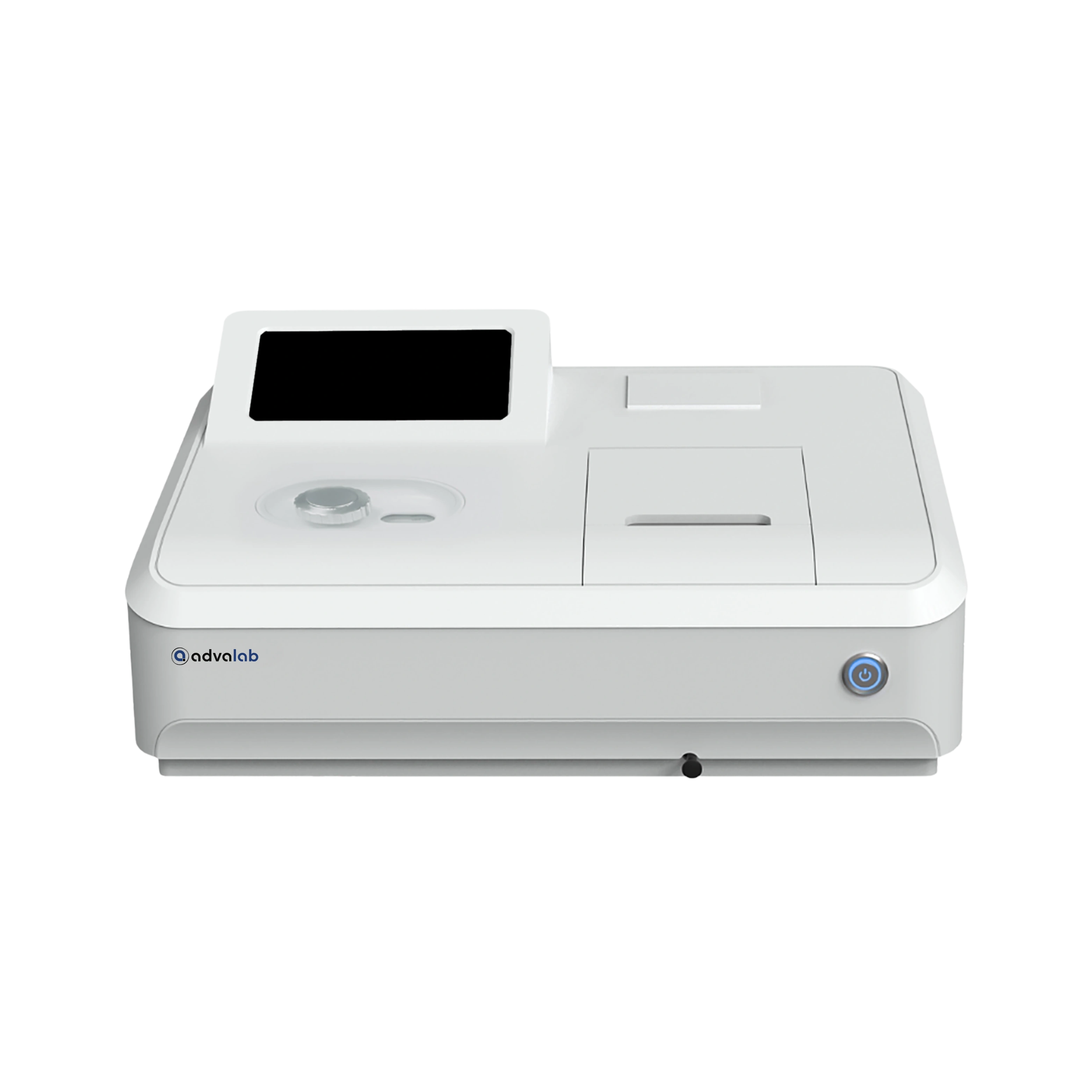
| Optical System: | Single beam |
| Monochromator: | C-T Monochromator, blazed holographic grating 1200 lines/nm |
| Wavelength Range: | 190 to 1100 nm |
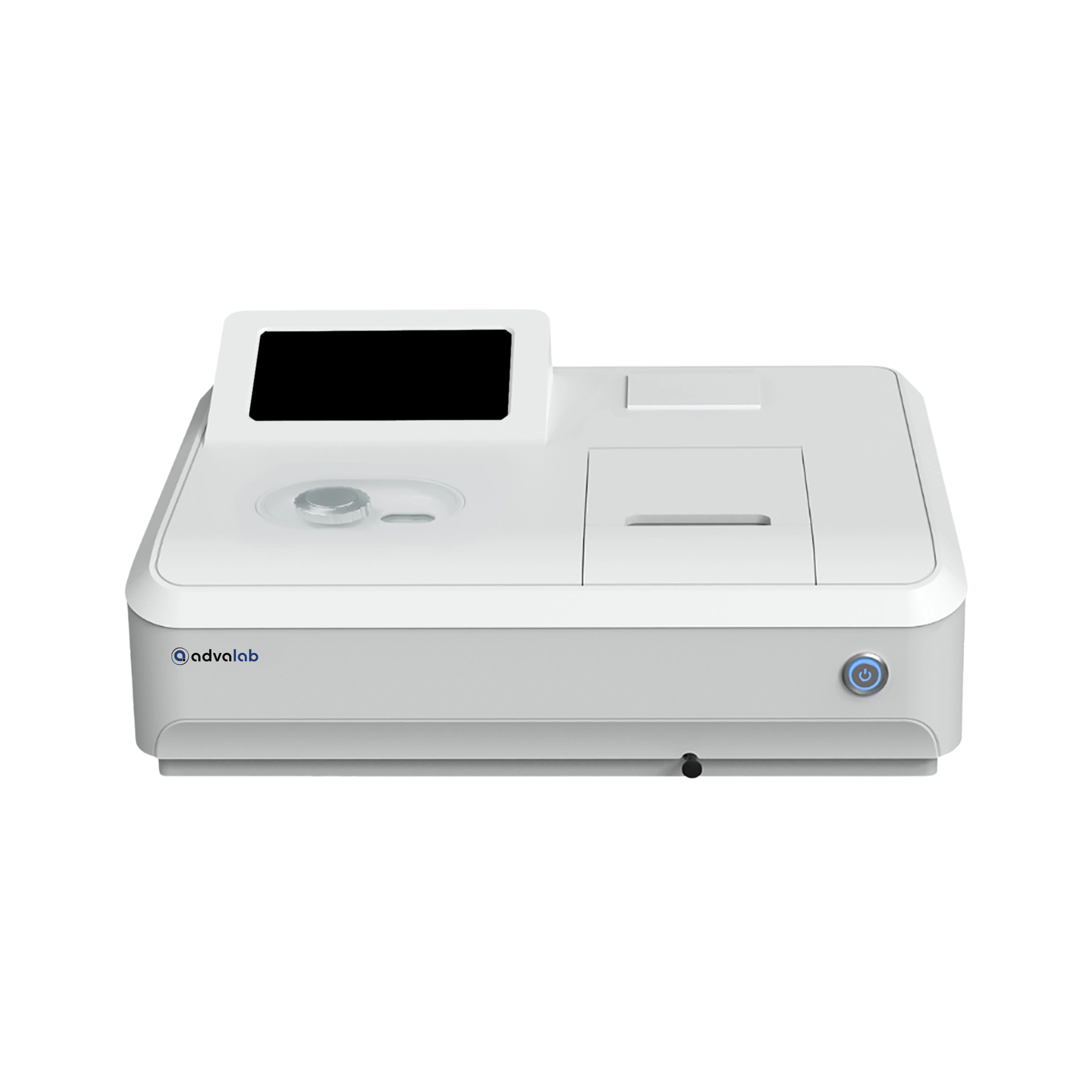
| Optical System: | Single beam |
| Monochromator: | C-T Monochromator, blazed holographic grating 1200 lines/nm |
| Wavelength Range: | 320 to 1100 nm |
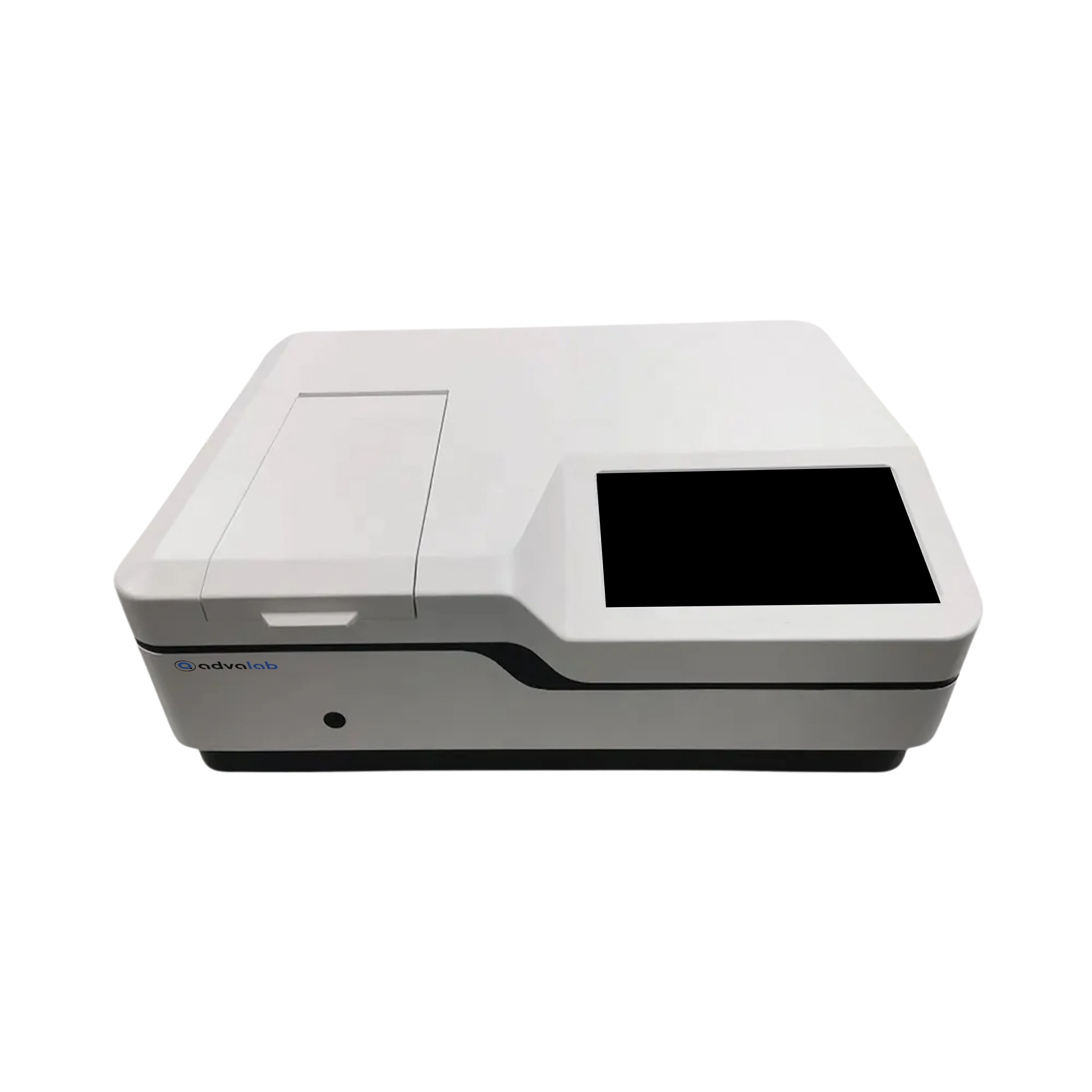
| Optical System: | Single beam, grating 1200 lines/mm |
| Wavelength Range: | 190 to 1100 nm |
| Spectral Bandwidth: | 1 nm |
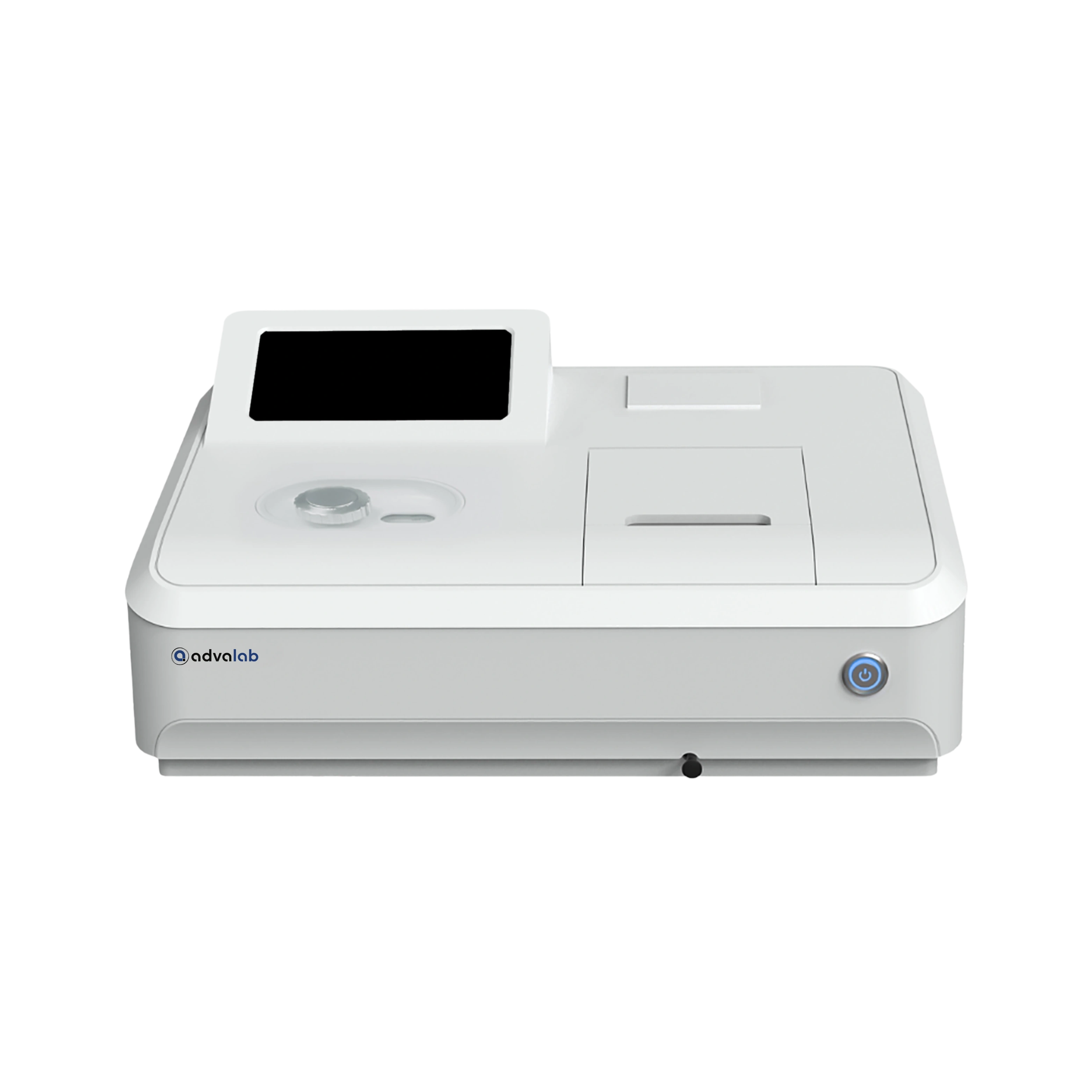
| Optical System: | Single beam |
| Monochromator: | C-T Monochromator, blazed holographic grating 1200 lines/nm |
| Wavelength Range: | 320 to 1100 nm |
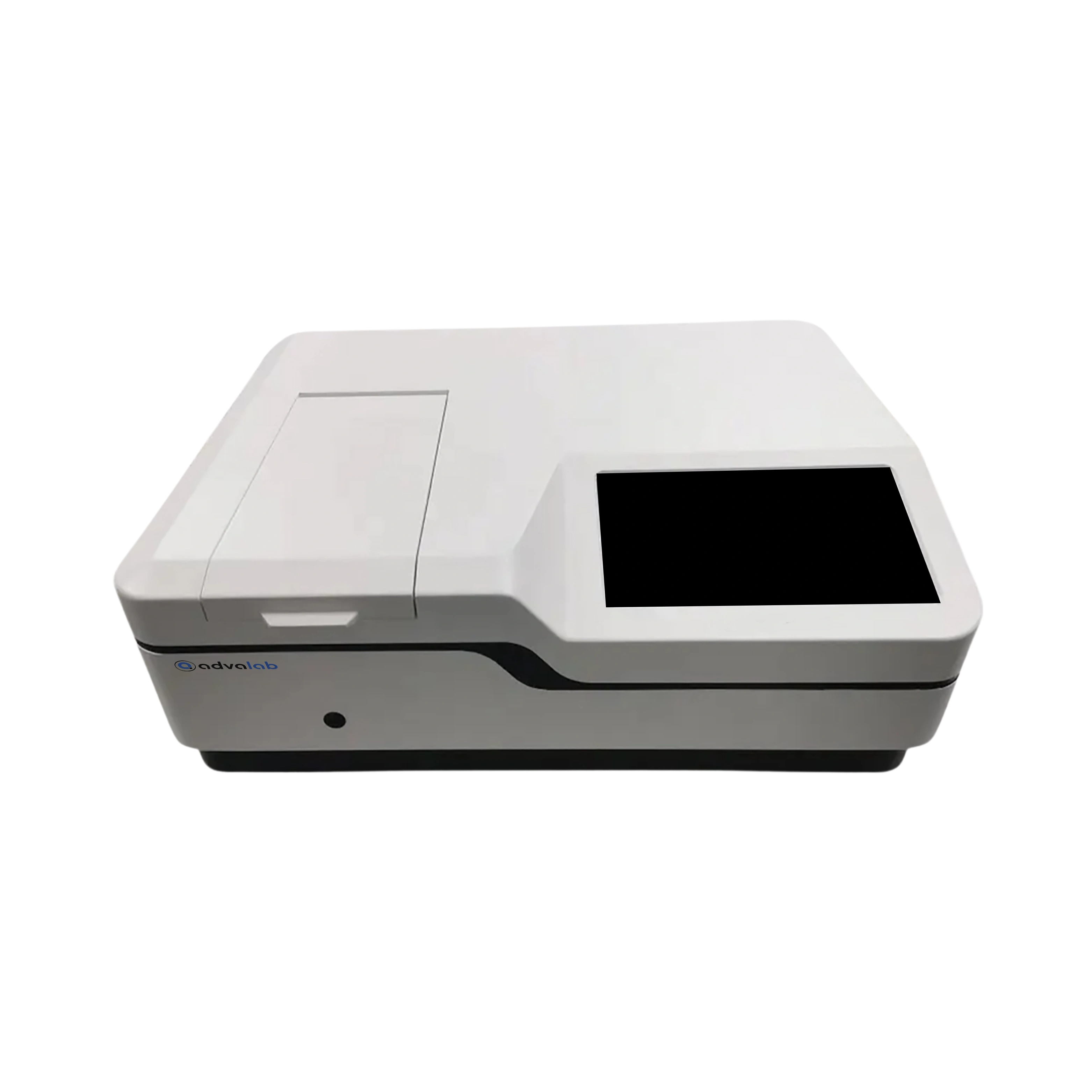
| Optical System: | Single Beam, Grating 1200 lines/mm |
| Wavelength Range: | 190 to 1100 nm |
| Spectral Bandwidth: | 0.5/1/2/4/5nm |
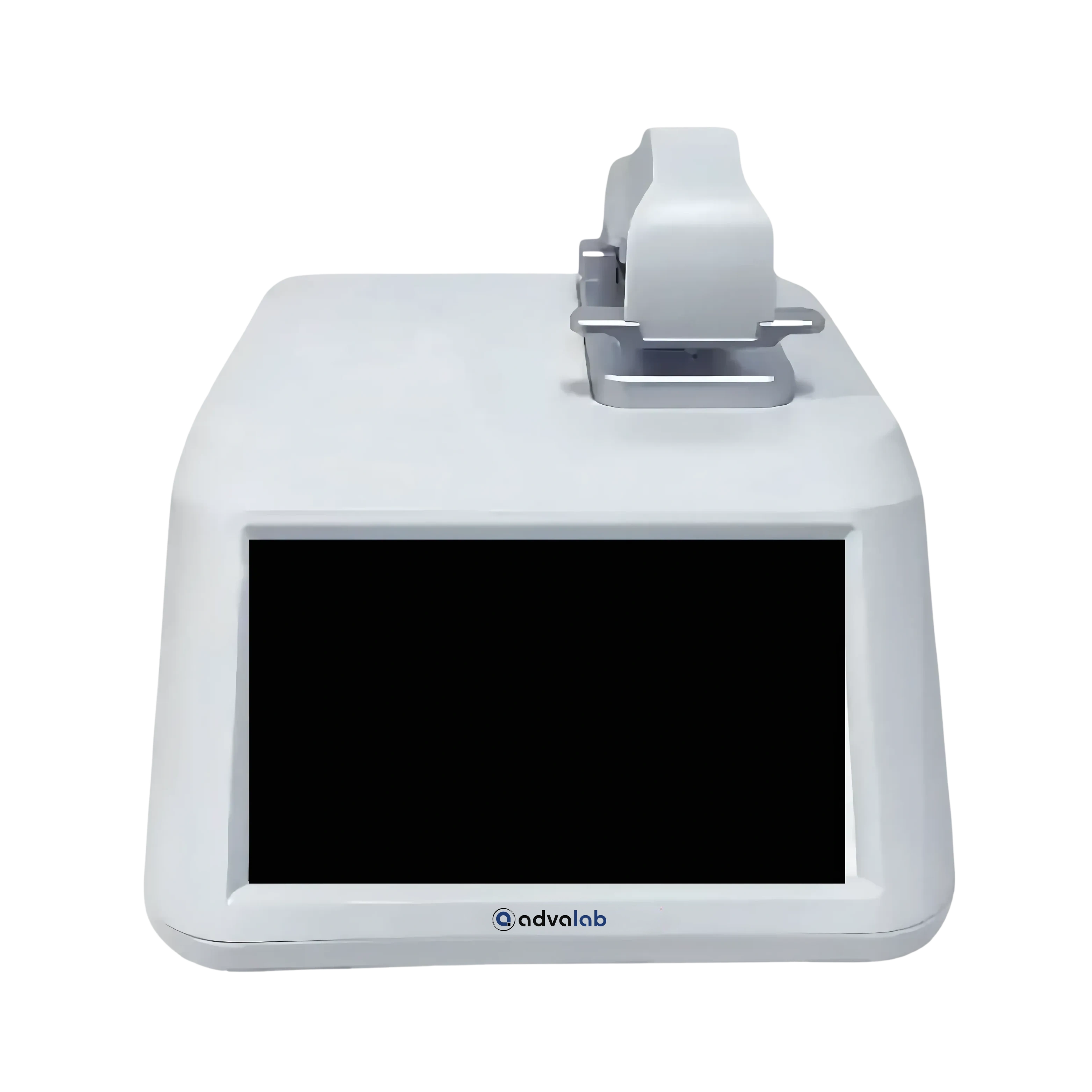
| Sample Volume: | 0.5 to 2.0 μL |
| Nucleic Acid Detection Range: | 2 to 15000 ng/μL (dsDNA) <br/> 1.32 to 9900 ng/μL (ss DNA) <br/> 1.6 to12000ng/μL (RNA) |
| Protein Detection Range: | 0.04 to 750 mg/mL (A280) <br/> 0.06 to 1119 mg/mL (BSA) <br/> 0.03 to 547 mg/mL (IgG) <br/> 0.015 to 284 mg/mL (lysozyme) |
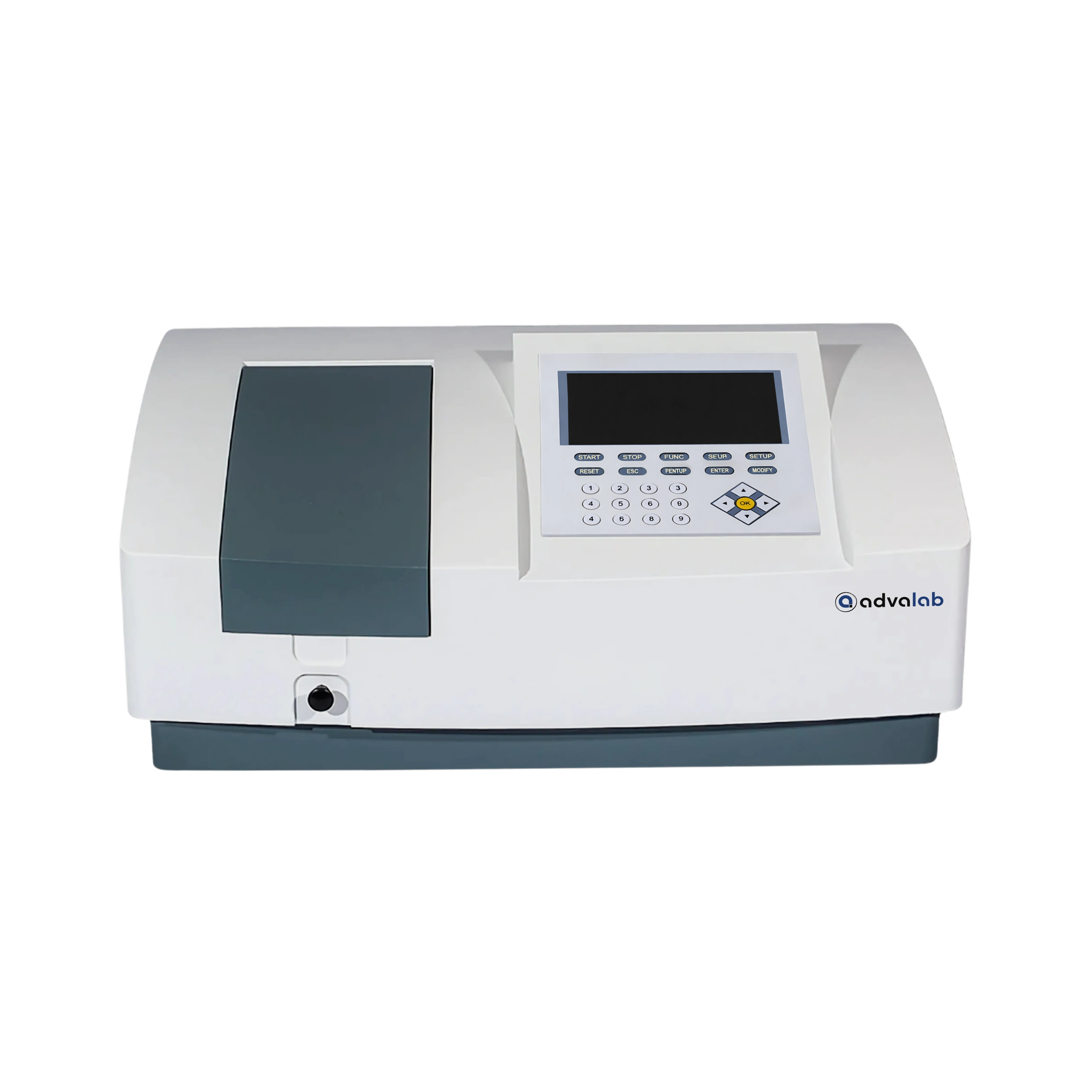
| Optical System: | Single beam, grating 1200 lines/mm |
| Wavelength Range: | 190 to 1100 nm |
| Spectral Bandwidth: | 1 nm |
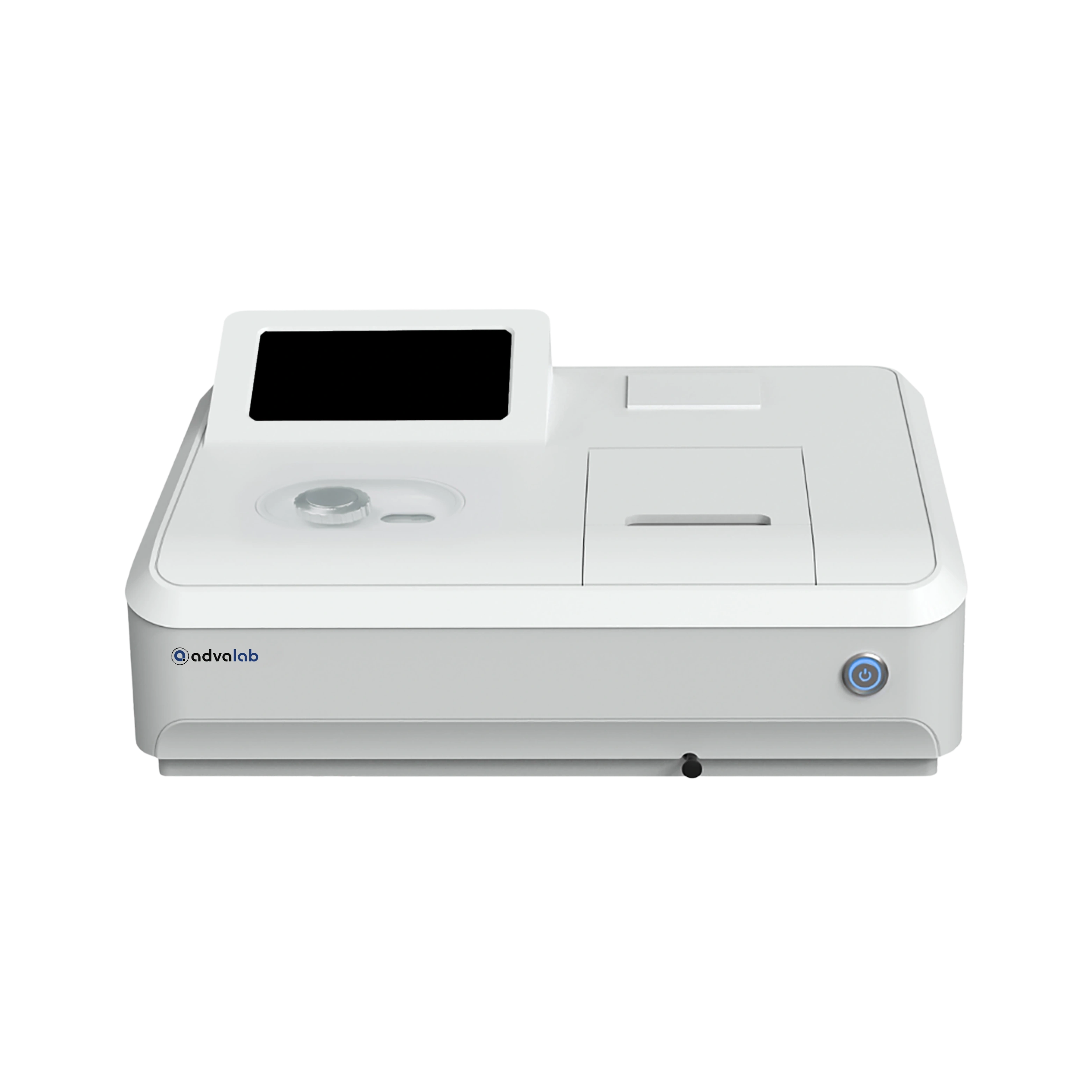
| Optical System: | Single beam |
| Monochromator: | C-T Monochromator, blazed holographic grating 1200 lines/nm |
| Wavelength Range: | 190 to 1020 nm |

| Optical System: | Single beam, grating 1200 lines/mm |
| Wavelength Range: | 190 to 1100 nm |
| Spectral Bandwidth: | 2 nm |
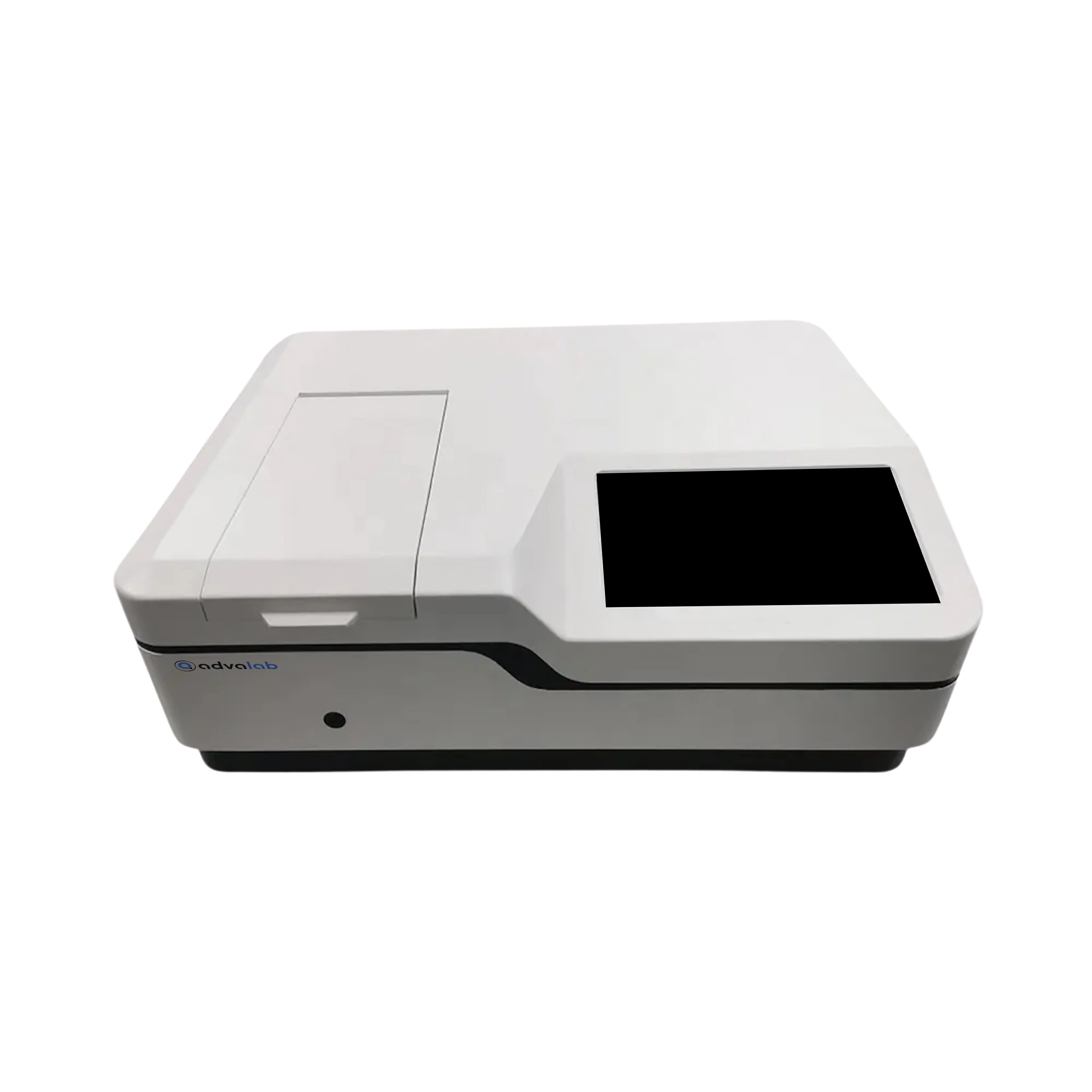
| Optical System: | Single Beam, Grating 1200 lines/mm |
| Wavelength Range: | 190 to 1100 nm |
| Spectral Bandwidth: | 1 nm |
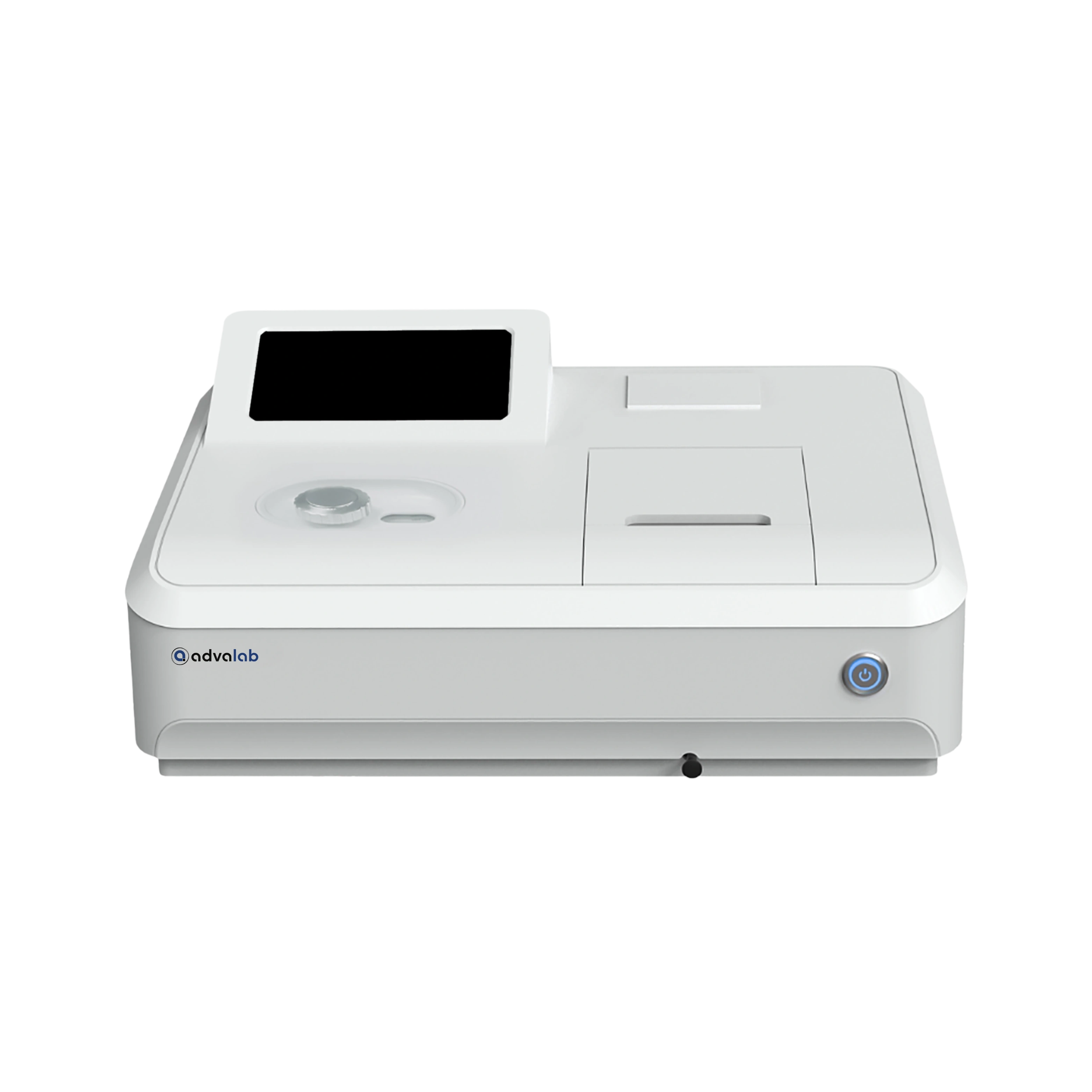
| Optical System: | Single beam |
| Monochromator: | C-T Monochromator, blazed holographic grating 1200 lines/nm |
| Wavelength Range: | 320 to 1020 nm |
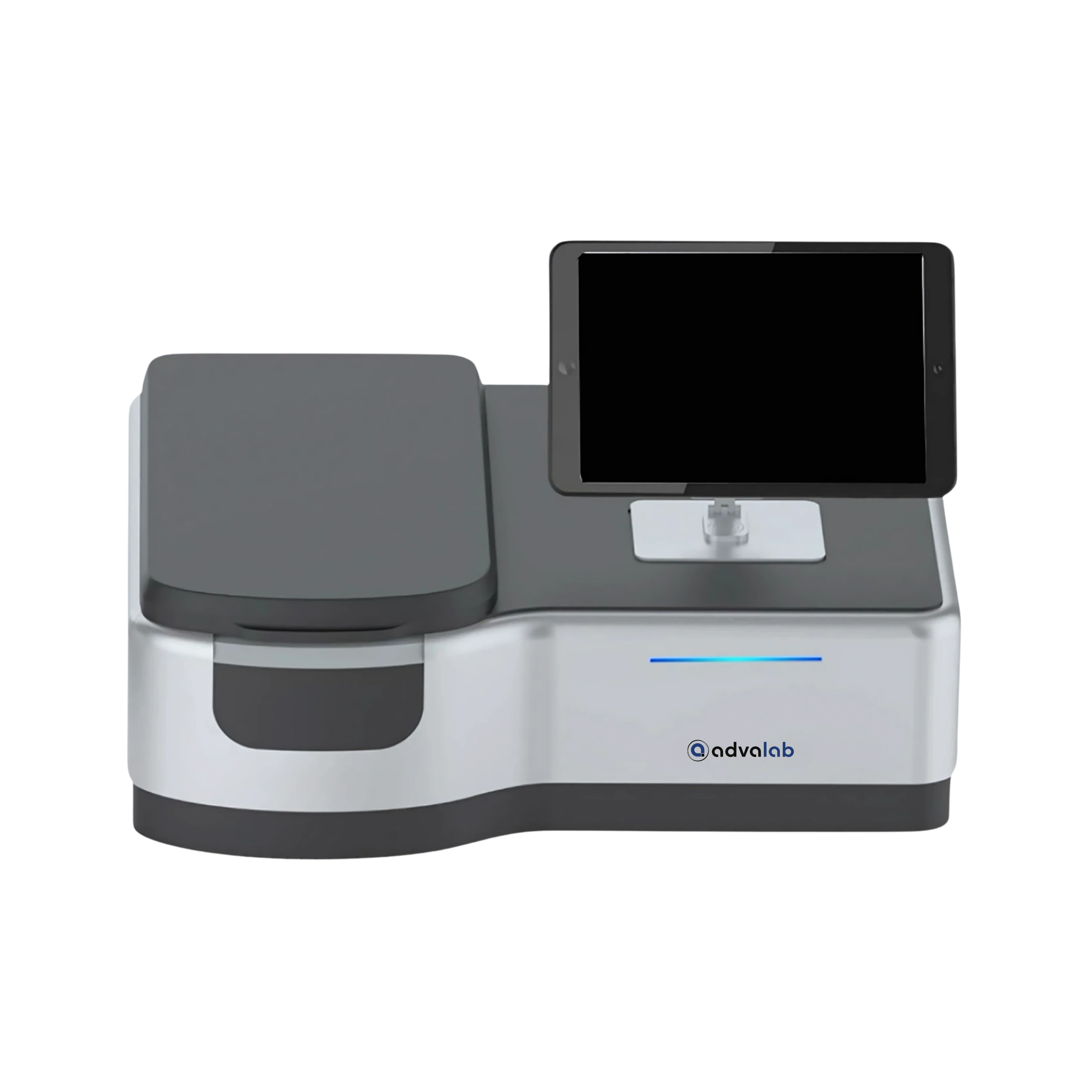
| Optical System: | Single Beam, Grating 1200 lines/mm |
| Wavelength Range: | 190 to 1100 nm |
| Spectral Bandwidth: | 1 nm |
| Optical System: | Single Beam, Grating 1200 lines/mm |
| Wavelength Range: | 190 to 1100 nm |
| Spectral Bandwidth: | 0.1/0.2/0.5/1/2/4 |

| Optical System: | Split Beam, Grating 1200 lines/mm |
| Wavelength Range: | 190 to 1100 nm |
| Spectral Bandwidth: | 2 nm |