

| Chamber Volume | 75L φ (400×600) mm |
| Working Pressure | 0.22Mpa |
| Working Temperature | 134℃ |
| Maximum Working Pressure | 0.23Mpa |
| Heat Average | ≤±1℃ |
| Timer Scope | 0 to 60 min |
| Temperature Scope | 105 to 134℃ |
| Power Consumption | 4.5 KW |
| Power Supply | AC220V. 50Hz |
| Overall Dimension (L×B×H) | 560×560×980 mm |
| Transport Dimension (L×B×H) | 650×530×1150 mm |
| Gross Weight | 90 Kg |
| Net Weight | 70 Kg |
Our Vertical Autoclave ADVA-504 is used in labs, testing facilities and chemical industries for sterilizing tools, glassware, and waste, ensuring hygiene and safety.
1. What is a vertical autoclave and how does it work?
A vertical autoclave is a type of steam sterilizer that is widely used in laboratories, hospitals, and research facilities to sterilize equipment, glassware, culture media, and waste. It features a cylindrical, upright chamber with a lid that can be sealed to create a pressurized environment. The sterilization process begins when the chamber is filled with saturated steam under high pressure—typically around 15 to 20 psi at temperatures between 121°C to 134°C.
2. What are the main applications of vertical autoclaves?
Vertical autoclaves are used in a variety of fields that require sterilization to ensure safety and cleanliness. In microbiology and biomedical laboratories, they are essential for sterilizing culture media, instruments, and lab tools before and after use to prevent contamination. Hospitals and clinics use them to sterilize surgical tools, gowns, dressings, and other medical supplies.
3. How to load items into a vertical autoclave properly?
Proper loading is crucial for effective sterilization. Items should be placed in the autoclave in a way that allows free circulation of steam around all surfaces. Solid instruments should be arranged loosely in wire baskets, and containers with liquids should be left partially uncovered to prevent pressure buildup. Avoid stacking items too tightly or filling the chamber beyond its recommended capacity.
4. What maintenance is required for a vertical autoclave?
egular maintenance of a vertical autoclave ensures consistent performance and extends its operational life. Daily tasks include checking the water level in the reservoir, cleaning the chamber after each use to remove debris or residue, and inspecting the door gasket for wear or damage. Weekly or monthly, it’s important to run a cleaning cycle using an autoclave cleaner to remove mineral deposits and scale.
5. What is the difference between vertical and horizontal autoclaves?
The primary difference between vertical and horizontal autoclaves lies in their design and capacity. Vertical autoclaves have an upright, cylindrical chamber and are loaded from the top. They are generally more compact and cost-effective, making them suitable for smaller facilities with limited space. Horizontal autoclaves, on the other hand, feature a horizontal chamber and are typically front-loading, which allows easier access for larger or heavier loads.
6. What is a Vertical Autoclave and how does it work?
A Vertical Autoclave is a sterilization device that uses steam under pressure to sterilize equipment, media, and laboratory tools. It works by heating water to produce steam, which destroys bacteria, viruses, and other microorganisms.
7. What safety features are included in a Vertical Autoclave?
A Vertical Autoclave includes safety features like pressure release valves, temperature cut-offs, door interlocks, and alarms. These systems prevent accidental opening or overheating in the Vertical Autoclave. Built-in sensors ensure the unit shuts off in case of any malfunction.
8. Can a Vertical Autoclave be used for medical waste?
A Vertical Autoclave can be used to sterilize soft medical waste like gauze, gloves, and cloth items. However, a Vertical Autoclave may not be ideal for large volumes of waste or sharp objects. Special medical waste autoclaves are recommended for such loads.
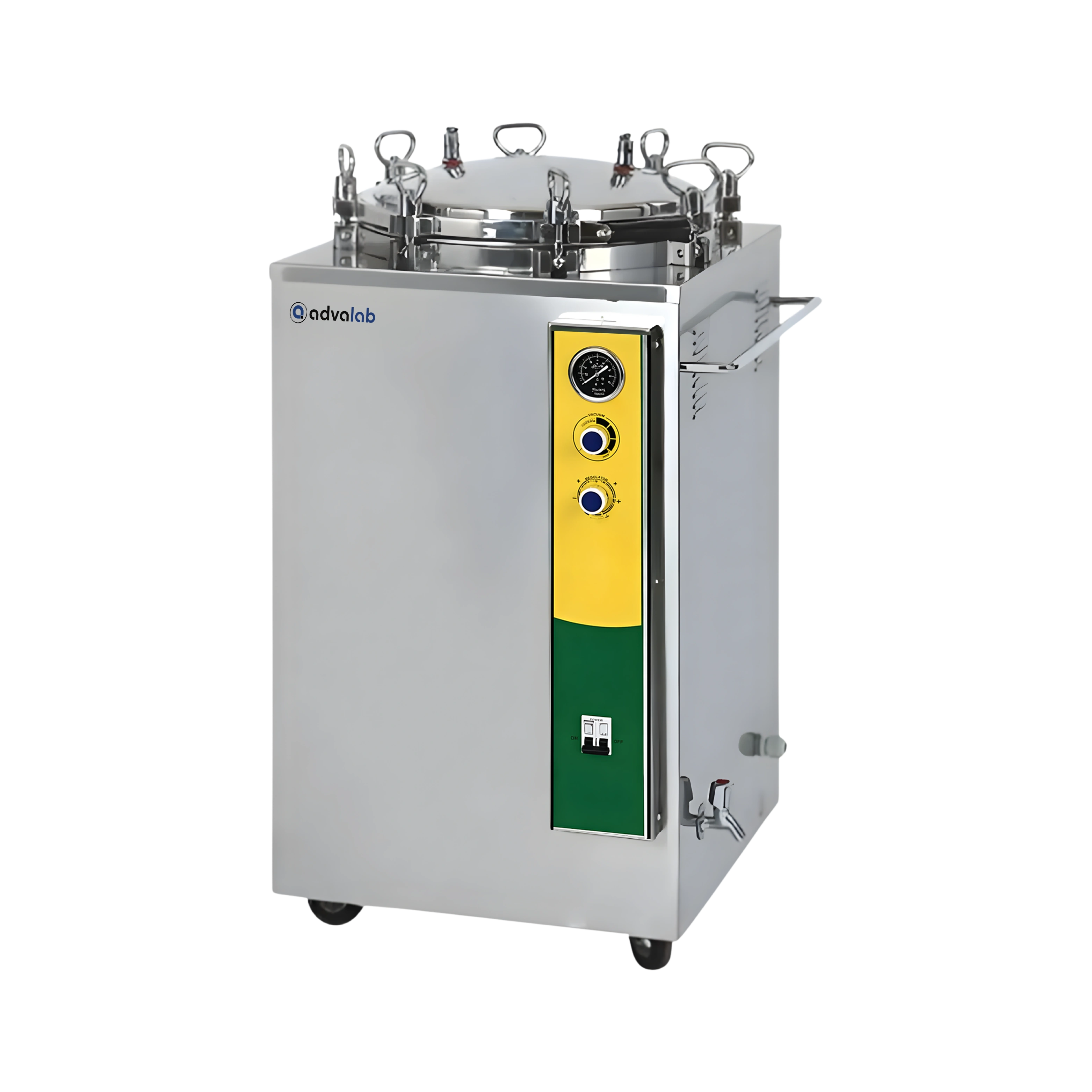
| Chamber Volume | 120L(φ480×660) mm |
| Working Pressure | 0.22MPa |
| Working Temperature | 134℃ |
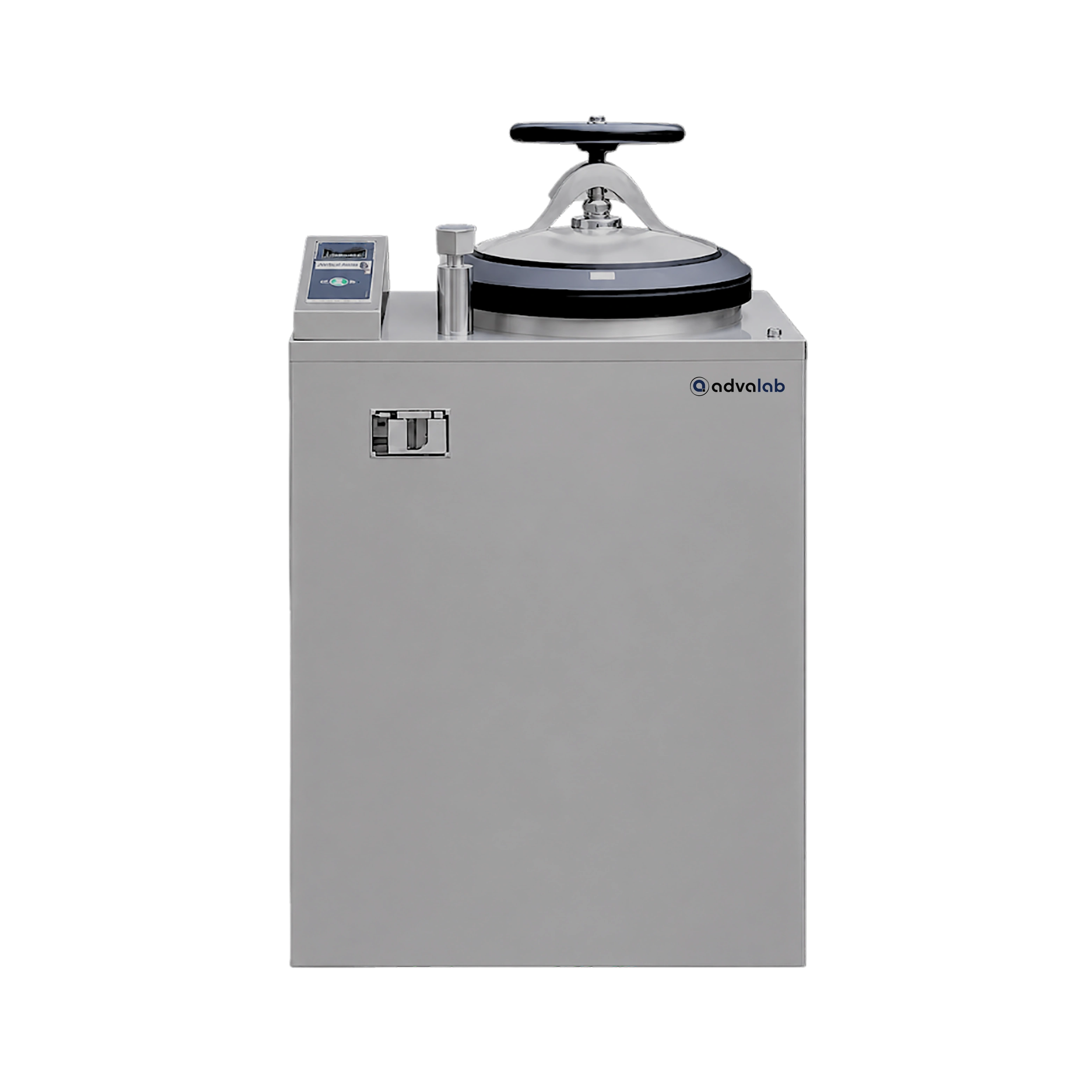
| Chamber Volume | 75L φ (400×600) mm |
| Working Pressure | 0.22MPa |
| Working Temperature | 134℃ |
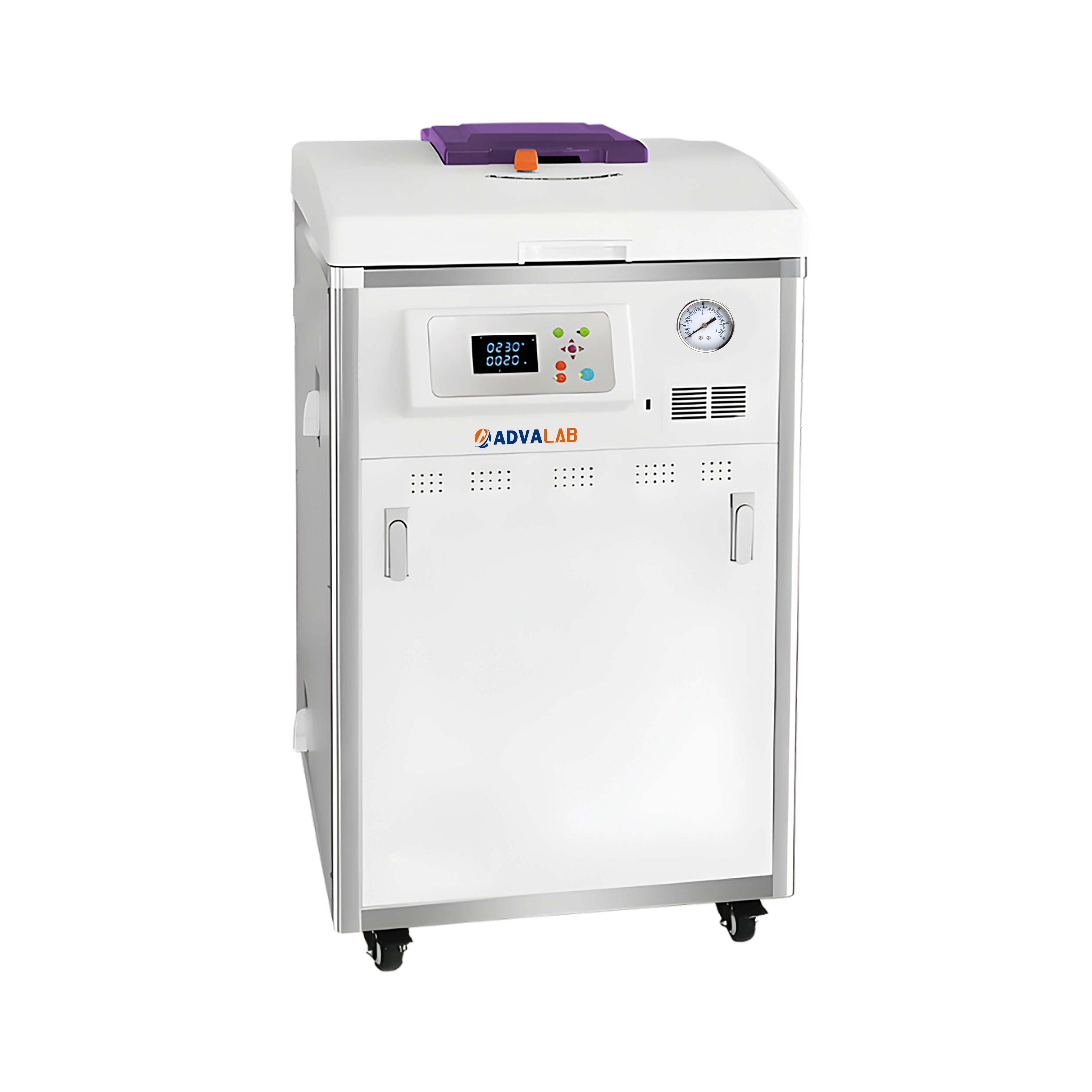
| Capacity | 60 L |
| Chamber Size | Φ 350 x 550 mm |
| Basket Size | 330 x 190 (× 2) |

| Chamber Volume | 50L φ (340×550) mm |
| Working Pressure | 0.22MPa |
| Working Temperature | 134℃ |
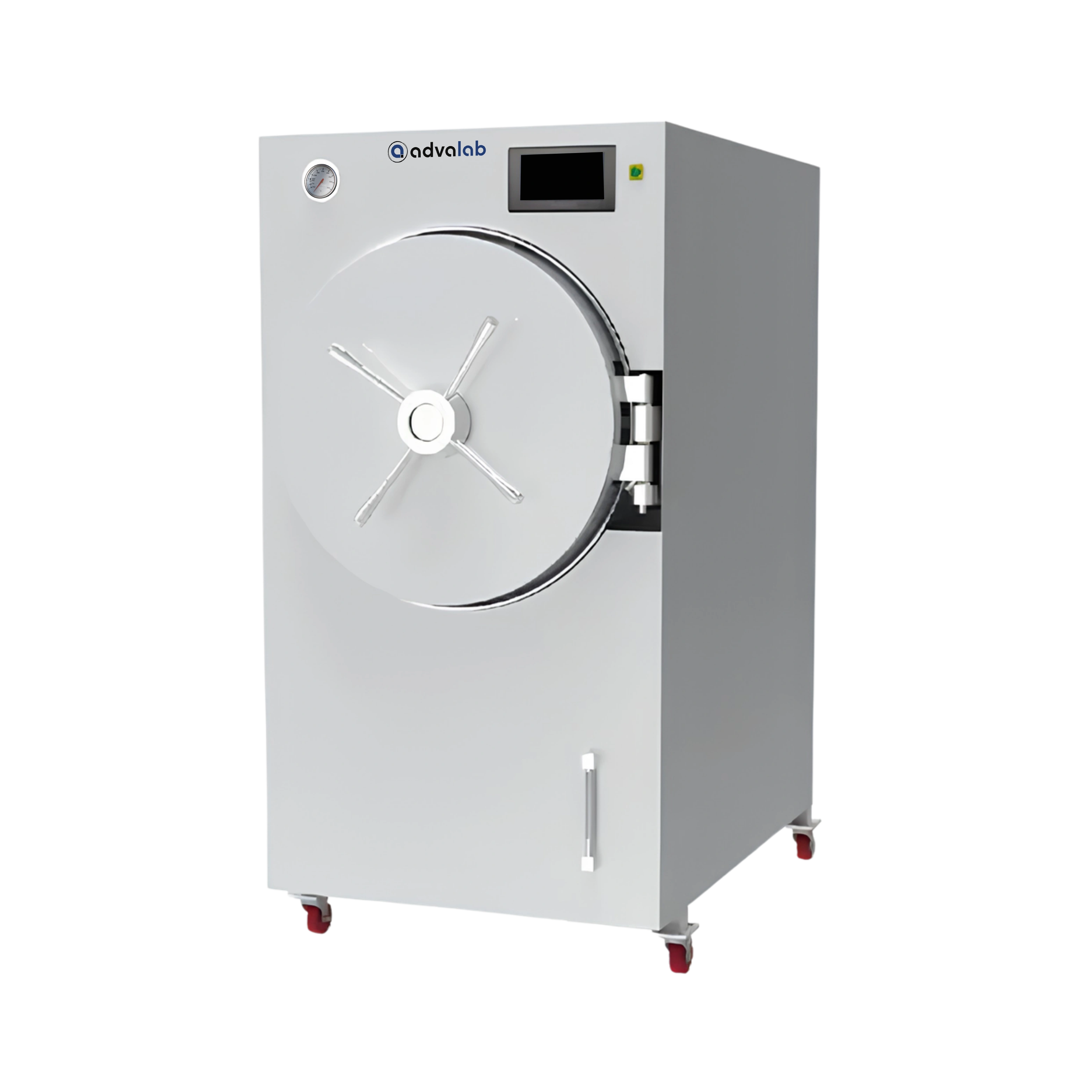
| Volume: | 280 L |
| Door Structure : | spoke |
| Temperature Range : | 105 to 135°C |
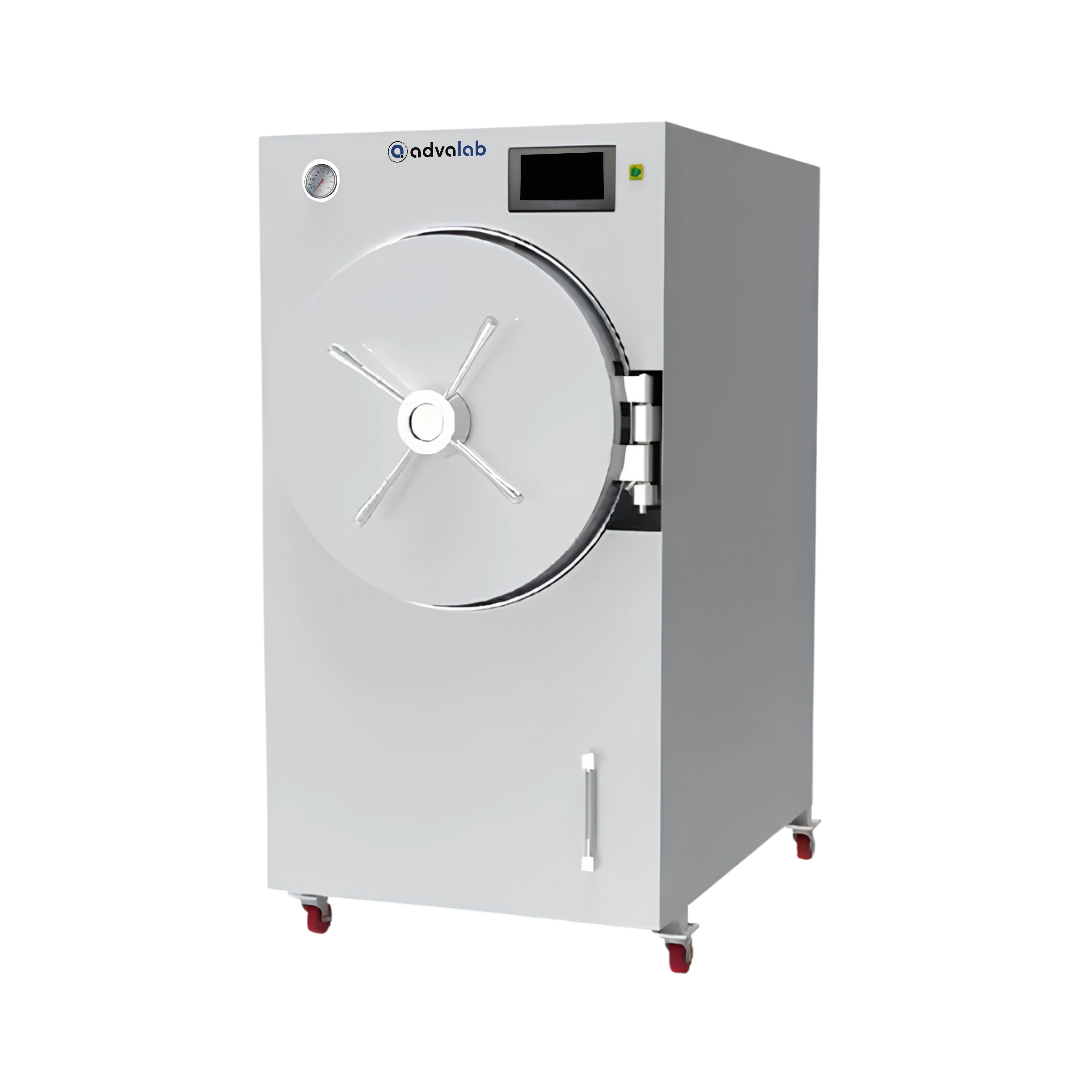
| Volume: | 360 L |
| Door Structure: | spoke |
| Temperature Range : | 105 to 135°C |
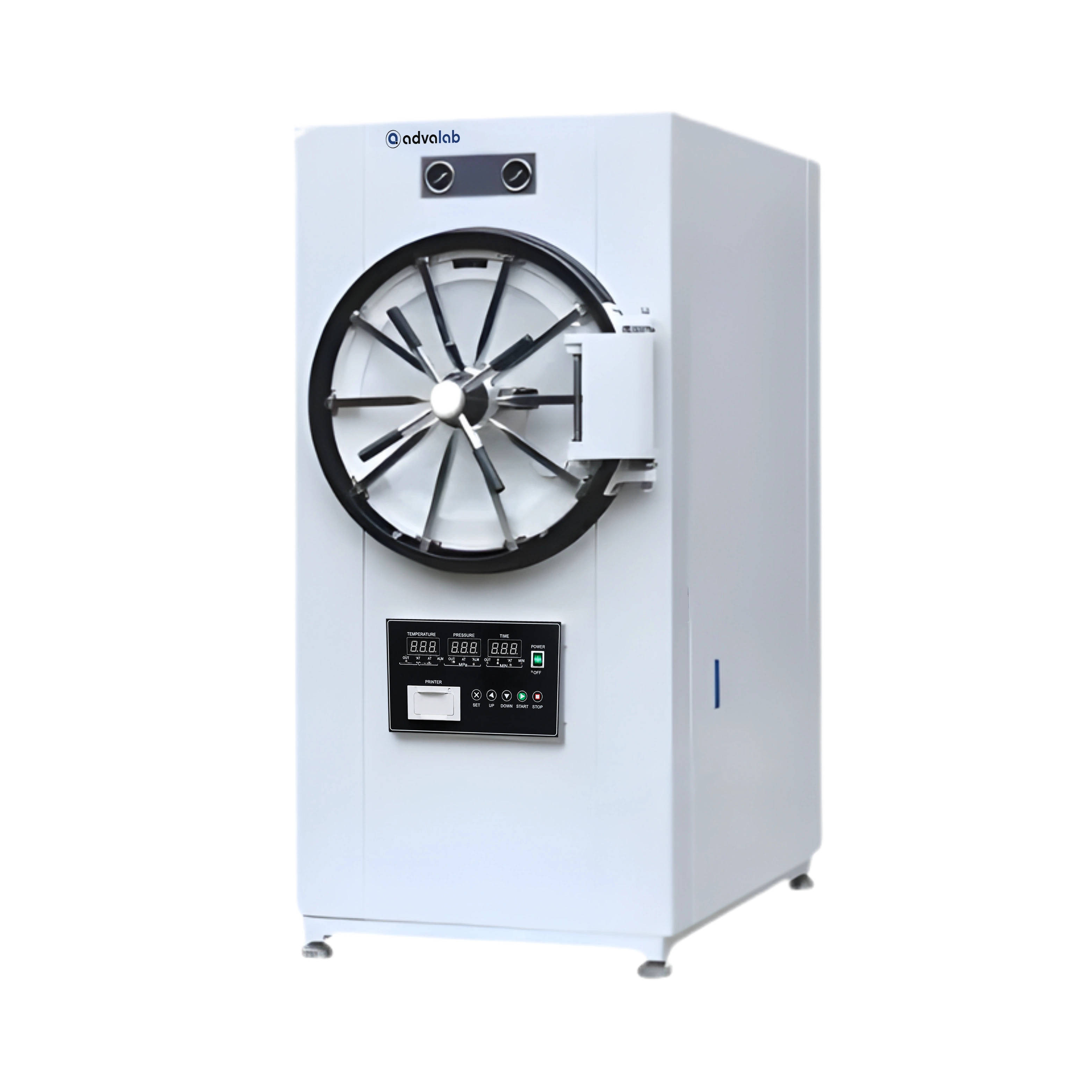
| Sterilizing Chamber Volume: | 200 L φ (515×1000mm) |
| Working Pressure: | 0.22Mpa |
| Working Temperature: | 134ºC |
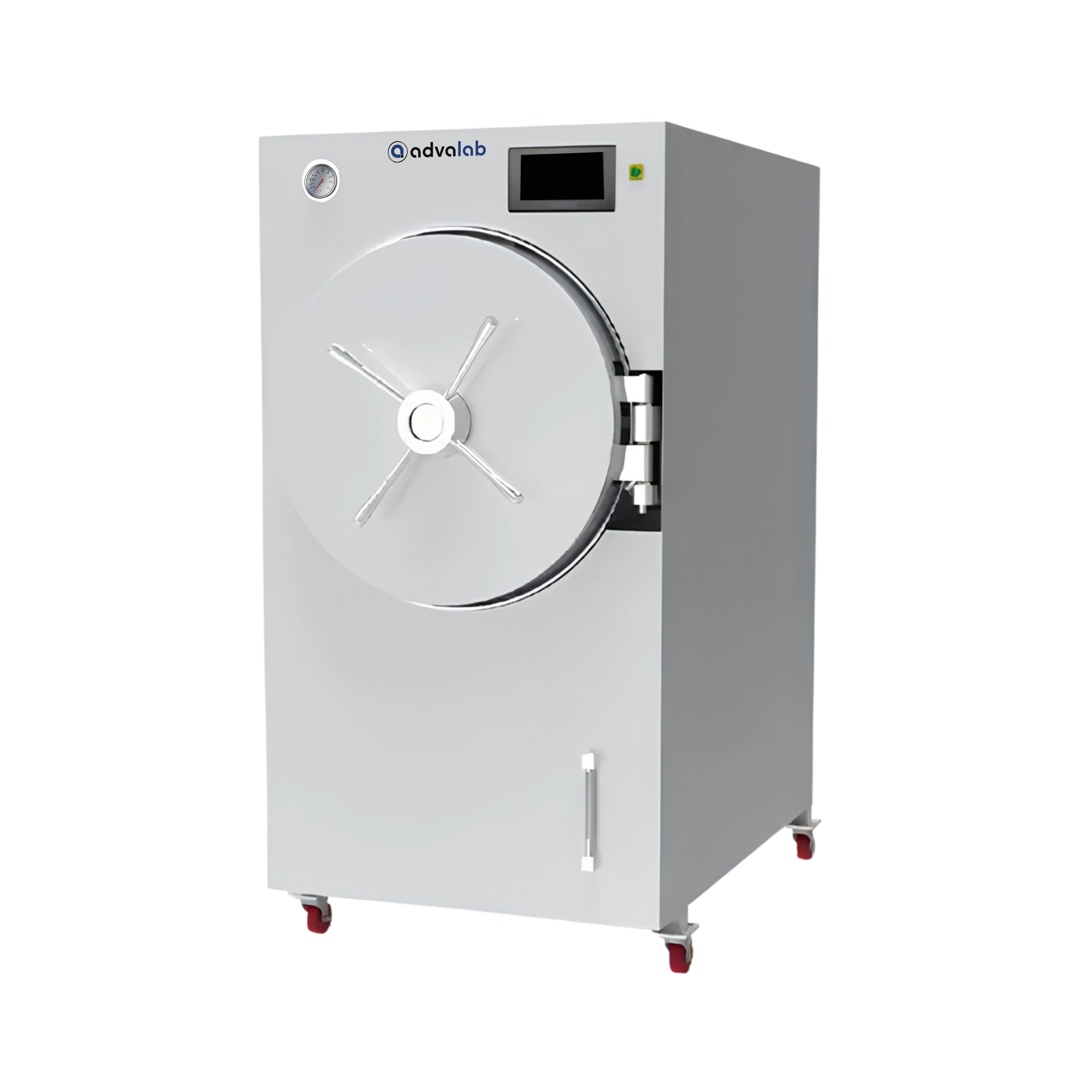
| Volume: | 500 L |
| Door Structure : | spoke |
| Temperature Range : | 105°C to 135°C |
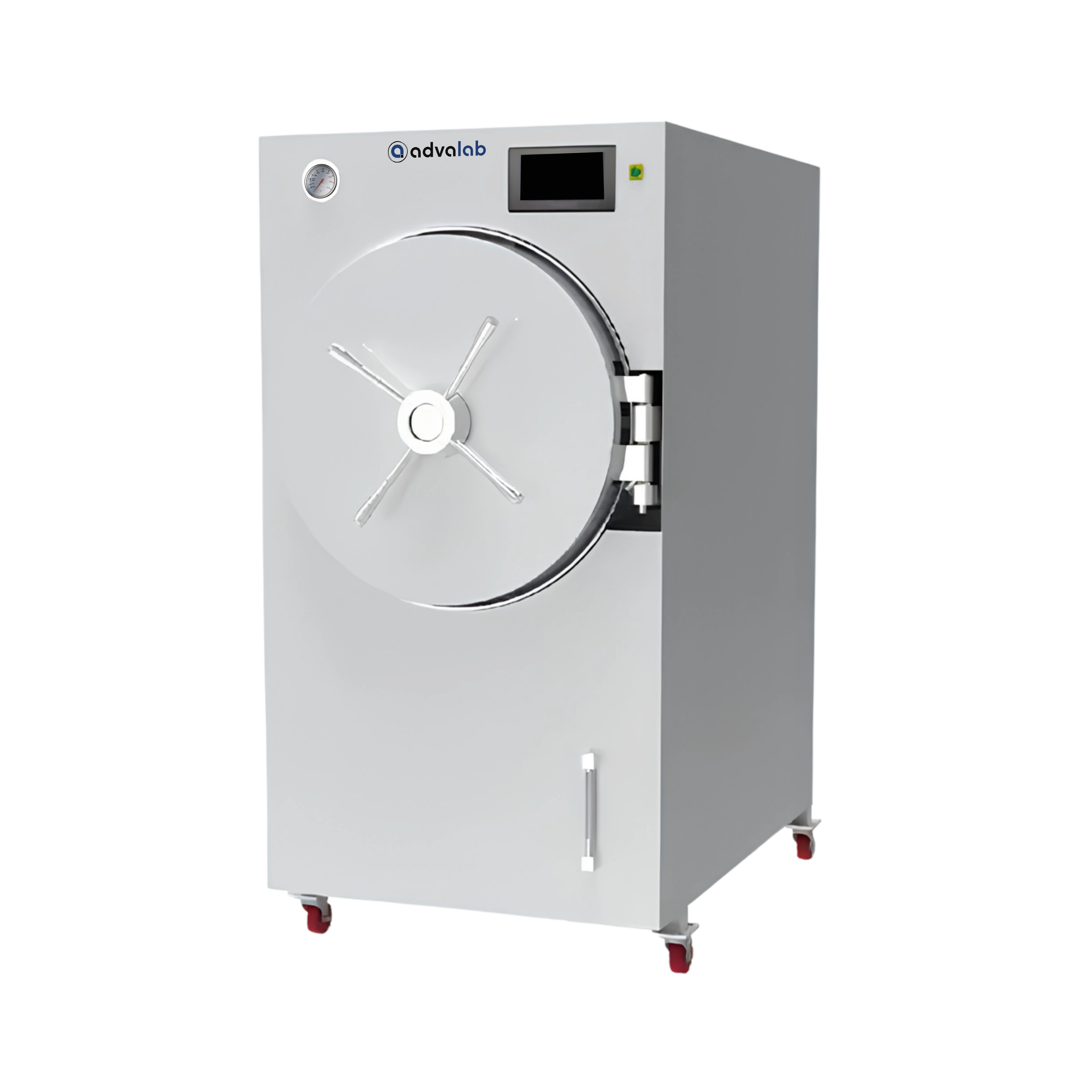
| Volume: | 280 L |
| Door Structure: | spoke |
| Temperature Range: | 105 to 135°C |
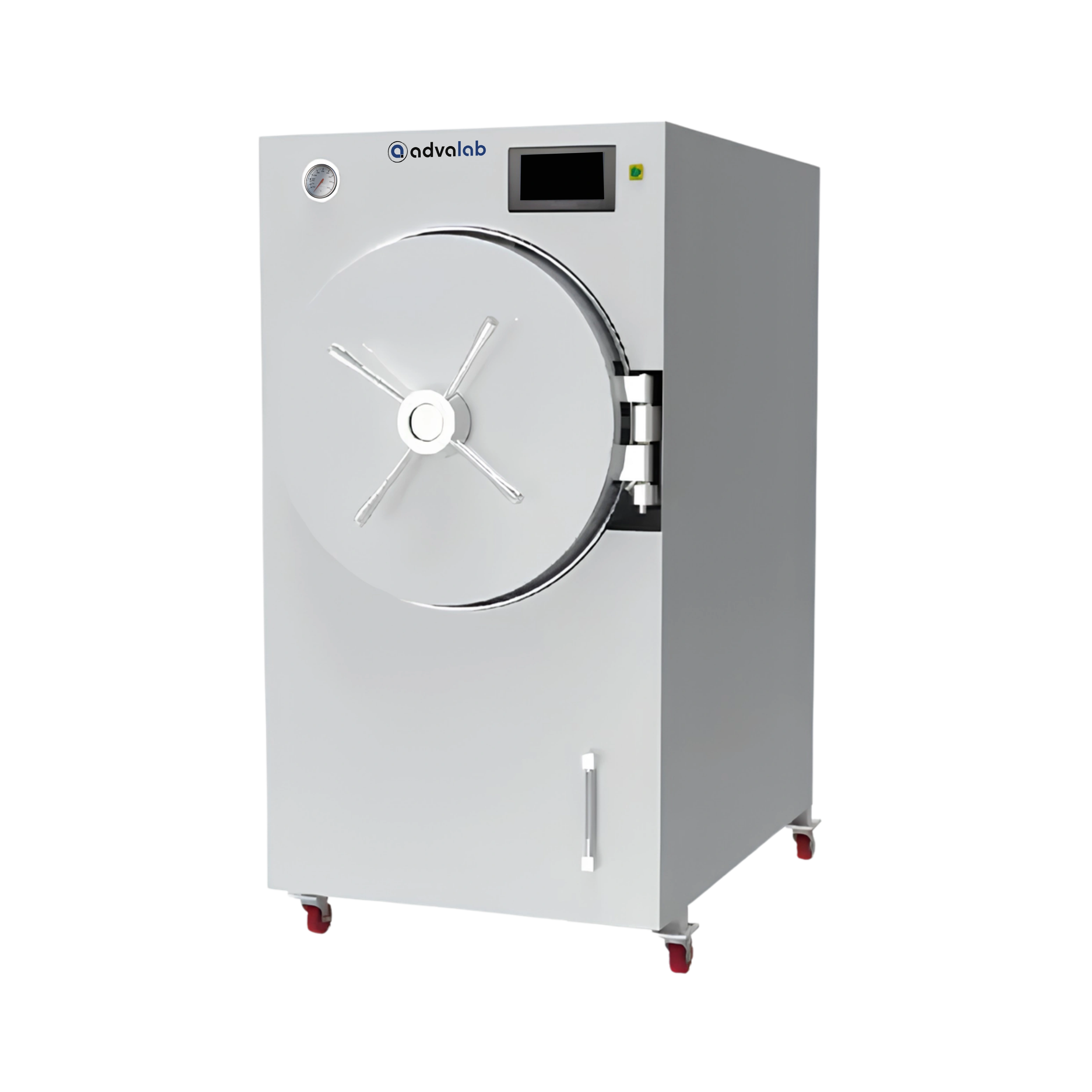
| Volume: | 360 L |
| Door Structure: | spoke |
| Temperature Range: | 105 to 135°C |
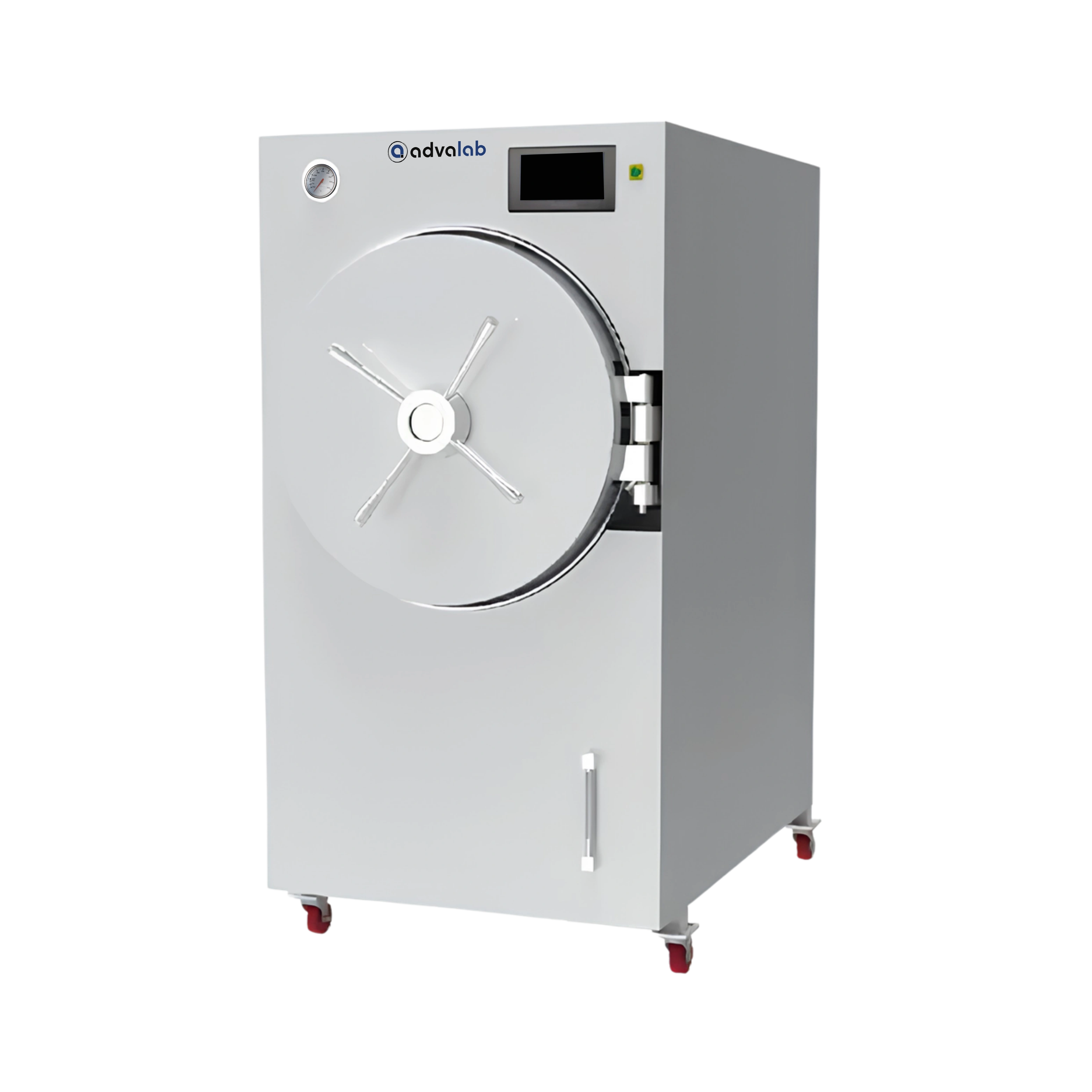
| Volume: | 500 L |
| Door Structure : | spoke |
| Temperature Range : | 105 to 135°C |
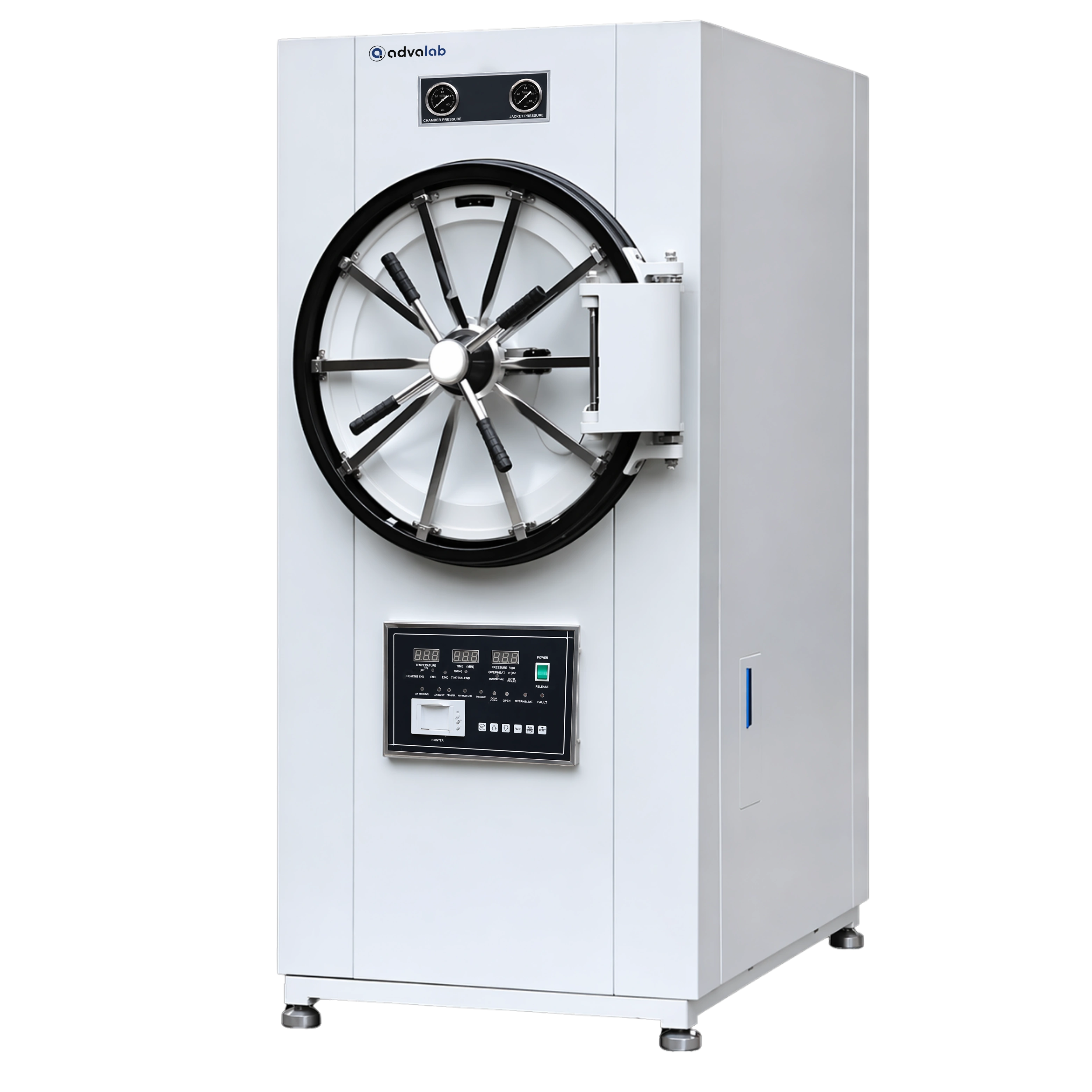
| Sterilizing chamber volume: | 150 L φ (440×1000mm) |
| working pressure: | 0.22Mpa |
| Working temperature: | 134ºC |

| Chamber Volume: | 12L (240×200) mm |
| Working Pressure: | 0.14 to 0.16Mpa |
| Working Temperature: | 126℃ |
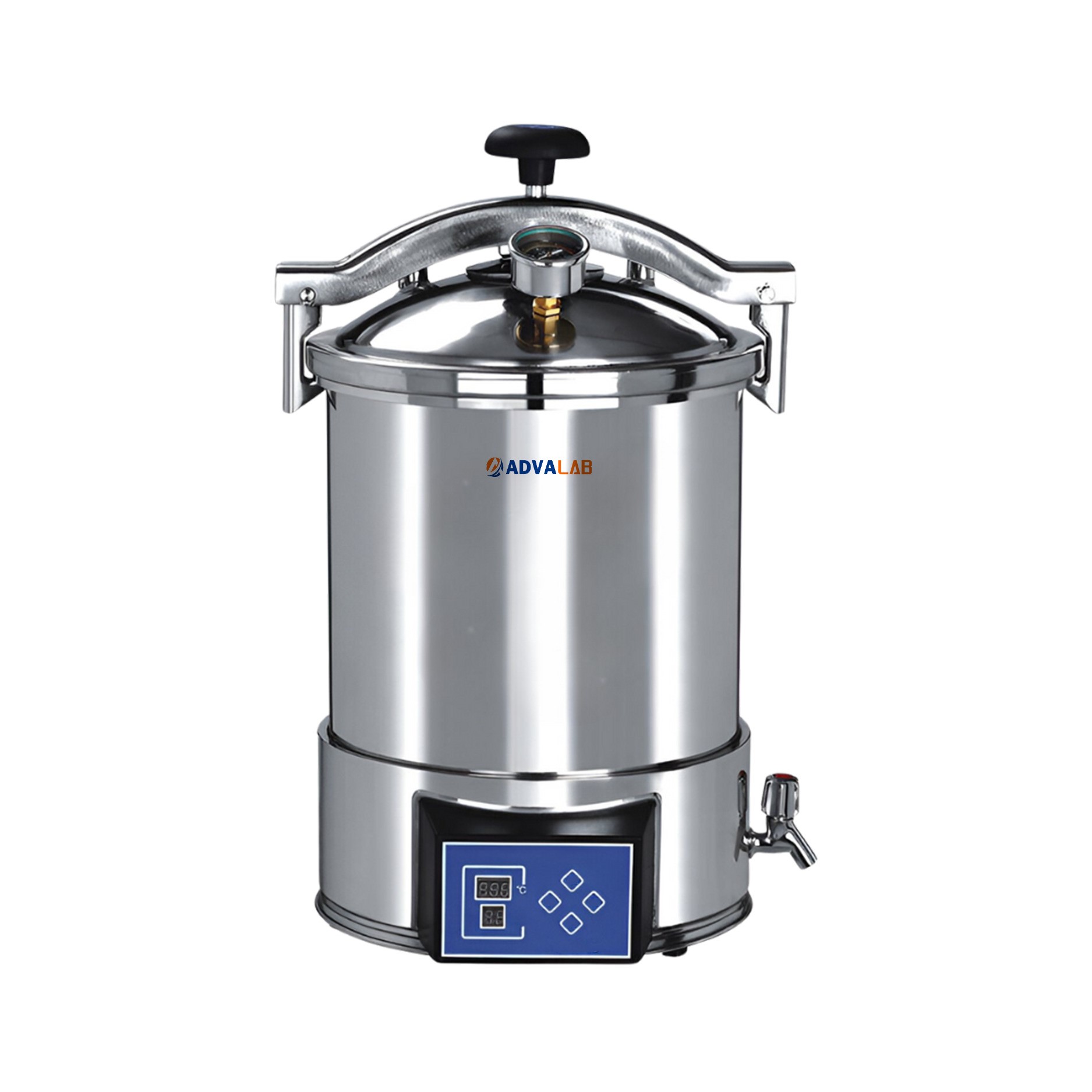
| Sterilizing Volume: | 18L (280×260) mm |
| Working Pressure: | 0.14 to 0.16MPa |
| Working Temperature: | 126℃ |
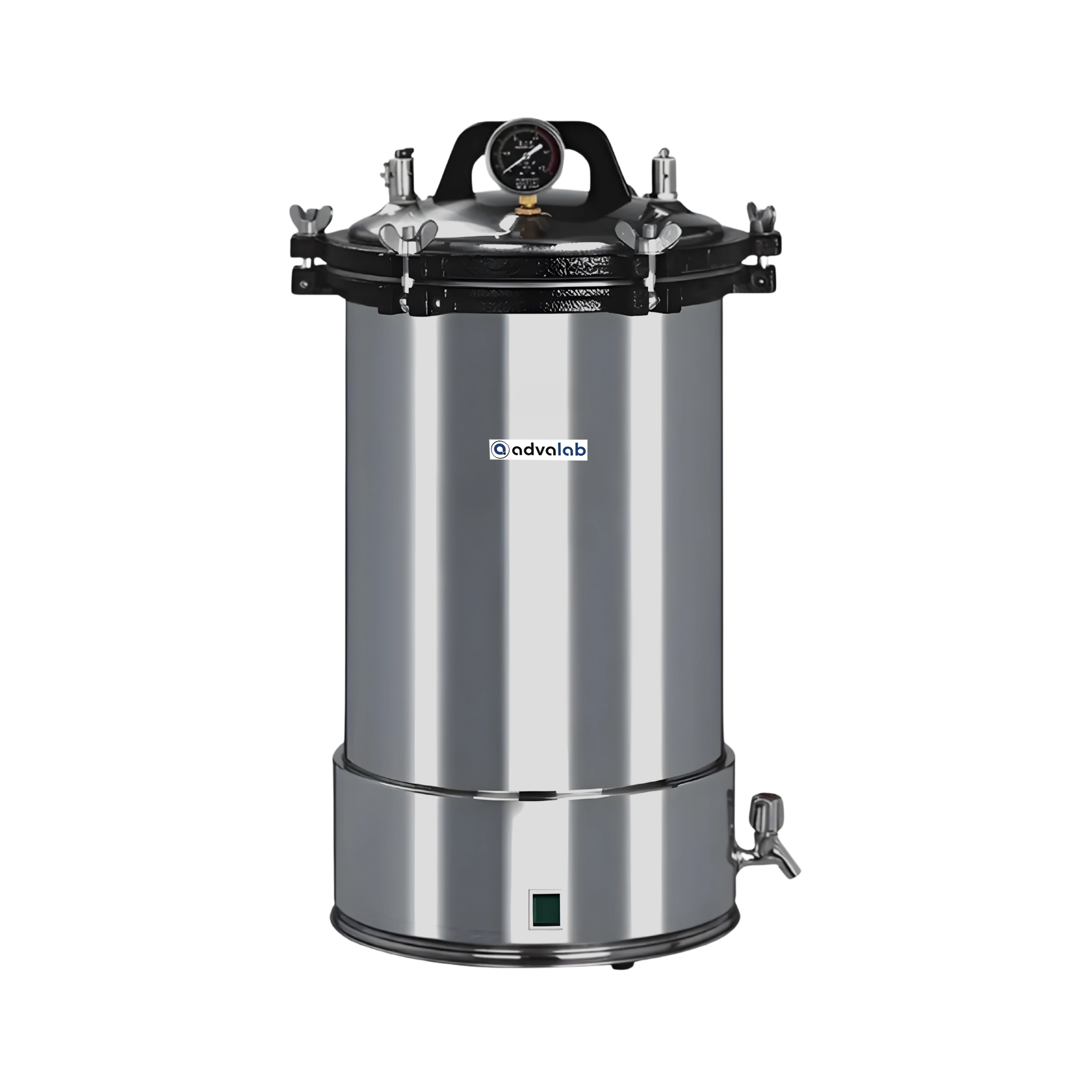
| Chamber Volume: | 24L (280 × 390) mm |
| Working Pressure: | 0.14 to 0.16 MPa |
| Working Temperature : | 126℃ |

| Chamber Volume: | 18L (280×260) mm |
| Working Pressure: | 0.14 to 0.16Mpa |
| Working Temperature: | 126℃ |
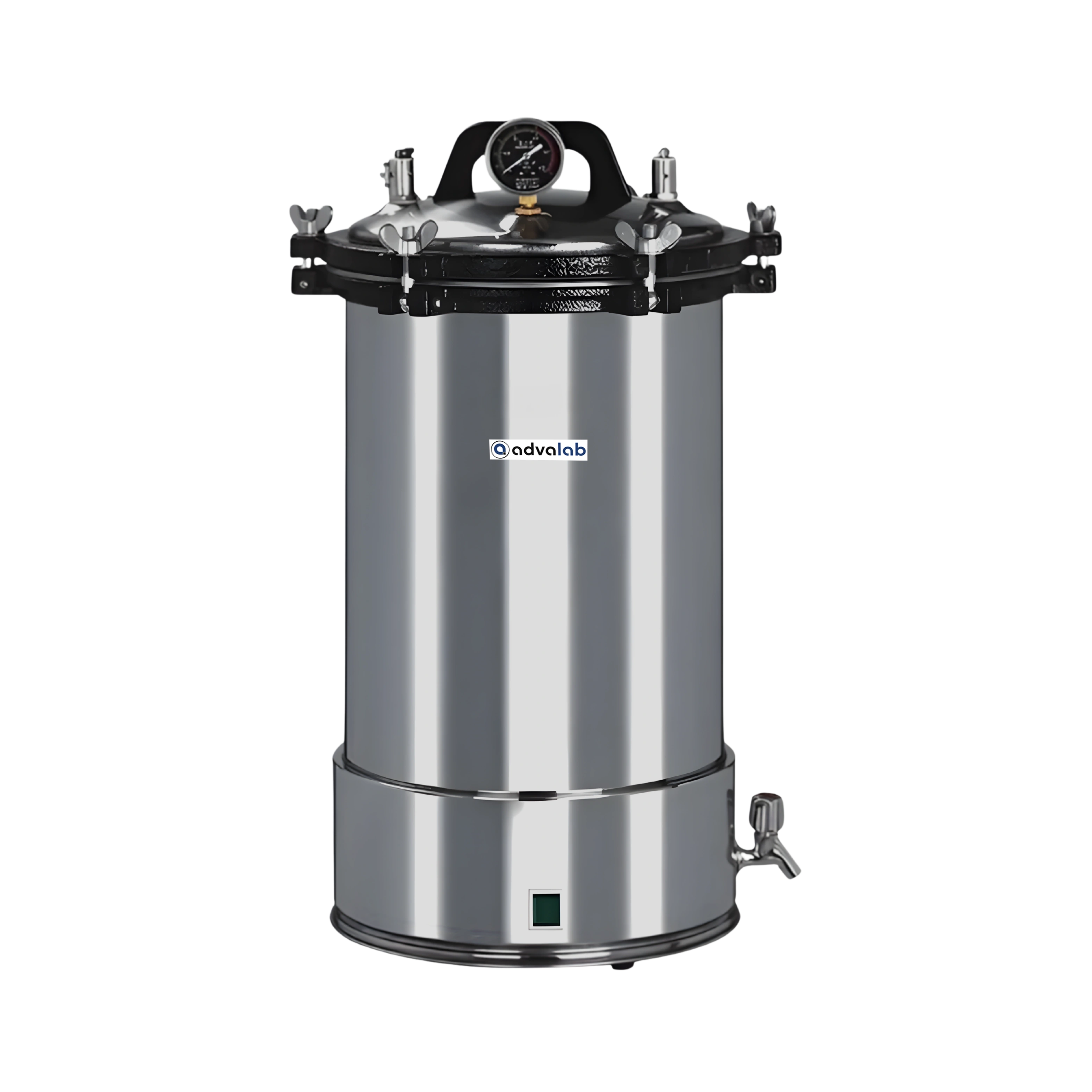
| Chamber Volume: | 18L (280 × 260) mm |
| Working Pressure: | 0.14 to 0.16 MPa |
| Working Temperature: | 126℃ |
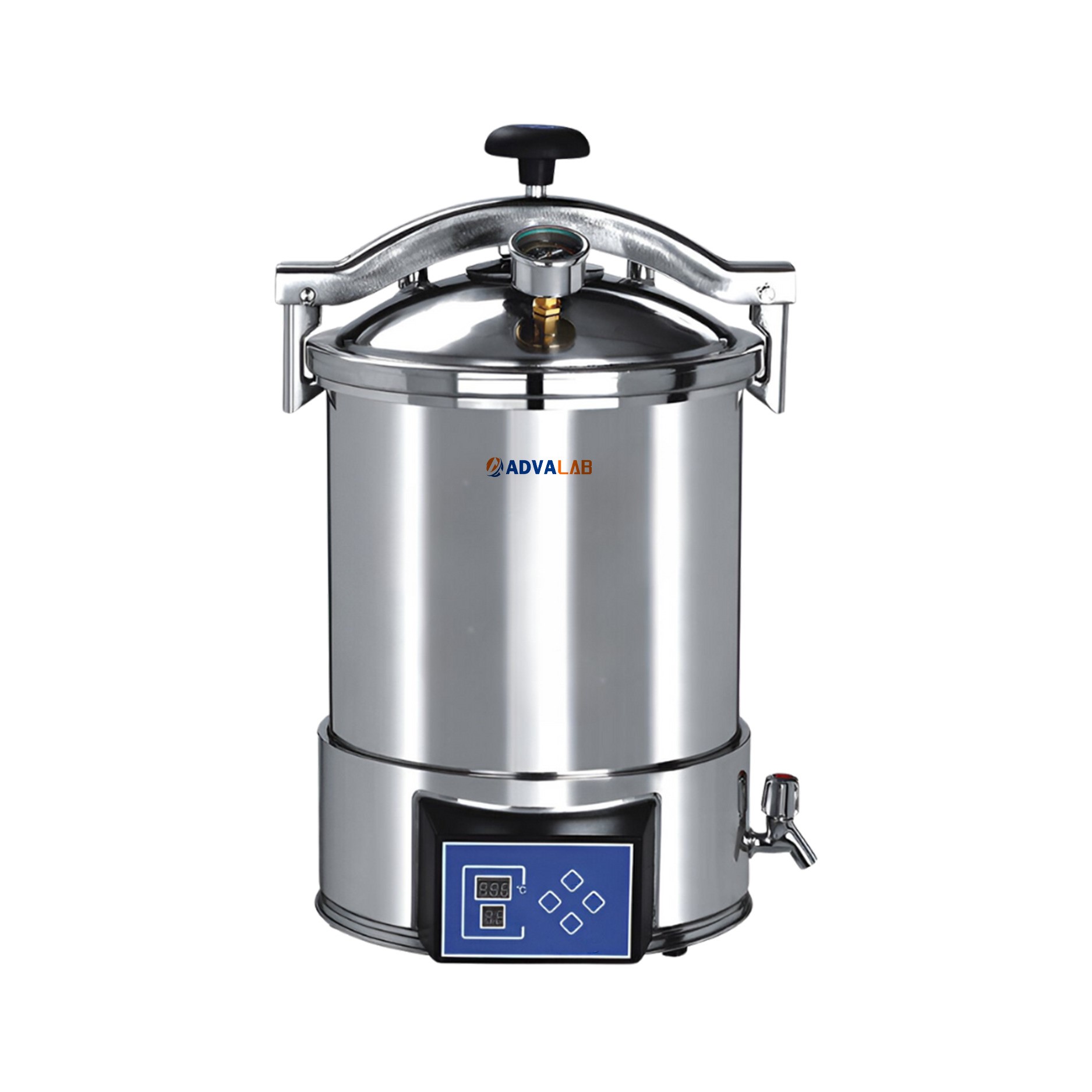
| Sterilizing Volume: | 18L 80×260 mm |
| Working Pressure: | 0.14 to 0.16 MPa |
| Working Temperature: | 126℃ |

| Working Pressure: | 0.14 to 0.16MPa |
| Working Temperature: | 126 ºC |
| Temperature Adjust Range: | 105℃ to 126℃ |
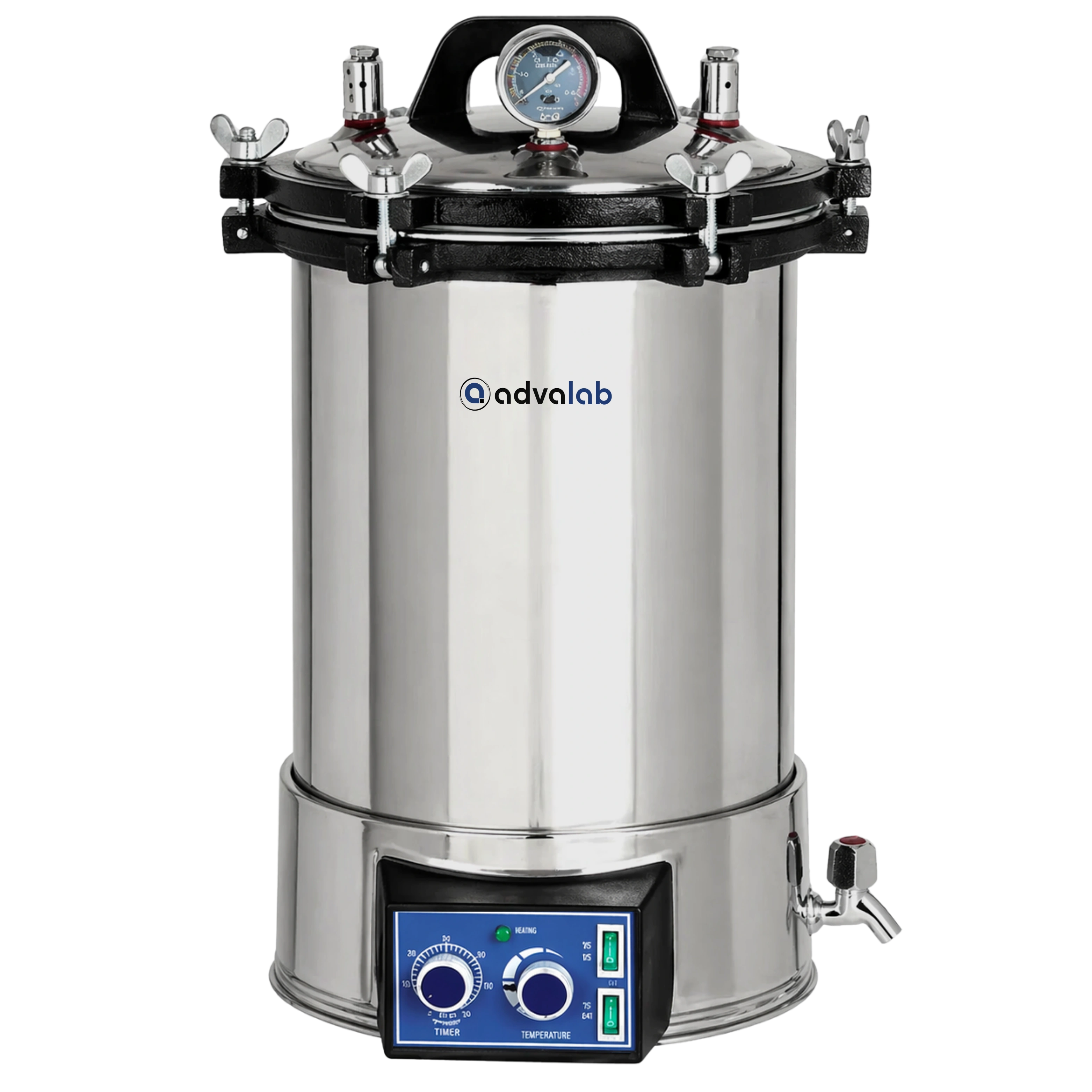
| Sterilizing Volume: | 18L (280×260) mm |
| Working Pressure: | 0.14 to 0.16MPa |
| Working Temperature: | 126 ºC |

| Chamber Volume: | 24L (280×390) mm |
| Working Pressure: | 0.14 to 0.16Mpa |
| Working Temperature: | 126℃ |
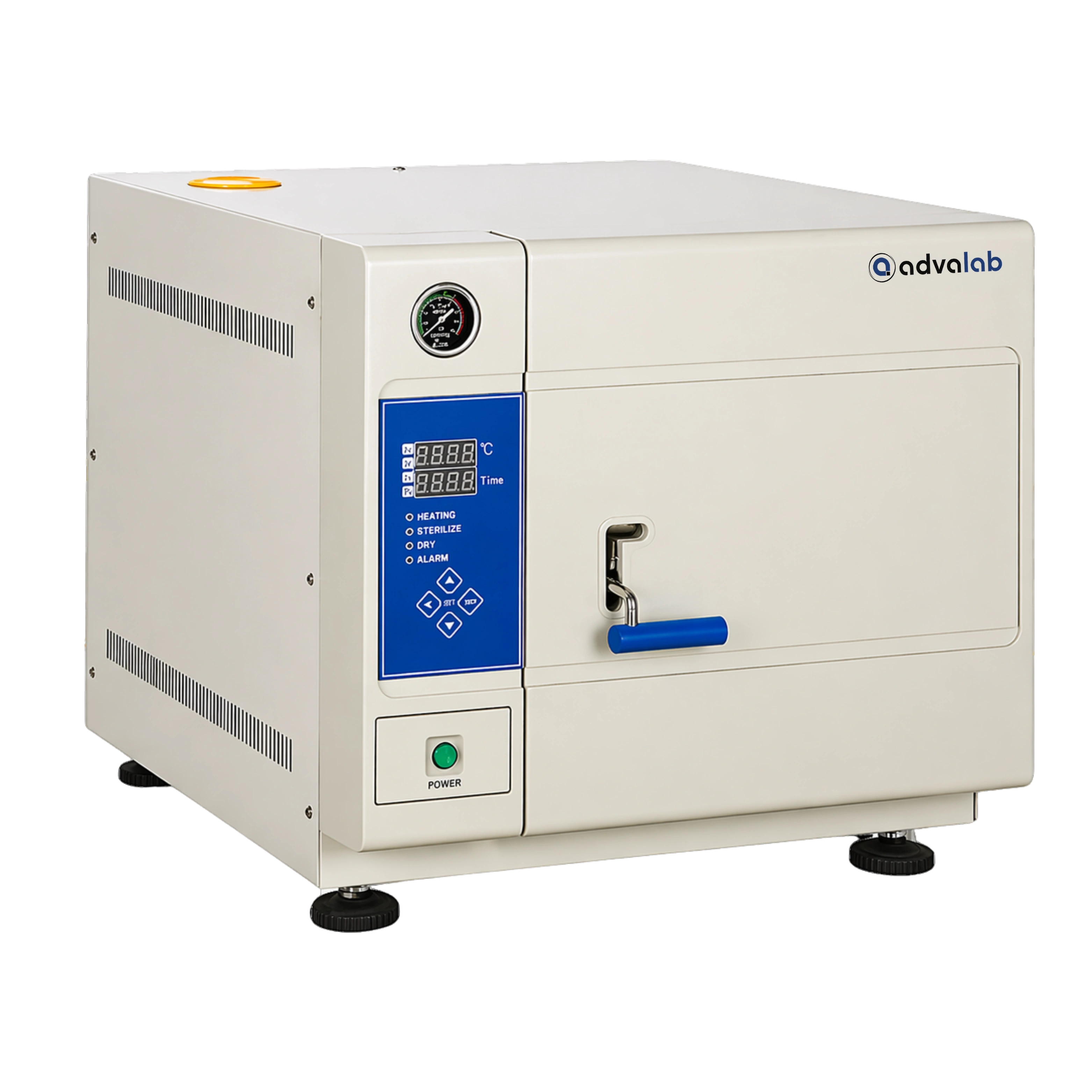
| Chamber Volume: | 50L φ (340×550) mm |
| Working Pressure: | 0.22MPa |
| Working Temperature: | 134℃ |
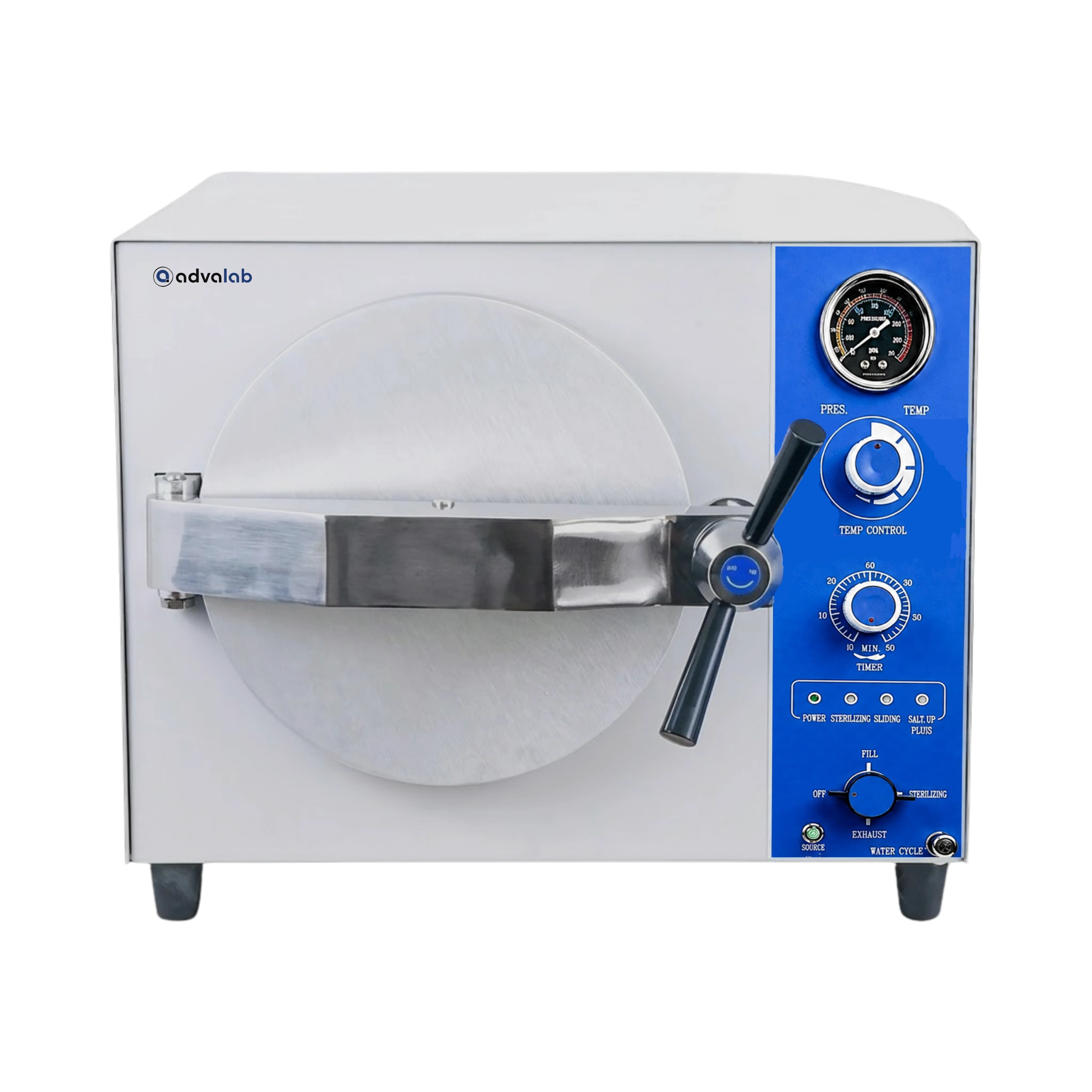
| Chamber Volume: | 24L φ (250×520) mm |
| Working Pressure: | 0.22MPa |
| Working Temperature: | 134℃ |

| Chamber Volume: | 35L φ (300×500) mm |
| Working Pressure: | 0.22MPa |
| Working Temperature: | 134℃ |

| Chamber Volume: | 16L φ (250×360) mm |
| Working Pressure: | 0.22MPa |
| Working Temperature: | 134℃ |
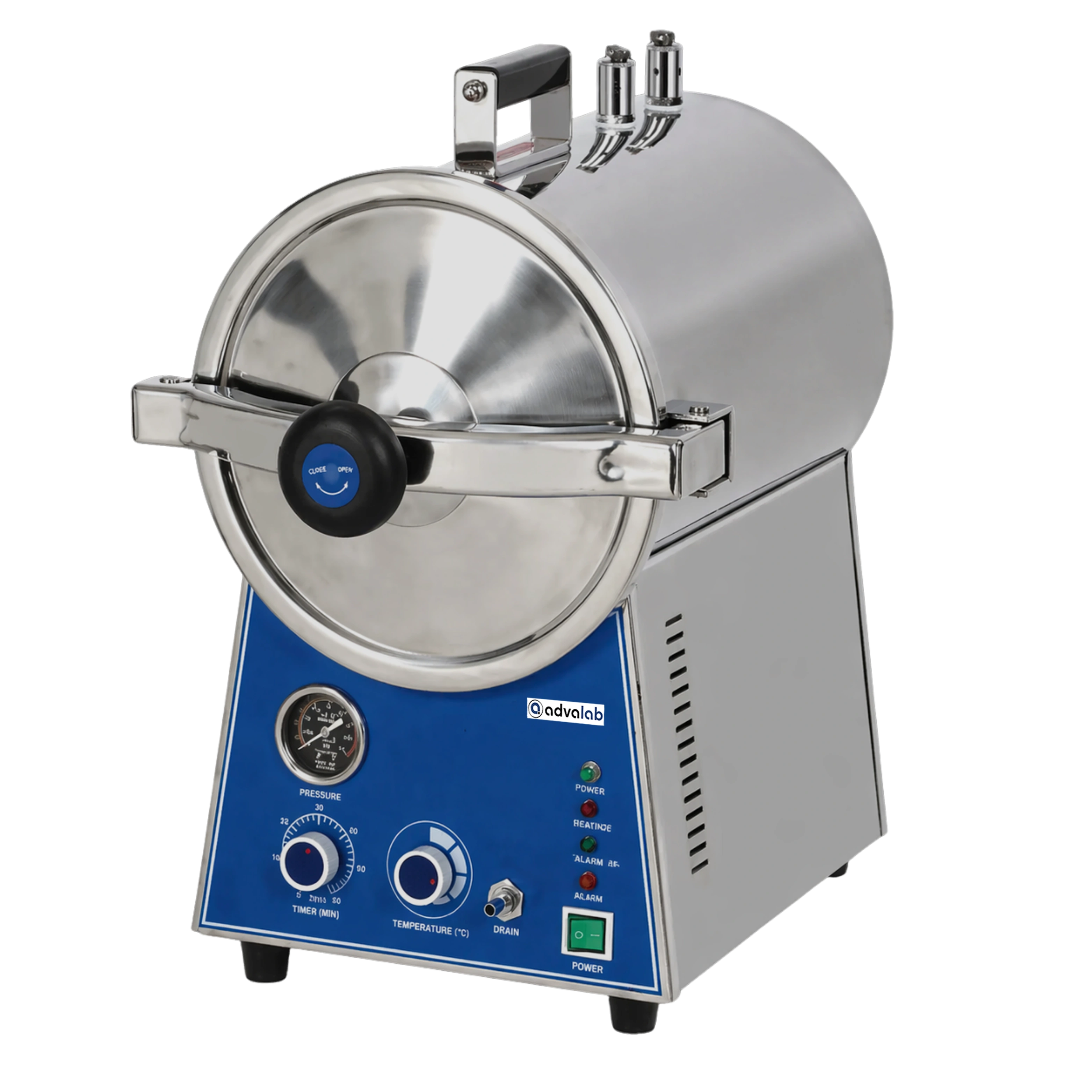
| Chamber Volume: | 24L φ (270×410) mm |
| Working Pressure: | 0.22MPa |
| Working Temperature: | 134℃ |

| Chamber Volume: | 20L φ (250×420) mm |
| Working Pressure: | 0.22MPa |
| Working Temperature: | 134℃ |