
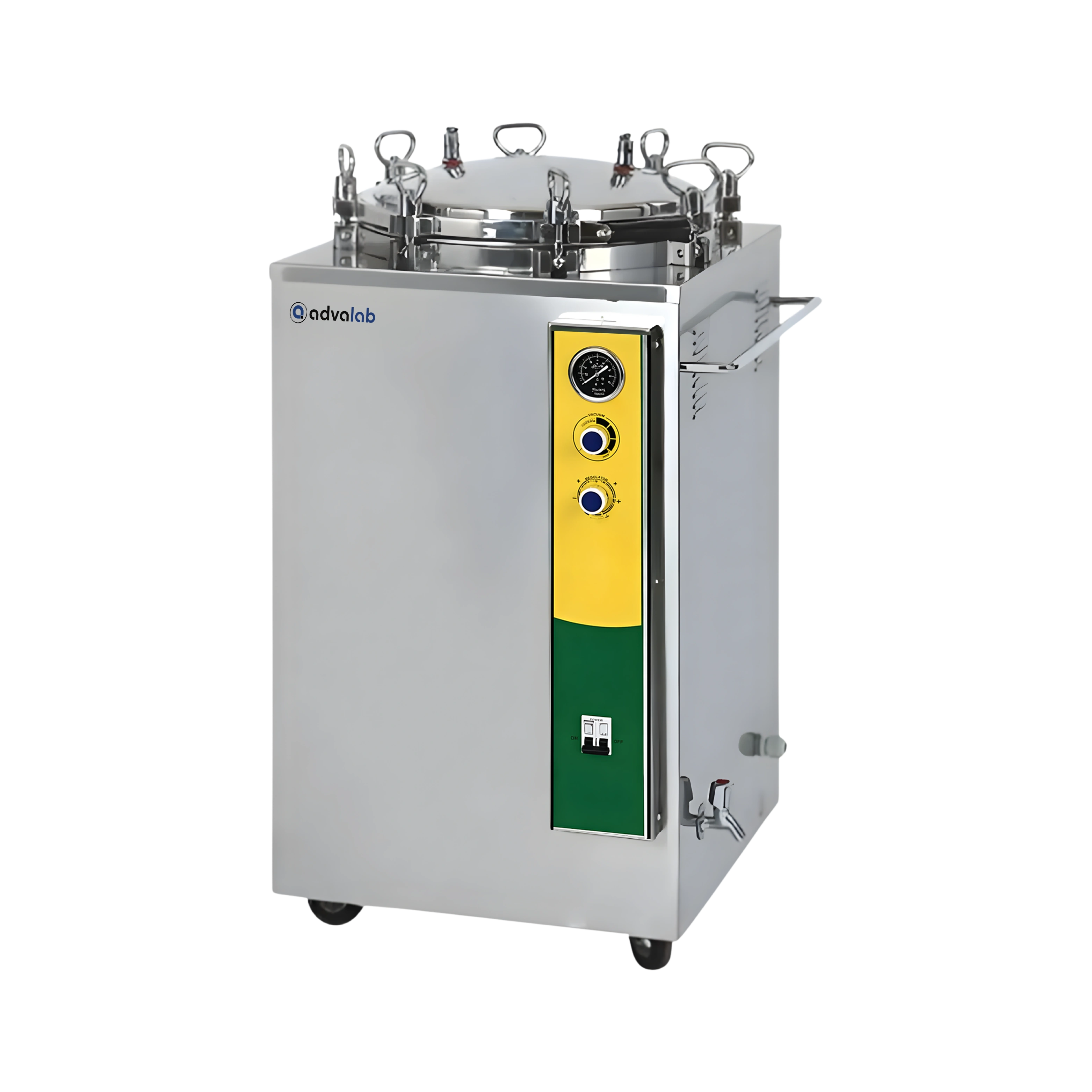
| Chamber Volume | 120L(φ480×660) mm |
| Working Pressure | 0.22MPa |
| Working Temperature | 134℃ |
| Maximum Working Pressure | 0.23Mpa |
| Heat Average | ≤±1℃ |
| Timer Scope | 0 to 60 min |
| Temperature Scope | 105 to 134℃ |
| Power Consumption | 6 KW |
| Overall Dimension (L×B×H) | 600×640×1140 mm |
| Transport Dimension (L×B×H) | 730×730×1270 mm |
| Gross Weight | 125 Kg |
| Net Weight | 100 Kg |
Our Vertical Autoclave ADVA-505 is widely used for sterilizing instruments, media, and equipment across diverse fields such as healthcare, pharmaceuticals and biomedical waste management.
1. What is a vertical autoclave and how does it work?
A vertical autoclave is a cylindrical, top-loading sterilization device commonly used in laboratories, hospitals, and research facilities to sterilize equipment, glassware, media, and other items. It uses pressurized saturated steam at high temperatures—usually between 121°C to 134°C—to destroy microorganisms, including bacteria, viruses, and spores. The chamber is sealed to allow steam to build up pressure, thereby raising the temperature beyond the boiling point of water.
2. What types of items can be sterilized in a vertical autoclave?
Vertical autoclaves can sterilize a wide range of items such as laboratory glassware, surgical instruments, culture media, rubber goods, and textile items like gowns and drapes. However, items made from heat-sensitive materials like certain plastics or electronics should not be placed in an autoclave unless they are specifically designed for high-temperature steam sterilization. For liquids, the autoclave must have a specialized liquid cycle to prevent boiling over.
3. How long does a sterilization cycle take in a vertical autoclave?
The length of a sterilization cycle in a vertical autoclave typically ranges from 15 to 60 minutes, depending on the type and volume of the load, the temperature set point, and whether drying is included in the cycle. For example, sterilizing simple metal instruments at 121°C may take about 20 minutes, while larger or denser loads such as wrapped surgical kits or liquid media may require 45–60 minutes. Additional time is also needed for the warm-up, pressure build-up, and cooling phases, so a full cycle from start to finish can take up to 90 minutes.
4. Can vertical autoclave sterilize liquids like culture media?
yes, the vertical autoclave is capable of sterilizing liquids such as culture media, saline, or buffer solutions. However, it is crucial to use the correct cycle designed for liquids, which involves a slower depressurization phase to prevent boiling over or container breakage. The containers used should be made of heat-resistant borosilicate glass and should not be sealed tightly during the cycle to allow pressure equalization. After sterilization, the autoclave must cool down completely before removing the liquids to avoid burns or spills.
5. What are the advantages of using a vertical autoclave?
Vertical autoclaves are compact, easy to use, and suitable for facilities with limited space. They are ideal for sterilizing liquids, culture media, surgical instruments, glassware, and other laboratory items. The top-loading design is space-saving and allows for deep chamber sterilization, making it ideal for tall instruments or containers. They also often consume less energy and water compared to large horizontal units. Their simple interface and automated cycles make them user-friendly, and they are often more cost-effective for small to medium workloads.
6. How to maintain and clean a vertical autoclave?
Proper maintenance and cleaning are crucial for ensuring the longevity and safe operation of a vertical autoclave. Daily tasks include checking the water level in the boiler, wiping down the exterior, and inspecting gaskets for wear or damage. Weekly or monthly maintenance involves descaling the chamber (if hard water is used), checking the steam traps and pressure release valves, and cleaning the drain lines.
7. What is a Vertical Autoclave and how does it work?
A Vertical Autoclave is a sterilization device that uses steam under pressure to sterilize equipment, media, and laboratory tools. It works by heating water to produce steam, which destroys bacteria, viruses, and other microorganisms.
8. What safety features are included in a Vertical Autoclave?
A Vertical Autoclave includes safety features like pressure release valves, temperature cut-offs, door interlocks, and alarms. These systems prevent accidental opening or overheating in the Vertical Autoclave. Built-in sensors ensure the unit shuts off in case of any malfunction.
9. Can a Vertical Autoclave be used for medical waste?
A Vertical Autoclave can be used to sterilize soft medical waste like gauze, gloves, and cloth items. However, a Vertical Autoclave may not be ideal for large volumes of waste or sharp objects. Special medical waste autoclaves are recommended for such loads.
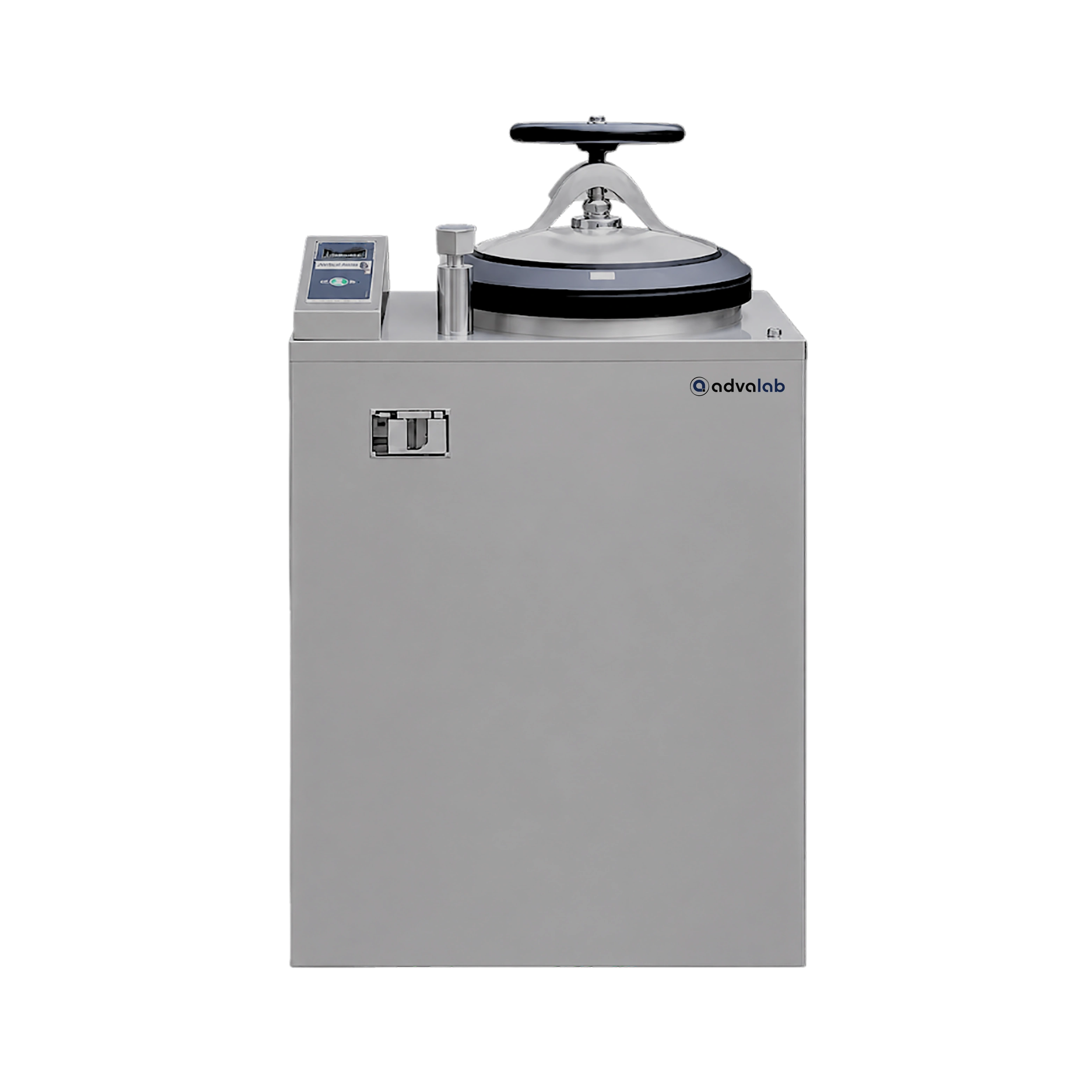
| Chamber Volume | 75L φ (400×600) mm |
| Working Pressure | 0.22MPa |
| Working Temperature | 134℃ |
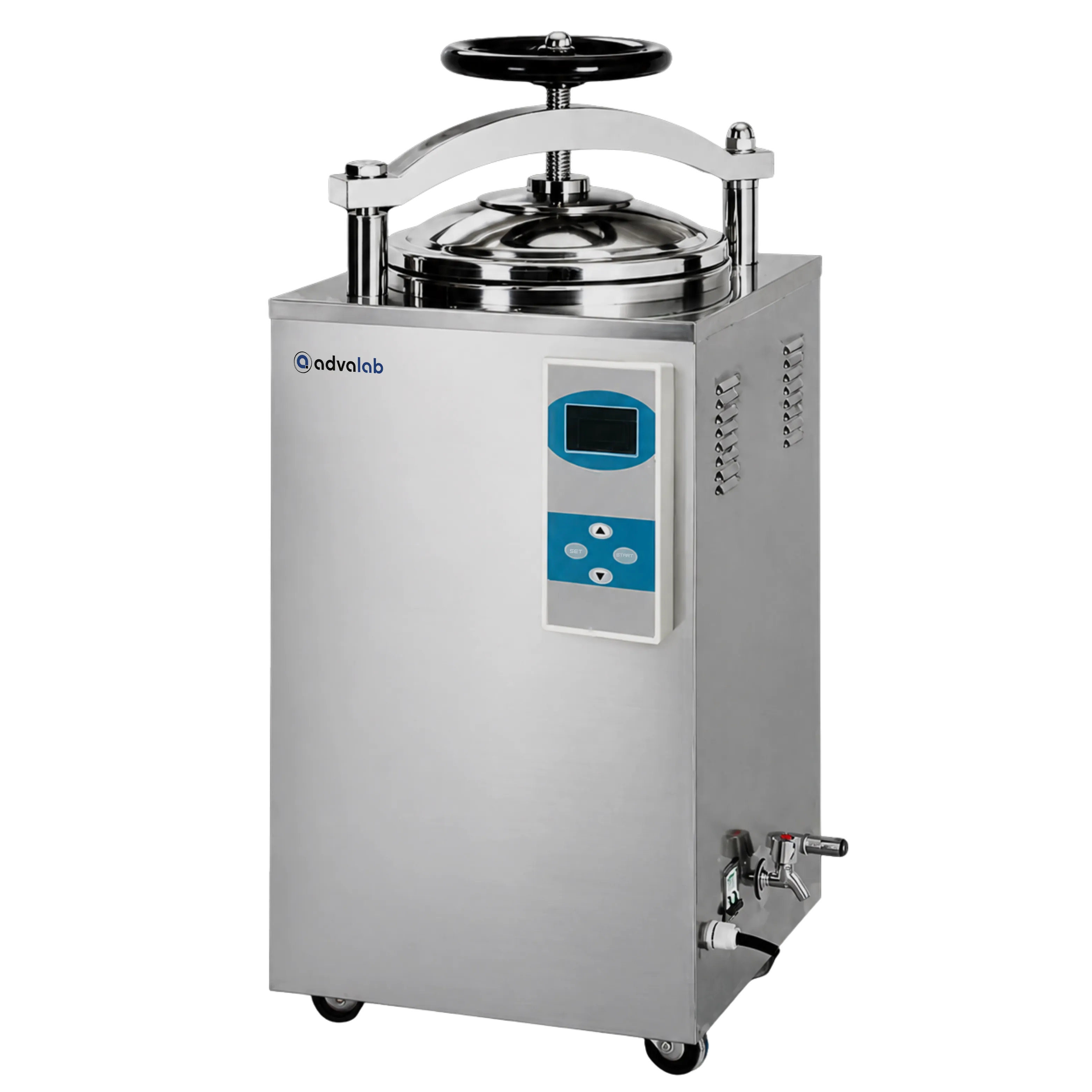
| Chamber Volume | 75L φ (318×450) mm |
| Working Pressure | 0.22MPa |
| Working Temperature | 134℃ |
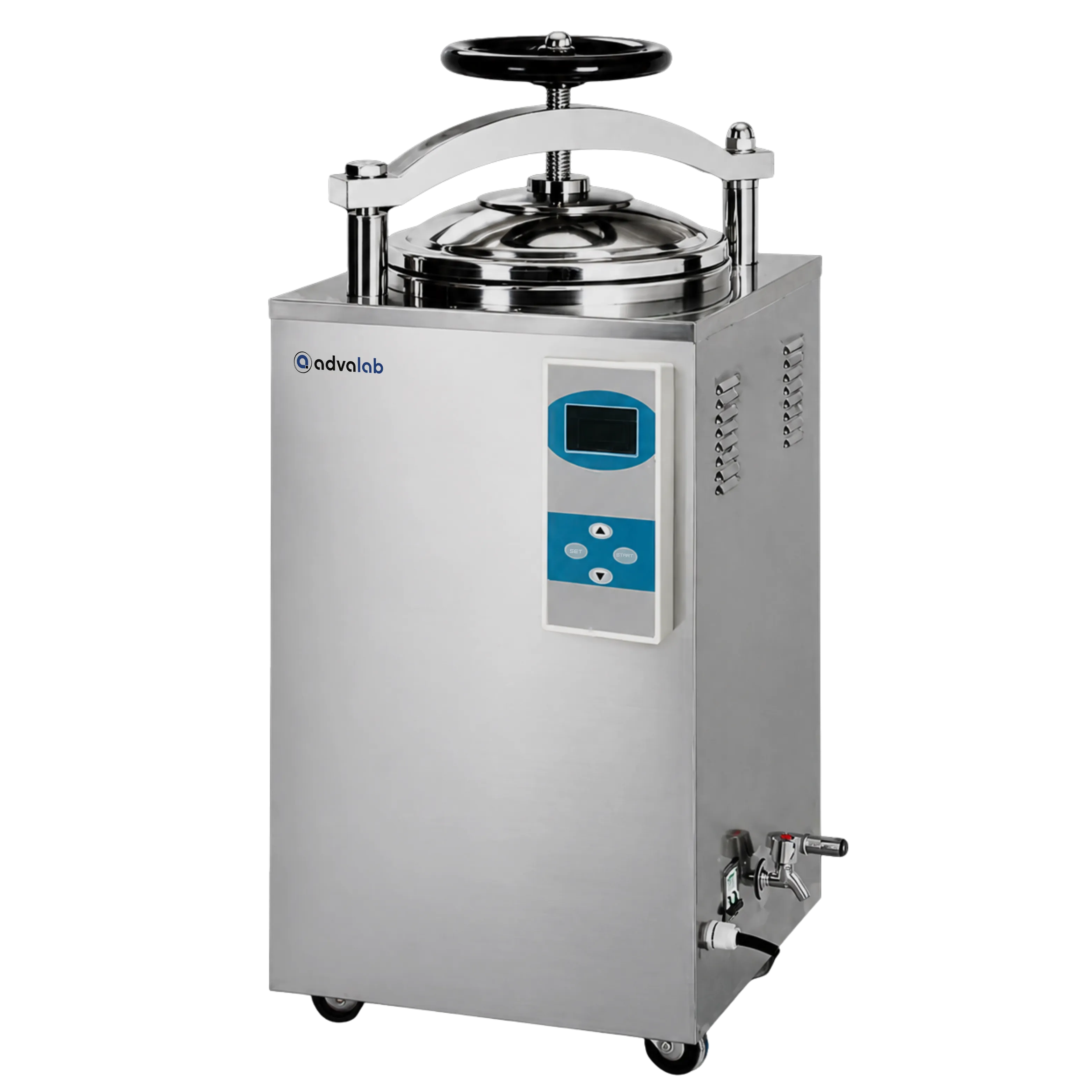
| Chamber Volume | 35L φ (318×450) mm |
| Working Pressure | 0.22MPa |
| Working Temperature | 134℃ |
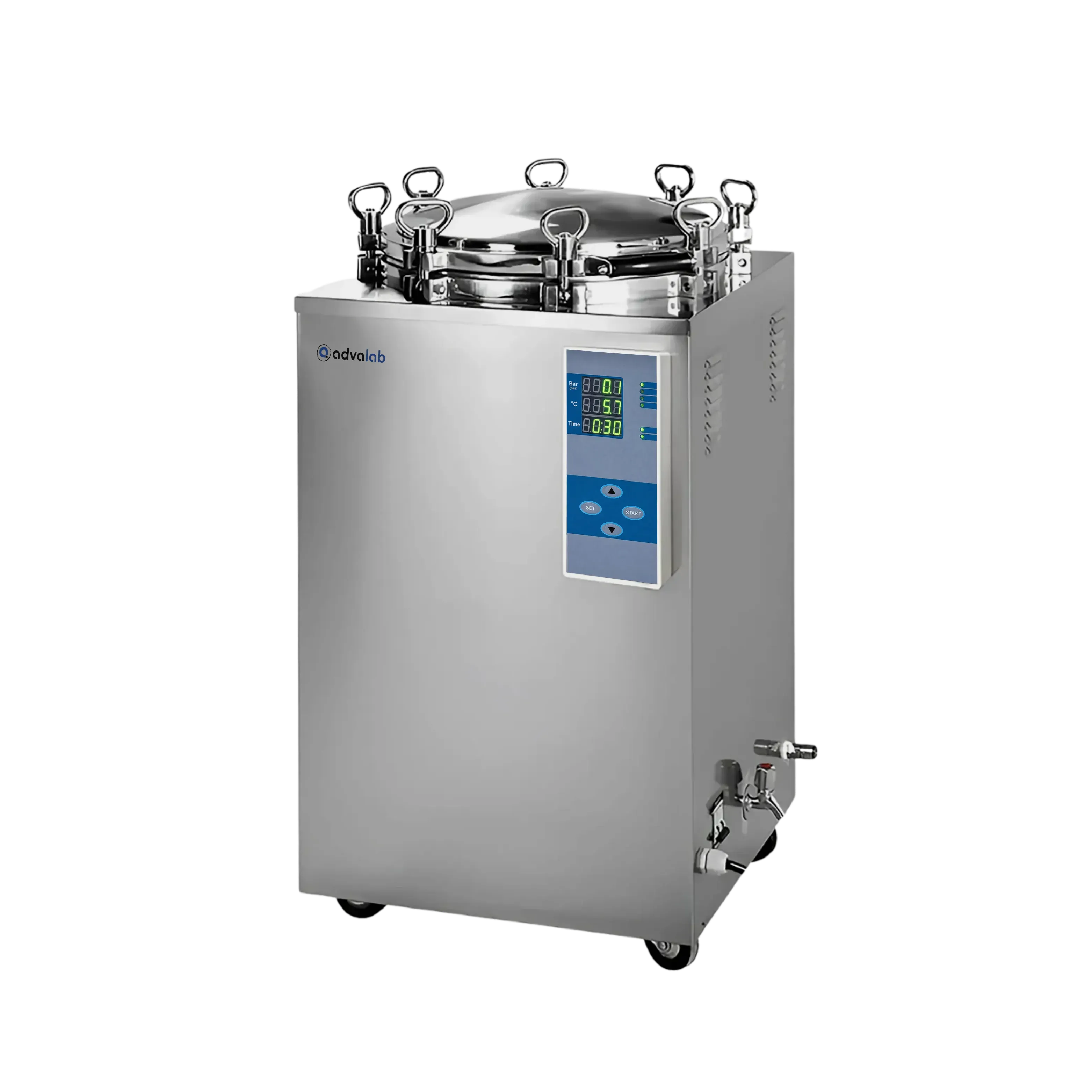
| Chamber Volume | 75L φ (400×600) mm |
| Working Pressure | 0.1 to 0.22MPa |
| Working Temperature | 120 to 134℃ |
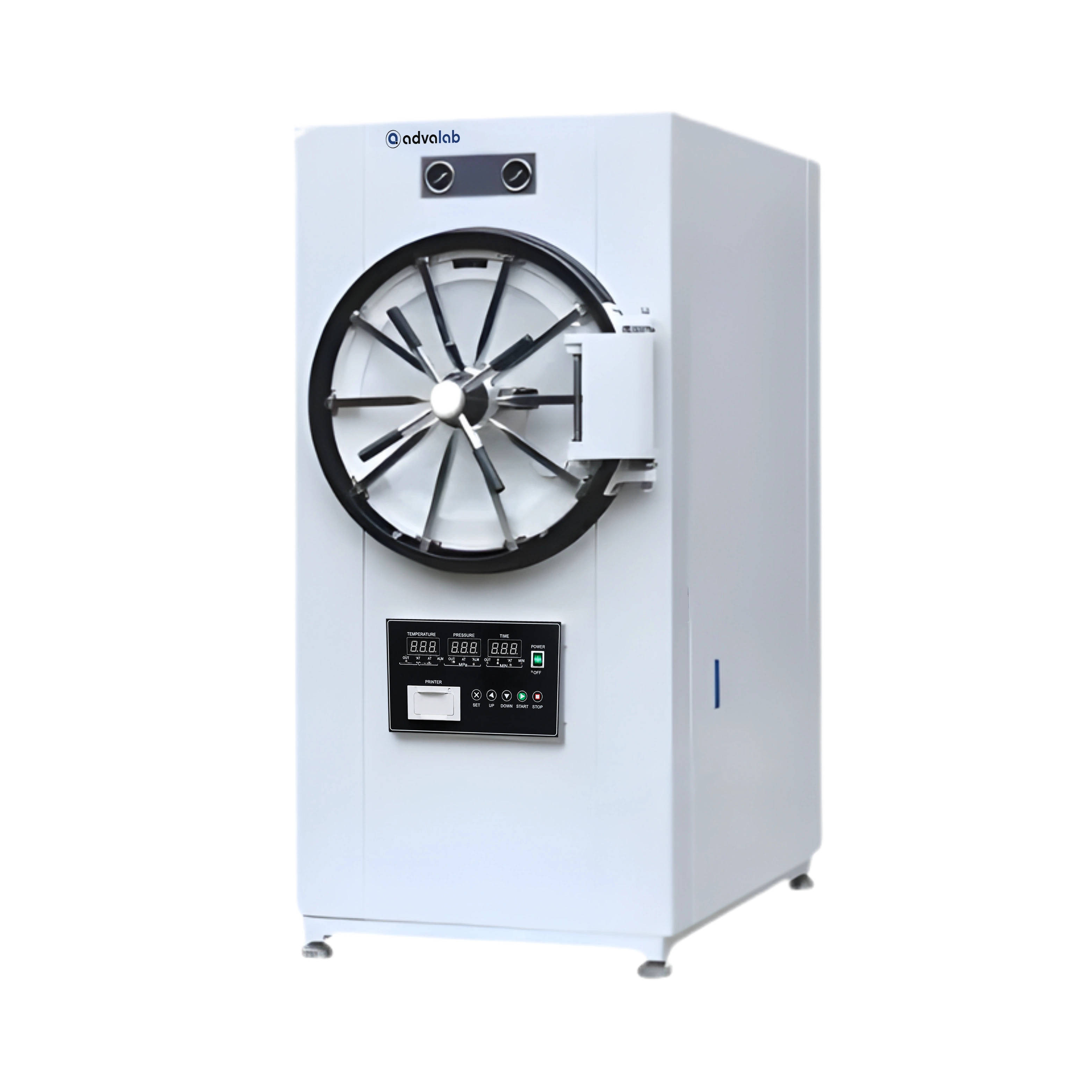
| Sterilizing Chamber Volume: | 200 L φ (515×1000mm) |
| Working Pressure: | 0.22Mpa |
| Working Temperature: | 134ºC |
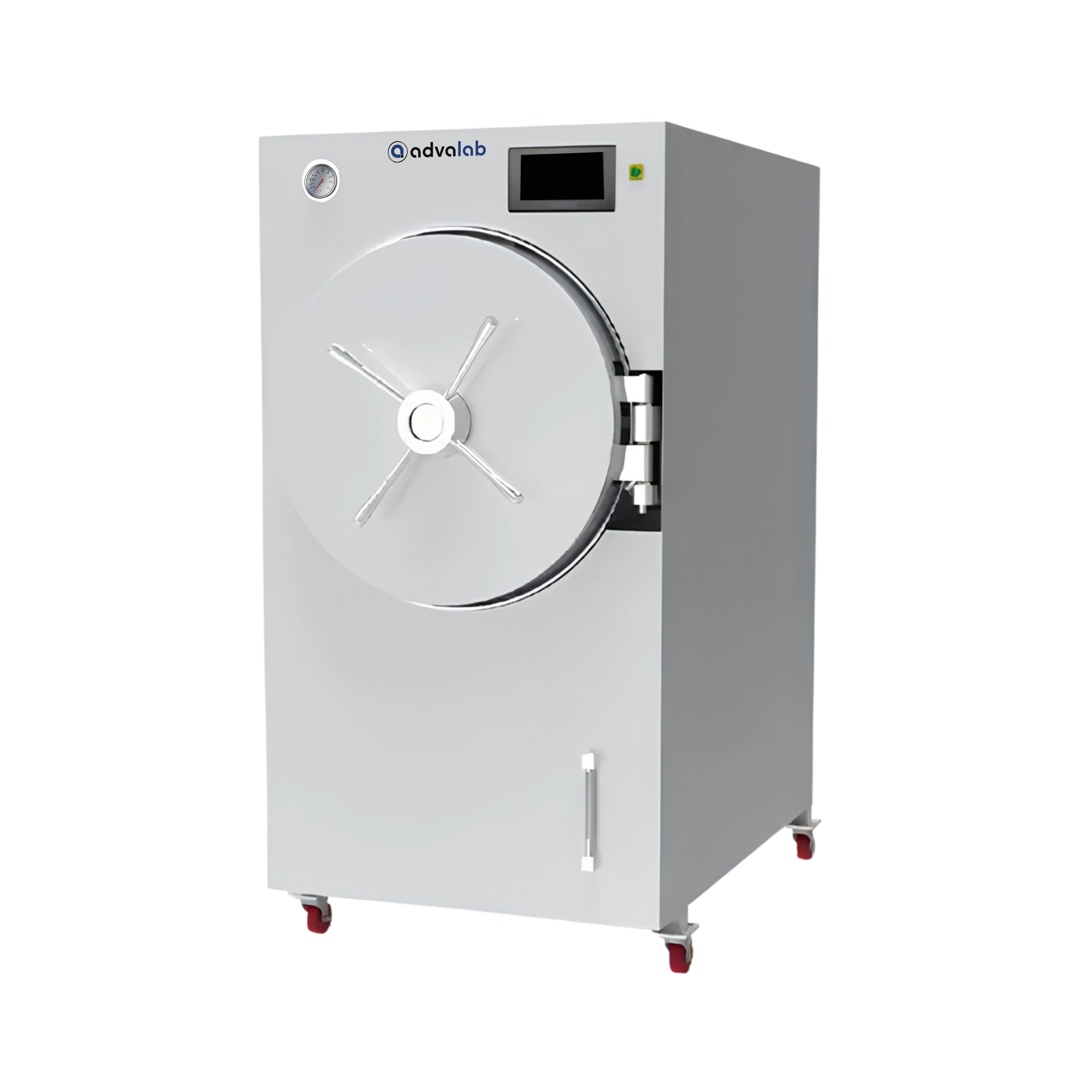
| Volume: | 500 L |
| Door Structure : | spoke |
| Temperature Range : | 105°C to 135°C |
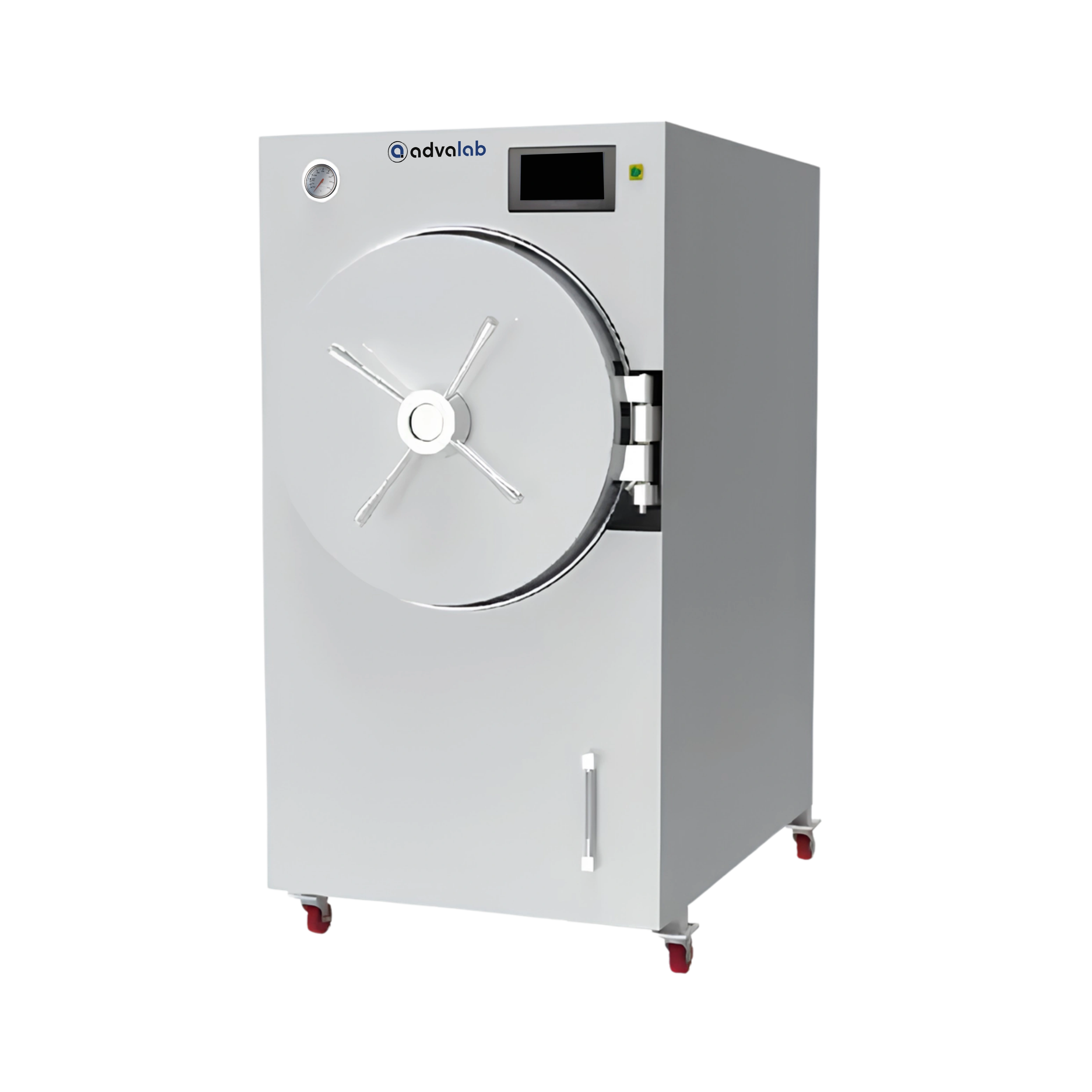
| Volume: | 360 L |
| Door Structure: | spoke |
| Temperature Range: | 105 to 135°C |
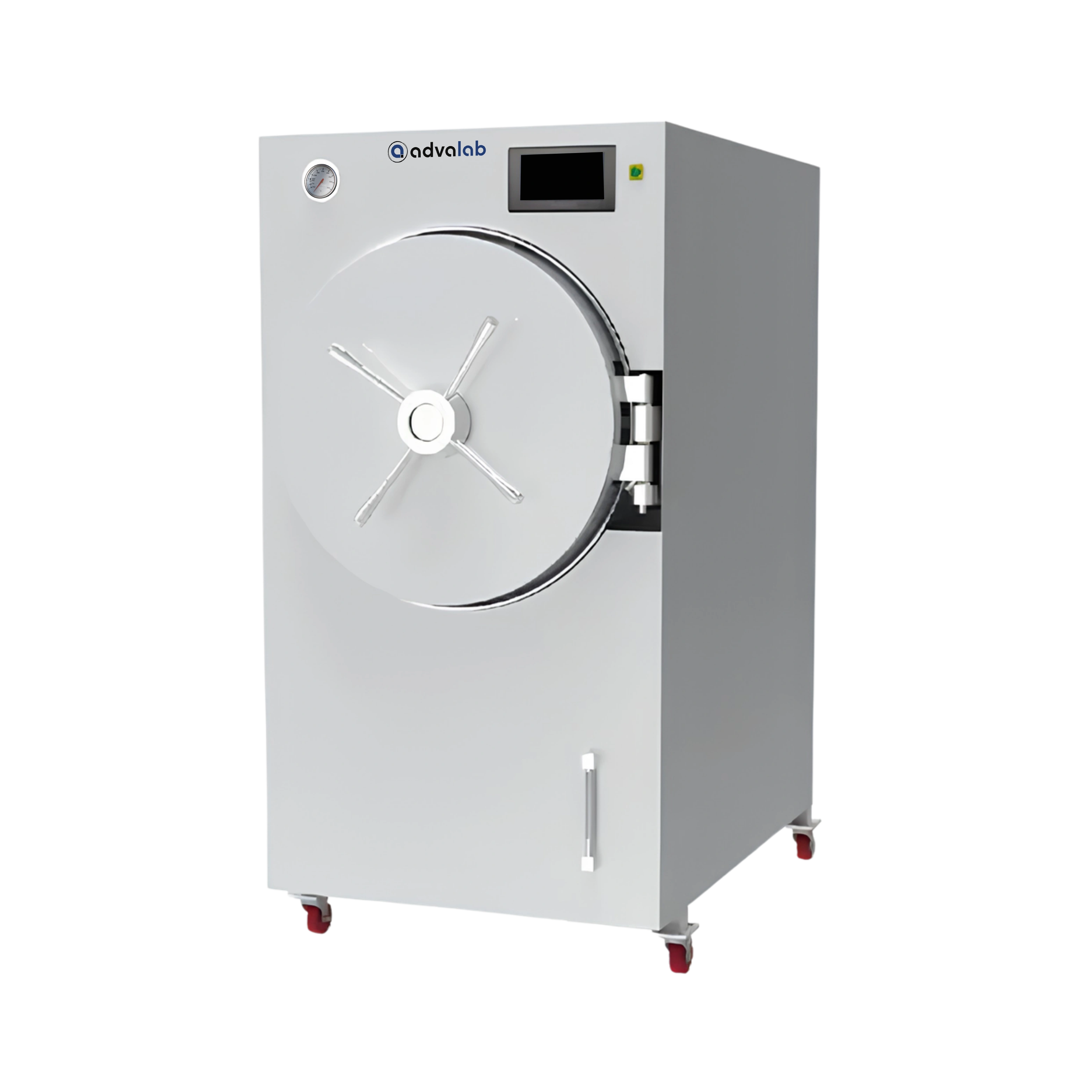
| Volume: | 280 L |
| Door Structure : | spoke |
| Temperature Range : | 105 to 135°C |
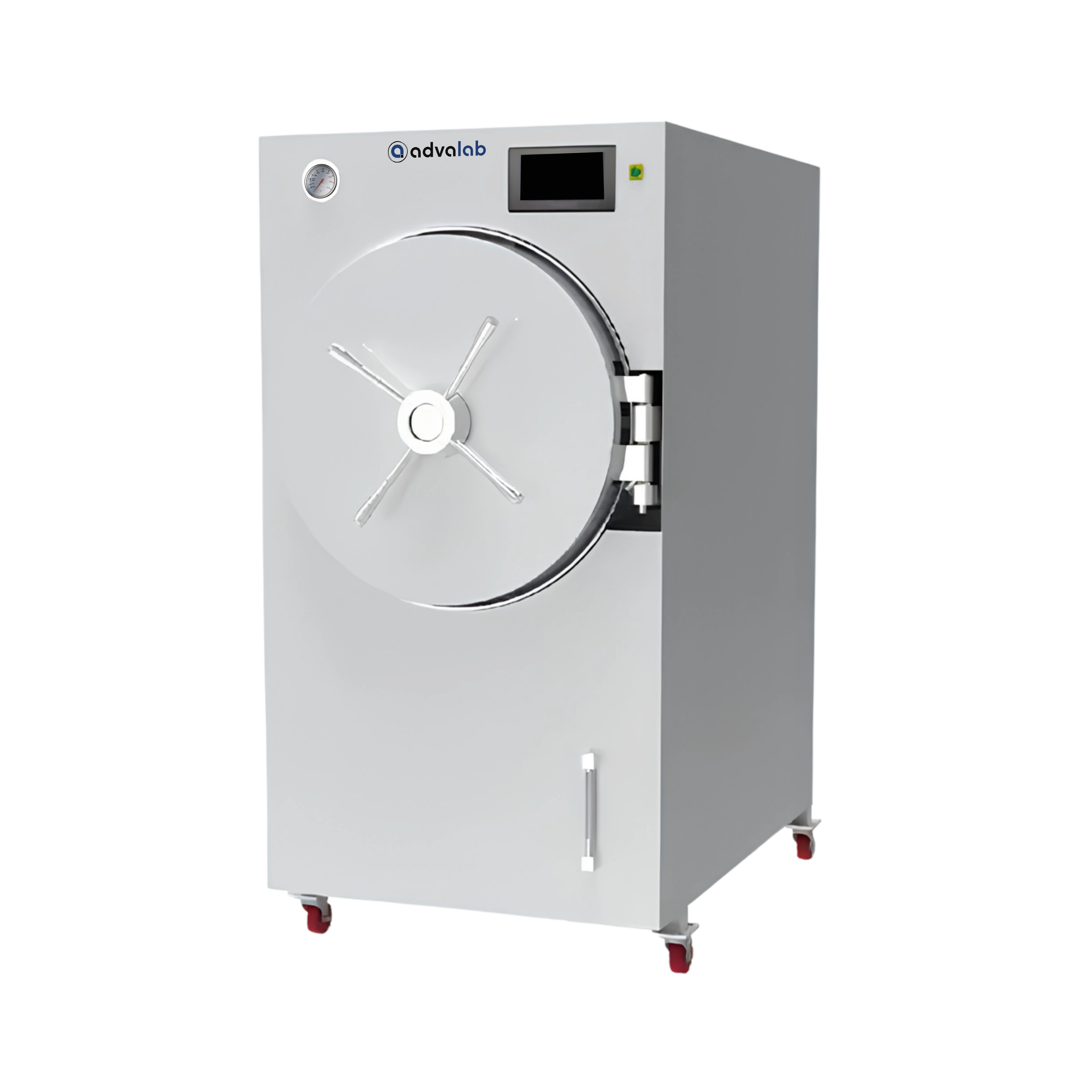
| Volume: | 280 L |
| Door Structure: | spoke |
| Temperature Range: | 105 to 135°C |
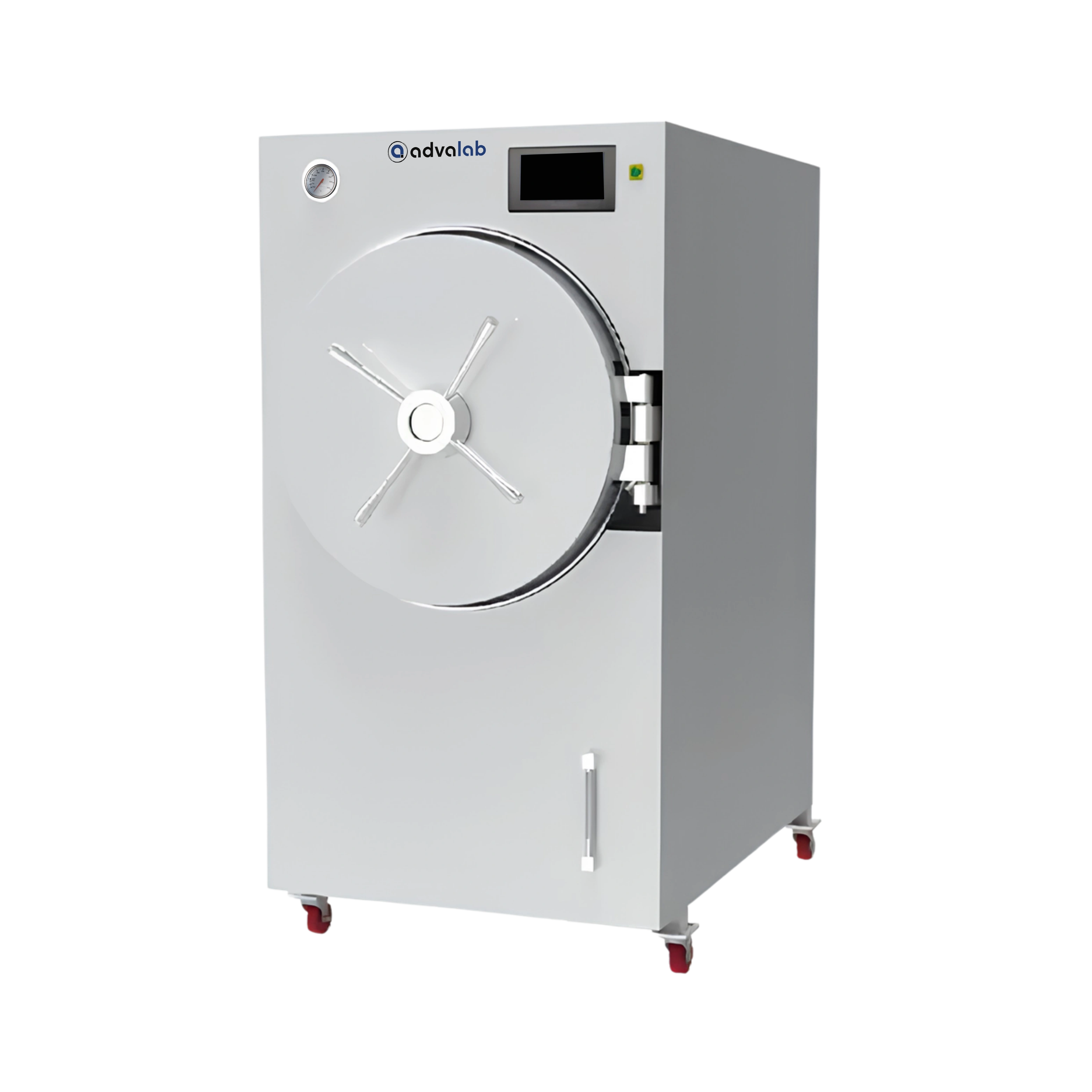
| Volume: | 500 L |
| Door Structure : | spoke |
| Temperature Range : | 105 to 135°C |
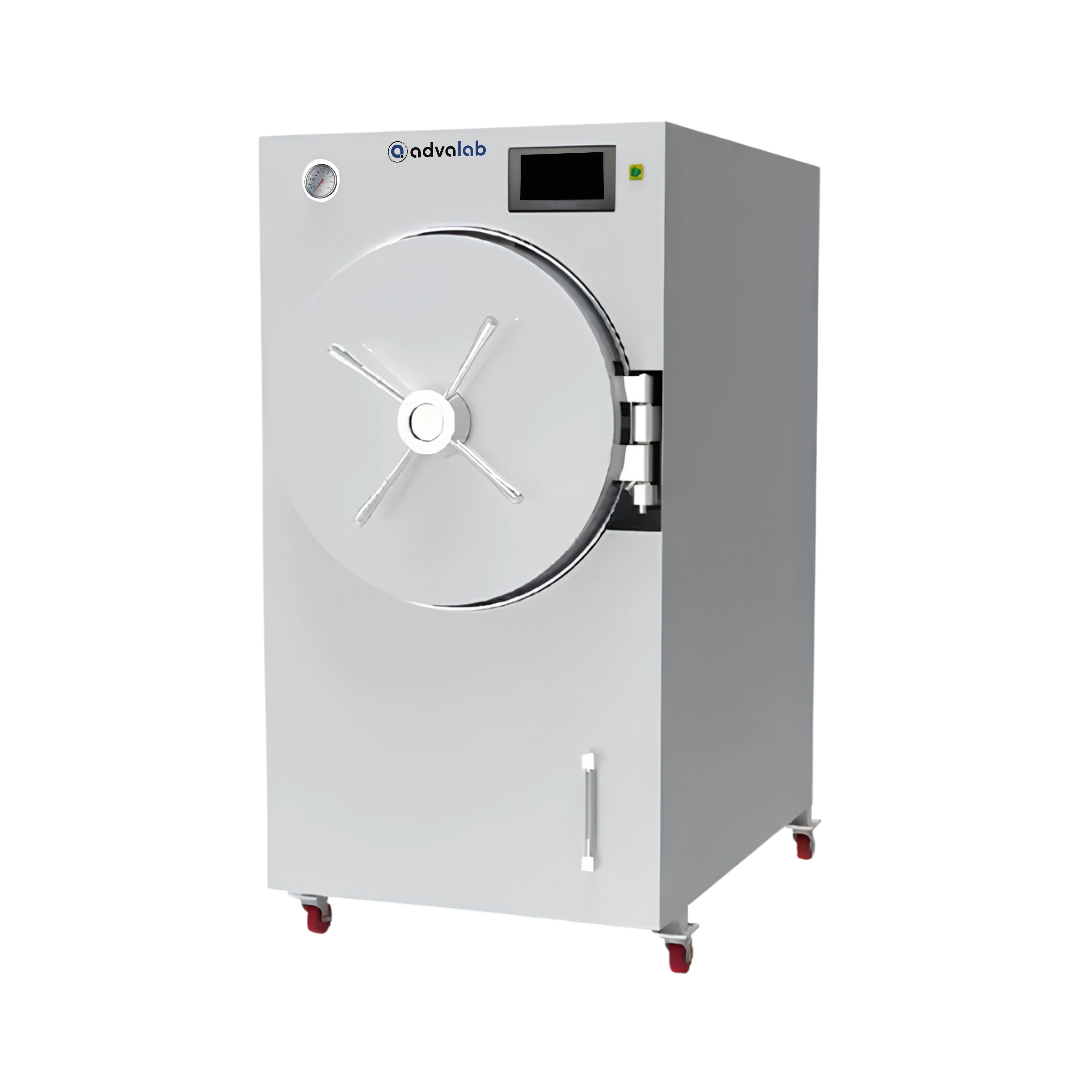
| Volume: | 360 L |
| Door Structure: | spoke |
| Temperature Range : | 105 to 135°C |
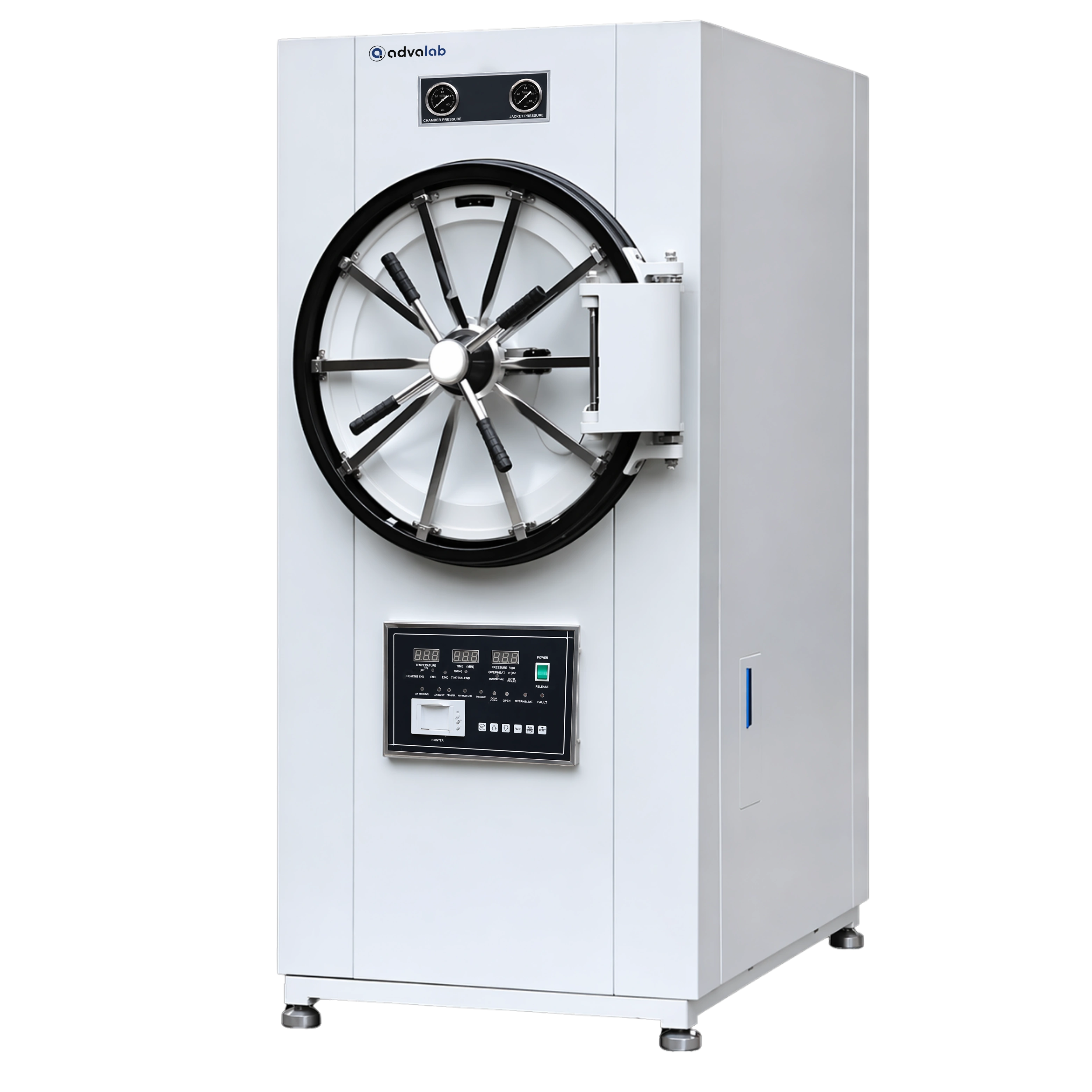
| Sterilizing chamber volume: | 150 L φ (440×1000mm) |
| working pressure: | 0.22Mpa |
| Working temperature: | 134ºC |
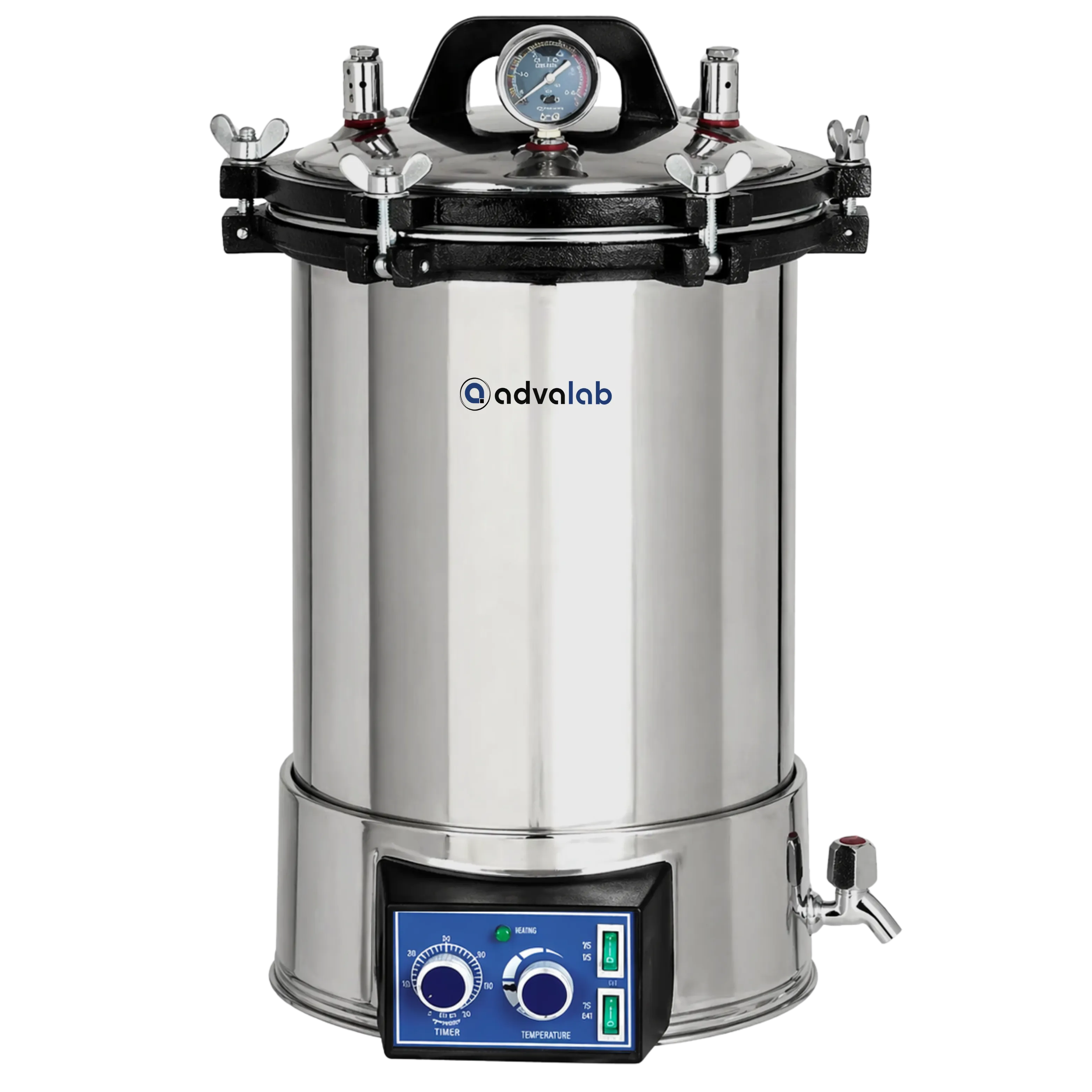
| Working Pressure: | 0.14 to 0.16MPa |
| Working Temperature: | 126 ºC |
| Temperature Adjust Range: | 105℃ to 126℃ |
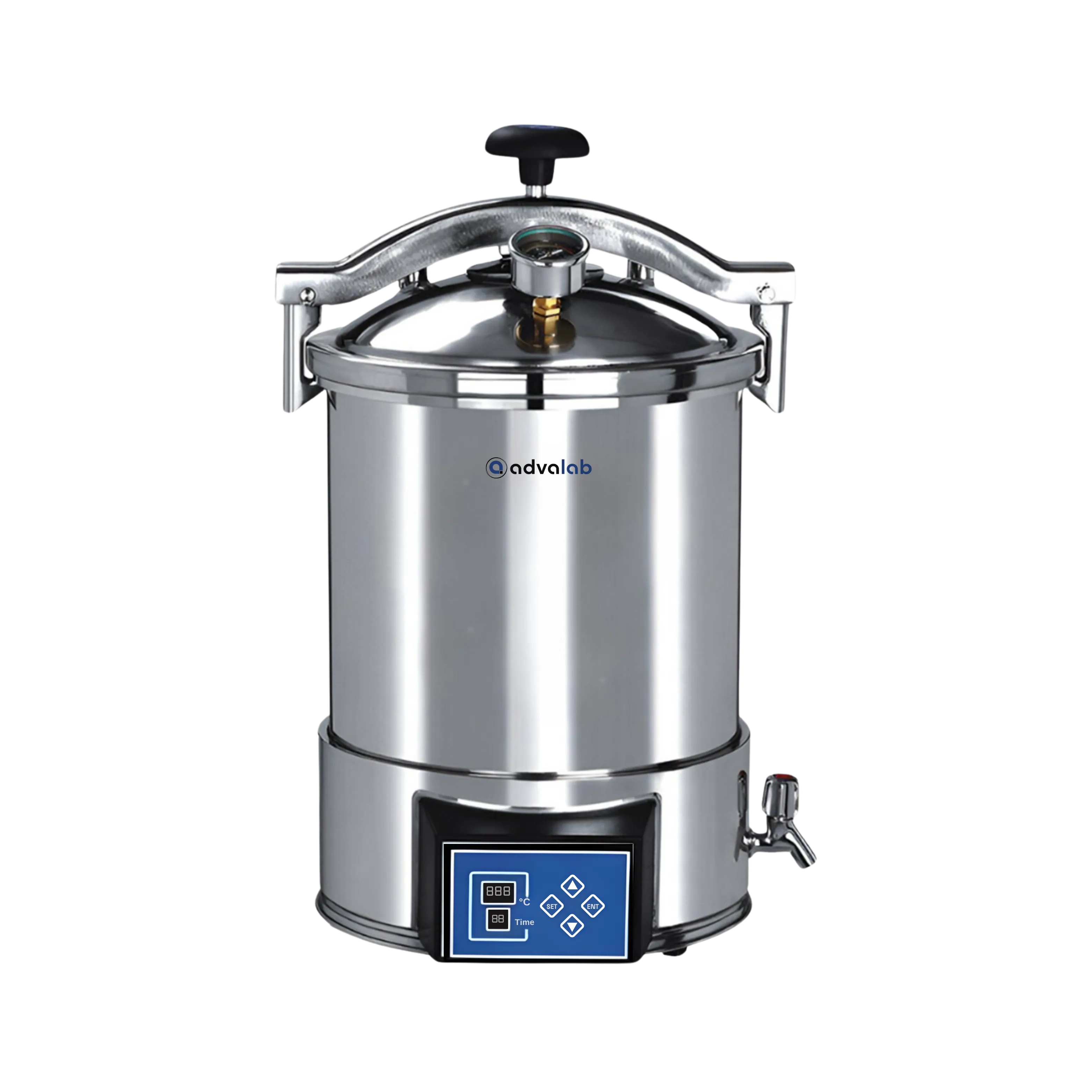
| Sterilizing Volume: | 18L (280×260) mm |
| Working Pressure: | 0.14 to 0.16MPa |
| Working Temperature: | 126℃ |
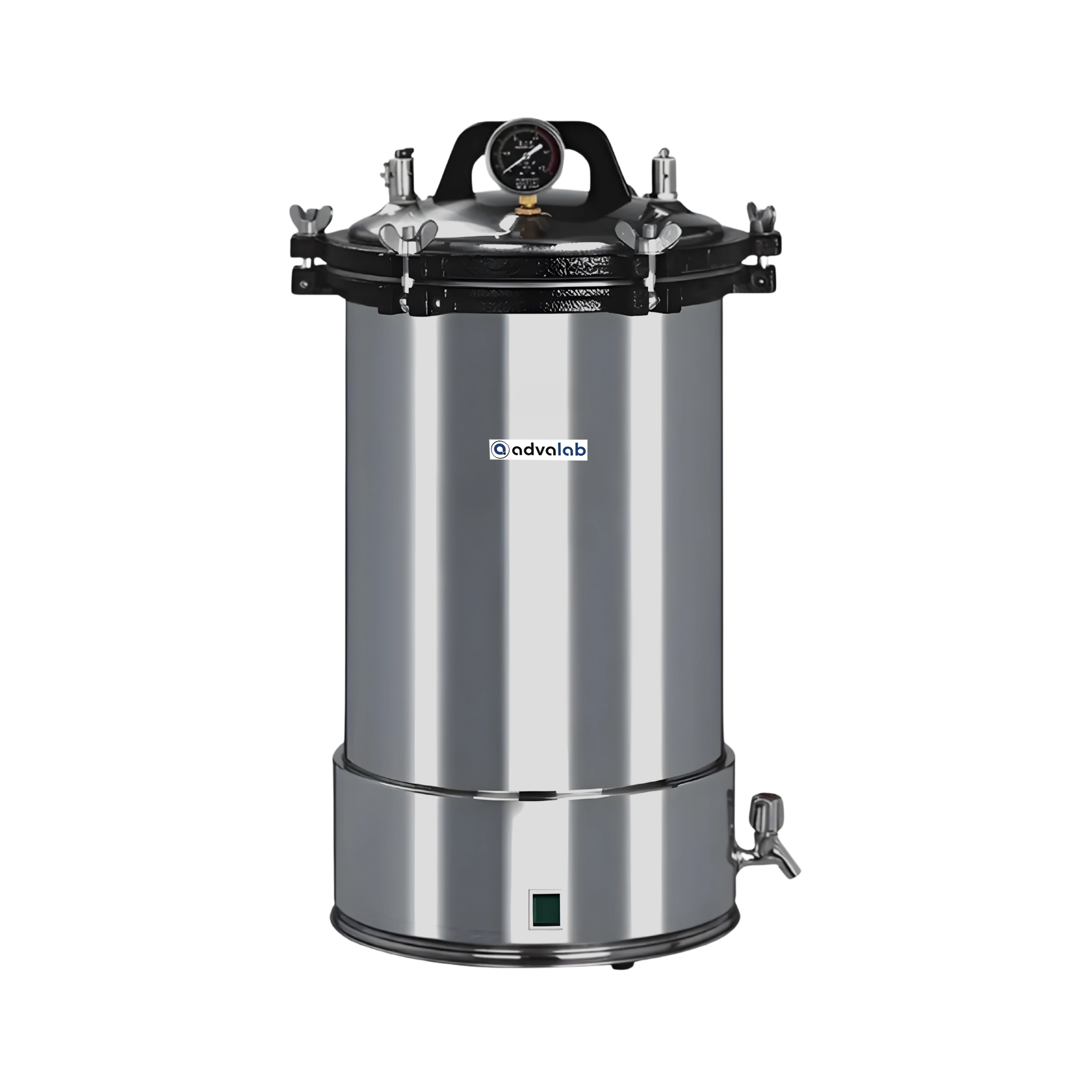
| Chamber Volume: | 24L (280 × 390) mm |
| Working Pressure: | 0.14 to 0.16 MPa |
| Working Temperature : | 126℃ |
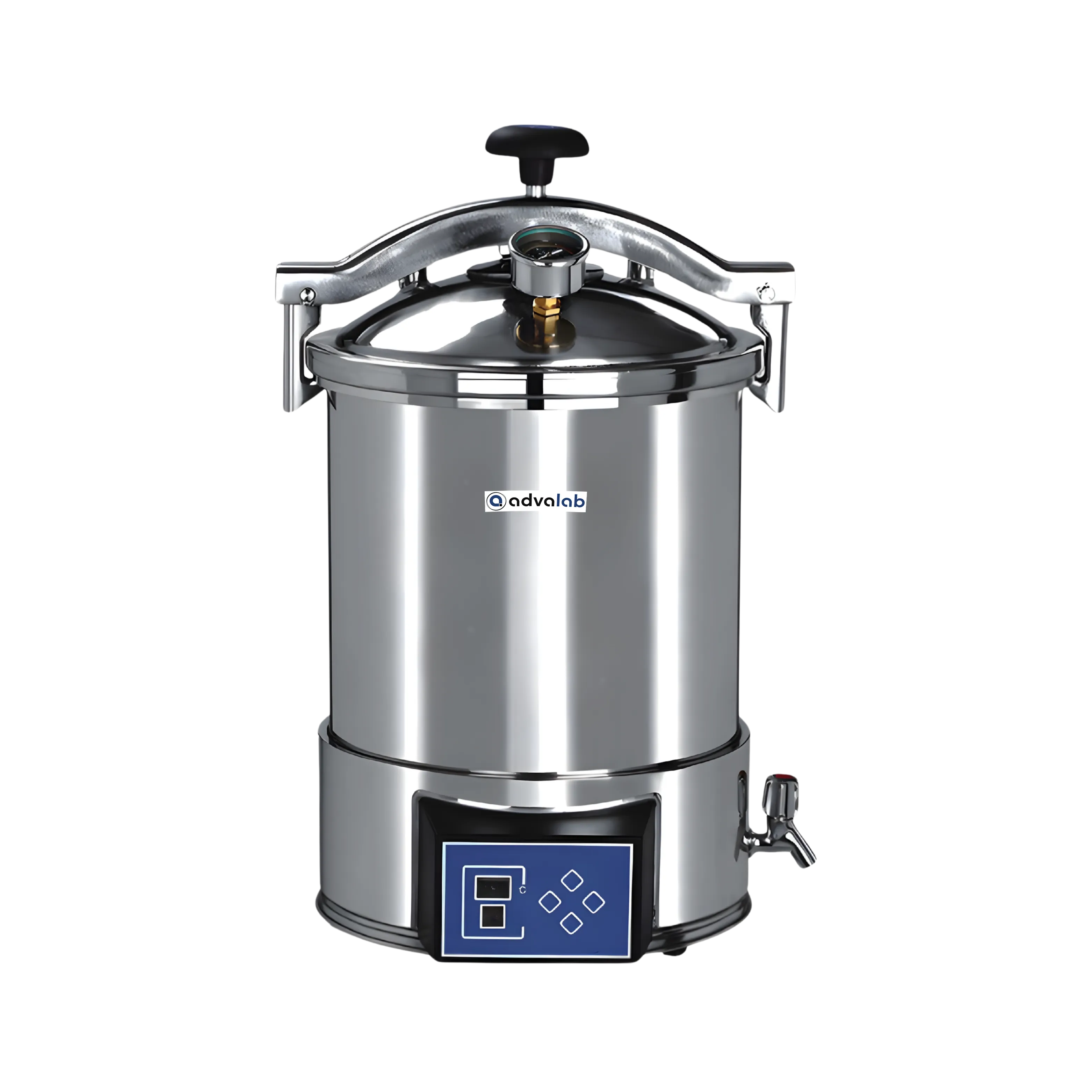
| Sterilizing Volume: | 18L 80×260 mm |
| Working Pressure: | 0.14 to 0.16 MPa |
| Working Temperature: | 126℃ |
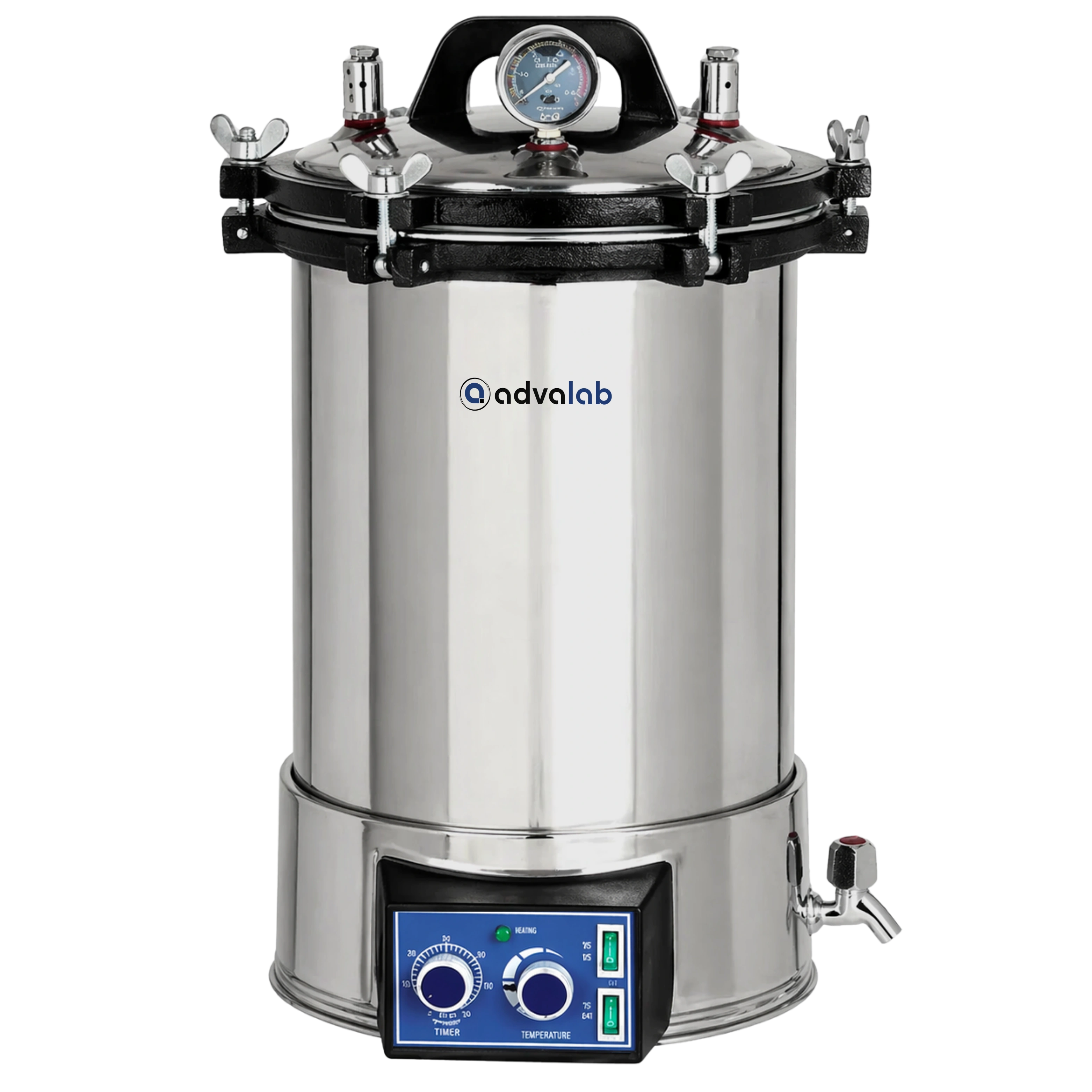
| Sterilizing Volume: | 18L (280×260) mm |
| Working Pressure: | 0.14 to 0.16MPa |
| Working Temperature: | 126 ºC |
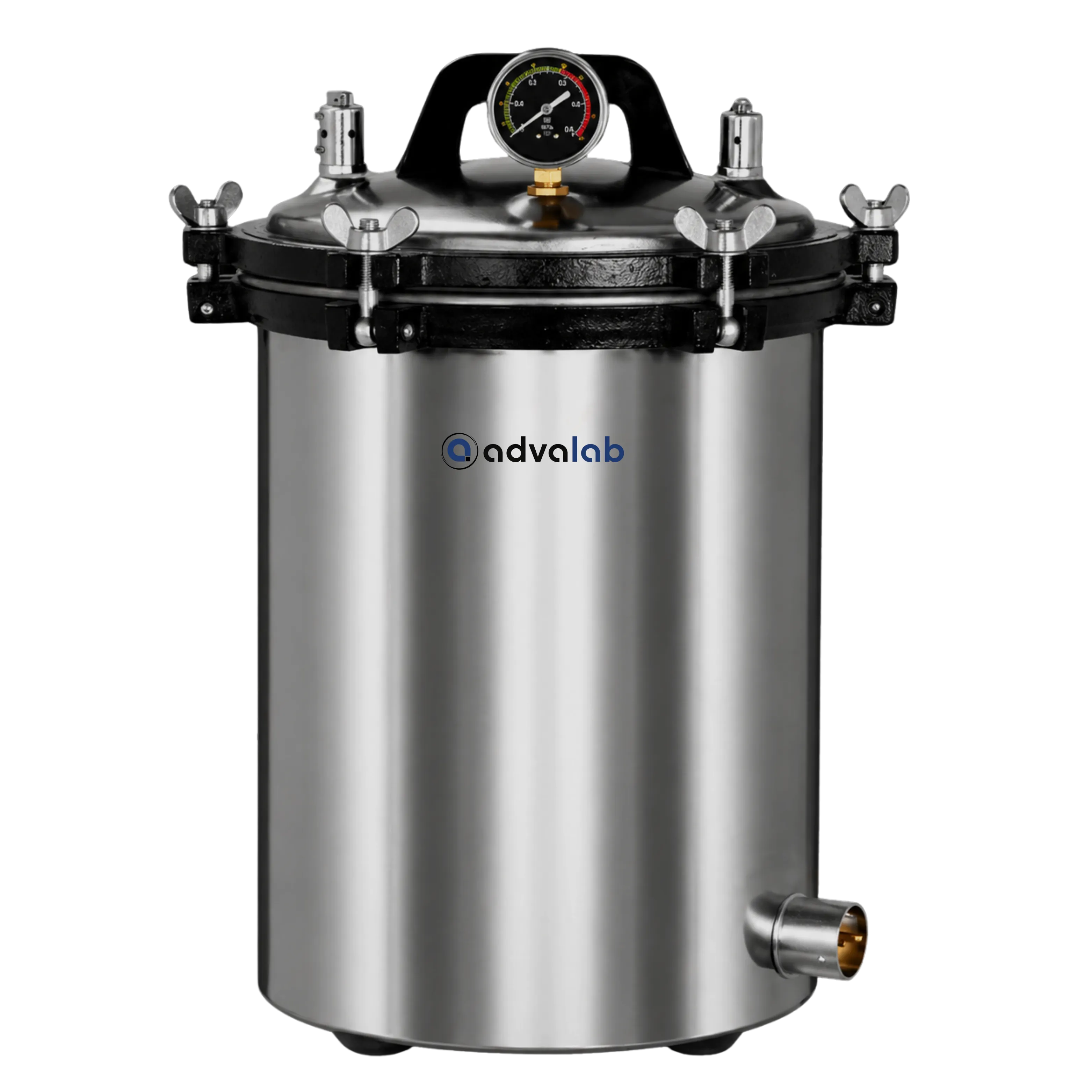
| Chamber Volume: | 24L (280×390) mm |
| Working Pressure: | 0.14 to 0.16Mpa |
| Working Temperature: | 126℃ |
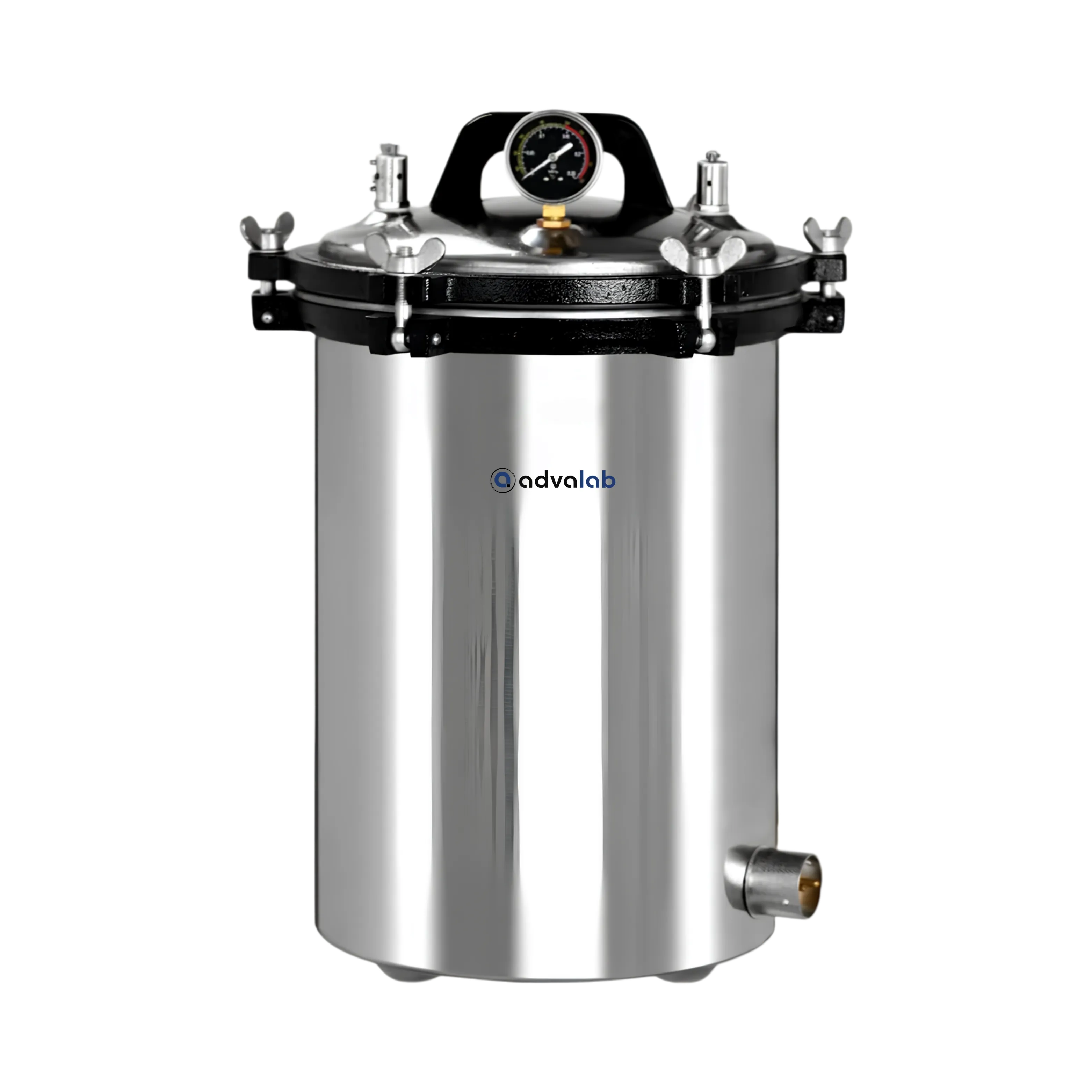
| Chamber Volume: | 18 L (240×200) mm |
| Working Pressure: | 0.14 to 0.16Mpa |
| Working Temperature: | 126℃ |
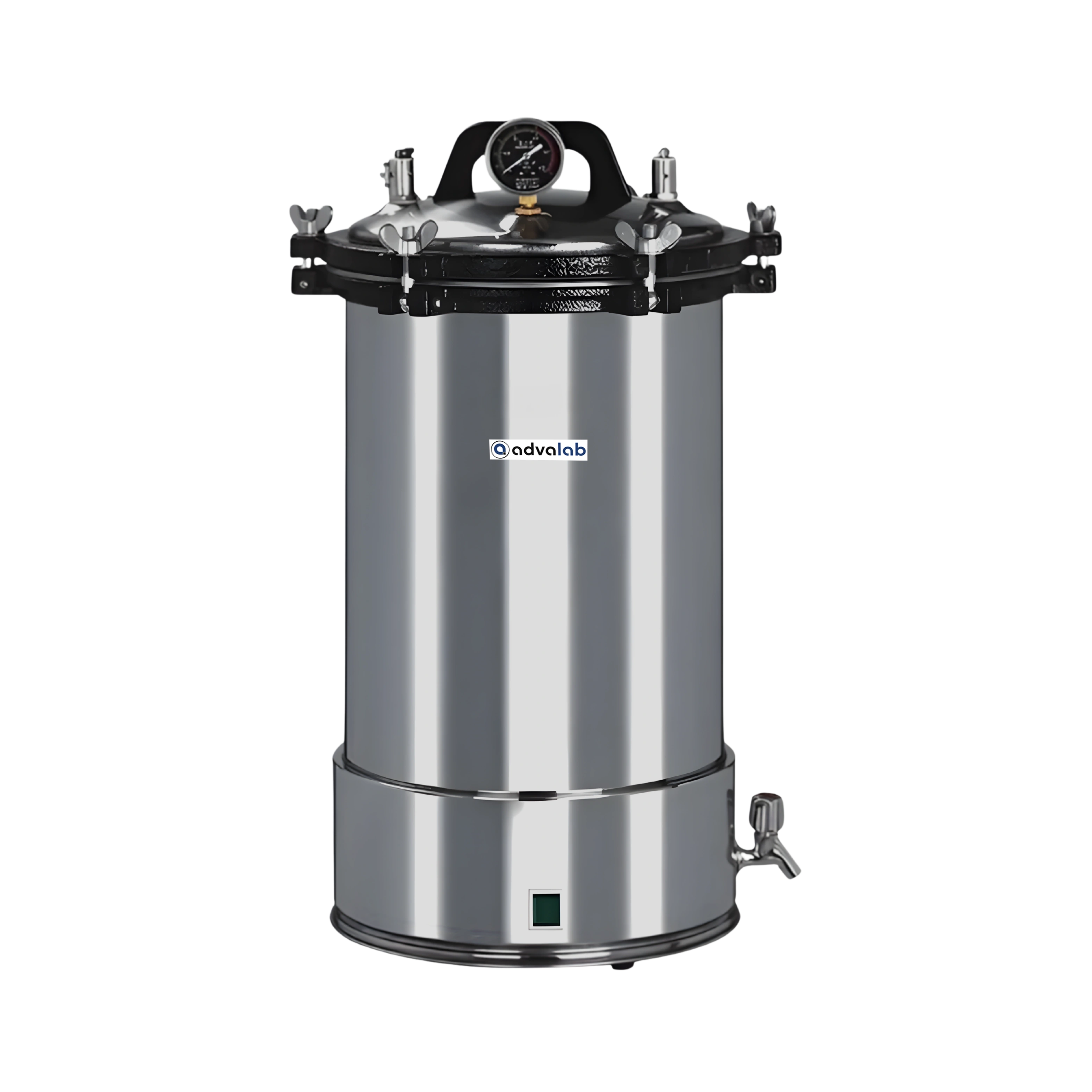
| Chamber Volume: | 18L (280 × 260) mm |
| Working Pressure: | 0.14 to 0.16 MPa |
| Working Temperature: | 126℃ |
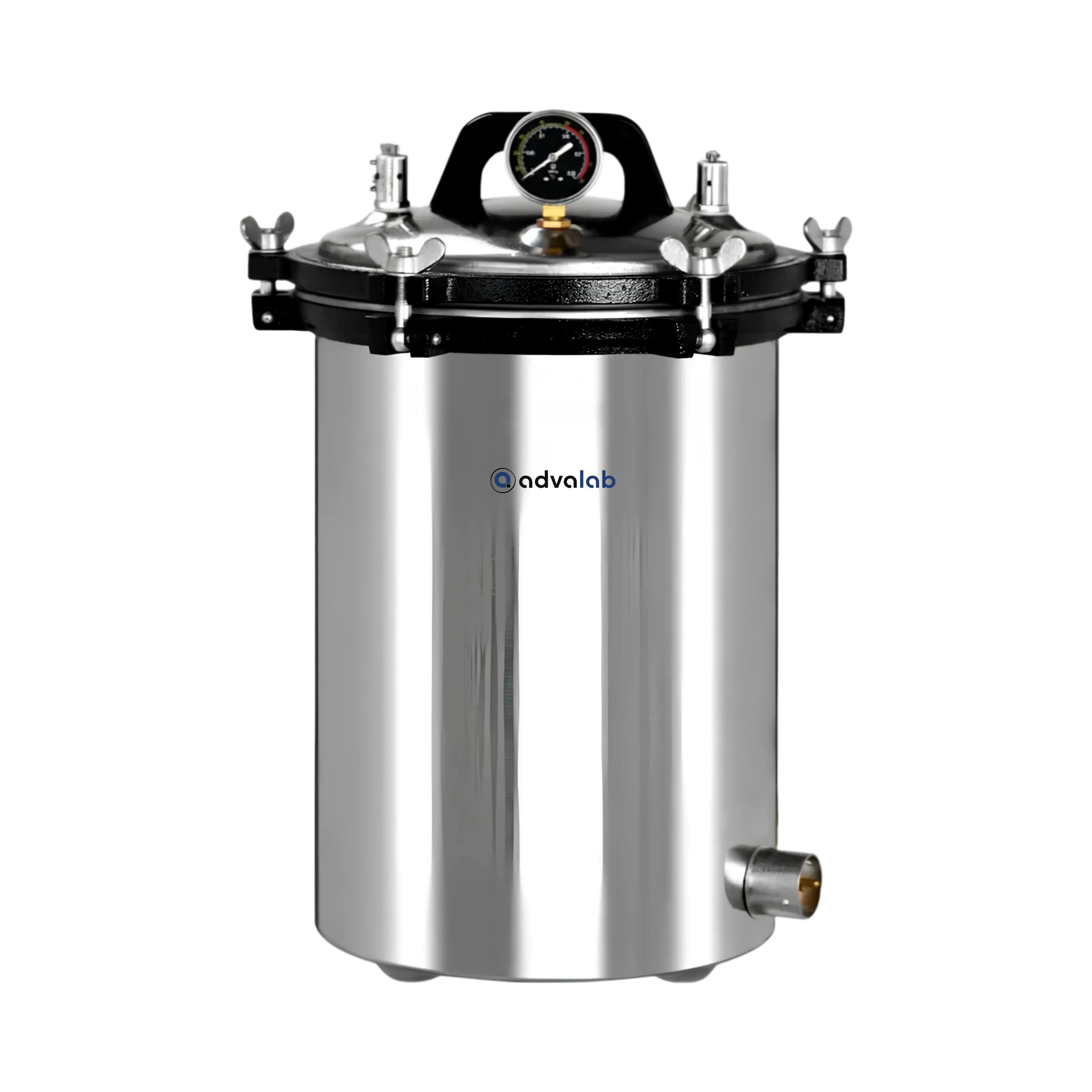
| Chamber Volume: | 18L (280×260) mm |
| Working Pressure: | 0.14 to 0.16Mpa |
| Working Temperature: | 126℃ |
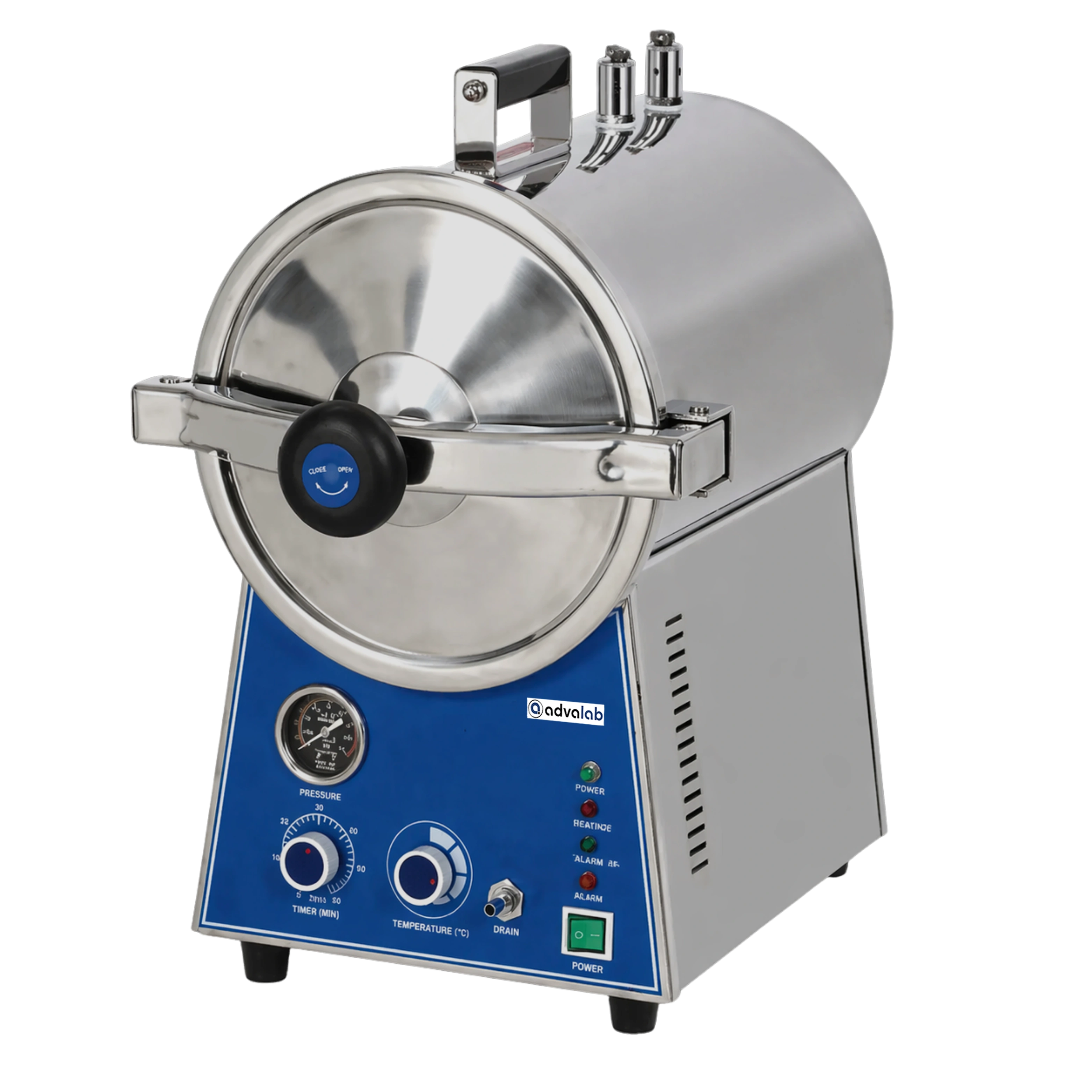
| Chamber Volume: | 24L φ (270×410) mm |
| Working Pressure: | 0.22MPa |
| Working Temperature: | 134℃ |
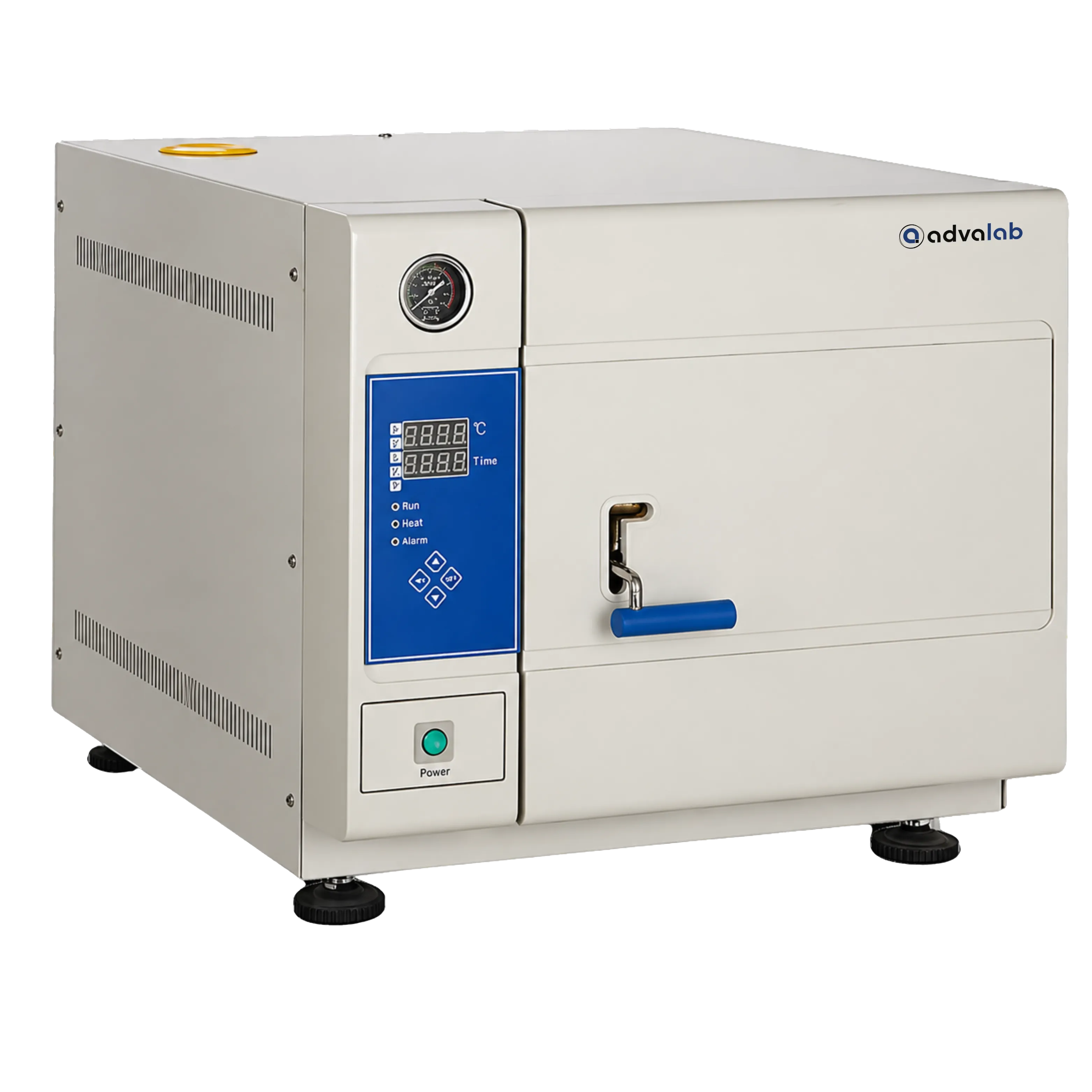
| Chamber Volume: | 50L φ (340×550) mm |
| Working Pressure: | 0.22MPa |
| Working Temperature: | 134℃ |
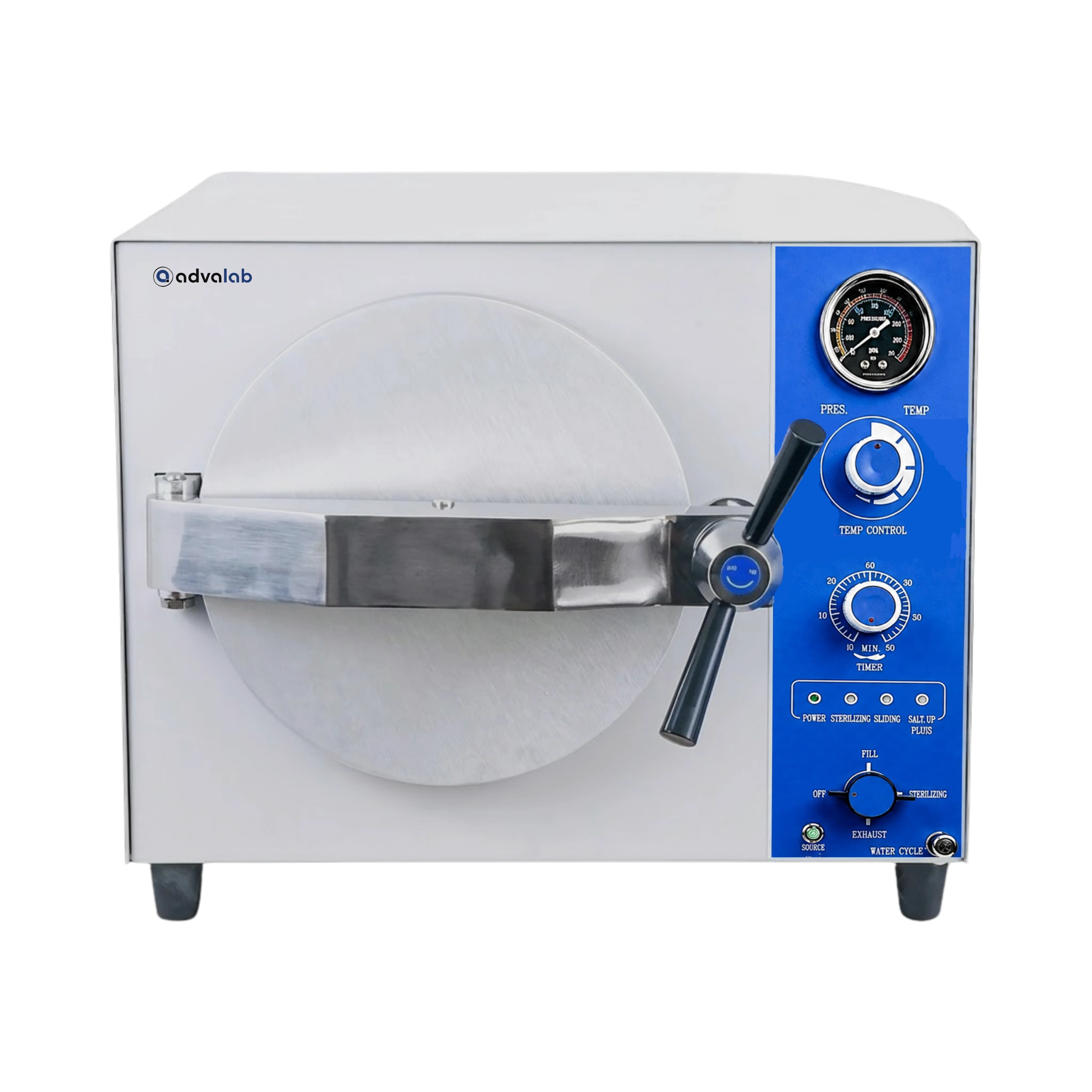
| Chamber Volume: | 24L φ (250×520) mm |
| Working Pressure: | 0.22MPa |
| Working Temperature: | 134℃ |
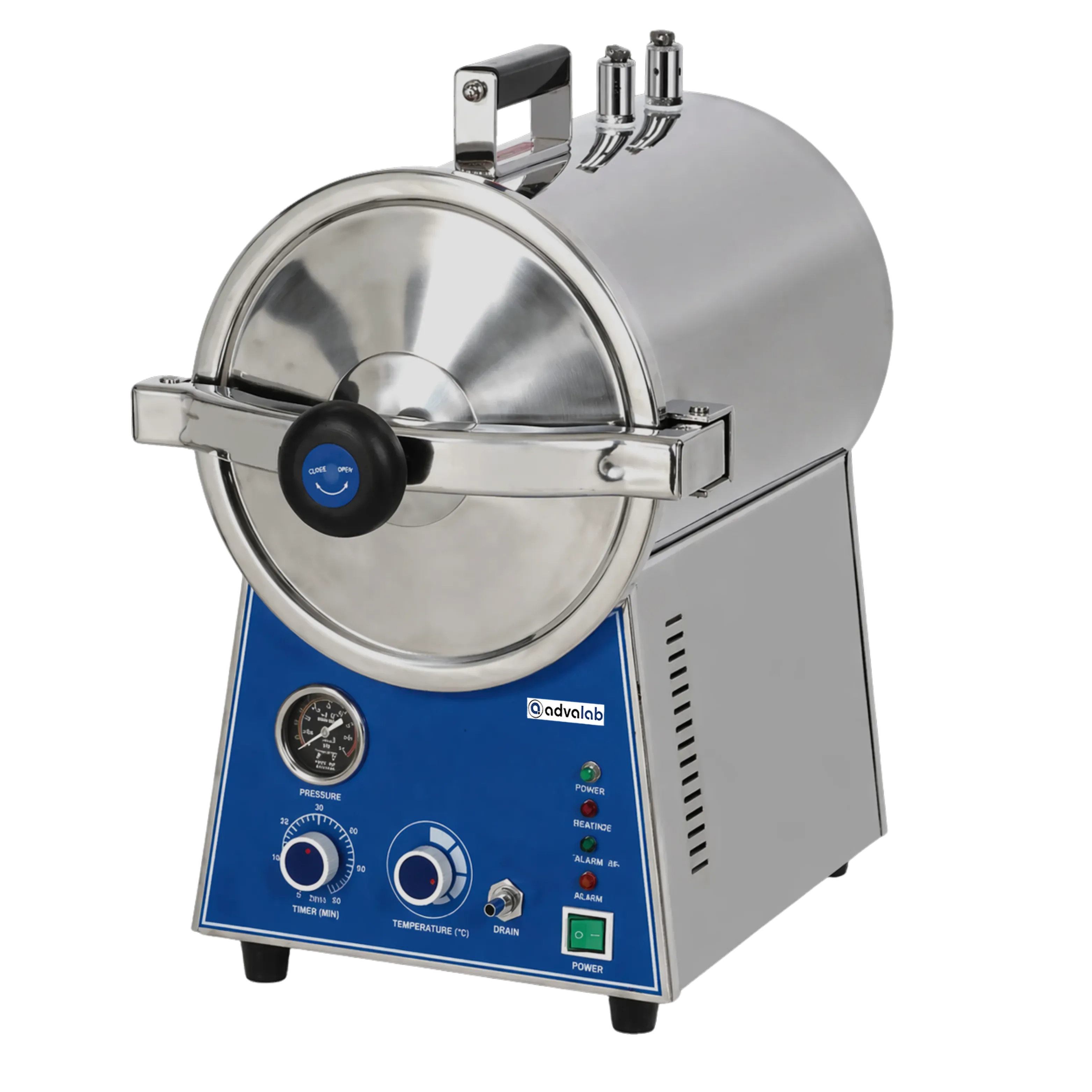
| Chamber Volume: | 16L φ (250×360) mm |
| Working Pressure: | 0.22MPa |
| Working Temperature: | 134℃ |
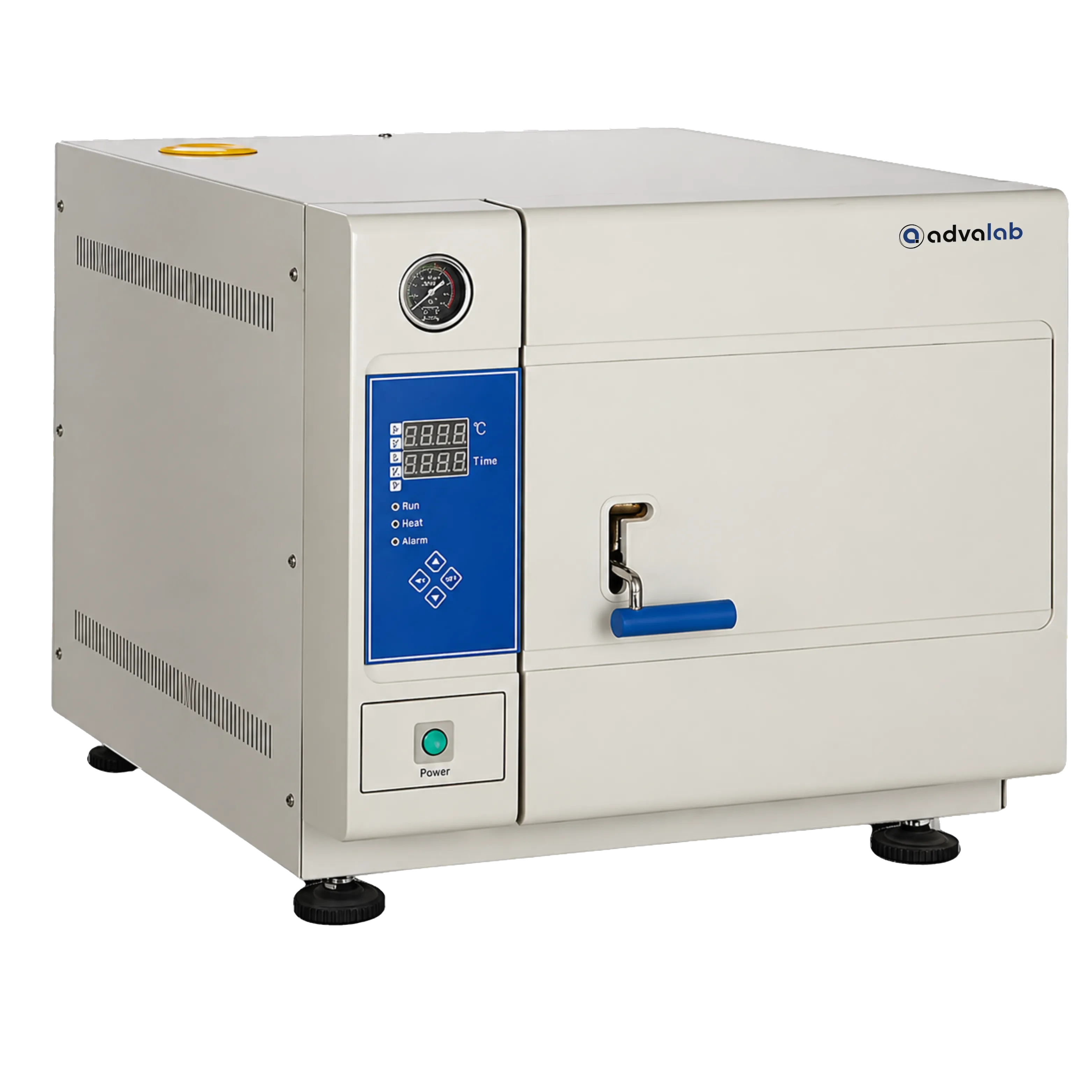
| Chamber Volume: | 35L φ (300×500) mm |
| Working Pressure: | 0.22MPa |
| Working Temperature: | 134℃ |

| Chamber Volume: | 20L φ (250×420) mm |
| Working Pressure: | 0.22MPa |
| Working Temperature: | 134℃ |