

| Chamber Volume | 150L φ (510×740) mm |
| Working Pressure | 0.22MPa |
| Working Temperature | 134℃ |
| Maximum Working Pressure | 0.23Mpa |
| Heat Average | ≤±1℃ |
| Timer Scope | 0 to 60 min |
| Temperature Scope | 105 to 134℃ |
| Power Consumption | 6 KW |
| Overall Dimension (L×B×H) | 670×690×1130 mm |
| Transport Dimension (L×B×H) | 760×760×1270 mm |
| Gross Weight | 135 Kg |
| Net Weight | 110 Kg |
Our Vertical Autoclave ADVA-506 is also used in laboratories, microbiology research, and educational institutions, for sterilizing tools, lab equipment, and materials, ensuring contamination-free conditions.
1. What is the standard temperature and pressure in a vertical autoclave?
Most vertical autoclaves operate at a standard temperature of 121°C (250°F) under a pressure of 15 psi (pounds per square inch). Some advanced models can reach up to 134°C (273°F) at higher pressures for more robust sterilization. These parameters are essential to ensure microbial inactivation, including spores. The specific cycle used depends on the load type and application. It’s important to choose the right cycle to avoid damage or ineffective sterilization.
2. What is a vertical autoclave?
A vertical autoclave is a type of steam sterilizer designed in a cylindrical, upright shape, mainly used in laboratories, hospitals, and research facilities. It uses high-pressure steam to sterilize equipment, instruments, and media. Its vertical design is especially suited for spaces with limited bench or floor space. Most vertical autoclaves come with features like digital controls, safety valves, and automated cycles. They're preferred for applications that require sterilization of liquids, culture media, and laboratory glassware.
3. How does a vertical autoclave work?
Vertical autoclaves operate using moist heat sterilization through pressurized steam. When the chamber is sealed and heated, steam displaces the air, increasing temperature and pressure to destroy bacteria, viruses, spores, and fungi. A typical sterilization cycle includes heating, holding (exposure time), and cooling. Once sterilization is complete, the pressure is released safely. The equipment ensures effective sterilization of even complex instruments and porous loads.
4. What are the applications of vertical autoclaves?
Vertical autoclaves are widely used in medical, microbiological, and pharmaceutical settings. They are ideal for sterilizing surgical tools, glassware, culture media, rubber items, and liquid solutions. Research labs also use them for sterilizing nutrient broth and agar before culturing. In addition, they are suitable for small-scale hospital sterilization needs and in clinics. Their compact design makes them a good choice where space is constrained.
5. What materials can be sterilized in a vertical autoclave?
Vertical autoclaves can sterilize a range of materials including surgical instruments, glassware, laboratory media, textiles, rubber goods, and certain plastics. Liquids in sealed containers can also be sterilized with the right settings. However, not all materials are compatible—heat-sensitive items may degrade. It’s crucial to follow manufacturer guidelines on what can safely be autoclaved. Improper materials can melt, explode, or release harmful substances under high heat and pressure.
6. What is a Vertical Autoclave and how does it work?
A Vertical Autoclave is a sterilization device that uses steam under pressure to sterilize equipment, media, and laboratory tools. It works by heating water to produce steam, which destroys bacteria, viruses, and other microorganisms.
7. What safety features are included in a Vertical Autoclave?
A Vertical Autoclave includes safety features like pressure release valves, temperature cut-offs, door interlocks, and alarms. These systems prevent accidental opening or overheating in the Vertical Autoclave. Built-in sensors ensure the unit shuts off in case of any malfunction.
8. Can a Vertical Autoclave be used for medical waste?
A Vertical Autoclave can be used to sterilize soft medical waste like gauze, gloves, and cloth items. However, a Vertical Autoclave may not be ideal for large volumes of waste or sharp objects. Special medical waste autoclaves are recommended for such loads.
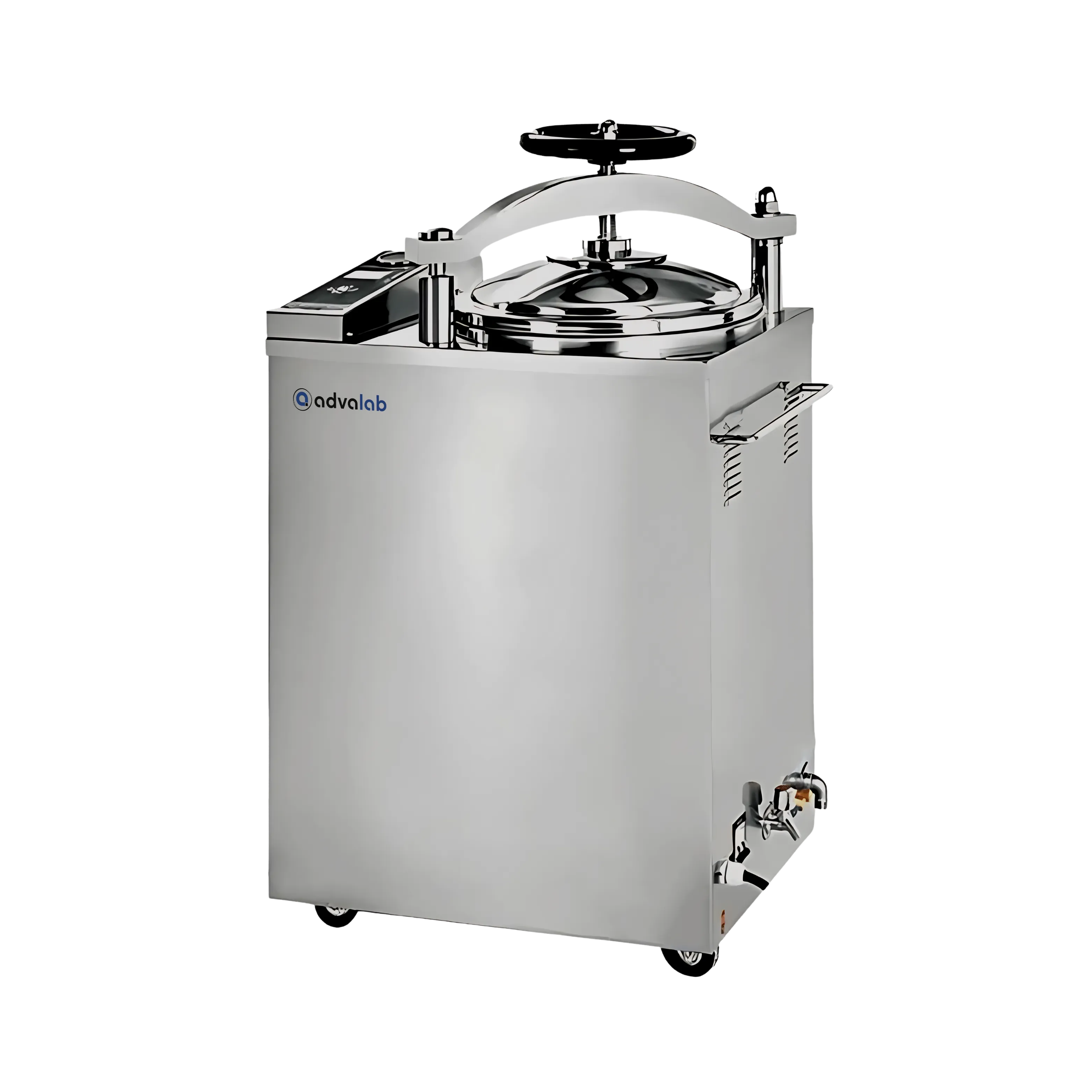
| Chamber Volume | 75L φ (318×450) mm |
| Working Pressure | 0.22MPa |
| Working Temperature | 134℃ |
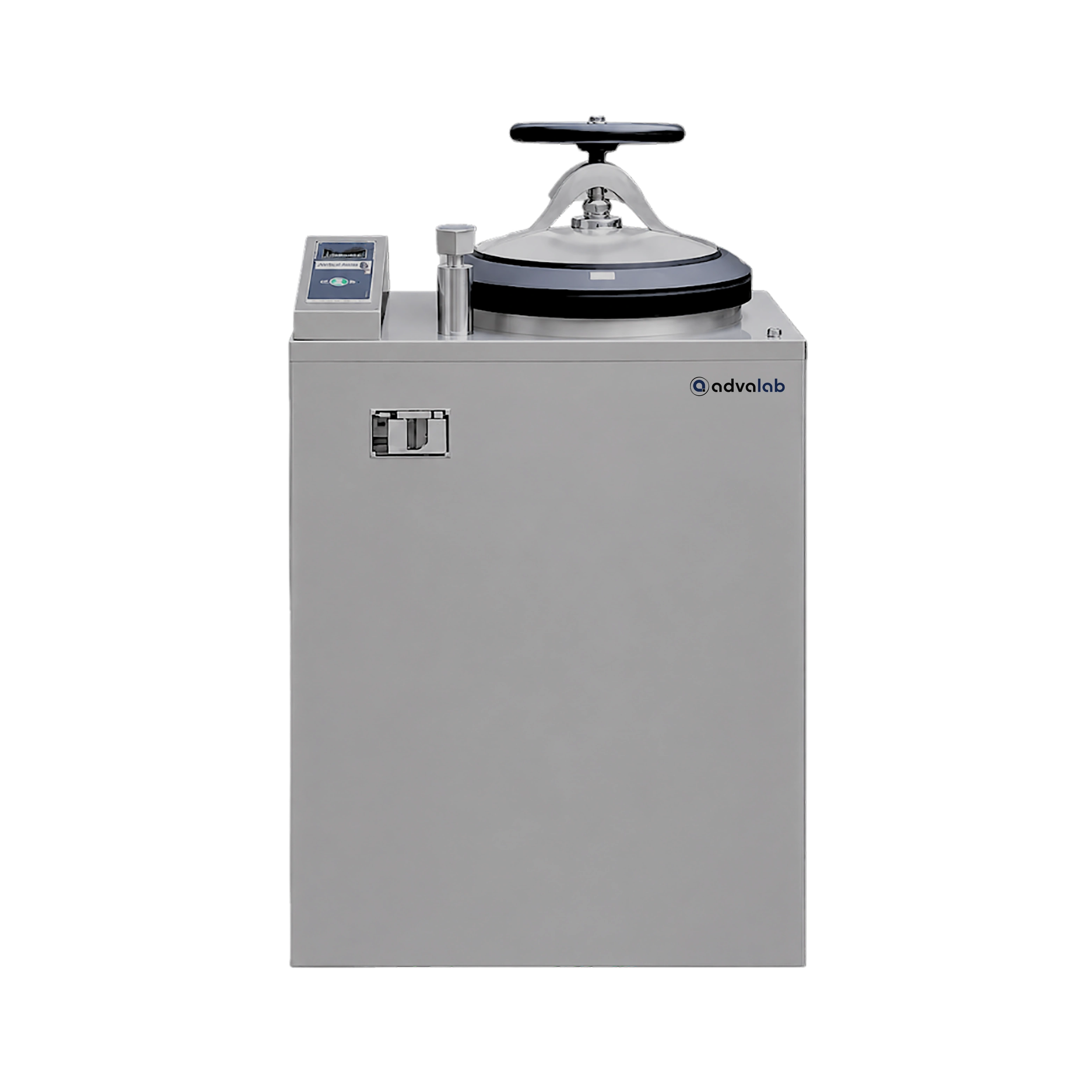
| Chamber Volume | 75L φ (400×600) mm |
| Working Pressure | 0.22MPa |
| Working Temperature | 134℃ |
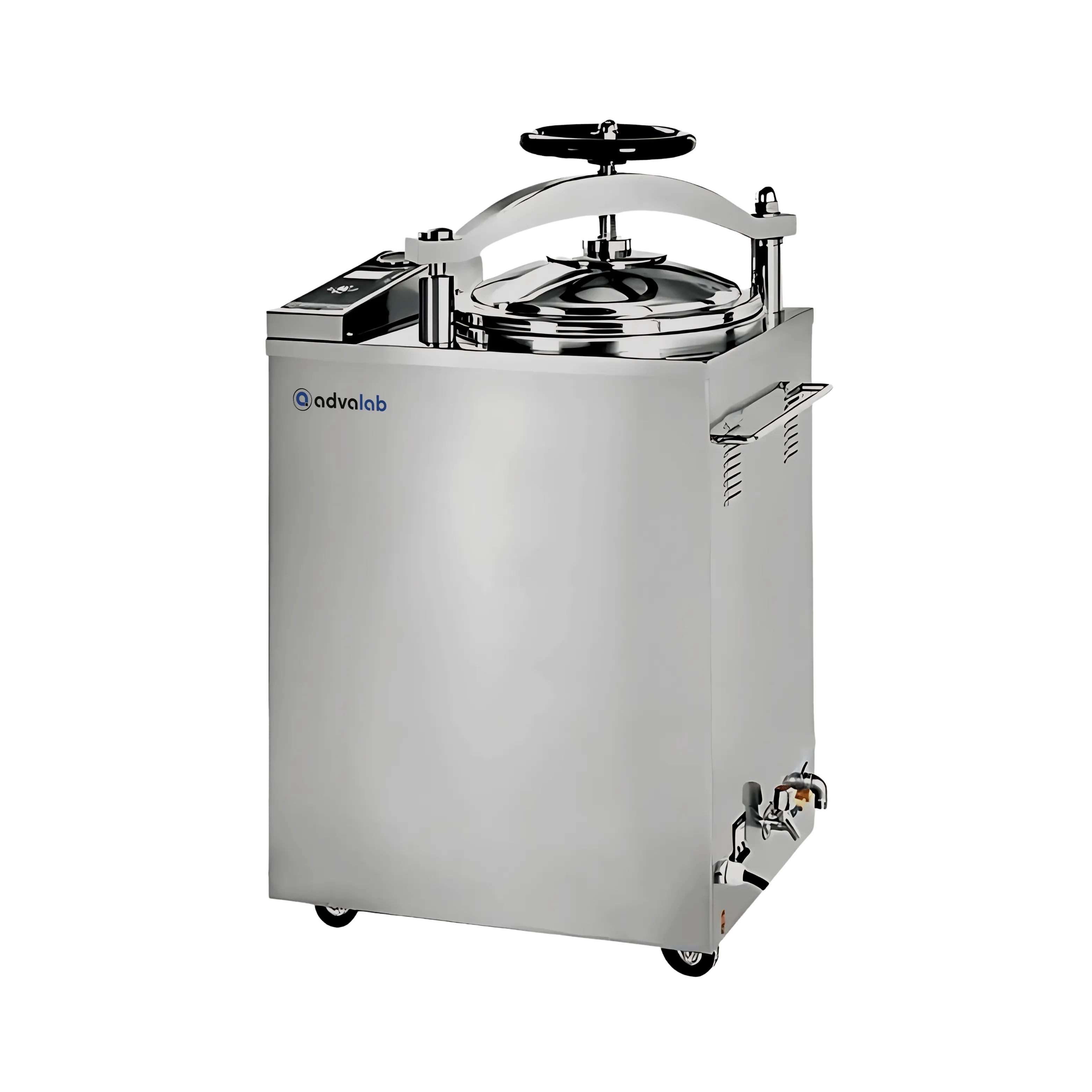
| Chamber Volume | 50L φ (318×450) mm |
| Working Pressure | 0.22MPa |
| Working Temperature | 134℃ |
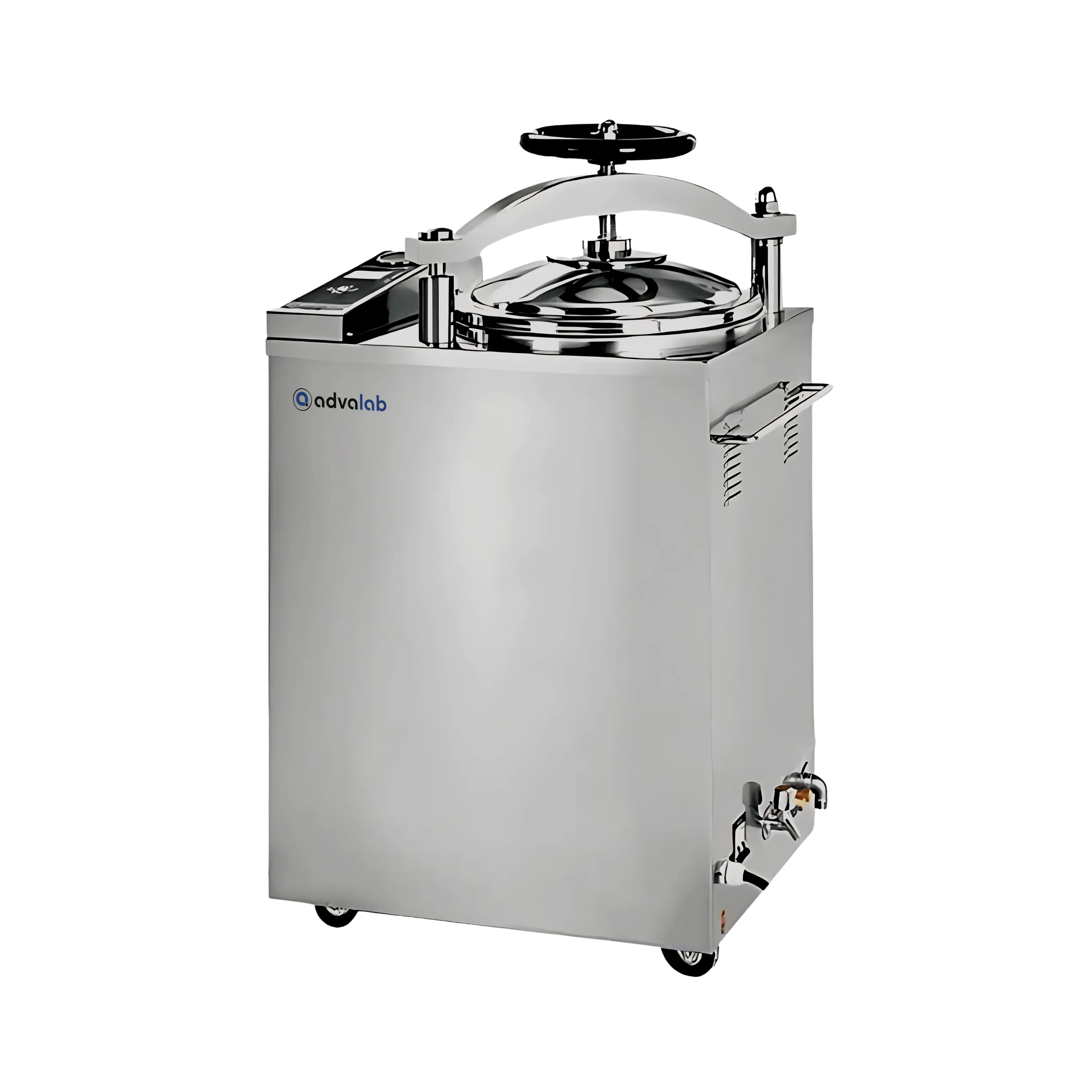
| Chamber Volume | 35L φ (318×450) mm |
| Working Pressure | 0.22MPa |
| Working Temperature | 134℃ |
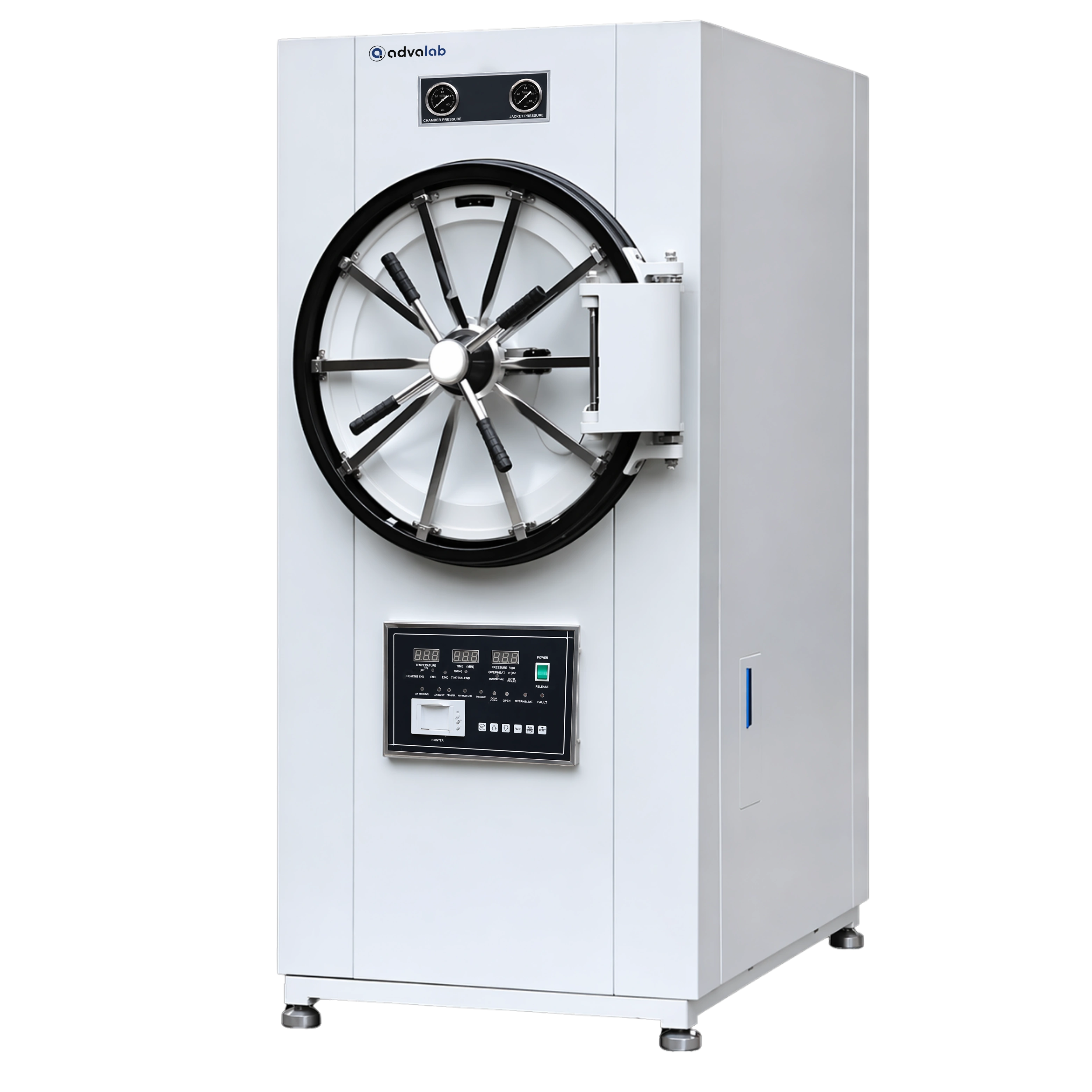
| Sterilizing chamber volume: | 150 L φ (440×1000mm) |
| working pressure: | 0.22Mpa |
| Working temperature: | 134ºC |
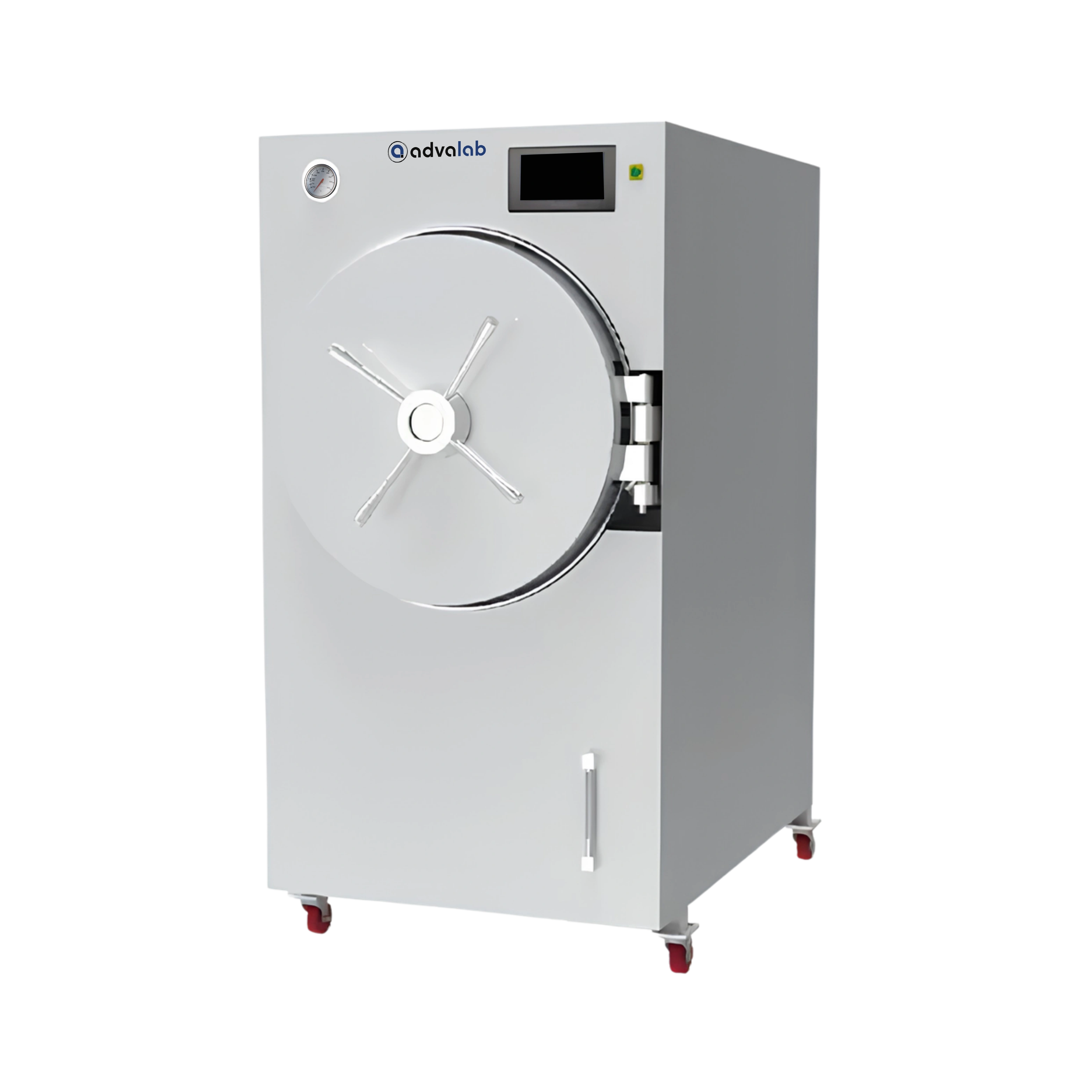
| Volume: | 280 L |
| Door Structure : | spoke |
| Temperature Range : | 105 to 135°C |
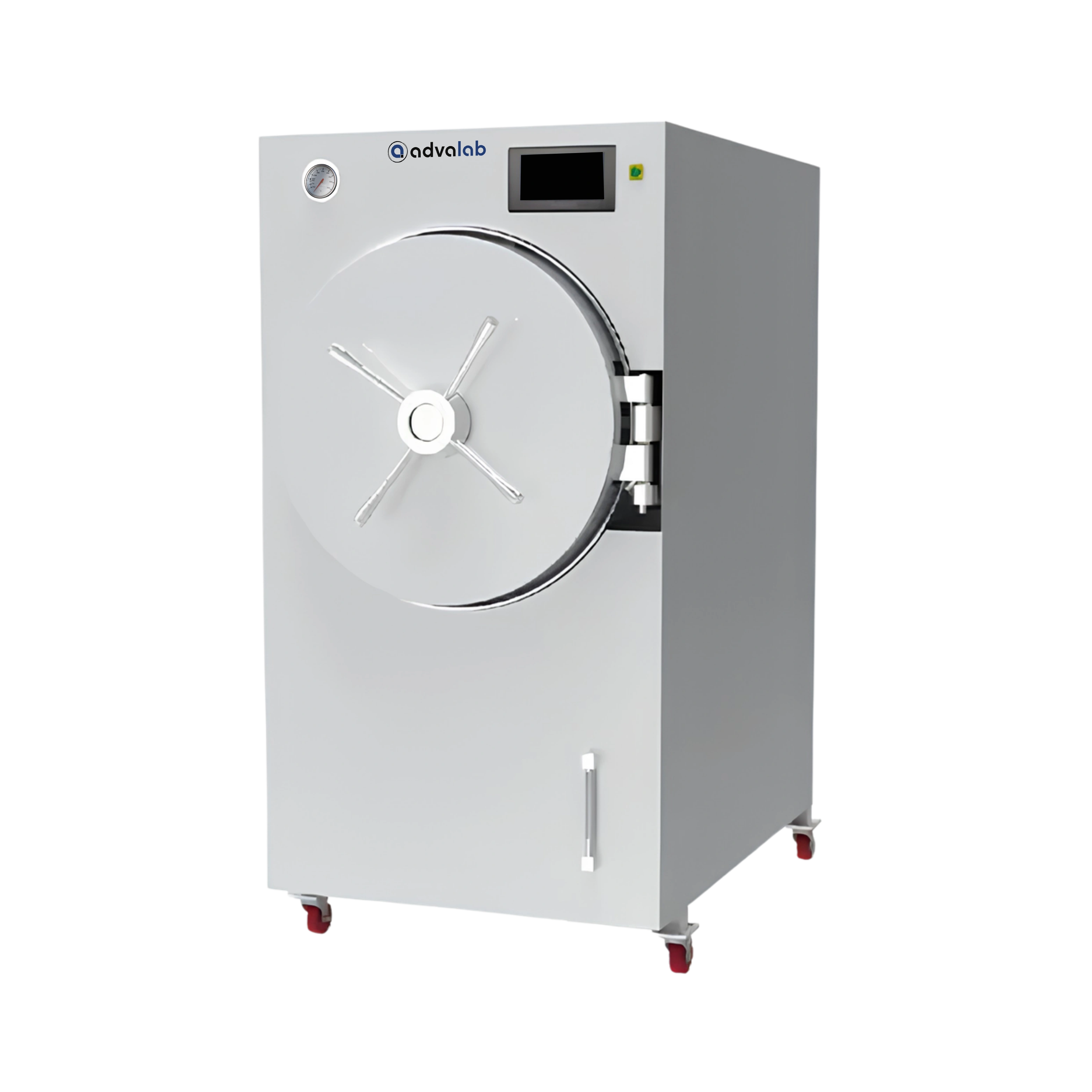
| Volume: | 500 L |
| Door Structure : | spoke |
| Temperature Range : | 105 to 135°C |
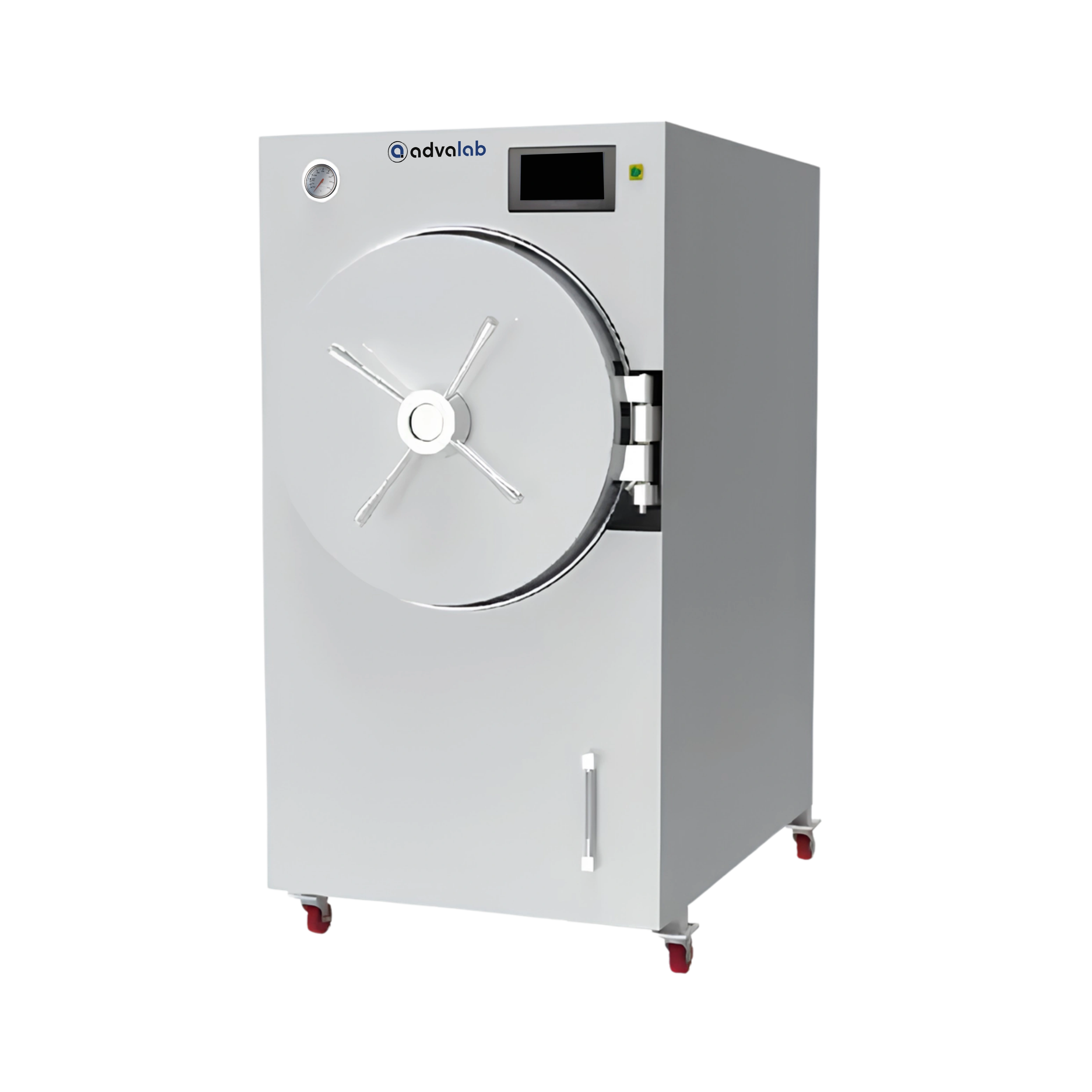
| Volume: | 360 L |
| Door Structure: | spoke |
| Temperature Range: | 105 to 135°C |
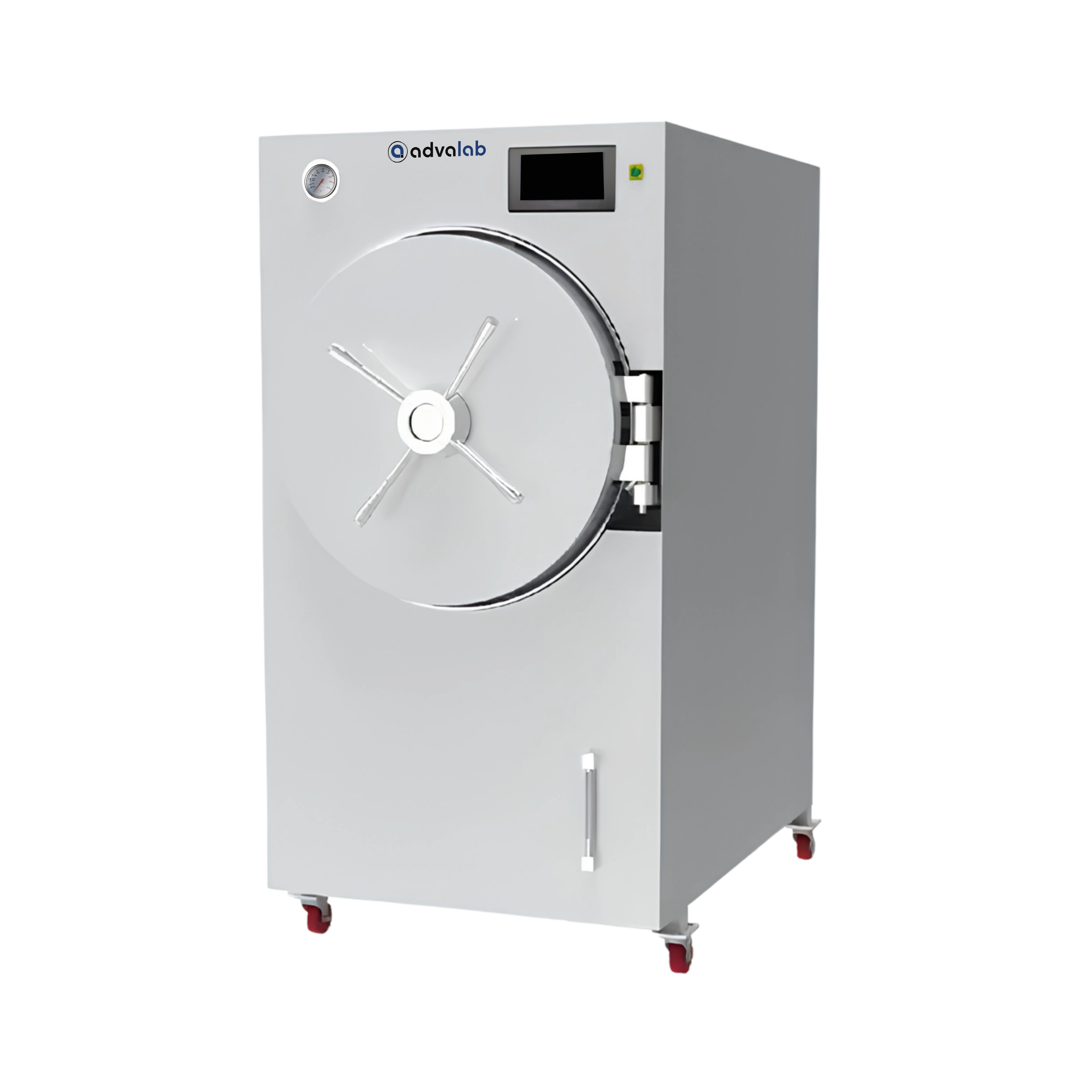
| Volume: | 280 L |
| Door Structure: | spoke |
| Temperature Range: | 105 to 135°C |
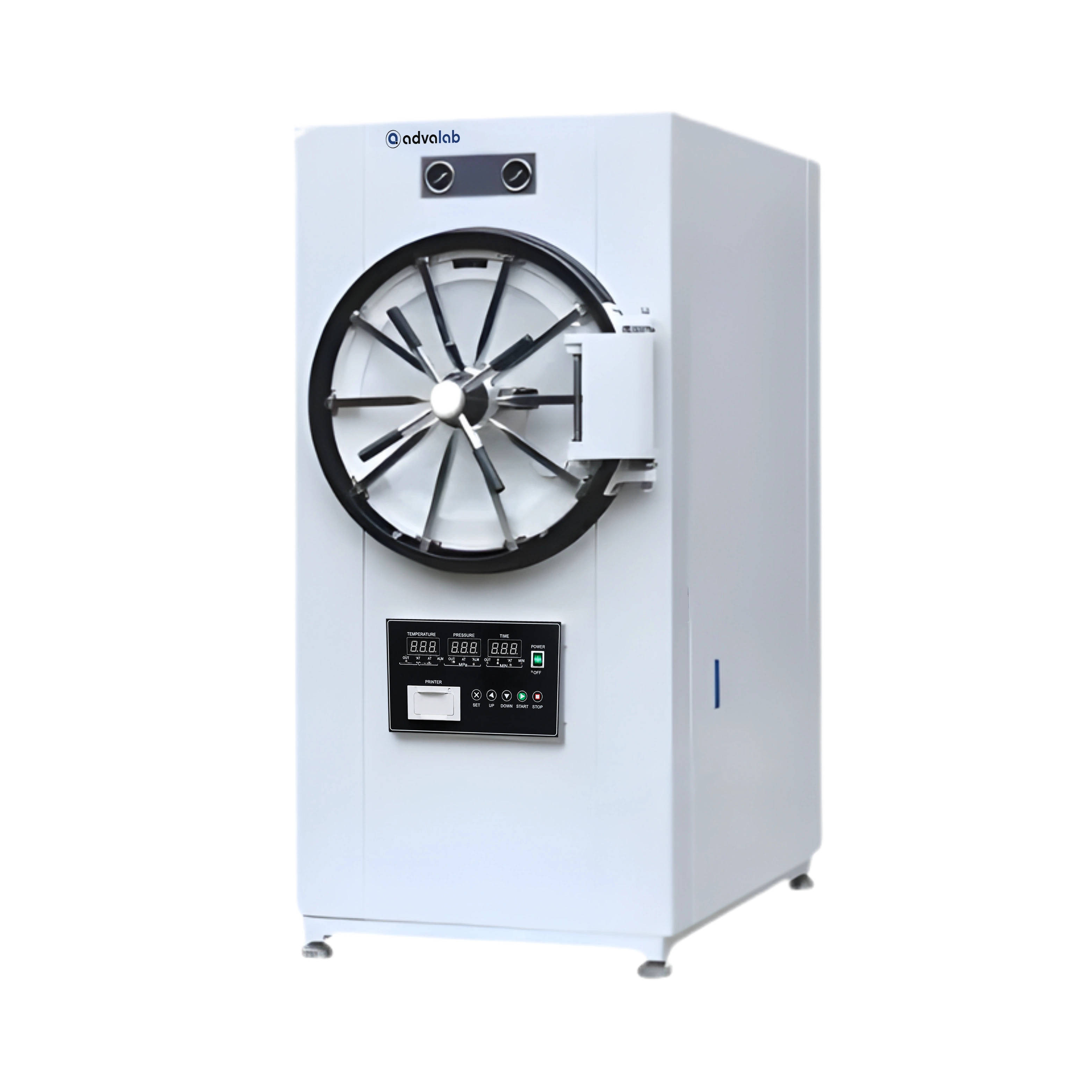
| Sterilizing Chamber Volume: | 200 L φ (515×1000mm) |
| Working Pressure: | 0.22Mpa |
| Working Temperature: | 134ºC |
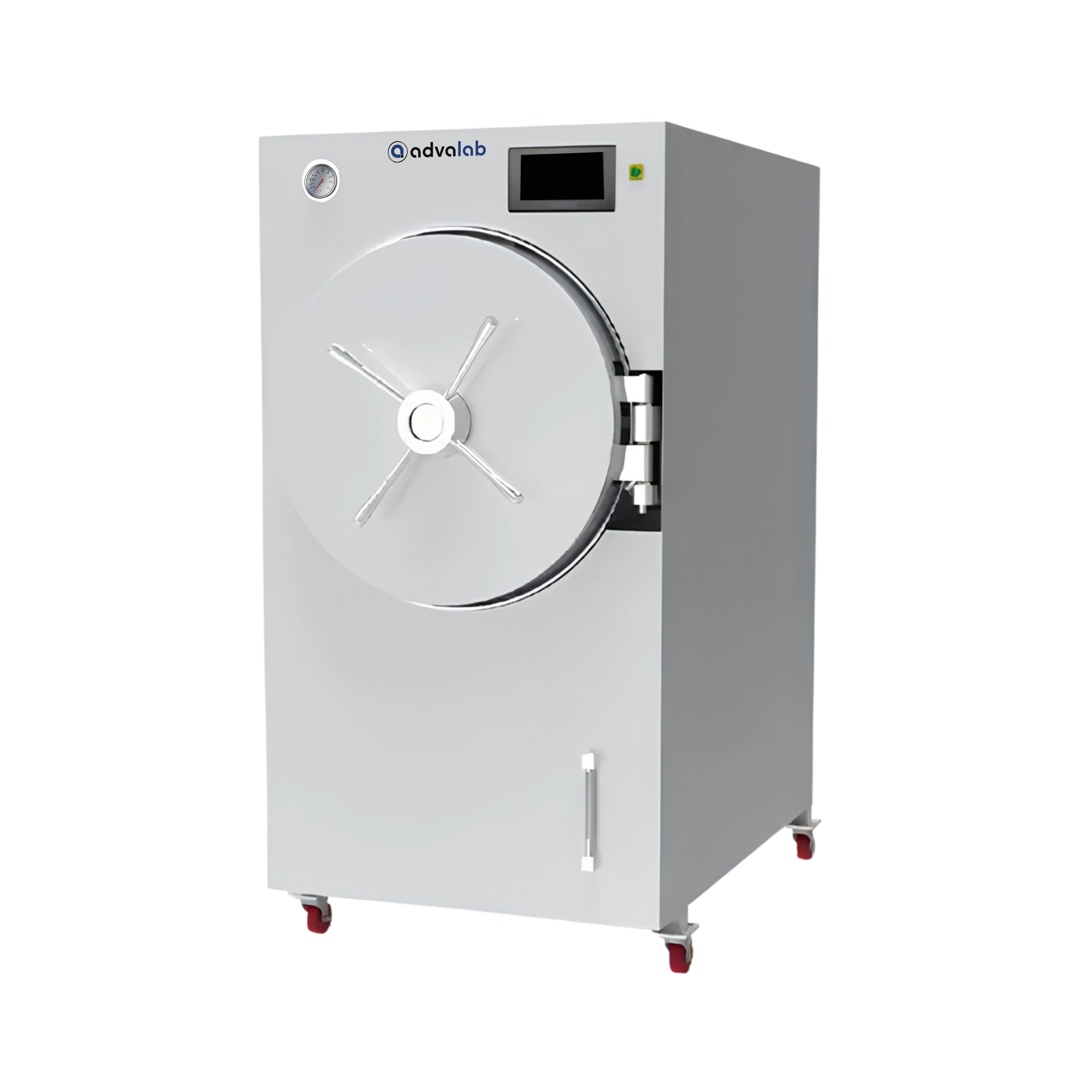
| Volume: | 500 L |
| Door Structure : | spoke |
| Temperature Range : | 105°C to 135°C |
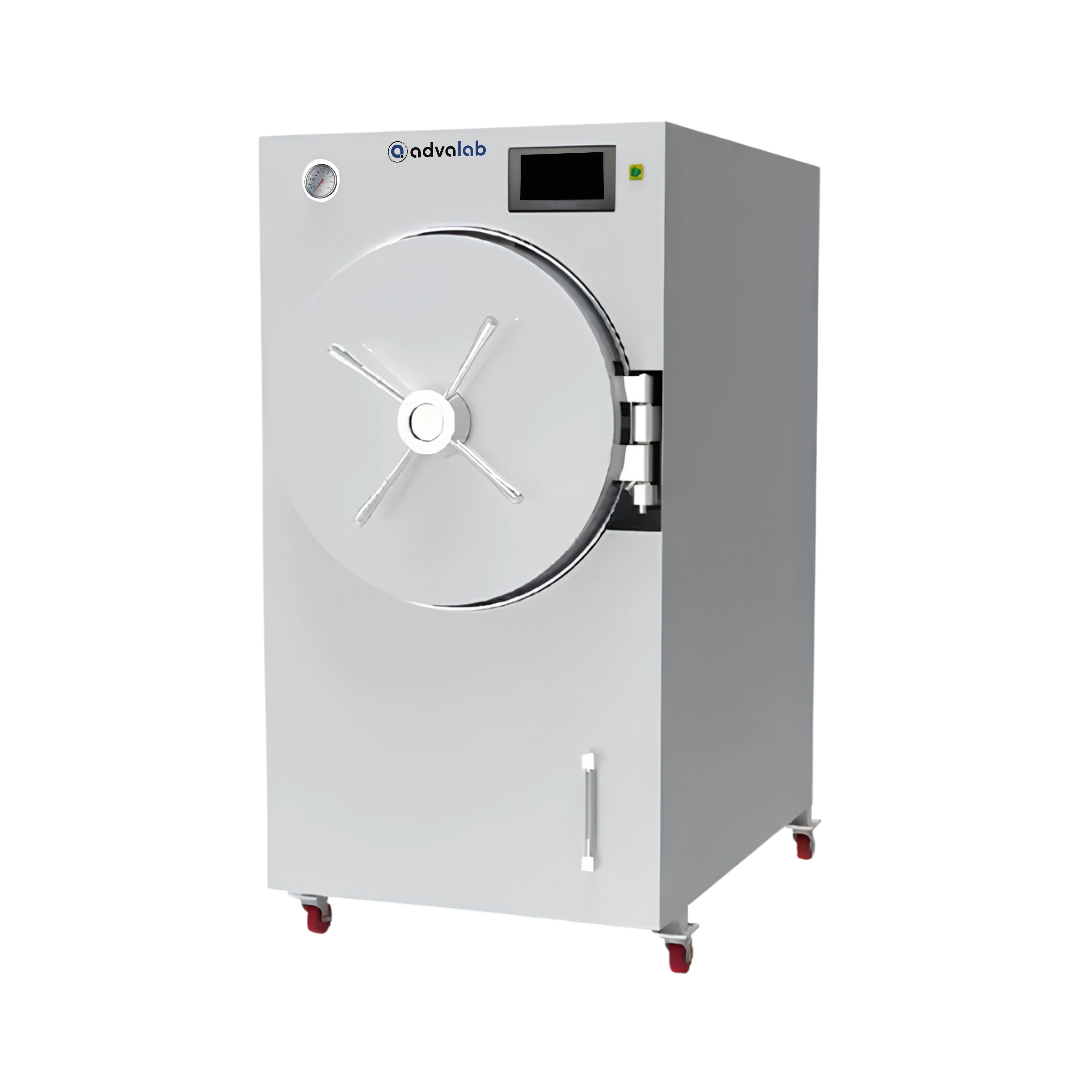
| Volume: | 360 L |
| Door Structure: | spoke |
| Temperature Range : | 105 to 135°C |
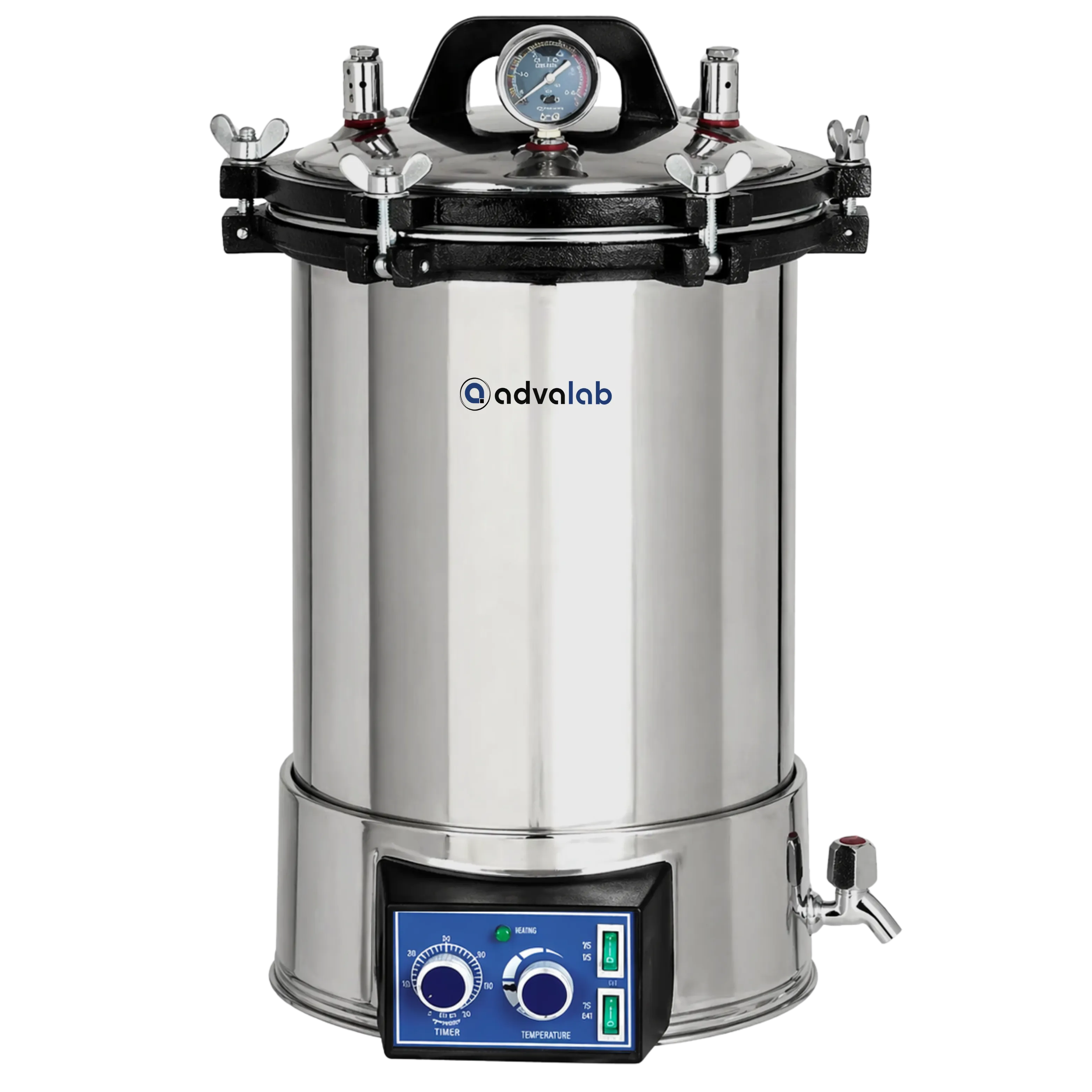
| Working Pressure: | 0.14 to 0.16MPa |
| Working Temperature: | 126 ºC |
| Temperature Adjust Range: | 105℃ to 126℃ |
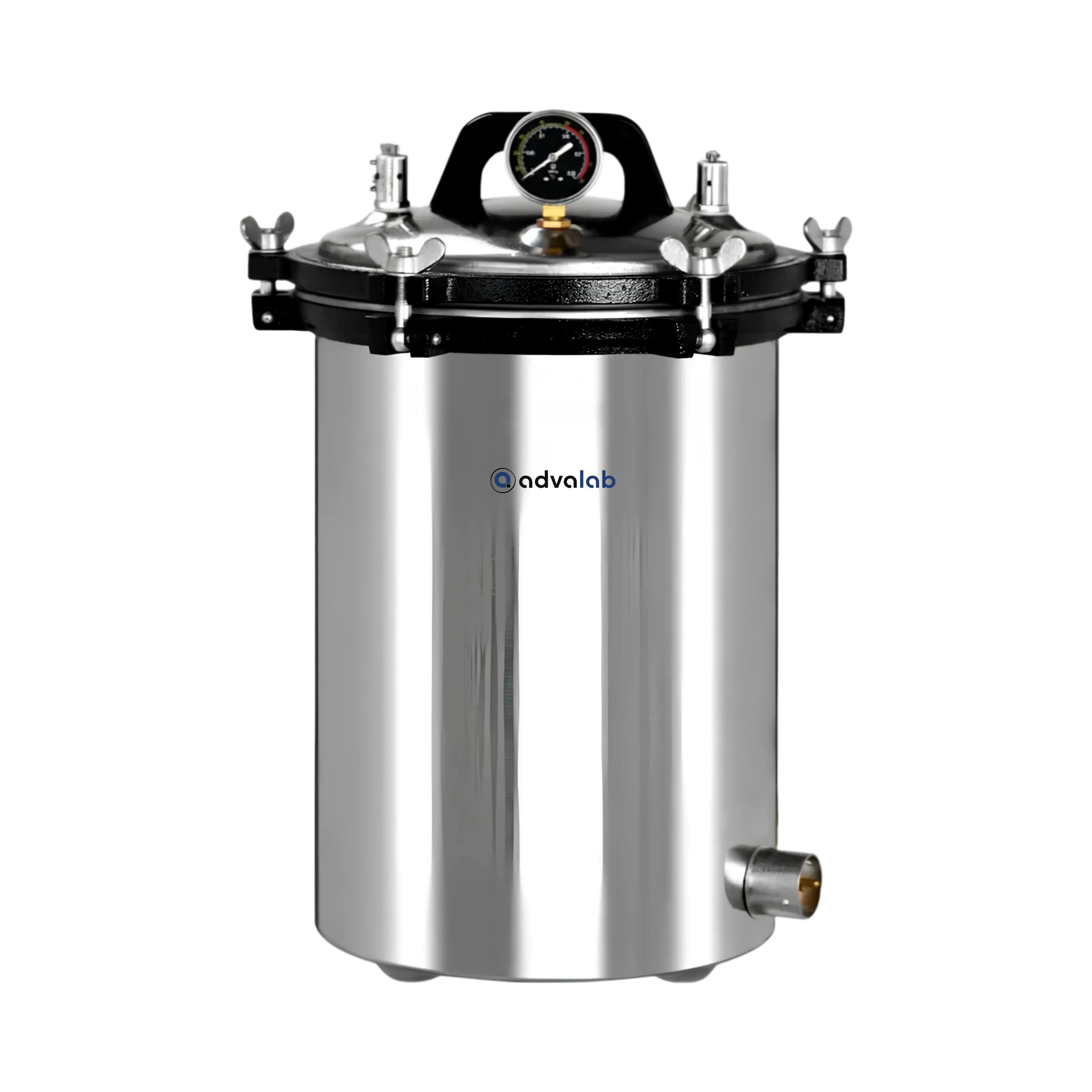
| Chamber Volume: | 18L (280×260) mm |
| Working Pressure: | 0.14 to 0.16Mpa |
| Working Temperature: | 126℃ |
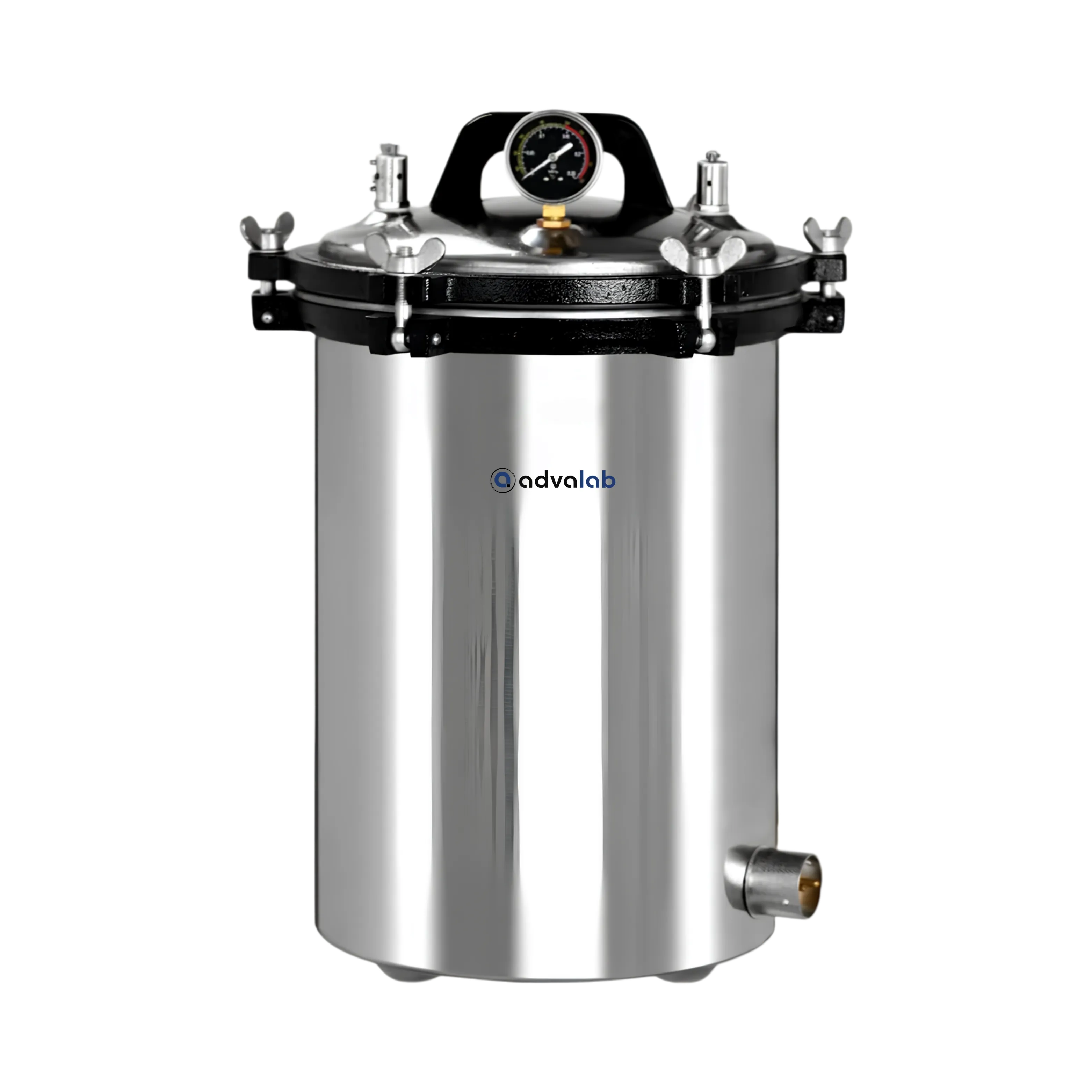
| Chamber Volume: | 18 L (240×200) mm |
| Working Pressure: | 0.14 to 0.16Mpa |
| Working Temperature: | 126℃ |
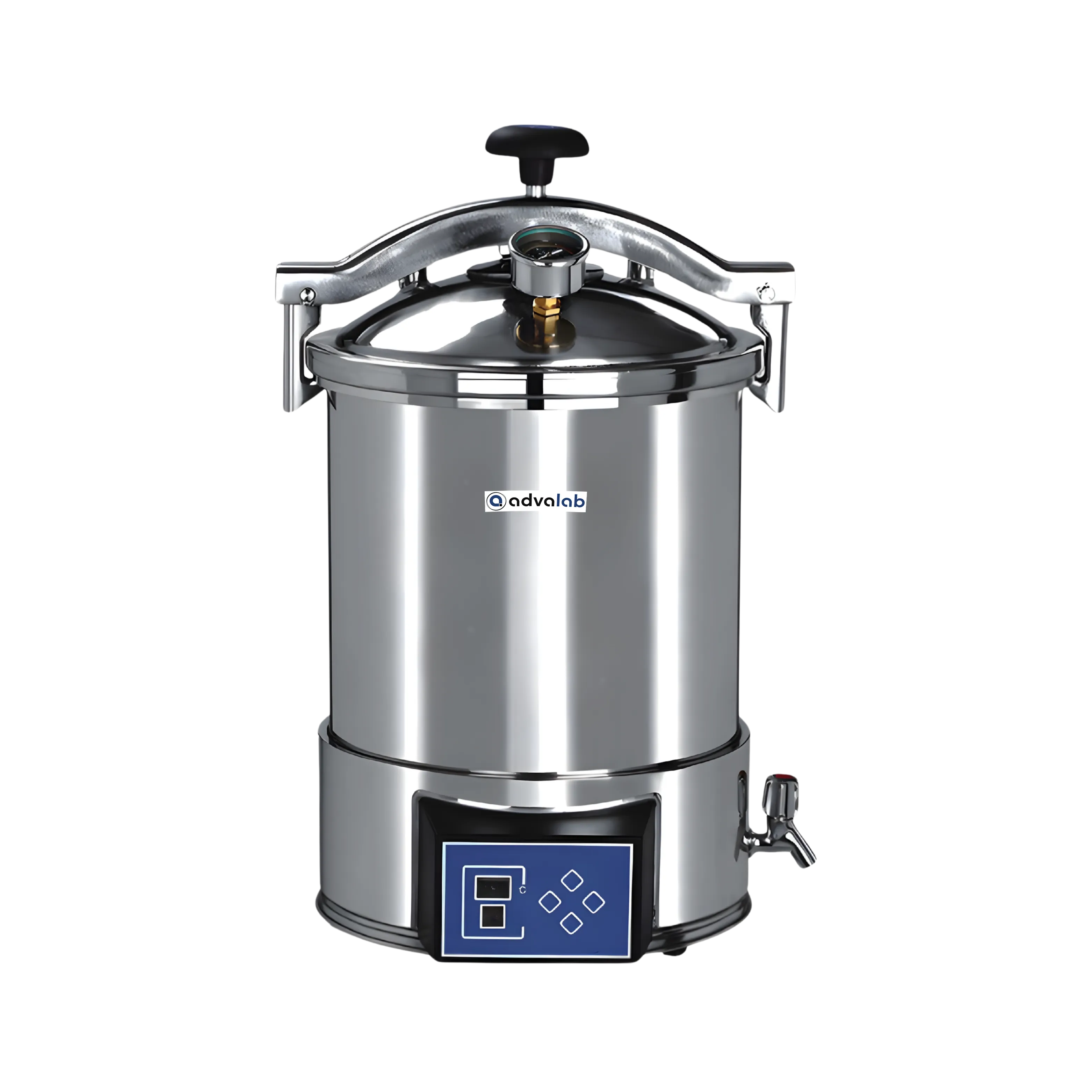
| Sterilizing Volume: | 18L 80×260 mm |
| Working Pressure: | 0.14 to 0.16 MPa |
| Working Temperature: | 126℃ |
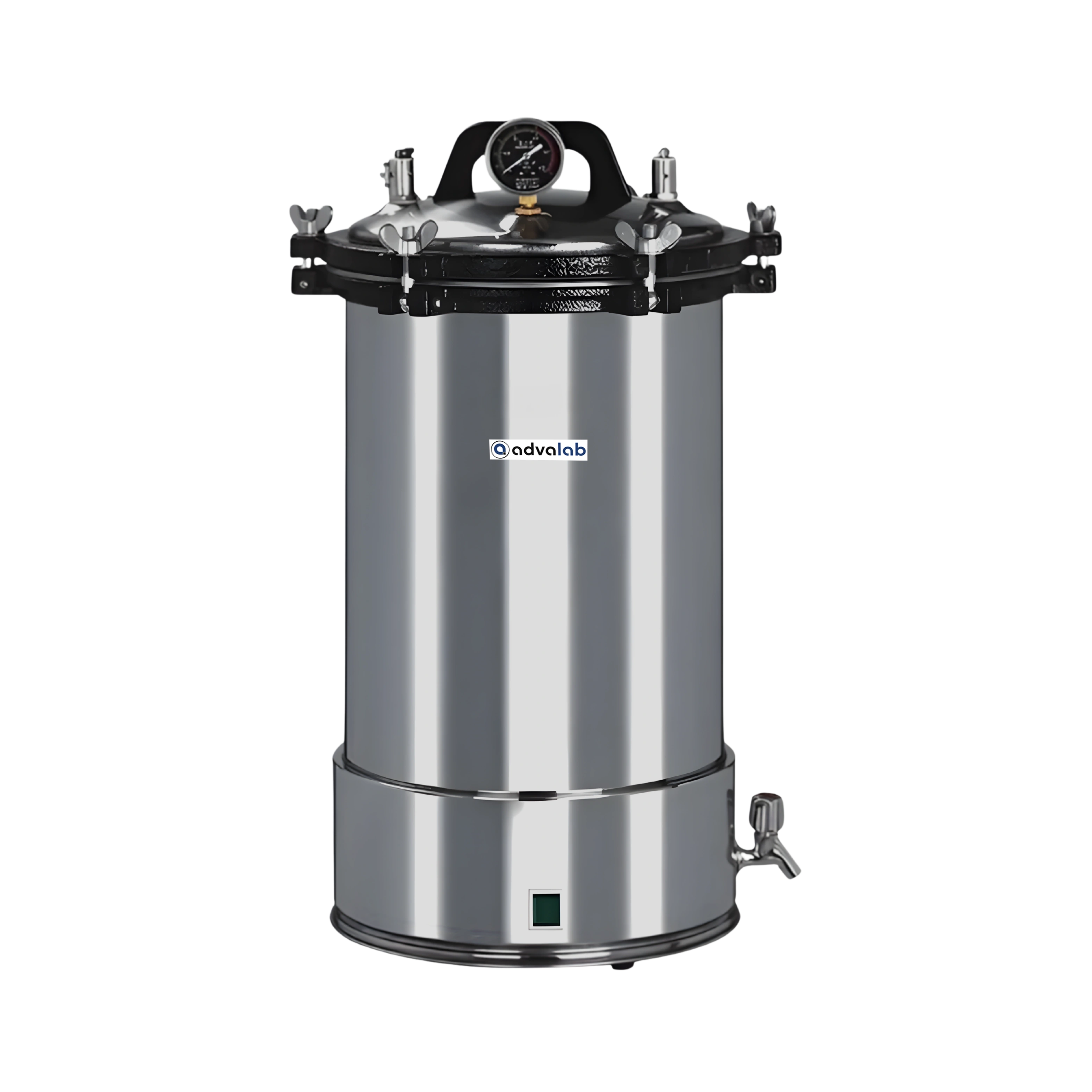
| Chamber Volume: | 18L (280 × 260) mm |
| Working Pressure: | 0.14 to 0.16 MPa |
| Working Temperature: | 126℃ |
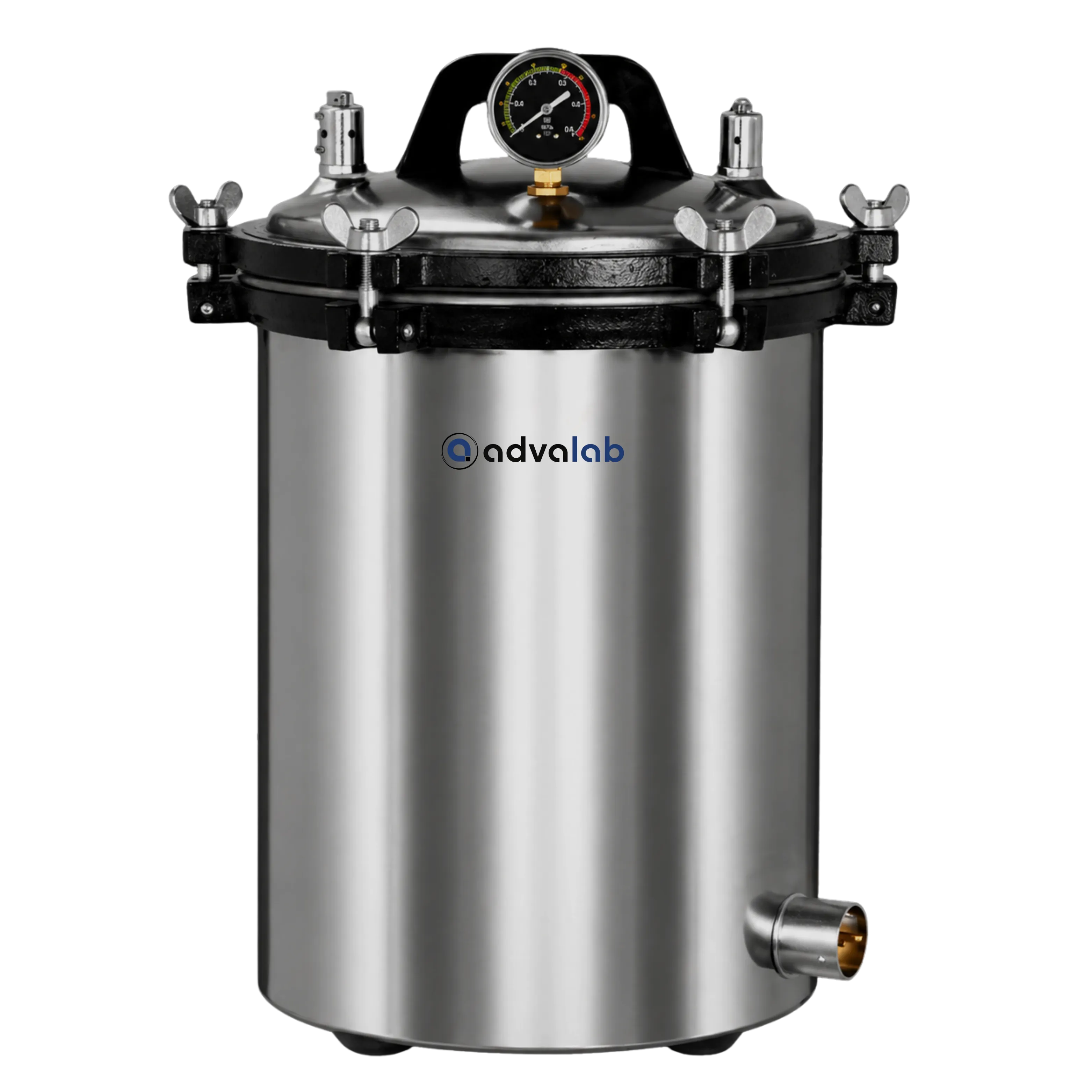
| Chamber Volume: | 24L (280×390) mm |
| Working Pressure: | 0.14 to 0.16Mpa |
| Working Temperature: | 126℃ |
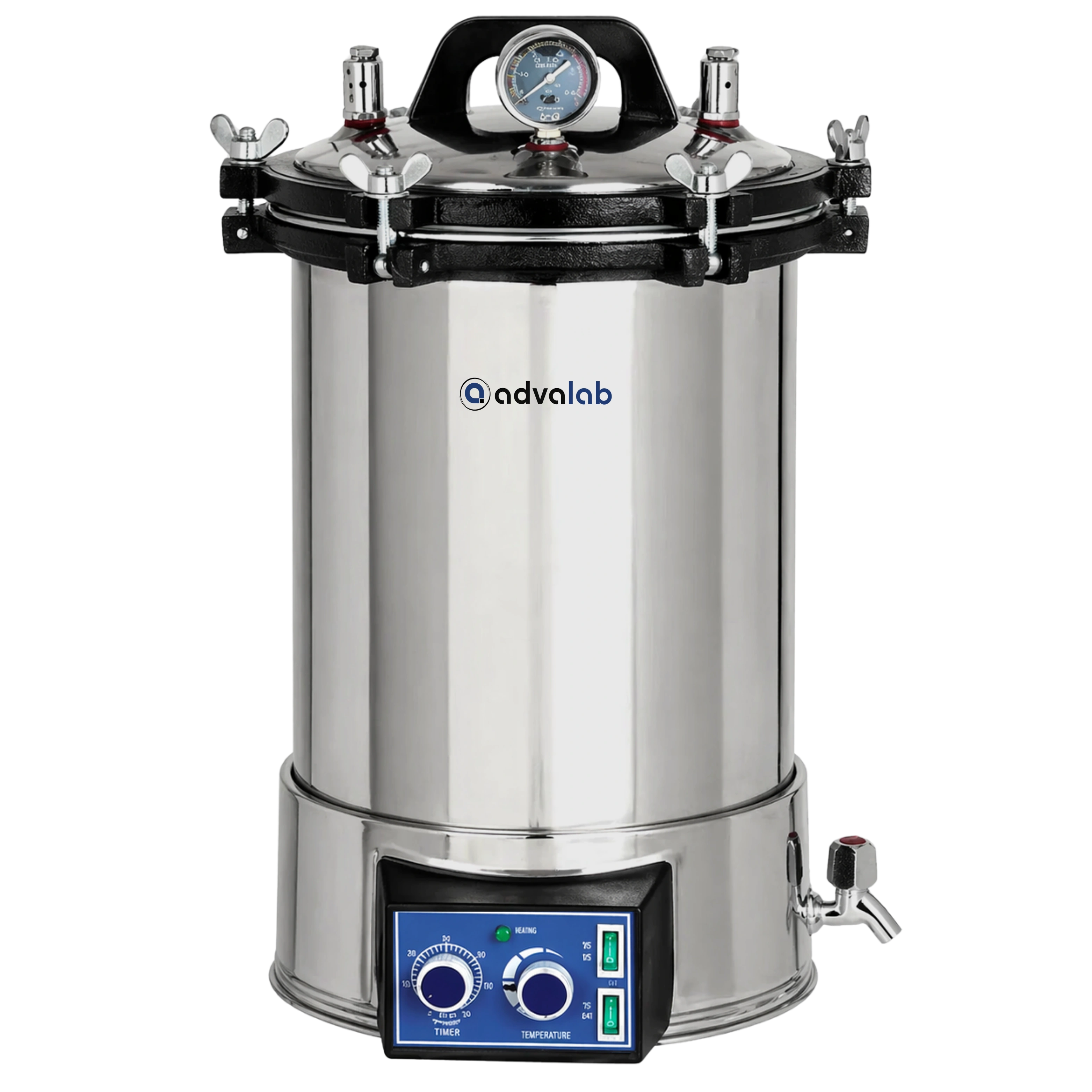
| Sterilizing Volume: | 18L (280×260) mm |
| Working Pressure: | 0.14 to 0.16MPa |
| Working Temperature: | 126 ºC |
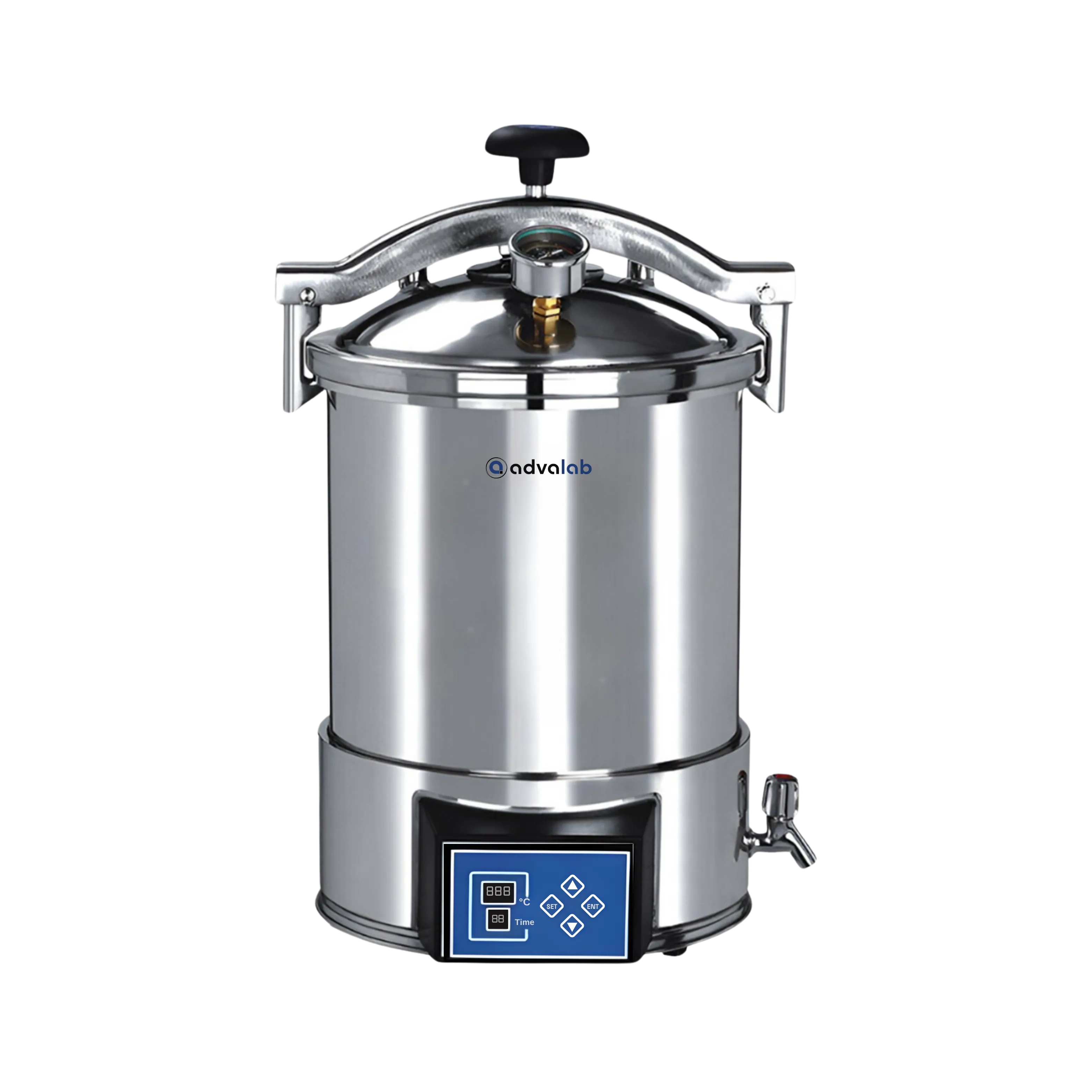
| Sterilizing Volume: | 18L (280×260) mm |
| Working Pressure: | 0.14 to 0.16MPa |
| Working Temperature: | 126℃ |
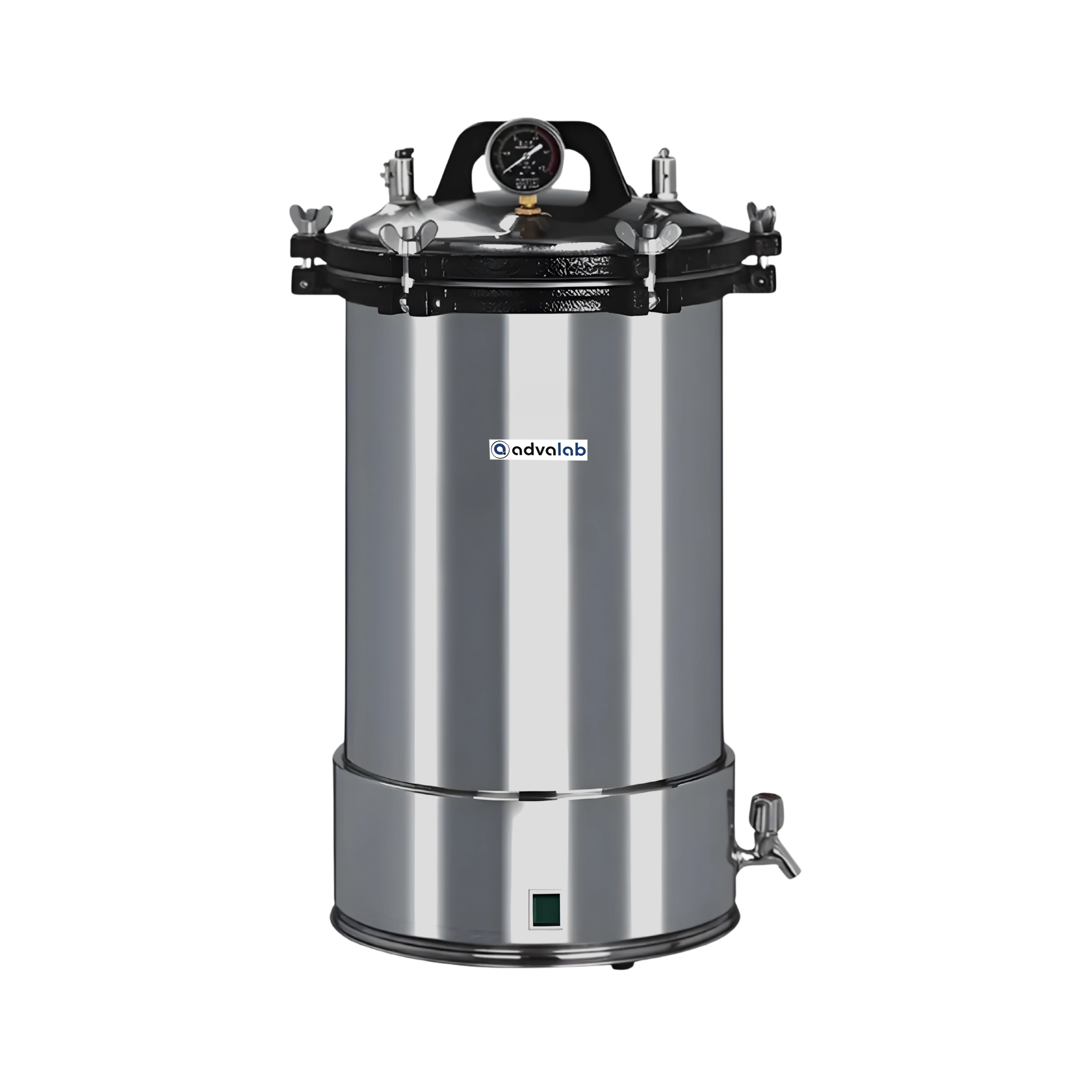
| Chamber Volume: | 24L (280 × 390) mm |
| Working Pressure: | 0.14 to 0.16 MPa |
| Working Temperature : | 126℃ |
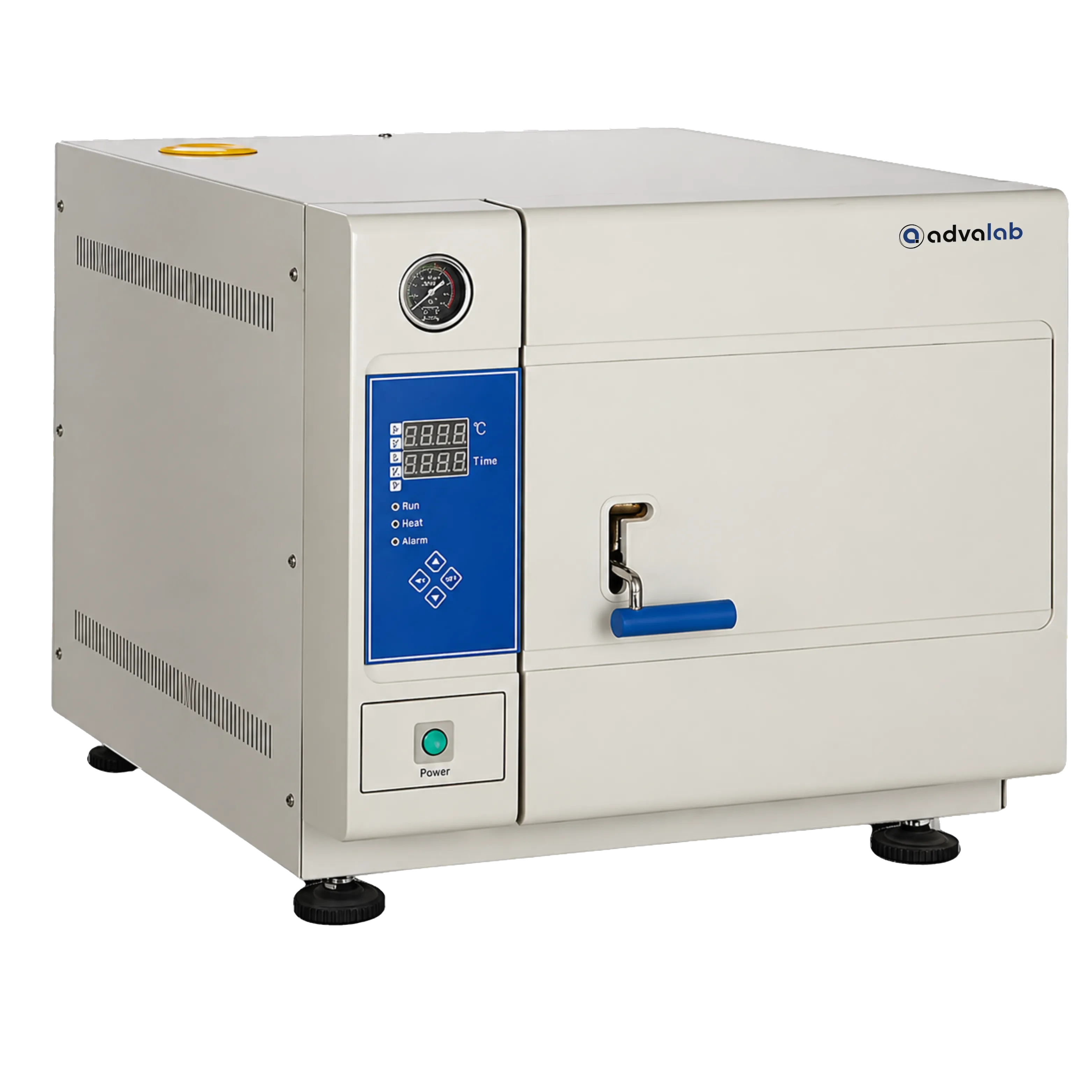
| Chamber Volume: | 35L φ (300×500) mm |
| Working Pressure: | 0.22MPa |
| Working Temperature: | 134℃ |
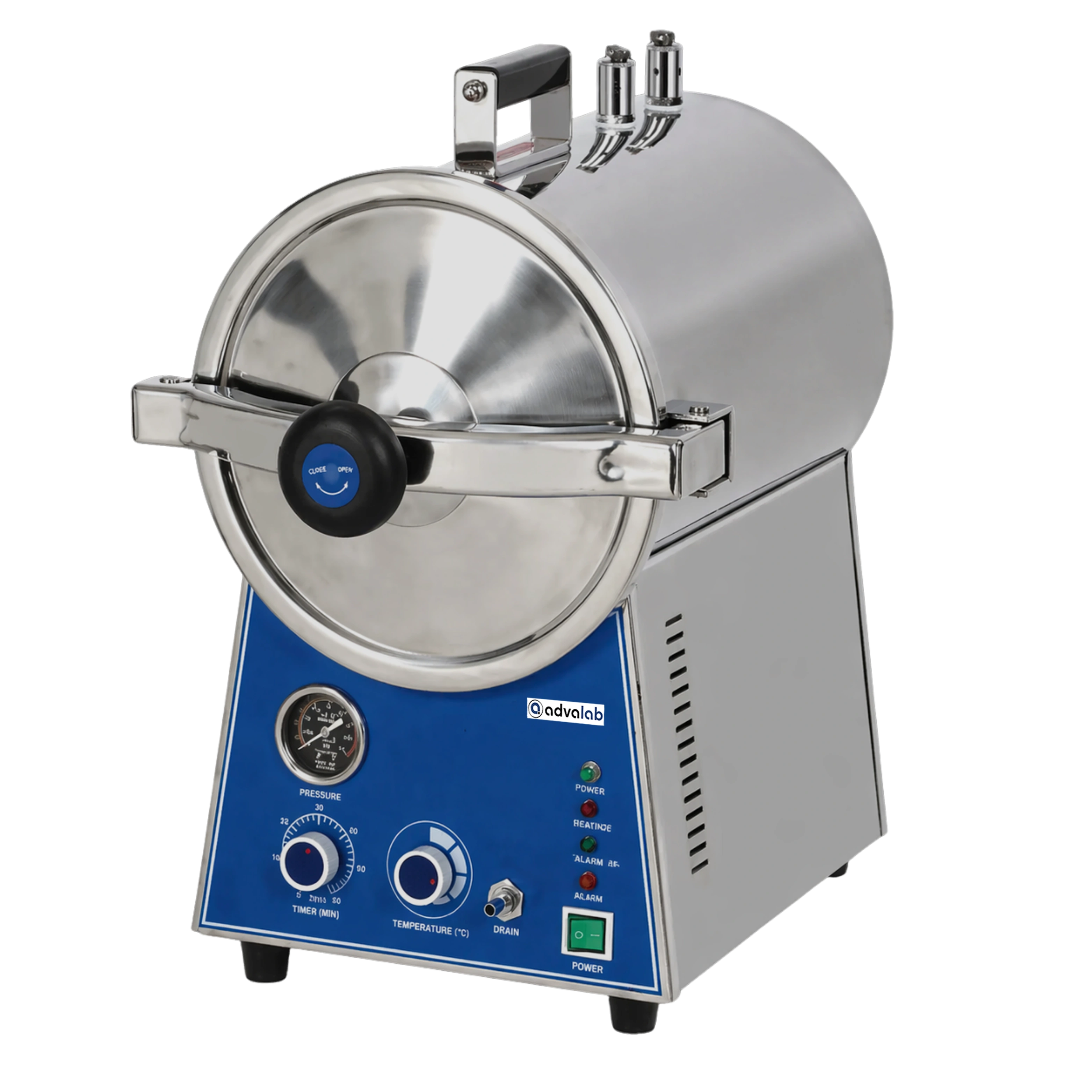
| Chamber Volume: | 24L φ (270×410) mm |
| Working Pressure: | 0.22MPa |
| Working Temperature: | 134℃ |
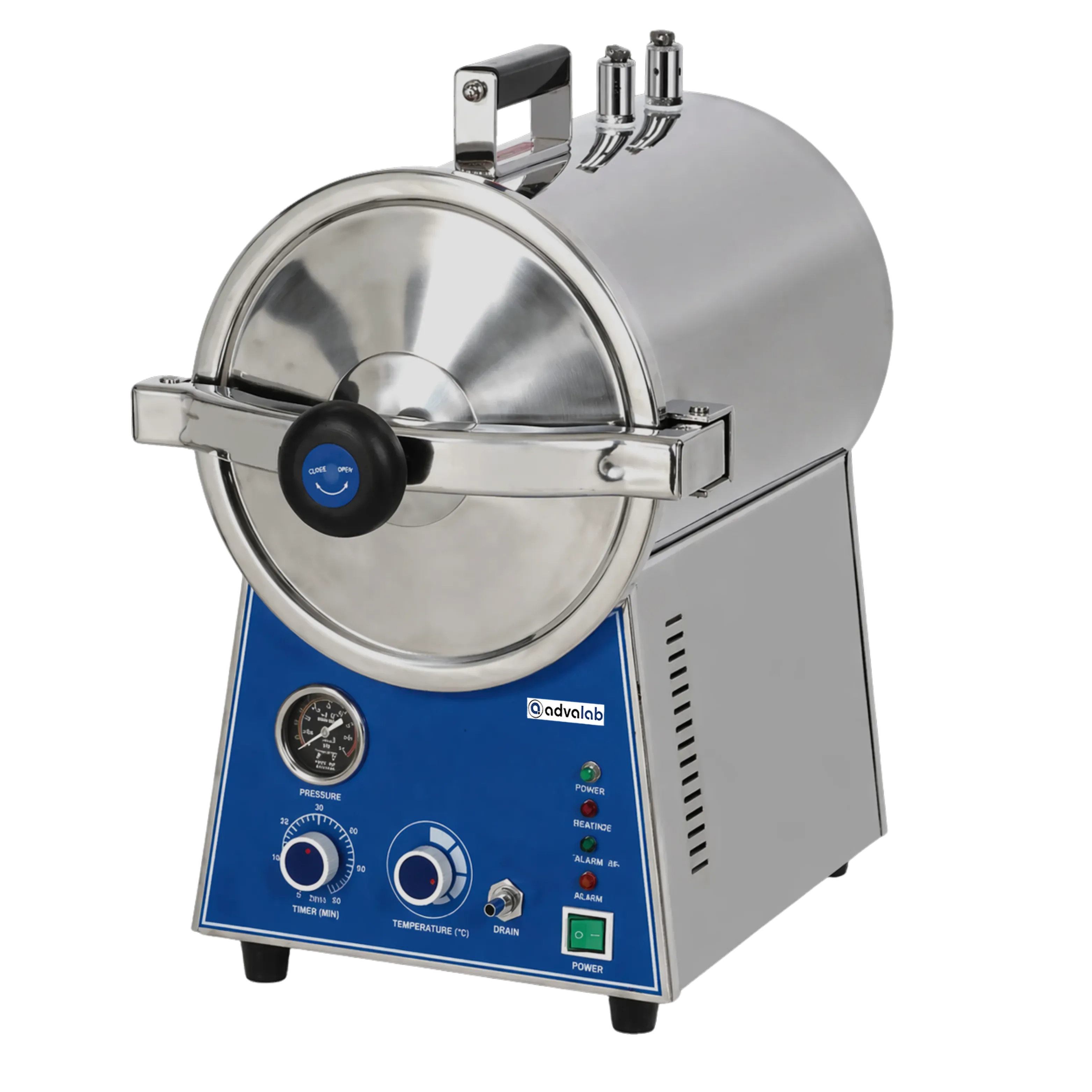
| Chamber Volume: | 16L φ (250×360) mm |
| Working Pressure: | 0.22MPa |
| Working Temperature: | 134℃ |

| Chamber Volume: | 20L φ (250×420) mm |
| Working Pressure: | 0.22MPa |
| Working Temperature: | 134℃ |
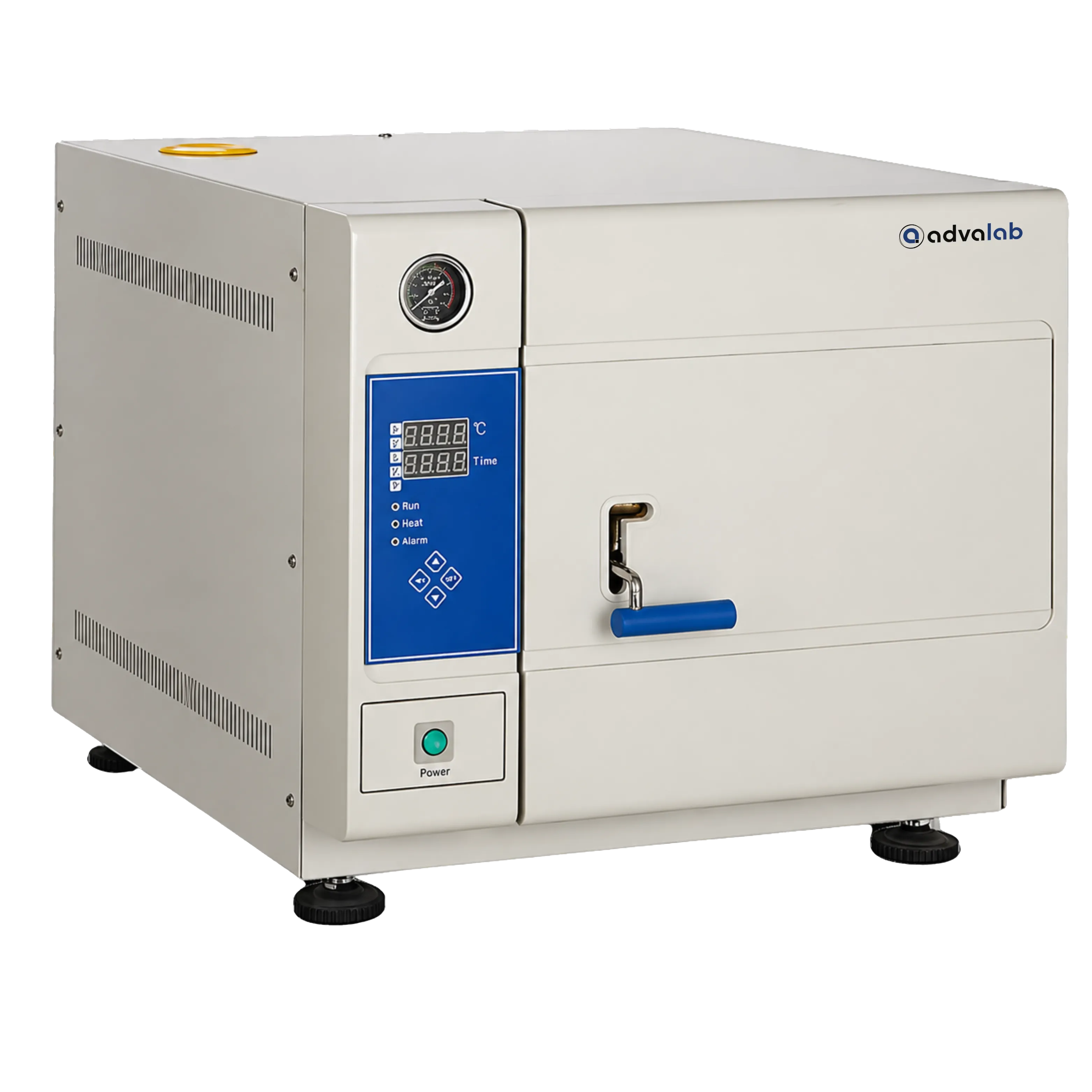
| Chamber Volume: | 50L φ (340×550) mm |
| Working Pressure: | 0.22MPa |
| Working Temperature: | 134℃ |
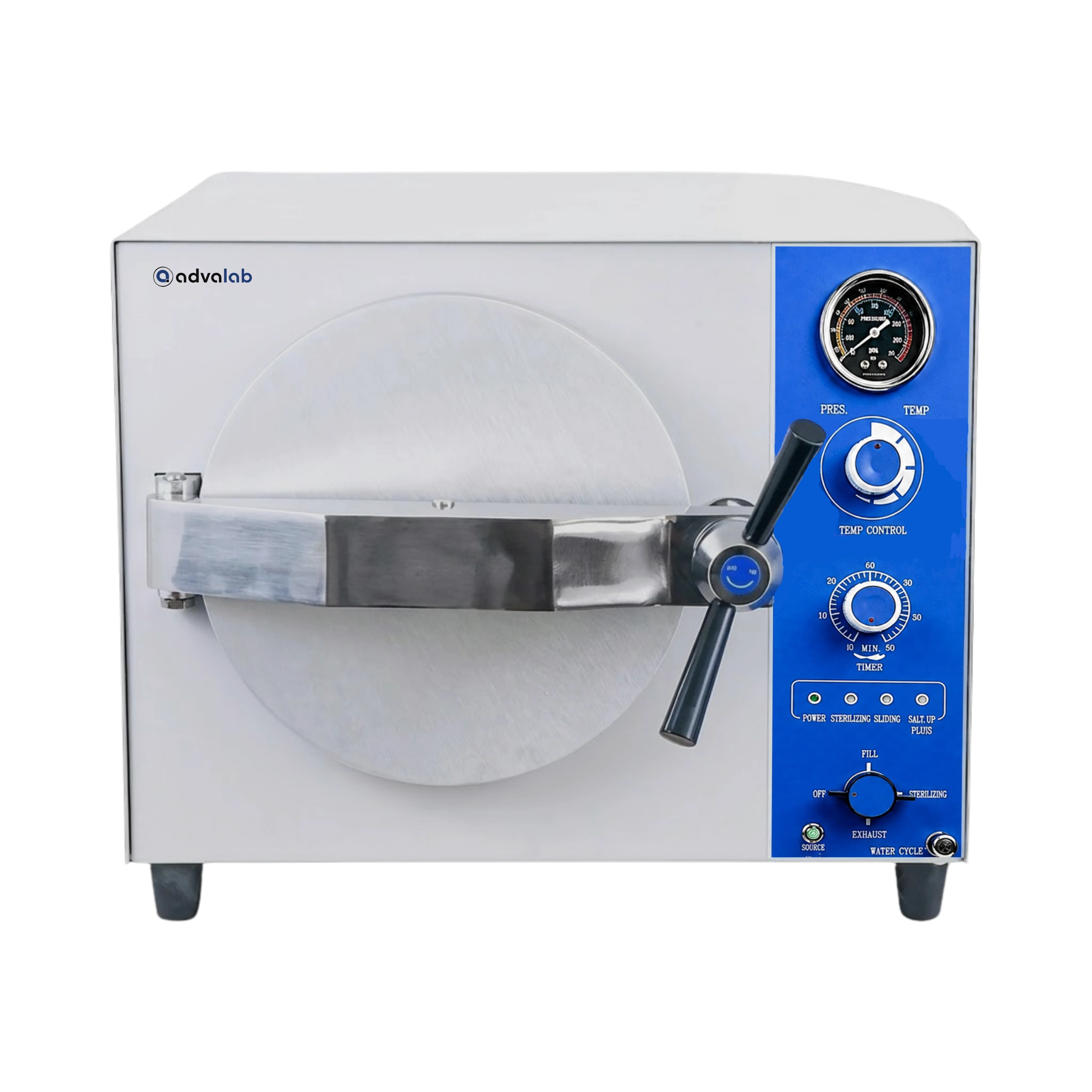
| Chamber Volume: | 24L φ (250×520) mm |
| Working Pressure: | 0.22MPa |
| Working Temperature: | 134℃ |