
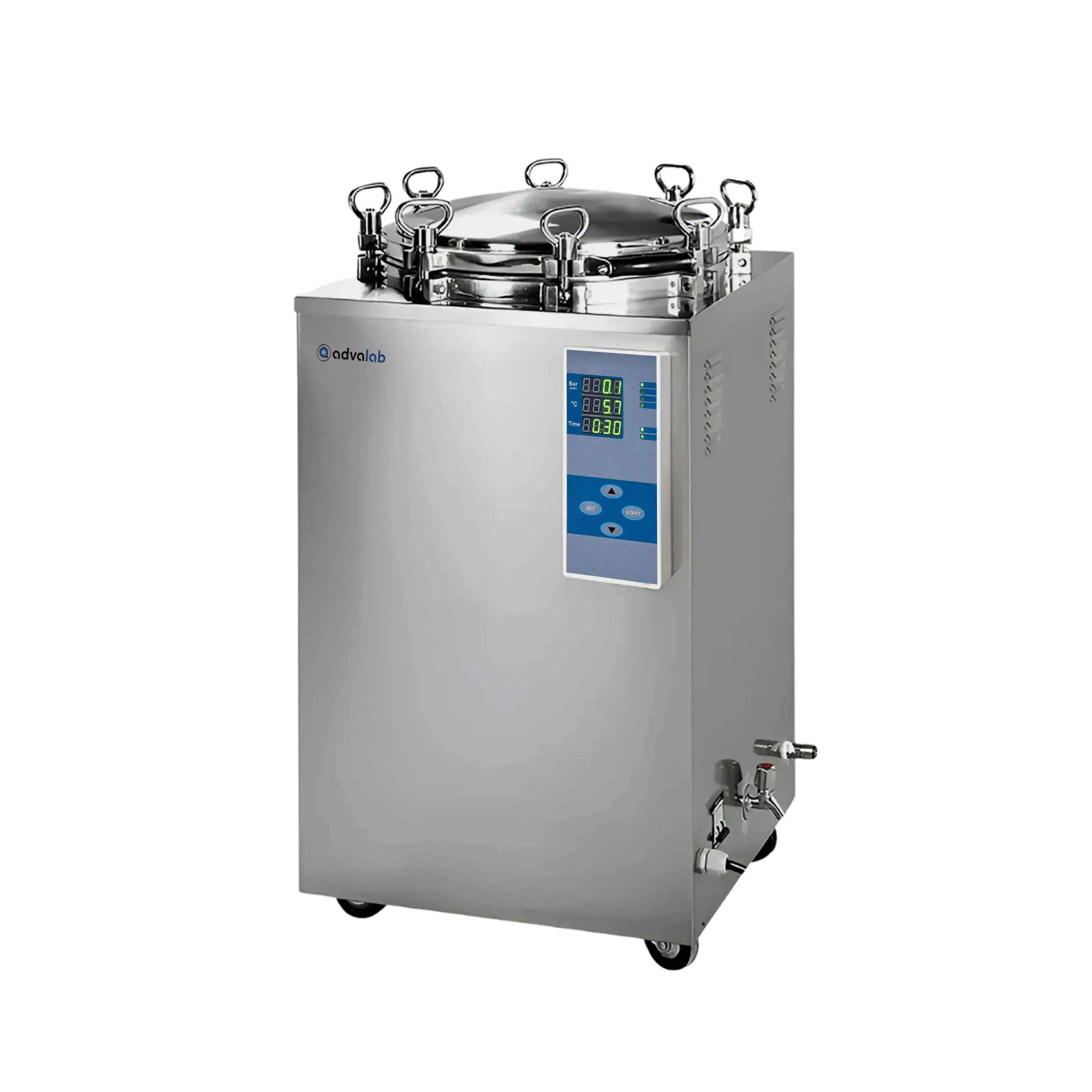
| Chamber Volume | 100L φ (510×740) mm |
| Working Pressure 0.1 to 0.22MPa | 0.1 to 0.22MPa |
| Working Temperature 120 to 134℃ | 120 to 134℃ |
| Maximum Working Pressure | 0.23Mpa |
| Heat Average | Heat Average ≤±1℃ |
| Timer | 0 to 99min or 0 to 99hr 59min |
| Adjustment of Temperature | 105 to 134℃ |
| Power Consumption | 6 KW |
| Overall Dimension (L×B×H) | 670×690×1130 mm |
| Transport Dimension (L×B×H) | 760×760×1270 mm |
| Gross Weight | 135 Kg |
| Net Weight | 110 Kg |
Our Vertical Autoclave ADVA-512 is used across various fields such as pharmaceuticals, hospitals, and research laboratories for sterilizing equipment, media, and instruments to ensure a contamination-free environment.
1. What kind of water should be used in a vertical autoclave?
Distilled or deionized water is recommended to prevent mineral buildup inside the autoclave chamber. Tap water may contain minerals that cause scaling and damage over time. Regular cleaning of the chamber and checking water quality are crucial maintenance steps. Poor water quality can lead to inefficient steam production and shortened equipment lifespan. Always follow the manufacturer’s water quality guidelines.
2. What is a vertical autoclave and how does it work?
A vertical autoclave is a cylindrical, top-loading sterilization device commonly used in laboratories and medical settings. It uses high-pressure saturated steam to kill bacteria, viruses, and other microorganisms. The sterilization cycle typically involves heating, sterilizing at a set pressure and temperature, and then cooling down. Vertical autoclaves are ideal for sterilizing liquids, culture media, instruments, and glassware. Their compact design makes them suitable for limited space environments.
3. What are the main applications of a vertical autoclave?
Vertical autoclaves are primarily used in laboratories, hospitals, research centers, and pharmaceutical industries. They are suitable for sterilizing laboratory media, surgical tools, glassware, and biohazardous waste. Due to their steam-based process, they are preferred for moisture- and heat-resistant items. Educational institutions also use them in biology and microbiology labs. Their top-loading design allows for the sterilization of taller containers or flasks.
4. How is a vertical autoclave different from a horizontal autoclave?
The primary difference lies in the loading orientation—vertical autoclaves are top-loading, while horizontal ones are front-loading. Vertical models are more compact and ideal for smaller spaces. They are often used for smaller batch sterilization, especially in labs. Horizontal autoclaves, being larger, suit industrial or hospital-scale sterilization. Each type serves specific spatial and operational needs.
5. What safety features should a vertical autoclave have?
Essential safety features include pressure and temperature safety valves, automatic shut-off, and a door-locking mechanism that prevents opening under pressure. Many models also include alarms and fault detection systems. Overpressure protection is critical to prevent accidents. A water level sensor ensures the chamber doesn't run dry during a cycle. These features are important for protecting both users and equipment.
6. What is a Vertical Autoclave and how does it work?
A Vertical Autoclave is a sterilization device that uses steam under pressure to sterilize equipment, media, and laboratory tools. It works by heating water to produce steam, which destroys bacteria, viruses, and other microorganisms.
7. What safety features are included in a Vertical Autoclave?
A Vertical Autoclave includes safety features like pressure release valves, temperature cut-offs, door interlocks, and alarms. These systems prevent accidental opening or overheating in the Vertical Autoclave. Built-in sensors ensure the unit shuts off in case of any malfunction.
8. Can a Vertical Autoclave be used for medical waste?
A Vertical Autoclave can be used to sterilize soft medical waste like gauze, gloves, and cloth items. However, a Vertical Autoclave may not be ideal for large volumes of waste or sharp objects. Special medical waste autoclaves are recommended for such loads.
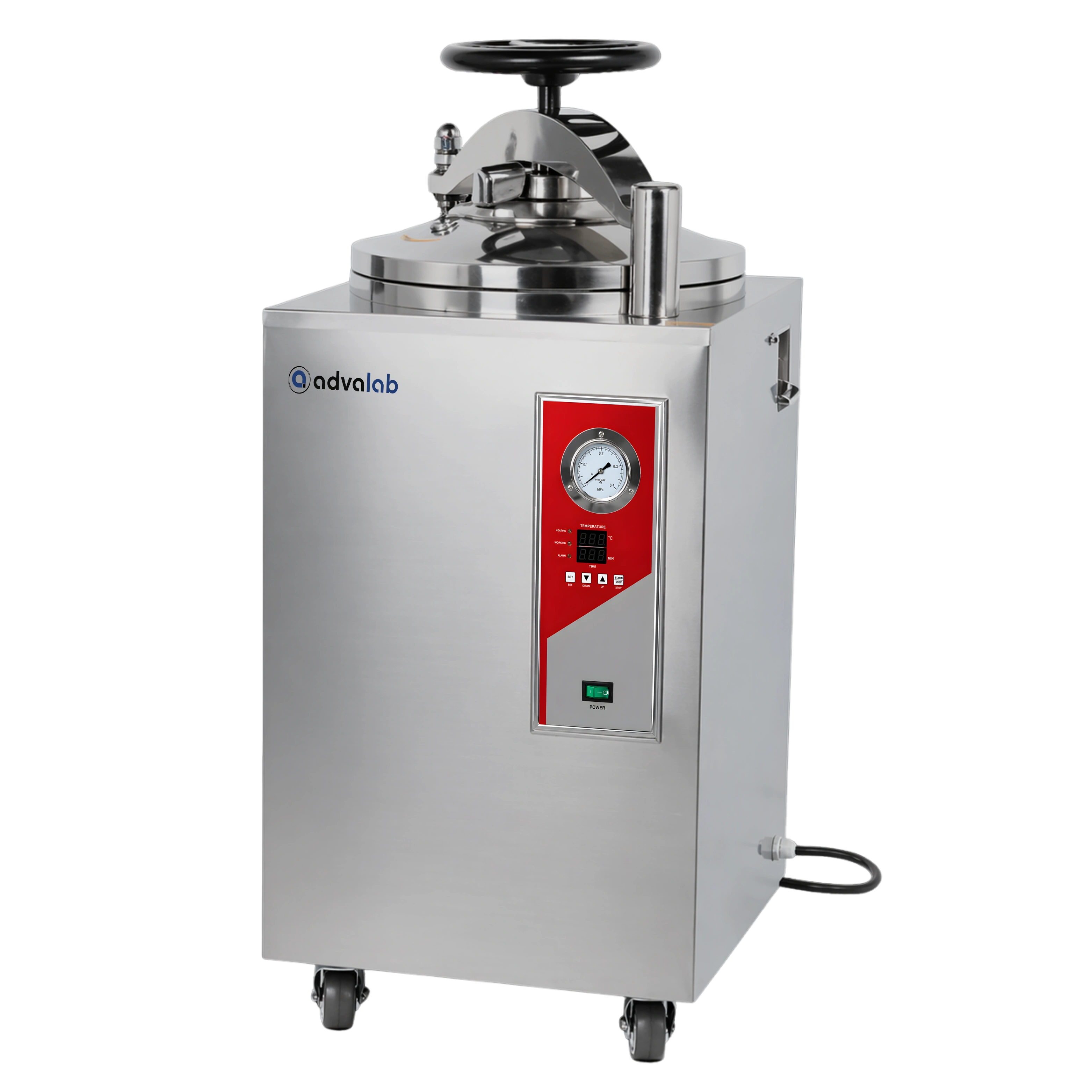
| Volume | 75 L |
| Maximum Working Temperature | 135°C to 139°C |
| Maximum Working Pressure | 0.22 to 0.25 MPa |
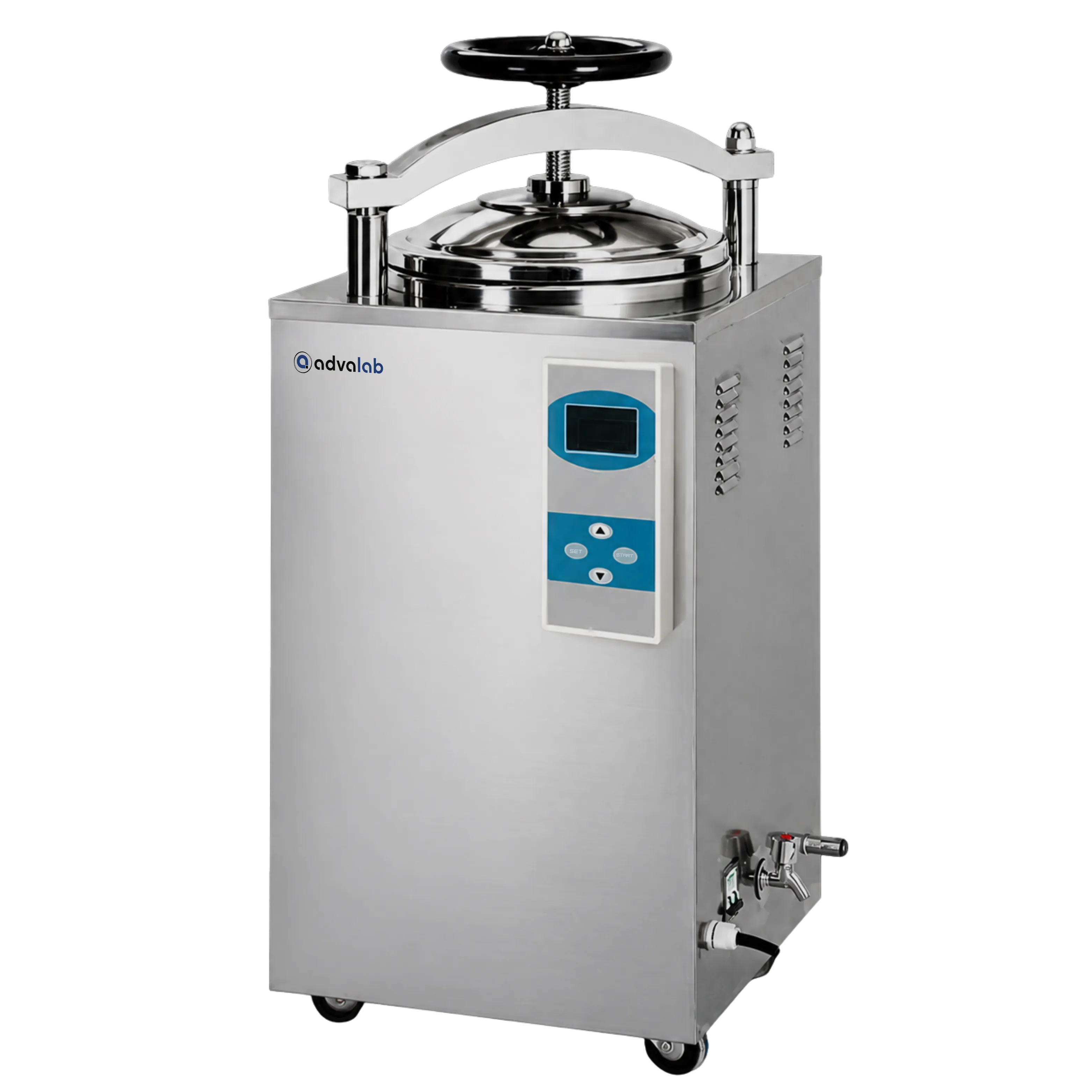
| Chamber Volume | 50 L φ (318×450) mm |
| Working Pressure | 0.22MPa |
| Working Temperature | 134℃ |
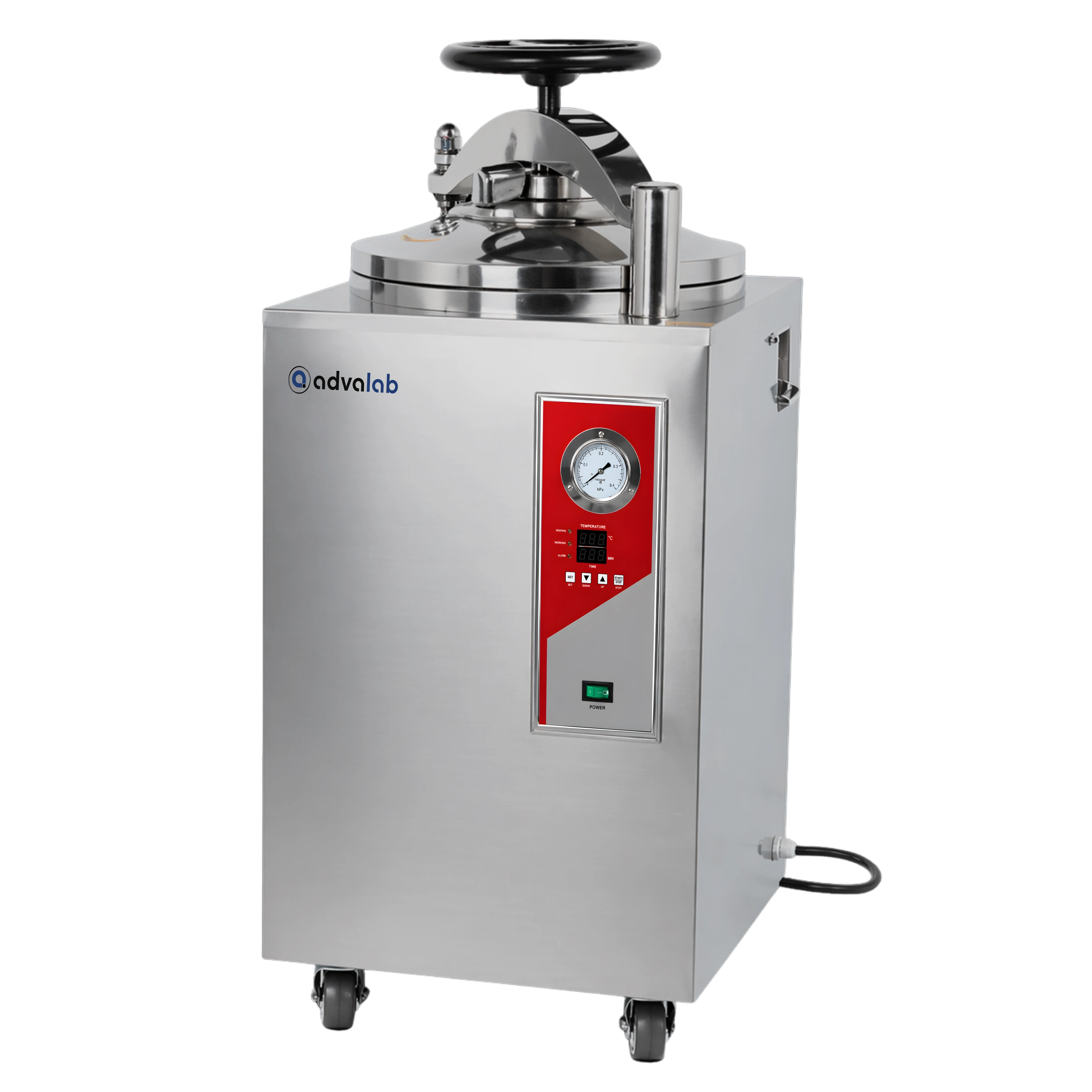
| Volume | 50 L |
| Maximum Working Temperature | 135°C to 139°C |
| Maximum Working Pressure | 0.22 to 0.25 MPa |
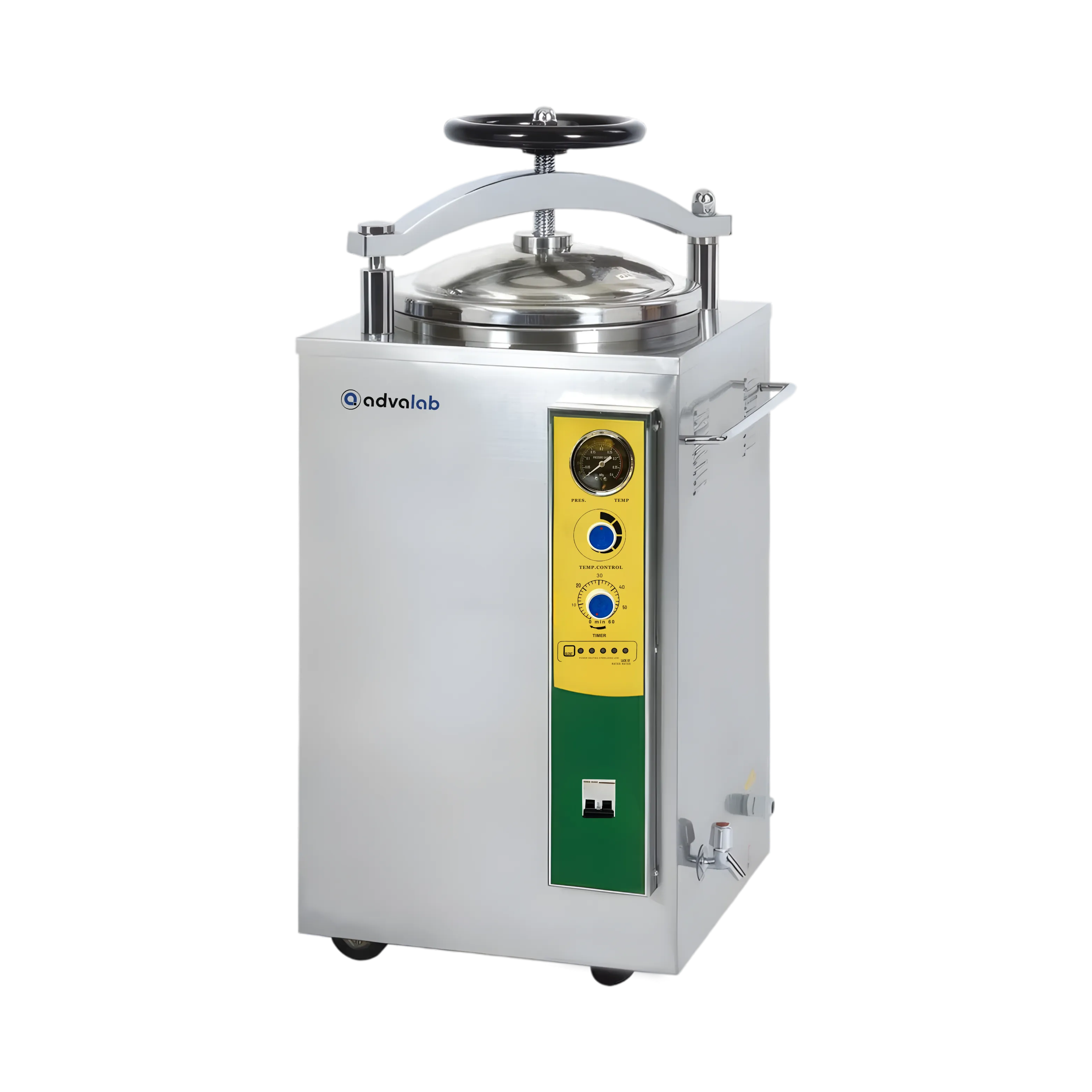
| Chamber Volume | 100L φ (440×650) mm |
| Working Pressure | 0.14MPa |
| Working Temperature | 126℃ |
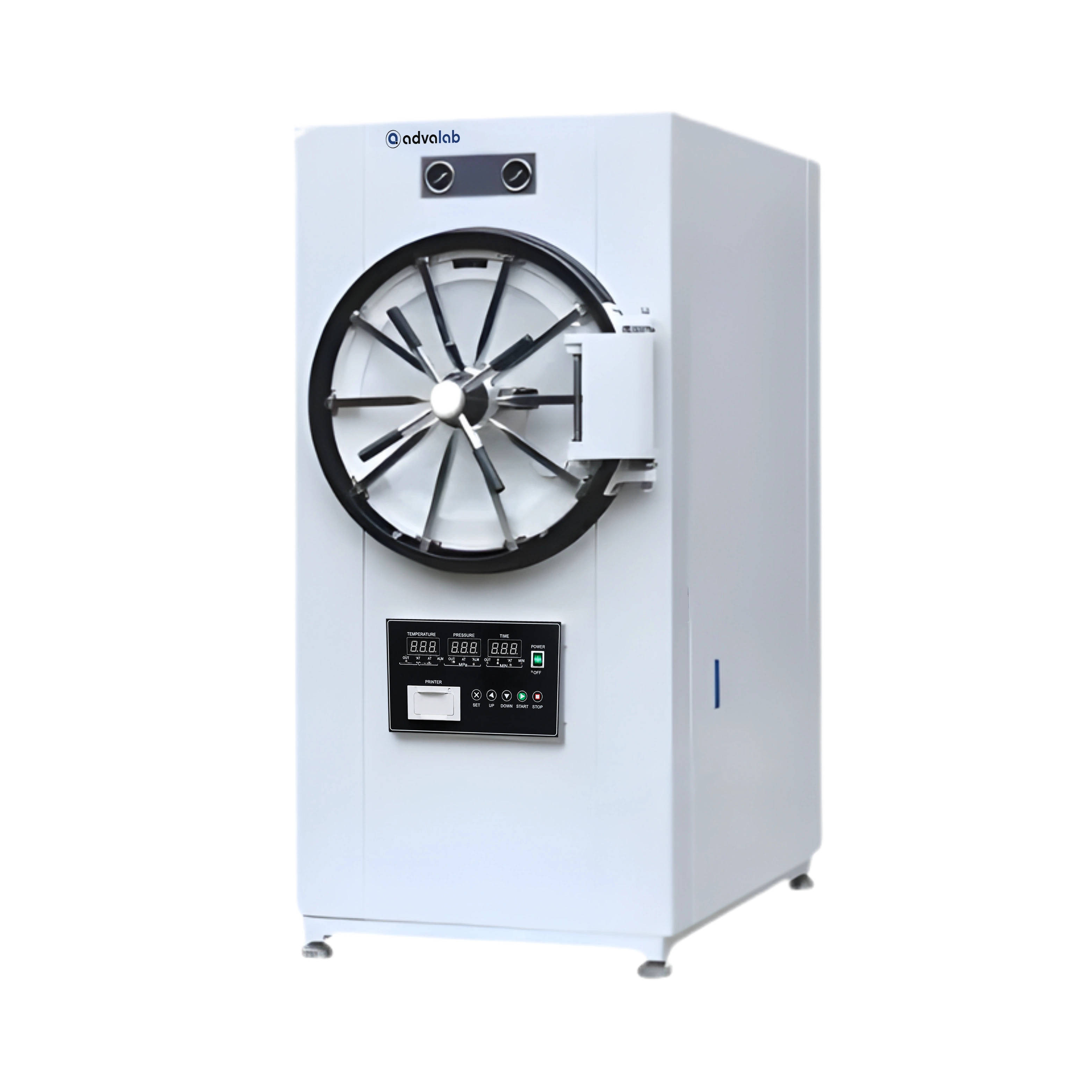
| Sterilizing Chamber Volume: | 200 L φ (515×1000mm) |
| Working Pressure: | 0.22Mpa |
| Working Temperature: | 134ºC |
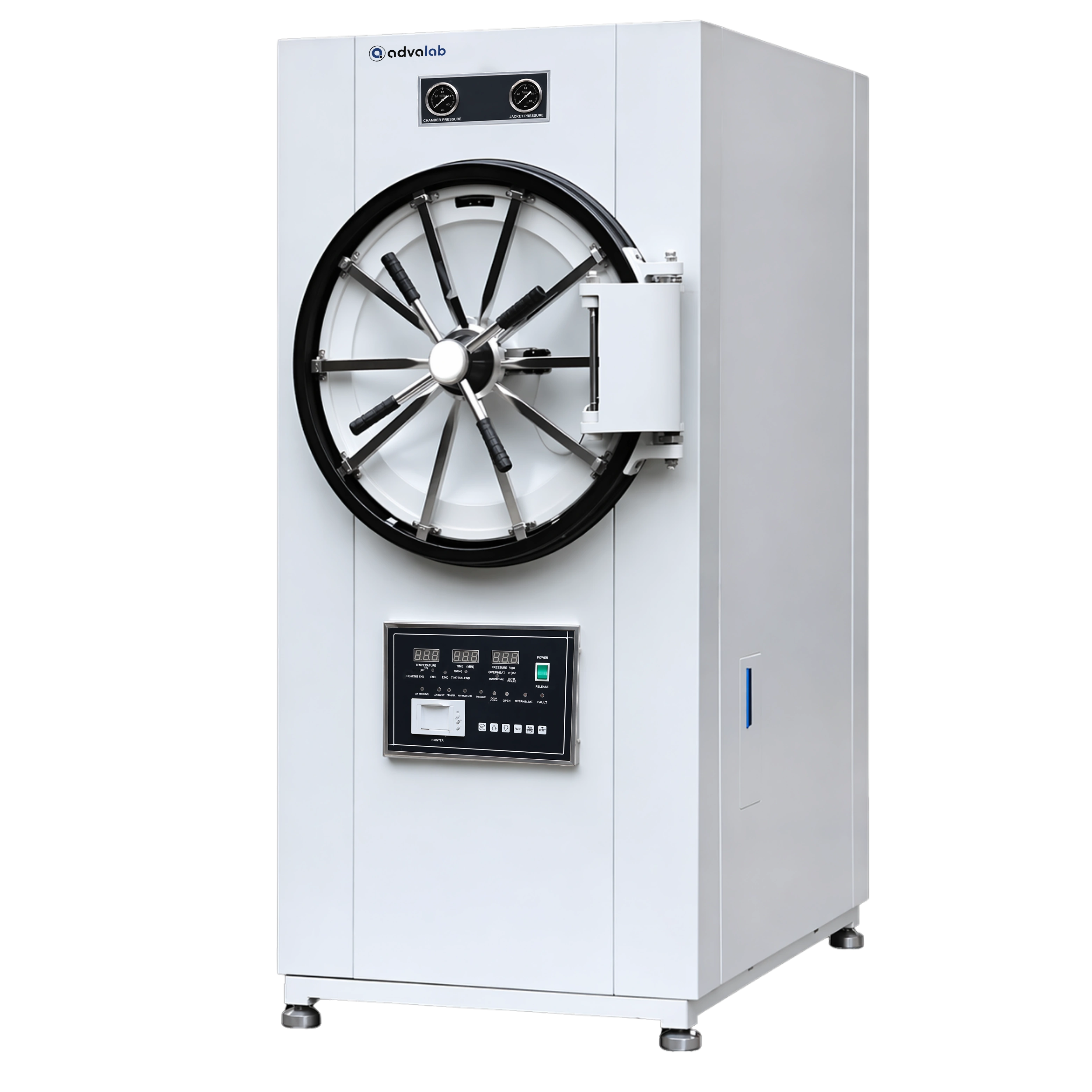
| Sterilizing chamber volume: | 150 L φ (440×1000mm) |
| working pressure: | 0.22Mpa |
| Working temperature: | 134ºC |
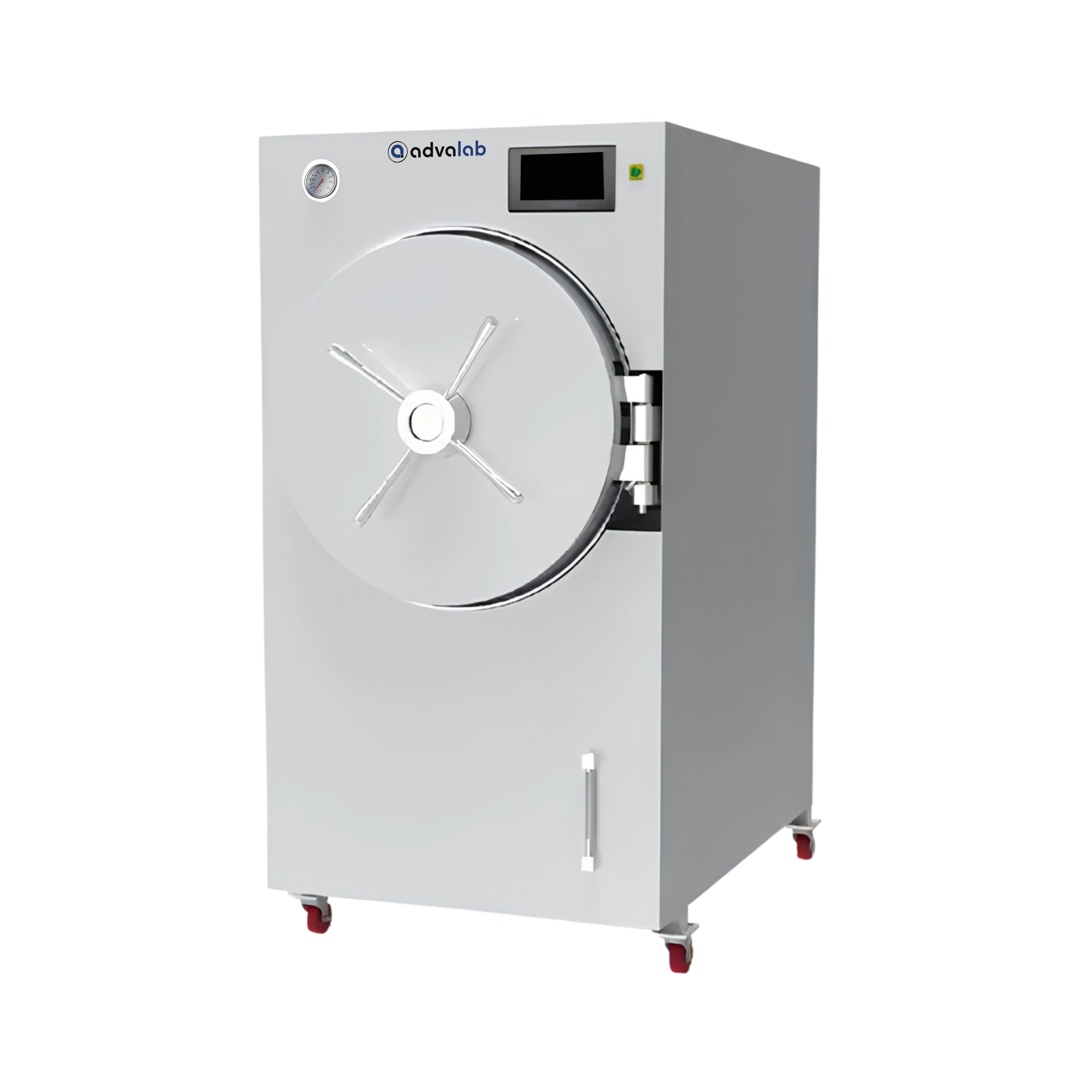
| Volume: | 500 L |
| Door Structure : | spoke |
| Temperature Range : | 105°C to 135°C |
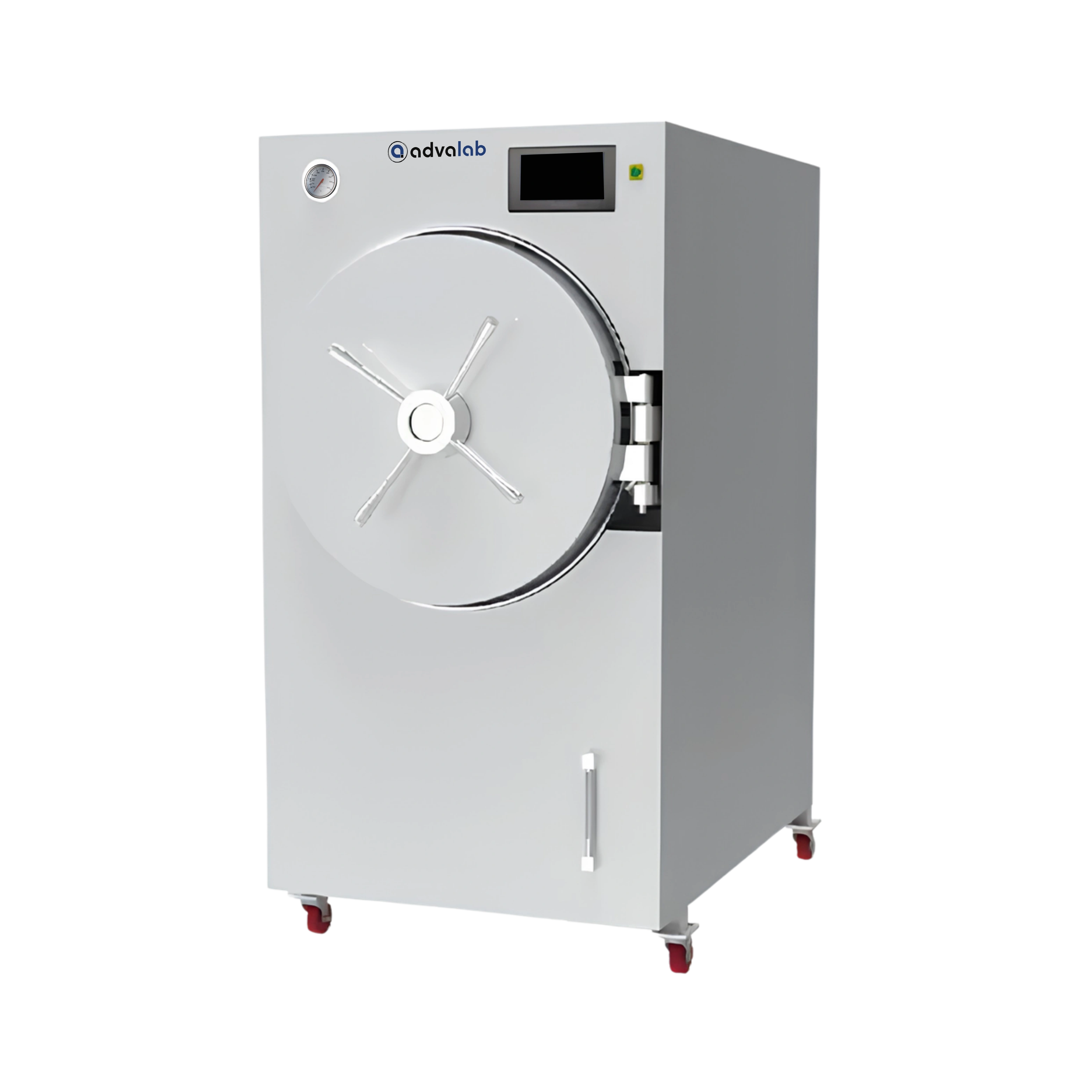
| Volume: | 280 L |
| Door Structure : | spoke |
| Temperature Range : | 105 to 135°C |
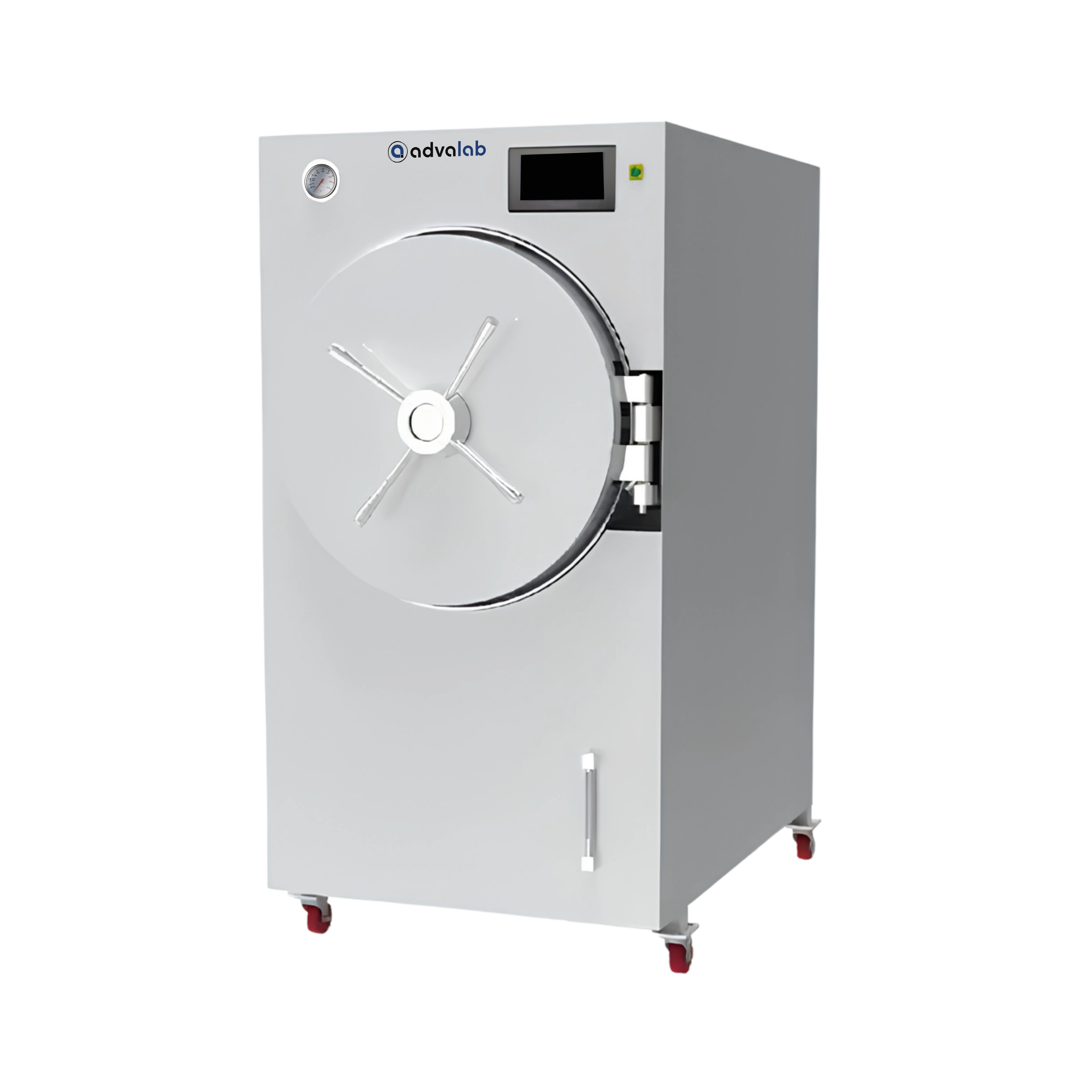
| Volume: | 280 L |
| Door Structure: | spoke |
| Temperature Range: | 105 to 135°C |
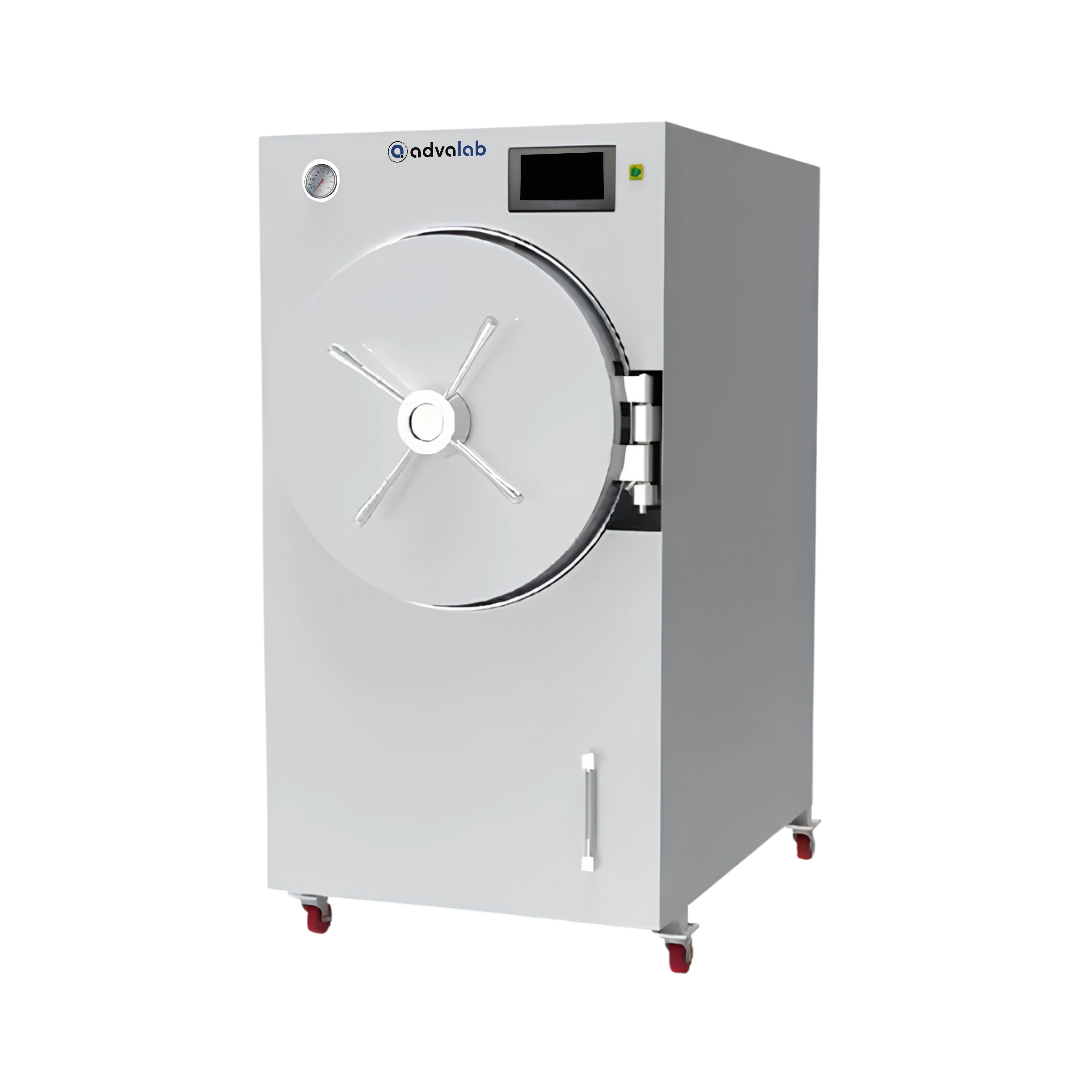
| Volume: | 360 L |
| Door Structure: | spoke |
| Temperature Range : | 105 to 135°C |
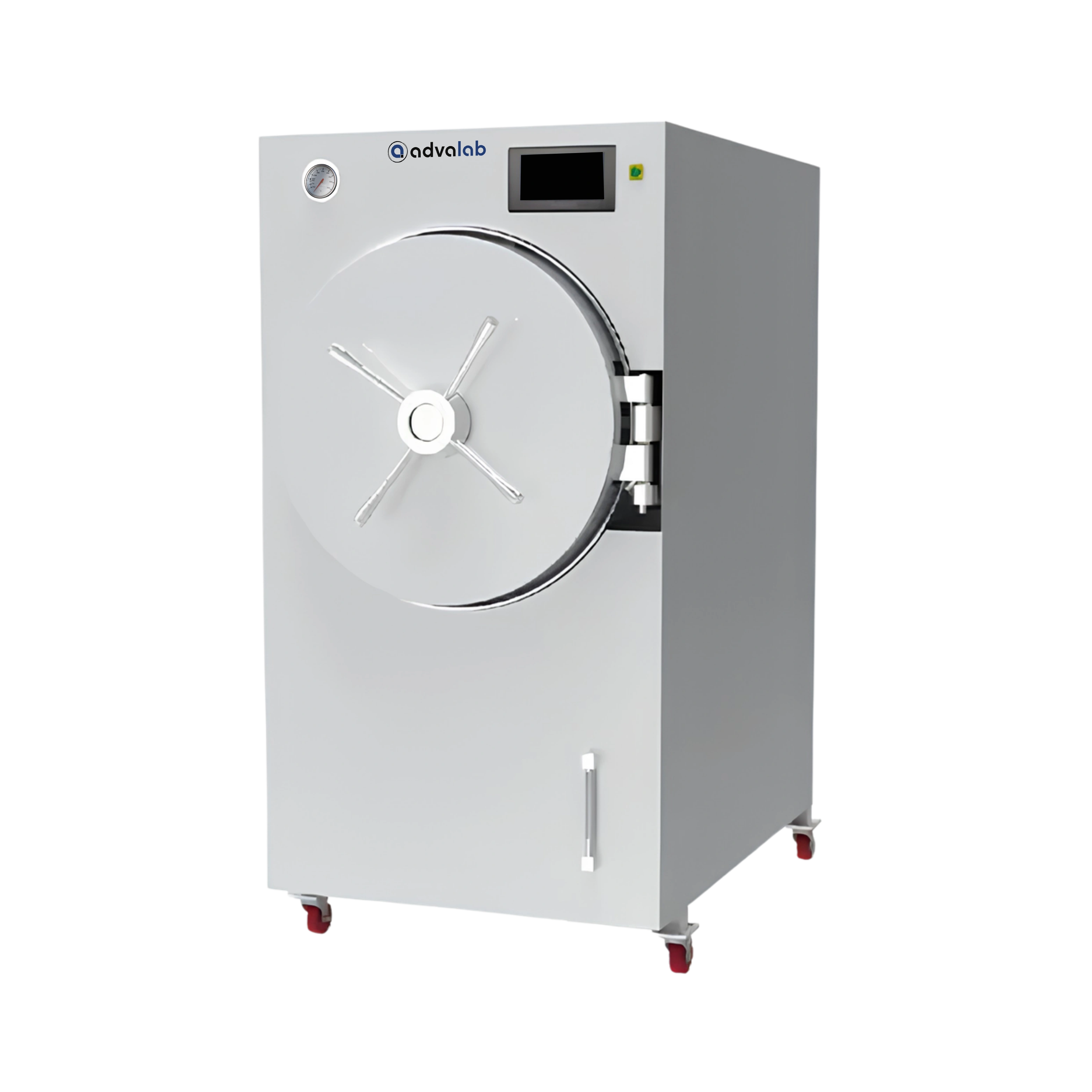
| Volume: | 500 L |
| Door Structure : | spoke |
| Temperature Range : | 105 to 135°C |
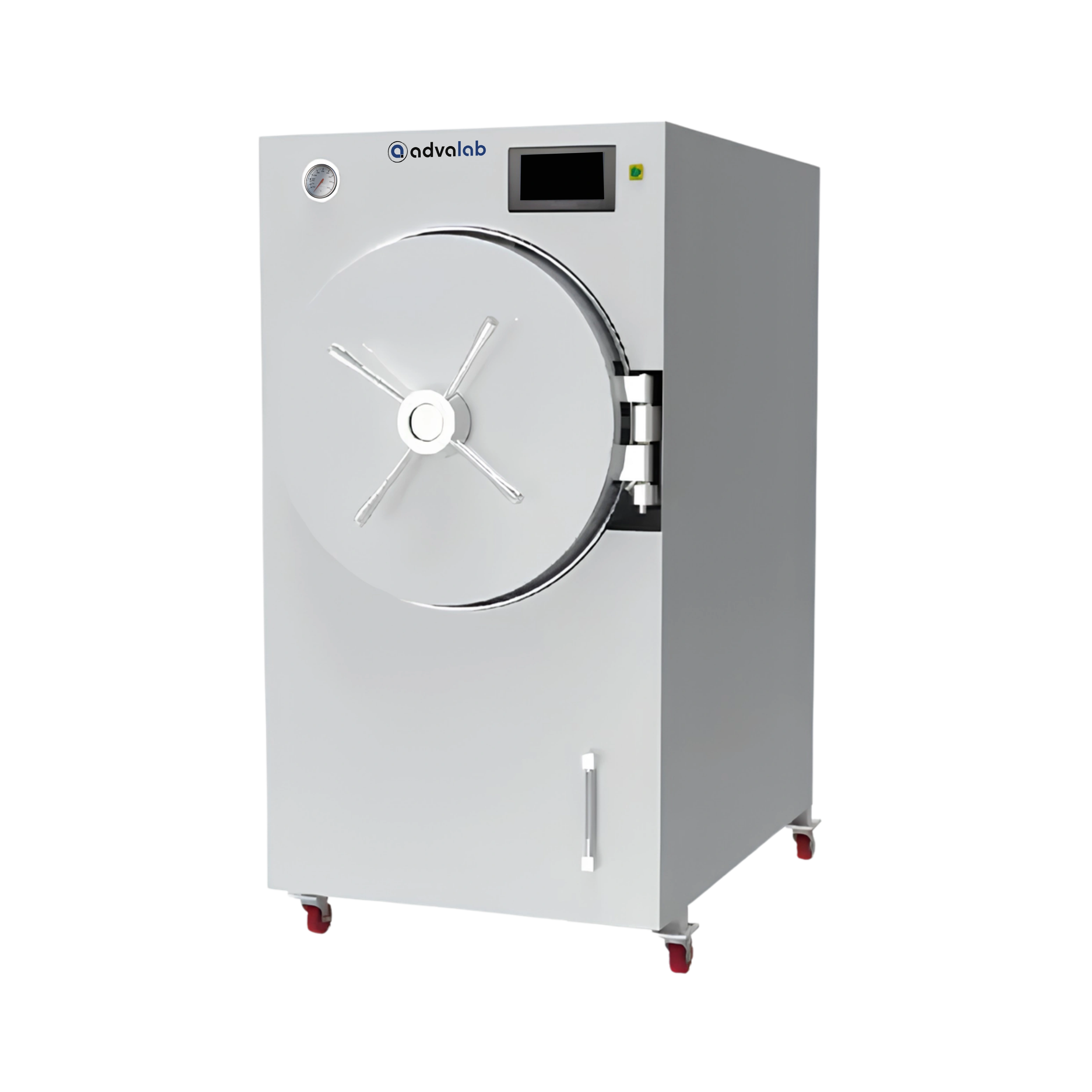
| Volume: | 360 L |
| Door Structure: | spoke |
| Temperature Range: | 105 to 135°C |
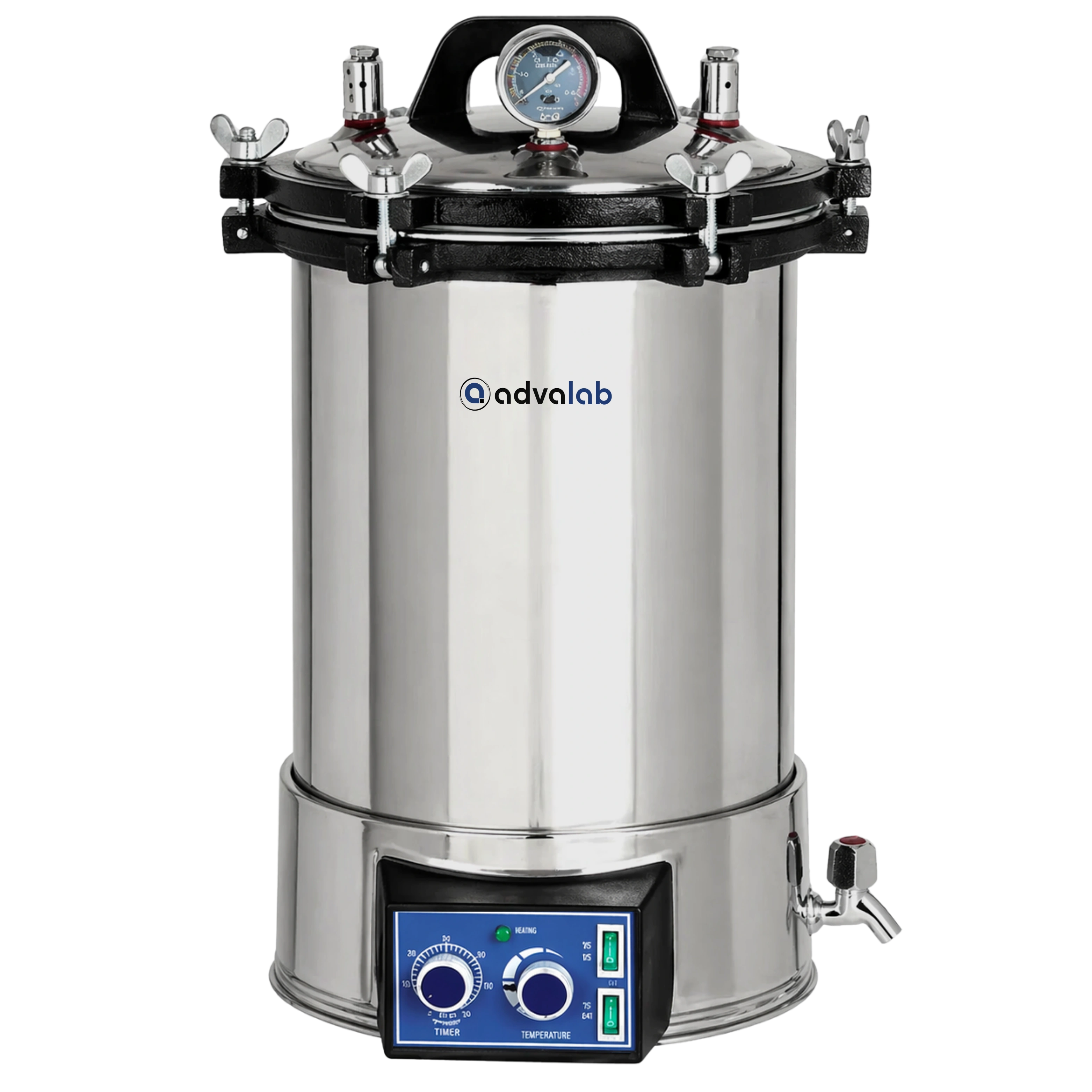
| Sterilizing Volume: | 18L (280×260) mm |
| Working Pressure: | 0.14 to 0.16MPa |
| Working Temperature: | 126 ºC |
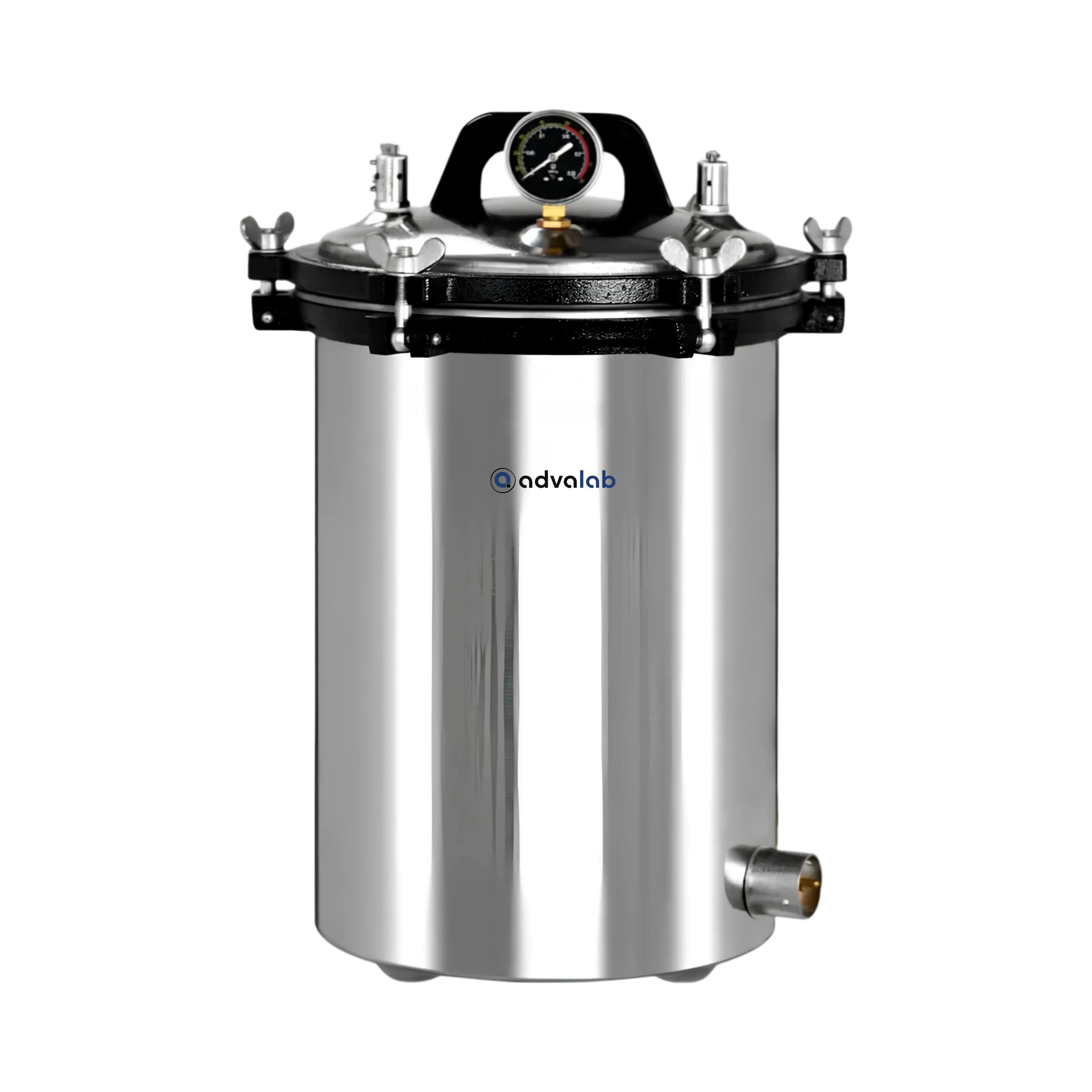
| Chamber Volume: | 18L (280×260) mm |
| Working Pressure: | 0.14 to 0.16Mpa |
| Working Temperature: | 126℃ |
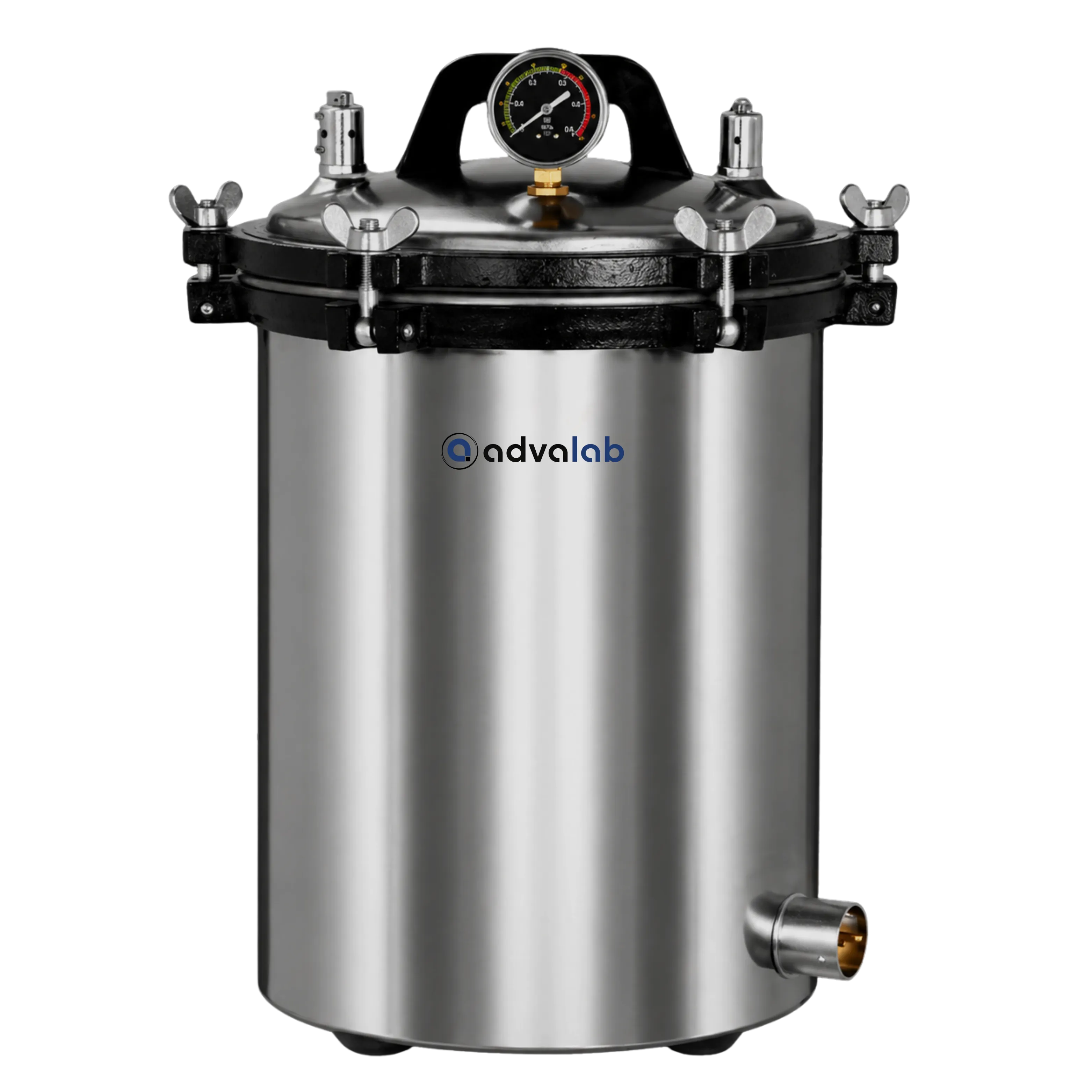
| Chamber Volume: | 24L (280×390) mm |
| Working Pressure: | 0.14 to 0.16Mpa |
| Working Temperature: | 126℃ |
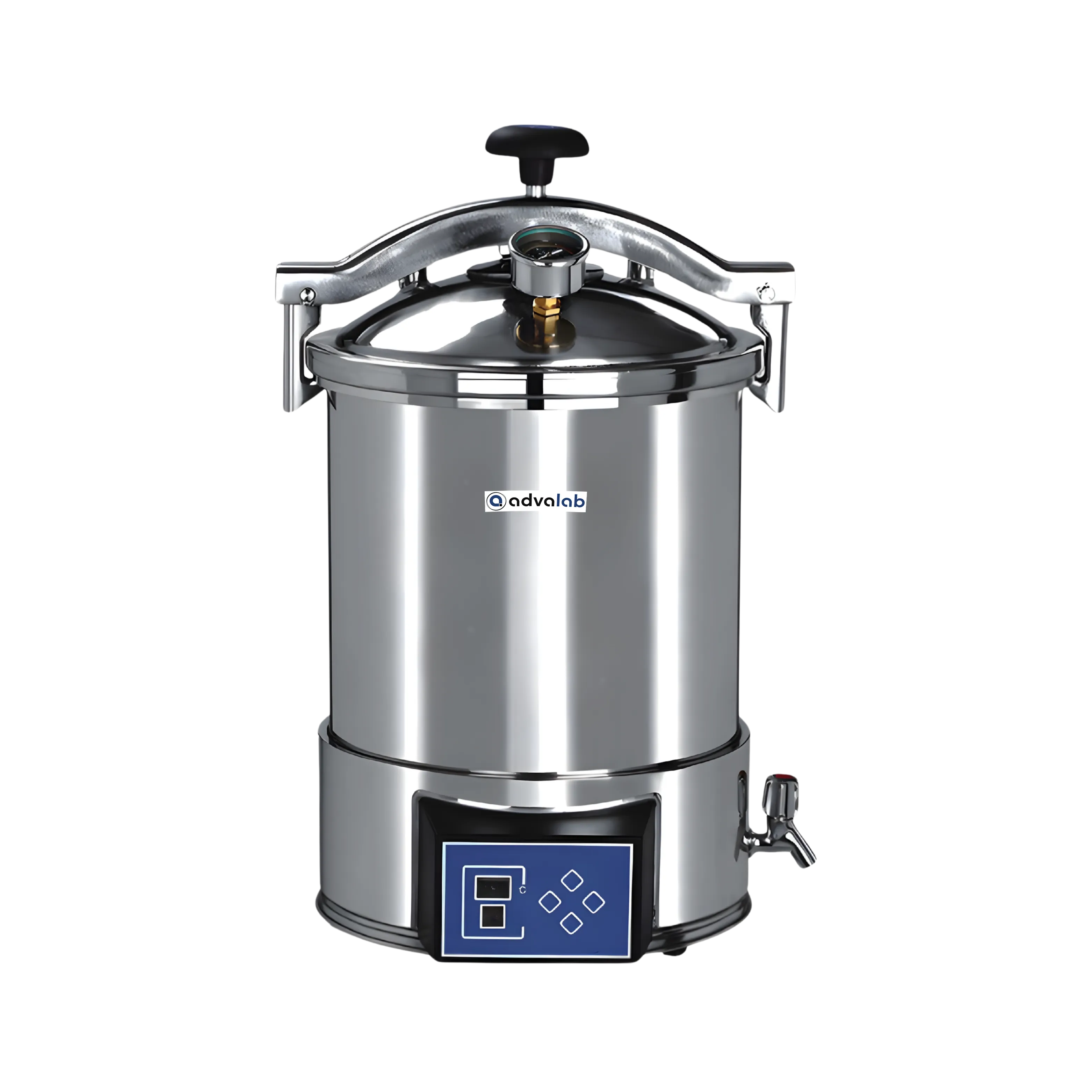
| Sterilizing Volume: | 18L 80×260 mm |
| Working Pressure: | 0.14 to 0.16 MPa |
| Working Temperature: | 126℃ |
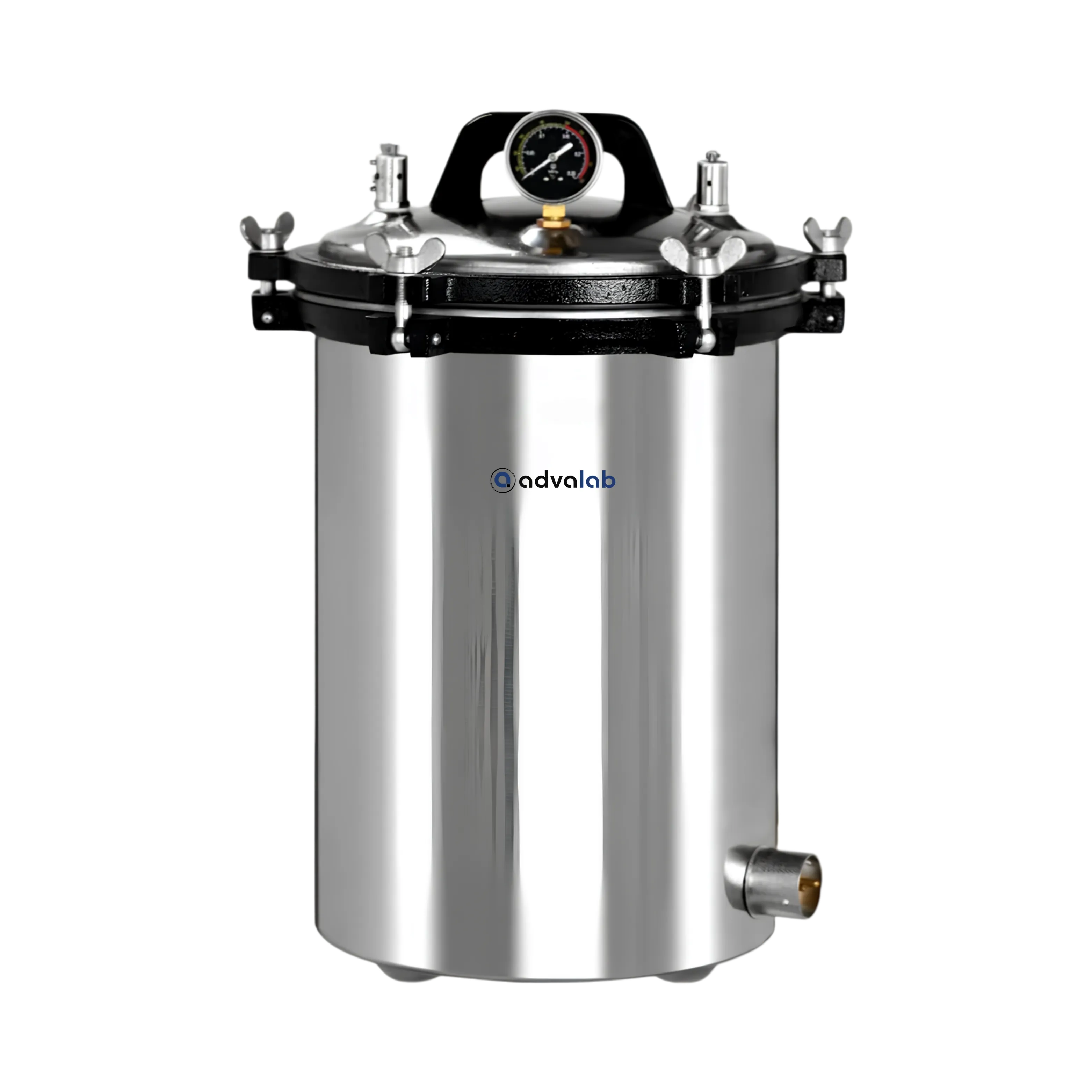
| Chamber Volume: | 18 L (240×200) mm |
| Working Pressure: | 0.14 to 0.16Mpa |
| Working Temperature: | 126℃ |
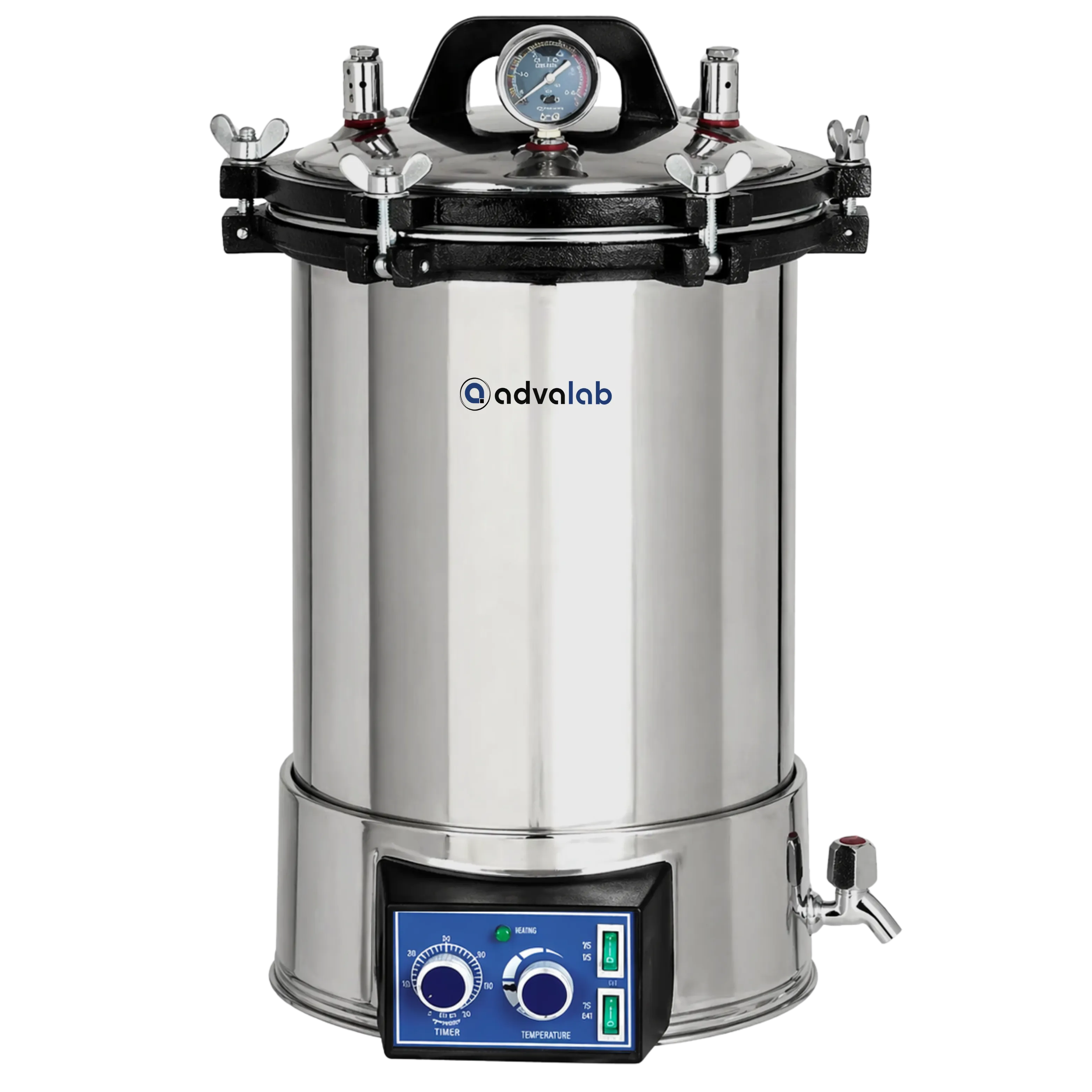
| Working Pressure: | 0.14 to 0.16MPa |
| Working Temperature: | 126 ºC |
| Temperature Adjust Range: | 105℃ to 126℃ |
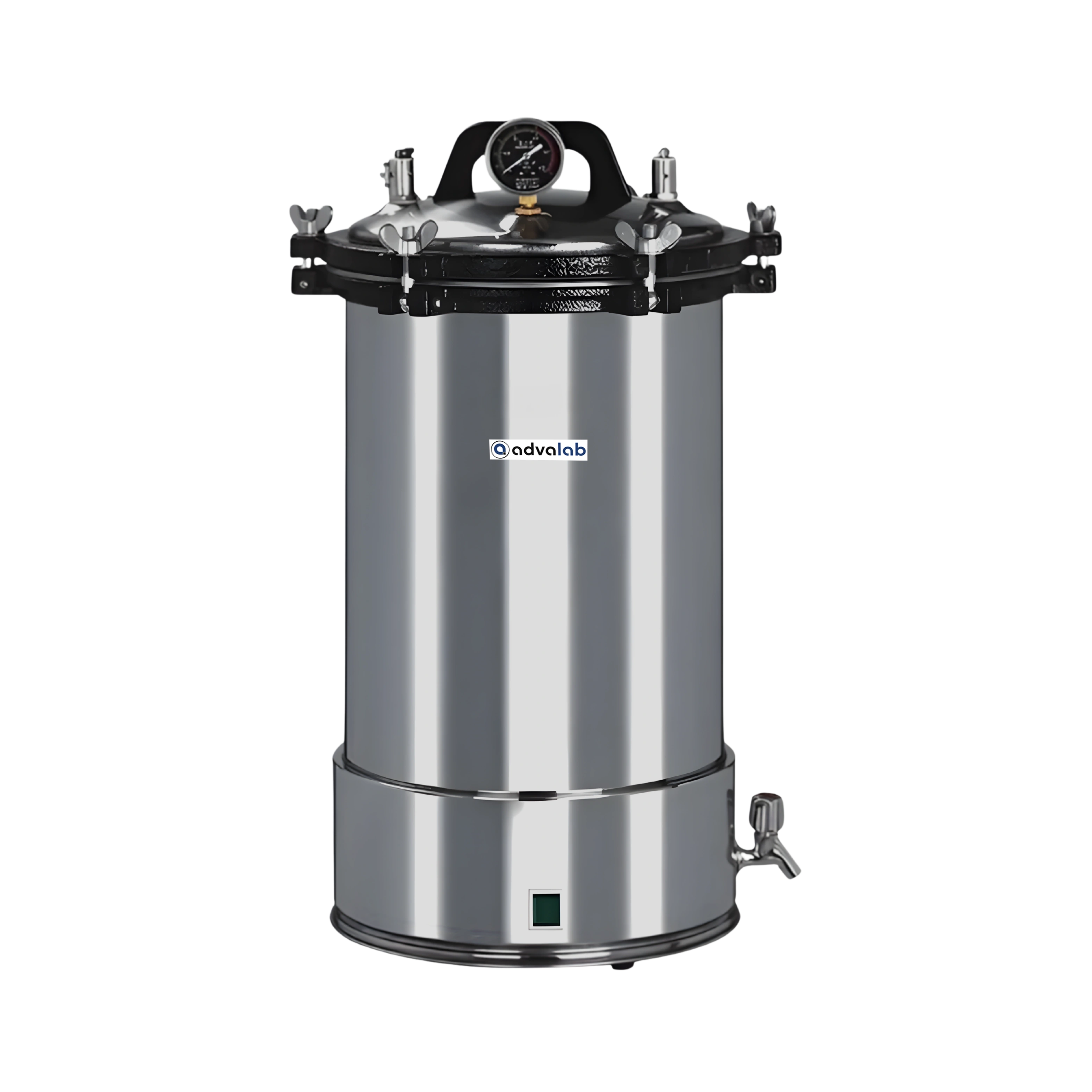
| Chamber Volume: | 18L (280 × 260) mm |
| Working Pressure: | 0.14 to 0.16 MPa |
| Working Temperature: | 126℃ |
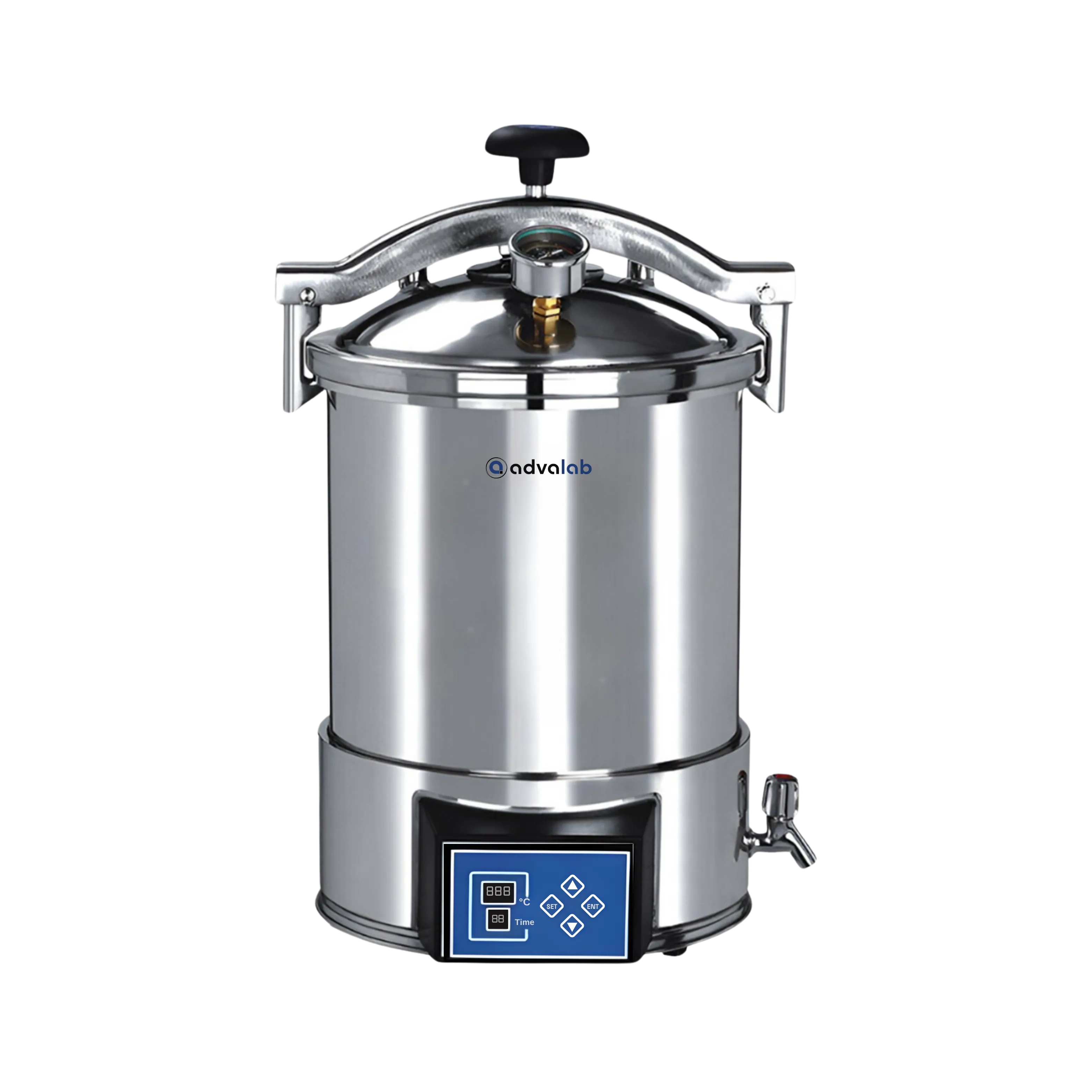
| Sterilizing Volume: | 18L (280×260) mm |
| Working Pressure: | 0.14 to 0.16MPa |
| Working Temperature: | 126℃ |
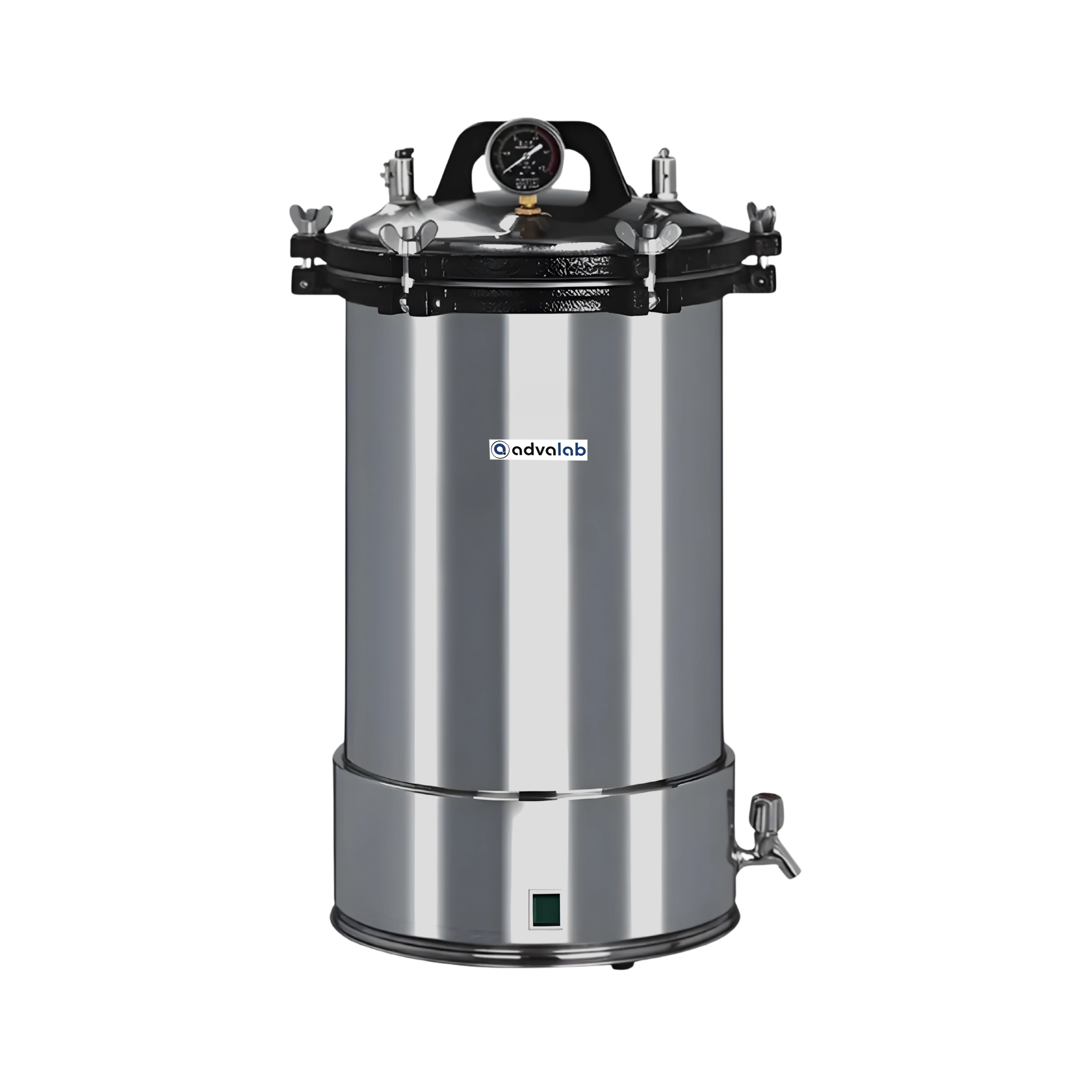
| Chamber Volume: | 24L (280 × 390) mm |
| Working Pressure: | 0.14 to 0.16 MPa |
| Working Temperature : | 126℃ |
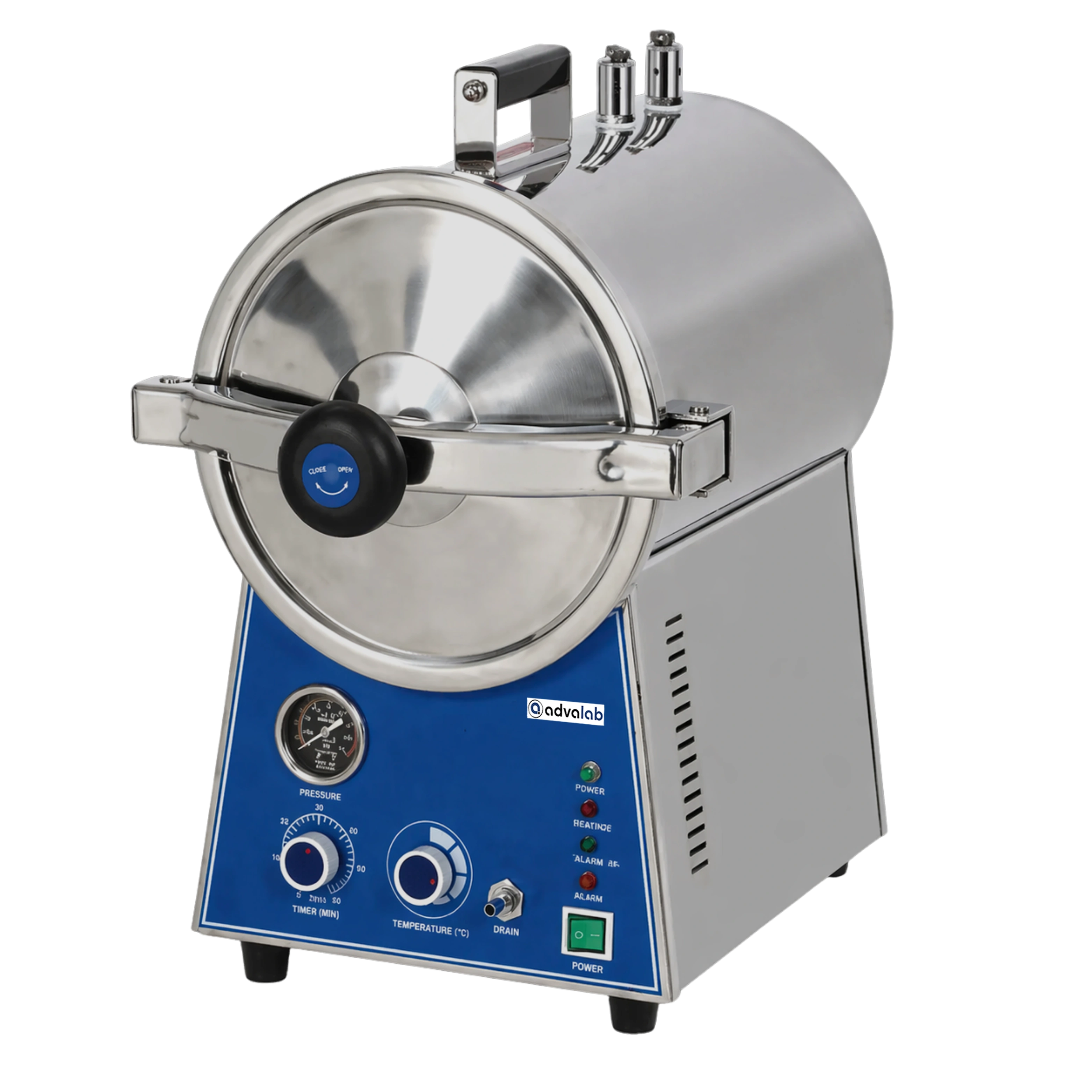
| Chamber Volume: | 24L φ (270×410) mm |
| Working Pressure: | 0.22MPa |
| Working Temperature: | 134℃ |
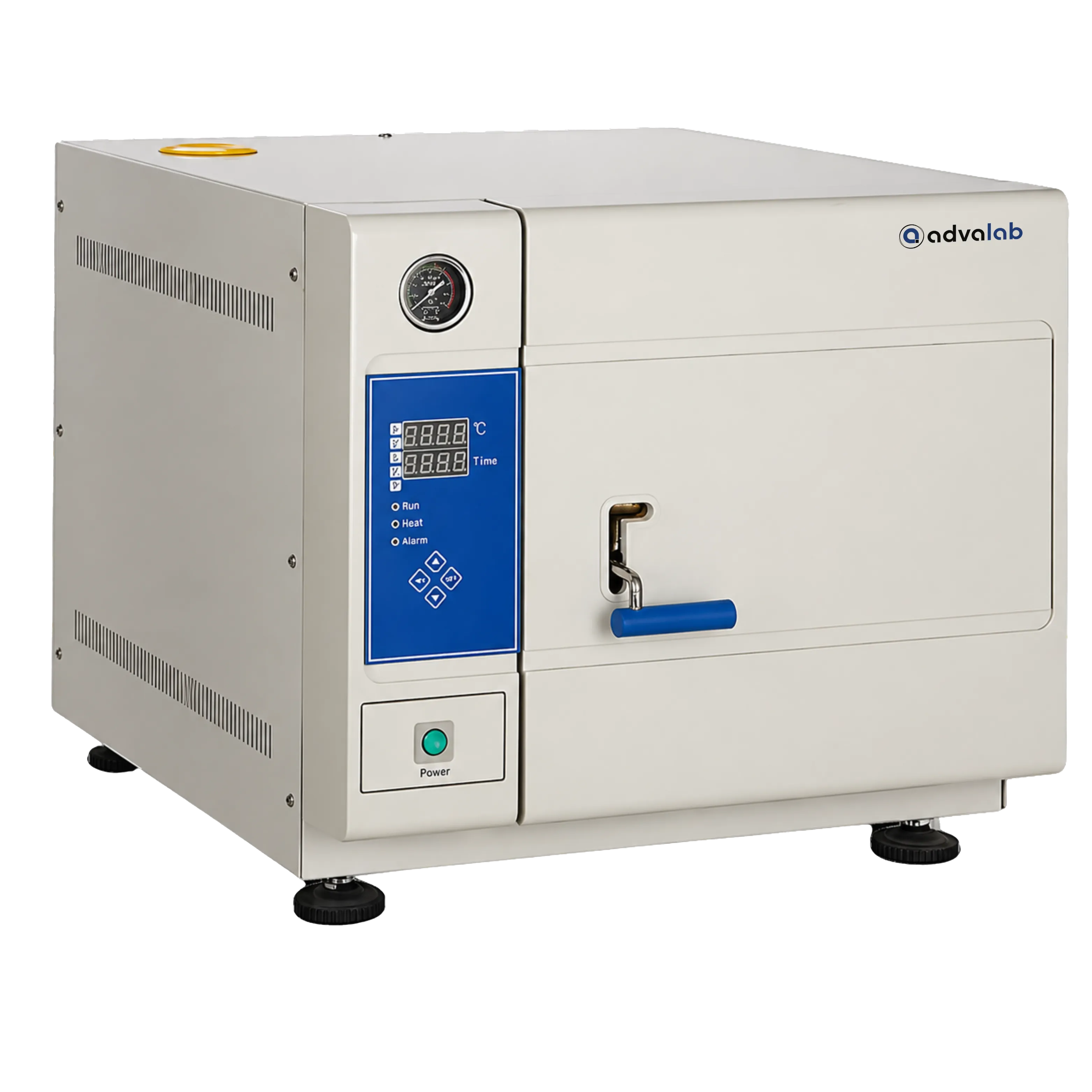
| Chamber Volume: | 50L φ (340×550) mm |
| Working Pressure: | 0.22MPa |
| Working Temperature: | 134℃ |
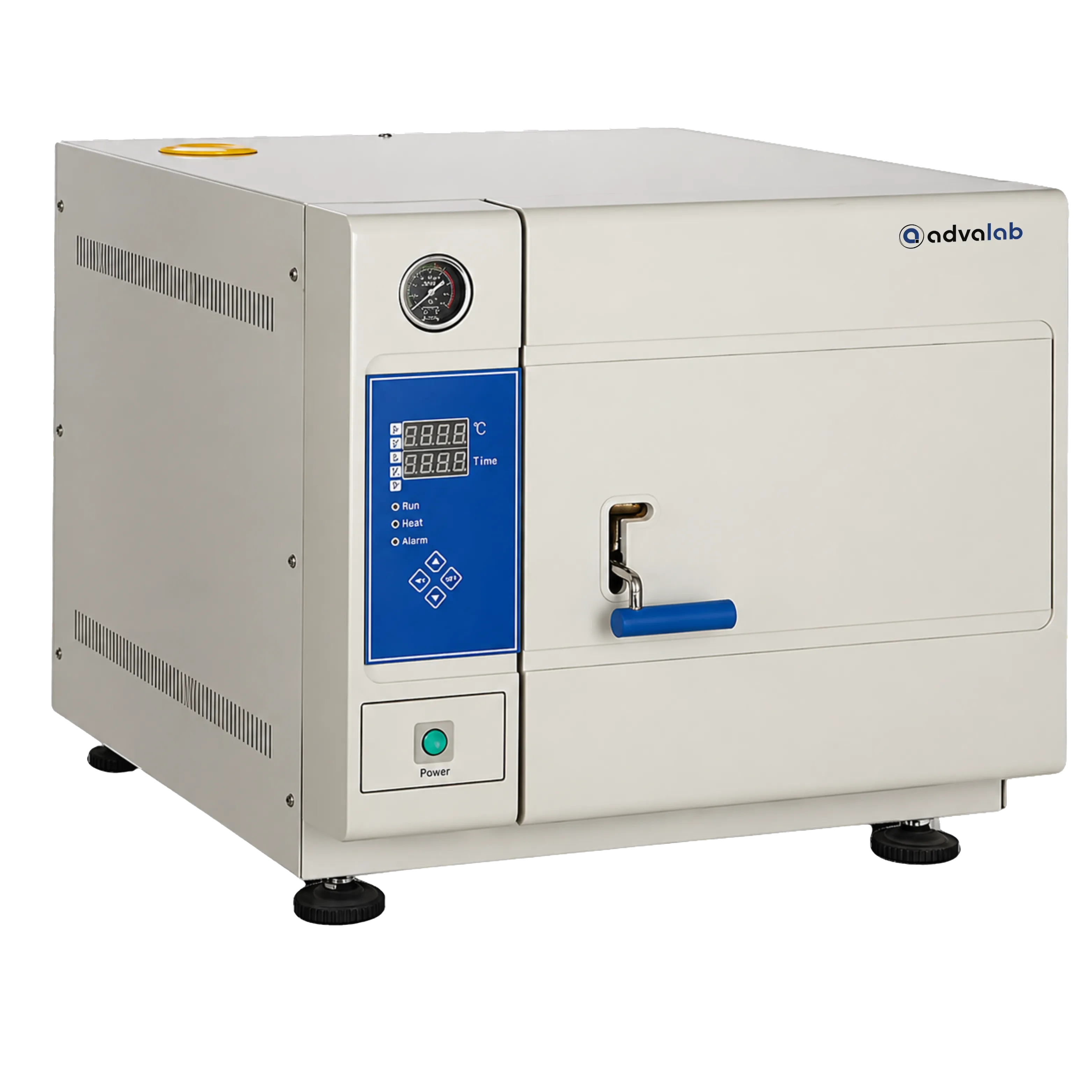
| Chamber Volume: | 35L φ (300×500) mm |
| Working Pressure: | 0.22MPa |
| Working Temperature: | 134℃ |
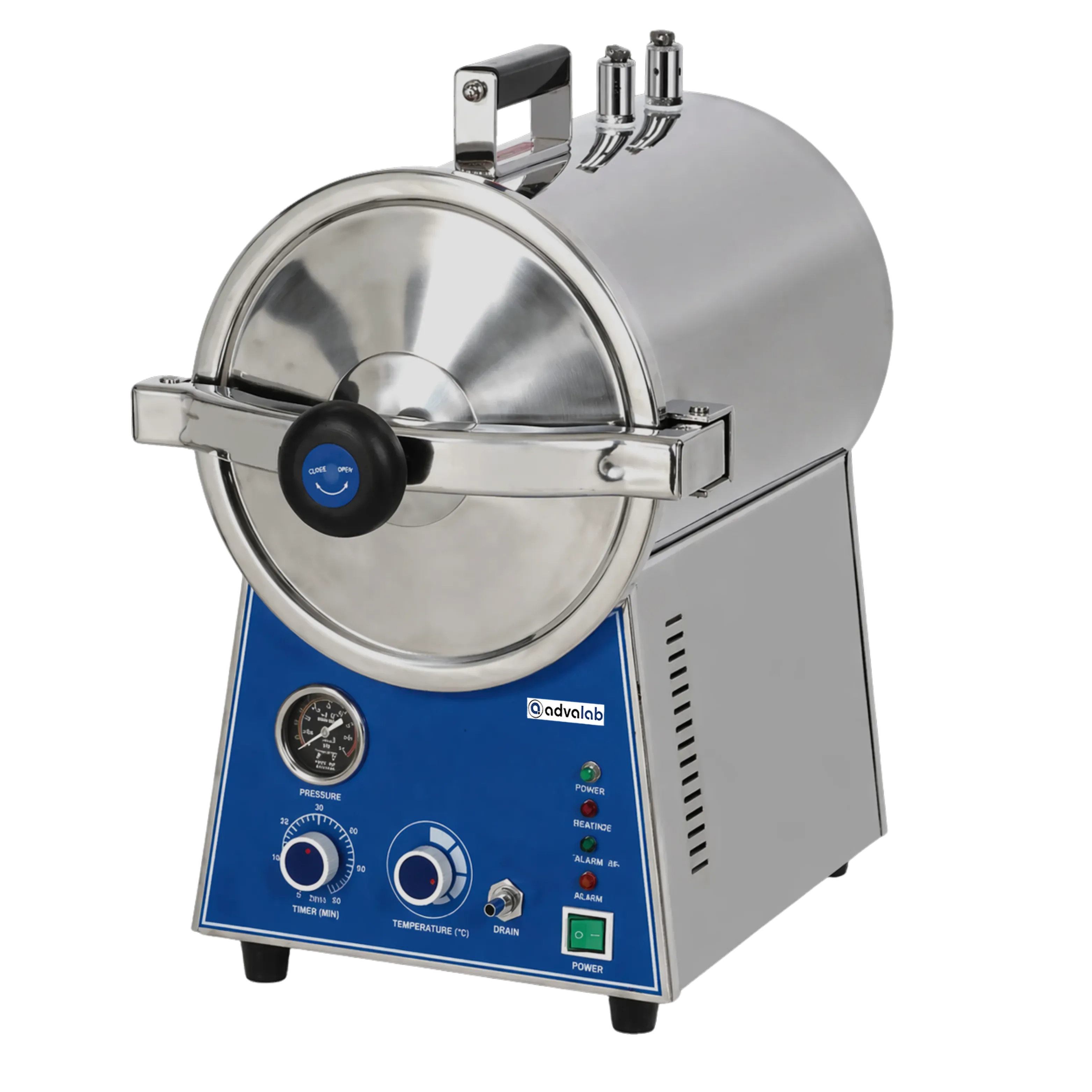
| Chamber Volume: | 16L φ (250×360) mm |
| Working Pressure: | 0.22MPa |
| Working Temperature: | 134℃ |

| Chamber Volume: | 20L φ (250×420) mm |
| Working Pressure: | 0.22MPa |
| Working Temperature: | 134℃ |
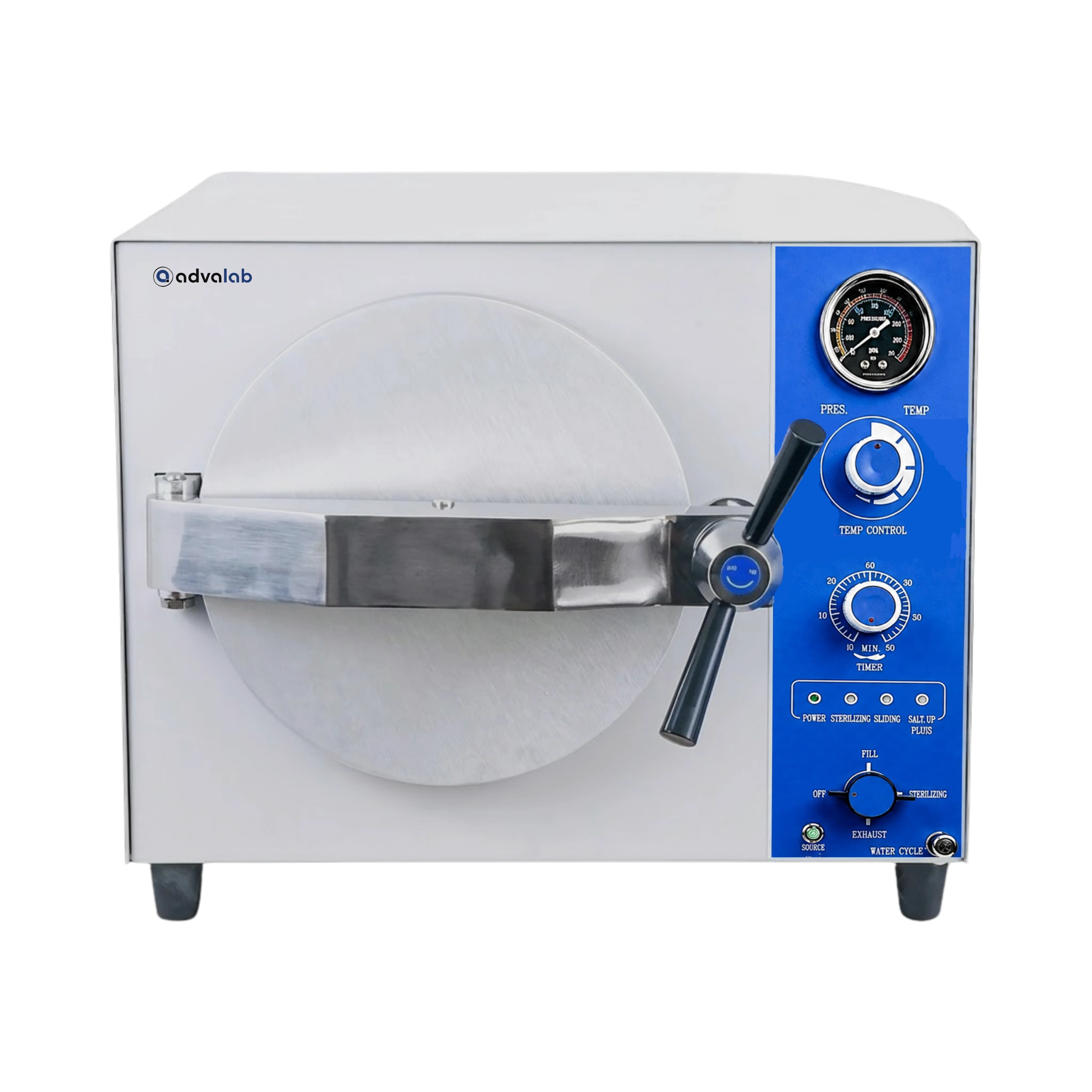
| Chamber Volume: | 24L φ (250×520) mm |
| Working Pressure: | 0.22MPa |
| Working Temperature: | 134℃ |