
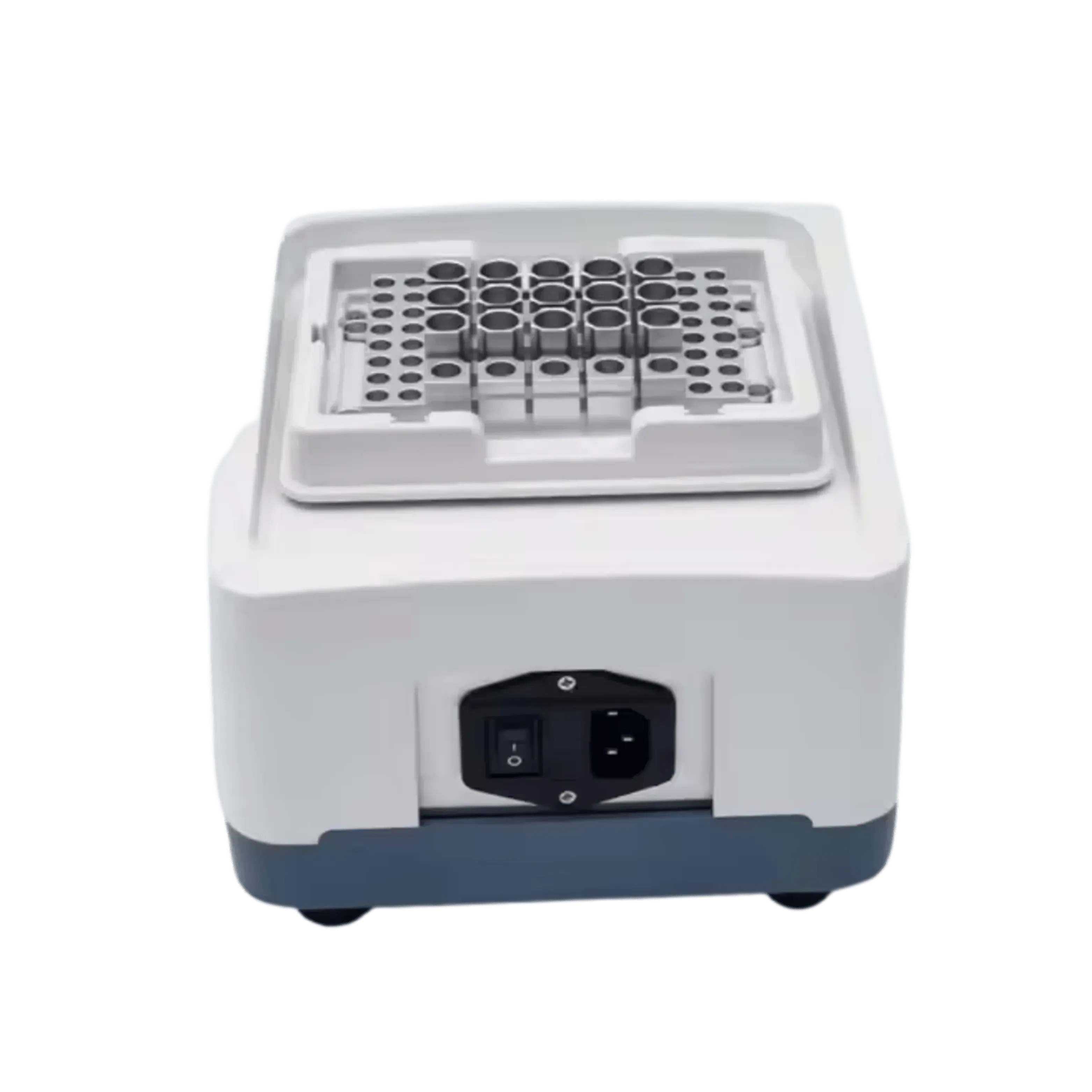
| Temperature Range | RT-30℃ to 100℃ |
| Temperature Accuracy | ±0.3°C |
| Temperature Set Range | -10℃ to 100℃ |
| Temperature Stability | ±0.3°C |
| Heating Up Rate | ≤ 15min, 20°C to 100°C |
| Maximum Temperature | 100°C |
| Cooling Down Rate | ≤ 30min, 100 to 25℃, ≤ 30min Cooling down 30° from room temperature (test under RT 26℃) |
| Temperature Control Mode | Semi-conductor |
| Timer | 1m-99h59m / 0: infinite time |
| Display Accuracy | 0.1°C |
| Power Consumption | 130W |
| Dimensions (W×D×H) | 220×300×170 mm |
| Net Weight | 7 kg |
| Gross Weight | 9 Kg |
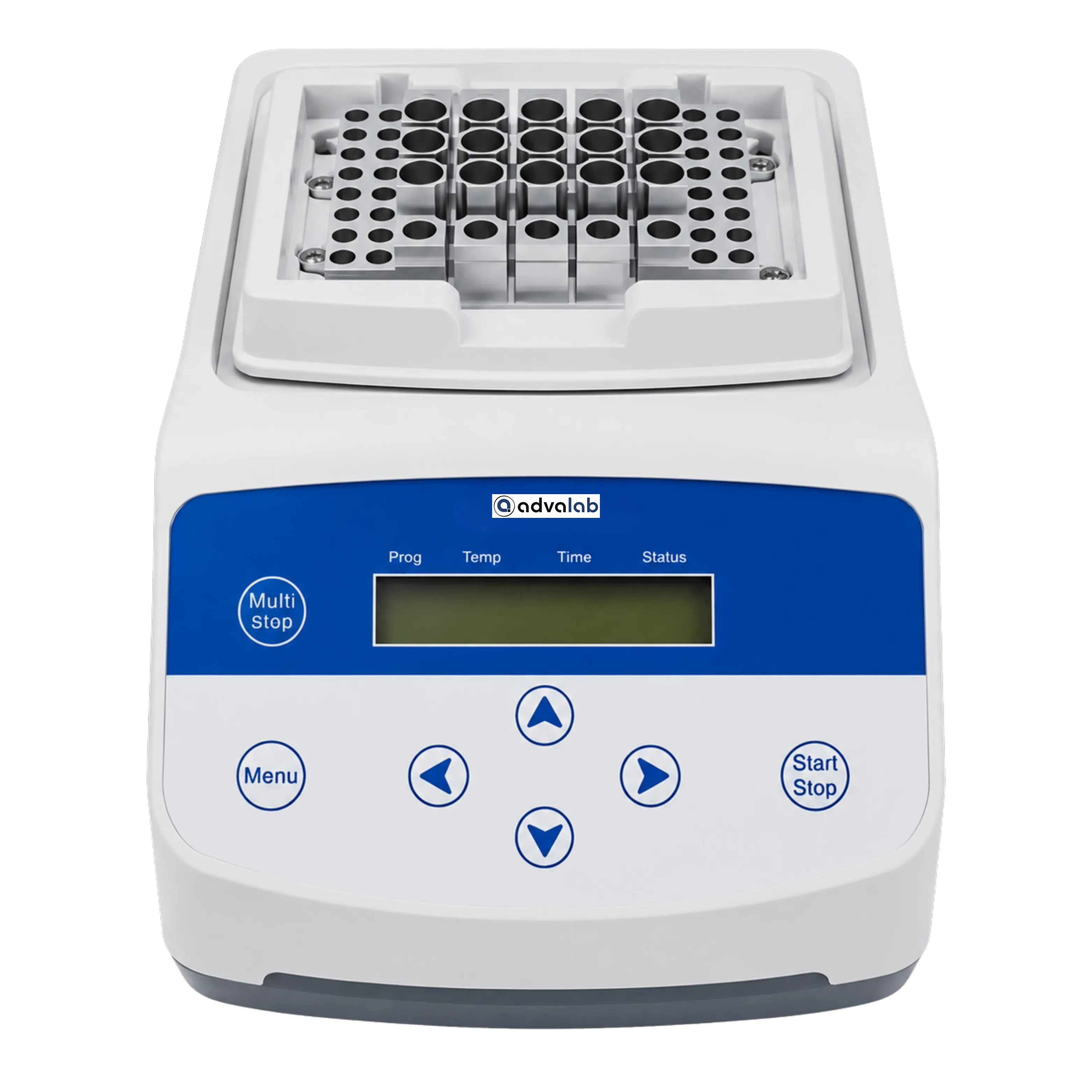
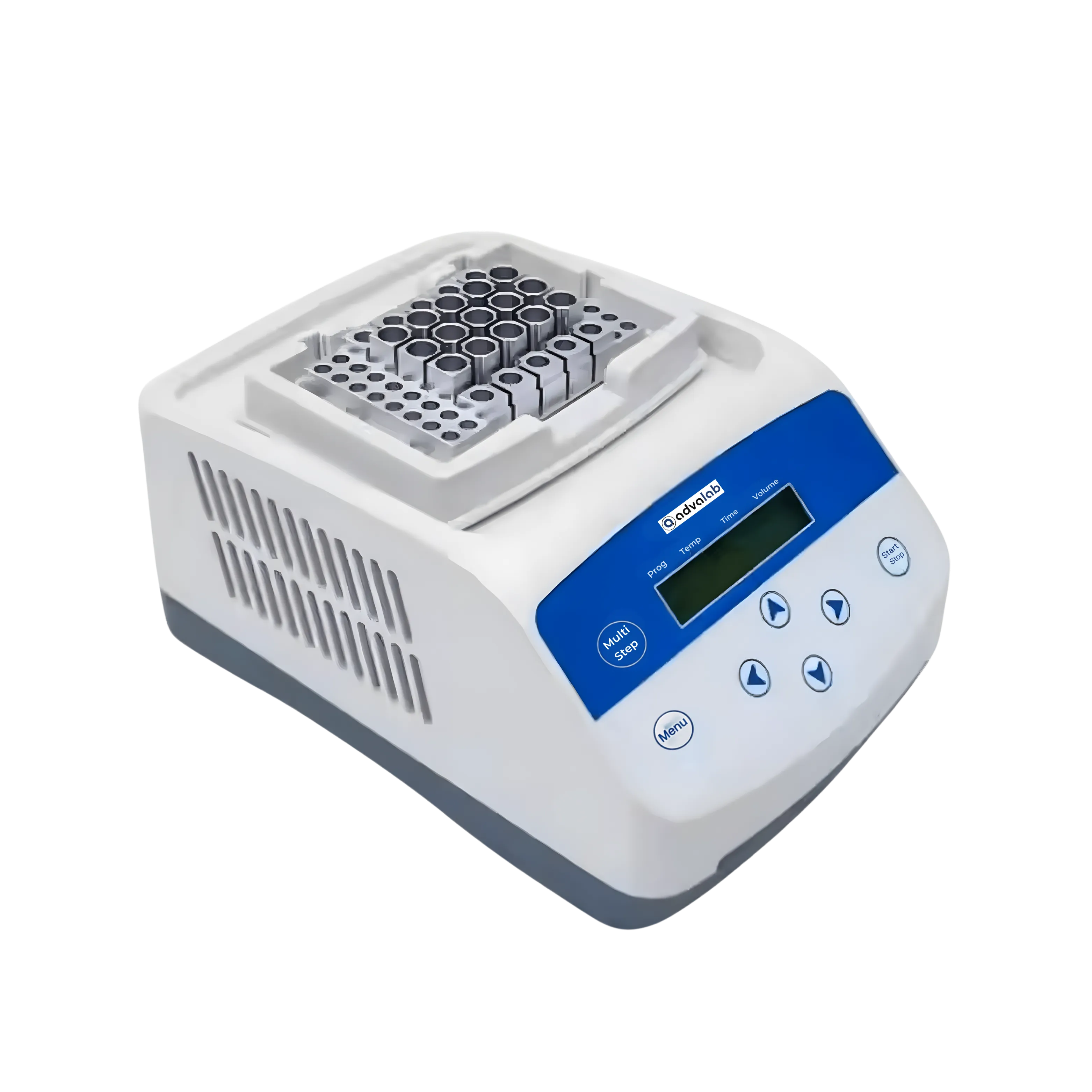
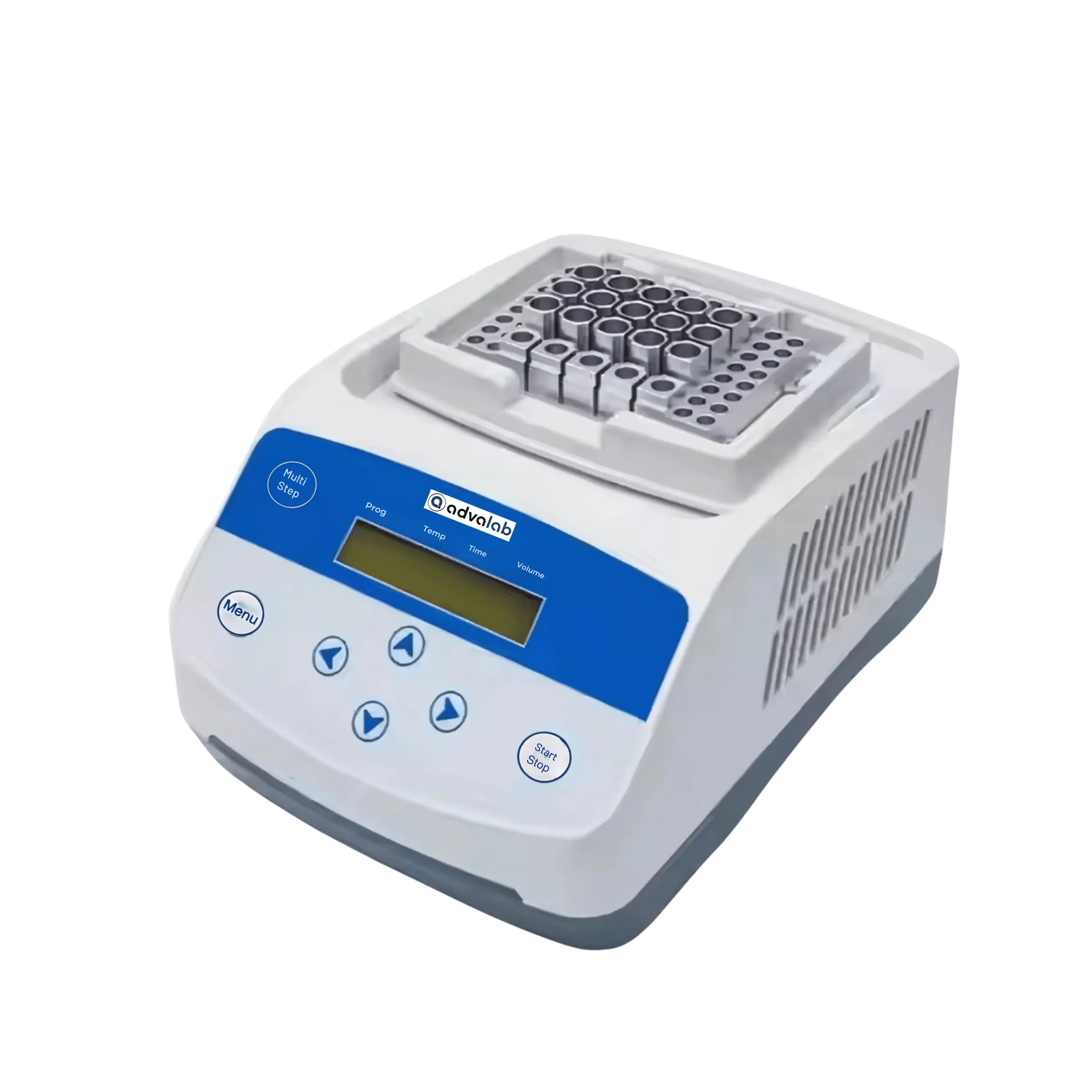
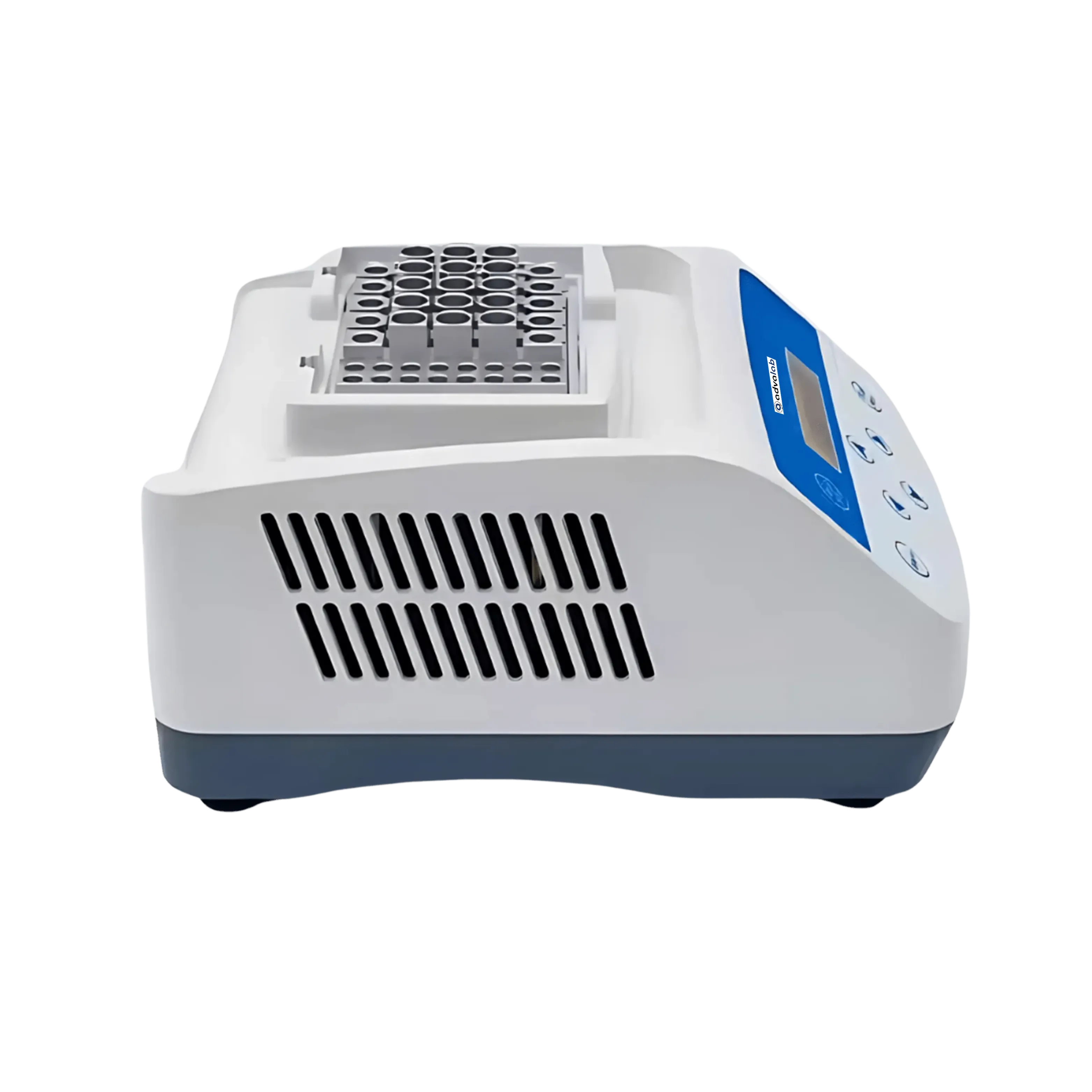
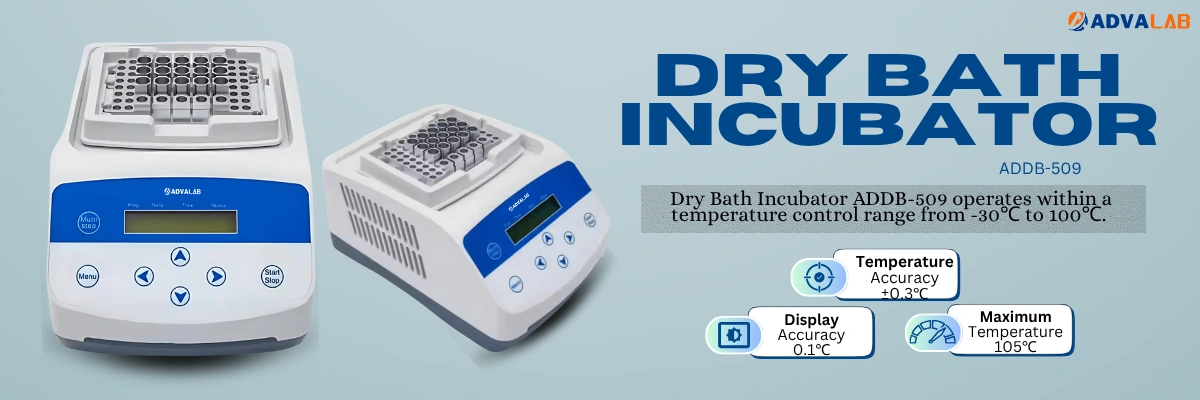
Our Dry Bath Incubator ADDB-509 is commonly used for samples cultivation, preservation and reaction.
Accessory | Description | Maximum Temperature | Quantity |
Block 01 | 96 × 0.2ml PCR plate (φ6.7×16) | 100℃ | 1 Pc |
Block 02 | 54 × 0.5ml tubes (φ8×23) | 100℃ | 1 Pc |
Block 03 | 35 × 1.5ml tubes (φ10.8×31) | 100℃ | 1 Pc |
Block 04 | 35 × 2.0ml tubes (φ10.8×31) | 100℃ | 1 Pc |
Block 05 | 20 × 0.5ml + 15× 1.5ml tubes | 100℃ | 1 Pc |
Block 06 | 24 × φ12mm × 30 tubes | 100℃ | 1 Pc |
Block 07 | 32 × 0.2ml + 25 × 1.5ml tubes | 100℃ | 1 Pc |
Block 08 | 32 × 0.2ml + 10 × 0.5ml + 15 × 1.5ml tubes | 100℃ | 1 Pc |
Block 09 | 32 × 0.2ml + 10 × 0.5ml + 15 × 2.0ml tubes | 100℃ | 1 Pc |
Block 10 | 103 × 67 × 30 (water tank) | 100℃ | 1 Pc |
Block 11 | 96 × 0.2ml Elisa (Flat bottom) | 100℃ | 1 Pc |
Block 12 | 24 × 5ml (φ13.5×30) | 100℃ | 1 Pc |
Block 13 | 12 × 15ml (φ16.9×98) | 100℃ | 1 Pc |
Block 14 | 6 × 50ml (φ29.5×90) | 100℃ | 1 Pc |
Block 15 | 12 × 10ml (φ15.9×65) | 100℃ | 1 Pc |
Lid A | 152 × 113 × 45 | - | 1 Pc |
Lid B | 145 × 105 × 62.5 | - | 1 Pc |
Lid C | 145 × 105 × 122.5 | - | 1 Pc |
1. How does a Dry Bath Incubator differ from a water bath incubator?
A Dry Bath Incubator differs from a water bath incubator in that it uses heated blocks to directly warm sample containers, rather than relying on water. This design eliminates the risk of cross-contamination from water and prevents evaporation, making it particularly suitable for sealed containers. Dry bath incubators are more energy-efficient and require less maintenance compared to water baths. They are ideal for precise, small-scale incubation of samples like tubes or PCR vials.
2. Are there any temperature calibration features in a Dry Bath Incubator?
Yes, our Dry Bath Incubators comes with built-in temperature calibration functions for enhanced accuracy. These features allow users to fine-tune the temperature readout to match external thermometers. Regular calibration is recommended to maintain consistent and reliable performance. It helps ensure accurate results, especially for temperature-sensitive applications.
3. Is a Dry Bath Incubator portable?
Dry bath incubators are typically lightweight and compact, making them easy to move around the laboratory. Their portability is one of the reasons they are preferred over larger, bulkier incubators or water baths. Our model features a sturdy design, allowing for convenient use in fieldwork or mobile labs. This makes it ideal for on-site diagnostics, educational purposes, and small-scale research applications.
4. Does this Dry bath incubator feature a buzzer alarm?
Yes, this Dry bath incubator includes a buzzer alarm that sounds once the program is complete. The alarm alerts users when the incubation cycle finishes or if there are any temperature deviations. This feature helps ensure that you don't miss important program completions or potential issues. This makes it convenient for lab environments that require timely attention or monitoring.
5. Does this Dry Bath Incubator have a cooling down rate?
Yes, this Dry Bath Incubator features a cooling down rate that allows it to return to lower temperatures efficiently. It is designed to cool from a higher set temperature to a lower temperature in about 30 minutes. This ensures rapid temperature adjustments, enhancing workflow efficiency. The cooling process is tested under standard room temperature conditions for optimal performance.
6. What is a Dry Bath Incubator?
A Dry Bath Incubator is a laboratory instrument designed to regulate and maintain a stable temperature for samples, eliminating the need for water. It is commonly used for heating, growing, or storing biological or chemical samples under controlled conditions. Its precise temperature control makes it ideal for applications such as enzyme reactions, DNA denaturation, and sample incubation.
7. Can a Dry Bath Incubator be used for cell culture?
A Dry Bath Incubator is not suitable for cell culture, as it lacks the ability to control humidity and CO? levels, which are essential for proper cell growth. It is designed for molecular biology applications like PCR or enzyme reactions. For cell culture, a CO? incubator with precise environmental control is more appropriate. These incubators also maintain optimal temperature, pH, and gas conditions crucial for maintaining cell viability.
8. How do I ensure even heating in a Dry Bath Incubator?
To ensure even heating in a Dry Bath Incubator, always use the appropriate block size for your sample containers. Make sure the block is correctly positioned and seated within the incubator. Regularly calibrating the incubator ensures accurate temperature readings. Avoid overcrowding to allow for uniform heat distribution, and ensure the incubator door remains closed during operation to maintain stable conditions.
9. What are the typical features of a Dry Bath Incubator?
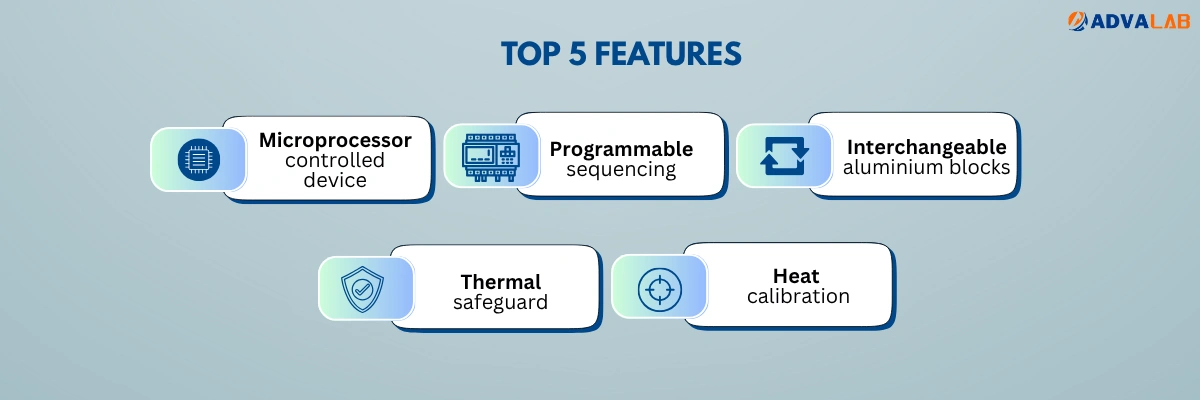
Features of a Dry Bath Incubator: • Digital temperature control: Allows for precise adjustments and displays the current temperature. • Timer function: Allows users to set incubation times. • Multiple blocks: Our incubators offer interchangeable blocks to accommodate different sample sizes. • Over-temperature alarm: Alerts users if the temperature exceeds the set point.
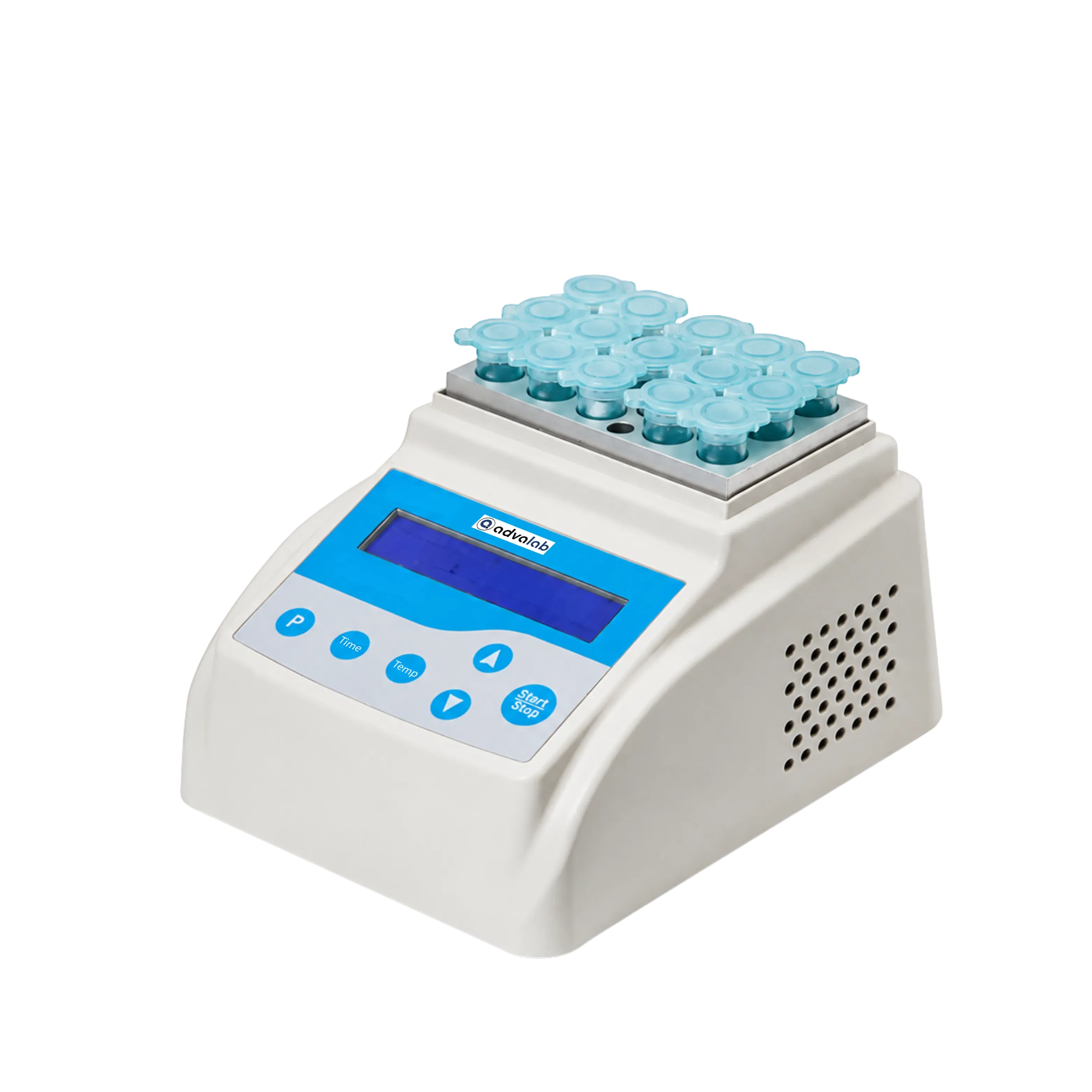
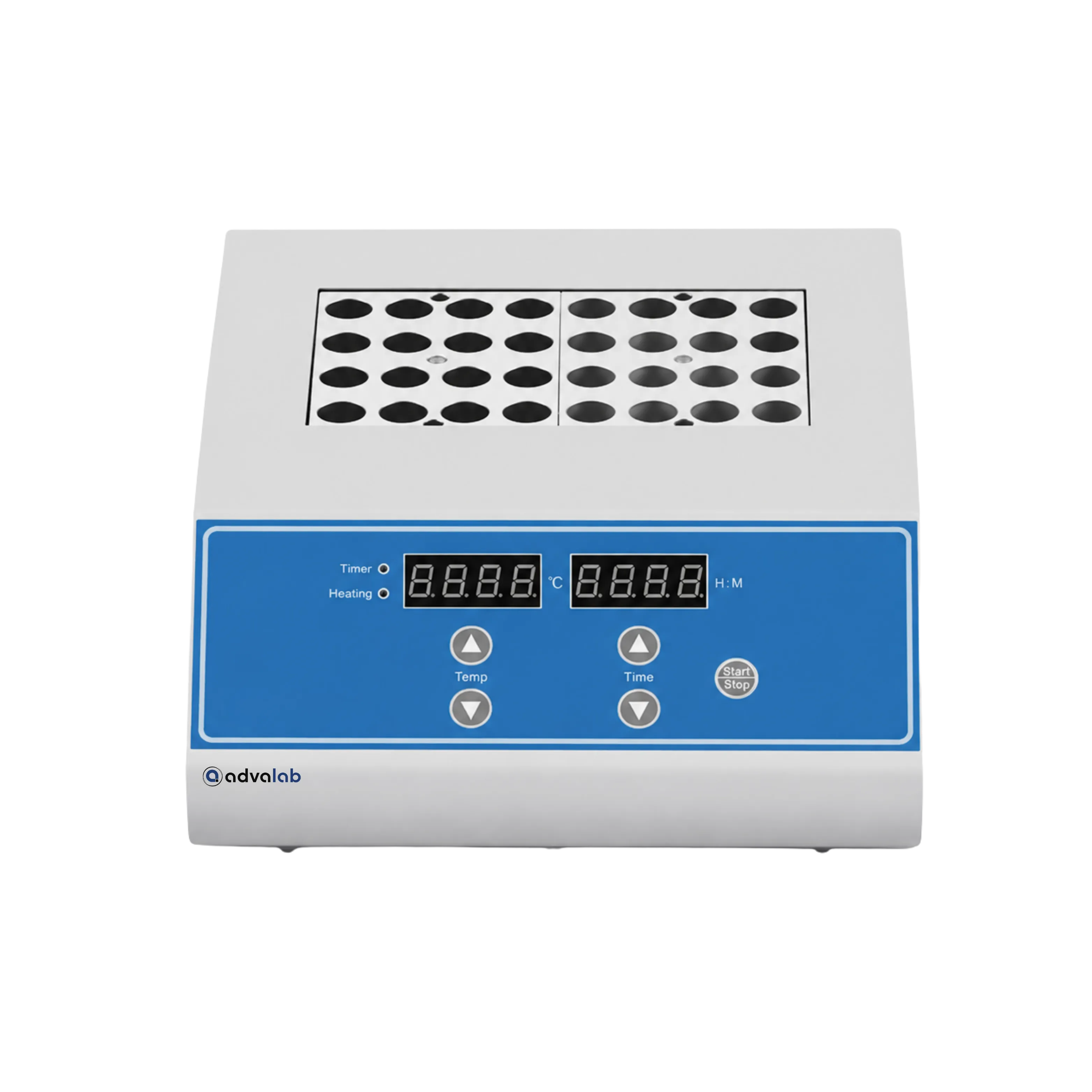
| Temperature Setting Range | 0℃ to 100℃ |
| Temperature Control Range | RT+5℃ to 100℃ |
| Temperature Accuracy | ≤ ± 0.3℃ |
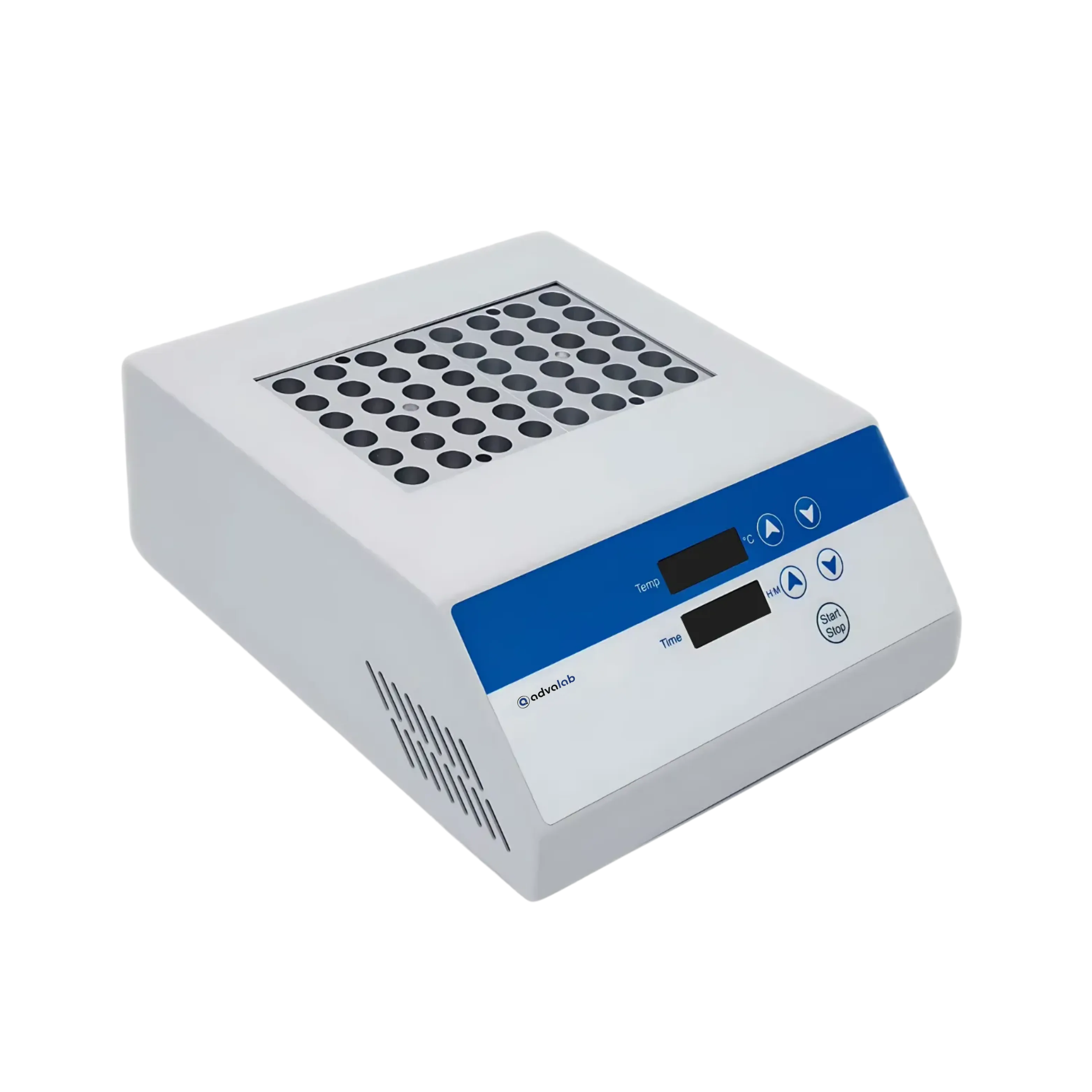
| Temperature Control Range | RT. +5℃ to 160℃ |
| Temperature Accuracy |
± 0.5℃ at 40℃ ± 1℃ at 120℃ |
| Temperature Uniformity | ± 0.5℃ |
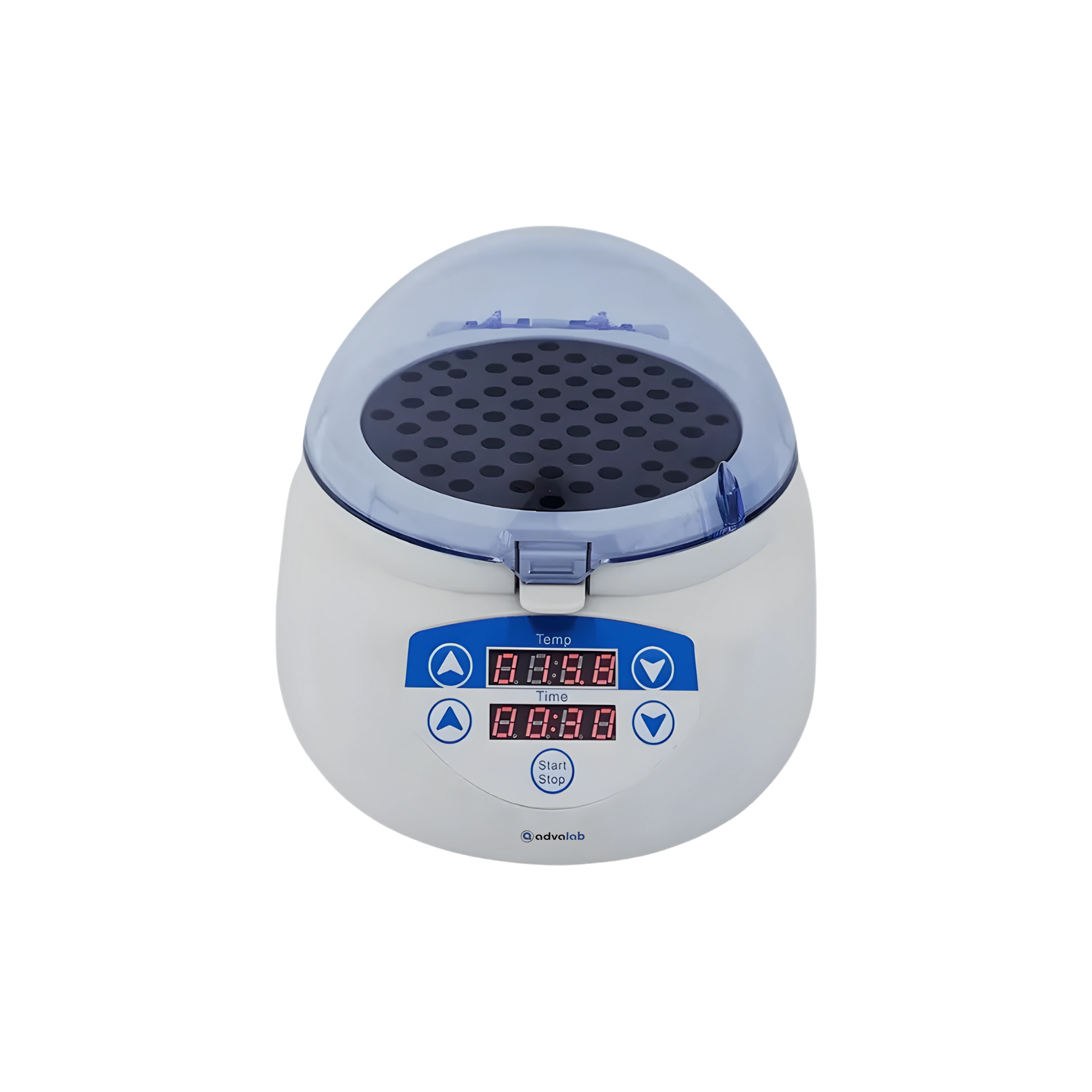
| Temperature Range | RT + 5℃ to 150℃ |
| Heating Up Rate |
≤ 10 min, 20℃ to 100℃ ≤ 30 min, 20℃ to 150℃ |
| Temperature Stability |
±0.3℃ at 40℃ ±0.5℃ at 100℃ ±1℃ at 120℃ |
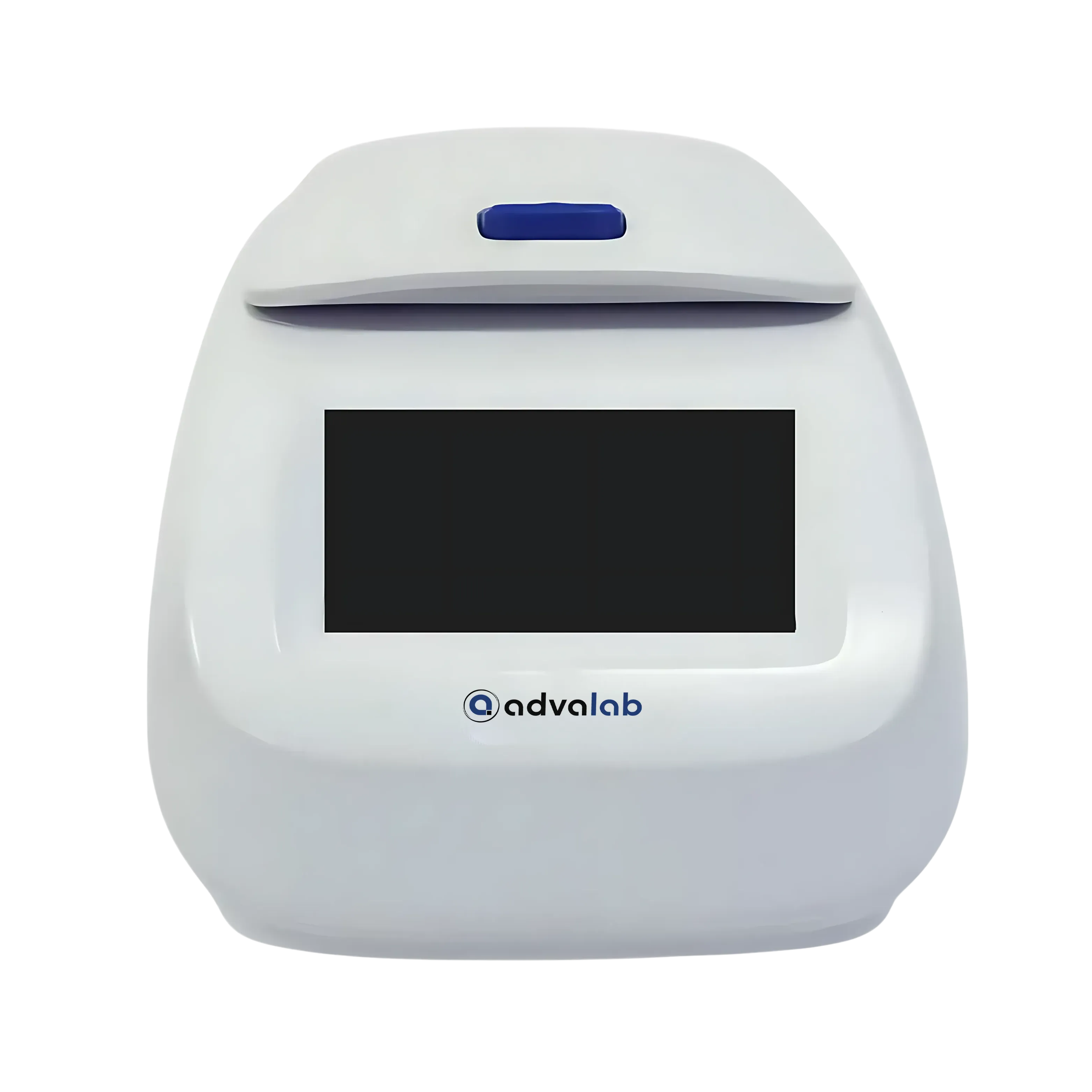
| Temperature Range | RT+5℃ to 105℃ |
| Temperature Accuracy | ±0.3℃ |
| Temperature Set Range | 0℃ to 105℃ |
| Block Temperature Setting Range: | RT -30°C to 105°C |
| Temperature Set Range: | -10°C to 105°C |
| Lid Temperature Setting Range: | RT +5°C to 110°C |
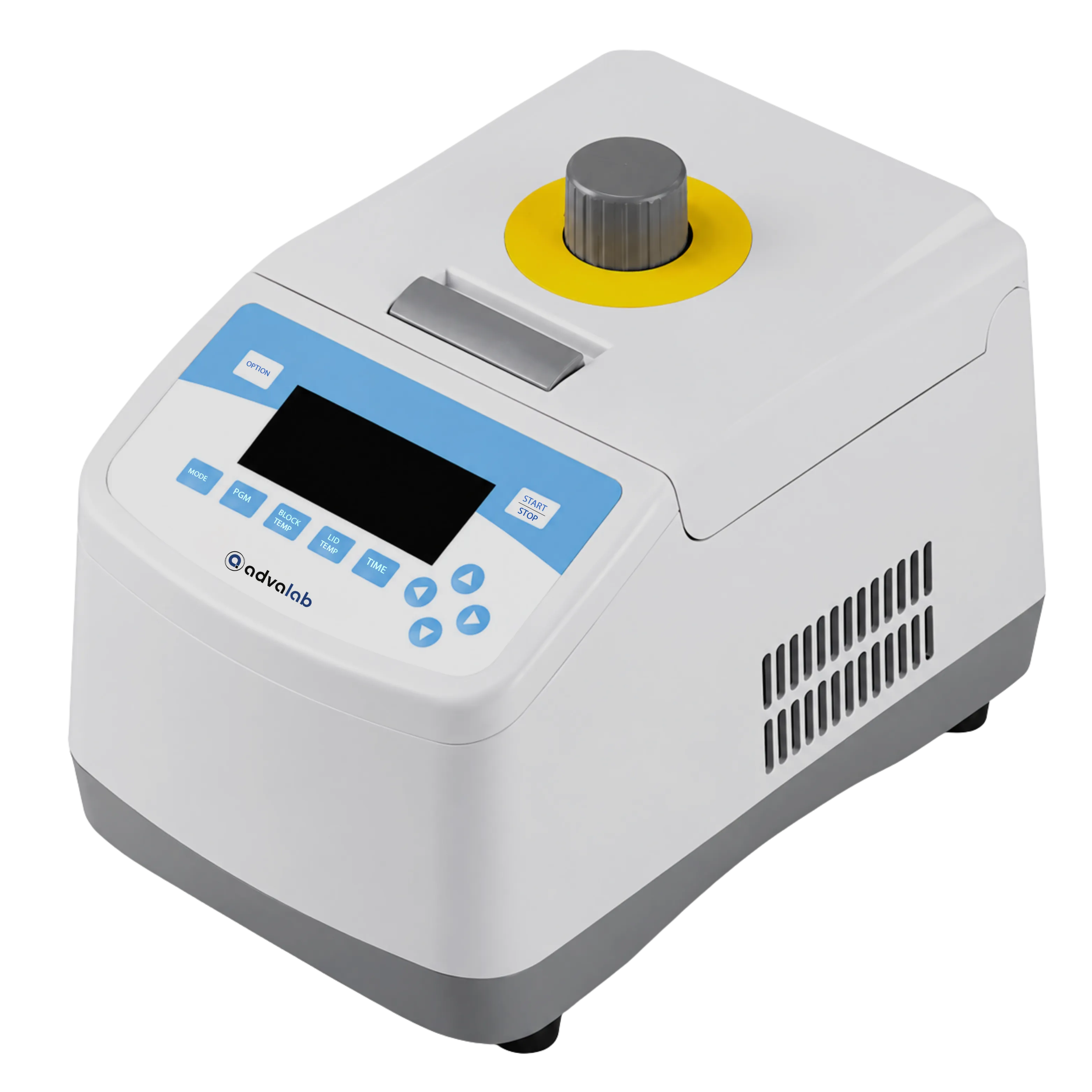
| Temperature Setting Range: | -10℃ to 100℃ |
| Temperature Control Range: | RT -25℃ to 100℃ |
| Temperature Accuracy: | ≤ ± 0.3℃ at 37℃ |
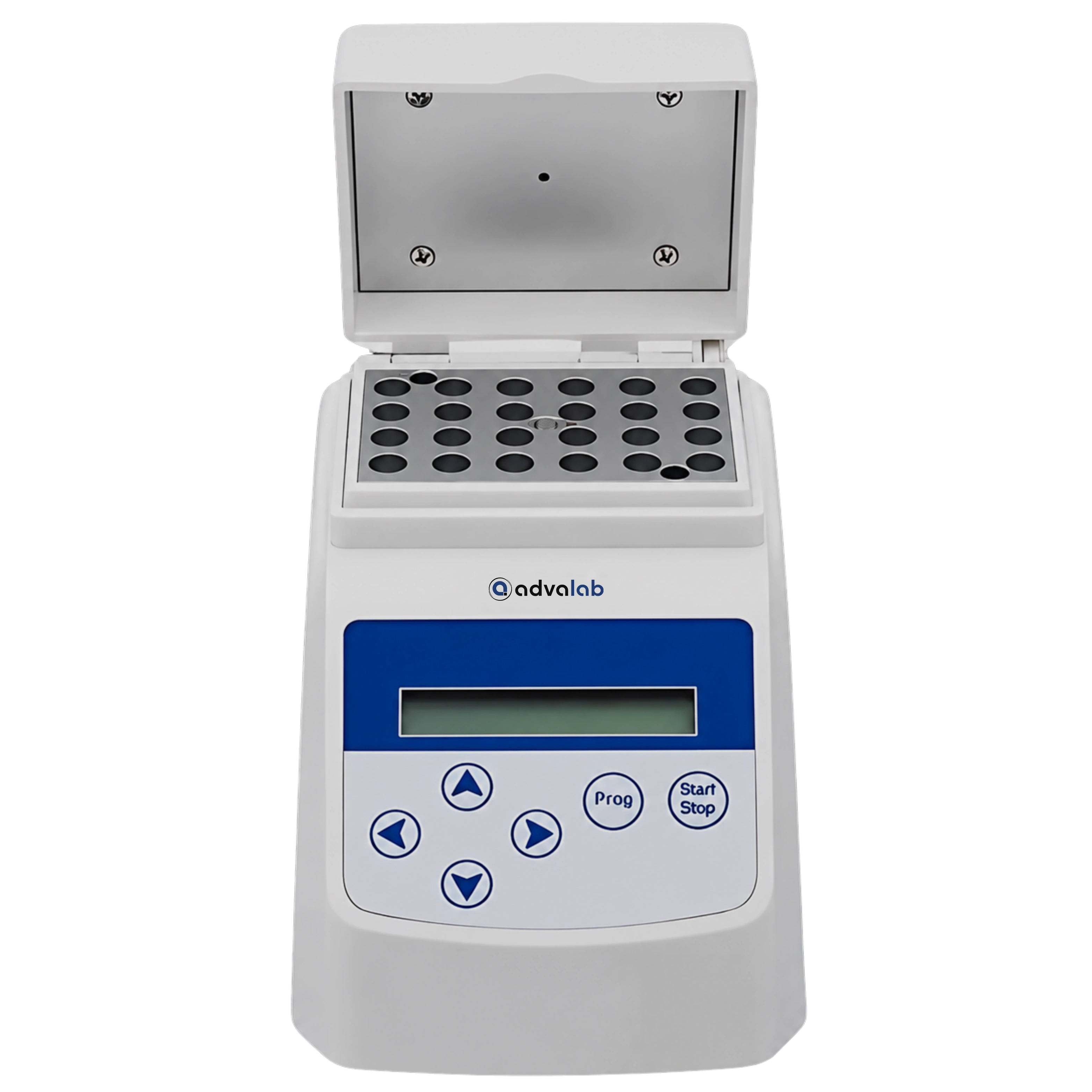
| Temperature Range: | RT+5℃ to 100℃ |
| Temperature Accuracy: | ±0.3℃ |
| Temperature Set Range: | 0℃ to100℃ |
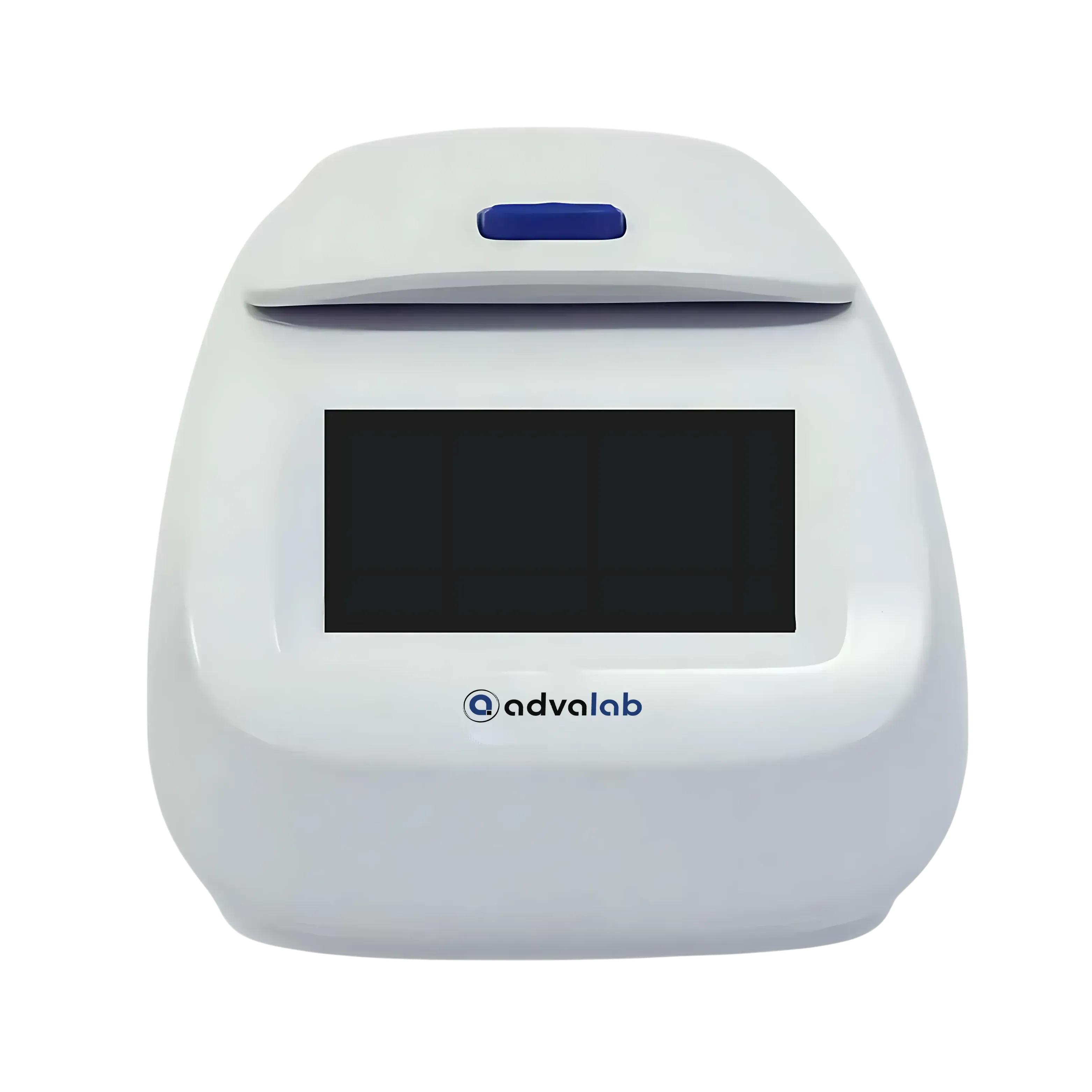
| Block Temperature Setting Range: | RT +5℃ to 105℃ |
| Temperature Set Range: | 0℃ to 105℃ |
| Lid Temperature Setting Range: | RT +5°C to 110°C |
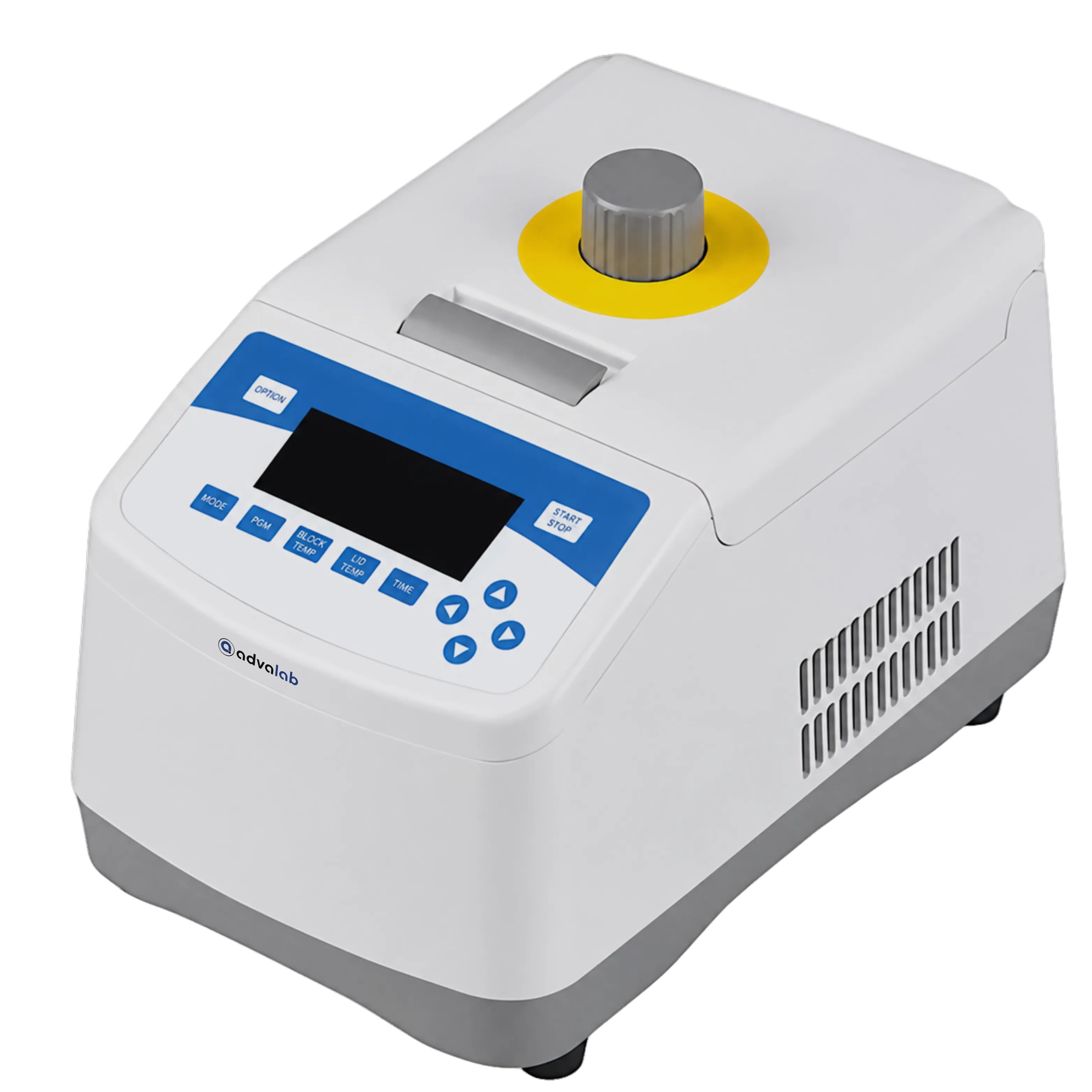
| Temperature Setting Range: | 0℃ to 100℃ |
| Temperature Control Range: | RT +5℃ to 100℃ |
| Temperature Accuracy: | ≤ ± 0.3℃ at 37℃ |