
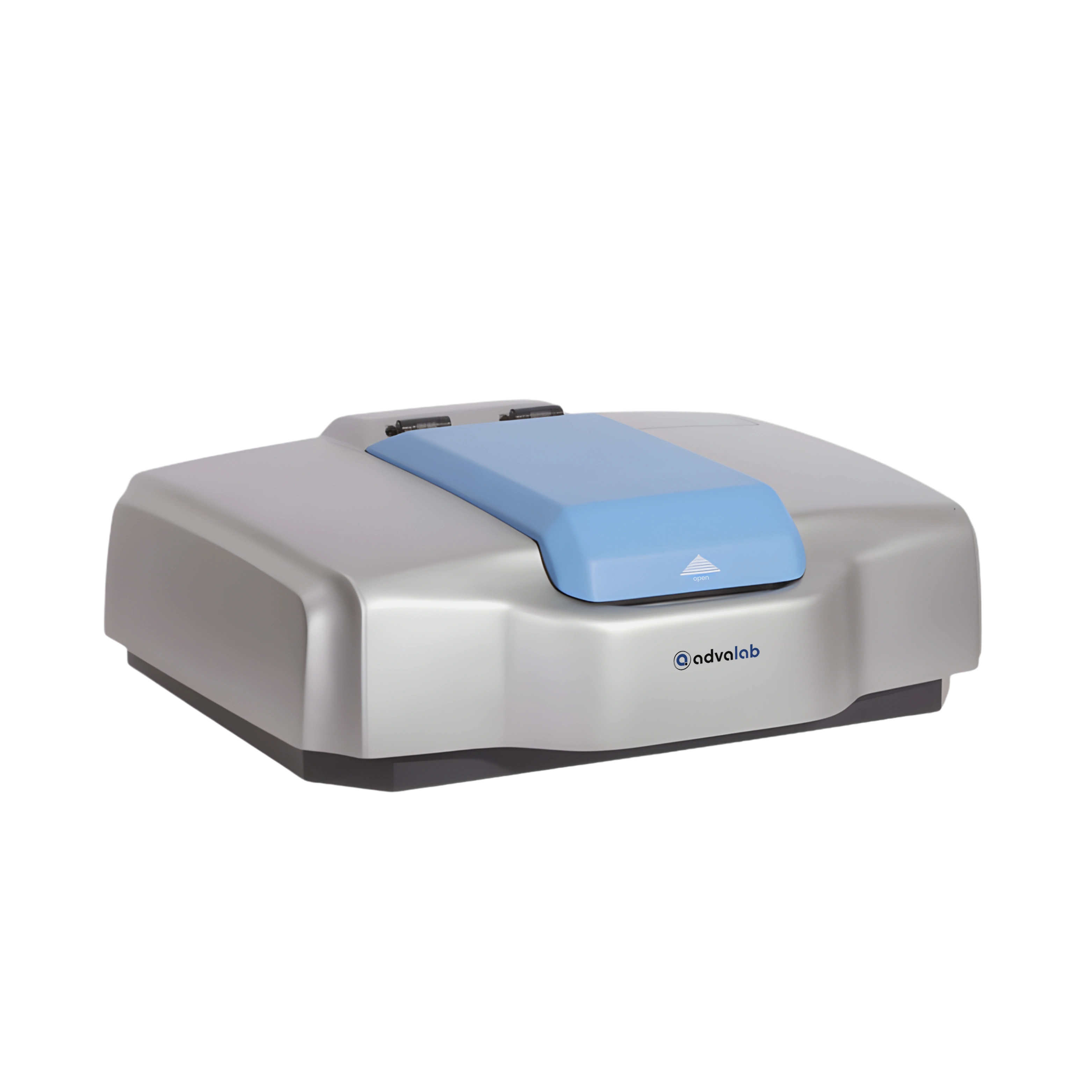
| Wavelength Range | 190 to 1100 nm |
| Spectral Bandwidth | 0.5/ 1/ 2/ 5 nm |
| Working Modes | Transmittance, Absorbance, Concentration, Energy |
| Wavelength Accuracy | ±0.3 nm |
| Photometric Accuracy | ±0.3% |
| Photometric Range | -5 Abs to +5 Abs |
| Stray Light | Greater or lesser than 0.001% |
| Stability | 0.0002 Abs/h at 500 nm |
| Detector | High-performance Photomultiplier, Silicon Photodiode |
| Light Source | Tungsten, Deuterium lamps |
| Photometric Reproducibility | 0.1% T |
| Wavelength Reproducibility | 0.1 nm |
| Baseline Flatness | ±0.0008 Abs |
| External Dimension (W×D×H) | 730×530×230 mm |
| Packing Dimension (W×D×H) | 800×600×300 mm |
| Net Weight | 40 kg |
Our Dual Beam Spectrophotometer ADDS-501 is widely used in research and laboratory settings for measuring DNA, RNA, protein extraction, and analyzing blood and other biological samples.
| Cable for Power Supply | 1 Pc |
| USB connecting cable | 1 Pc |
| Glass cells | 16 Pc |
| Quartz cells | 4 Pc |
| Spare tungsten lamp | 1 Pc |
| fuses | 2 Pc |
| USB flah disk | 1 Pc |
Computer × 1pc
1. How does a Dual Beam Spectrophotometer work?
A Dual Beam Spectrophotometer splits the light into two beams—one passes through the sample, and the other through a reference. This setup allows for real-time comparison and compensates for any variations in light intensity.
2. What are the advantages of using a Dual Beam Spectrophotometer?
A Dual Beam Spectrophotometer offers high accuracy, better baseline stability, and continuous monitoring of the reference beam, leading to more reliable and consistent results compared to single beam models.
3. What is the wavelength range of a typical Dual Beam Spectrophotometer?
Most Dual Beam Spectrophotometers operate in the UV-Vis range, typically from 190 nm to 1100 nm, allowing for a wide variety of chemical and biological analyses.
4. Why is a reference cuvette needed in a Dual Beam Spectrophotometer?
A Dual Beam Spectrophotometer uses a reference cuvette to correct for background noise and light intensity fluctuations, ensuring that only the sample’s absorbance is measured accurately.
5. What types of samples can be analyzed with a Dual Beam Spectrophotometer?
A Dual Beam Spectrophotometer can analyze liquids, solutions, and some transparent solids, making it suitable for applications in chemistry, biology, and environmental science.
6. What is a Dual Beam Spectrophotometer?
A Dual Beam Spectrophotometer is an analytical instrument that simultaneously measures the absorbance of a sample and a reference. It splits the light beam into two paths, reducing measurement errors due to light source fluctuation.
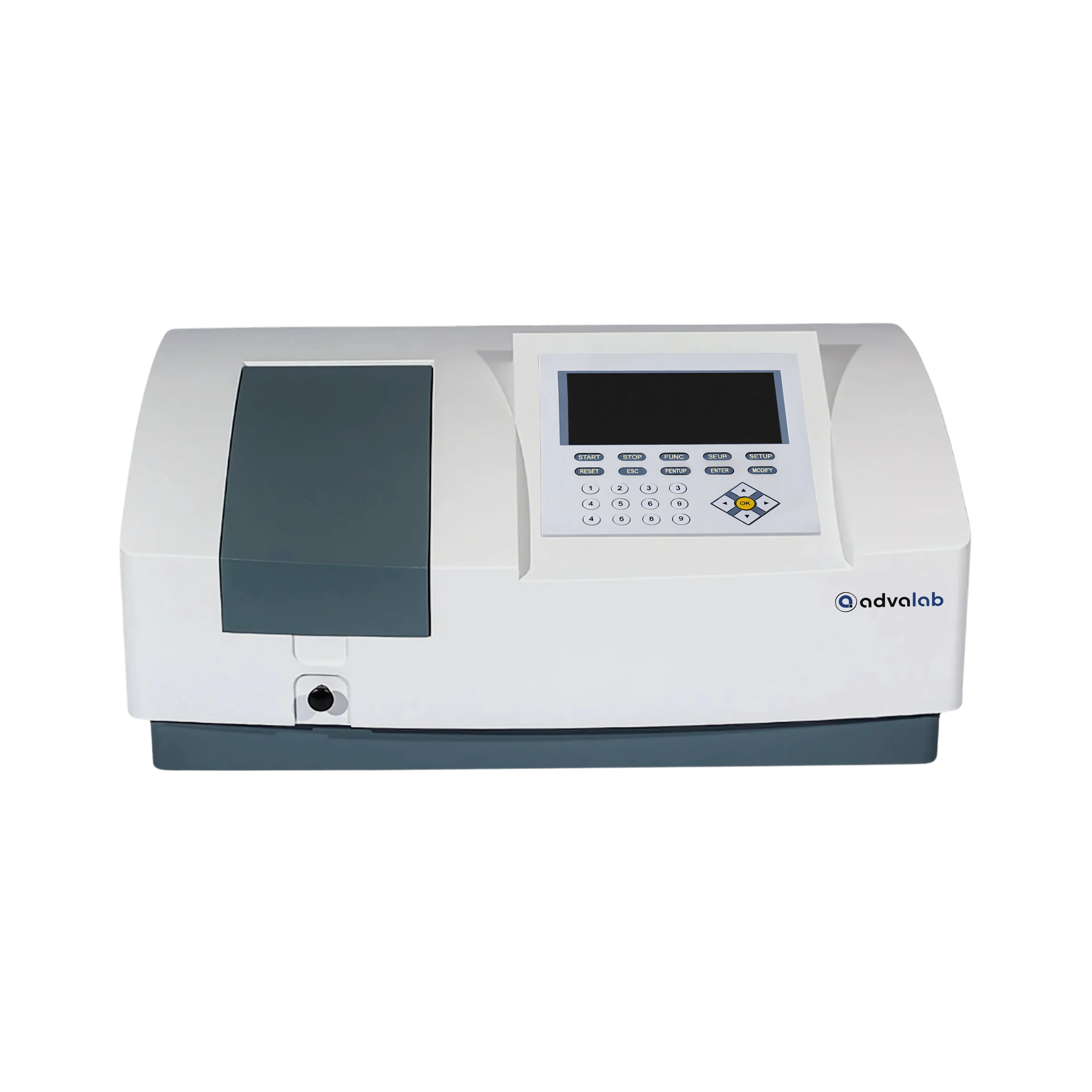
| Optical System | Double beam, grating 1200 lines/mm |
| Wavelength Range | 190 to 1100 nm |
| Spectral Bandwidth | 2 nm |
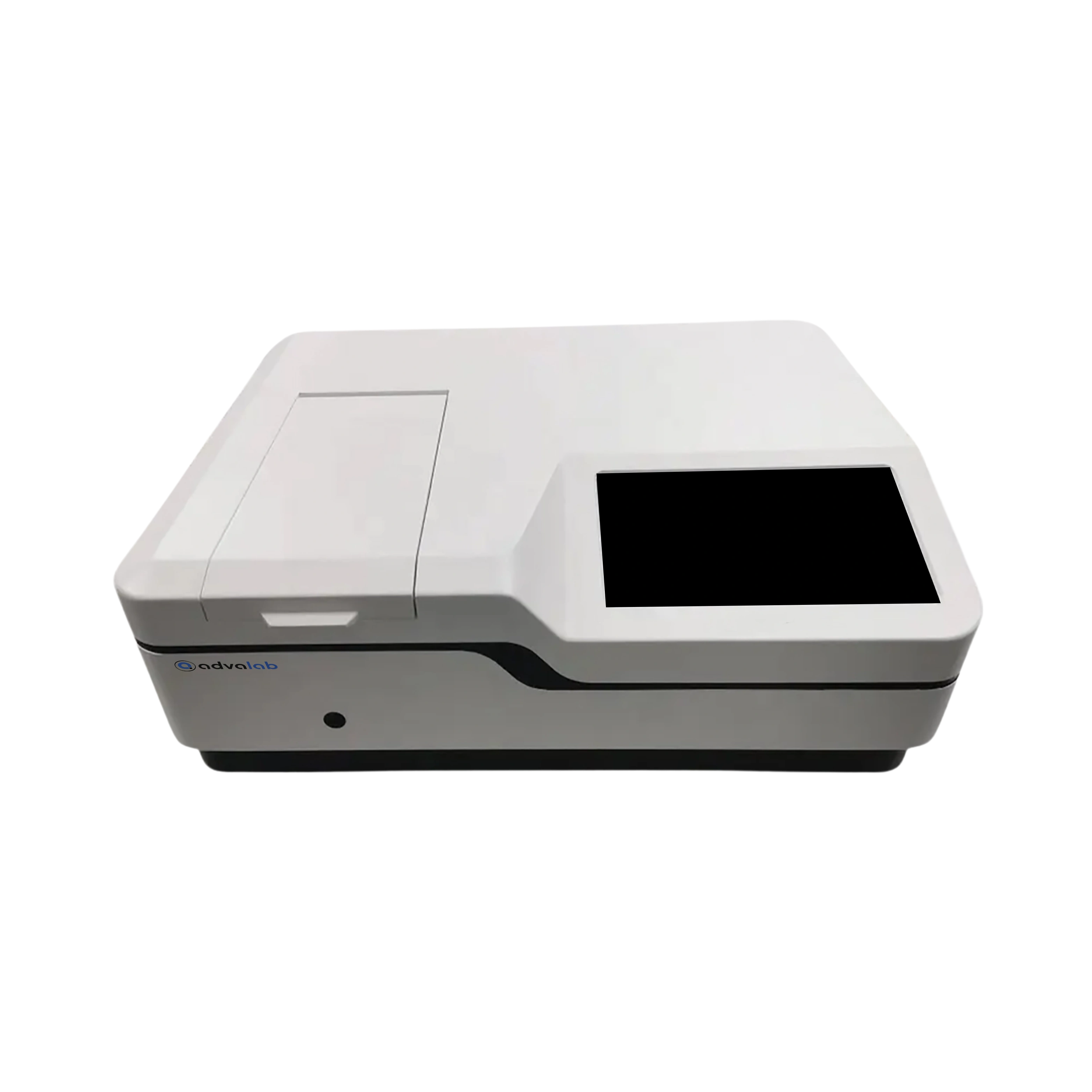
| Optical System | Double beam, grating 1200 lines/mm |
| Wavelength Range | 190 to 1100 nm |
| Spectral Bandwidth | 1 nm |

| Display | 7-inch Colour Screen |
| Optical System | Double Beam, Grating 1200 lines/mm |
| Wavelength Range | 190 to 1100 nm |
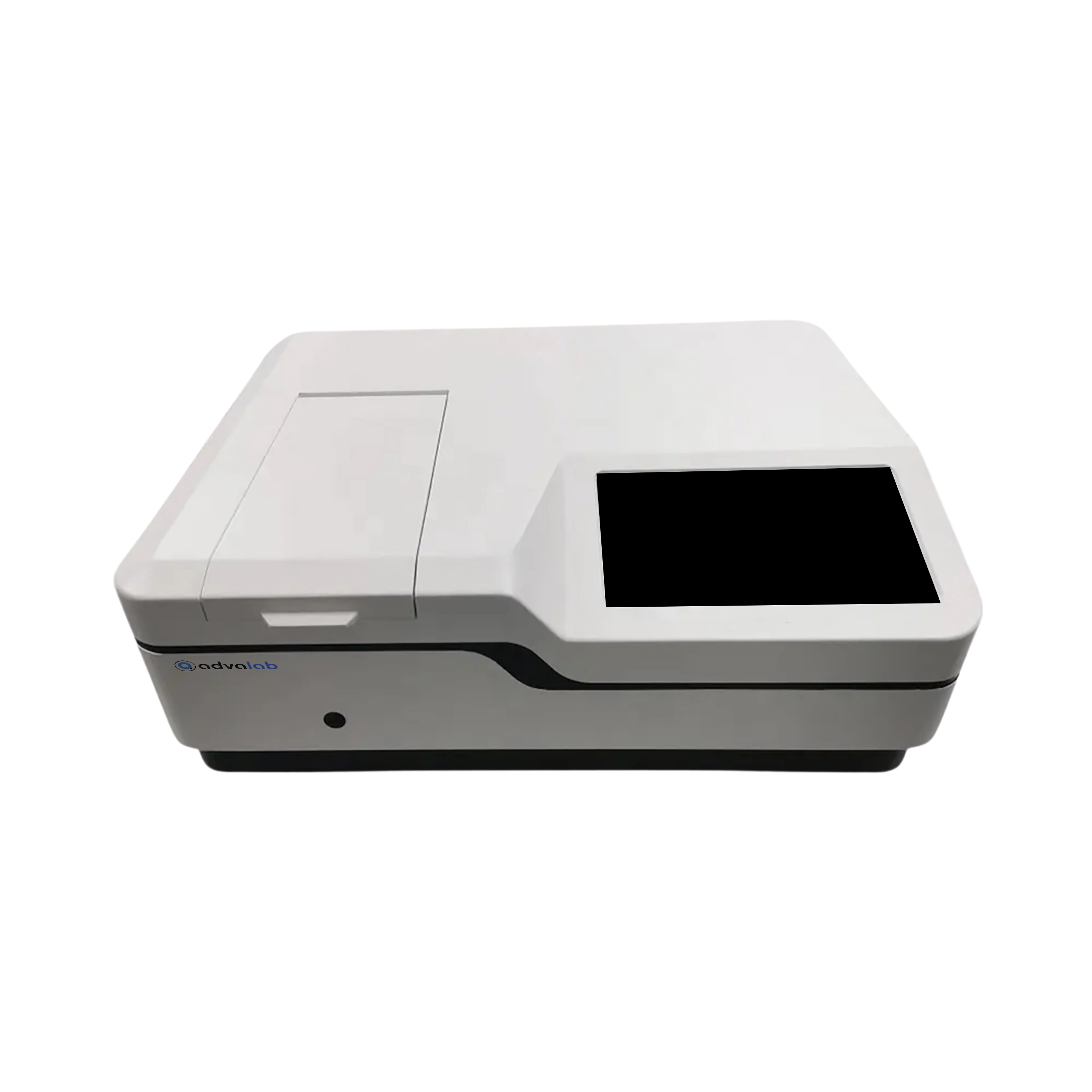
| Display | 7-inch Colour Screen |
| Optical System | Double beam, grating 1200 lines/mm |
| Wavelength Range | 190 to 1100 nm |

| Wavelength Range: | 320 to 1050 nm |
| Wavelength Accuracy: | ± 2 nm |
| Wavelength Reproducibility: | 1 nm |
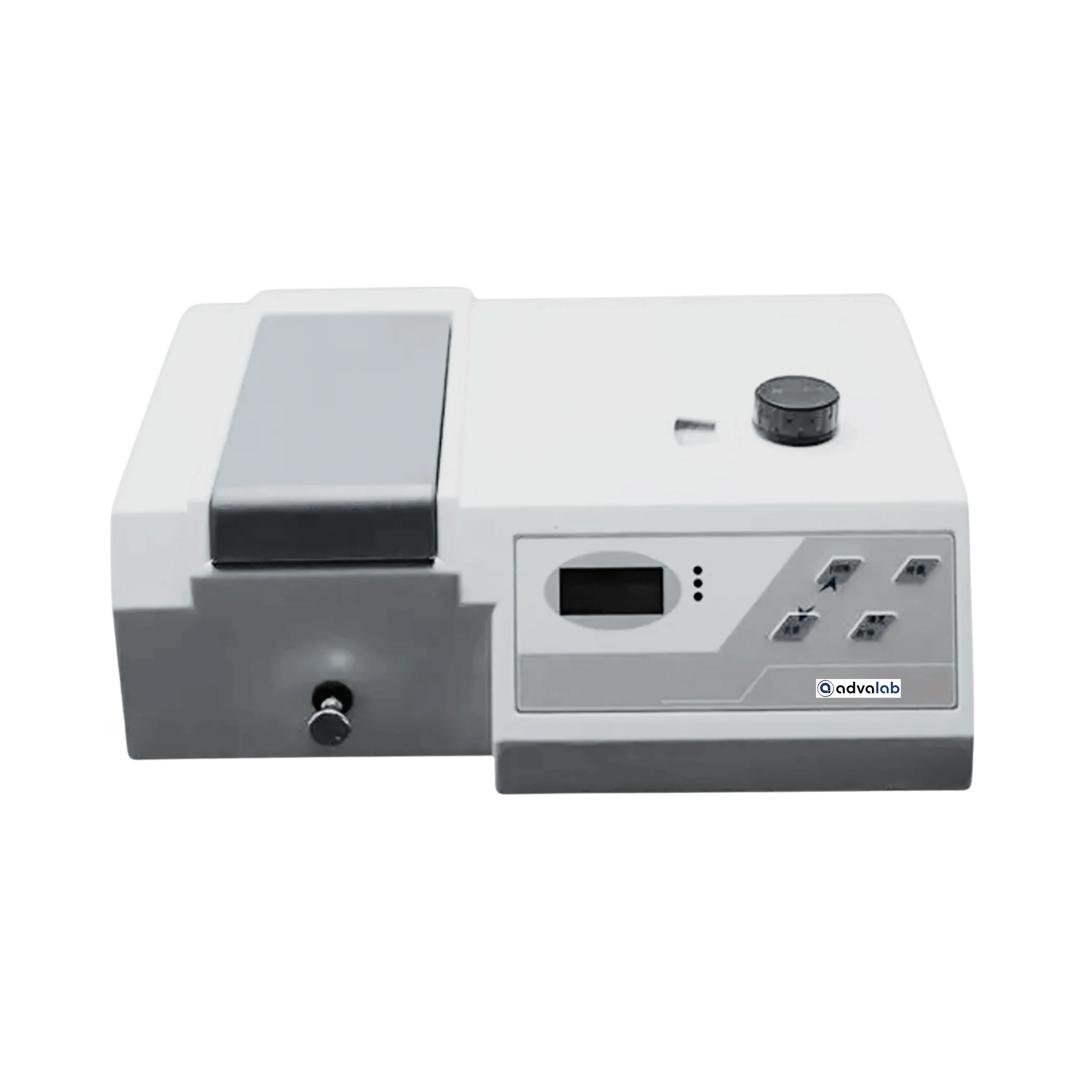
| Wavelength Range: | 325 to 1050 nm |
| Wavelength Accuracy: | ± 2 nm |
| Wavelength Reproducibility: | 1 nm |

| Wavelength Range: | 340 to 1000 nm |
| Wavelength Accuracy: | ± 3 nm |
| Transmittance Range: | 0 to 199.9 |

| Wavelength Range: | 195 to 1000 nm |
| Wavelength Accuracy: | ± 2 nm |
| Transmittance Range: | 0 to 199.9 |

| Wavelength Range: | 325 to 1000 nm |
| Wavelength Accuracy: | ± 2 nm |
| Transmittance Range: | 0 to 199.9 |
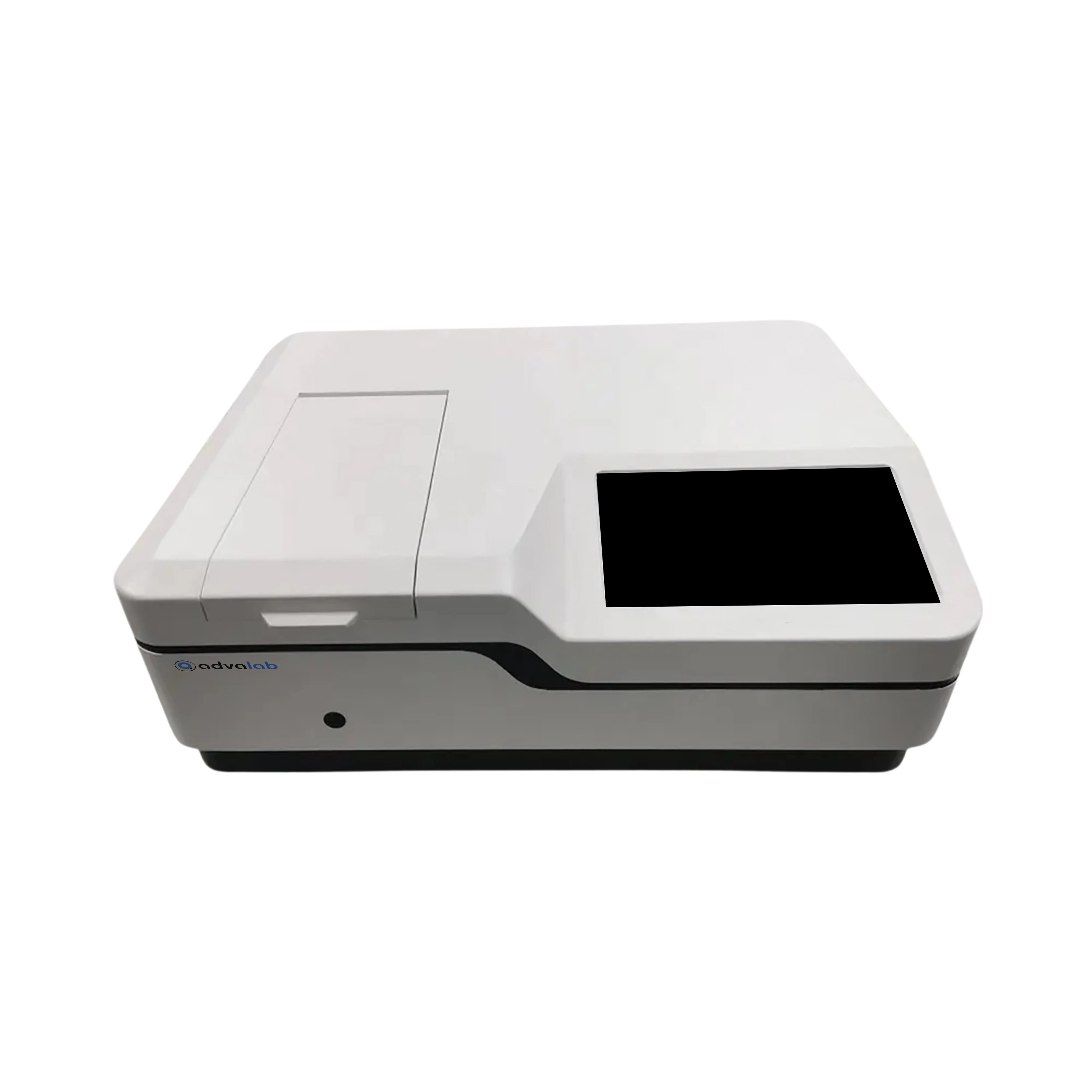
| Optical System: | Single Beam, Grating 1200 lines/mm |
| Wavelength Range: | 190 to 1100 nm |
| Spectral Bandwidth: | 2 nm |
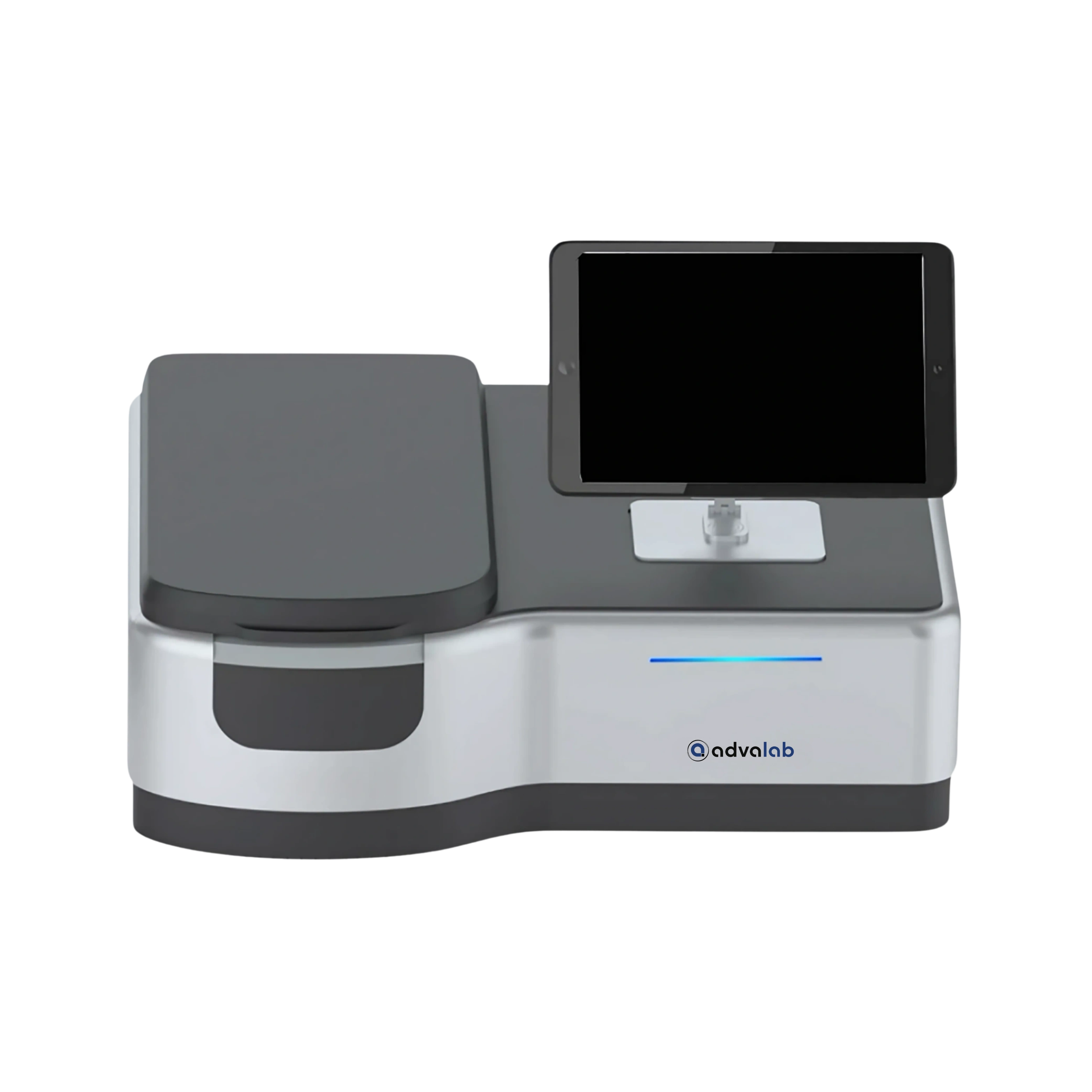
| Optical System: | Single Beam, Grating 1200 lines/mm |
| Wavelength Range: | 190 to 1100 nm |
| Spectral Bandwidth: | 0.1/0.2/0.5/1/2/4 |
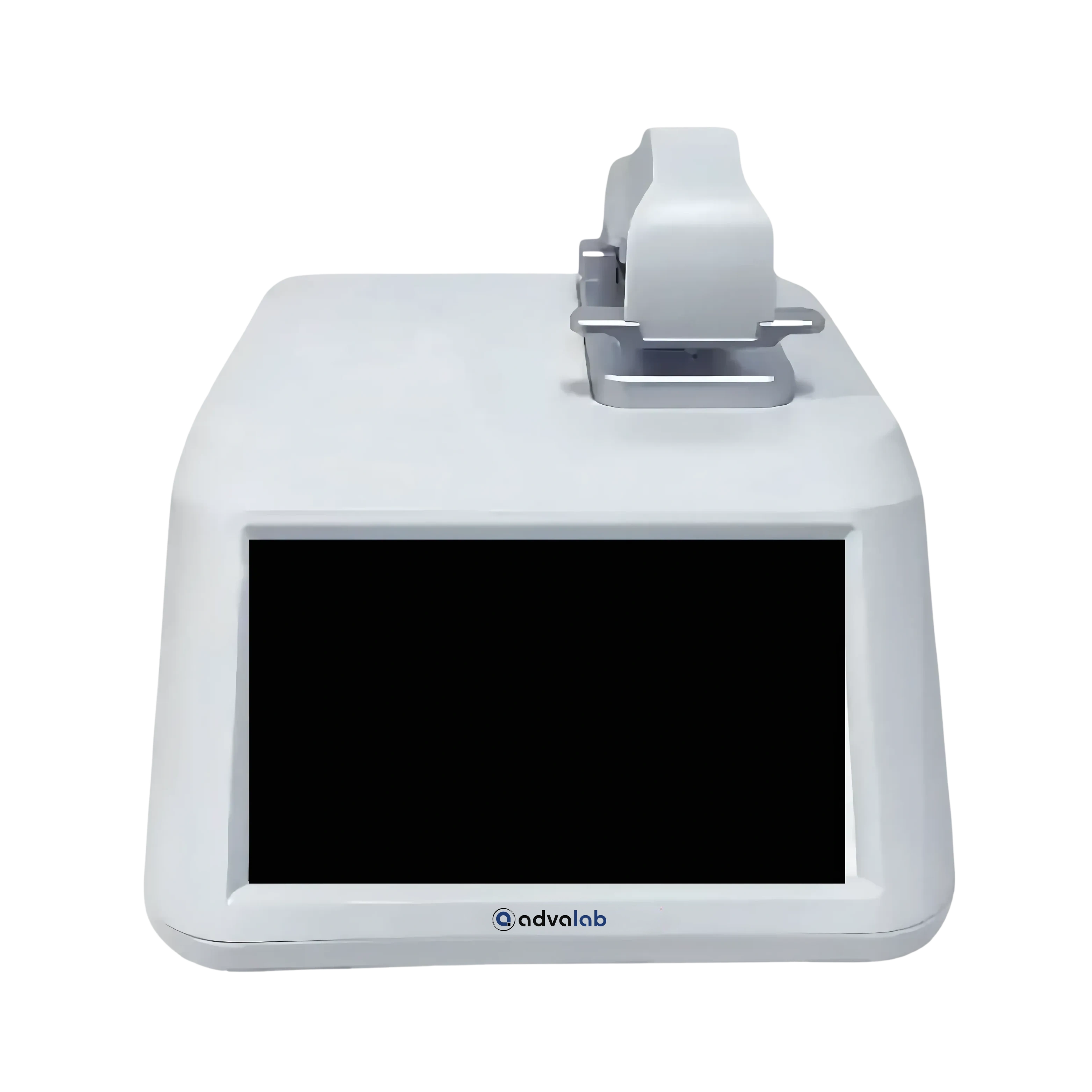
| Sample Volume: | 0.5 to 2.0 μL |
| Nucleic Acid Detection Range: | 2 to 15000 ng/μL (dsDNA) <br/> 1.32 to 9900 ng/μL (ss DNA) <br/> 1.6 to12000ng/μL (RNA) |
| Protein Detection Range: | 0.04 to 750 mg/mL (A280) <br/> 0.06 to 1119 mg/mL (BSA) <br/> 0.03 to 547 mg/mL (IgG) <br/> 0.015 to 284 mg/mL (lysozyme) |
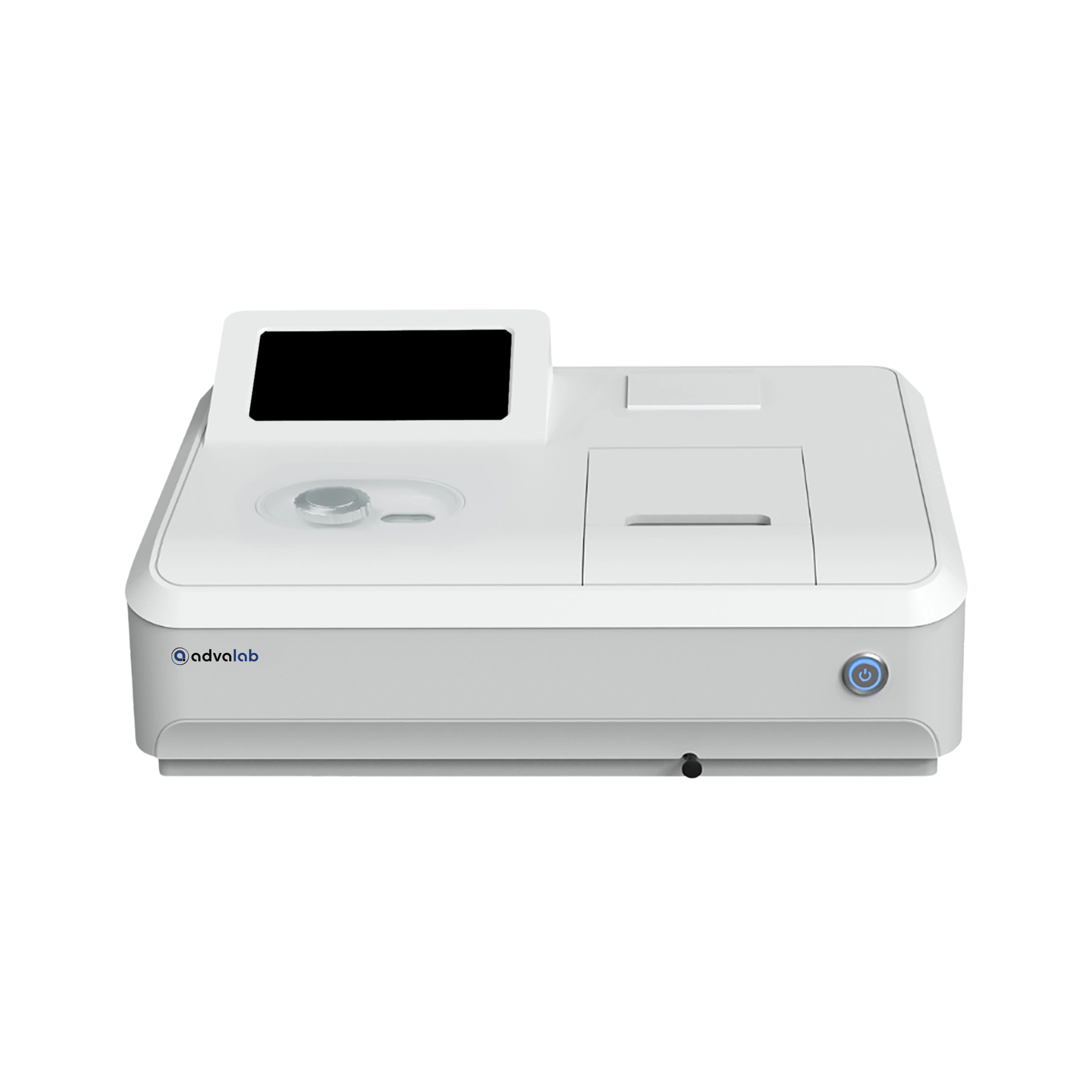
| Optical System: | Single beam |
| Monochromator: | C-T Monochromator, blazed holographic grating 1200 lines/nm |
| Wavelength Range: | 320 to 1100 nm |
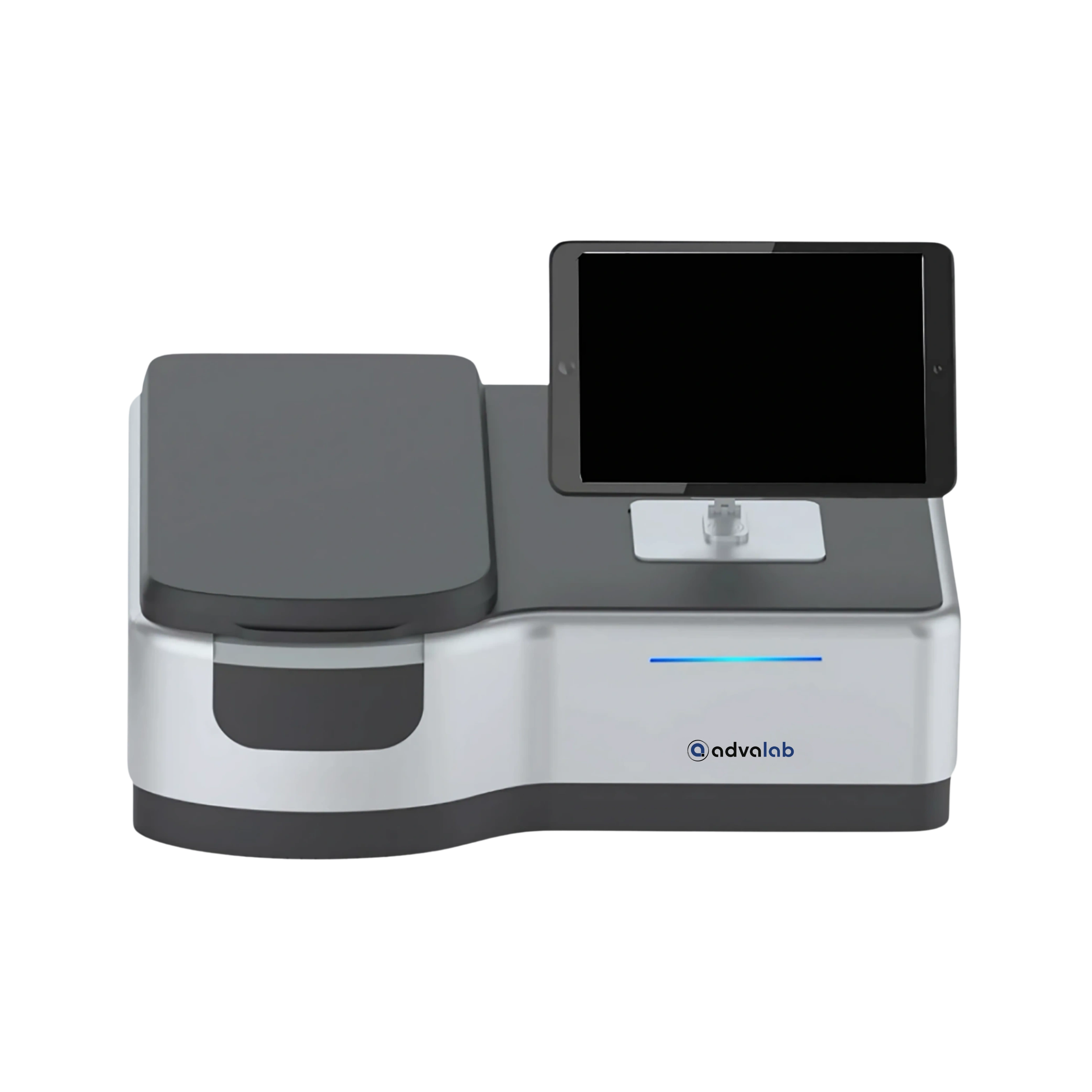
| Optical System: | Single beam, grating 1200 lines/mm |
| Wavelength Range: | 190 to 1100 nm |
| Spectral Bandwidth: | 2 nm |
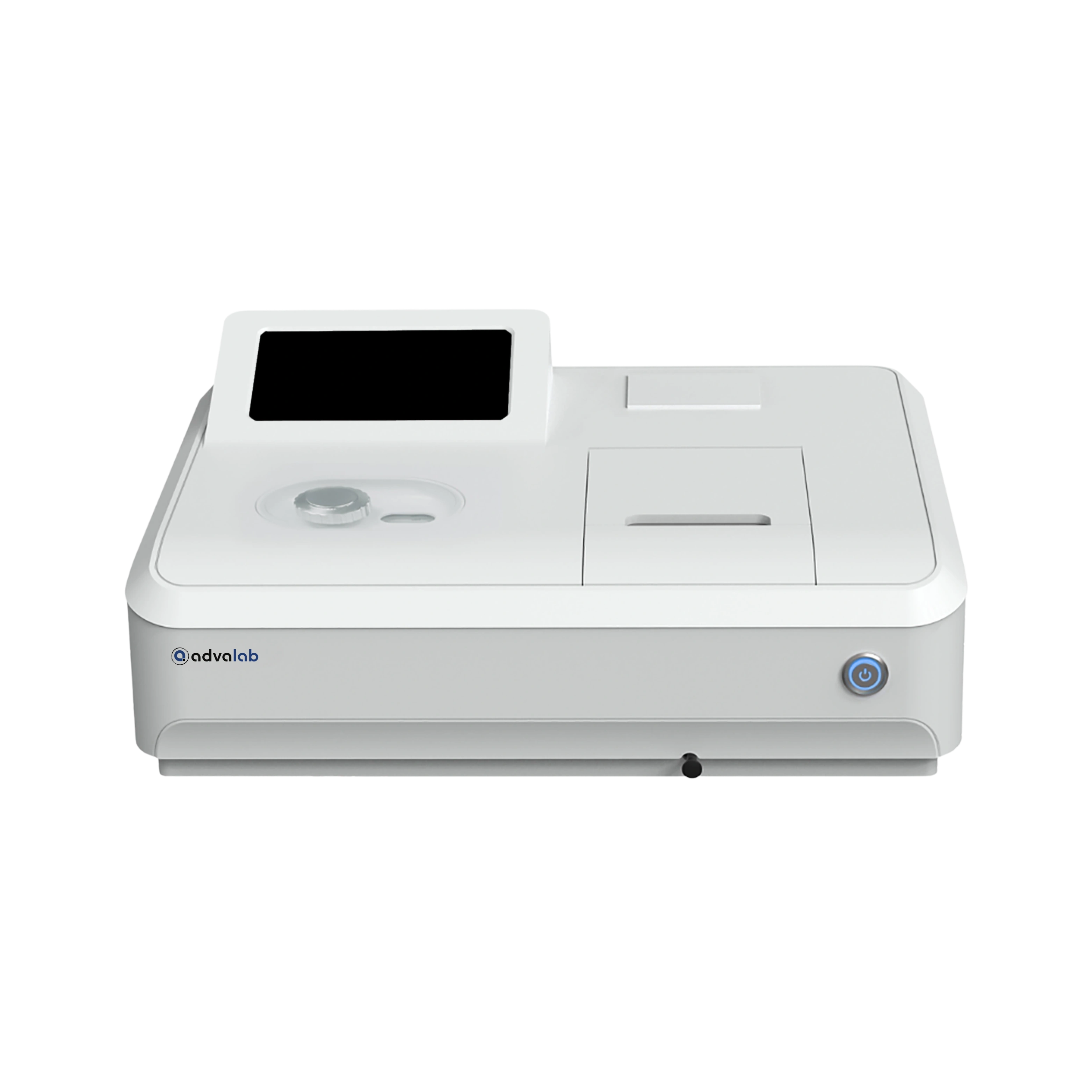
| Optical System: | Single beam |
| Monochromator: | C-T Monochromator, blazed holographic grating 1200 lines/nm |
| Wavelength Range: | 190 to 1020 nm |
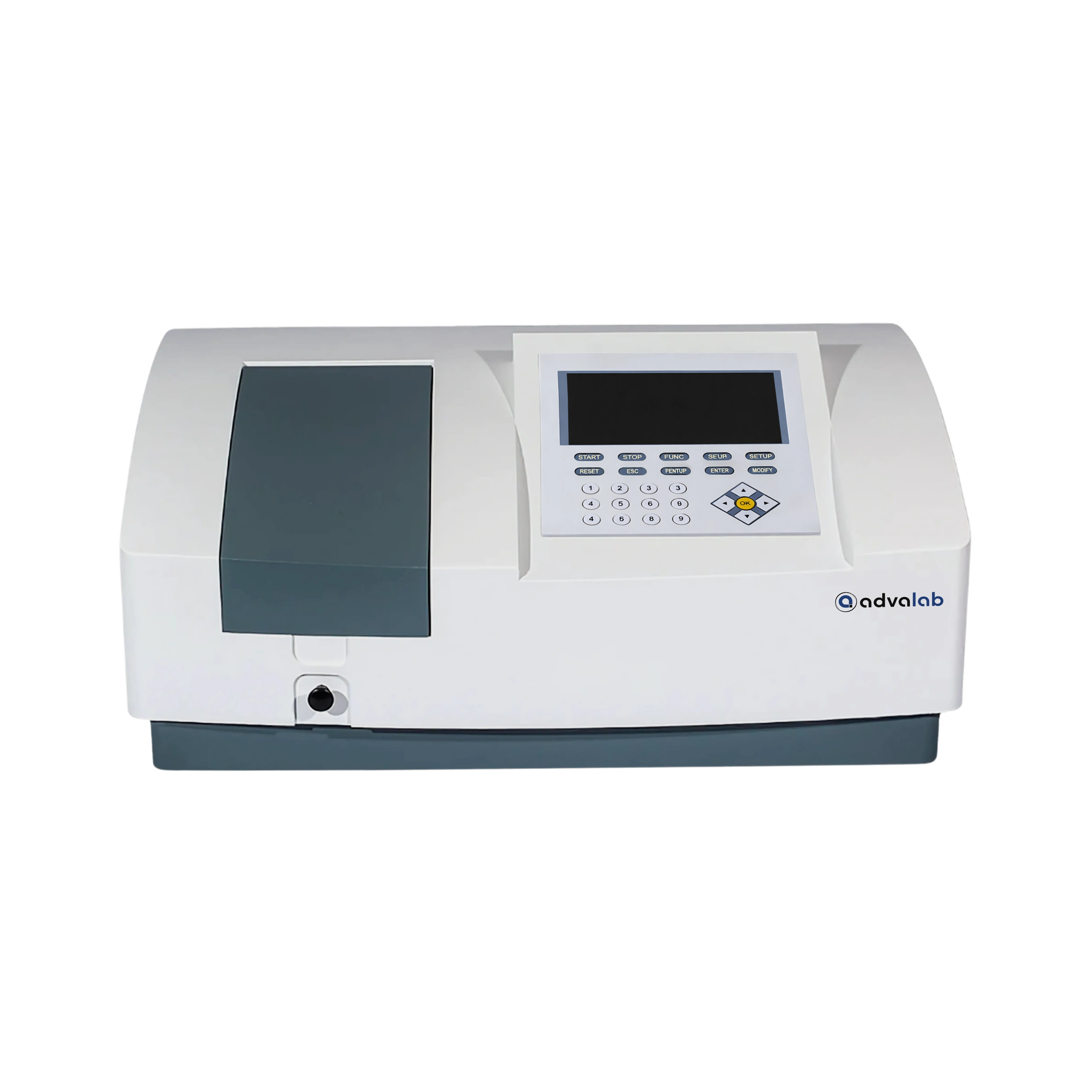
| Series: | K Series Color Screen |
| Optical System: | Single Beam, Grating 1200 lines/mm |
| Wavelength Range: | 190–1100 nm |
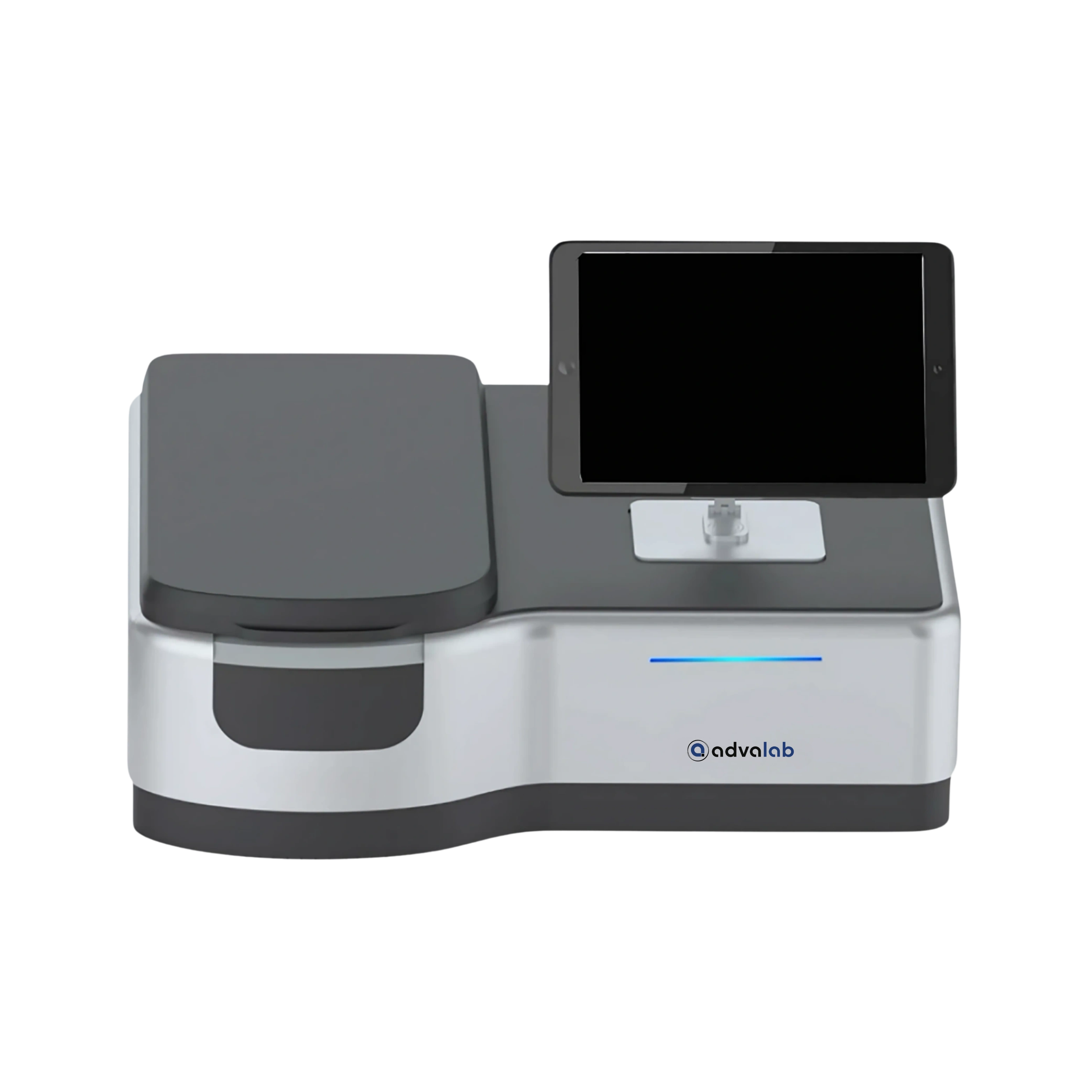
| Optical System: | Single beam, grating 1200 lines/mm |
| Wavelength Range: | 190 to 1100 nm |
| Spectral Bandwidth: | 0.1/0.2/0.5/1/ 2/4/5 nm |
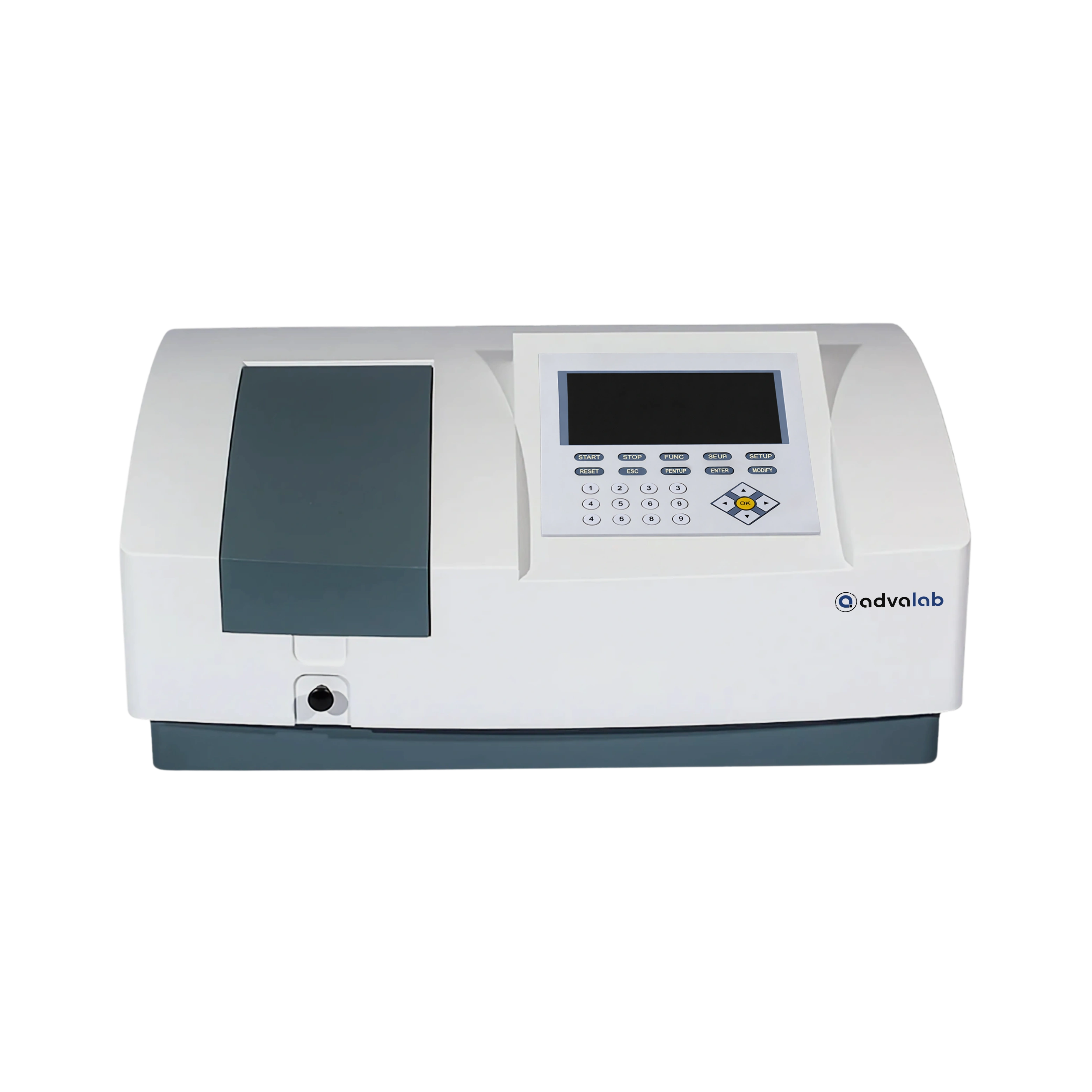
| Optical System: | Single beam, grating 1200 lines/mm |
| Wavelength Range: | 190 to 1100 nm |
| Spectral Bandwidth: | 2 nm |
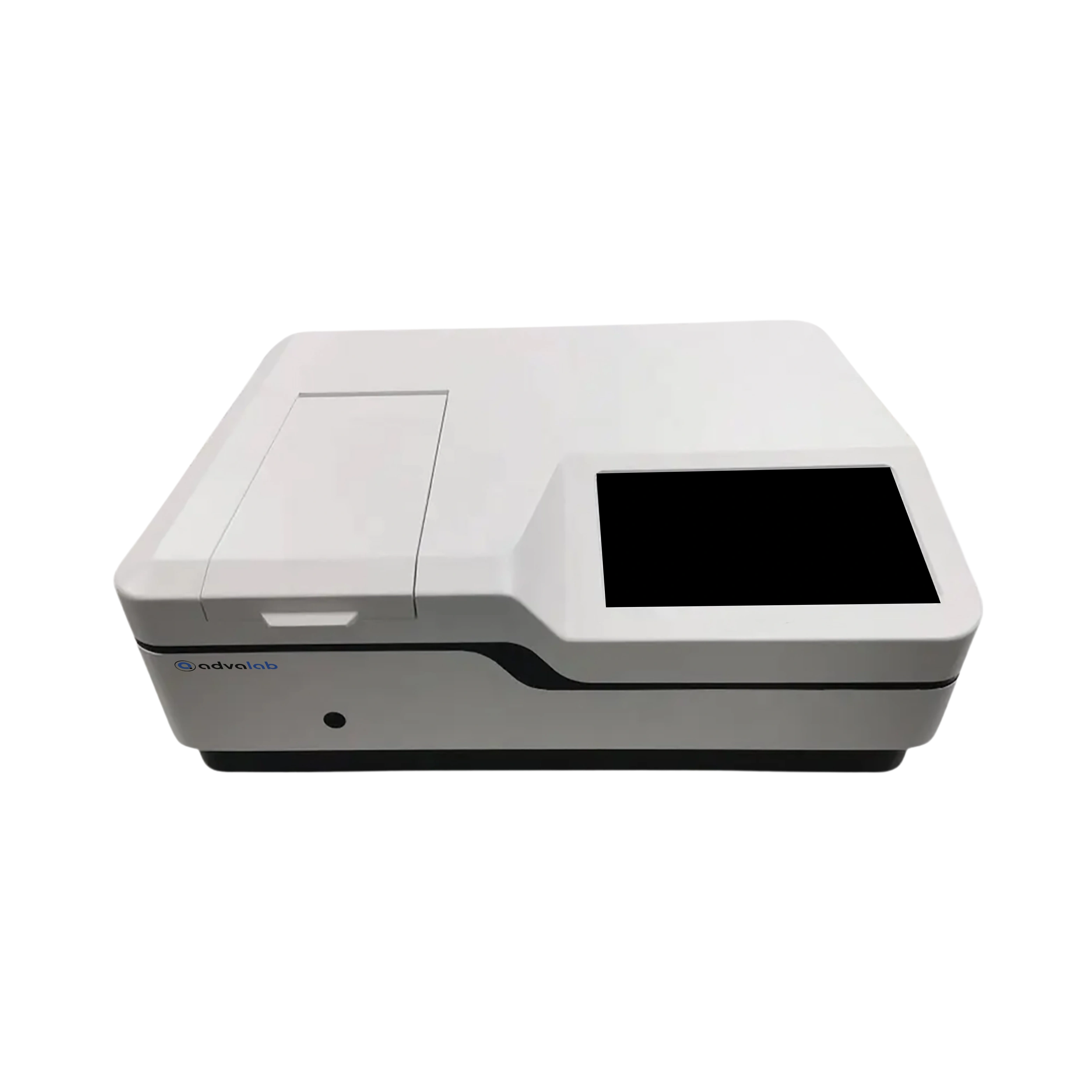
| Series: | K Series Touch Screen |
| Optical System: | Single Beam, Grating 1200 lines/mm |
| Wavelength Range: | 190–1100 nm |
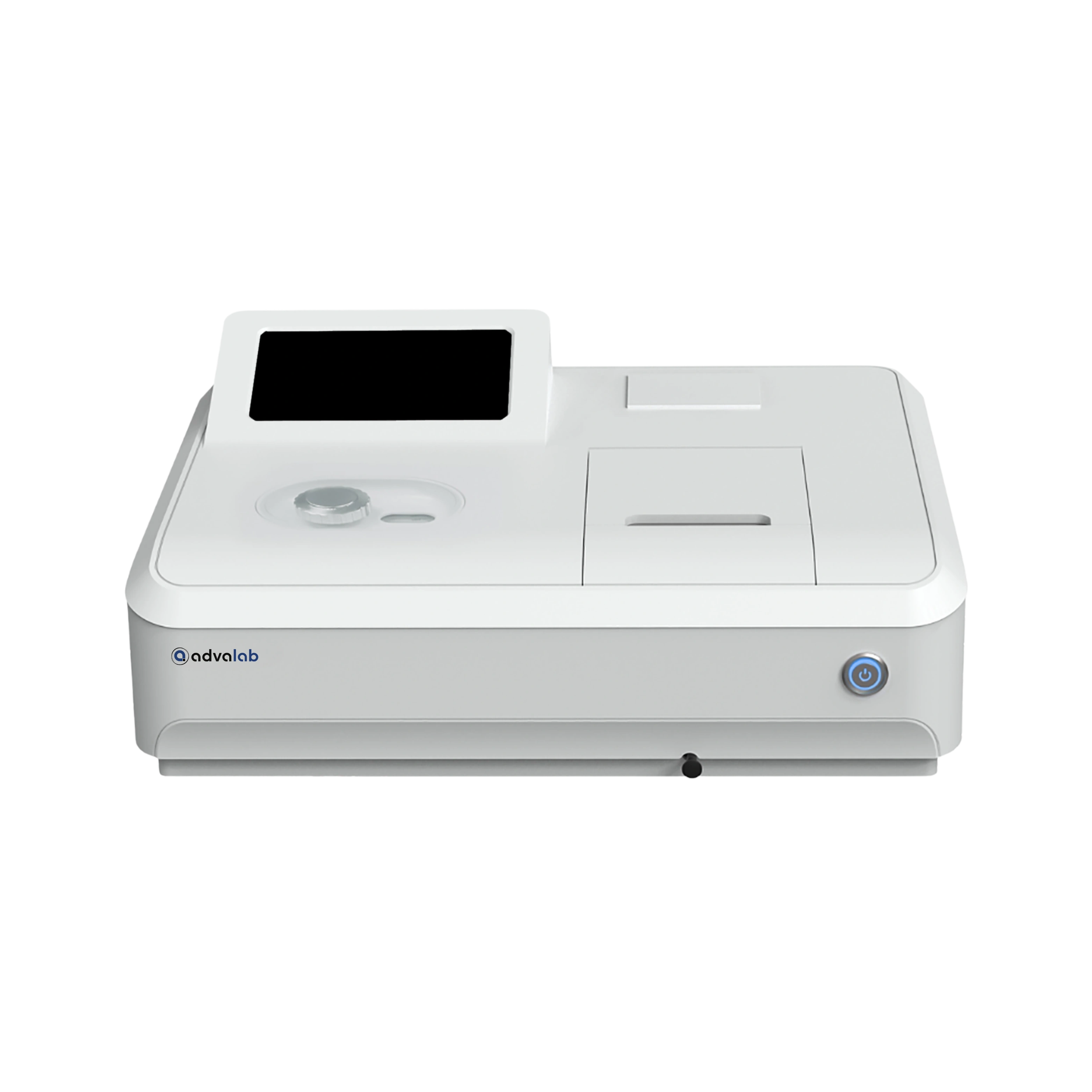
| Optical System: | Single beam |
| Monochromator: | C-T Monochromator, blazed holographic grating 1200 lines/nm |
| Wavelength Range: | 320 to 1020 nm |
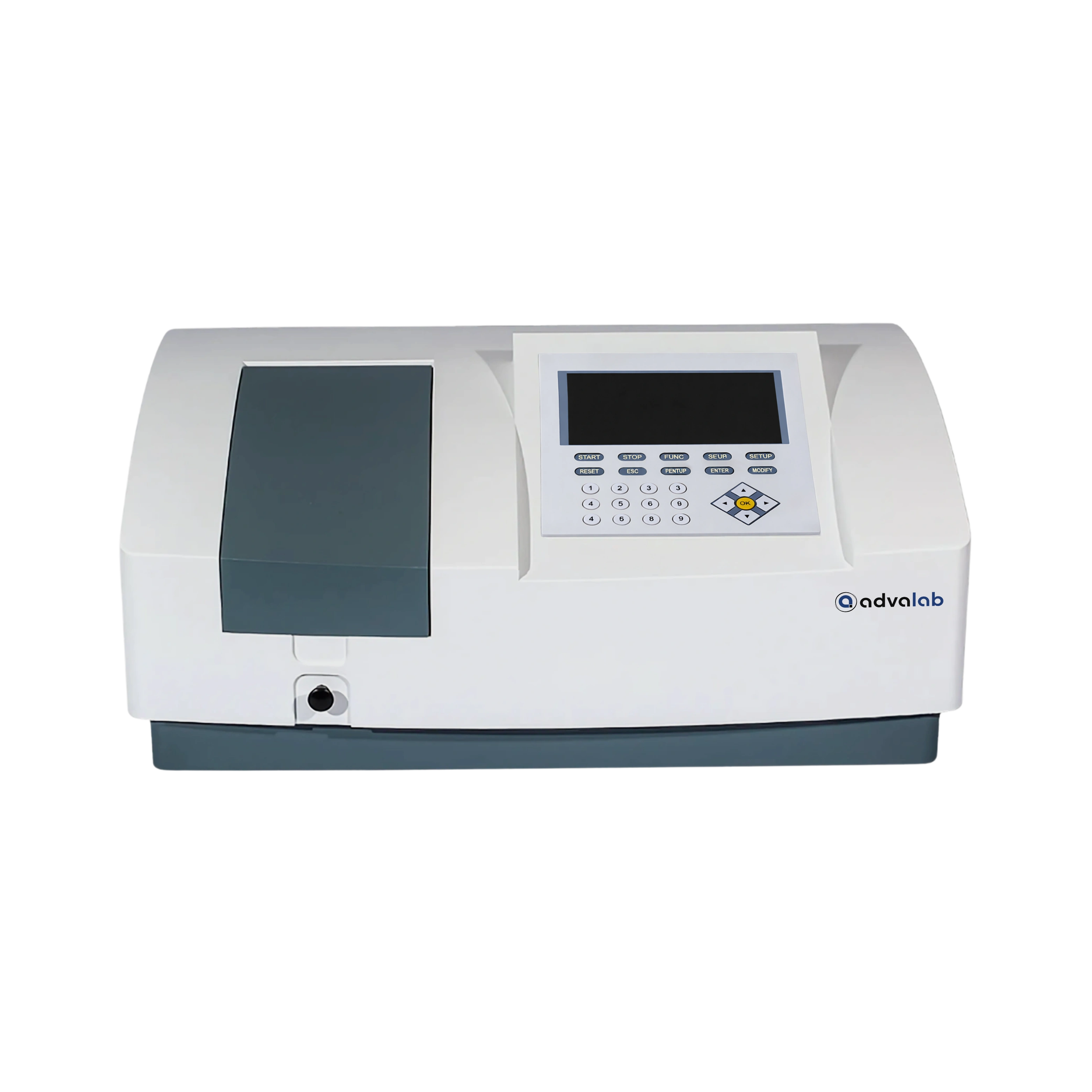
| Optical System: | Single beam, grating 1200 lines/mm |
| Wavelength Range: | 190 to 1100 nm |
| Spectral Bandwidth: | 0.5/1/2/4/5 nm |

| Optical System: | Single beam, grating 1200 lines/mm |
| Wavelength Range: | 190 to 1100 nm |
| Spectral Bandwidth: | 1 nm |
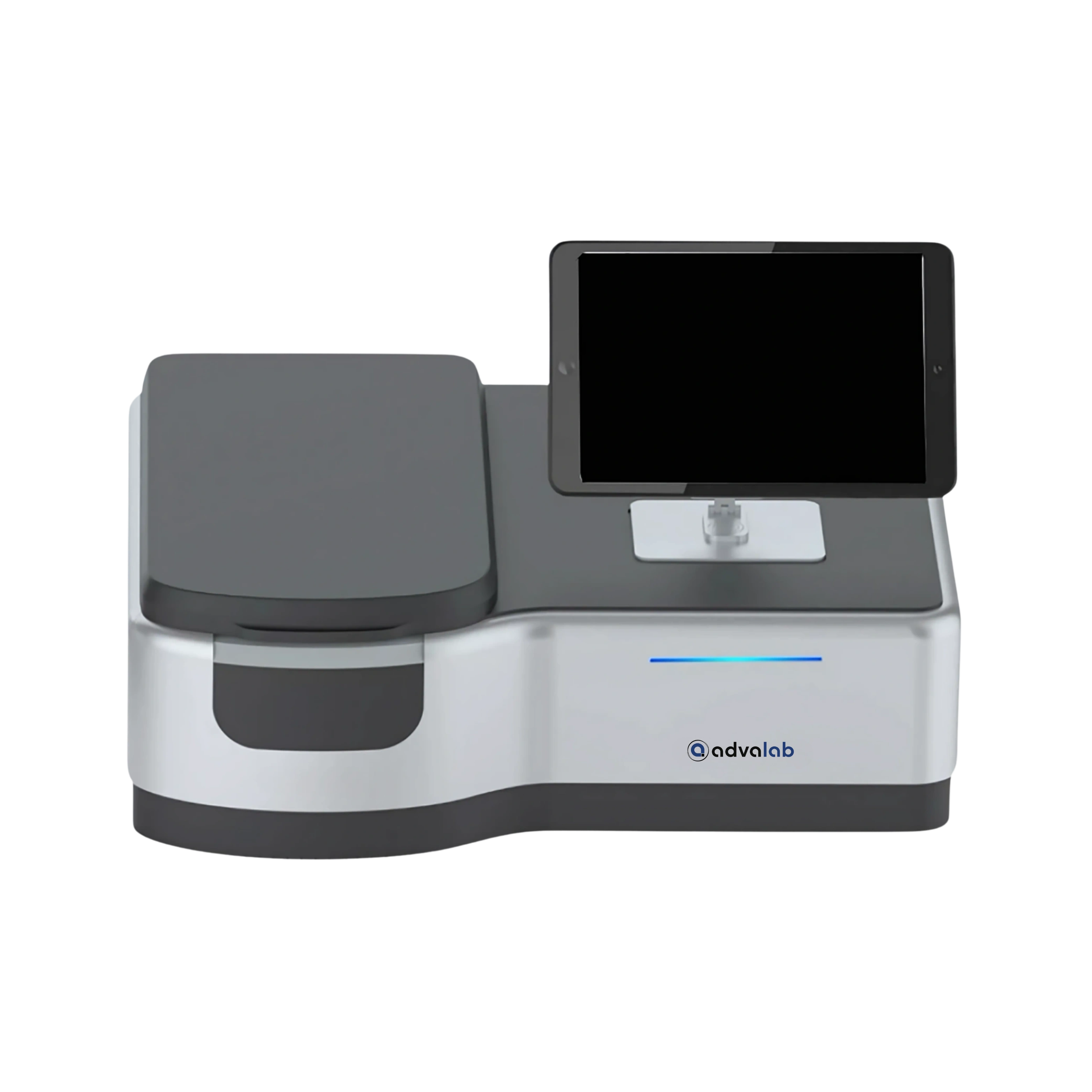
| Optical System: | Single beam, grating 1200 lines/mm |
| Wavelength Range: | 320 to 1100 nm |
| Spectral Bandwidth: | 2 nm |
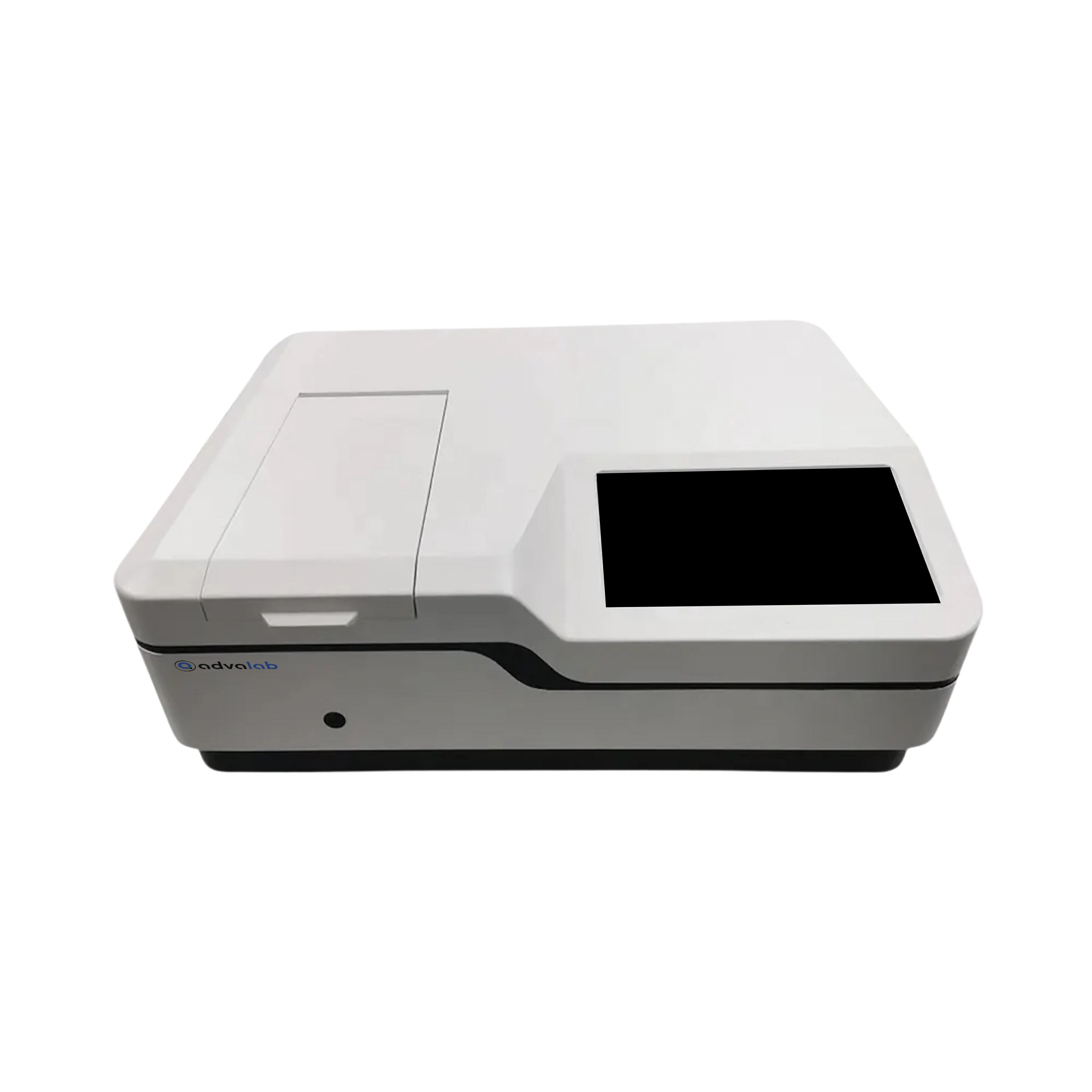
| Optical System: | Single beam, grating 1200 lines/mm |
| Wavelength Range: | 190 to 1100 nm |
| Spectral Bandwidth: | 2 nm |
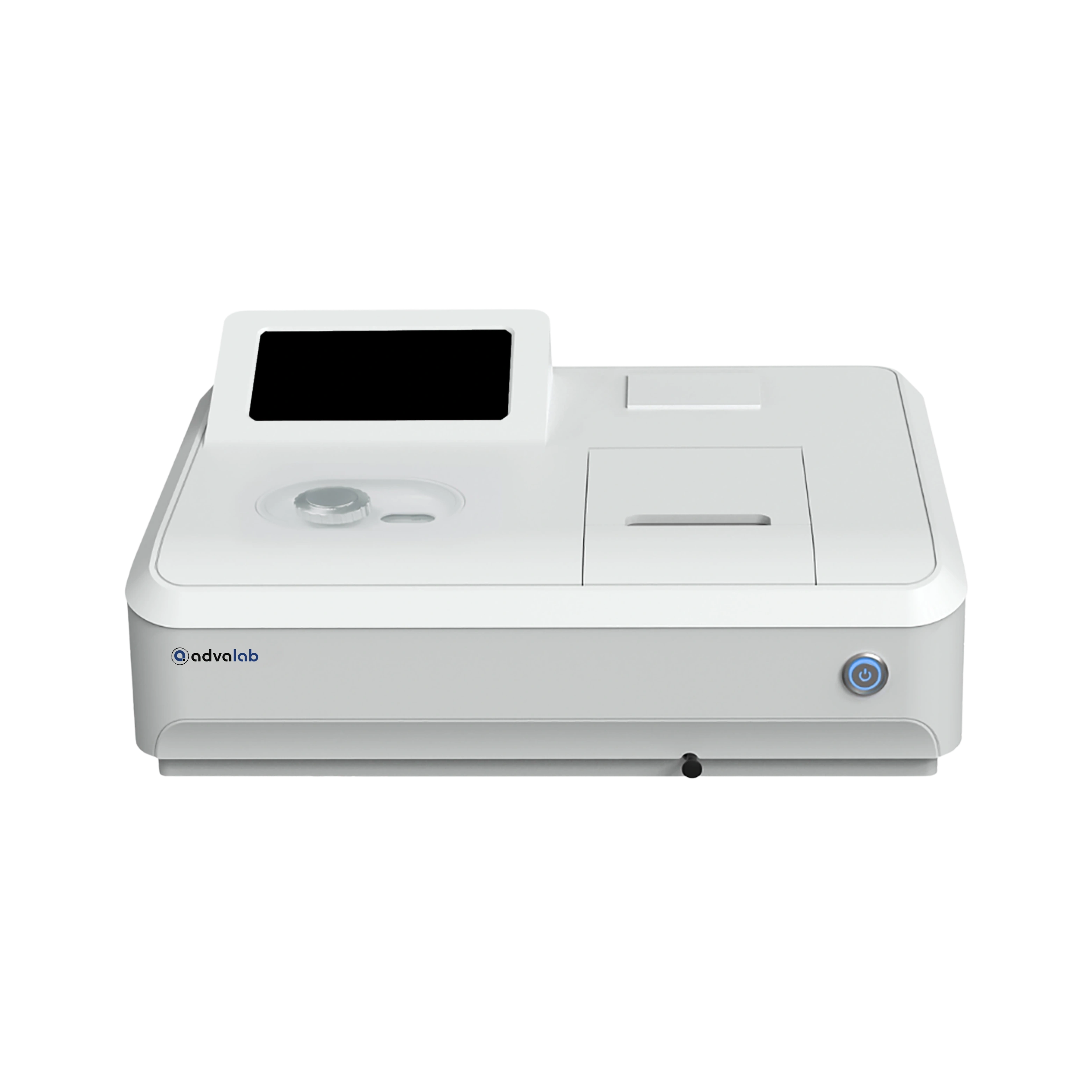
| Optical System: | Single beam |
| Monochromator: | C-T Monochromator, blazed holographic grating 1200 lines/nm |
| Wavelength Range: | 190 to 1020 nm |
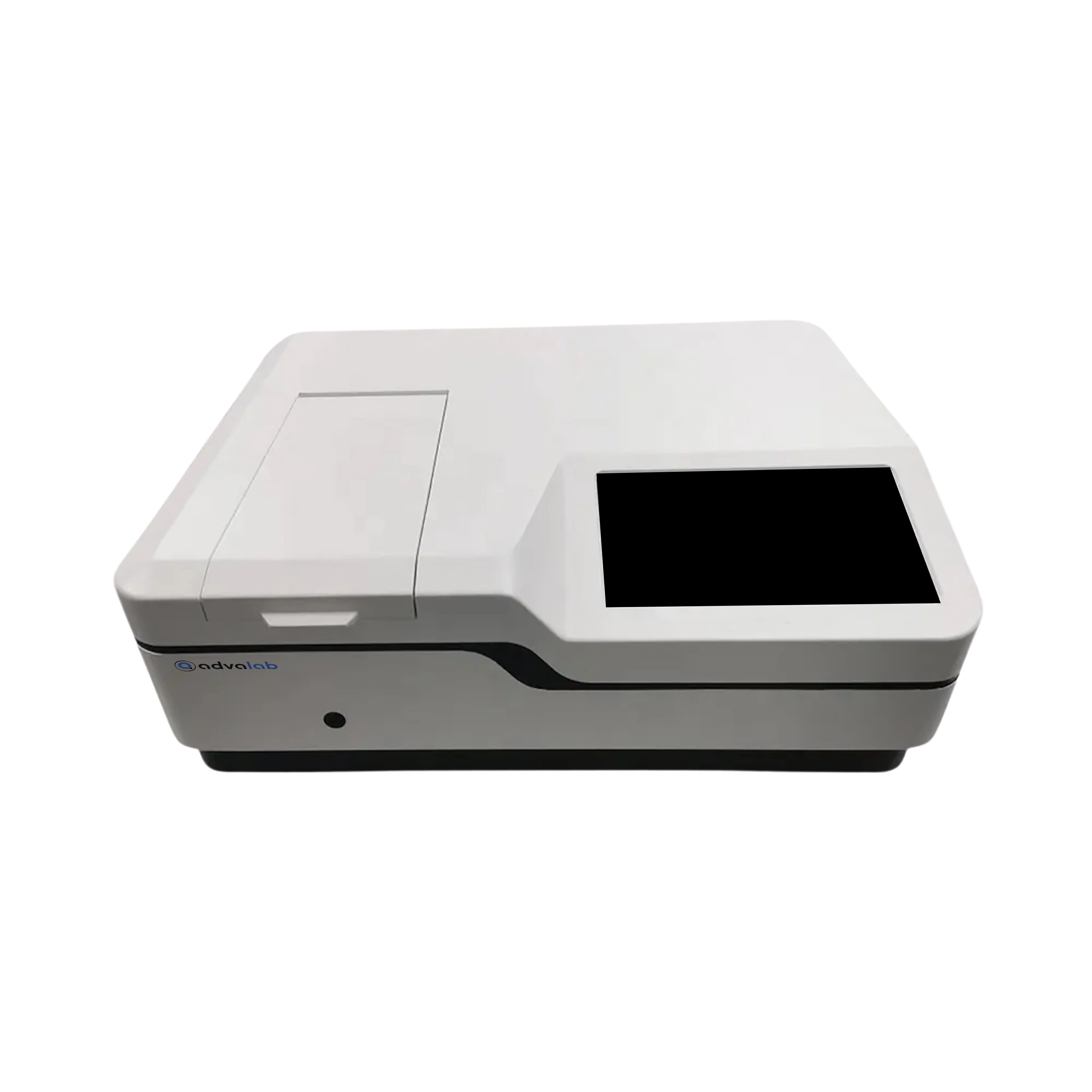
| Series: | K Series Color Screen |
| Optical System: | Single Beam, Grating 1200 lines/mm |
| Wavelength Range: | 190–1100 nm |
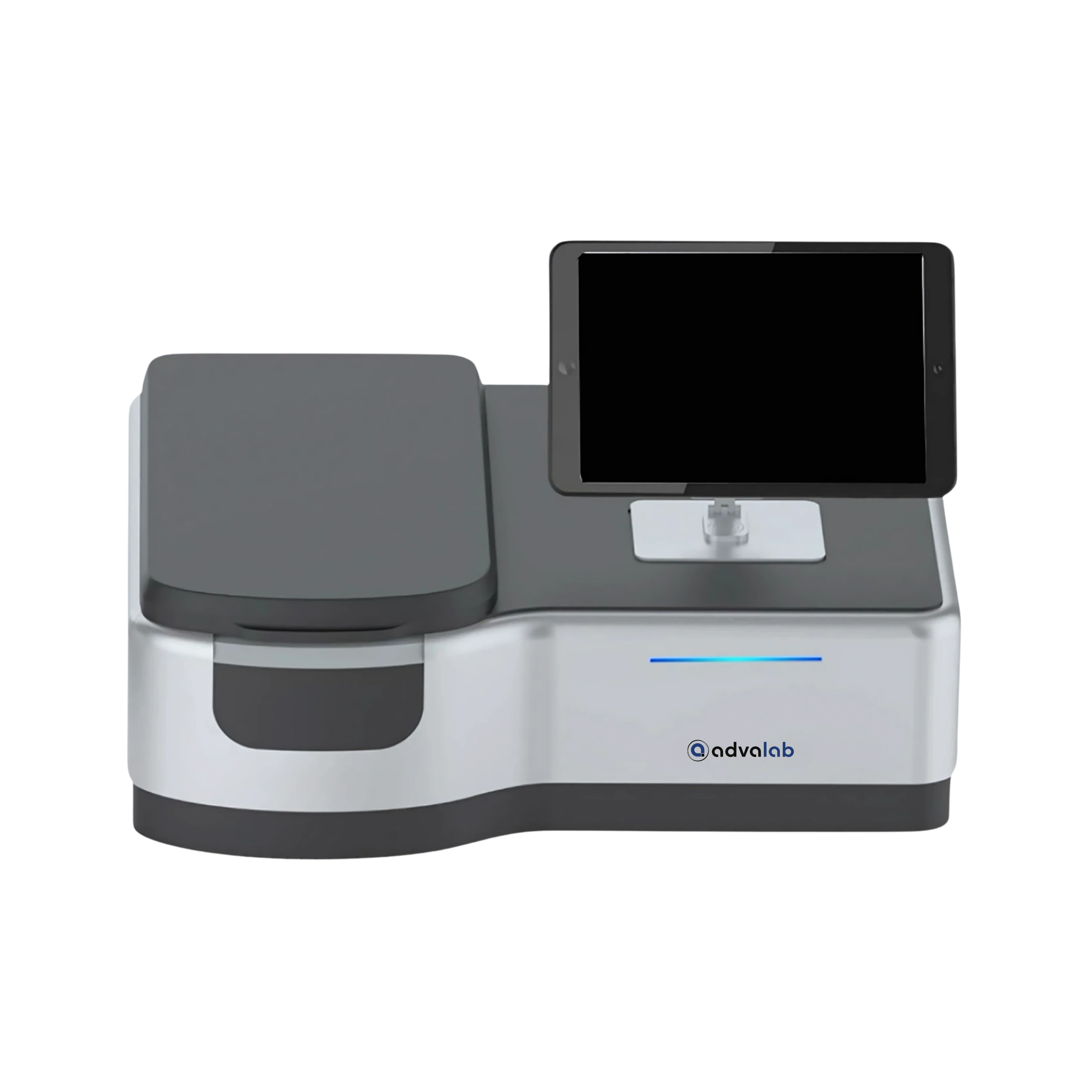
| Optical System: | Single Beam, Grating 1200 lines/mm |
| Wavelength Range: | 190 to 1100 nm |
| Spectral Bandwidth: | 1 nm |

| Optical System: | Single beam, grating 1200 lines/mm |
| Wavelength Range: | 190 to 1100 nm |
| Spectral Bandwidth: | 2 nm |
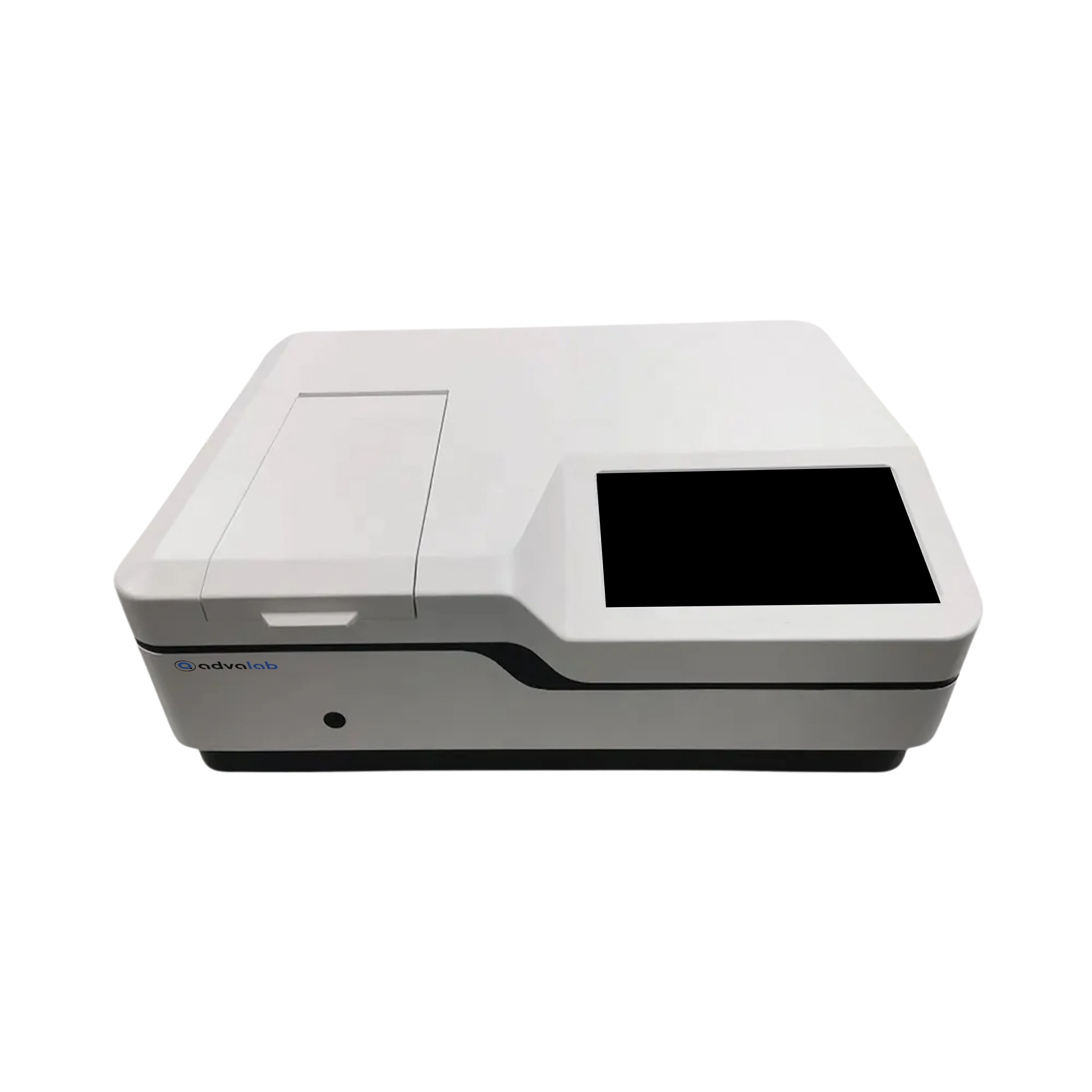
| Optical System: | Single beam, grating 1200 lines/mm |
| Wavelength Range: | 190 to 1100 nm |
| Spectral Bandwidth: | 1 nm |
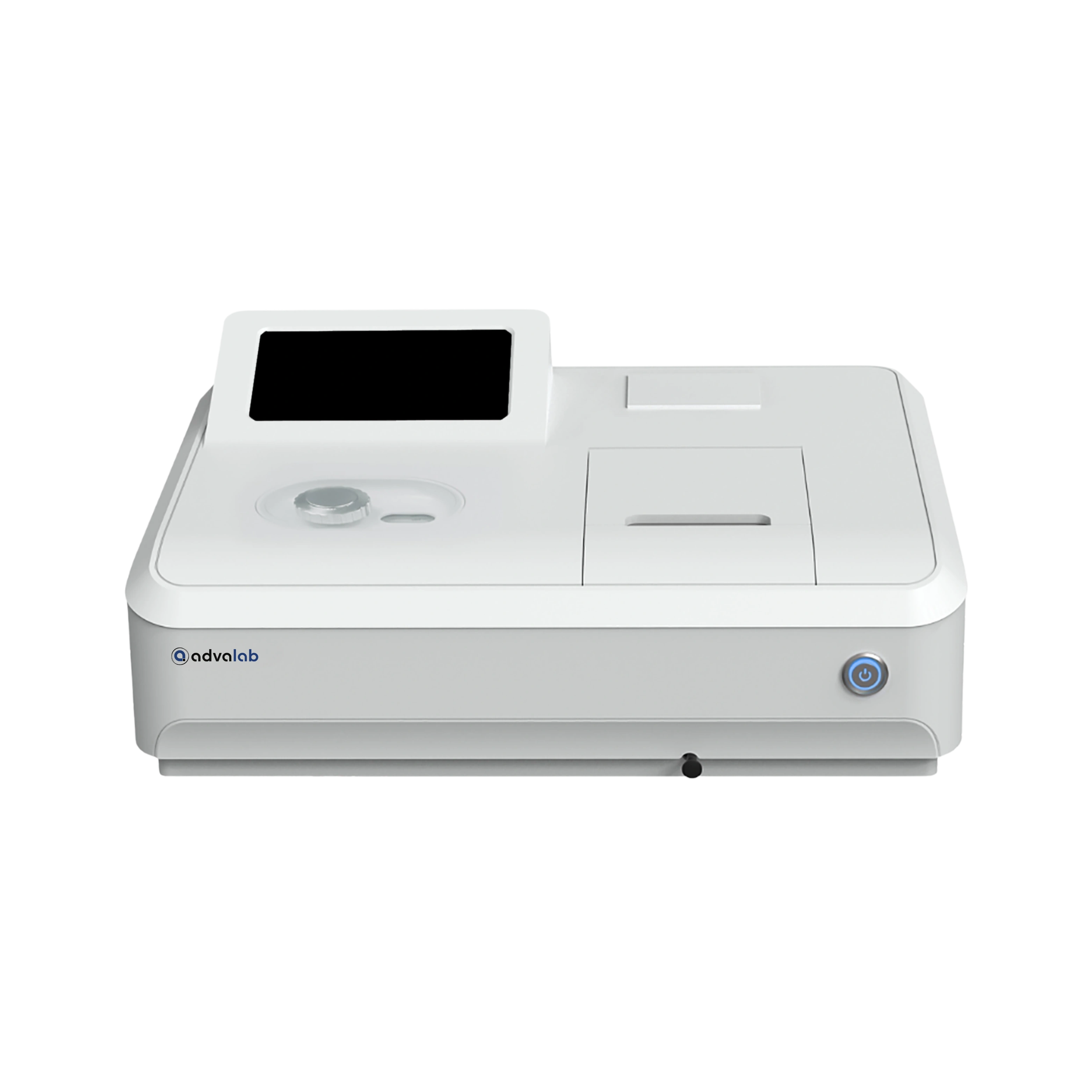
| Optical System: | Single beam |
| Monochromator: | C-T Monochromator, blazed holographic grating 1200 lines/nm |
| Wavelength Range: | 320 to 1100 nm |
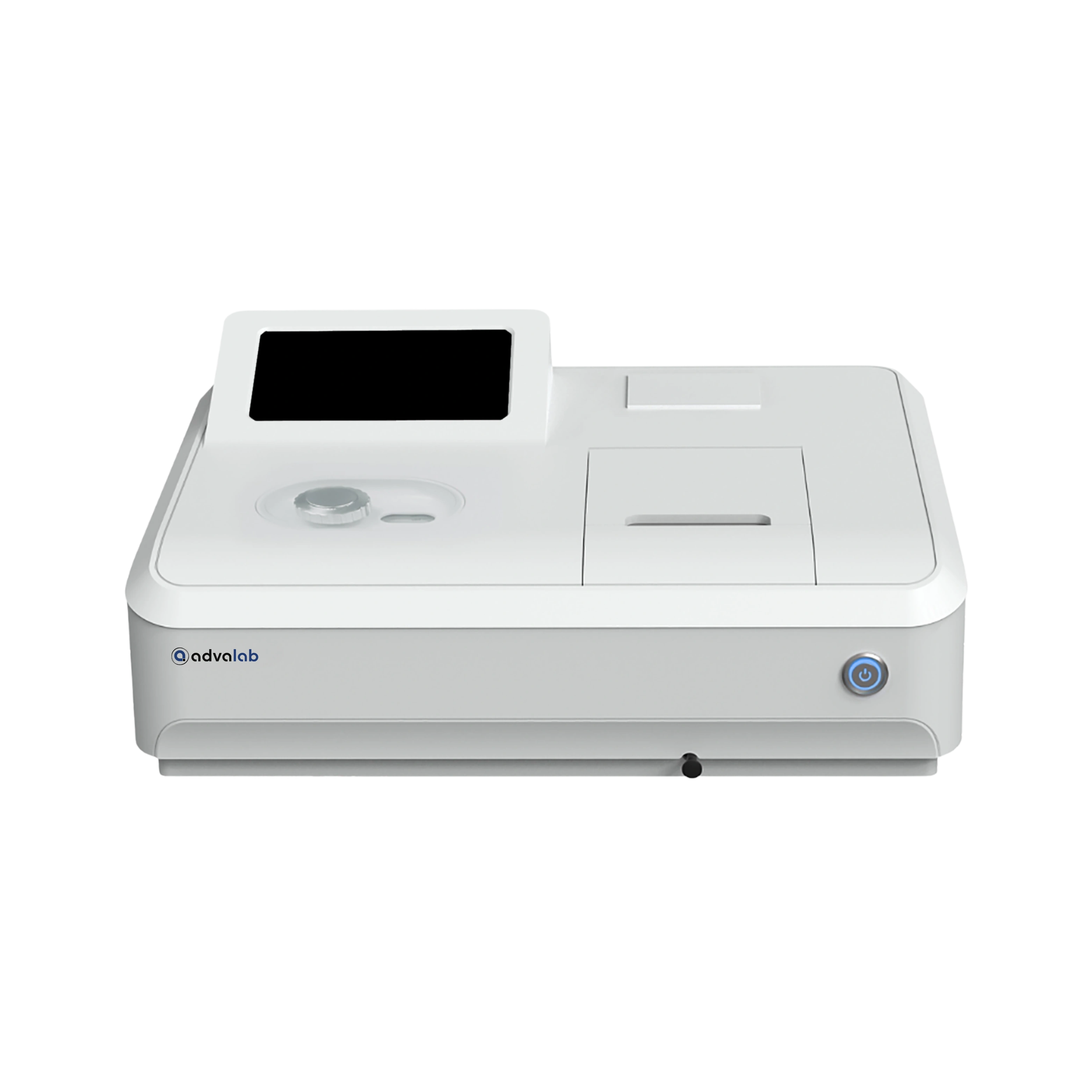
| Optical System: | Single beam |
| Monochromator: | C-T Monochromator, blazed holographic grating 1200 lines/nm |
| Wavelength Range: | 190 to 1100 nm |
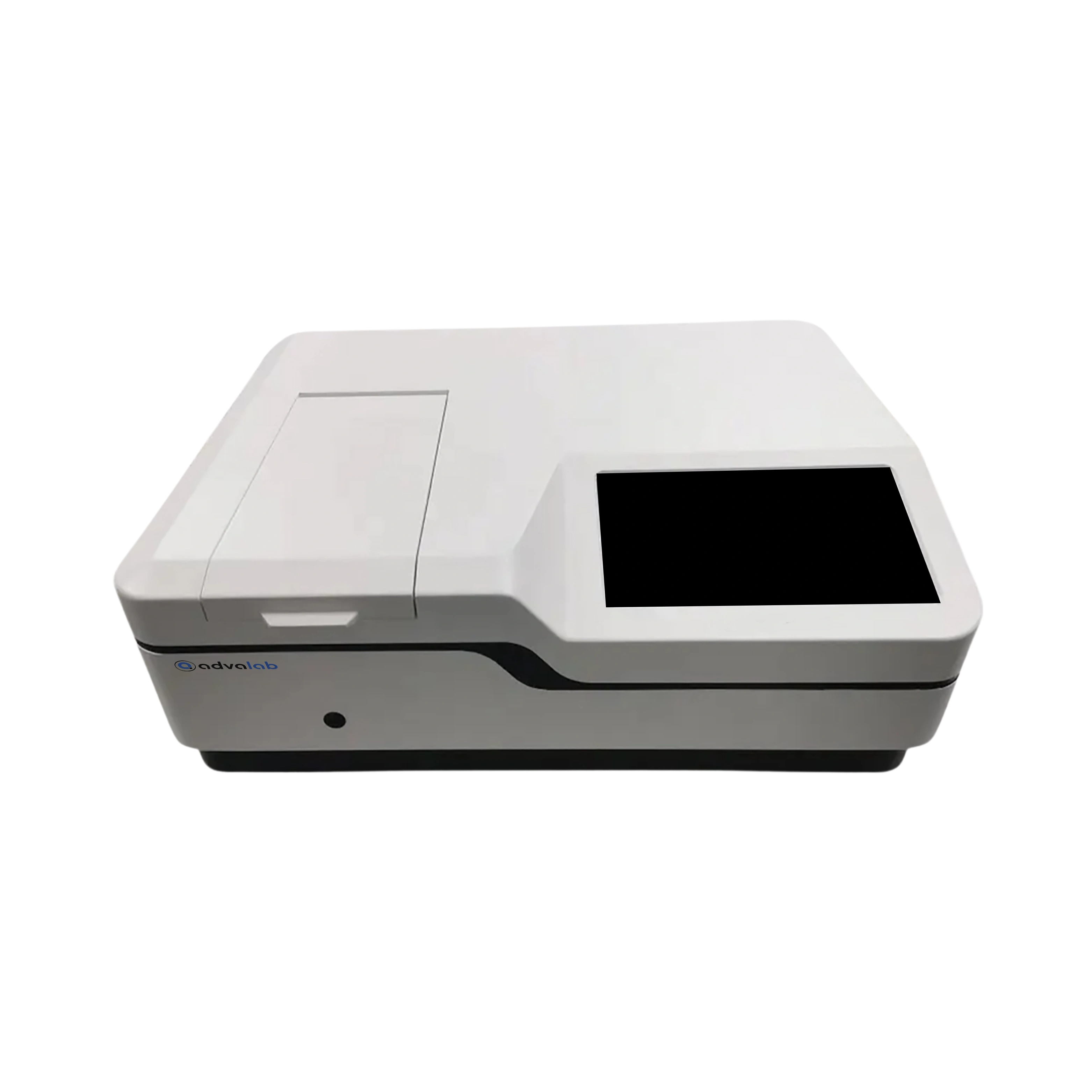
| Optical System: | Single Beam, Grating 1200 lines/mm |
| Wavelength Range: | 190 to 1100 nm |
| Spectral Bandwidth: | 0.5/1/2/4/5nm |
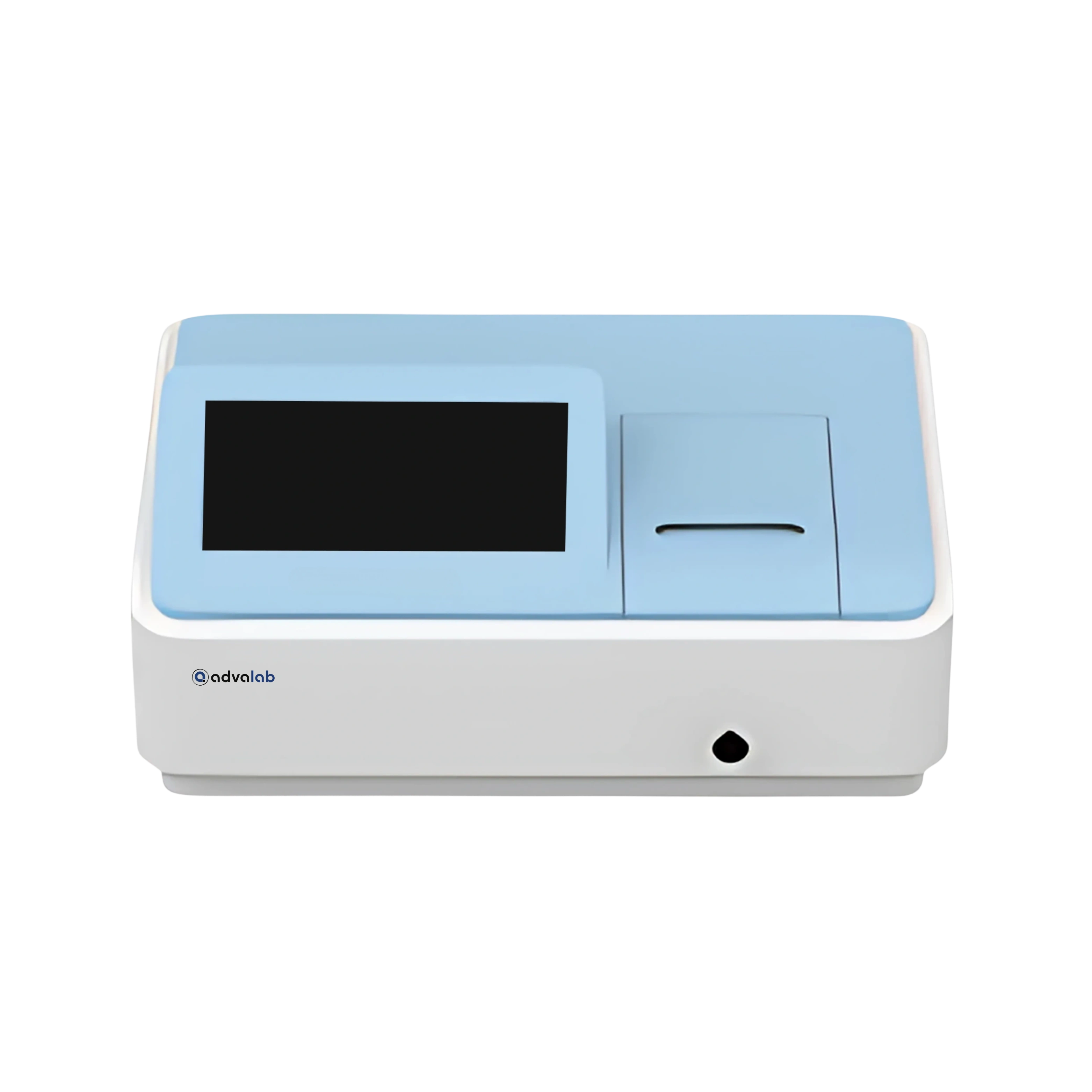
| Optical System: | Single beam, grating 1200 lines/mm |
| Wavelength Range: | 190 to 1100 nm |
| Spectral Bandwidth: | 2 nm |
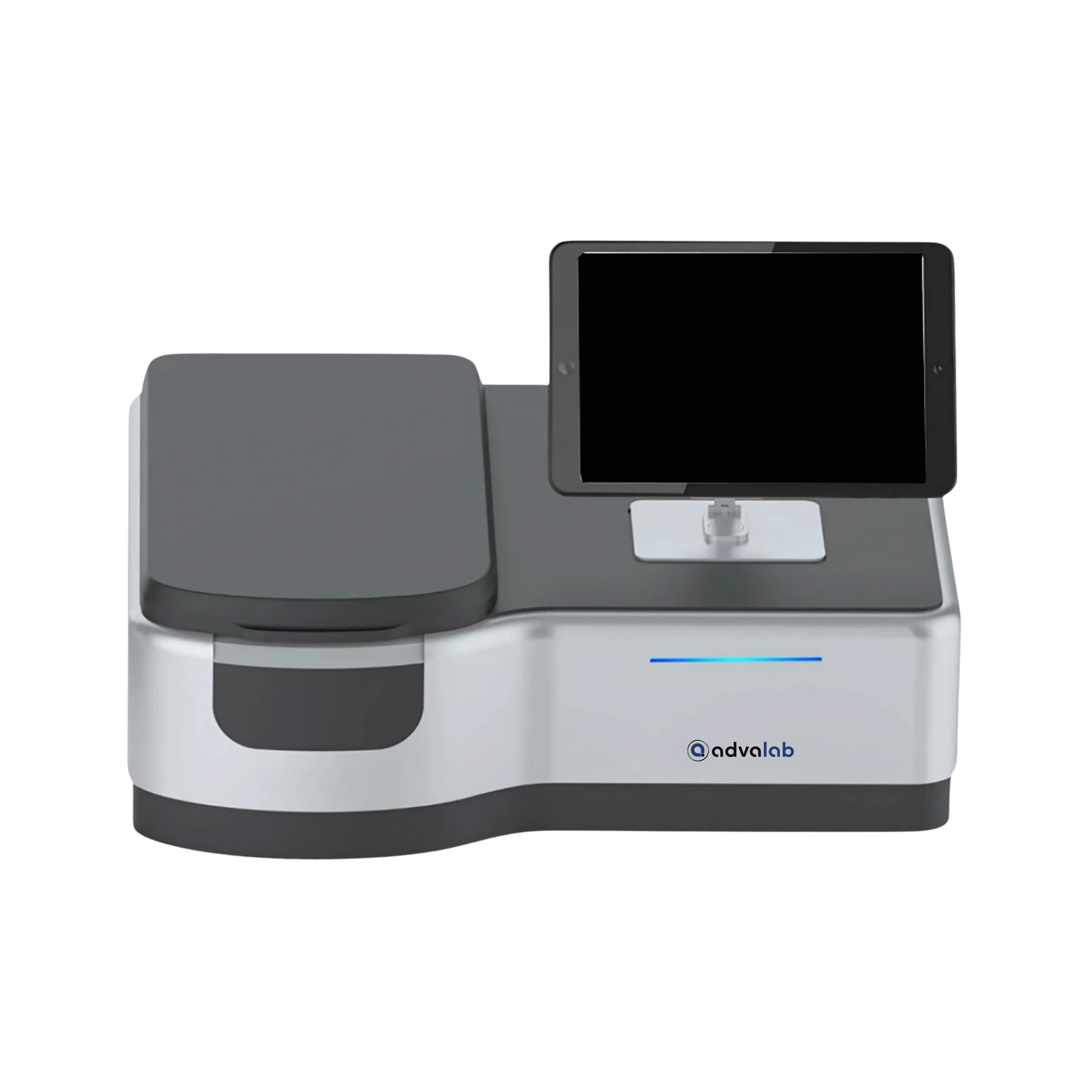
| Optical System: | Single beam, grating 1200 lines/mm |
| Wavelength Range: | 190 to 1100 nm |
| Spectral Bandwidth: | 1 nm |
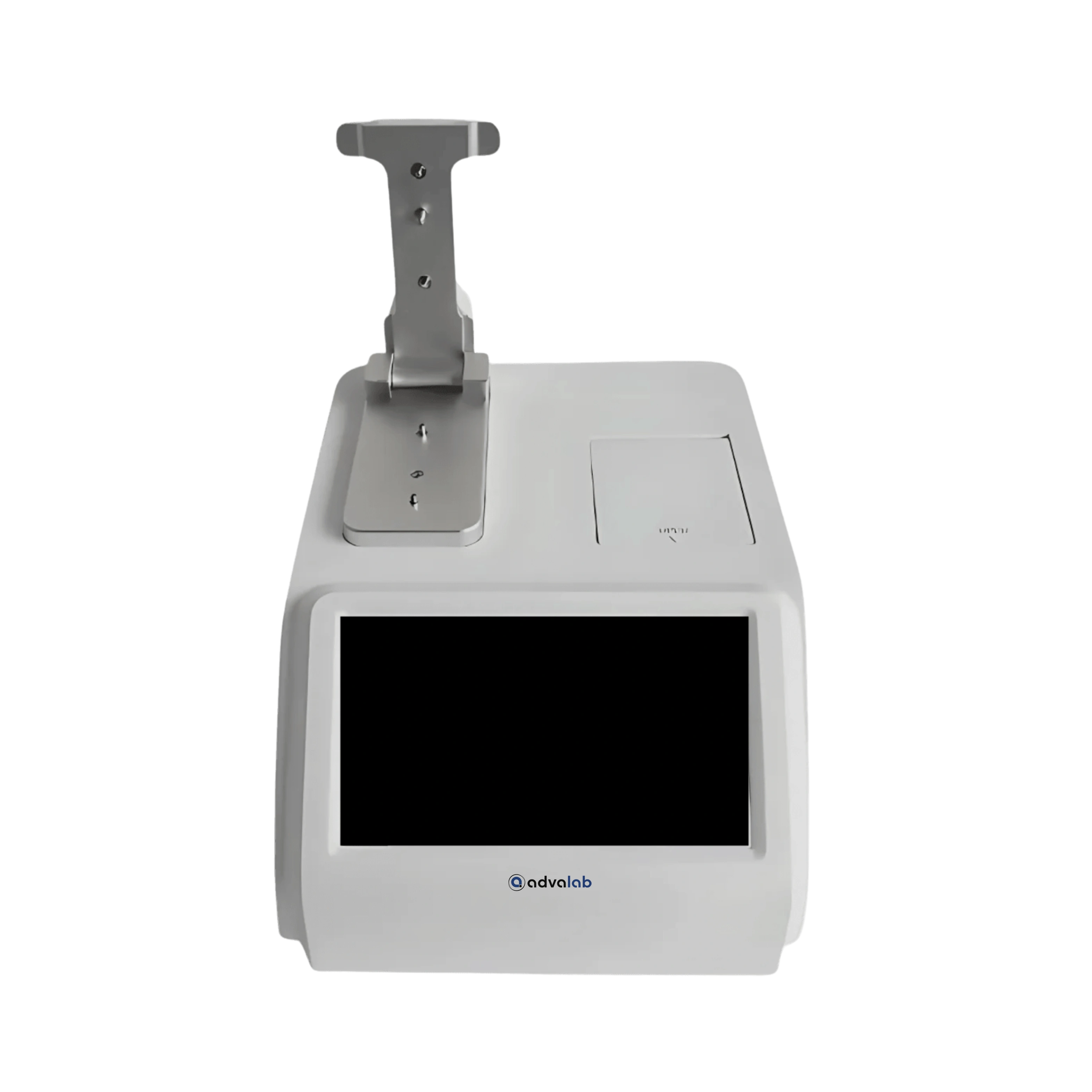
| Sample Volume: | 0.5μl to 2μl (recommended to use 2μl) |
| Nucleic Acid Detection Range: | 2 to 37500ng /μL (dsDNA) <br/> 1.32 to 24750 ng/μL (ss DNA) <br/> 1.6 to 30000ng/μL (RNA) |
| Protein Detection Range: | 0.04 to 750mg/mL (A280) <br/> 0.06 to 1119mg/mL (BSA) <br/> 0.03 to 547mg/mL (IgG) <br/> 0.015 to 284mg/mL (lysozyme) |
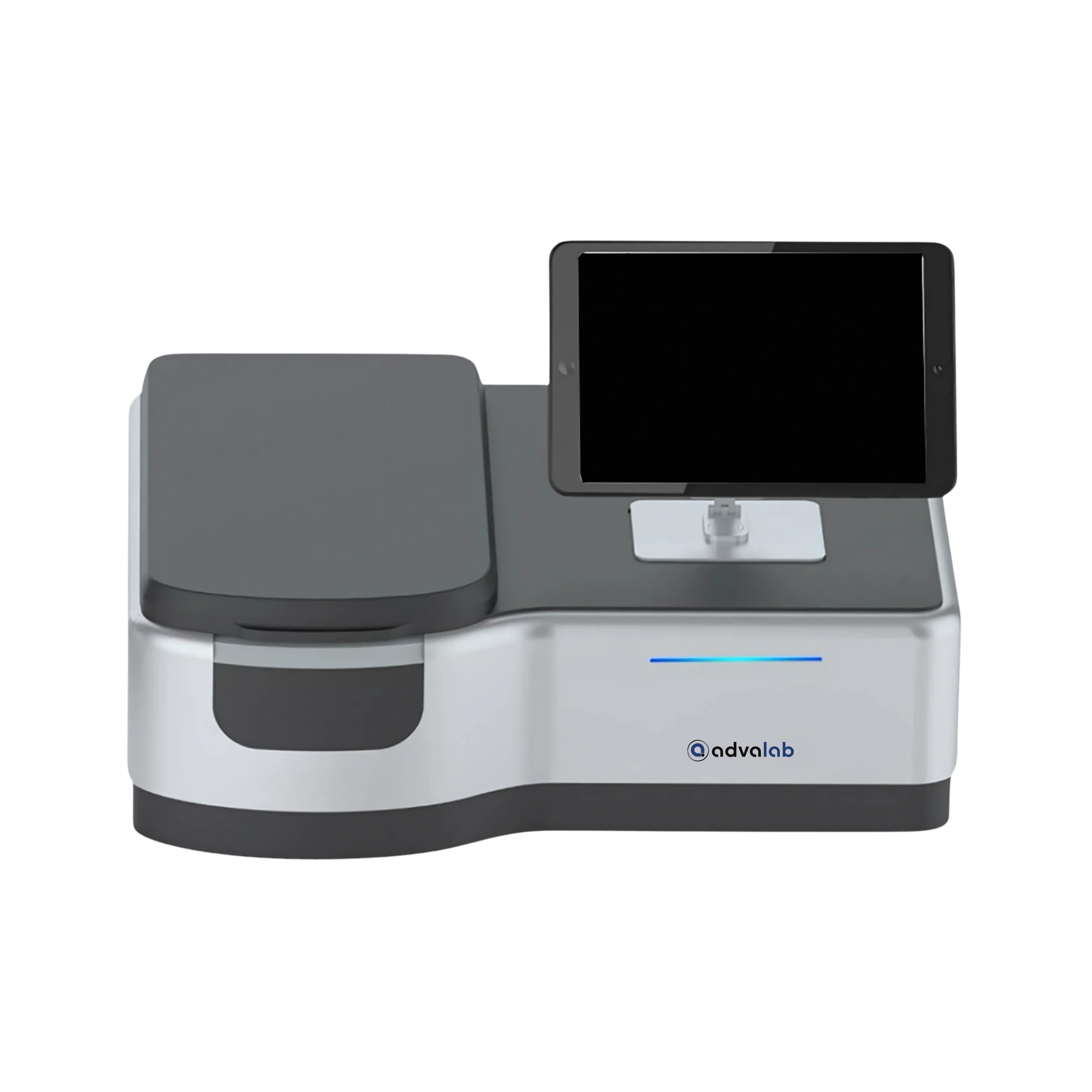
| Optical System: | Single Beam, Grating 1200 lines/mm |
| Wavelength Range: | 190 to 1100 nm |
| Spectral Bandwidth: | 2 nm |

| Optical System: | Split Beam, Grating 1200 lines/mm |
| Wavelength Range: | 190 to 1100 nm |
| Spectral Bandwidth: | 2 nm |
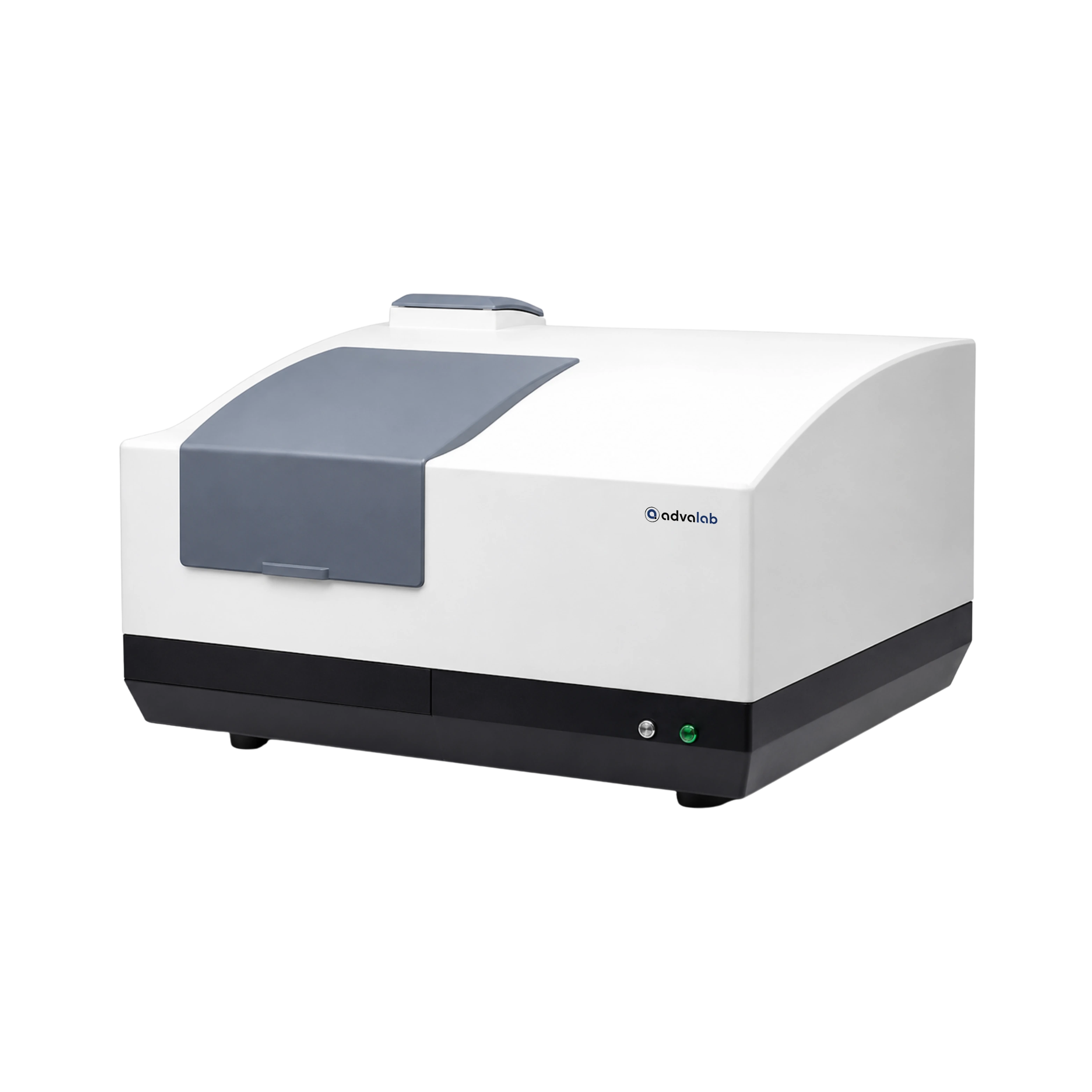
| Excitation Source: | 150 W Xenon Lamp, Long-Life Hamamatsu |
| Excitation Wavelength: | 200–900 nm |
| Emission Wavelength: | 200–900 nm |