
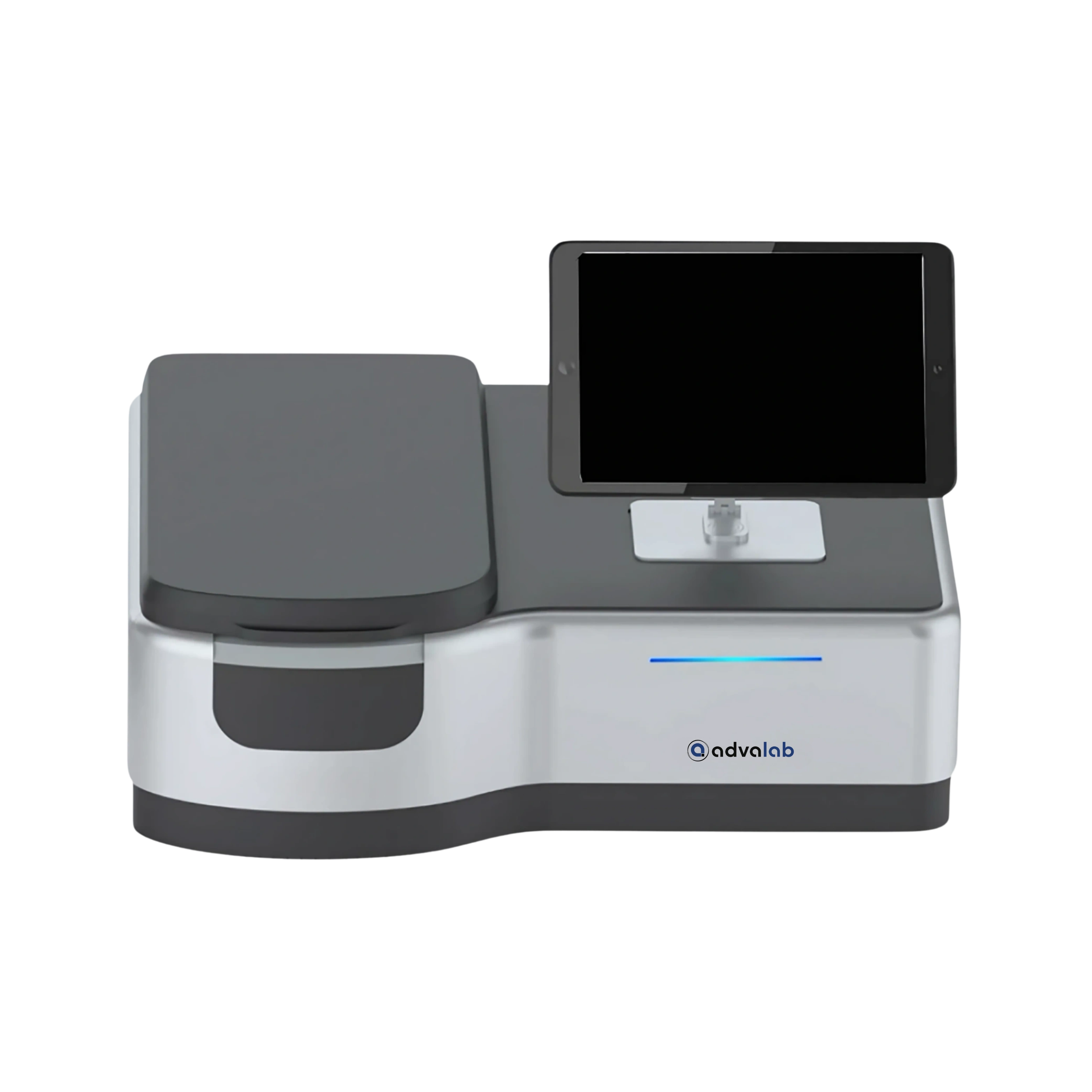
| Optical System | Double beam, grating 1200 lines/mm |
| Wavelength Range | 190 to 1100 nm |
| Spectral Bandwidth | 0.1/0.2/0.5/1/2/4 /5 nm |
| Wavelength Accuracy | ± 0.3 nm |
| Wavelength Repeatability | <=0.1 nm |
| Photometric Accuracy | ± 0.2 % T (0 to 100 % T), ± 0.0005 A (0 to 0.5 A), ± 0.0008 A (0.5 to 1 A) |
| Photometric Repeatability | ≤0.15 % T (0 to 100 % T), 0.0004 A(0 to 0.5 A), 0.0006 A (0.5 to 1 A) |
| Photometric Range | 0 to 400 % T, -4 to 4 A |
| Resolution | 0.00001 Abs |
| Stray Light | <=0.03 % T, 220 nm, 360 nm |
| Stability | ± 0.0001 A |
| Baseline Flatness | ± 0.0004 A |
| Noise | 0.0005 A, 500 nm |
| Work Mode | T, A, C, E |
| Scanning Speed | High, medium, low (Max. 6000 nm/min) |
| Display | IPAD 11-inch touch screen |
| Light Source | Imported xenon lamp |
| Detector | Imported silicon photodiode |
| Cuvette Holder | 10 mm Single hole cell holder |
| Output | Cloud connectivity/Email/SMS/Bluetooth/WiFi |
| Power | AC 220V/50 Hz or AC 110V/60 Hz |
| Dimensions (L×B×H) | 880×690×520 mm |
| Gross Weight | 45 kg |
Our Double Beam Spectrophotometer ADDS-509 is used in clinical diagnostics, academic research, and water quality monitoring, for accurate chemical and optical measurements.
Accessory | Quantity |
10 mm glass cuvette | 4 Pc |
10 mm quartz cuvette (UV) | 2 Pc |
Power cord | 1 Pc |
User's Manual | 1 Pc |


1. What is the advantage of using a Double Beam Spectrophotometer like the Double Beam Spectrophotometer ADDS-509?
The Double Beam Spectrophotometer ADDS-509 offers improved accuracy and stability by simultaneously measuring both the sample and reference beams. This dual-beam setup helps eliminate fluctuations due to lamp intensity or environmental changes. It ensures better baseline correction and minimizes drift over time. As a result, users can rely on consistent and repeatable data. This makes it ideal for both routine and research-grade applications.
2. Which types of samples can be analyzed using the Double Beam Spectrophotometer ADDS-509?
The Double Beam Spectrophotometer ADDS-509 can analyze liquid, transparent, and some solid or film samples using compatible holders. It supports a wide range of cuvette types and path lengths, offering flexibility for different concentrations and volumes. It is commonly used for quantitative and qualitative analysis in biological, chemical, and environmental samples. The instrument’s broad wavelength range allows for detection of various analytes. This versatility makes it suitable for many laboratory applications.
3. How does the Double Beam Spectrophotometer ADDS-509 ensure accurate wavelength selection?
The Double Beam Spectrophotometer ADDS-509 is equipped with a high-resolution monochromator that ensures precise wavelength selection. This allows users to scan a wide spectral range with high accuracy, typically within ±0.3 nm. The instrument also allows wavelength calibration and validation through standard references. It supports programmable scanning to detect peaks and valleys effectively. These features contribute to high-quality spectral analysis across diverse applications.
4. Is the Double Beam Spectrophotometer ADDS-509 user-friendly for routine laboratory use?
Yes, the Double Beam Spectrophotometer ADDS-509 is designed with a user-friendly interface and intuitive software for easy operation. It includes a clear display, simple navigation buttons, and supports both standalone and PC-connected modes. The software offers functions like spectrum scanning, quantitative analysis, kinetics, and data export. It also provides built-in methods to streamline workflows. These conveniences make it ideal for both novice and experienced users.
5. What are the typical applications of the Double Beam Spectrophotometer ADDS-509 in various fields?
The Double Beam Spectrophotometer ADDS-509 is widely used in pharmaceutical quality control, chemical analysis, food and beverage testing, and academic research. It’s also valuable in environmental monitoring for analyzing pollutants or nutrients in water samples. In biotechnology labs, it’s used for nucleic acid and protein quantification. The dual-beam design ensures accurate readings even in complex sample matrices.
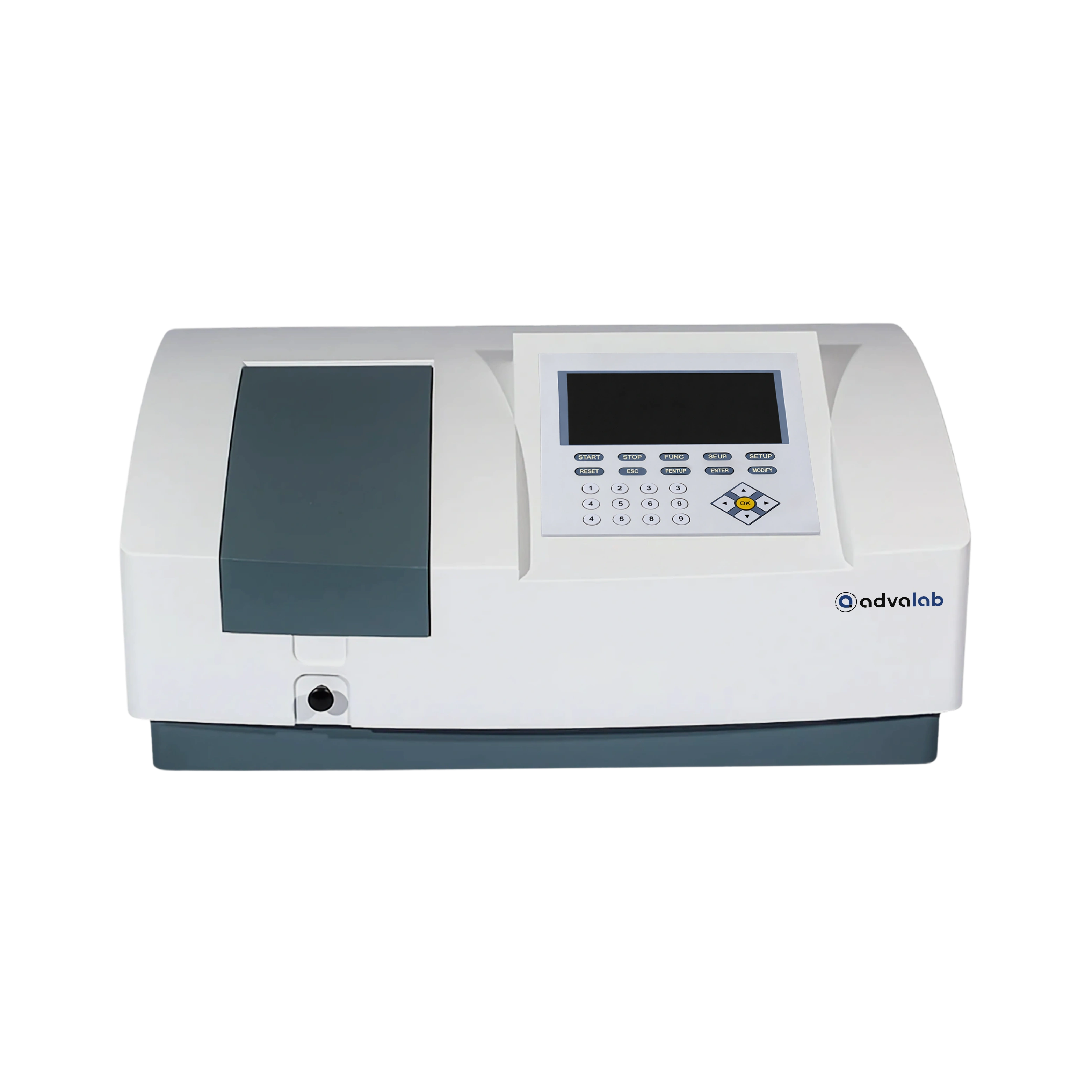
| Optical System | Double Beam, Grating 1200 lines/mm |
| Wavelength Range | 190 to 1100 nm |
| Spectral Bandwidth | 2 nm |
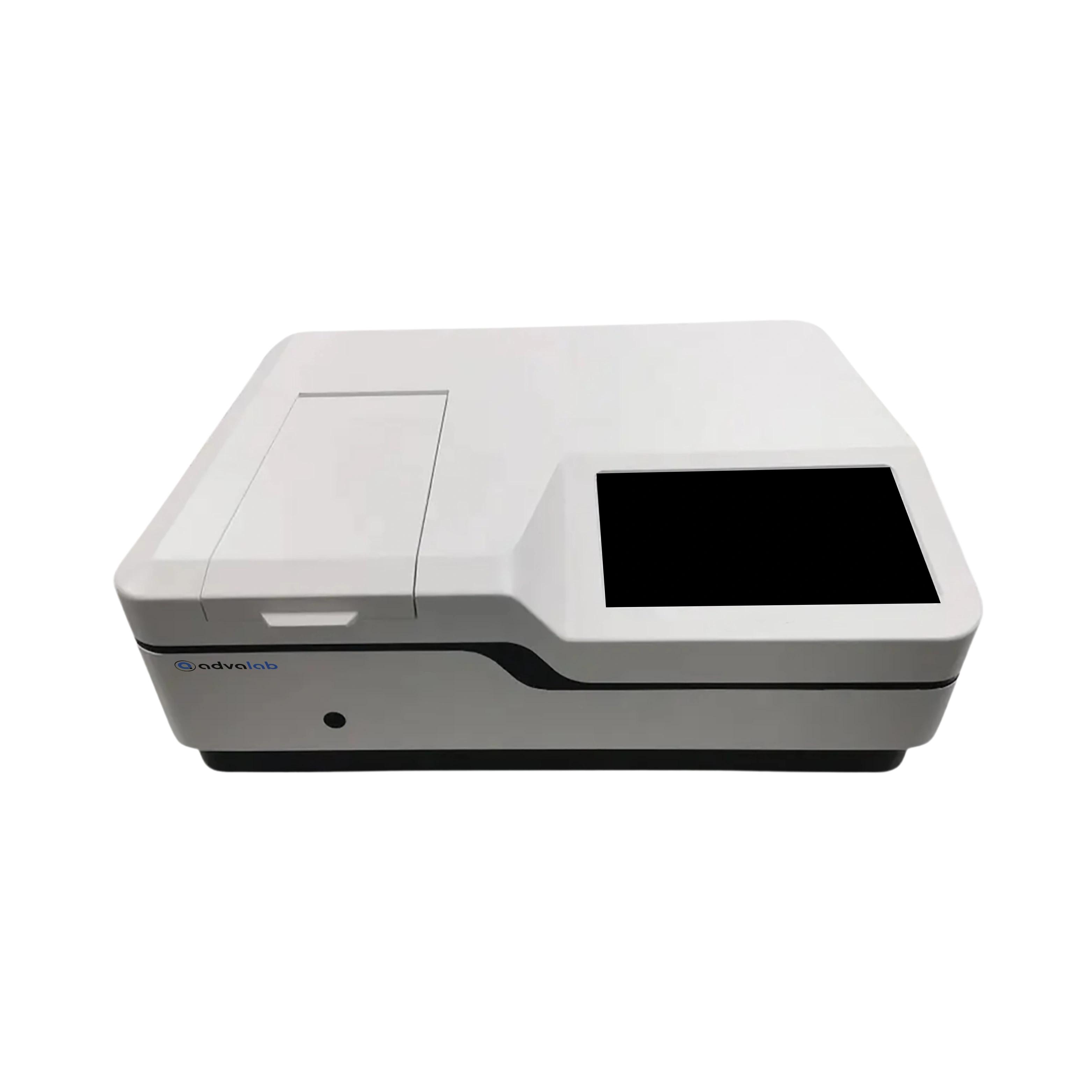
| Optical System | Single beam, grating 1200 lines/mm |
| Wavelength Range | 190 to 1100 nm |
| Spectral Bandwidth | 2 nm |
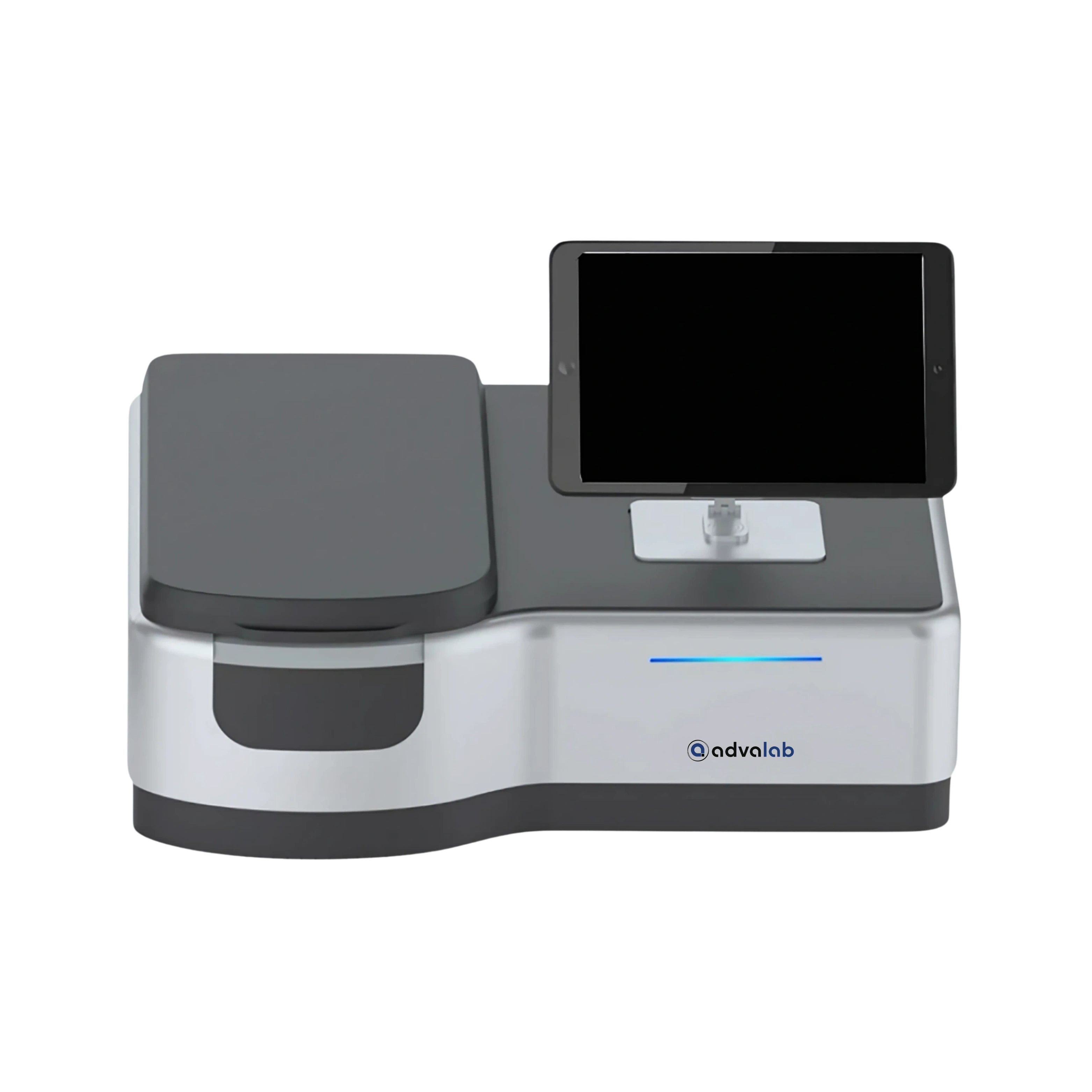
| Optical System | Double beam, grating 1200 lines/mm |
| Wavelength Range | 190 to 1100 nm |
| Spectral Bandwidth | 2 nm |
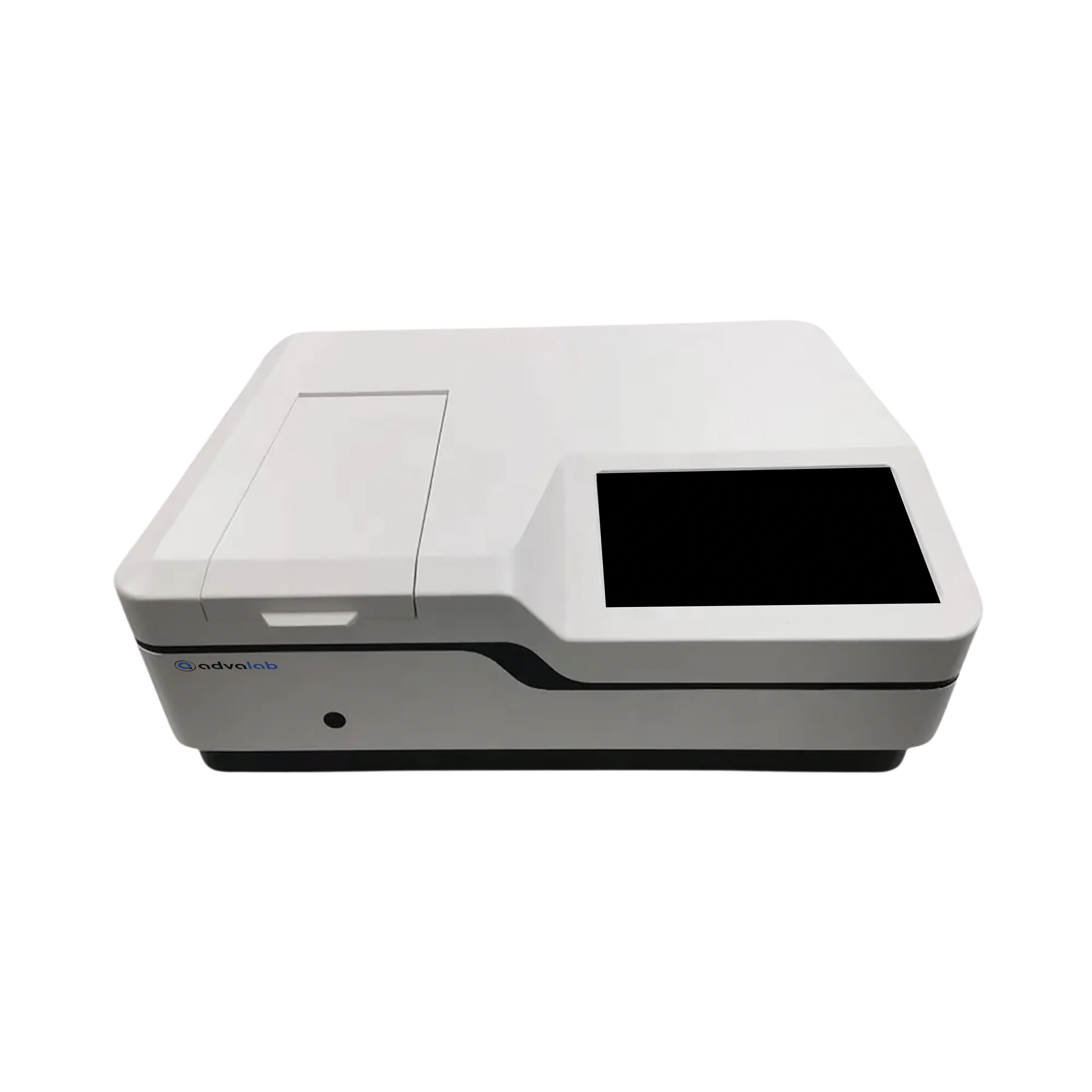
| Optical System | Double beam, grating 1200 lines/mm |
| Wavelength Range | 190 to 1100 nm |
| Spectral Bandwidth | 0.5/1/2/4/5 nm |
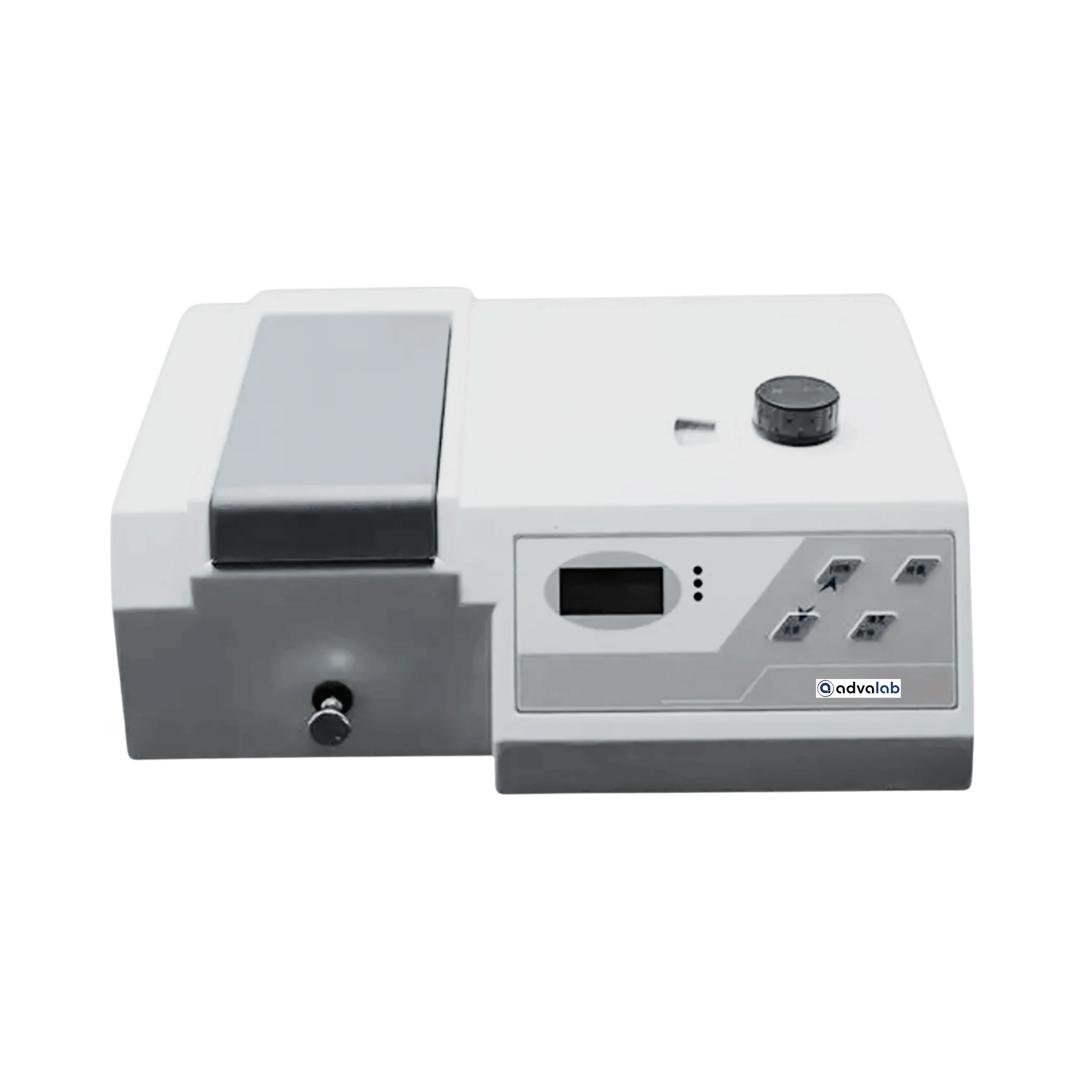
| Wavelength Range: | 325 to 1050 nm |
| Wavelength Accuracy: | ± 2 nm |
| Wavelength Reproducibility: | 1 nm |

| Wavelength Range: | 320 to 1050 nm |
| Wavelength Accuracy: | ± 2 nm |
| Wavelength Reproducibility: | 1 nm |

| Wavelength Range: | 325 to 1000 nm |
| Wavelength Accuracy: | ± 2 nm |
| Transmittance Range: | 0 to 199.9 |

| Wavelength Range: | 340 to 1000 nm |
| Wavelength Accuracy: | ± 3 nm |
| Transmittance Range: | 0 to 199.9 |

| Wavelength Range: | 195 to 1000 nm |
| Wavelength Accuracy: | ± 2 nm |
| Transmittance Range: | 0 to 199.9 |
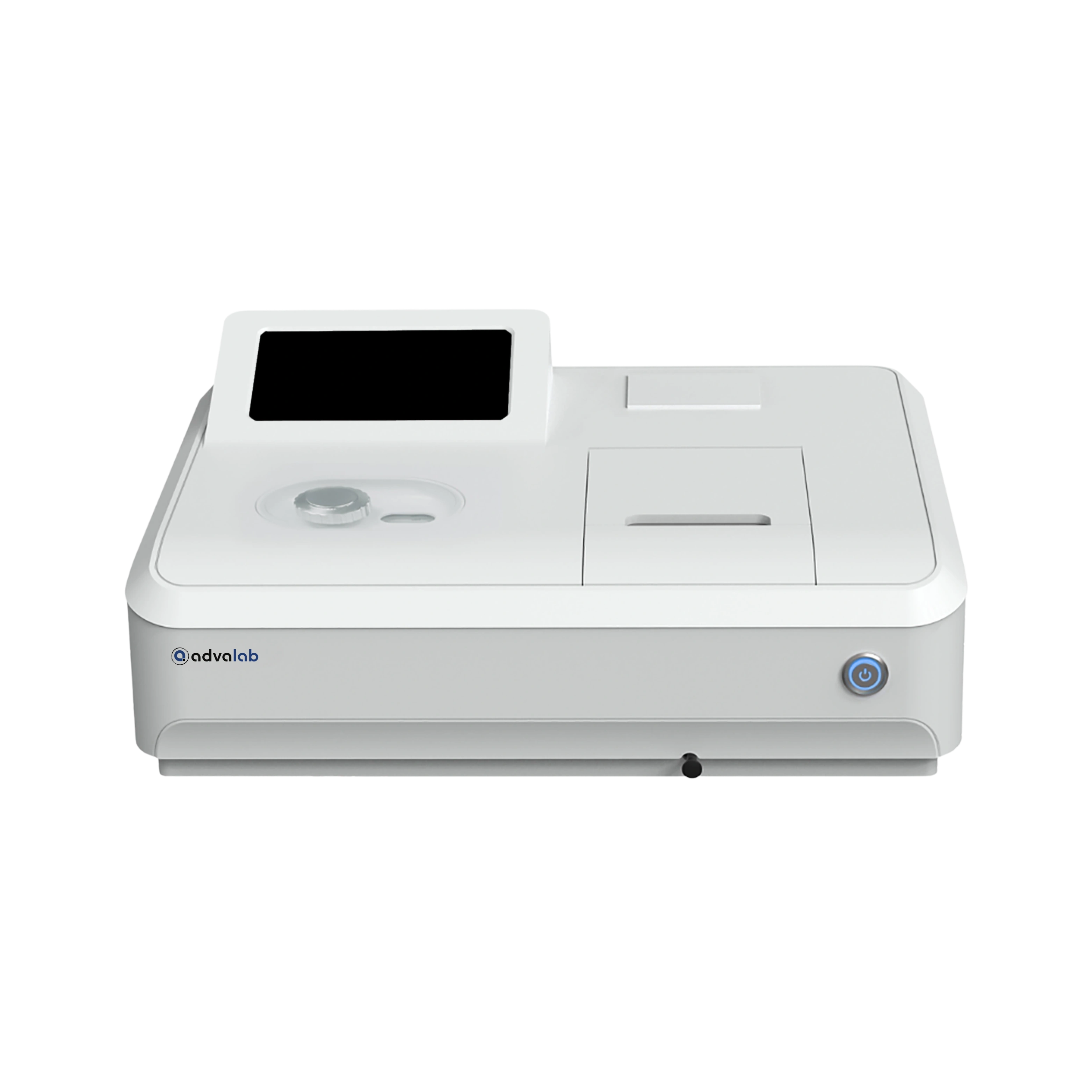
| Optical System: | Single beam |
| Monochromator: | C-T Monochromator, blazed holographic grating 1200 lines/nm |
| Wavelength Range: | 190 to 1020 nm |
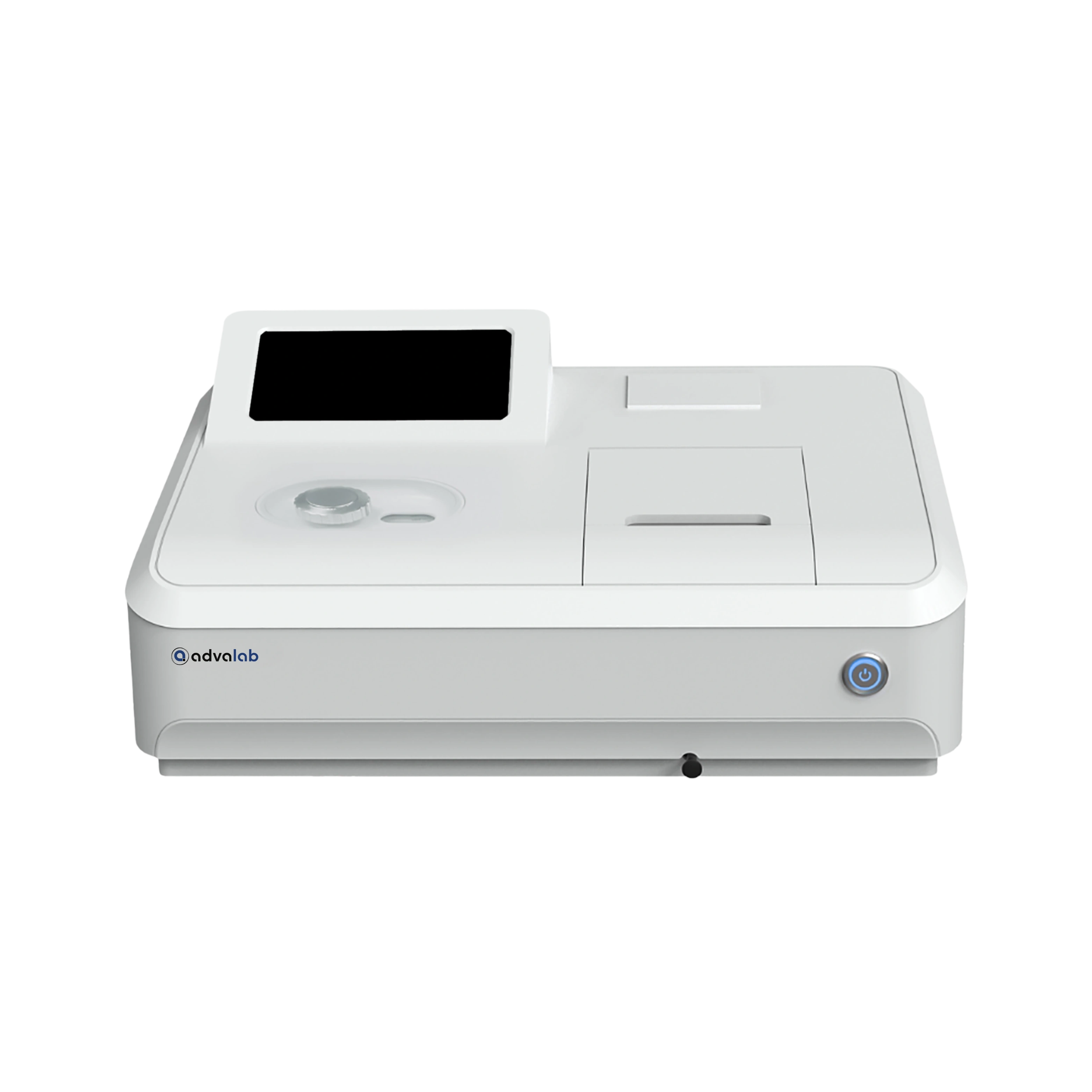
| Optical System: | Single beam |
| Monochromator: | C-T Monochromator, blazed holographic grating 1200 lines/nm |
| Wavelength Range: | 320 to 1020 nm |
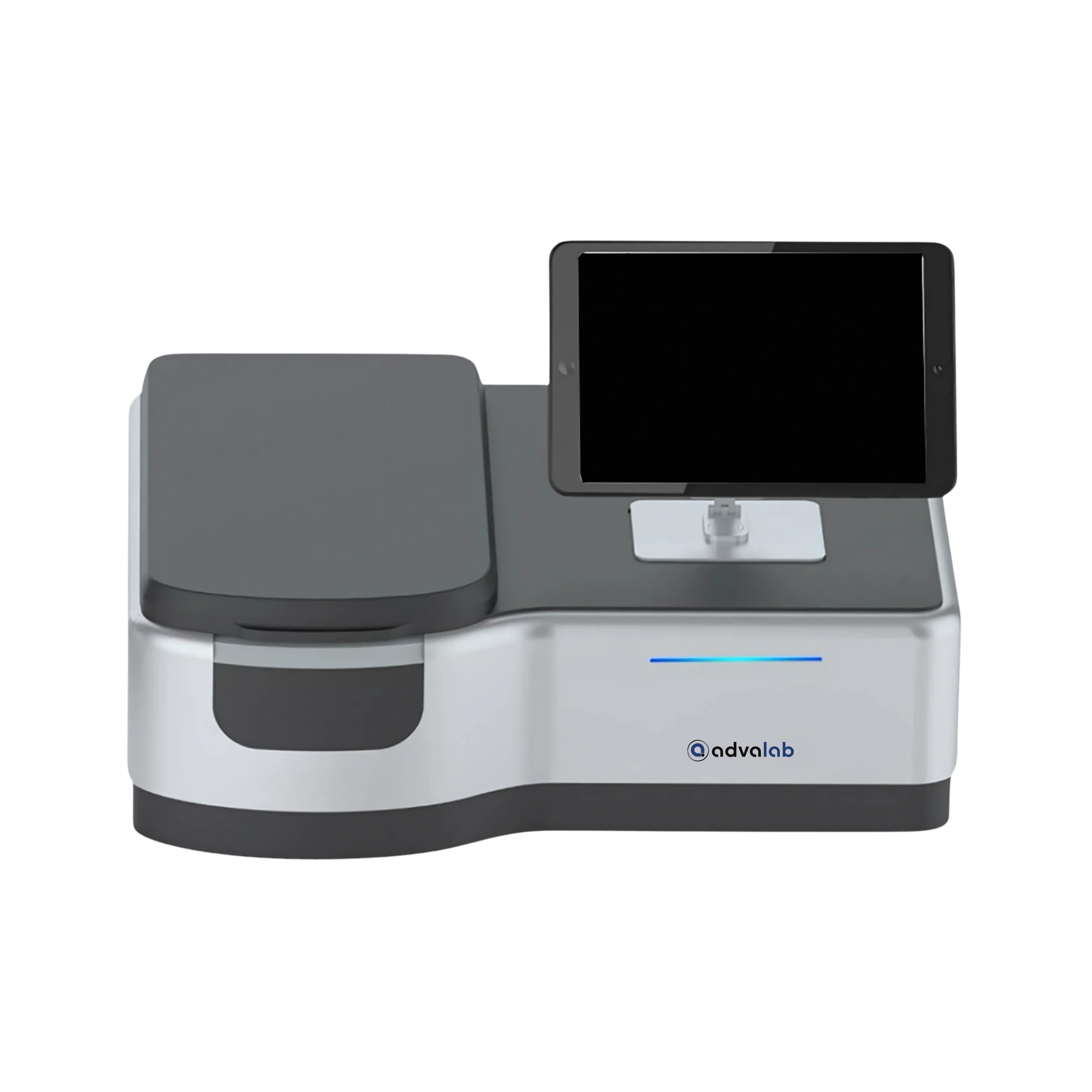
| Optical System: | Single Beam, Grating 1200 lines/mm |
| Wavelength Range: | 190 to 1100 nm |
| Spectral Bandwidth: | 2 nm |
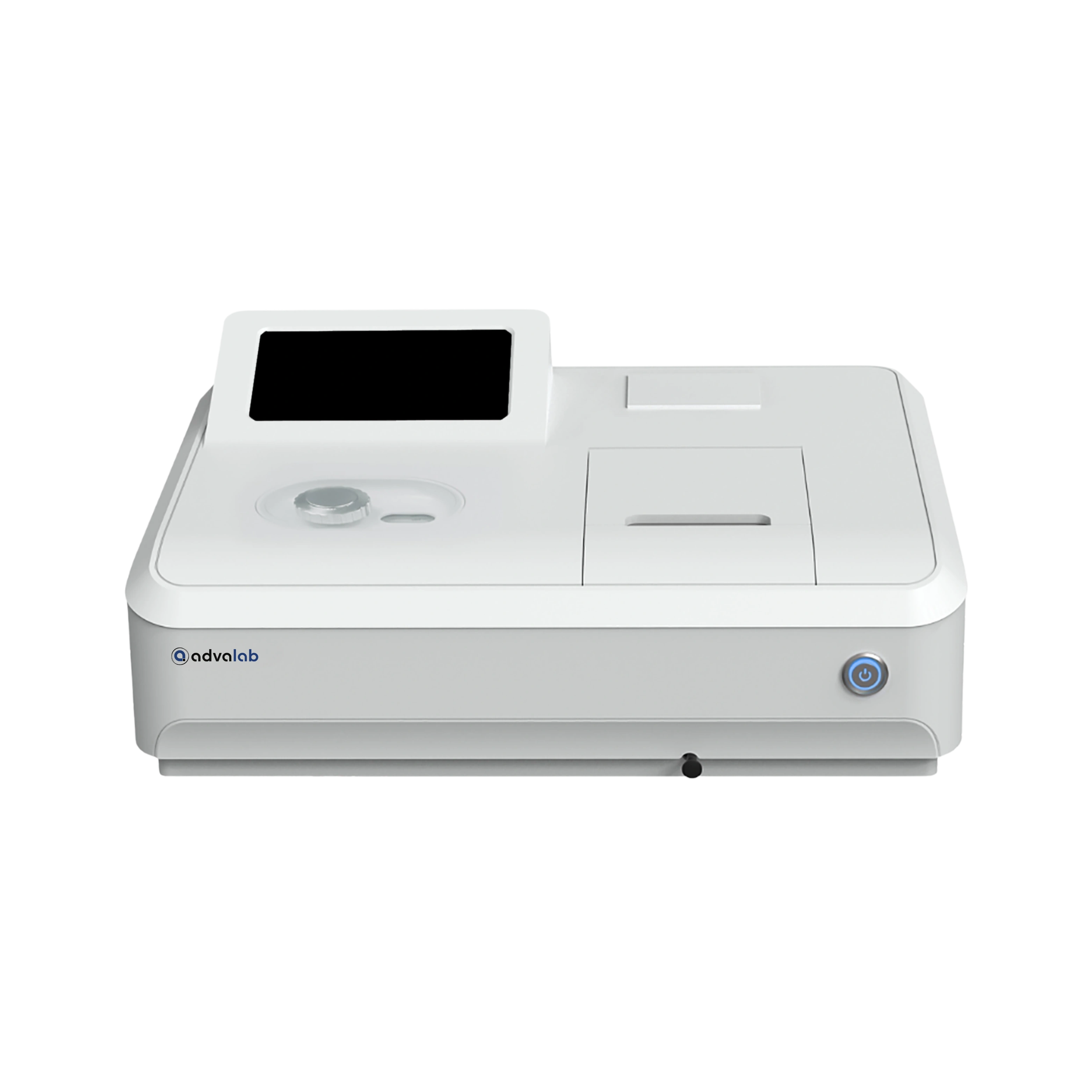
| Optical System: | Single beam |
| Monochromator: | C-T Monochromator, blazed holographic grating 1200 lines/nm |
| Wavelength Range: | 320 to 1100 nm |
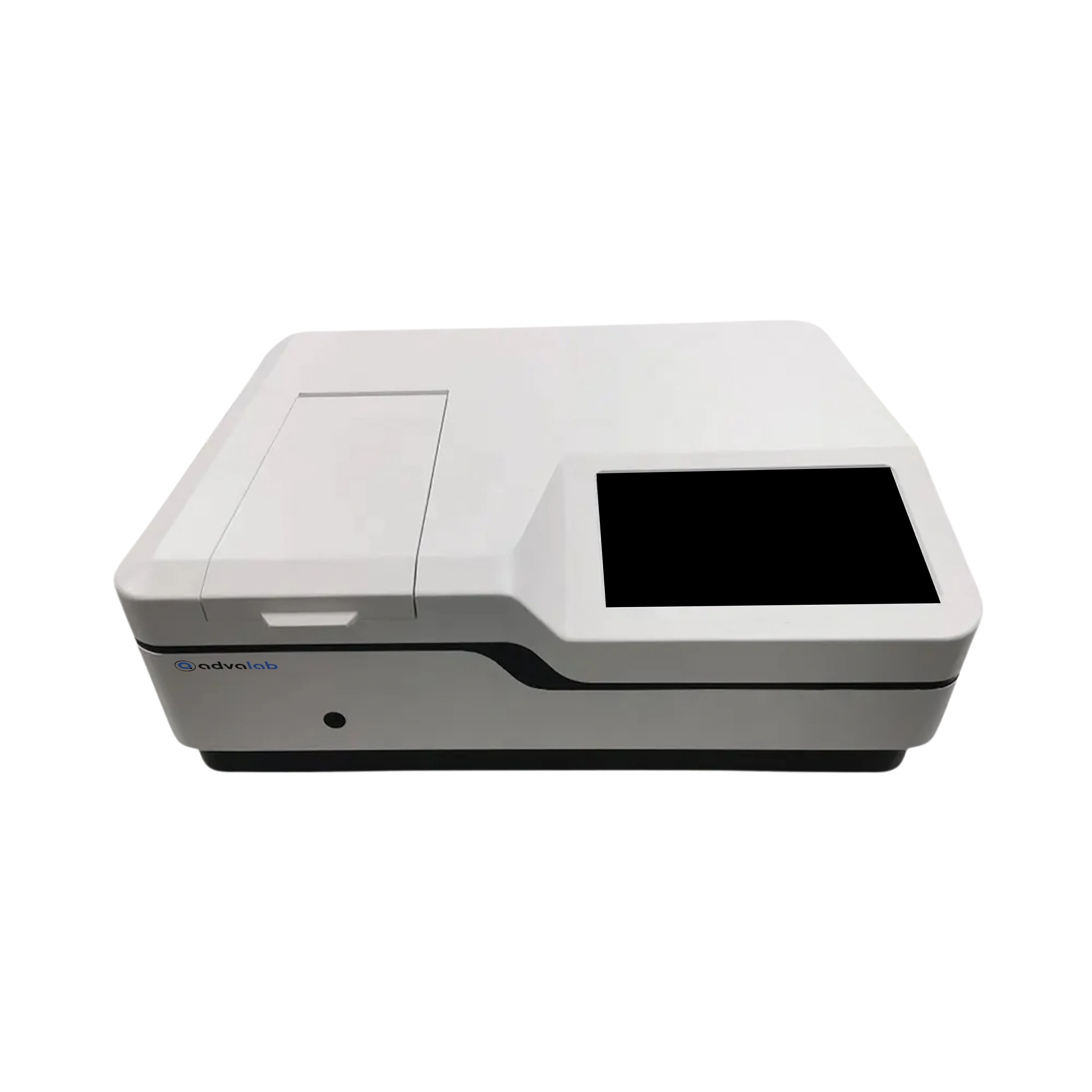
| Optical System: | Single beam, grating 1200 lines/mm |
| Wavelength Range: | 190 to 1100 nm |
| Spectral Bandwidth: | 1 nm |
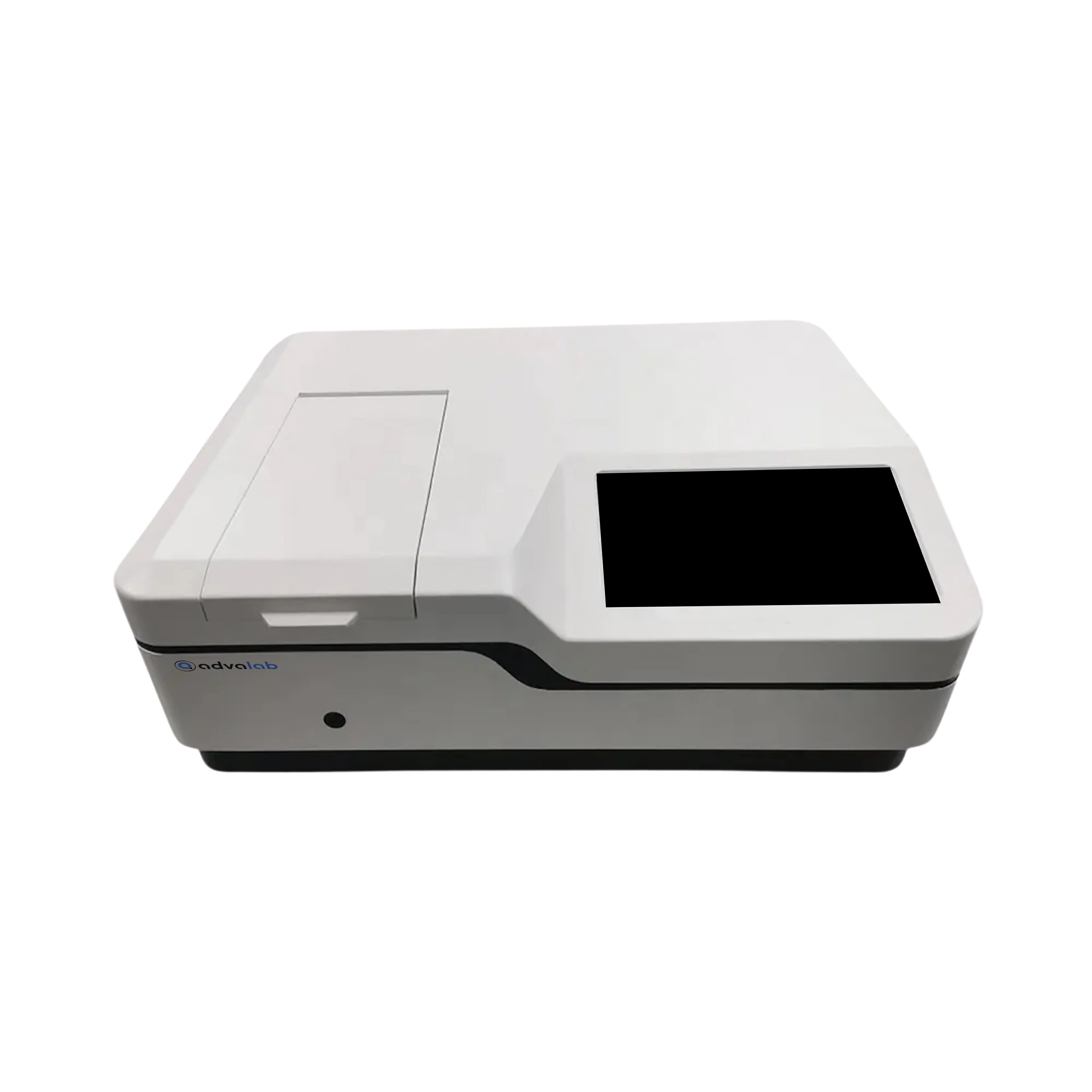
| Optical System: | Single Beam, Grating 1200 lines/mm |
| Wavelength Range: | 190 to 1100 nm |
| Spectral Bandwidth: | 1 nm |
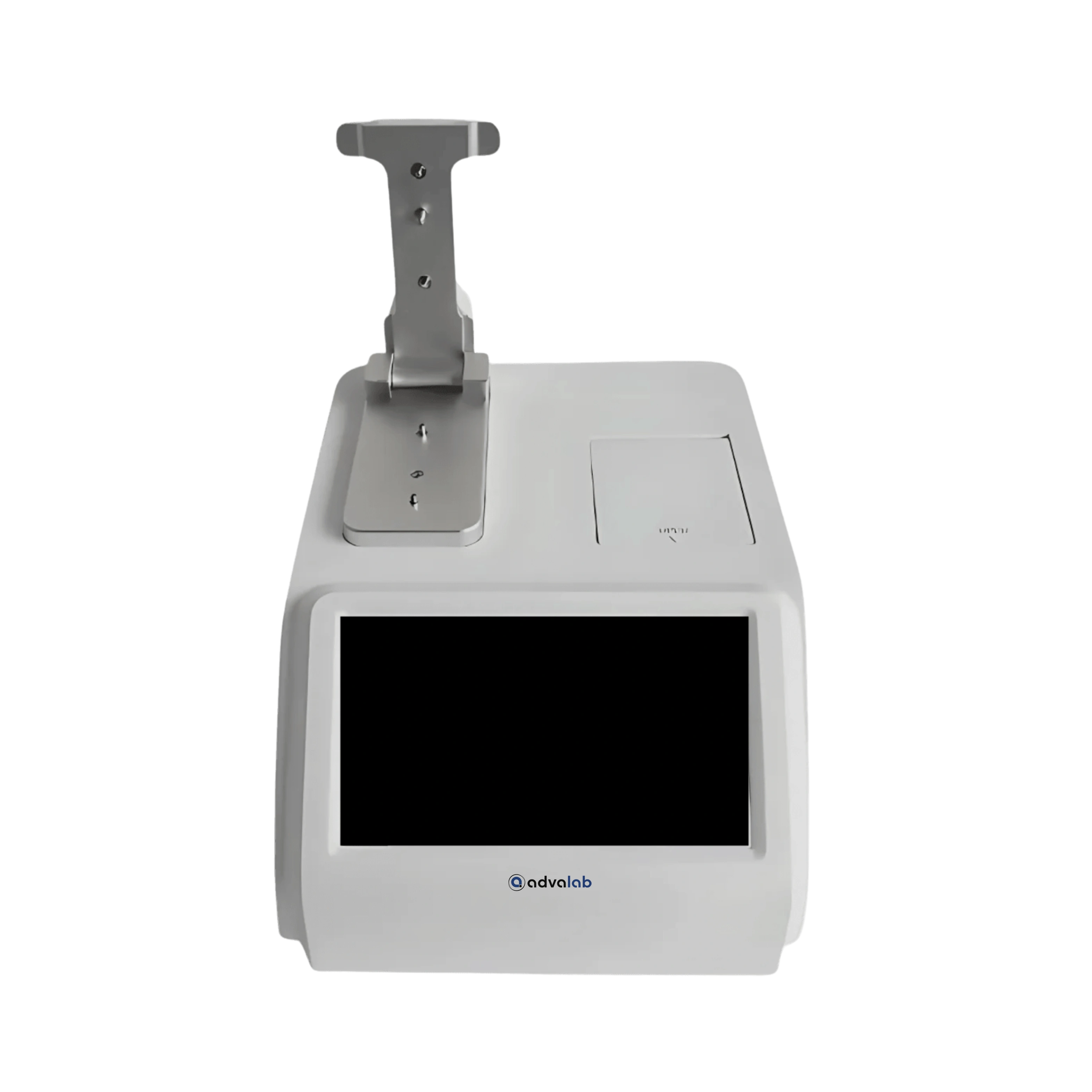
| Sample Volume: | 0.5μl to 2μl (recommended to use 2μl) |
| Nucleic Acid Detection Range: | 2 to 37500ng /μL (dsDNA) <br/> 1.32 to 24750 ng/μL (ss DNA) <br/> 1.6 to 30000ng/μL (RNA) |
| Protein Detection Range: | 0.04 to 750mg/mL (A280) <br/> 0.06 to 1119mg/mL (BSA) <br/> 0.03 to 547mg/mL (IgG) <br/> 0.015 to 284mg/mL (lysozyme) |
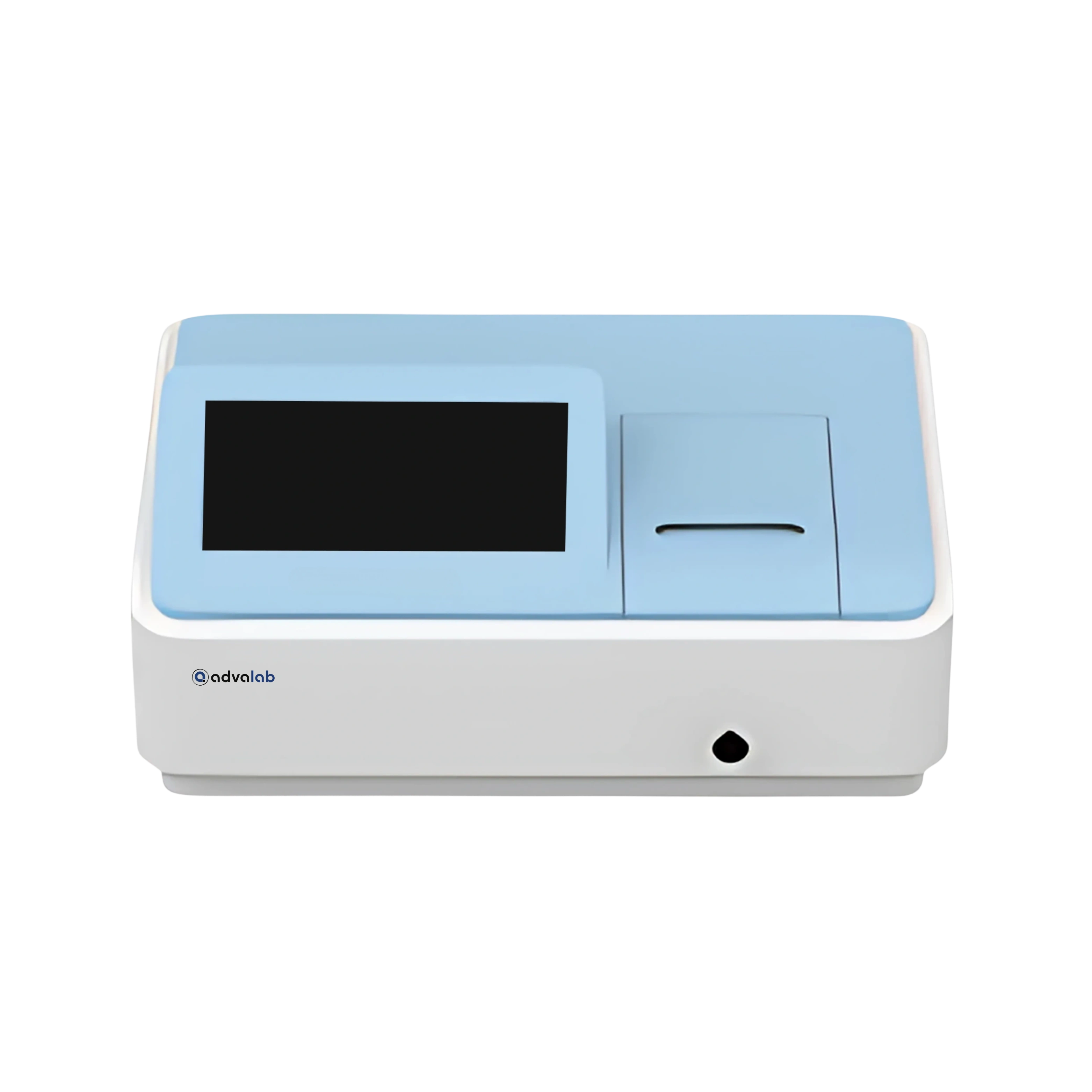
| Optical System: | Single beam, grating 1200 lines/mm |
| Wavelength Range: | 190 to 1100 nm |
| Spectral Bandwidth: | 2 nm |
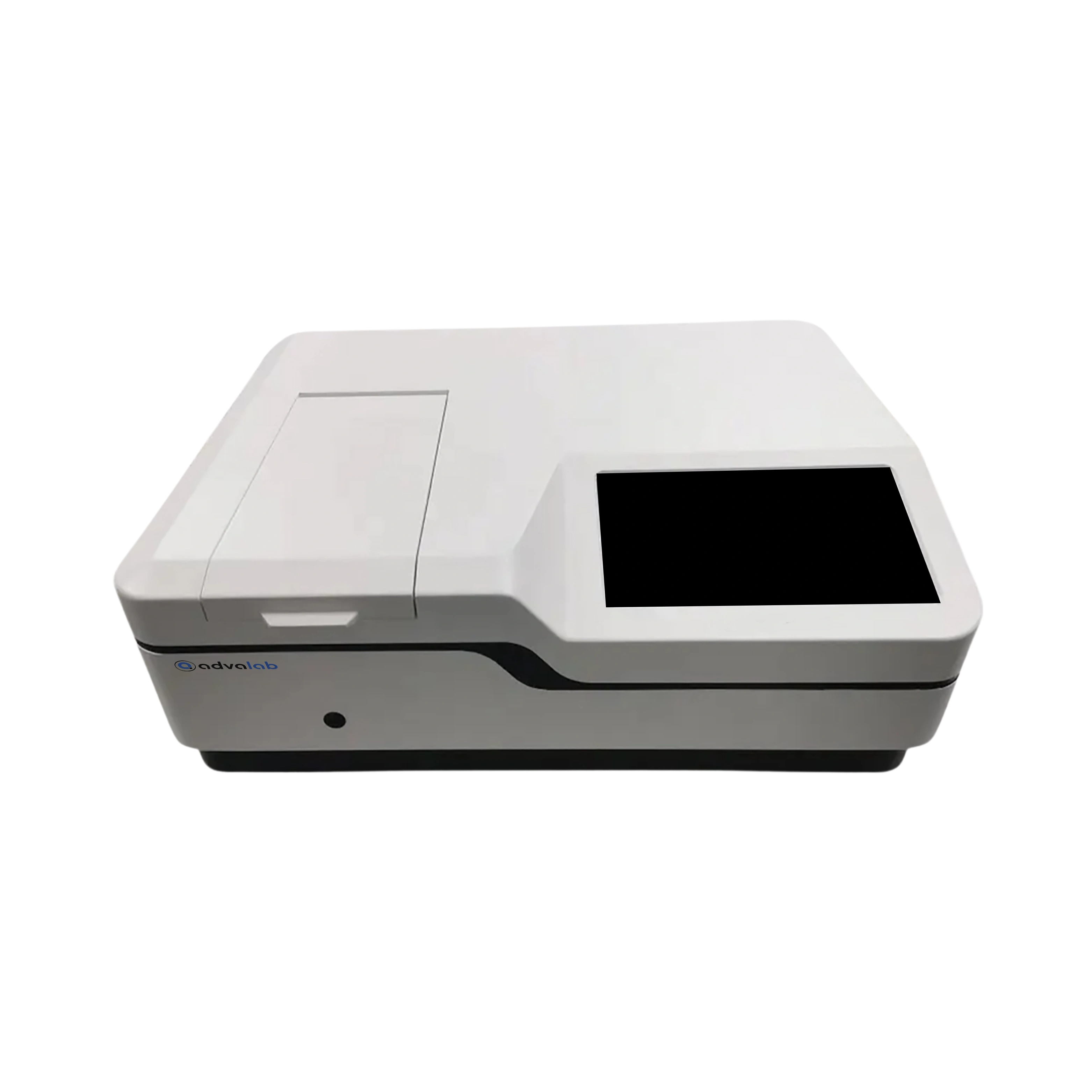
| Optical System: | Single Beam, Grating 1200 lines/mm |
| Wavelength Range: | 190 to 1100 nm |
| Spectral Bandwidth: | 0.5/1/2/4/5nm |
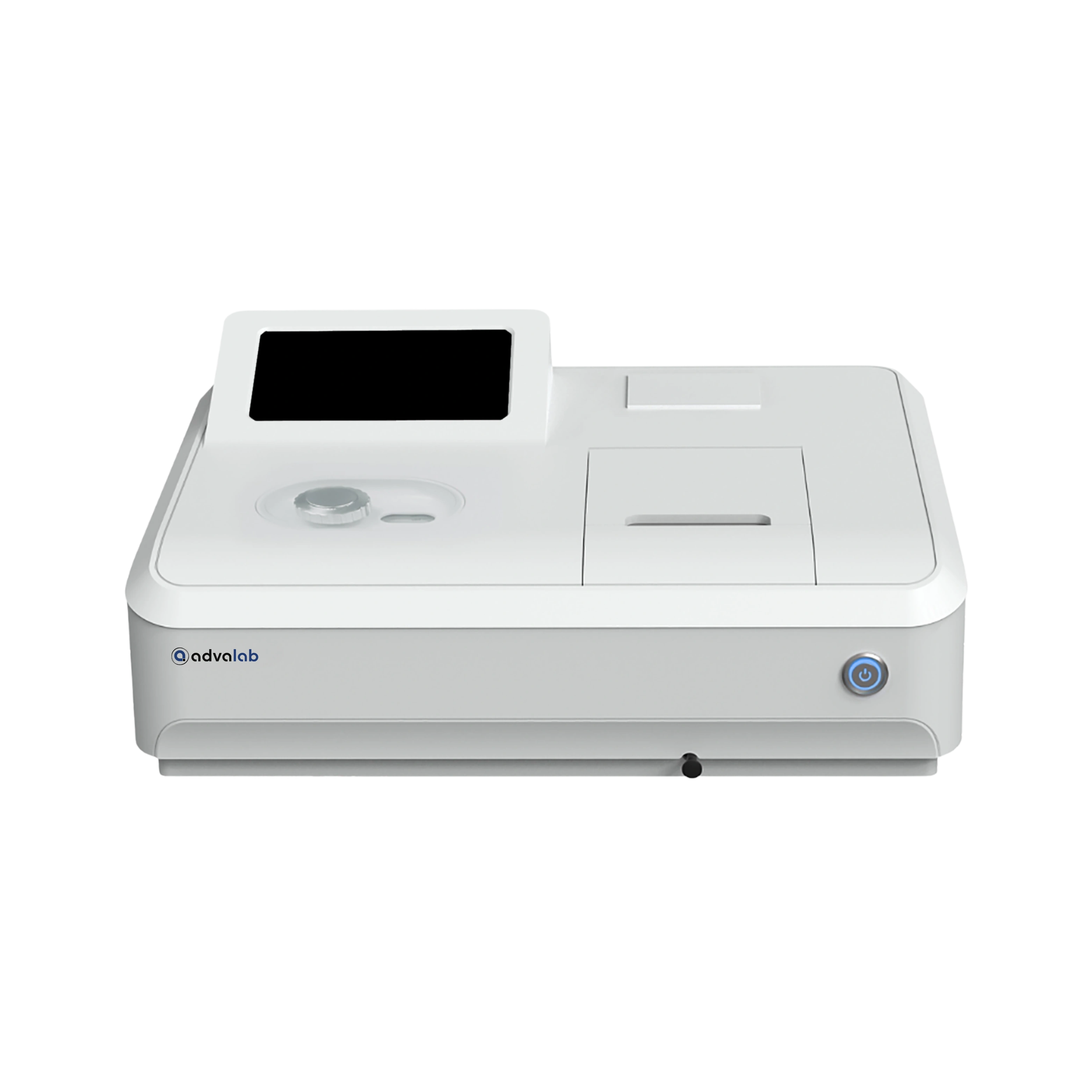
| Optical System: | Single beam |
| Monochromator: | C-T Monochromator, blazed holographic grating 1200 lines/nm |
| Wavelength Range: | 190 to 1100 nm |
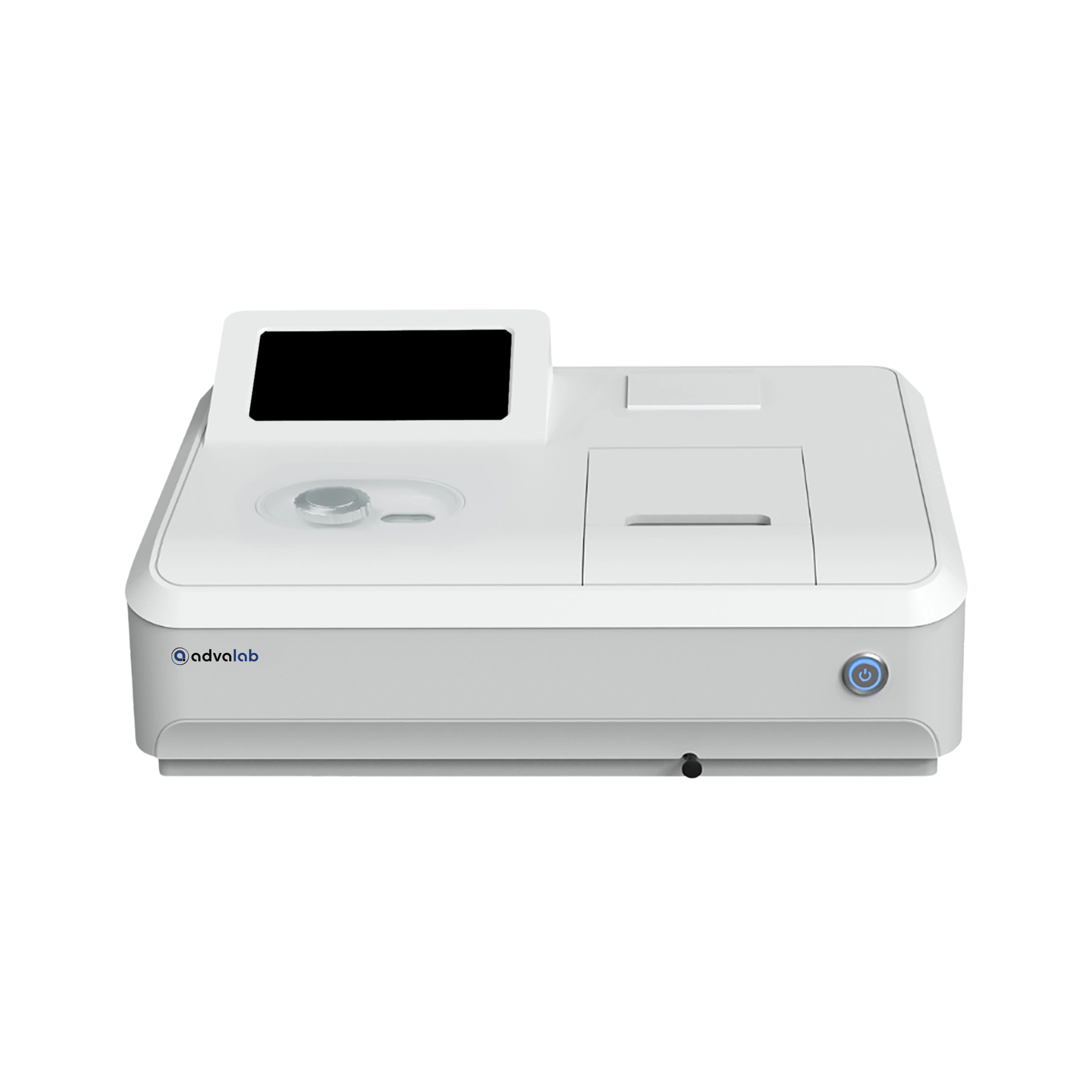
| Optical System: | Single beam |
| Monochromator: | C-T Monochromator, blazed holographic grating 1200 lines/nm |
| Wavelength Range: | 320 to 1100 nm |
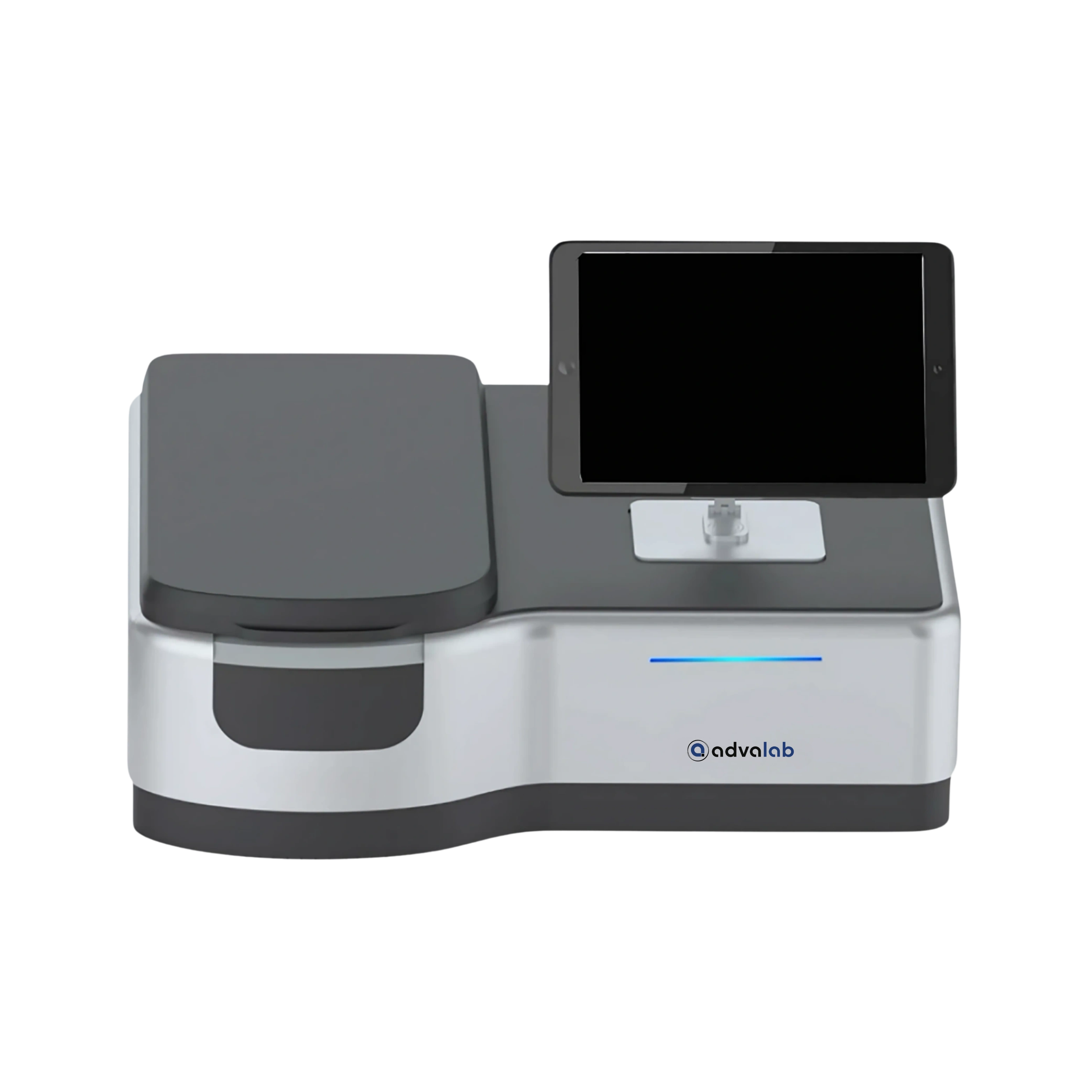
| Optical System: | Single beam, grating 1200 lines/mm |
| Wavelength Range: | 190 to 1100 nm |
| Spectral Bandwidth: | 0.1/0.2/0.5/1/ 2/4/5 nm |
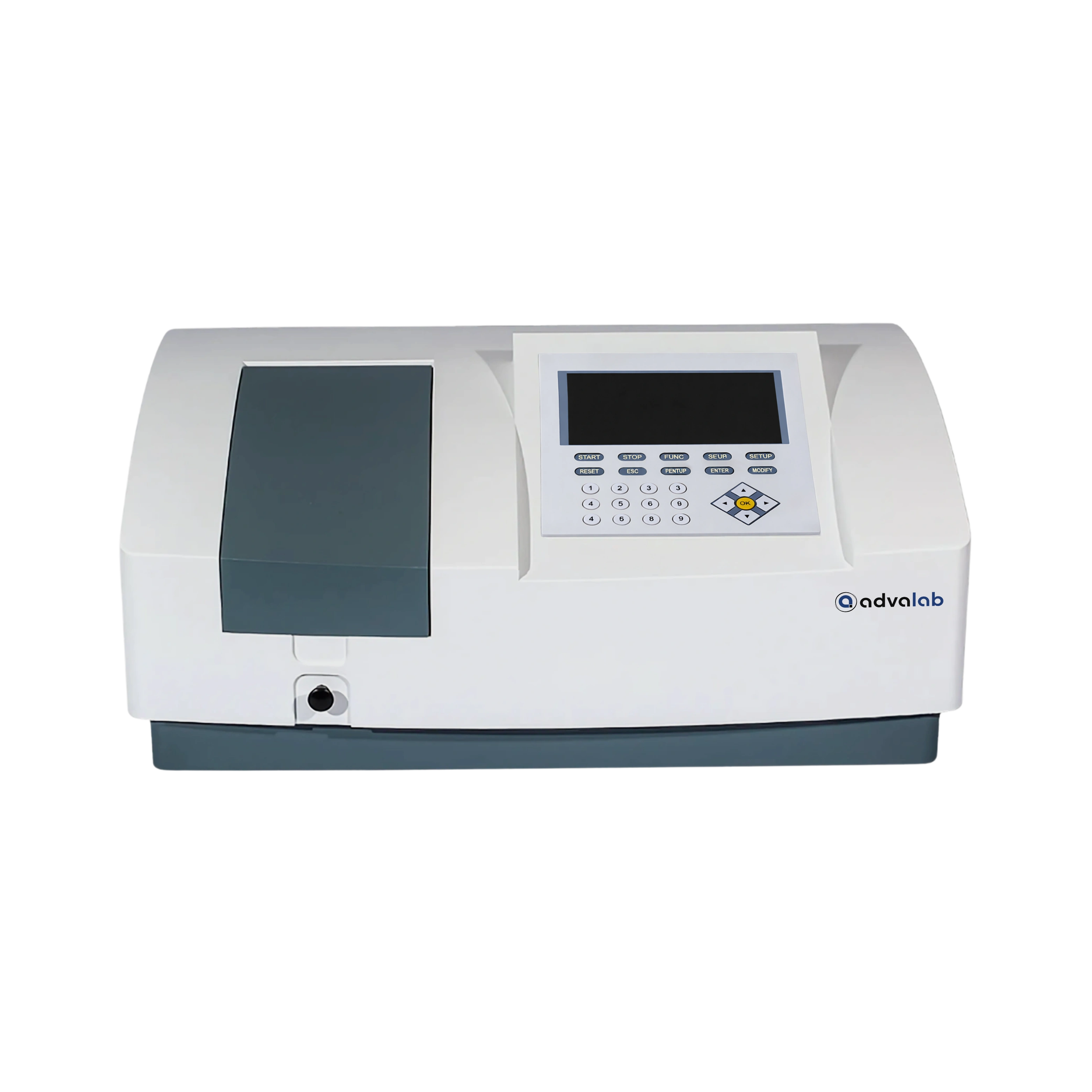
| Optical System: | Single beam, grating 1200 lines/mm |
| Wavelength Range: | 190 to 1100 nm |
| Spectral Bandwidth: | 0.5/1/2/4/5 nm |
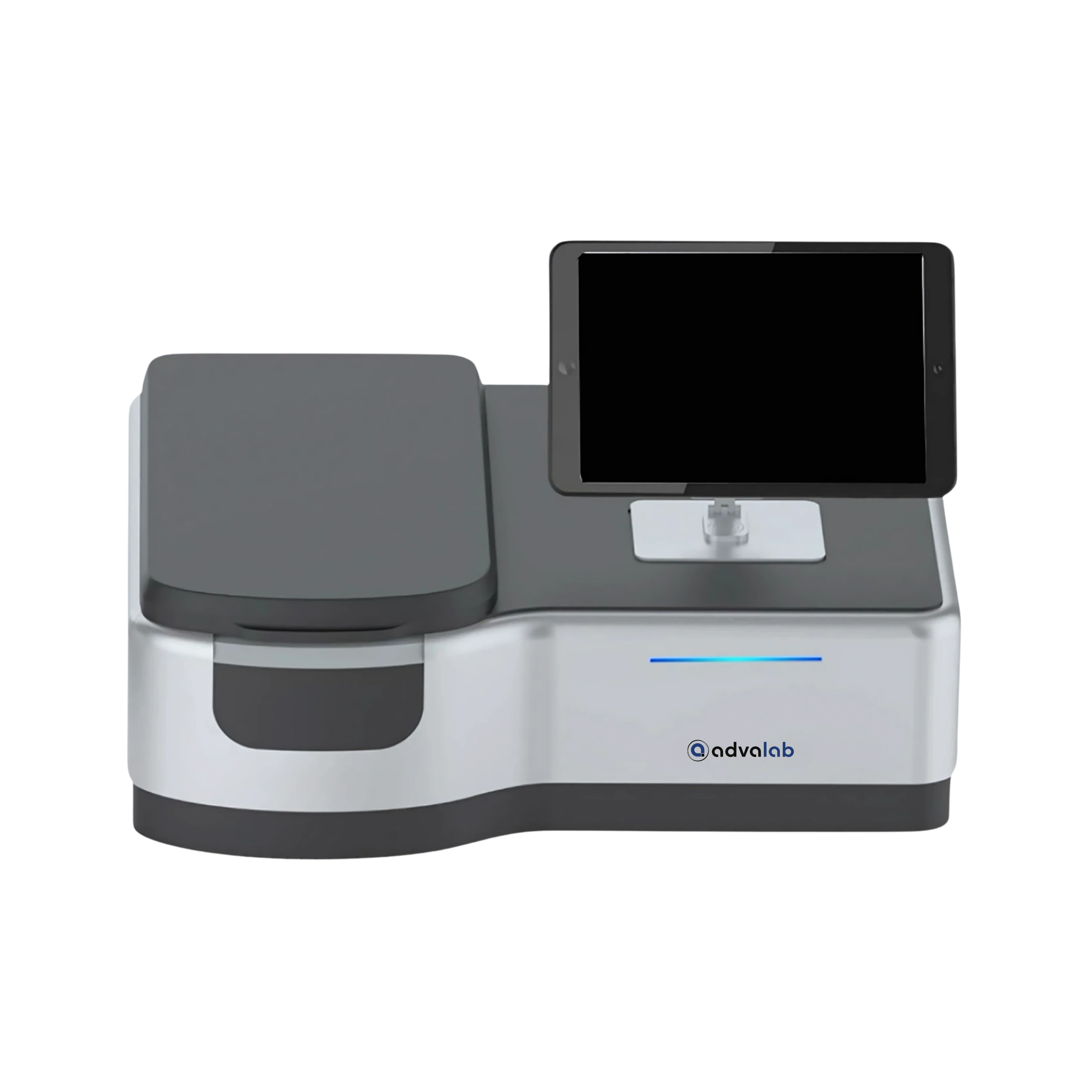
| Optical System: | Single Beam, Grating 1200 lines/mm |
| Wavelength Range: | 190 to 1100 nm |
| Spectral Bandwidth: | 1 nm |
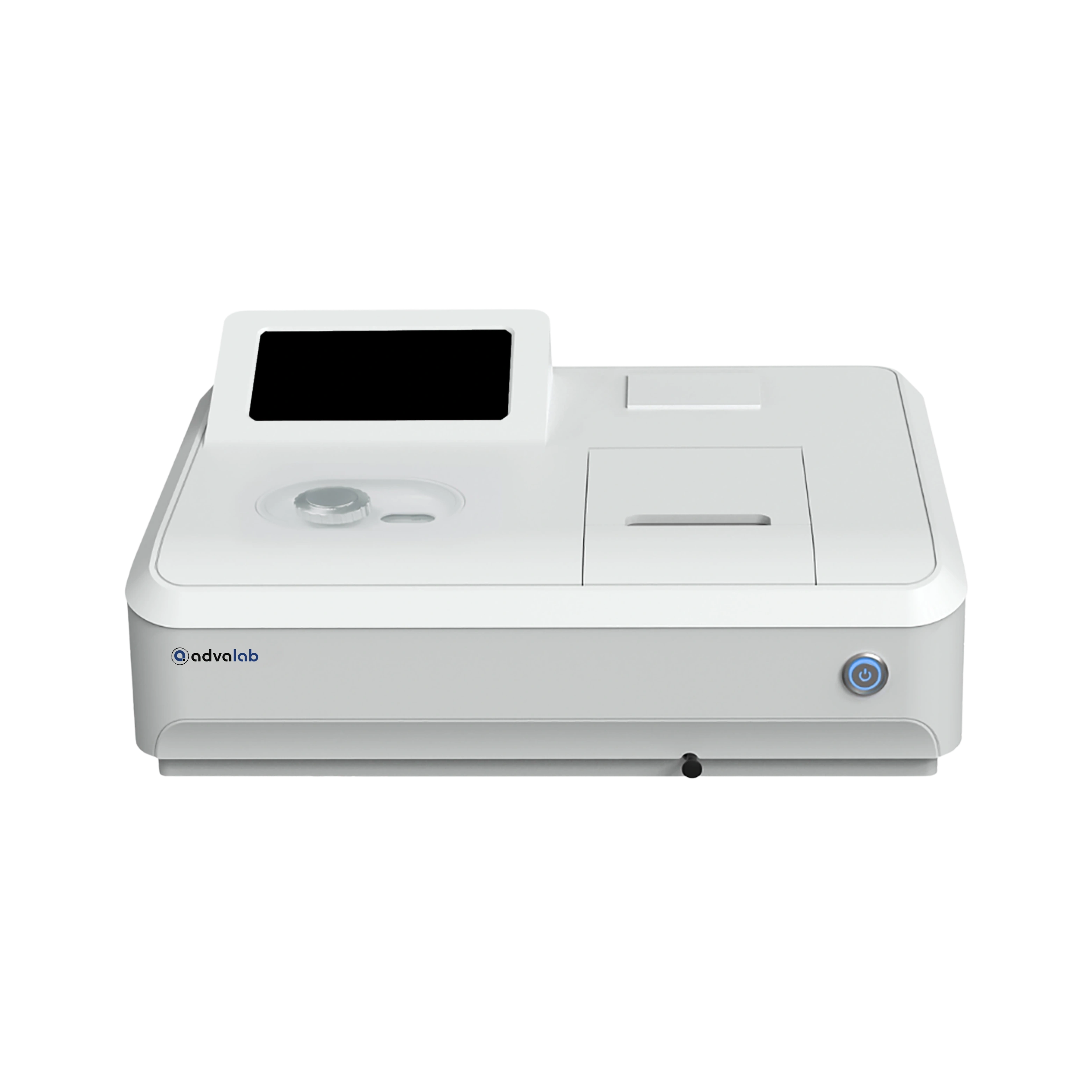
| Optical System: | Single beam |
| Monochromator: | C-T Monochromator, blazed holographic grating 1200 lines/nm |
| Wavelength Range: | 190 to 1020 nm |
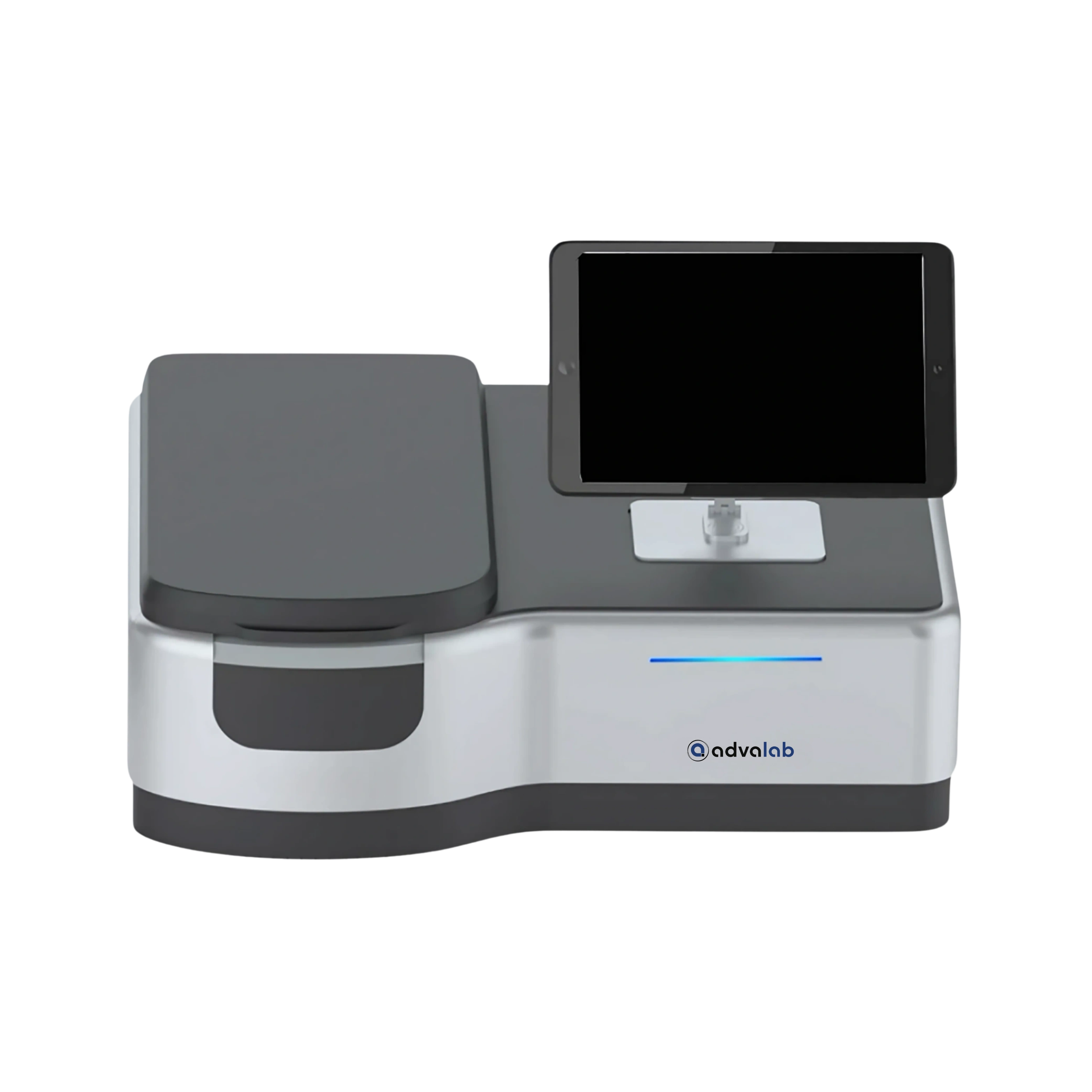
| Optical System: | Single beam, grating 1200 lines/mm |
| Wavelength Range: | 320 to 1100 nm |
| Spectral Bandwidth: | 2 nm |
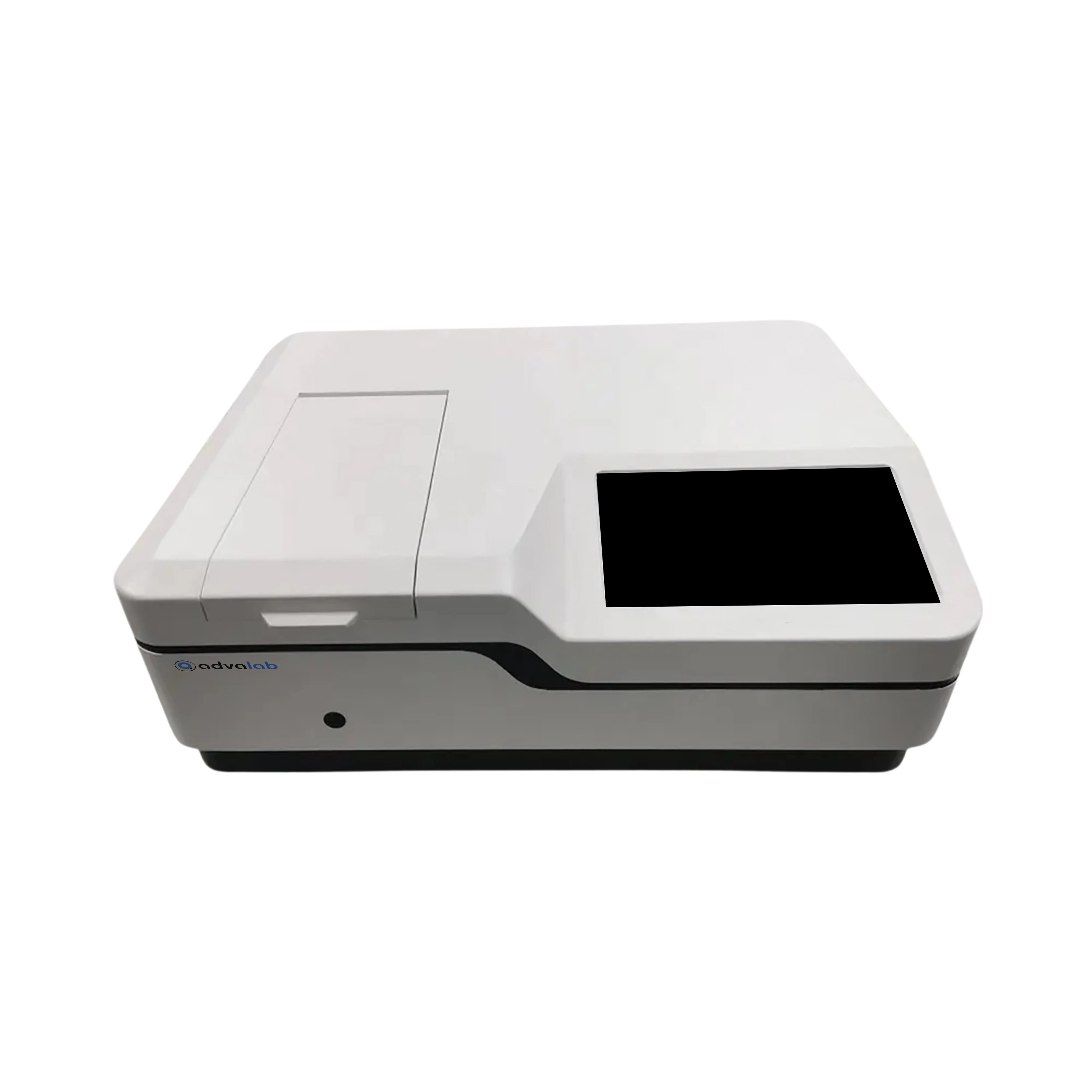
| Optical System: | Single Beam, Grating 1200 lines/mm |
| Wavelength Range: | 190 to 1100 nm |
| Spectral Bandwidth: | 2 nm |

| Optical System: | Single beam, grating 1200 lines/mm |
| Wavelength Range: | 190 to 1100 nm |
| Spectral Bandwidth: | 2 nm |
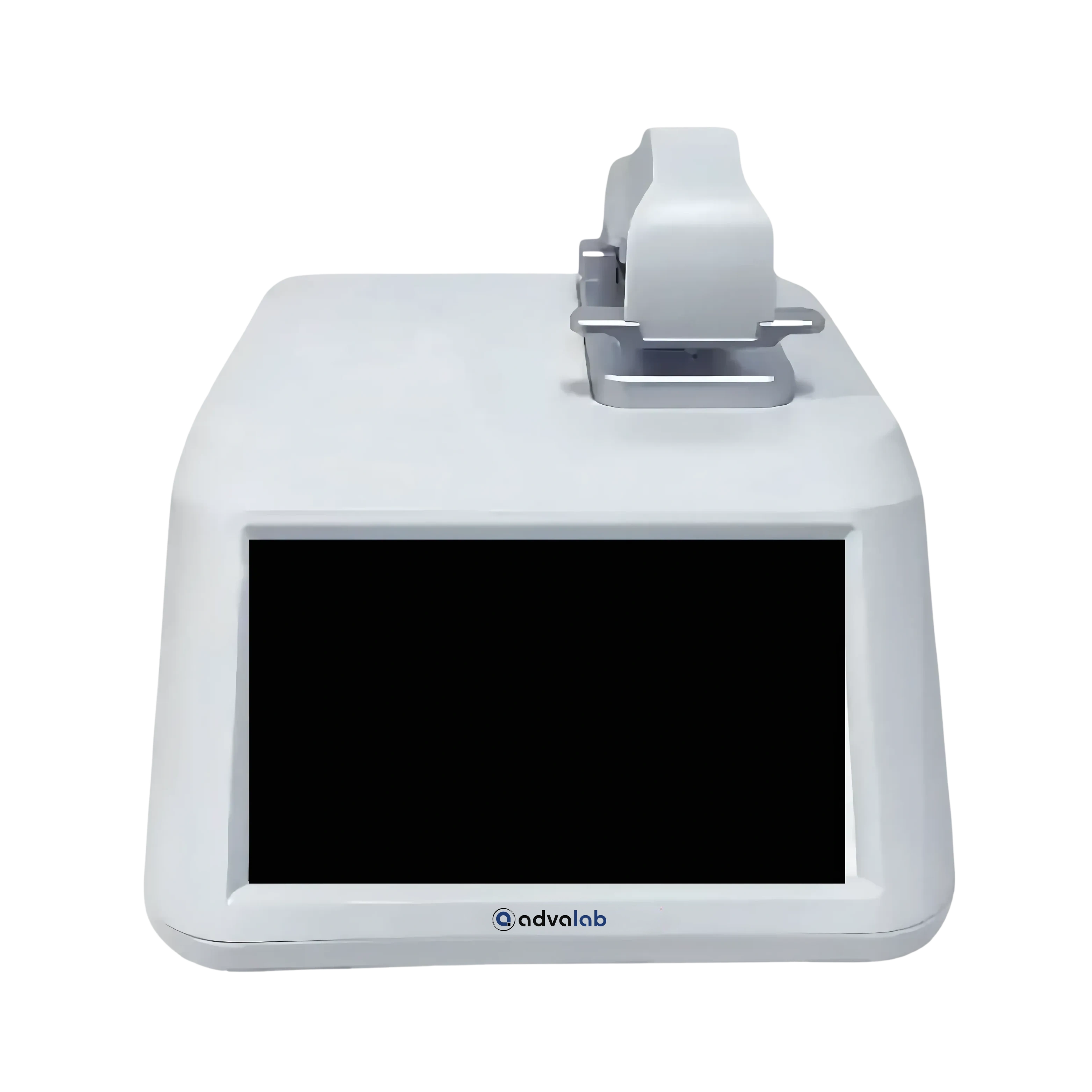
| Sample Volume: | 0.5 to 2.0 μL |
| Nucleic Acid Detection Range: | 2 to 15000 ng/μL (dsDNA) <br/> 1.32 to 9900 ng/μL (ss DNA) <br/> 1.6 to12000ng/μL (RNA) |
| Protein Detection Range: | 0.04 to 750 mg/mL (A280) <br/> 0.06 to 1119 mg/mL (BSA) <br/> 0.03 to 547 mg/mL (IgG) <br/> 0.015 to 284 mg/mL (lysozyme) |

| Optical System: | Single beam, grating 1200 lines/mm |
| Wavelength Range: | 190 to 1100 nm |
| Spectral Bandwidth: | 1 nm |
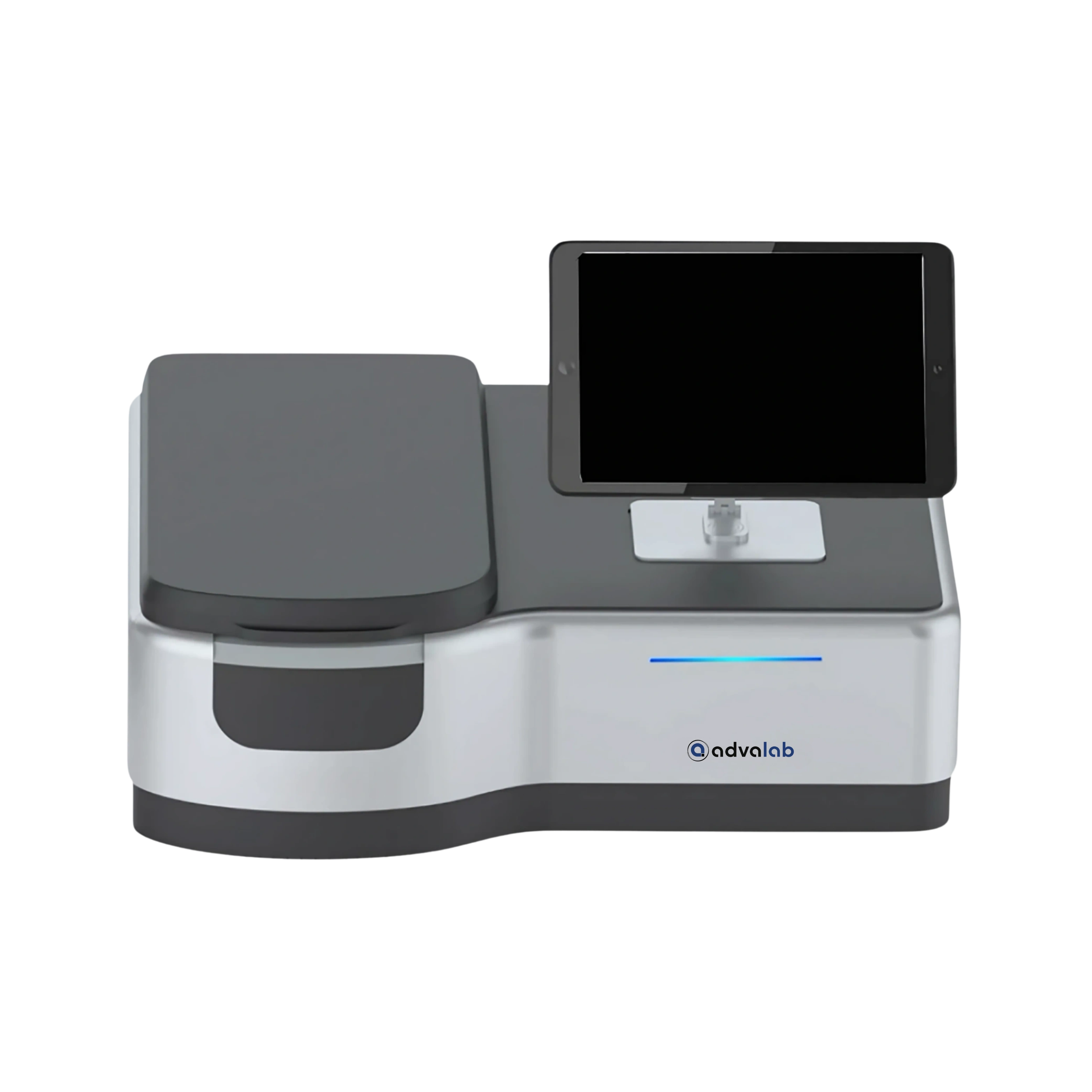
| Optical System: | Single Beam, Grating 1200 lines/mm |
| Wavelength Range: | 190 to 1100 nm |
| Spectral Bandwidth: | 0.1/0.2/0.5/1/2/4 |
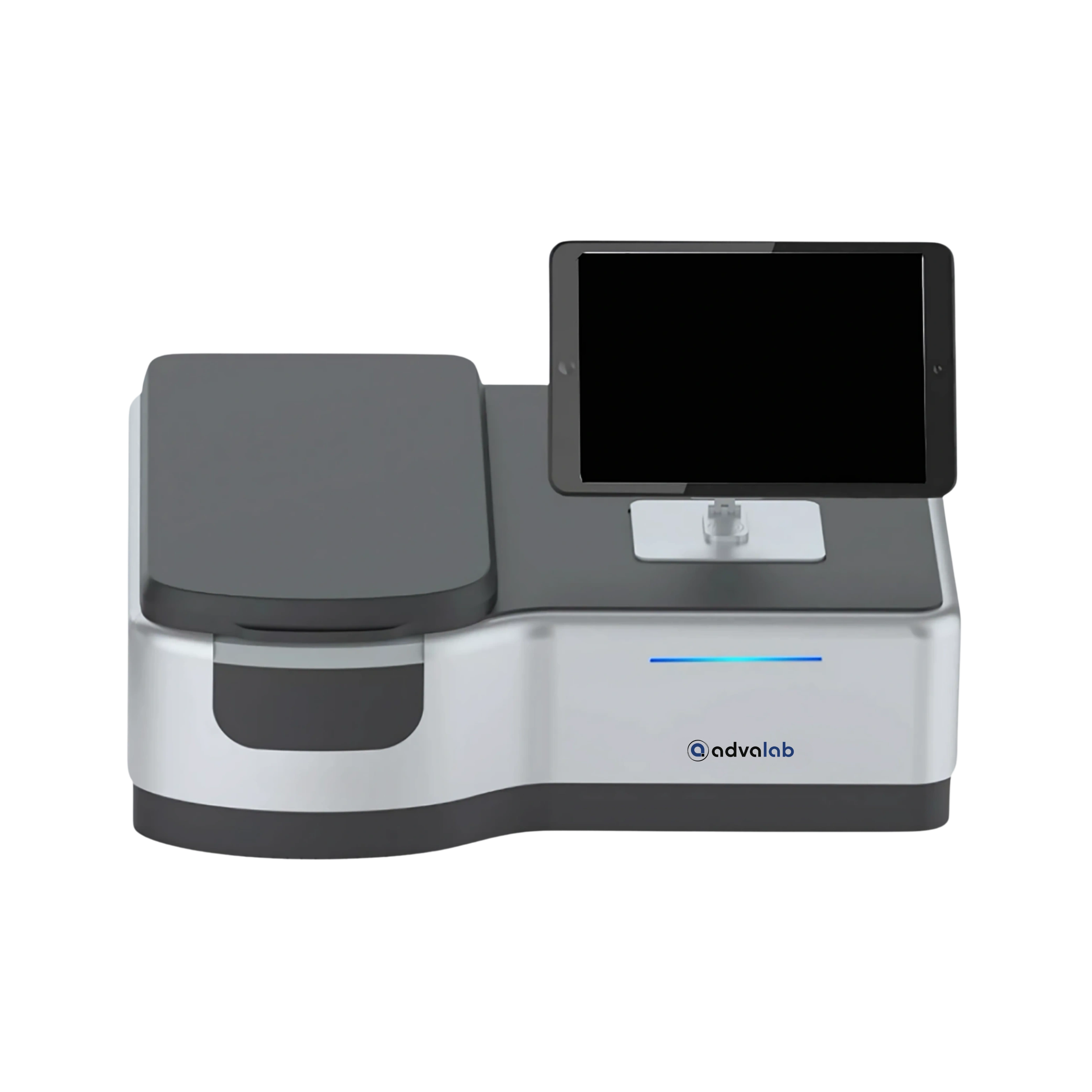
| Optical System: | Single beam, grating 1200 lines/mm |
| Wavelength Range: | 190 to 1100 nm |
| Spectral Bandwidth: | 2 nm |
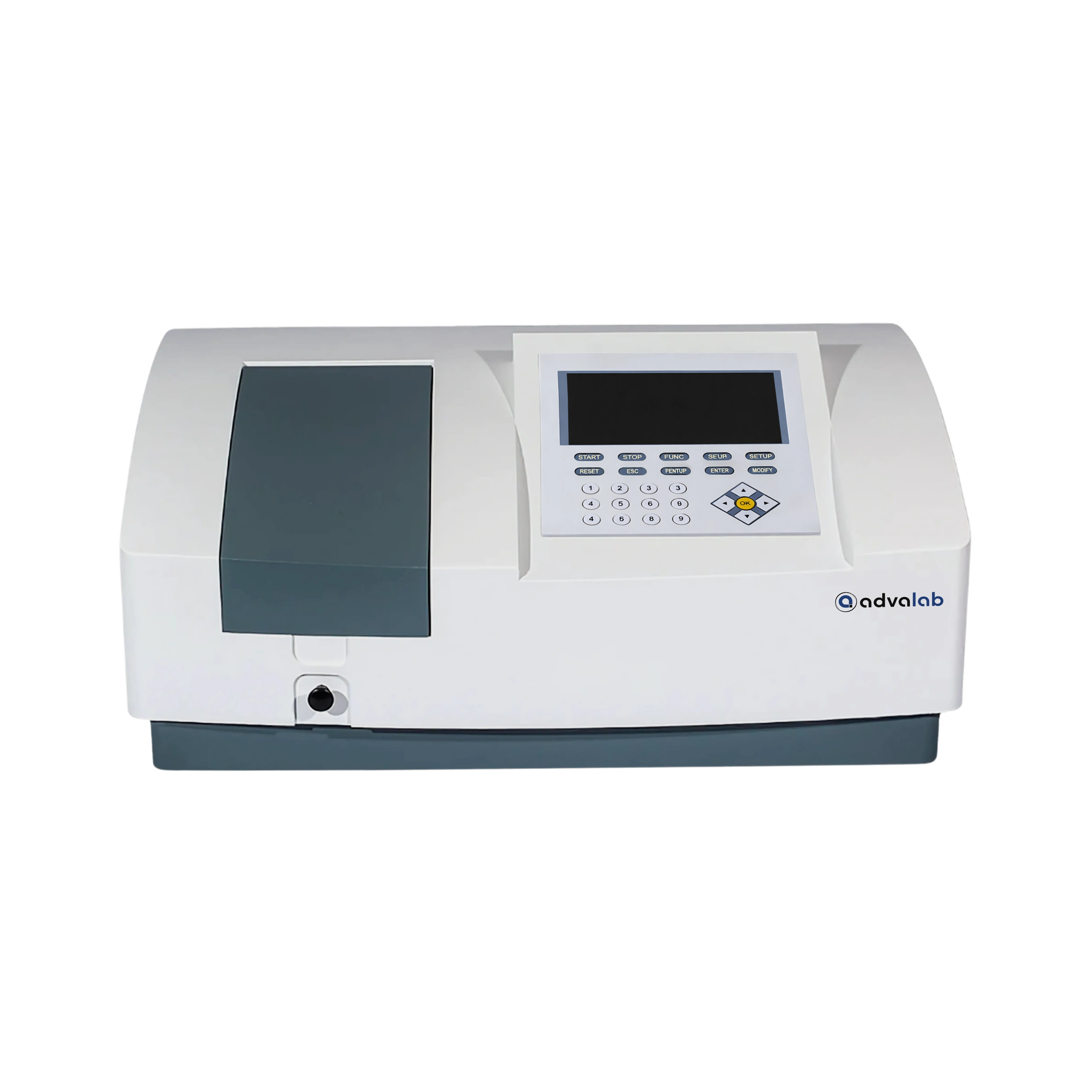
| Optical System: | Single beam, grating 1200 lines/mm |
| Wavelength Range: | 190 to 1100 nm |
| Spectral Bandwidth: | 1 nm |
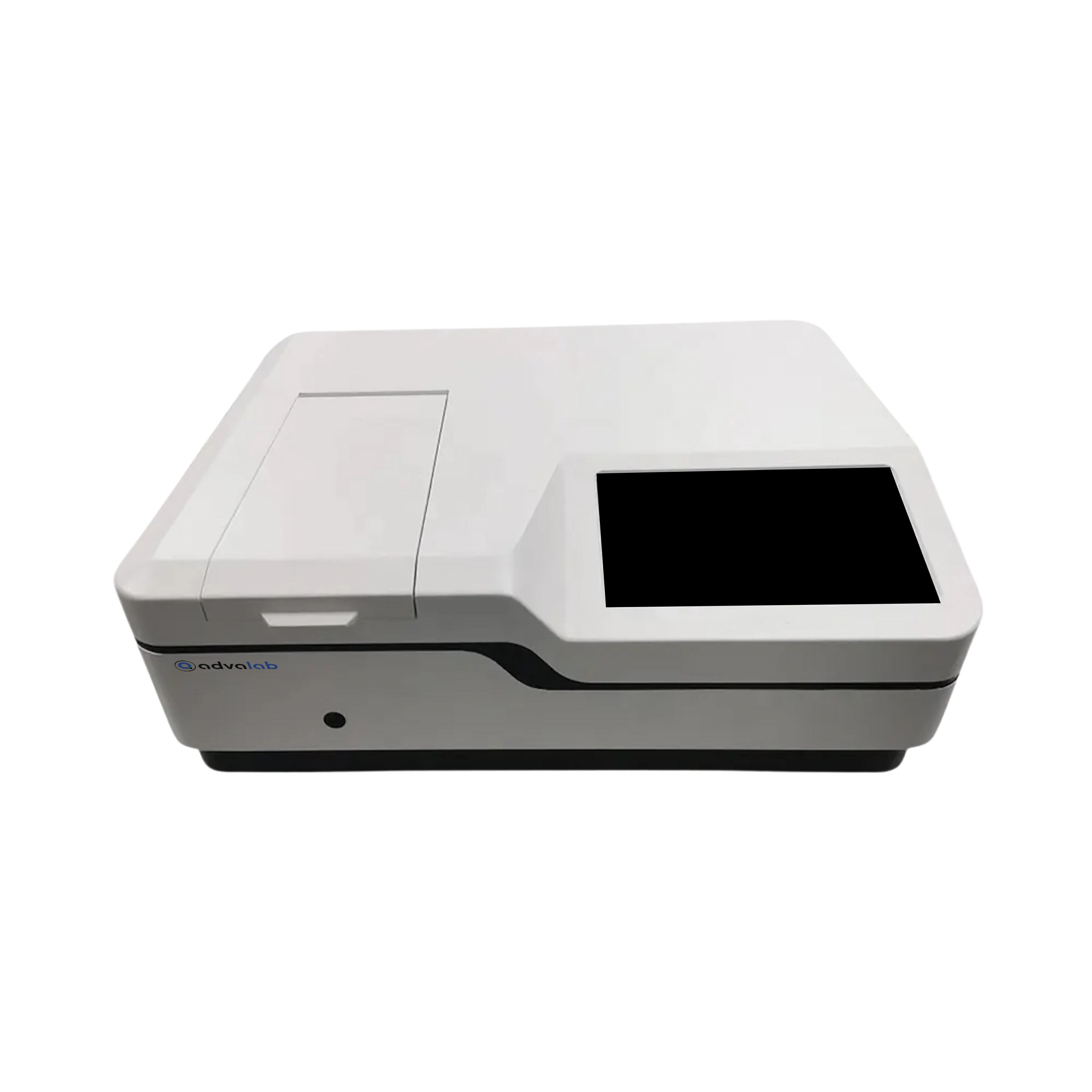
| Optical System: | Single beam, grating 1200 lines/mm |
| Wavelength Range: | 190 to 1100 nm |
| Spectral Bandwidth: | 2 nm |
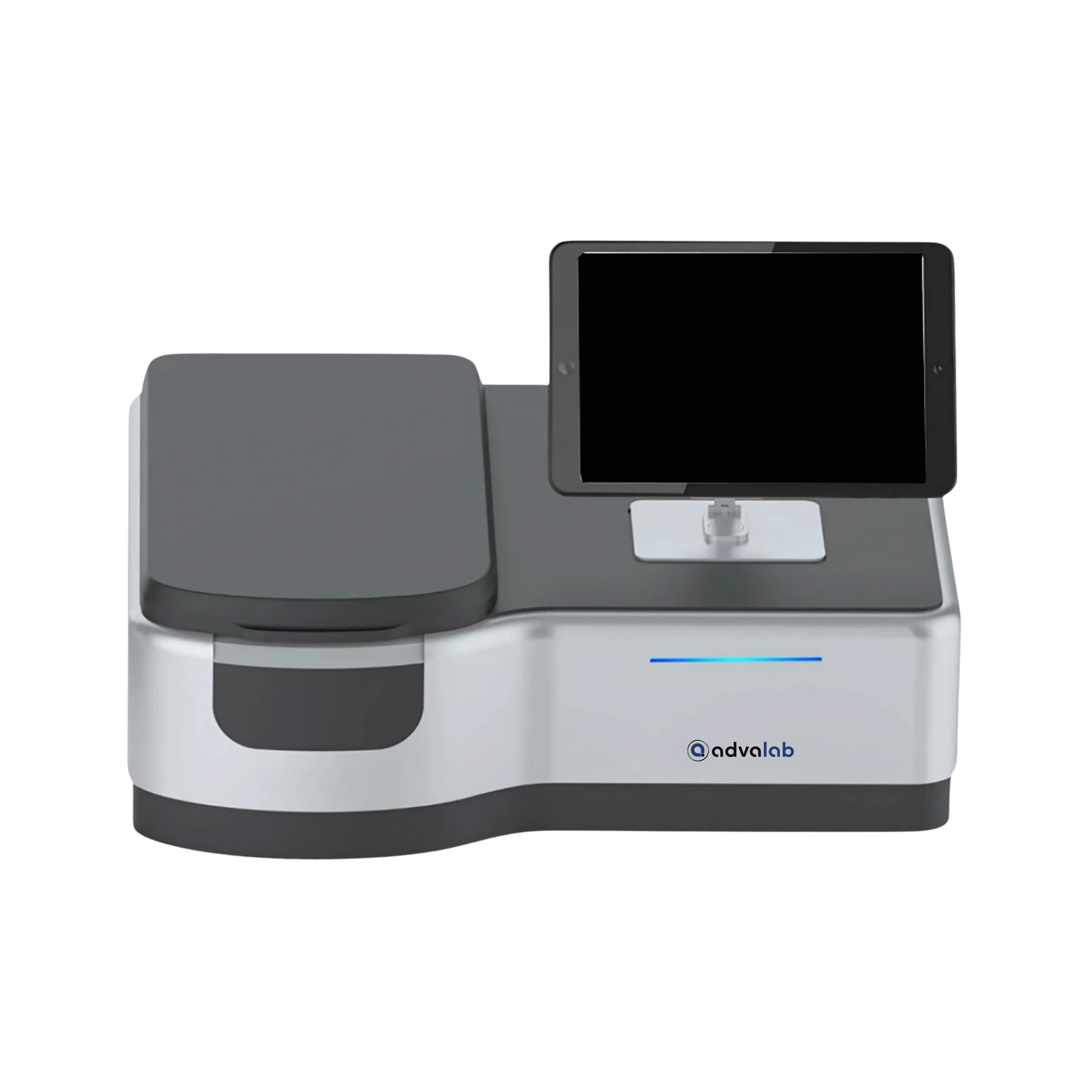
| Optical System: | Single beam, grating 1200 lines/mm |
| Wavelength Range: | 190 to 1100 nm |
| Spectral Bandwidth: | 1 nm |
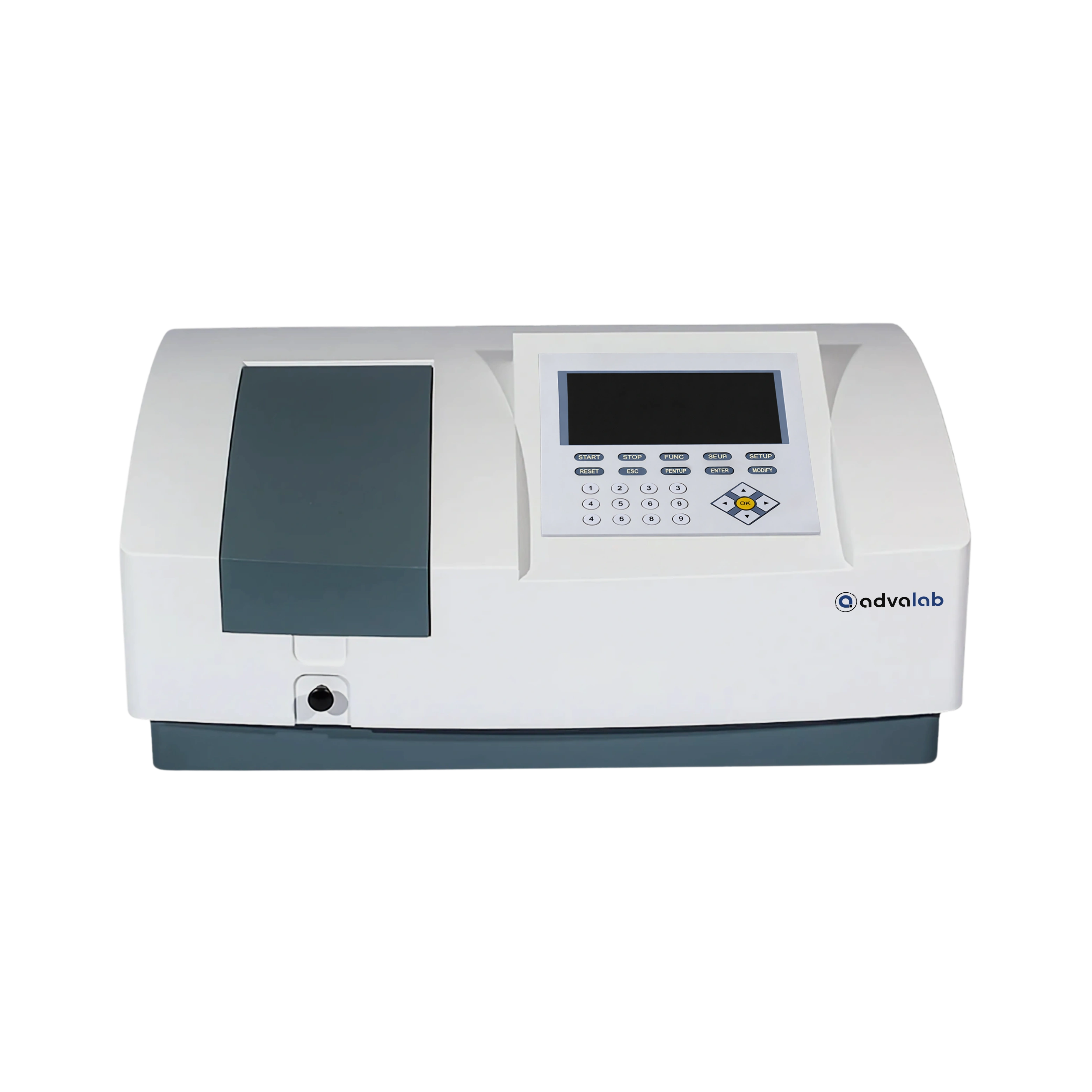
| Optical System: | Single beam, grating 1200 lines/mm |
| Wavelength Range: | 190 to 1100 nm |
| Spectral Bandwidth: | 2 nm |
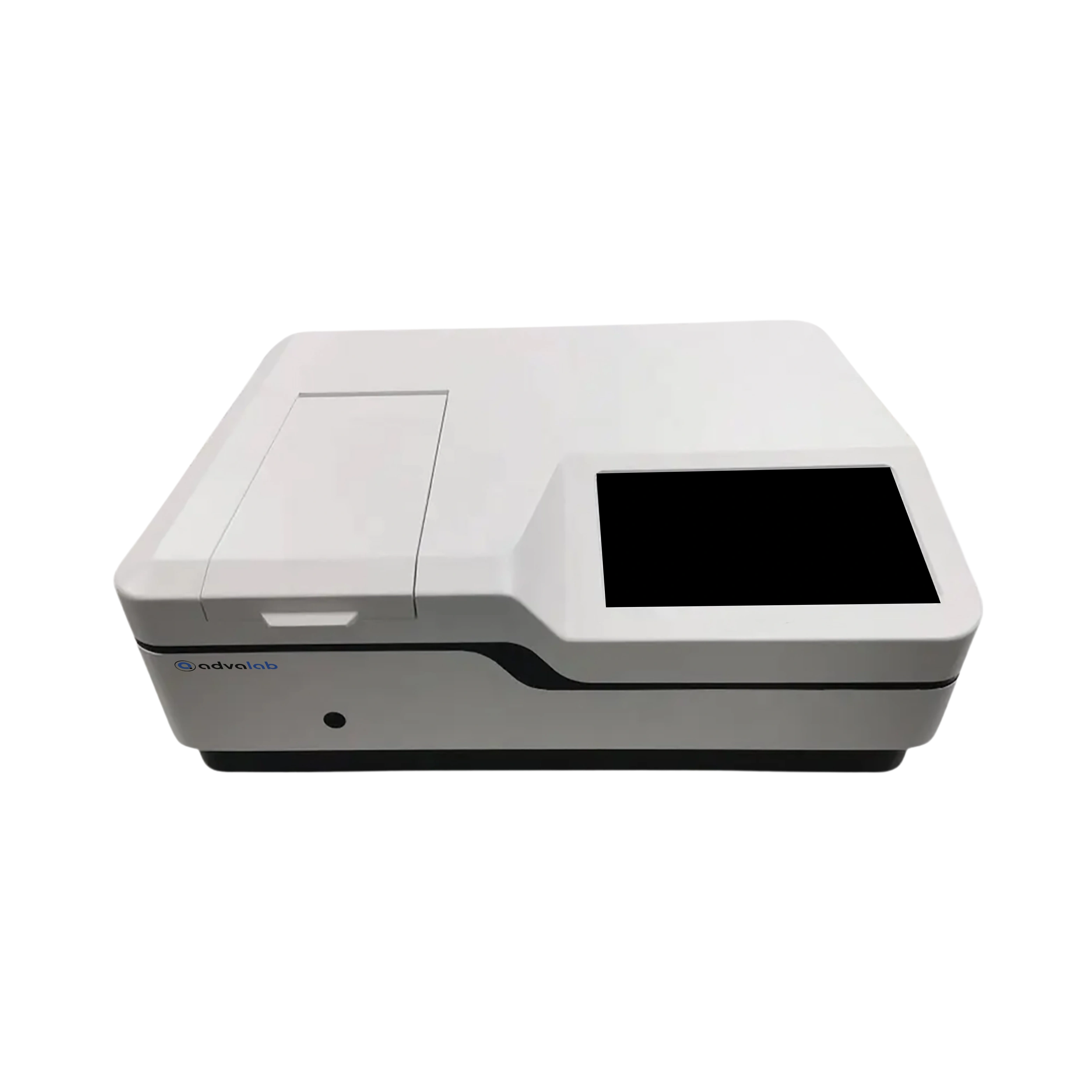
| Optical System: | Single beam, grating 1200 lines/mm |
| Wavelength Range: | 190 to 1100 nm |
| Spectral Bandwidth: | 0.5/1/2/4/5nm |

| Optical System: | Split Beam, Grating 1200 lines/mm |
| Wavelength Range: | 190 to 1100 nm |
| Spectral Bandwidth: | 2 nm |