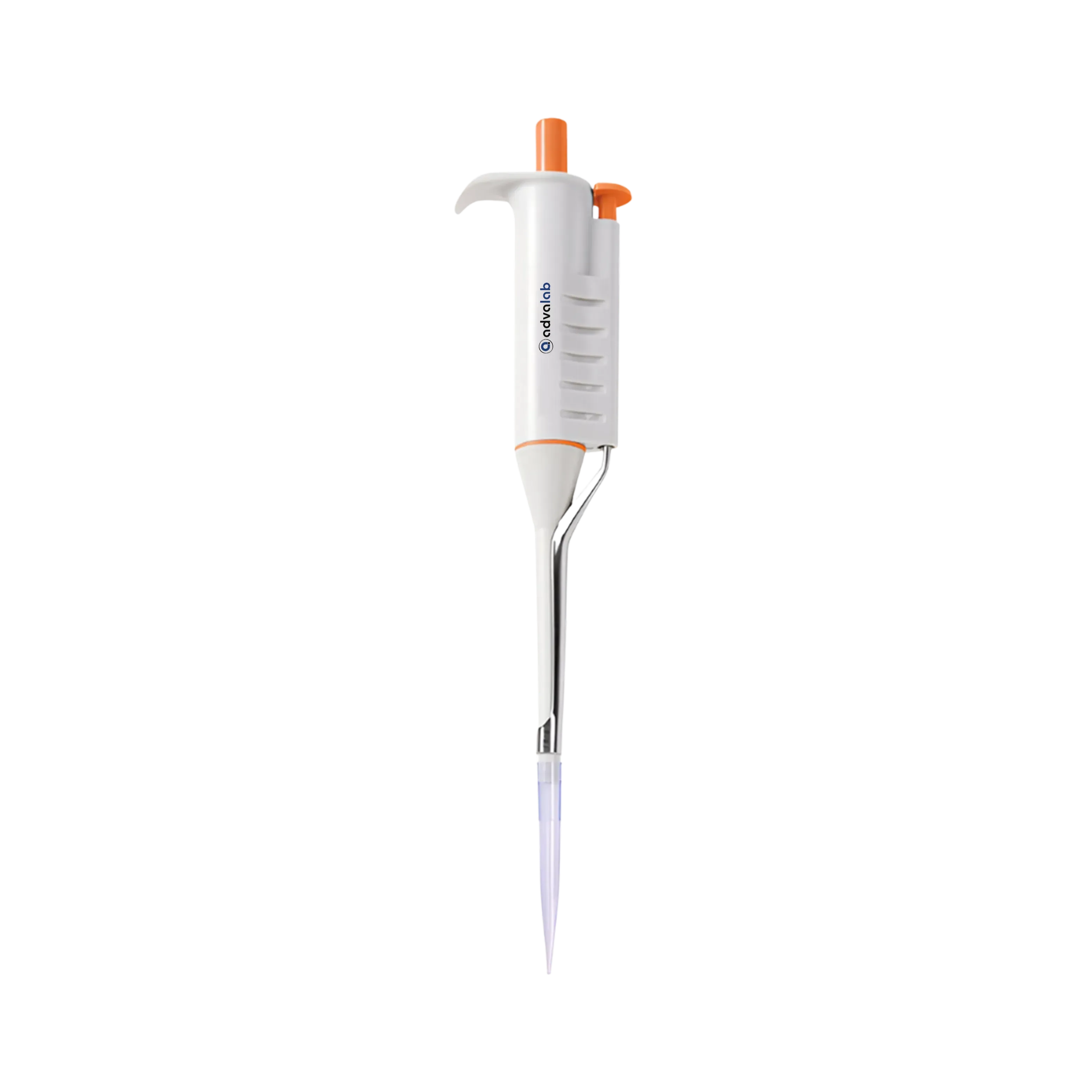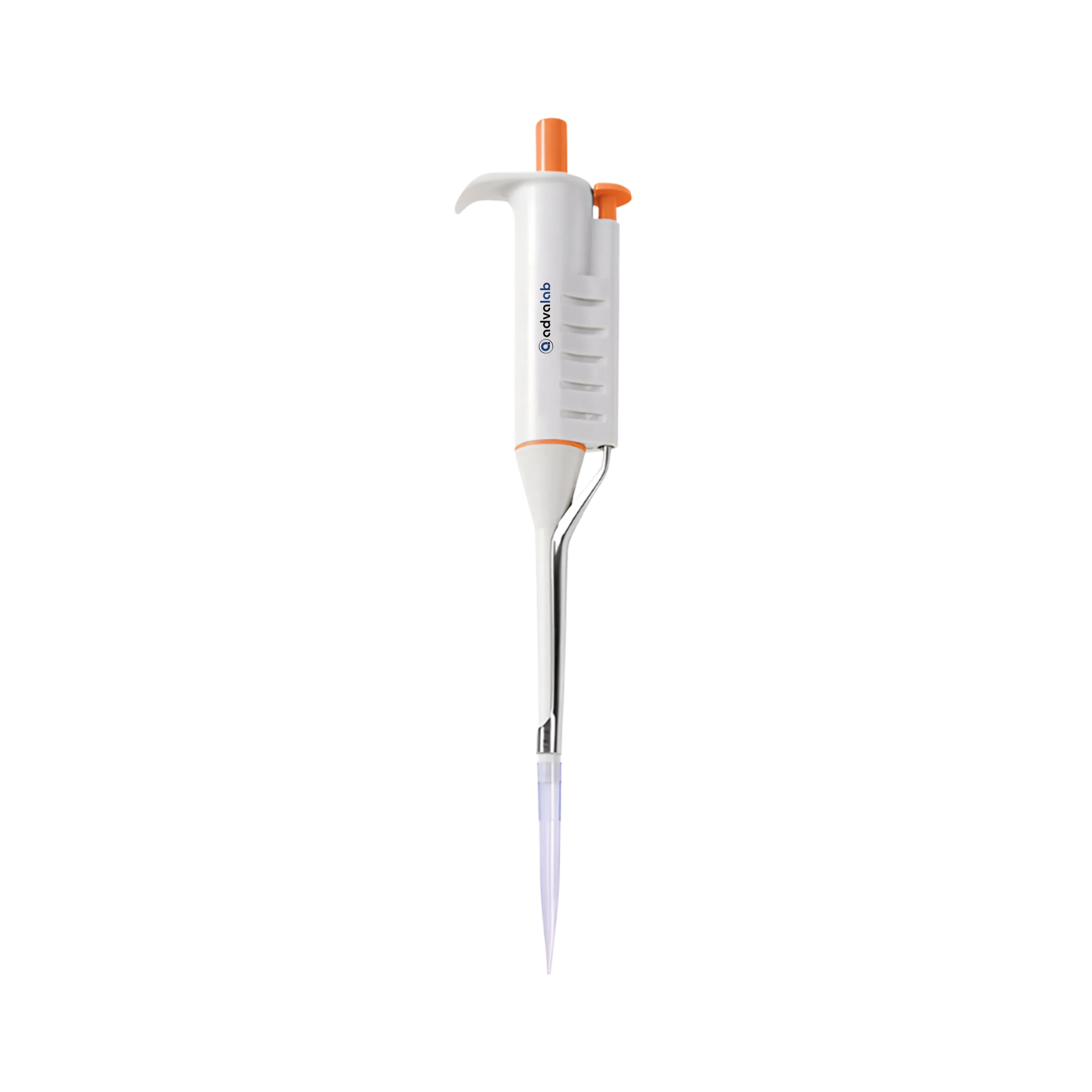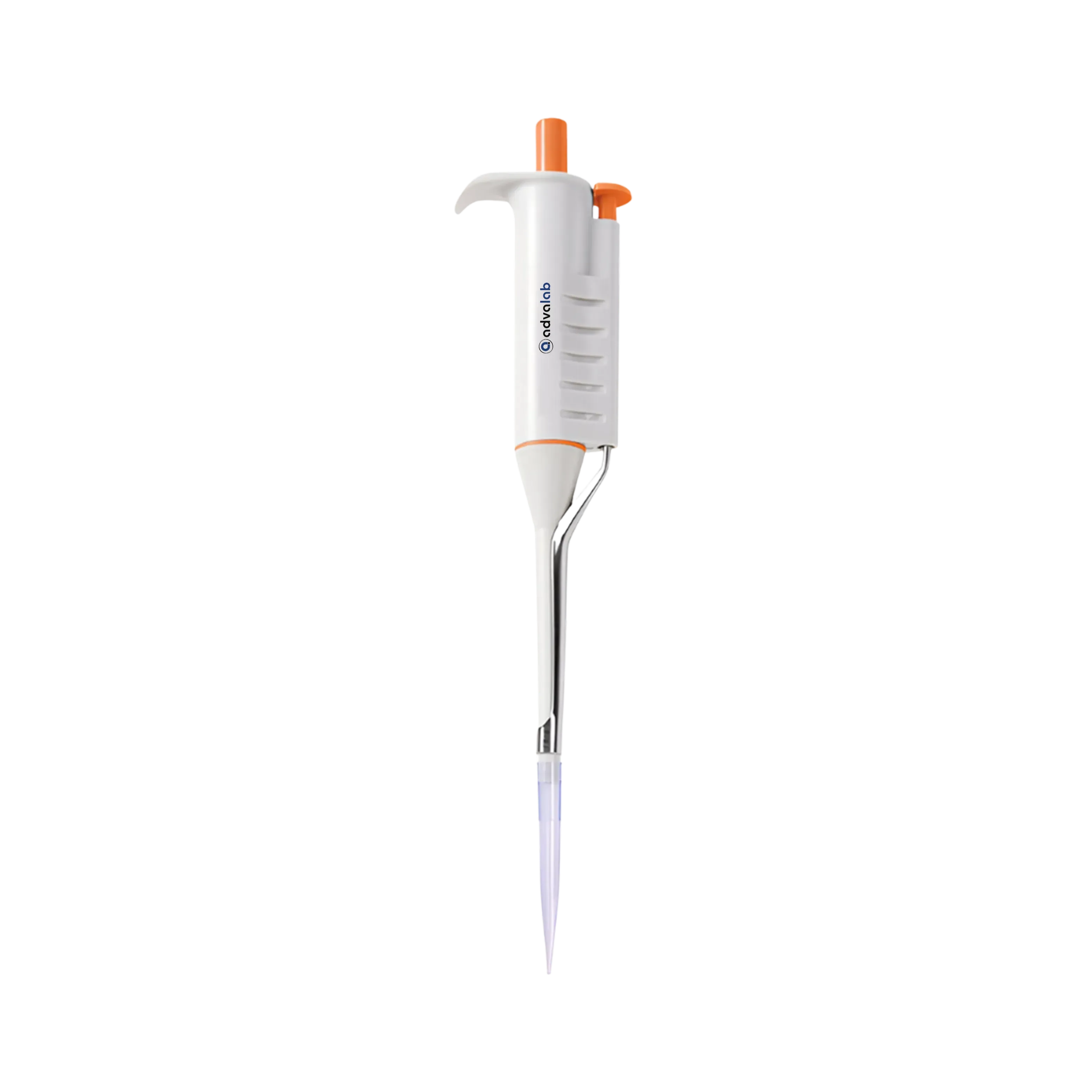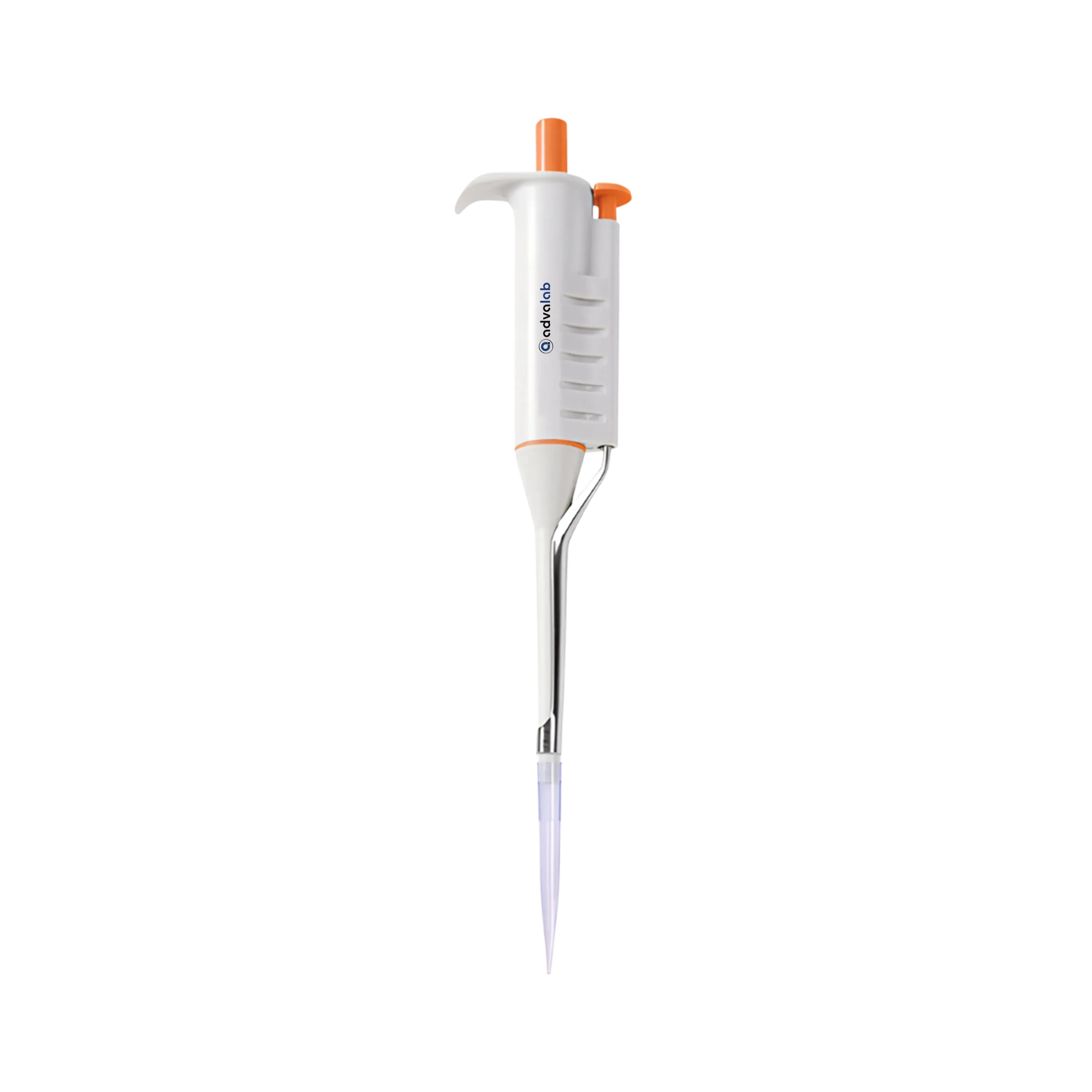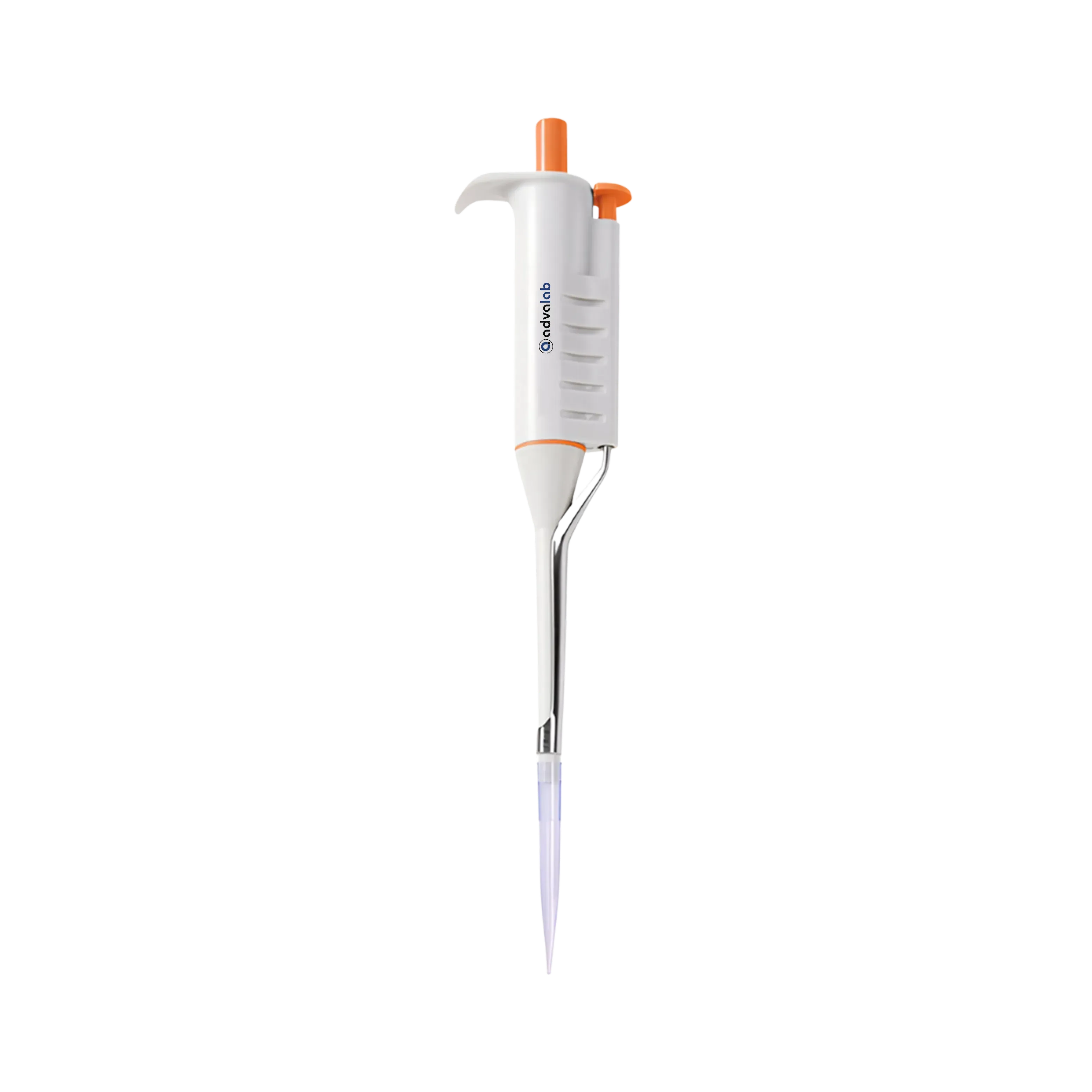

| Volume Range | 20 to 200 µl |
| Increment | 1 µl |
| Test Volume |
200 µl 100 µl 20 µl |
| Accuracy |
0.60 % at 200 µl 1.80 % at 200 µl 3.00 % at 200 µl |
| Precision |
0.15 % at 200 µl 0.30 % at 200 µl 1.00 % at 200 µl |
| Channel | 8 |
| Gross Weight | 16 Kg |
| Dimensions (L×B×H) | 0.56×0.36×0.28 m³ |
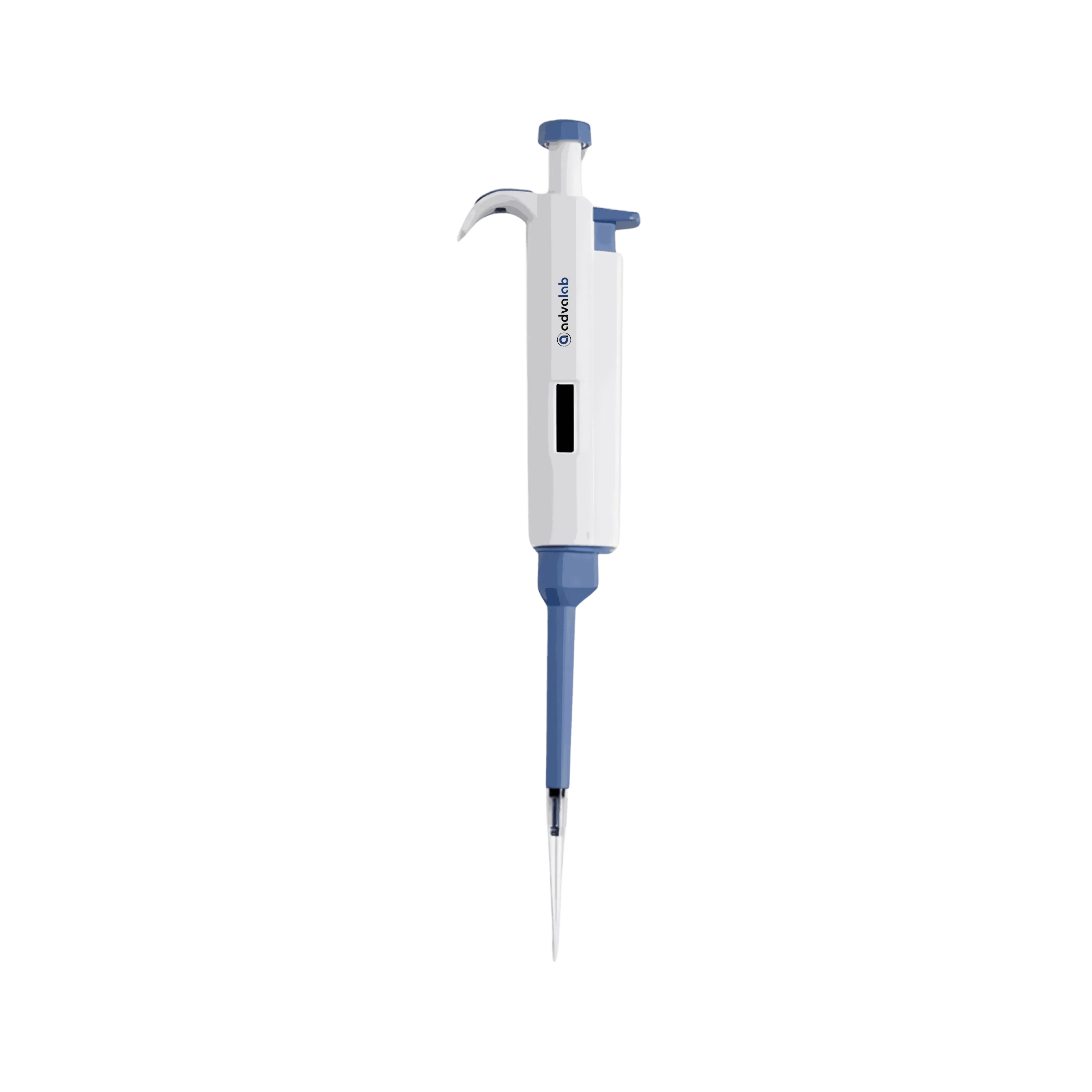
We supply Multi-Channel Pipette ADMCP-505 is used for tasks such as enzyme assays, cell culture media transfer and protein quantification, making it essential in microbiology, biotechnology and forensic science labs.
1. What are some common errors when using a Multi-Channel Pipette and how can they be avoided?
Common errors include uneven pipetting across channels, cross-contamination, improper tip seating, and inconsistent immersion depths. To avoid these issues, ensure all pipette tips are firmly attached with equal pressure, always use compatible high-quality tips, and pre-wet the tips before aspiration. Maintain consistent immersion depth and angle during aspiration and dispensing. Clean the pipette regularly and store it vertically when not in use to prevent damage to the internal mechanisms.
2. Can you use a Multi-Channel Pipette for different volume ranges?
Yes, Multi-Channel Pipette is available in various fixed and adjustable volume ranges, such as 1–10 µL, 10–100 µL, or 30–300 µL. Users should select a pipette whose volume range closely matches the desired volume to ensure accuracy. Using the correct volume range is essential, as pipetting too close to the upper or lower limits of the pipette's capacity can compromise precision.
3. How do you prevent cross-contamination when using a Multi-Channel Pipette?
To prevent cross-contamination, always use sterile, filtered, and disposable tips. Never reuse tips across different reagents or samples. Avoid touching the tips to non-sterile surfaces. Perform regular decontamination of the pipette, especially if working with nucleic acids or proteins. Use proper pipetting technique to avoid aerosols or dripping. Employ reverse pipetting when dealing with viscous or volatile liquids.
4. Why is it important to pre-wet pipette tips when using a Multi-Channel Pipette?
Pre-wetting tips involves aspirating and dispensing the liquid once or twice before the actual measurement. This step conditions the inside of the tip, saturating it with the liquid’s vapor and reducing surface tension effects. It improves accuracy and consistency, especially for small volumes or volatile solvents. In Multi-Channel Pipette, pre-wetting helps ensure that all channels aspirate an equal volume, minimizing variability across wells.
5. What is a Multi-Channel Pipette and how does it differ from a single-channel pipette?
A Multi-Channel Pipette is a laboratory instrument that allows simultaneous dispensing of liquids into multiple wells, typically 8 or 12 at a time, making it ideal for use with microplates such as 96-well or 384-well plates. Unlike a Single-Channel Pipette that transfers liquid into one tube or well at a time, a multi-channel pipette increases throughput and ensures consistency across samples, which is crucial for high-throughput screening, ELISA, and PCR applications.

| Volume Range | 10 to 100 µl |
| Increment | 1 µl |
| Test Volume |
100 µl 50 µl 10 µl |

| Volume Range | 0.5 to 10 µl |
| Increment | 0.1 µl |
| Test Volume |
10 µl 5 µl 1 µl |

| Volume Range | 5 to 50 µl |
| Increment | 0.5 µl |
| Test Volume |
50 µl 25 µl 5 µl |

| Volume Range | 20 to 200 µl |
| Increment | 1 µl |
| Test Volume |
200 µl 100 µl 10µl |
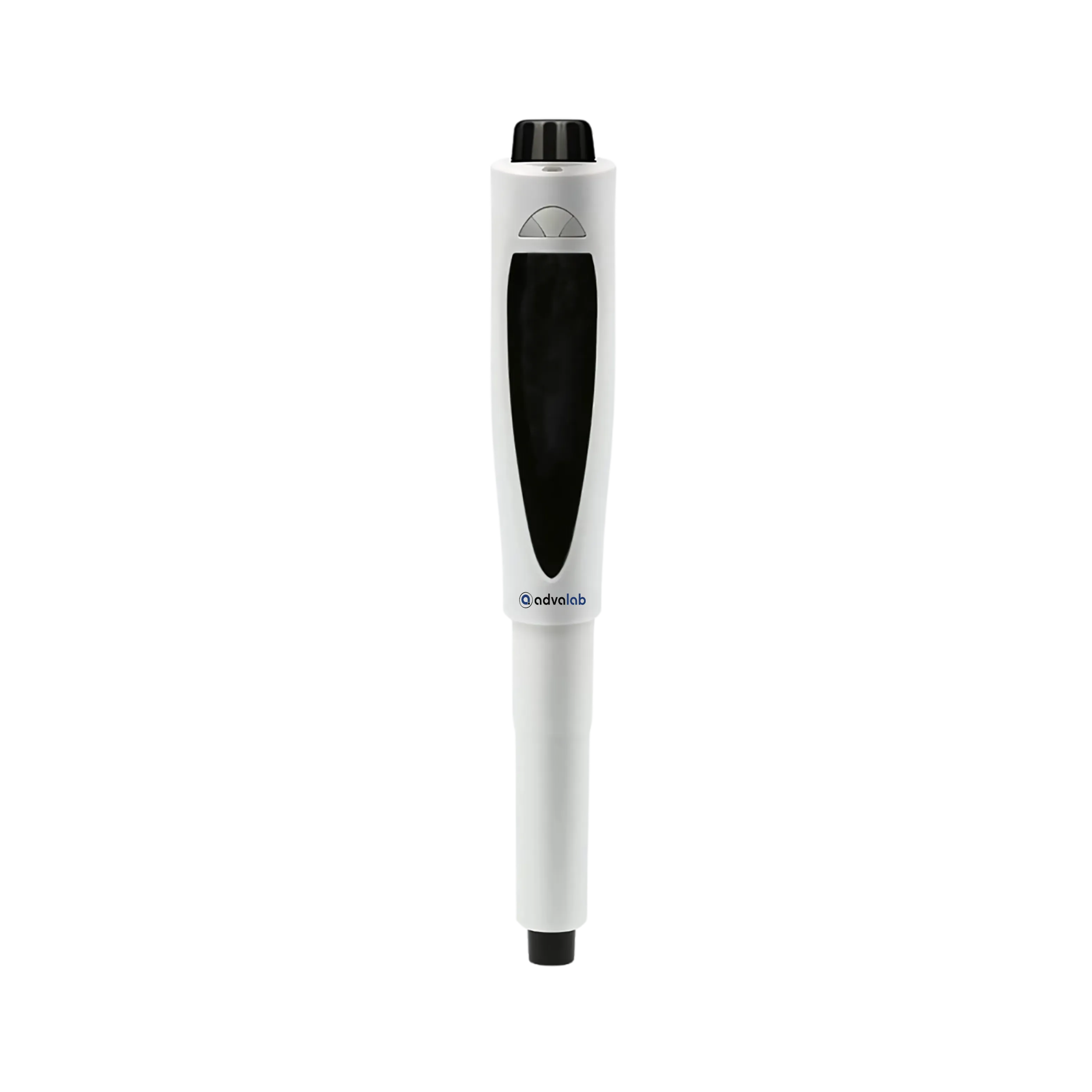
| Volume Range: | 100to5000µl |
| Increment: | 5.00µl |
| Test Volume: | 5000µl, 2500µl, 500µl |
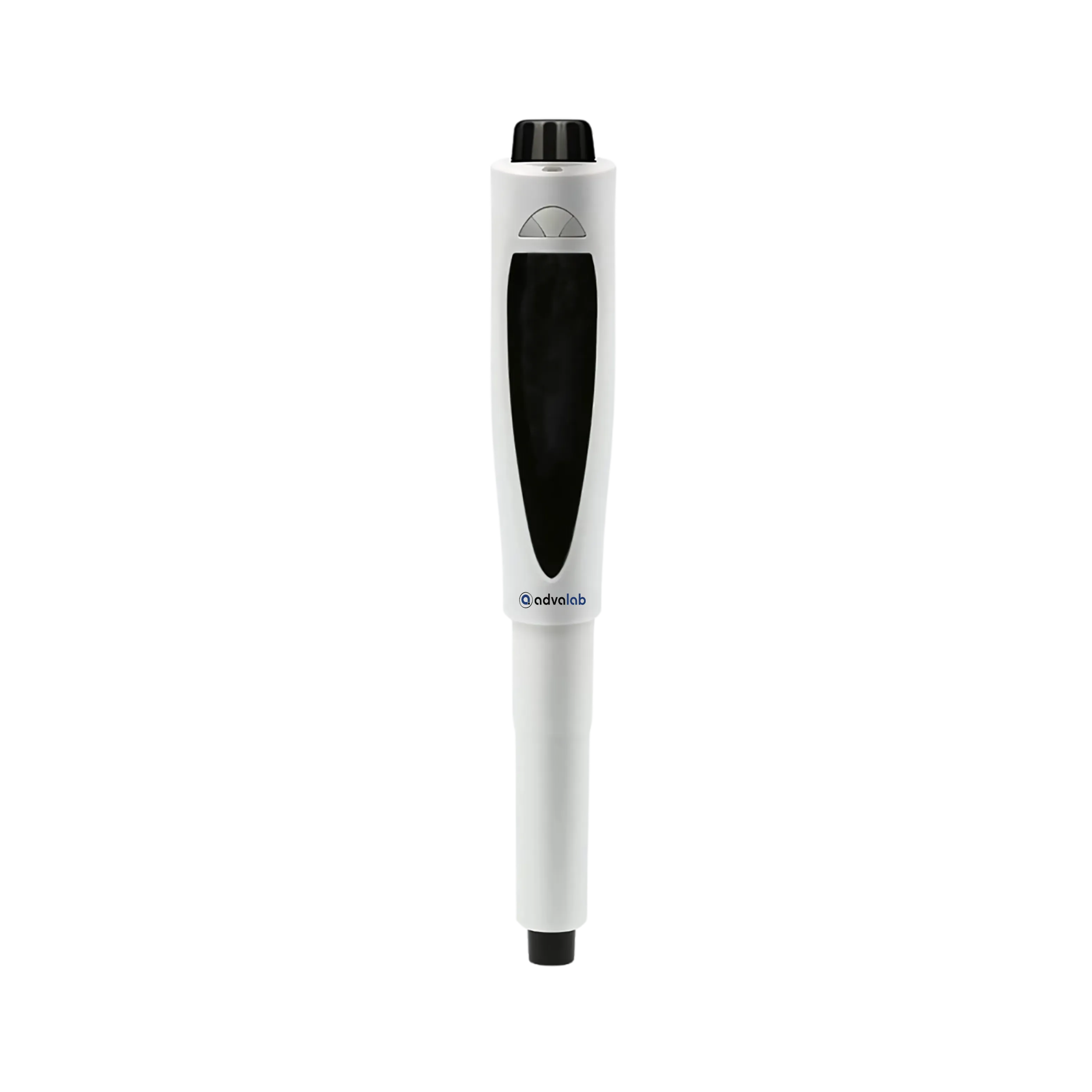
| Volume Range: | 0.1 to 10 µl |
| Increment: | 0.01 µl |
| Test Volume: | 10 µl , 5 µl , 1 µl |
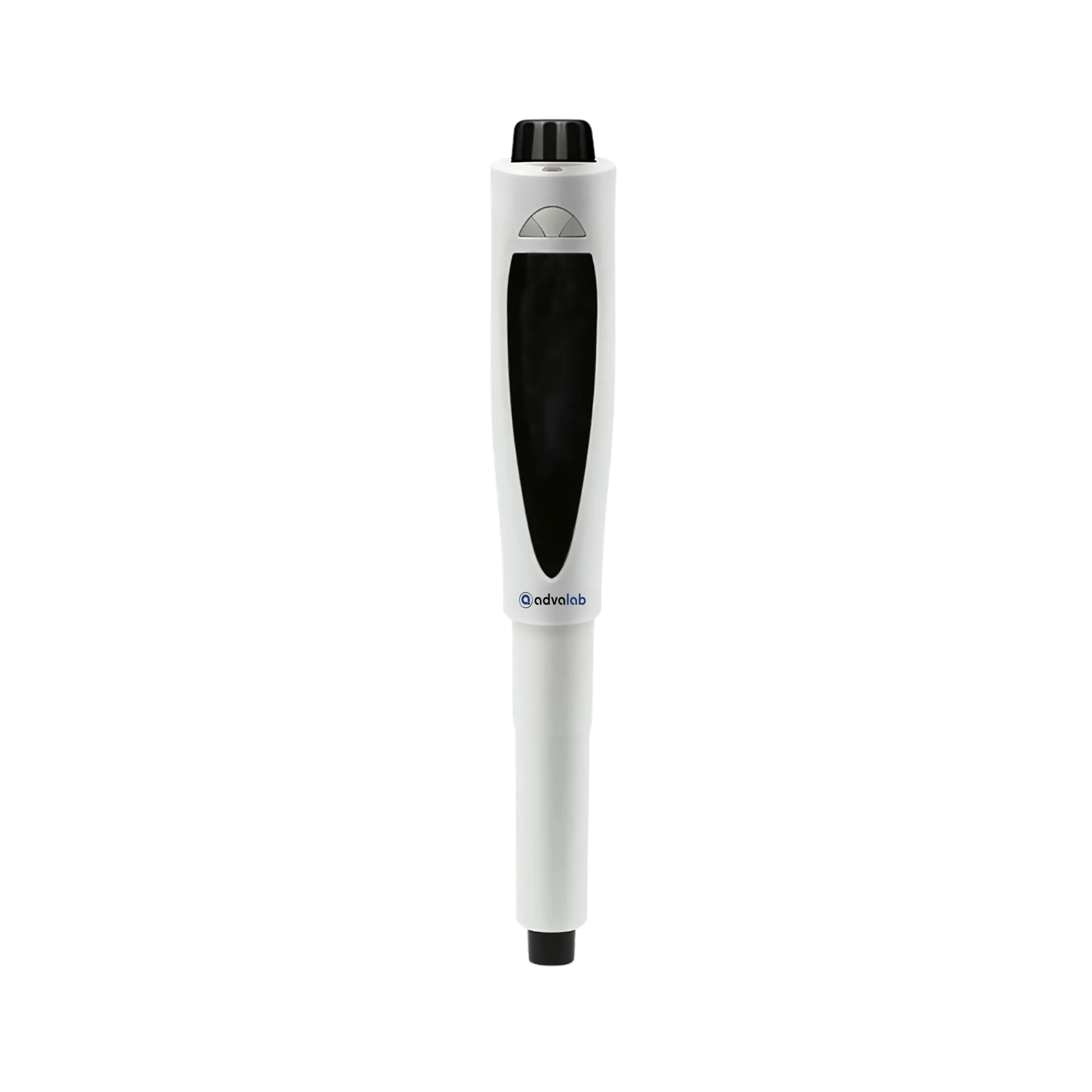
| Volume Range: | 5 to 120µl |
| Increment: | 0.10 µl |
| Test Volume: | 12 µl, 60 µl, 120 µl |
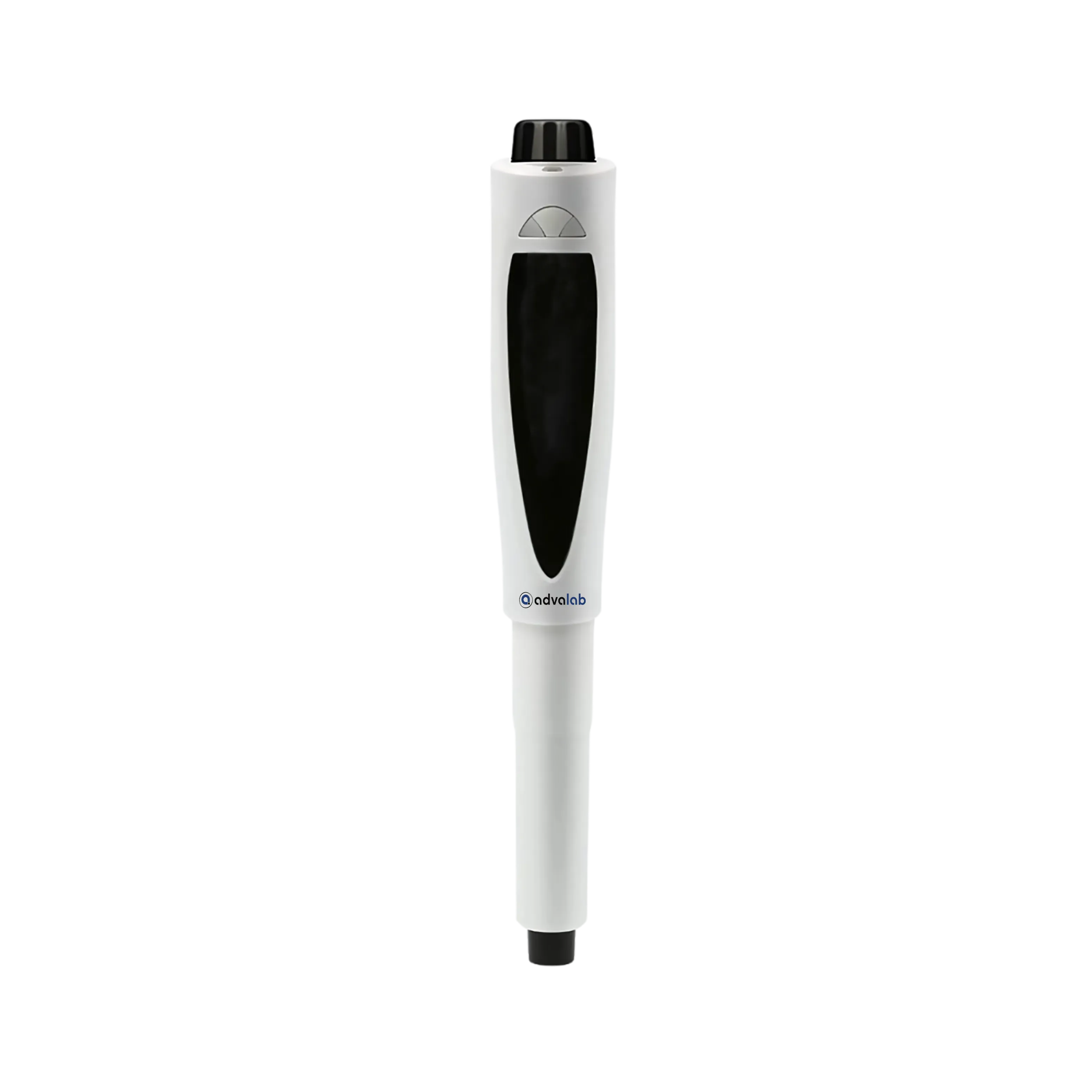
| Volume Range: | 50-1000µl |
| Increment: | 1.00µl |
| Test Volume: | 100µl, 500µl, 1000µl |

| Volume Range: | 500 to 10000 µl |
| Increment: | 10.00 µl |
| Test Volume: | 10000 µl , 5000 µl , 1000 µl |
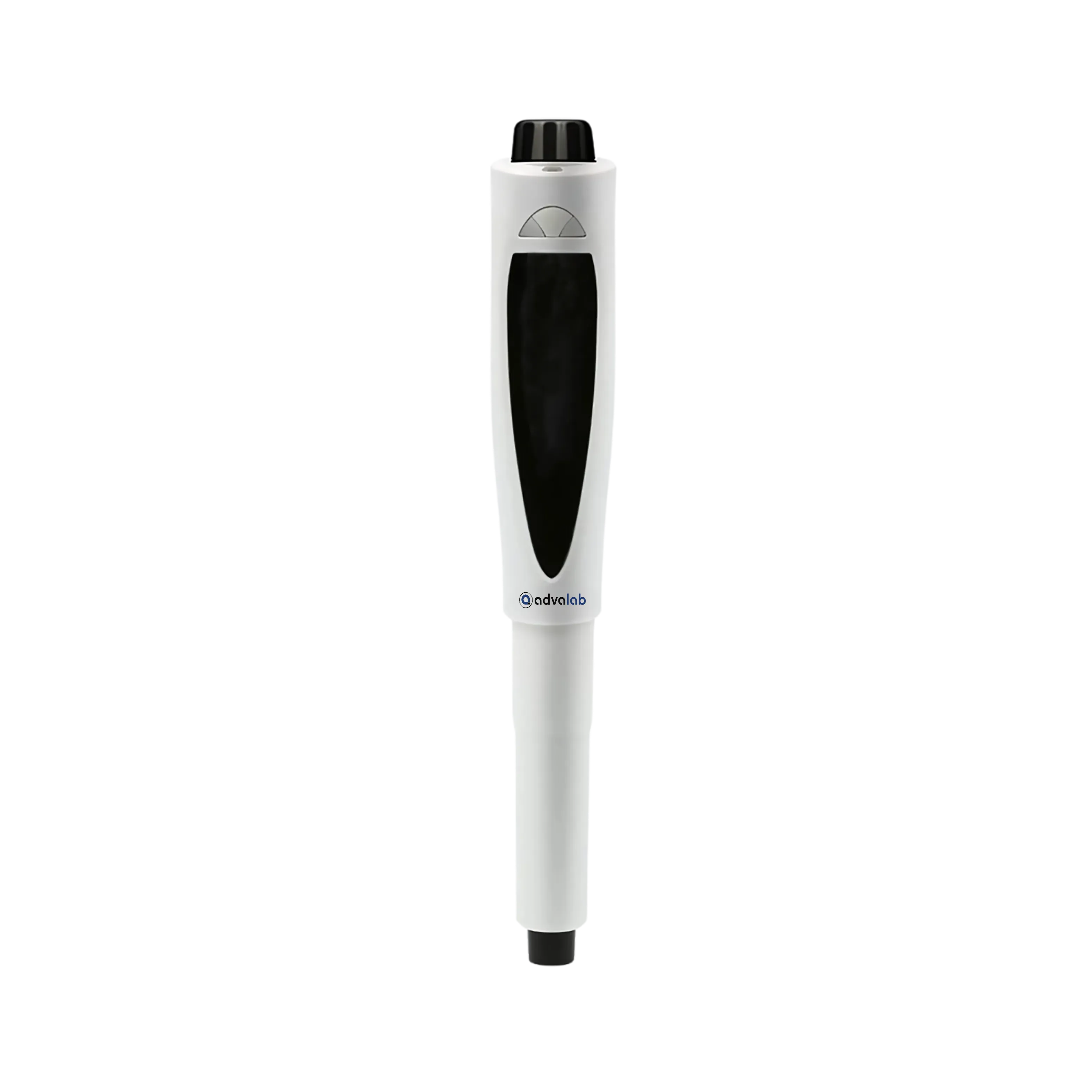
| Volume Range: | 10 to 300µl |
| Increment: | 0.20µl |
| Test Volume: | 30µl, 150µl, 300µl |
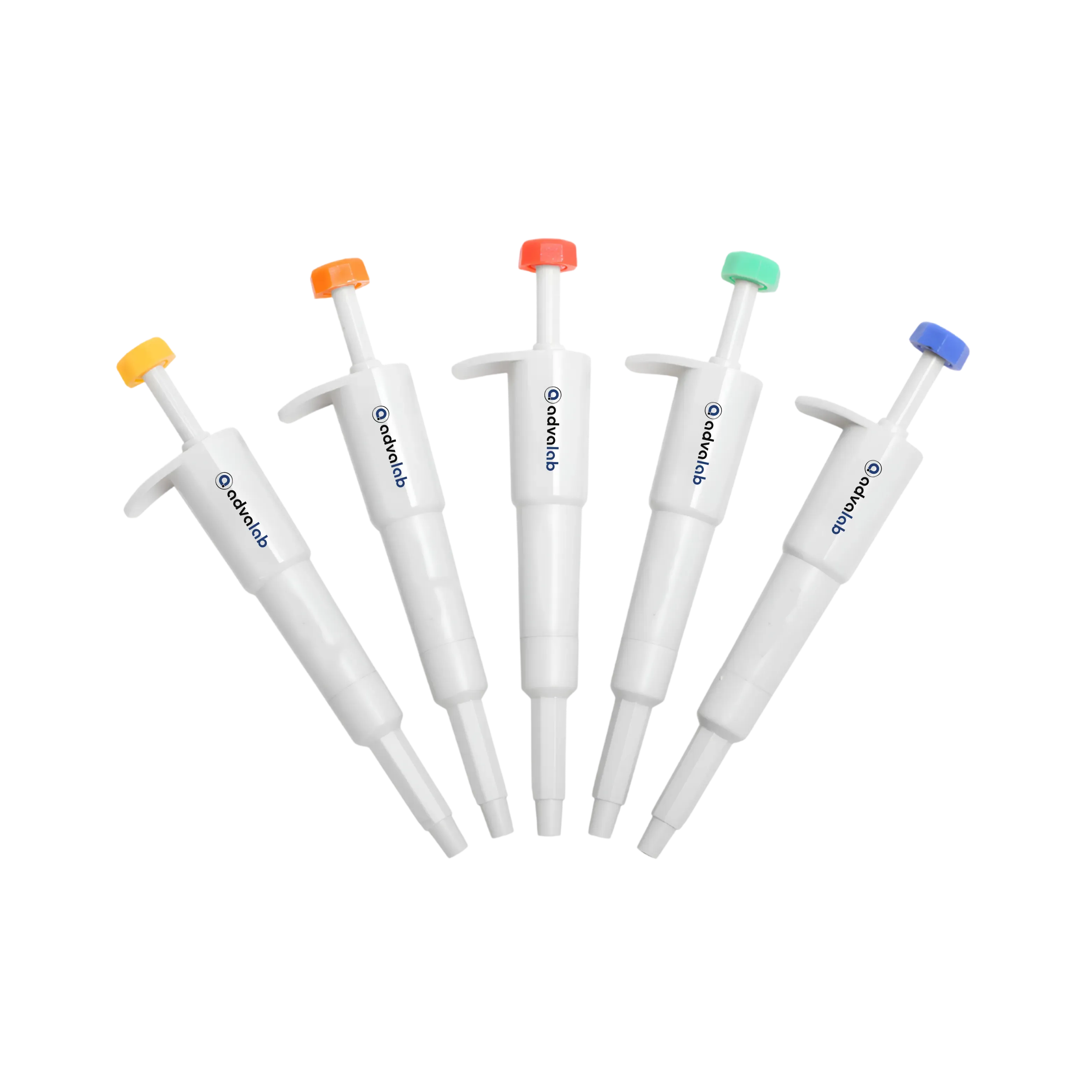
| Volume Range: | 10µl |
| Accuracy: | ±1.2% at 10µl |
| Precision: | ±0.8% at 10µl |
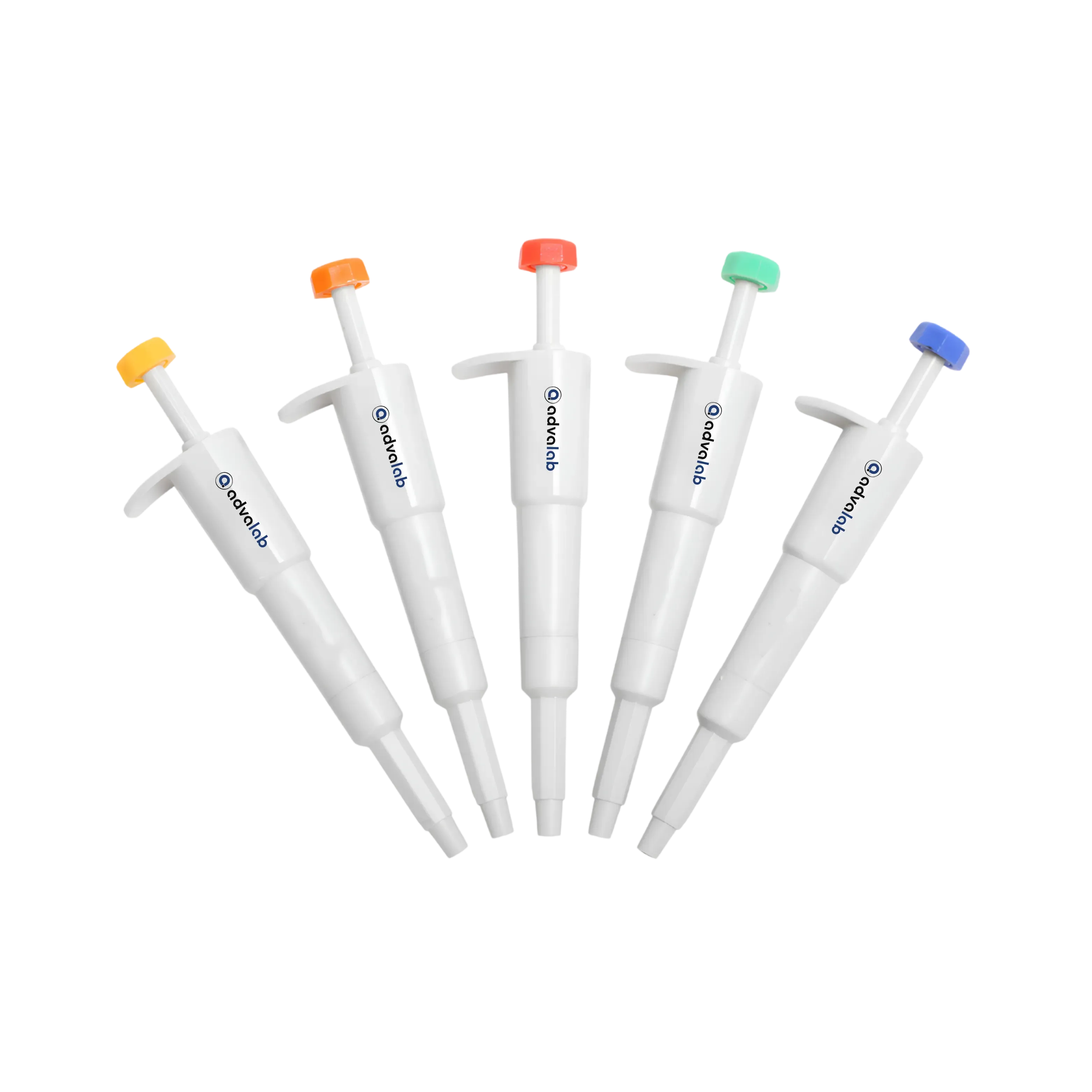
| Volume Range: | 5µl |
| Accuracy: | ±2.5% at 5µl |
| Precision : | ±1.5% at 5µl |
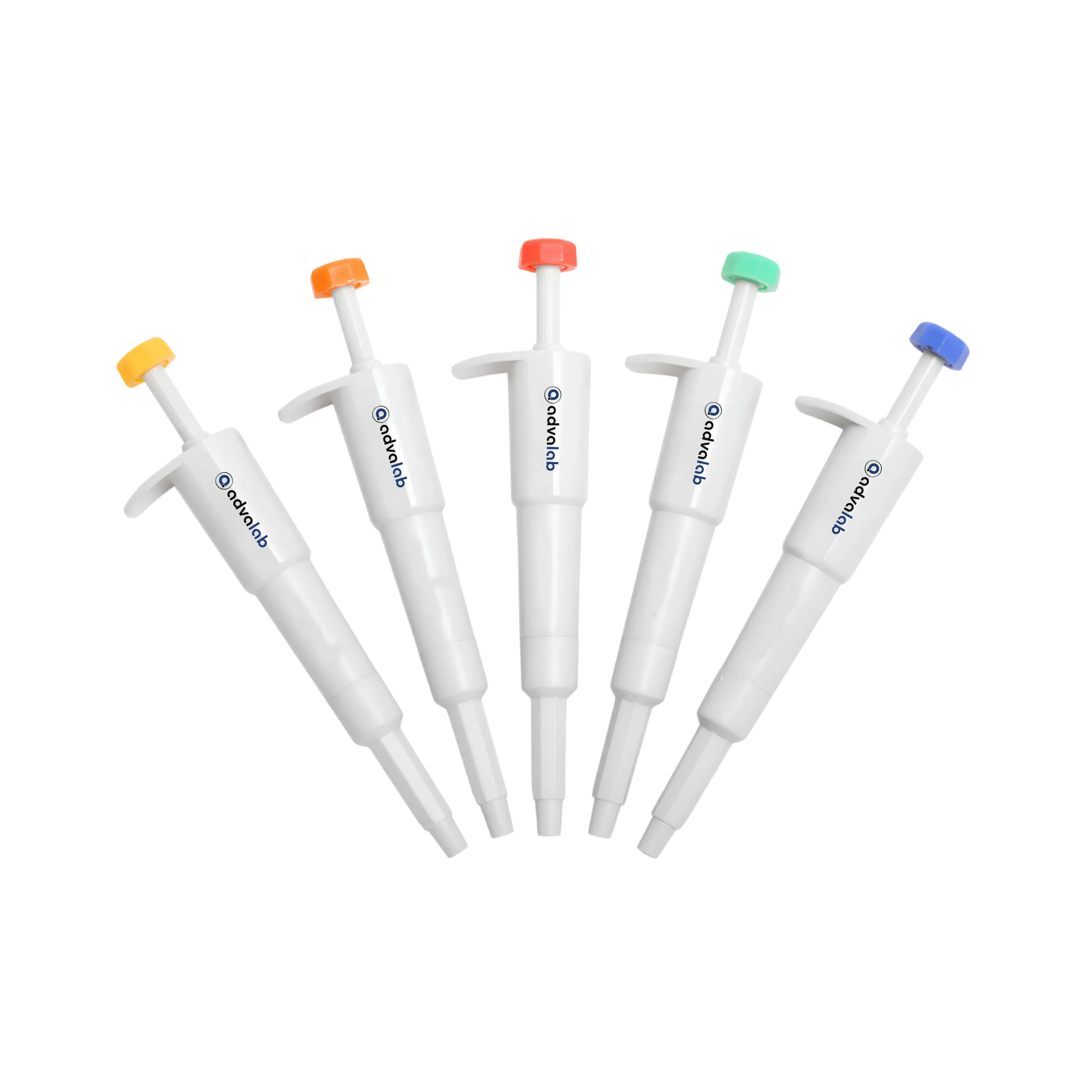
| Volume Range: | 100µl |
| Accuracy: | ±0.8% at 100µl |
| Precision: | ±0.3% at 100µl |
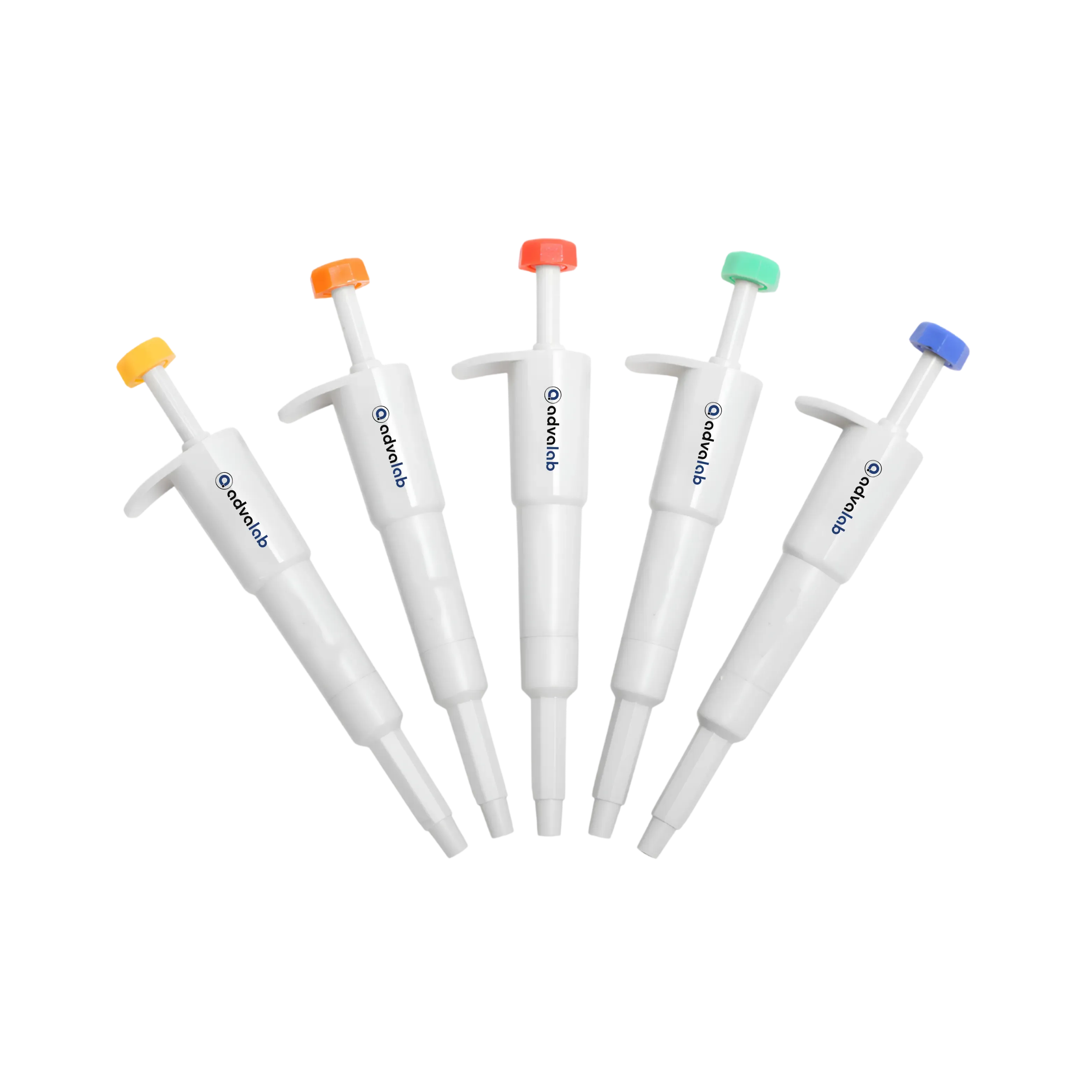
| Volume Range: | 20µl |
| Accuracy: | ±1.0% at 20µl |
| Precision: | ±0.5% at 20µl |
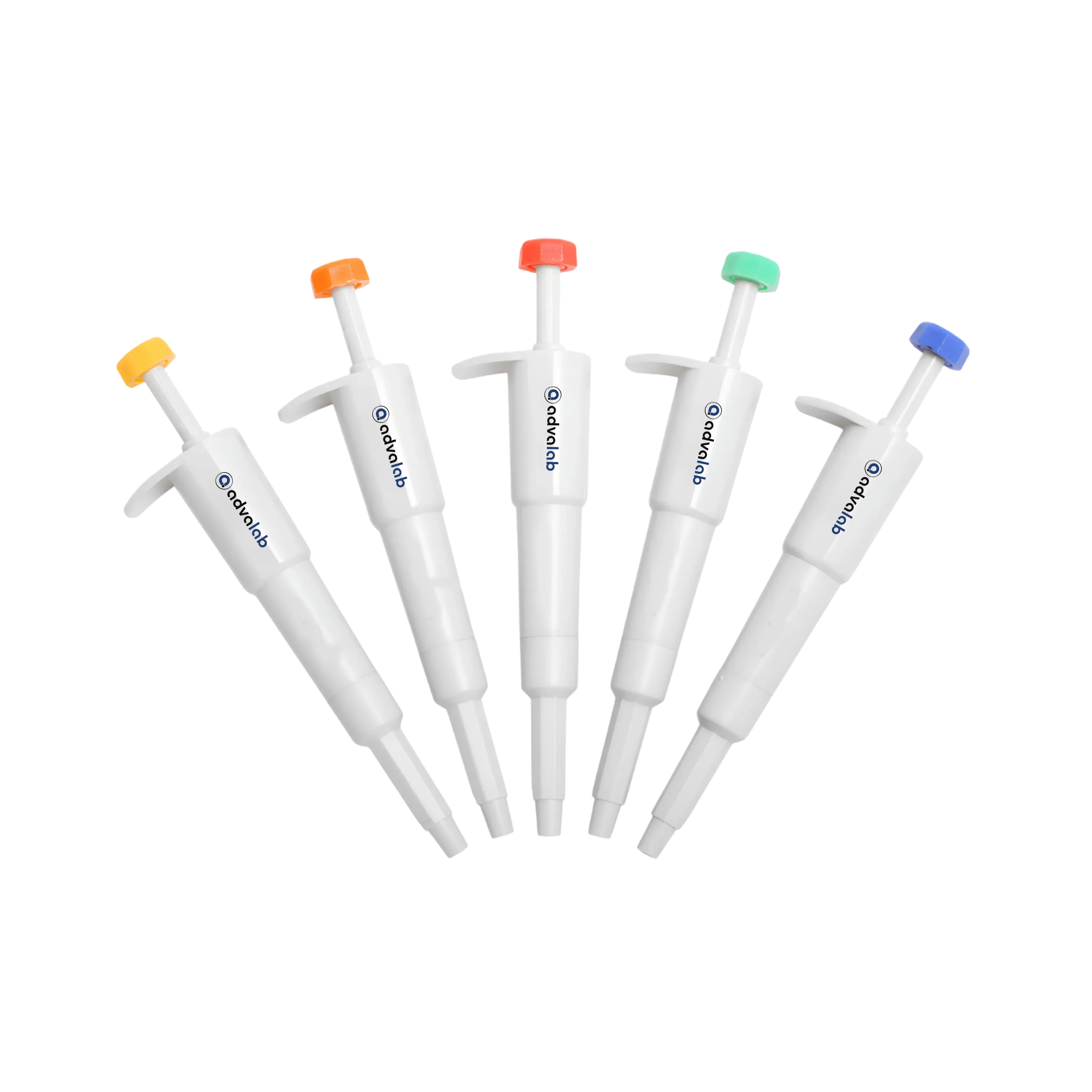
| Volume Range: | 50µl |
| Accuracy: | ±1% at 50µl |
| Precision: | ±0.4% at 50µl |
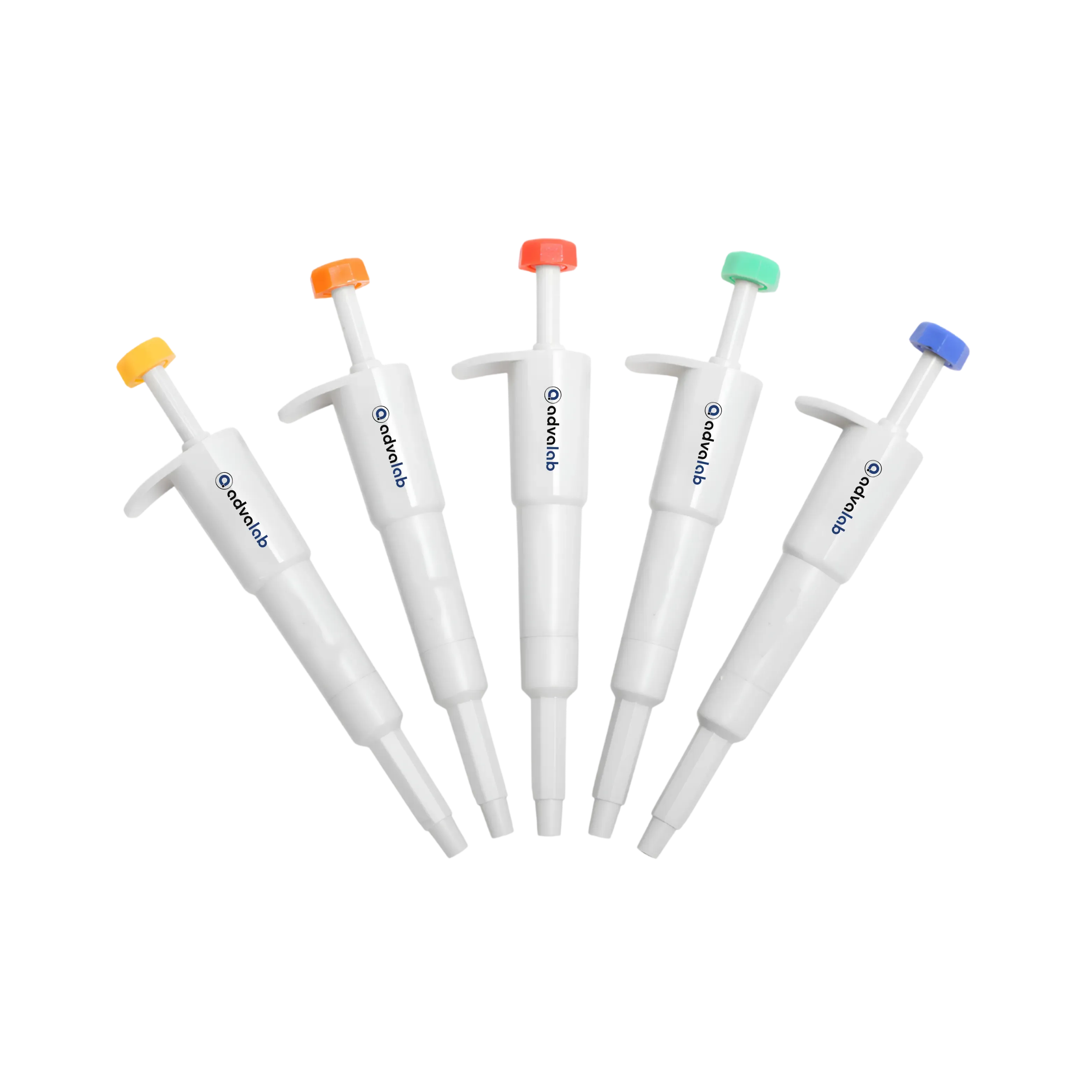
| Volume Range: | 300µl |
| Accuracy: | ±0.8% at 300µl |
| Precision: | ±0.3% at 300µl |
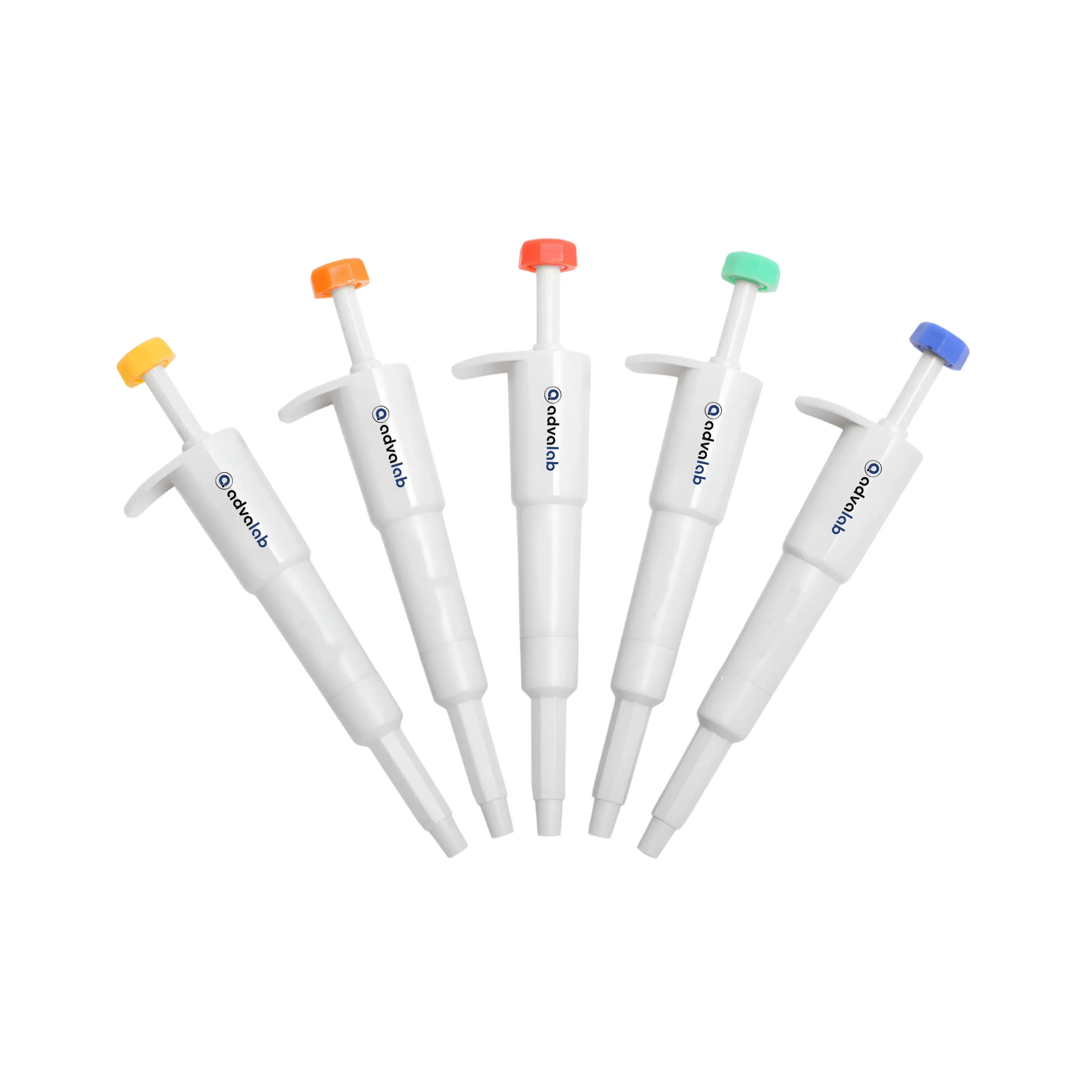
| Volume Range: | 200µl |
| Accuracy: | ±0.8% at 200µl |
| Precision: | ±0.3% at 200µl |
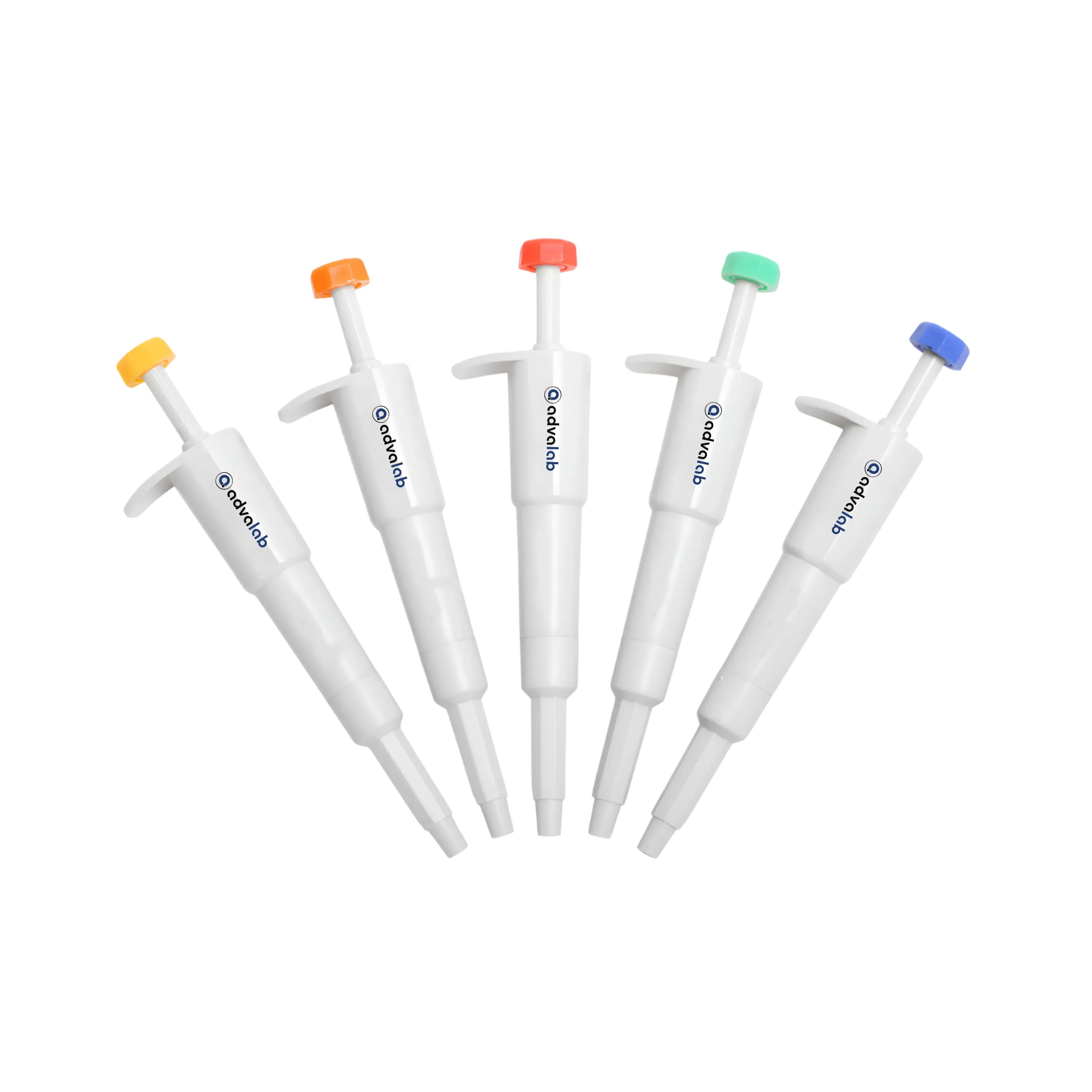
| Volume Range: | 75µl |
| Accuracy: | ±0.8% at 75µl |
| Precision : | ±0.3% at 75µl |
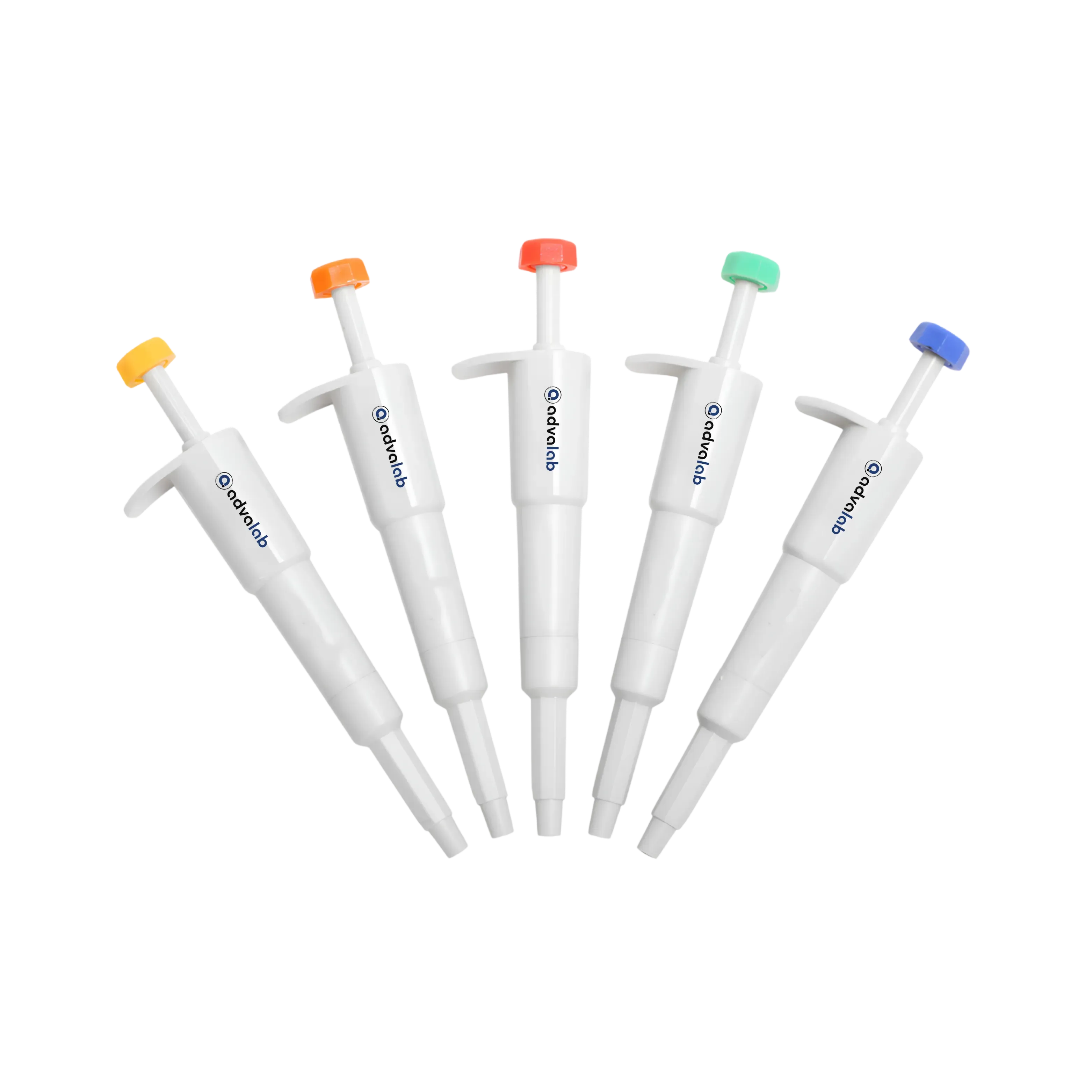
| Volume Range: | 30µl |
| Accuracy: | ±1.0% at 30µl |
| Precision : | ±0.4% at 30µl |
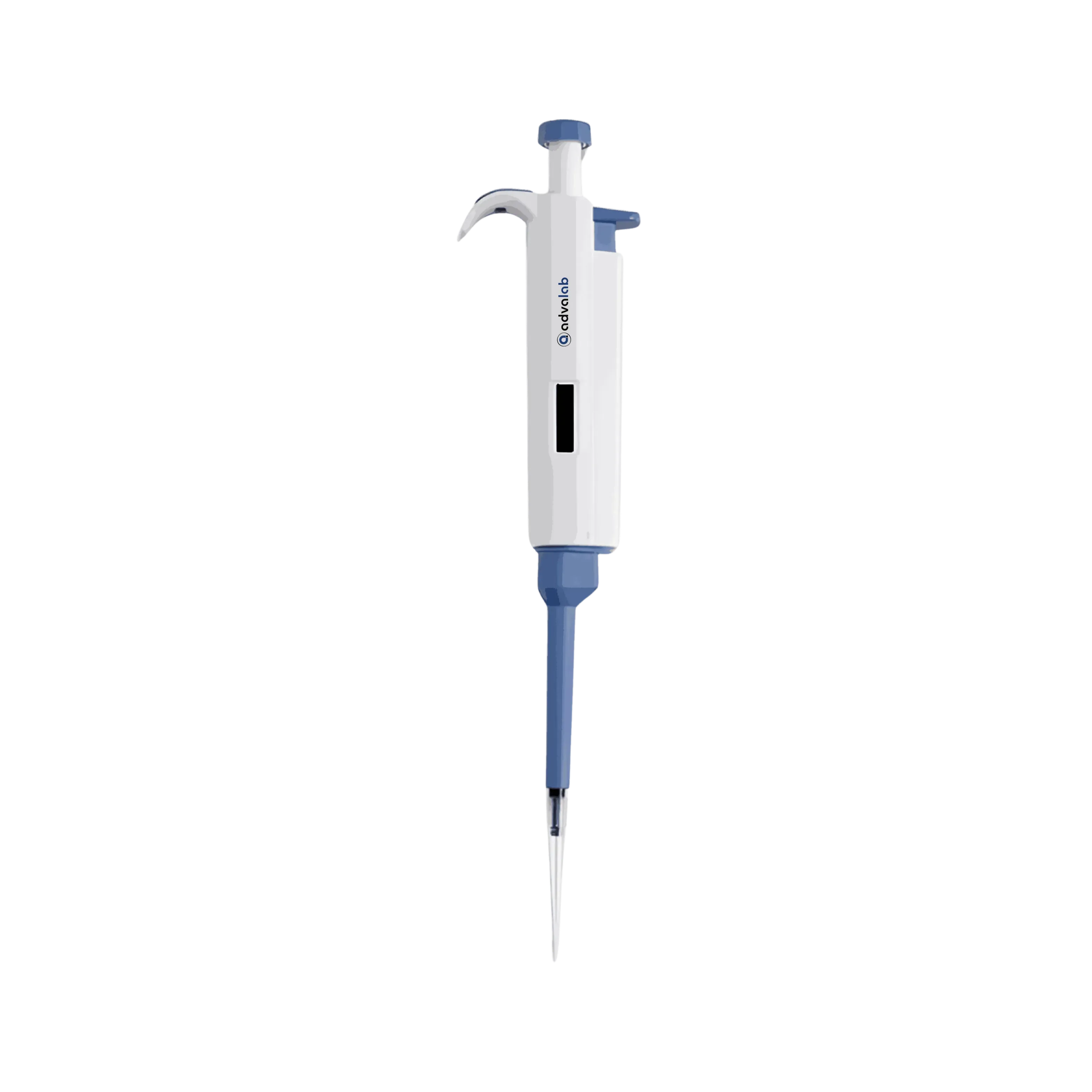
| Volume Range: | 100 to 1000 µl |
| Increment: | 5 µl |
| Test Volume: | 1000 µl, 500µl, 100 µl |

| Volume Range: | 10 to 100 µl |
| Increment: | 0.2 µl |
| Test Volume: | 10 µl, 50 µl, 100 µl |
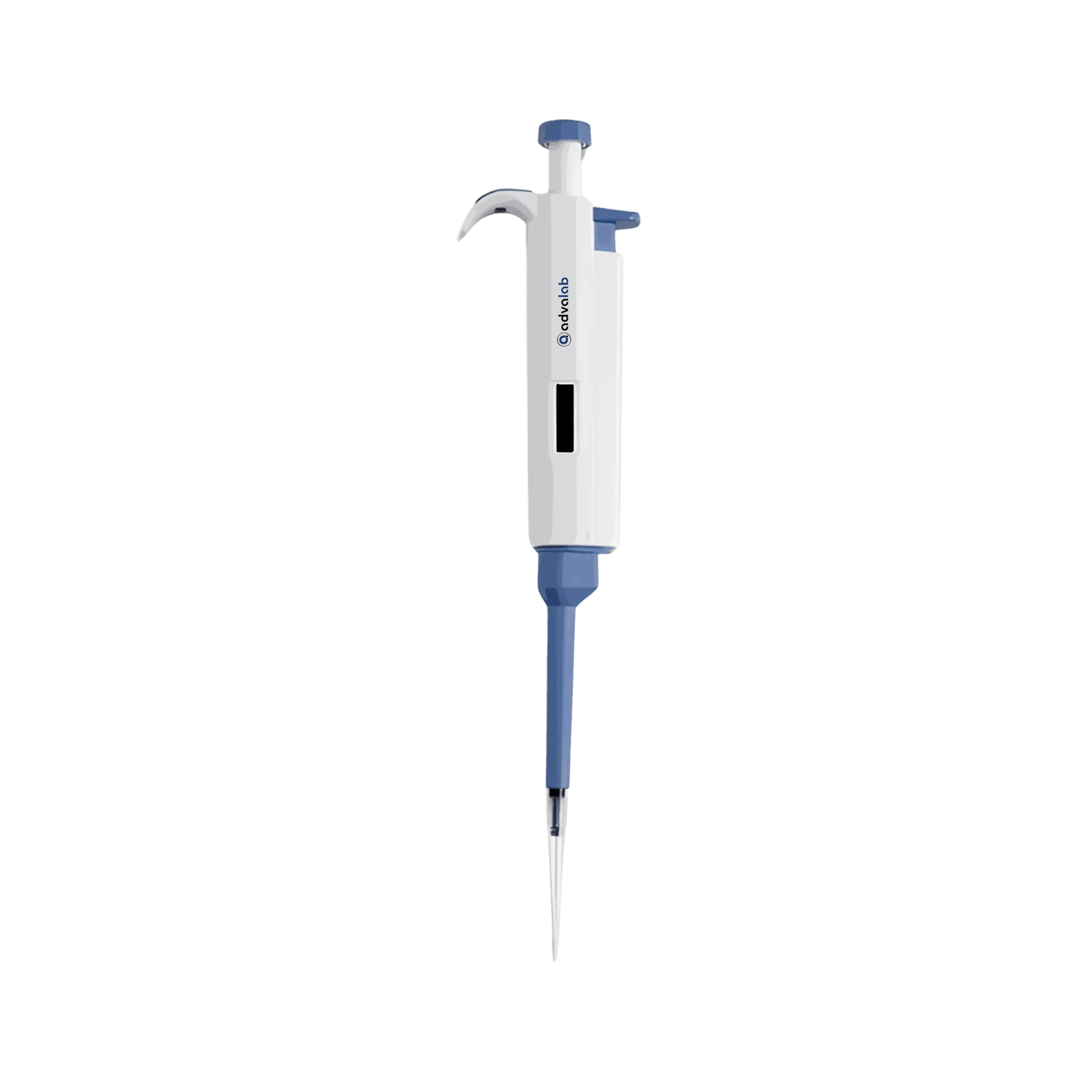
| Volume Range: | 1 to 10 µl |
| Increment: | 0.1 µl |
| Test Volume: | 10 µl, 5µl, 1 µl |
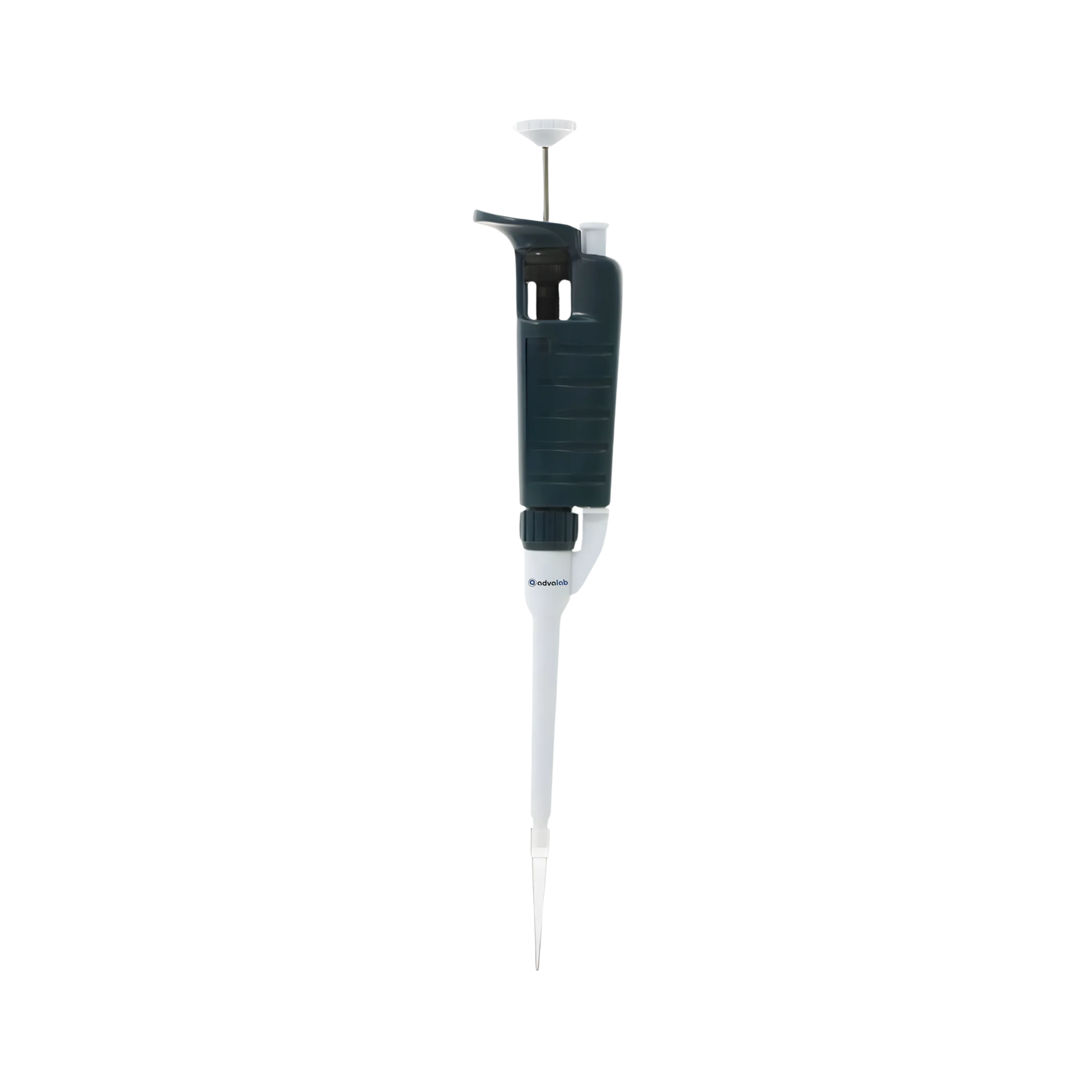
| Volume Range: | 100 to 1000 µl |
| Increment: | 2 µl |
| Test Volume: | 100µl, 500µl, 1000 µl |

| Volume Range: | 0.5 to 10 µl |
| Increment: | 0.02 µl |
| Test Volume: | 1 µl, 5µl, 10 µl |
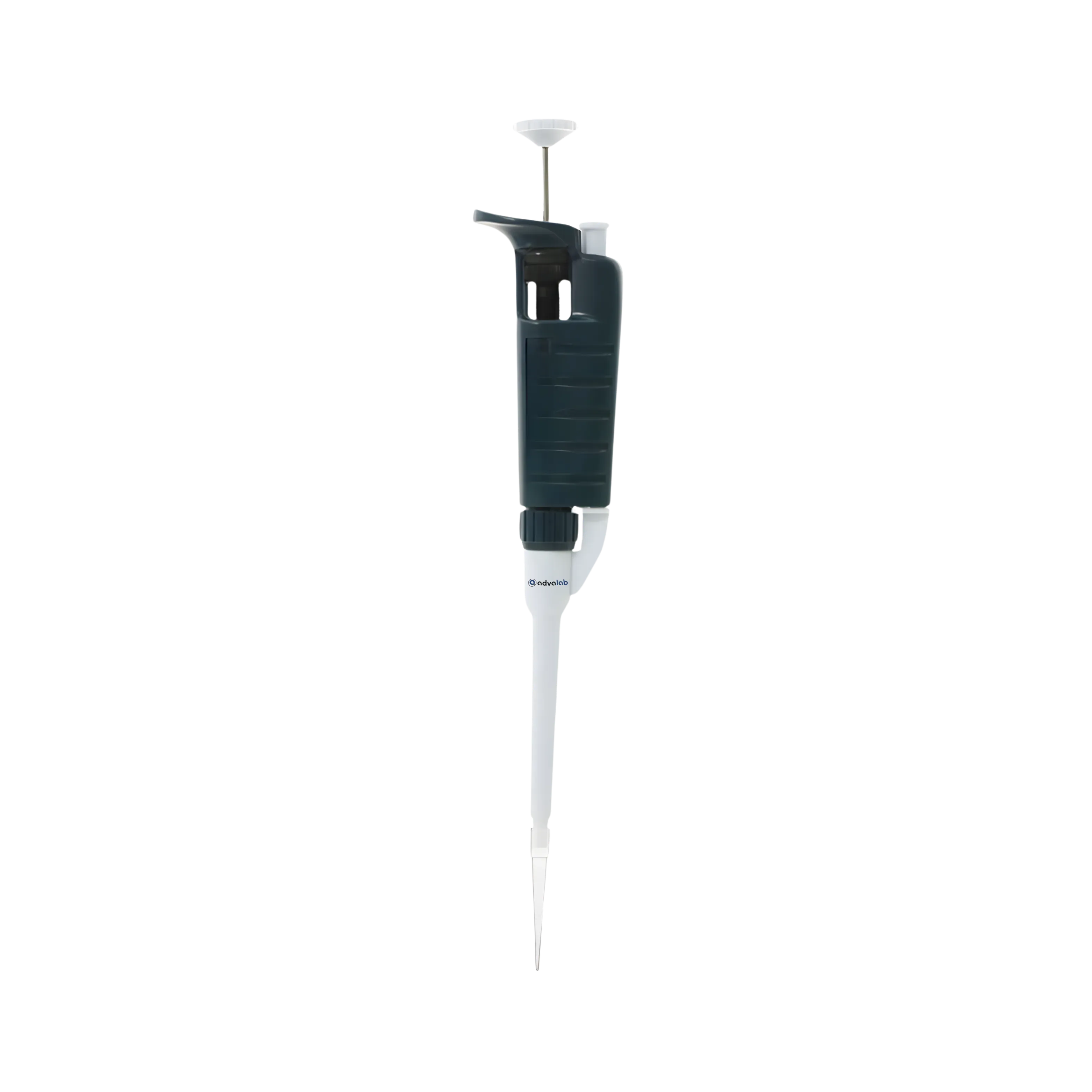
| Volume Range: | 0.2 to 2 µl |
| Increment: | 0.002 µl |
| Test Volume: | 0.2 µl, 0.5µl, 2 µl |
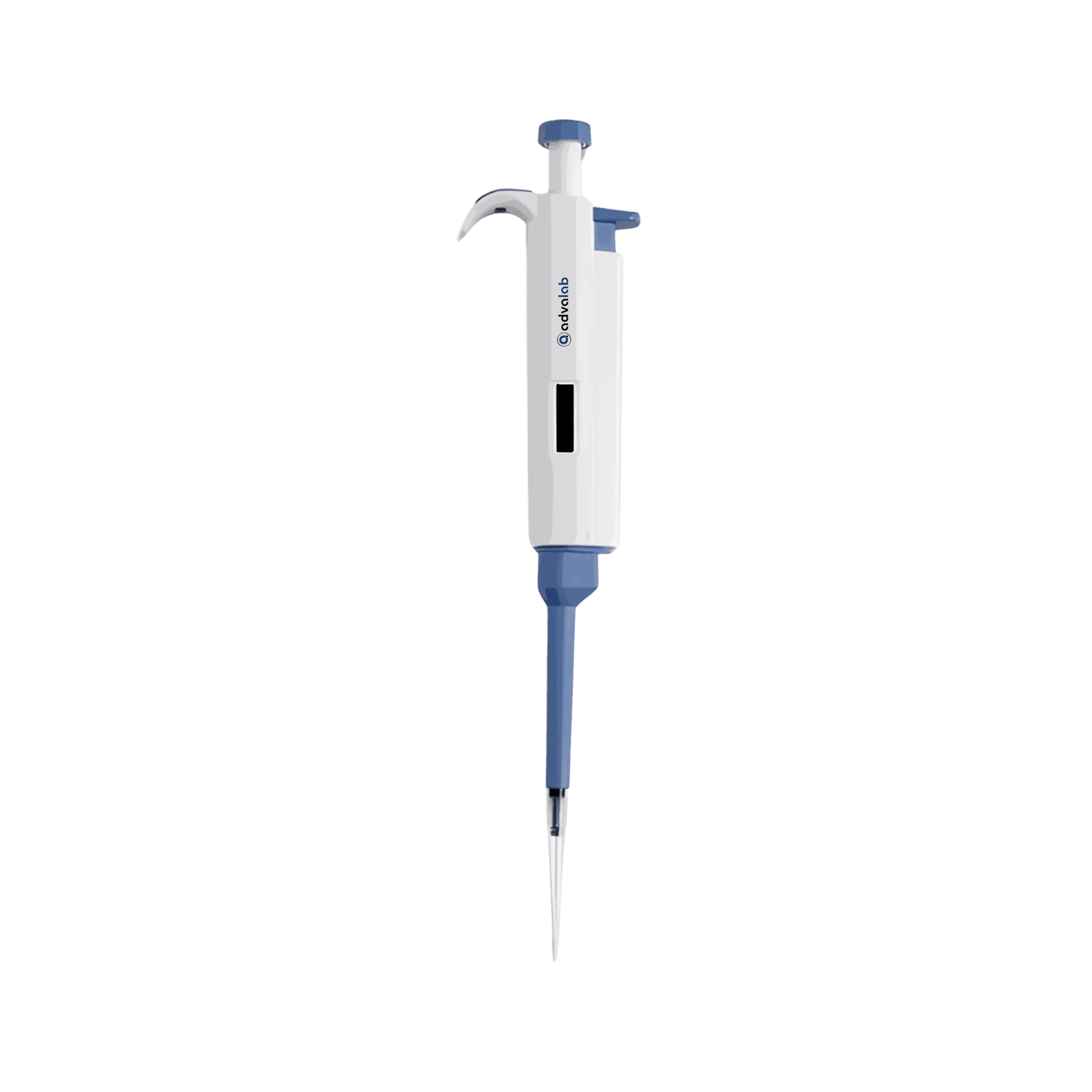
| Volume Range: | 2to 20 µl |
| Increment: | 0.5 µl |
| Test Volume: | 20 µl, 10 µl, 2 µl |
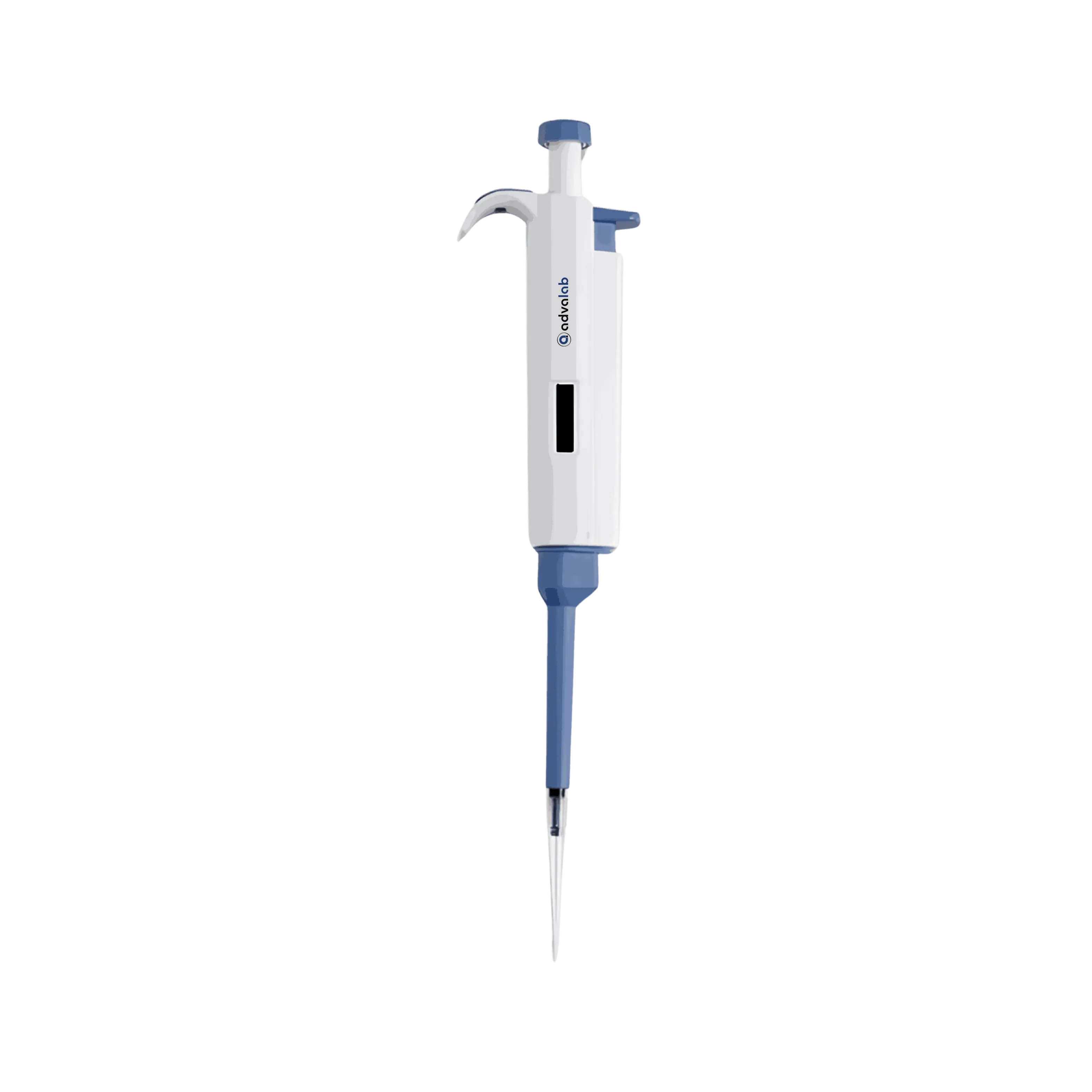
| Volume Range: | 1 to 5 µl |
| Increment: | 0.05 µl |
| Test Volume: | 5 µl, 2.5µl, 1 µl |

| Volume Range: | 30to 300 µl |
| Increment: | 5 µl |
| Test Volume: | 300 µl, 150 µl, 30 µl |

| Volume Range: | 20 to 200 µl |
| Increment: | 0.2 µl |
| Test Volume: | 20 µl, 100 µl, 200 µl |
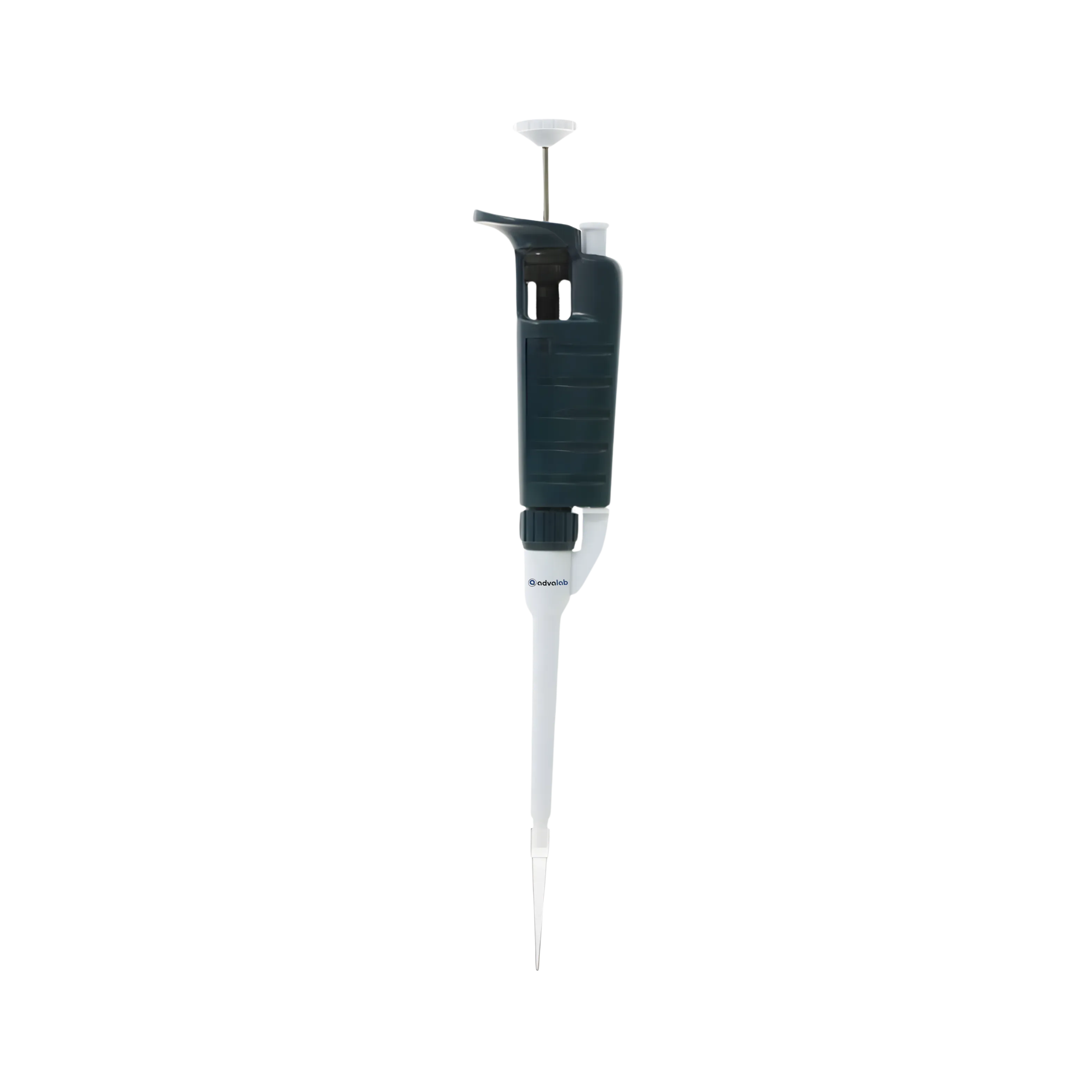
| Volume Range: | 1 to 10 µl |
| Increment: | 20 µl |
| Test Volume: | 1 µl, 5µl, 10 µl |

| Volume Range: | 2 to 20 µl |
| Increment: | 0.02 µl |
| Test Volume: | 2 µl, 10 µl, 20 µl |

| Volume Range: | 10 to 100 µl |
| Increment: | 1 µl |
| Test Volume: | 100 µl, 50 µl, 10 µl |
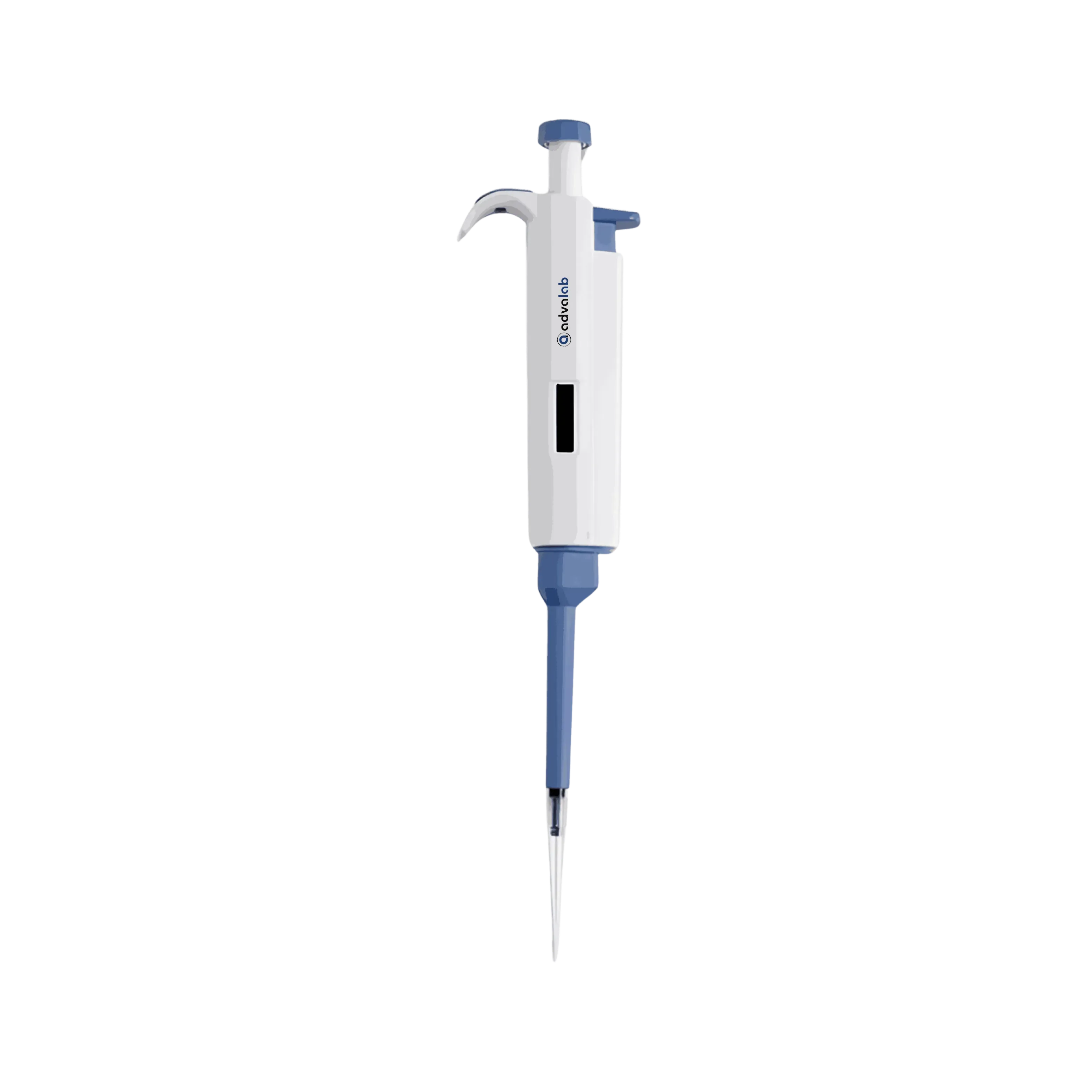
| Volume Range: | 0.5 to 10 µl |
| Increment: | 0.1 µl |
| Test Volume: | 1 µl, 5µl, 1 µl |
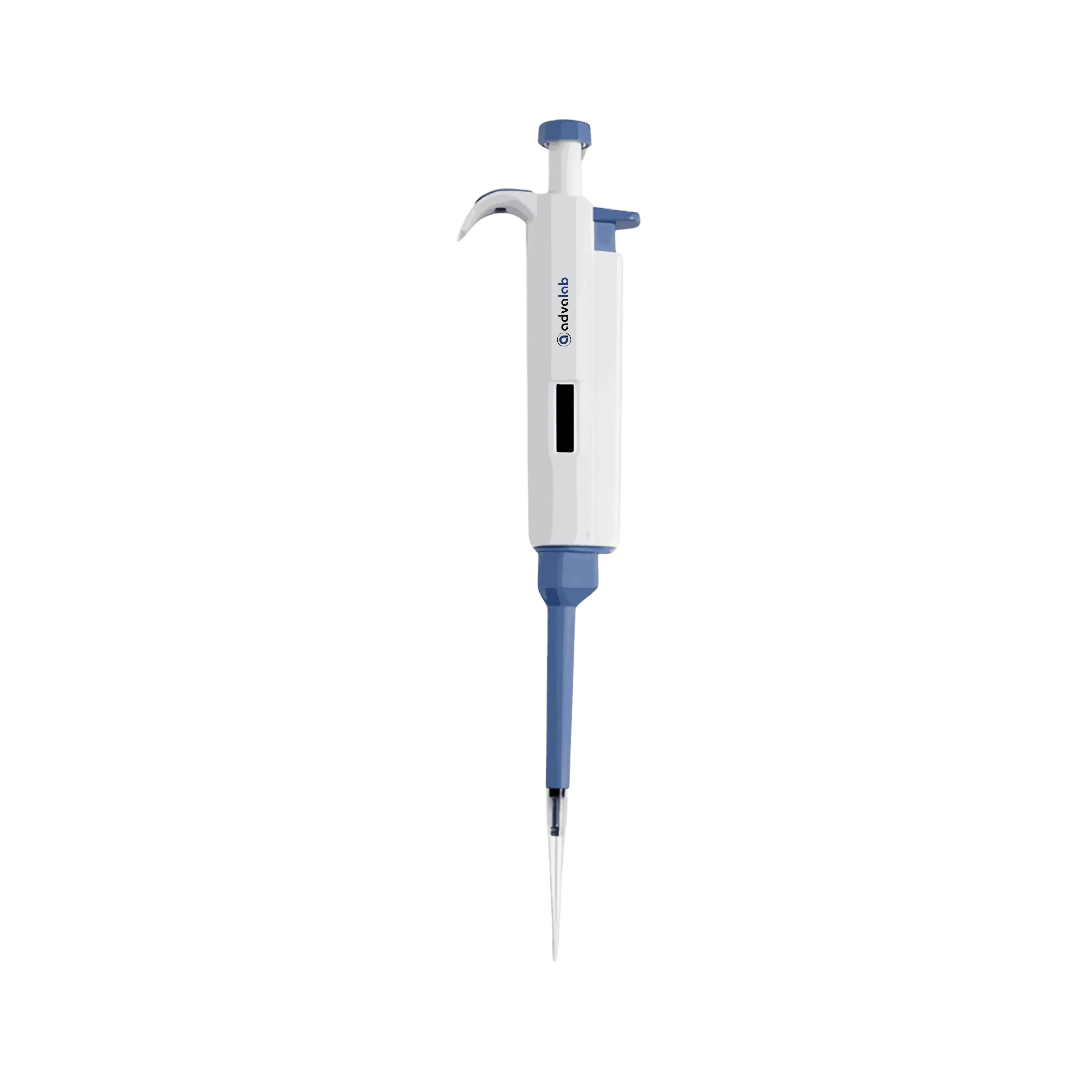
| Volume Range: | 5 to 50 µl |
| Increment: | 0.5 µl |
| Test Volume: | 50 µl, 25 µl, 5 µl |

| Volume Range: | 20 to 200 µl |
| Increment: | 1 µl |
| Test Volume: | 200µl, 100µl, 20 µl |

| Volume Range: | 0.5 to 5 µl |
| Increment: | 20 µl |
| Test Volume: | 1000 µl, 2500 µl, 5000 µl |
| Volume Range: | 0.1 to 2.5 µl |
| Increment: | 0.05 µl |
| Test Volume: | 0.25 µl, 1.25 µl, 2.5 µl |

| Volume Range: | 10 to 100µl |
| Increment: | 1µl |
| Test Volume: | 100µl , 50µl , 10µl |

| Volume Range: | 10 to 1000µl |
| Increment: | 5µl |
| Test Volume: | 1000µl , 500µl , 100µl |

| Volume Range: | 2 to 20µl |
| Increment: | 0.5µl |
| Test Volume: | 20µl , 10µl , 2µl |

| Volume Range: | 1 to 5µl |
| Increment: | 50µl |
| Test Volume: | 5000µl , 2500µl , 1000µl |

| Volume Range: | 20 to 200µl |
| Increment: | 1µl |
| Test Volume: | 200µl , 100µl , 20µl |

| Volume Range: | 5 to 50µl |
| Increment: | 0.5µl |
| Test Volume: | 50µl , 25µl , 5µl |

| Volume Range: | 0.5 to 10µl |
| Increment: | 0.1µl |
| Test Volume: | 10µl , 5µl , 1µl |