

| Chamber Volume | 50L φ (340×550) mm |
| Working Pressure | 0.1 to 0.22MPa |
| Working Temperature | 120 to 134℃ |
| Maximum Working Pressure | 0.23Mpa |
| Heat Average | ≤±1℃ |
| Timer | 0 to 99min or 0 to 99hr 59min |
| Adjustment of Temperature | 105 to 134℃ |
| Power Consumption | 3 KW |
| Power Supply | AC220V. 50Hz |
| Overall Dimension (L×B×H) | 520×520×980 mm |
| Transport Dimension (L×B×H) | 590×590×1110 mm |
| Gross Weight | 68 Kg |
| Net Weight | 50 Kg |
Our Vertical Autoclave ADPA-508 is used in labs, pharmaceutical and research areas for sterilizing medical equipment and treating wastes.
1. How do I verify sterilization effectiveness in a vertical autoclave?
Sterilization effectiveness is commonly verified using biological indicators (spore tests), chemical indicators, and physical monitoring (time, temperature, pressure). Biological indicators are the most reliable and involve using bacterial spores to test sterilization success. Chemical indicators change color when exposed to proper conditions, and physical monitoring ensures the cycle reached required parameters. Regular validation and record-keeping are critical. Many facilities perform weekly or batch-based testing for quality assurance.
2. Can a vertical autoclave sterilize wrapped instruments?
Yes, vertical autoclaves can sterilize wrapped instruments, provided the wrap is steam-permeable and compatible with autoclaving. Common wraps include autoclave paper, cloth, or pouches designed for steam sterilization. Proper loading is crucial to allow steam penetration throughout the package. Use sterilization indicators to verify effectiveness. Avoid overpacking, which can reduce steam flow and compromise results.
3. What is a vertical autoclave?
A vertical autoclave is a type of steam sterilizer designed in a cylindrical, upright shape, mainly used in laboratories, hospitals, and research facilities. It uses high-pressure steam to sterilize equipment, instruments, and media. Its vertical design is especially suited for spaces with limited bench or floor space. Most vertical autoclaves come with features like digital controls, safety valves, and automated cycles. They're preferred for applications that require sterilization of liquids, culture media, and laboratory glassware.
4. How does a vertical autoclave work?
Vertical autoclaves operate using moist heat sterilization through pressurized steam. When the chamber is sealed and heated, steam displaces the air, increasing temperature and pressure to destroy bacteria, viruses, spores, and fungi. A typical sterilization cycle includes heating, holding (exposure time), and cooling. Once sterilization is complete, the pressure is released safely. The equipment ensures effective sterilization of even complex instruments and porous loads.
5. What are the applications of vertical autoclaves?
Vertical autoclaves are widely used in medical, microbiological, and pharmaceutical settings. They are ideal for sterilizing surgical tools, glassware, culture media, rubber items, and liquid solutions. Research labs also use them for sterilizing nutrient broth and agar before culturing. In addition, they are suitable for small-scale hospital sterilization needs and in clinics. Their compact design makes them a good choice where space is constrained.
6. What is a Vertical Autoclave and how does it work?
A Vertical Autoclave is a sterilization device that uses steam under pressure to sterilize equipment, media, and laboratory tools. It works by heating water to produce steam, which destroys bacteria, viruses, and other microorganisms.
7. What safety features are included in a Vertical Autoclave?
A Vertical Autoclave includes safety features like pressure release valves, temperature cut-offs, door interlocks, and alarms. These systems prevent accidental opening or overheating in the Vertical Autoclave. Built-in sensors ensure the unit shuts off in case of any malfunction.
8. Can a Vertical Autoclave be used for medical waste?
A Vertical Autoclave can be used to sterilize soft medical waste like gauze, gloves, and cloth items. However, a Vertical Autoclave may not be ideal for large volumes of waste or sharp objects. Special medical waste autoclaves are recommended for such loads.

| Chamber Volume | 35L φ (318×450) mm |
| Working Pressure | 0.22MPa |
| Working Temperature | 134℃ |

| Chamber Volume | 35L φ(318×450) mm |
| Working Pressure | 0.1 to 0.22MPa |
| Working Temperature | 120 to 134℃ |

| Chamber Volume | 35L φ (318×450) mm |
| Working Pressure | 0.22MPa |
| Working Temperature | 134℃ |
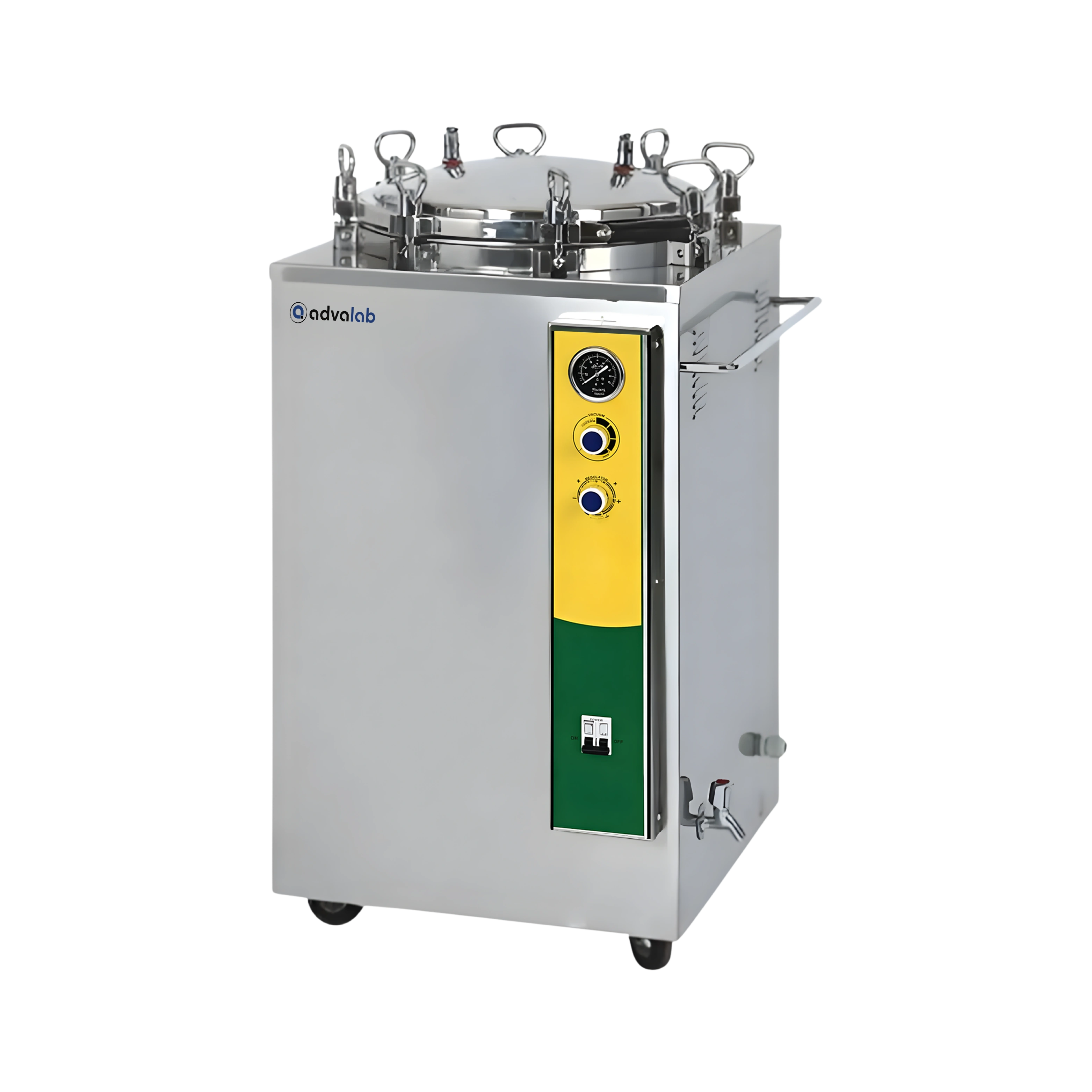
| Chamber Volume | 120L(φ480×660) mm |
| Working Pressure | 0.22MPa |
| Working Temperature | 134℃ |
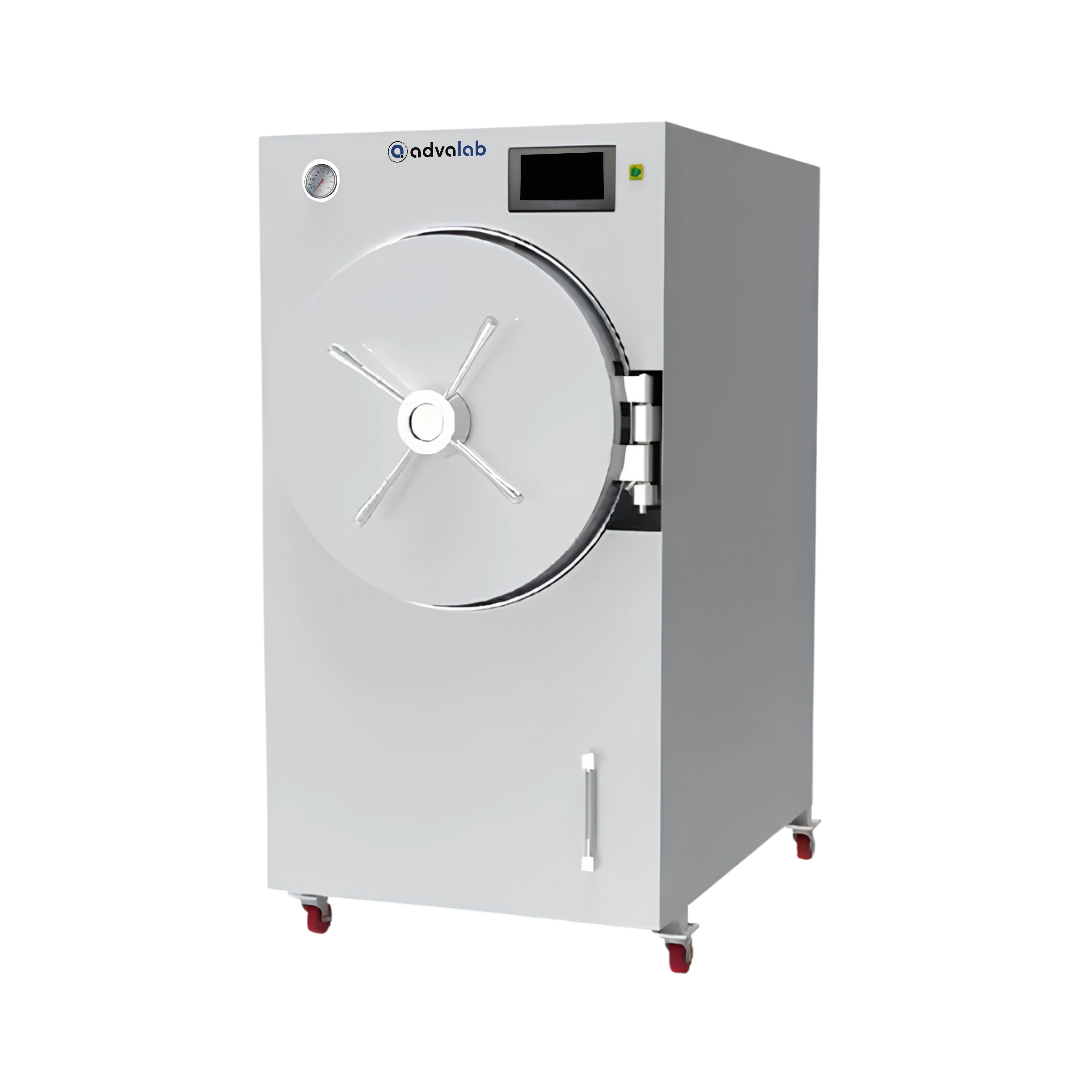
| Volume: | 360 L |
| Door Structure: | spoke |
| Temperature Range : | 105 to 135°C |
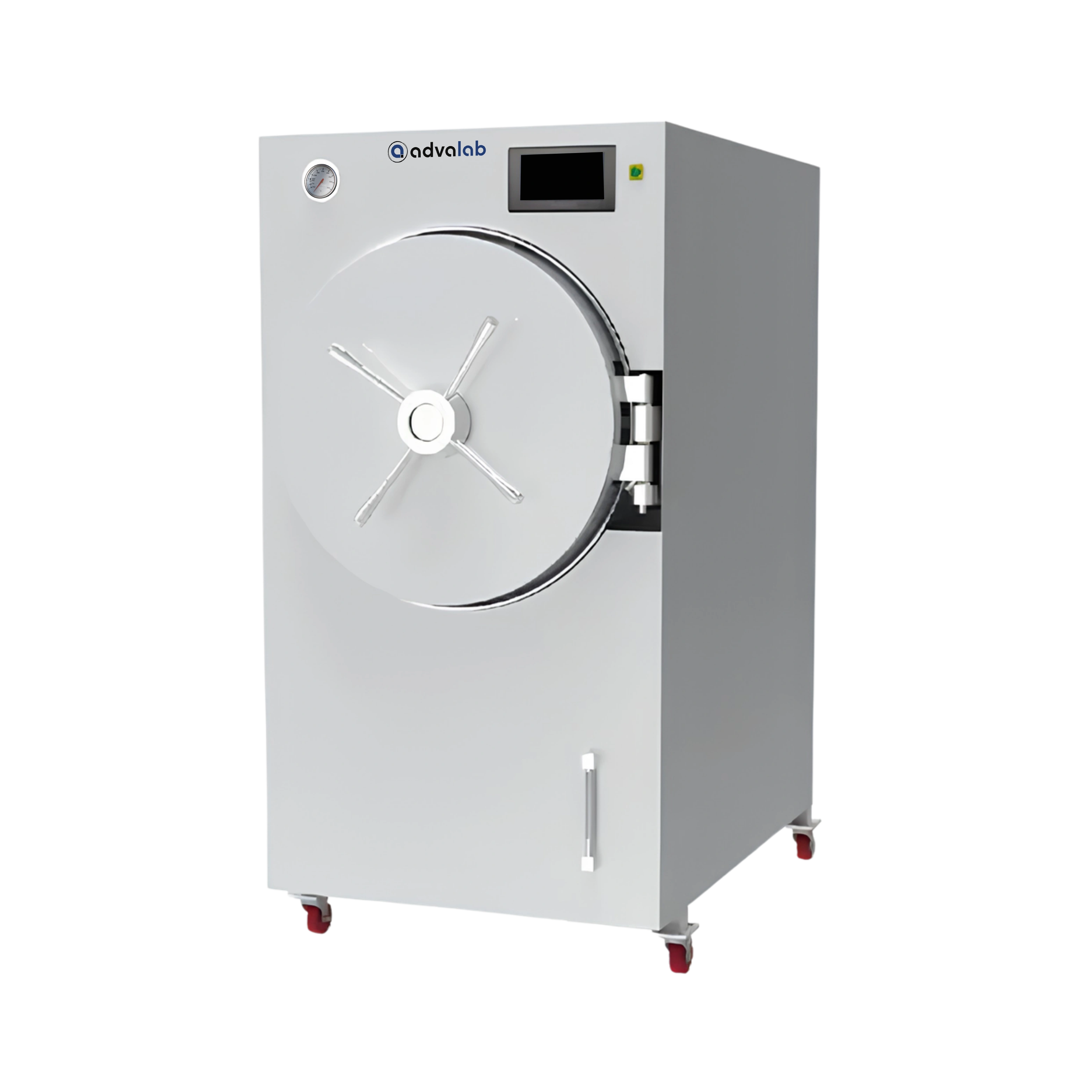
| Volume: | 280 L |
| Door Structure : | spoke |
| Temperature Range : | 105 to 135°C |
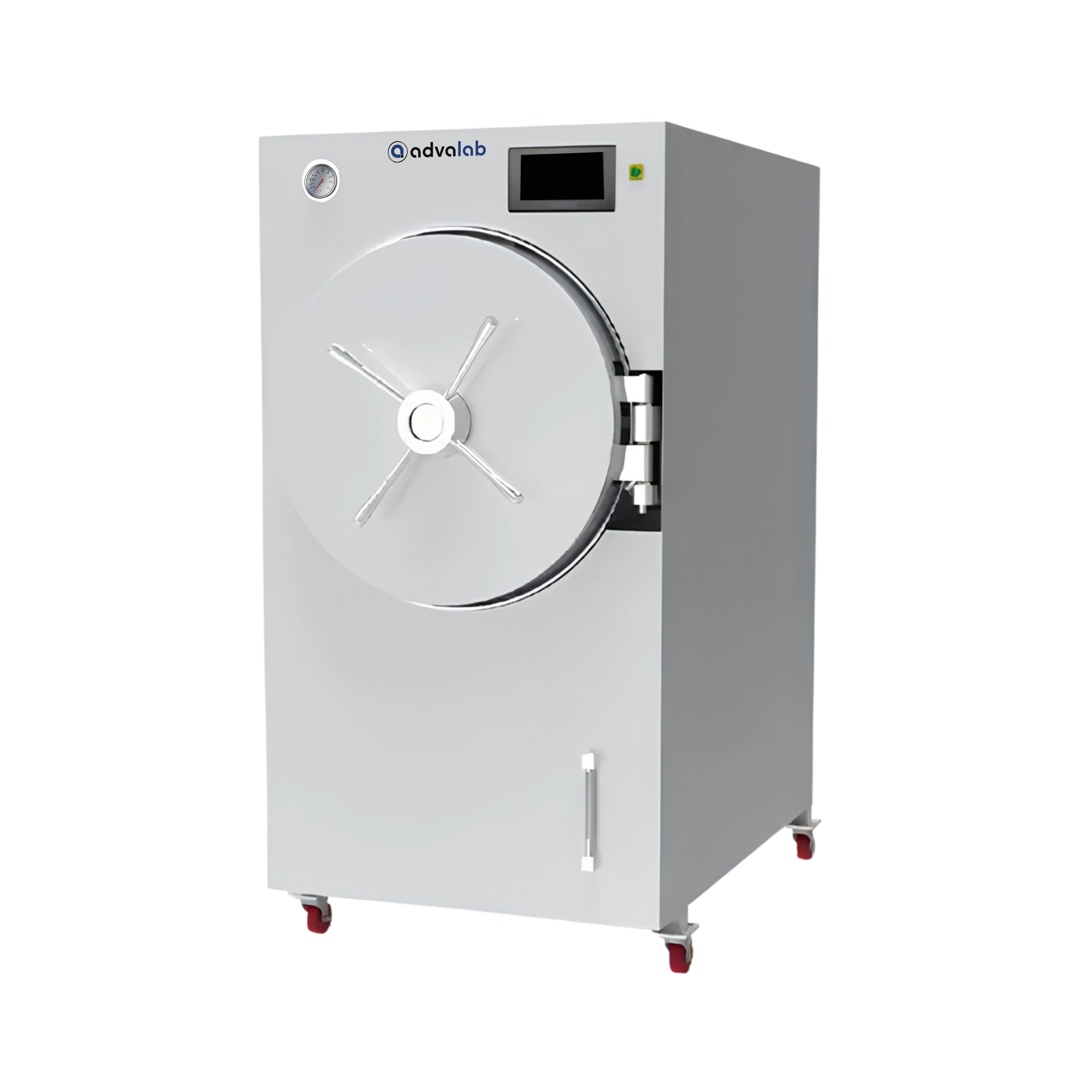
| Volume: | 500 L |
| Door Structure : | spoke |
| Temperature Range : | 105°C to 135°C |
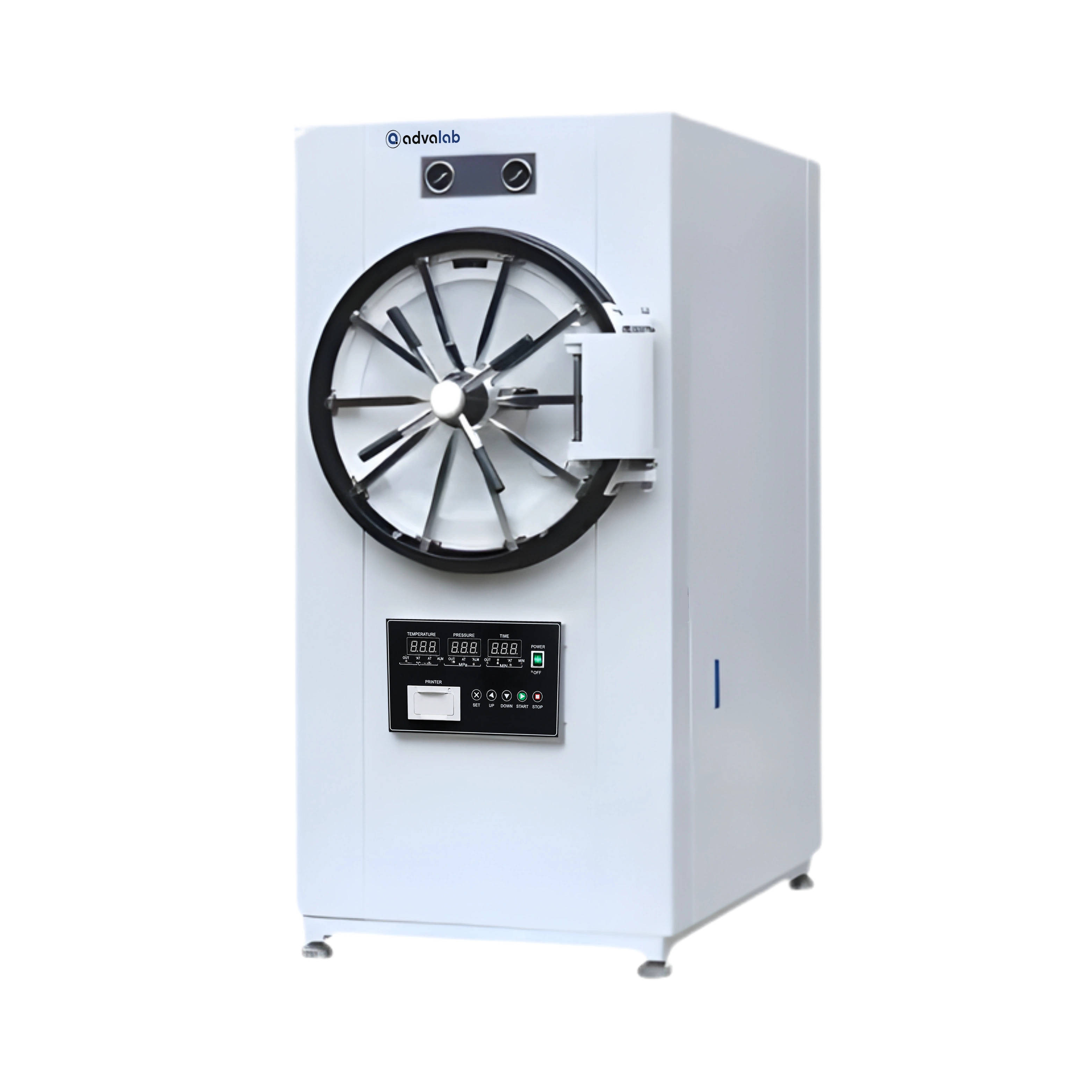
| Sterilizing Chamber Volume: | 200 L φ (515×1000mm) |
| Working Pressure: | 0.22Mpa |
| Working Temperature: | 134ºC |
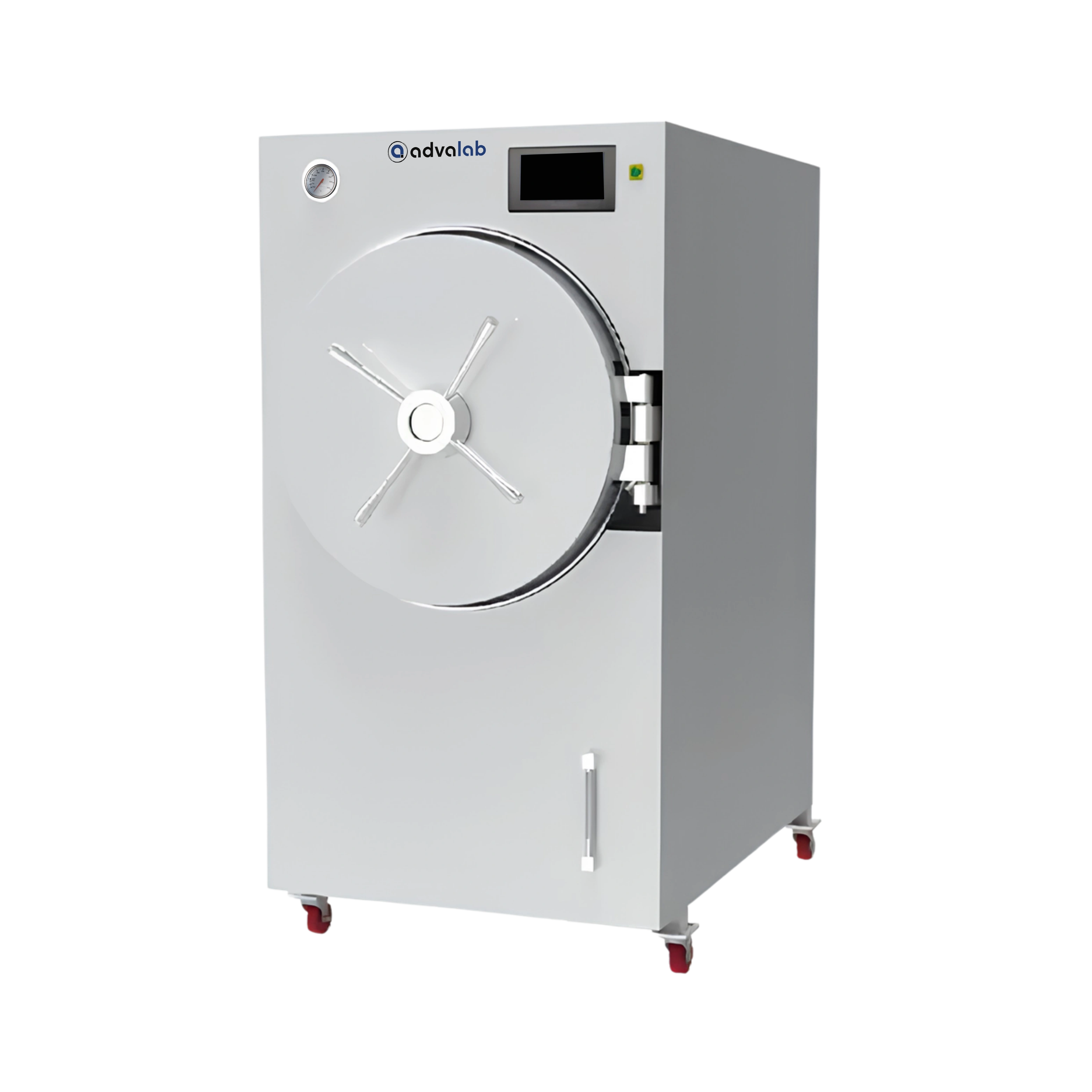
| Volume: | 500 L |
| Door Structure : | spoke |
| Temperature Range : | 105 to 135°C |
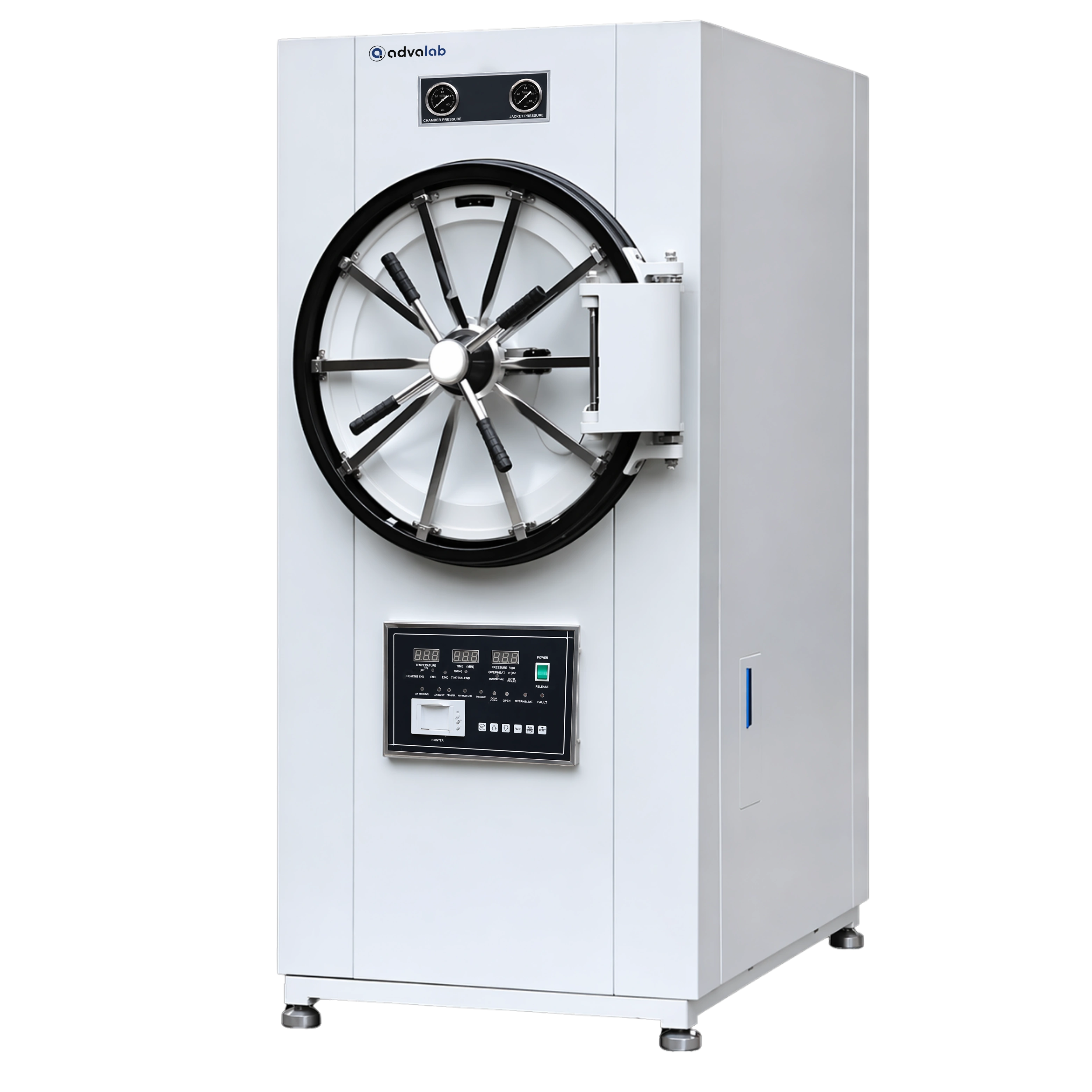
| Sterilizing chamber volume: | 150 L φ (440×1000mm) |
| working pressure: | 0.22Mpa |
| Working temperature: | 134ºC |
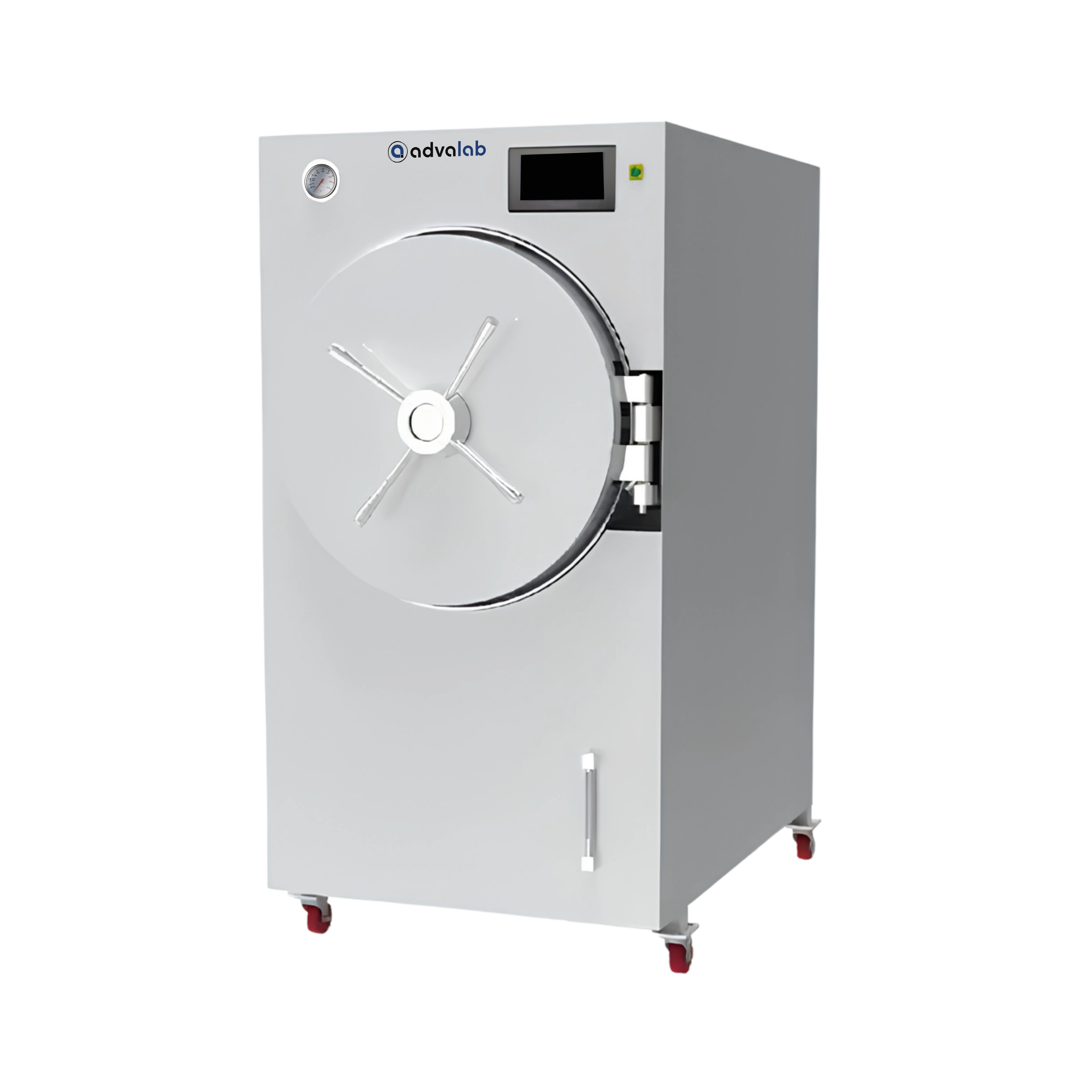
| Volume: | 280 L |
| Door Structure: | spoke |
| Temperature Range: | 105 to 135°C |
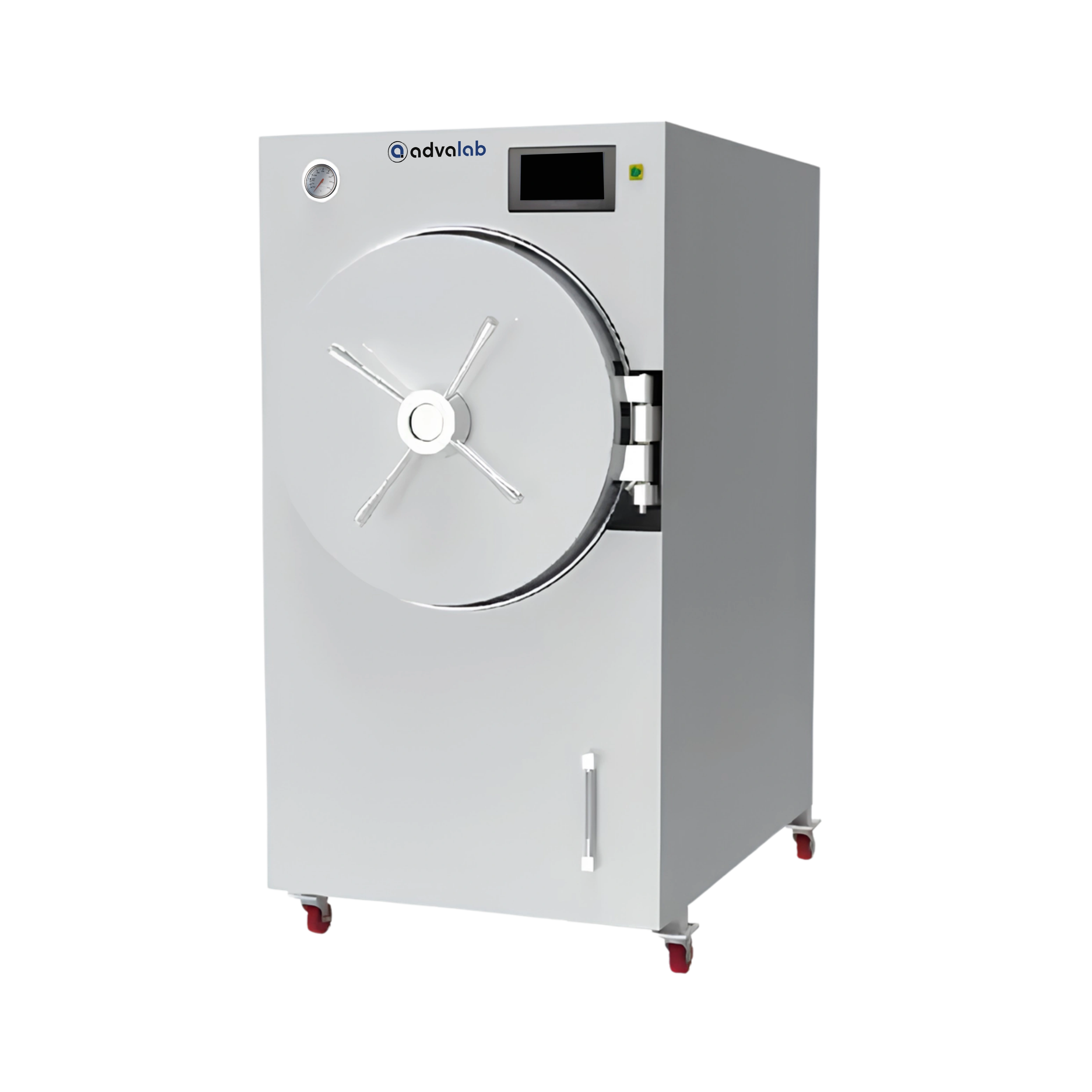
| Volume: | 360 L |
| Door Structure: | spoke |
| Temperature Range: | 105 to 135°C |

| Working Pressure: | 0.14 to 0.16MPa |
| Working Temperature: | 126 ºC |
| Temperature Adjust Range: | 105℃ to 126℃ |

| Chamber Volume: | 18L (280×260) mm |
| Working Pressure: | 0.14 to 0.16Mpa |
| Working Temperature: | 126℃ |
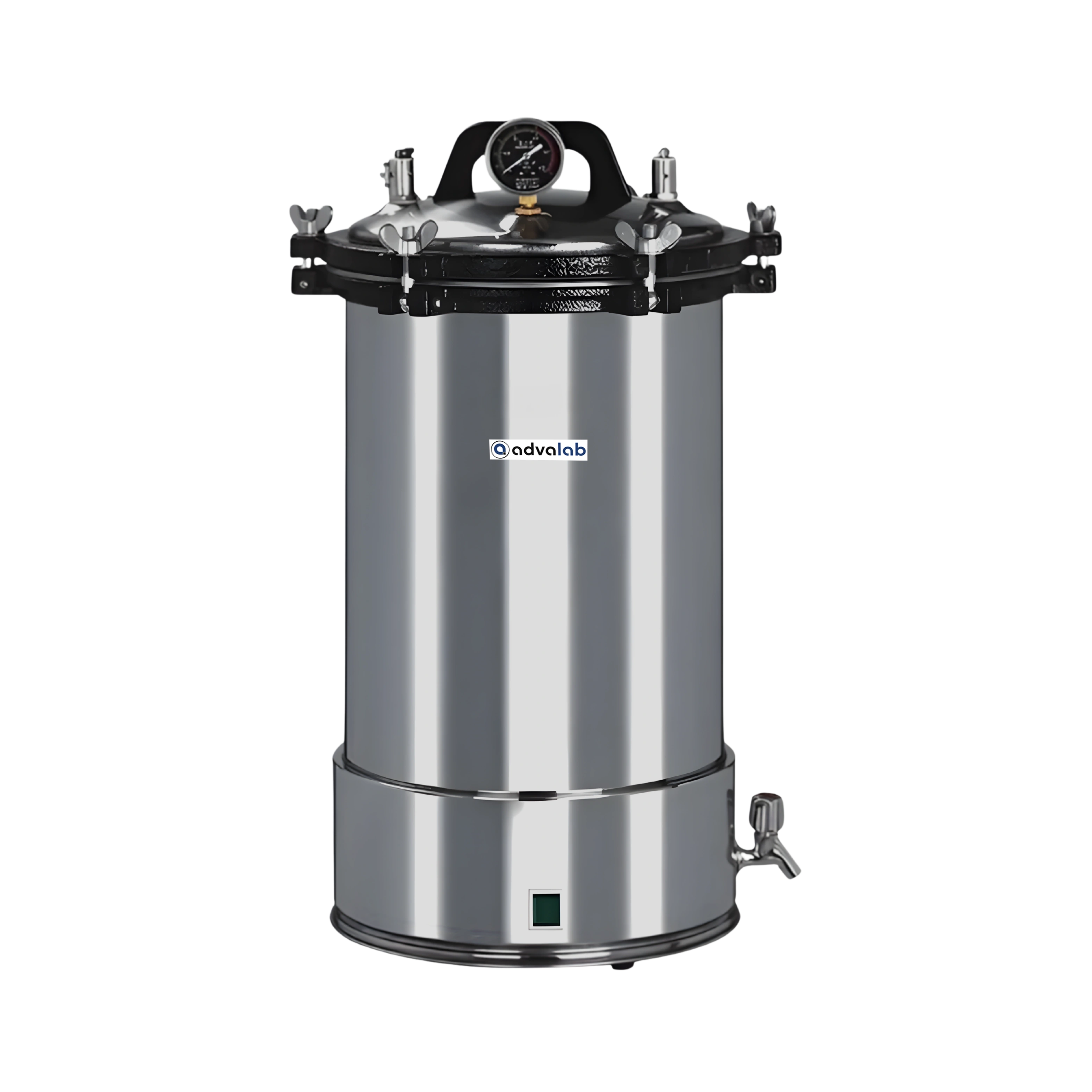
| Chamber Volume: | 18L (280 × 260) mm |
| Working Pressure: | 0.14 to 0.16 MPa |
| Working Temperature: | 126℃ |
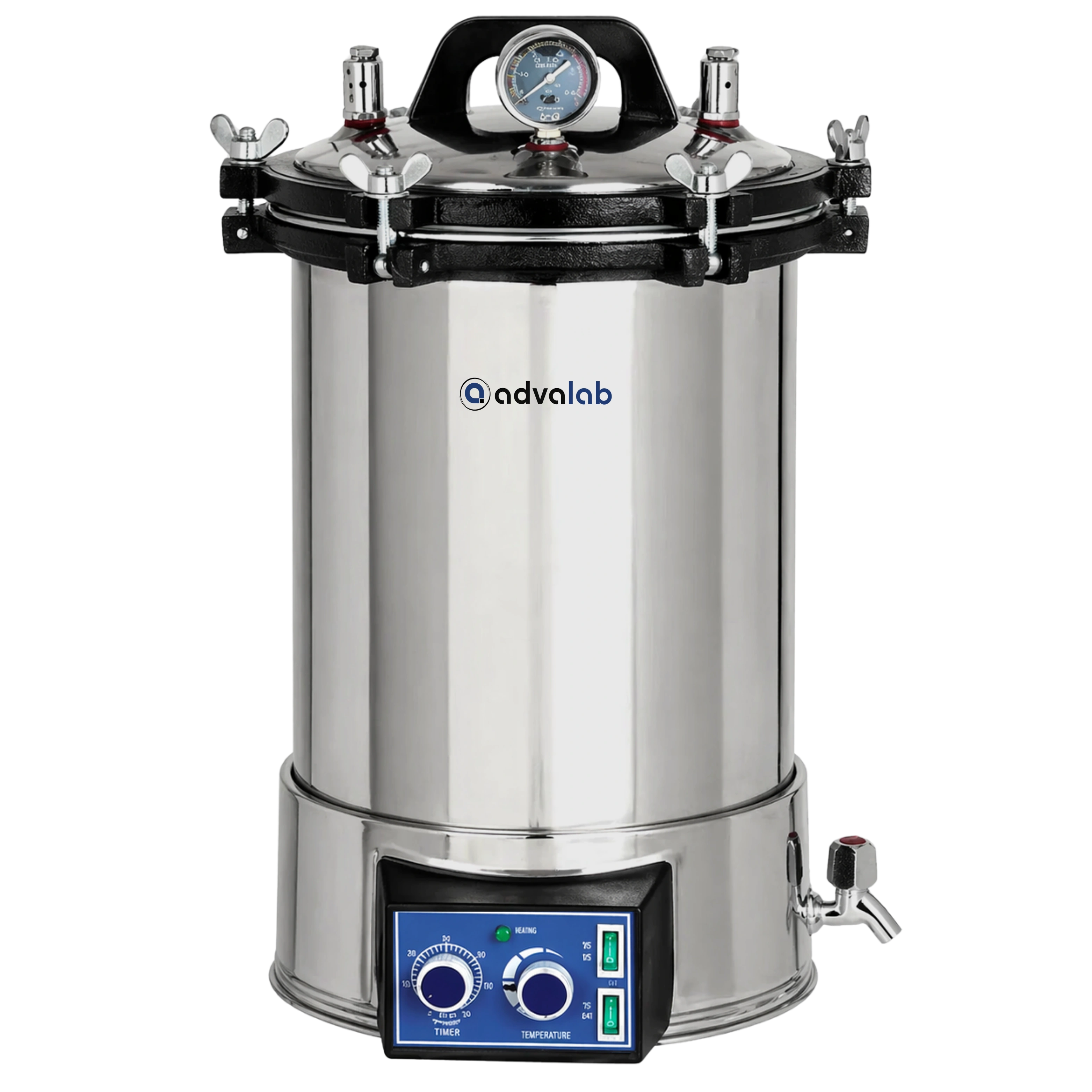
| Sterilizing Volume: | 18L (280×260) mm |
| Working Pressure: | 0.14 to 0.16MPa |
| Working Temperature: | 126 ºC |

| Chamber Volume: | 24L (280×390) mm |
| Working Pressure: | 0.14 to 0.16Mpa |
| Working Temperature: | 126℃ |
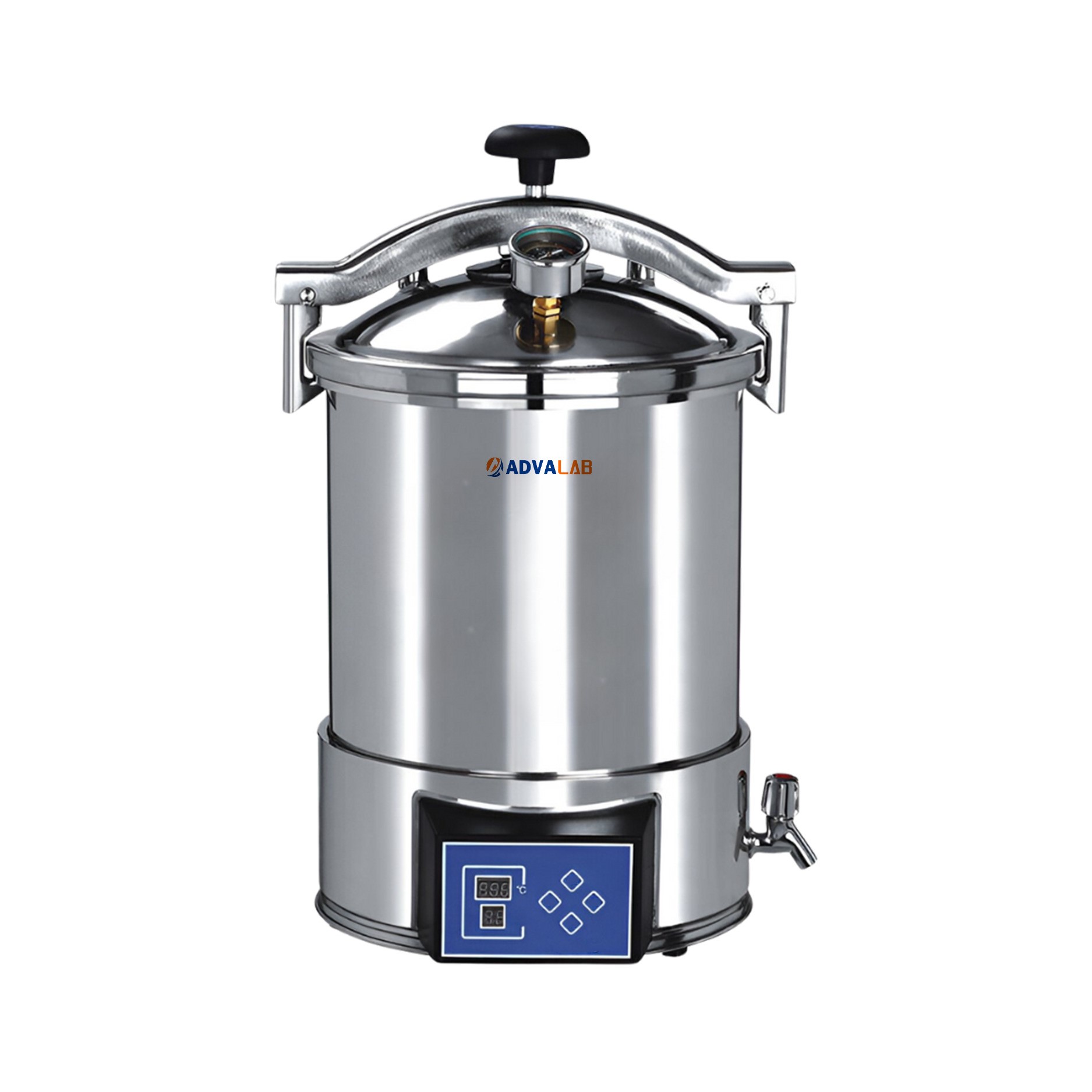
| Sterilizing Volume: | 18L (280×260) mm |
| Working Pressure: | 0.14 to 0.16MPa |
| Working Temperature: | 126℃ |
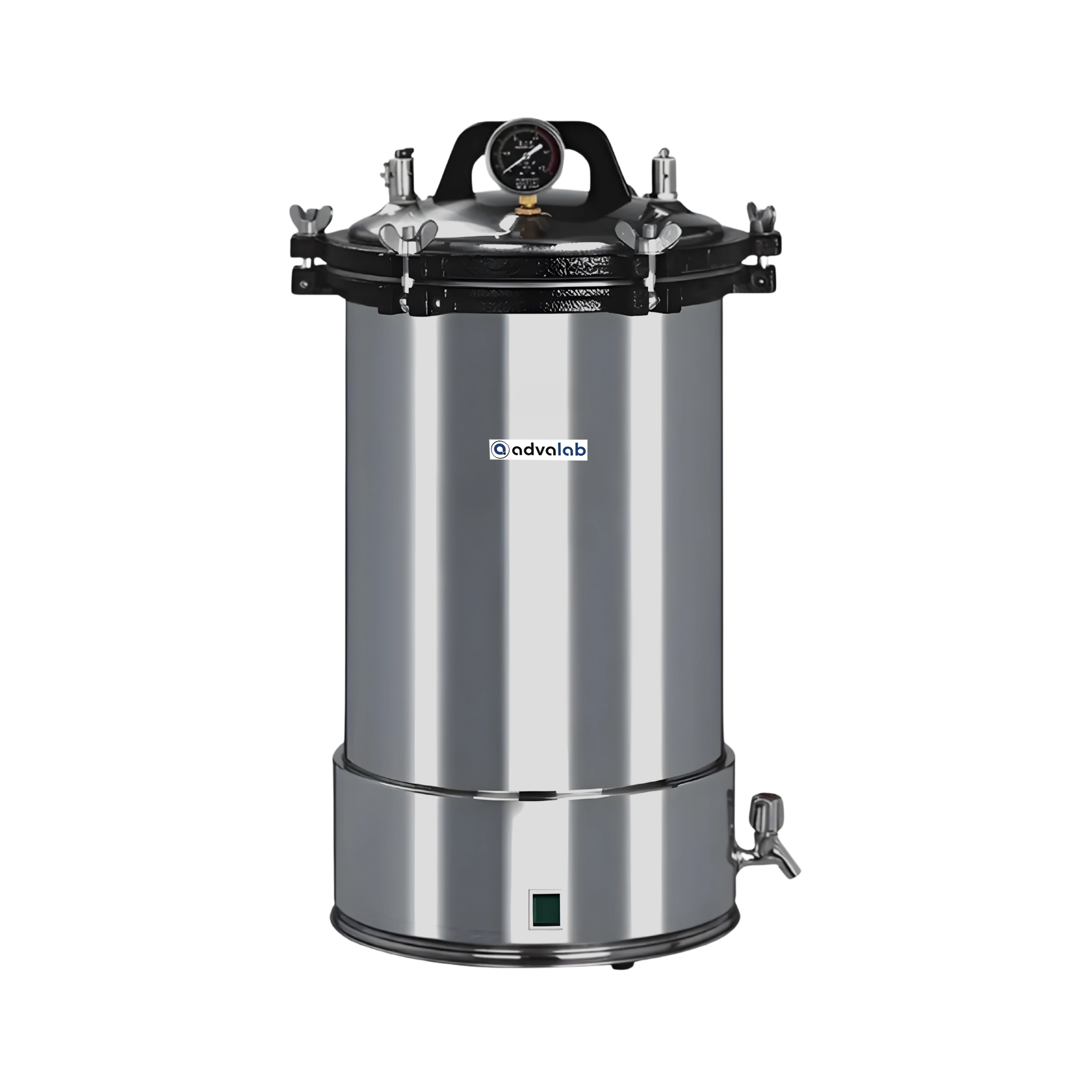
| Chamber Volume: | 24L (280 × 390) mm |
| Working Pressure: | 0.14 to 0.16 MPa |
| Working Temperature : | 126℃ |
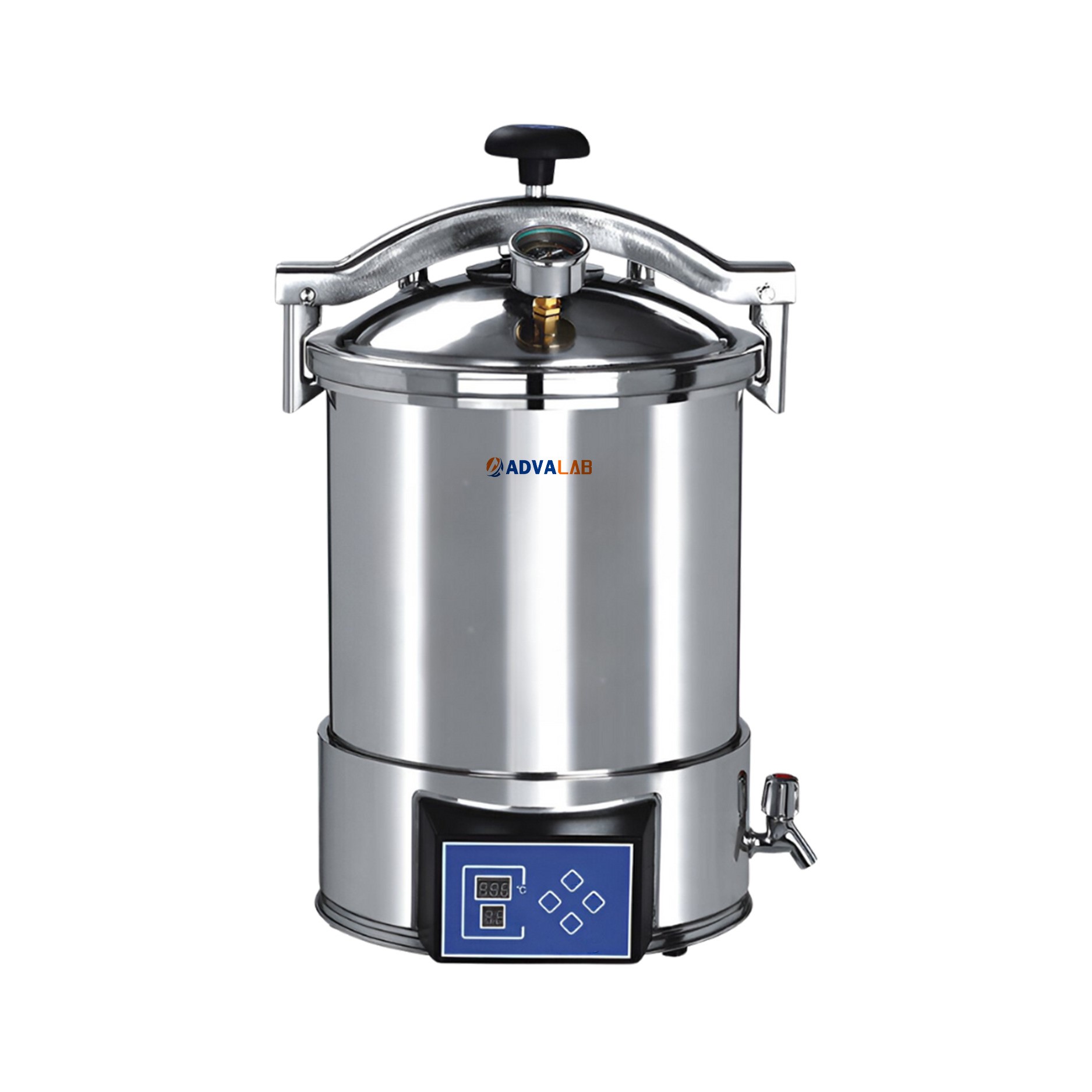
| Sterilizing Volume: | 18L 80×260 mm |
| Working Pressure: | 0.14 to 0.16 MPa |
| Working Temperature: | 126℃ |

| Chamber Volume: | 12L (240×200) mm |
| Working Pressure: | 0.14 to 0.16Mpa |
| Working Temperature: | 126℃ |

| Chamber Volume: | 35L φ (300×500) mm |
| Working Pressure: | 0.22MPa |
| Working Temperature: | 134℃ |
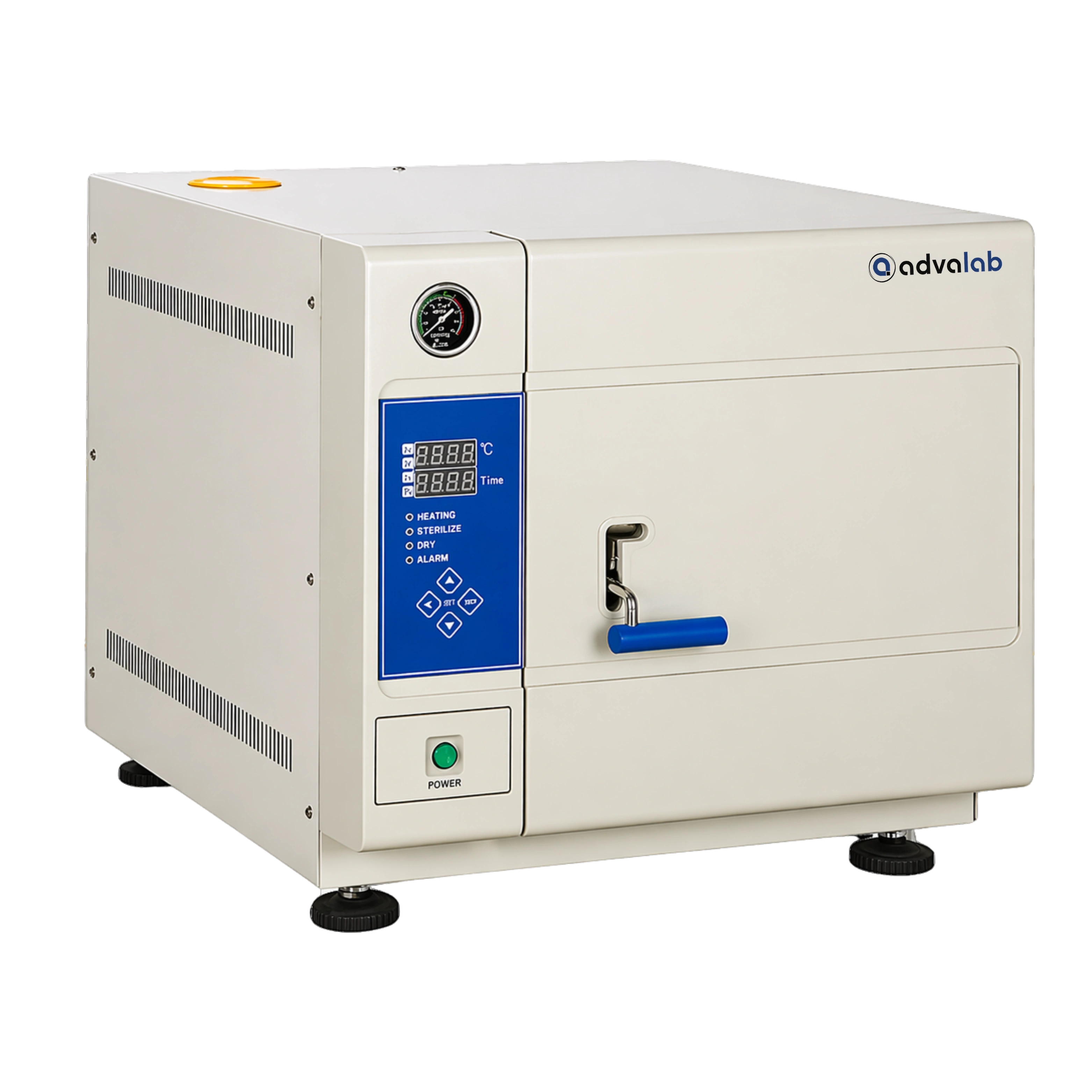
| Chamber Volume: | 50L φ (340×550) mm |
| Working Pressure: | 0.22MPa |
| Working Temperature: | 134℃ |
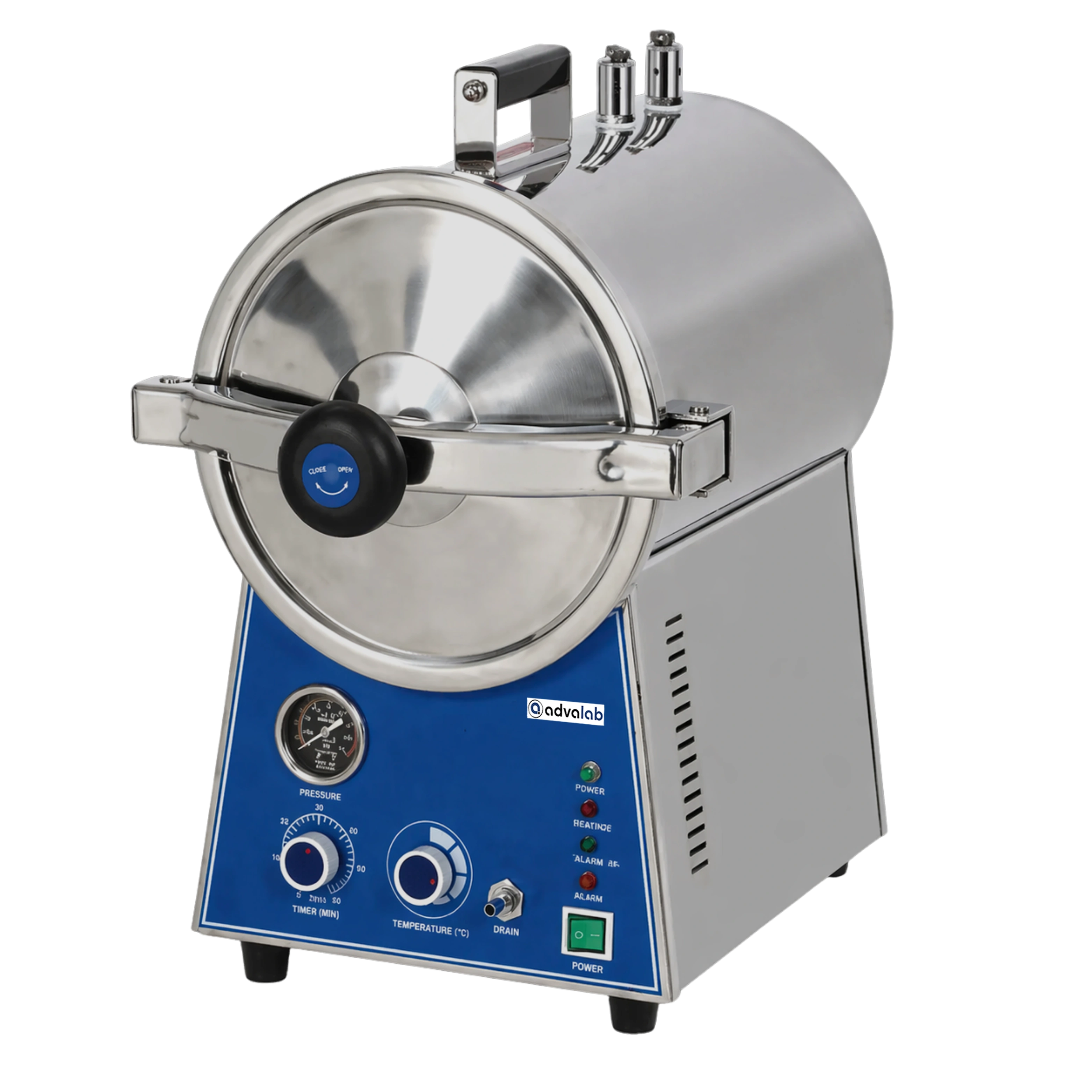
| Chamber Volume: | 24L φ (270×410) mm |
| Working Pressure: | 0.22MPa |
| Working Temperature: | 134℃ |

| Chamber Volume: | 20L φ (250×420) mm |
| Working Pressure: | 0.22MPa |
| Working Temperature: | 134℃ |
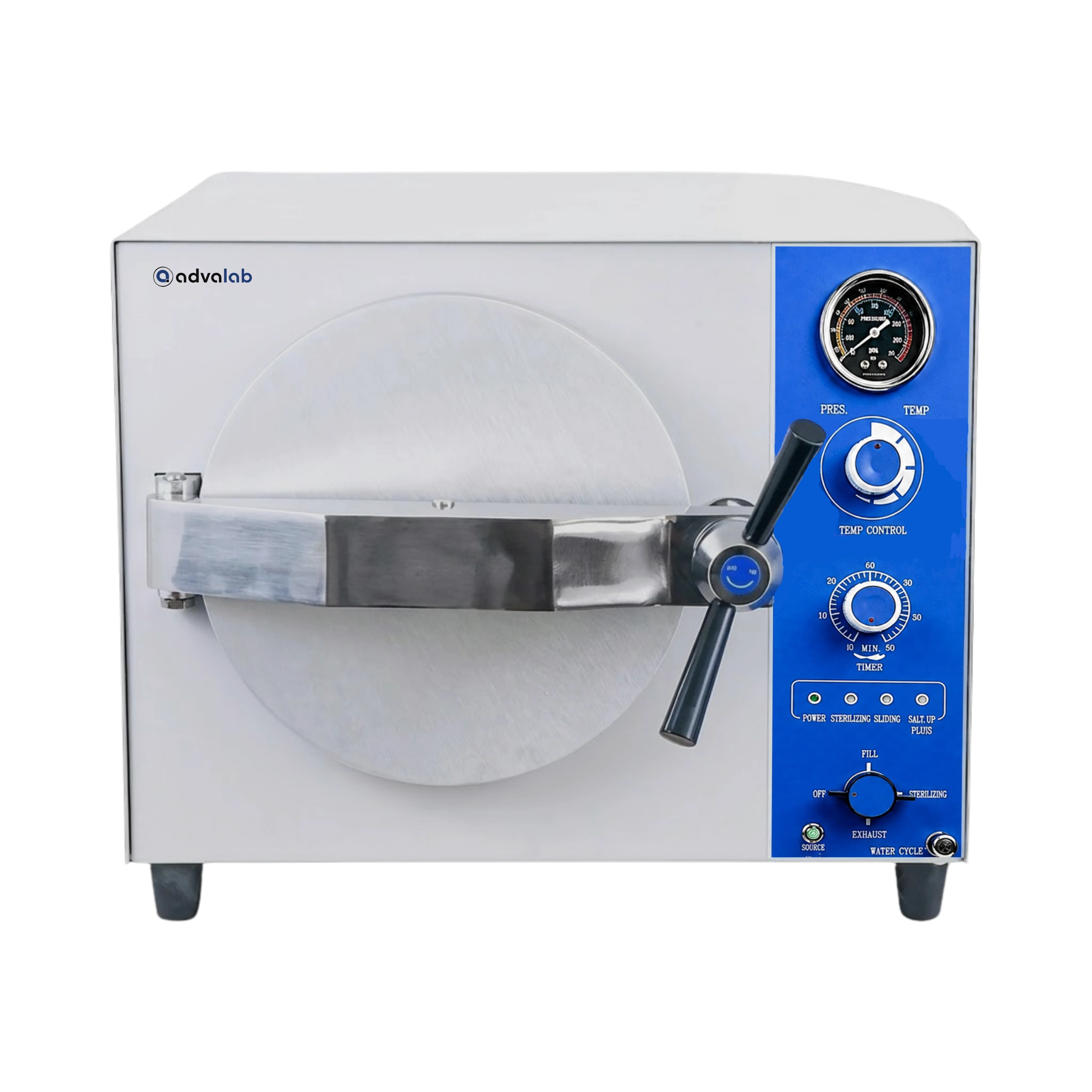
| Chamber Volume: | 24L φ (250×520) mm |
| Working Pressure: | 0.22MPa |
| Working Temperature: | 134℃ |

| Chamber Volume: | 16L φ (250×360) mm |
| Working Pressure: | 0.22MPa |
| Working Temperature: | 134℃ |