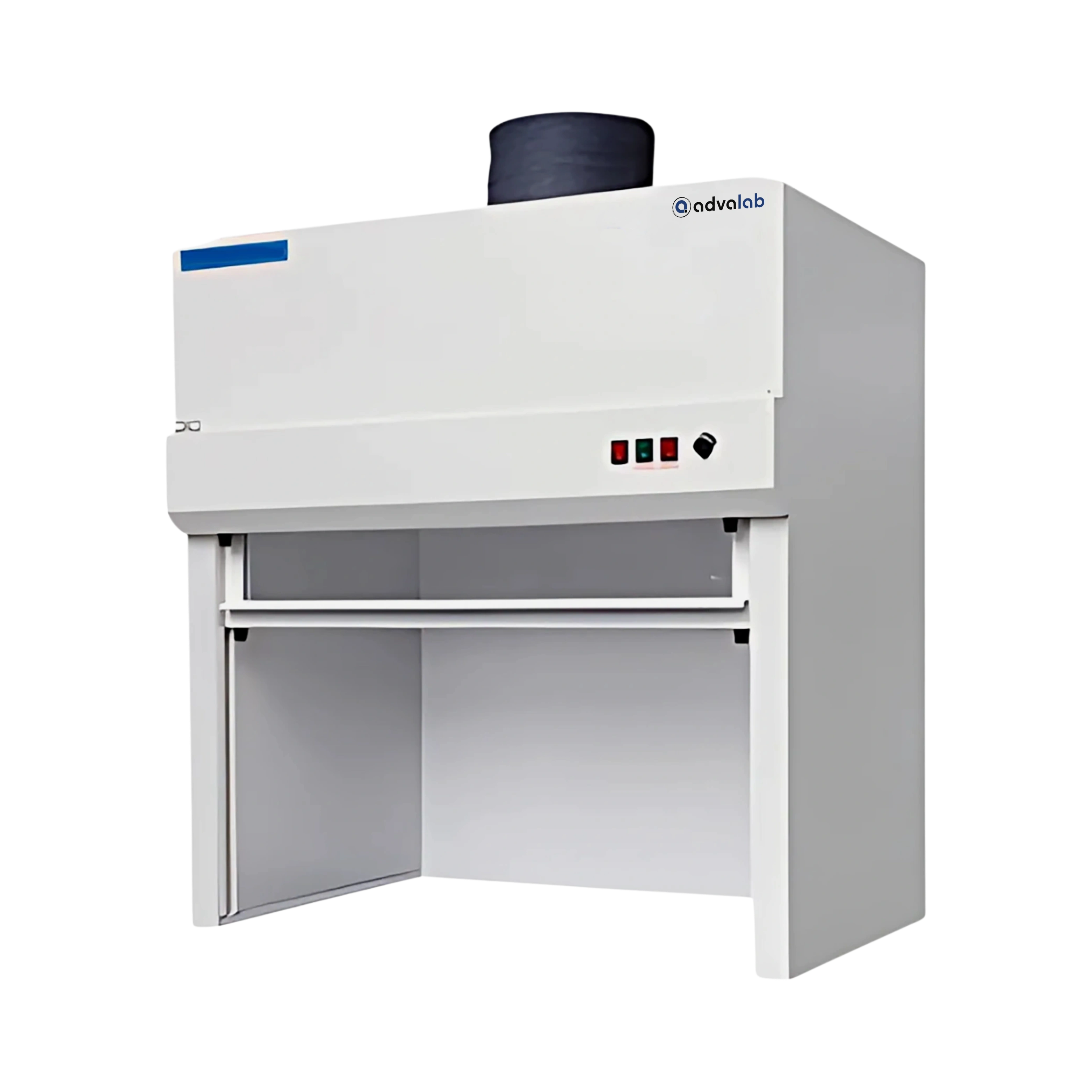
| External Dimension (L×B×H) | 1500×650×1050 mm |
| Internal Dimension (L×B×H) | 1390×530×740 mm |
| Air Volume | 1850 m³/h |
| Surface Wind Speed | Adjustable |
| Exhaust Air Diameter | 150 to 250 mm |
| Material | All steel/stainless steel |
| Noise | 50 db |
| Fan Power | 48 W to 110 W |
| LED power | 6 W to 10 W |
| Main Body | 1.0mm Cold-rolled steel with epoxy powder coating |
| Inner Size | 1.0mm Cold-rolled steel with epoxy powder coating |
| Work Top | 12.7mm black physicochemical board; ceramic, marble, or stainless steel optional |
| Power Consumption | 2000 W |
| Gross Weight | 125 kg |
Our Ducted Benchtop Fume Hood ADDBF-513 is used in chemical analysis, pharmaceutical formulation, and academic research to safely ventilate hazardous fumes during experiments involving volatile substances.
10 A Socket | 1 Pc |
Fan | 1 Pc |
Duct | 1 Pc |
LED | 1 Pc |
Speed governor | 1 Pc |
Water Faucet | 1 Pc |
Water Sink | 1 Pc |
LCD Panel | × 1 Pc |
Electric Damper | × 1 Pc |
Manual Damper | × 1 Pc |
Gas cock | × 1 Pc |
Drip Rack | × 1 Pc |
1. What is the primary function of the Ducted Benchtop Fume Hood ADDBF-513?
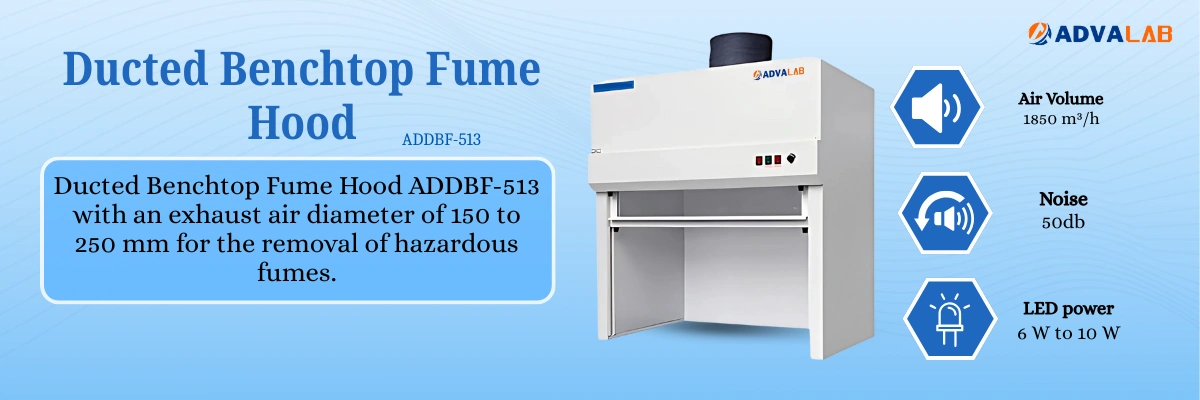
The Ducted Benchtop Fume Hood ADDBF-513 is designed to safely ventilate hazardous fumes, vapors, and airborne particles from laboratory workspaces. It connects to an external duct system to exhaust contaminated air outside. This ensures operator safety and environmental protection during chemical handling. It is ideal for applications involving volatile substances. The hood provides a secure, enclosed workspace for critical lab operations.
2. What is the primary function of the Ducted Benchtop Fume Hood ADDBF-513?
The Ducted Benchtop Fume Hood ADDBF-513 is designed to safely capture, contain, and exhaust hazardous chemical fumes and vapors during laboratory operations. It protects users by drawing contaminated air away from the work zone and venting it through an external duct system. This minimizes exposure to toxic substances and helps maintain a clean indoor air environment. The unit is particularly useful for experiments involving volatile solvents or corrosive materials. It ensures compliance with laboratory safety standards.
3. How does the ducted system of Ducted Benchtop Fume Hood ADDBF-513 improve lab safety?
The ducted system channels harmful air directly out of the lab through external exhaust. This prevents recirculation of hazardous fumes inside the room. It significantly reduces the risk of chemical exposure for lab personnel. The system maintains negative pressure to contain contaminants effectively. This enhances both air quality and operator protection.
4. In which environments is the Ducted Benchtop Fume Hood ADDBF-513 commonly used?
This fume hood is widely used in academic labs, research institutions, pharmaceutical labs, and chemical testing facilities. It supports procedures that generate toxic or flammable fumes. The hood ensures a clean and contained work environment. It is also suitable for forensic science and industrial R&D. Its compact benchtop design makes it ideal for limited-space labs.
5. What are the key features of the Ducted Benchtop Fume Hood ADDBF-513 model?
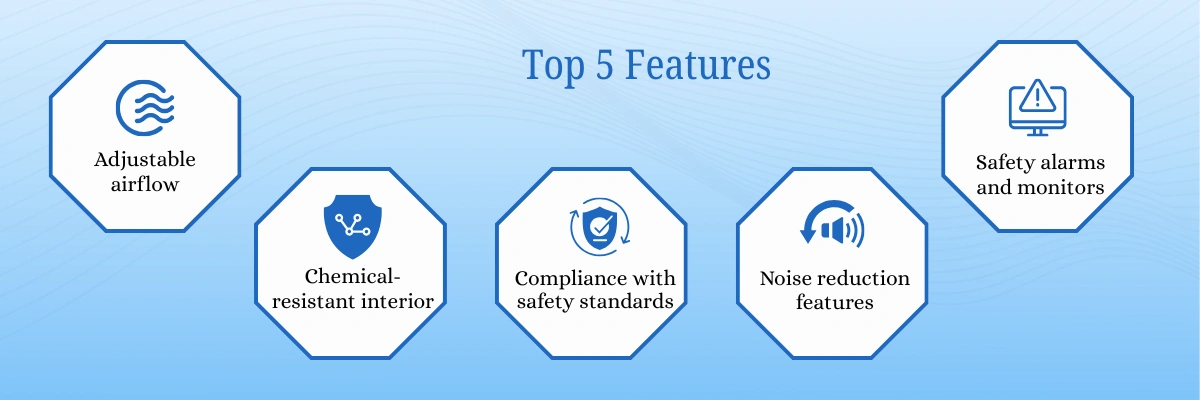
The Ducted Benchtop Fume Hood ADDBF-513 includes a durable, chemical-resistant interior and adjustable airflow controls. It is equipped with a clear front sash for visibility and safety, and integrated LED lighting. The unit supports constant airflow monitoring to ensure optimal performance. It also includes options for customizable work surfaces and service fixtures. Overall, it is built for efficiency, safety, and long-term use in demanding lab settings.
6. What maintenance does the Ducted Benchtop Fume Hood ADDBF-513 require?
Routine maintenance includes cleaning the interior surfaces, inspecting the duct connections, and checking for any signs of corrosion or wear. While there are no internal filters to replace, the external exhaust system should be inspected regularly. The sash mechanism and lighting should also be tested to ensure smooth operation. If equipped, airflow monitors and alarms must be calibrated periodically. Keeping a maintenance log is recommended for safety compliance and performance tracking.
7. How is airflow monitored or controlled in the Ducted Benchtop Fume Hood ADDBF-513?
The Ducted Benchtop Fume Hood ADDBF-513 typically includes an airflow monitor or alarm system to ensure consistent and safe ventilation. Some models feature digital displays to show real-time airflow levels or face velocity. Operators can be alerted if airflow drops below safe limits, helping prevent exposure. Airflow is controlled through a fan system connected to external ductwork, which should be appropriately sized for the unit.
8. Is the Ducted Benchtop Fume Hood ADDBF-513 suitable for handling corrosive chemicals?
Yes, the Ducted Benchtop Fume Hood ADDBF-513 is designed to handle corrosive chemicals, featuring an interior constructed from durable, chemical-resistant materials. The work surface, sash, and inner linings are all built to withstand harsh reagents and acids. However, it's important to verify the chemical compatibility of the specific substances in use. For extremely aggressive chemicals, additional liners or coatings may be recommended.
9. What types of filters or ducting are required for Ducted Benchtop Fume Hood ADDBF-513?
Since the Ducted Benchtop Fume Hood ADDBF-513 is a ducted unit, it does not rely on internal filters but instead connects to external ductwork that vents air outside the building. The ducting must be chemical-resistant and properly sealed to ensure safety and performance. Depending on the application, additional pre-filters or scrubbers may be installed in the exhaust line. It is important to follow local building and safety codes for duct installation.
10. What is the primary function of the Ducted Benchtop Fume Hood ADDBF-513 ?
The primary function of the Ducted Benchtop Fume Hood ADDBF-513 is to provide a ventilated enclosure that safely removes hazardous chemical fumes, vapors, and airborne particles during laboratory procedures. It helps protect laboratory personnel by maintaining negative pressure and preventing exposure to toxic substances. This model is ducted, meaning it connects to an external exhaust system for effective air removal. It is ideal for laboratories handling volatile chemicals or conducting sensitive experiments.
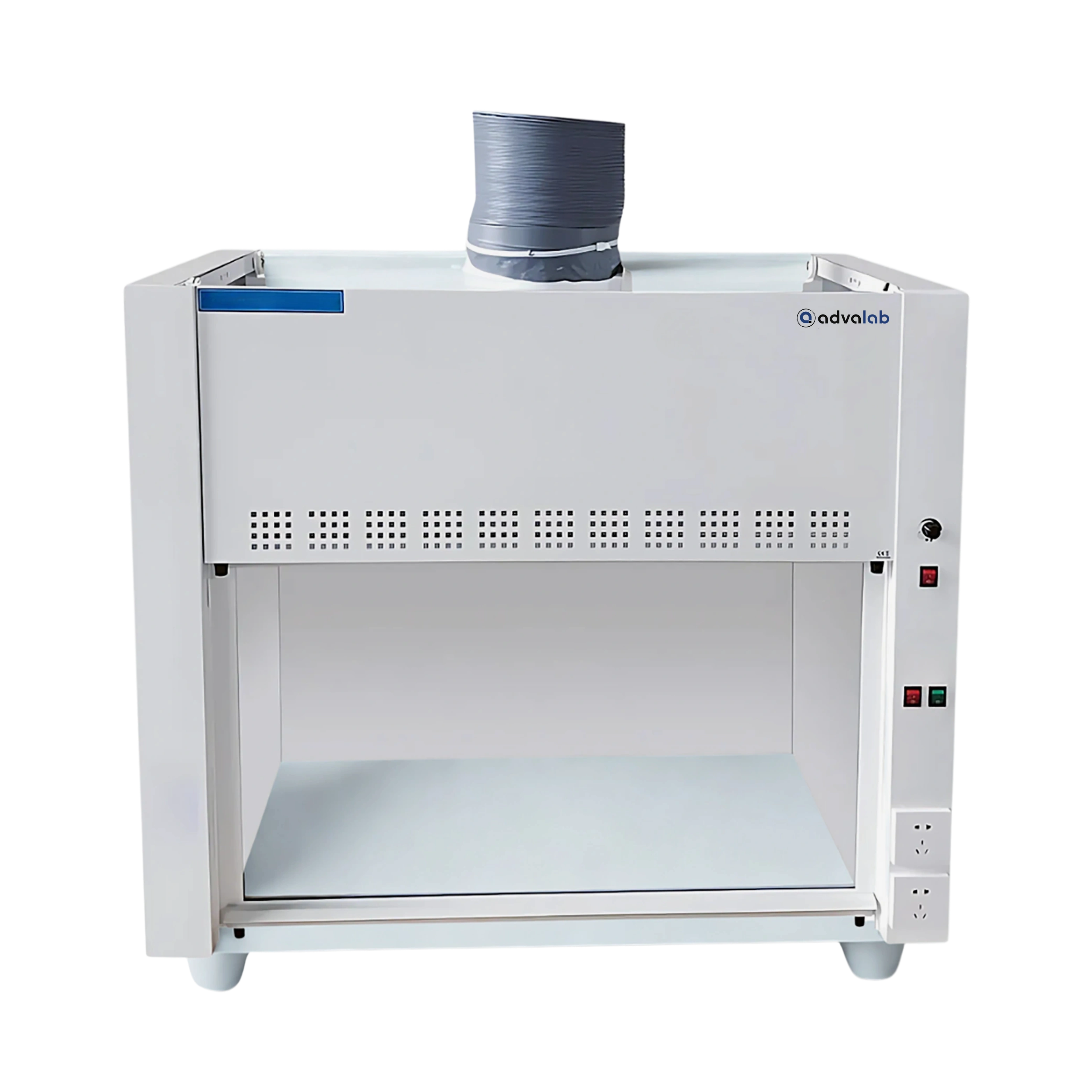
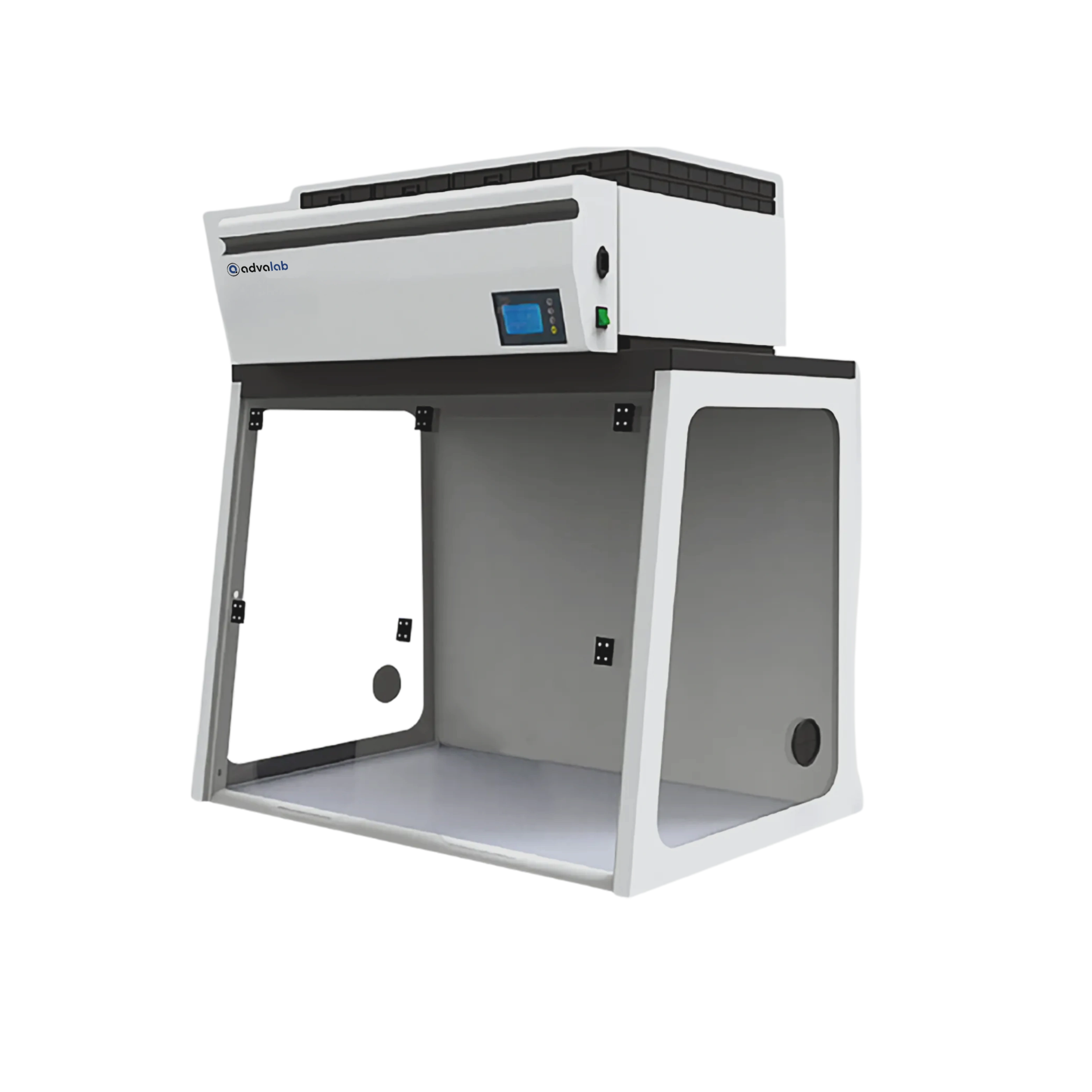
| External Dimension (L×B×H) | 650 × 650 × 1050 mm |
| Internal Dimension (L×B×H) | 540 × 530 × 740 mm |
| Air Volume | 1200 m³/h |
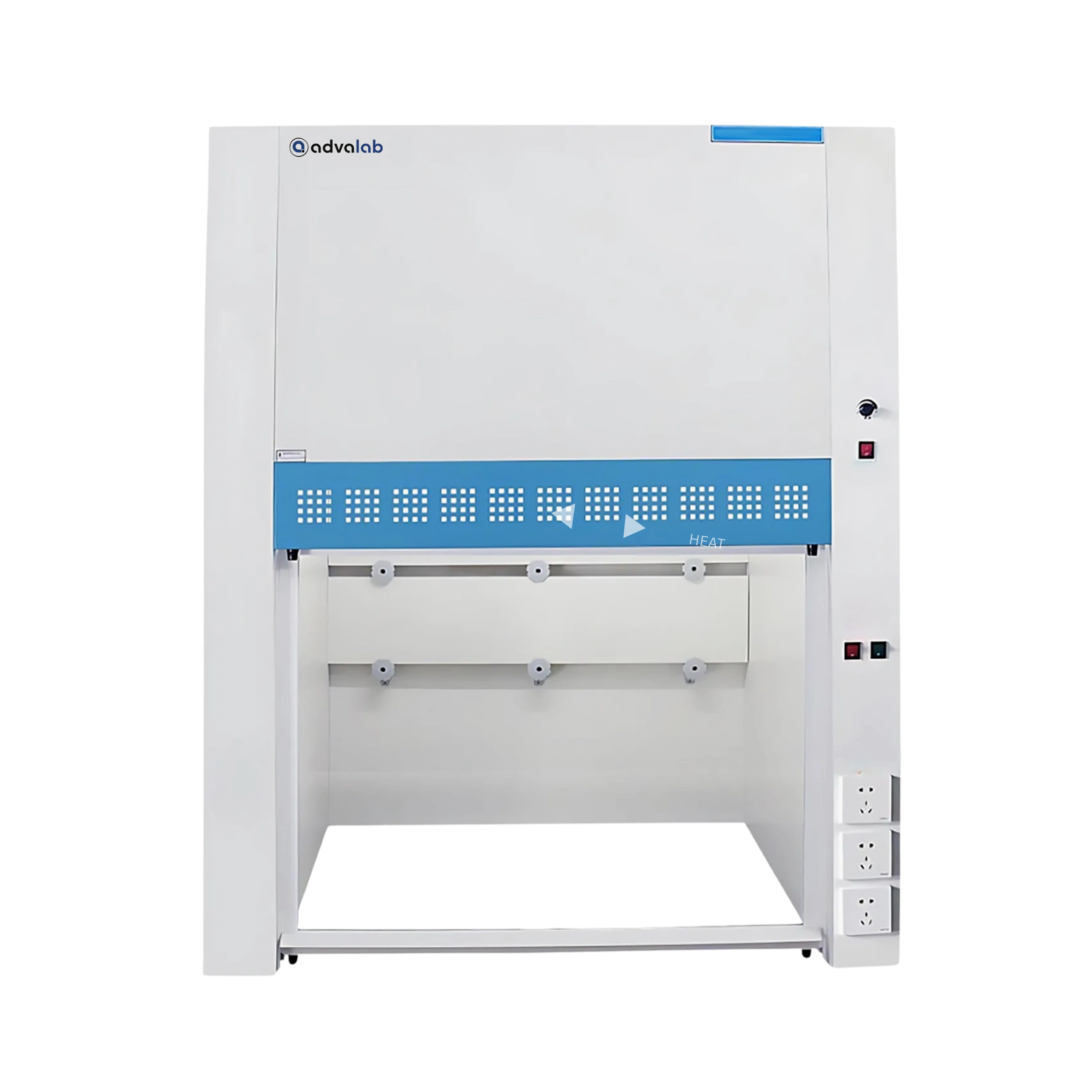
| External Dimension (L×B×H) | 1800×800×1500 mm |
| Internal Dimension (L×B×H) | 1550×630×1150 mm |
| Air Volume | 1850 m³/h |
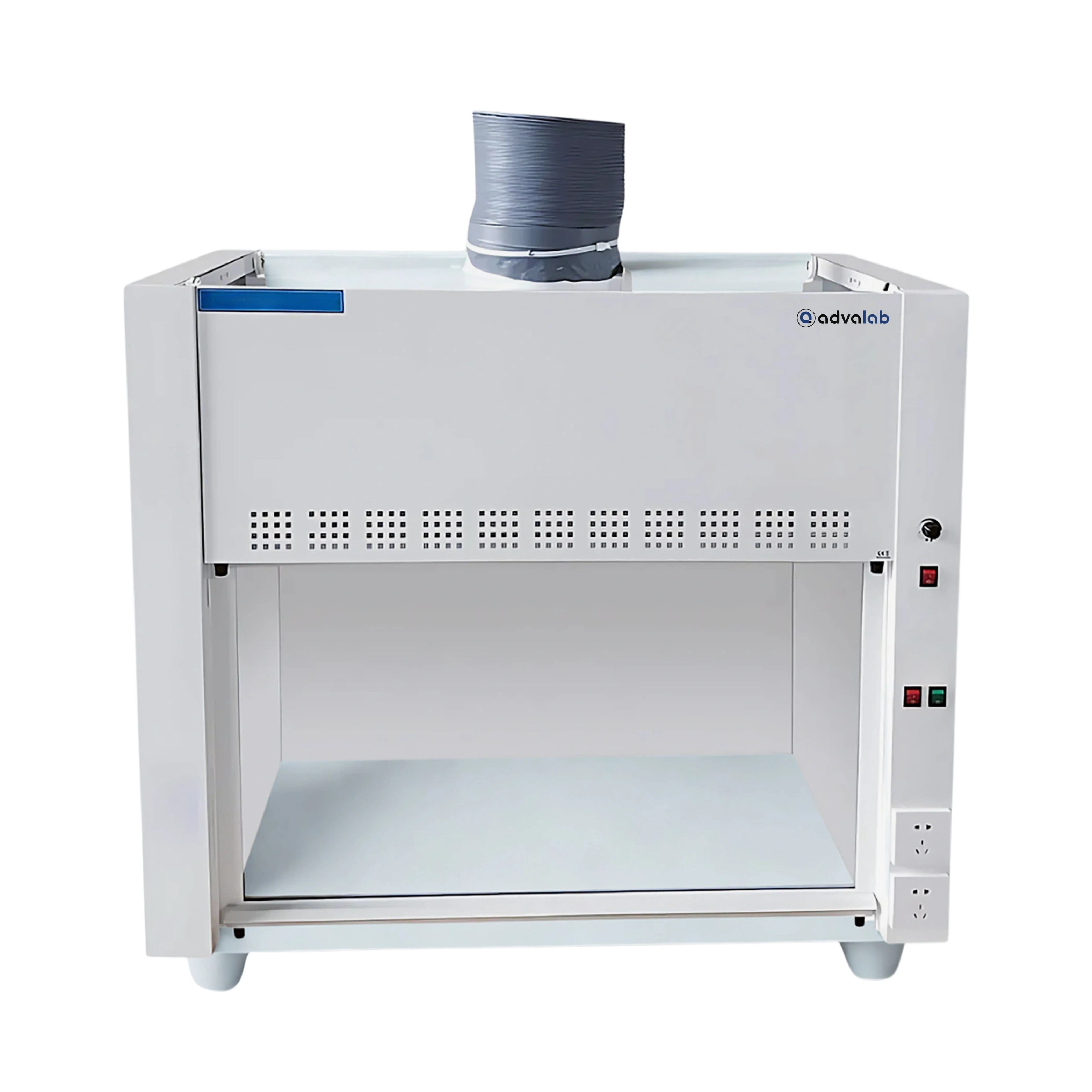
| External Dimension (L×B×H) | 1200×650×1000 mm |
| Internal Dimension (L×B×H) | 1000×530×750 mm |
| Air Volume | 1850 m³/h |
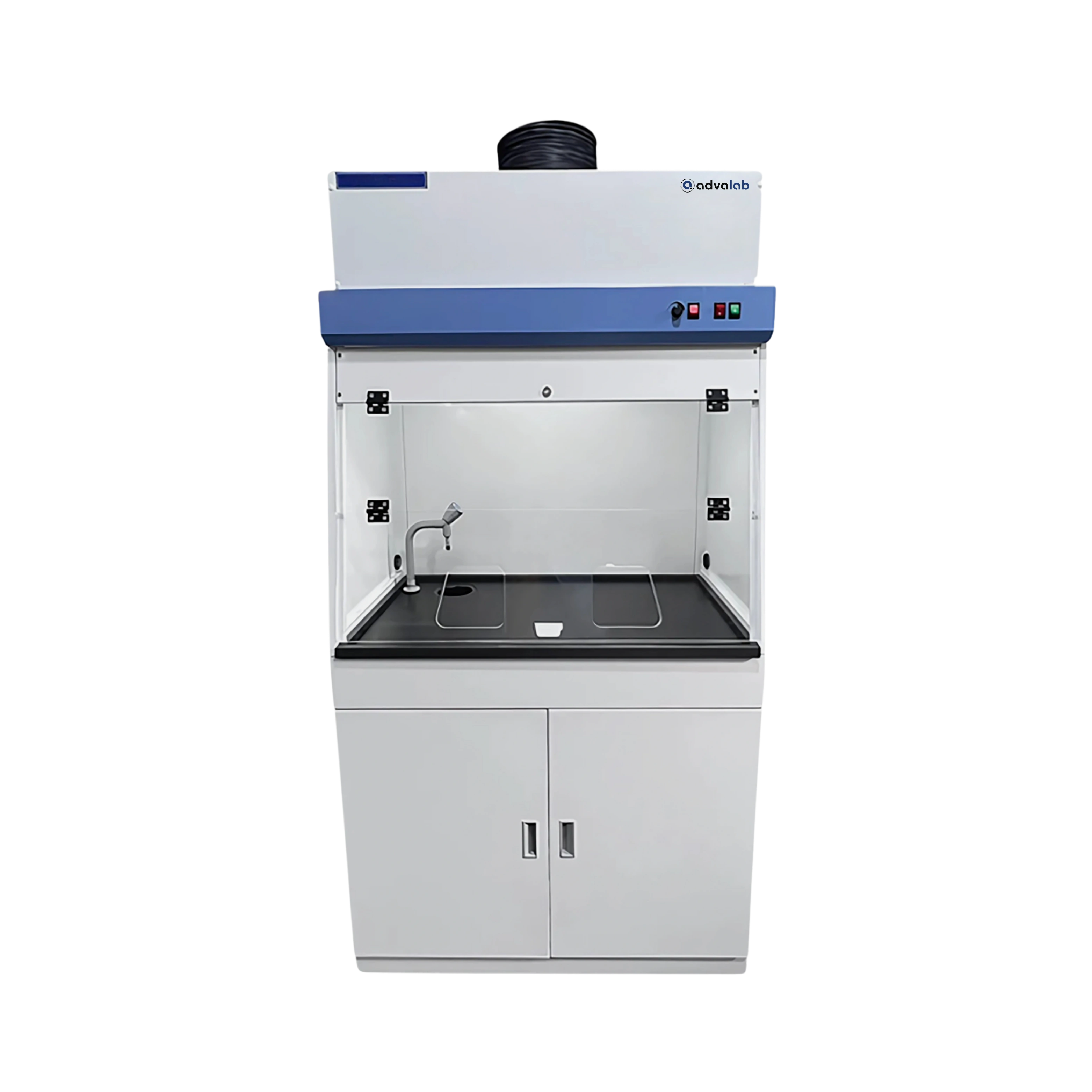
| External Dimension (L×B×H) | 1000×600×1000 mm |
| Internal Dimension (L×B×H) | 960×580×650 mm |
| Air Volume | 1850 m³/h |
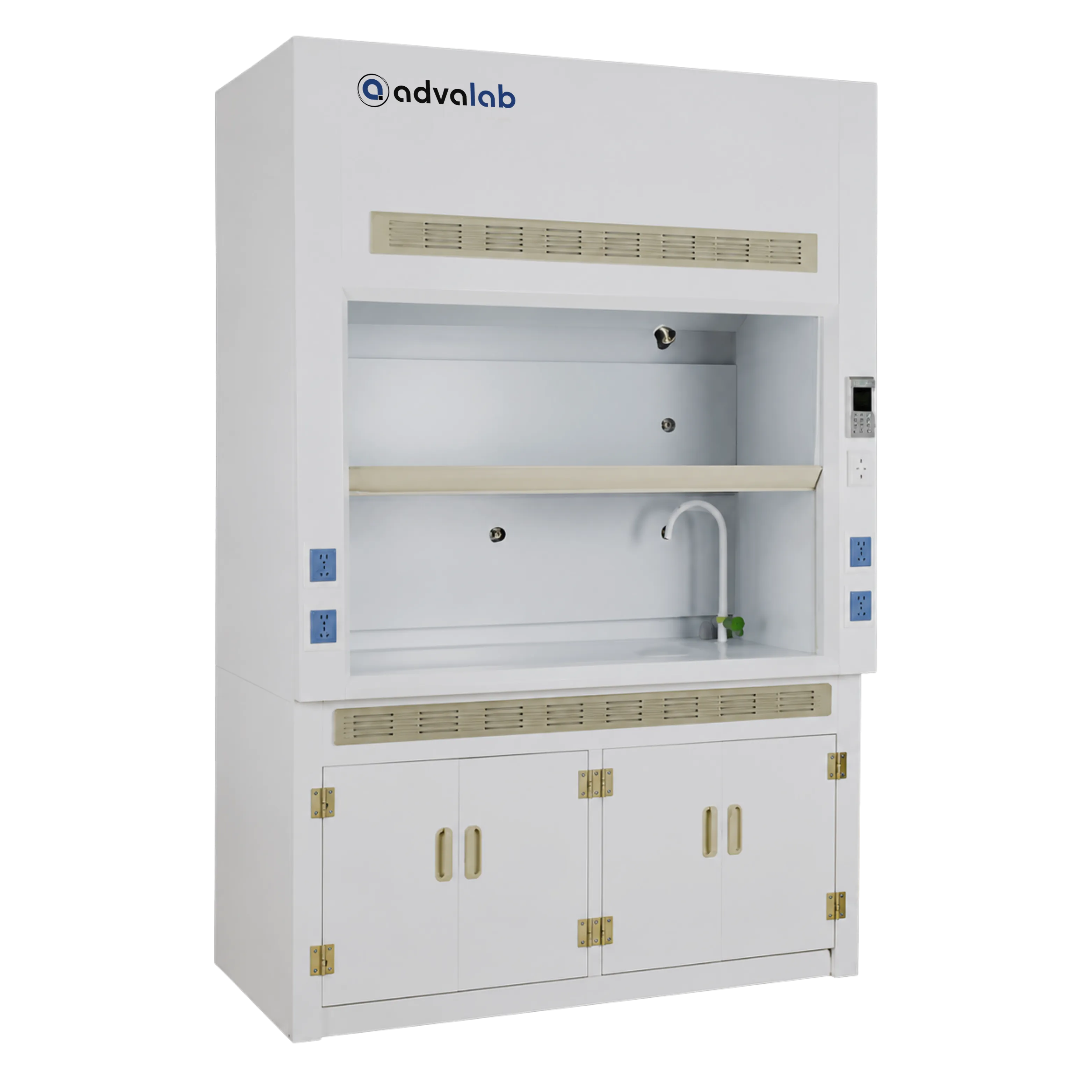
| Velocity: | 0.3 to 0.6 m/s |
| Fluorescent Lamp: | 28 W × 1 |
| Dimensions (W× D × H): | 1800 × 850 × 2350 mm |
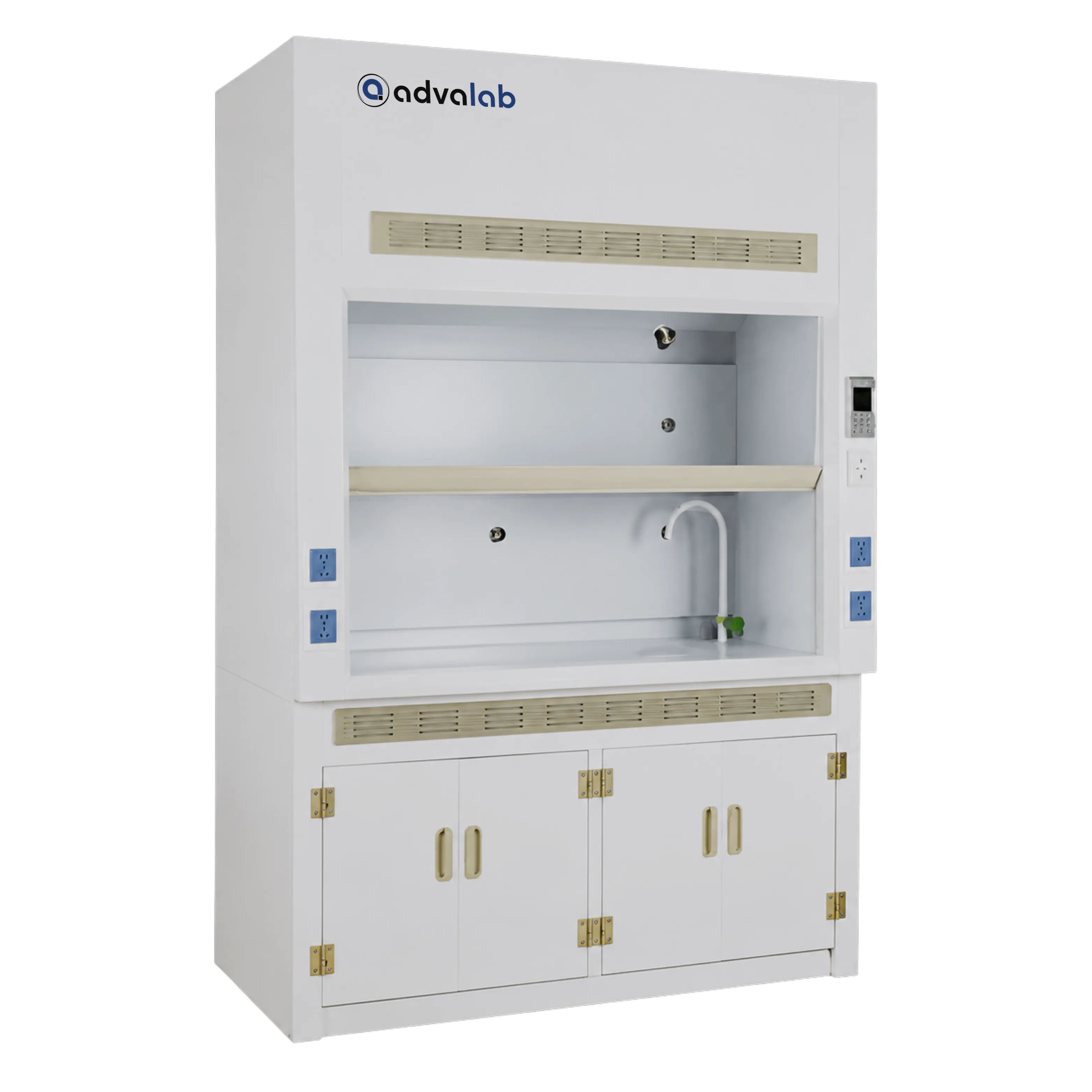
| Velocity: | 0.3 to 0.6 m/s |
| Fluorescent Lamp: | 28 W × 1 |
| Dimensions (W× D × H): | 1500 × 850 × 2350 mm |
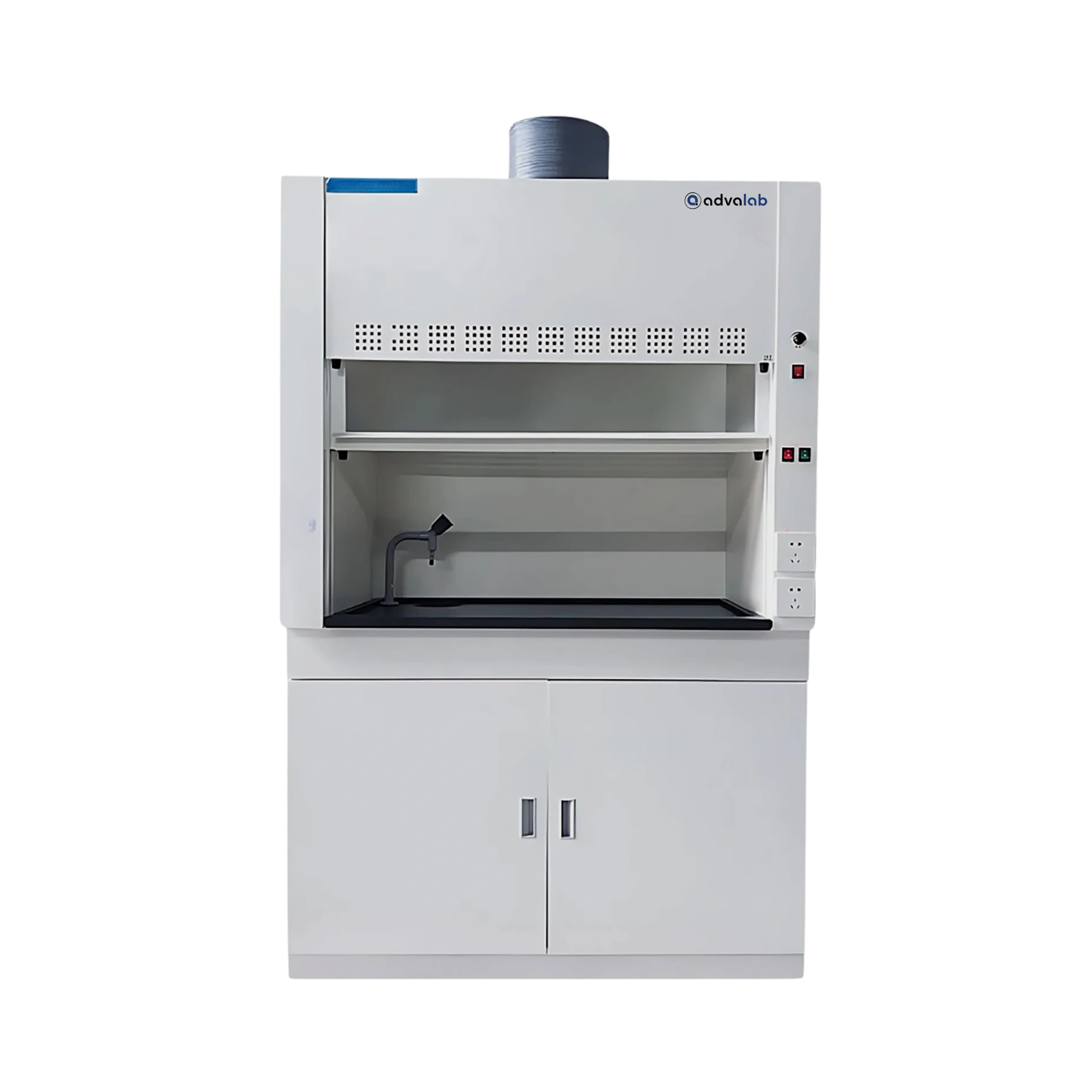
| External Dimensions (W× D × H): | 950 × 730 × 1150 mm |
| Internal Dimensions (W× D × H): | 1200 × 1000 × 2250 mm |
| Surface Wind Speed: | 0.3 ~ 0.6 m/s |
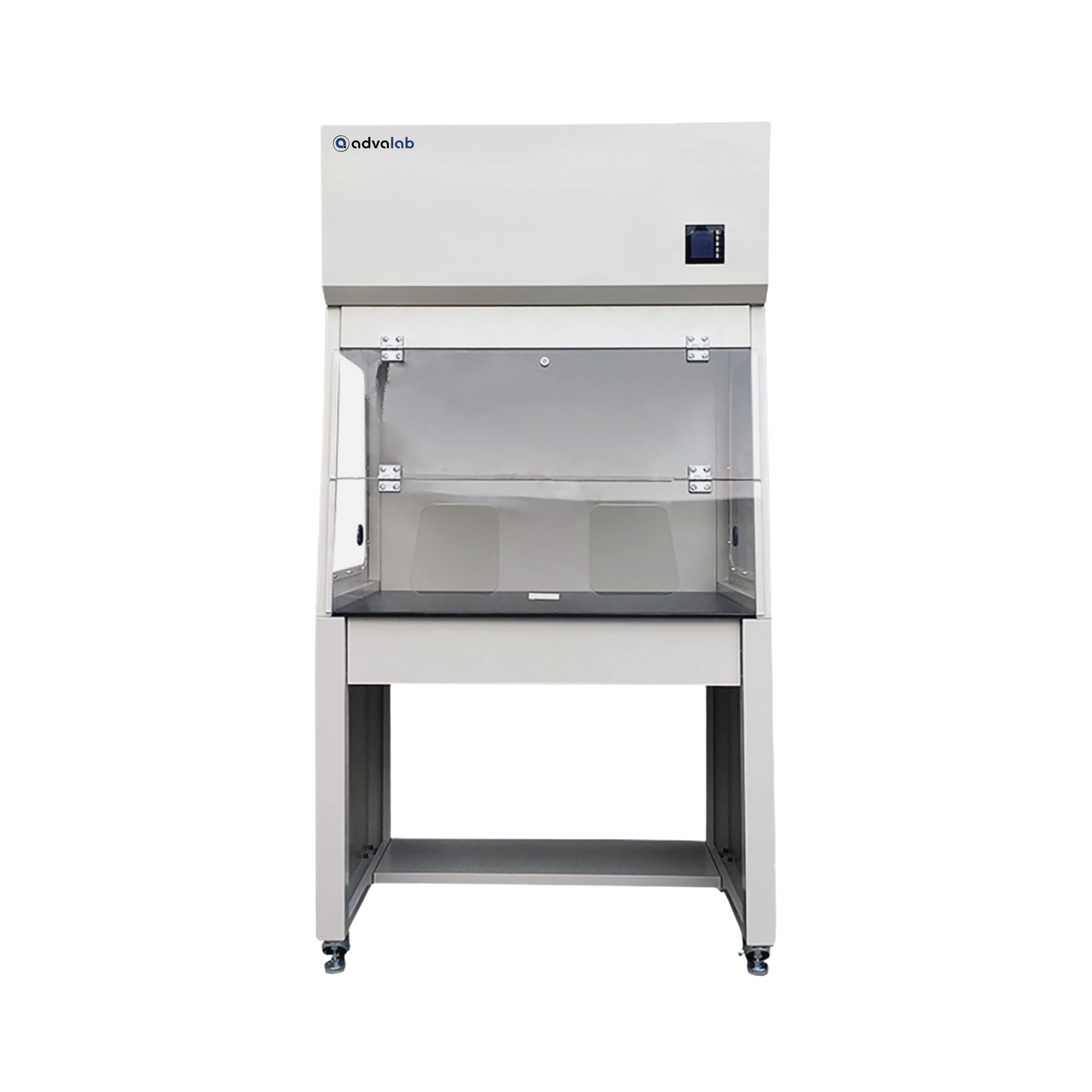
| External Dimension (L×B×H): | 1000×650×1900 mm |
| Internal Dimension (L×B×H): | 920×620×700 mm |
| Air treatment: | 220 to1200 m³/h |
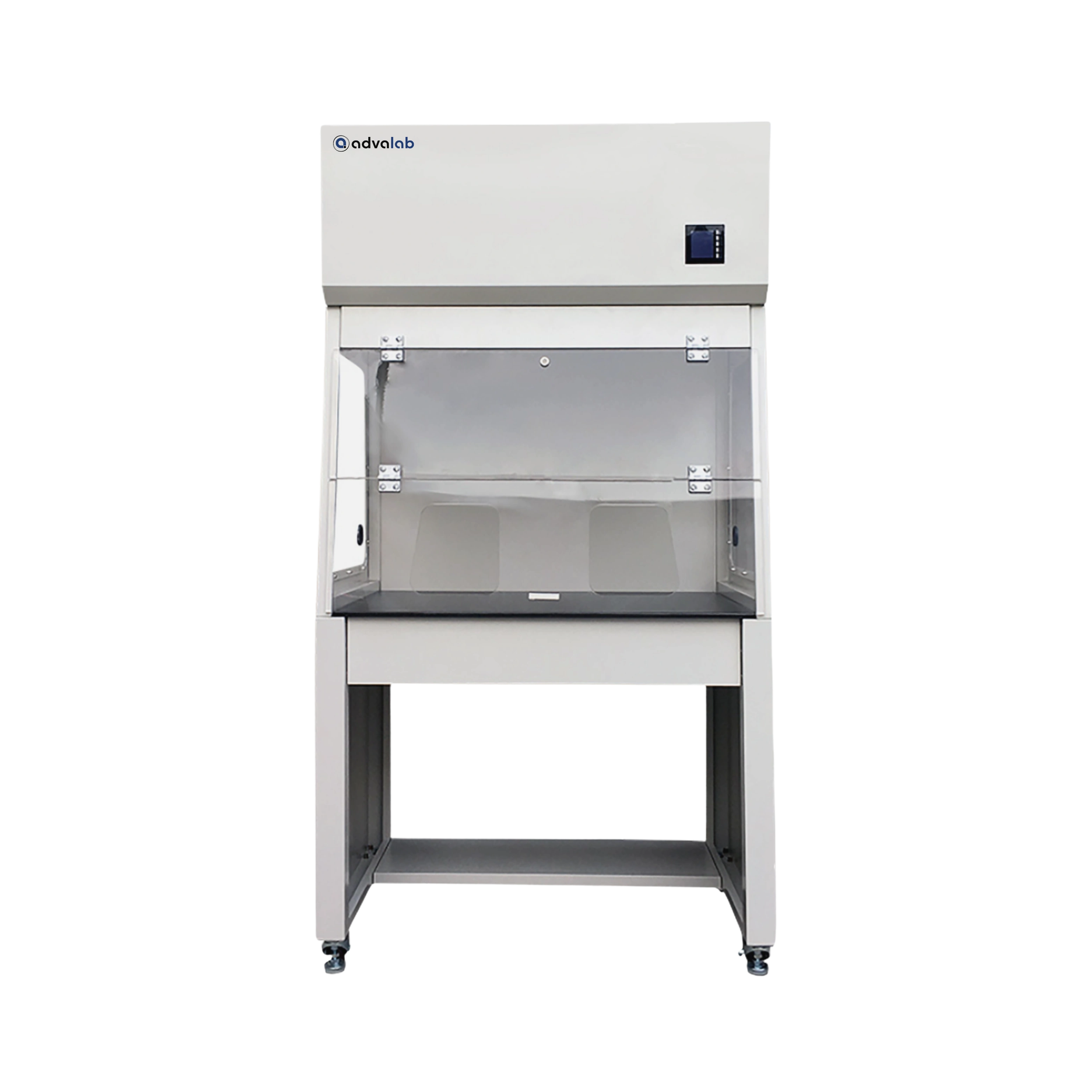
| External Dimension (L×B×H): | 1500×650×1900 mm |
| Internal Dimension (L×B×H): | 1425×620×700 mm |
| Air treatment: | 220 to1200 m³/h |
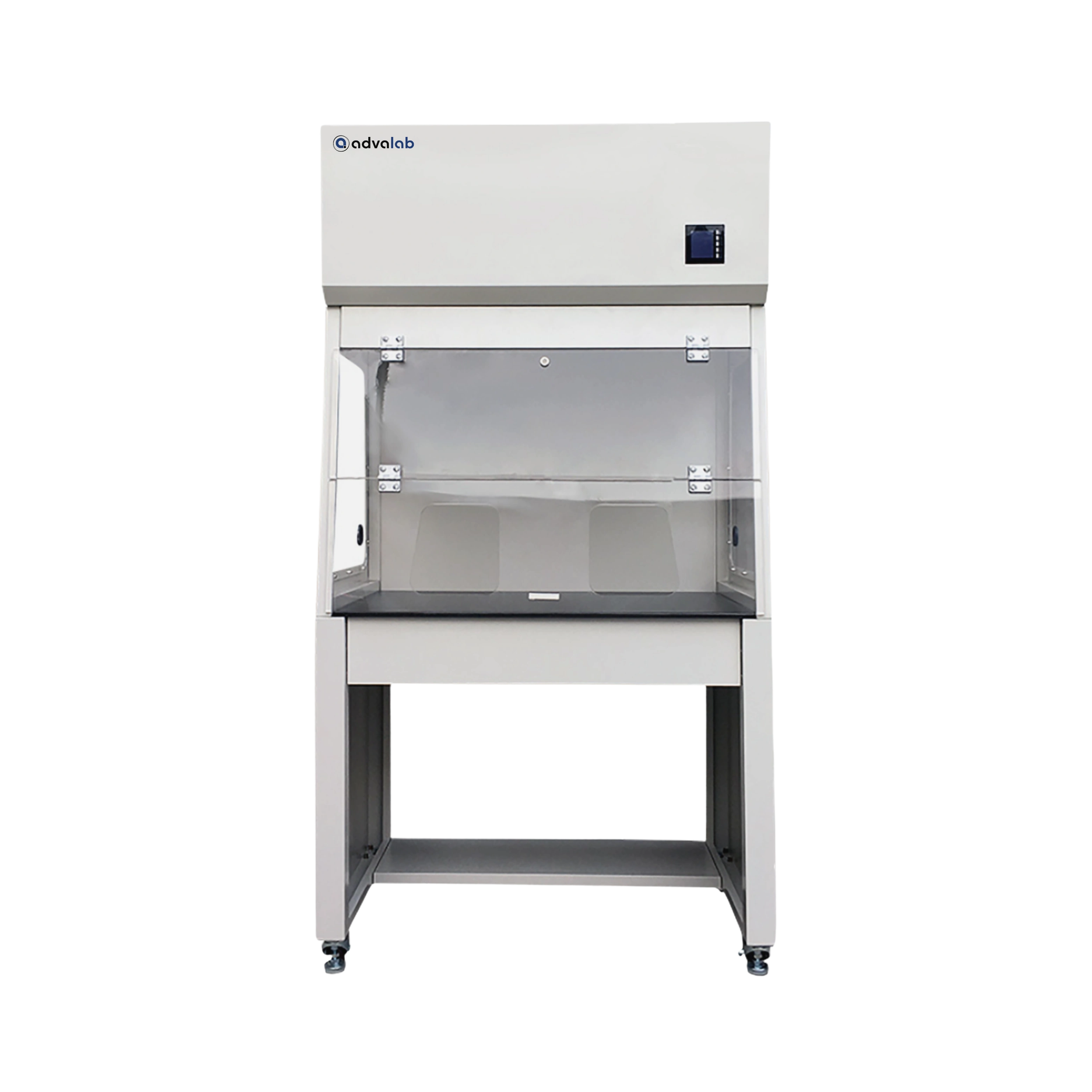
| External Dimension (L×B×H): | 1200×650×1900 mm |
| Internal Dimension (L×B×H): | 1125×620×700 mm |
| Air treatment: | 220 to1200 m³/h |
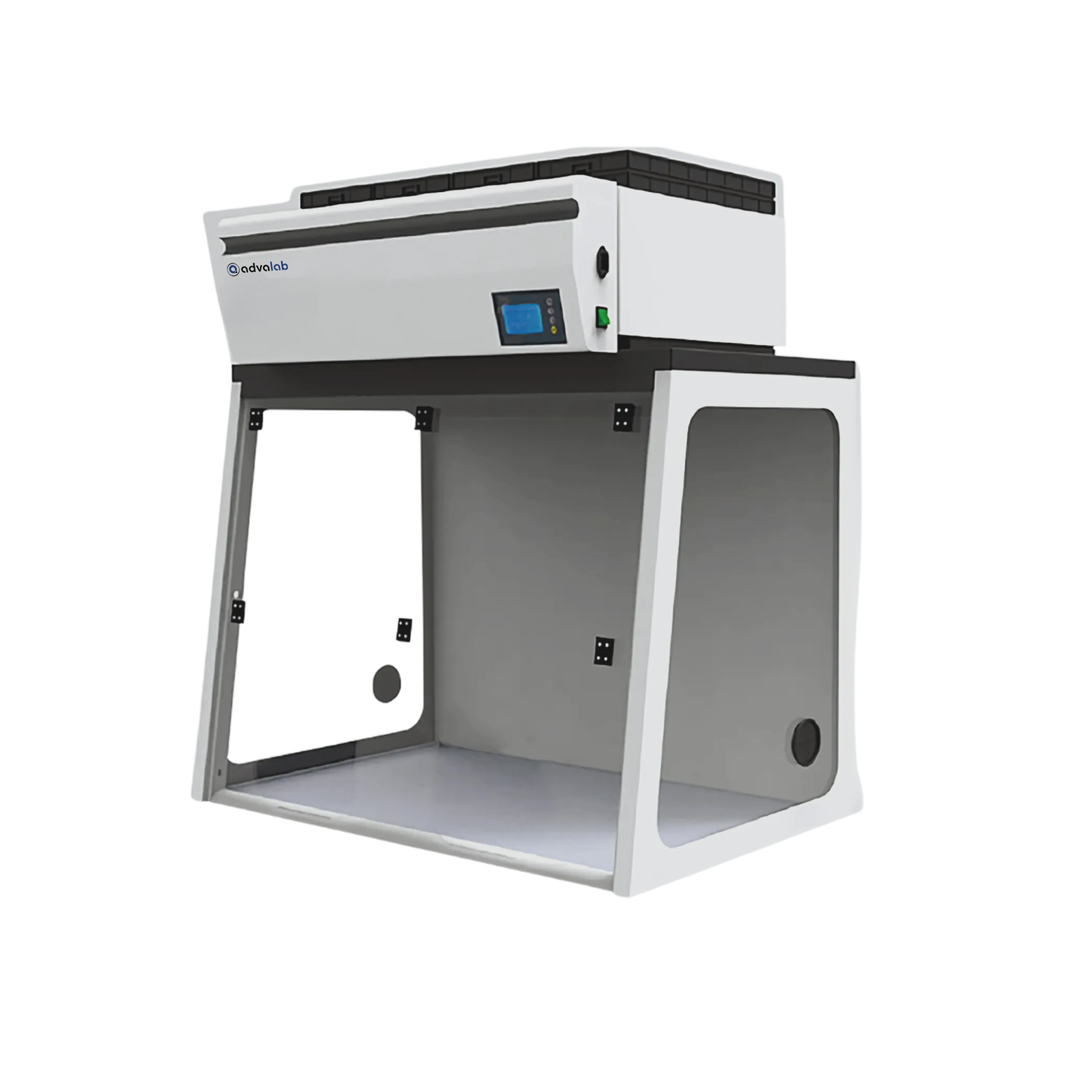
| Velocity: | 0.4 to 0.6 m/s |
| Filter Modular: | 4 |
| Air Pressure: | 960 Pa |
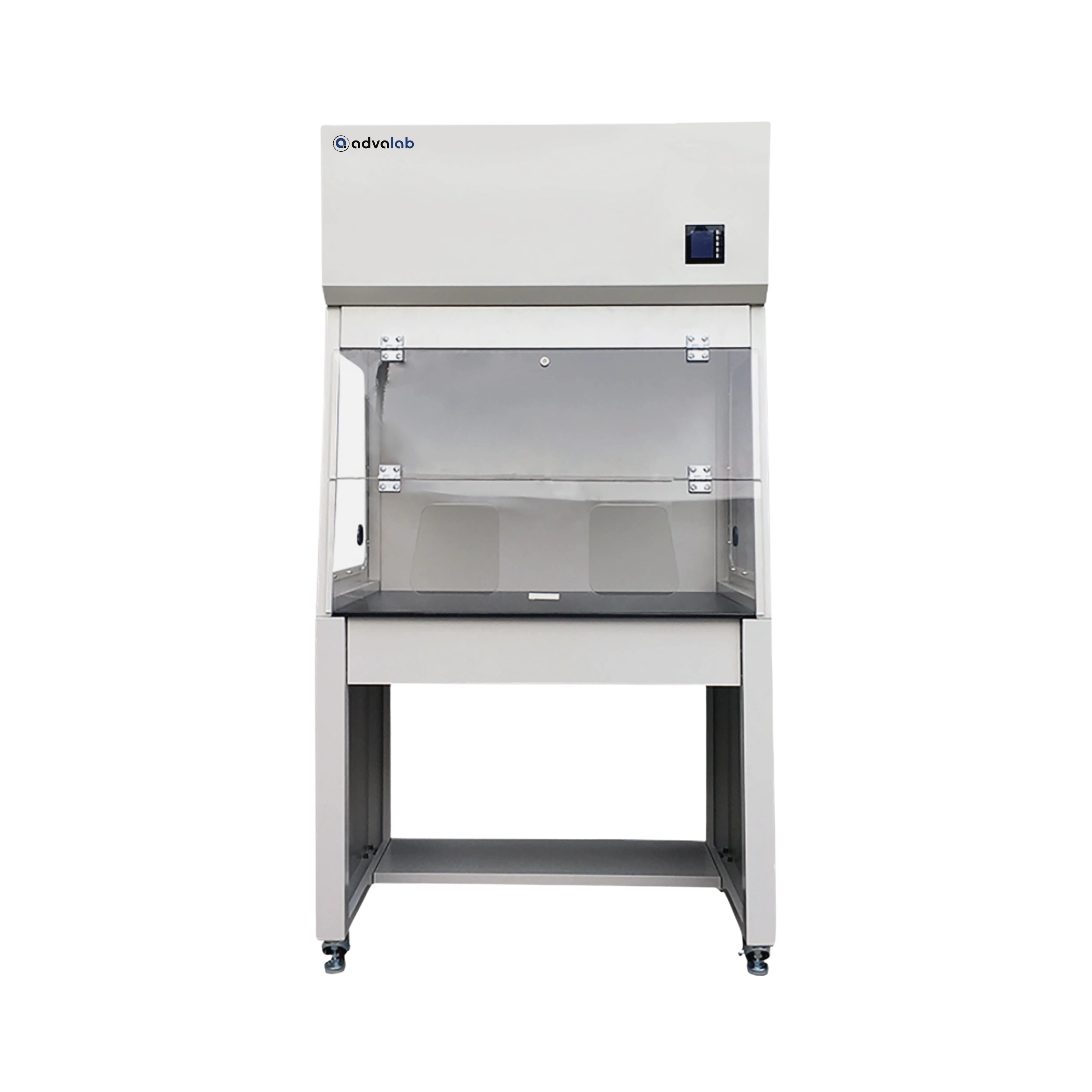
| External Dimension (L×B×H): | 725×620×700 mm |
| Internal Dimension (L×B×H): | 800×650×1900 mm |
| Air treatment: | 220 to1200 m³/h |
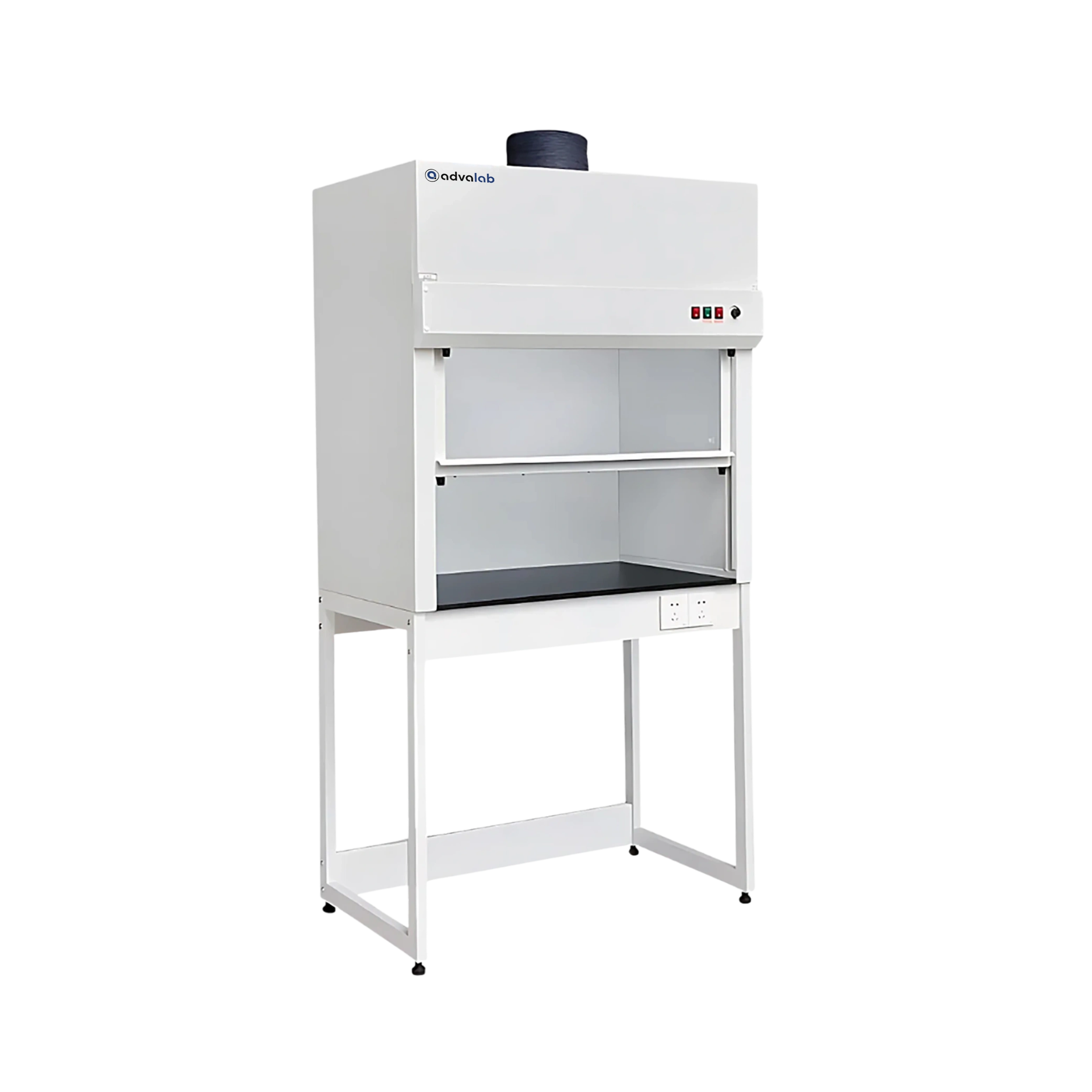
| External Dimension (L×B×H): | 1200×650×1900 mm |
| Internal Dimension (L×B×H): | 1090×530×740 mm |
| Air Volume: | 1850 m³/h |
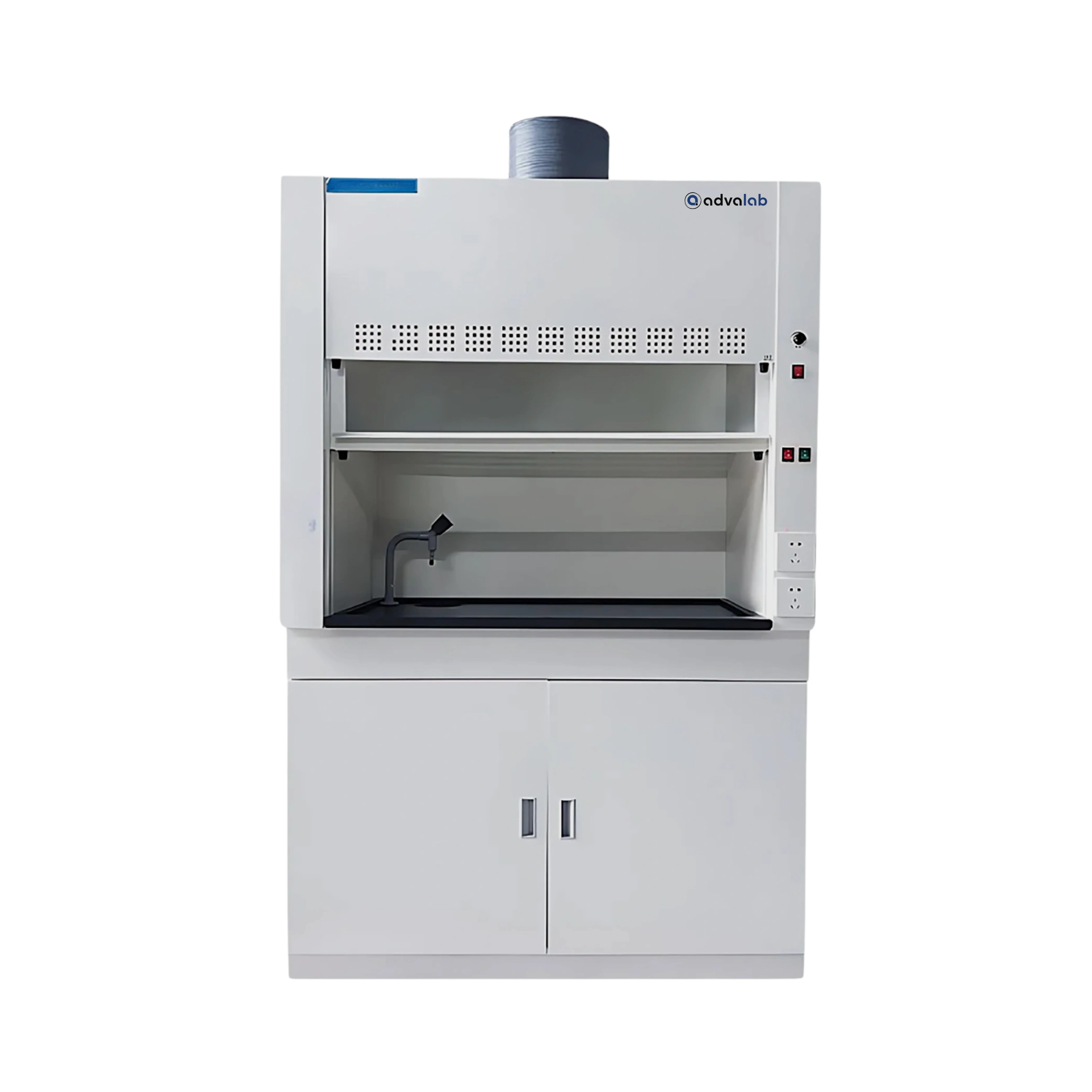
| External Dimension (L×B×H): | 1000×650×1900 mm |
| Internal Dimension (L×B×H): | 800×530×750 mm |
| Air Volume: | 1850 m³/h |
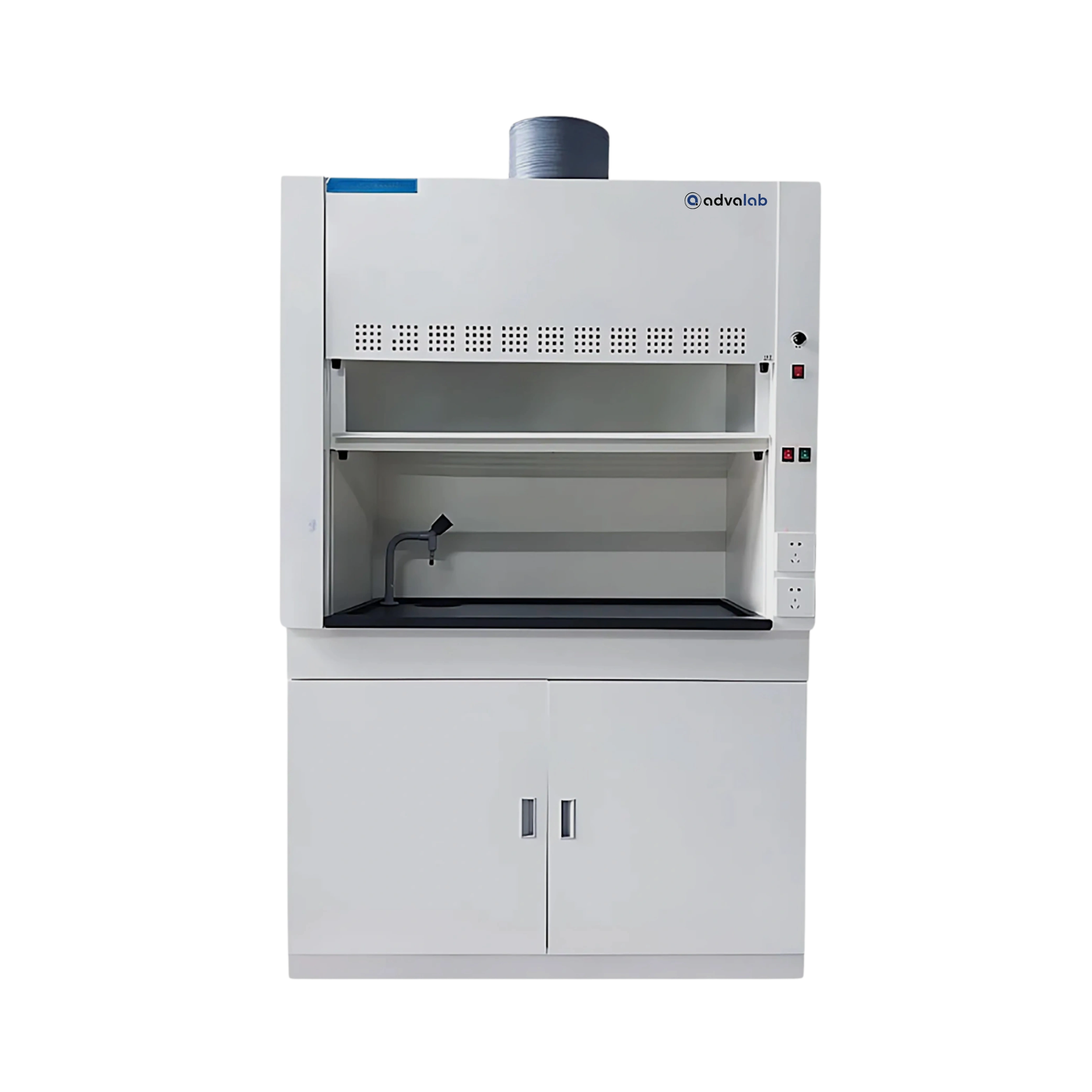
| External Dimension (L×B×H): | 800×650×1900 mm |
| Internal Dimension (L×B×H): | 600×530×750 mm |
| Air Volume: | 420 m³/h |
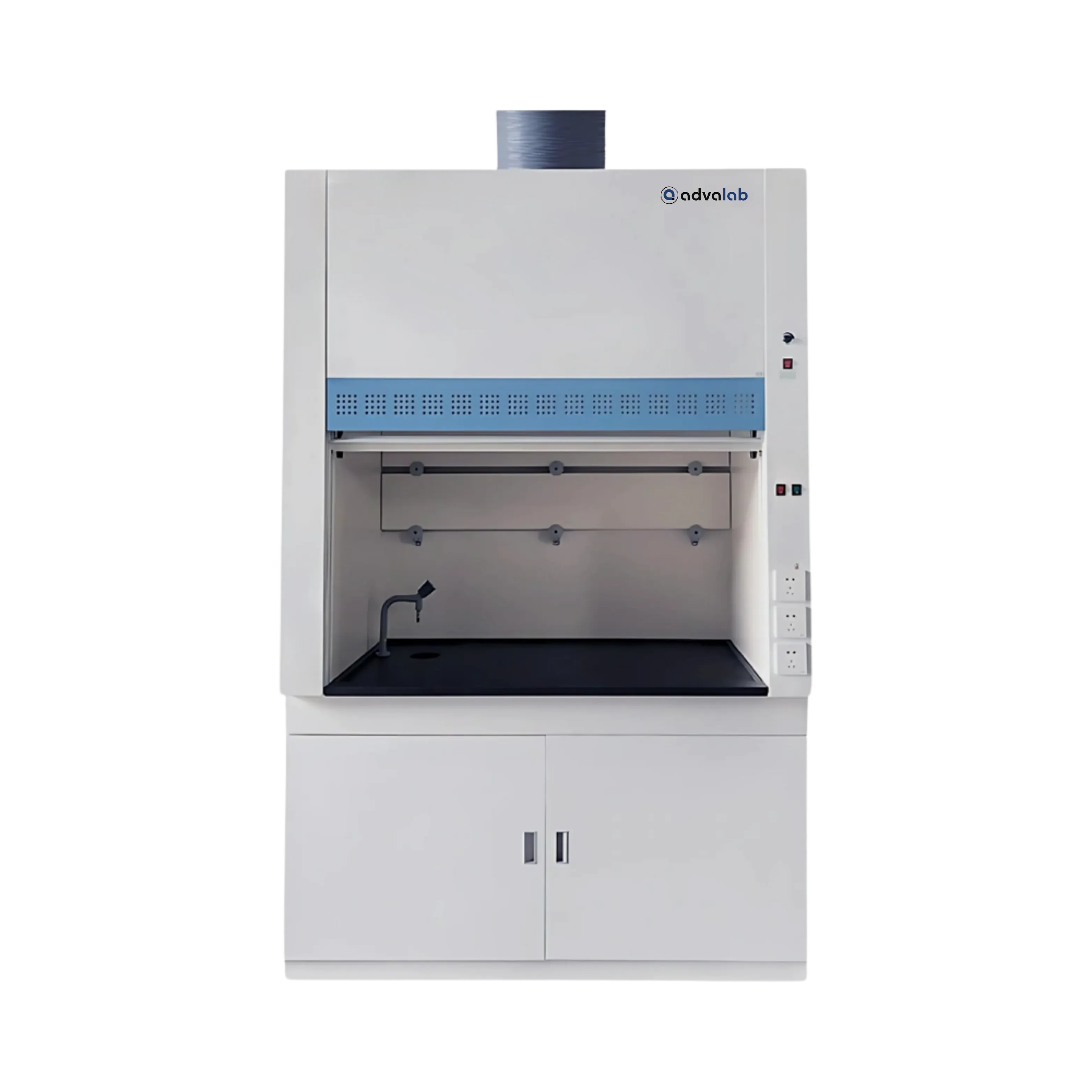
| External Dimension (L×B×H): | 1200×800×2350 mm |
| Internal Dimension (L×B×H): | 950×630×1150 mm |
| Air Volume: | 1850 m³/h |
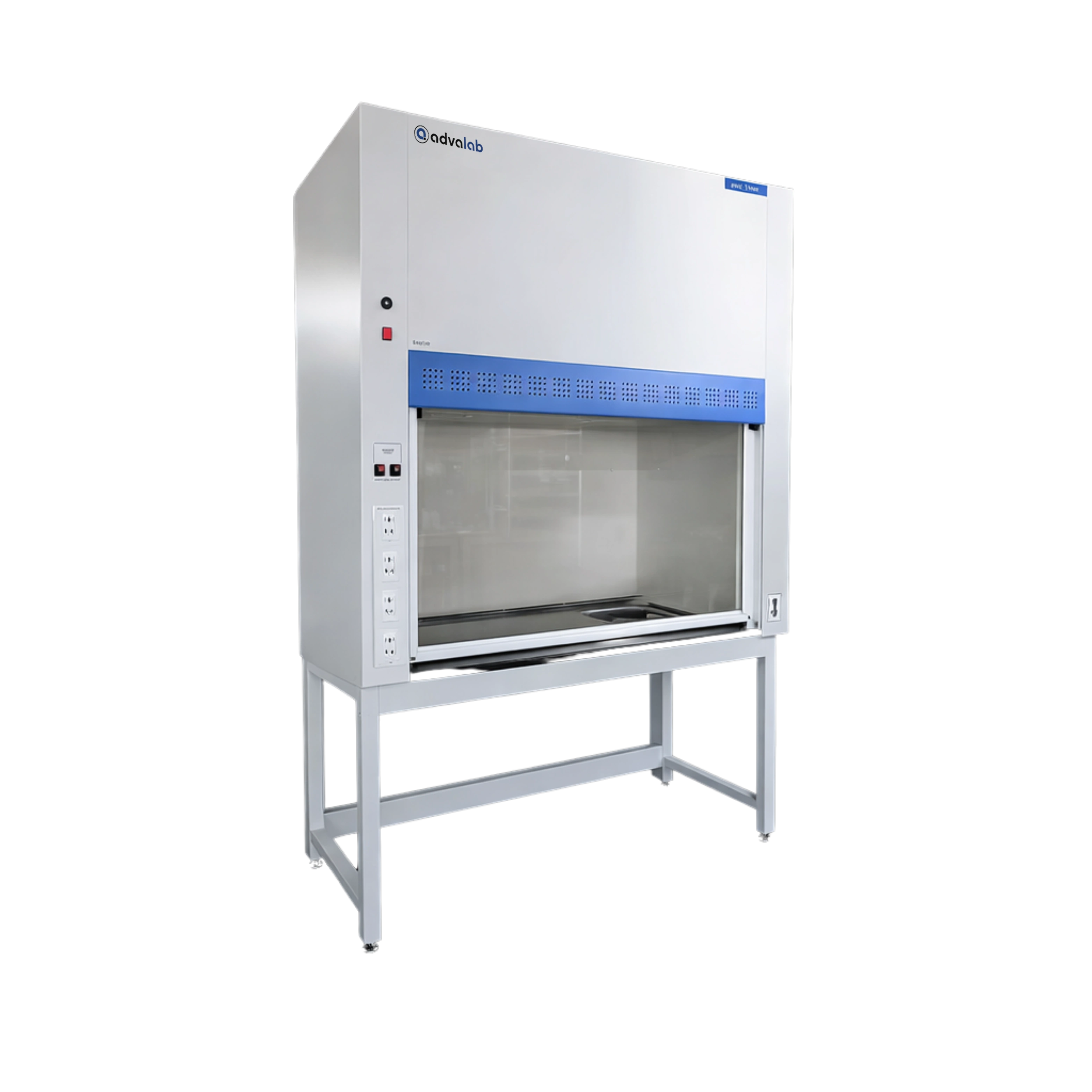
| External Dimension (L×B×H): | 1500×800×2350 mm |
| Internal Dimension (L×B×H): | 1250×630×1150 mm |
| Maximum Opening: | 650mm |
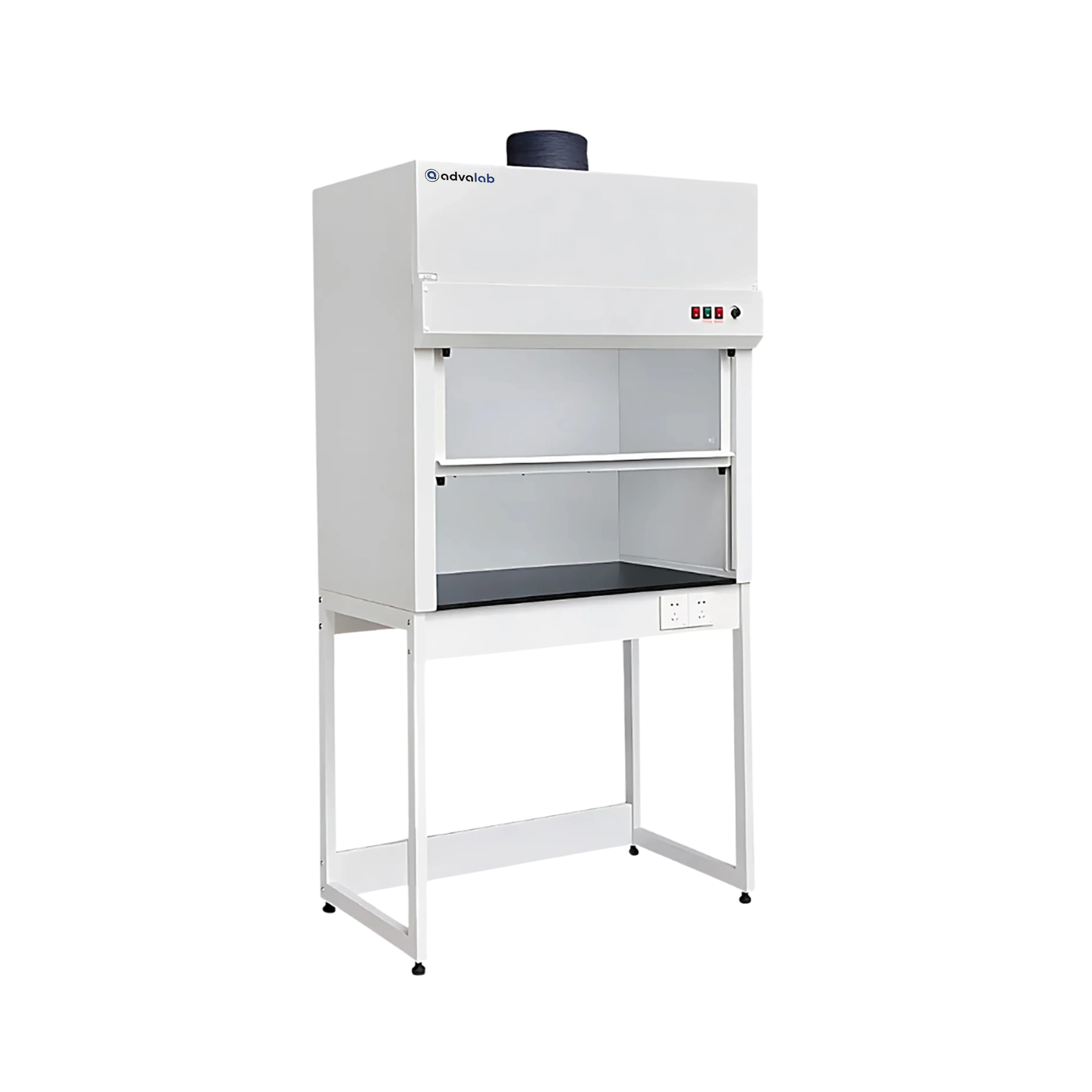
| External Dimension (L×B×H): | 1000×650×1900 mm |
| Internal Dimension (L×B×H): | 890×530×740 mm |
| Air Volume: | 1850 m³/h |
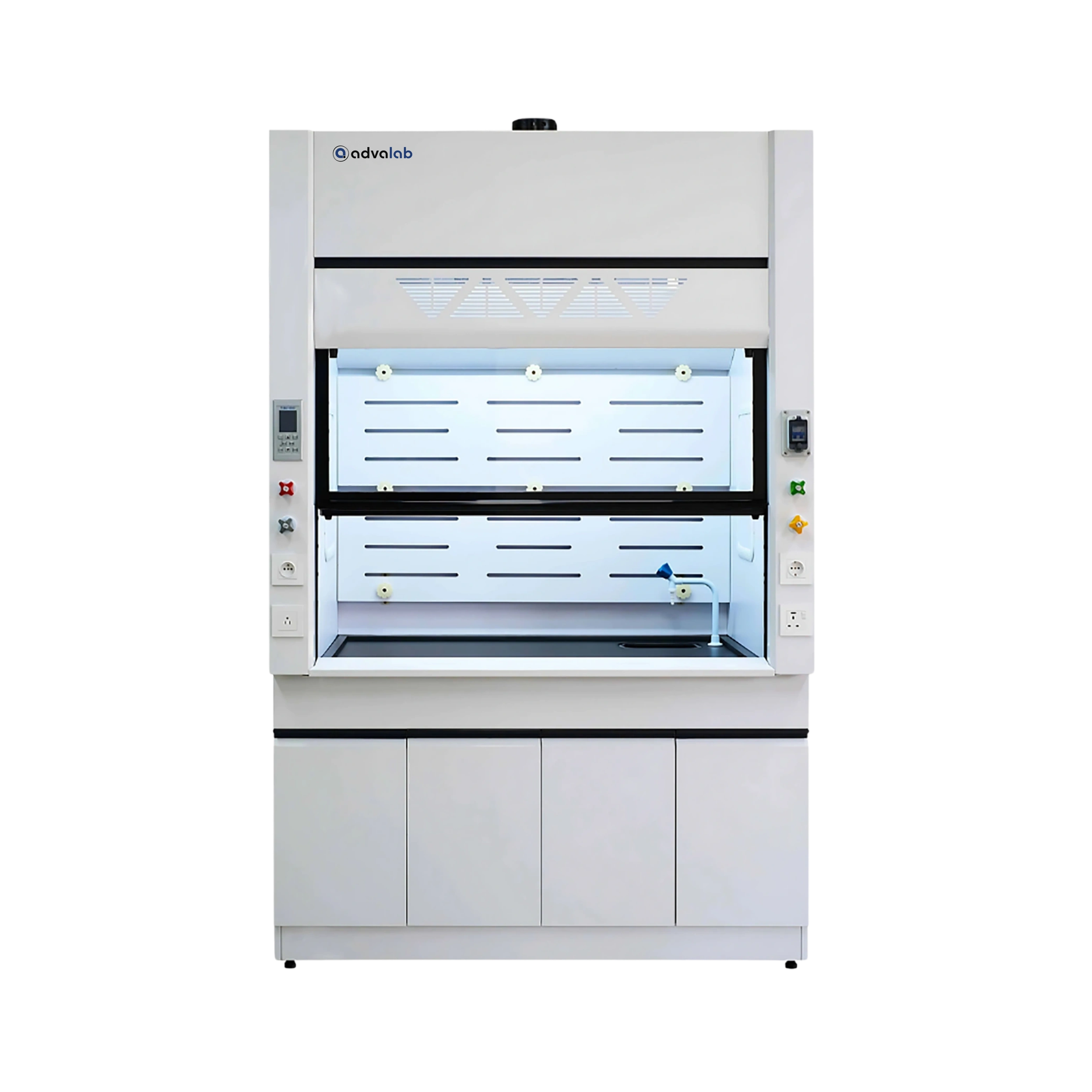
| External Dimension (W×D×H): | 1200 × 850 × 2350 mm |
| Internal Dimension (W×D×H): | 960 × 680 × 1150 mm |
| Base Cabinet Dimension (W×D×H): | 1200 × 800 × 850 mm |
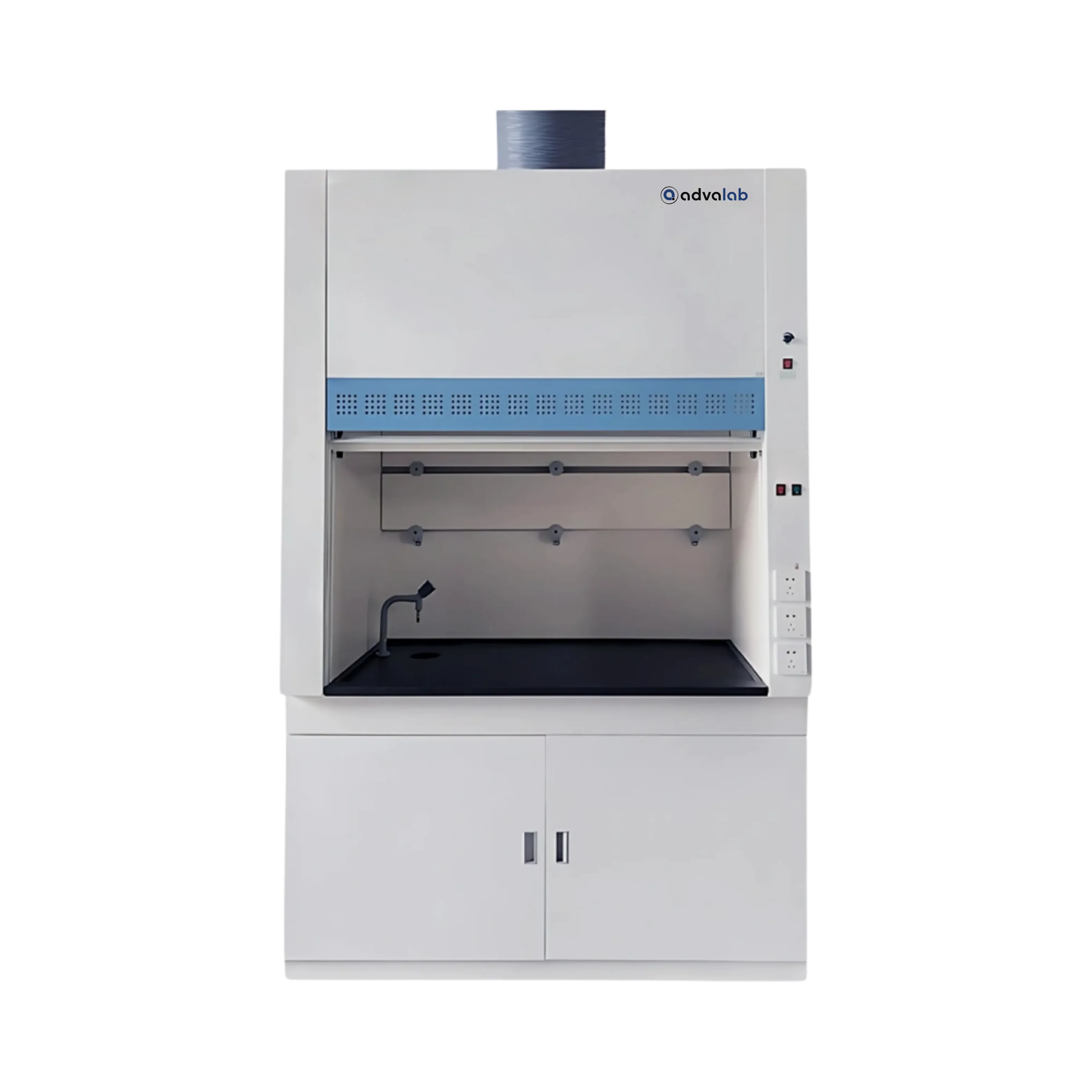
| External Dimension (L×B×H): | 1800×800×2350 mm |
| Internal Dimension (L×B×H): | 1550×630×1150 mm |
| Air Volume: | 1850 m³/h |
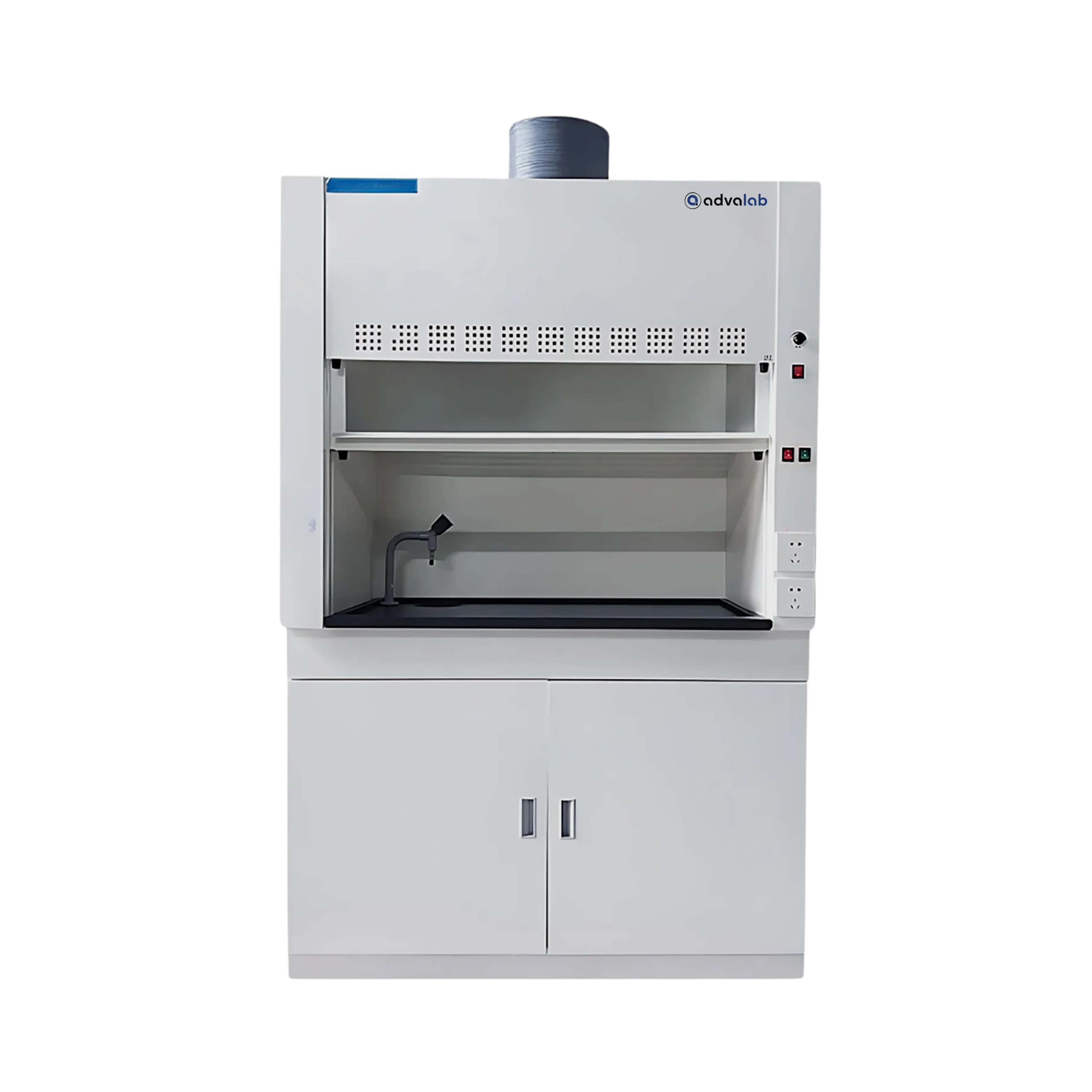
| External Dimension (L×B×H): | 1200×650×1900 mm |
| Internal Dimension (L×B×H): | 1000×530×750 mm |
| Air Volume: | 1850 m³/h |
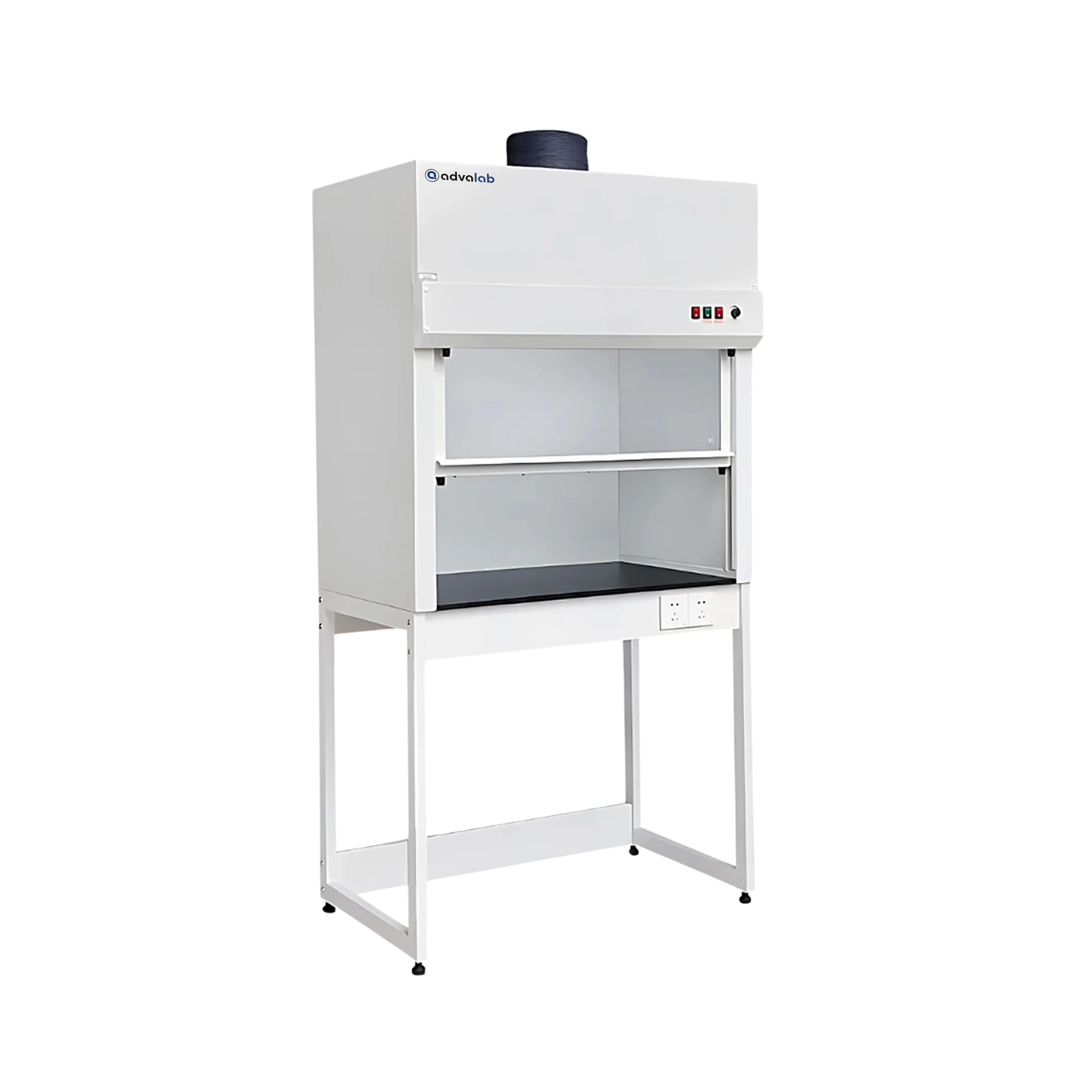
| External Dimension (L×B×H): | 800×650×1900 mm |
| Internal Dimension (L×B×H): | 690×530×740 mm |
| Air Volume: | 420 m³/h |
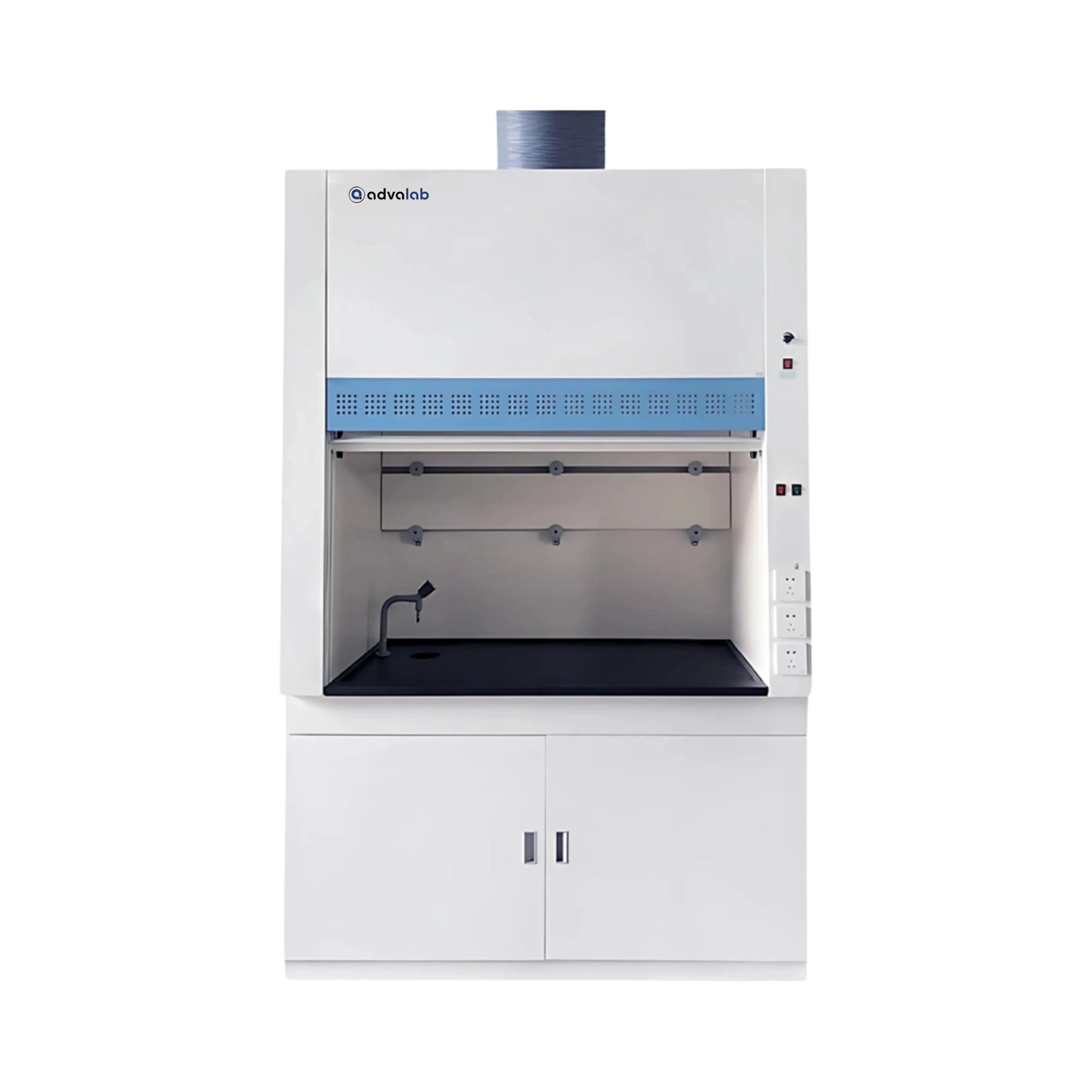
| Noise: | 50db |
| Exhaust Air Diameter: | 250 mm |
| Material: | All steel/stainless steel |
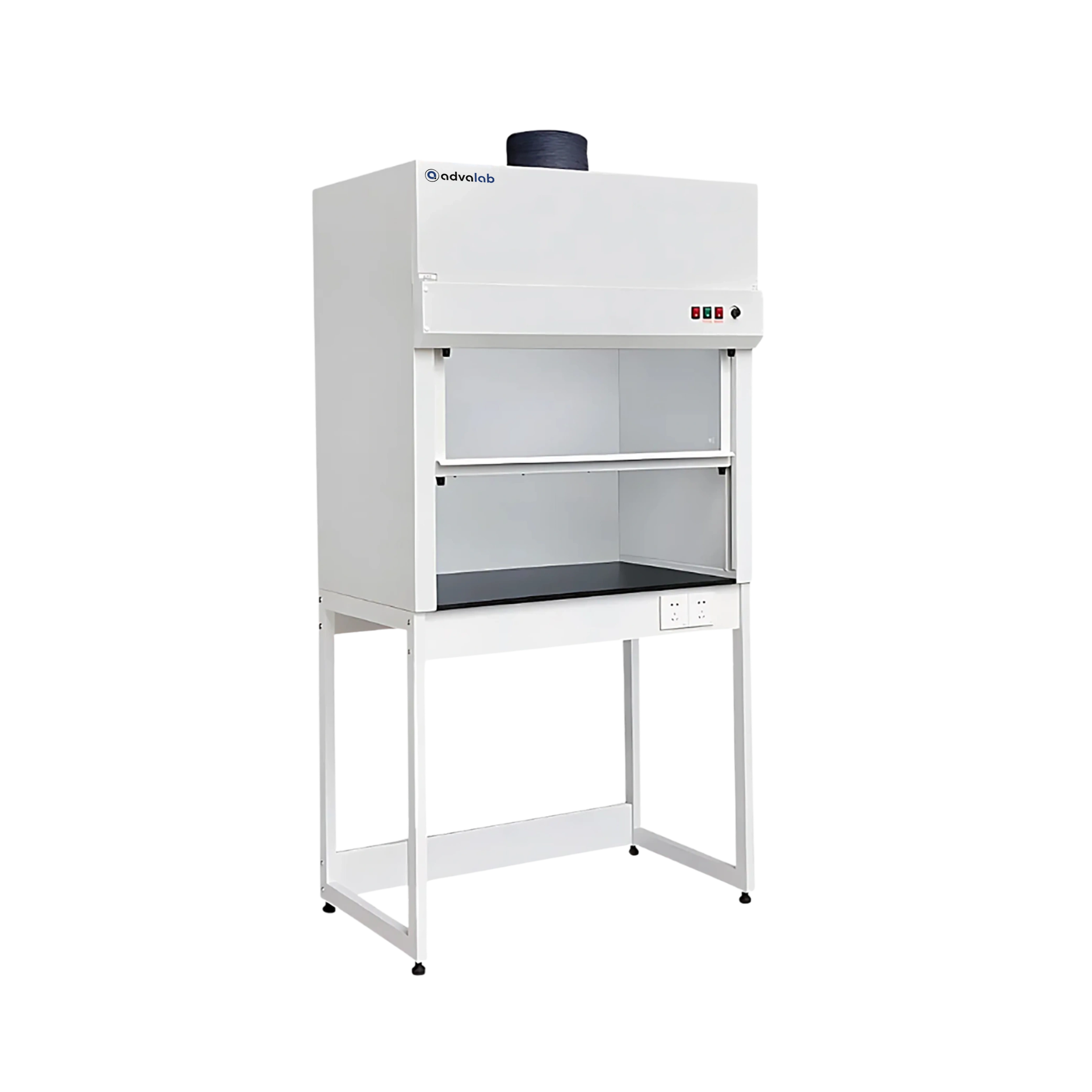
| External Dimension (L×B×H): | 1500×650×1900 mm |
| Internal Dimension (L×B×H): | 1390×530×740 mm |
| Air Volume: | 1850 m³/h |
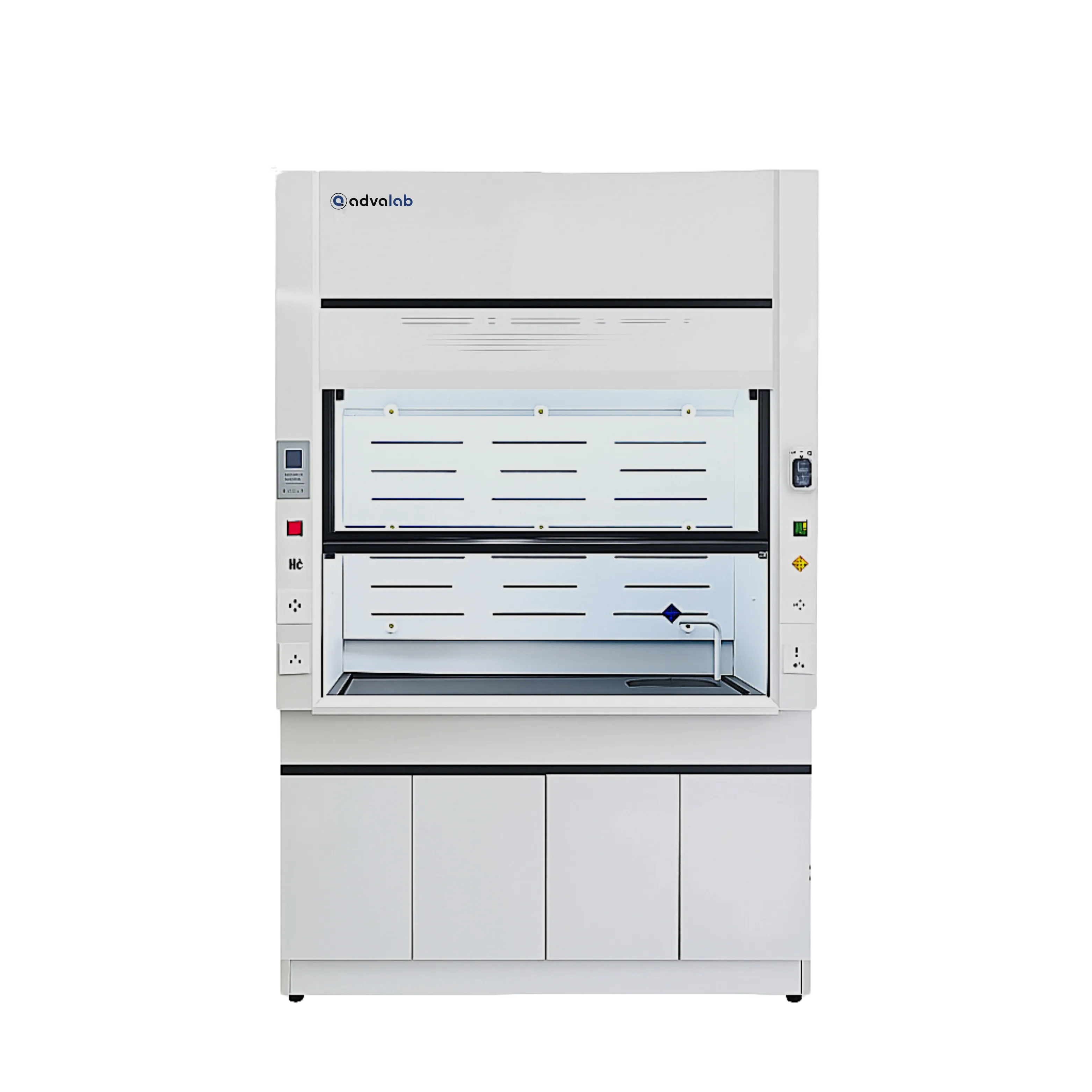
| External Dimension (W×D×H): | 1800 × 850 × 2350 mm |
| Internal Dimension (W×D×H): | 1560 × 680 × 1150 mm |
| Base Cabinet Dimension (W×D×H): | 1800 × 800 × 850 mm |
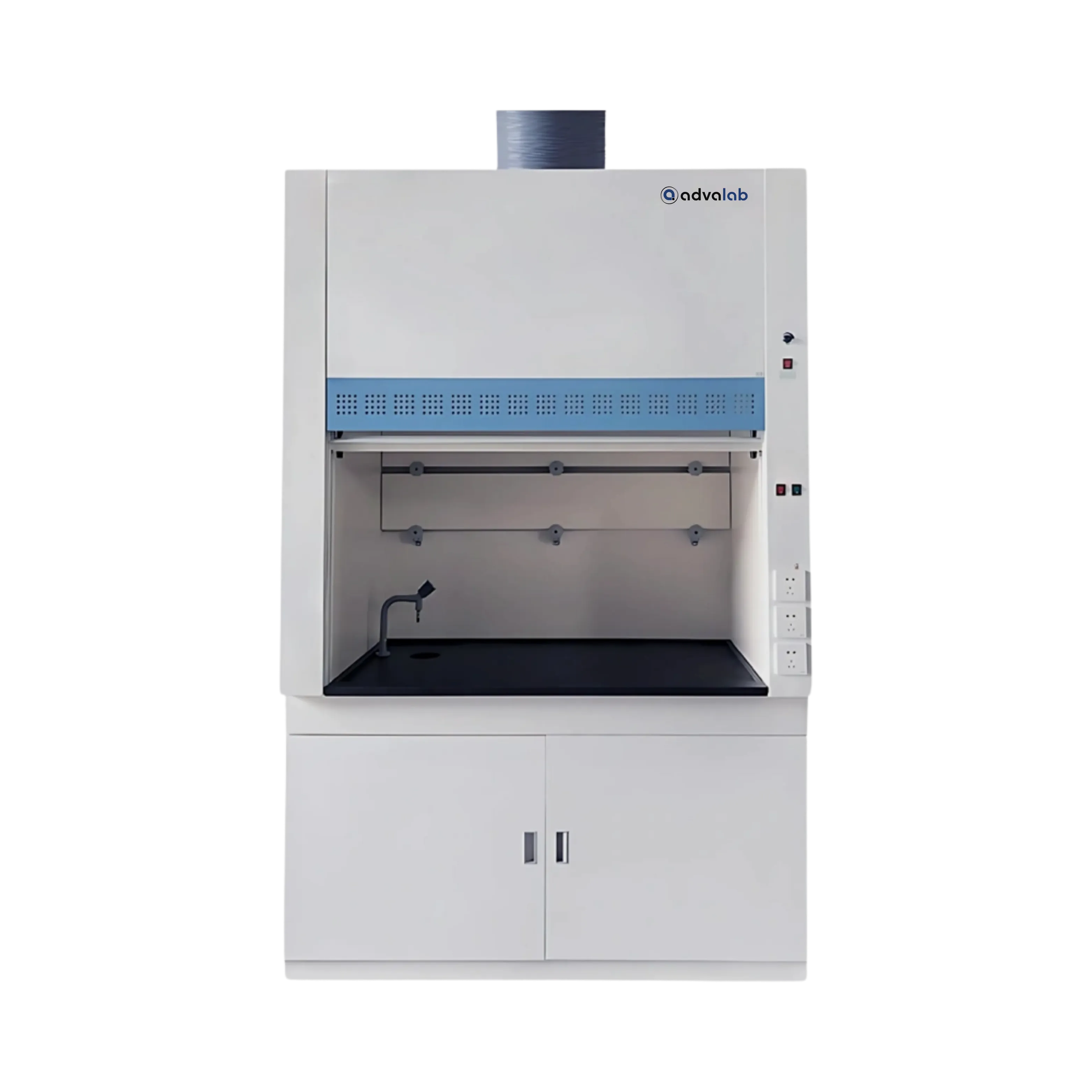
| External Dimension (W × D × H): | 1040 × 800 × 2200 mm |
| Internal Dimension (W × D × H): | 790× 670 × 1050mm |
| Maximum Opening: | 520 mm |
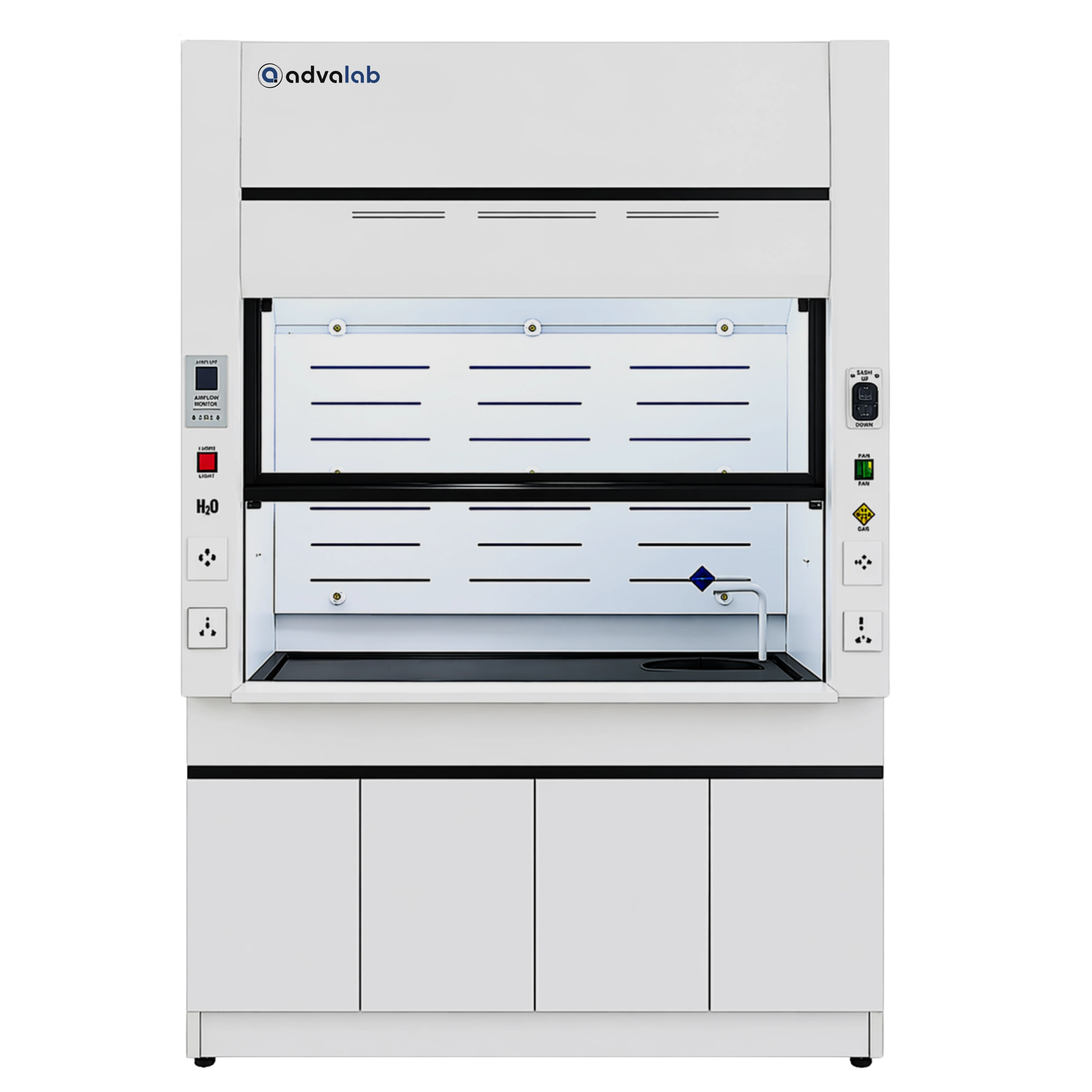
| External Dimension (W×D×H): | 1500 × 850 × 2350 mm |
| Internal Dimension (W×D×H): | 1260 × 680 × 1150 mm |
| Base Cabinet Dimension (W×D×H): | 1500 × 800 × 850 mm |
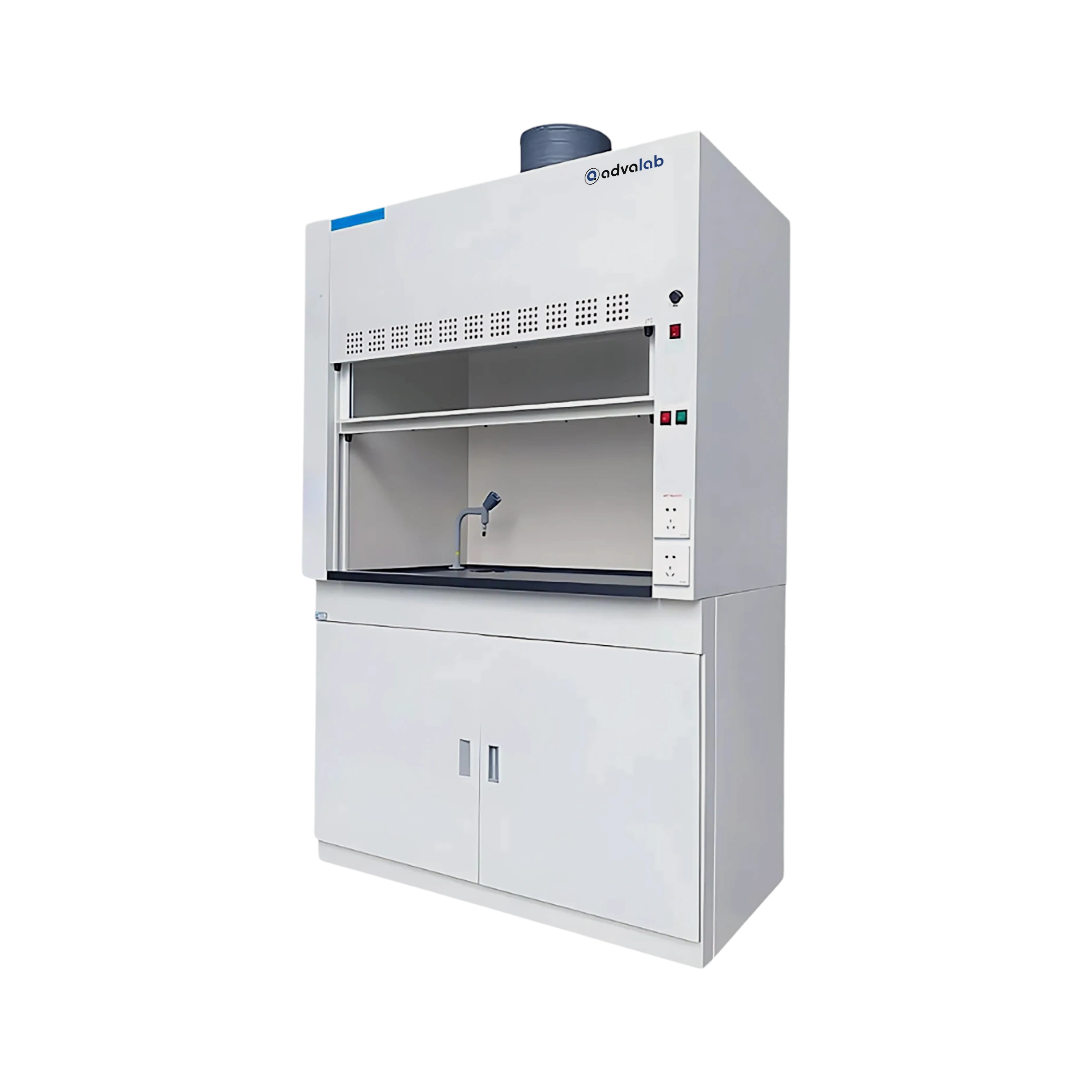
| External Dimensions (W × D × H): | 1500 × 850 × 2350 mm |
| Internal Dimension (W × D × H): | 1300 × 590 × 900 mm |
| Air Volume: | 2300 m³/h |