
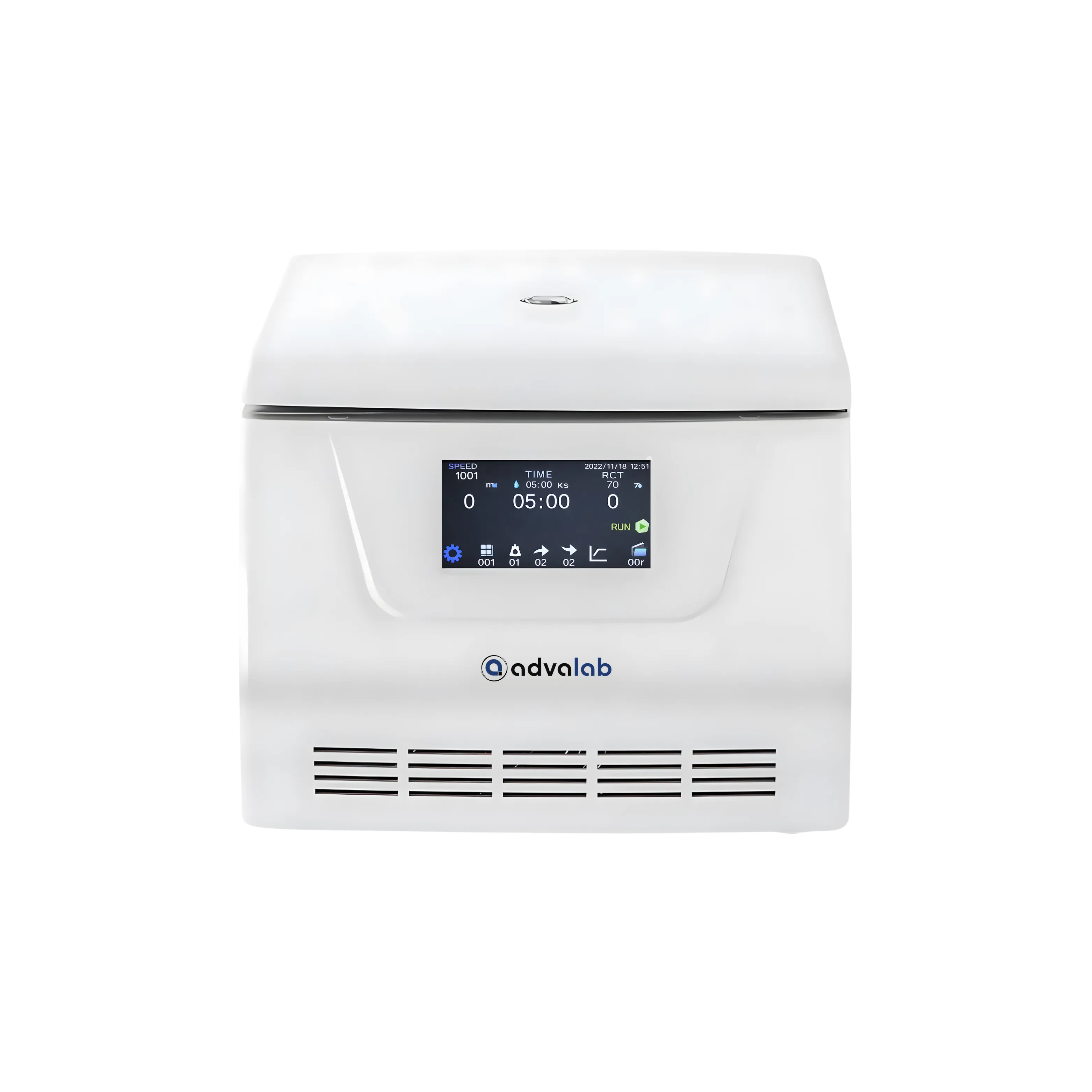
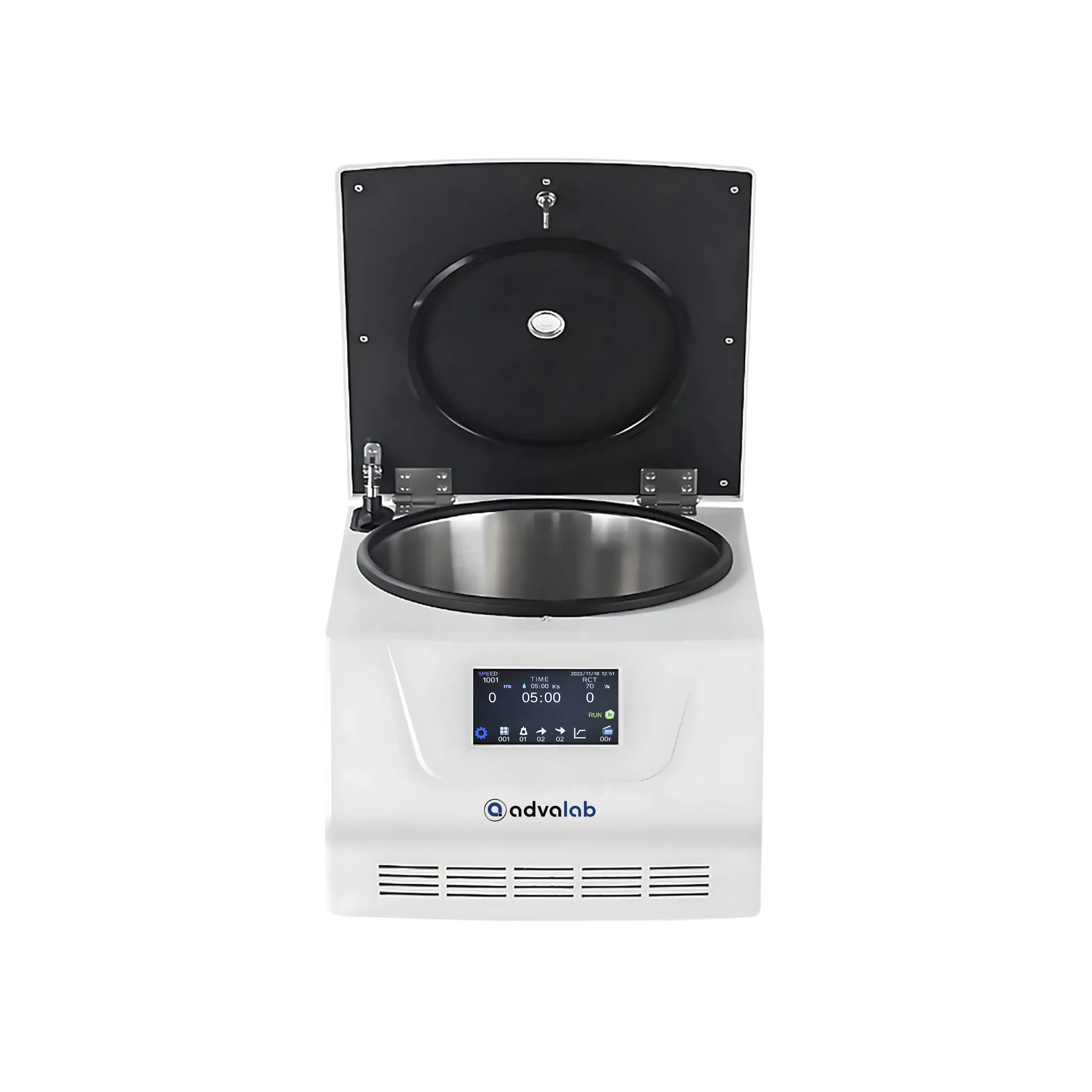
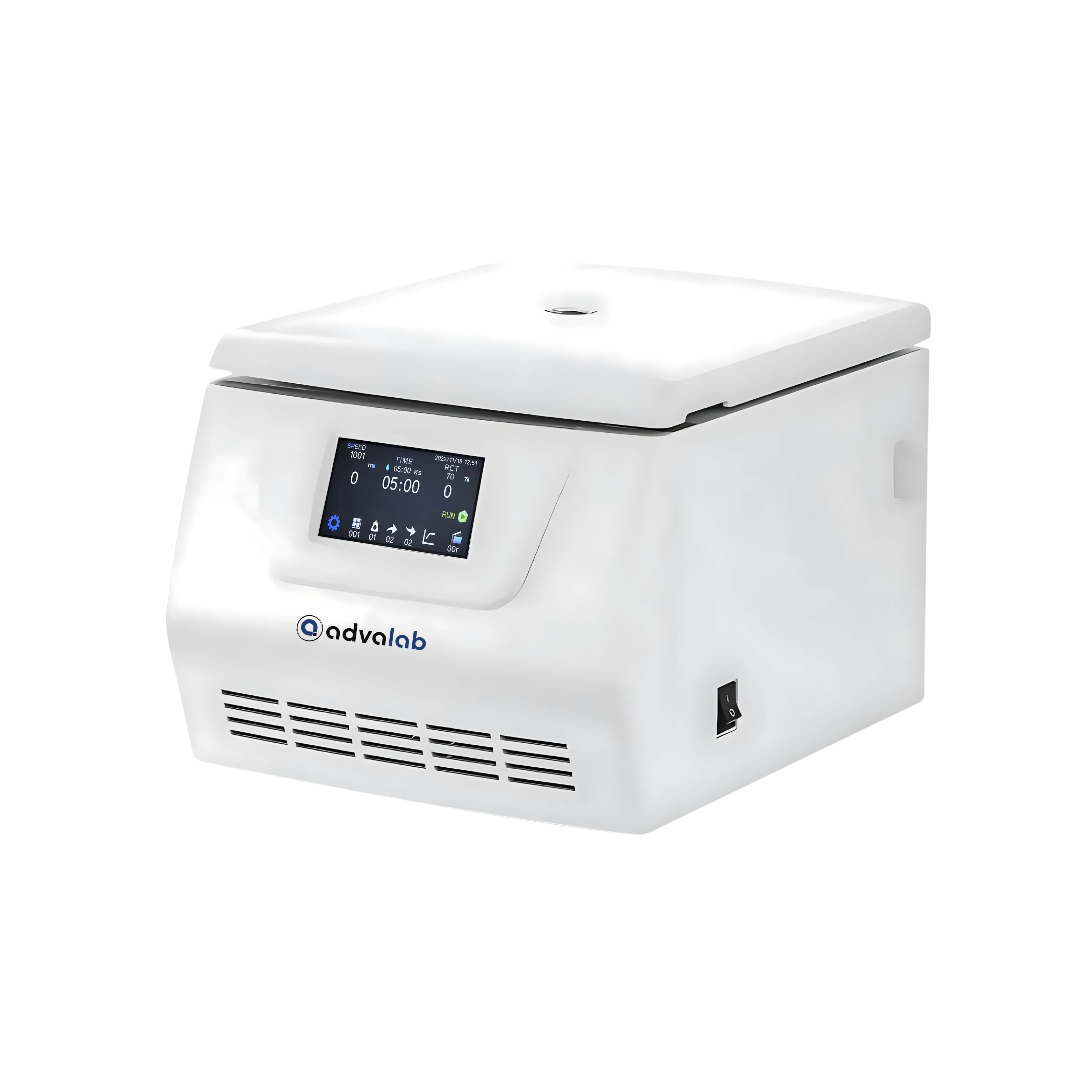
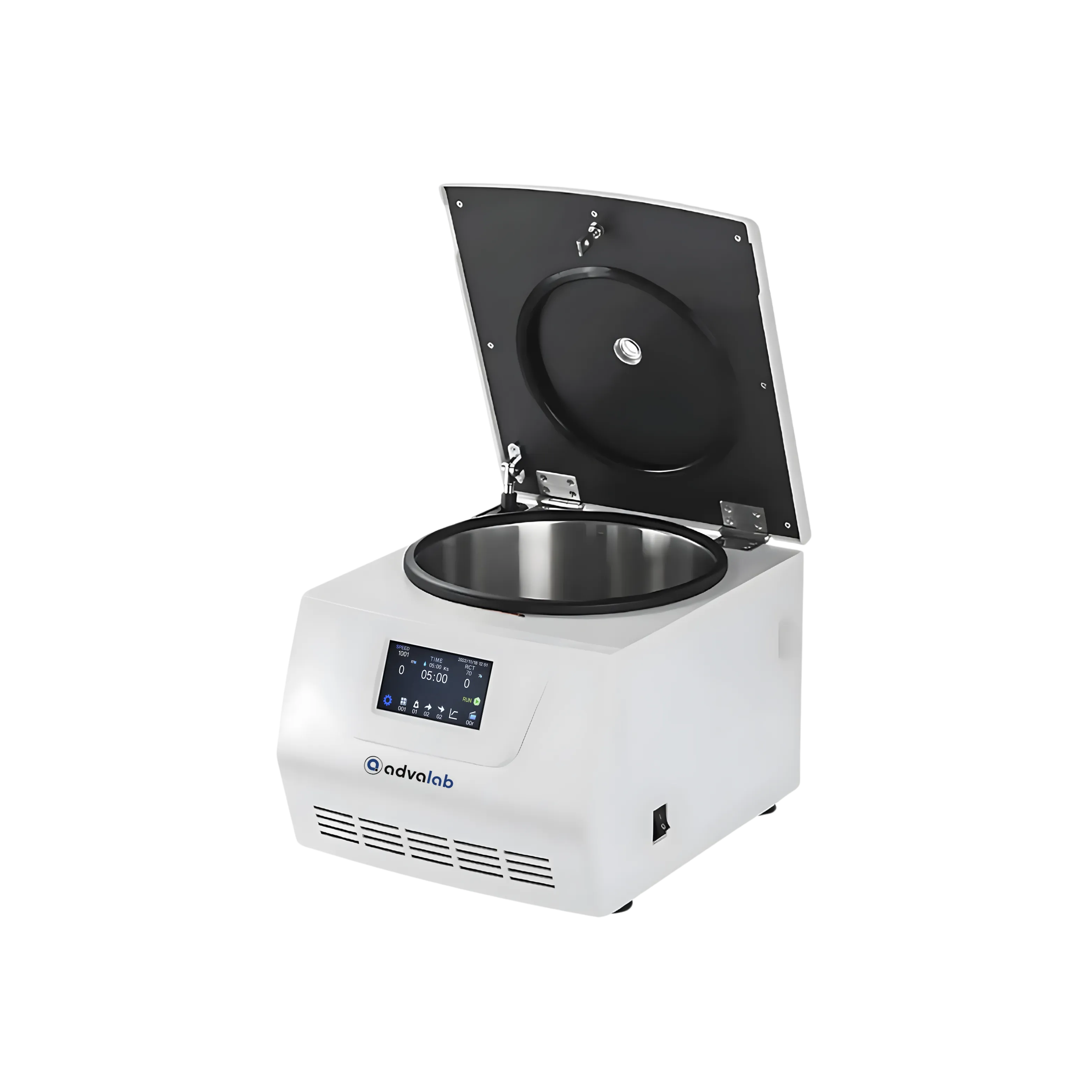
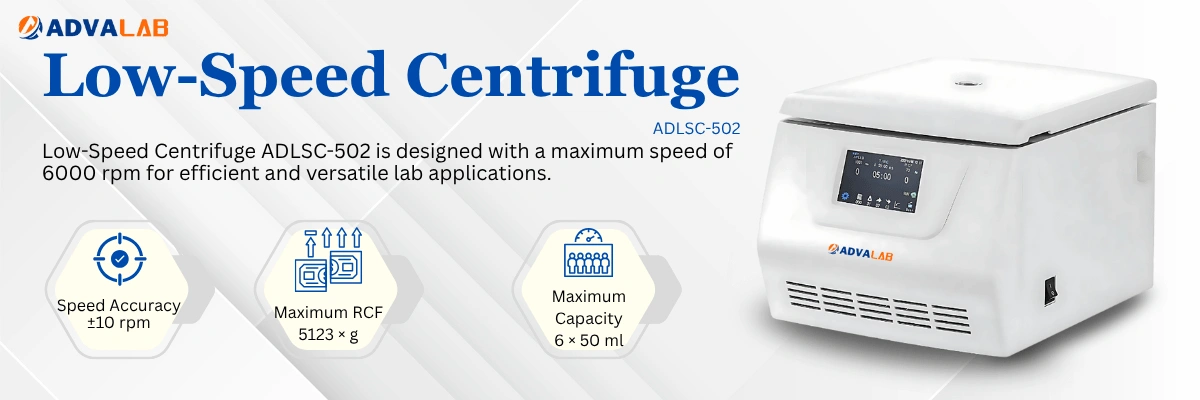
| Maximum Speed | 6000 rpm |
| Maximum RCF | 5123 × g |
| Maximum Capacity | 6 × 50 ml |
| Speed Accuracy | ±10 rpm |
| Time Setting | 1 s to 99 h 59 m 59 s |
| Acceleration/Deceleration Rate | 40 rates |
| Noise | ≤60 dB(A) |
| Power Consumption | 500 W |
| Dimension | 495 x 400 x 420 mm |
| Net Weight | 27 kg |
| Gross Weight | 45 Kg |
Our Low-Speed Centrifuge ADLSC-502 is widely used in research institutions, environmental testing, and educational settings for efficient separation of biological samples and cells.
Rotor | Capacity | Maximum Speed | Maximum RCF | Tube Size |
Fixed angle rotor 01 | 12 x 15 ml | 6000rpm | 5123xg | 17x121mm |
Fixed angle rotor 02 | 6 x 50 ml | 6000rpm | 5123xg | 29x116mm |
Swing Out Rotor 01 | 24 x 7 ml blood tubes | 5000rpm | 4650xg | 13x75-100mm |
Swing Out Rotor 02 | 16 x 15 ml | 5000rpm | 4620xg | 17x121mm |
Swing Out Rotor 03 | 8 x 15 ml | 5000rpm | 4620xg | 17x121mm |
Swing Out Rotor 04 | 4 x 50 ml | 4000rpm | 2976xg | 29x116mm |

1. What safety features are included in the Low-Speed Centrifuge ADLSC-502?
The Low-Speed Centrifuge ADLSC-502 comes equipped with key safety features like lid lock, imbalance detection, and automatic stop. These functions protect the user from accidental contact or equipment malfunction. The imbalance sensor halts operation if uneven loading is detected. The lid interlock prevents opening during rotation, ensuring safe usage. These features are crucial for maintaining lab safety and equipment reliability.
2. What types of samples can be processed using this Low-Speed Centrifuge ADLSC-502?
This centrifuge is ideal for separating biological samples like blood, serum, plasma, and urine. It is commonly used in clinical, educational, and research laboratories. The low-speed operation ensures gentle handling of delicate samples, minimizing cell damage. It can also be used for routine sample clarification and sedimentation. Its versatility makes it a valuable tool across multiple disciplines.
3. Is the Low-Speed Centrifuge ADLSC-502 easy to operate and maintain?
Yes, the Low-Speed Centrifuge ADLSC-502 features a user-friendly interface with clearly labeled buttons or digital controls. Its design allows quick rotor installation and easy loading of tubes. Maintenance is minimal and usually involves regular cleaning and rotor inspection. The durable construction and smooth operation help reduce wear and tear. Overall, it offers a hassle-free user experience even for beginners.
4. Does the Low-Speed Centrifuge ADLSC-502 come with multiple rotor options?
Yes, the centrifuge supports multiple rotor types for different tube sizes and sample volumes. These include fixed-angle and swing-out rotors, depending on the application. Users can easily interchange rotors based on their needs. This versatility increases the machine’s usability across various protocols. Rotor compatibility details are typically included in the user manual.
5. What is the maximum speed and capacity of the Low-Speed Centrifuge ADLSC-502?
The Low-Speed Centrifuge ADLSC-502 offers a maximum speed of around 5000 RPM, making it ideal for routine low-speed applications. It supports various rotor configurations to accommodate different tube sizes and sample volumes. Its capacity generally supports up to 12 or more centrifuge tubes, depending on the rotor type. The flexibility in capacity makes it suitable for small to medium batch processing. This allows labs to handle diverse separation needs efficiently.
6. How do you clean and maintain the Low Speed Centrifuge ADSLC-502?
To maintain the Low Speed Centrifuge ADSLC-502, clean the rotor and inner chamber regularly with mild disinfectants. Proper maintenance of the Low Speed Centrifuge ADSLC-502 helps prevent contamination and extends its life.
7. What is a Low Speed Centrifuge used for?
A Low Speed Centrifuge is primarily used for the separation of biological samples like blood, urine, or cells at lower speeds. Low Speed Centrifuge machines are ideal for routine separation tasks in clinical and research laboratories.
8. Can I use a Low Speed Centrifuge for blood sample separation?
Yes, a Low Speed Centrifuge is commonly used for separating blood components like plasma and serum. The gentle speed of a Low Speed Centrifuge ensures that blood cells are not damaged during the process.
9. What types of tubes are compatible with a Low Speed Centrifuge?
A Low Speed Centrifuge is compatible with various tube types such as conical, round-bottom, and standard test tubes. Always ensure that the tubes used in the Low Speed Centrifuge are balanced properly.

| Maximum Speed | 4200 rpm |
| Maximum RCF | 3285 × g |
| Maximum Capacity | 4 × 100 ml |
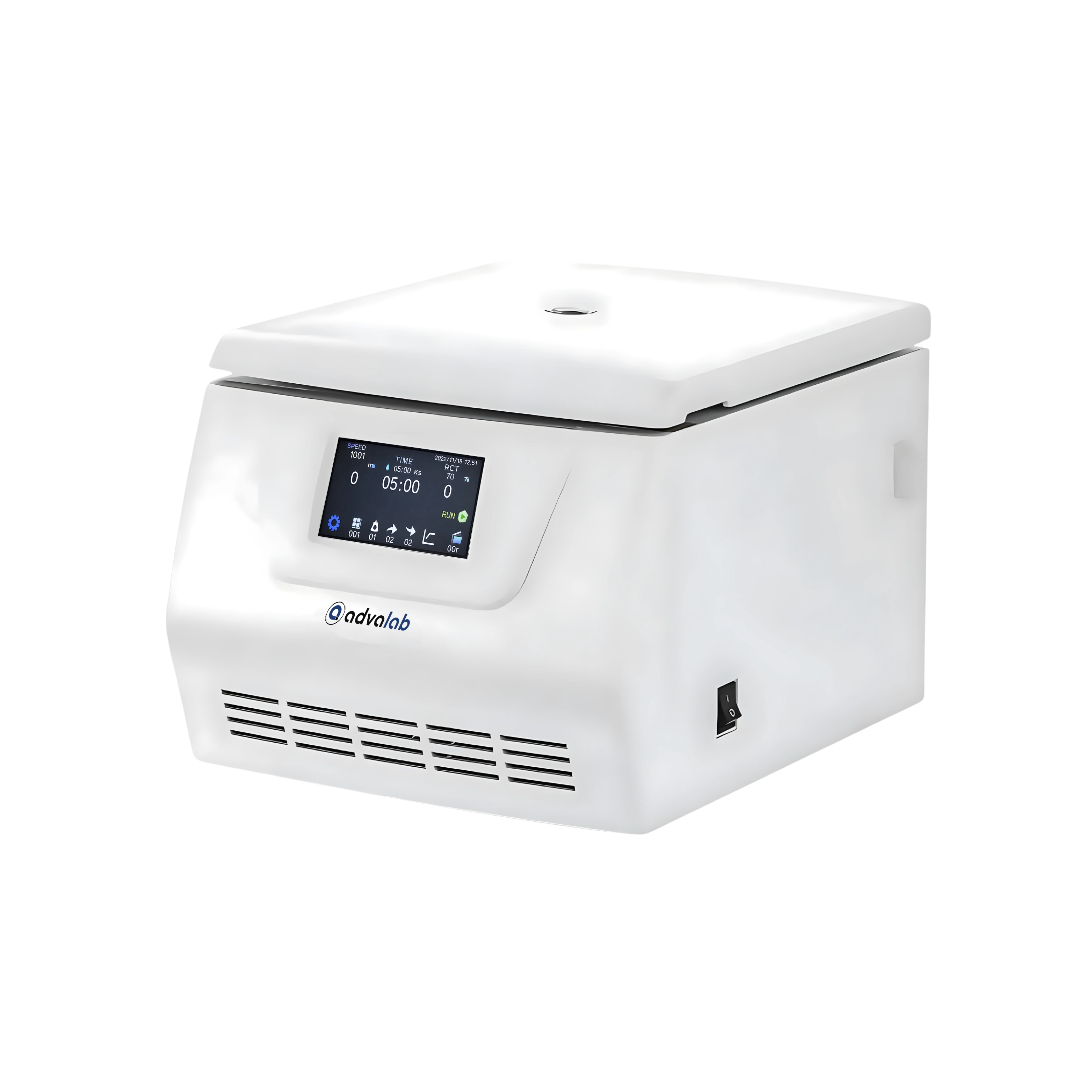
| Maximum Speed | 5000 rpm |
| Maximum RCF | 4650 × g |
| Maximum Capacity | 6 × 50 ml |
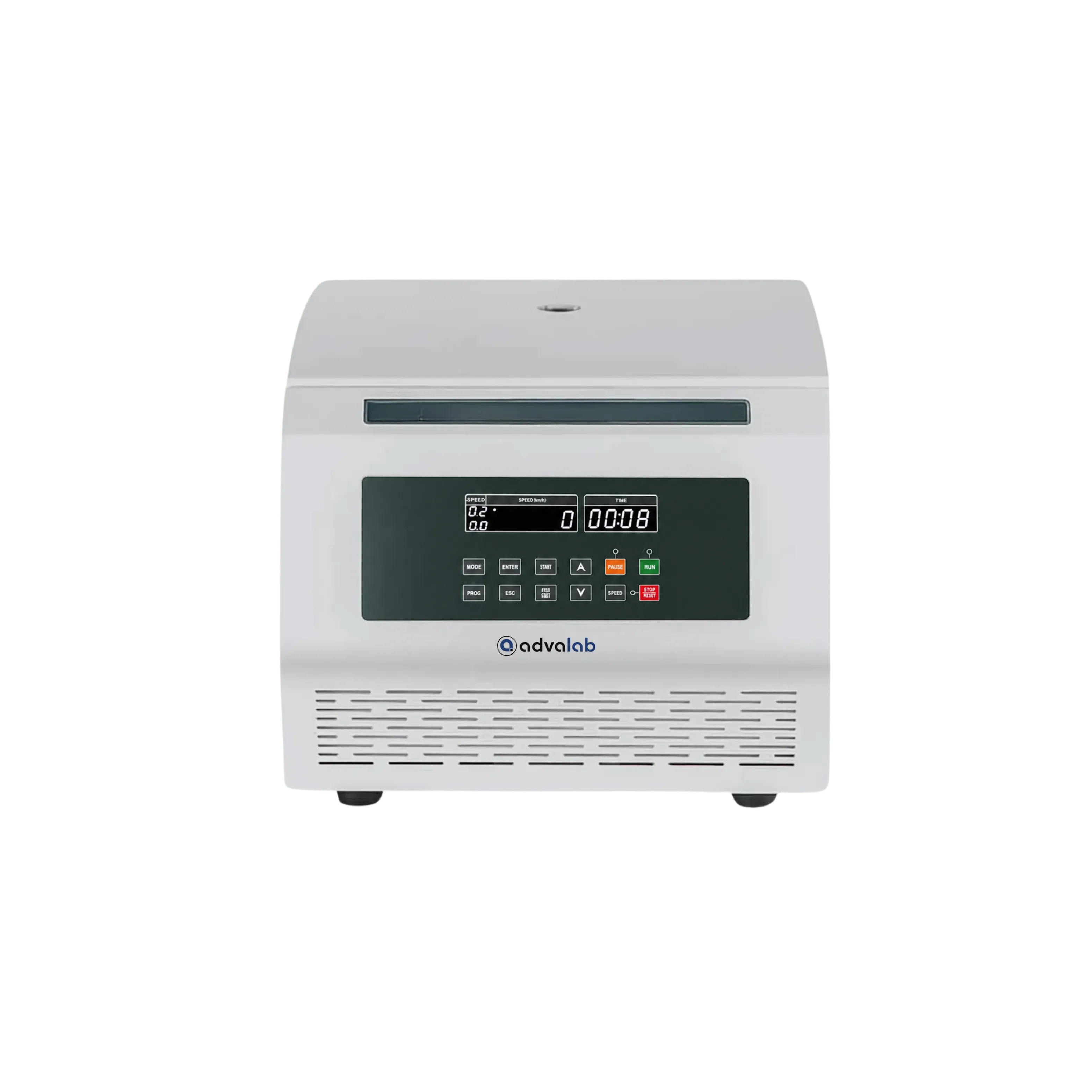
| Maximum Speed | 5000 rpm |
| Maximum RCF | 4650 × g |
| Maximum Capacity | 8 × 100 ml |
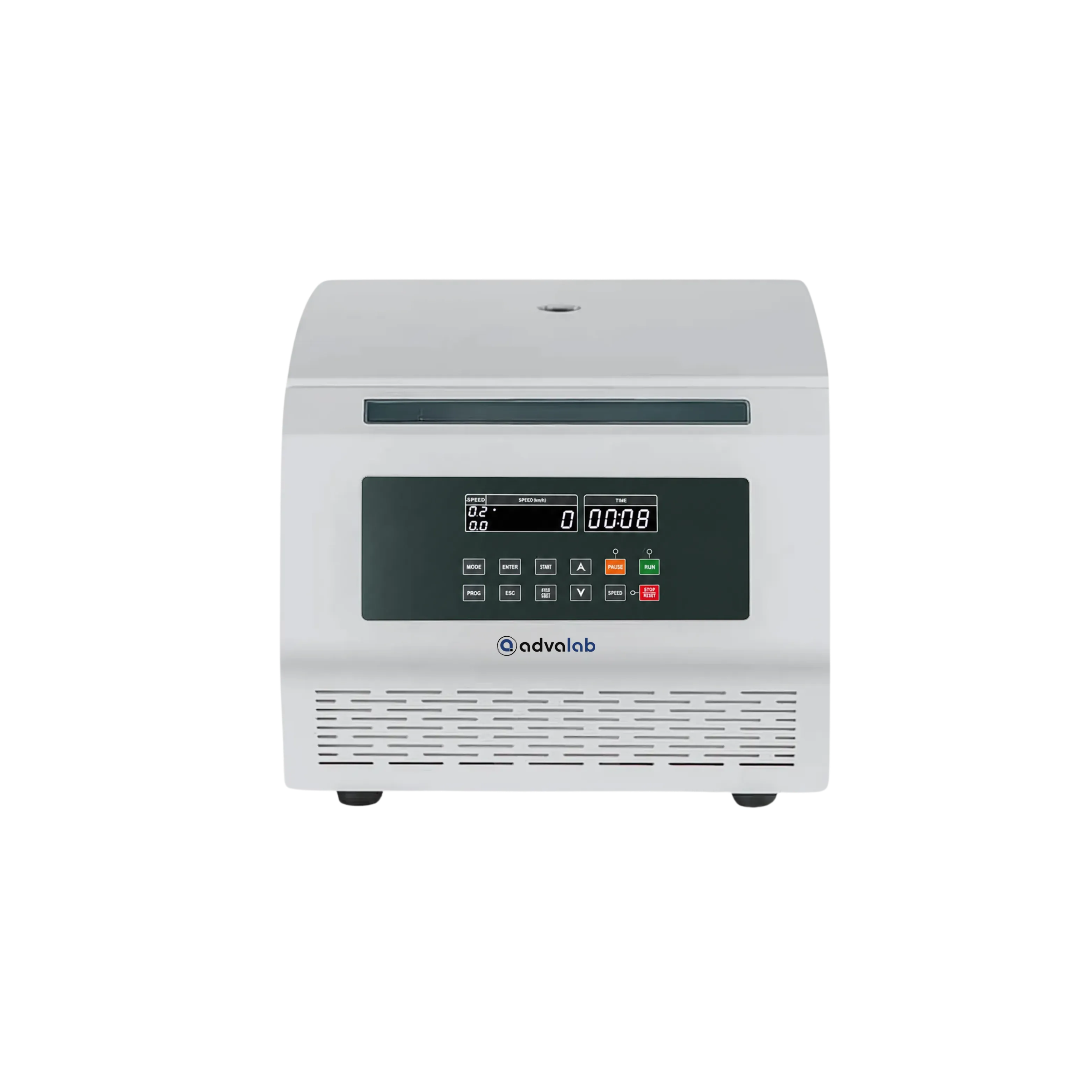
| Maximum Speed | 5000 rpm |
| Maximum RCF | 4650 × g |
| Maximum Capacity | 4 × 250 ml |
| Maximum Speed Range: | 14,000 rpm |
| Maximum RCF: | 18,800 × g |
| Maximum Capacity: | 12 × 5 ml |
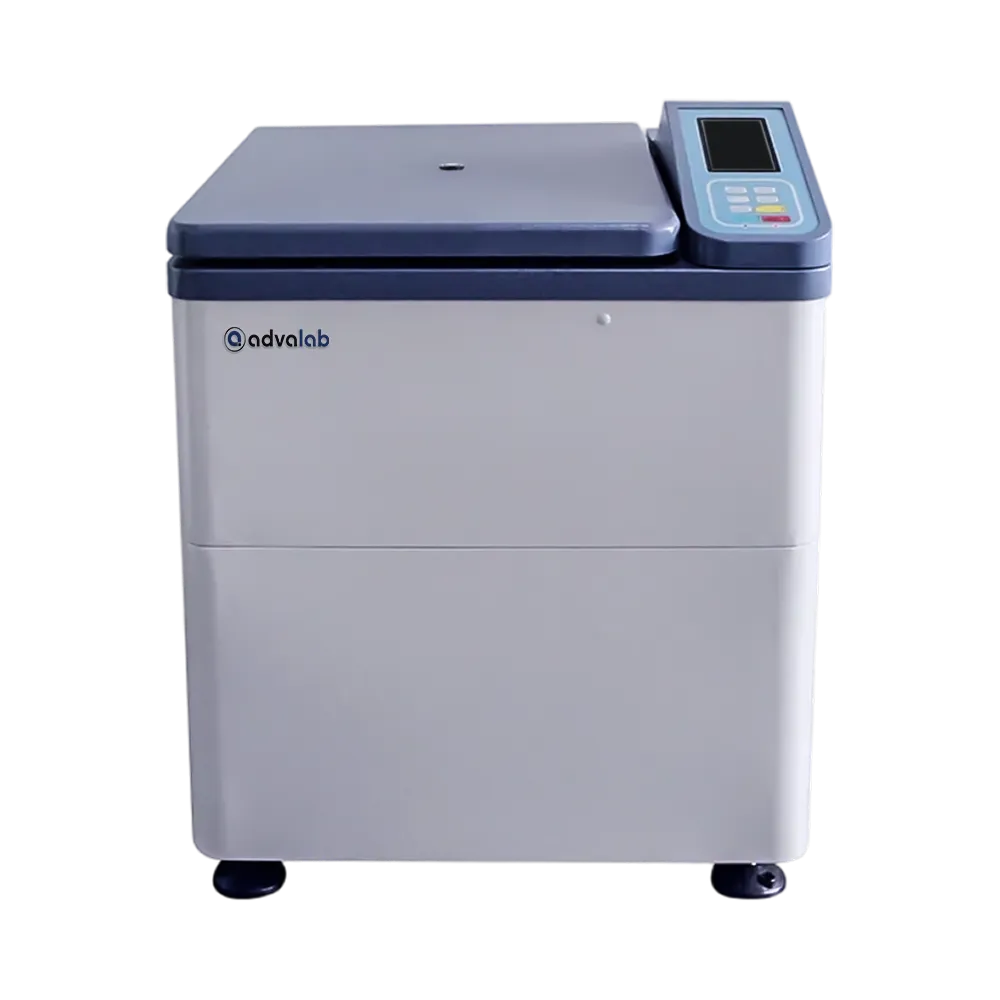
| Maximum Speed: | 21000 rpm |
| Maximum RCF: | 47580 × g |
| Maximum Capacity: | 4 × 750 ml |
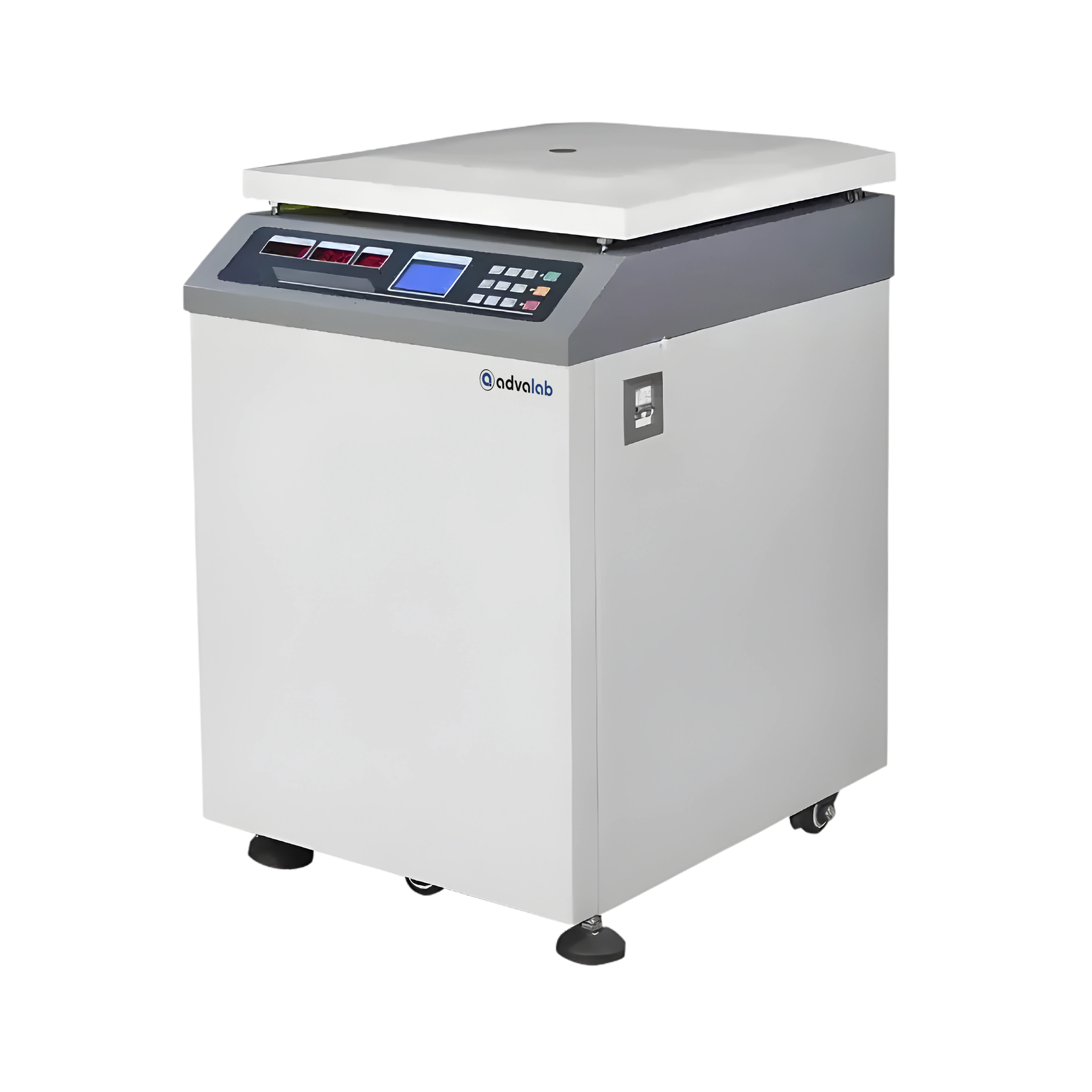
| Max Speed: | 22000 rpm |
| Max RCF: | 52050 x g |
| Max Capacity: | 6x500 ml |

| Maximum Speed: | 20,000 RPM |
| Maximum RCF: | 31,405 × g |
| Maximum Capacity: | 6 × 100 ml |

| Maximum Speed: | 15,000 rpm |
| Maximum RCF: | 21,630 × g |
| Maximum Capacity: | 12 × 5 ml |
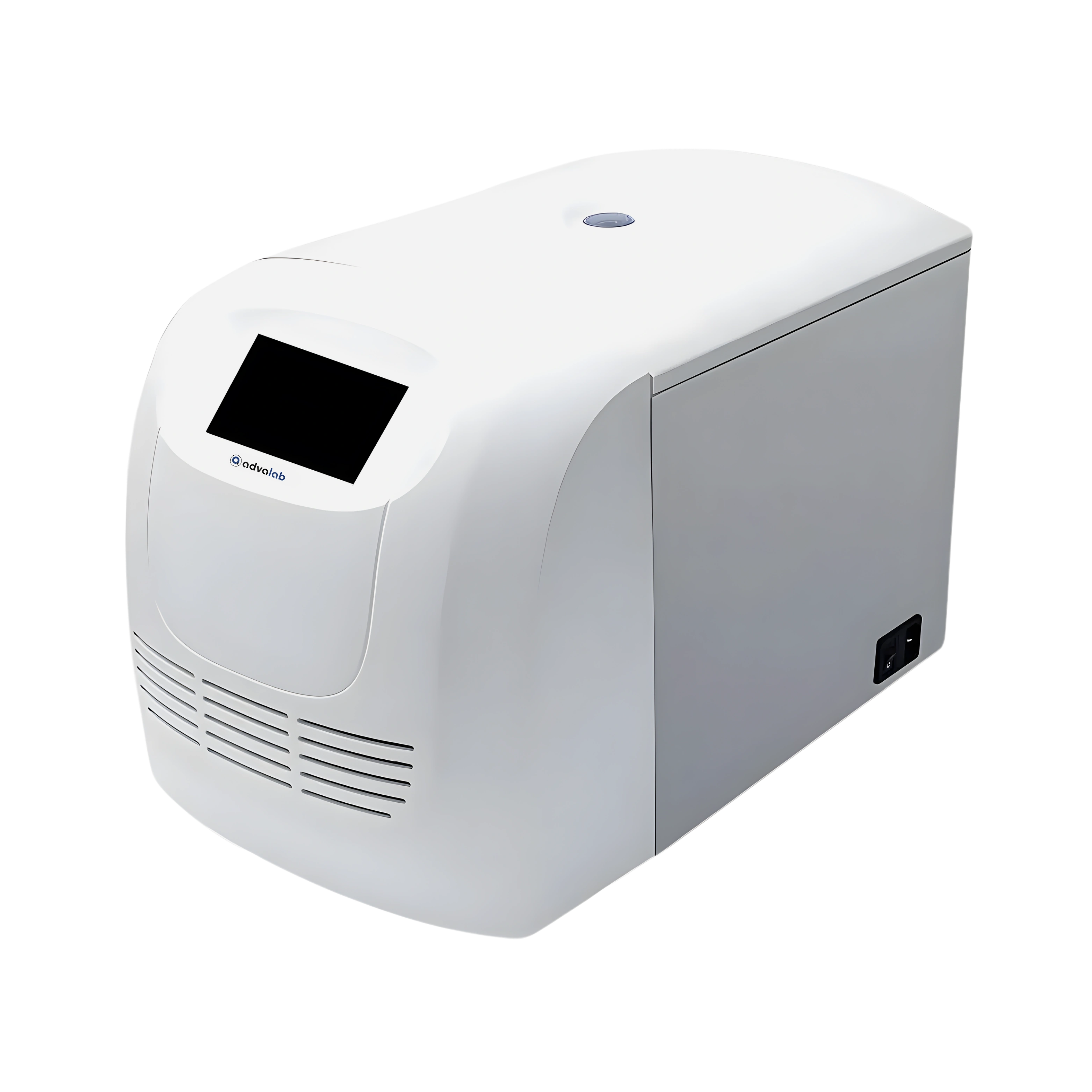
| Speed: | 500 to 15000 rpm, increasement 100 rpm |
| RCF: | 100 to 21400×g |
| Temperature Range: | -20℃ to +40℃, under room temperature 25℃ |

| Maximum Speed: | 16500 rpm |
| Maximum RCF: | 24760 × g |
| Maximum Capacity: | 6 x 100 mL |

| Maximum Speed: | 16500 rpm |
| Maximum RCF: | 21630 x g |
| Maximum Capacity: | 12 x 10 mL |
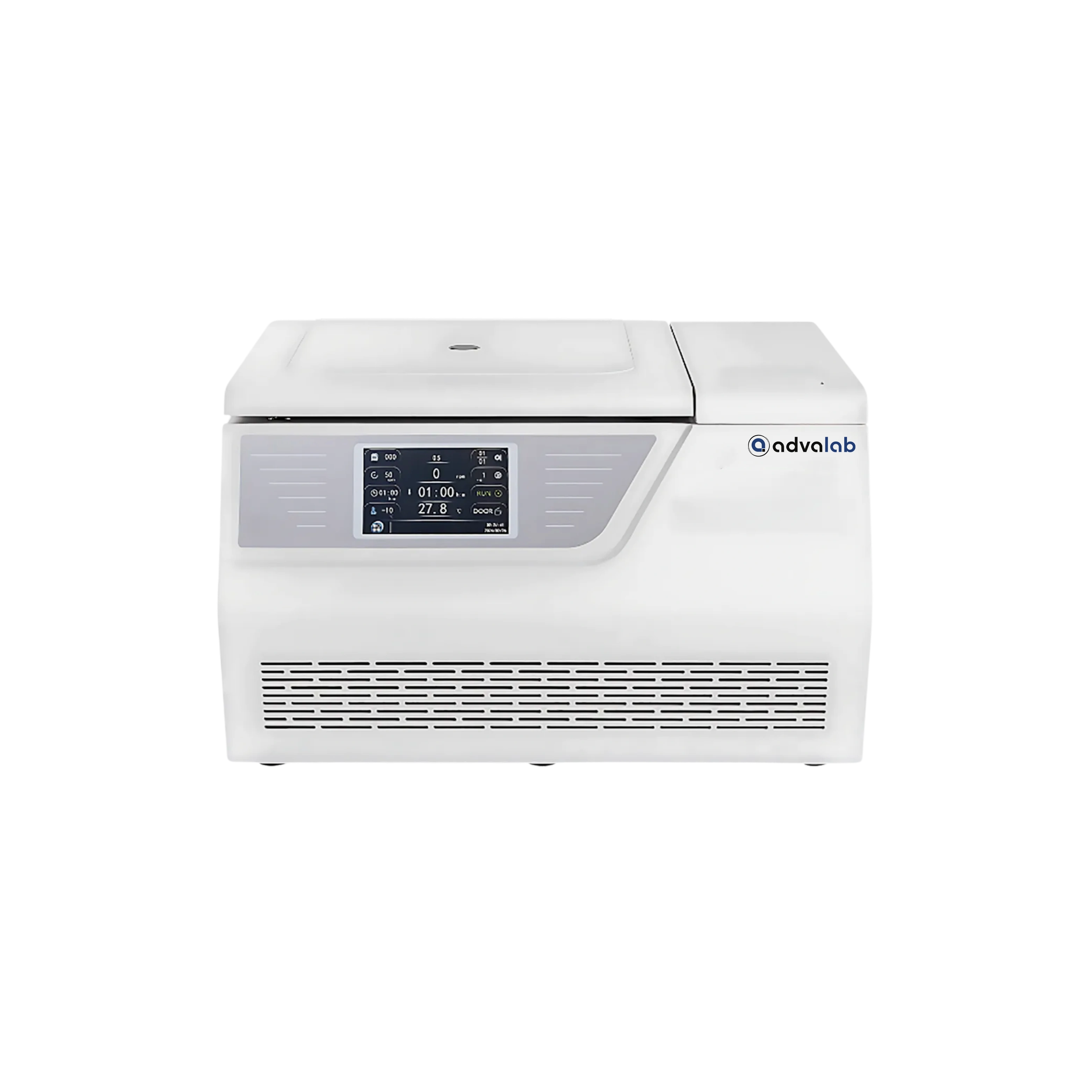
| Maximum Speed: | 18,500 rpm |
| Maximum RCF: | 30,025 x g |
| Maximum Capacity: | 4 x 250 ml |
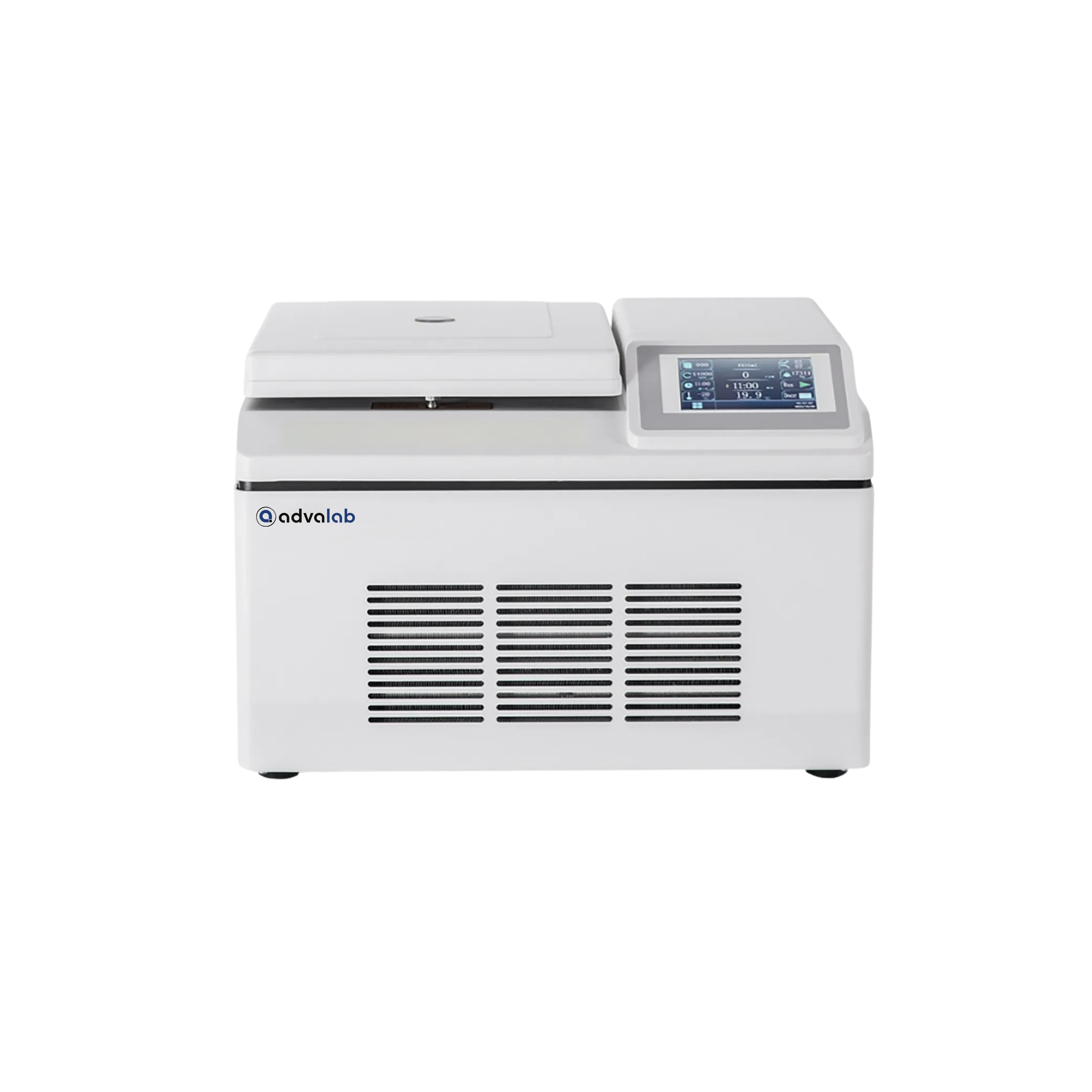
| Maximum Speed: | 22,000 RPM |
| Maximum RCF: | 33,873 × g |
| Maximum Capacity: | 6 × 100 mL |

| Maximum Speed: | 21,000 rpm |
| Maximum RCF: | 31,405 × g |
| Maximum Capacity: | 4 × 750 ml |
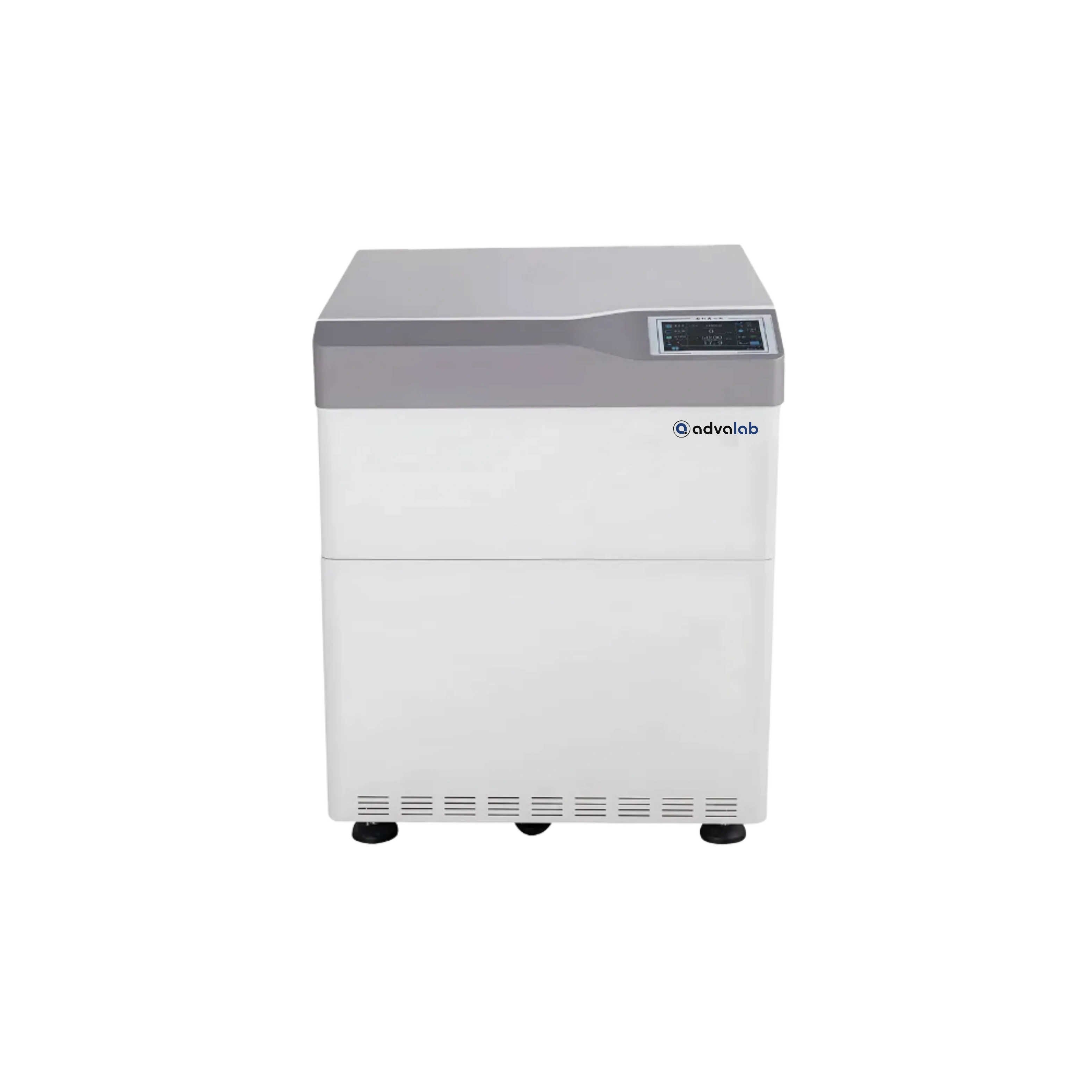
| Max Speed: | 25000 rpm |
| Max RCF: | 65000 x g |
| Max Capacity: | 4x1000 ml |
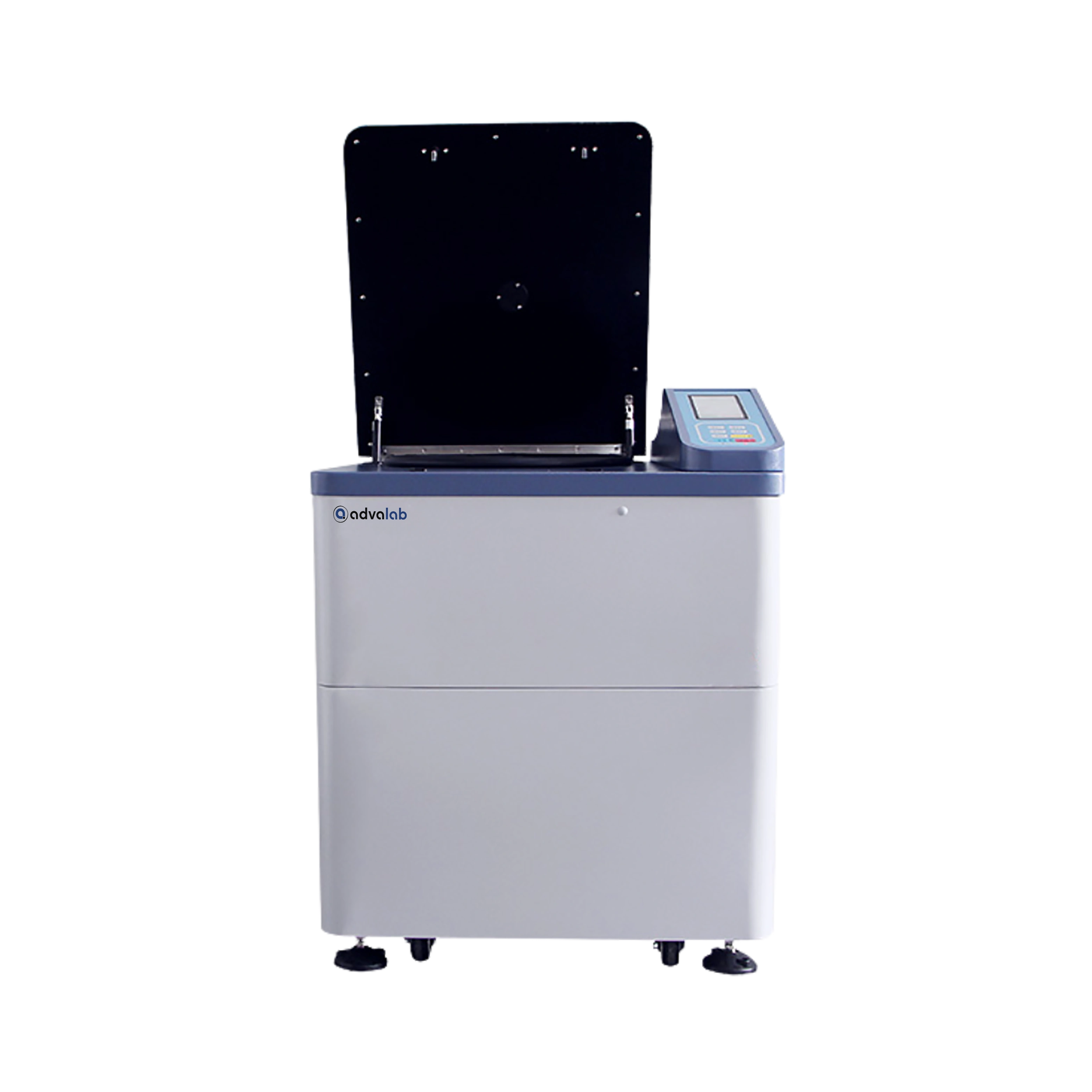
| Maximum Speed: | 30000 rpm |
| Maximum RCF: | 65000 × g |
| Maximum Capacity: | 4×1000ml |
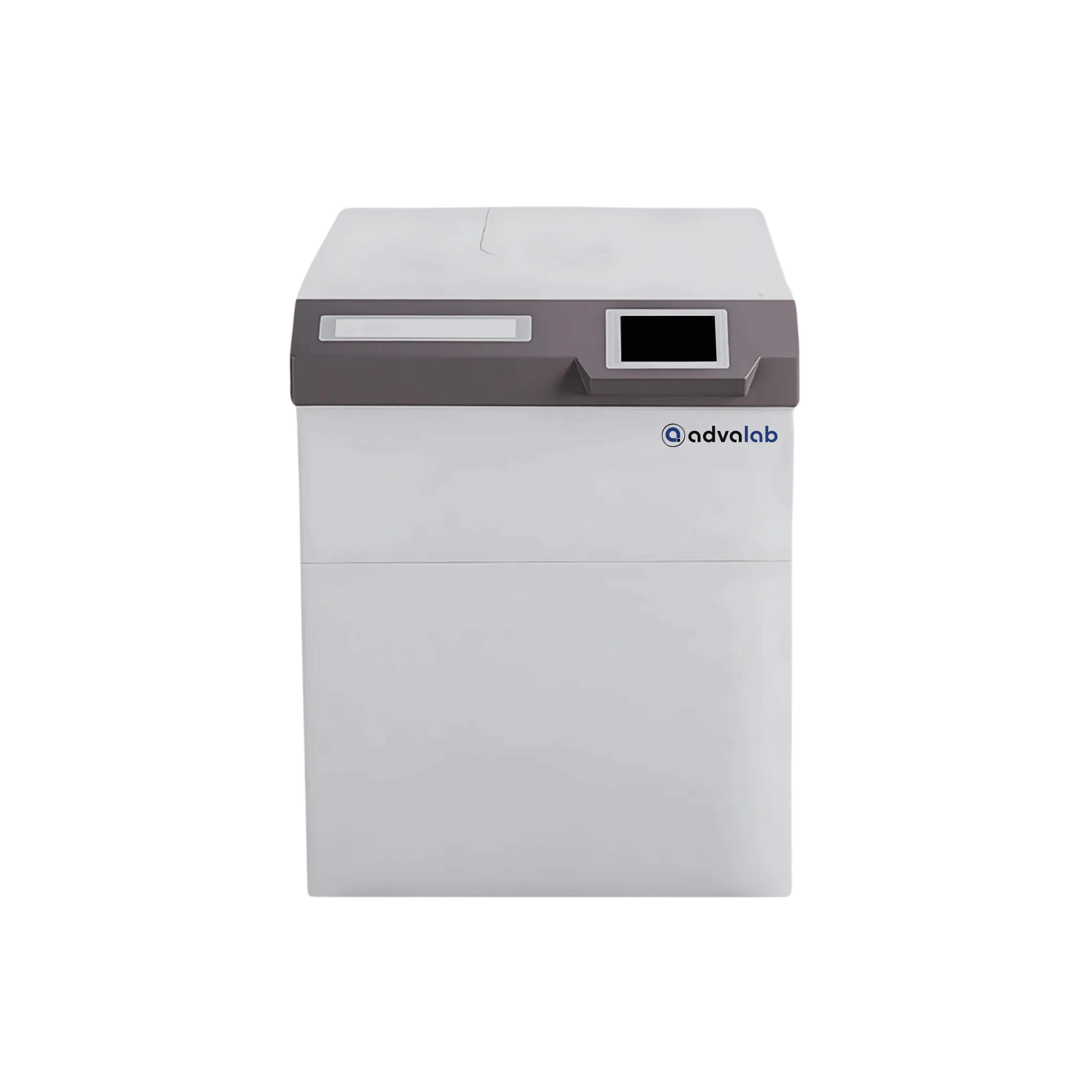
| Max Speed: | 18000 rpm |
| Max RCF: | 31405 x g |
| Max Capacity: | 4 x 250 ml |
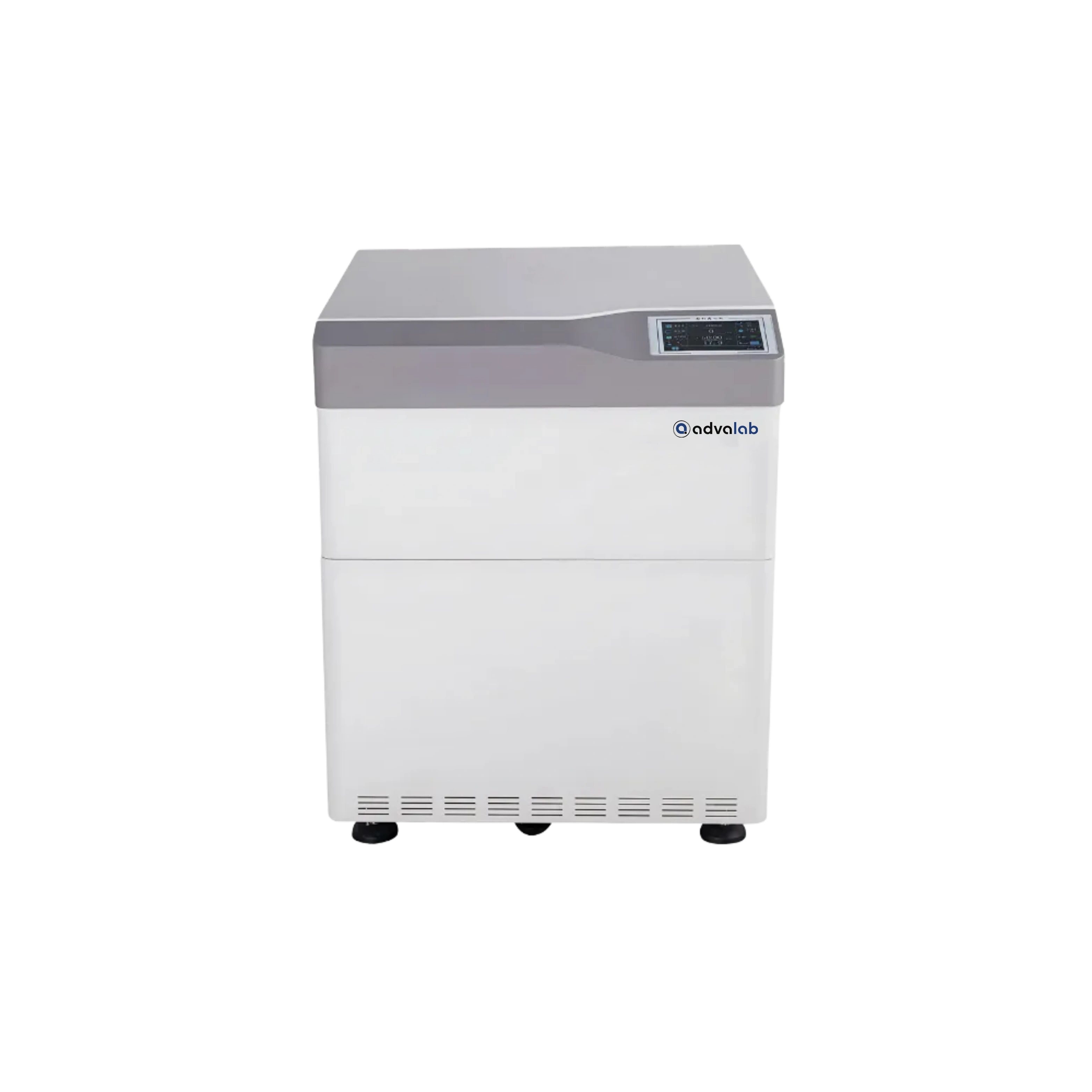
| Max Speed: | 22000 rpm |
| Max RCF: | 33873x g |
| Max Capacity: | 4x750ml |
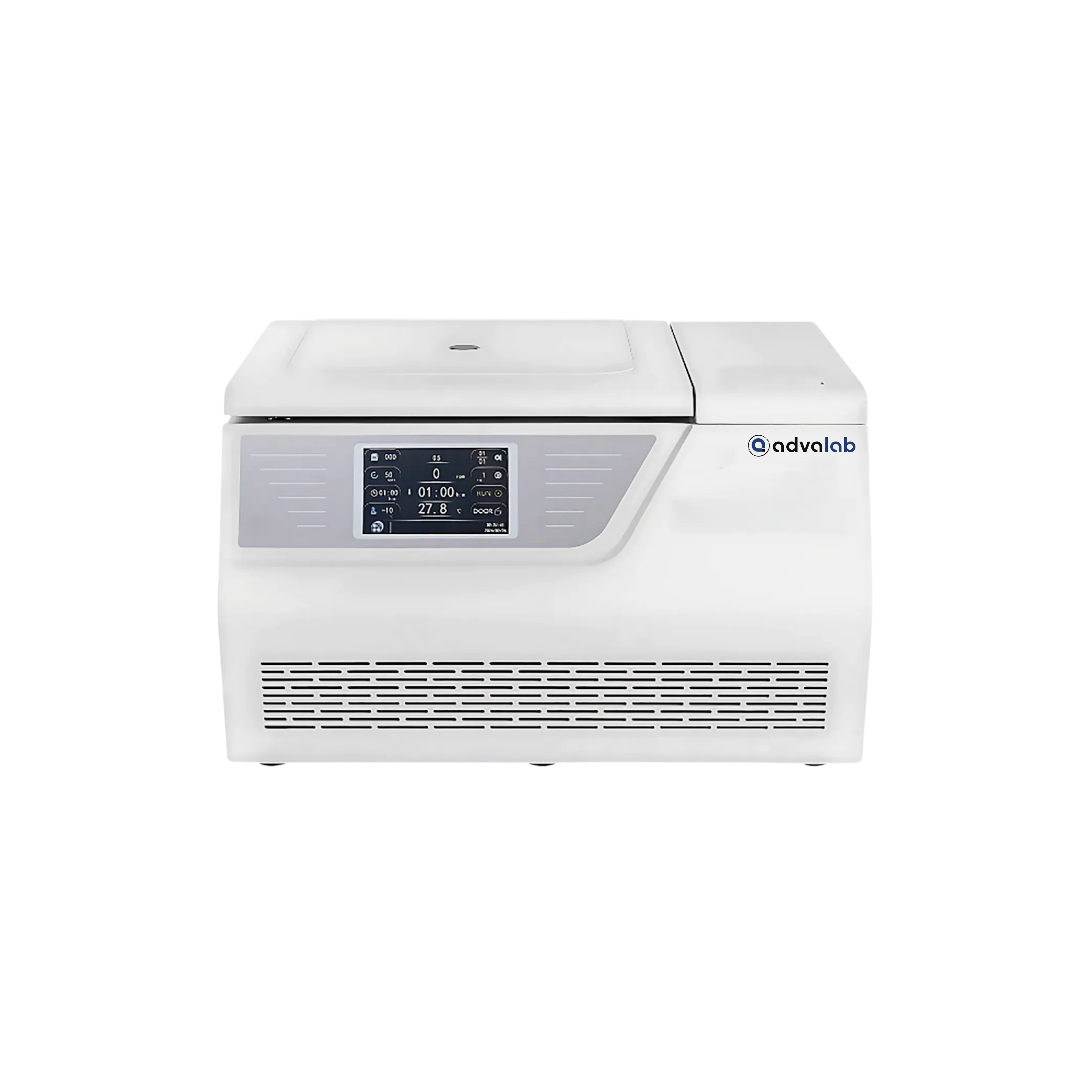
| Maximum Speed: | 19,000 rpm |
| Maximum RCF: | 30,367× g |
| Maximum Capacity: | 4 x 500 ml |
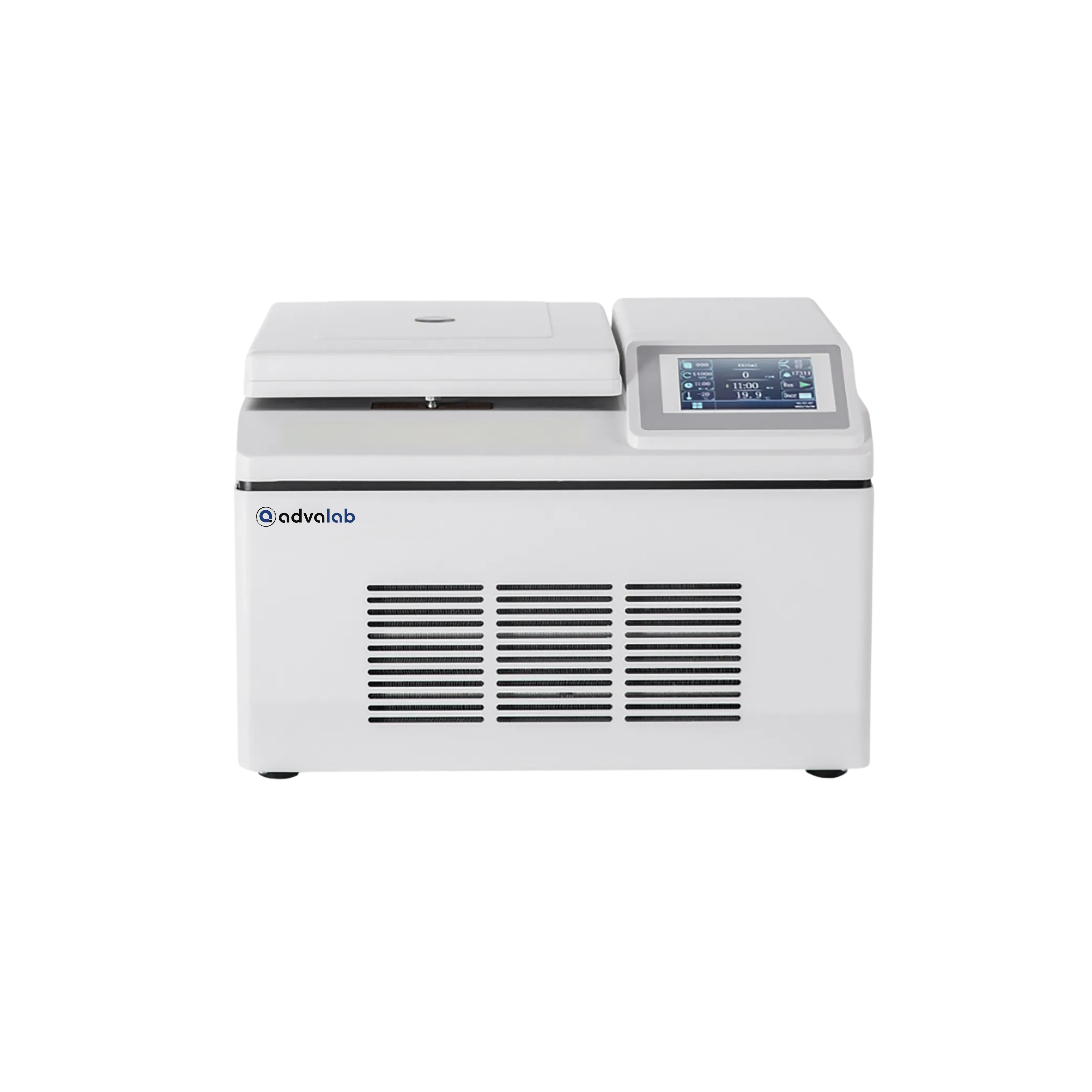
| Maximum Speed: | 18000 rpm |
| Maximum RCF: | 29684 × g |
| Maximum Capacity: | 6 × 100 ml |
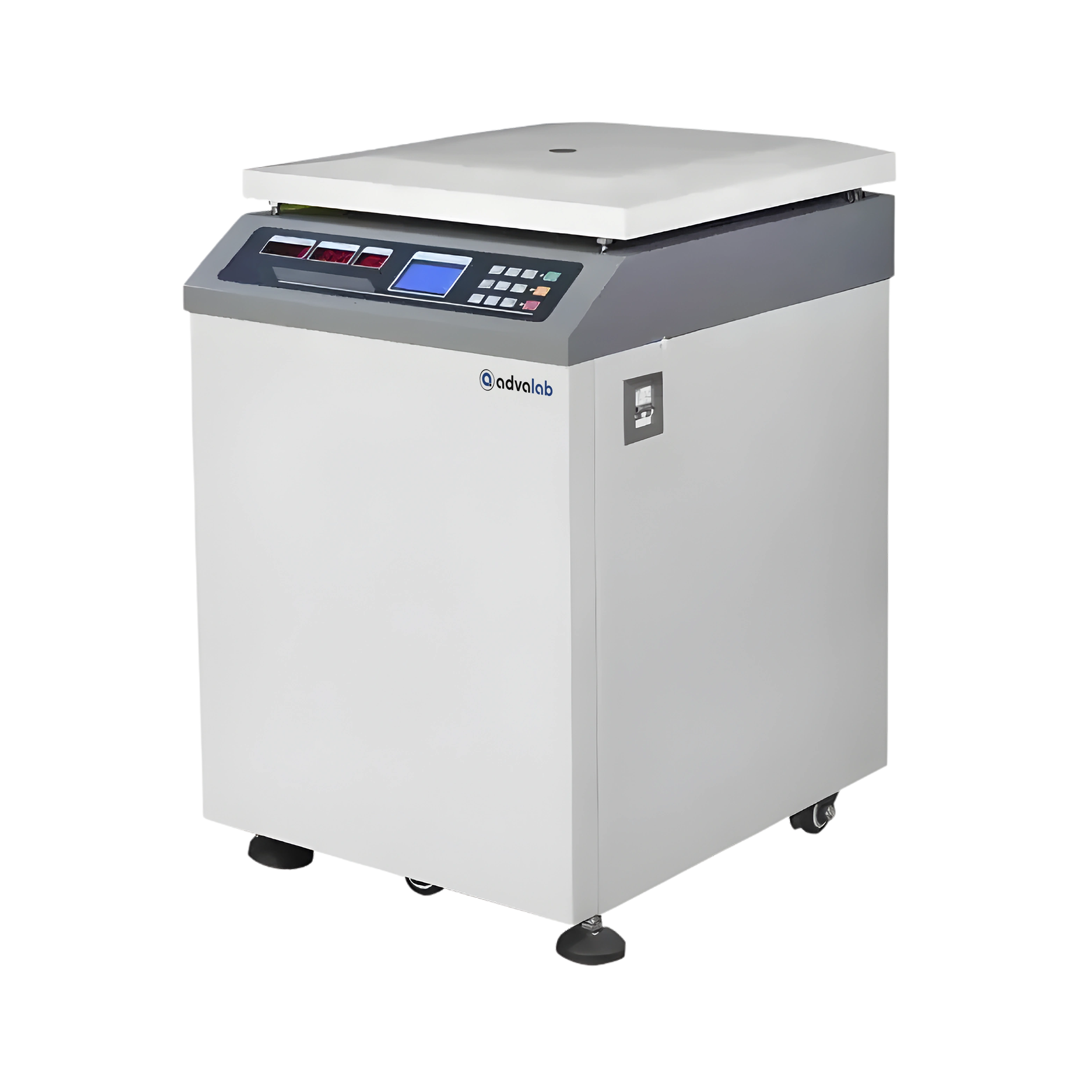
| Max Speed: | 16000 rpm |
| Max RCF: | 27520 x g |
| Max Capacity: | 6x500 ml |
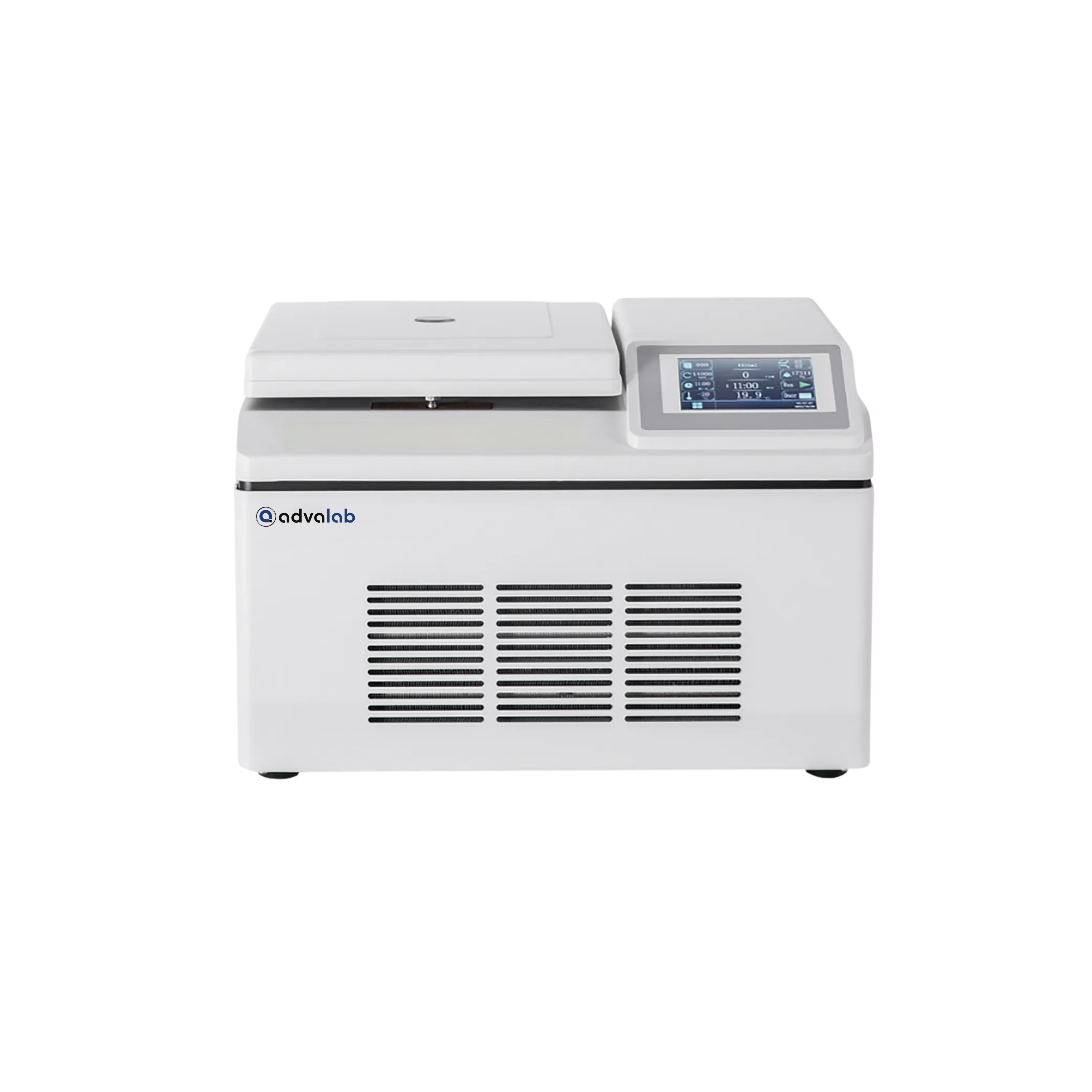
| Maximum Speed: | 16,500 rpm |
| Maximum RCF: | 24,814 × g |
| Maximum Capacity: | 6 × 100ml |

| Maximum Speed: | 23,000 rpm |
| Maximum RCF: | 37,023 x g |
| Maximum Capacity: | 4 x 750 ml |
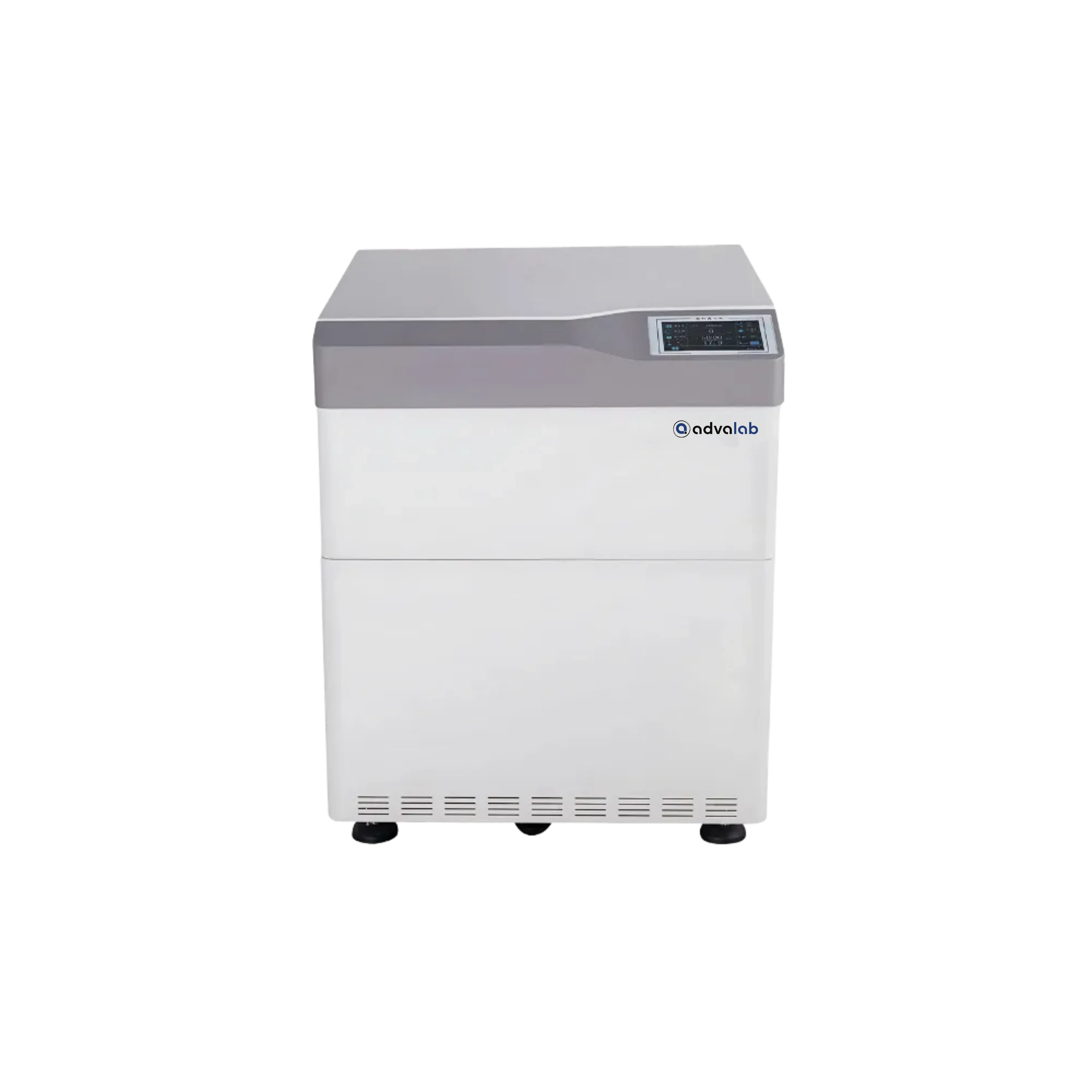
| Max Speed: | 10000 rpm |
| Max RCF: | 18590 x g |
| Max Capacity: | 6x1000 ml |
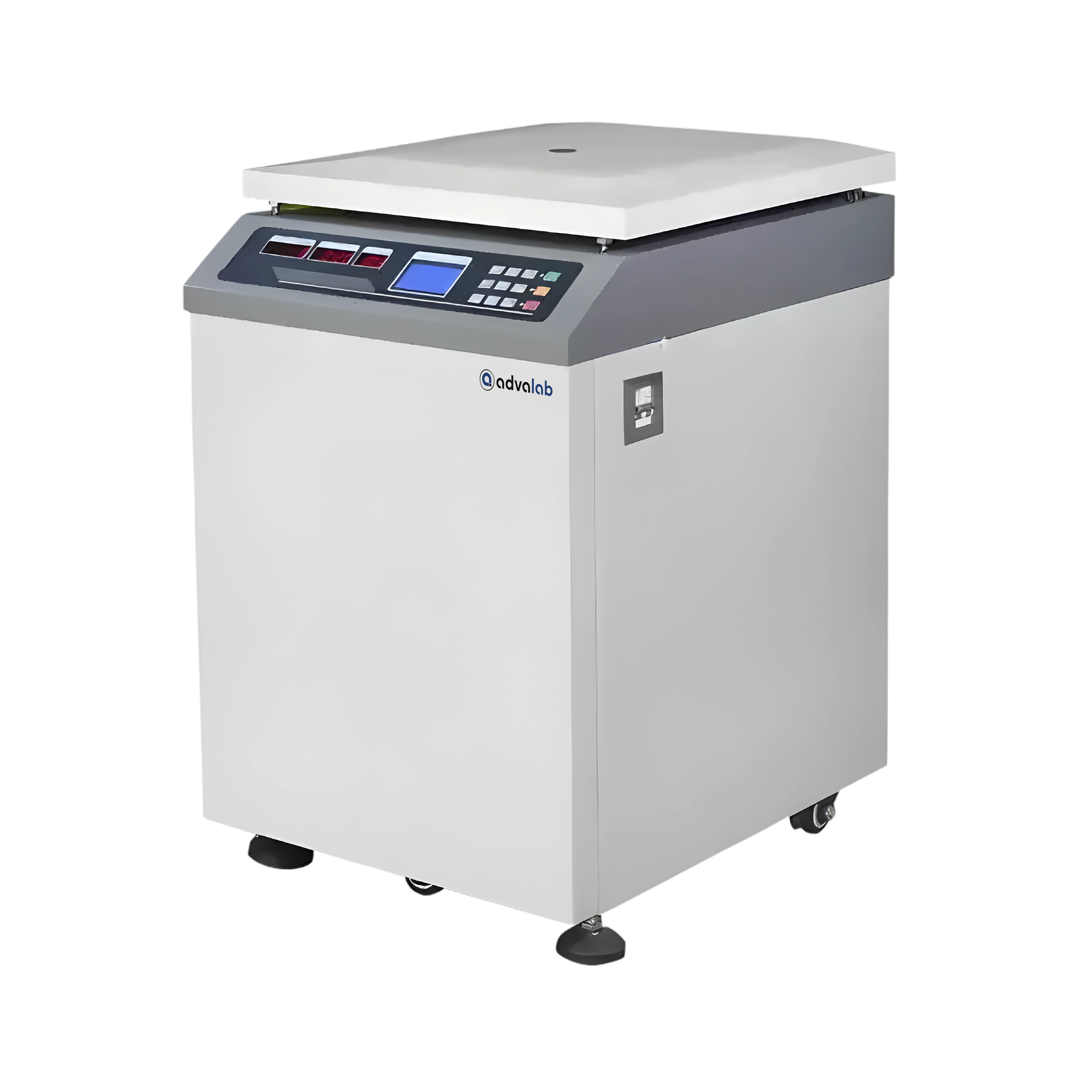
| Max Speed: | 21000 rpm |
| Max RCF: | 47400 x g |
| Max Capacity: | 6x500 ml |
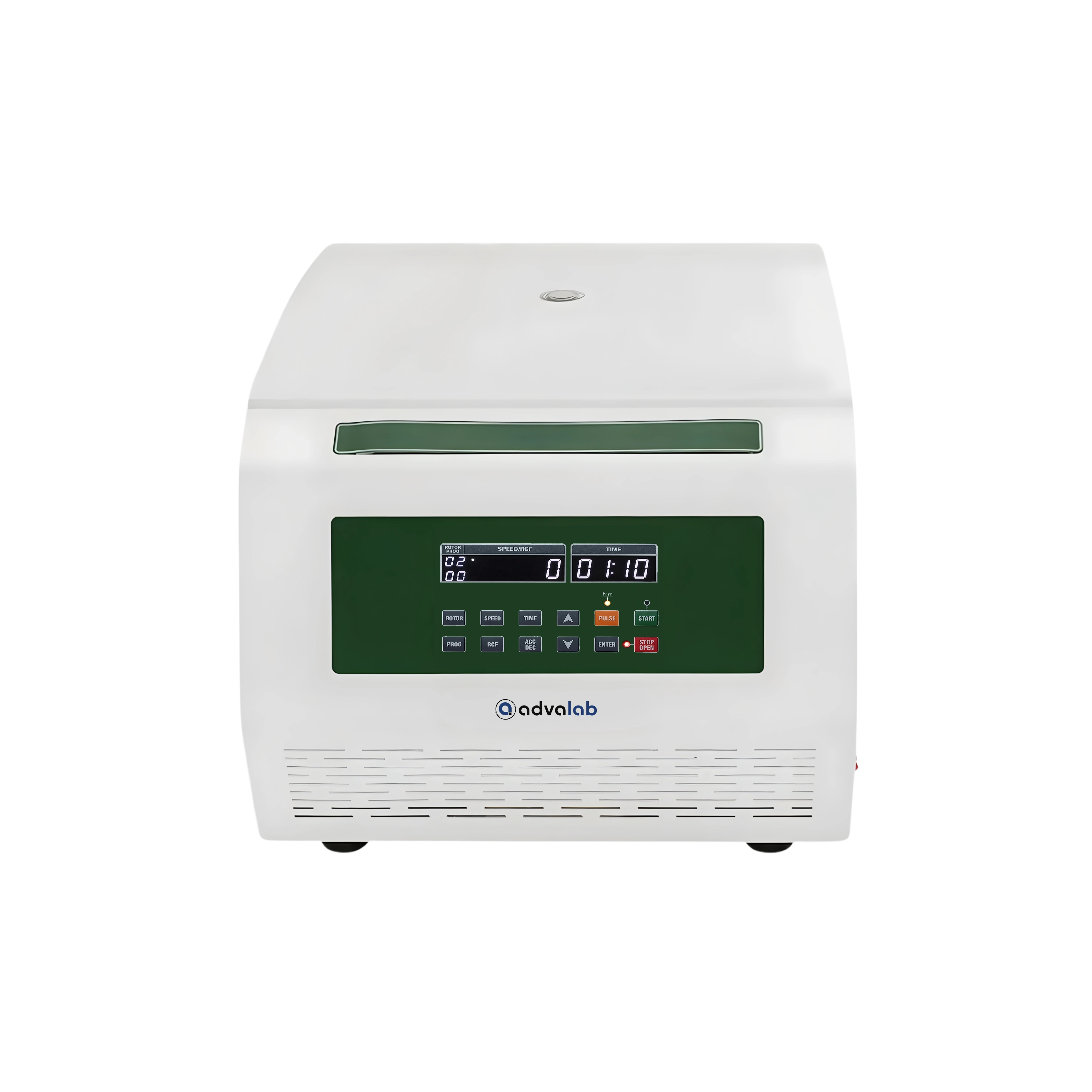
| Max Speed: | 4500 rpm |
| Max RCF: | 3380 x g |
| Max Capacity: | 6 x 50 ml syringe |
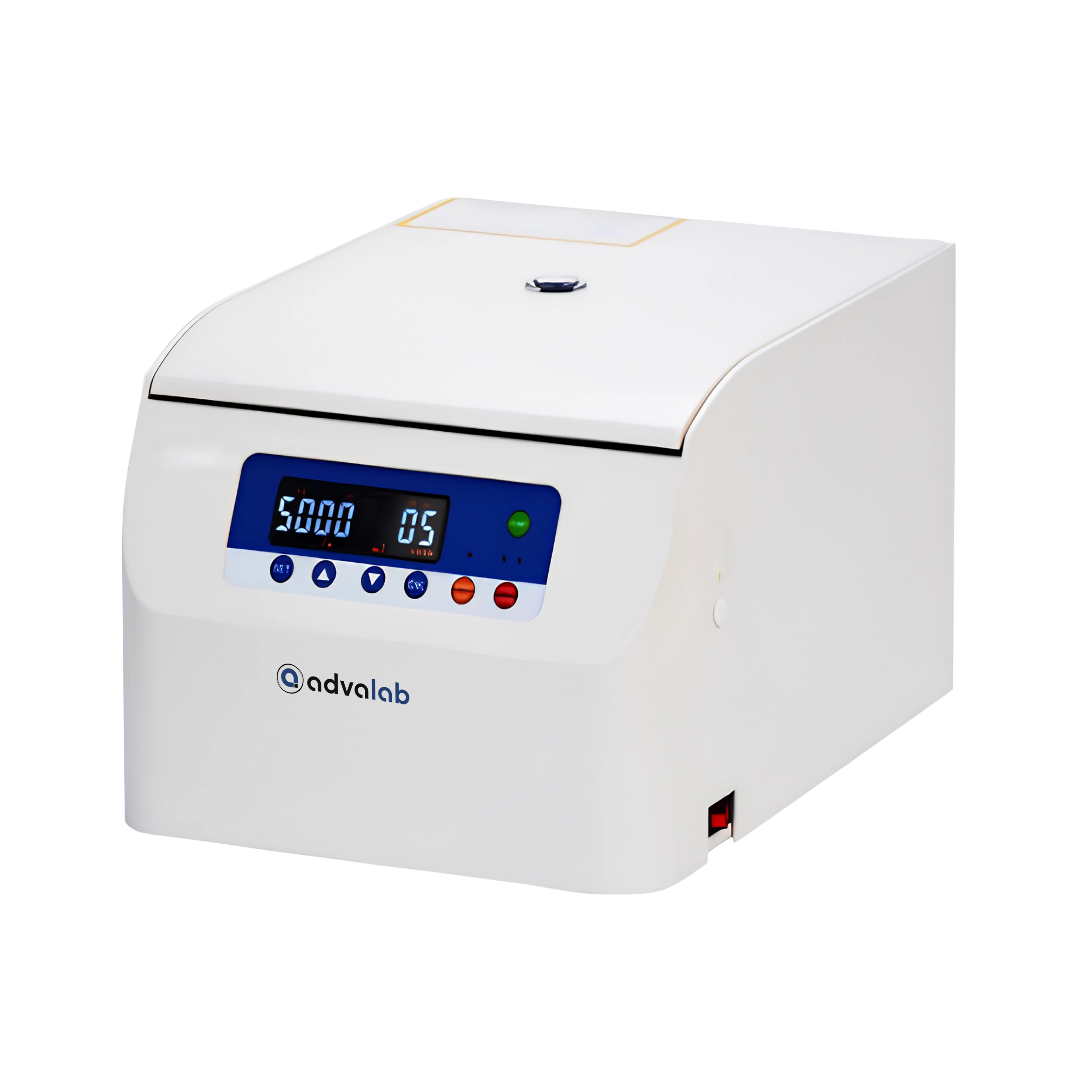
| Maximum Speed: | 4500 rpm (adjustable) |
| Maximum RCF: | 2000 × g (adjustable) |
| Maximum Capacity: | 12 × 2 mL tubes (12 mm × 75 mm) |

| Max Speed: | 4700 rpm |
| Max RCF: | 2000 xg |
| Max Capacity: | 12 x 7 ml (SERO rotor) |
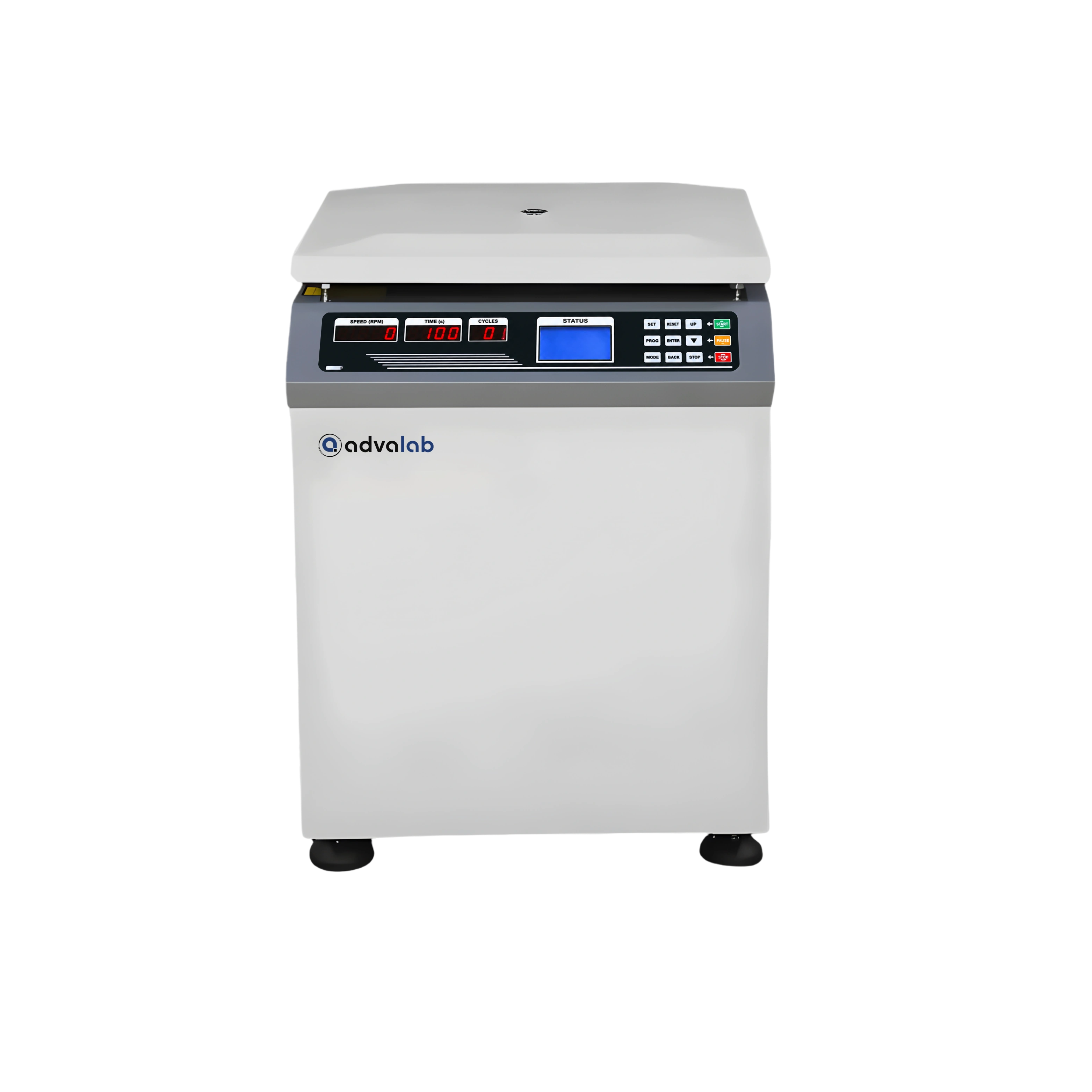
| Max Speed: | 4000 rpm |
| Max RCF: | 3400 xg |
| Max Capacity: | 4 x 200 ml |

| Maximum Speed: | 5000 rpm |
| Maximum RCF: | 5201× g |
| Maximum Capacity: | 4x750 ml |
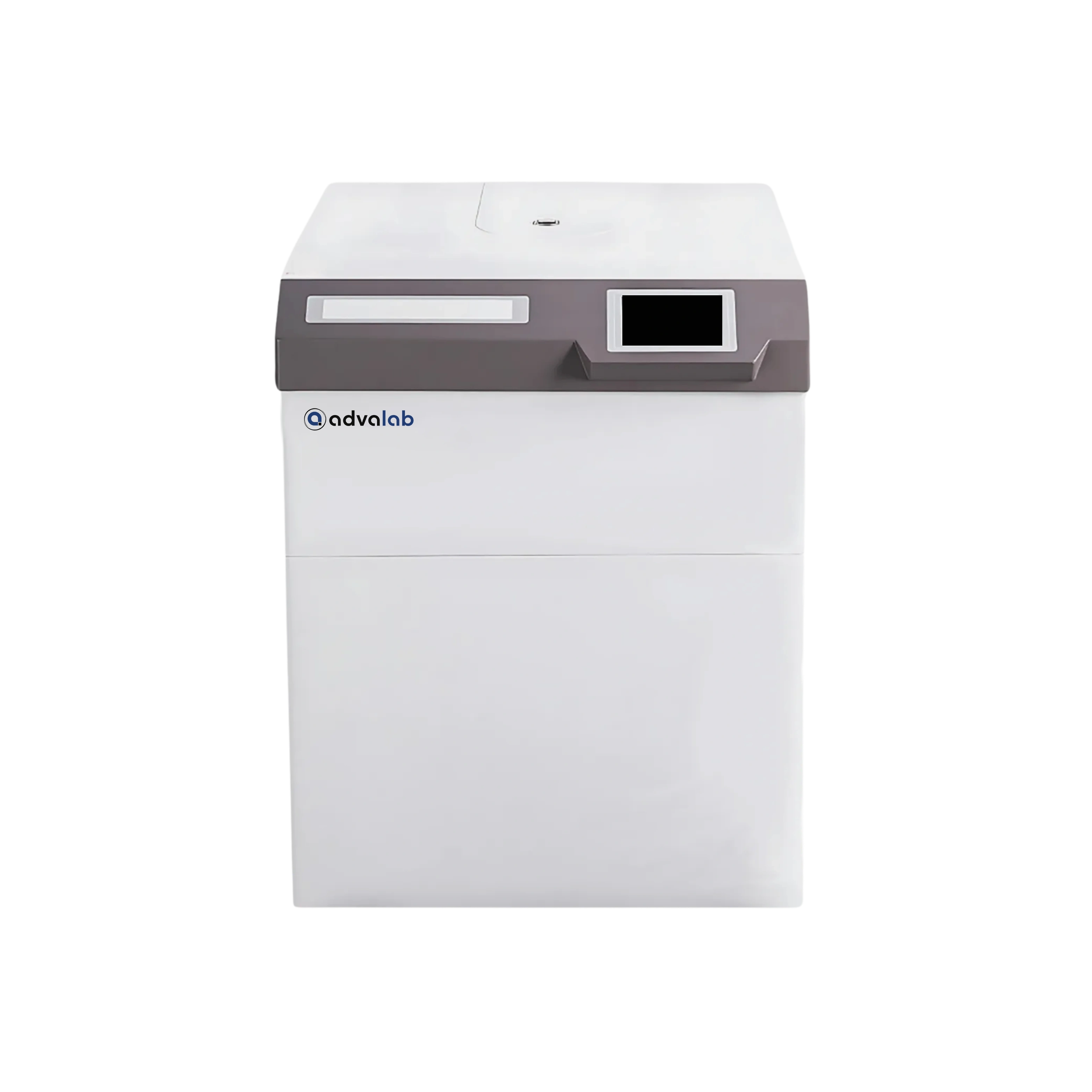
| Max Speed: | 5000 rpm |
| Max RCF: | 5200 × g |
| Max Capacity: | 4 × 800 ml |

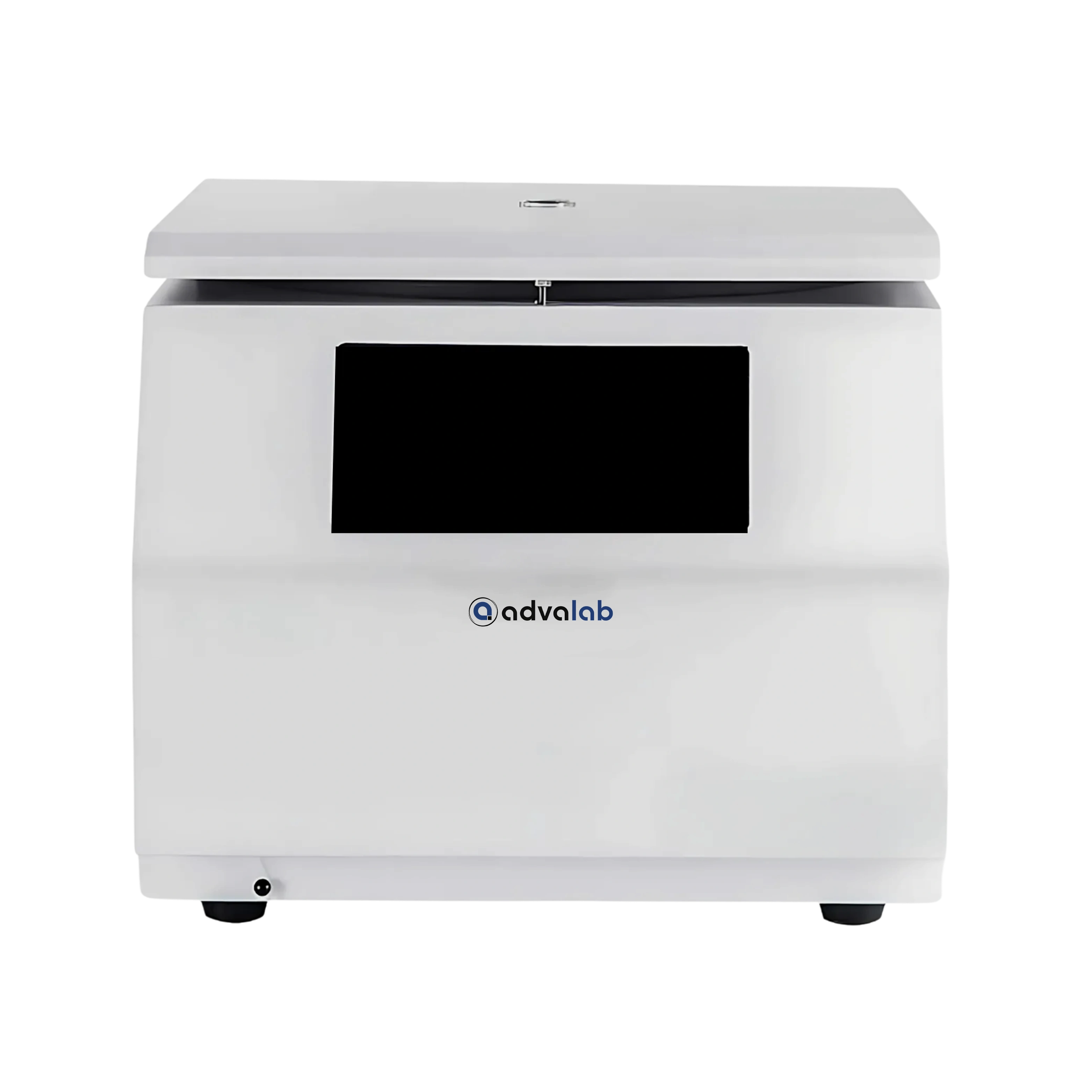
| Maximum Speed: | 6000 rpm |
| Maximum RCF: | 5123× g |
| Maximum Capacity: | 4x250 ml |
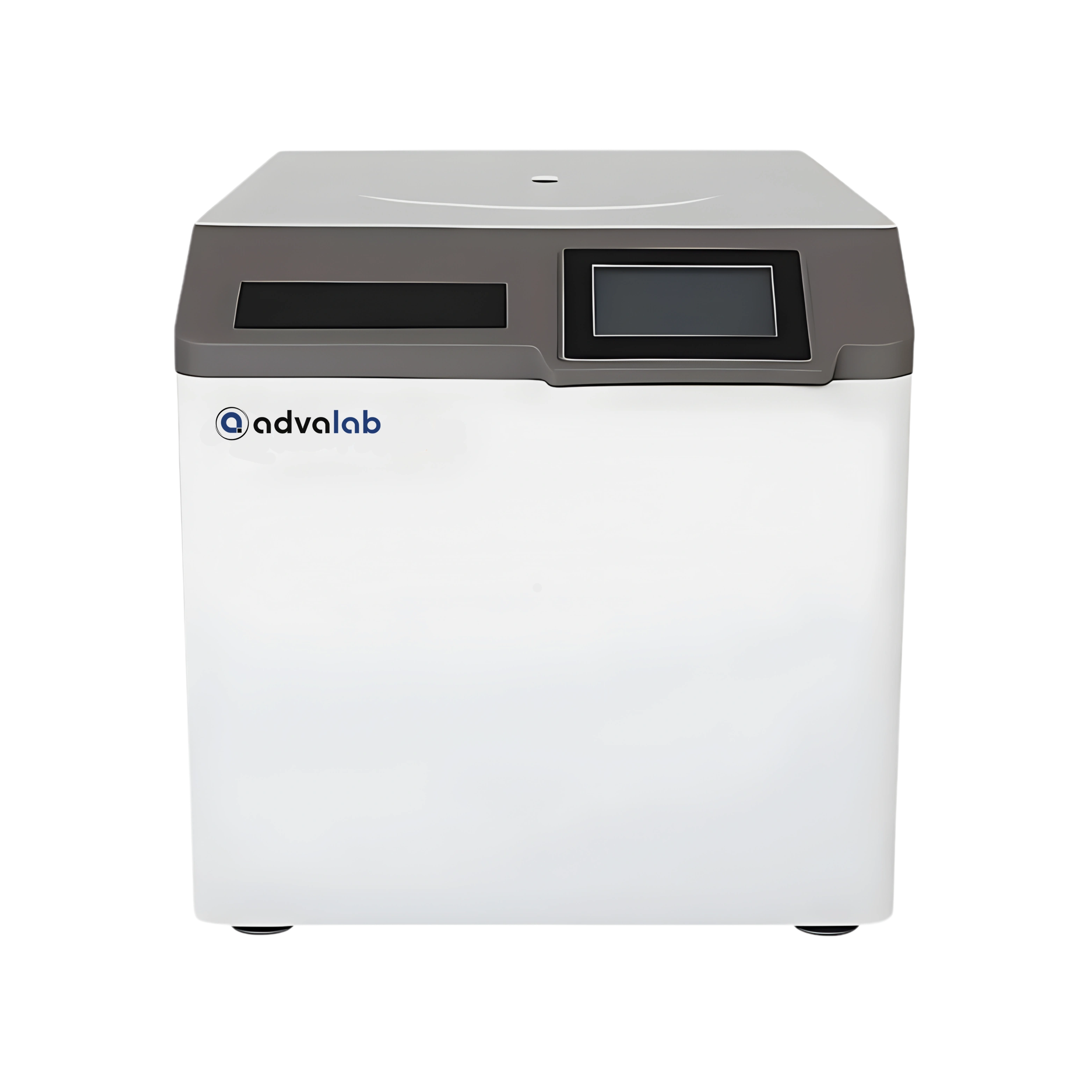
| Max Capacity: | 4 tubes, each 1000 ml |
| Max Speed: | 6000 rpm |
| Max RCF: | 6693×g |
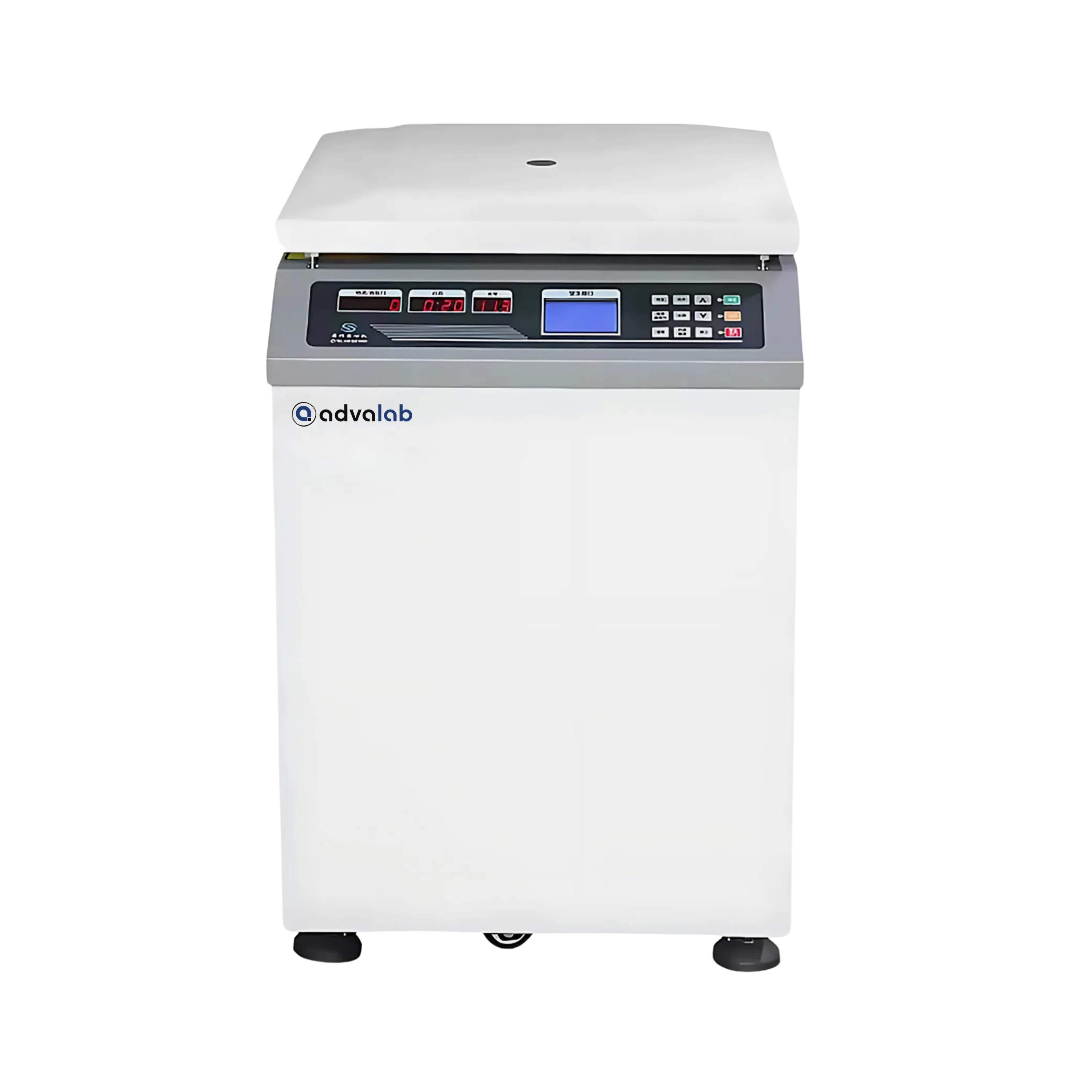
| Maximum Speed Range: | 6000 rpm |
| Maximum RCF: | 6880 × g |
| Maximum Capacity: | 6 × 1000 ml |
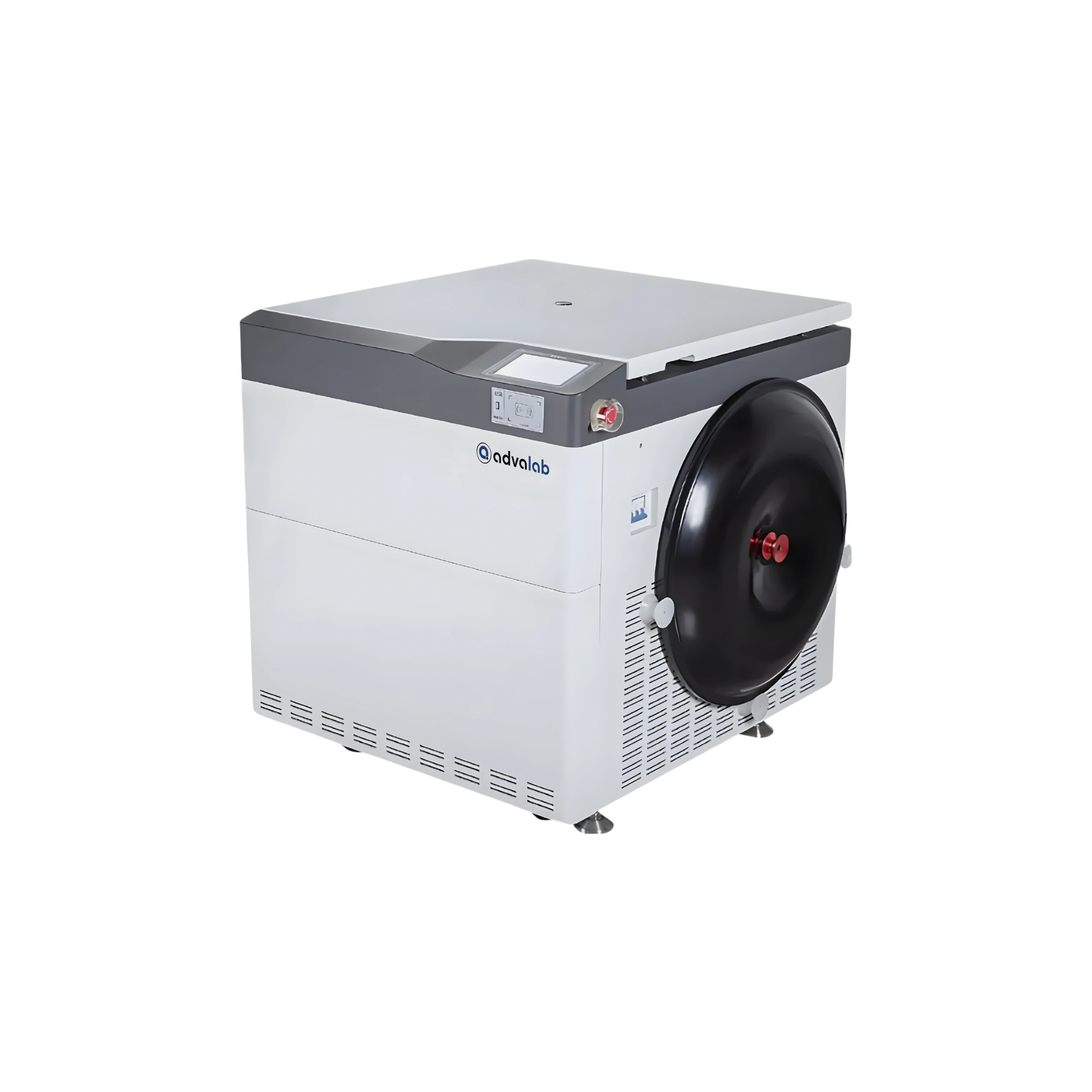
| Max Speed: | 8000 rpm |
| Max RCF: | 14500 × g |
| Max Capacity: | 6x2400 ml / 12 blood bags / 384 blood tubes |

| Maximum Speed: | 6000 rpm |
| Maximum RCF: | 5201× g |
| Maximum Capacity: | 4x750 ml |
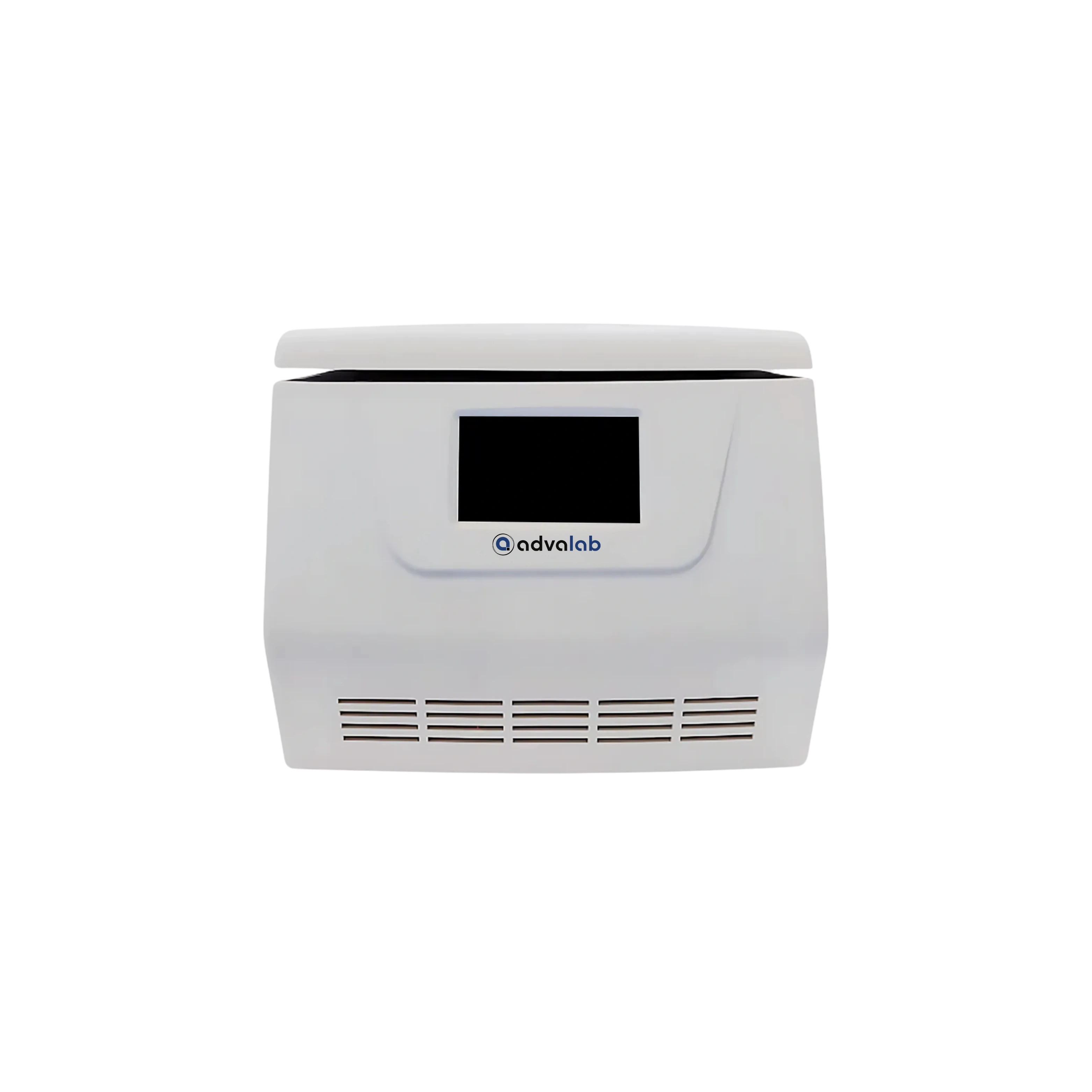
| Maximum Speed: | 16,500 rpm |
| Maximum RCF: | 24,814 × g |
| Maximum Capacity: | 6 × 100 ml |
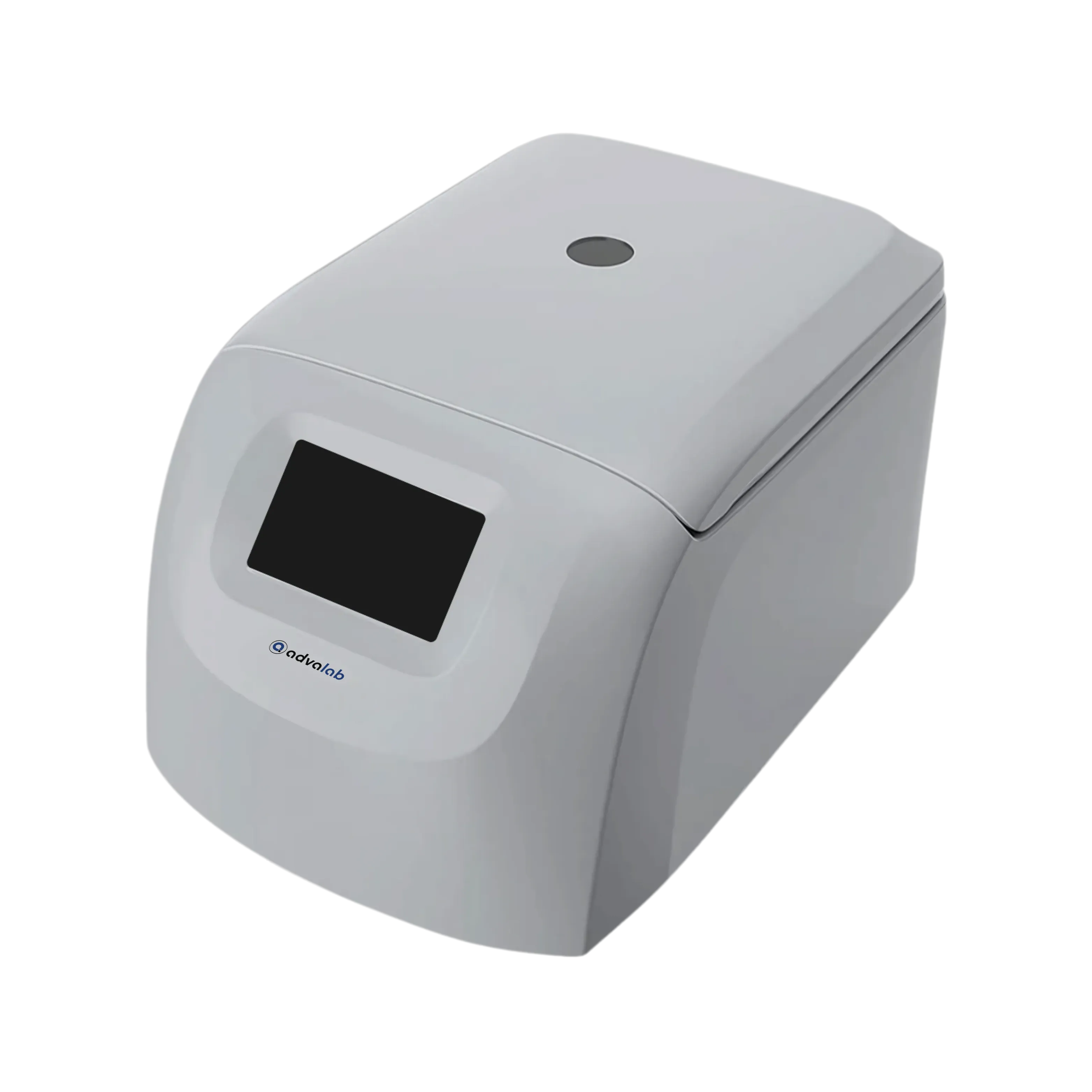
| Speed: | 500 to 15000 rpm, increasement 100 rpm |
| Maximum Sample Density: | 1.2g/ml |
| Acceleration/Deceleration : | Ⅰ (≤ 20) <br/> Ⅱ (≤ 40s) <br/> Ⅲ (≤ 60s) |
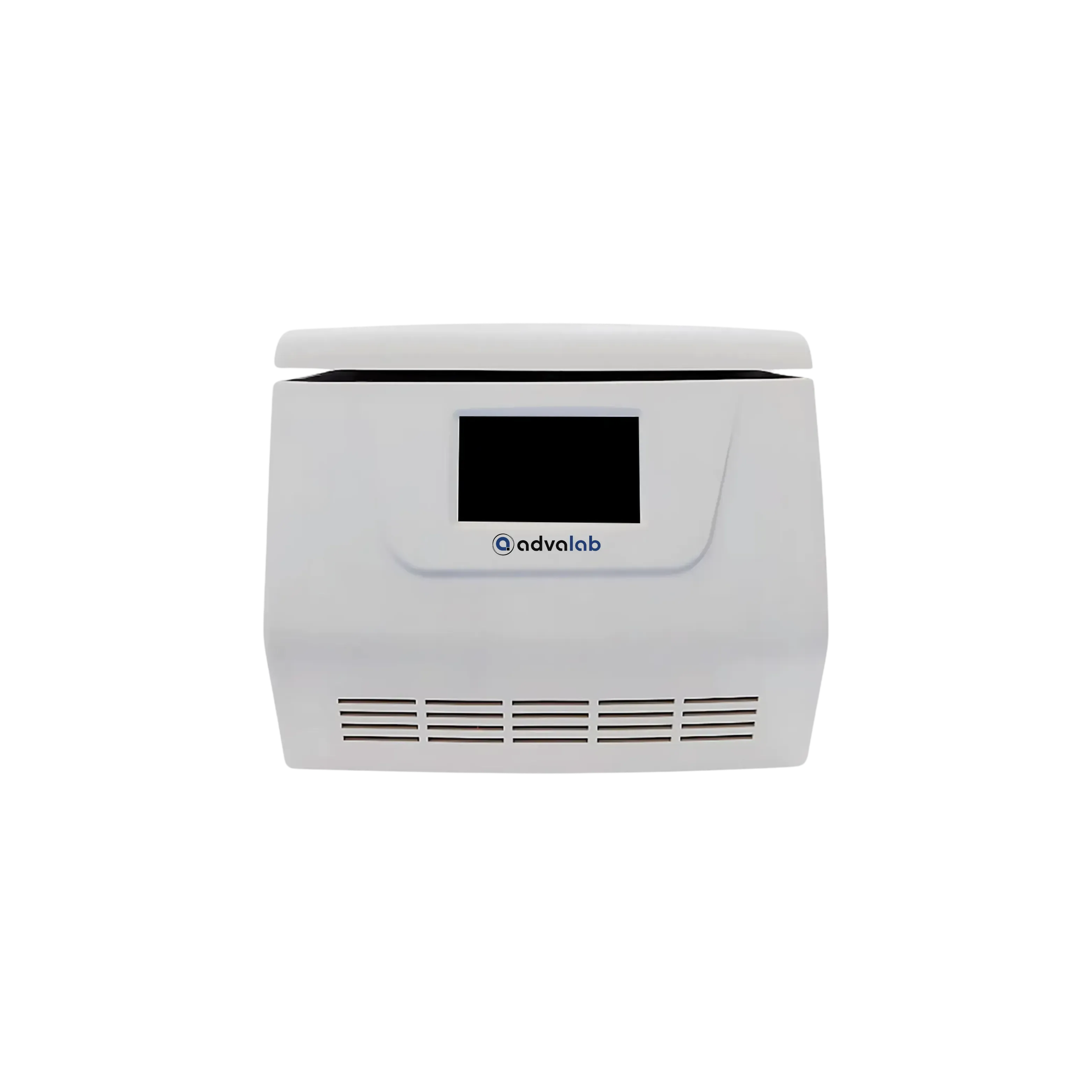
| Maximum Speed: | 20000 rpm |
| Maximum RCF: | 27994 × g |
| Maximum Capacity: | 6x100 ml |
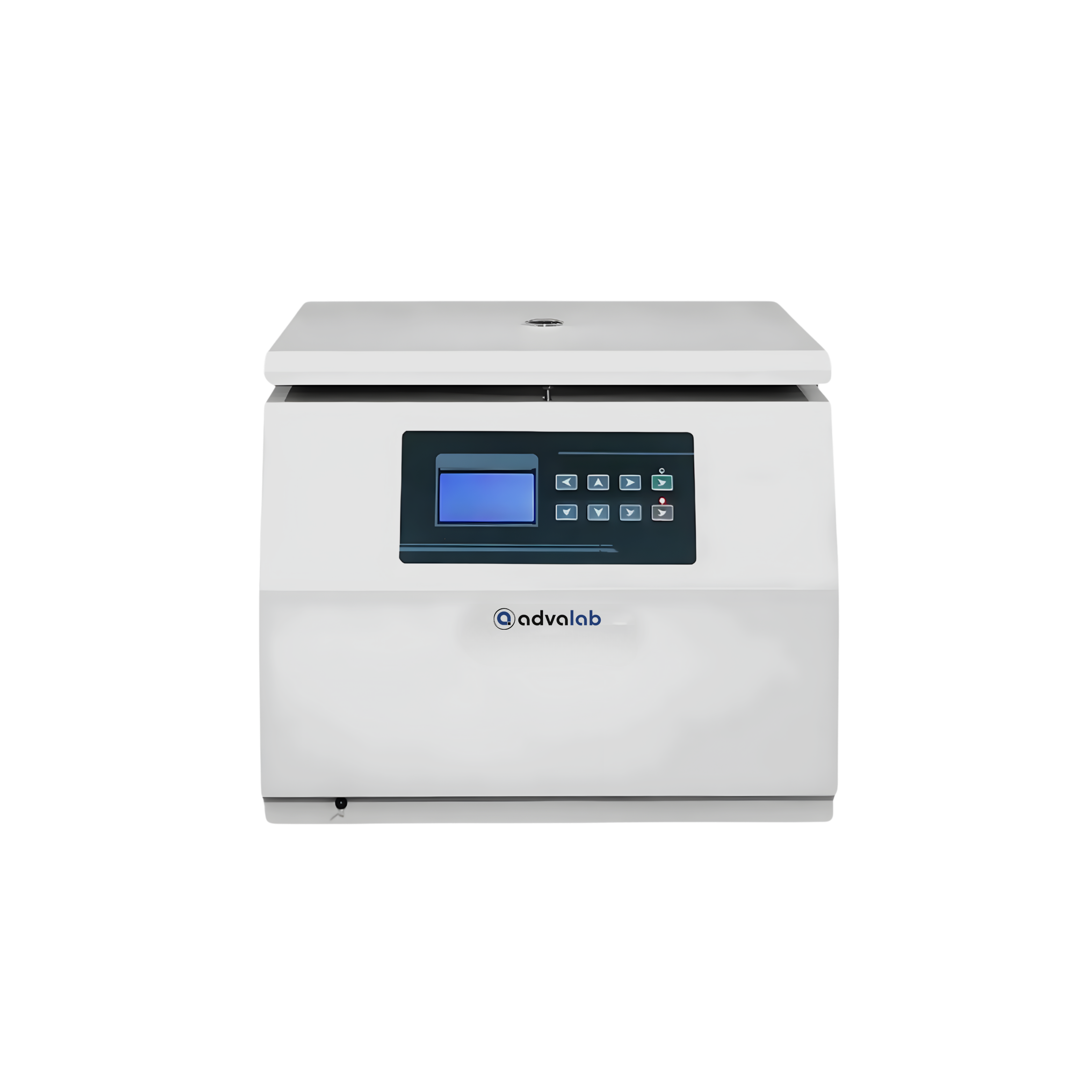
| Maximum Speed: | 18500 rpm |
| Maximum RCF: | 24760 × g |
| Maximum Capacity: | 4x500 ml |
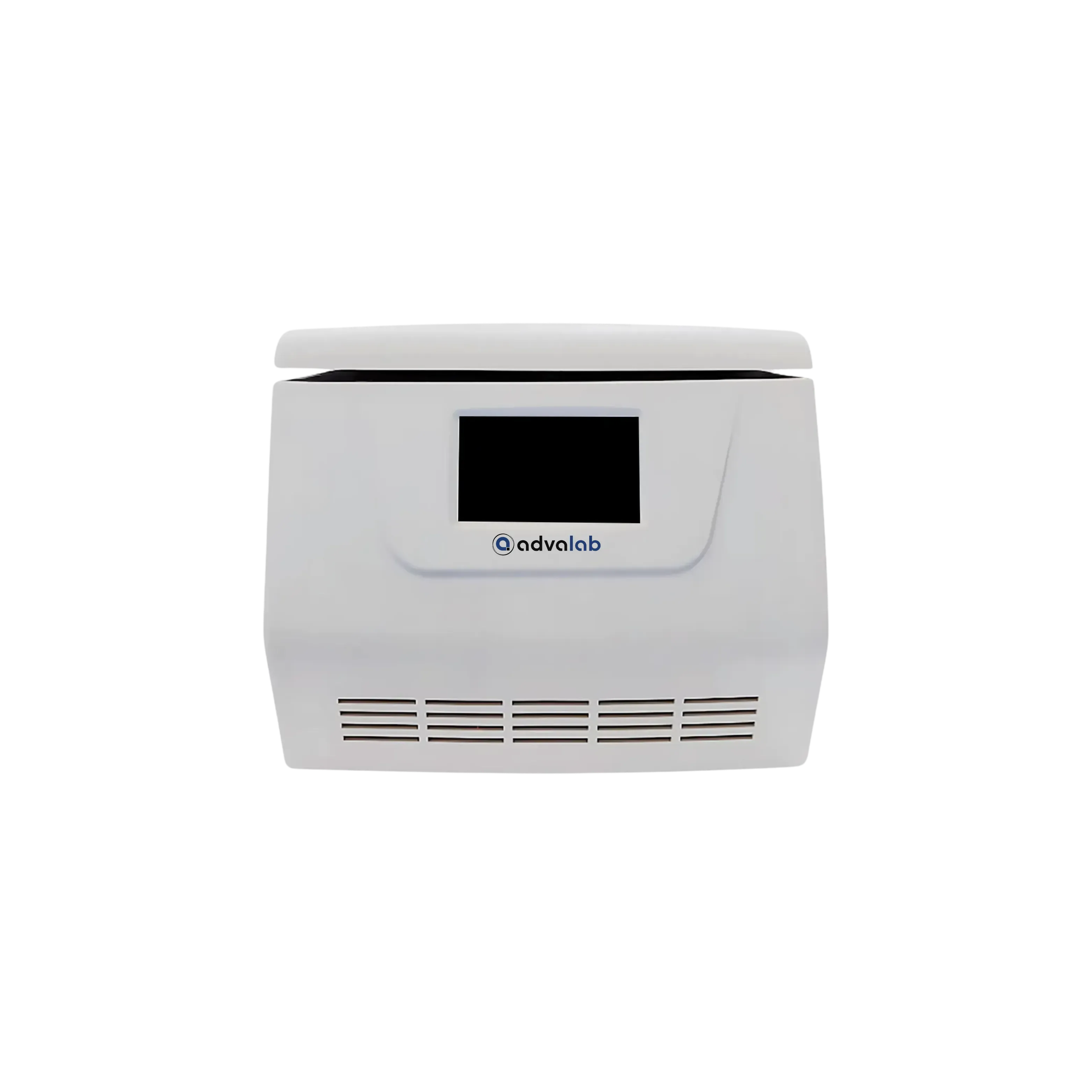
| Maximum Speed: | 18000 rpm |
| Maximum RCF: | 24814 × g |
| Maximum Capacity: | 6x100 ml |
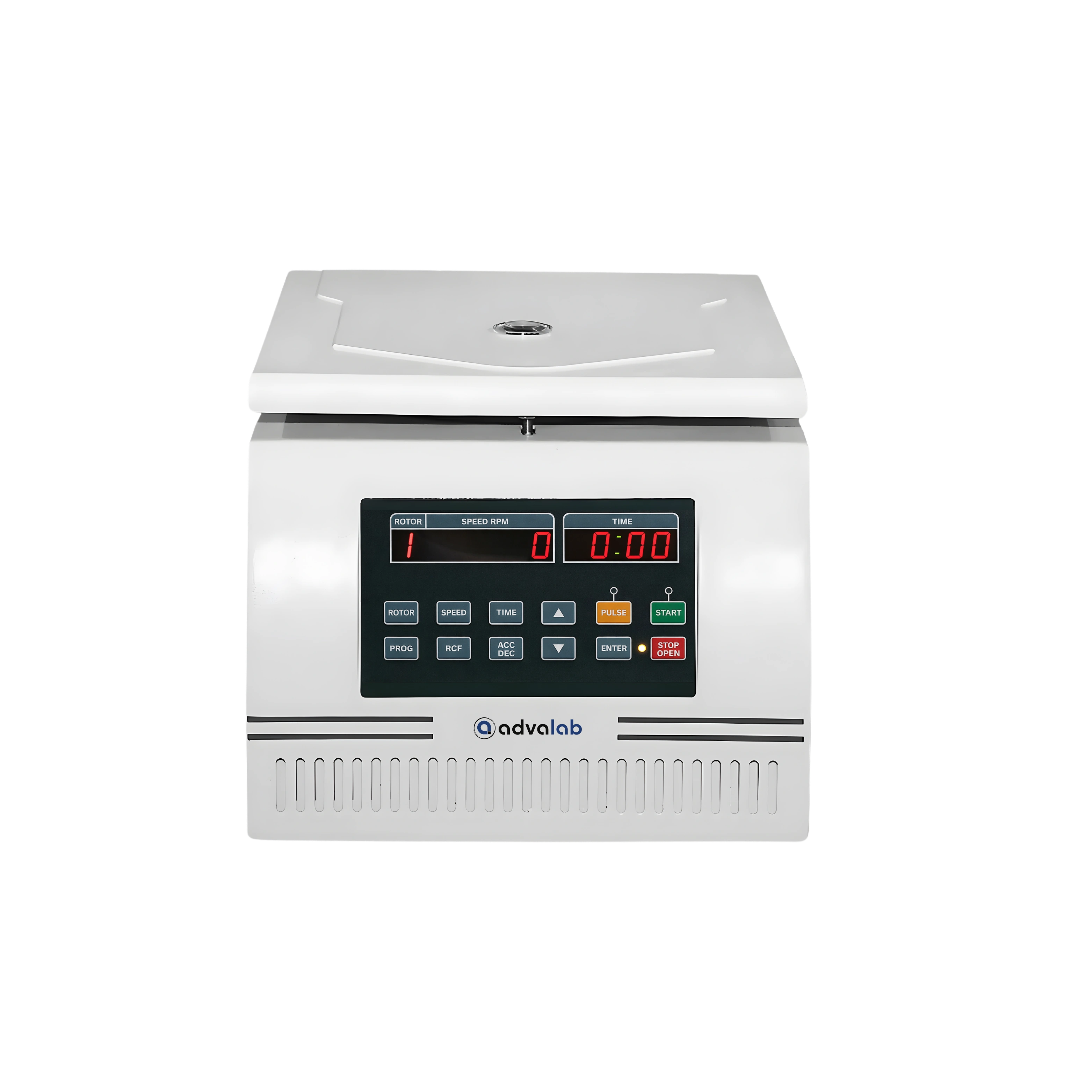
| Maximum Speed: | 15000 rpm |
| Maximum RCF: | 21630 × g |
| Maximum Capacity: | 12x5 ml |
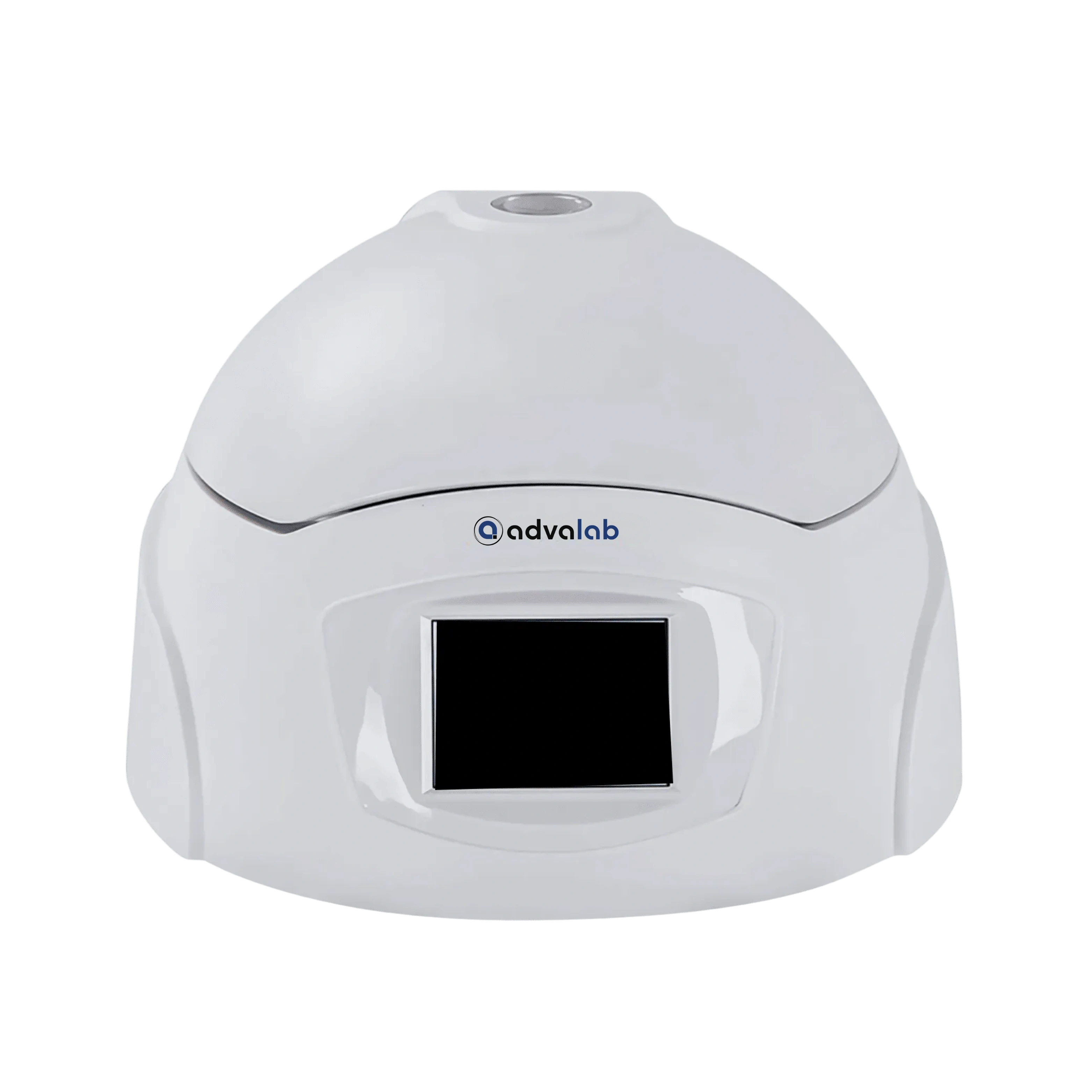
| Maximum Speed: | 16500 rpm |
| Maximum RCF: | 18262× g |
| Maximum Capacity: | 8x5 ml |
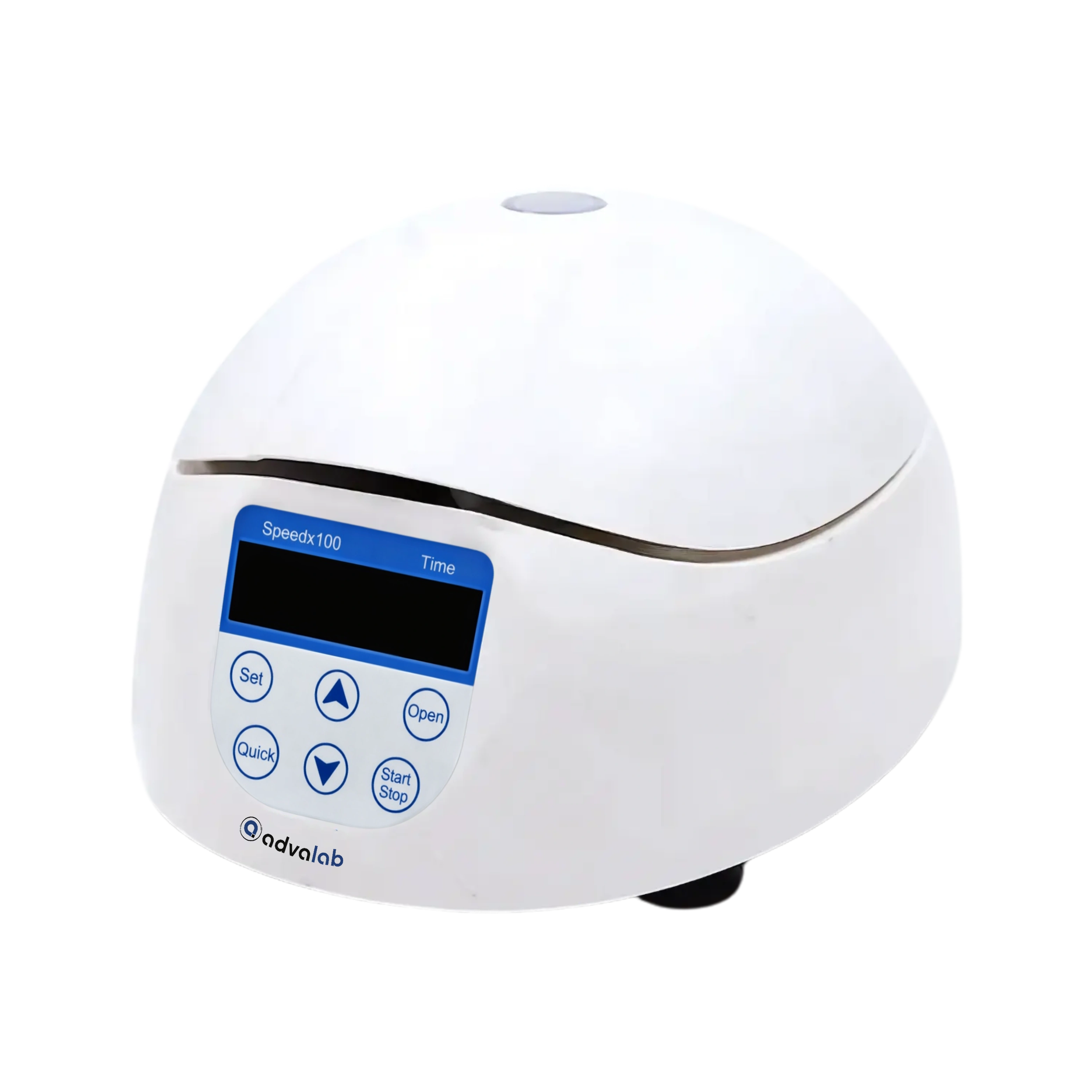
| Speed: | 500 to 15000 rpm, 100 rpm increments |
| RCF: | 100 to 15000×g, 100×g increments |
| Maximum Rotor Radius: | 60 mm |
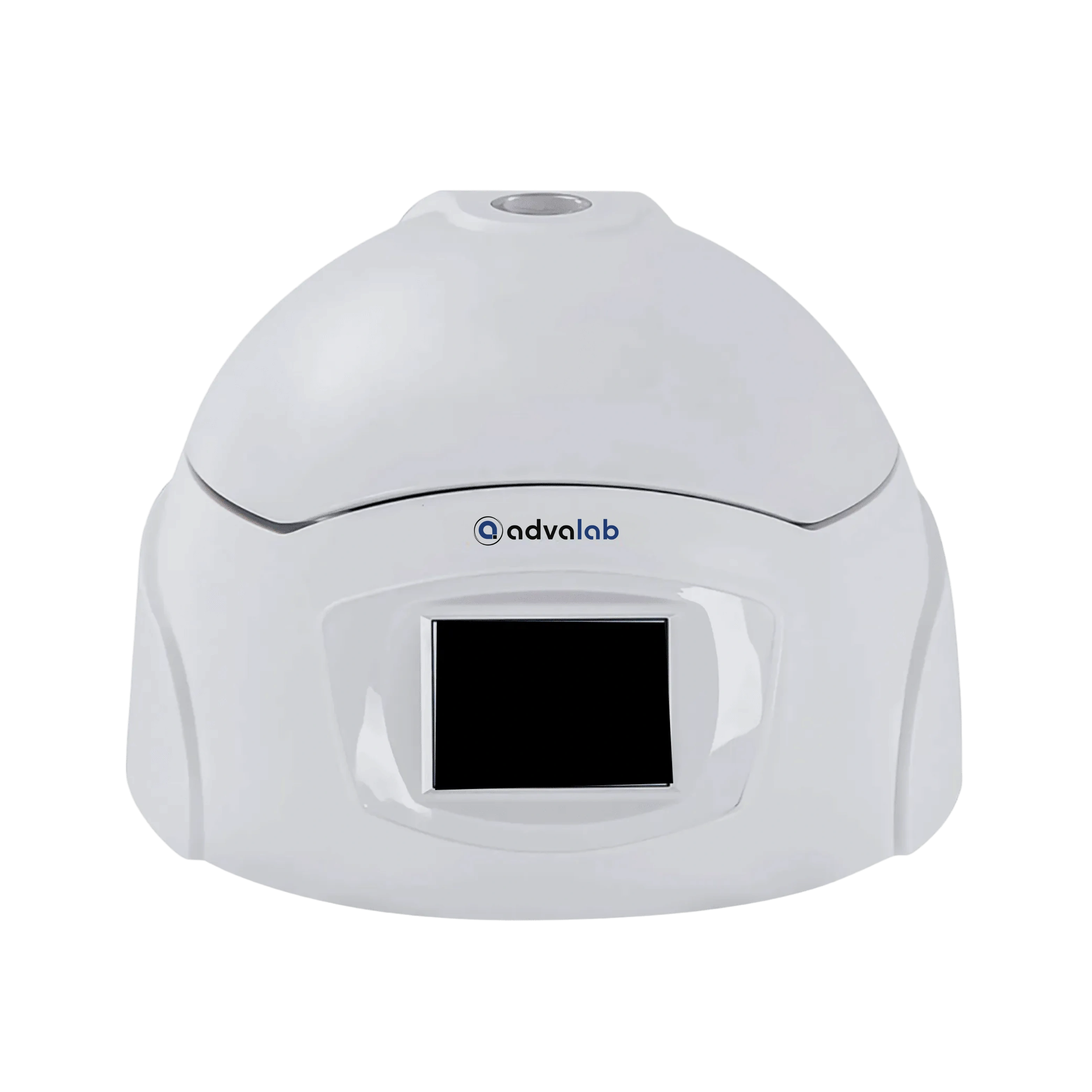
| Maximum Speed: | 15000 rpm |
| Maximum RCF: | 15093× g |
| Maximum Capacity: | 8x5 ml |
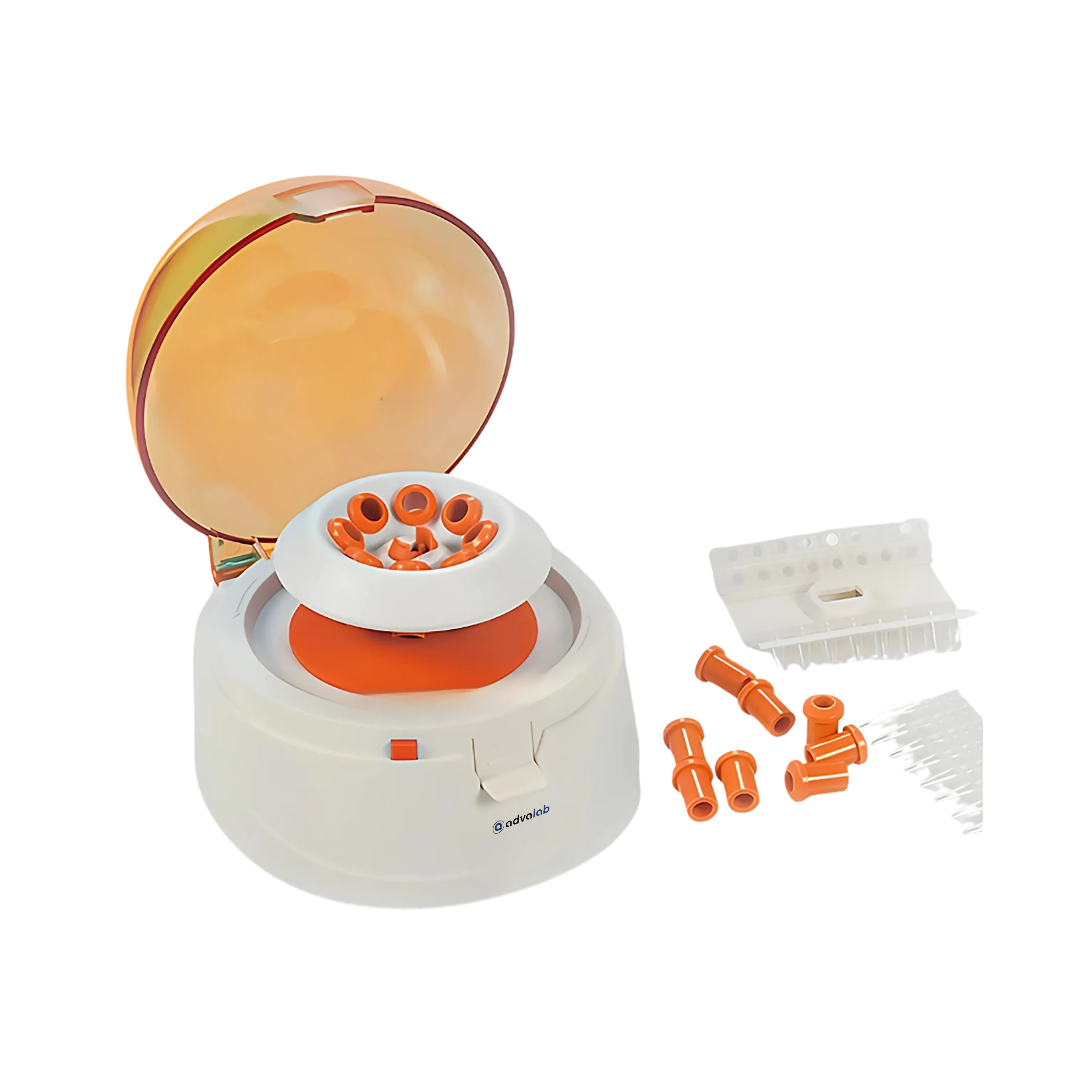
| Maximum Speed: | 6000 rpm ±5% |
| Rotation Direction : | Anticlockwise (fixed direction) |
| Acceleration Time : | ≤ 2 seconds |
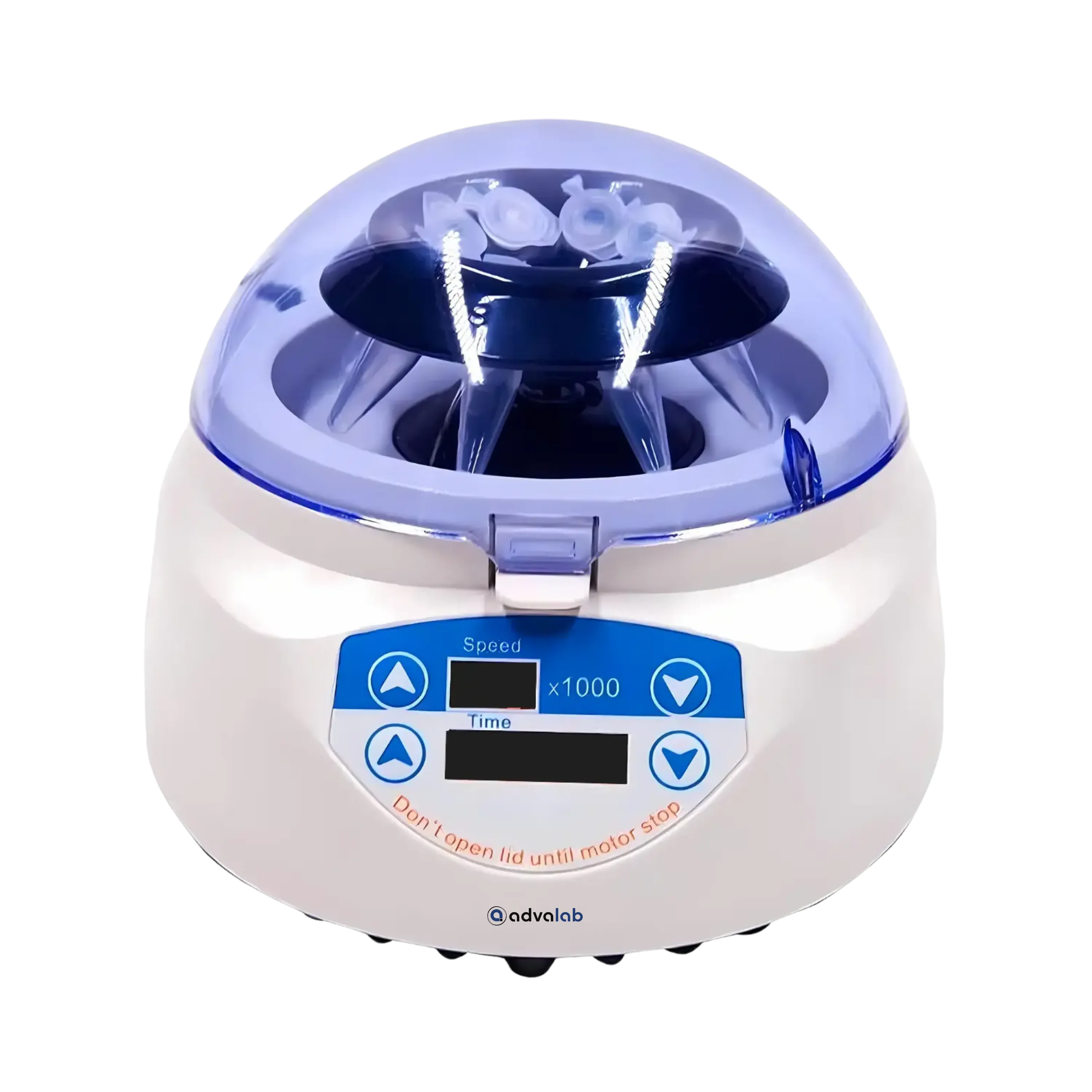
| Speed Range: | 3000 to 10000 rpm |
| Maximum RCF: | 500 to 5400×g |
| Capacity: | 8×2.0ml/1.5ml/0.5ml centrifuge tube <br/> 4×8×0.2ml PCR tube strips |
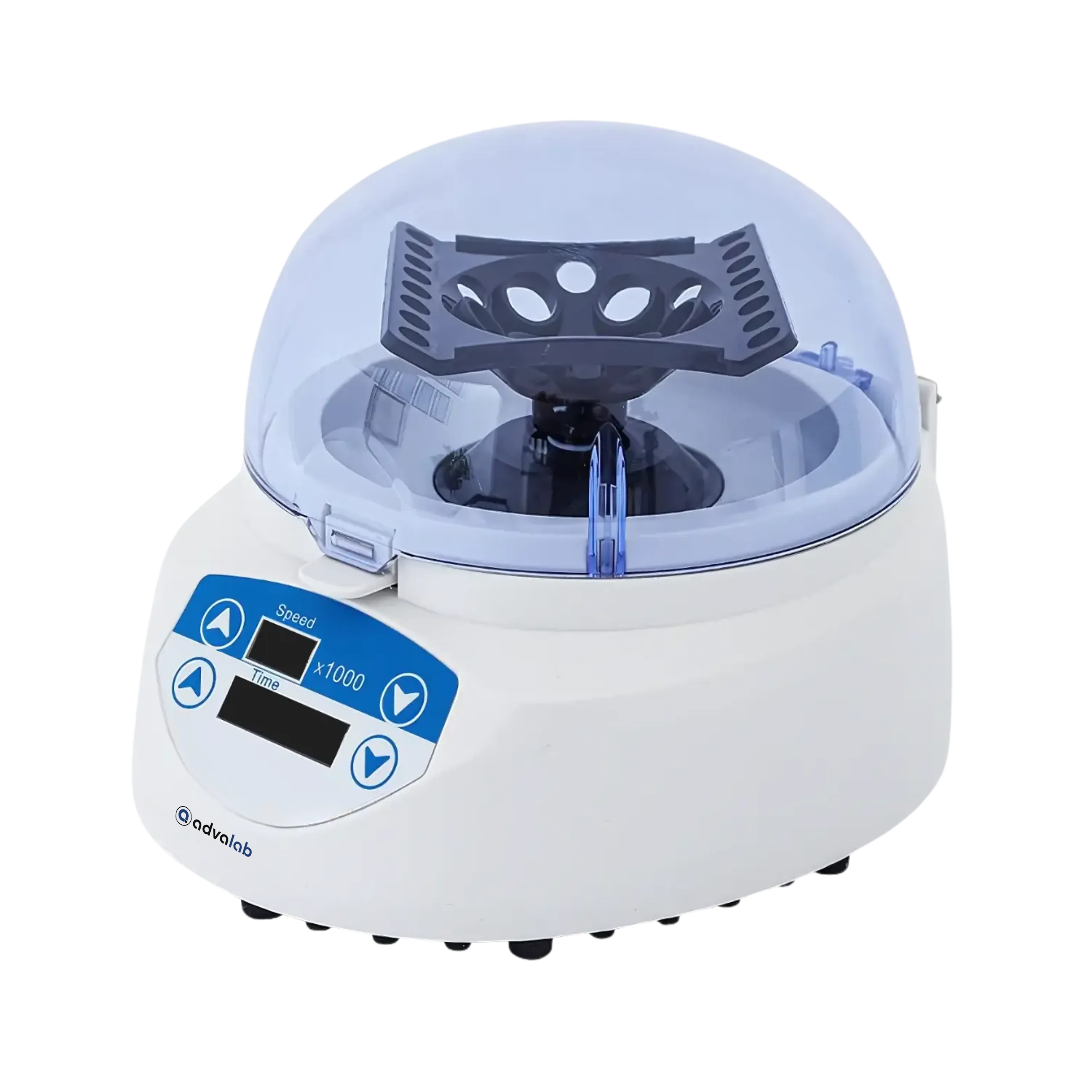
| Speed Range: | 4000 rpm, 6000 rpm and 7000 rpm, adjustable |
| Maximum RCF: | 960×g, 4000 rpm <br/> 2200×g, 6000 rpm <br/> 2900×g, 7000 rpm |
| Capacity: | 6×1.5 ml/2.0 ml, 6×0.5 ml, 16×0.2 ml centrifuge tube <br/> 2×8×0.2 ml PCR tube strips |
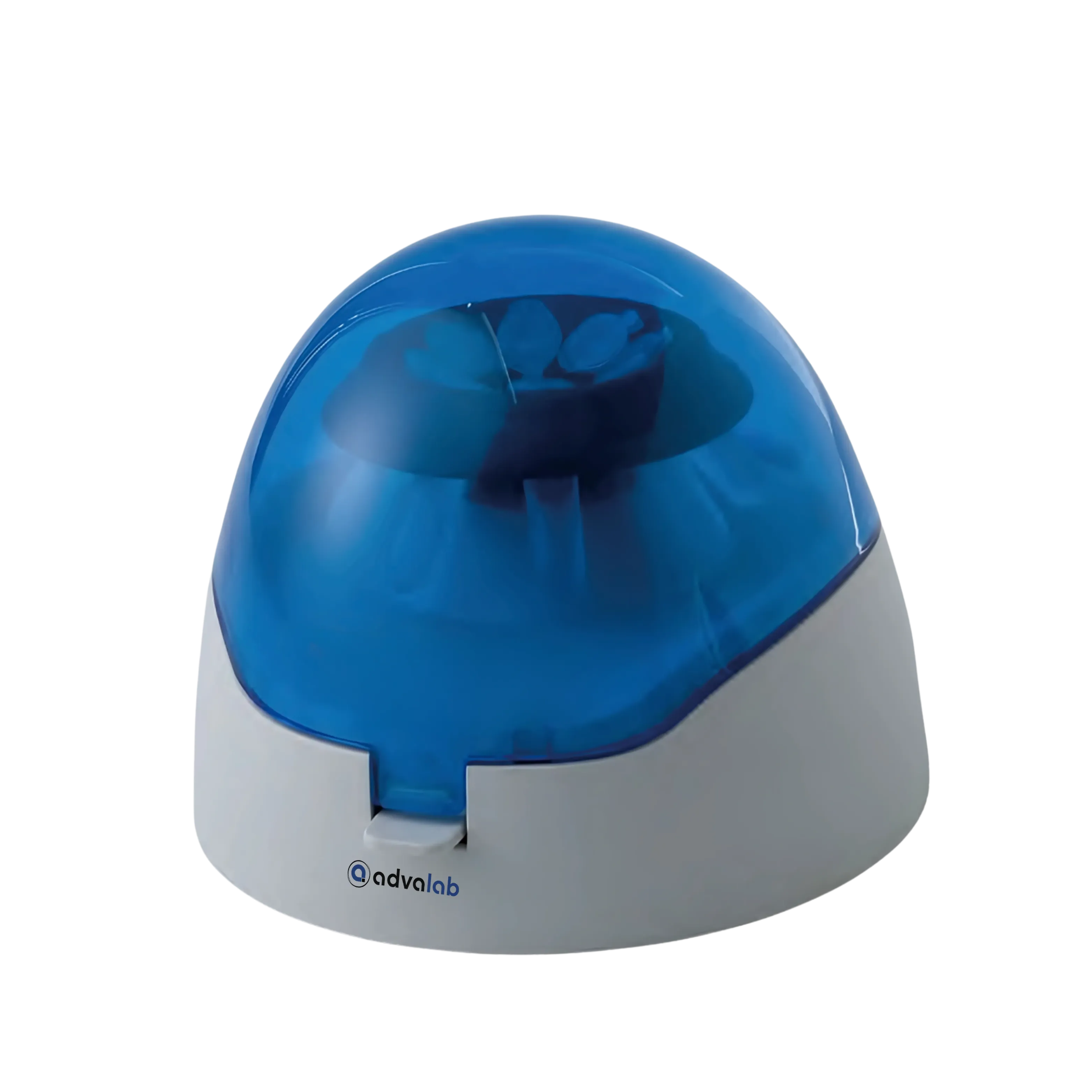
| Maximum Speed: | 6000 rpm |
| Maximum RCF: | 2000 g |
| Capacity (Standard): | 8 × 1.5 / 2.0 / 0.5 / 0.2 ml |
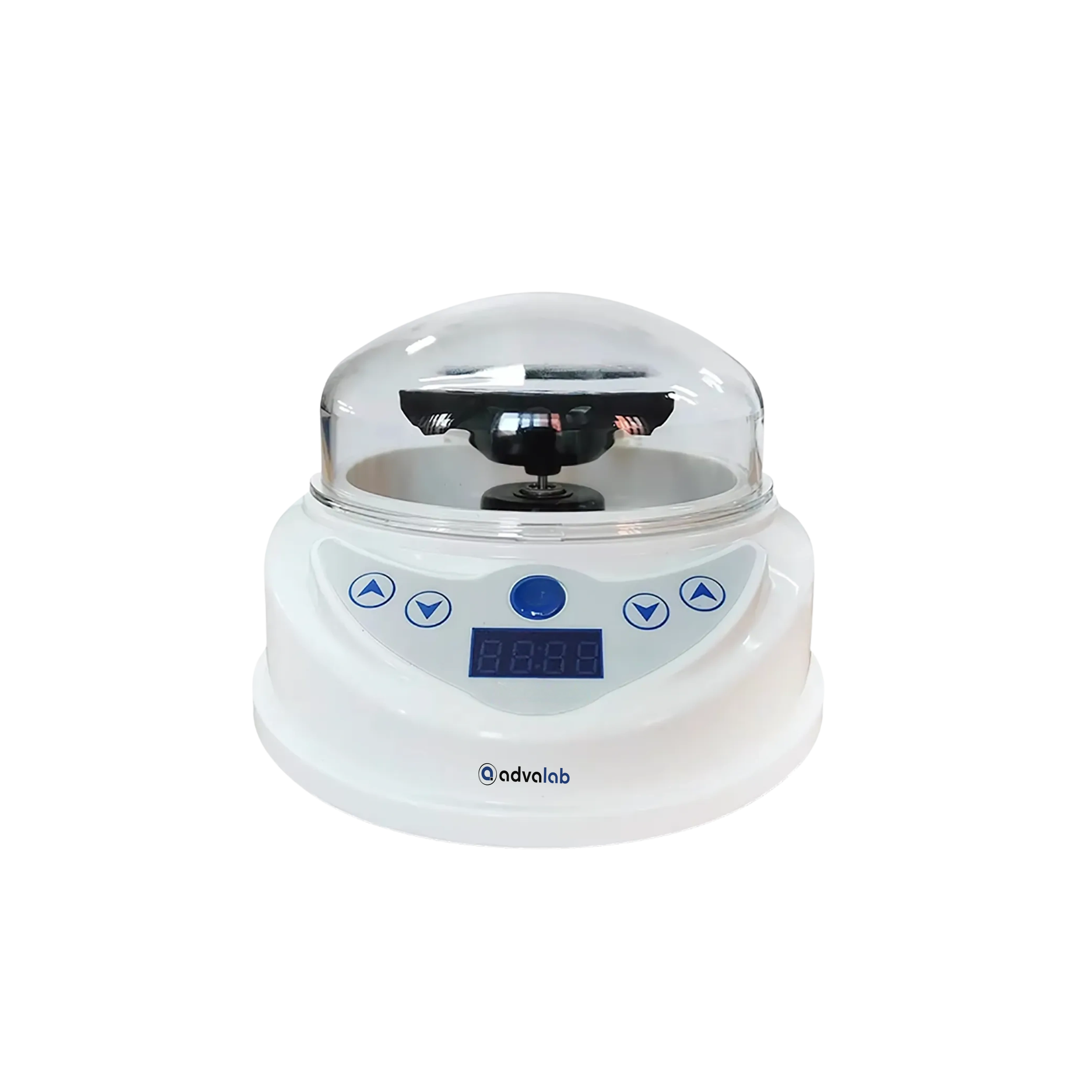
| Maximum Speed: | 10000rpm |
| Maximum RCF: | 6100xg |
| Capacity: | Three in one rotor:8x1.5/2ml+6x0.5ml+2x8x0.2ml |
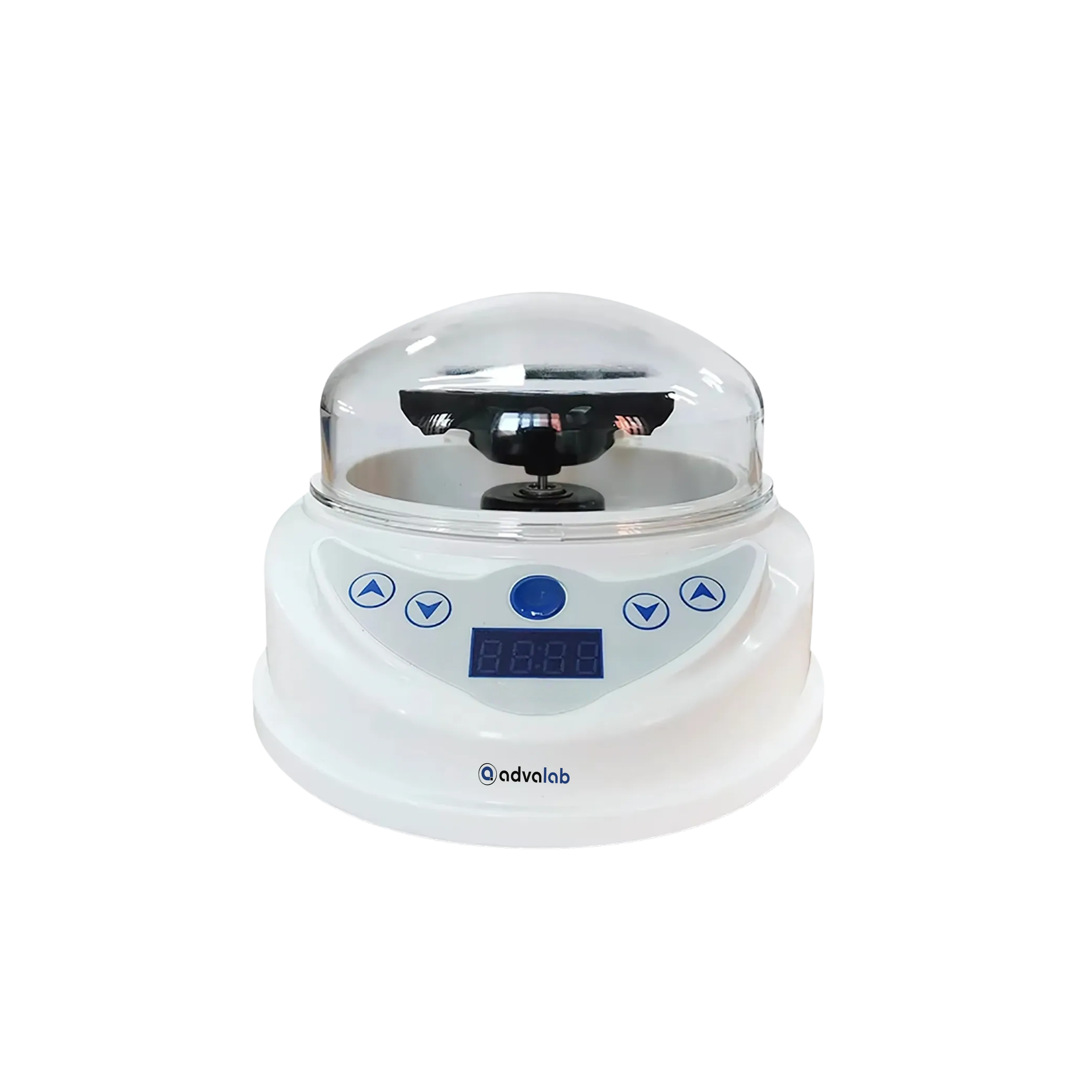
| Maximum Speed: | 7500rpm |
| Maximum RCF: | 3450xg |
| Capacity: | Three in one rotor:8x1.5/2ml+6x0.5ml+2x8x0.2ml, Rotor for 6 PCR strips |
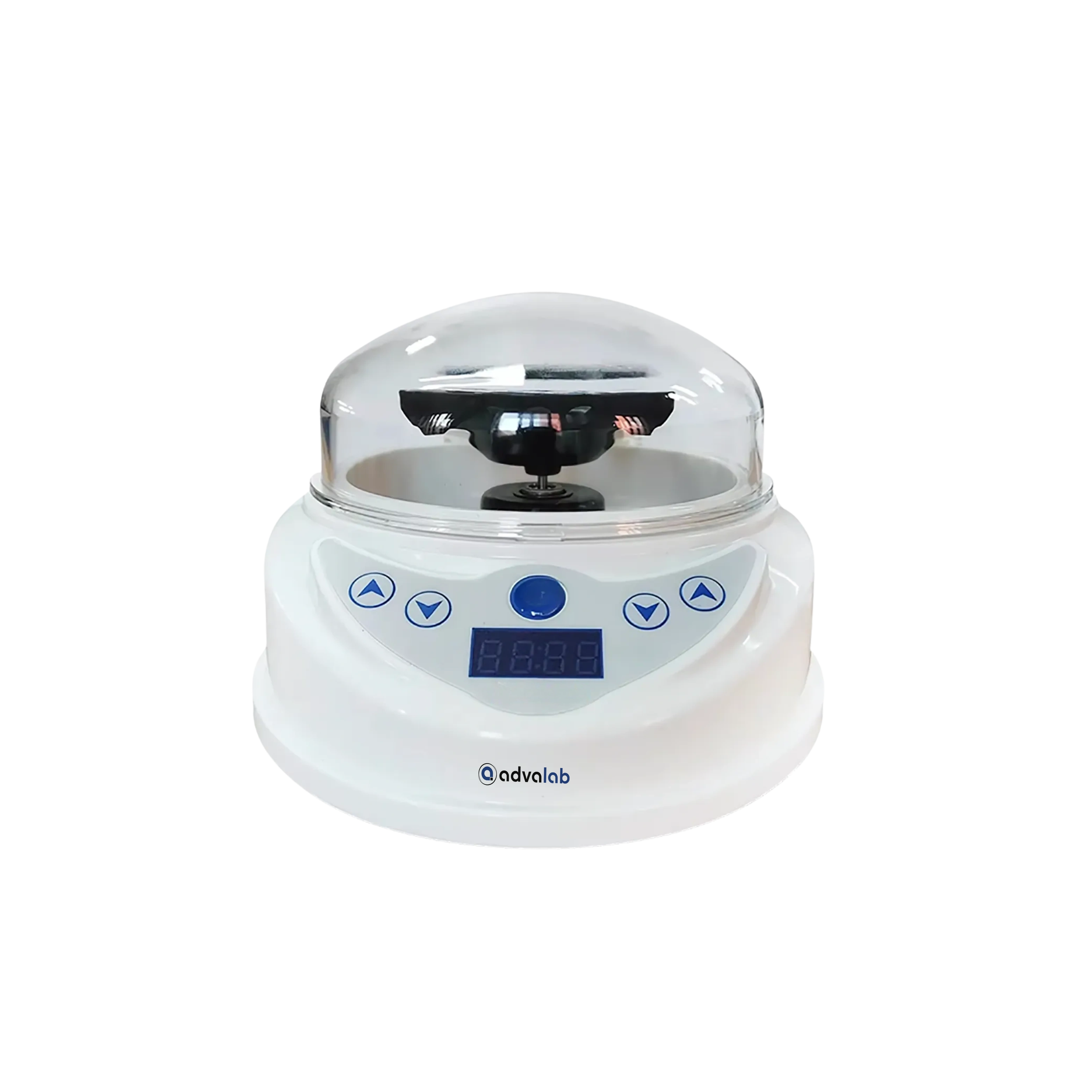
| Maximum Speed: | 6000rpm |
| Maximum RCF: | 2200xg |
| Capacity: | Three in one rotor:8x1.5/2ml+6x0.5ml+2x8x0.2ml, Rotor for 6 PCR strips |
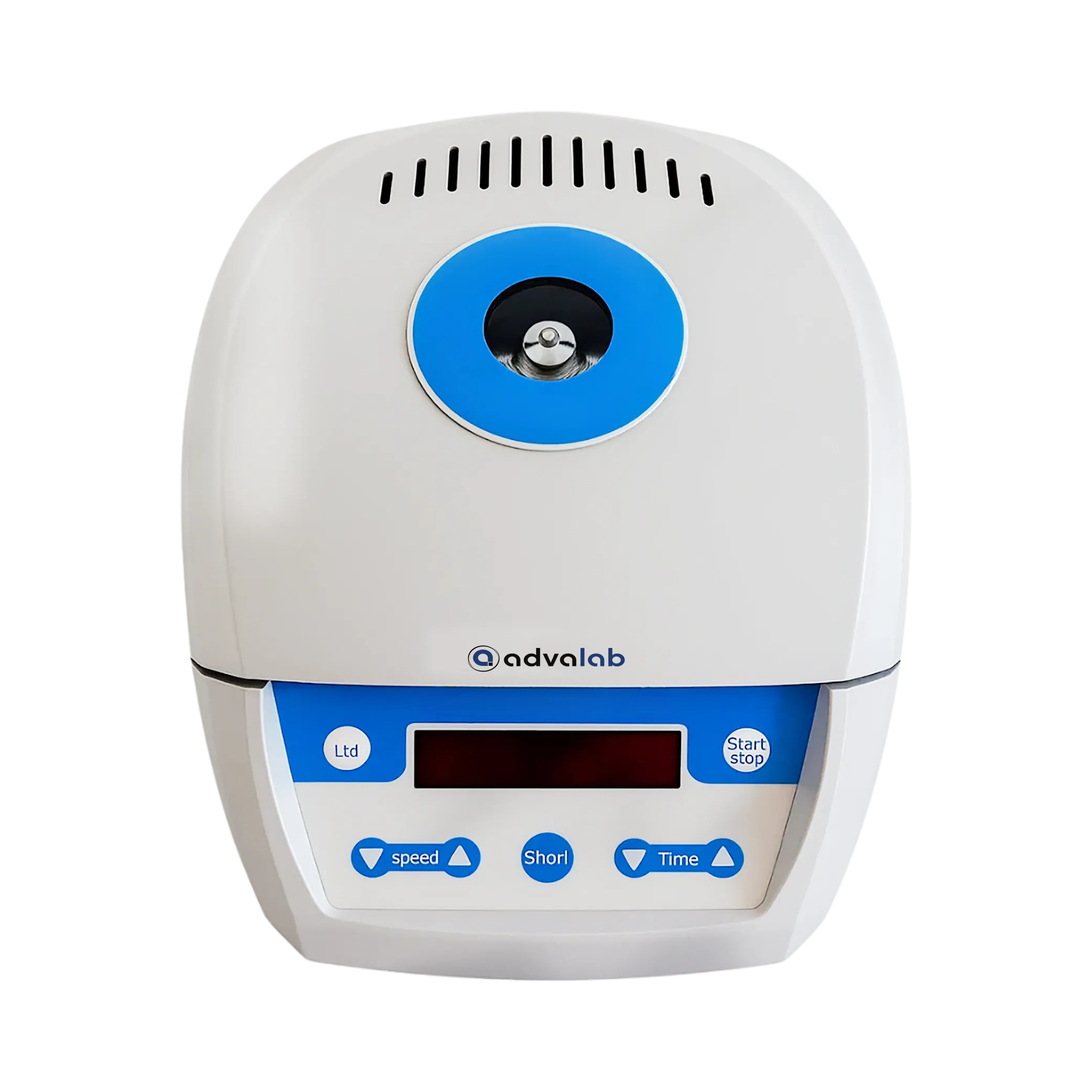
| Speed Range: | 500 to 15000 rpm |
| RCF Range: | 16 to 15080 g |
| Capacity: | 12 x 1.5 / 2.0ml centrifuge tubes |
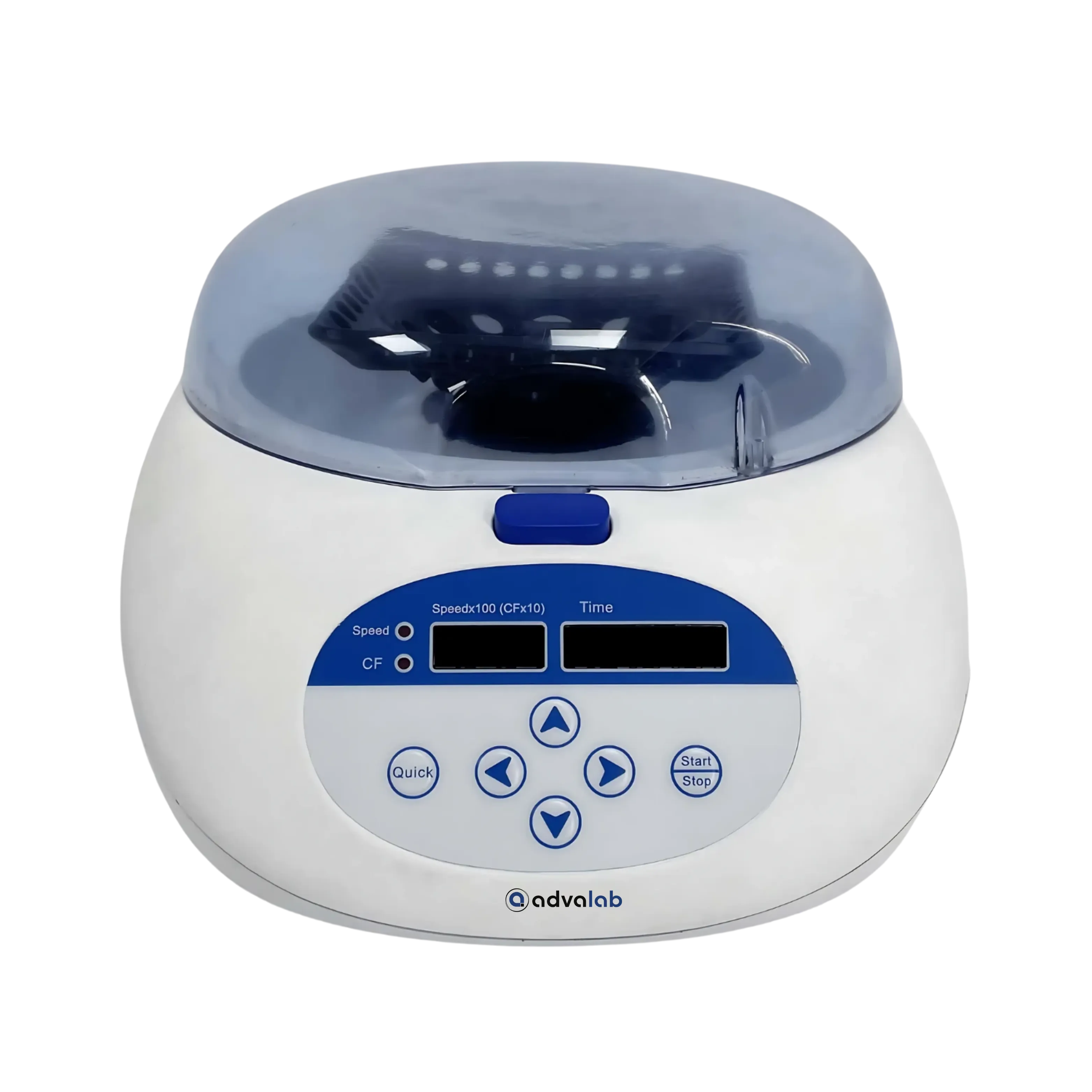
| Speed Range: | 500 to 12,000 rpm, 500 rpm increments |
| Maximum RCF: | 9,650 × g |
| Capacity: | 32 × 0.2 ml centrifugal tubes <br/> 12 × 0.5/1.5/2.0 ml centrifugal tubes <br/> 4 × 8 × 0.2 ml PCR strips |
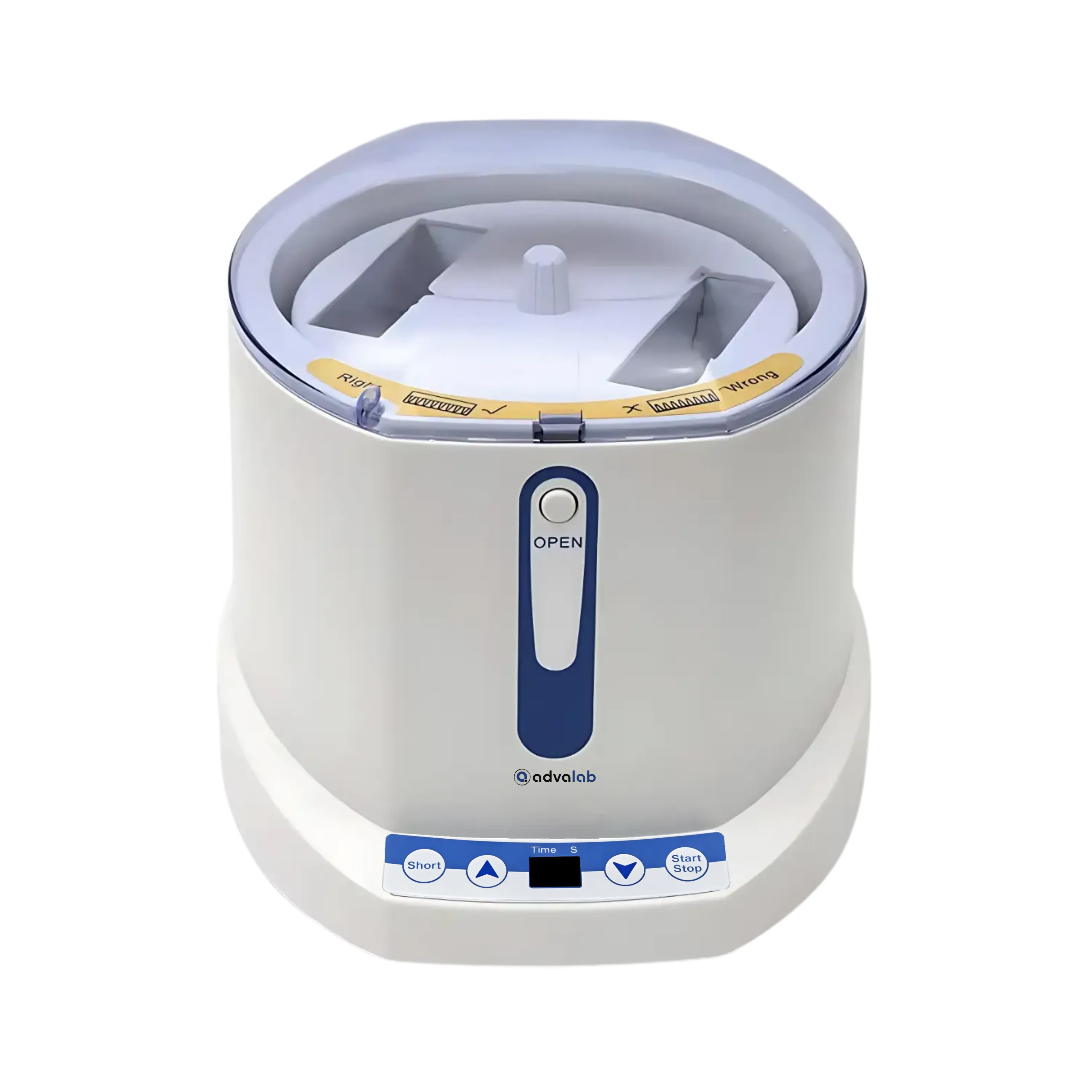
| Maximum Speed: | 2800 rpm |
| Maximum RCF: | 600×g |
| Maximum Rotor Radius: | 63 mm |
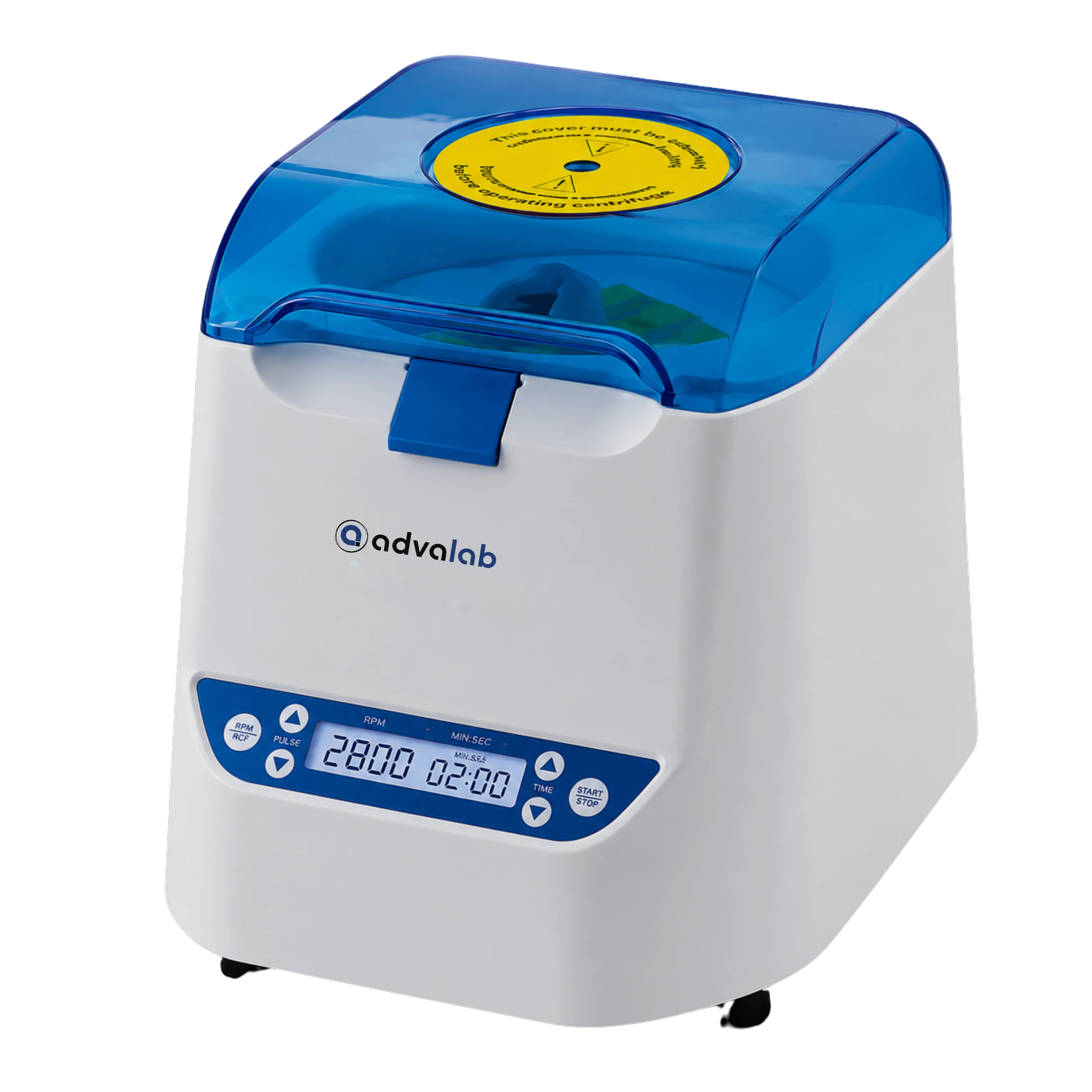
| Rotating Speed: | 2200 to 2800 rpm |
| Maximum RCF: | 550 g |
| Capacity: | 2 PCR plates |
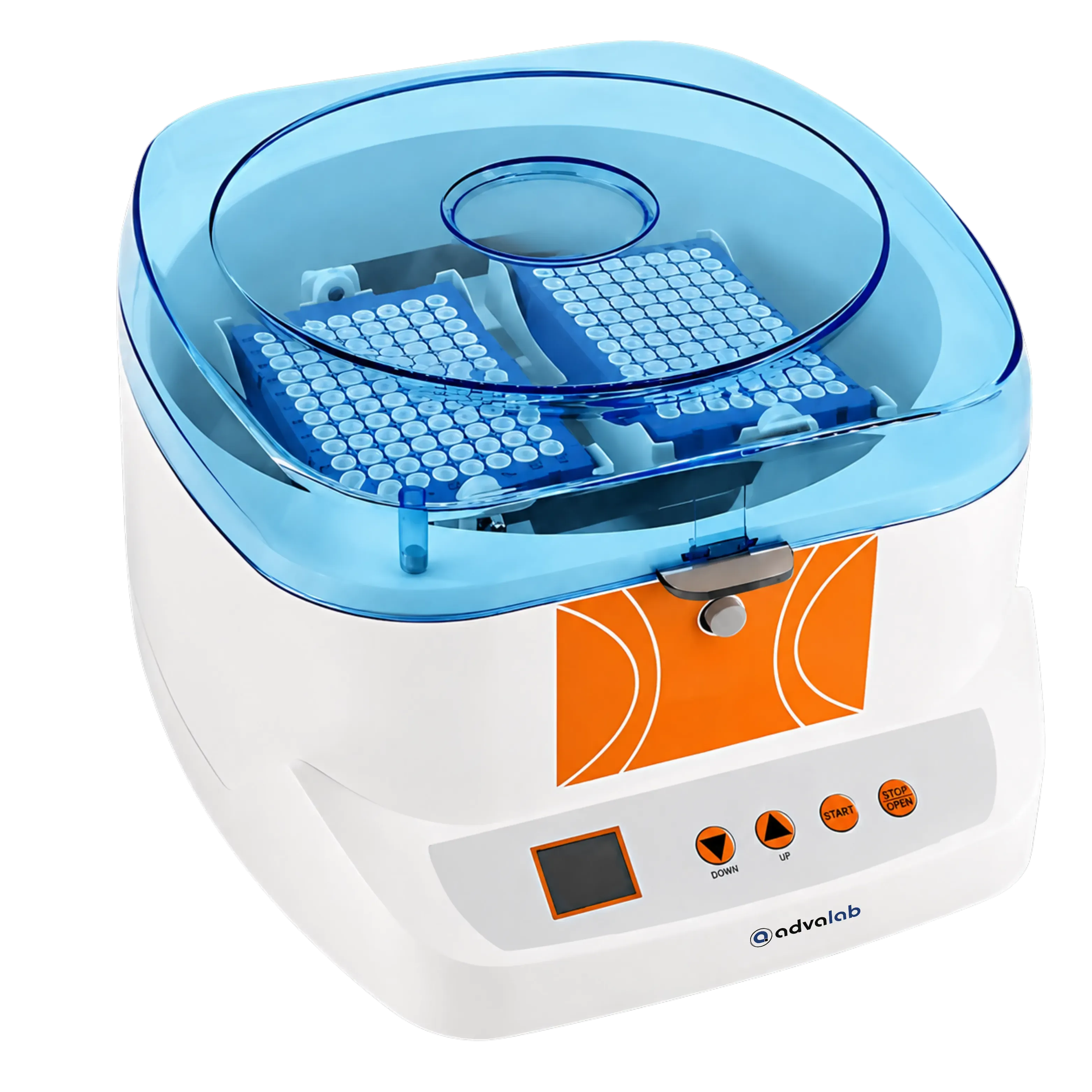
| Maximum Speed: | 2500 rpm ±5% |
| Rotation Direction : | Anticlockwise (fixed direction) |
| Acceleration Time : | 15 seconds |
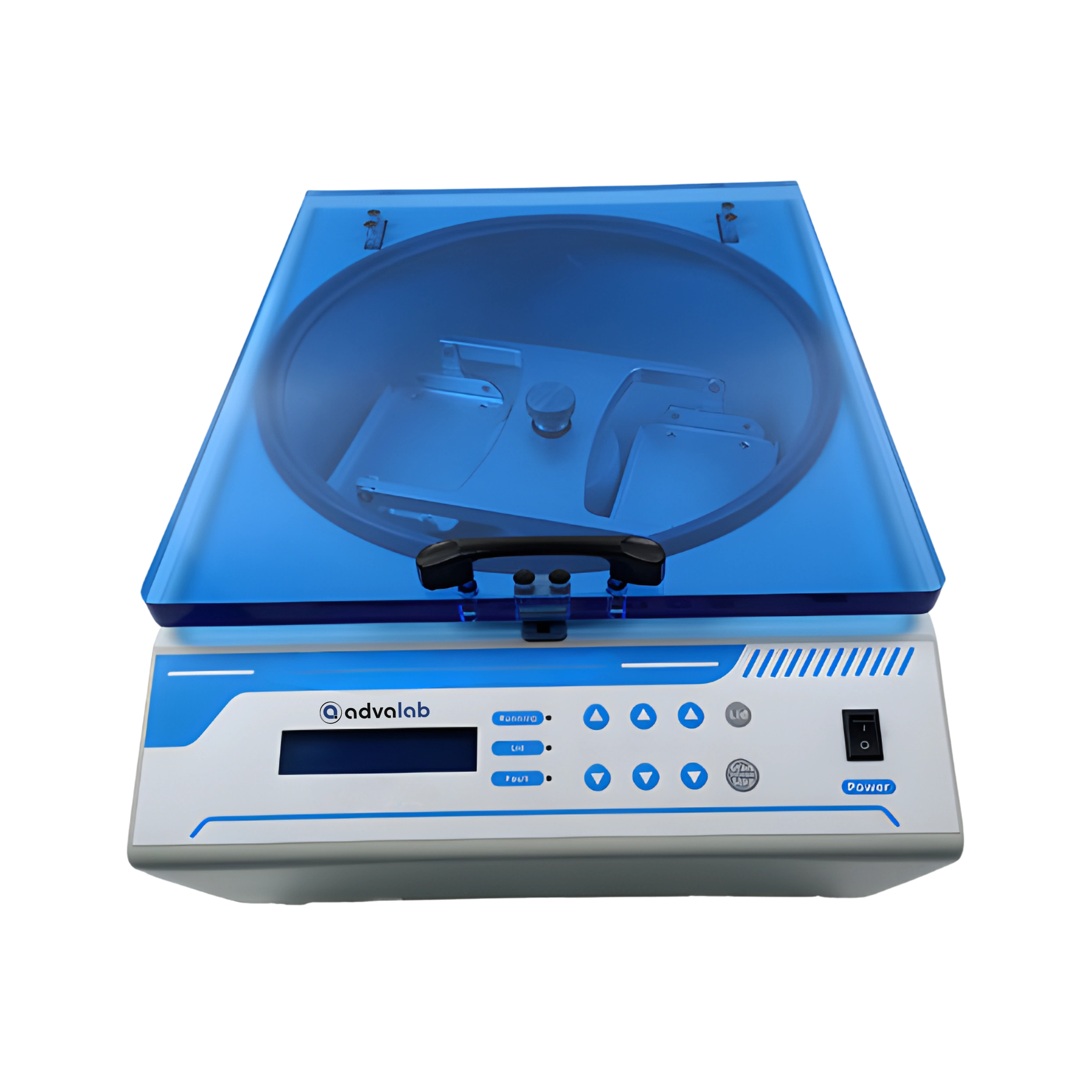
| Rotating Speed: | 500 to 2500 rpm |
| RCF Range: | 32 to 797g |
| Capacity: | 2 pcs Microplates or Deep-well plates |
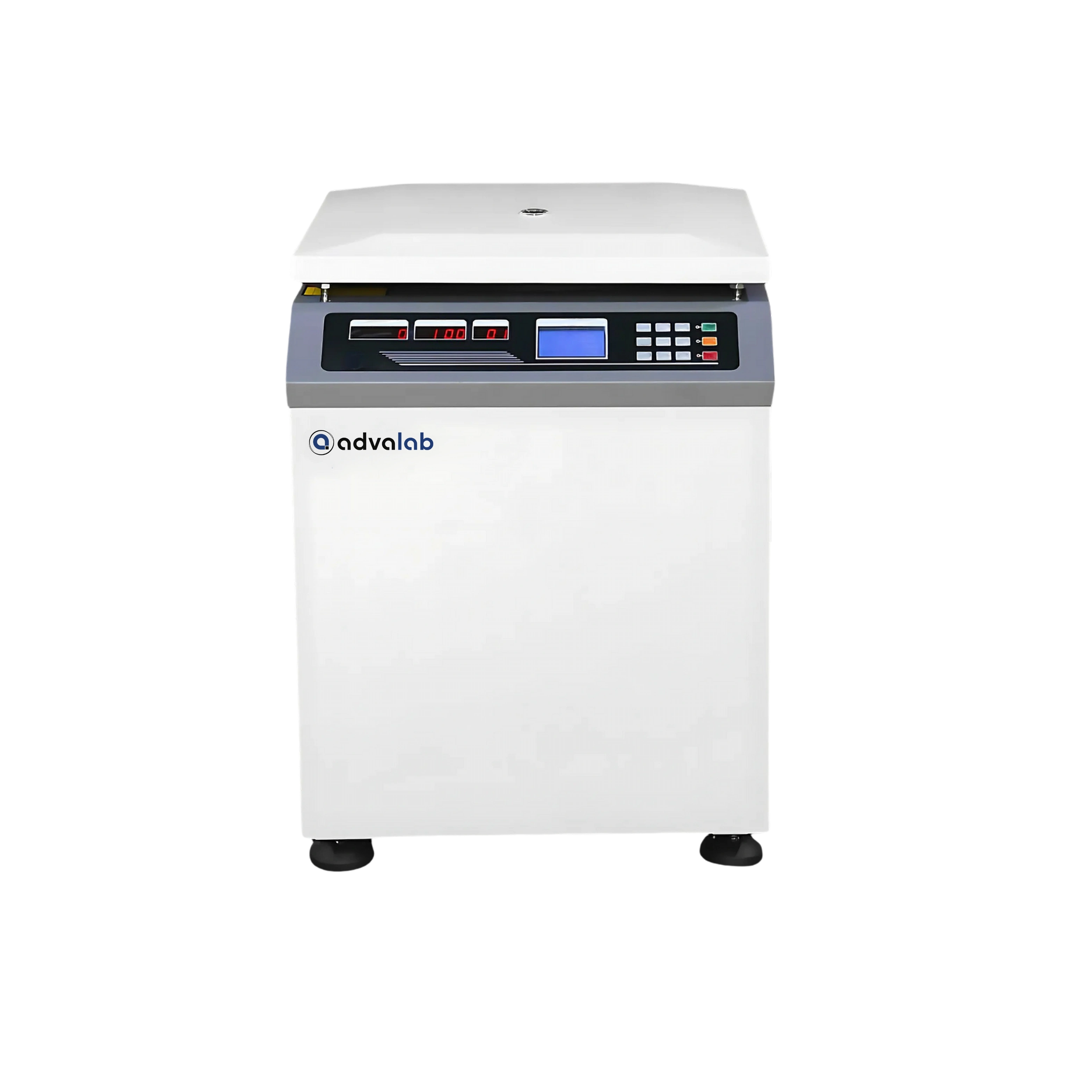
| Maximum Speed: | 3300 rpm |
| Maximum RCF: | 1920 x g |
| Maximum Capacity: | 8 x 30 ml |
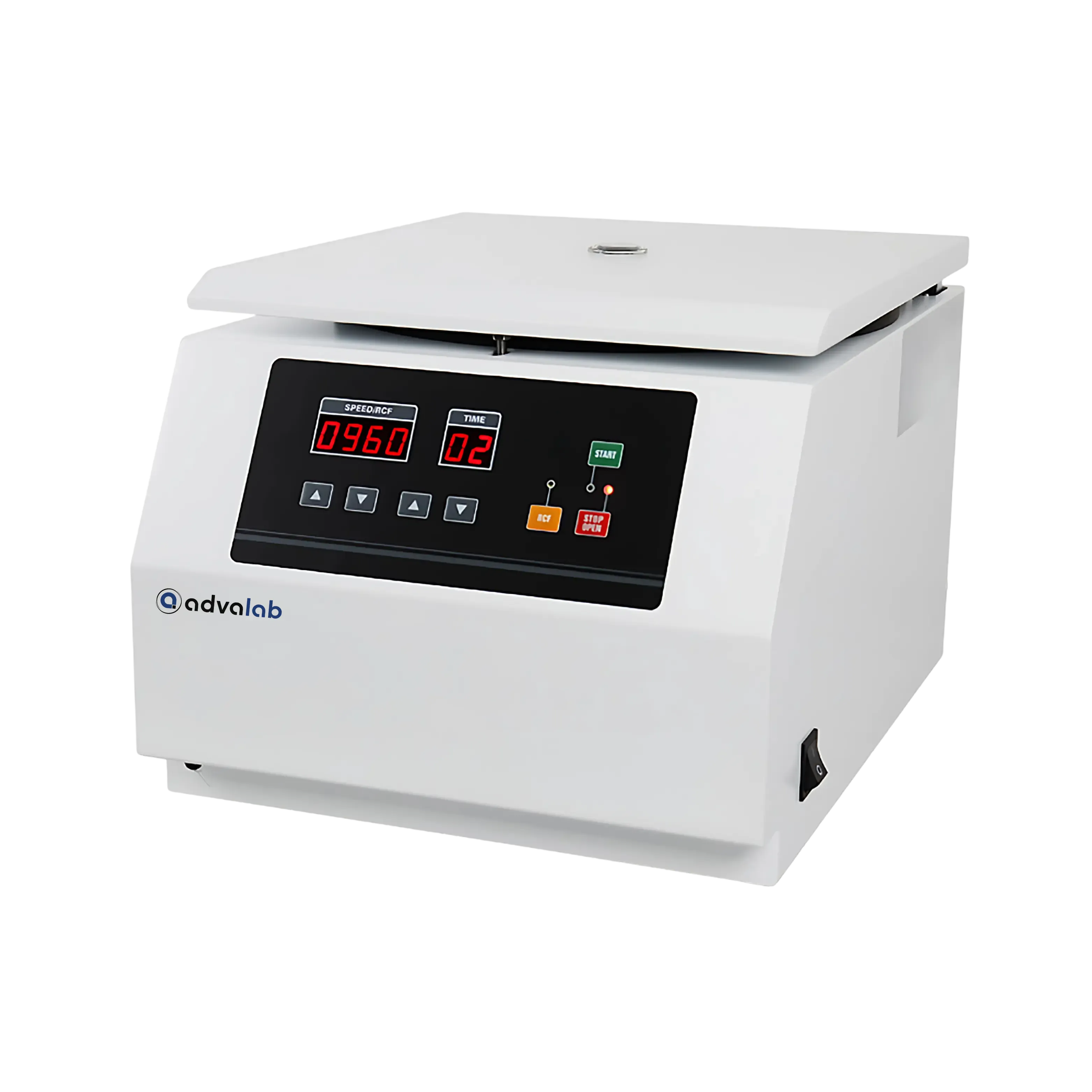
| Maximum Speed: | 3840 rpm |
| Maximum RCF: | 1790 xg |
| Maximum Capacity: | 12 Gel card |
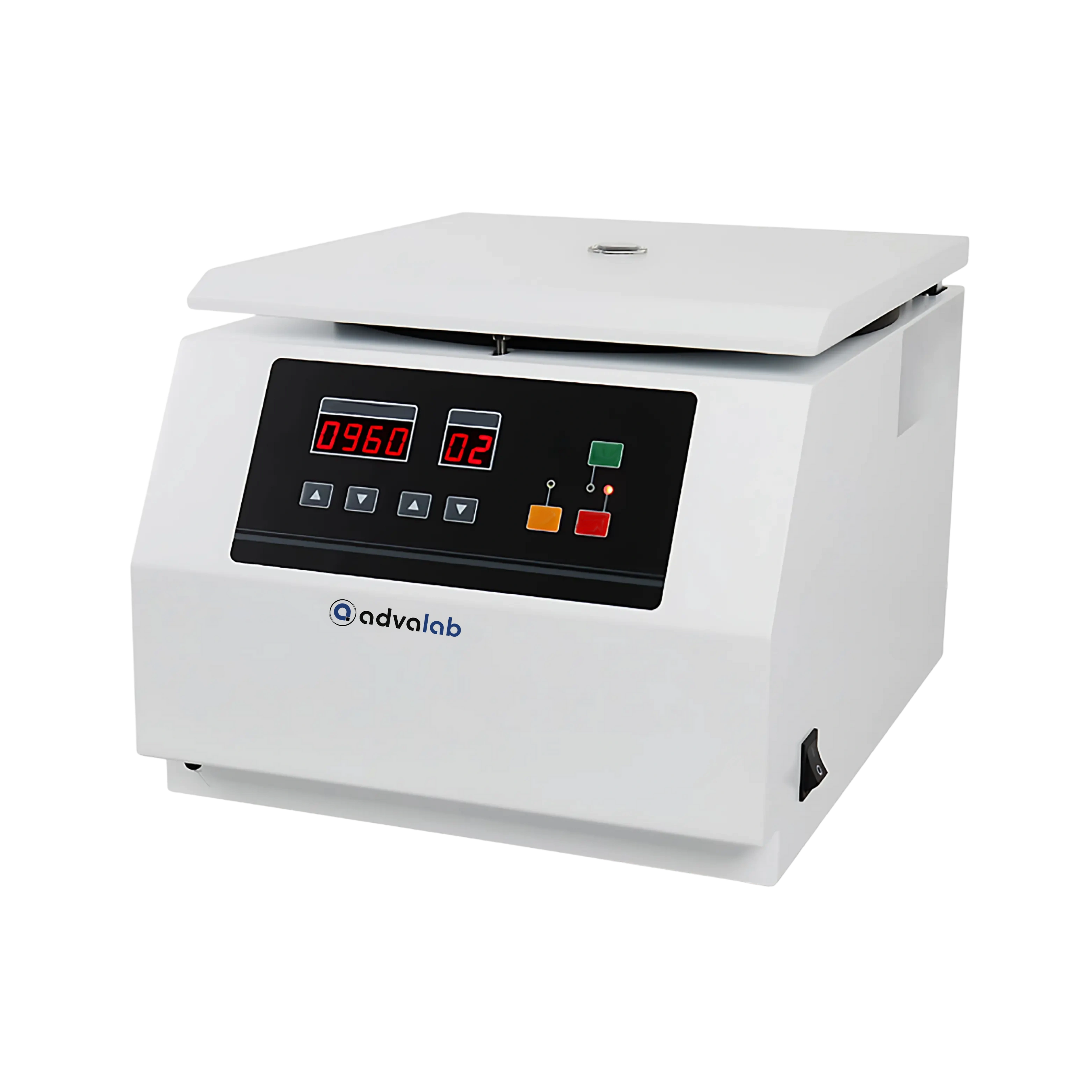
| Maximum Speed: | 3840 rpm |
| Maximum RCF : | 1790 ×g |
| Capacity : | 24 gel card |
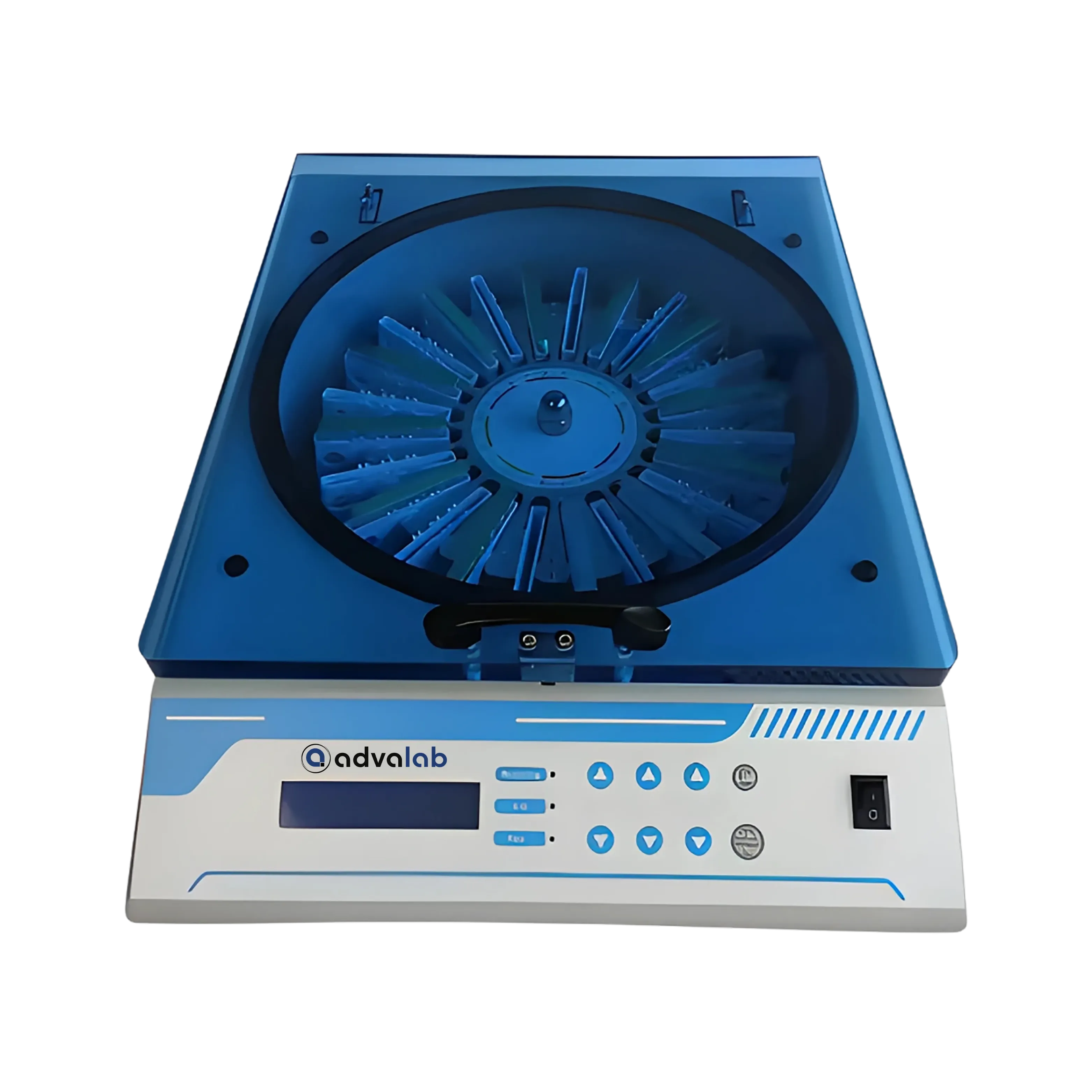
| Capacity: | 24 Gel Cards (6 column / 8 column) |
| Speed Range: | 500 to 2200 rpm |
| Timing Range: | 1 min to 30 min |
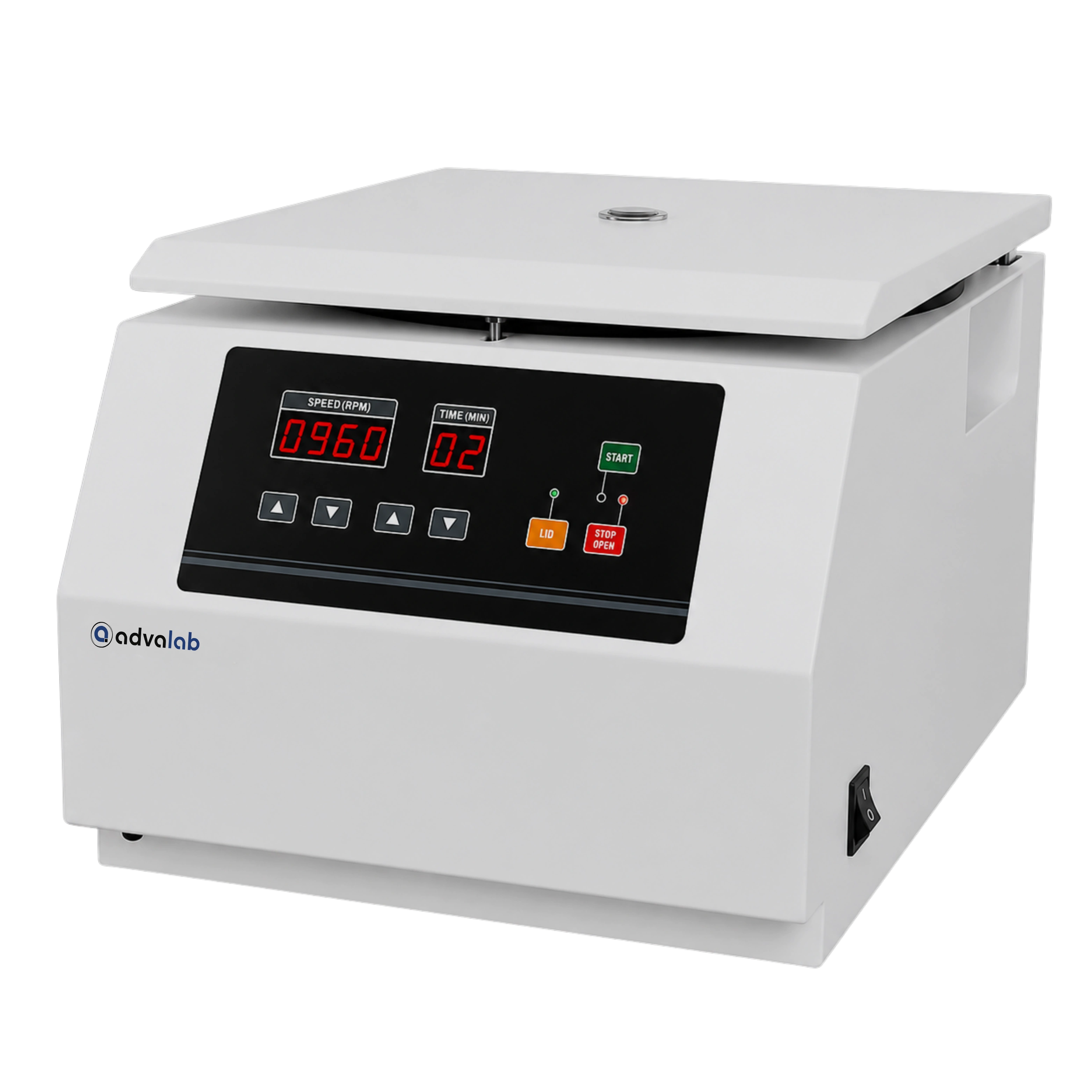
| Maximum Speed: | 4000 rpm |
| Maximum RCF: | 2170 xg |
| Maximum Capacity: | 10 pcs slide glass |
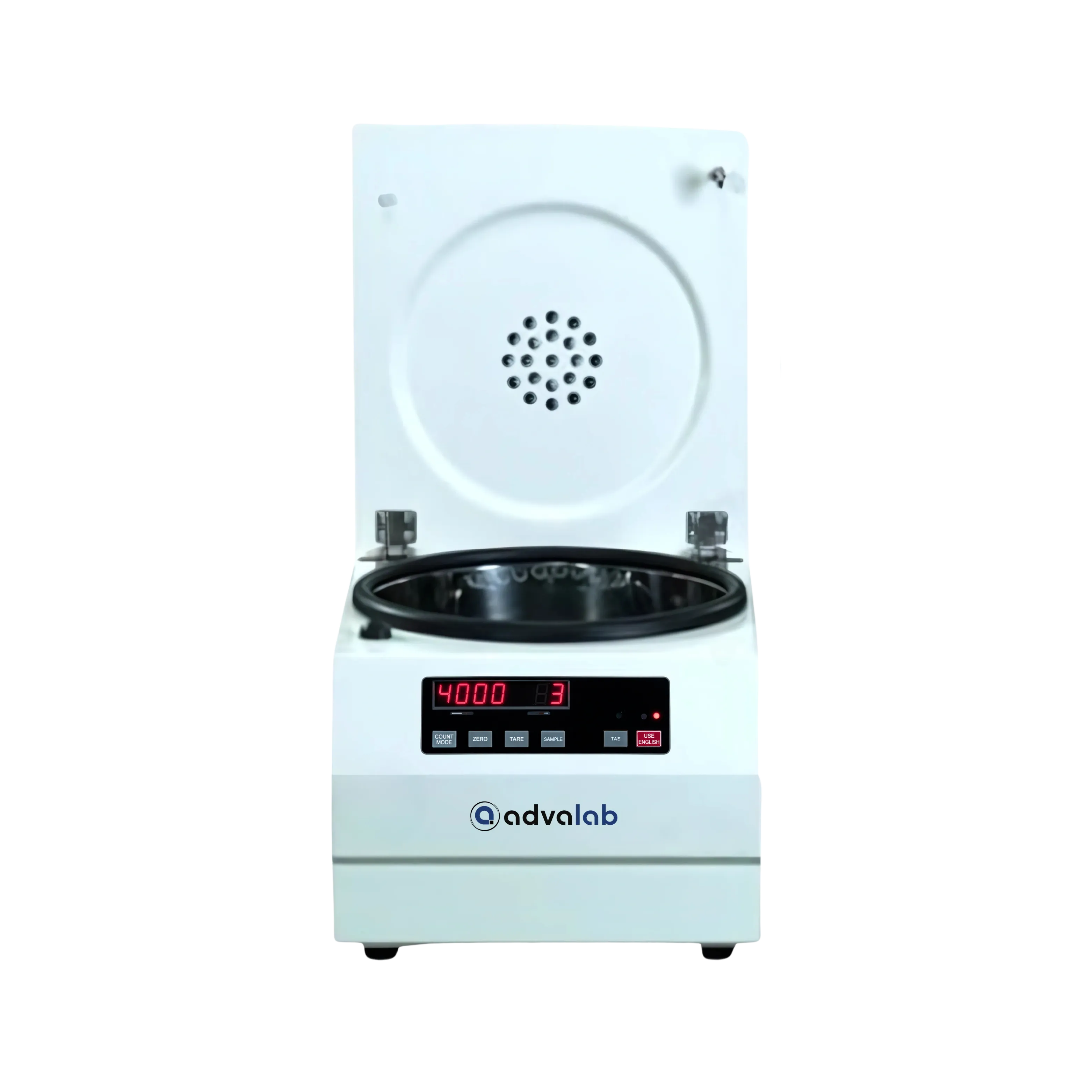
| Maximum Speed: | 3000 rpm |
| Maximum RCF : | 890 × g |
| Maximum Capacity : | 12 cards |

| Max Speed: | 3500 rpm |
| Max RCF: | 1640 xg |
| Max Capacity: | 12x10 ml |
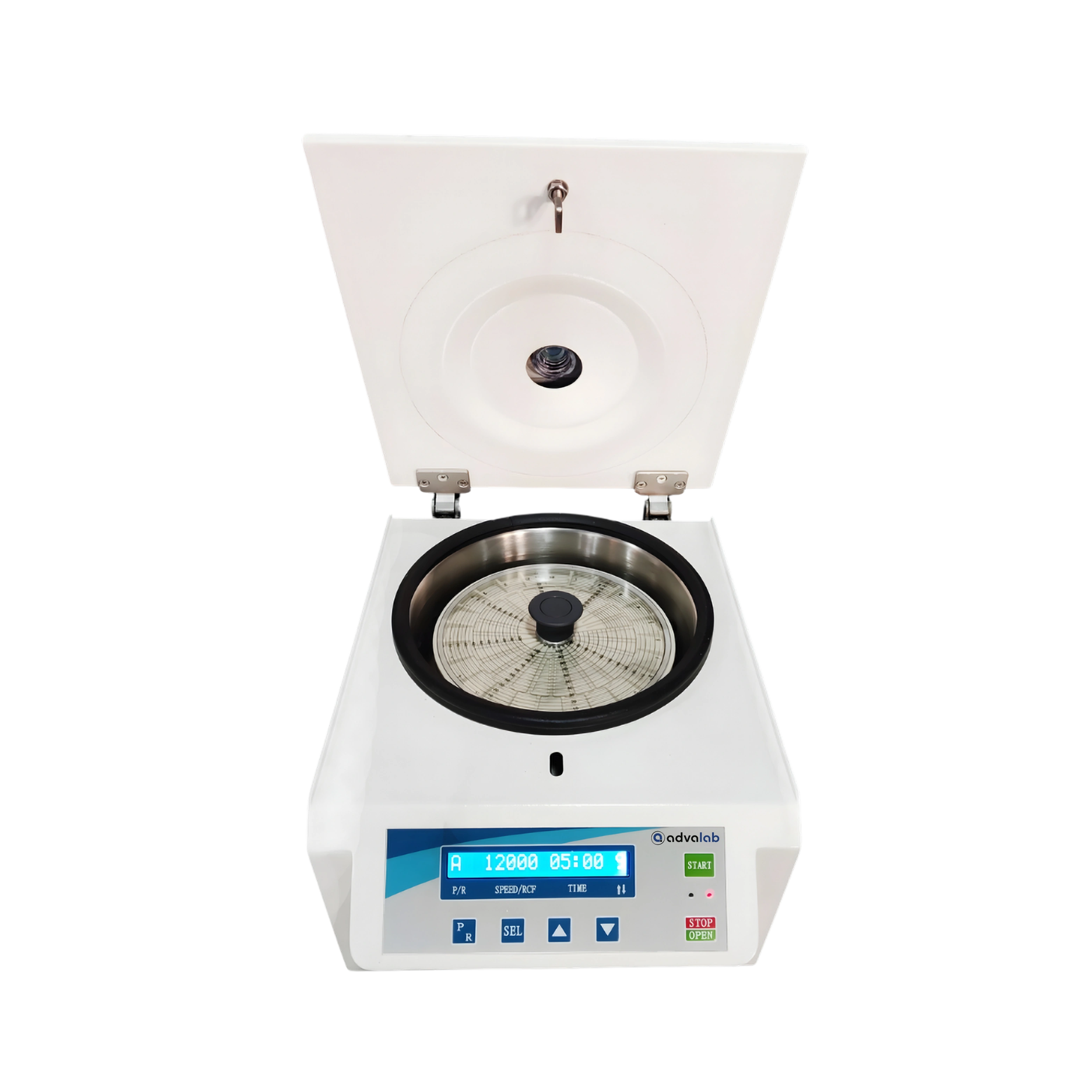
| Max Speed: | 12000 rpm |
| Max RCF: | 15800 xg |
| Capacity: | 24pcs capillary tube |